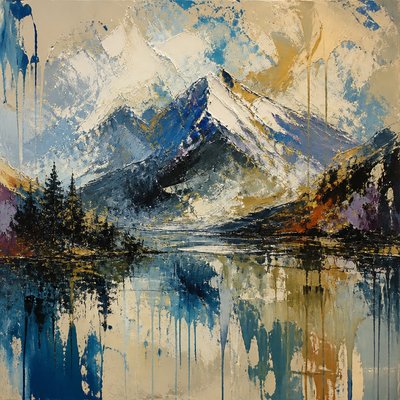
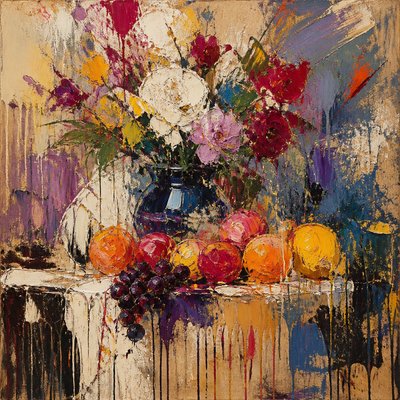
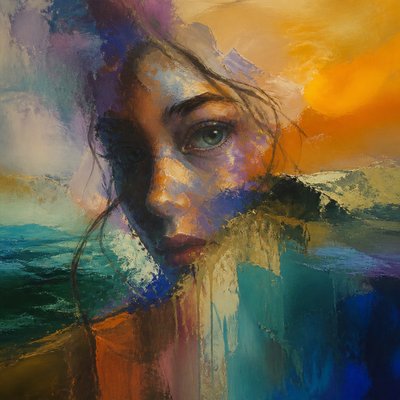
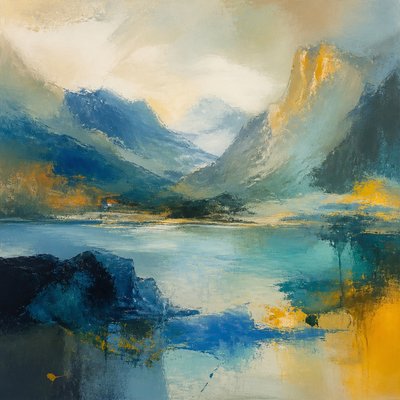
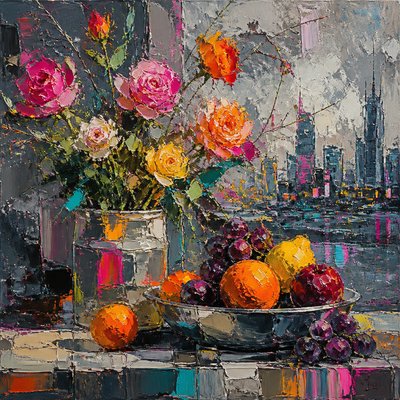
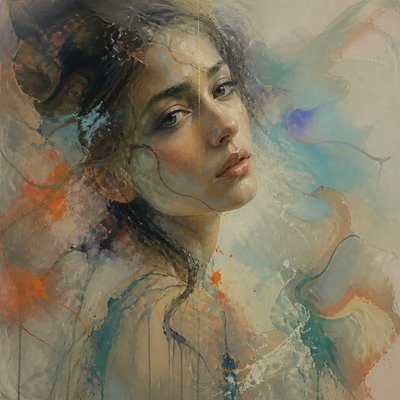
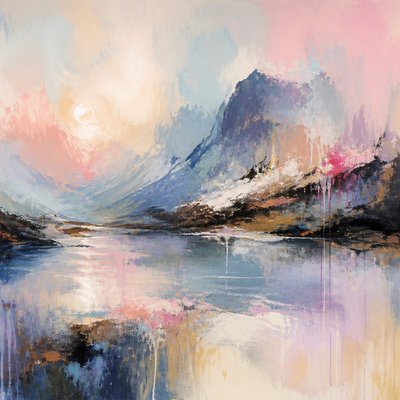
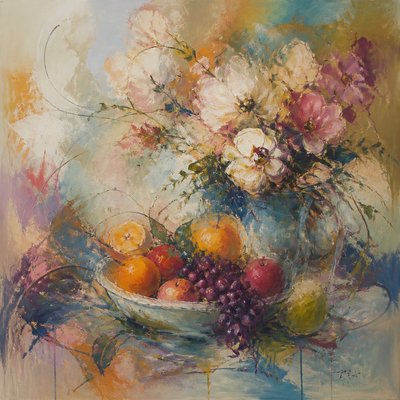
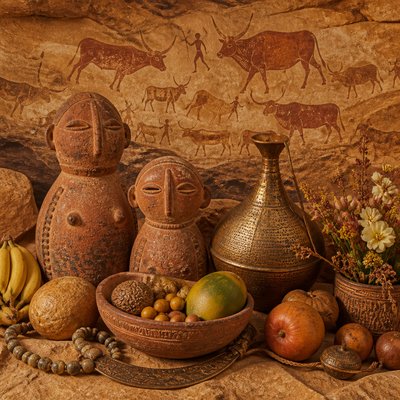
Minimalist Abstract Art Style
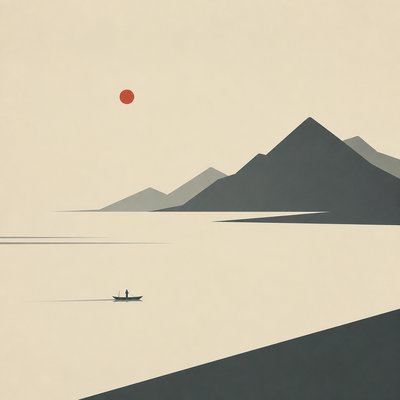
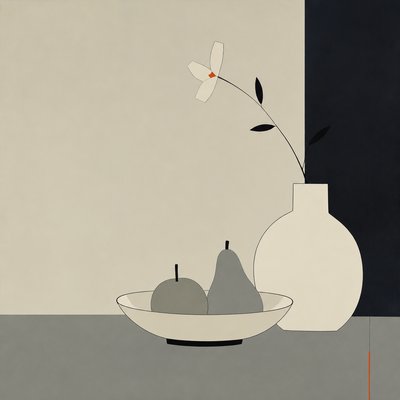
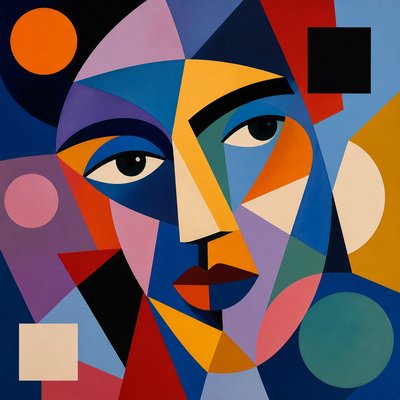
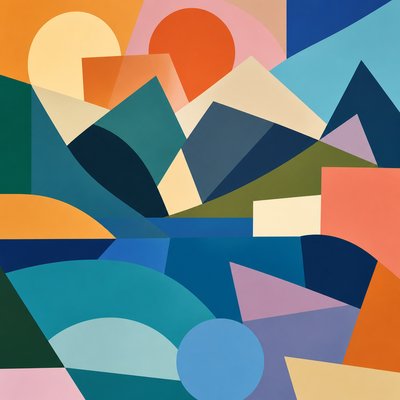
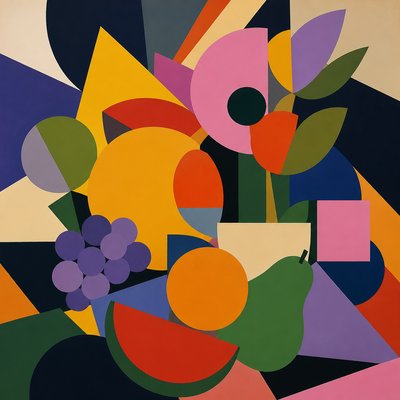
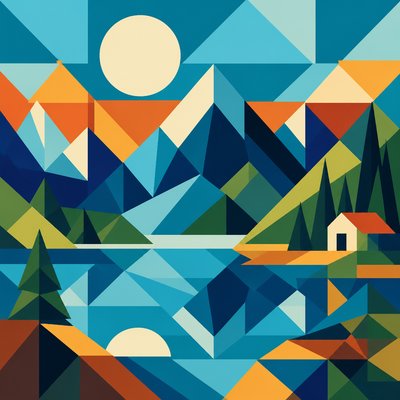
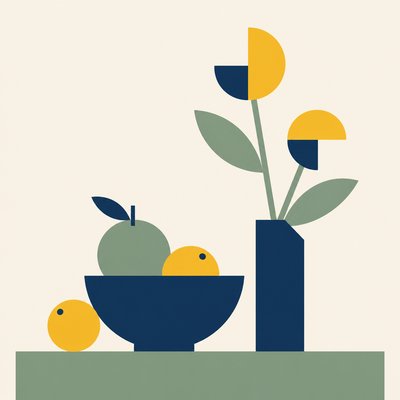
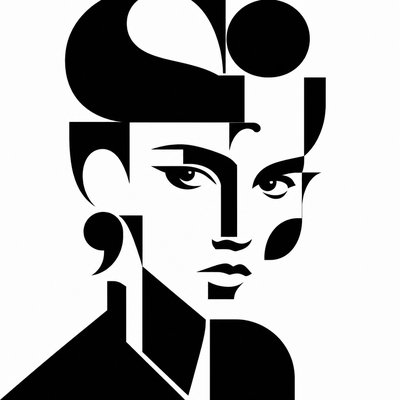
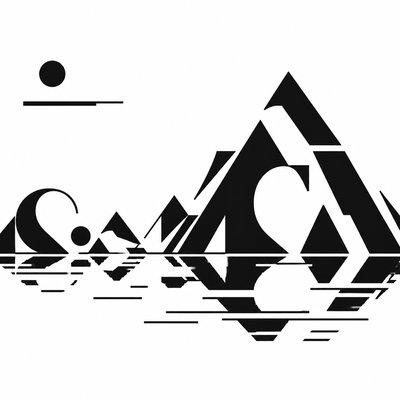
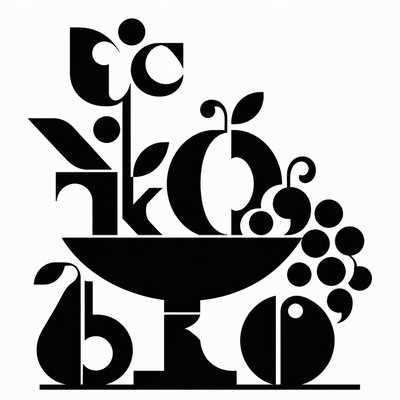
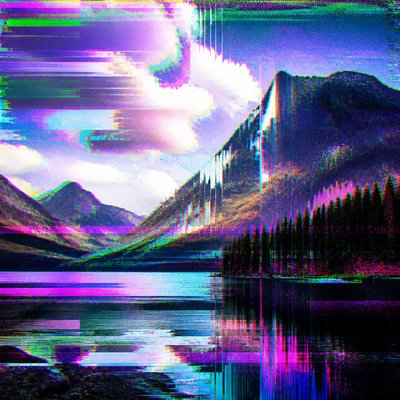
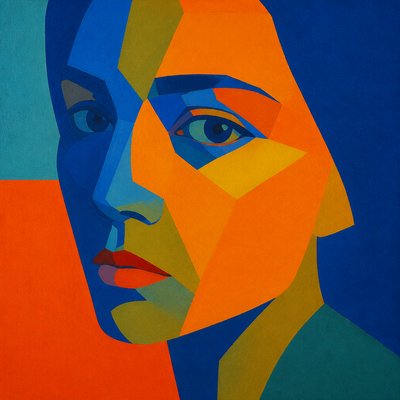
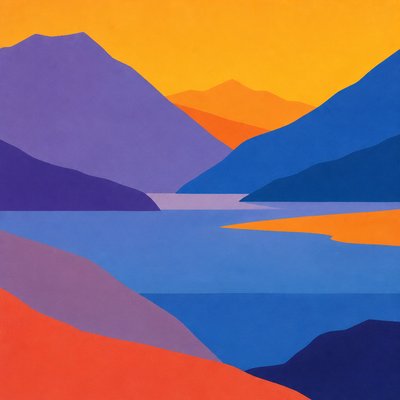
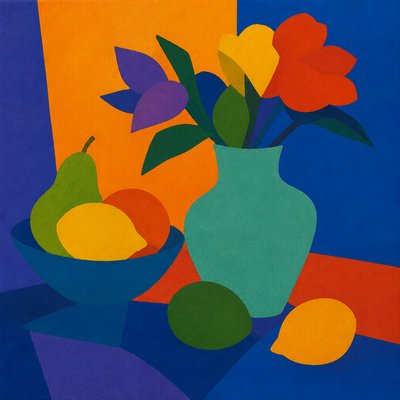
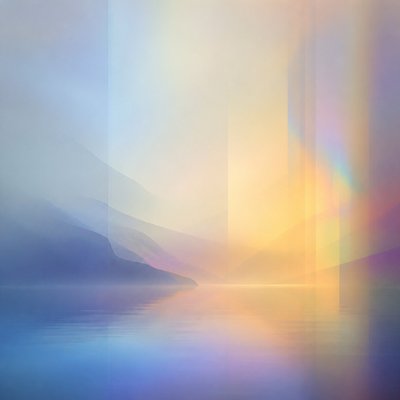
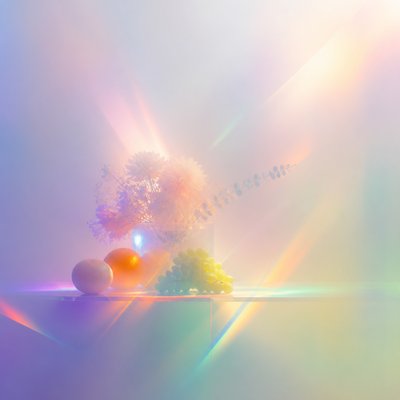
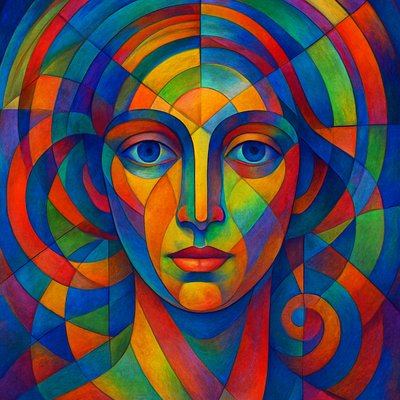
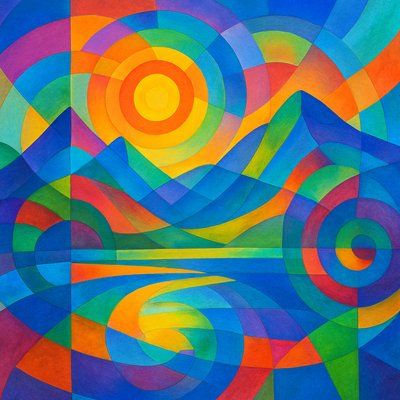
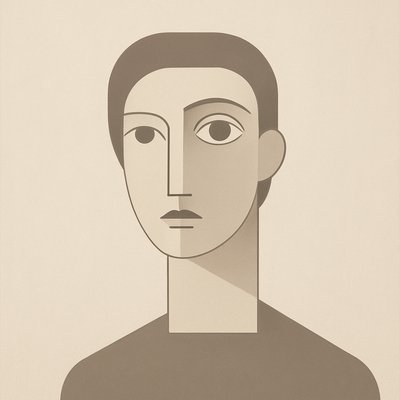
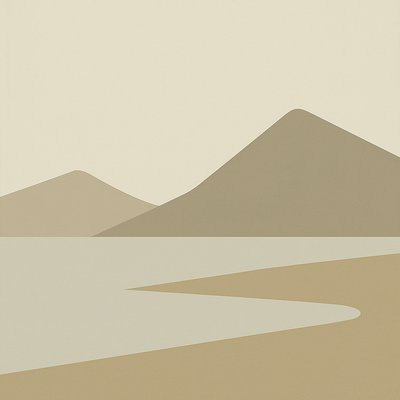
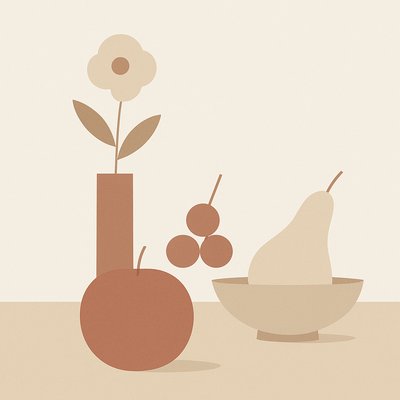
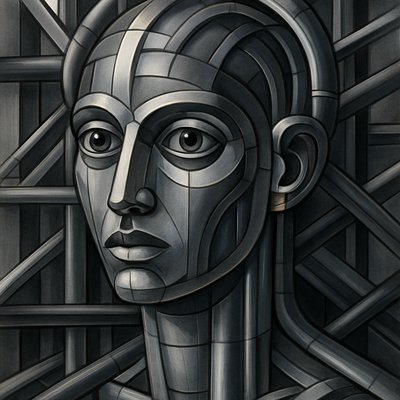
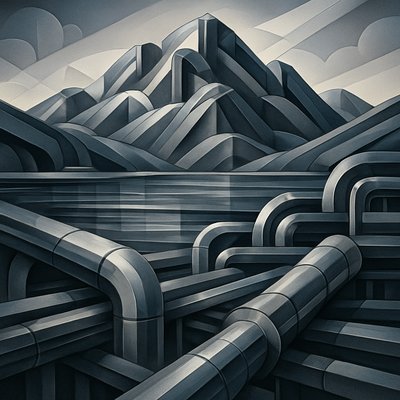
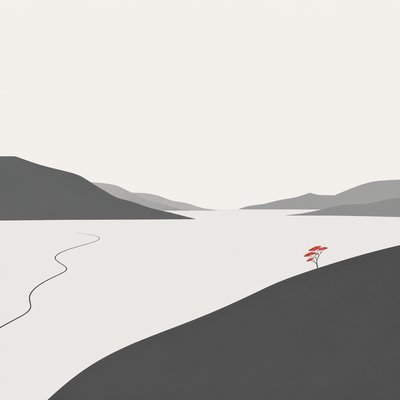
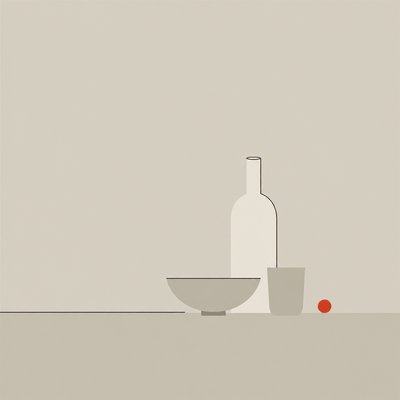
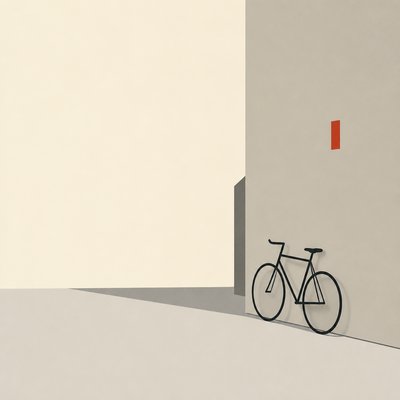
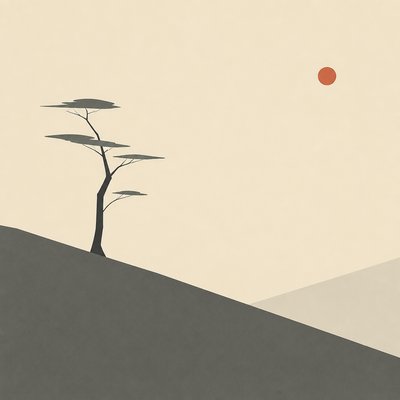
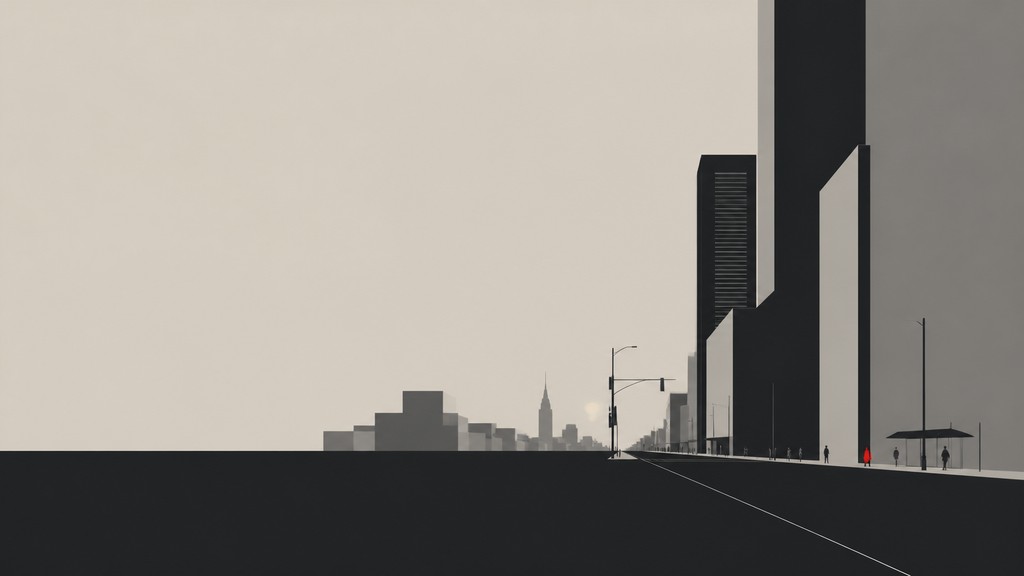
Extreme simplicity, limited color, and vast negative space define this austere abstract style of quiet, balanced visual power.
Instantly rendered in Minimalist Abstract — or transform a photo
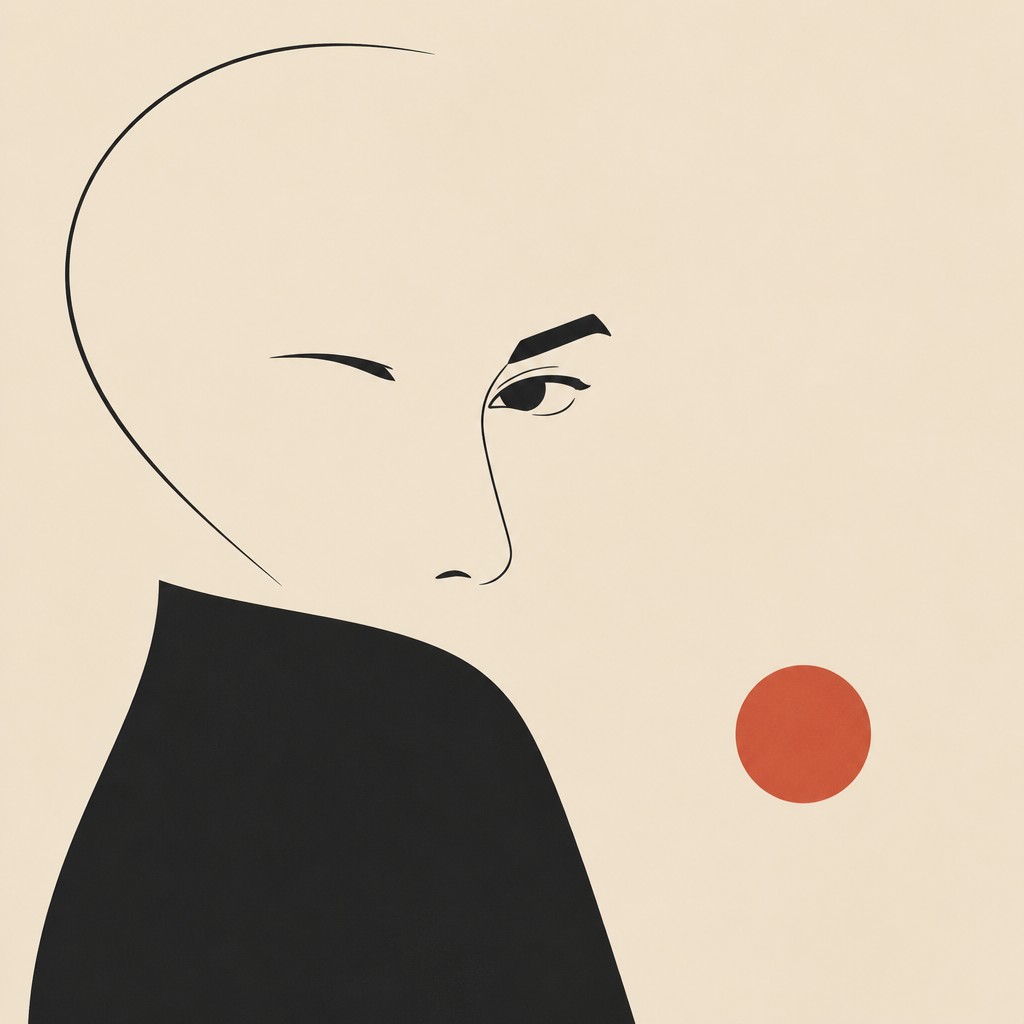
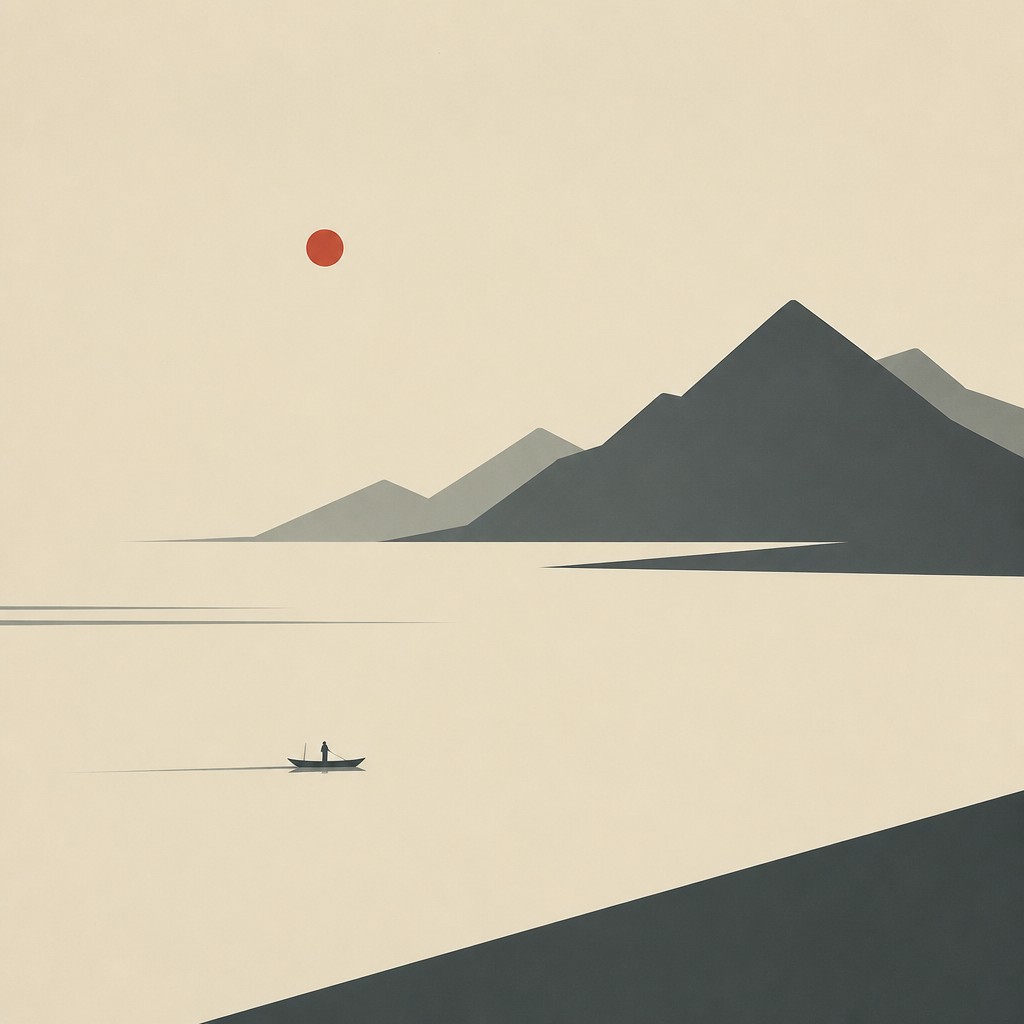
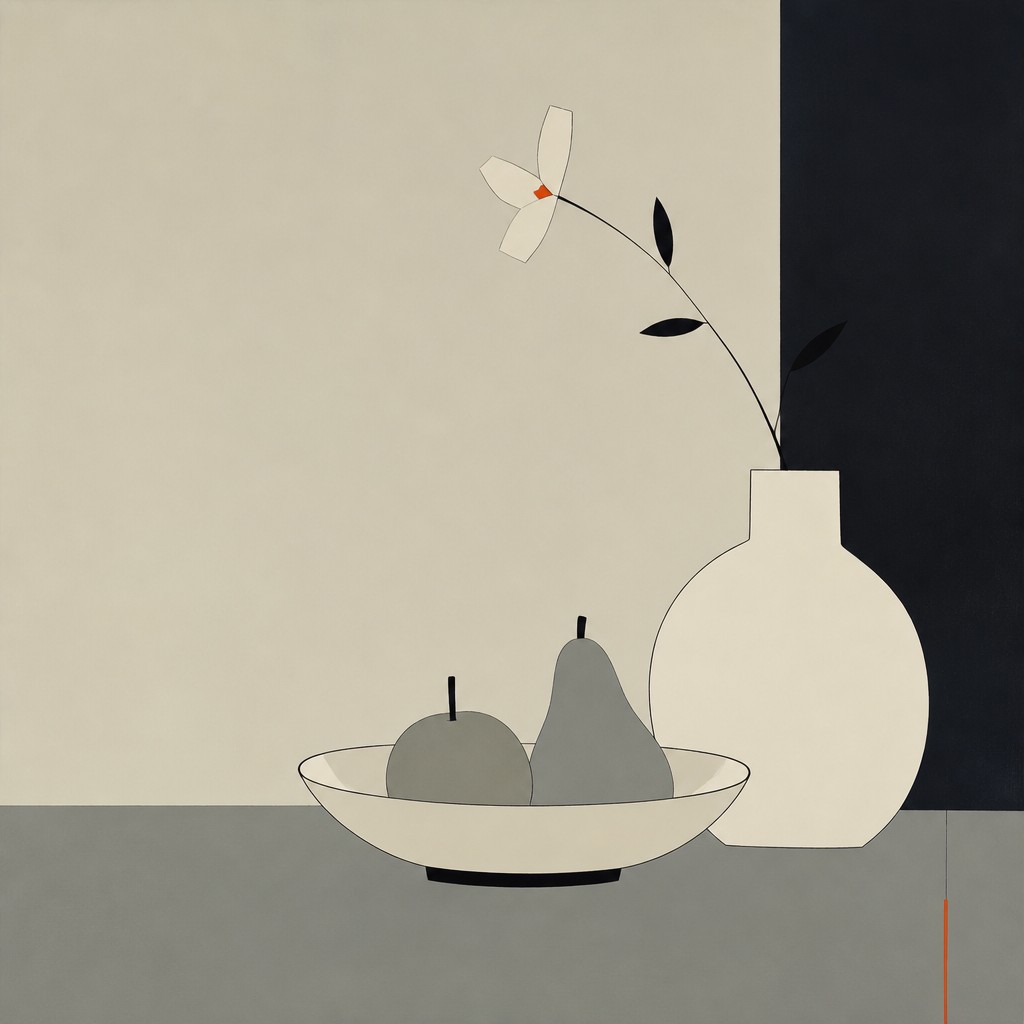
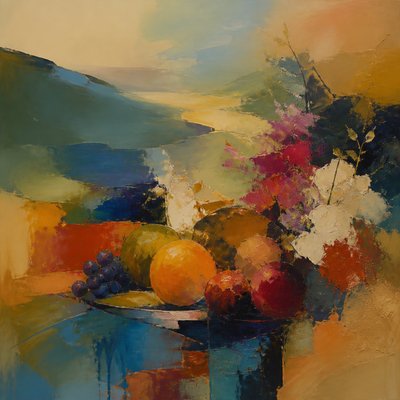
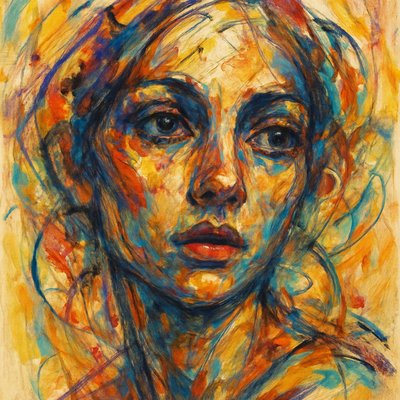
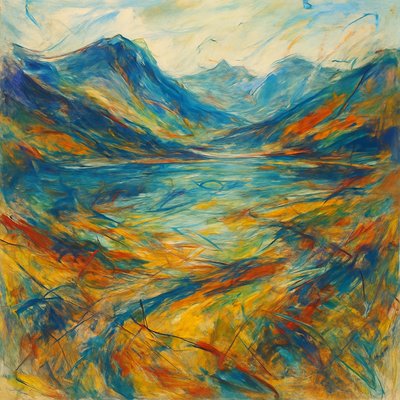
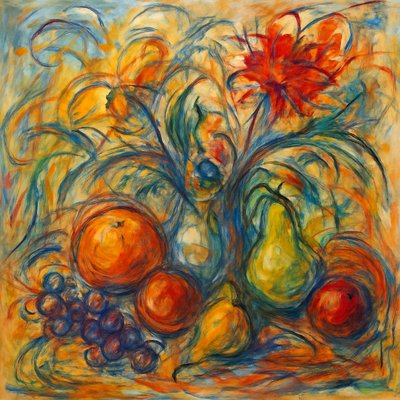
Minimalist Abstract Gallery
Tap any artwork to explore it

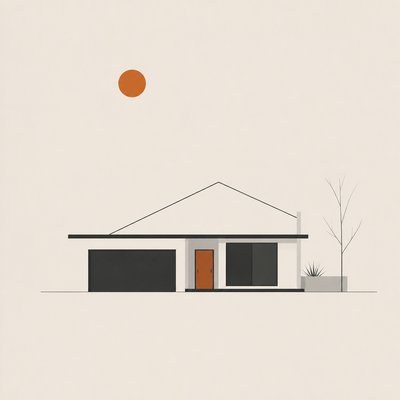
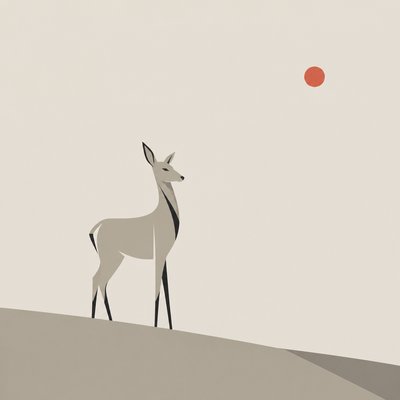
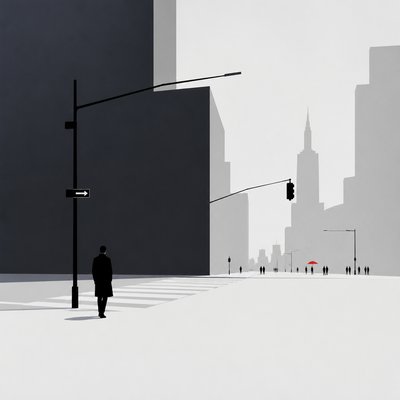
What is Minimalist Abstract Art Style?
Minimalist Abstract Art Style reduces imagery to its most essential visual elements: geometry, line, proportion, color, and space. Rather than describing a subject in detail, it isolates a few carefully chosen forms and lets the surrounding emptiness become part of the composition. The result is often calm, restrained, and highly deliberate, with meaning carried as much by omission as by mark-making.
Its visual identity depends on economy. Shapes are pared down to simple masses or spare linear gestures, color is limited to a small palette, and surfaces are usually flat and uncluttered. Because there is so little extraneous information, slight shifts in interval, alignment, scale, or tonal value become highly significant. This gives the style a quiet intensity: it may look simple at first glance, but its effect comes from precision, restraint, and the tension created by what is left unsaid.
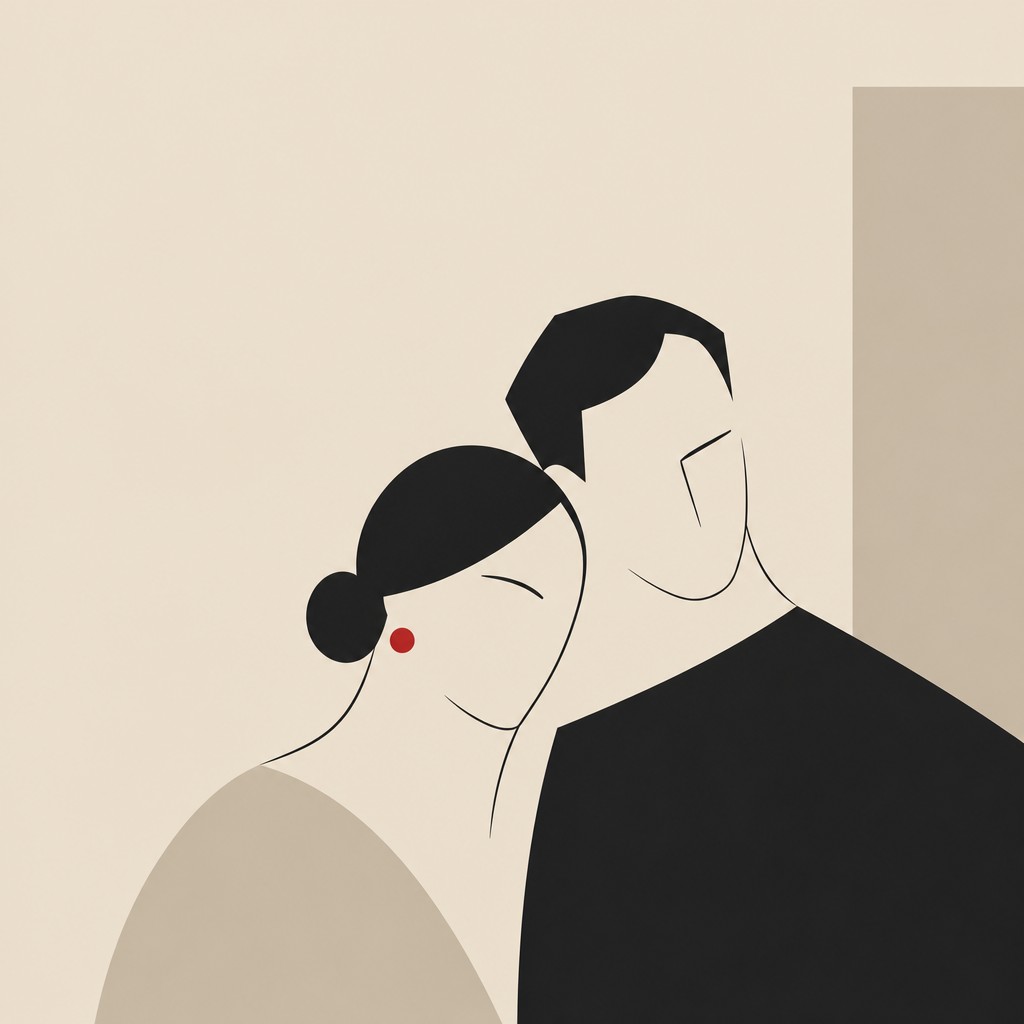
Try It On Your Photos
Upload any photo and convert it into Minimalist Abstract Art Style — drag the sliders to compare before and after.


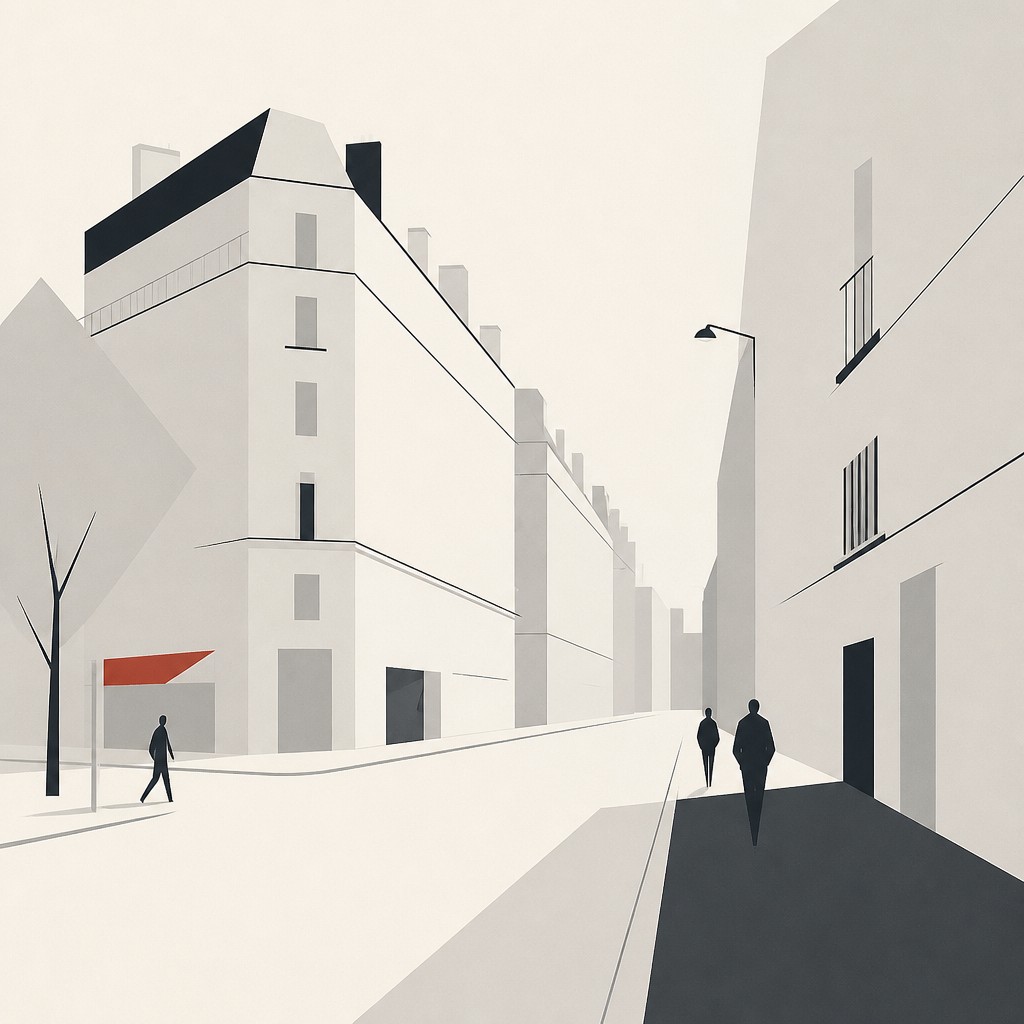

What Defines Minimalist Abstract Art Style
The signature details, up close
Extreme simplification
Subjects are reduced to essential geometry, silhouettes, or a few gestural lines. Detail is omitted in favor of the most recognizable structural cues.
Negative space as structure
Large areas of empty or near-empty space are central to the composition. These voids create balance, emphasis, and a sense of calm.
Limited palette
Most works use two or three colors, often including neutrals, black, white, or one muted accent color. Subtle tonal shifts may replace complex shading.
Flat surfaces and crisp edges
Forms typically appear untextured and cleanly bounded. Hard edges, simple fields, and controlled transitions reinforce the style’s clarity.
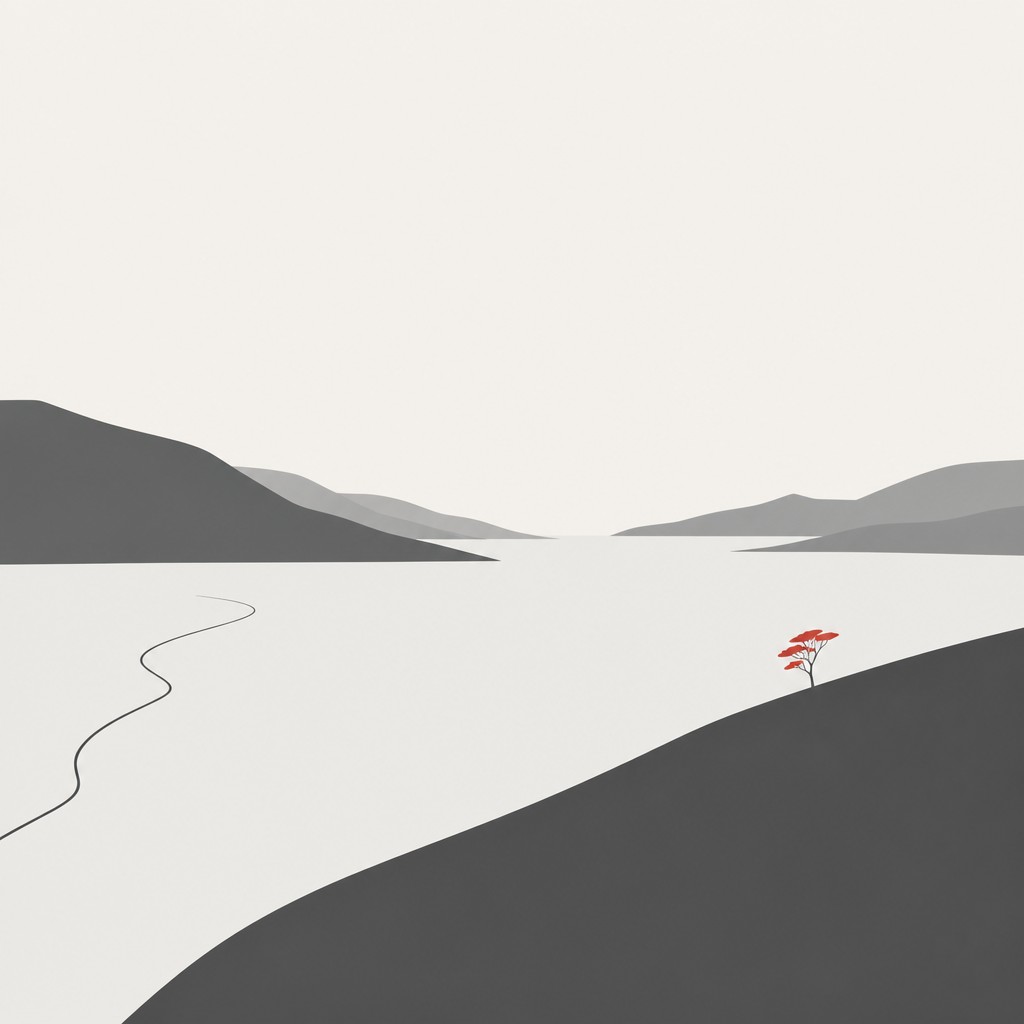
Deliberate proportion
Scale, placement, and spacing are carefully controlled. Small changes in alignment or interval can carry much of the visual meaning.
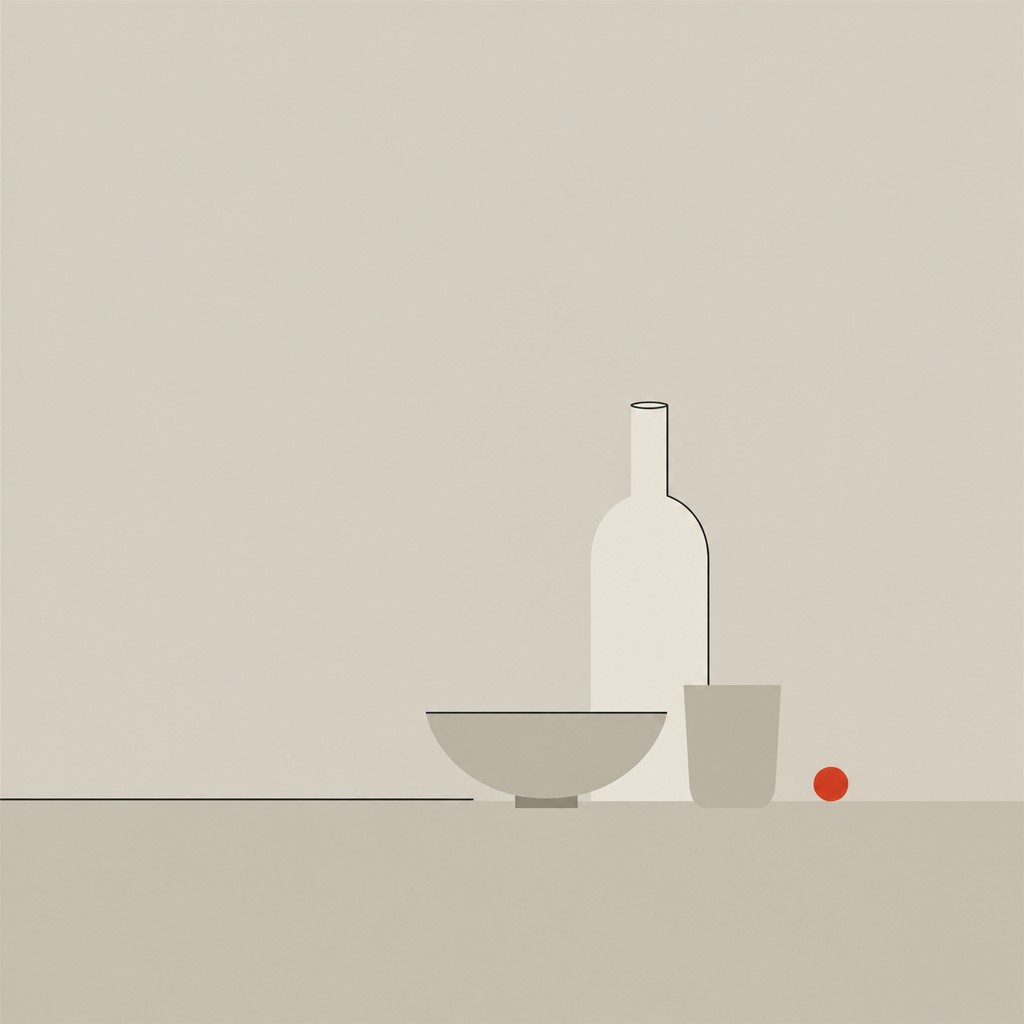
Austere emotional tone
The style often feels quiet, contemplative, or meditative rather than dramatic. Its restraint creates a sense of order and visual silence.
Try It
Create Videos in Minimalist Abstract Art Style
Styles aren't just for stills — describe a scene or animate an image and get a short video rendered in Minimalist Abstract. Press play to see this pond come to life.
Make a VideoMinimalist Abstract Prompt Ideas
Start from an idea — each one opens the generator with the style ready to go. See all 40 Minimalist Abstract prompts →
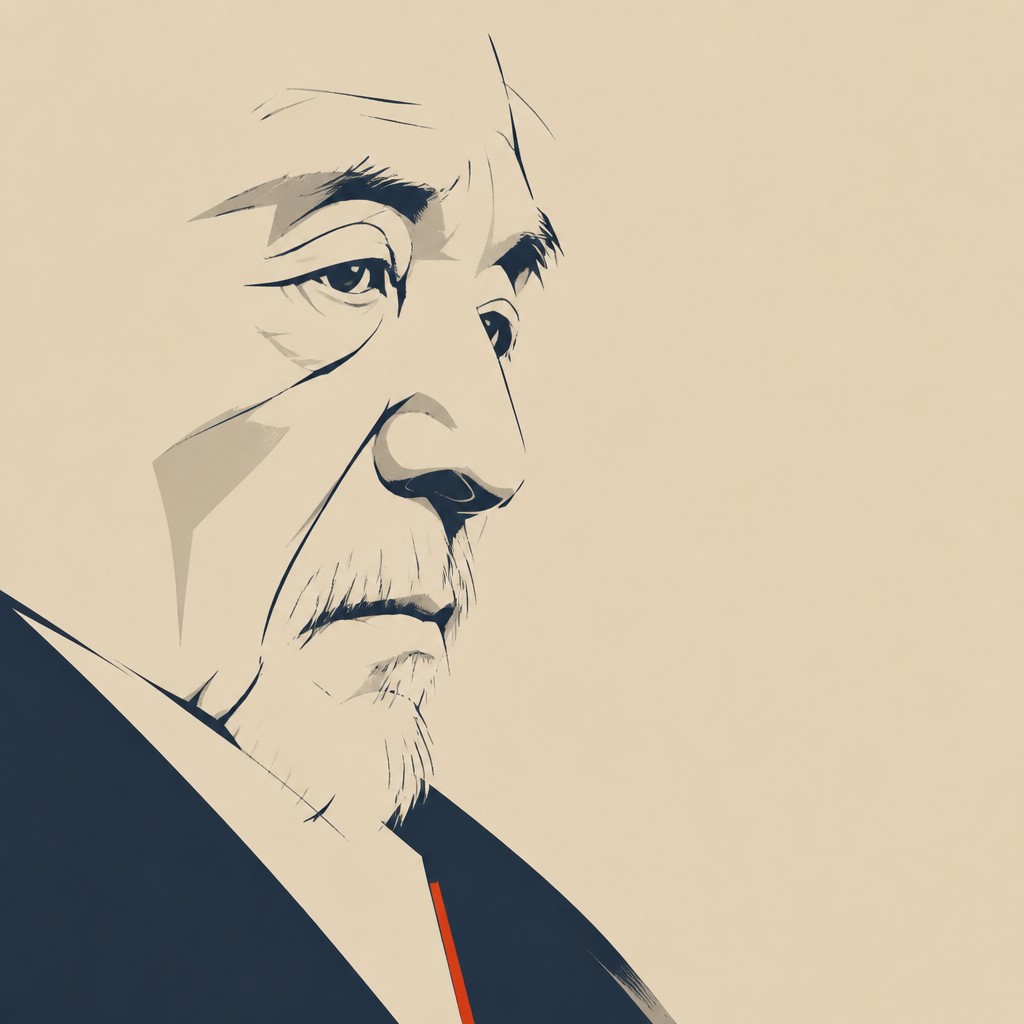
“close-up portrait of an elderly person with expressive weathered features”
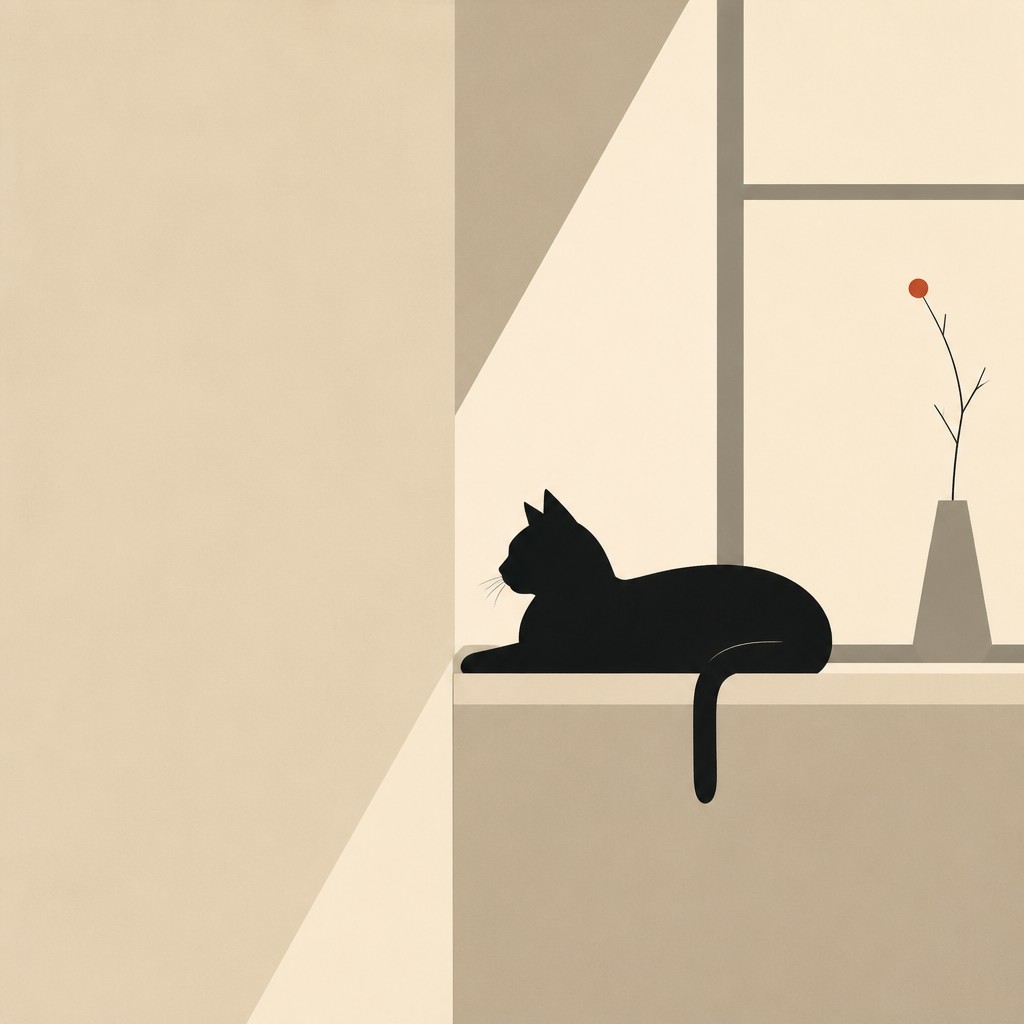
“a cat lounging in a sunlit window”
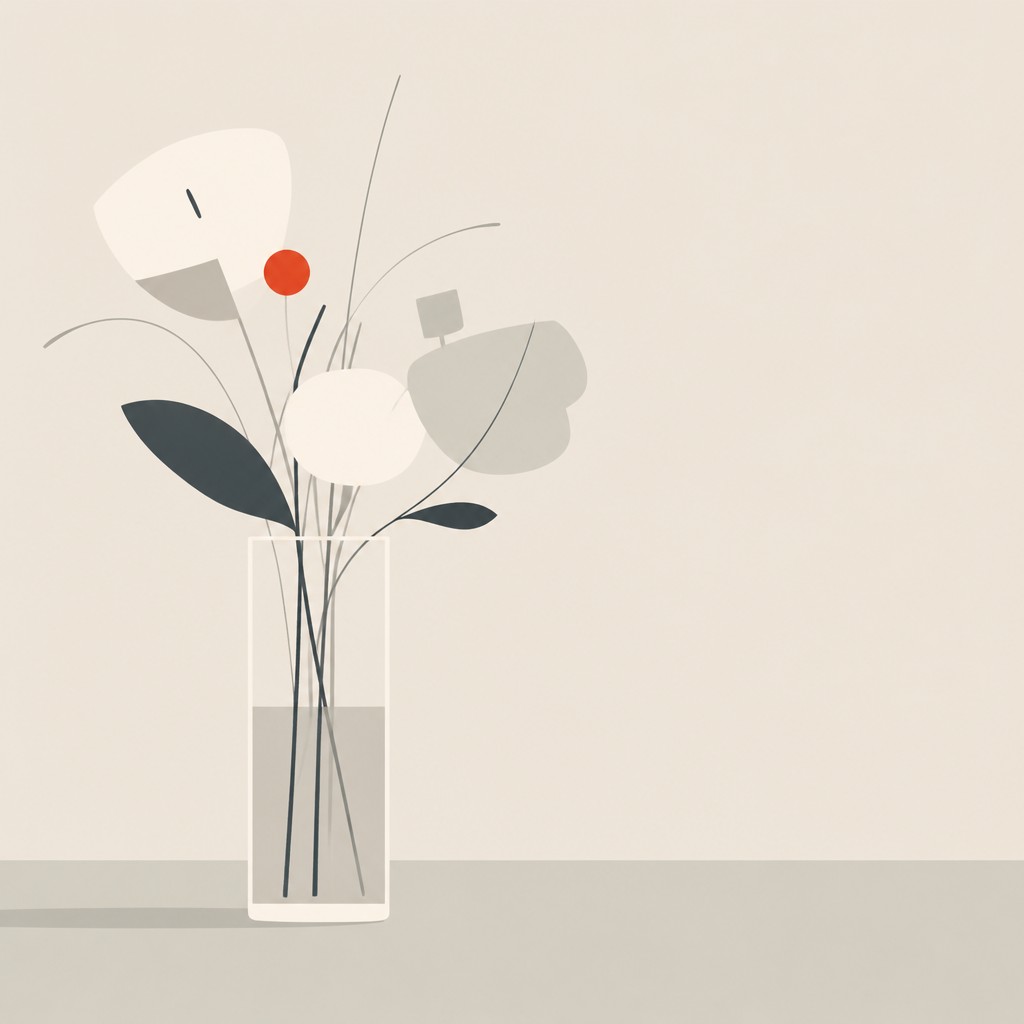
“bouquet of flowers in a glass vase”
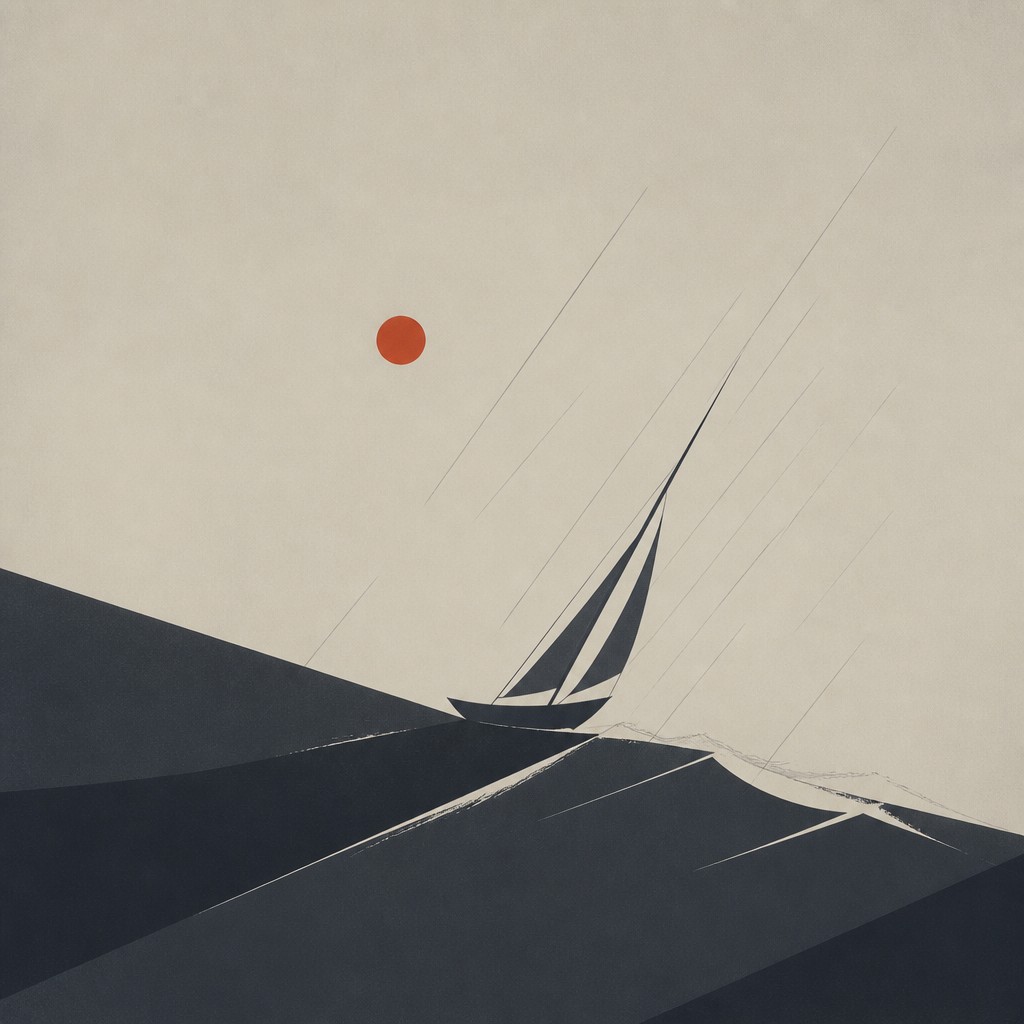
“sailing ship on a stormy sea”
How to Create Minimalist Abstract Art
Master the craft step by step — or skip straight to creating. Read the full guide →
- 1
Start with one idea, not many details
Choose a single object, feeling, or formal relationship and reduce it to its simplest recognizable shape. In traditional work, sketch several versions and keep removing anything that does not support the core structure.
- 2
Design the empty space first
Plan where the subject will not be as carefully as where it will be. Large empty areas should feel intentional and balanced, not merely unfinished.
- 3
Restrict the palette
Use a very small color range and rely on value contrast, spacing, and proportion for interest. In paint or digital tools, avoid decorative color variation unless it serves as a single focal accent.
- 4
Use clean edges and simple forms
Favor flat shapes, straight lines, broad curves, and minimal gesture. If working digitally, use crisp masks and vector-like shapes; if painting, keep brushwork controlled and surfaces even.
- 5
Refine the composition through subtraction
Before finishing, remove anything that competes with the main structure. For text-to-image prompts, describe the subject plus sparse geometry, vast negative space, and a limited palette to steer the result toward this aesthetic.

The Story
History & Origins of Minimalist Abstract
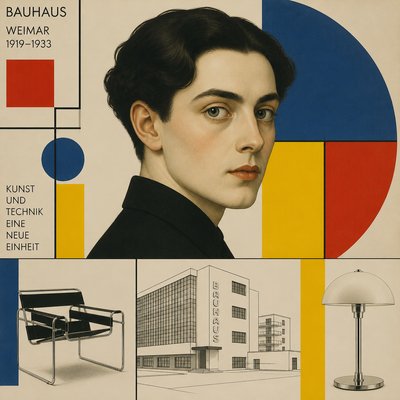
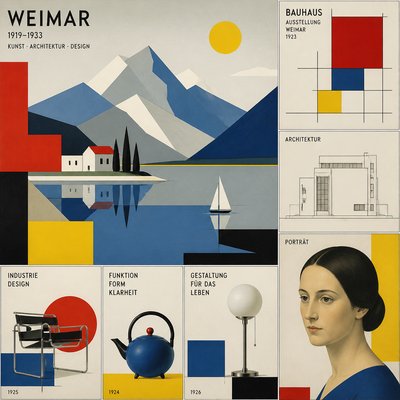
Minimalist Abstract Art Style is not a single historical movement so much as a contemporary aesthetic lineage drawn from modern abstraction and minimalist design principles. Its roots lie in early and mid-20th-century abstraction, especially the reduction of form seen in Constructivism, De Stijl, and later Minimalism, where artists emphasized clarity, structure, and the removal of expressive excess. It also overlaps with traditions of monochrome painting, hard-edge abstraction, and graphic design.
As a visual approach, it continues to evolve across painting, design, illustration, photography, and digital media. Its appeal has grown in contexts where simplicity, readability, and emotional restraint are valued. In contemporary practice, the style often compresses a subject into a few symbolic marks or spatial relationships, using negative space not as absence but as an active compositional element.
Influences: This style draws from modern abstraction and reductionist traditions including Constructivism, De Stijl, hard-edge painting, and Minimalism, while also sharing affinities with Japanese design sensibilities that value asymmetry, emptiness, and restraint. Canonical figures relevant to these lineages include leading De Stijl painters and designers, early abstract geometric painters, major postwar Minimalist sculptors, influential monochrome painters, and prominent color-field and shaped-canvas painters, though the style itself is broader than any one artist or movement.
Frequently Asked Questions
What defines Minimalist Abstract Art Style?
It is defined by radical reduction: simple forms, a very limited palette, and large areas of negative space. The composition depends on proportion, spacing, and restraint rather than detail or narrative description.
How is it different from general abstract art?
Abstract art can be expressive, gestural, dense, or highly varied, while this style emphasizes clarity and subtraction. It removes most visual information and leaves only the most essential relationships between shape, color, and space.
How is it different from minimalist design?
Minimalist design often prioritizes functionality and communication, while this style is primarily visual and compositional. It can borrow the clean surfaces of design, but its goal is usually contemplative or conceptual rather than practical.
What subjects work best in this style?
Simple subjects with strong silhouettes work especially well, such as figures, objects, landscapes, architecture, or still life arrangements. The more the subject can be reduced to its defining structure, the more naturally it fits the style.
How do I make art in this style?
Begin by removing detail until only the core shapes remain, then build the composition around spacing and balance. Limit your colors, use clean edges, and make sure the empty areas feel intentional.
Where is this style commonly used?
It appears in fine art, posters, editorial imagery, branding, album covers, interiors, and contemporary digital illustration. Its clarity and restraint make it useful anywhere a calm, sophisticated, or contemplative visual tone is desired.
Create your first Minimalist Abstract artwork
Describe anything — or upload a photo — and see it in Minimalist Abstract Art Style in seconds.
Make Something with Minimalist Abstract
Related Styles
Discover similar art styles