Single Line Minimalism Art Style
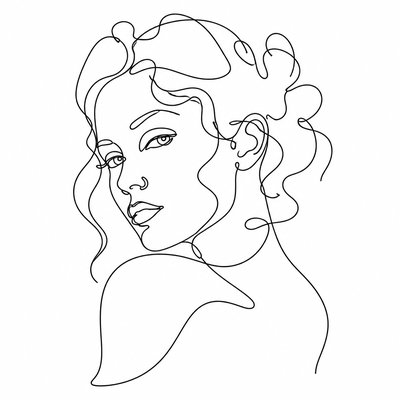
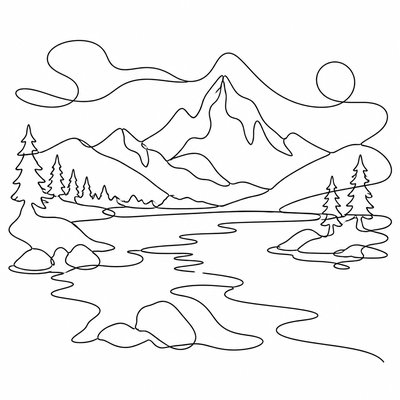
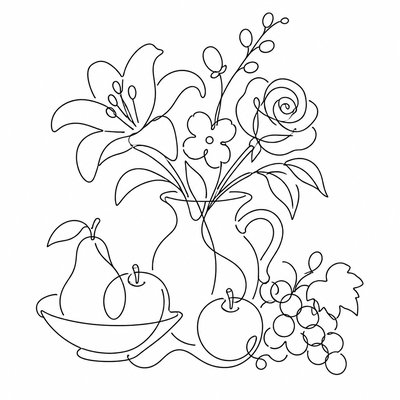
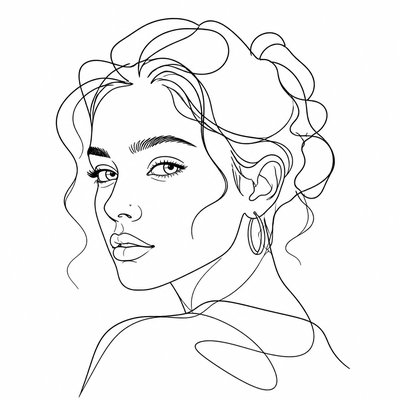
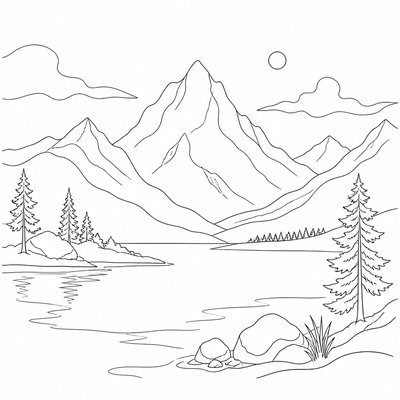
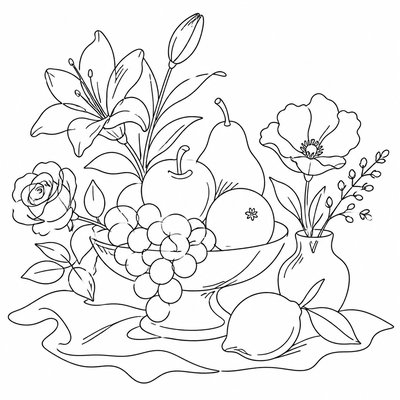
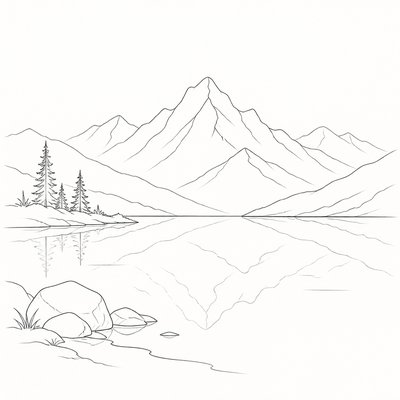
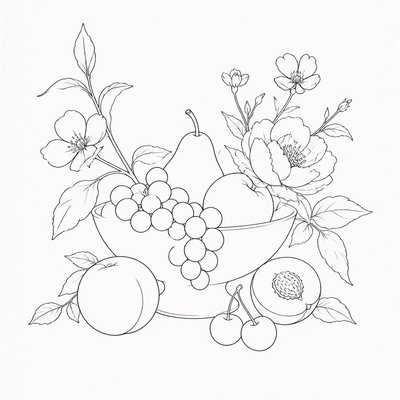
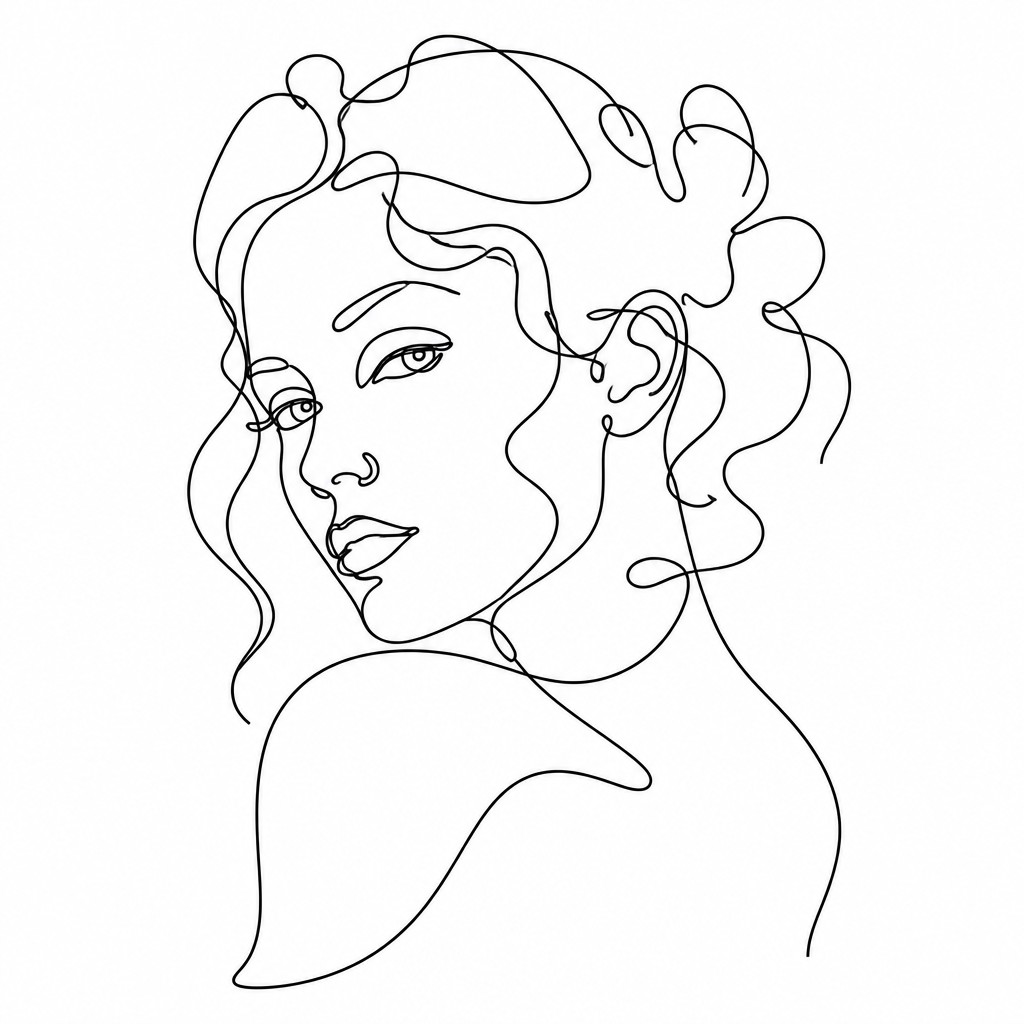
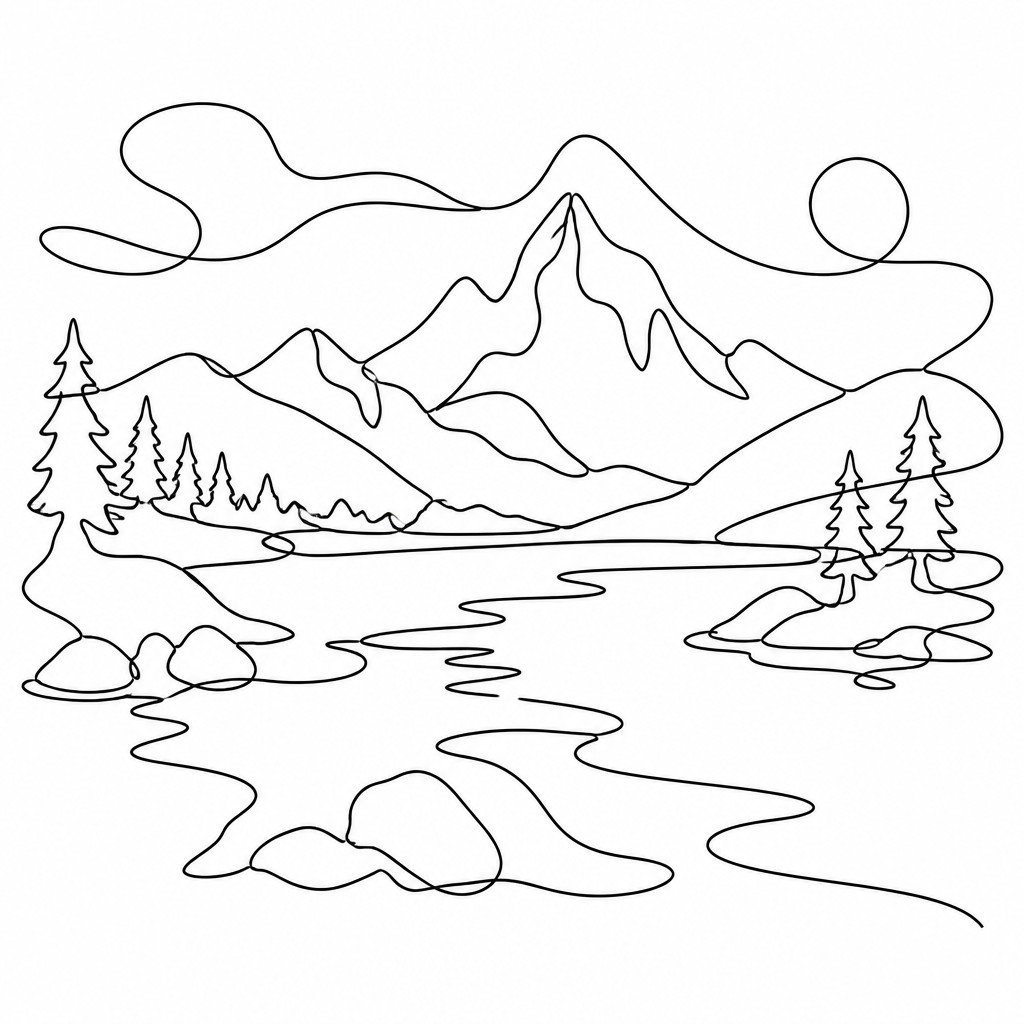
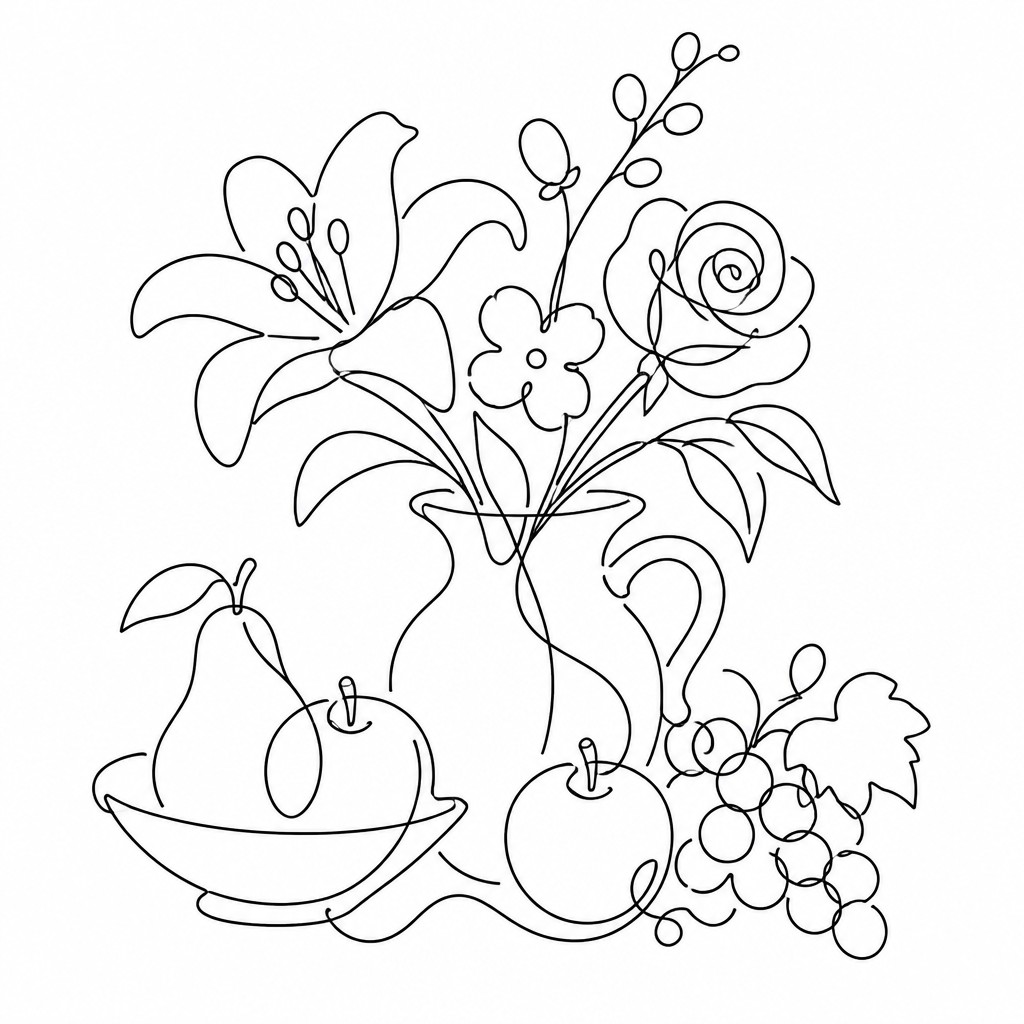
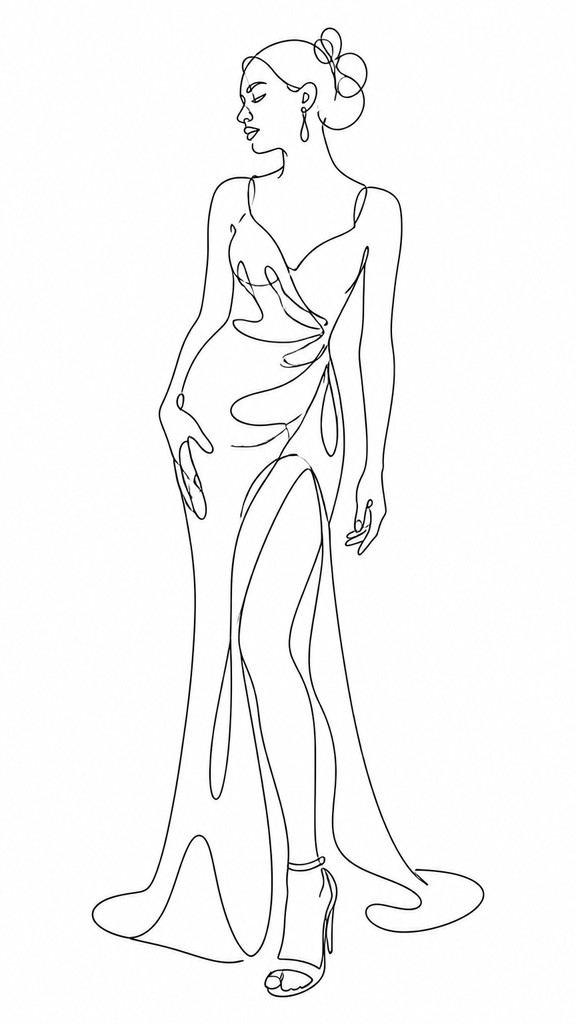
Single-line minimalism uses one continuous unbroken line to build elegant, expressive drawings with maximum economy and negative space.
Instantly rendered in Single Line Minimalism — or transform a photo
Single Line Minimalism Gallery
Tap any artwork to explore it
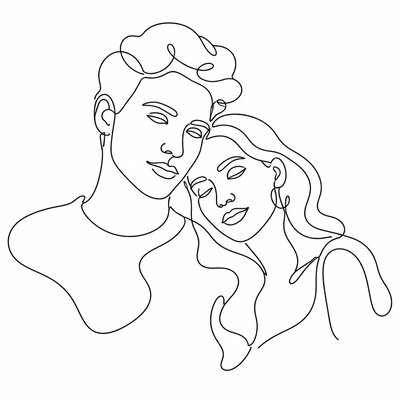
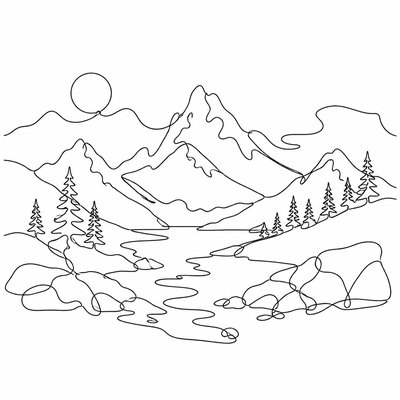
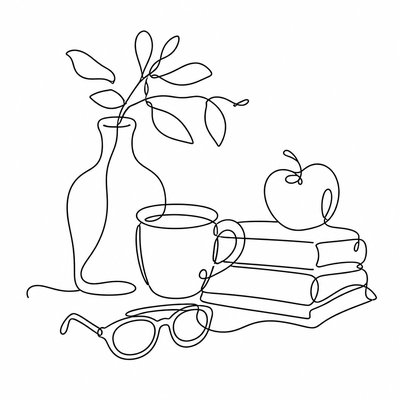
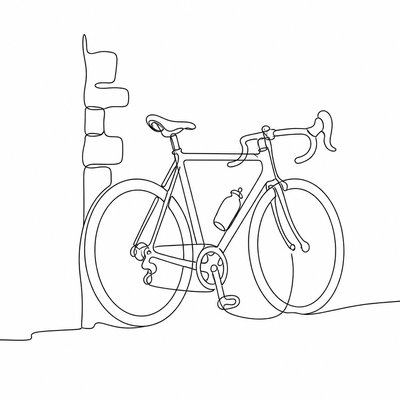
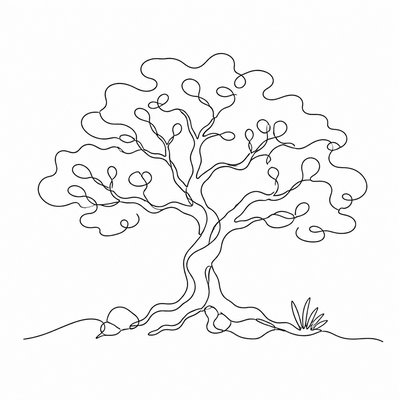
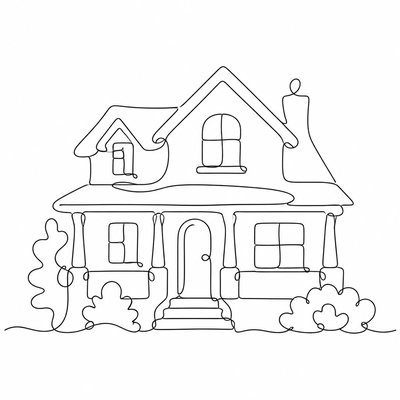
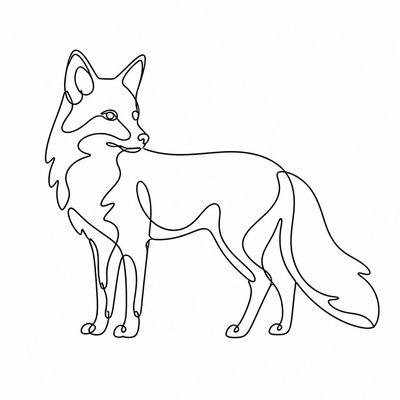
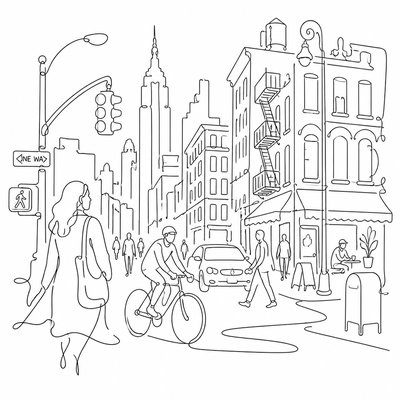
What is Single Line Minimalism Art Style?
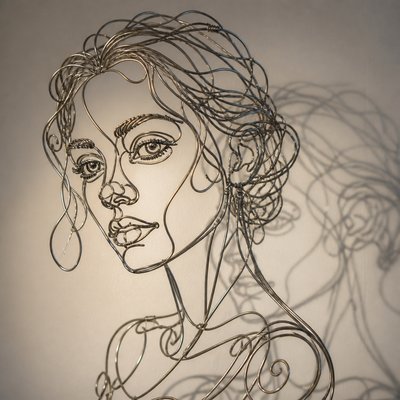
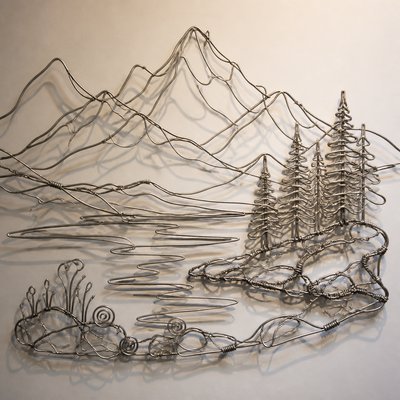
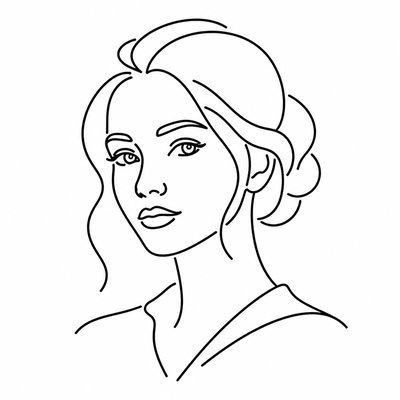
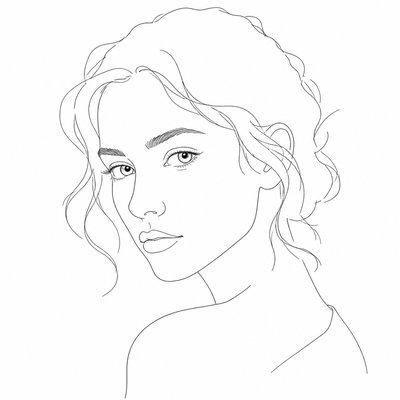
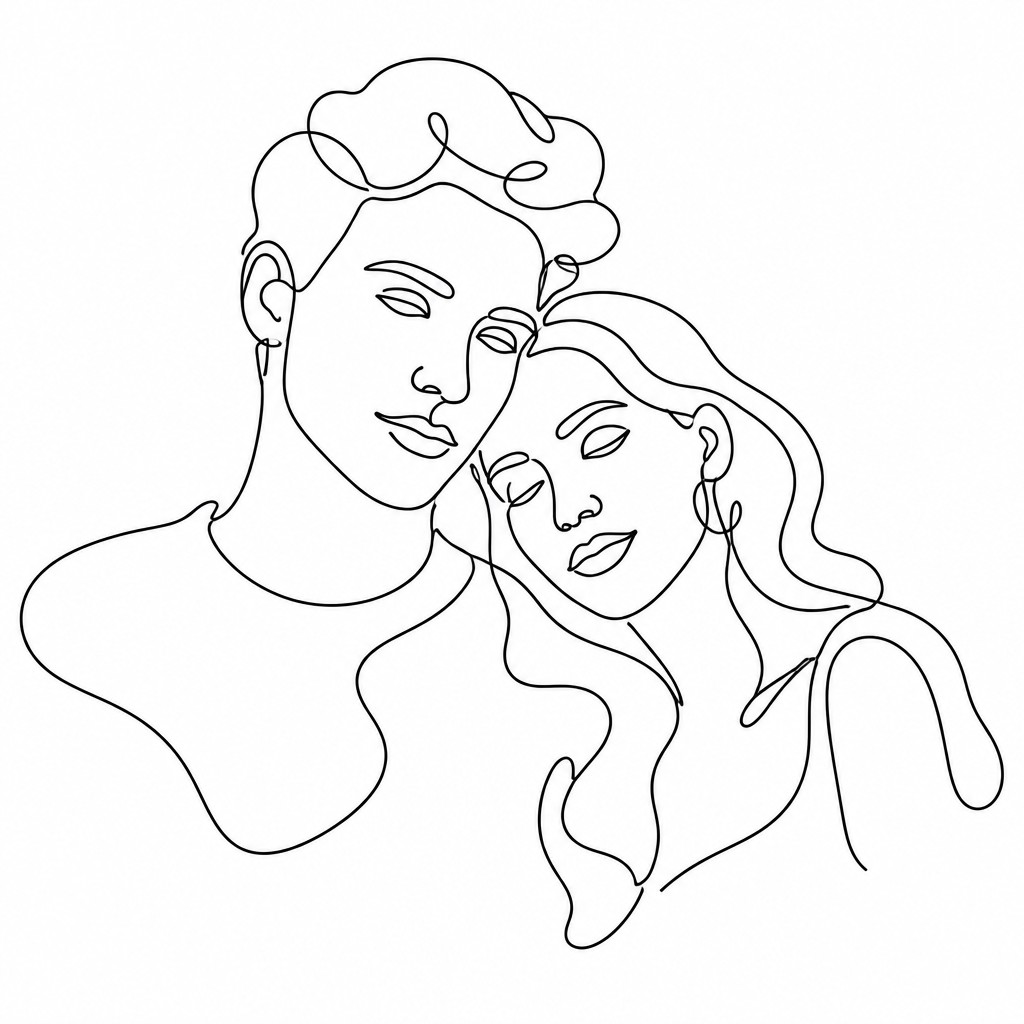
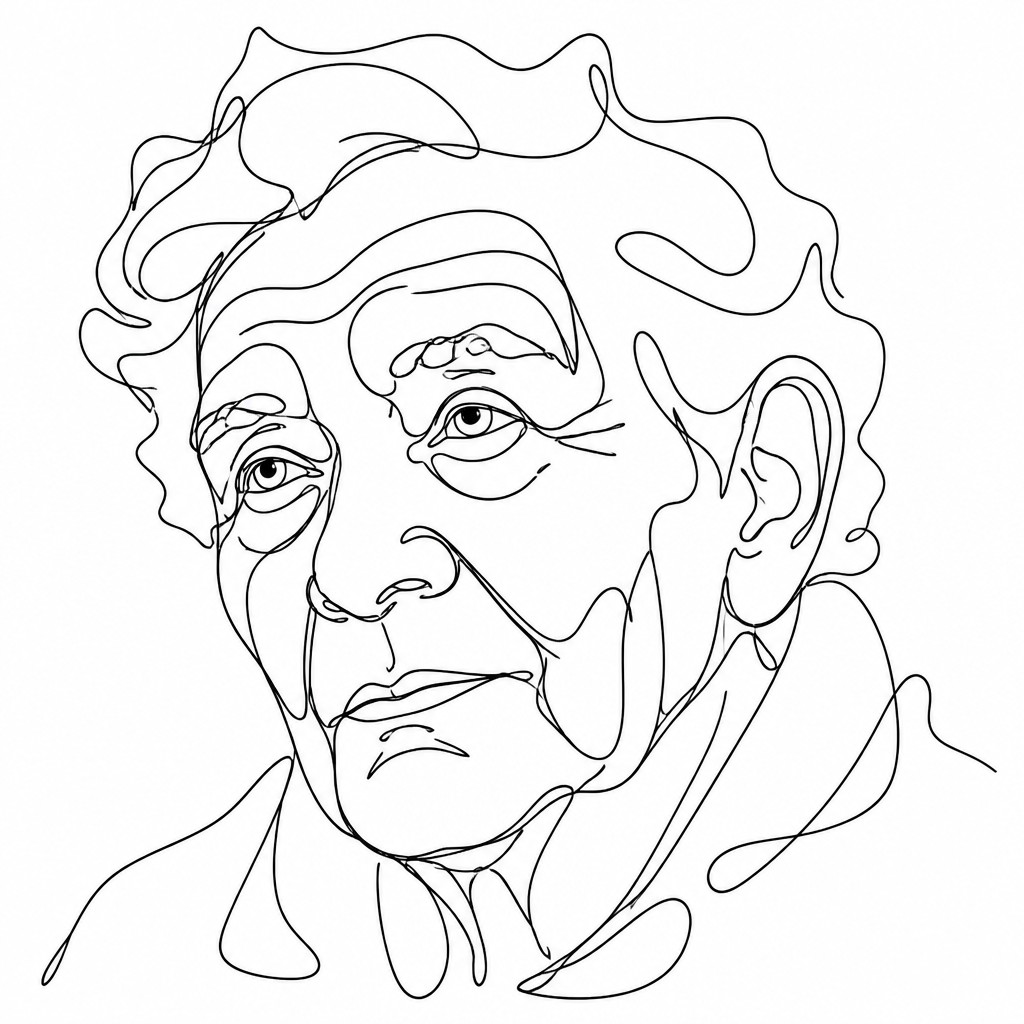
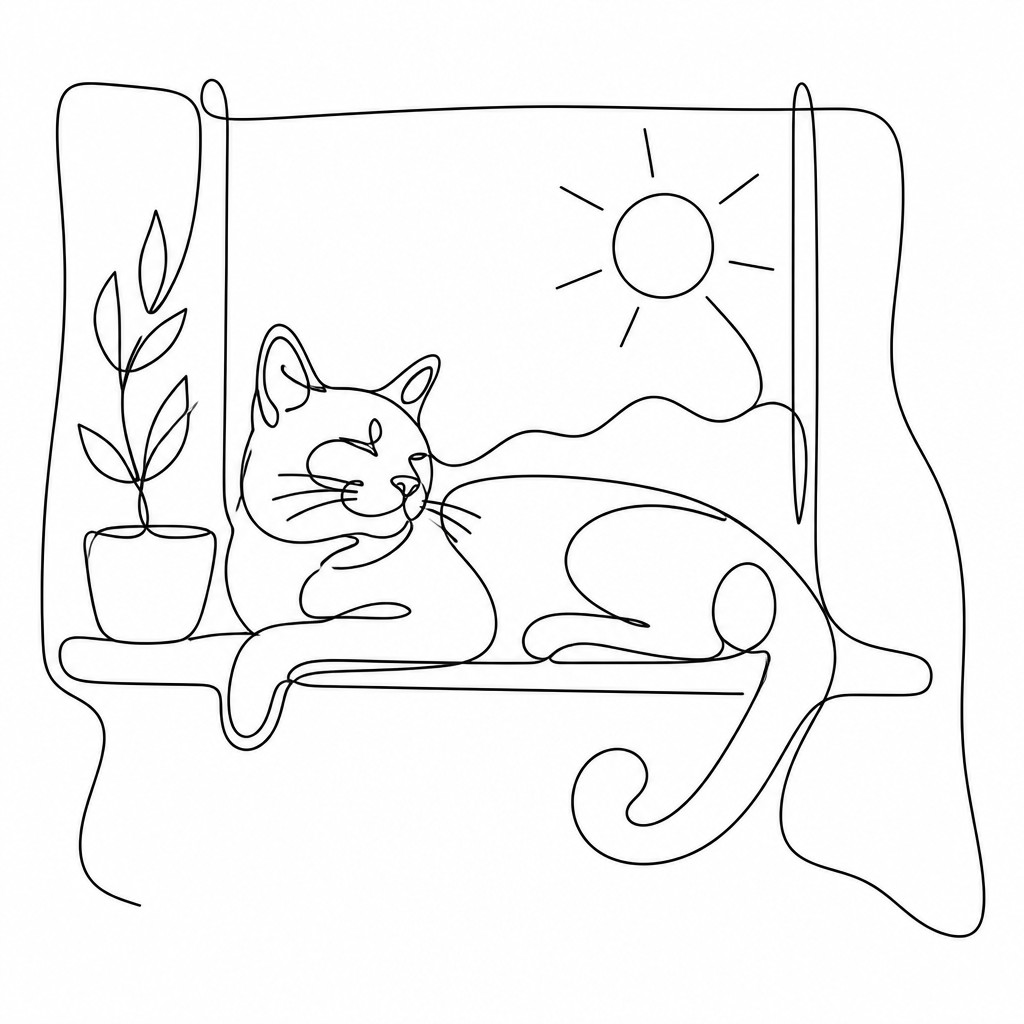
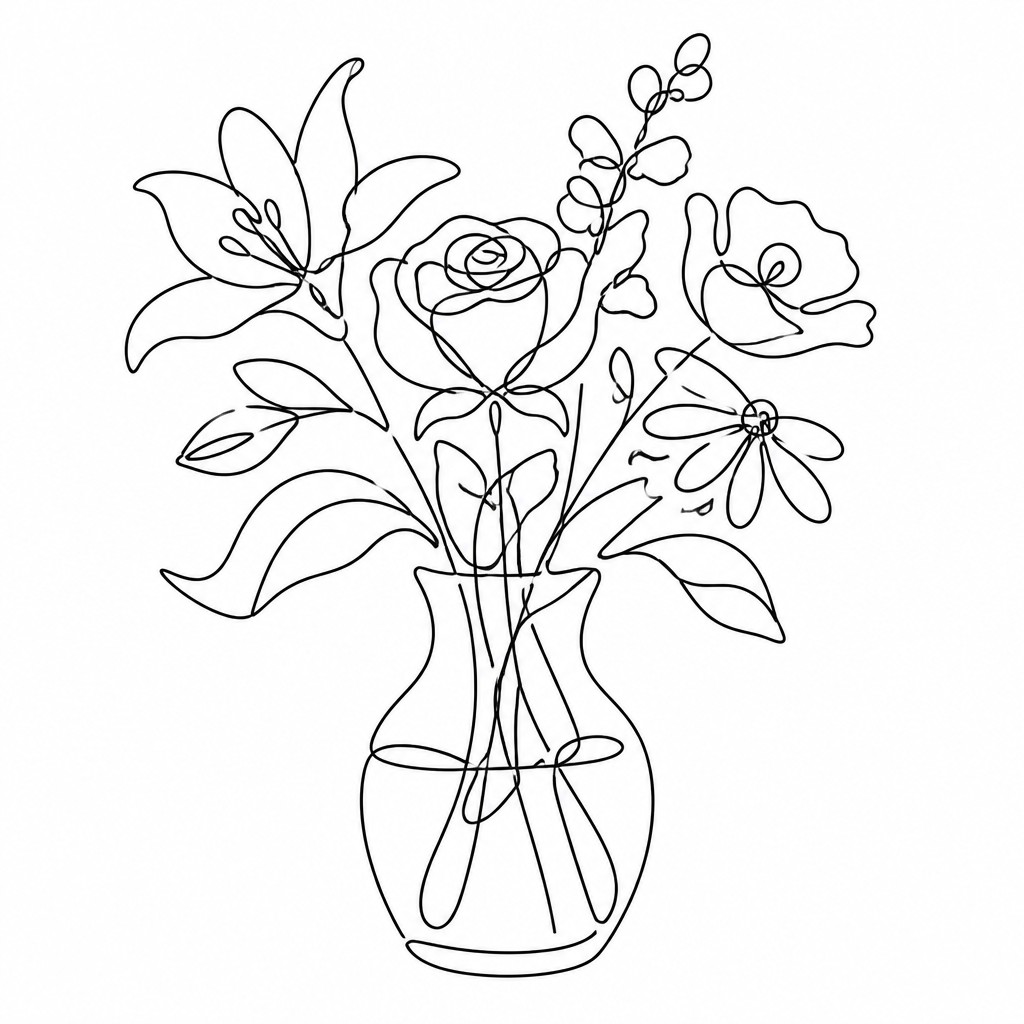
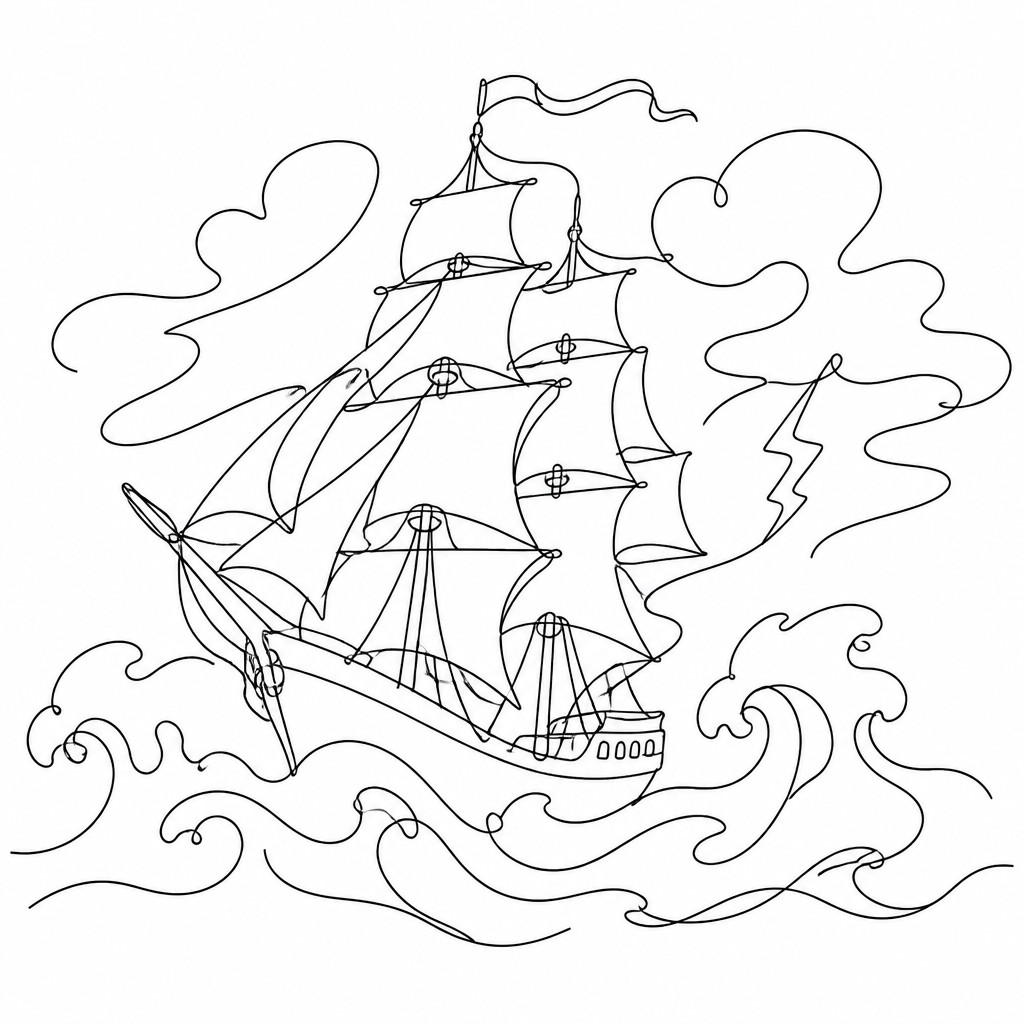
Single line minimalism is a drawing approach in which an image is constructed from one uninterrupted line, usually with a consistent stroke weight and very little or no additional detail. The effect can range from playful and lyrical to elegant and highly abstract, but the core principle remains the same: the entire composition is held together by a single continuous gesture.
Its visual identity depends on restraint. Instead of using contour, shading, texture, or separate outlines, the artist lets the line loop, cross its own path, and turn back on itself to imply form, volume, and movement. The white ground is not empty space in the passive sense; it is an active part of the composition, creating balance, clarity, and visual breathing room around the line.
Try It On Your Photos
Upload any photo and convert it into Single Line Minimalism Art Style — drag the sliders to compare before and after.



What Defines Single Line Minimalism Art Style
The signature details, up close
One continuous stroke
The defining rule is that the image is made without lifting the pen, brush, or digital line tool. Even complex subjects must be solved as a continuous route through the picture.
Uniform line weight
Most works use a consistent stroke thickness, which keeps attention on structure rather than on modeling or emphasis. Variations in weight are usually minimal or absent.
Negative space as structure
Empty white space is essential to the composition, helping separate forms and clarify silhouettes. The line often feels incomplete until the surrounding space is taken into account.
Simplified volume and detail
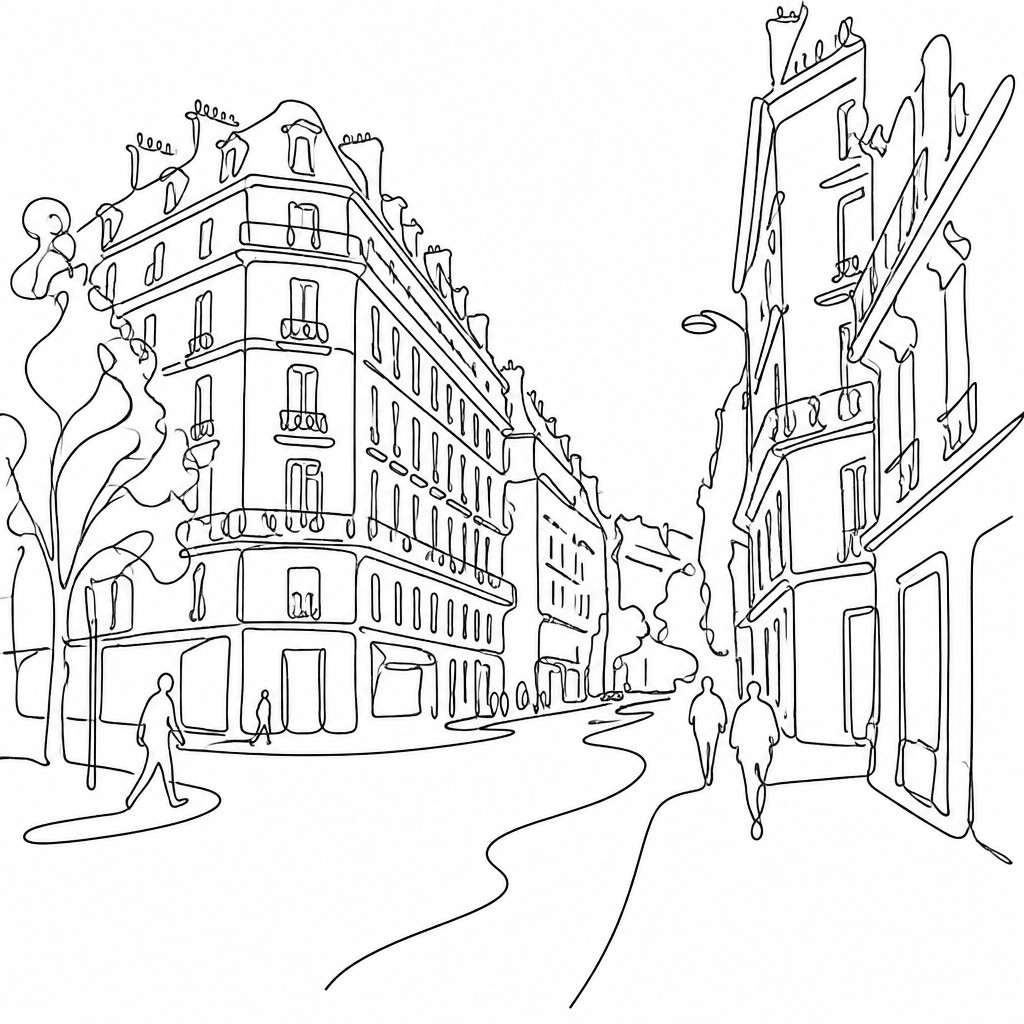
Forms are suggested rather than fully rendered, with interior features implied through loops, turns, and overlaps. A few decisive bends can stand in for eyes, limbs, folds, or architectural edges.
Elegant ambiguity
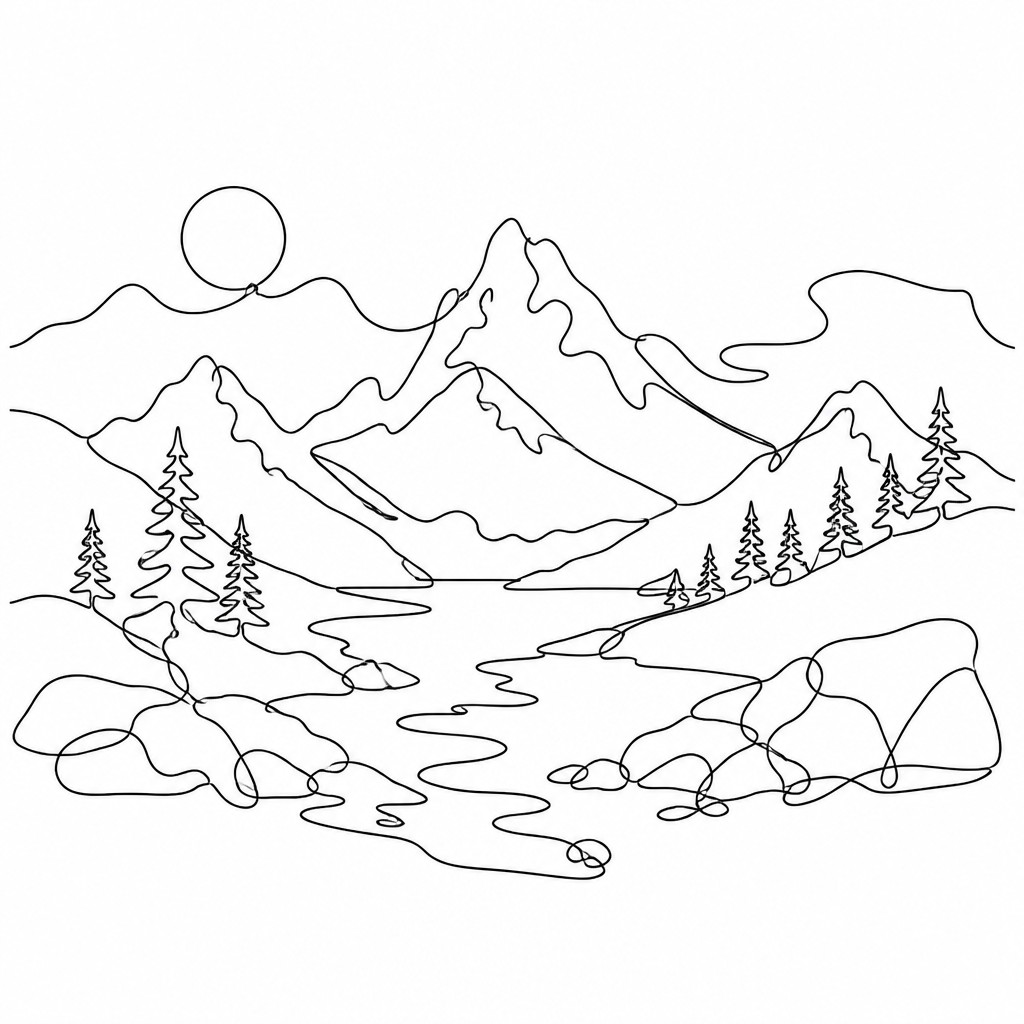
The style often balances recognizability with abstraction. Viewers assemble the subject mentally, which gives the image a slight puzzle-like quality.
Clean, high-contrast presentation
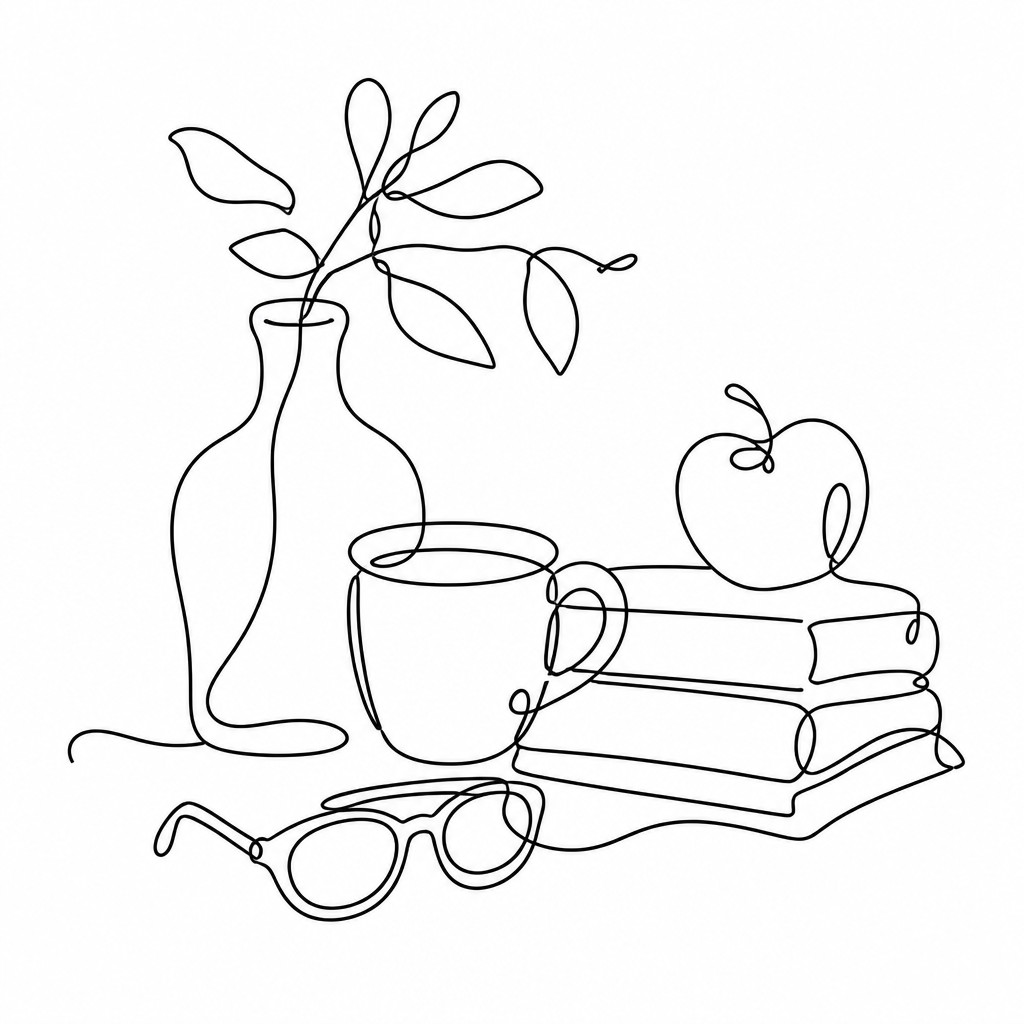
A plain white background and a dark line are the most common presentation, producing a crisp graphic look. Color, shading, and texture are generally excluded.
Try It
Create Videos in Single Line Minimalism Art Style
Styles aren't just for stills — describe a scene or animate an image and get a short video rendered in Single Line Minimalism. Press play to see this pond come to life.
Make a VideoSingle Line Minimalism Prompt Ideas
Start from an idea — each one opens the generator with the style ready to go. See all 40 Single Line Minimalism prompts →
How to Create Single Line Minimalism Art
Master the craft step by step — or skip straight to creating. Read the full guide →
- 1
Plan the route before drawing
Start by identifying the main silhouette and the most important internal landmarks, then decide how the line can travel through them in one unbroken path. If the subject is complex, simplify it first so the composition can be solved as a single gesture.
- 2
Keep the stroke consistent
Use one pen size or one digital brush without pressure variation if you want the most canonical look. Consistency makes the image read as a single visual decision rather than a sketch with corrections.
- 3
Use turns instead of details
When you need to imply an eye, hand, leaf, or architectural edge, let the line curve or fold back rather than adding extra marks. Interior information should emerge from the path itself, not from separate outlines.
- 4
Respect the white ground
Do not fill the page or overcomplicate the subject; the open space should help the image breathe and remain legible. A strong single-line drawing often works because of what is left out as much as what is drawn.
- 5
Adapt it for digital or AI-based generation
When generating from text, specify one continuous line, monochrome black on white, no shading, no color, and no extra marks. For image-to-image transformations, simplify the source image into its essential contours and remove texture so the result can read as a true one-line construction.
The Story
History & Origins of Single Line Minimalism
Single-line drawing does not belong to a single historical movement so much as to a recurring artistic problem: how much can be communicated with the fewest marks. Its lineage connects to modernist drawing, contour drawing, and the broader minimalist emphasis on reduction, as well as to the study-sketch traditions used to train observation and hand-eye coordination. The style became especially visible in late 20th- and 21st-century illustration, design, and branding, where a concise visual language can be adapted across posters, editorial images, logos, and social-media imagery.
The aesthetic also has clear roots in modern art practices that valued economy, gesture, and the autonomy of the line. Artists associated with continuous-line and reduced-line approaches include a leading modern Spanish cubist and line-drawing innovator in his linear drawings, a pioneering twentieth-century sculptor known for wire constructions as a related spatial analogue, and a major American color-field and shape-reduction artist in his hard-edged reduction of form, though single-line minimalism is best understood as a contemporary synthesis rather than a single named historical school. In digital culture, its popularity has grown because the style is immediately legible, easy to reproduce consistently, and well suited to subjects that benefit from symbolic clarity rather than naturalistic detail.
Influences: Single-line minimalism is related to contour drawing, continuous-line drawing exercises, and the reduced-line clarity of modernist drawing. It also overlaps conceptually with minimalist art and with the graphic economy seen in some works by a leading modern Spanish cubist and line-drawing innovator, though unlike that artist’s broader practice it typically insists on a single uninterrupted stroke. Its spare black-on-white presentation also connects it to illustration, logo design, and contemporary visual communication that favors immediate readability.

Frequently Asked Questions
What defines single-line minimalism?
The defining rule is that the entire image is made with one continuous line, usually without lifting the drawing instrument. The style emphasizes simplicity, flow, and the expressive power of negative space.
Is this the same as continuous line drawing?
The terms are closely related and often used interchangeably. In practice, single-line minimalism usually emphasizes an especially sparse, clean, and graphic look, with very little added detail or embellishment.
What kinds of subjects work best?
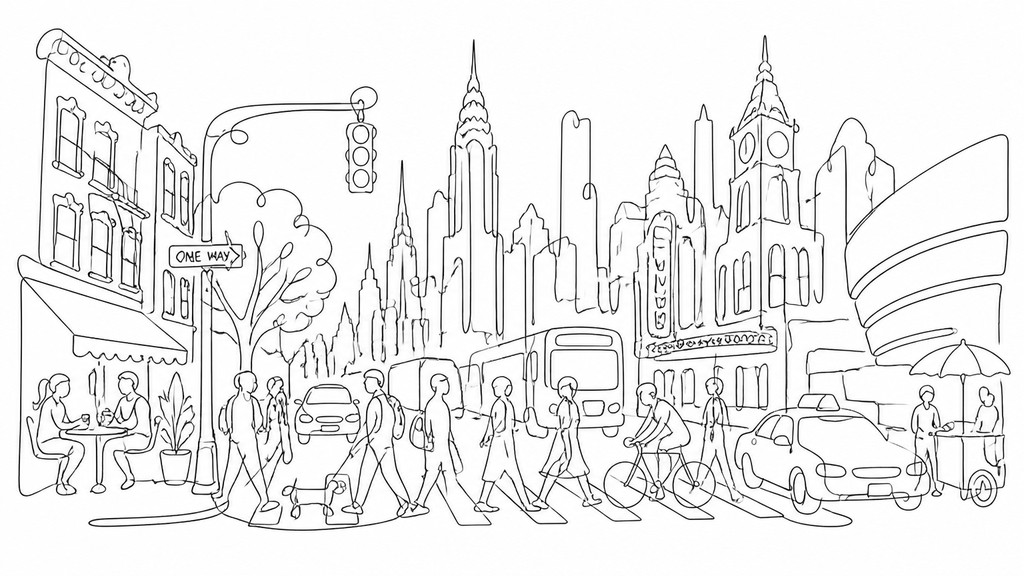
Faces, figures, animals, flowers, tools, and simple architectural forms are especially effective because their essential shapes can be suggested with a small number of turns and loops. More complex scenes can work too, but they usually need careful simplification.
How is it different from line art?
Line art can use multiple separate lines, outlines, and layers of detail, while single-line minimalism follows one uninterrupted path. The constraint changes the look: the result feels more fluid, unified, and often more abstract.
Can it include color or shading?
Traditional examples usually avoid both, because the style depends on stark economy and clear separation between line and ground. Color and shading can be used in related styles, but they weaken the strict single-line effect.
Where is this style commonly used?
It appears in posters, editorial illustration, branding, tattoos, wall art, and contemporary graphic design. It is especially useful when an image needs to be elegant, memorable, and easy to reproduce at small or large scale.
Create your first Single Line Minimalism artwork
Describe anything — or upload a photo — and see it in Single Line Minimalism Art Style in seconds.
Make Something with Single Line Minimalism
Related Styles
Discover similar art styles