Retro Comic Art
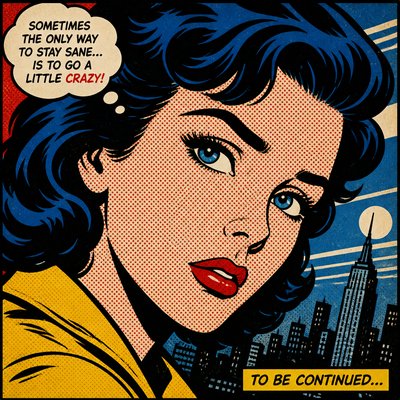
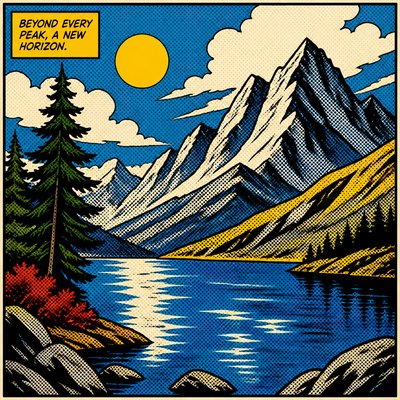
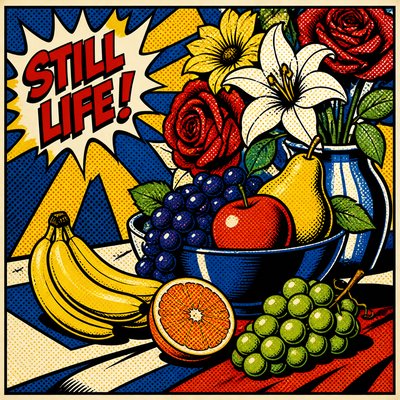
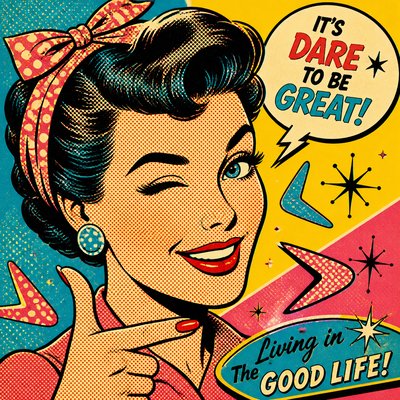
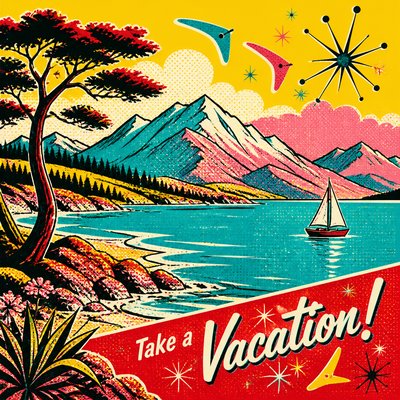
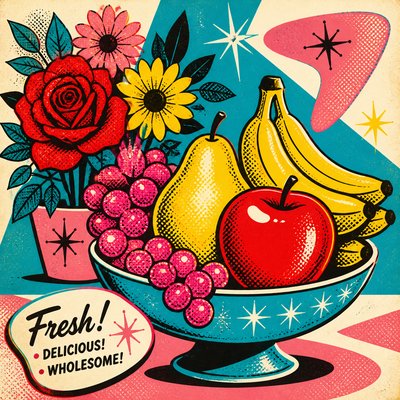
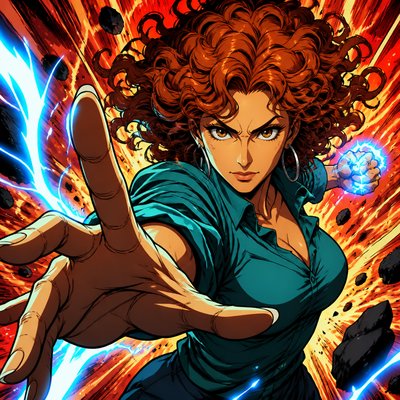
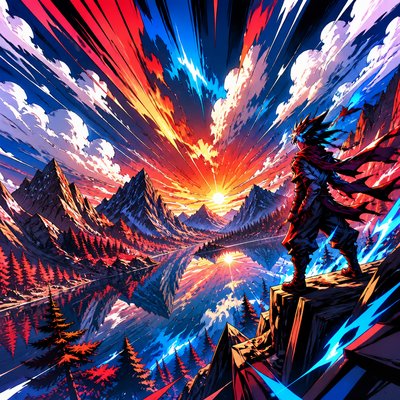
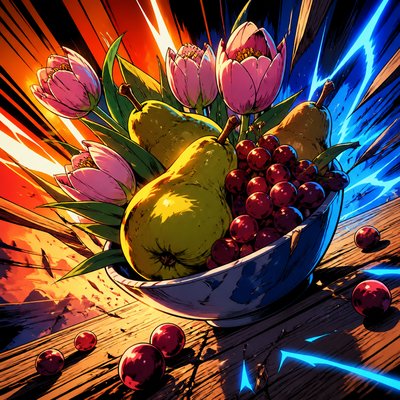
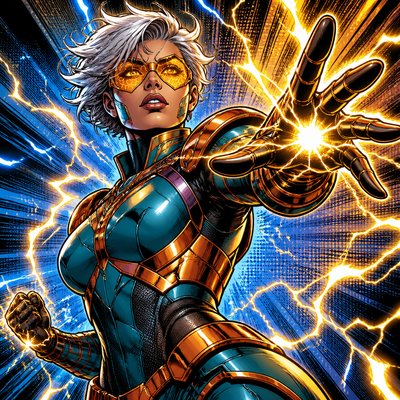
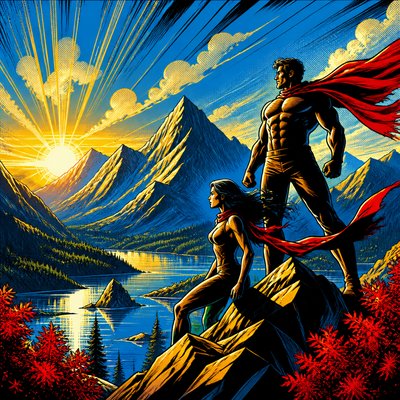
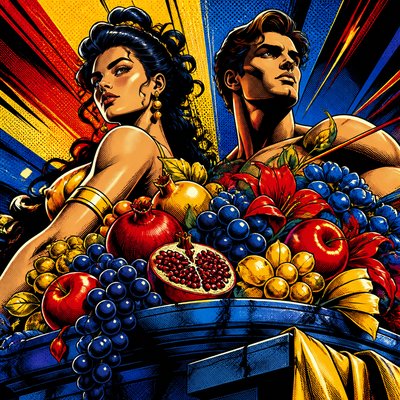
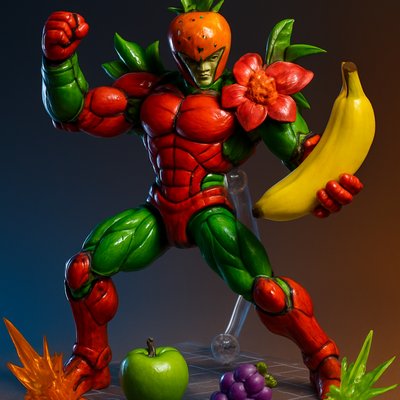
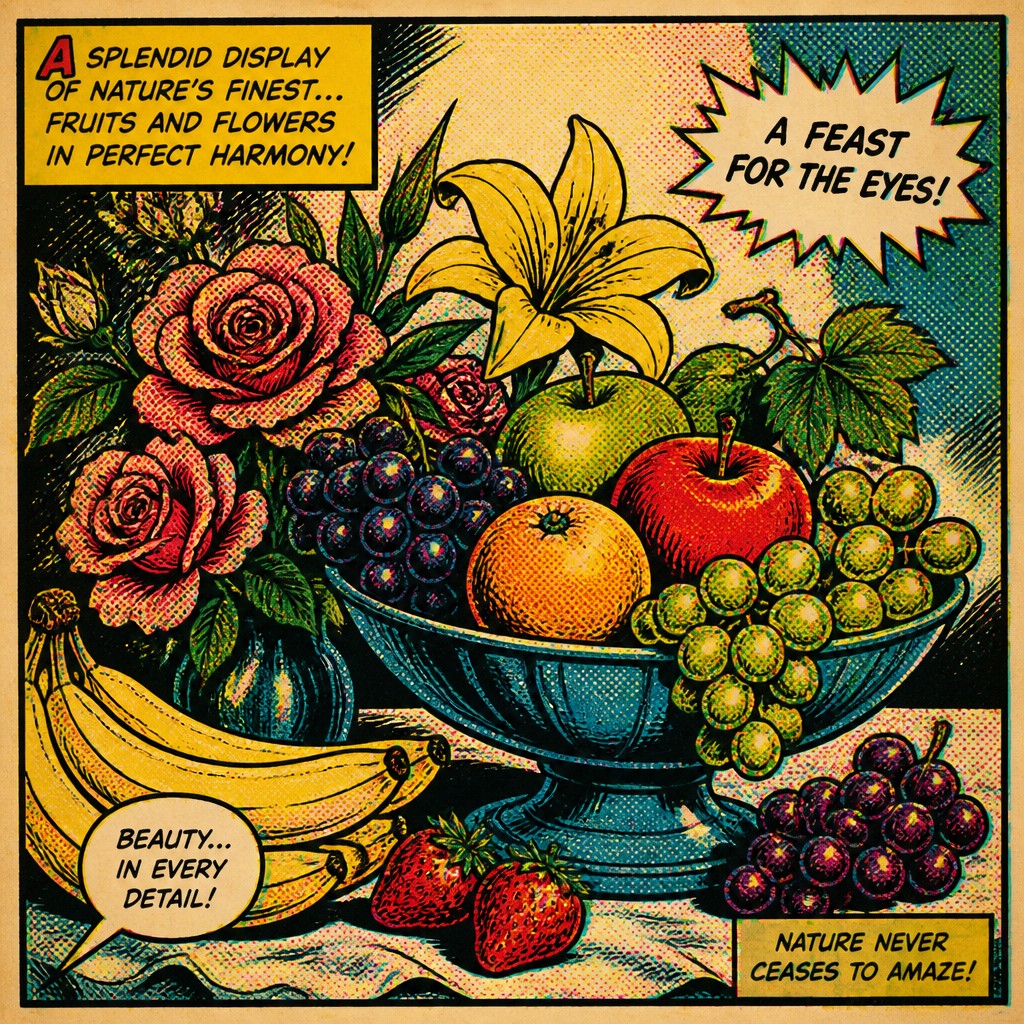
Vintage comic-book look with bold inks, Ben Day dots, CMYK misregistration, and classic superhero panel energy.
Instantly rendered in Retro Comic — or transform a photo
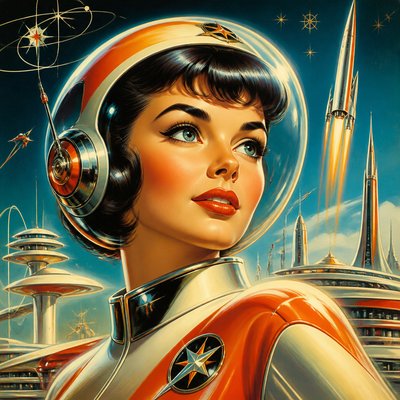
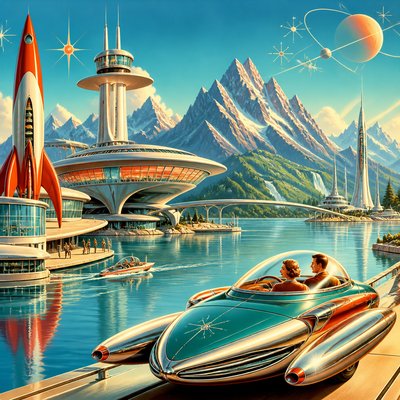
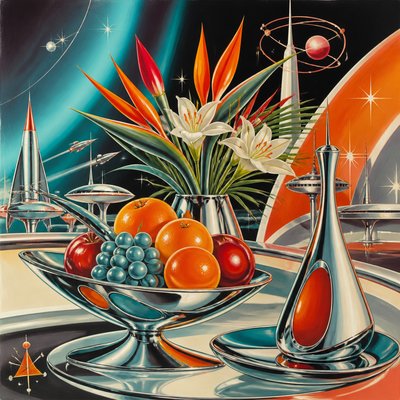
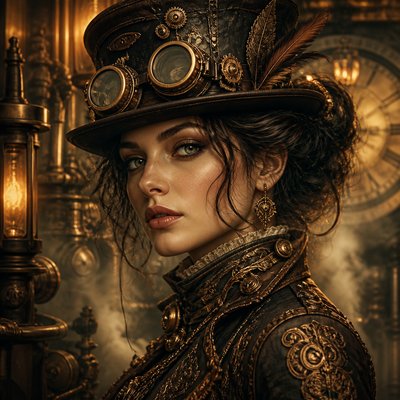
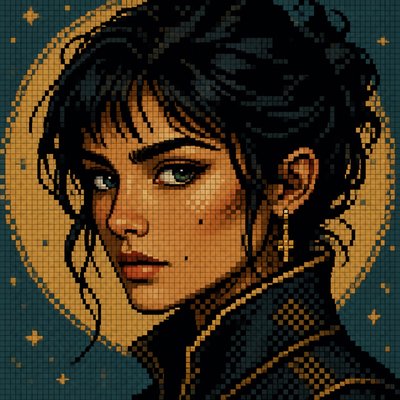
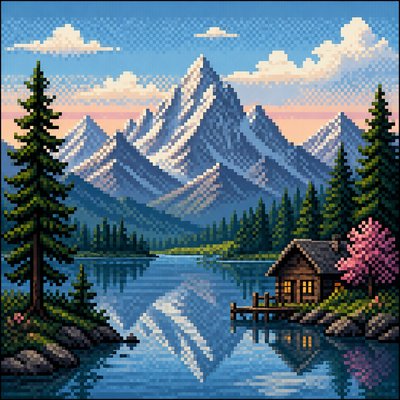
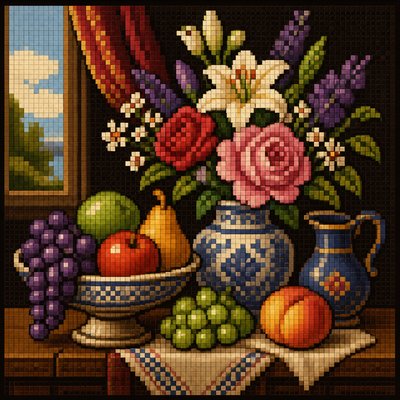
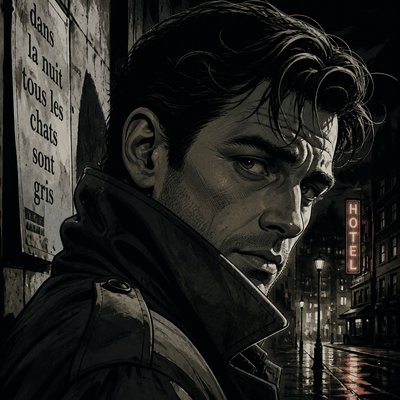
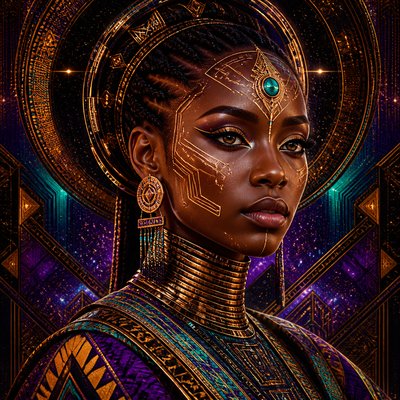
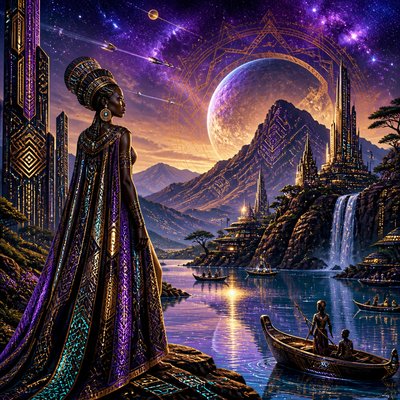
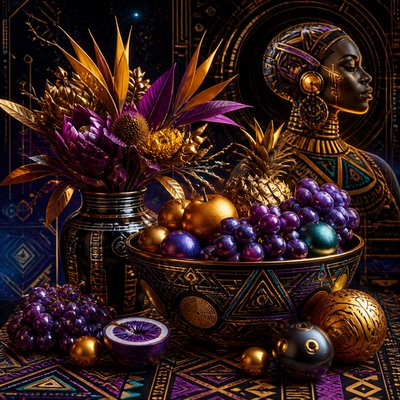
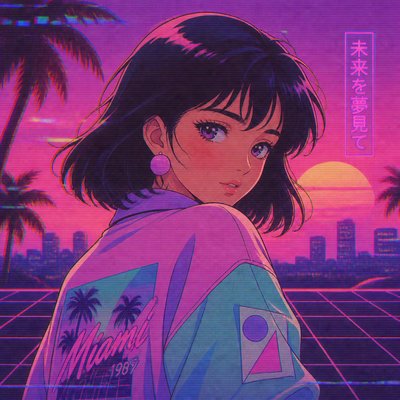
Retro Comic Gallery
Tap any artwork to explore it
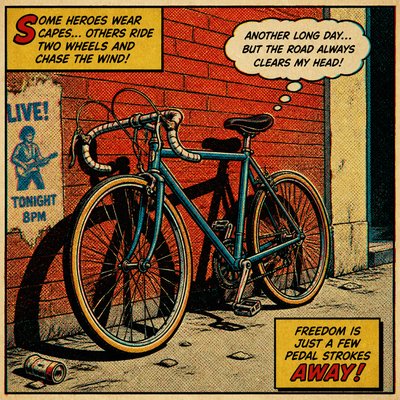
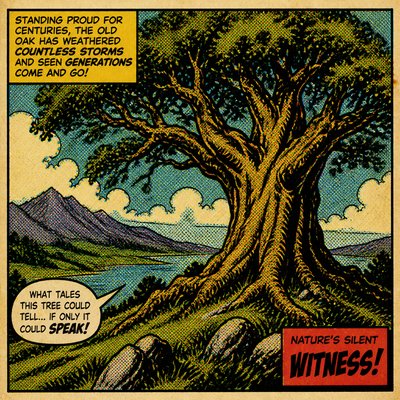
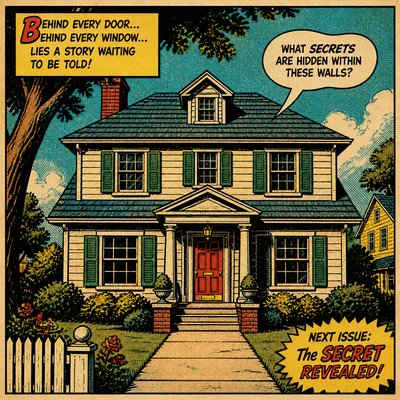
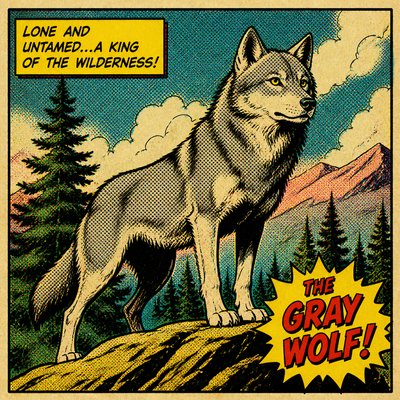
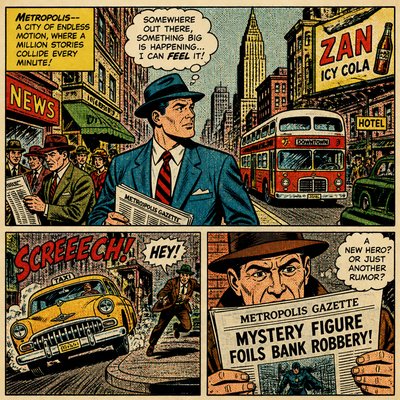
What is Retro Comic Art?
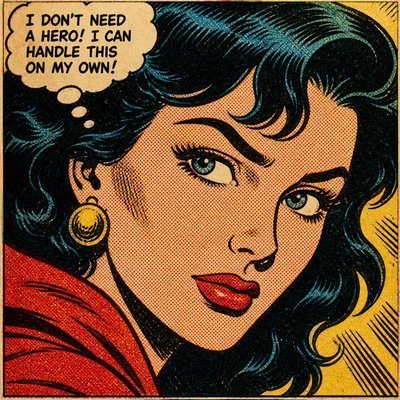
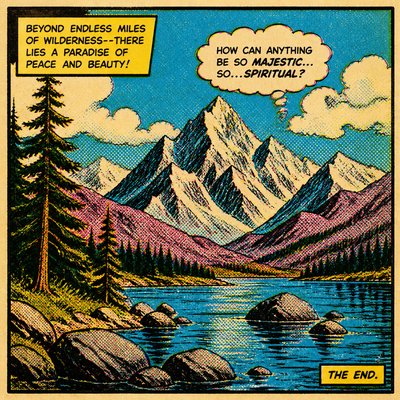
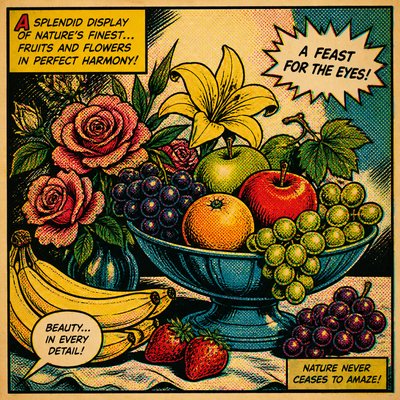
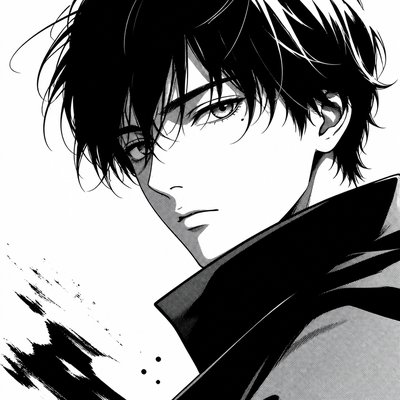
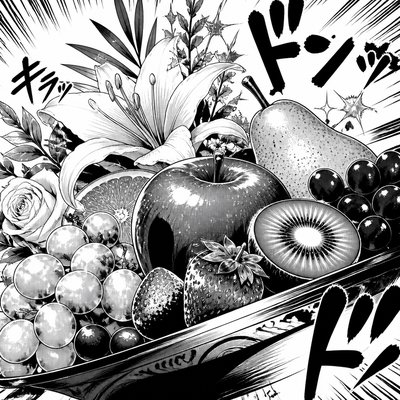
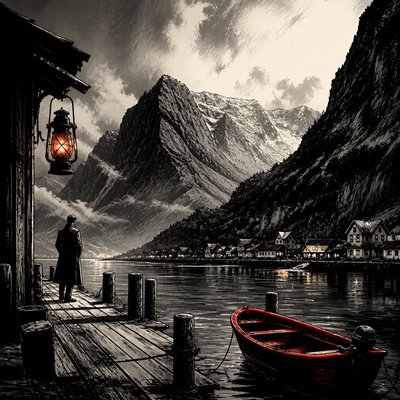
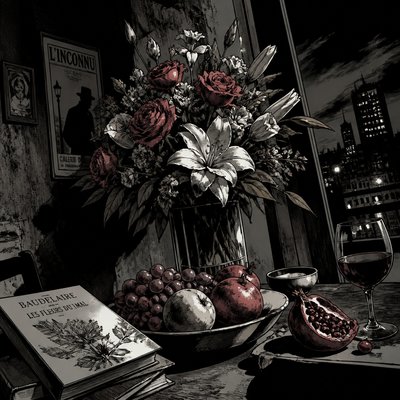
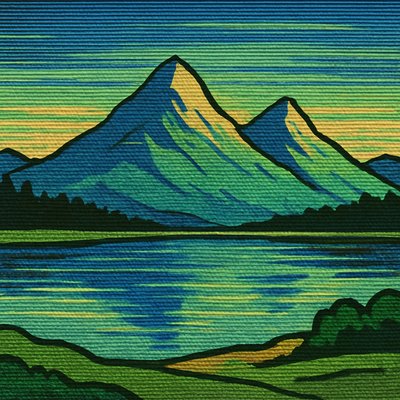
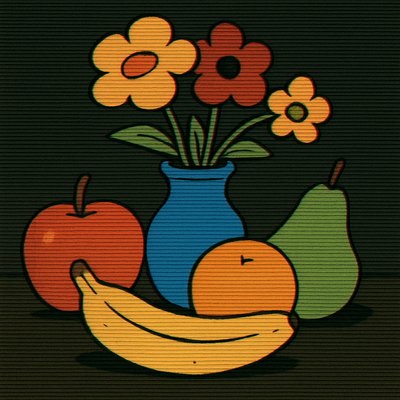
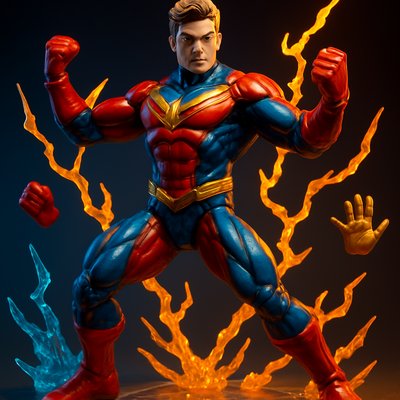
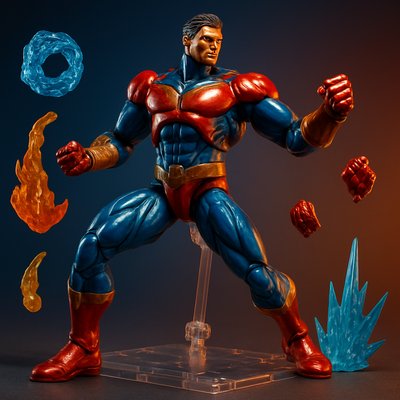
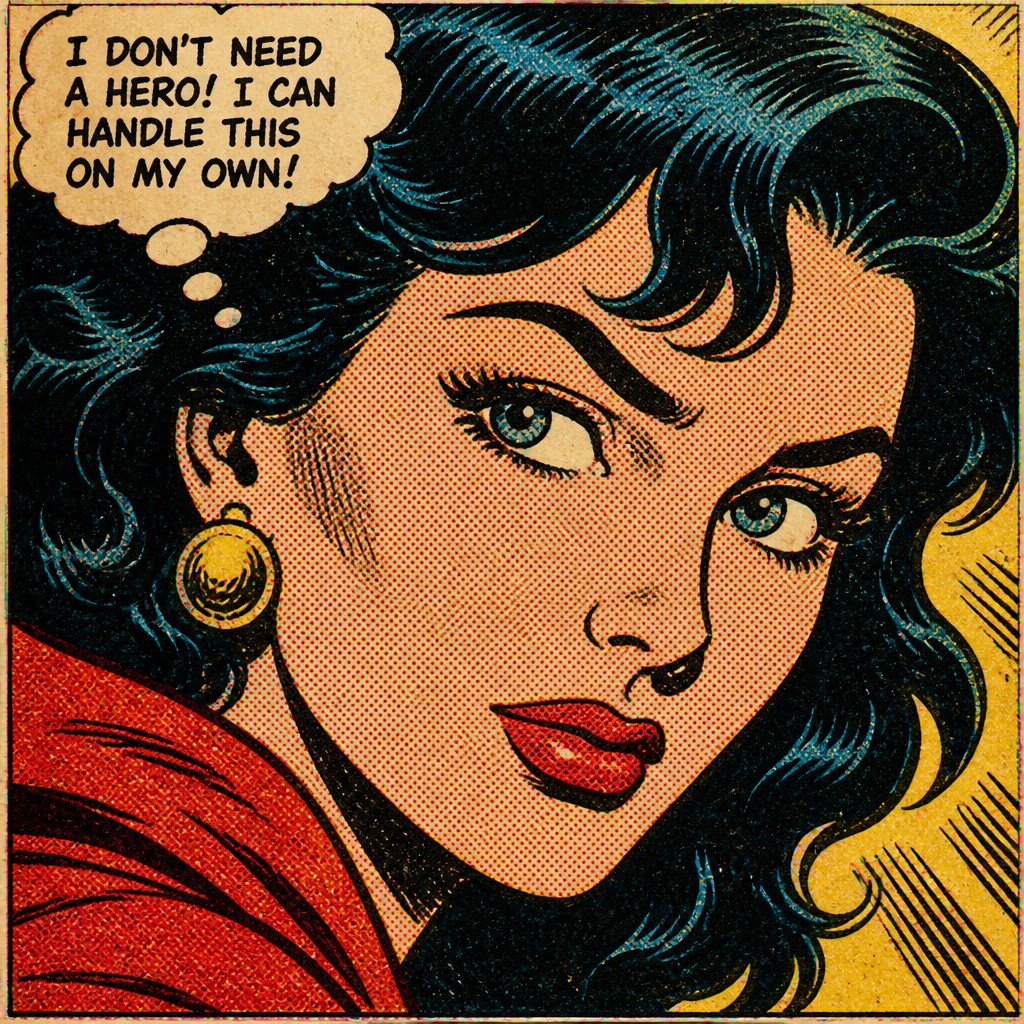
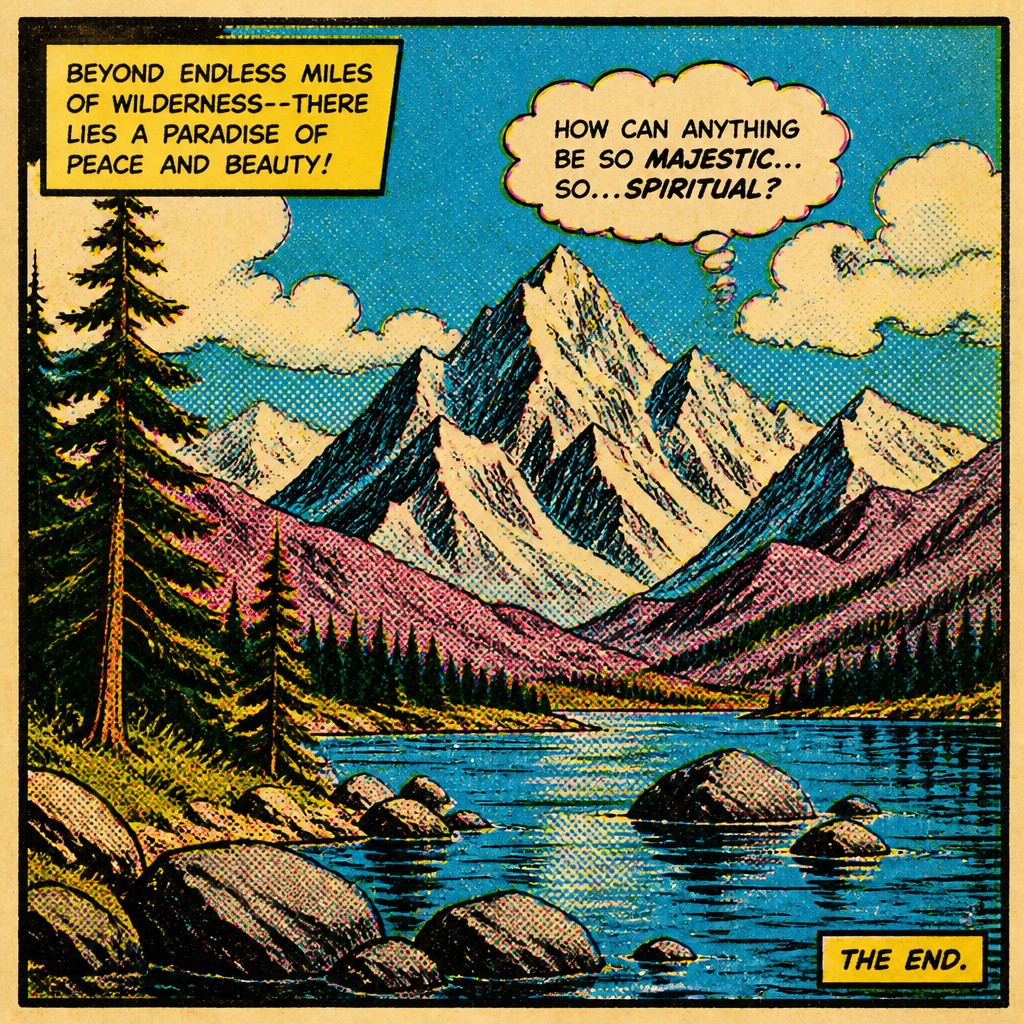
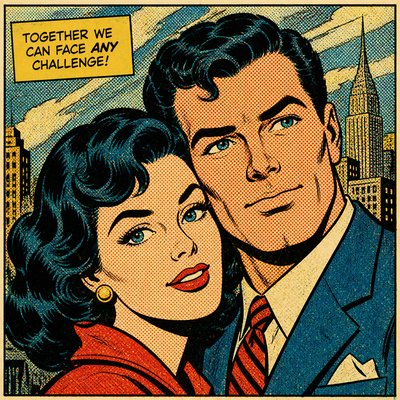
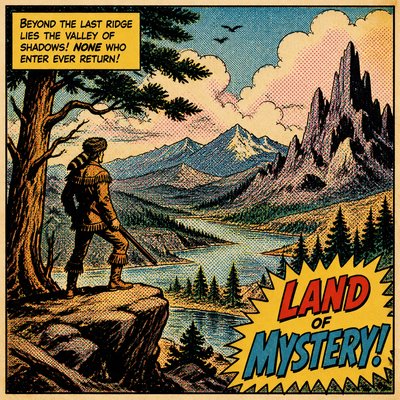
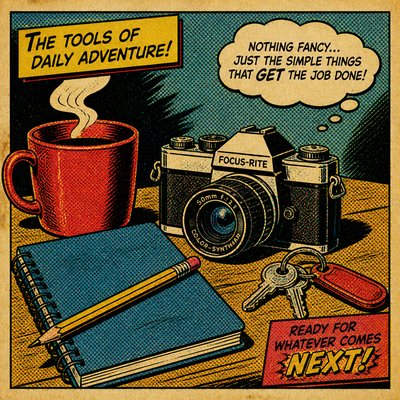
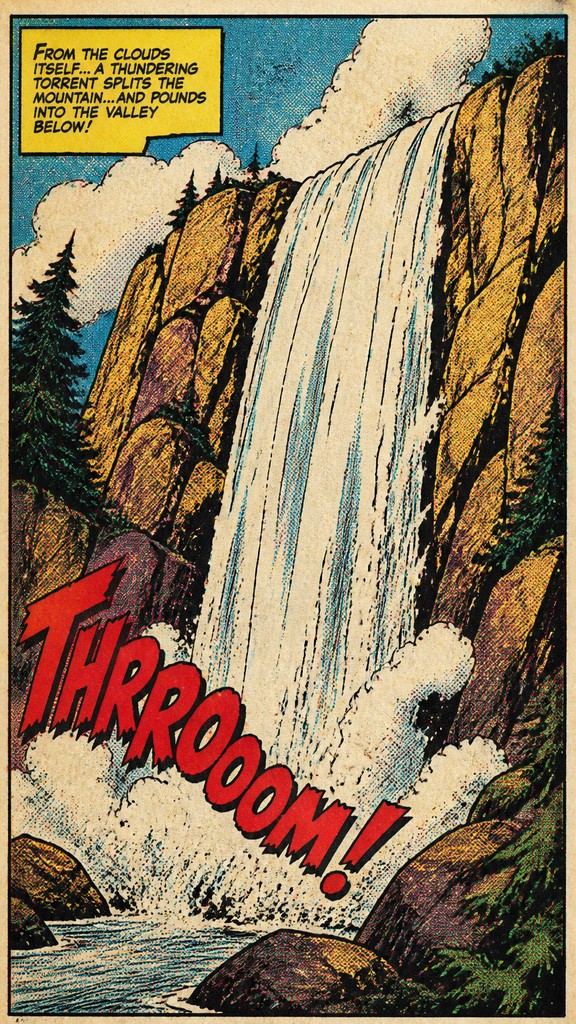
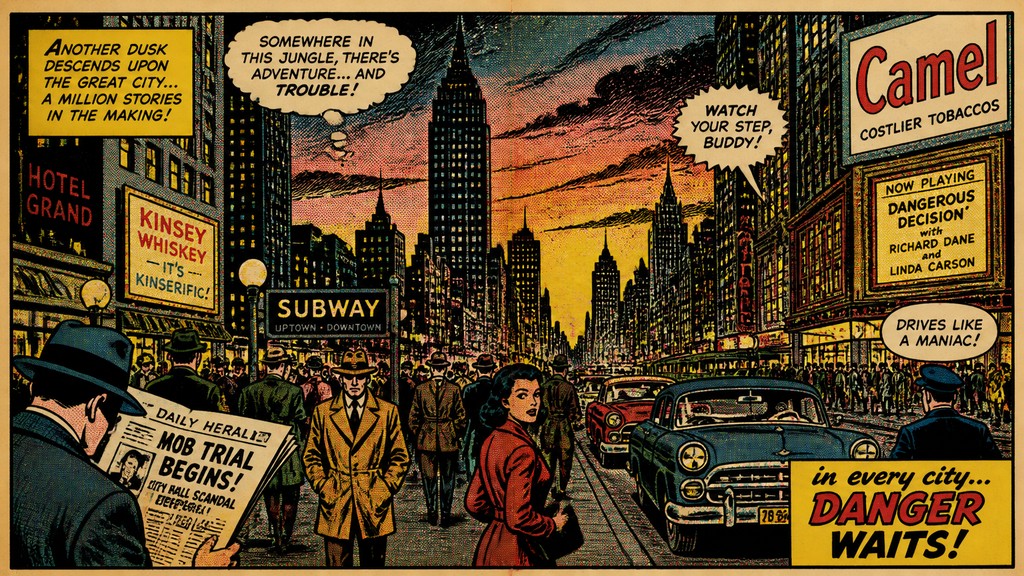
Retro Comic Art is the look associated with mid-20th-century superhero comics: bold black outlines, compressed color palettes, halftone dot shading, and highly expressive action-driven compositions. It evokes the printed page rather than a polished modern screen image, so textures, imperfect registration, and newsprint grain are part of the aesthetic rather than flaws.
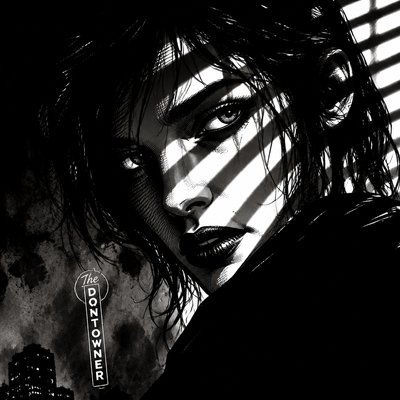
The style is visually direct and graphic. Forms are simplified into clear silhouettes, shadows are often rendered as solid black shapes, and color is typically flat and limited. The result feels energetic, dramatic, and immediate, with the visual language of pulp adventure, crime comics, science fiction, and classic superhero stories.
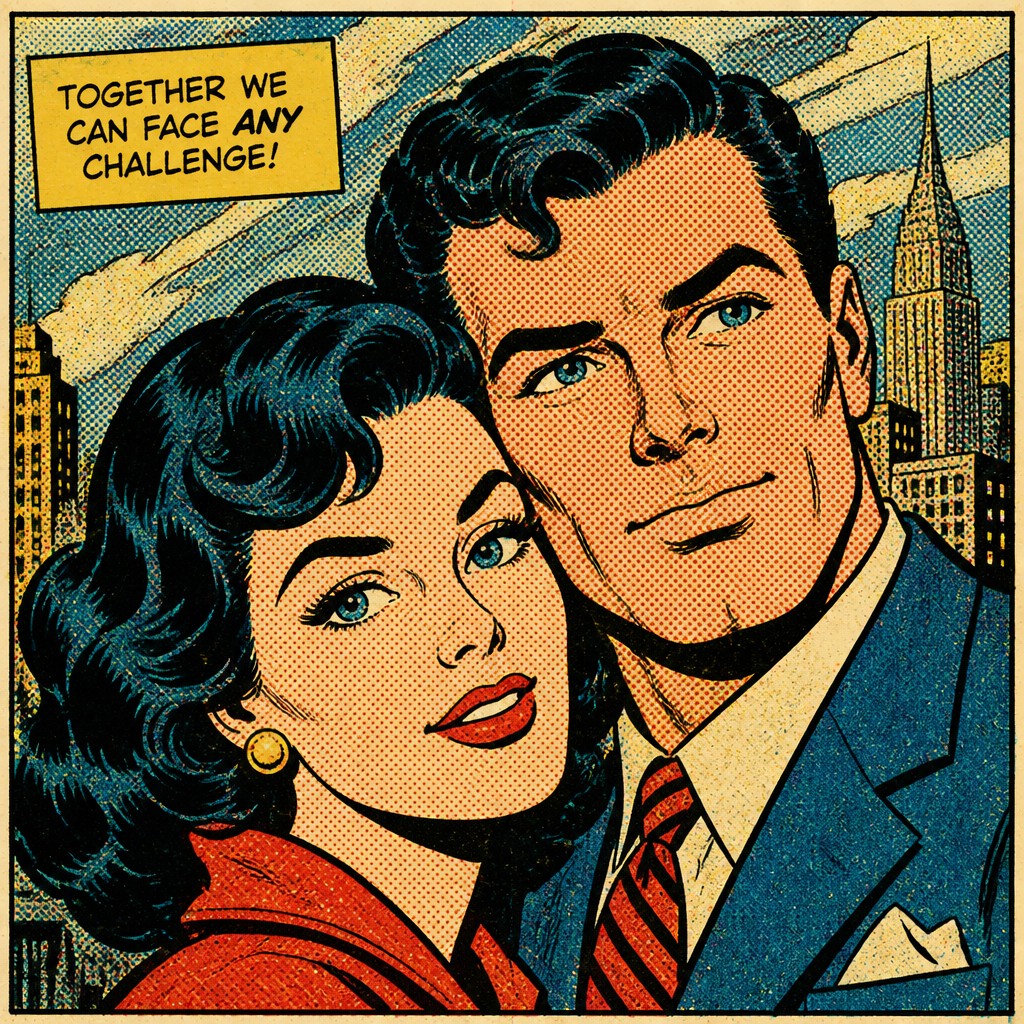
Try It On Your Photos
Upload any photo and convert it into Retro Comic Art — drag the sliders to compare before and after.
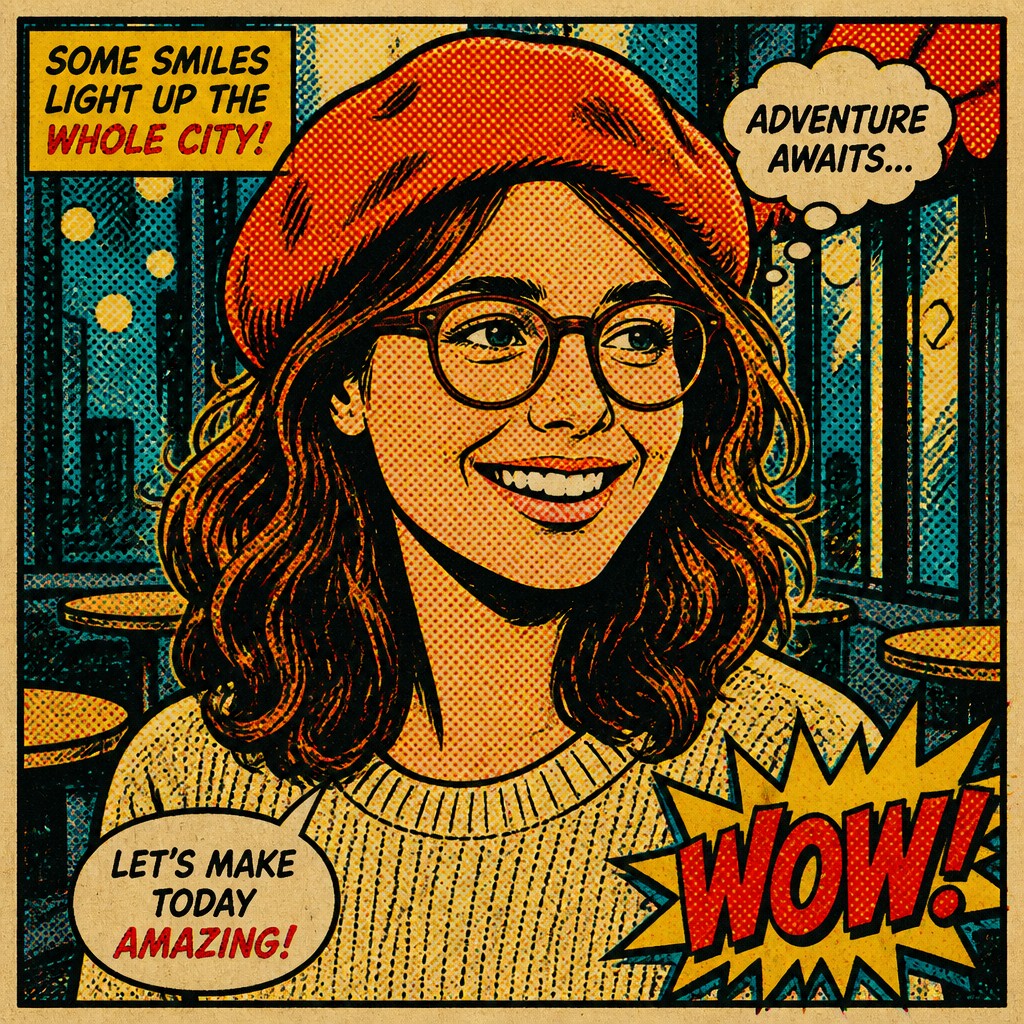

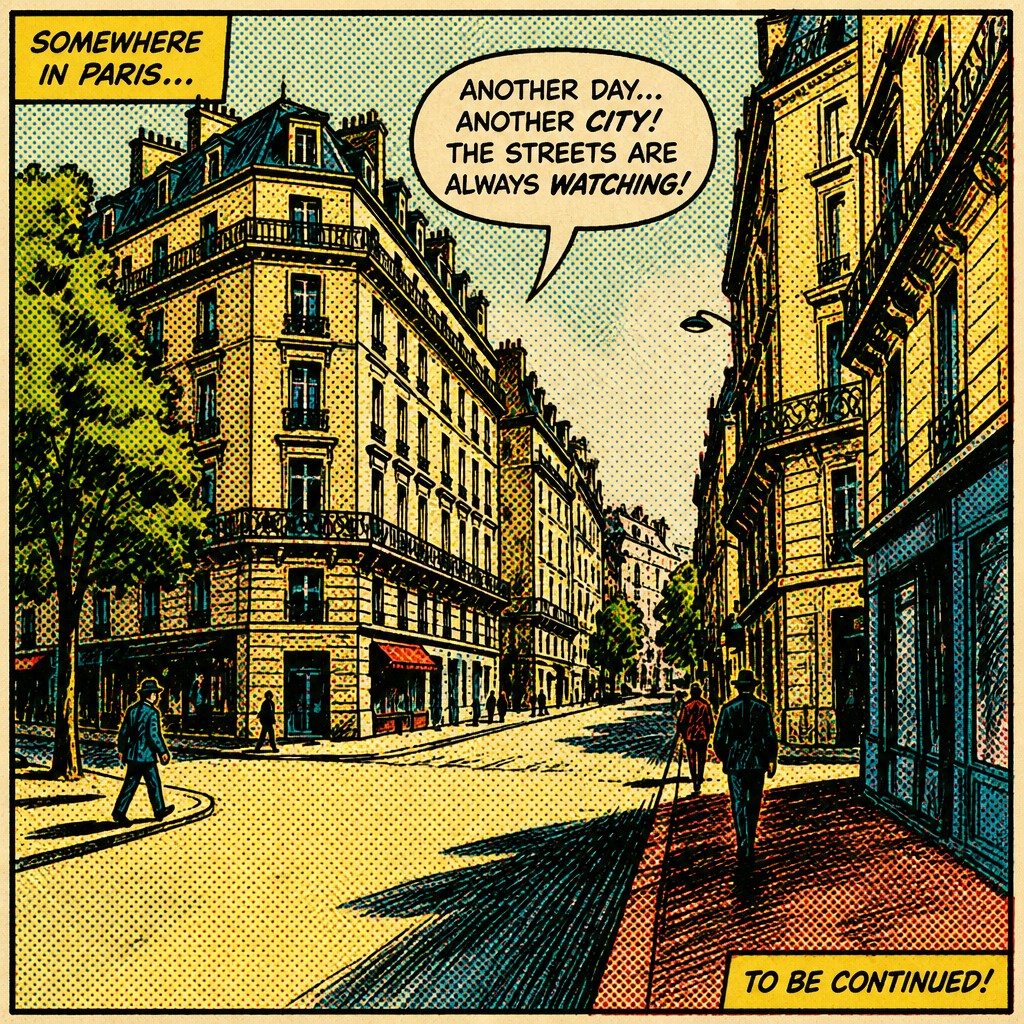

What Defines Retro Comic Art
The signature details, up close
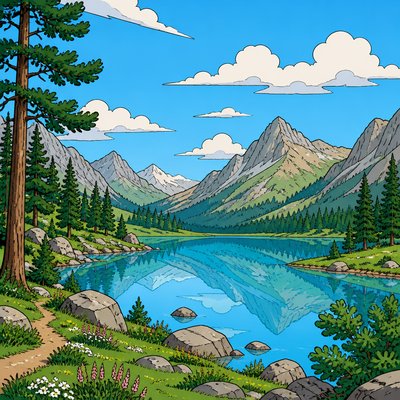
Bold ink contours
Figures and objects are outlined with strong black strokes, often varying from thin detail lines to heavy outer contours. This gives the artwork clarity at a glance and reproduces the strong graphic separation of printed comics.
Ben Day dots and halftones
Shading is frequently built from dot patterns or coarse screening rather than smooth digital gradients. These textures mimic older printing processes and help create the unmistakable comic-page surface.
Limited print palette
Colors usually appear as a restricted set of saturated primaries and secondary tones, often with CMYK-like separation effects. The palette feels purposeful and economical, reflecting historical printing constraints.
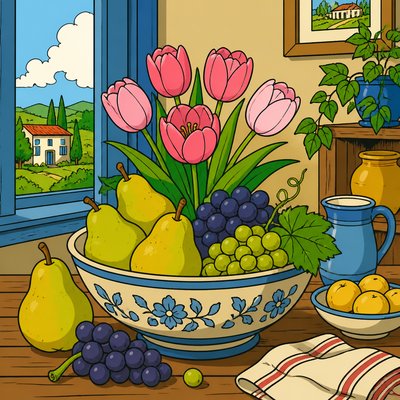
Flat color fills
Large areas are filled with clean, mostly uniform color, with minimal modeling or atmospheric blending. This keeps attention on silhouette, gesture, and line rather than painterly rendering.
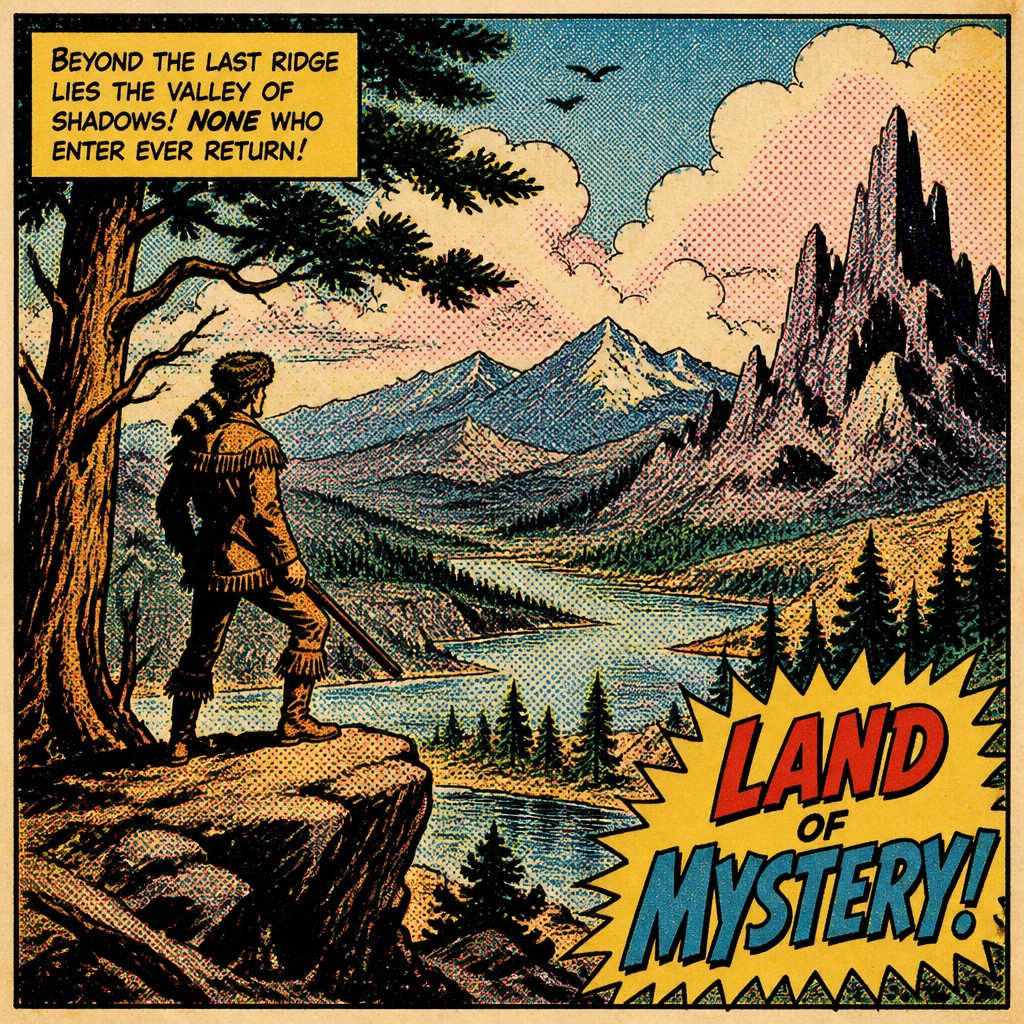
Dramatic shadows and highlights
Black shapes, high contrast lighting, and simplified highlight treatment create a punchy, theatrical look. Faces, muscles, clothing folds, and props are often rendered with stark graphic shading.
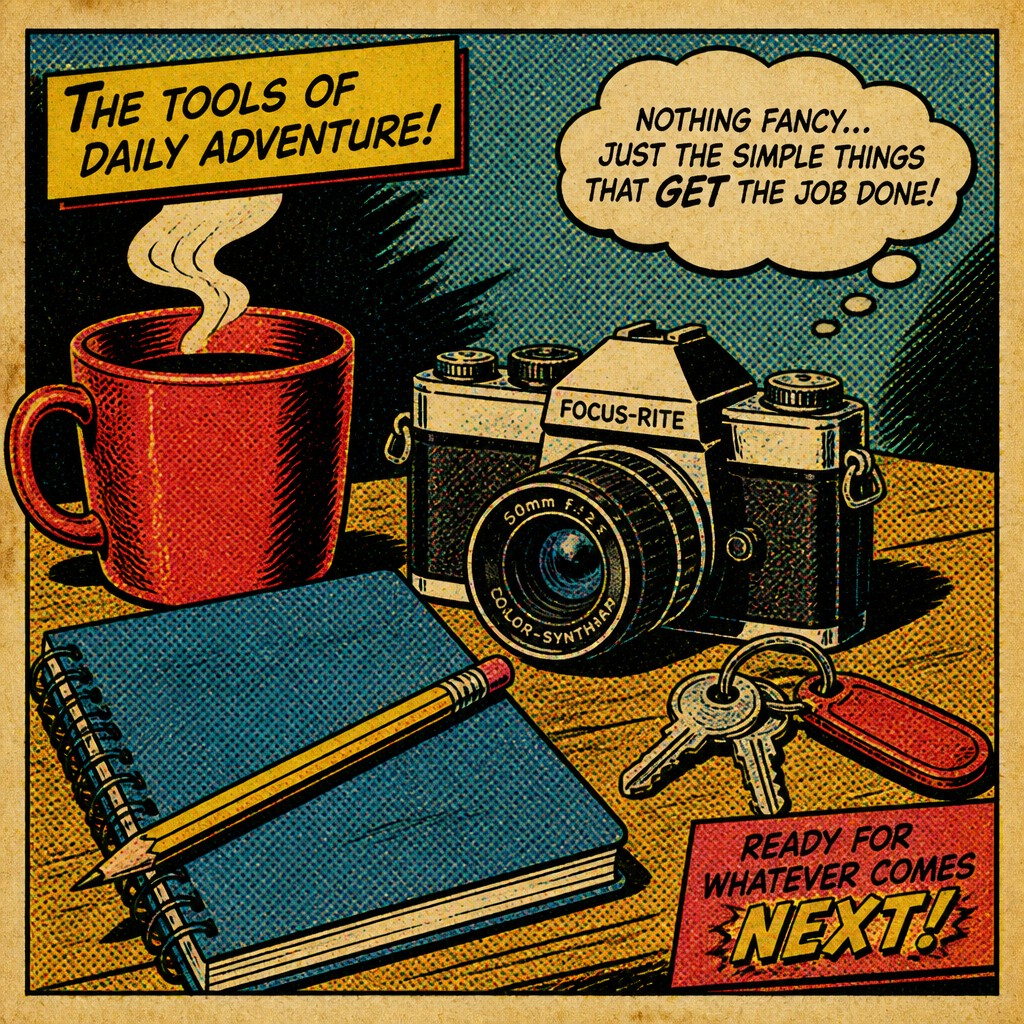
Newsprint texture and print imperfections
A slightly yellowed paper surface, visible grain, and minor misregistration help sell the vintage print effect. These imperfections make the image feel physically reproduced rather than digitally pristine.
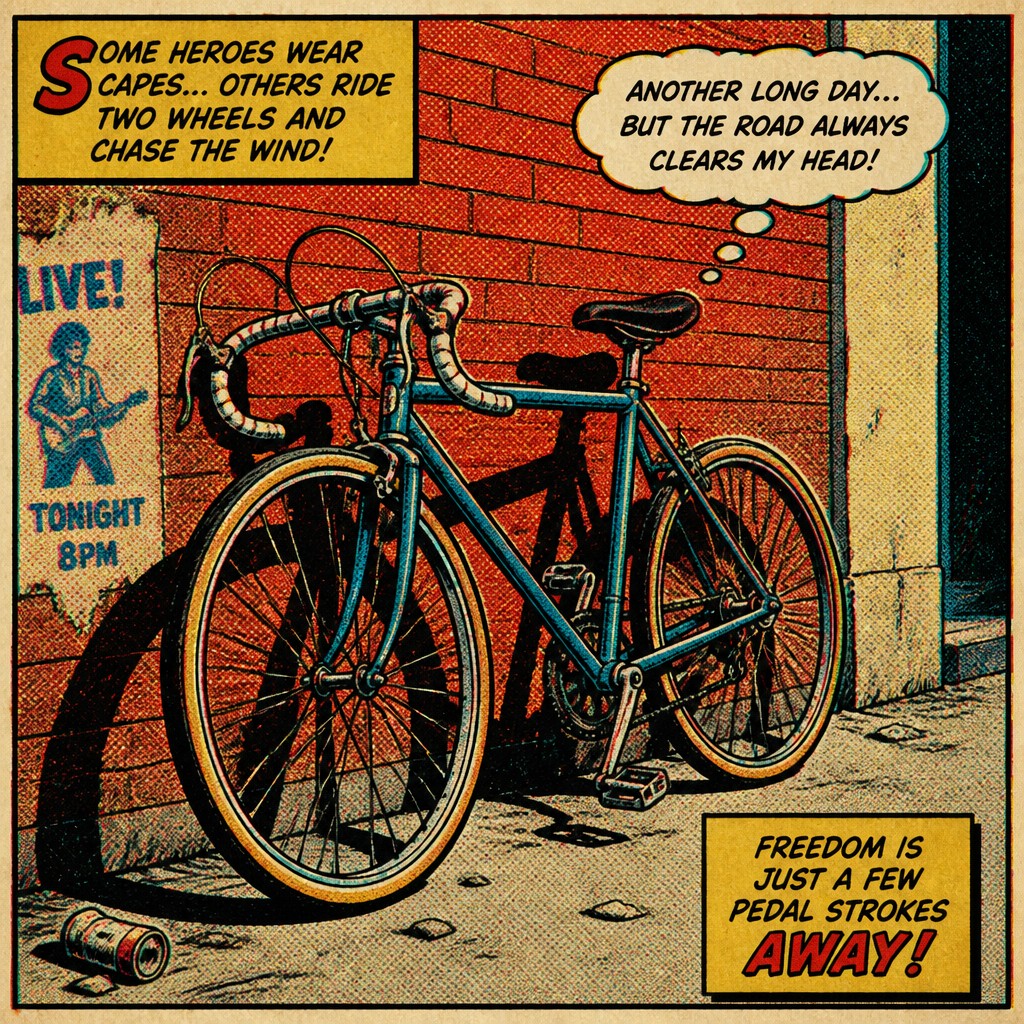
Dynamic panel-era composition
Even a single image often borrows the staging of comic panels, with foreshortening, diagonals, and action poses. The composition tends to feel energetic, sequential, and narrative-driven.
Try It
Create Videos in Retro Comic Art
Styles aren't just for stills — describe a scene or animate an image and get a short video rendered in Retro Comic. Press play to see this pond come to life.
Make a VideoRetro Comic Prompt Ideas
Start from an idea — each one opens the generator with the style ready to go. See all 40 Retro Comic prompts →
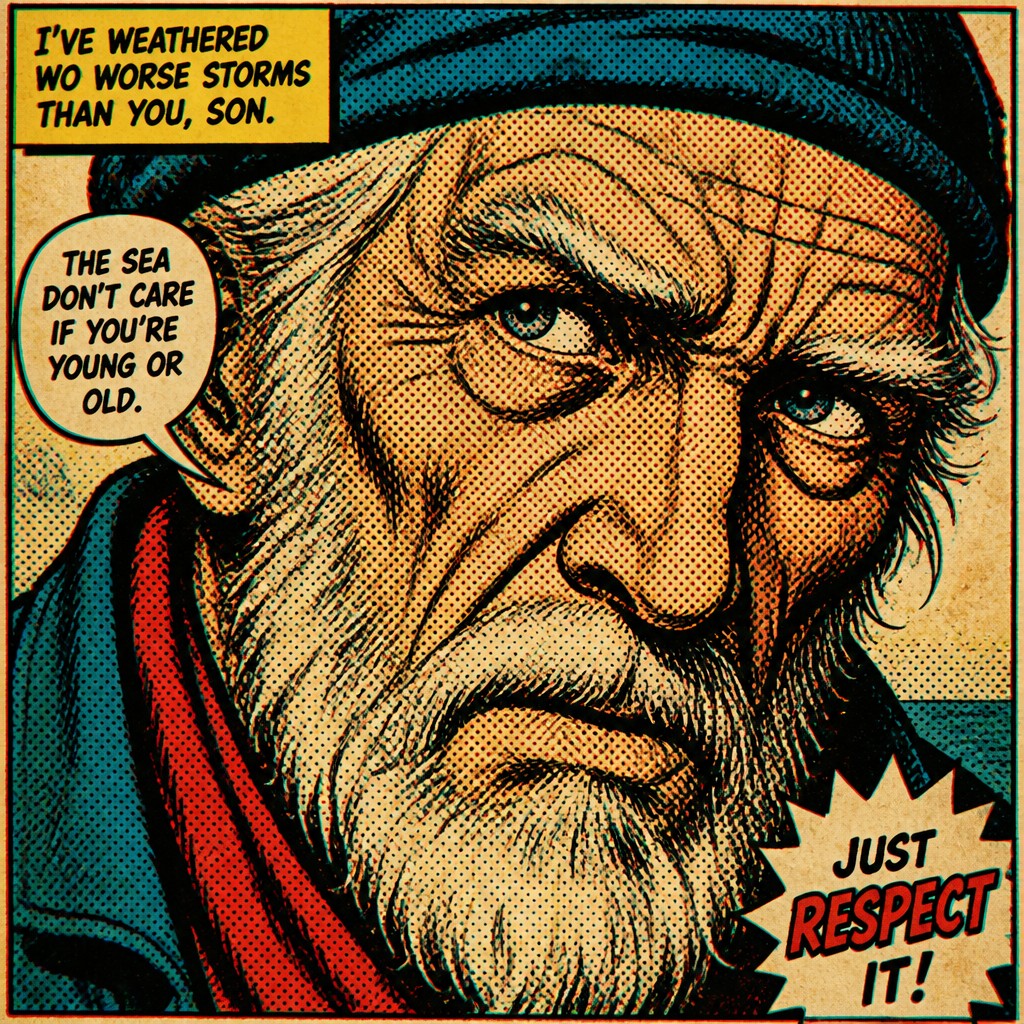
“close-up portrait of an elderly person with expressive weathered features”
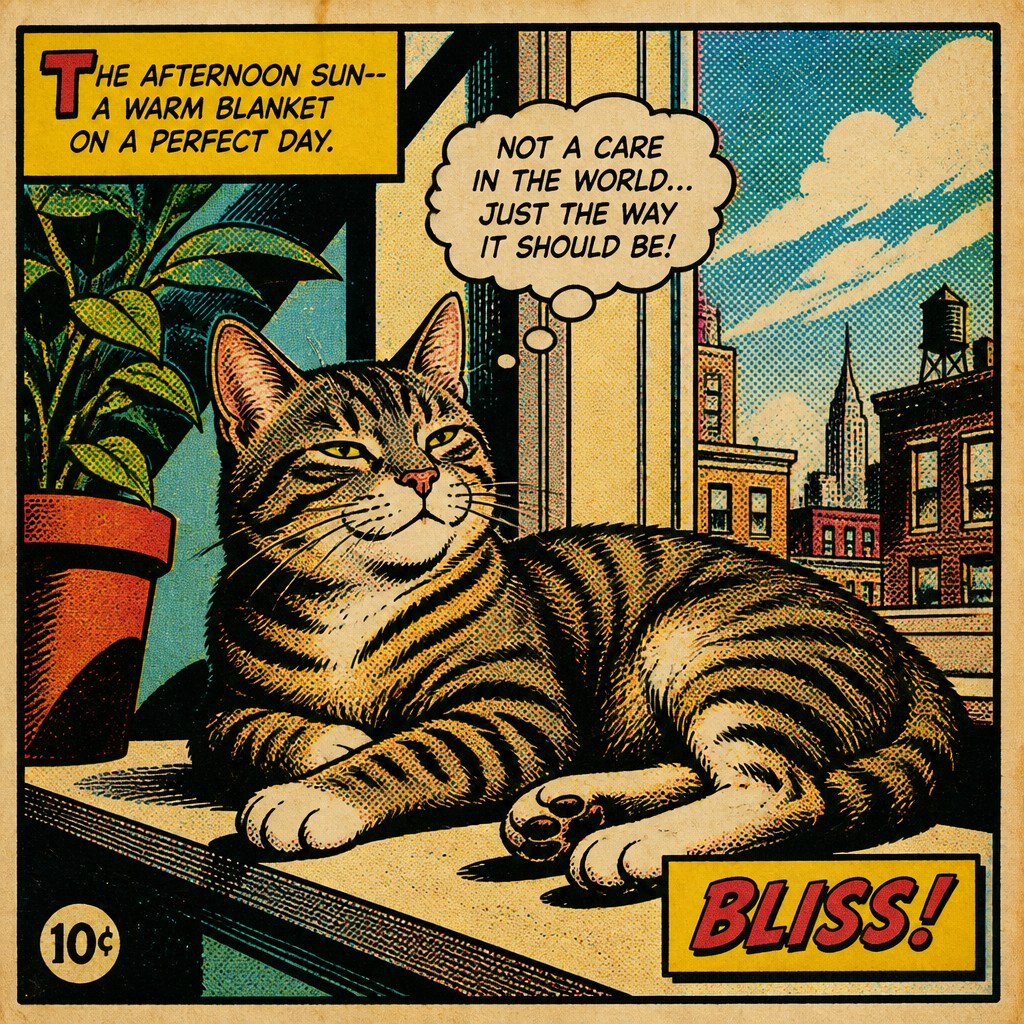
“a cat lounging in a sunlit window”
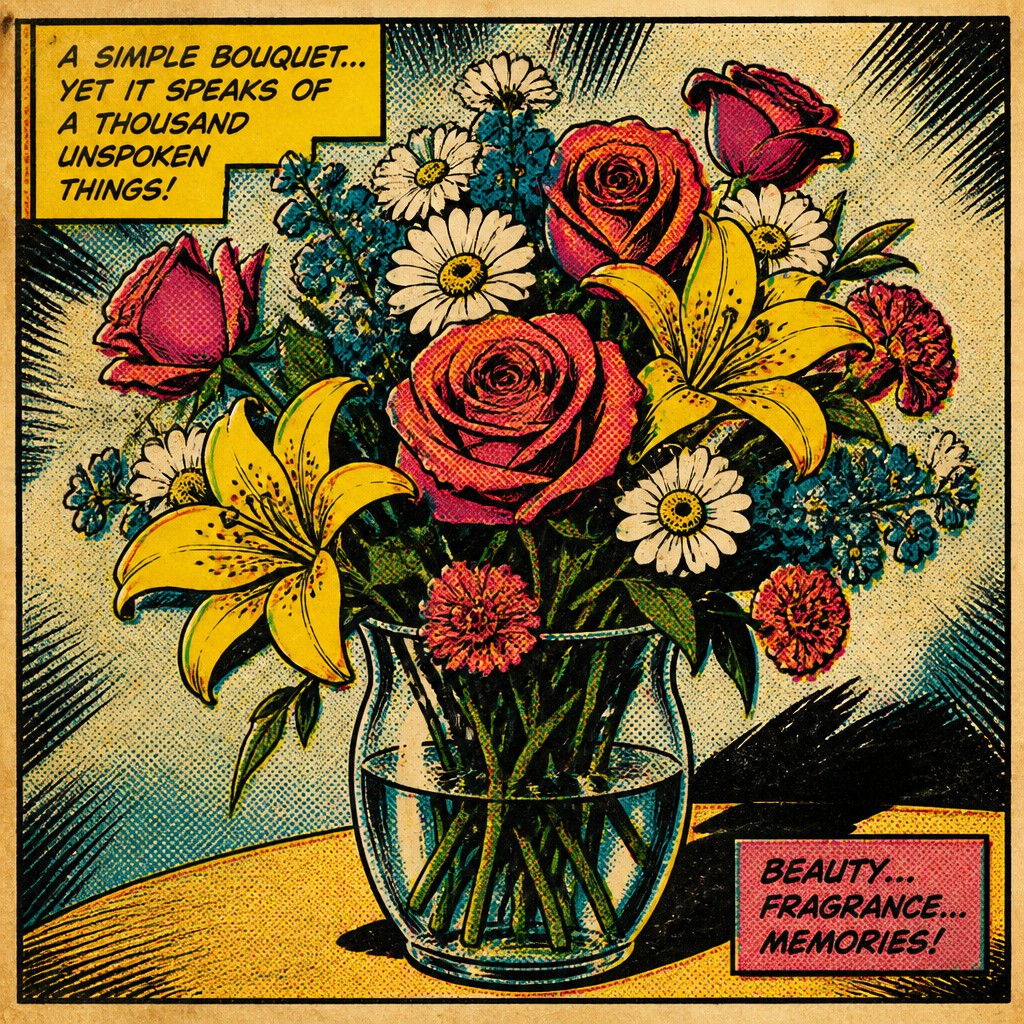
“bouquet of flowers in a glass vase”
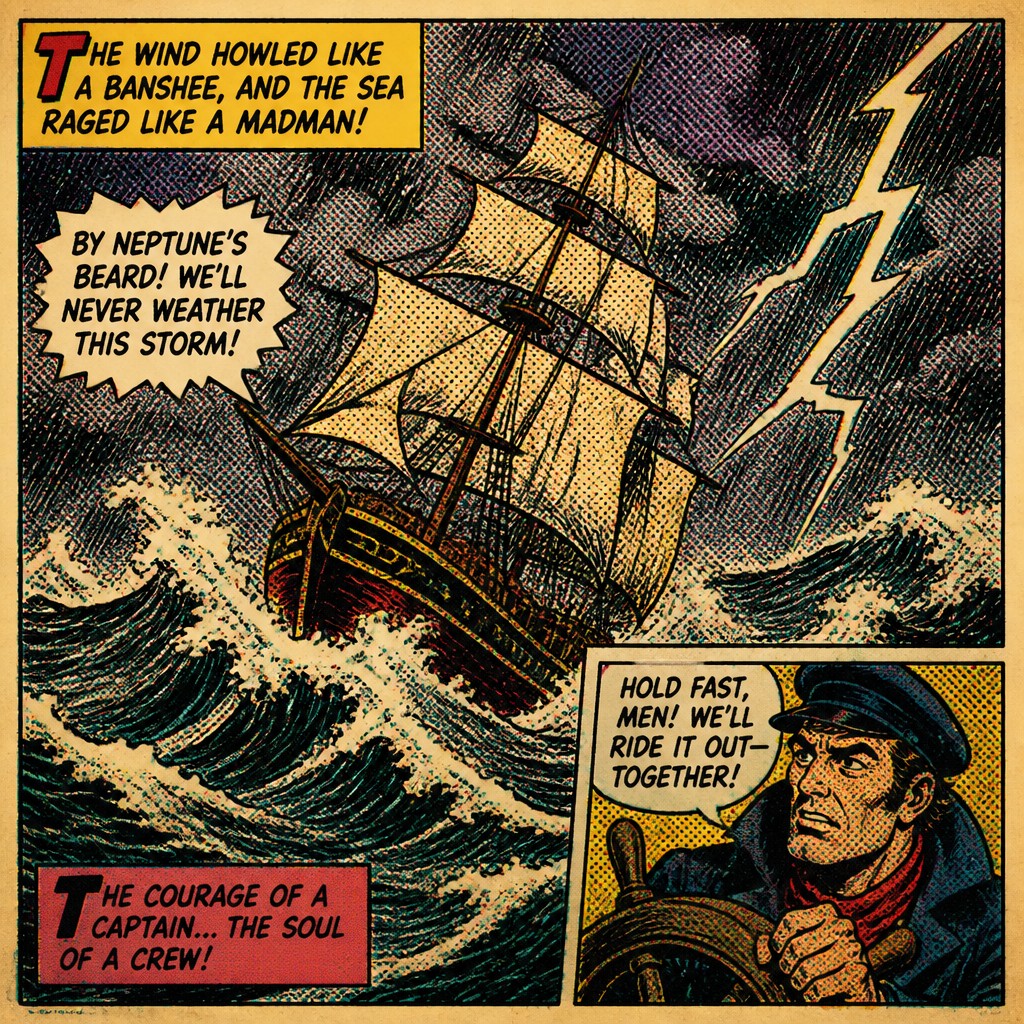
“sailing ship on a stormy sea”
How to Create Retro Comic Art
Master the craft step by step — or skip straight to creating. Read the full guide →
- 1
Start with strong contour drawing
Build the image from clear silhouettes and readable anatomy or object forms before adding detail. Use varied line weight so the most important edges feel heavier and the interior details stay lighter.
- 2
Use flat color blocks first
Lay in large areas of local color without gradients, then add shadows as separate shapes. If working traditionally, markers, ink, or gouache can approximate this simplified print look; digitally, keep blending minimal.
- 3
Add halftone and screening texture
Introduce Ben Day dots, coarse halftone screens, or stippled shading in selected areas rather than everywhere. Keep the pattern scale consistent with the image size so it reads as printing technology, not decorative noise.
- 4
Limit the palette and allow slight misregistration
Restrict yourself to a small CMYK-like palette and let color edges drift a little from the black linework. Subtle offsets and imperfect alignment are key to the vintage print illusion.
- 5
Compose for action and clarity
Use diagonals, foreshortening, and exaggerated expressions to create comic energy. In prompt-based generation, specify bold inks, halftones, flat colors, newsprint texture, and dynamic superhero composition to steer the result.
- 6
Emphasize print aging in finishing
Add paper warmth, slight yellowing, and faint ink wear rather than modern polish. In digital workflows, a light texture overlay and restrained contrast can make the image feel genuinely period-appropriate.
The Story
History & Origins of Retro Comic
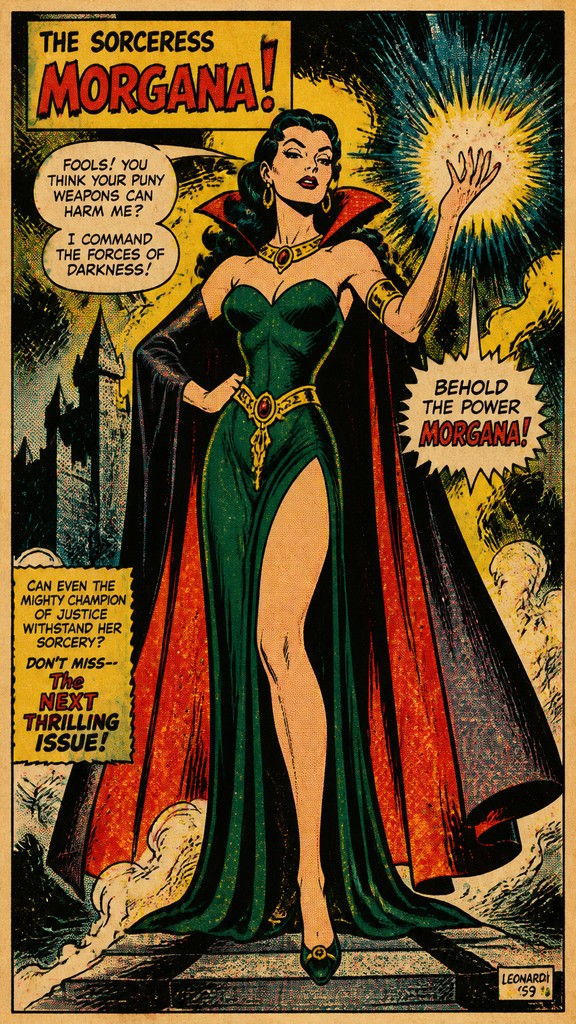
Retro Comic Art draws primarily from the Golden Age and Silver Age of American comic books, roughly the late 1930s through the 1960s. During this period, comics were produced through affordable mass-printing methods that relied on line art, Ben Day or other halftone screening, and limited color separation, which created the characteristic dotted textures and slight color misalignment now associated with the look.
Its visual lineage also includes newspaper comic strips, pulp magazine illustration, and mid-century commercial art. Leading superhero creators of the era helped define the dynamic figure work and cinematic action staging of superhero comics, while the broader printed medium shaped the style’s flat color, bold contouring, and dramatic page design.
Influences: This style is closely related to Golden Age and Silver Age American comics, newspaper strip illustration, pulp cover art, and mid-century advertising graphics. Canonical comic-book creators associated with its visual language include leading superhero artists and influential pencillers and inkers from the era; the broader texture owes much to the mechanics of mass printing, especially halftone screening and limited color separation.
Frequently Asked Questions
What defines Retro Comic Art?
The style is defined by bold black linework, flat limited colors, halftone dot shading, and a printed-page texture. It usually feels dramatic and action-oriented, with a strong connection to classic superhero and adventure comics.
How is this different from modern comic art?
Modern comic art often uses smoother digital coloring, cleaner registration, and more varied rendering techniques. Retro Comic Art deliberately keeps the older print look, including dot patterns, simpler color blocks, and occasional imperfections.
Is this the same as pop art?
Not exactly. Pop art can borrow comic imagery, but Retro Comic Art is primarily a comics-print aesthetic rooted in sequential art and vintage publishing. Pop art may be more ironic or gallery-oriented, while this style aims for the look of the comic page itself.
What subjects work best in this style?
Superheroes, detectives, space adventures, monsters, crime scenes, and pulpy action subjects fit especially well. Anything with strong gestures, clear silhouettes, and dramatic storytelling tends to translate effectively.
How do I make an image look authentic?
Use a restricted color palette, visible line variation, halftone dots, and a slightly aged paper texture. Avoid overly smooth gradients and hyperreal shading, since those can break the vintage print illusion.
Where is this style commonly used today?
It appears in comic-inspired posters, editorial illustration, retro-themed branding, album art, apparel graphics, and fan art. It is also popular for images that want a nostalgic superhero or pulp-adventure feel.
Create your first Retro Comic artwork
Describe anything — or upload a photo — and see it in Retro Comic Art in seconds.
Make Something with Retro Comic
Related Styles
Discover similar art styles