Graphic Novel Art
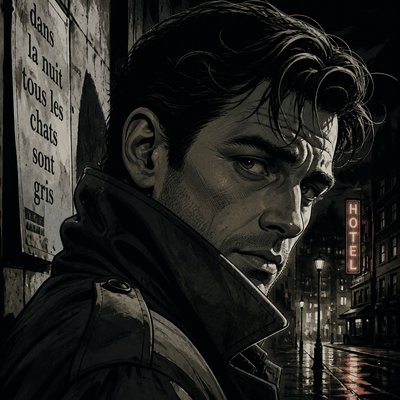
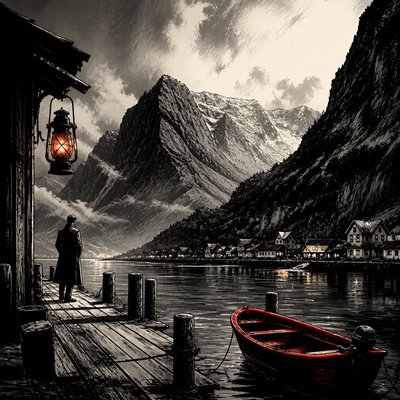
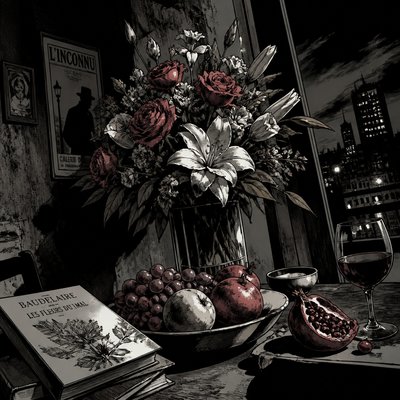
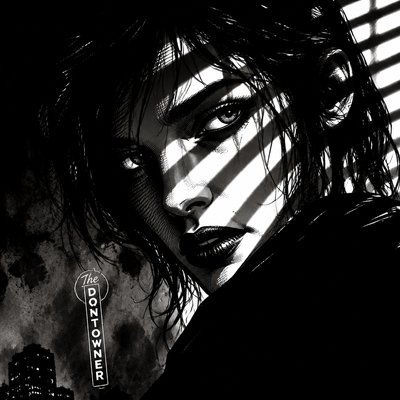
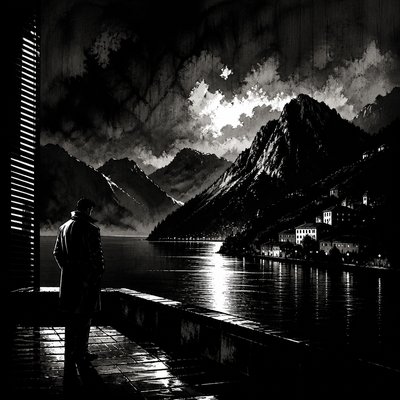
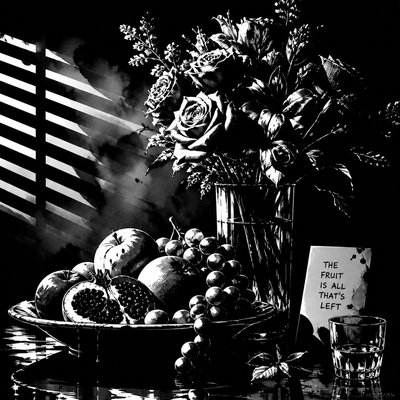
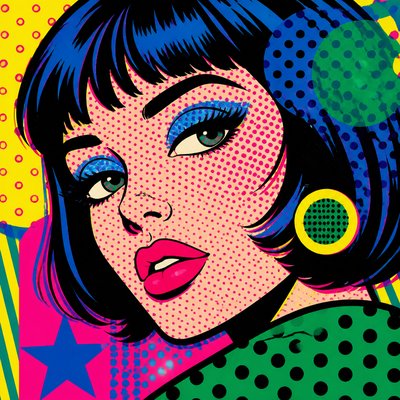
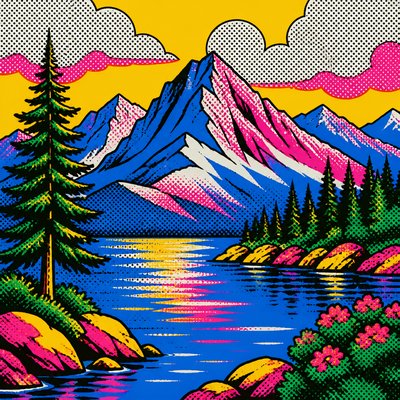
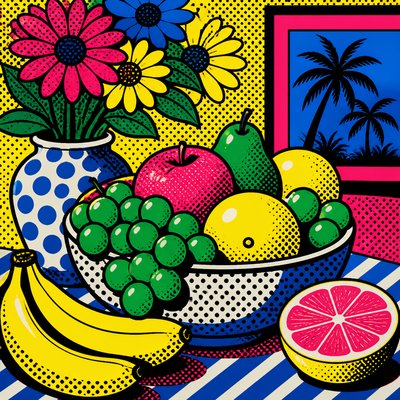
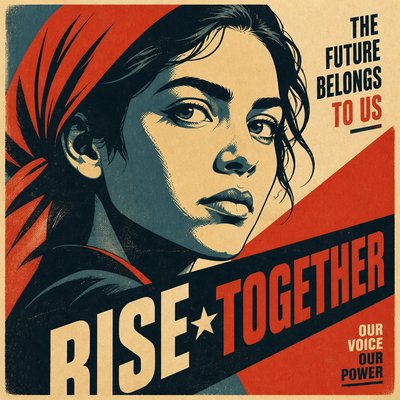
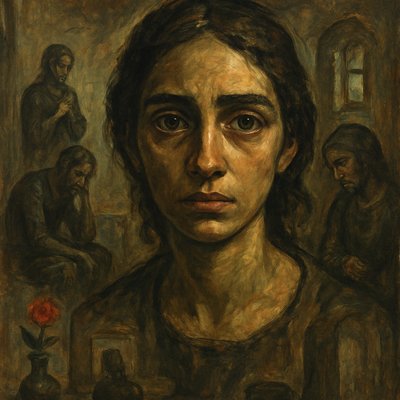
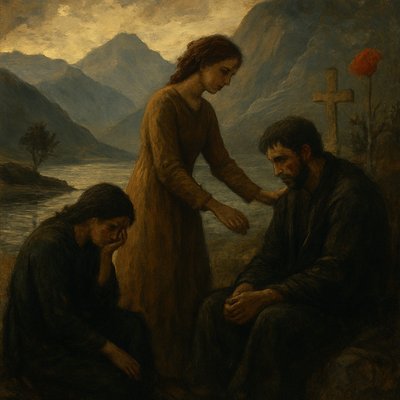
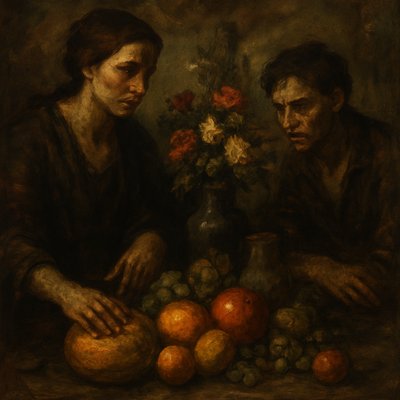
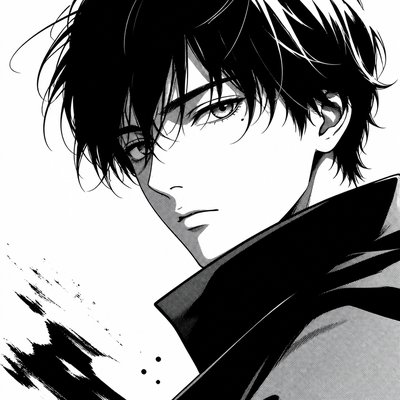
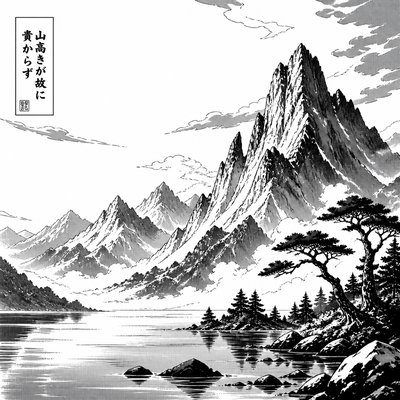
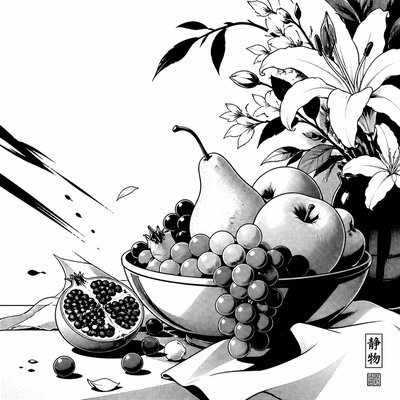
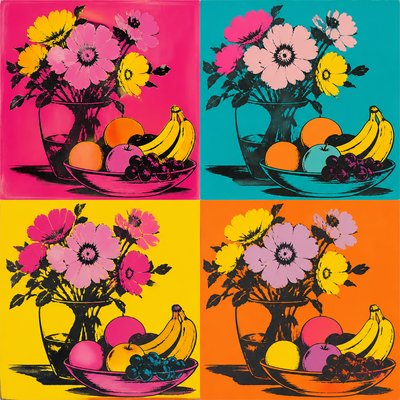
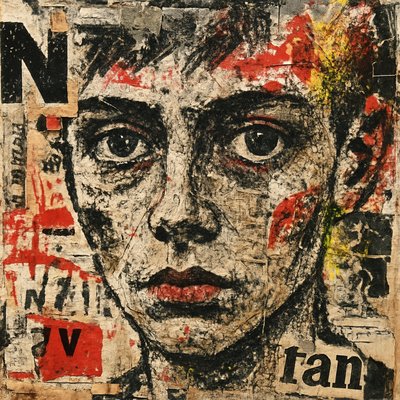
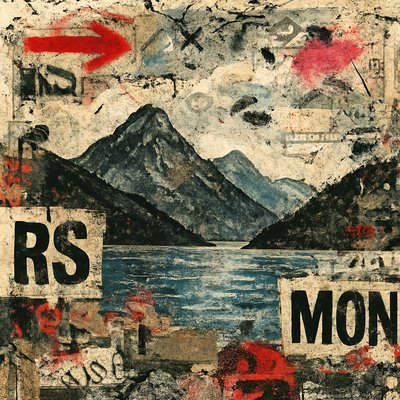
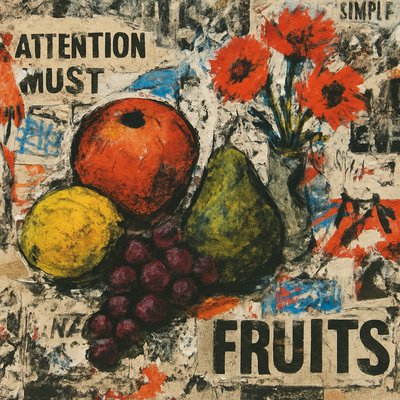
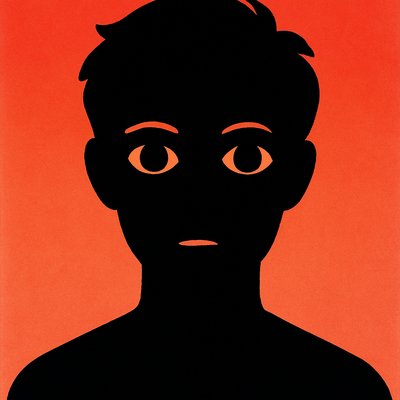
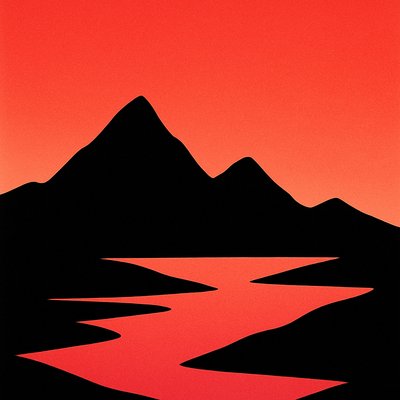
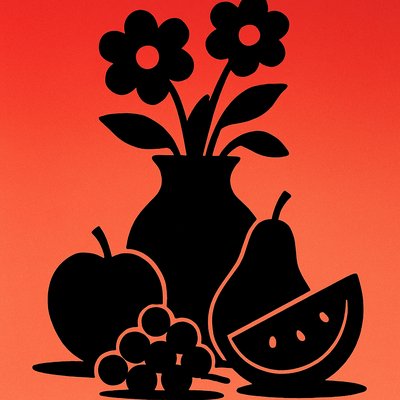
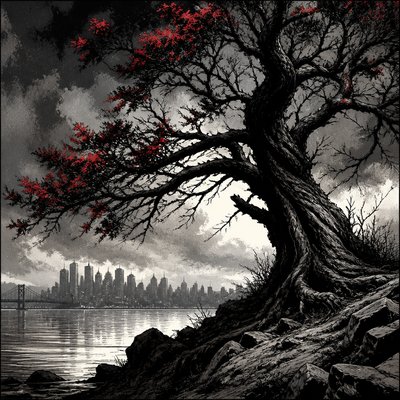
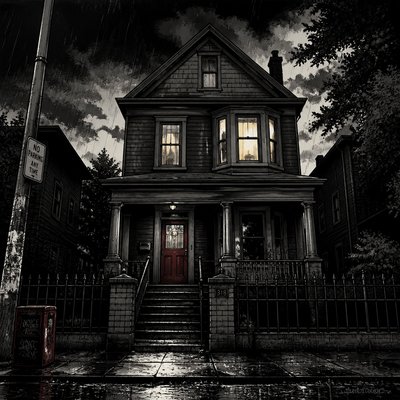
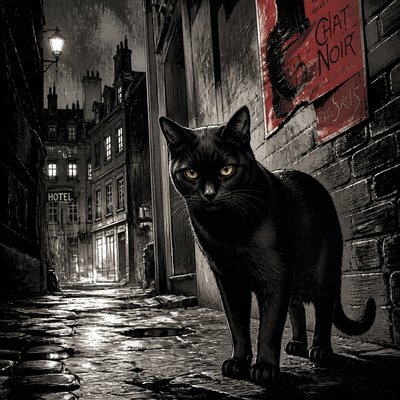
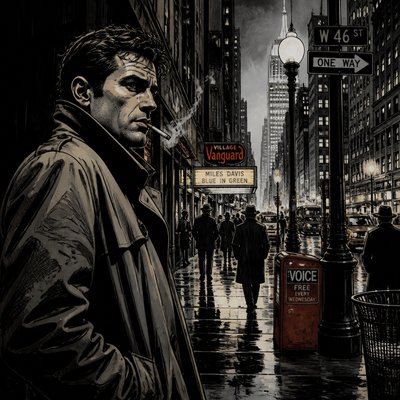
Sophisticated comic art with noir lighting, realistic figures, cinematic framing, crosshatching, and mature storytelling.
Instantly rendered in Graphic Novel — or transform a photo
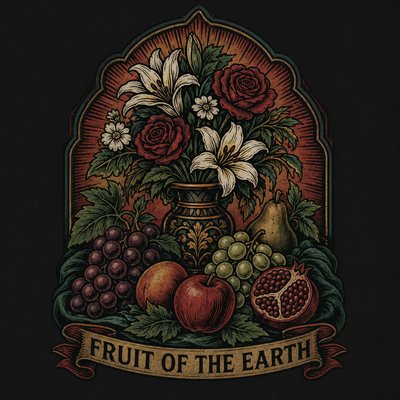
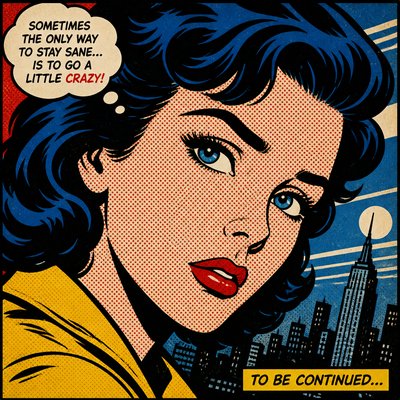
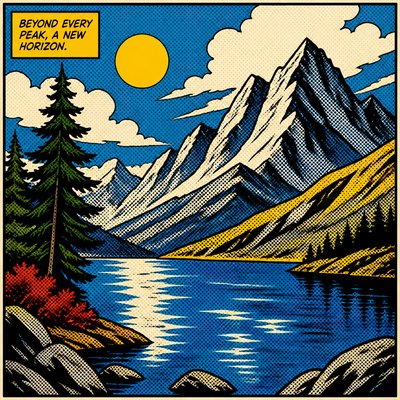
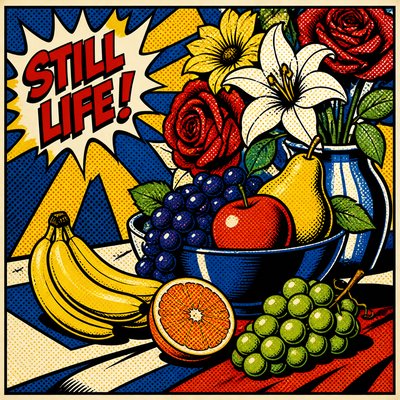
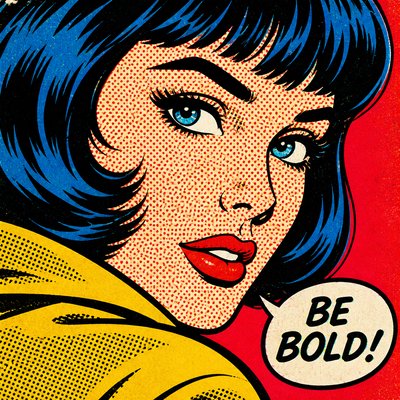
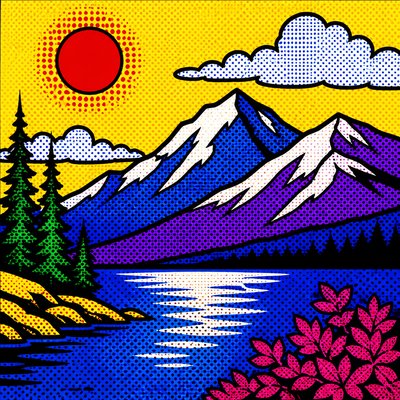
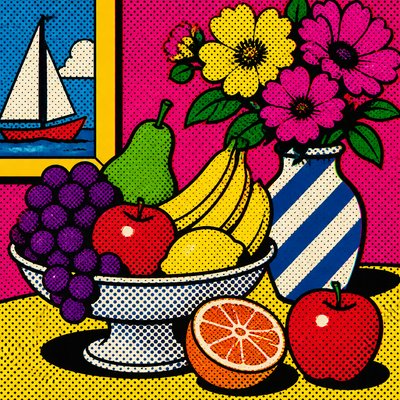
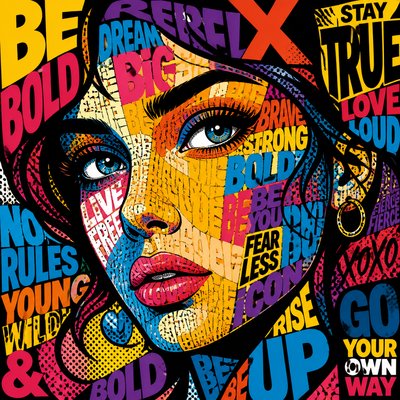
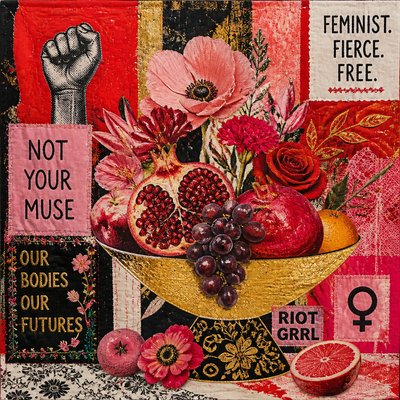
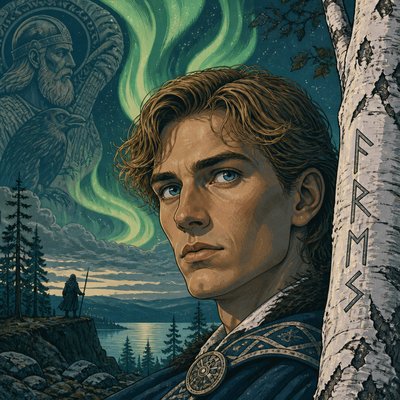
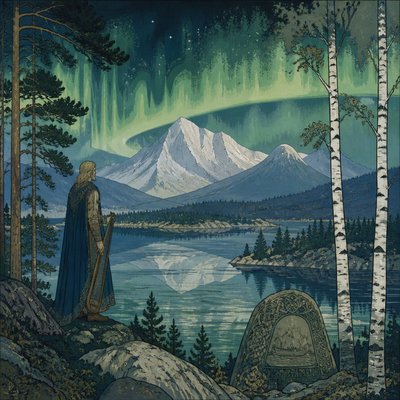
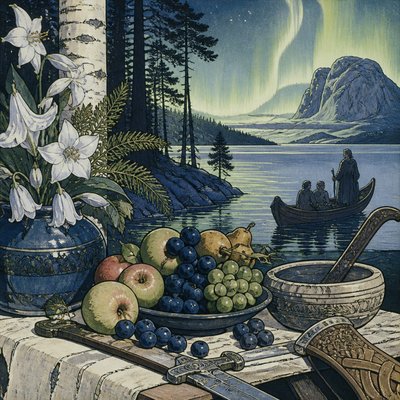
Graphic Novel Gallery
Tap any artwork to explore it
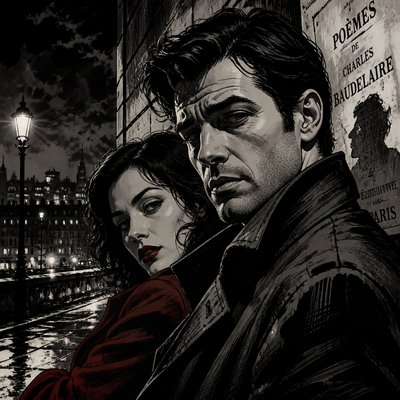
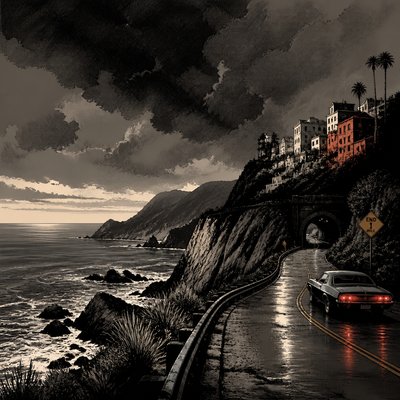
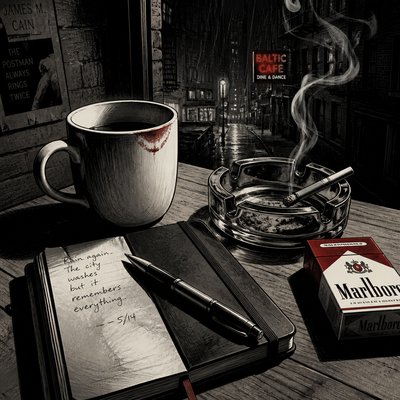
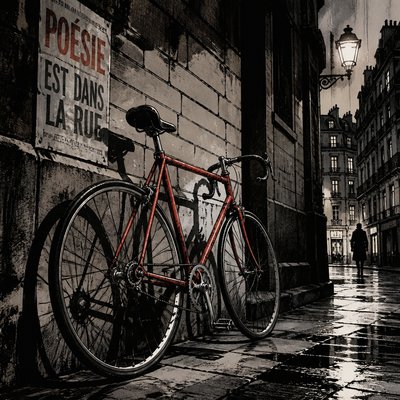
What is Graphic Novel Art?
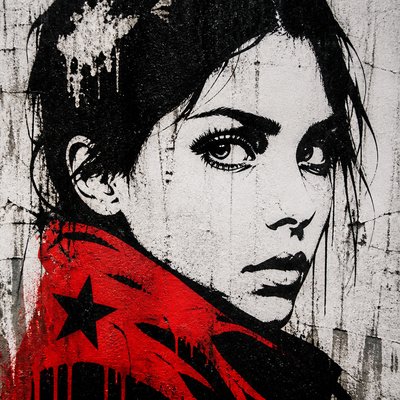
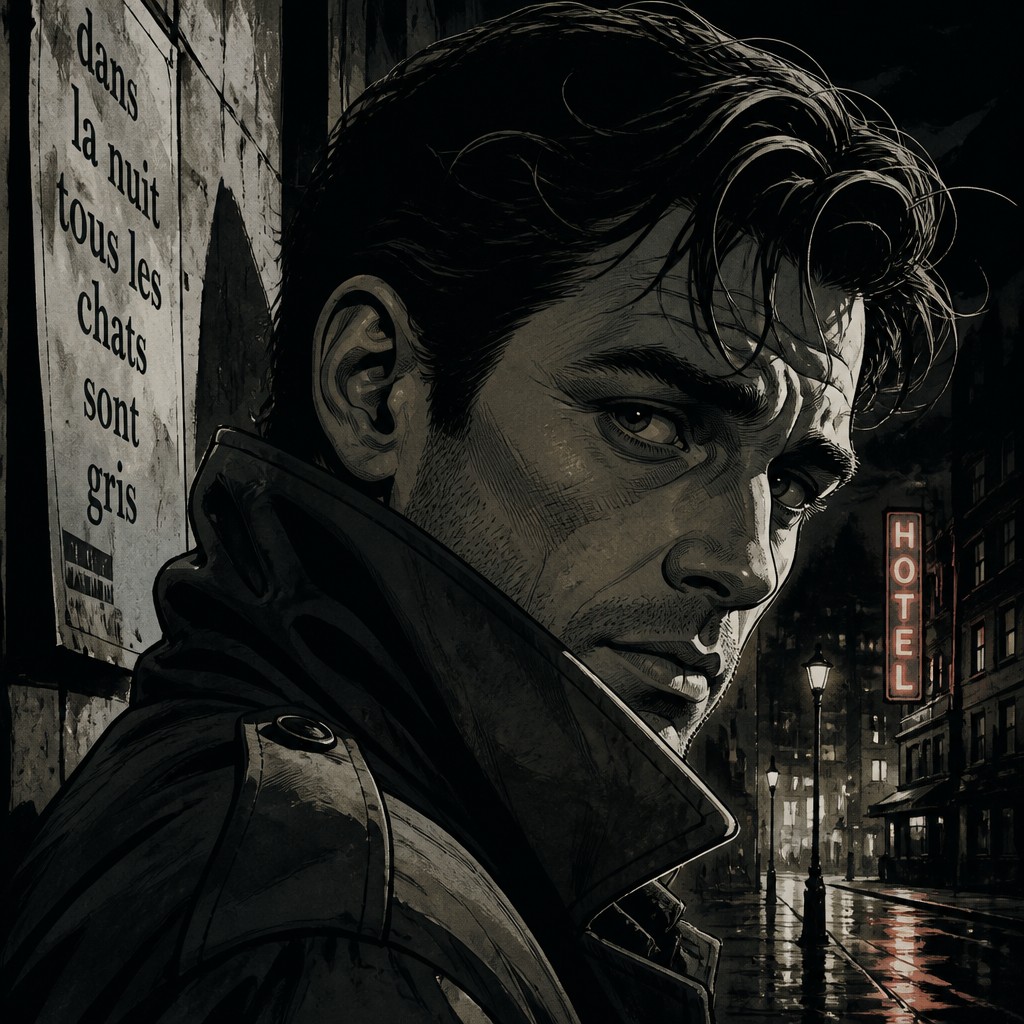
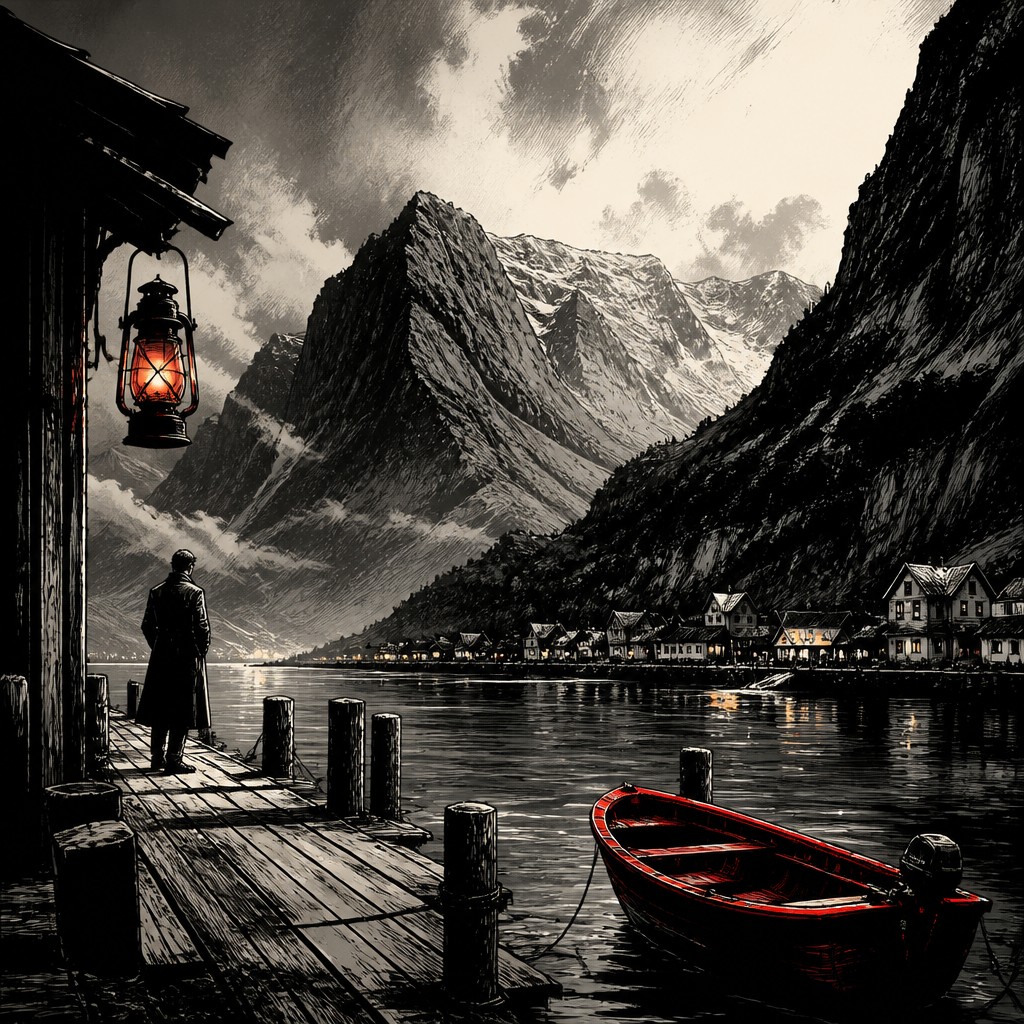
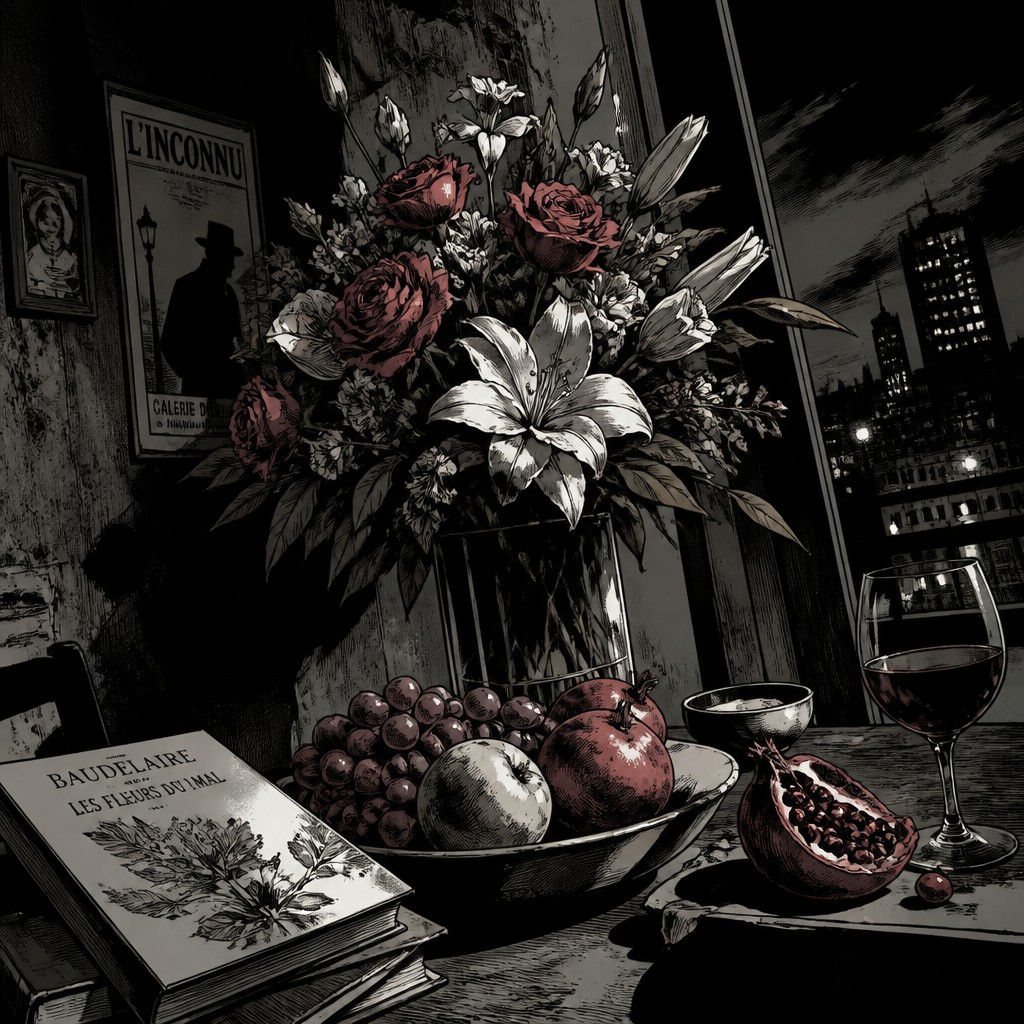
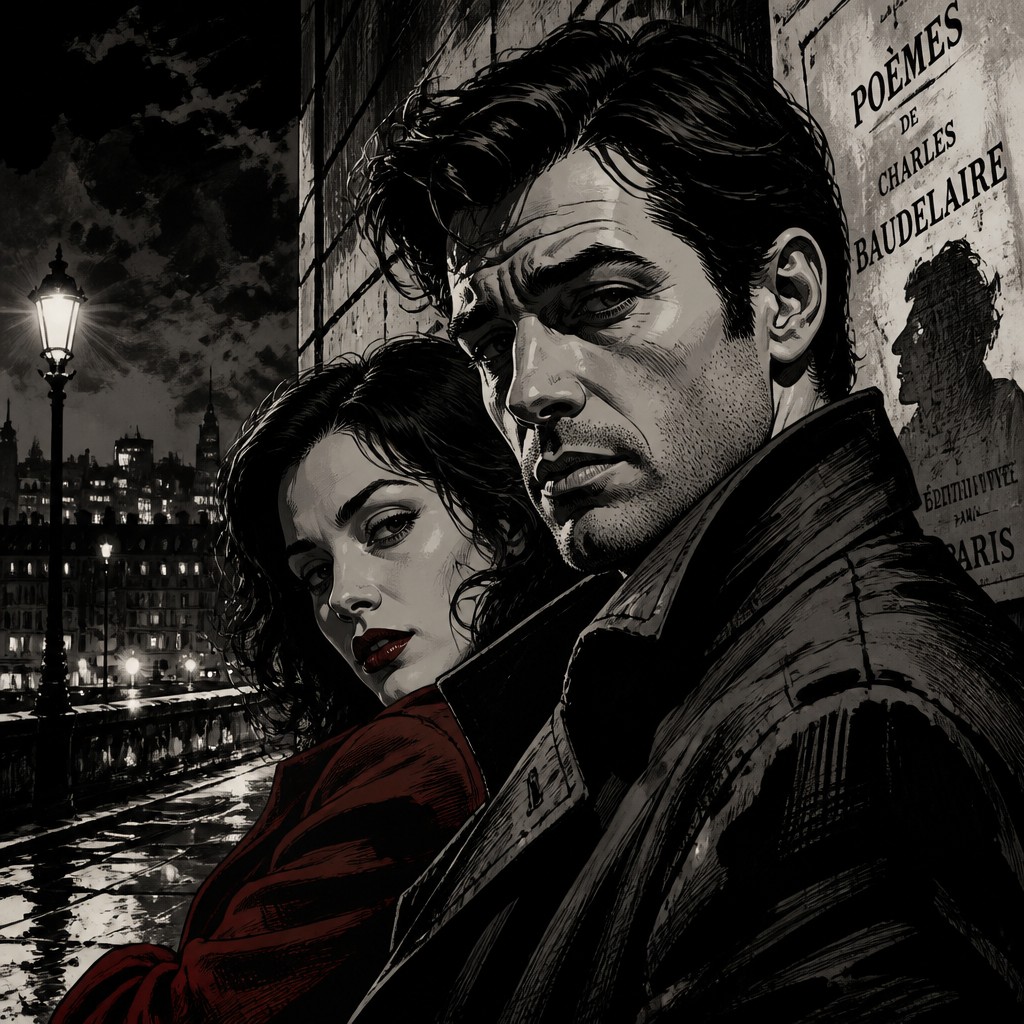
Graphic novel art is a sophisticated comic-book style designed for long-form, literary storytelling. It combines realistic or near-realistic figure drawing with cinematic page design, expressive ink linework, and a restrained, often moody palette. The result is less playful and more atmospheric than mainstream superhero comics, with an emphasis on character psychology, urban environments, and narrative tension.
Its visual identity comes from the meeting of newspaper comic strip clarity, European bande dessinée craftsmanship, film noir lighting, and modern illustration. Artists often use bold contour lines, dense crosshatching, ink wash, and carefully staged compositions to create a sense of depth and drama. Selective color, when present, is usually muted and purposeful, reinforcing the literary tone rather than overwhelming it.
Try It On Your Photos
Upload any photo and convert it into Graphic Novel Art — drag the sliders to compare before and after.


What Defines Graphic Novel Art
The signature details, up close
Cinematic page design
Panels are arranged to control pacing like film editing, with establishing shots, close-ups, and dramatic angles. The composition often guides the eye through tension and reveal rather than simple sequential clarity.
Bold ink linework
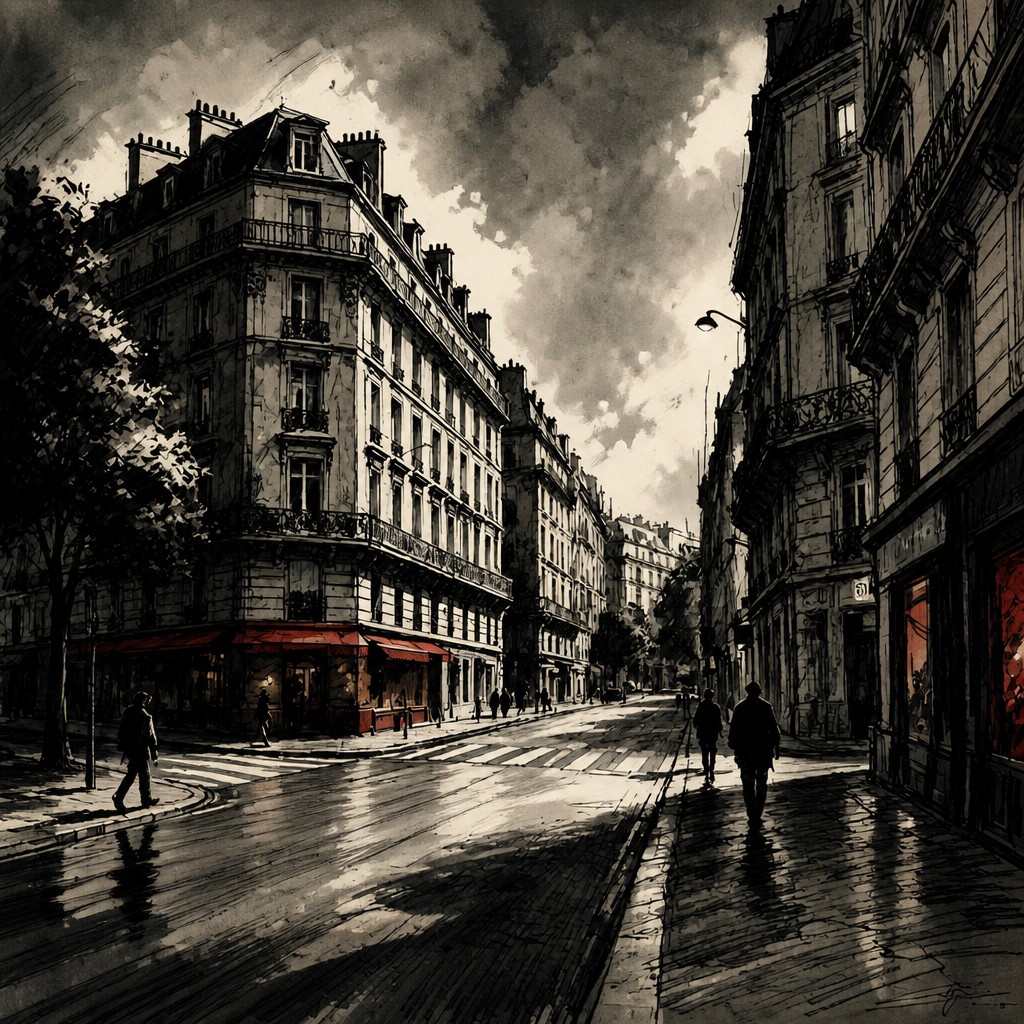
Contouring is usually confident and varied in weight, with thicker lines used for emphasis and thinner lines for detail. The line serves both structure and mood, giving forms crisp readability while preserving hand-drawn texture.
Noir lighting and contrast
High-contrast blacks, sharp highlights, and shadow-heavy scenes create a moody atmosphere. This chiaroscuro approach helps suggest mystery, danger, or psychological weight.
Crosshatching and ink texture
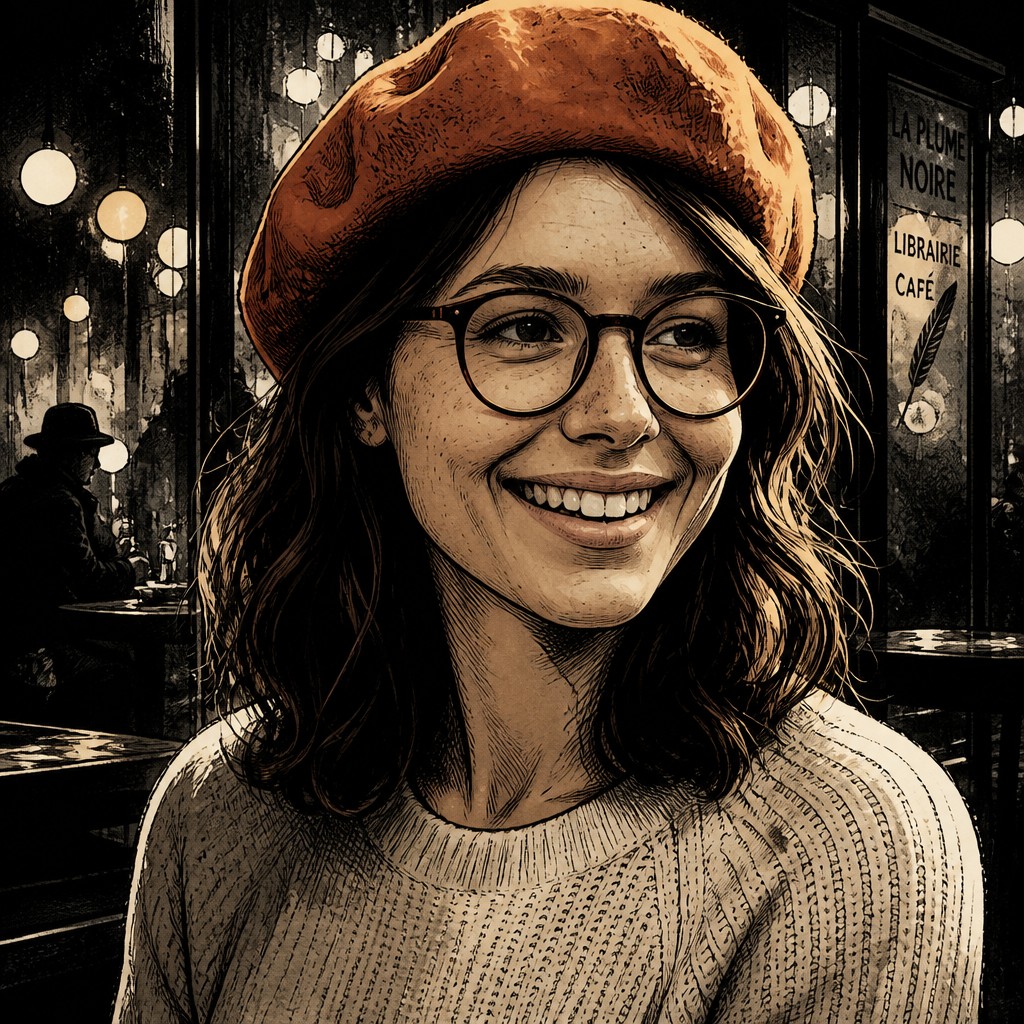
Shading often relies on layered hatching, stippling, and ink wash to build volume and atmosphere. These textures add a tactile, literary quality that feels closer to illustration or printmaking than flat cartoon color.
Realistic proportions with slight exaggeration
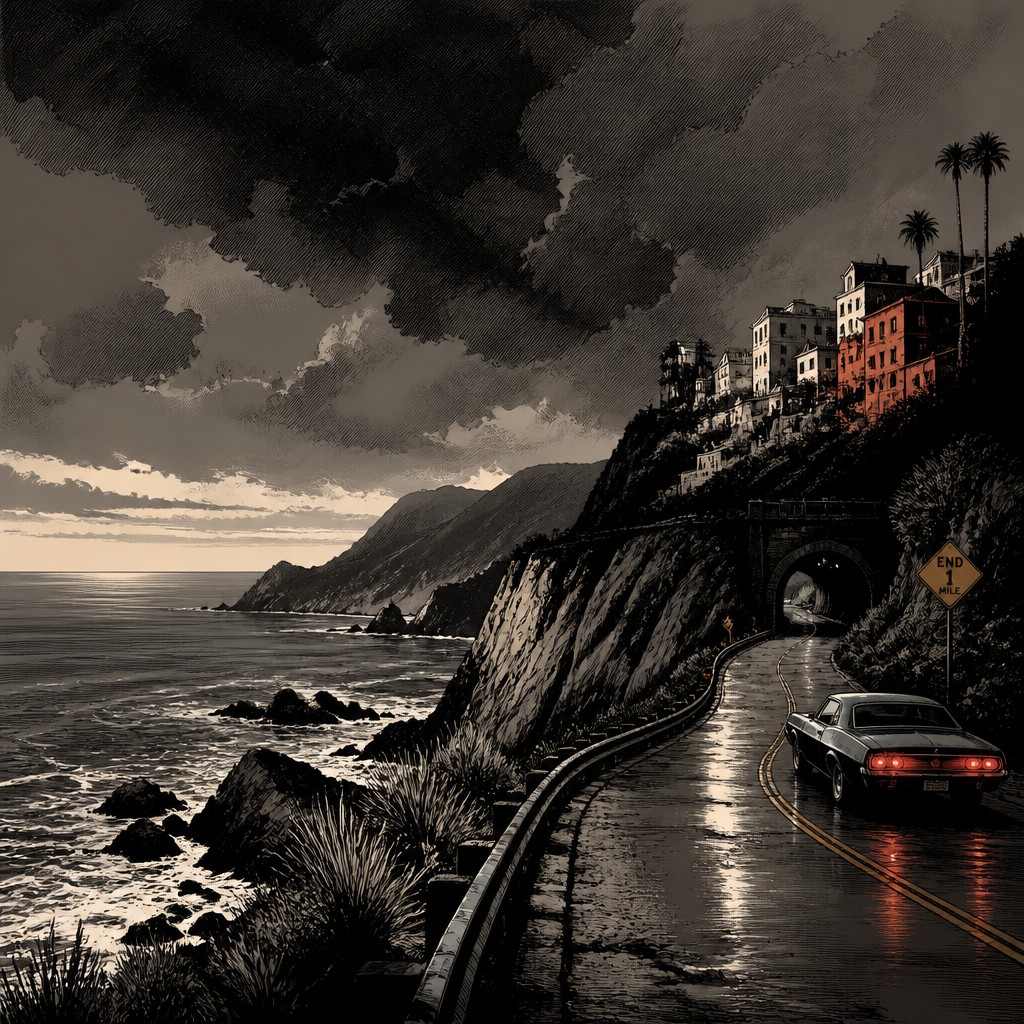
Figures usually follow believable anatomy, but expressions, gestures, and poses may be intensified for drama. The style favors human credibility over caricature, even when characters are stylized.
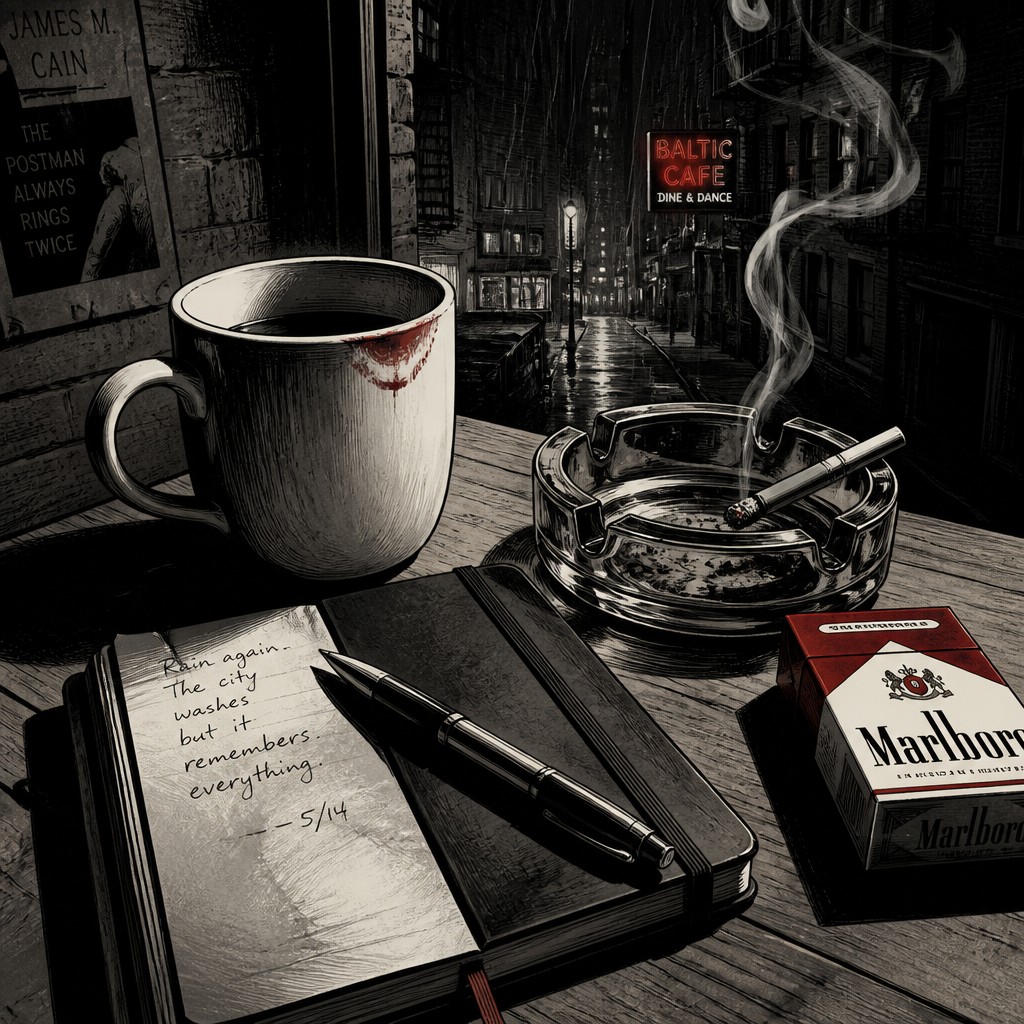
Muted or selective color
Many works use a largely monochrome palette, sometimes punctuated by one or two accent colors. When color is used, it tends to be controlled and symbolic rather than bright and decorative.
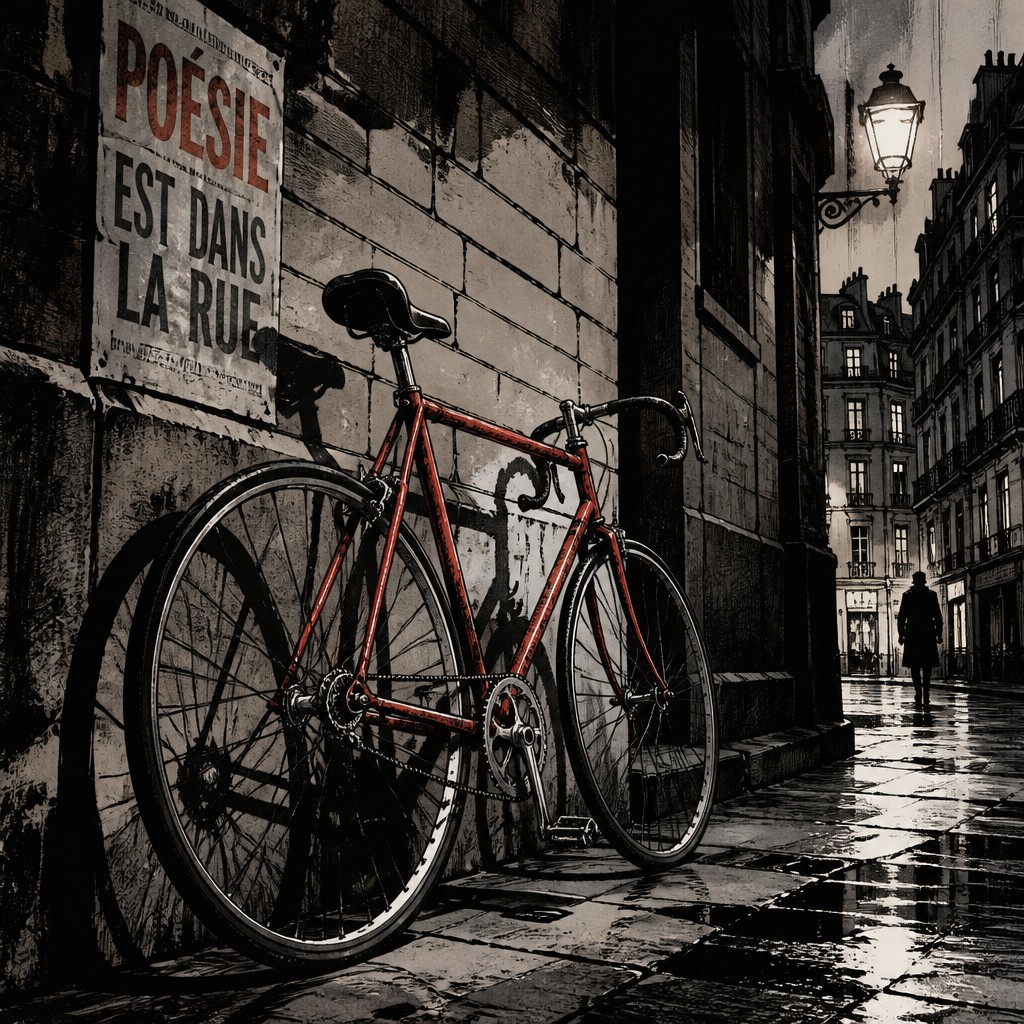
Contemplative, mature tone
The style often supports themes such as memory, crime, politics, trauma, or social realism. Even when the subject is fantastical, the rendering keeps the world grounded and emotionally serious.
Try It
Create Videos in Graphic Novel Art
Styles aren't just for stills — describe a scene or animate an image and get a short video rendered in Graphic Novel. Press play to see this pond come to life.
Make a VideoGraphic Novel Prompt Ideas
Start from an idea — each one opens the generator with the style ready to go. See all 40 Graphic Novel prompts →
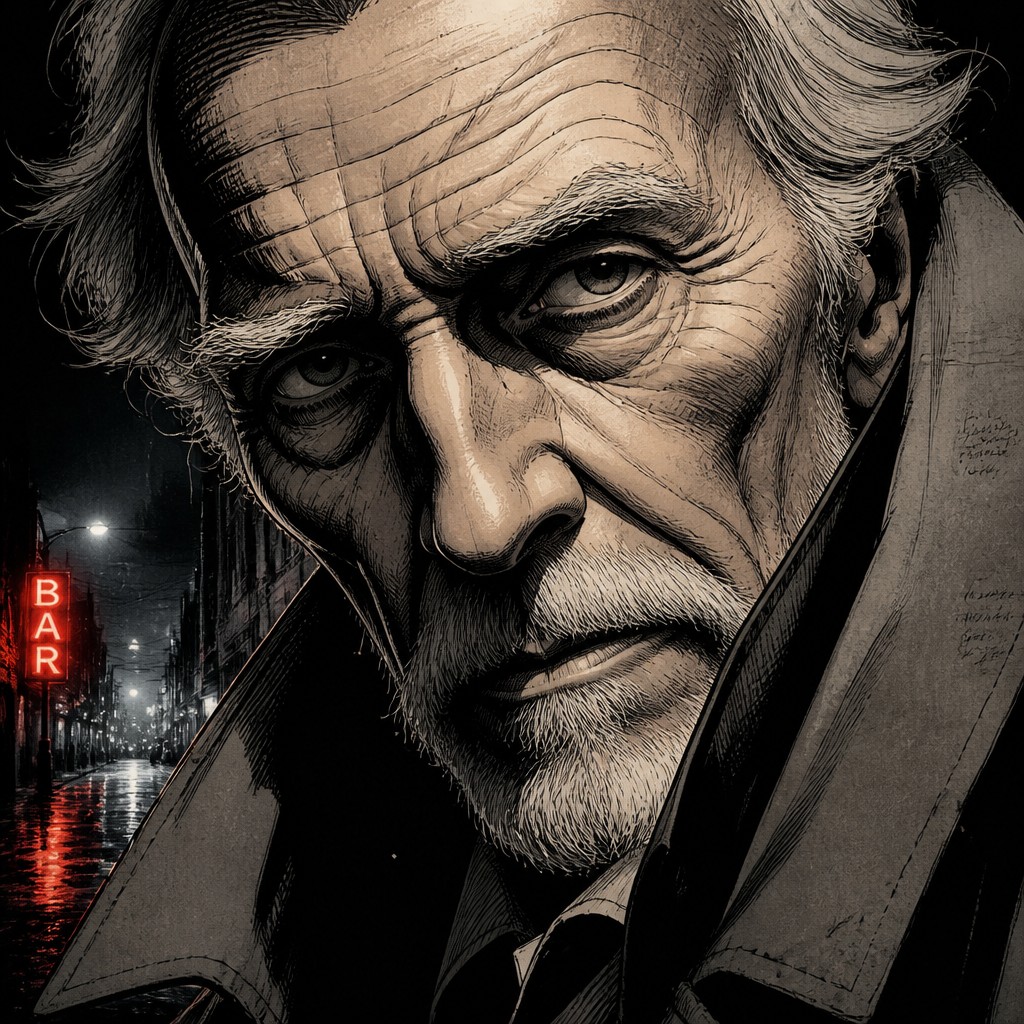
“close-up portrait of an elderly person with expressive weathered features”
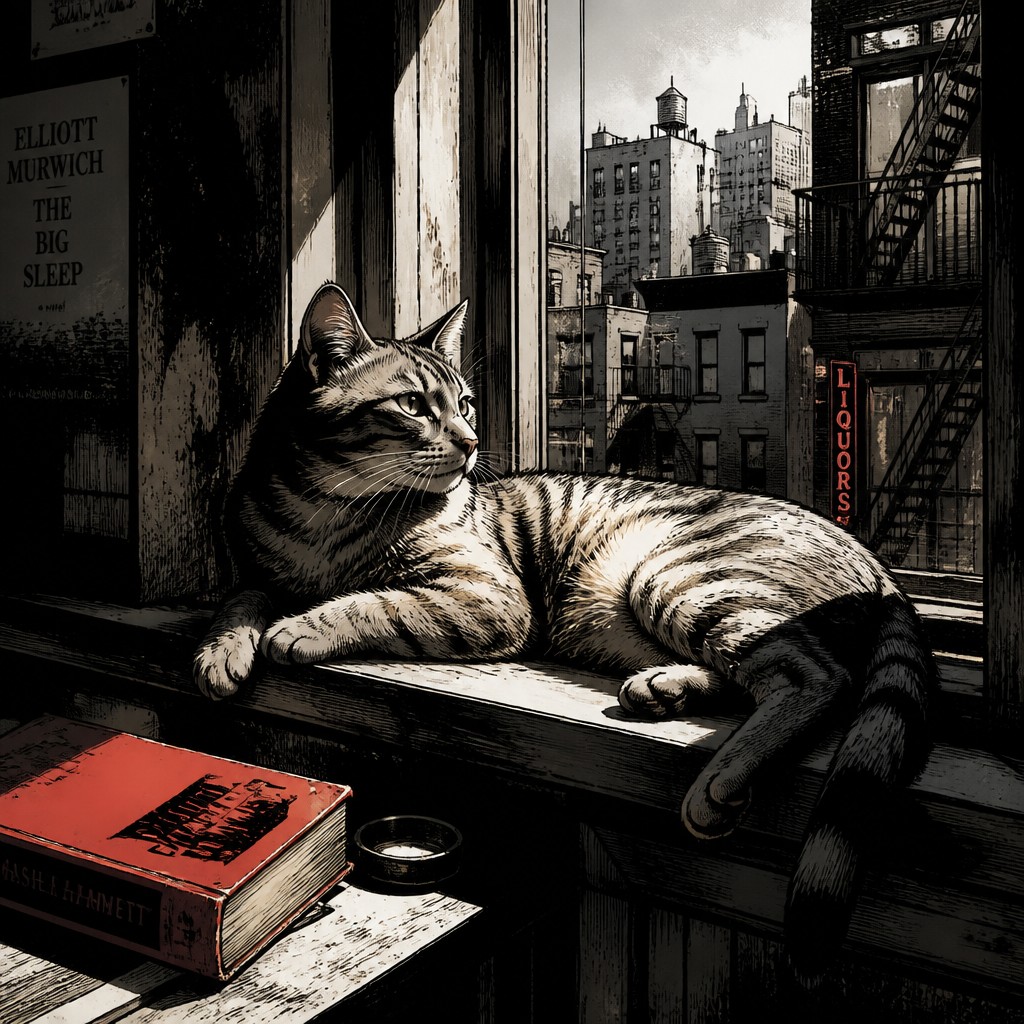
“a cat lounging in a sunlit window”
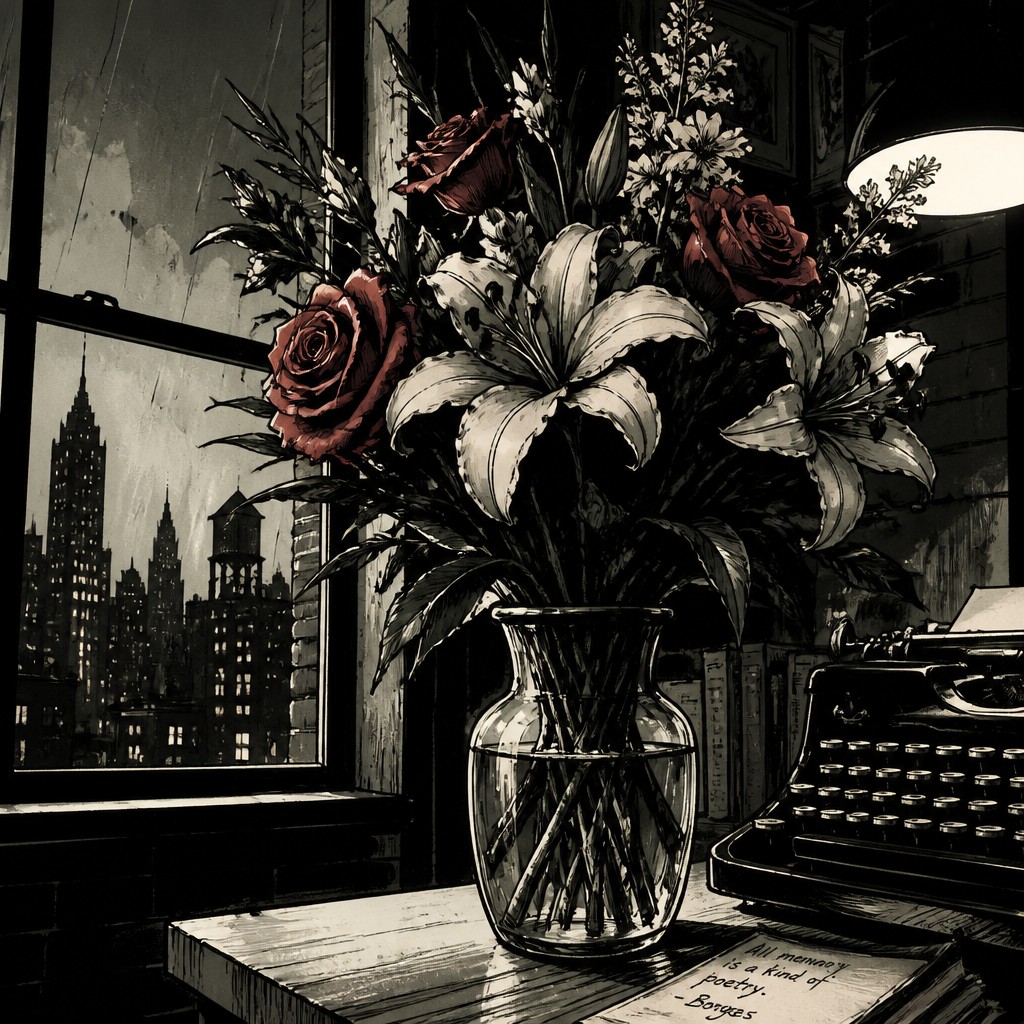
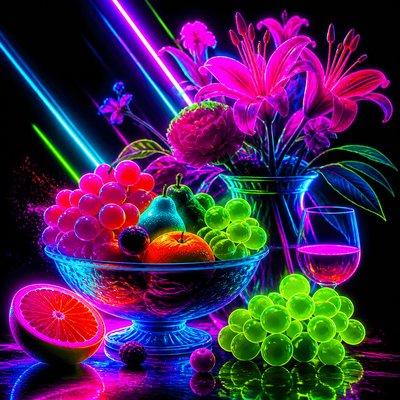
“bouquet of flowers in a glass vase”
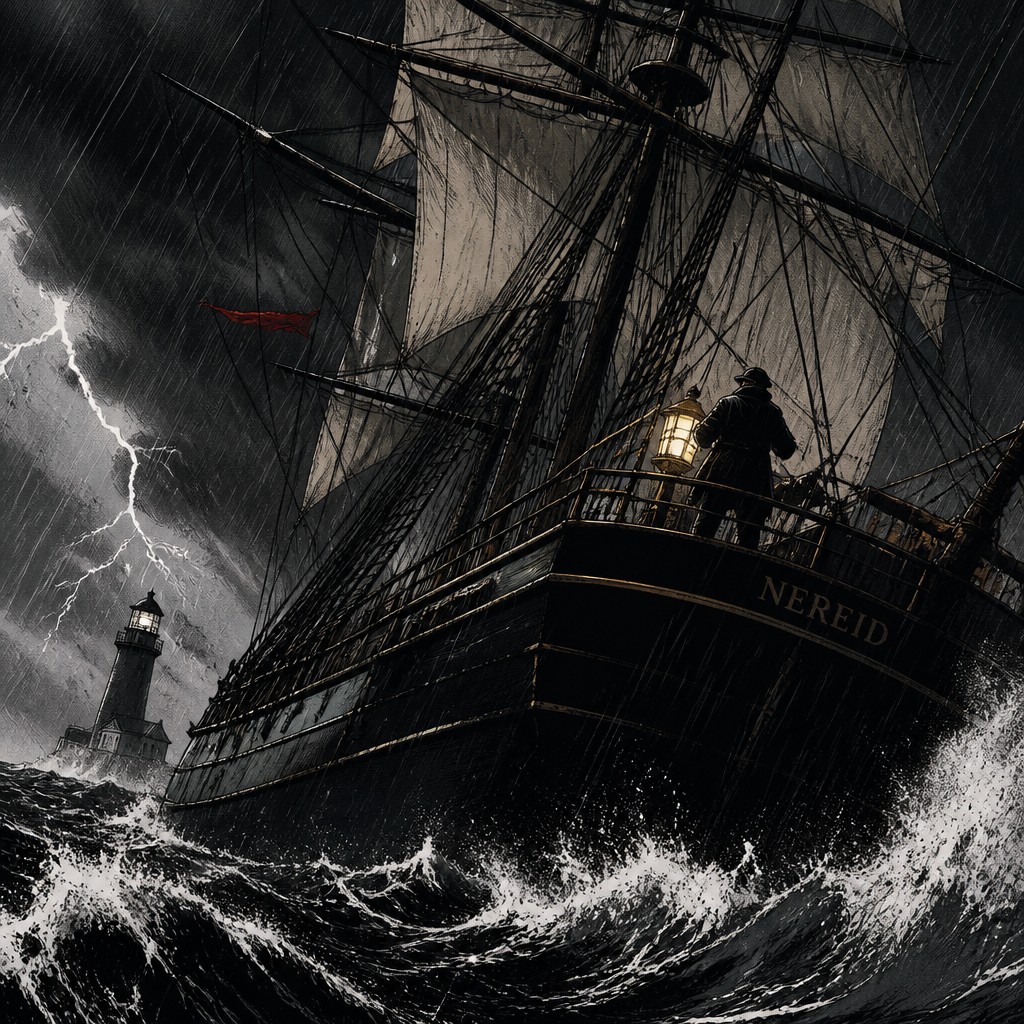
“sailing ship on a stormy sea”
How to Create Graphic Novel Art
Master the craft step by step — or skip straight to creating. Read the full guide →
- 1
Build the image in strong black-and-white first
Start with clear silhouettes, readable facial expressions, and a value structure that works without color. Traditional artists can use brush pens, dip pens, or graphite underdrawing; digital artists can sketch in layers and test contrast early.
- 2
Use lighting as storytelling
Place your main subject in a lighting setup with a dominant direction and deep shadow masses. Think in terms of noir cinematography: backlight, rim light, venetian-blind shadows, rain-slick reflections, or a hard overhead source.
- 3
Vary line weight deliberately
Thicken outer contours, tighten detail where the viewer should focus, and keep secondary areas lighter or looser. This creates depth and hierarchy while preserving the clean graphic readability that the style needs.
- 4
Add texture with restraint
Use crosshatching, dry-brush effects, and selective ink wash to suggest material surfaces and atmosphere. Avoid over-rendering every area equally; leave some spaces quiet so the eye can rest and the scene feels composed.
- 5
Shape the scene like a film frame
Compose with diagonals, cropped foreground objects, and strong perspective to create tension. For text-to-image prompting, specify the subject, setting, lighting, and mood, then add terms like dramatic perspective, bold ink linework, and muted monochrome accents.
- 6
Guide the palette with one accent color
If you want color, limit it to a single controlled hue such as red, teal, or yellow. In prompt-based generation, ask for mostly monochrome tones with one selective spot color so the image stays anchored in the graphic novel look.

The Story
History & Origins of Graphic Novel
Graphic novel art is not a single historical movement so much as a modern comic-book mode that developed from the expansion of comics into book-length, adult-oriented narratives in the late 20th century. Its roots lie in newspaper comics, the golden-age and silver-age American comic book tradition, and European comics that treated the page as a serious storytelling medium. The term “graphic novel” gained wider recognition in the 1970s and 1980s as creators and publishers distinguished longer, more ambitious works from periodical comics.
Its aesthetic lineage also draws strongly from film noir, pulp illustration, and printmaking traditions that value black-and-white contrast and economical mark-making. Influential graphic novels such as the pioneering newspaper-comics innovator’s The Spirit and A Contract with God, the landmark memoir-comics creator’s Maus, the leading late-20th-century superhero and crime-comics stylist’s Sin City, and the influential modern British writer and major British comic artist’s Watchmen helped define the visual seriousness and formal ambition associated with the style. European artists such as the influential French science-fiction visionary and the prominent Belgian graphic-narrative artist also shaped its cinematic pacing and imaginative world-building, even when their work sits at the border of science fiction and comics rather than the noir register specifically.
Influences: Graphic novel art draws from American comic strips and comics, European bande dessinée, pulp magazine illustration, printmaking, and film noir cinematography. Among canonical creators commonly associated with its development are a pioneering newspaper-comics innovator and independent comic-book storyteller, a landmark memoir-comics creator, a leading late-20th-century superhero and crime-comics stylist, an influential modern British writer and a major British comic artist, and two prominent European science-fiction and comics creators, each contributing different aspects of visual sophistication, narrative density, and atmospheric design.

Frequently Asked Questions
What defines graphic novel art?
It is defined by cinematic composition, realistic or semi-realistic figures, and expressive ink-based rendering. The style usually favors mood, narrative clarity, and mature themes over bright cartoon exaggeration. Strong contrast, crosshatching, and controlled color are also common.
How is it different from superhero comics?
Superhero comics often emphasize dynamic action, bright palettes, and iconic character design, while graphic novel art is usually more restrained and atmospheric. Graphic novel art tends to use more noir lighting, more subtle proportions, and a more literary tone. That said, the two can overlap heavily in technique.
Is graphic novel art always black and white?
No. Many famous examples are black and white, but the style can also use limited or muted color. When color appears, it is often sparse, symbolic, or subdued to preserve the dramatic ink-led look.
What subjects work well in this style?
Crime stories, personal memoirs, historical scenes, urban drama, fantasy with a serious tone, and psychologically driven character scenes all suit the style well. It is especially effective when the subject benefits from atmosphere, tension, or introspection.
How do I make it digitally?
Use a clean line layer, then block in major black shapes before adding texture and highlights. Keep the lighting contrast strong and use hatching, brush texture, or grayscale washes for depth. If generating images from text, specify ink linework, film-noir lighting, crosshatching, and realistic proportions.
Is this the same as comic-book art?
Not exactly. Comic-book art is a broader category that includes many looks, from exaggerated action to children’s humor strips. Graphic novel art is a more specific, often more mature and literary branch of comics with a stronger emphasis on composition, mood, and long-form storytelling.
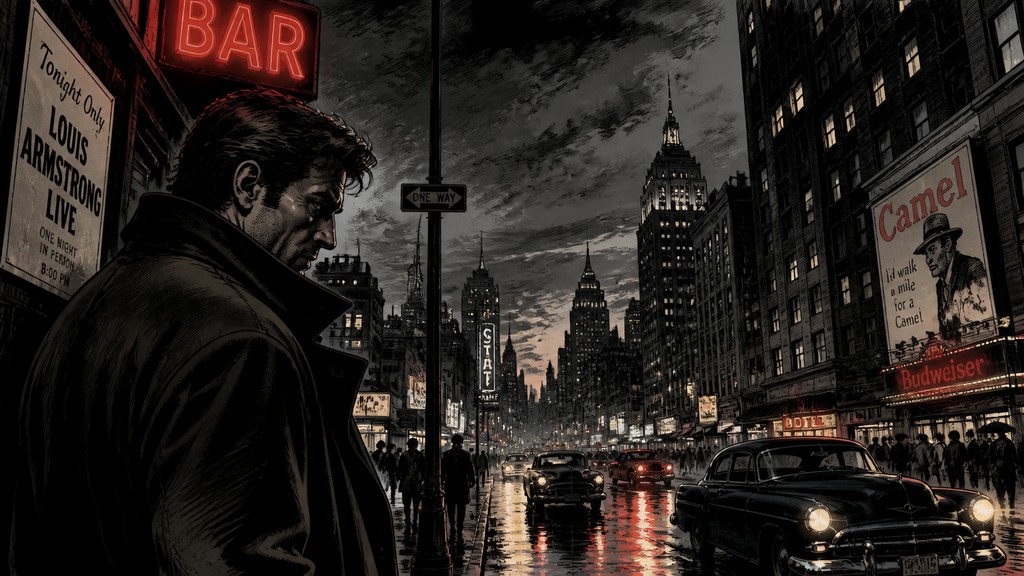
Create your first Graphic Novel artwork
Describe anything — or upload a photo — and see it in Graphic Novel Art in seconds.
Make Something with Graphic Novel
Compare Graphic Novel
Related Styles
Discover similar art styles