Wheatpaste Poster Street Art Style
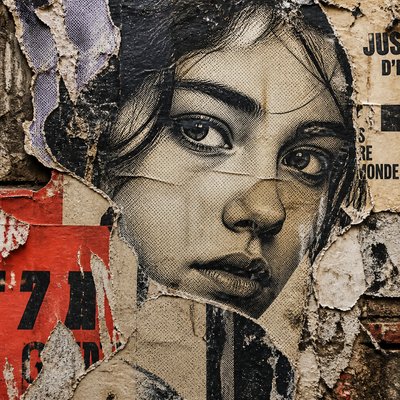
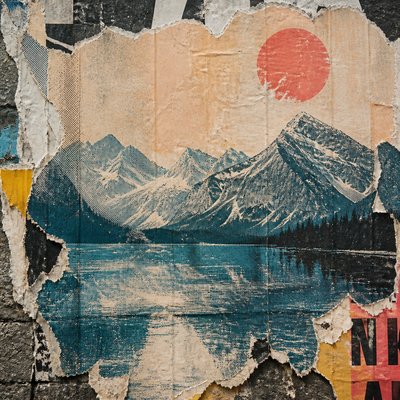
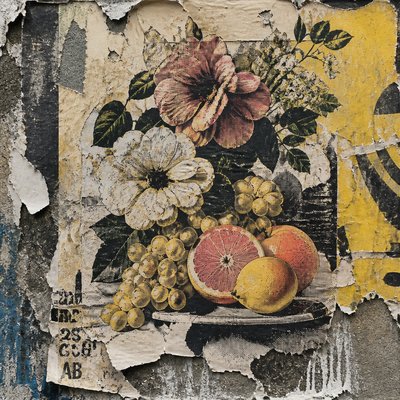
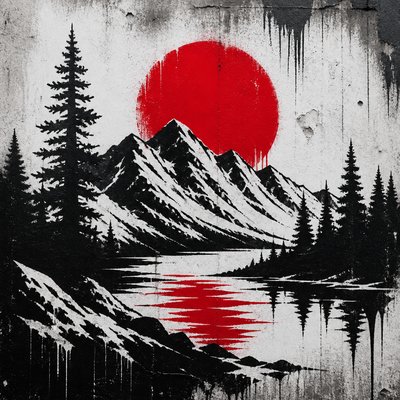
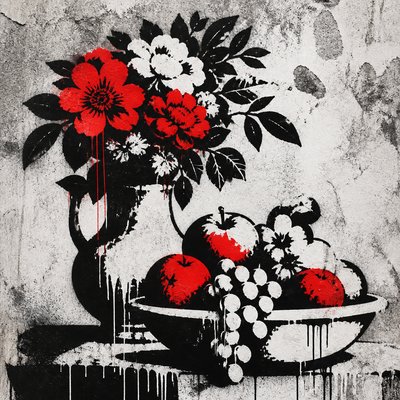
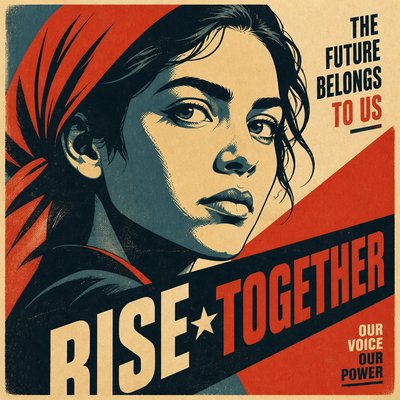
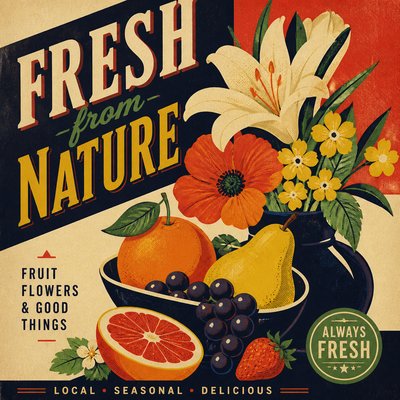
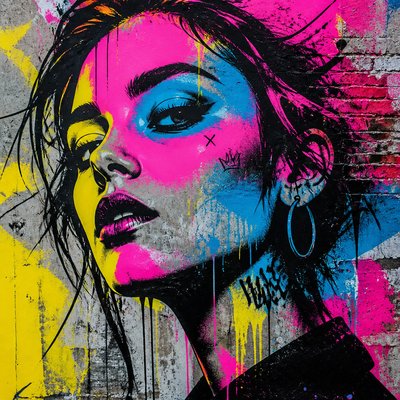
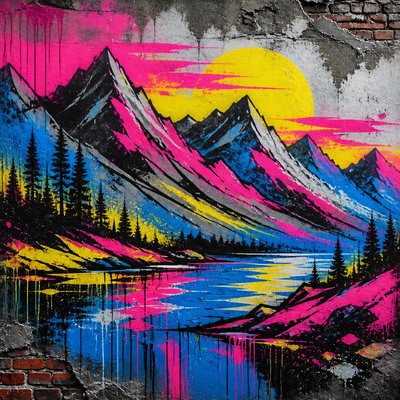
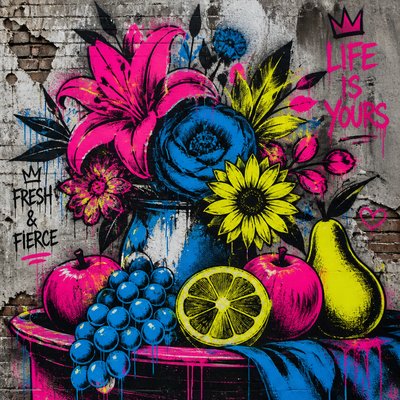
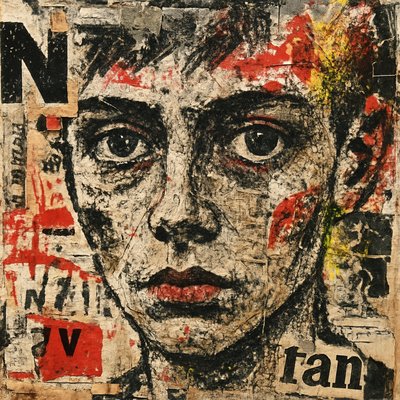
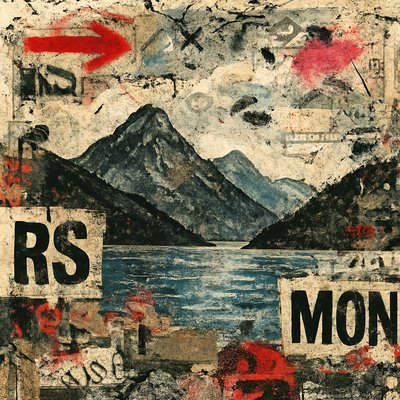
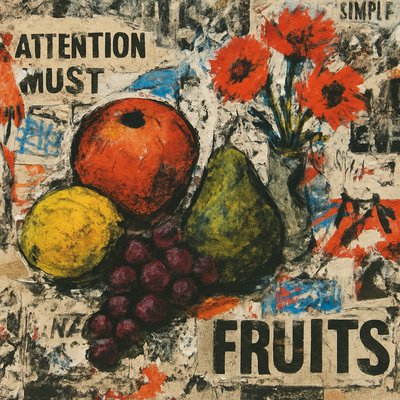
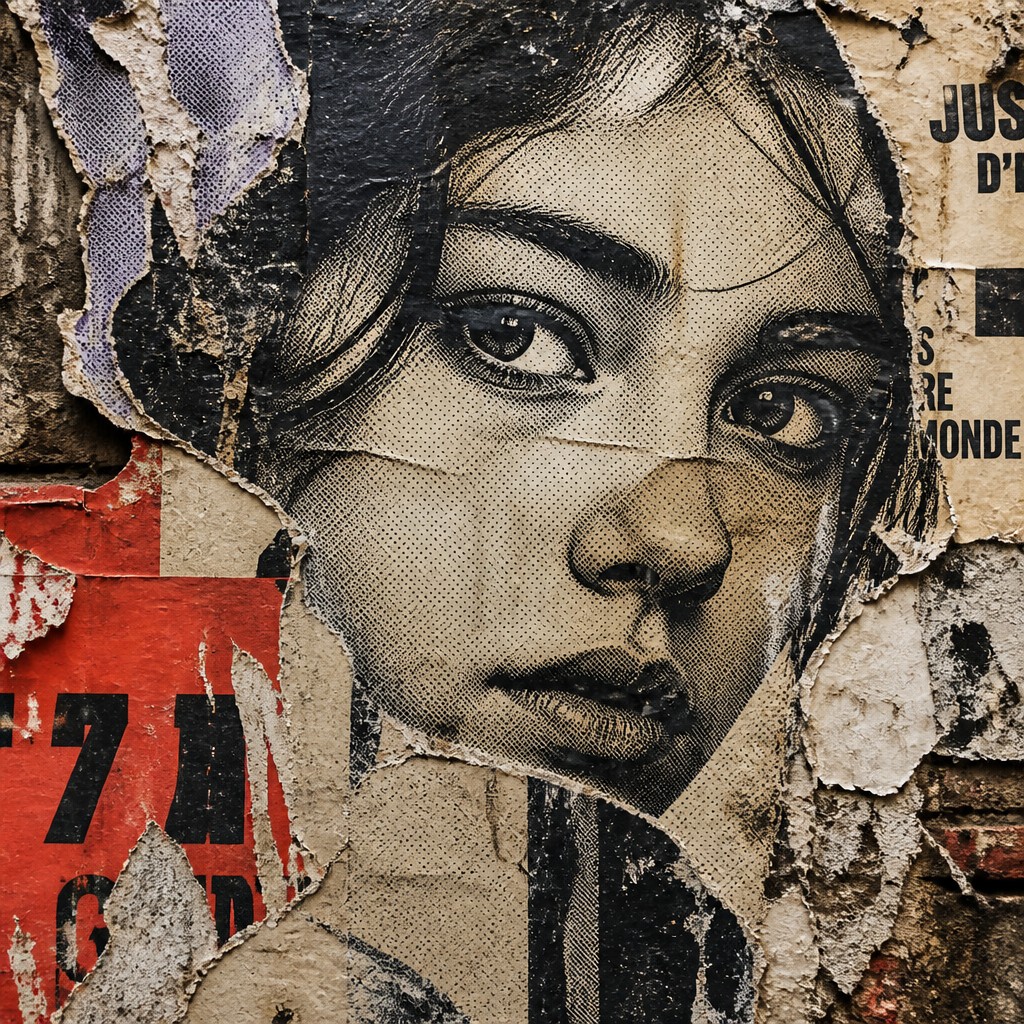
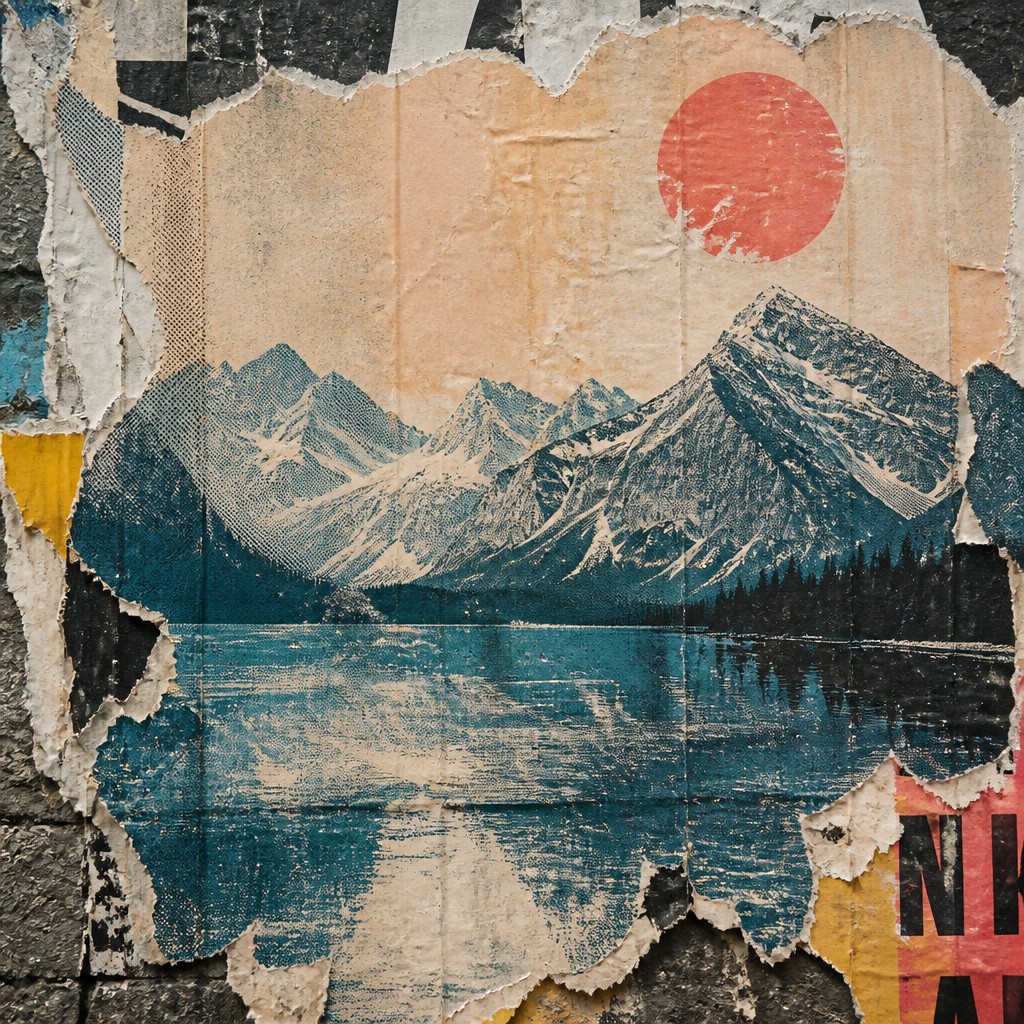
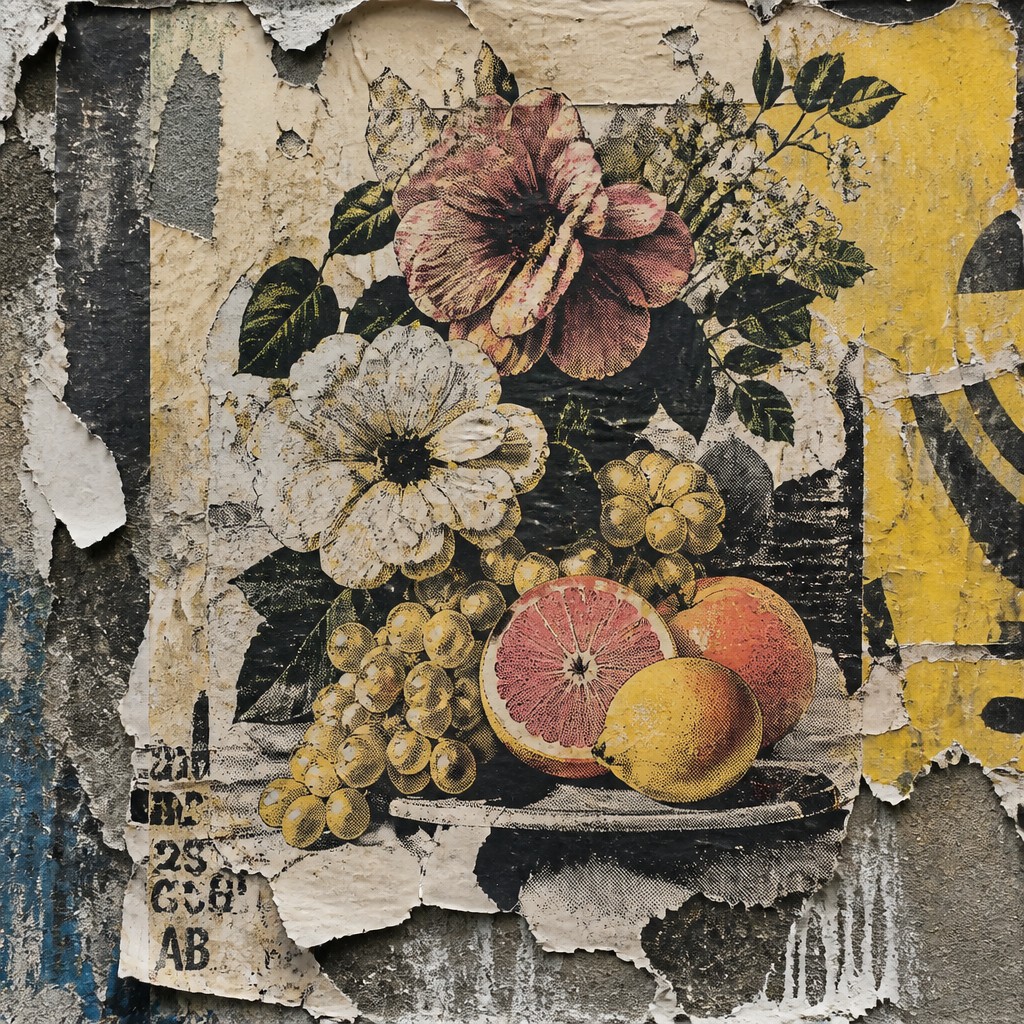
Layered torn-paper street posters with peeling edges, halftone texture, weathering, and raw urban wall surfaces.
Instantly rendered in Wheatpaste Poster Street — or transform a photo
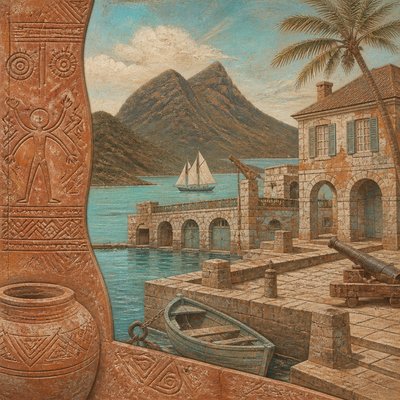
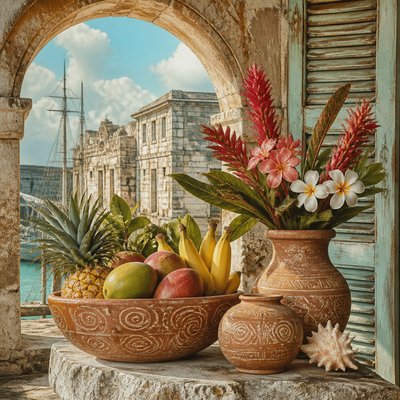
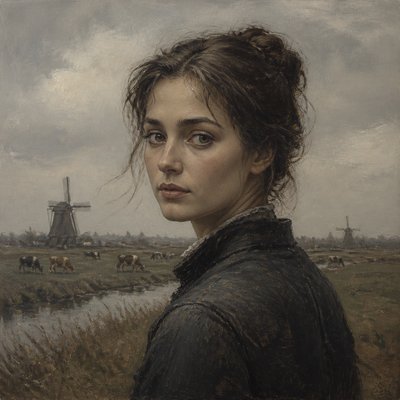
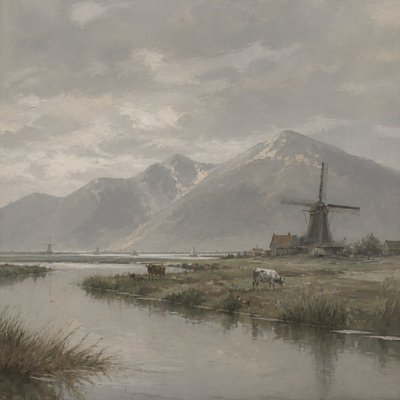
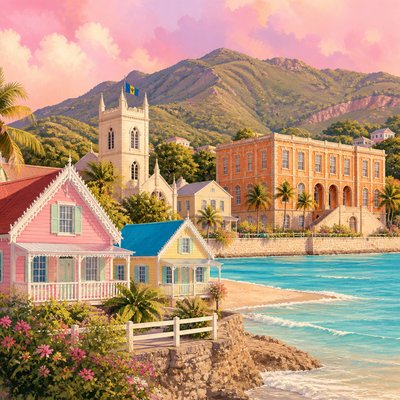
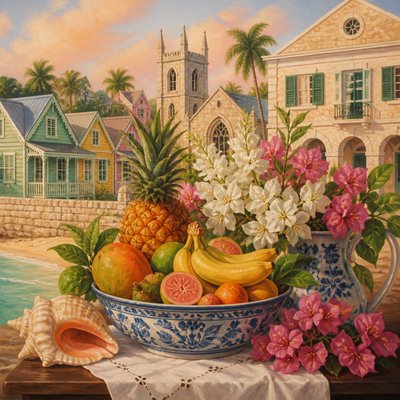
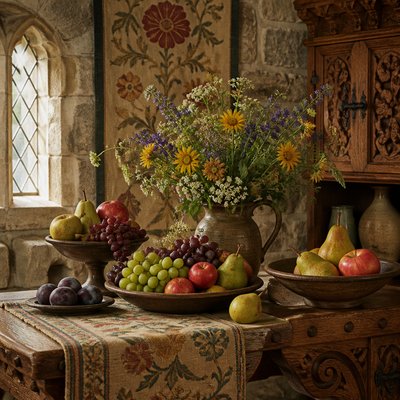
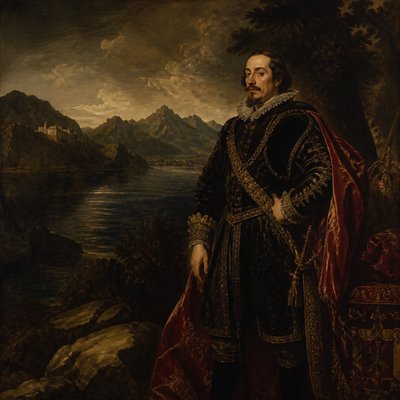
Wheatpaste Poster Street Gallery
Tap any artwork to explore it

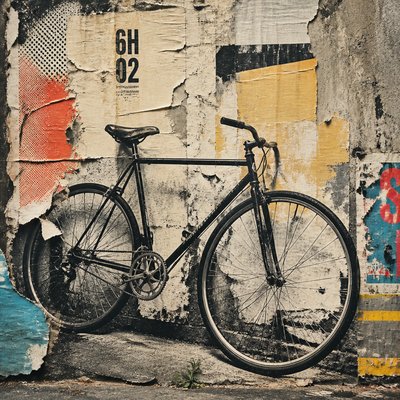
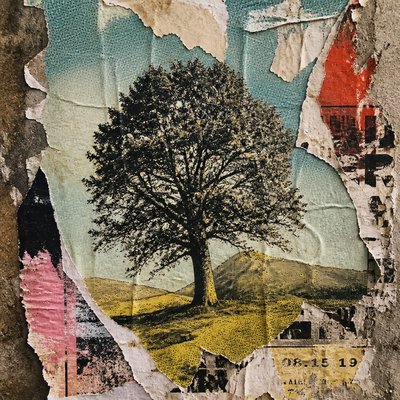
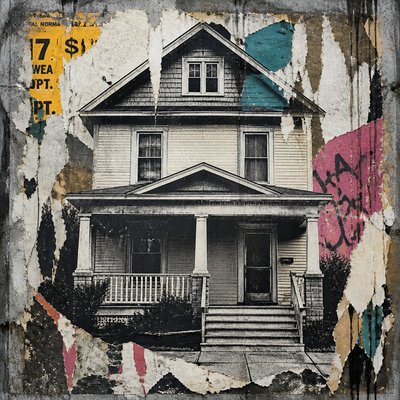
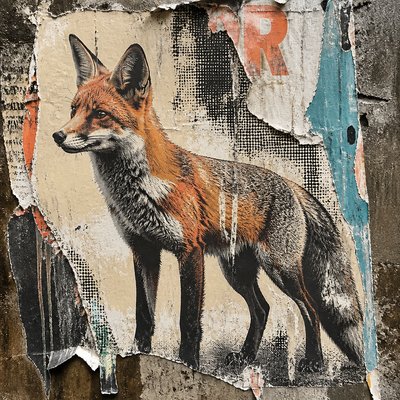
What is Wheatpaste Poster Street Art Style?
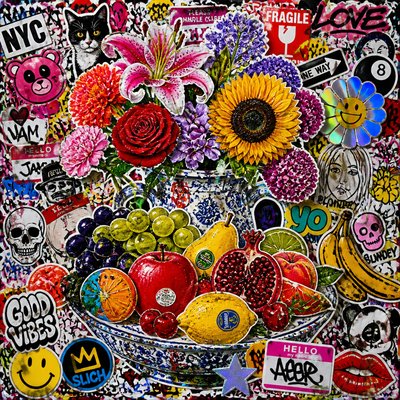
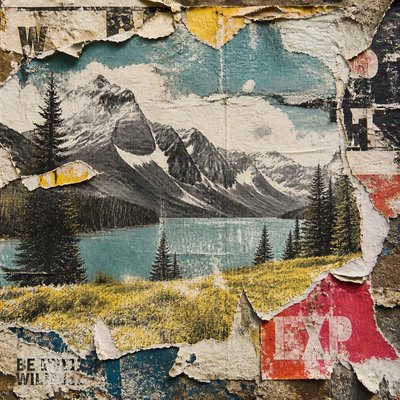
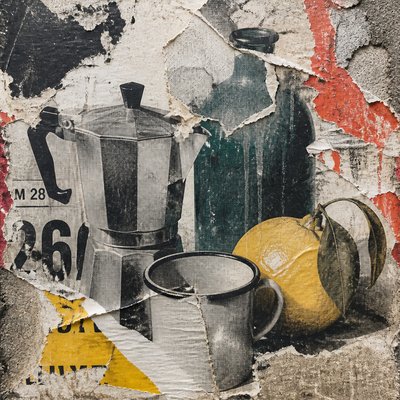
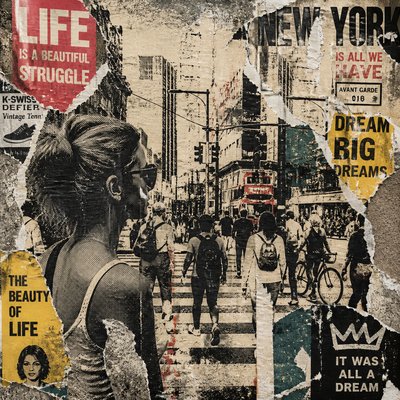
Wheatpaste poster street art is a collage-based urban style built from paper, adhesive, print textures, and weathering. It typically combines photographic fragments, bold illustration, and graphic type into large pasted posters that adhere to walls, boards, and other public surfaces.
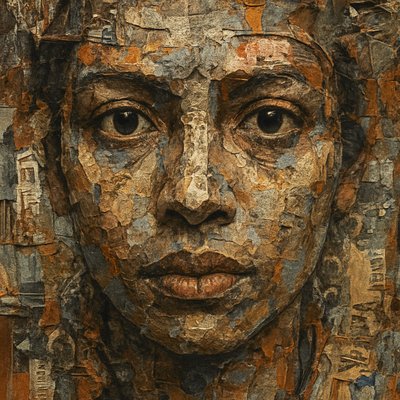
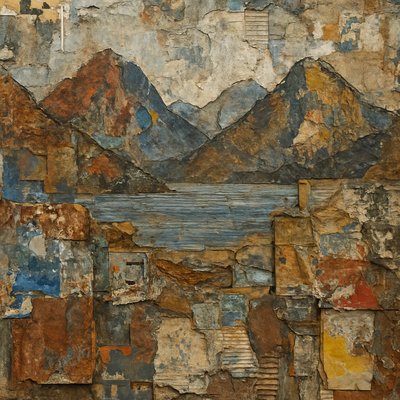
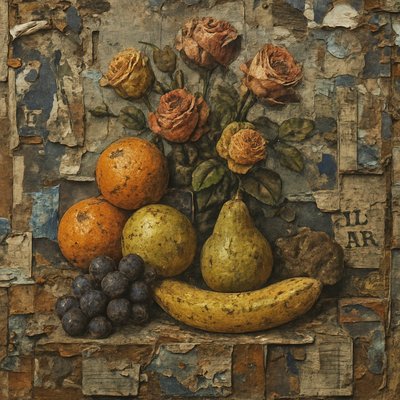
Its visual identity comes from both construction and decay. Torn edges, bubbling paper, paste streaks, halftone dots, photocopy grain, and sun-faded inks create an image that feels handmade, temporary, and embedded in the city. The wall is not just a support; it becomes part of the composition as cracks, stains, plaster, and old layers show through the surface.

Try It On Your Photos
Upload any photo and convert it into Wheatpaste Poster Street Art Style — drag the sliders to compare before and after.



What Defines Wheatpaste Poster Street Art Style
The signature details, up close
Layered torn paper
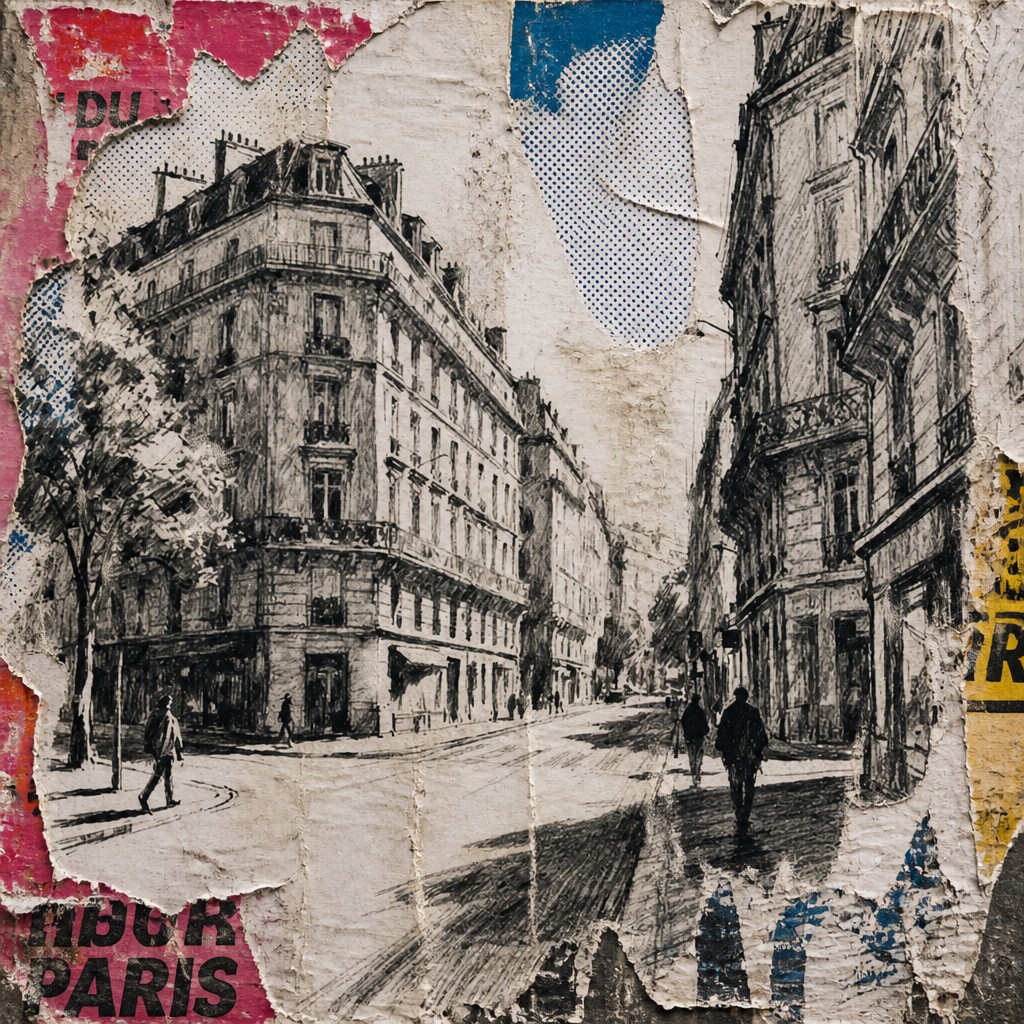
Images are built from overlapping sheets with ripped seams, misaligned joins, and missing sections. The layered construction is visible rather than hidden.
Peeling and weathered edges
Corners curl, edges fray, and sections lift away from the wall. This creates a sense of age, instability, and ongoing change.
Halftone and photocopy texture
Printed imagery often shows dots, scan noise, grain, and low-resolution reproduction. These textures make the image feel mass-produced and urban.
High-contrast graphic passages
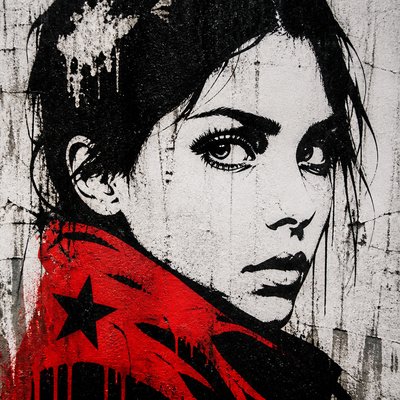
Bold black shapes, simplified contours, and strong contrast help images read at a distance. These areas often sit beside rougher, more degraded passages.
Faded color with saturated accents
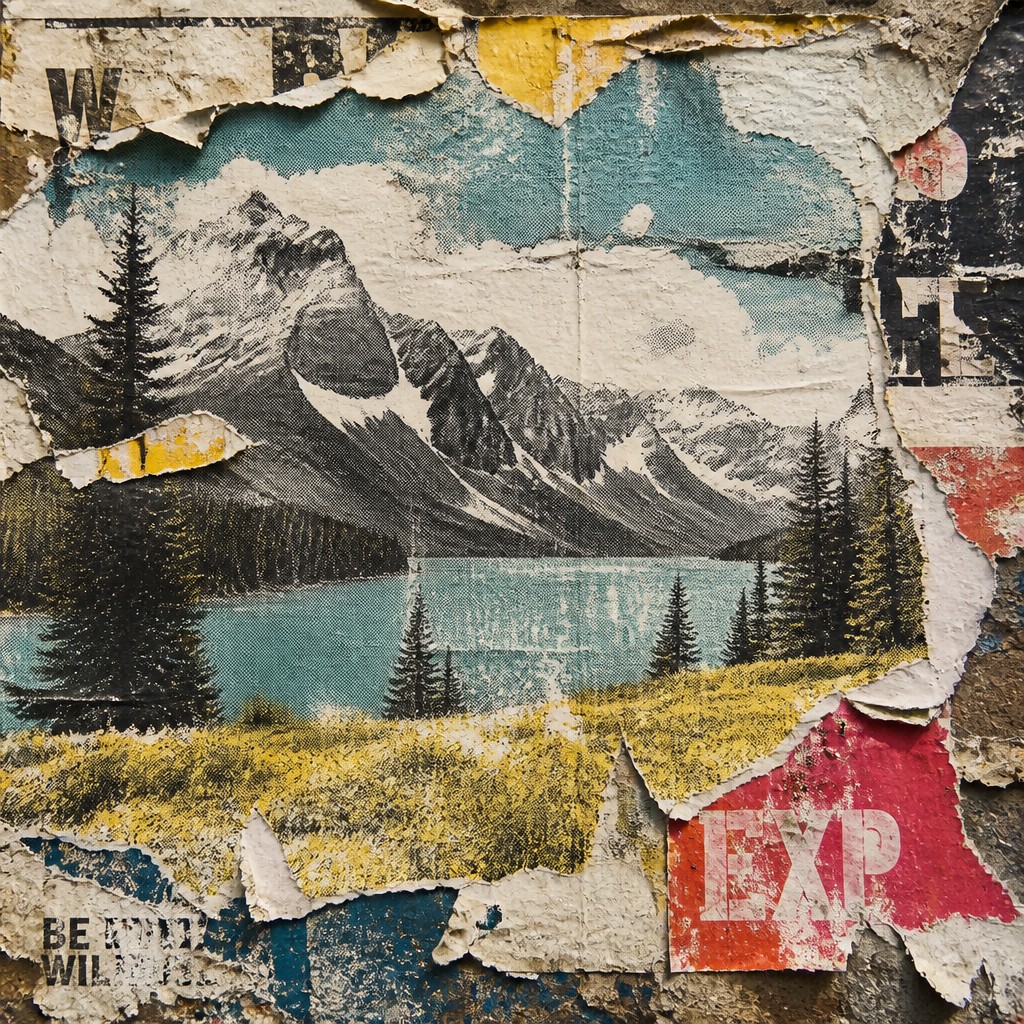
Sun-bleached neutrals, dirty creams, and weathered grays are often punctuated by vivid reds, blues, yellows, or pinks. The contrast reinforces the effect of aging paper.
Wall texture and decay
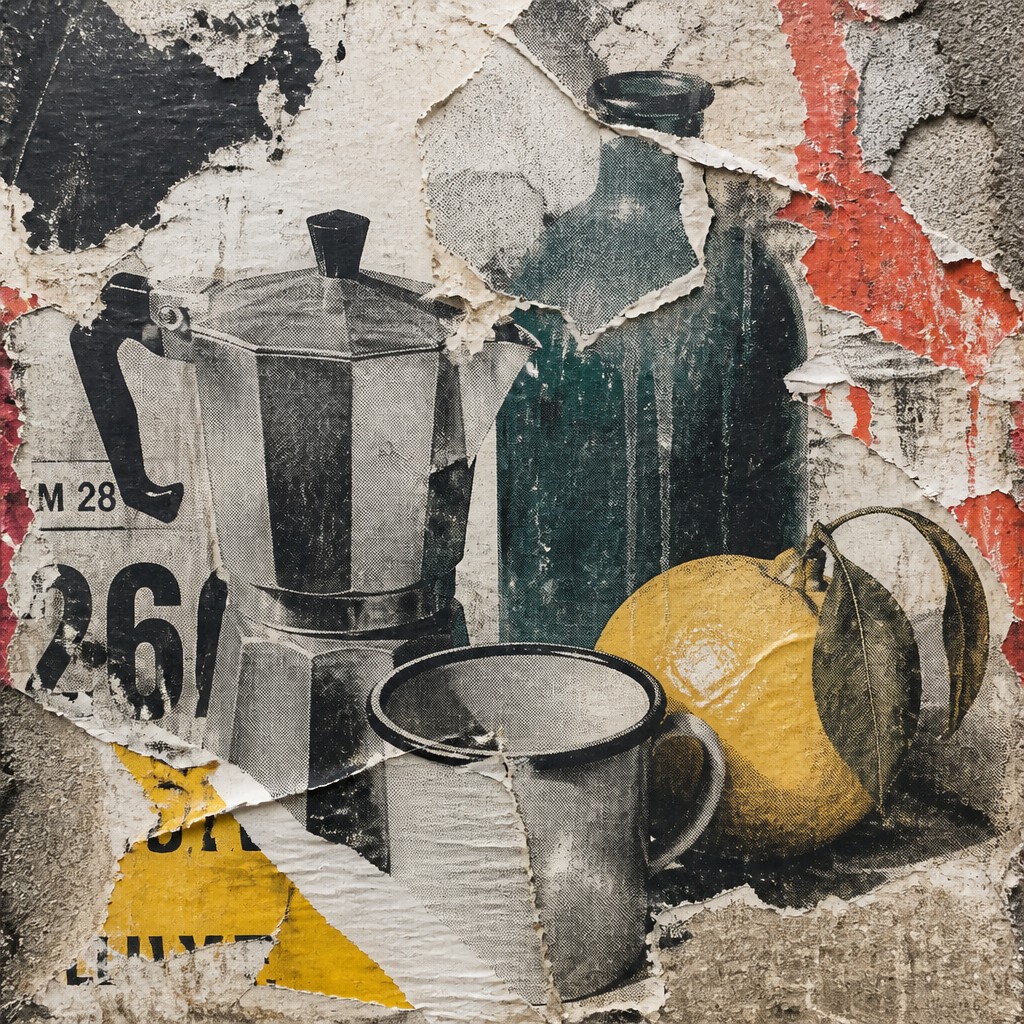
Brick, stucco, concrete, stains, cracks, and previous posters remain visible through gaps and tears. The support surface is part of the composition.
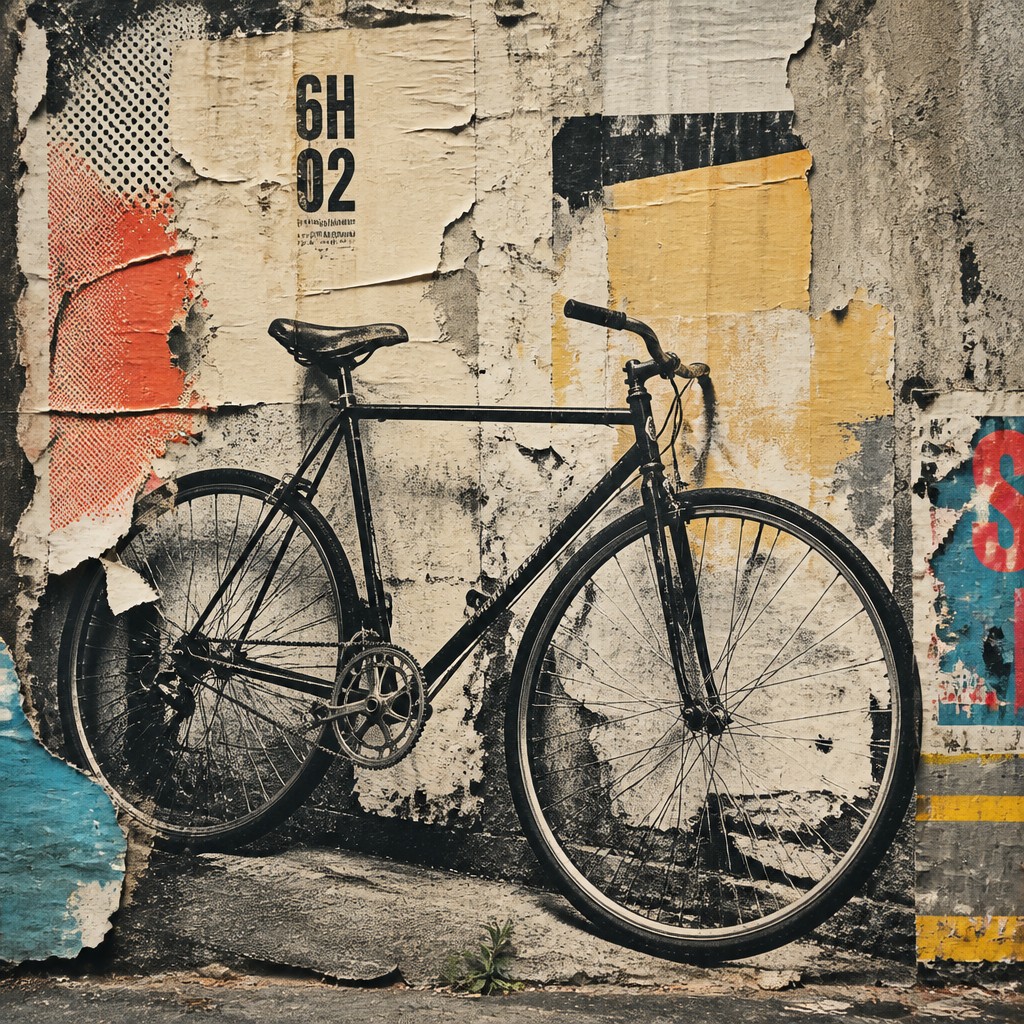
Paste marks and wrinkles
Visible adhesive streaks, bubbled paper, and trapped air add physical authenticity. These imperfections make the piece feel installed rather than digitally pristine.
Try It
Create Videos in Wheatpaste Poster Street Art Style
Styles aren't just for stills — describe a scene or animate an image and get a short video rendered in Wheatpaste Poster Street. Press play to see this pond come to life.
Make a VideoWheatpaste Poster Street Prompt Ideas
Start from an idea — each one opens the generator with the style ready to go. See all 40 Wheatpaste Poster Street prompts →
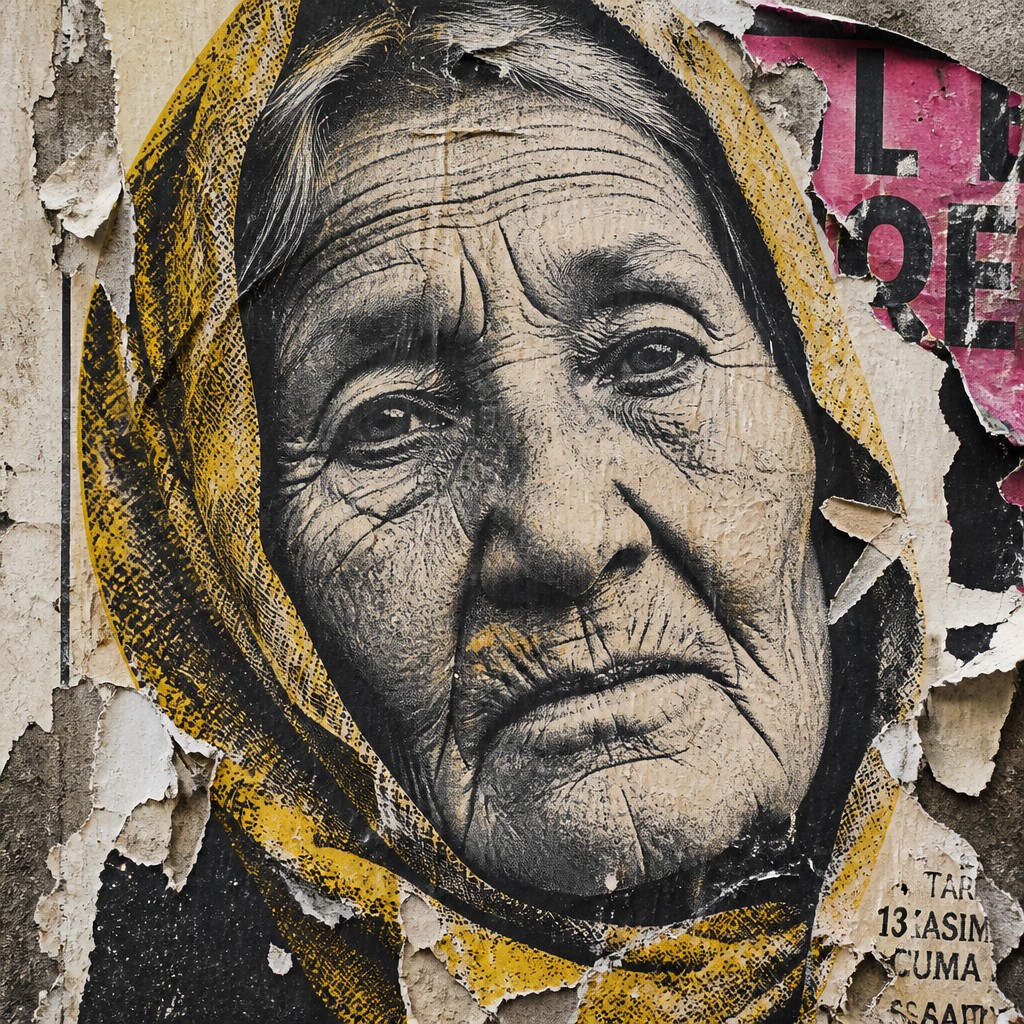
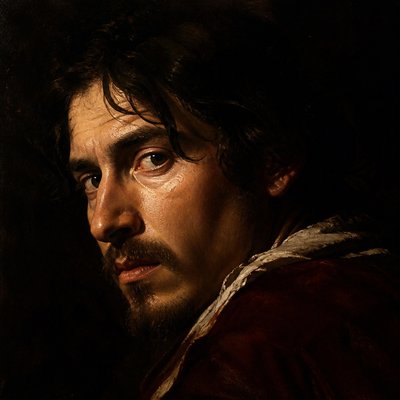
“close-up portrait of an elderly person with expressive weathered features”
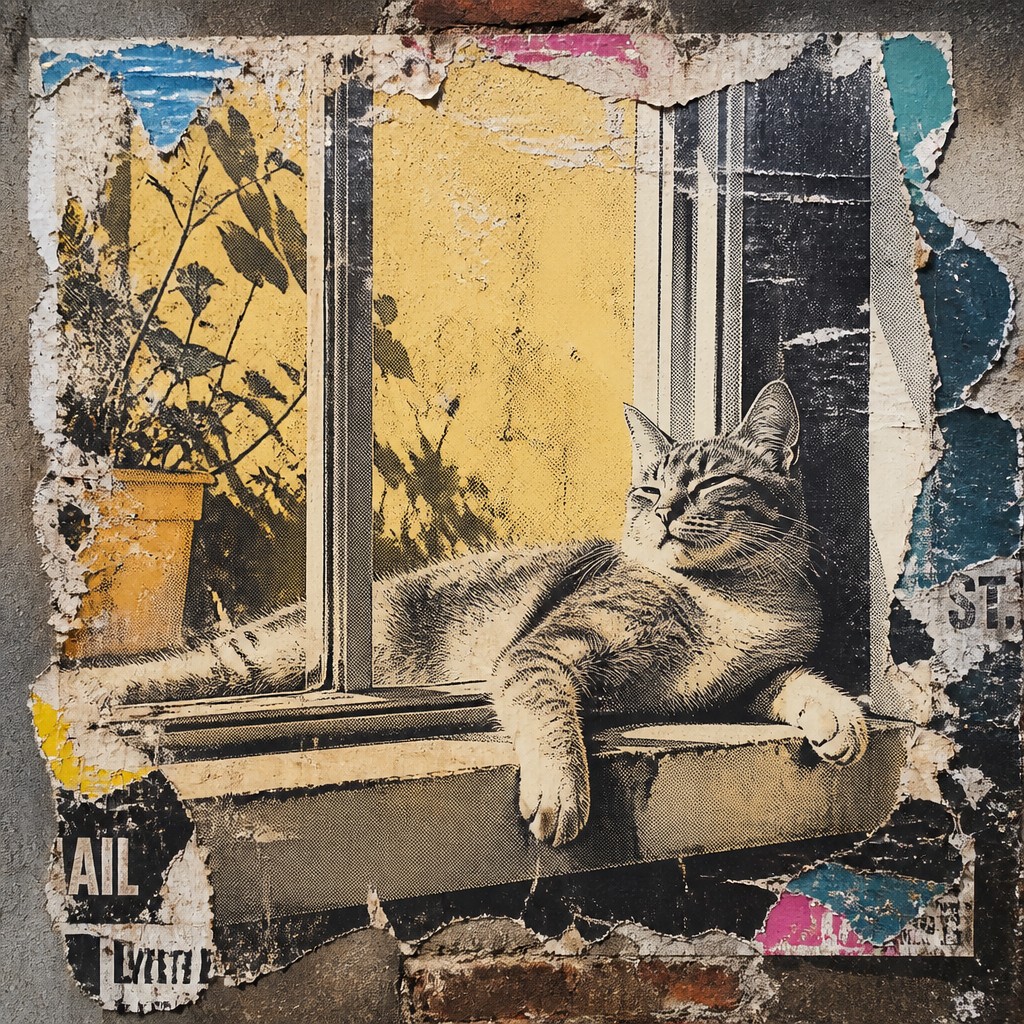
“a cat lounging in a sunlit window”
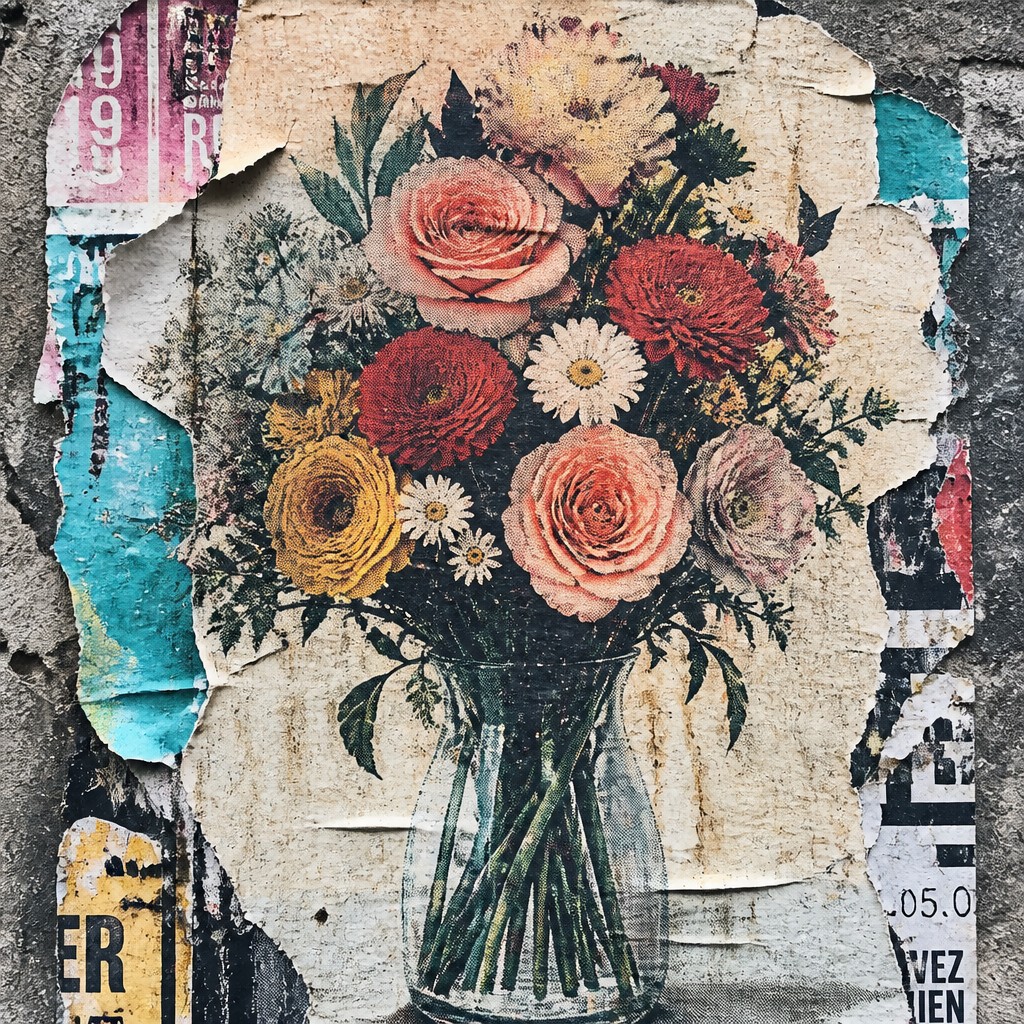
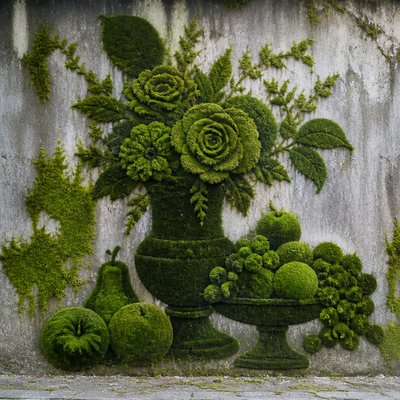
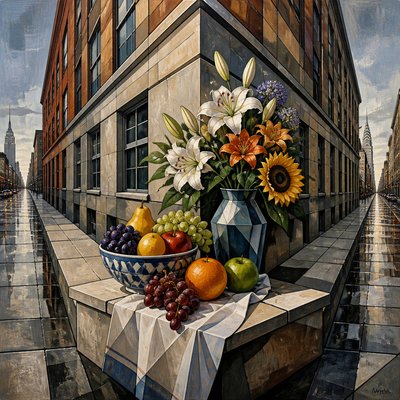
“bouquet of flowers in a glass vase”
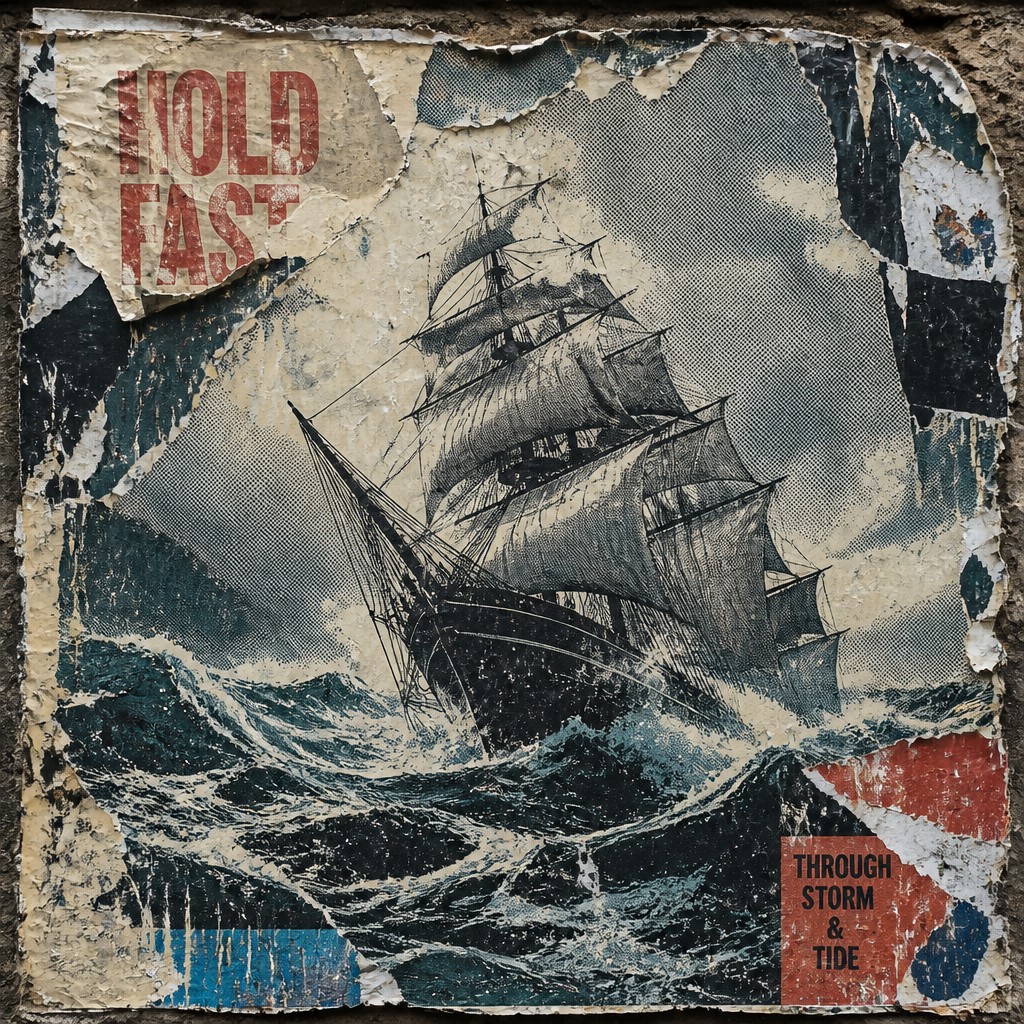
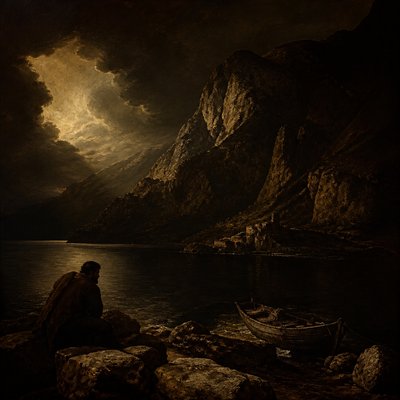
“sailing ship on a stormy sea”
How to Create Wheatpaste Poster Street Art
Master the craft step by step — or skip straight to creating. Read the full guide →
- 1
Build the image in paper layers
For traditional work, print or paint separate elements on paper, tear them by hand, and paste them in overlapping stages. Leave intentional gaps so the wall or underlying sheets remain visible.
- 2
Use reproduction textures intentionally
In print or digital work, introduce halftone dots, photocopy grain, ink bleed, and slight registration shifts. These qualities should feel like part of the image-making process, not an afterthought.
- 3
Design for weathering
Choose compositions that still read when partially damaged, cropped, or faded. Large shapes, clear silhouettes, and limited but assertive color areas hold up best in an outdoor context.
- 4
Let the wall participate
Match the artwork to rough surfaces, stains, cracks, and prior pasted layers when photographing or composing digitally. The best results integrate the environment rather than covering it completely.
- 5
Simulate pasted decay in digital generation
For prompt-based creation, specify torn-paper collage, peeled corners, wrinkled adhesive paper, bleached pigments, and urban wall texture. Ask for layered posters with exposed underprints, water stains, and distressed edges.
The Story
History & Origins of Wheatpaste Poster Street
Wheatpaste poster art developed from the practical use of starch-based paste to affix paper notices, ads, and political posters in public space. Over time, artists and activists adopted the method for large-format murals and interventions, especially in cities where posting paper was cheaper, faster, and more ephemeral than painting. Its aesthetic lineage comes from street poster culture, printmaking, punk zines, propaganda graphics, and collage-based modern art.
The style is closely related to late 20th-century urban poster campaigns, independent graphic design, and street art practices that value impermanence. It inherits visual strategies from photomontage, silkscreen, and photocopy aesthetics, then lets environmental exposure complete the work through peeling, tearing, and fading.
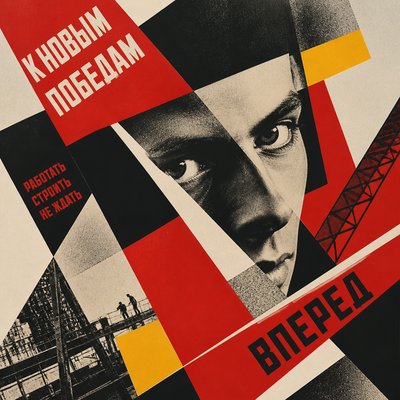
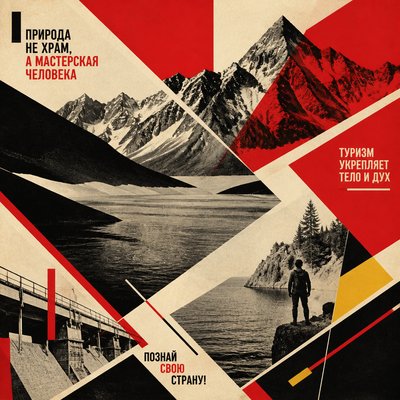
Influences: This style draws from collage and photomontage traditions associated with early 20th-century avant-garde women artists and major anti-fascist photomontage artists, as well as later poster and street practices that use print, repetition, and public placement. It also overlaps with punk zine aesthetics, screenprinting, and graffiti-adjacent urban interventions. Unlike cleaner graphic design, it embraces erosion and material accident as part of the image.
Frequently Asked Questions
What defines wheatpaste poster street art?
It is defined by pasted paper construction, visible layering, and the look of physical wear. Torn edges, bubbling adhesive, halftone print texture, and wall decay are central rather than incidental.
How is it different from graffiti?
Graffiti is often based on spray paint, handstyle lettering, or marker work, while wheatpaste poster art uses printed or painted paper attached with adhesive. The two often coexist in the same urban space, but they rely on different materials and visual logics.
How is it different from collage?
Collage is the broader art form of combining disparate materials, while wheatpaste poster art is specifically tied to pasted paper in public or street settings. Its identity comes from both the collage method and the urban surface it inhabits.
What kinds of subjects work best in this style?
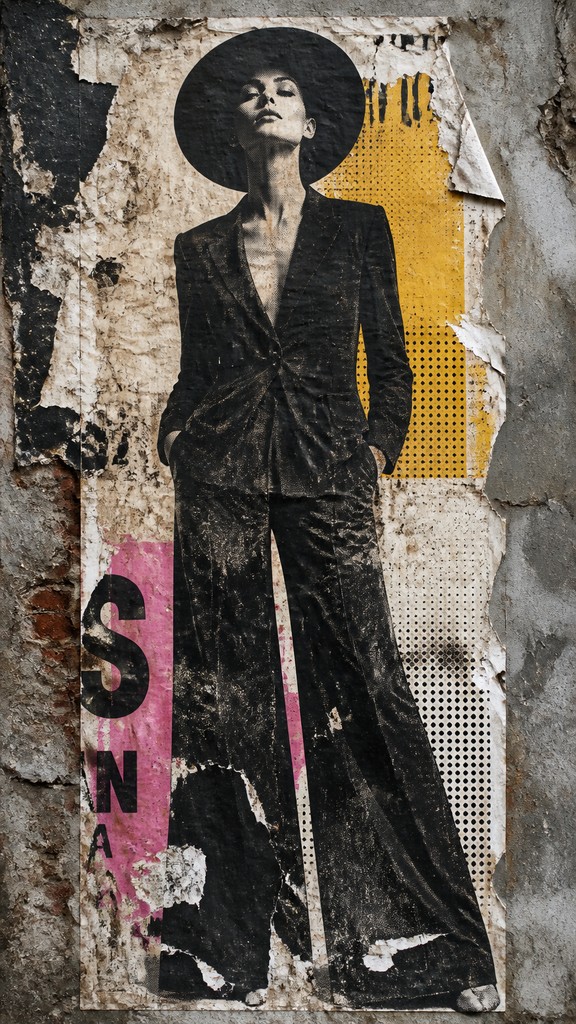
Portraits, political messages, concert imagery, fashion figures, animals, and symbolic scenes all translate well. Subjects with strong silhouettes and bold contrasts remain readable even when torn or partially obscured.
Can this style be made digitally?
Yes. Digital artists often build it with layered paper textures, torn masks, halftone overlays, and simulated wall surfaces, then add weathering effects such as stains, fading, and peeling. The key is preserving the feel of pasted material rather than making the image too smooth.
Where is wheatpaste poster art commonly used?
It appears in street art, political campaigning, concert promotion, fashion imagery, independent advertising, and experimental public art. Its temporary nature makes it suitable for fast visual communication in urban environments.
Create your first Wheatpaste Poster Street artwork
Describe anything — or upload a photo — and see it in Wheatpaste Poster Street Art Style in seconds.
Make Something with Wheatpaste Poster Street
Compare Wheatpaste Poster Street
Related Styles
Discover similar art styles