Street Art Poster Design
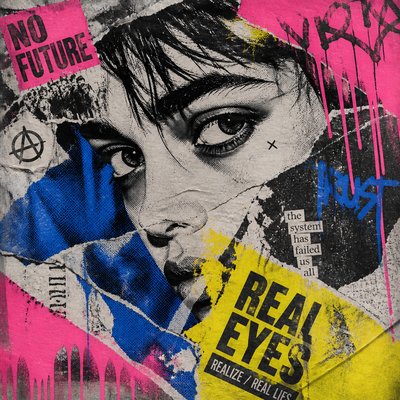
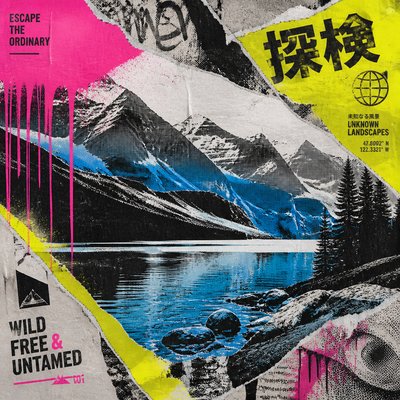
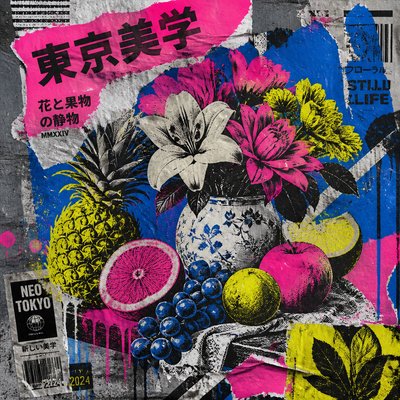
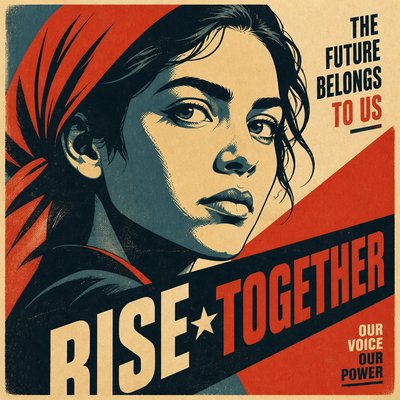
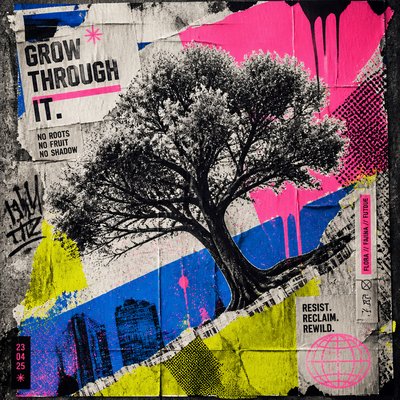
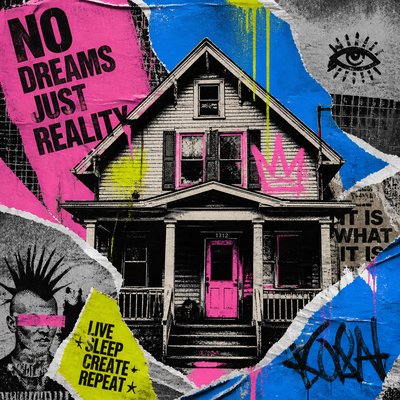
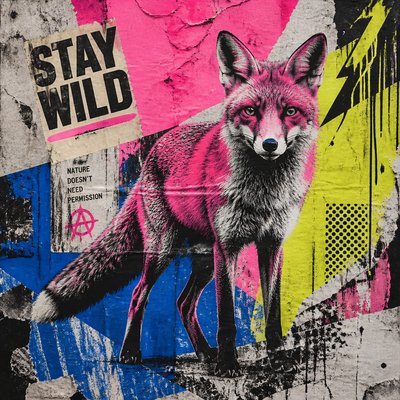
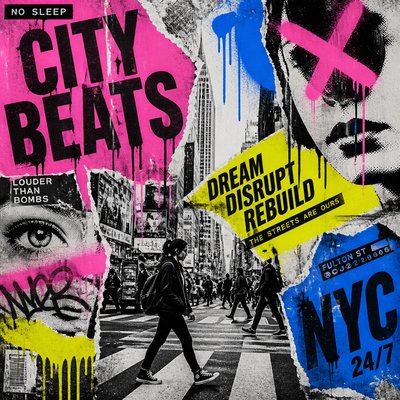
Urban posters with graffiti, stencils, torn paper, spray-paint texture, photocopy grit, and DIY punk energy.
Instantly rendered in Street Art Poster Design — or transform a photo
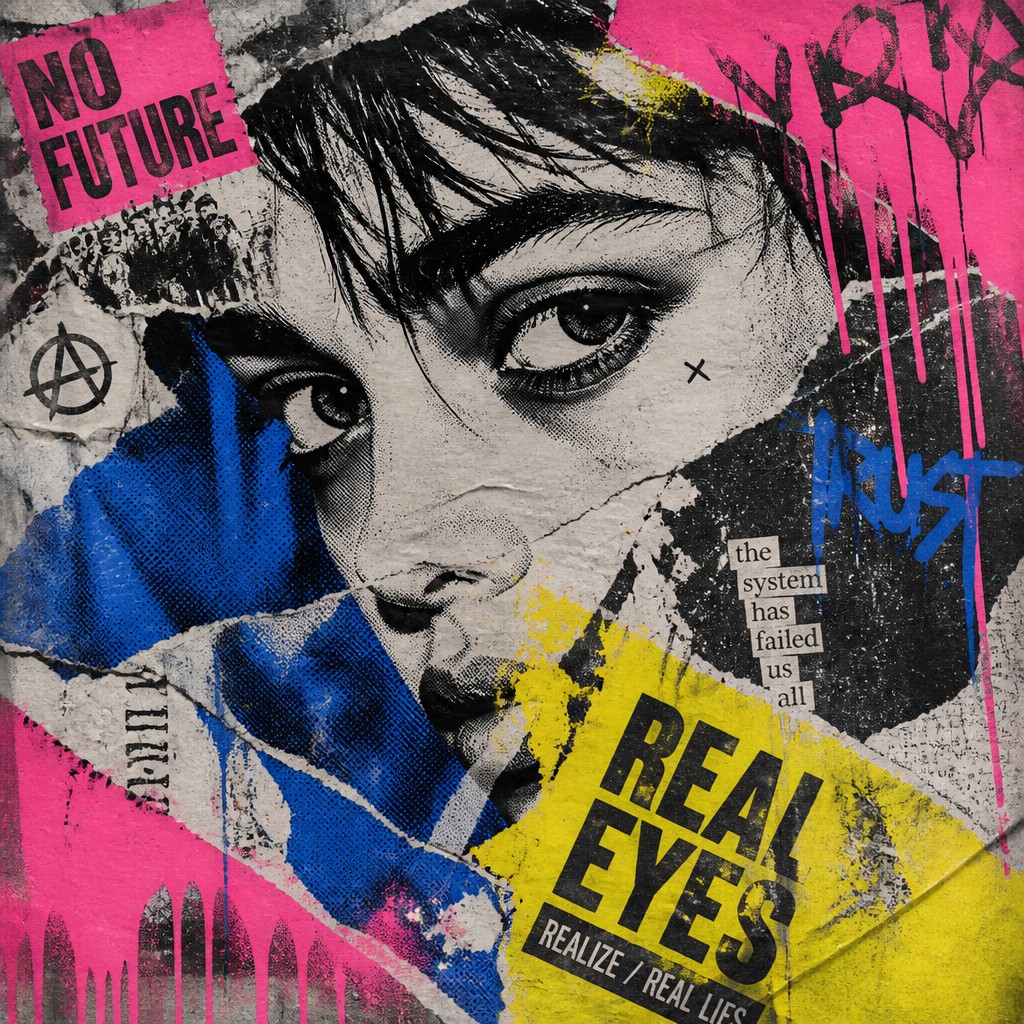
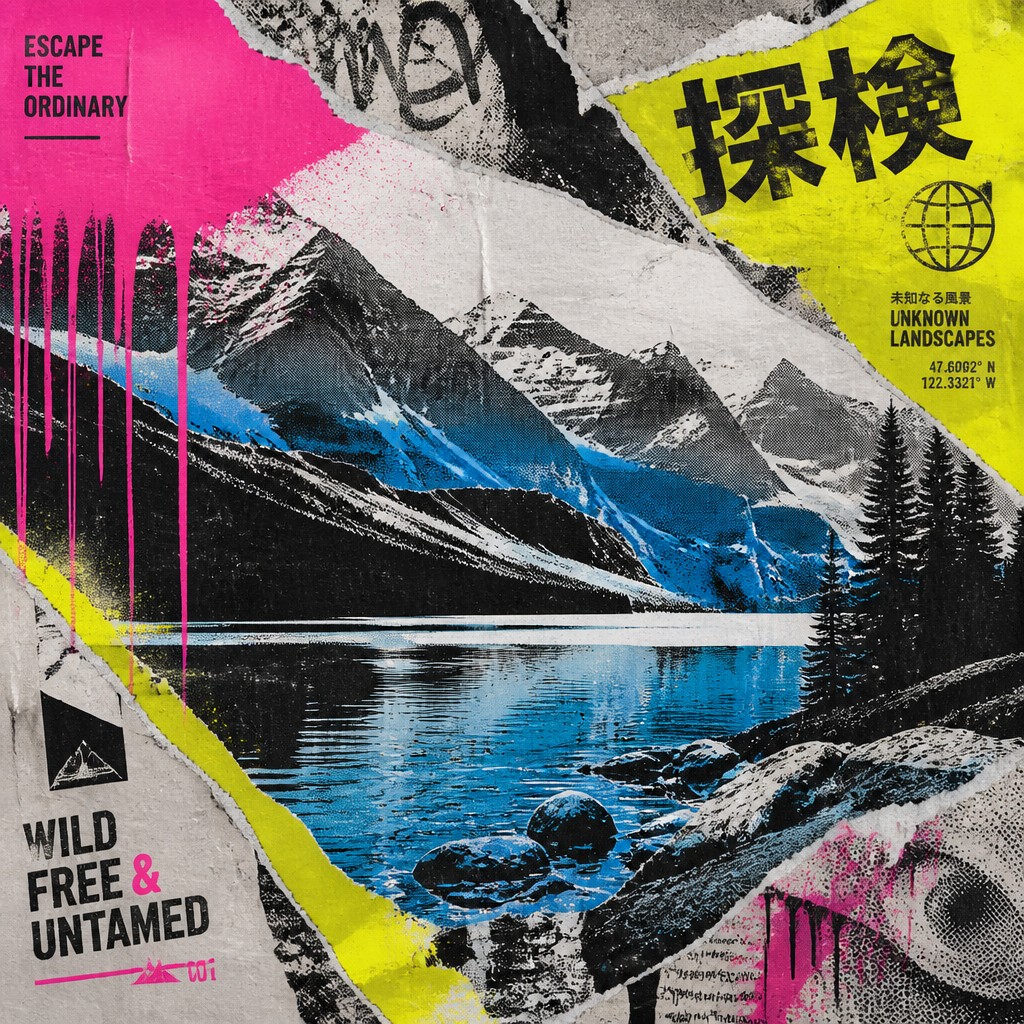
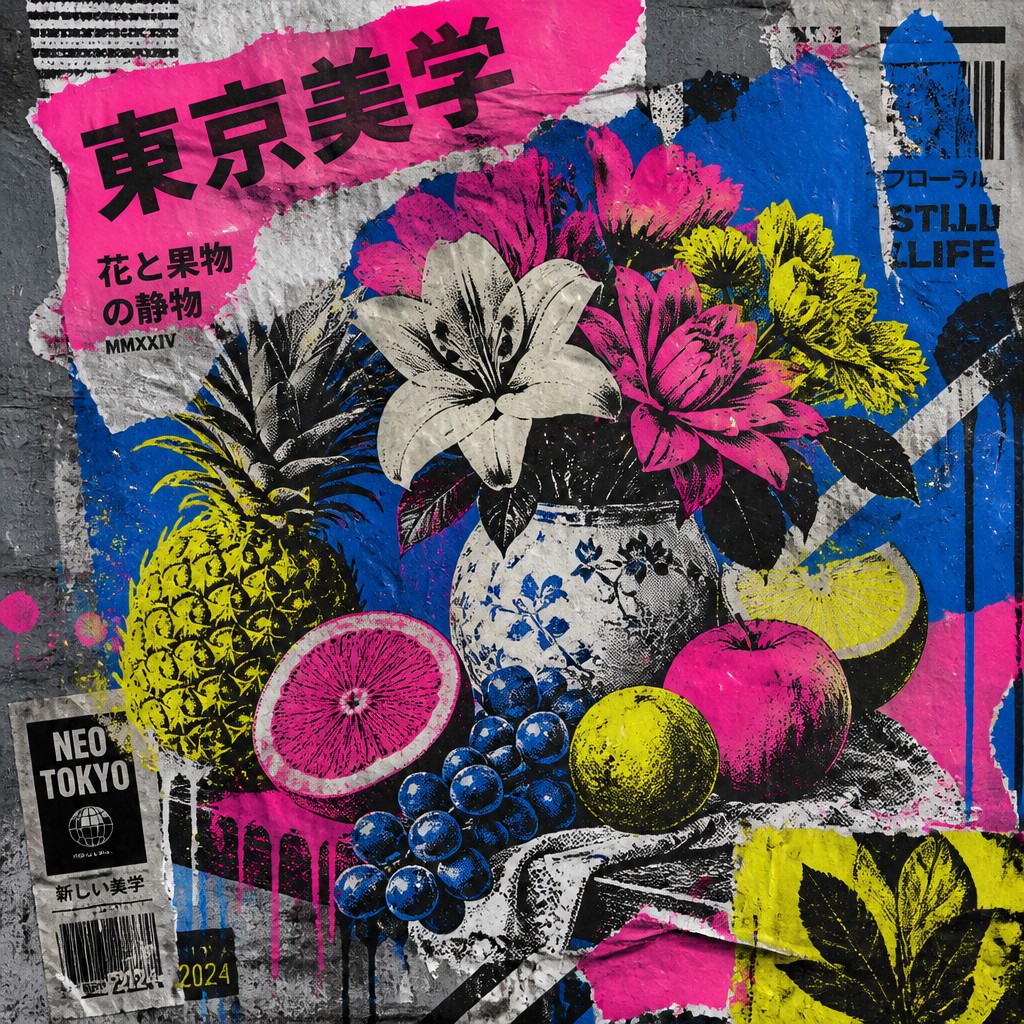
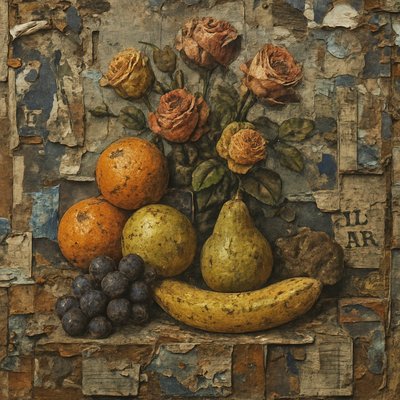
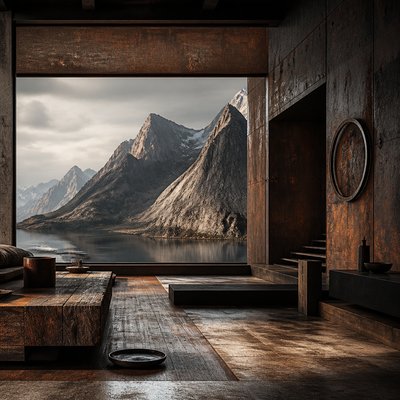
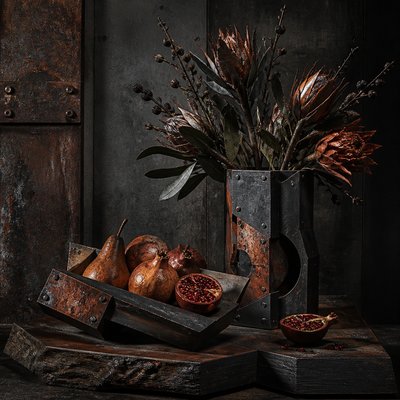
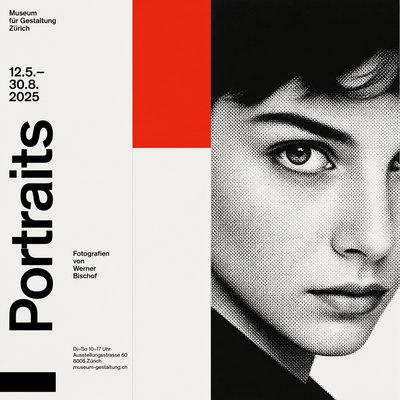
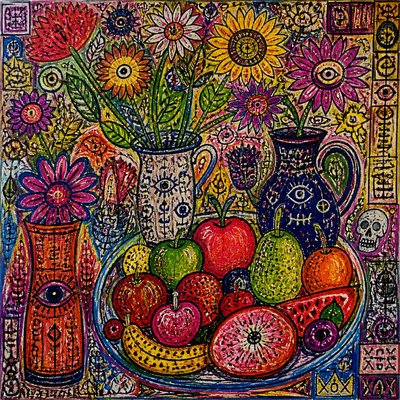
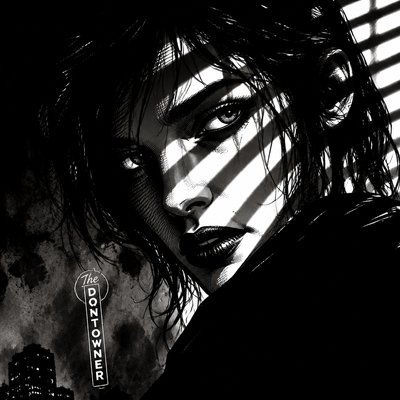
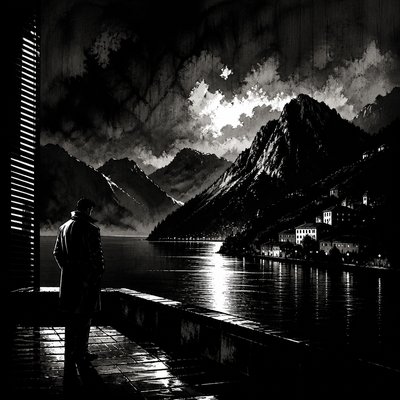
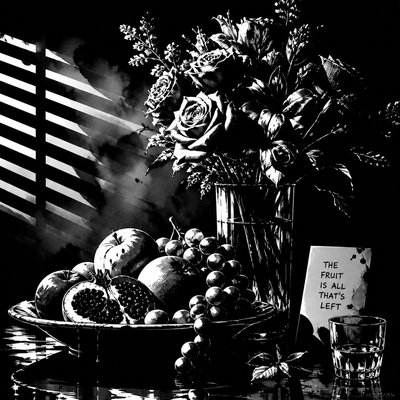
Street Art Poster Design Gallery
Tap any artwork to explore it
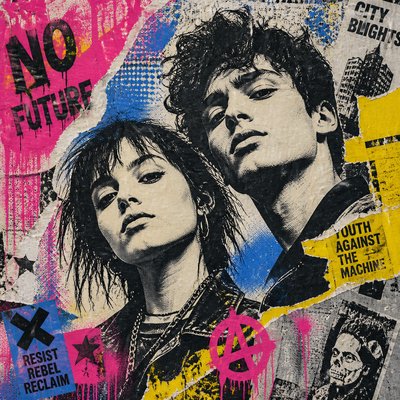
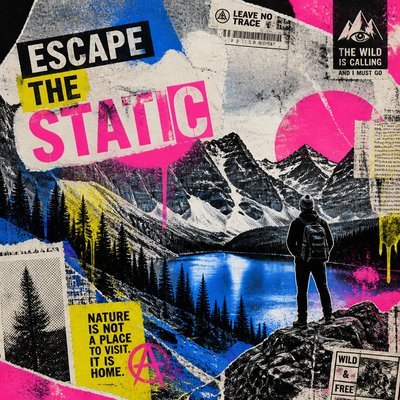
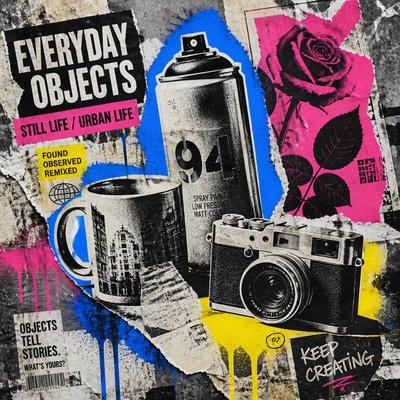
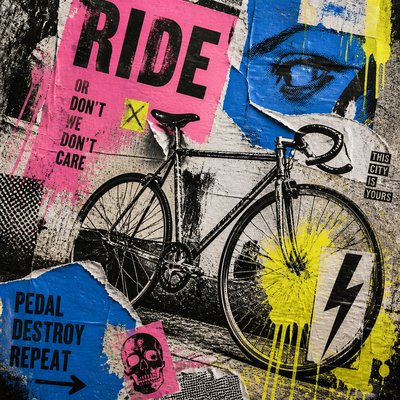
What is Street Art Poster Design?
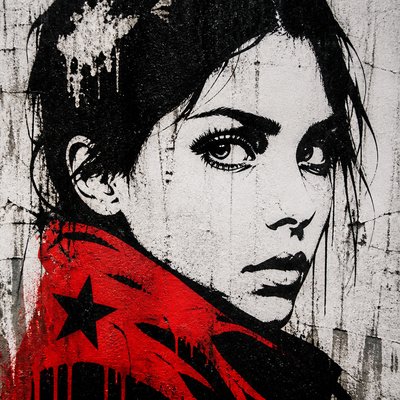
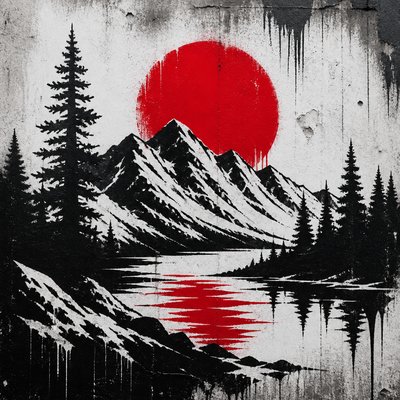
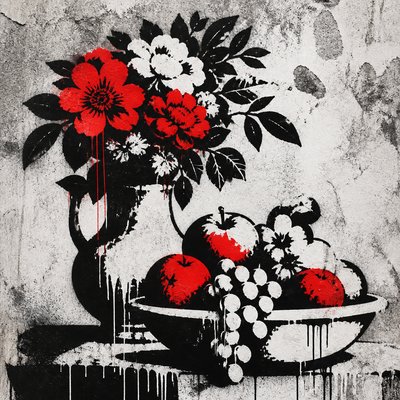
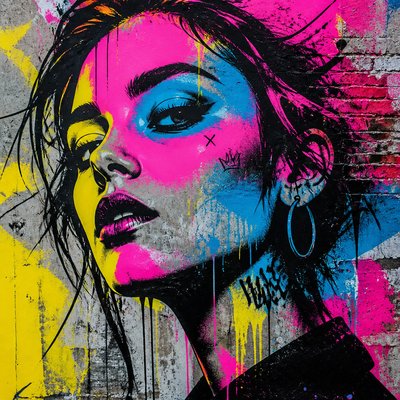
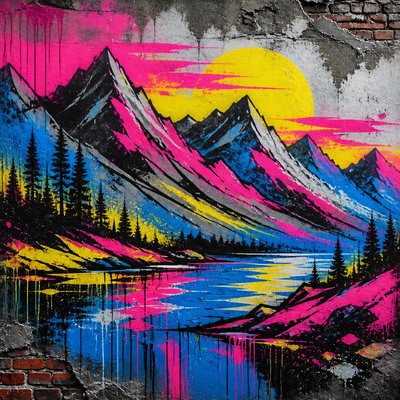
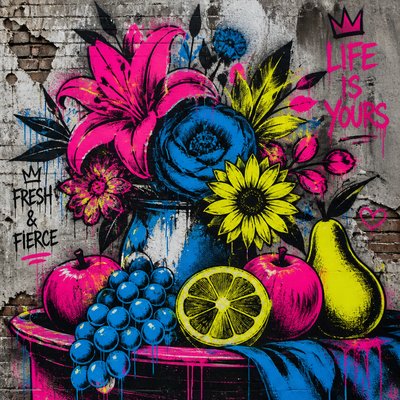
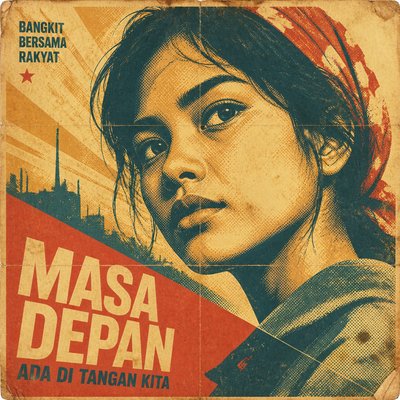
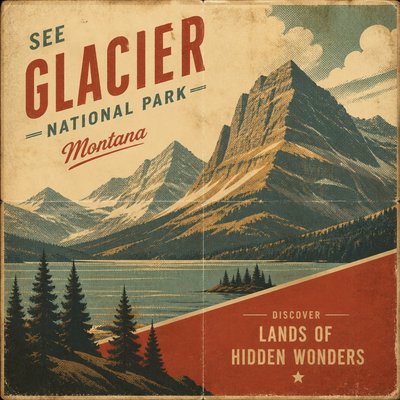
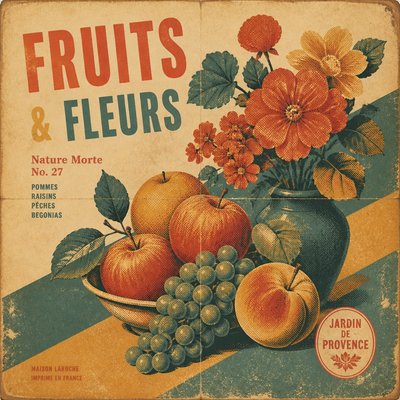
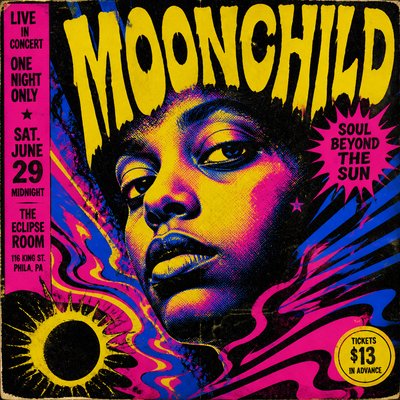
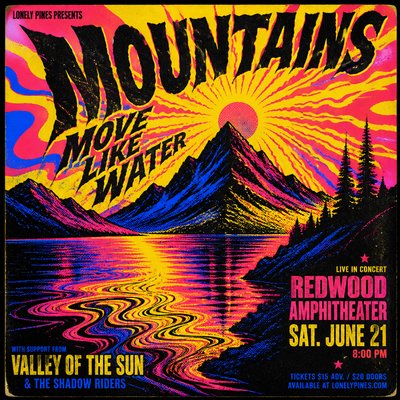
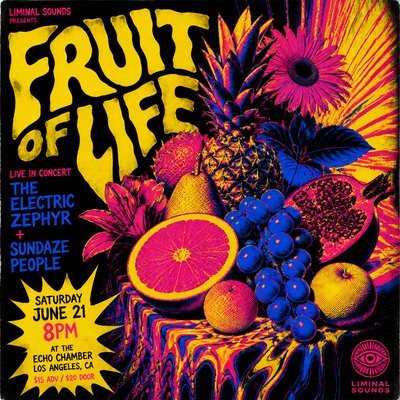
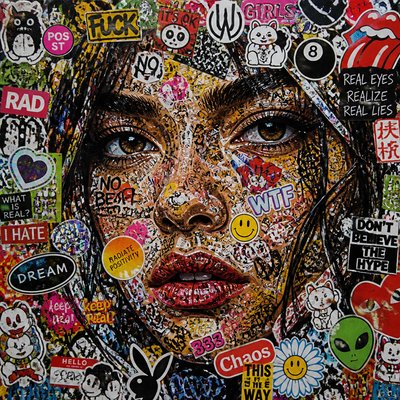
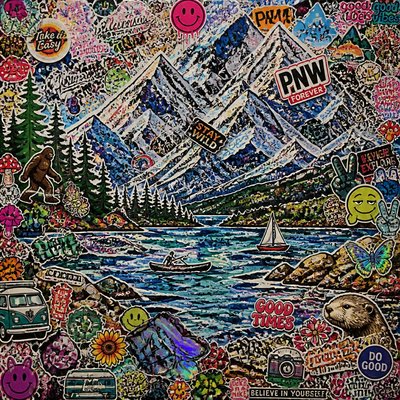
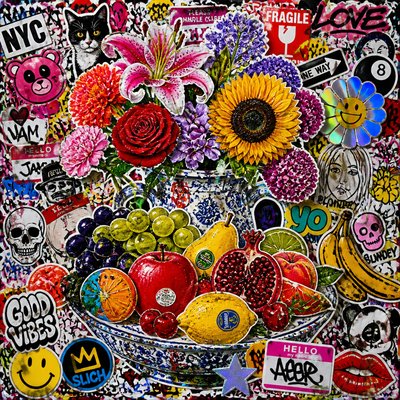
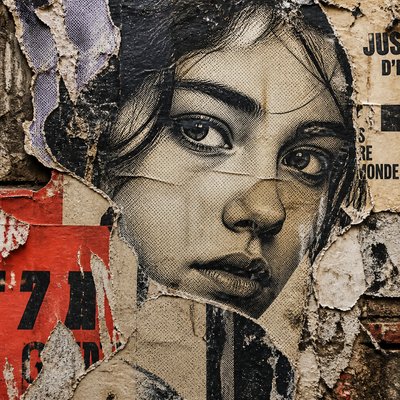
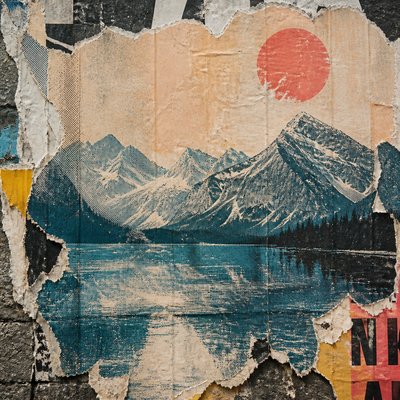
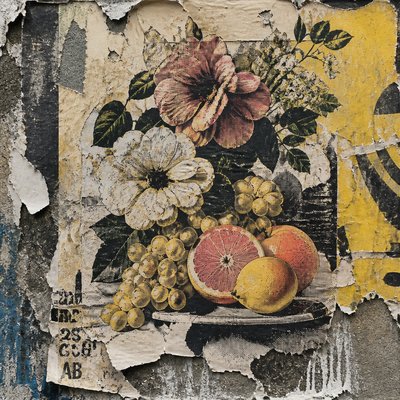
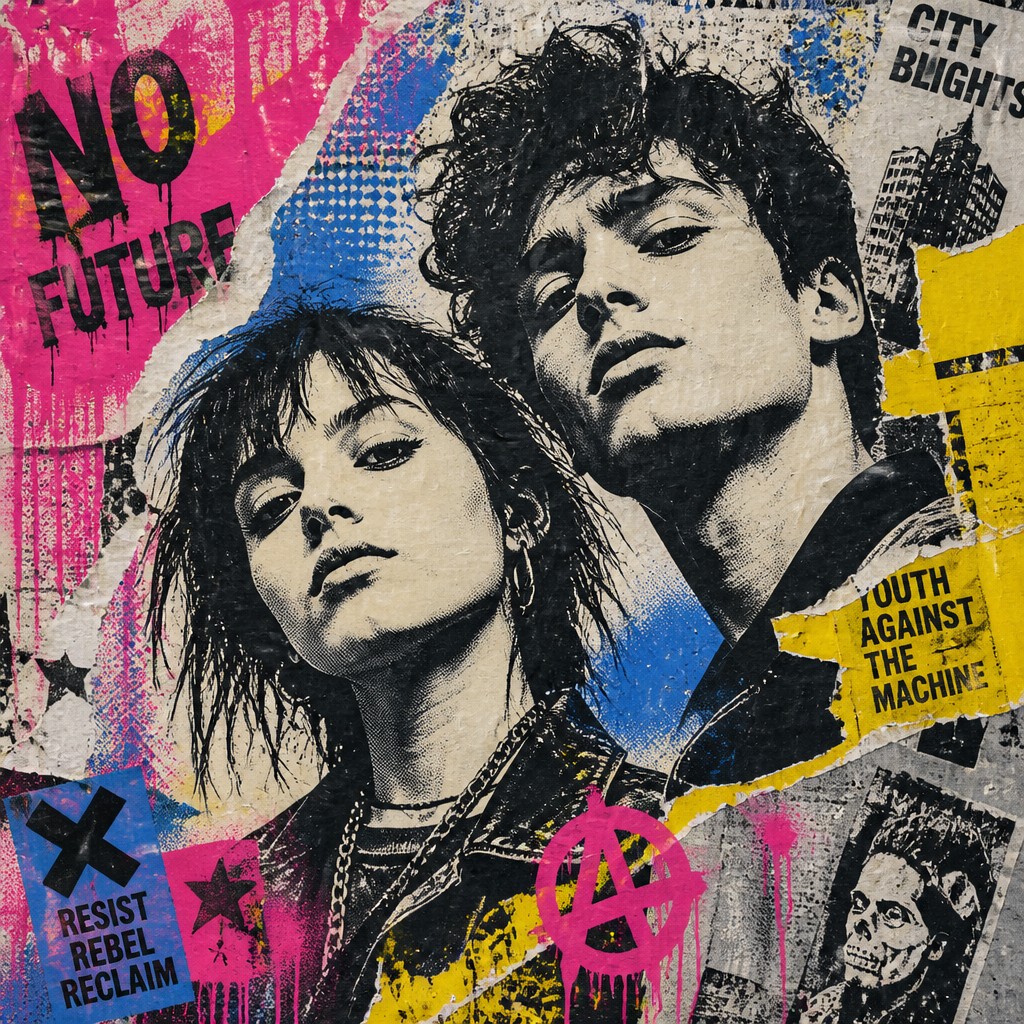
Street Art Poster Design is a graphic style built from the visual language of the city: pasted-up flyers, spray paint, stencils, photocopied ephemera, and weathered paper surfaces. It usually combines bold typography or image fragments with rough textures, torn edges, drips, and high-contrast shapes, creating the sense that the poster has been layered onto a wall, stripped back, and remade in the street.
The style looks the way it does because it borrows directly from urban visual culture. Its imperfections are part of the message: overspray, halftone dots, grime, wrinkles, and ripped adhesive edges suggest speed, improvisation, protest, music culture, and public space. Color palettes often use neon accents against concrete grays or black, producing a clash between temporary paper media and the energetic visual noise of the street.
Try It On Your Photos
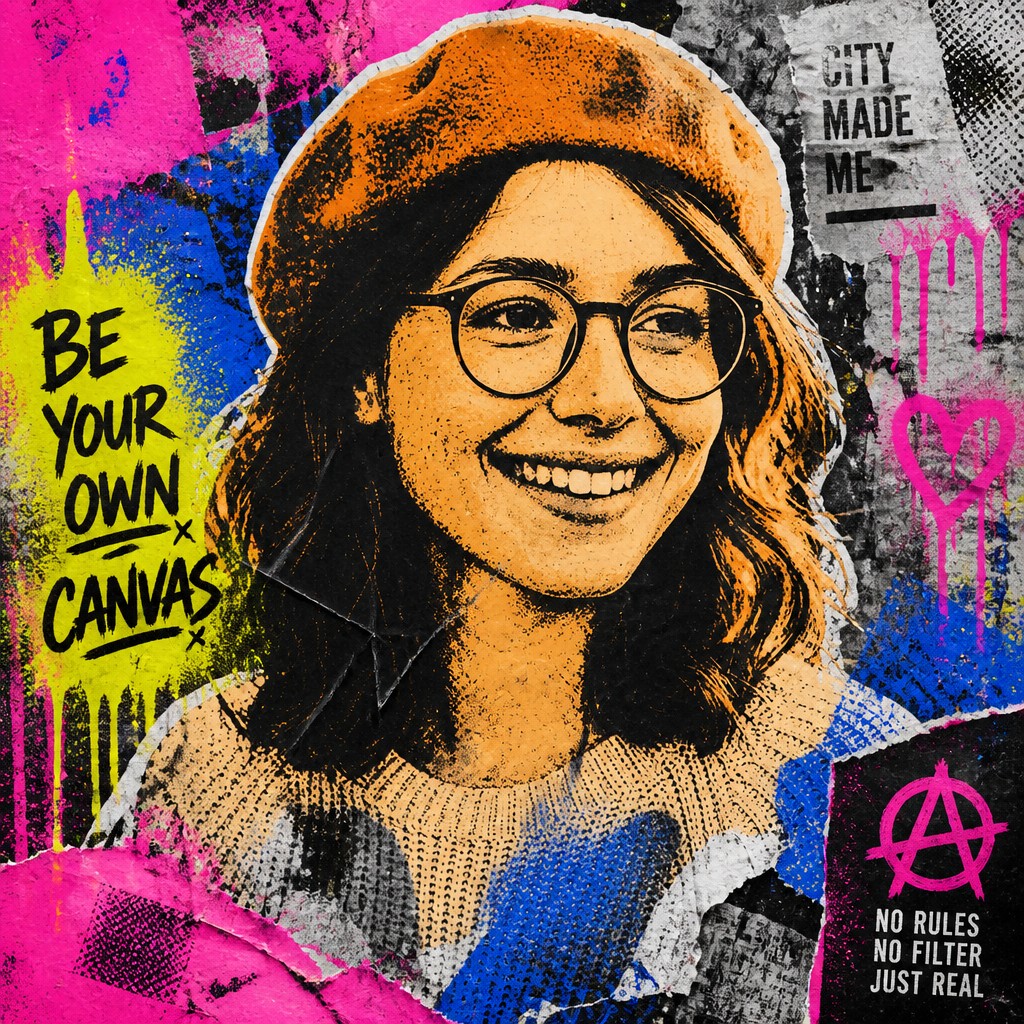
Upload any photo and convert it into Street Art Poster Design — drag the sliders to compare before and after.


What Defines Street Art Poster Design
The signature details, up close
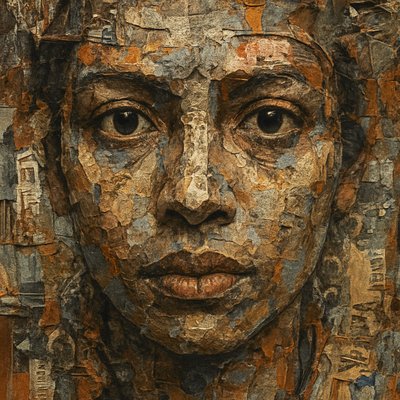
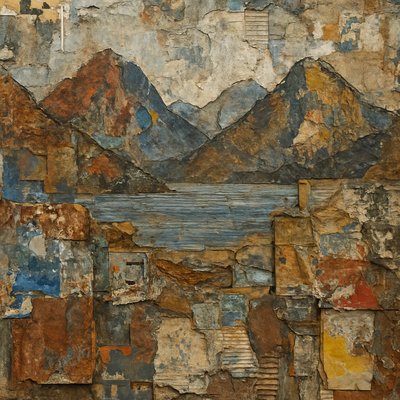
Torn paper and wheat-paste layering
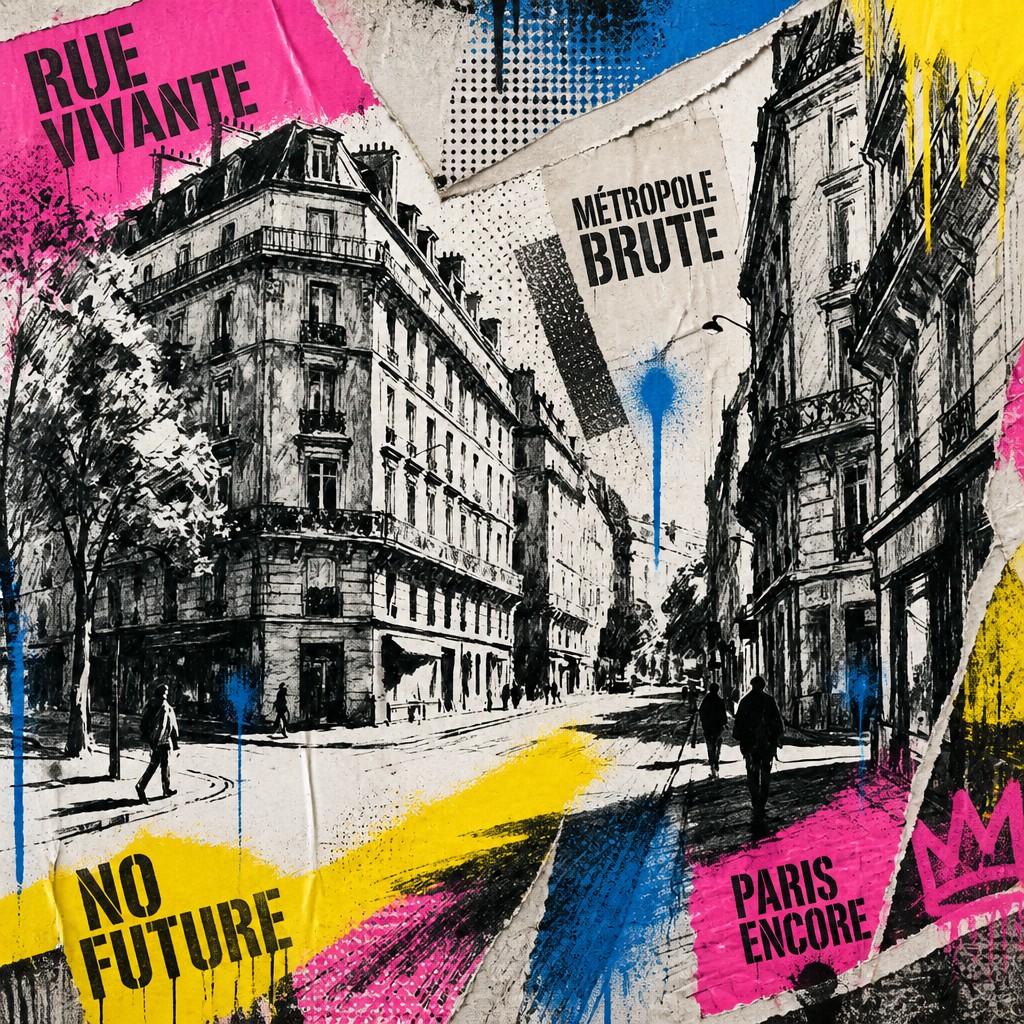
Edges are ripped, curled, or partially detached, with multiple paper fragments overlapping each other. This creates a collage structure that feels pasted onto a wall and worn by exposure.
Spray-paint marks and overspray
Paint often appears as misted halos, drips, tag-like strokes, or abrupt fills. These marks give the work the raw energy of stencil graffiti and quick urban intervention.
Stencil-cut silhouettes
Shapes are simplified into high-contrast cutouts with hard edges and blocked forms. The stencil effect keeps imagery direct, repeatable, and visually punchy.
Photocopy grit and xerox degradation
Noise, banding, blur, compression artifacts, and grain mimic repeated copying and low-fidelity reproduction. This lends the image a worn, underground, zine-like quality.
Halftones and rough print textures
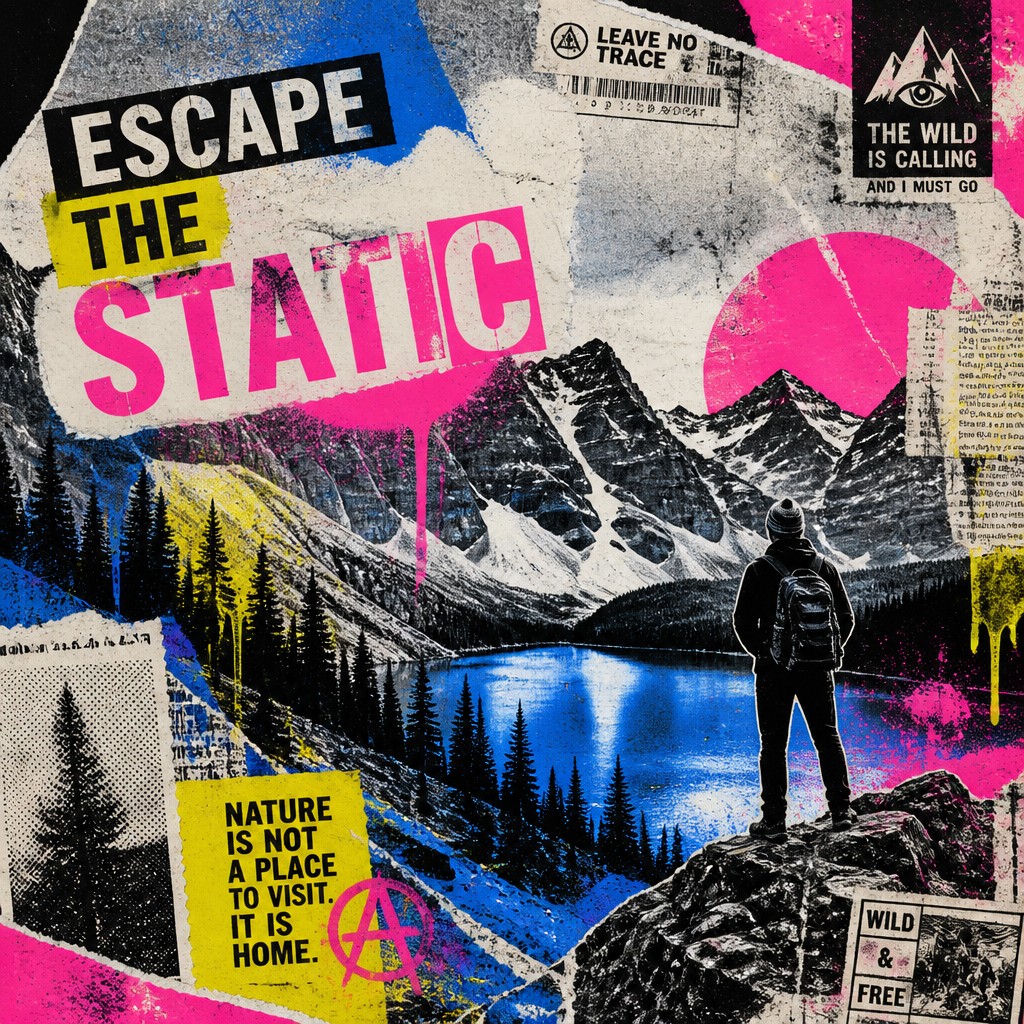
Dots, screen-print-like patterns, and uneven ink coverage evoke posters made through inexpensive reproduction. The result is graphic but visibly imperfect.
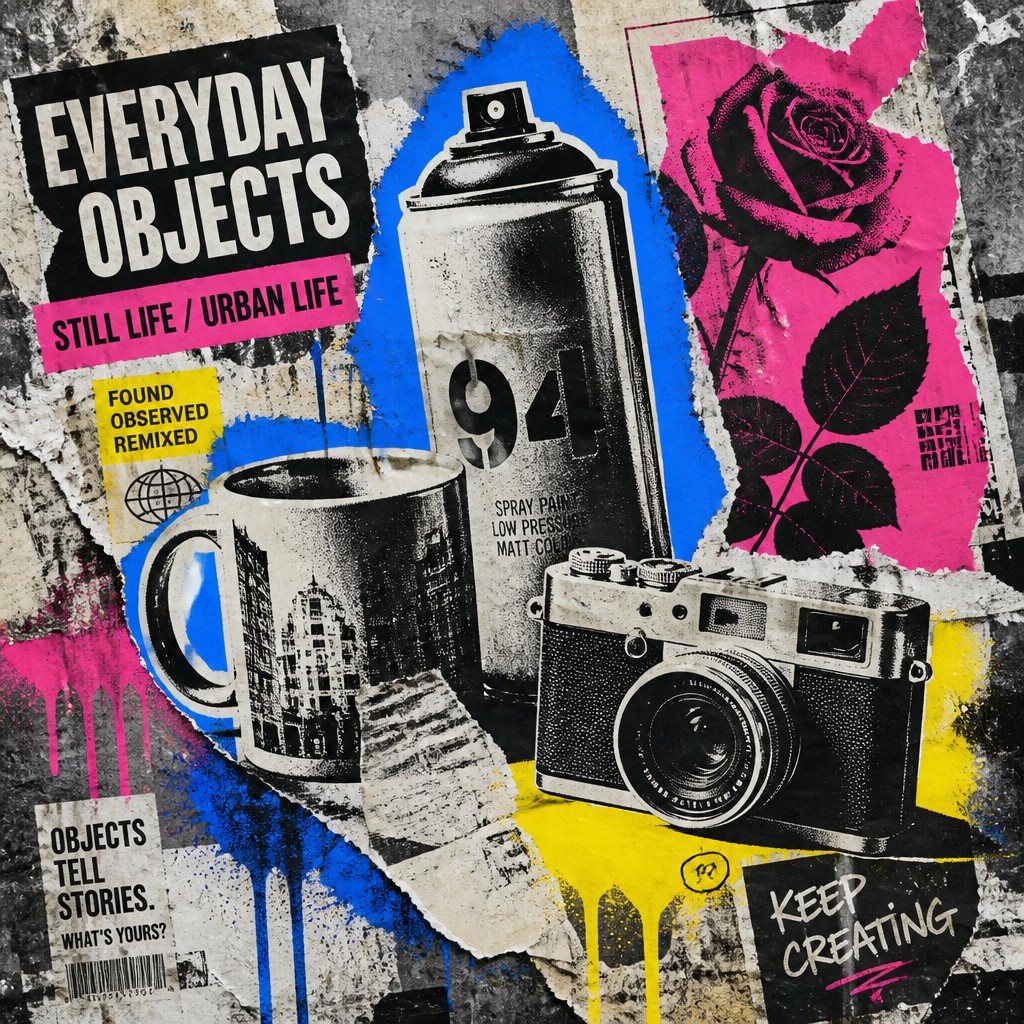
Urban color contrasts
Neon pink, electric blue, acid yellow, and saturated red are often set against black, white, and concrete gray. The palette is designed to grab attention in a visually crowded environment.
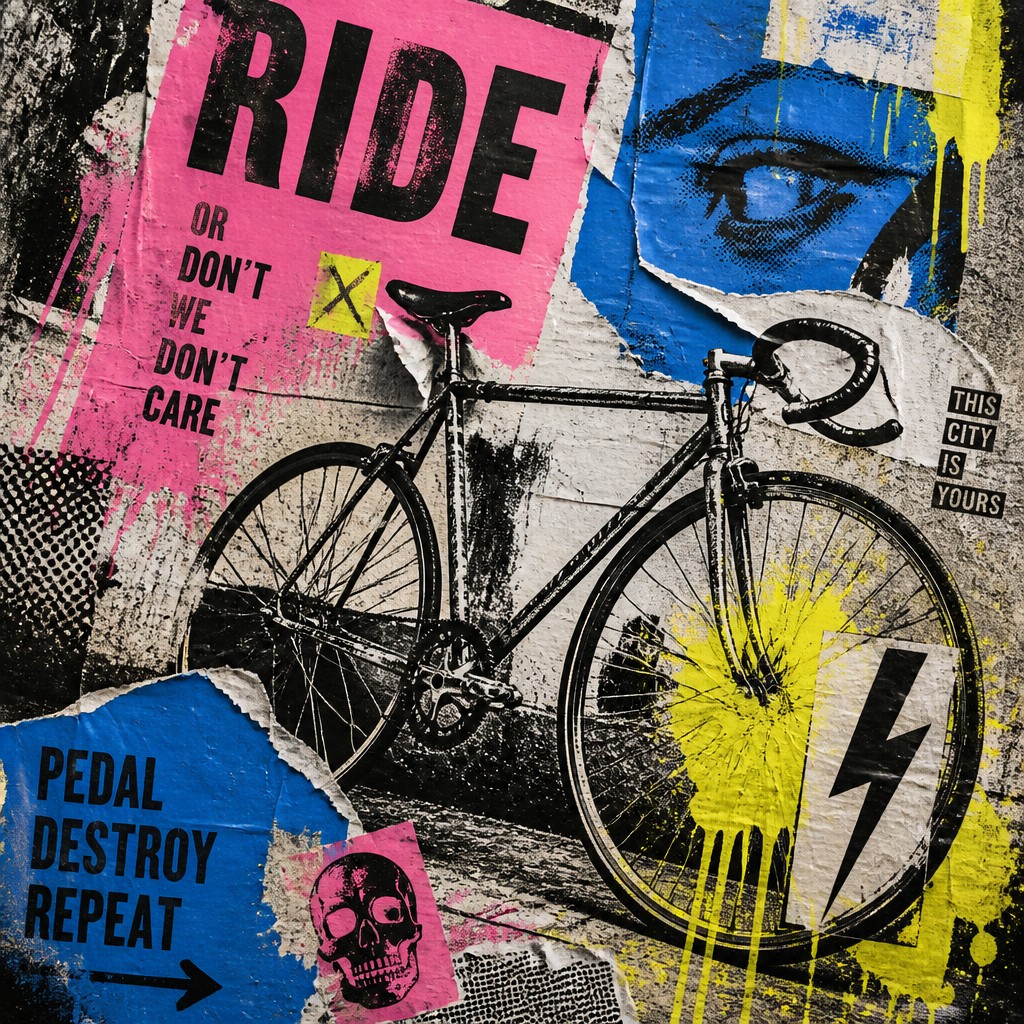
Diagonal, confrontational composition
Layouts often tilt, fracture, or collide instead of sitting in neat grids. This adds motion and tension, echoing the disruptive placement of posters in public space.
Try It
Create Videos in Street Art Poster Design
Styles aren't just for stills — describe a scene or animate an image and get a short video rendered in Street Art Poster Design. Press play to see this pond come to life.
Make a VideoStreet Art Poster Design Prompt Ideas
Start from an idea — each one opens the generator with the style ready to go. See all 40 Street Art Poster Design prompts →
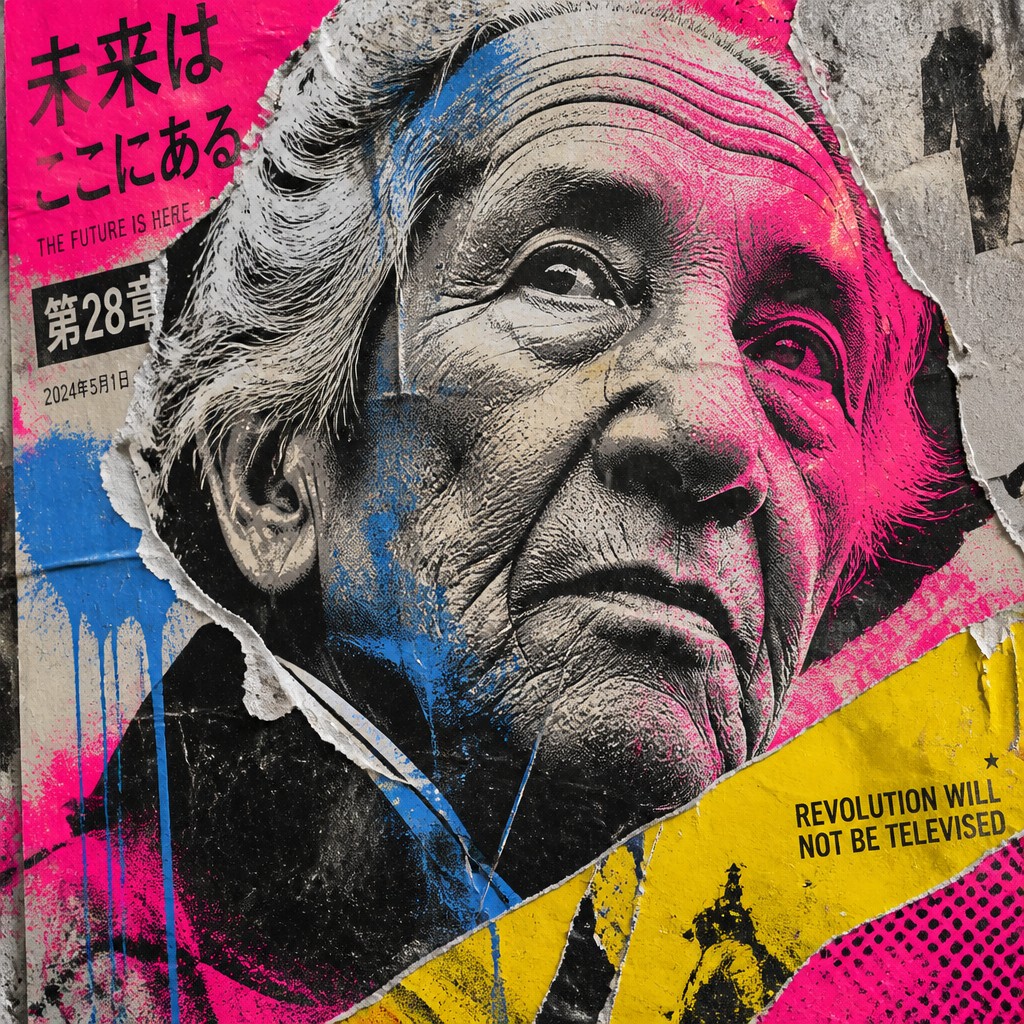
“close-up portrait of an elderly person with expressive weathered features”
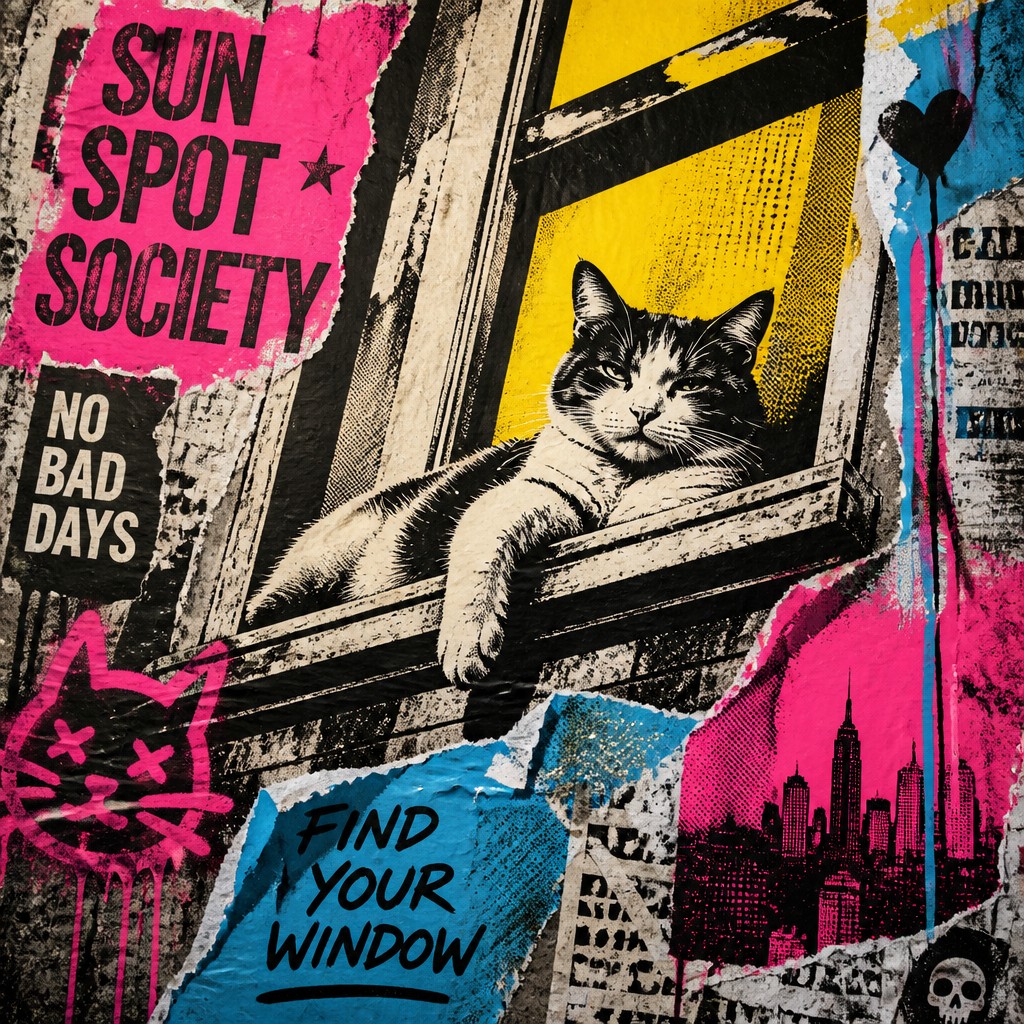
“a cat lounging in a sunlit window”
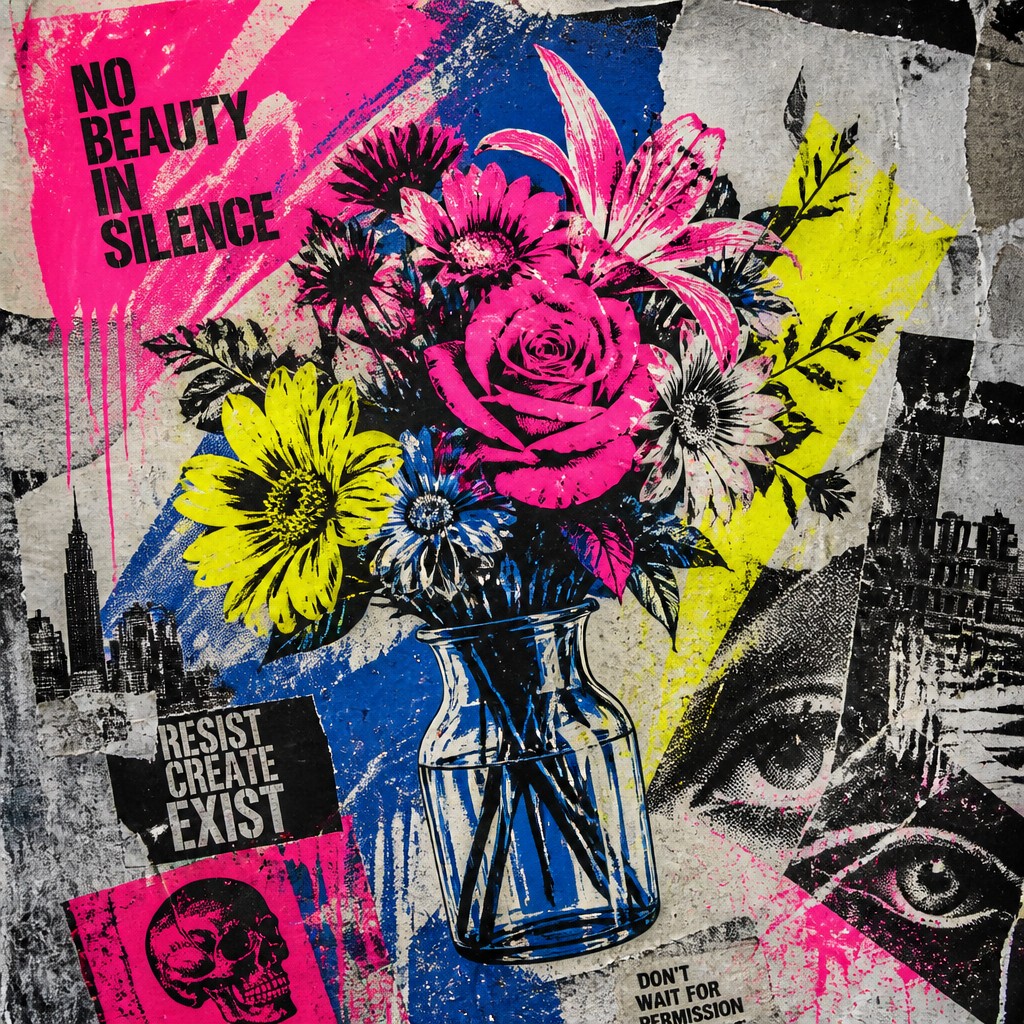
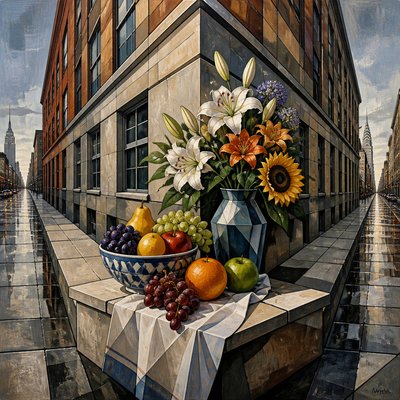
“bouquet of flowers in a glass vase”
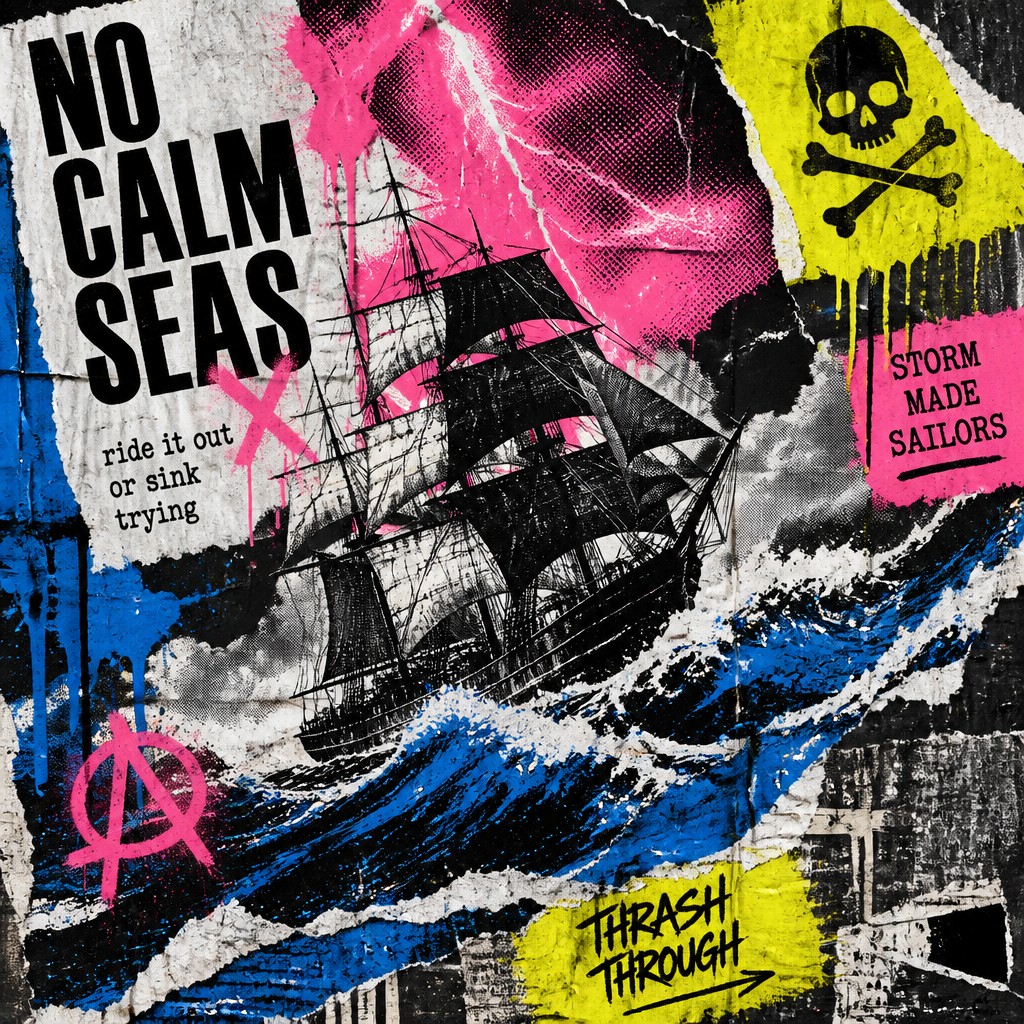
“sailing ship on a stormy sea”
How to Create Street Art Poster Design Art
Master the craft step by step — or skip straight to creating. Read the full guide →
- 1
Build the image as a collage first
Start with layered blocks, cutout photos, torn shapes, and overlapping type rather than a single clean composition. In digital work, stack paper textures, mask edges irregularly, and let fragments partially obscure one another.
- 2
Use a limited but high-impact palette
Combine a small set of bright accent colors with weathered neutrals like gray, off-white, and black. Strong contrast helps the design read like a poster seen quickly on a street wall.
- 3
Add evidence of reproduction and wear
Introduce photocopy noise, halftone screening, ink misregistration, drips, scuffs, and folded-paper creases. Traditional makers can simulate this through screen printing, rubdowns, stencil work, and distressed paper stock.
- 4
Let typography behave like an object
Set type with uneven scale, partial cropping, rough outlines, or stamped/stenciled treatment. Text should feel pasted, sprayed, or photocopied rather than polished and digitally pristine.
- 5
Compose for impact, not symmetry
Use diagonals, overlaps, abrupt cropping, and asymmetrical balance to create street-level urgency. For prompt-based generation, specify layering, torn paper edges, stencil textures, overspray, and gritty urban surfaces.
- 6
Match the medium to the subject
This style works especially well for music events, protest imagery, portrait posters, fashion graphics, and city-themed scenes. In prompts, pair the subject with explicit material cues such as wheat-paste collage, spray paint, xerox grit, and rough halftone.
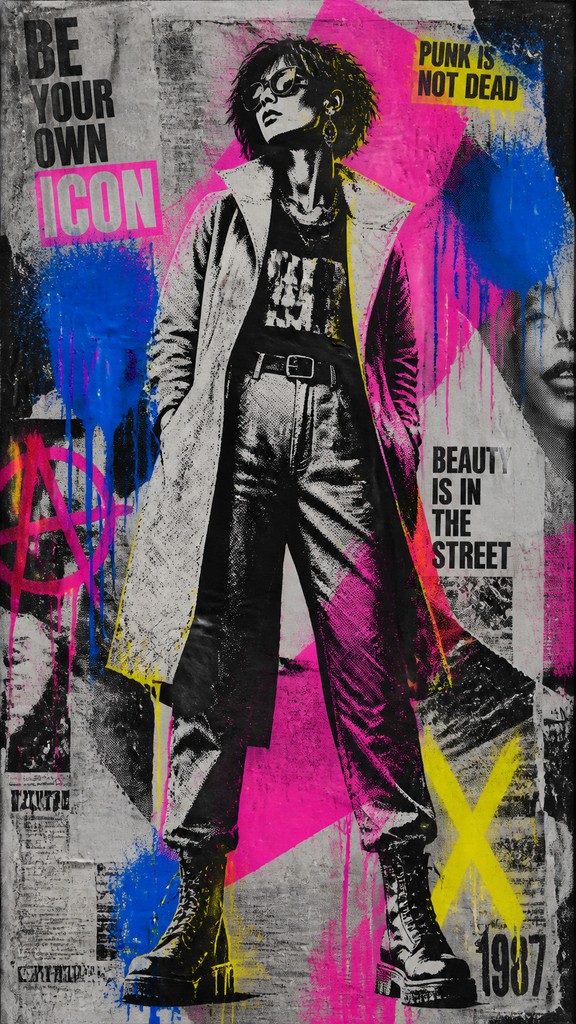
The Story
History & Origins of Street Art Poster Design
Street Art Poster Design does not come from a single historical school so much as from a convergence of late 20th-century urban practices: graffiti, punk flyer culture, stencil art, paste-up wheatpastes, protest graphics, and photocopy-based zine aesthetics. It is closely linked to cities where posters are repeatedly layered, torn, and reworked by weather, censorship, and competing messages. The style’s visual habits reflect the conditions of the street itself—temporary, contested, and crowded.
Its lineage also includes the graphic strategies of political posters, Dada and photomontage, underground music promotion, and the lo-fi reproduction methods of xerox culture. Contemporary versions often translate those tactile effects into digital composition, but the core idea remains the same: an image that feels assembled in public, under pressure, with visible traces of making and decay.
Influences: Street Art Poster Design draws from graffiti lettering, stencil art, wheat-paste paste-ups, punk and DIY flyer culture, screen-print poster traditions, and photocopied zine aesthetics. It also overlaps with earlier graphic experiments such as Dada photomontage and political poster design, where fragmentation and reproduction were used to create urgency. In real historical art, major pioneers of photomontage and related anti-authoritarian graphic work are relevant to this lineage, while the poster-like immediacy also recalls protest graphics and screen-print activism rather than a single canonical school.

Frequently Asked Questions
What defines Street Art Poster Design?
It is defined by the look of street-facing printed matter: layered paper, torn edges, spray paint, stencils, and distressed reproduction. The style combines graphic design with the tactile messiness of posters that have been pasted, weathered, and reworked in public space.
How is it different from graffiti art?
Graffiti art usually centers on handstyle lettering, murals, or wall pieces made directly on a surface, while this style is poster-based and collage-driven. It often borrows graffiti textures and energy, but the final image resembles a pasted flyer, stencil poster, or mixed-media print.
What materials are commonly used in traditional versions?
Artists often use paper, glue, spray paint, stencils, markers, screen print, photocopies, and found printed matter. Distressed paper, layered adhesives, and rough reproduction methods are key to achieving the authentic surface quality.
Can this style be used for branding or event posters?
Yes. It is especially effective for music events, youth culture, activism, skate culture, and fashion campaigns that want an energetic urban feel. The style communicates immediacy and rebellion, though it works best when the composition remains readable.
What kind of subjects work best in this style?
Portraits, protest messages, musicians, dancers, skateboarders, city scenes, and symbolic emblems all translate well. Subjects with strong silhouettes and bold contrast are easiest to adapt into stencil, collage, and poster layouts.
How do I make it look authentic instead of overly polished?
Avoid perfectly aligned elements, smooth gradients, and clean vector edges. Use imperfect cropping, rough textures, visible layering, and a sense that the image has been handled, copied, pasted, and exposed to weather.
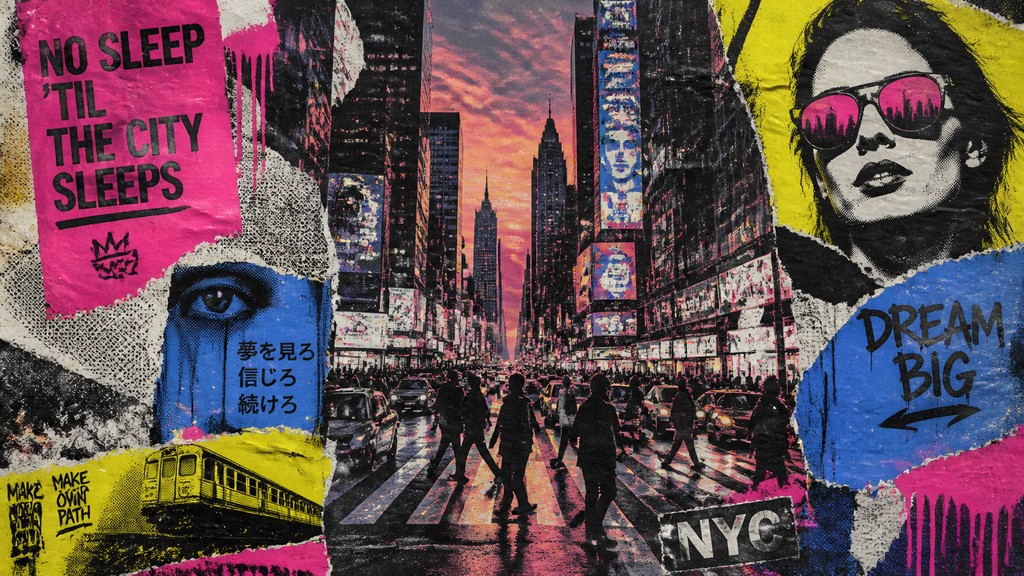
Create your first Street Art Poster Design artwork
Describe anything — or upload a photo — and see it in Street Art Poster Design in seconds.
Make Something with Street Art Poster Design
Related Styles
Discover similar art styles