Noir Comic Art
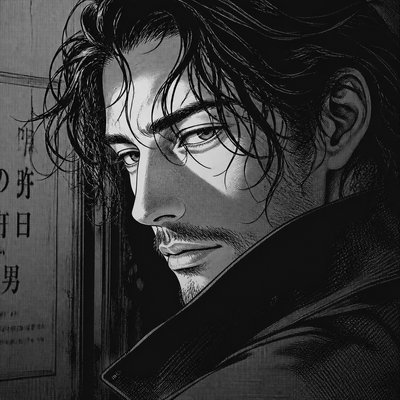
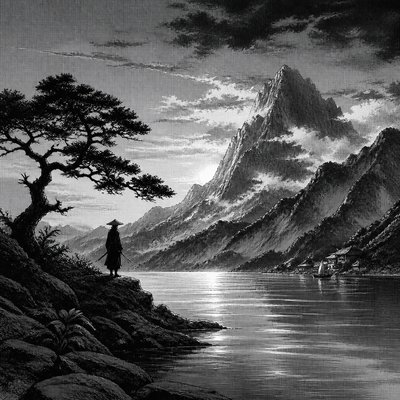
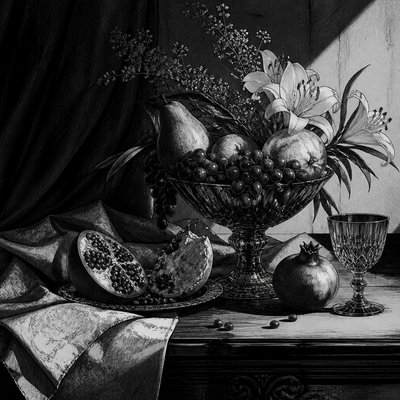
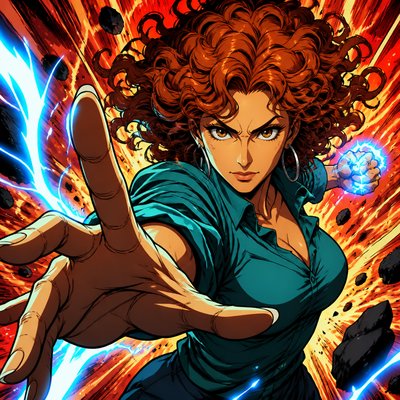
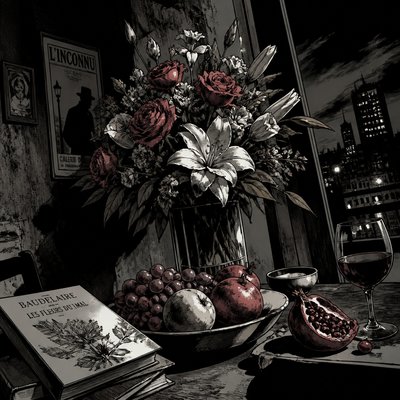
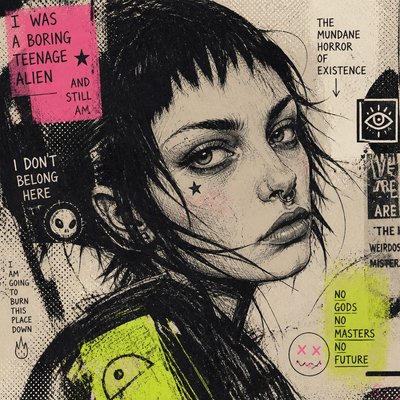
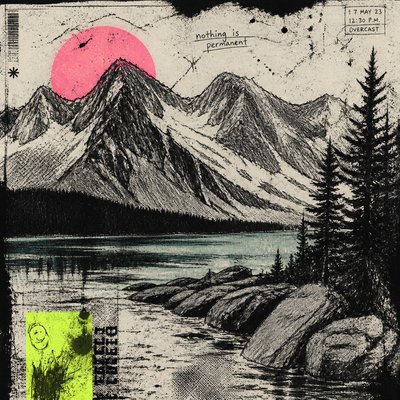
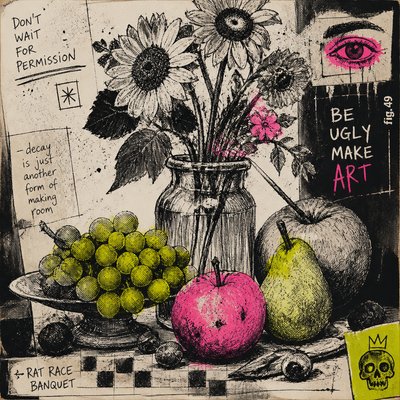
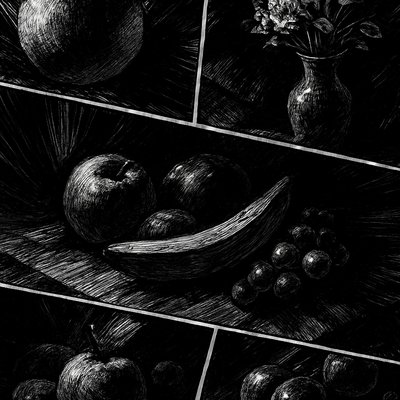
High-contrast black-and-white comic style with heavy shadows, rain-slick streets, hard-boiled moods, and graphic noir drama.
Instantly rendered in Noir Comic — or transform a photo
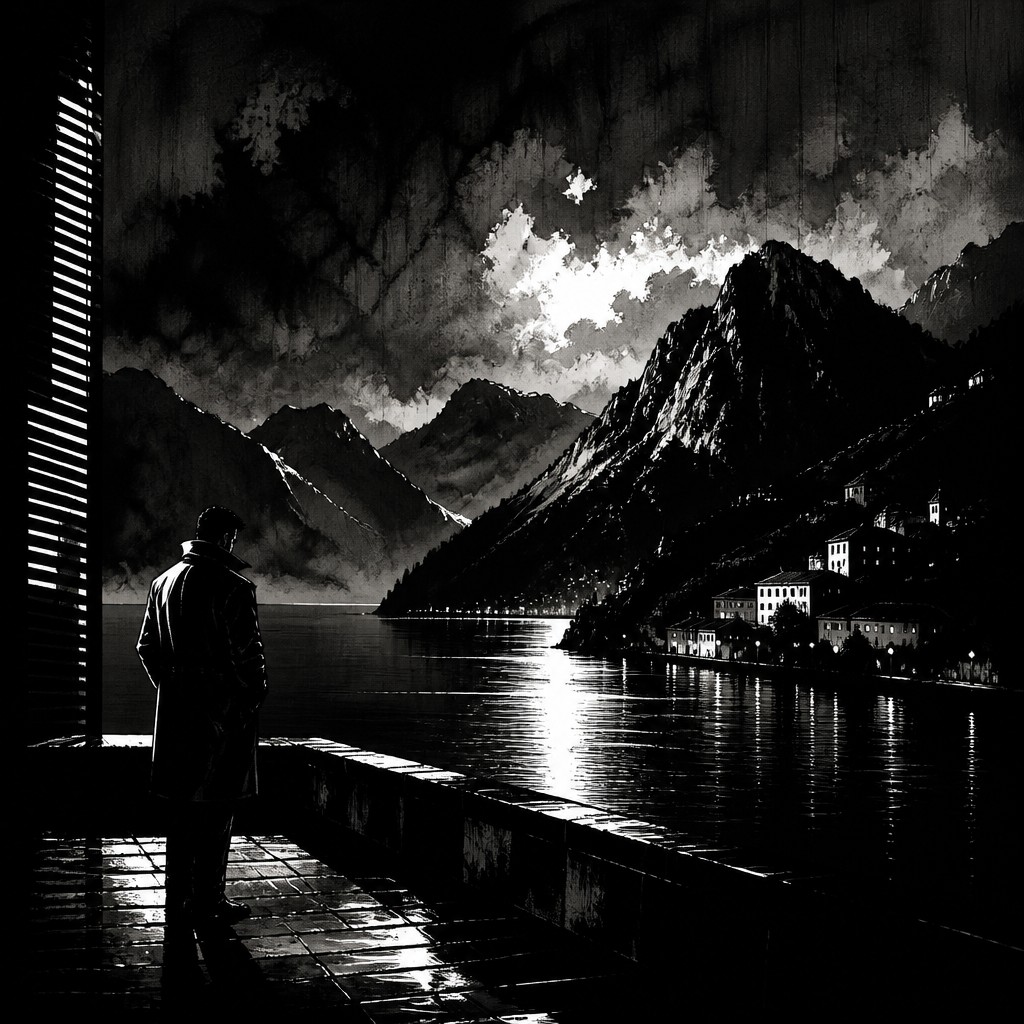
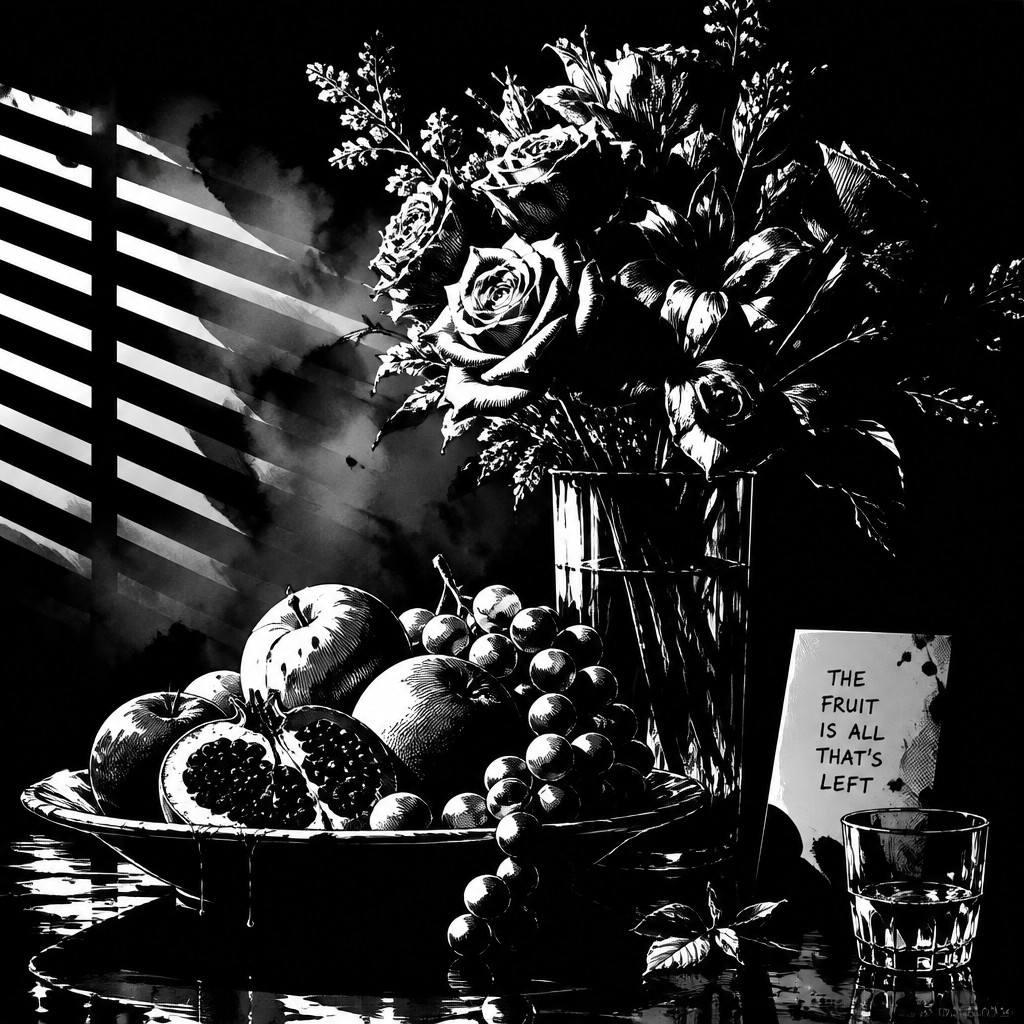
Noir Comic Gallery
Tap any artwork to explore it
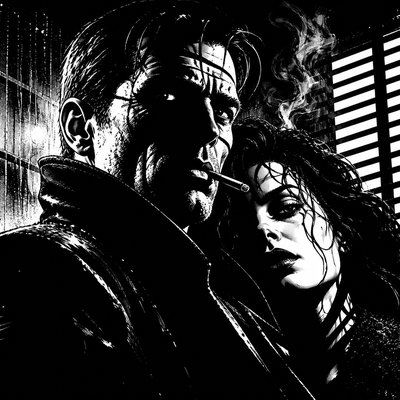
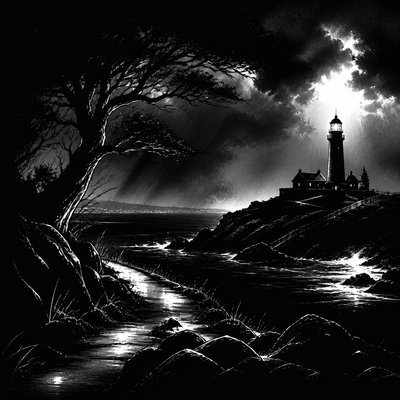
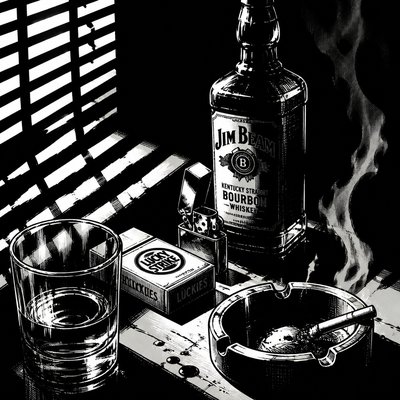
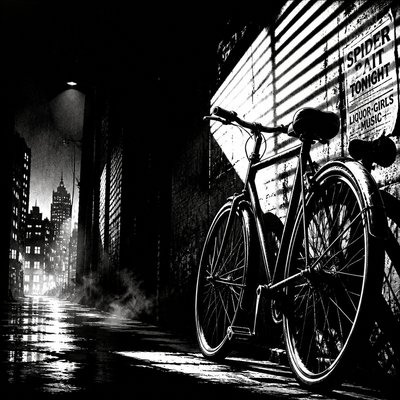
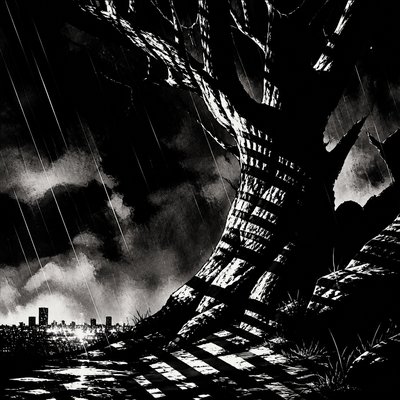
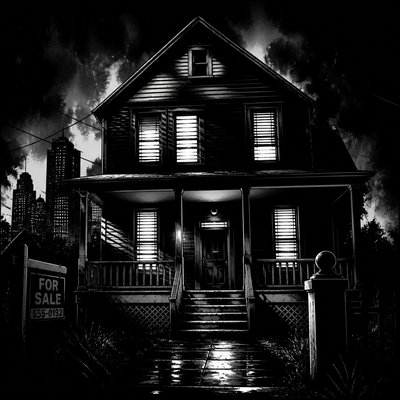
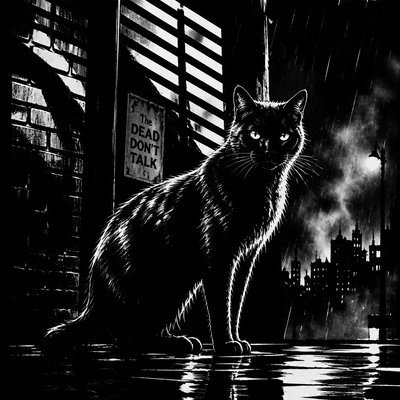
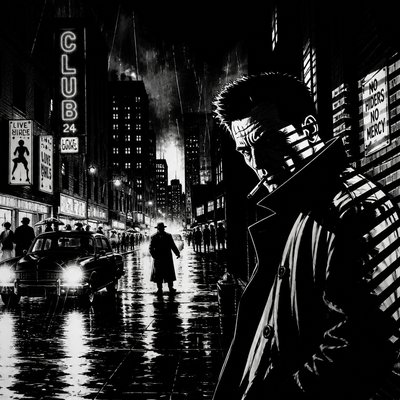
What is Noir Comic Art?
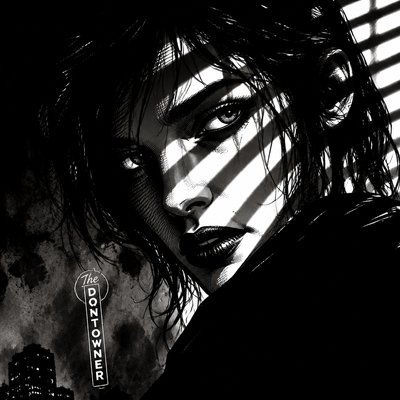
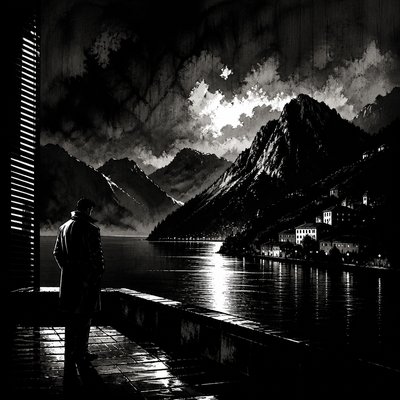
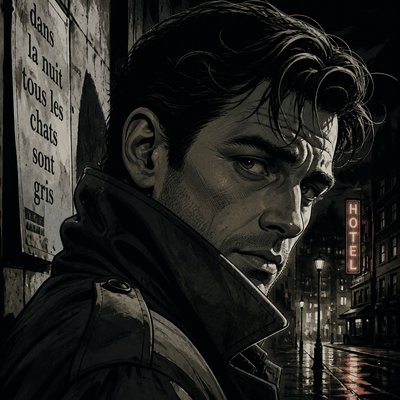
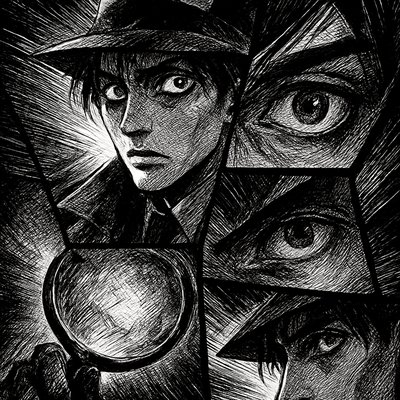
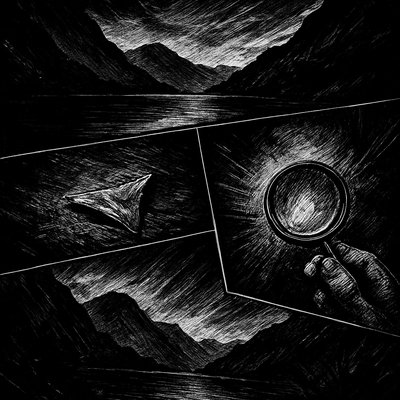
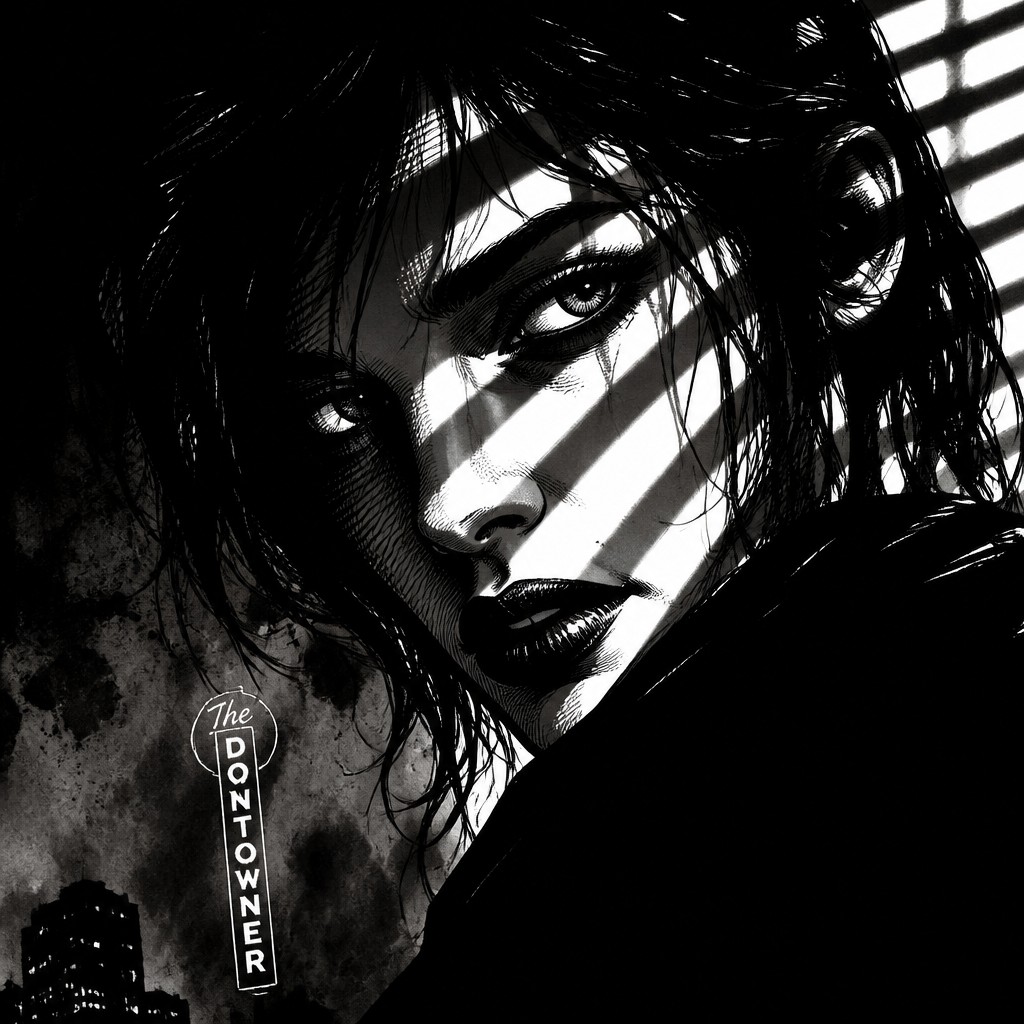
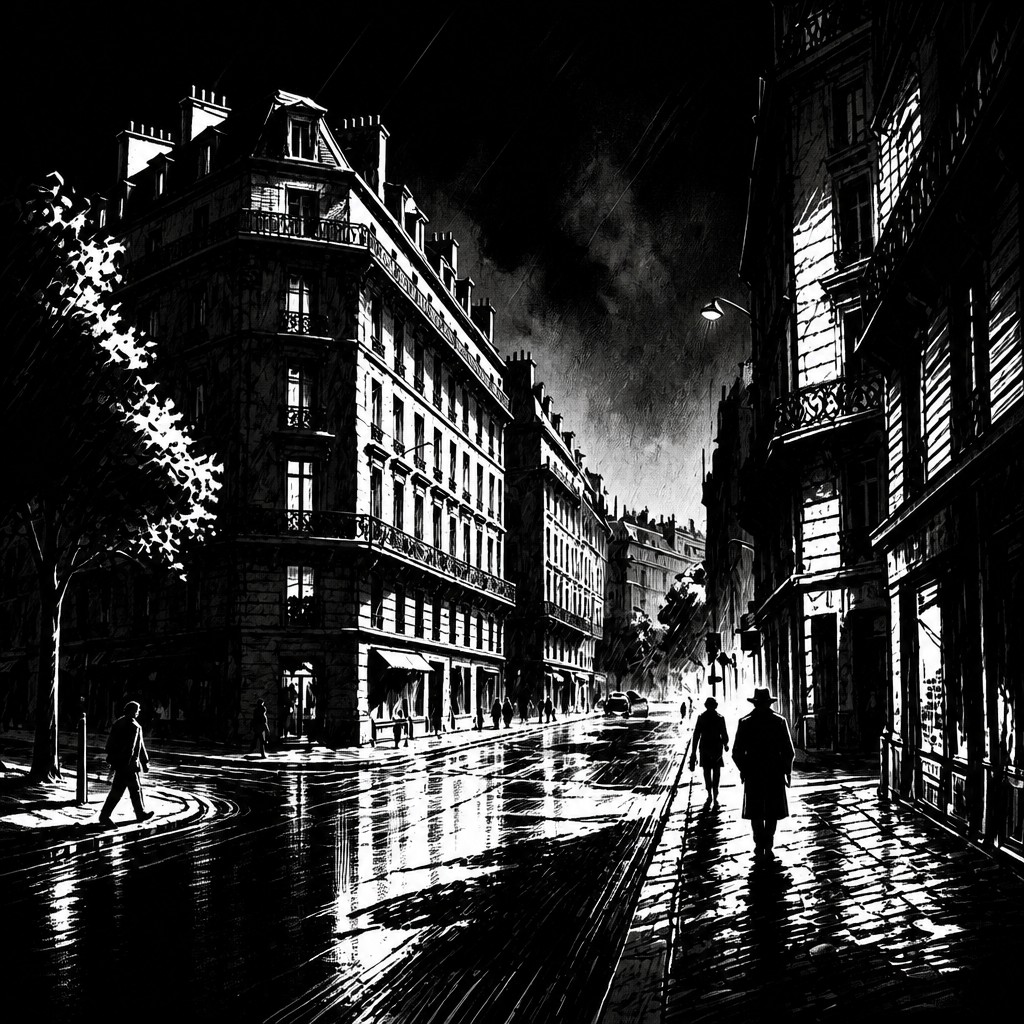
Noir Comic Art is a dark graphic style defined by severe black-and-white contrast, looming shadow masses, and a hard-edged cinematic mood. Figures are often reduced to bold silhouettes cut by razor-bright highlights, while streets, alleys, blinds, smoke, and rain are used to build a tense urban atmosphere.
Its visual identity comes from the overlap of crime comics, pulp illustration, and film noir. The look depends on extremes: black areas swallow large parts of the page, white accents flash across faces, coats, puddles, and windows, and linework is used sparingly but decisively to sharpen forms. The result is bleak, dramatic, and immediately legible, with a sense of danger and moral ambiguity built directly into the image design.
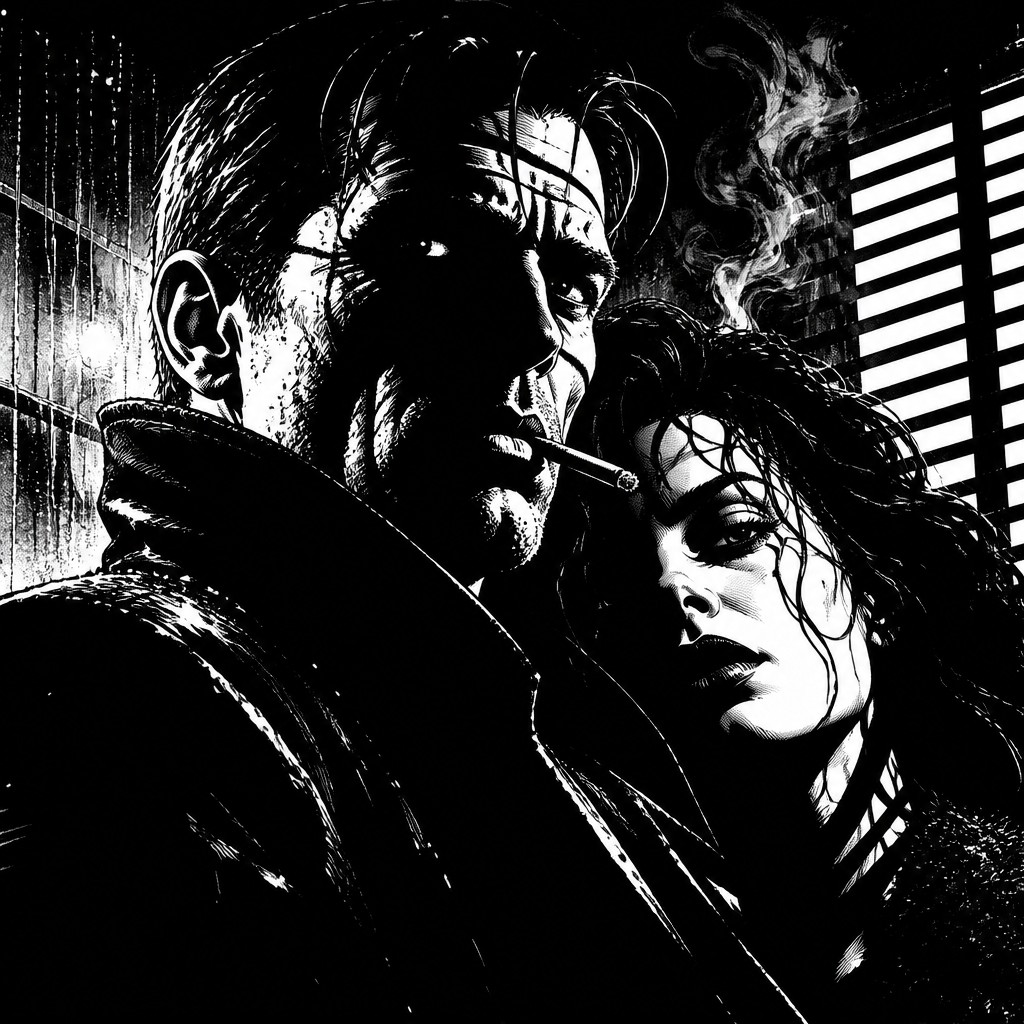
Try It On Your Photos
Upload any photo and convert it into Noir Comic Art — drag the sliders to compare before and after.
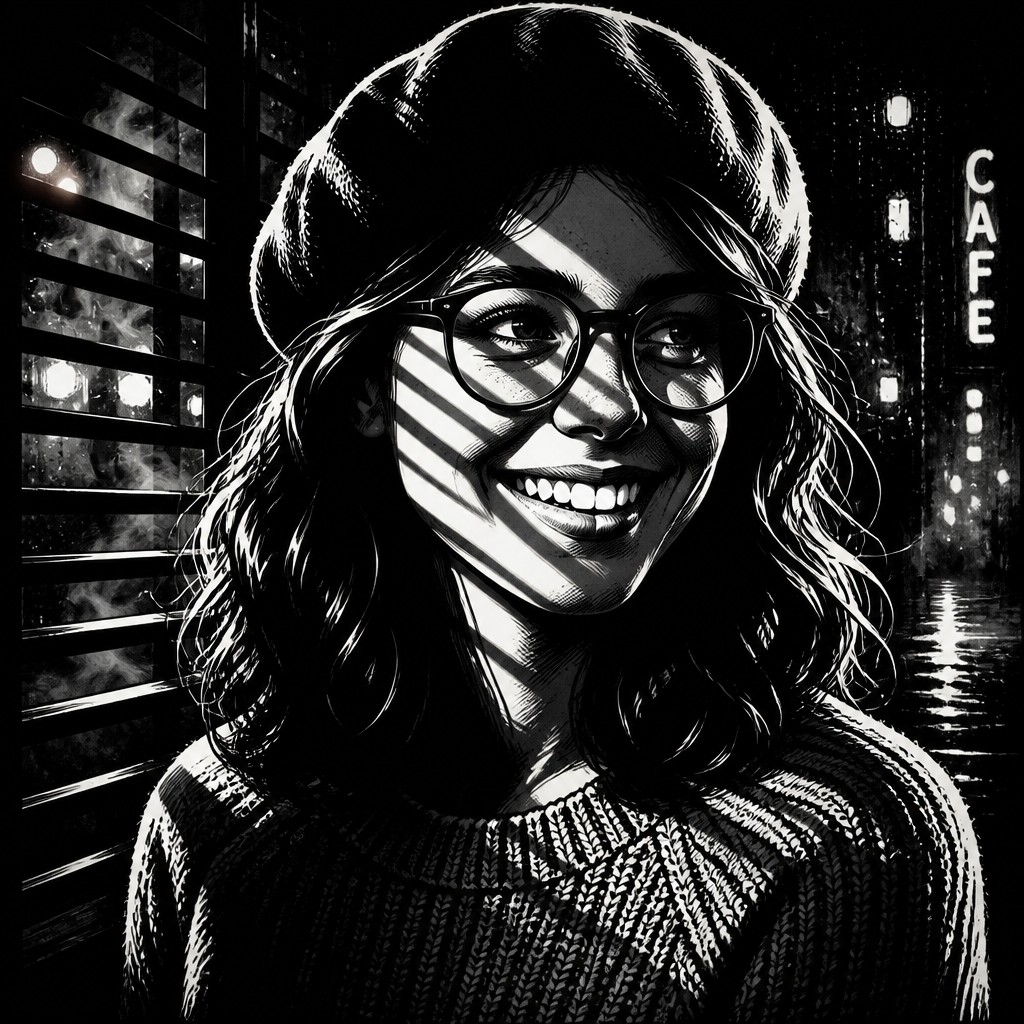


What Defines Noir Comic Art
The signature details, up close
Extreme black-and-white contrast
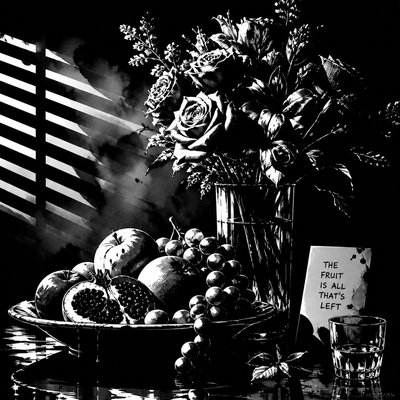
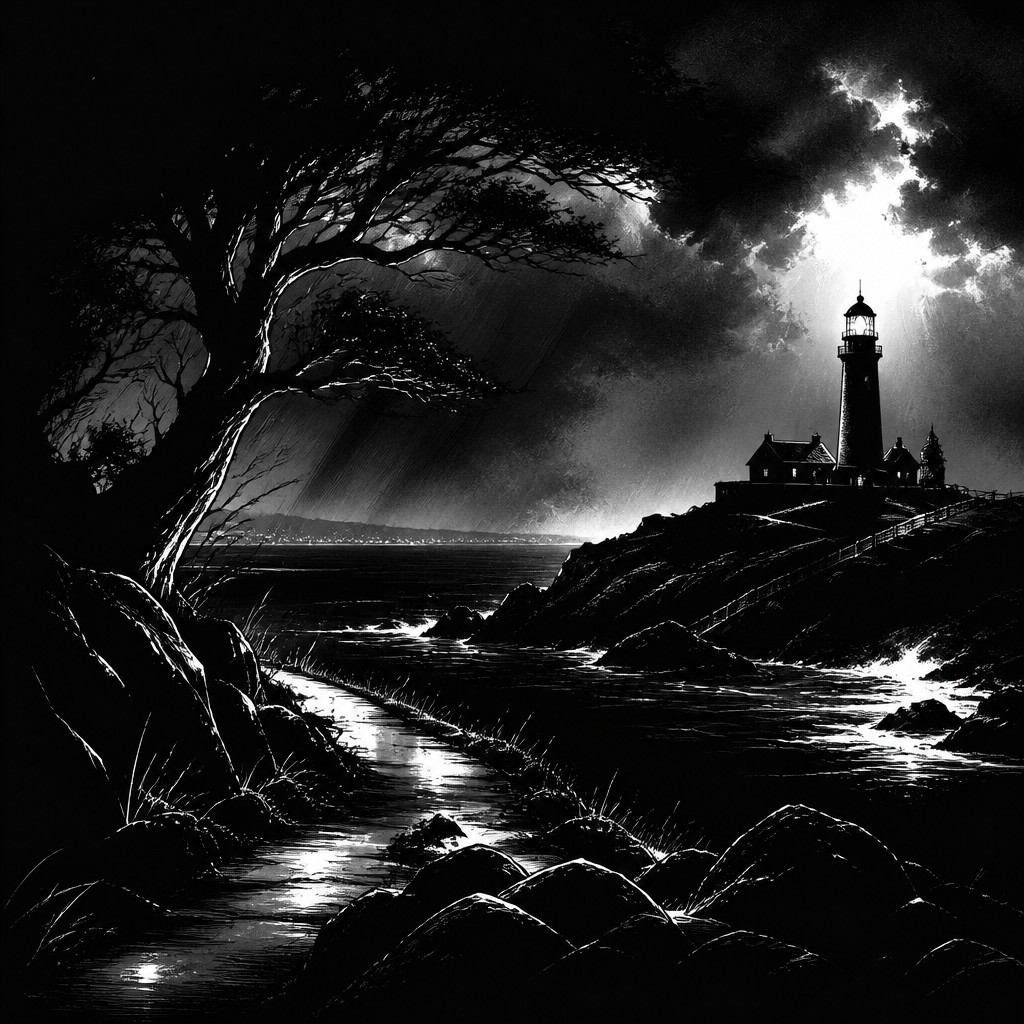
The style relies on deep spot blacks set against sharp white highlights, with very little midtone ambiguity. This creates immediate visual tension and gives every object a hard silhouette.
Hard-boiled urban atmosphere
City streets, alleyways, offices, diners, and rooftops often anchor the scene. Wet pavement, cigarette smoke, fog, and night rain strengthen the sense of menace and isolation.
Dramatic shadow geometry
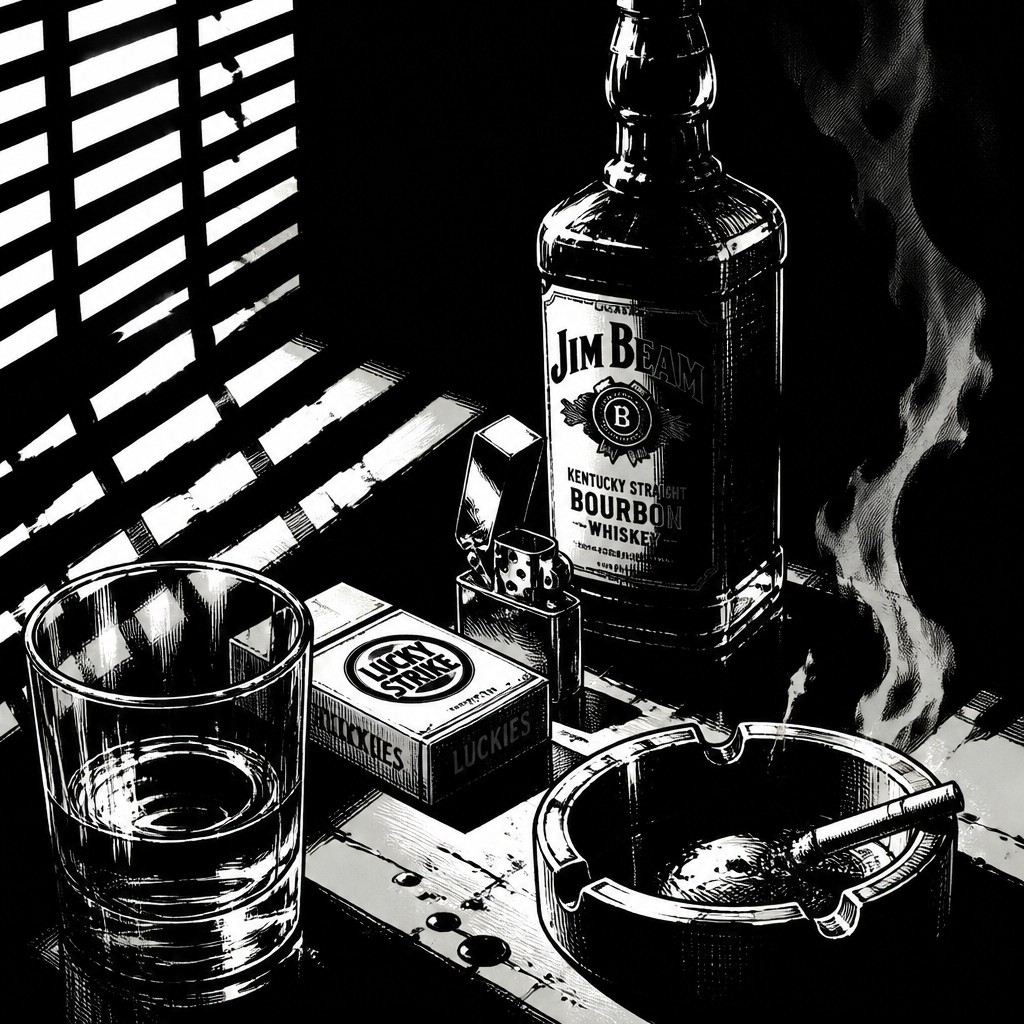
Shadows are not incidental; they are composed as bold design elements. Venetian-blind bars, slashing diagonals, and window-frame shadows often cut across faces and walls.
Gritty ink textures
Crosshatching, dry-brush marks, splatter, and ink wash add material roughness. These textures help the image feel hand-rendered and visually worn.
Angular figures and silhouettes
Characters are commonly built from sharp edges, long coats, tilted hats, and compact poses. Even when details are minimal, posture and silhouette should read clearly.
Wet reflective surfaces
Puddles, car roofs, windows, and asphalt often catch bright reflections. These glints provide contrast points and reinforce the rain-drenched noir setting.
Try It
Create Videos in Noir Comic Art
Styles aren't just for stills — describe a scene or animate an image and get a short video rendered in Noir Comic. Press play to see this pond come to life.
Make a VideoNoir Comic Prompt Ideas
Start from an idea — each one opens the generator with the style ready to go. See all 40 Noir Comic prompts →
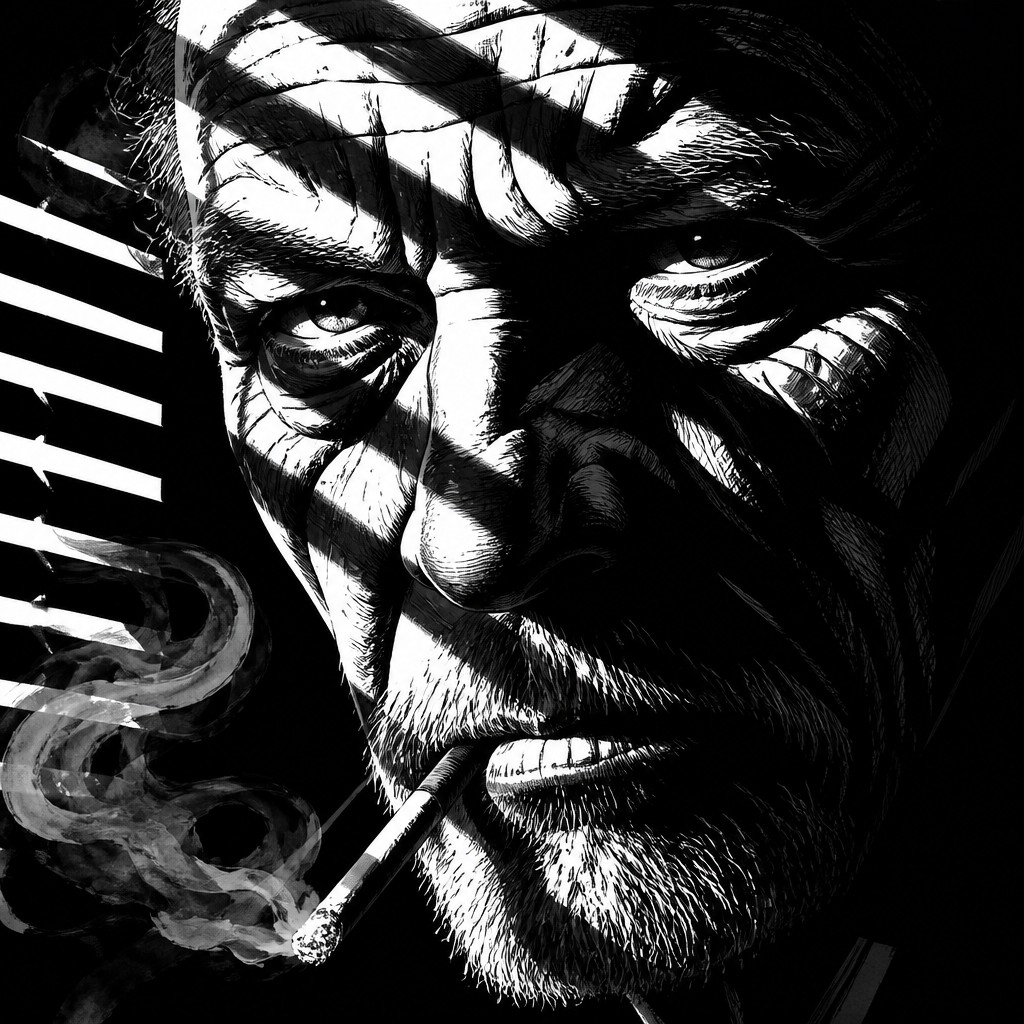
“close-up portrait of an elderly person with expressive weathered features”
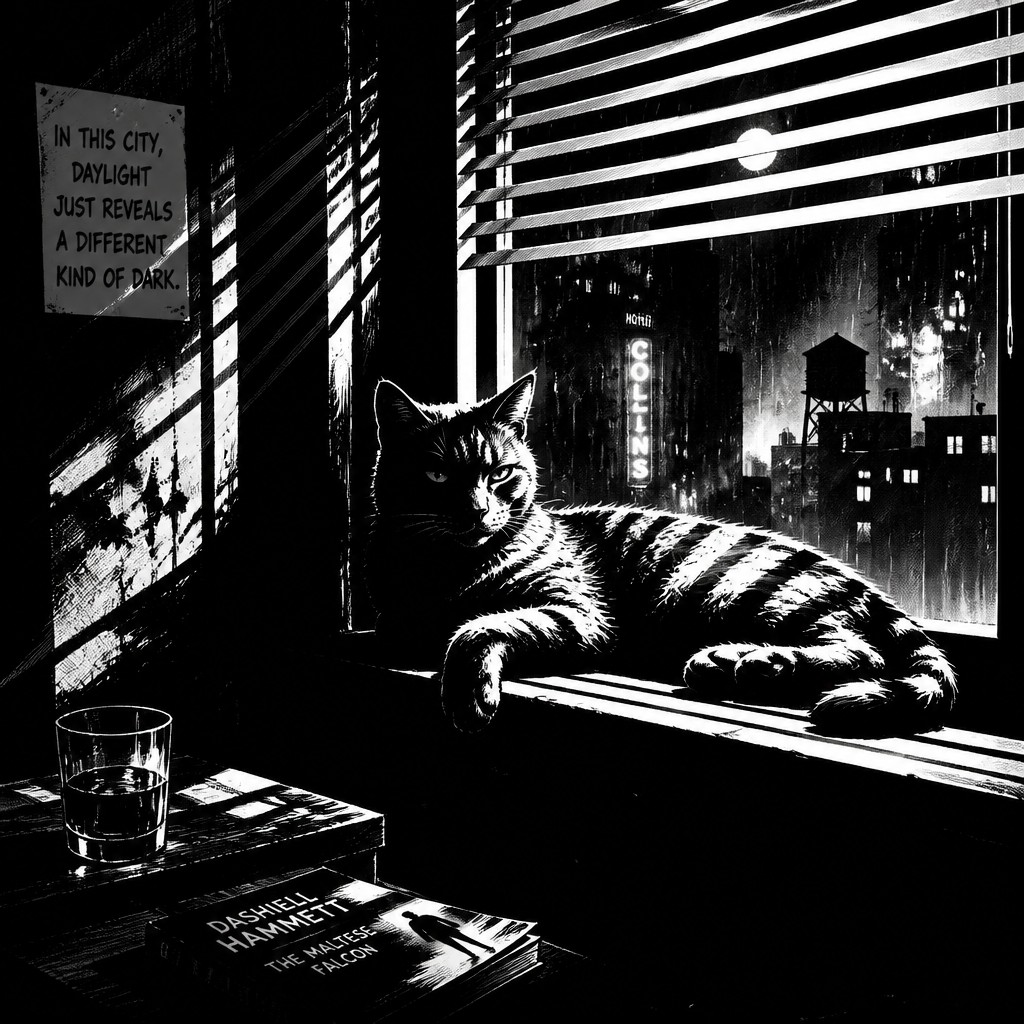
“a cat lounging in a sunlit window”
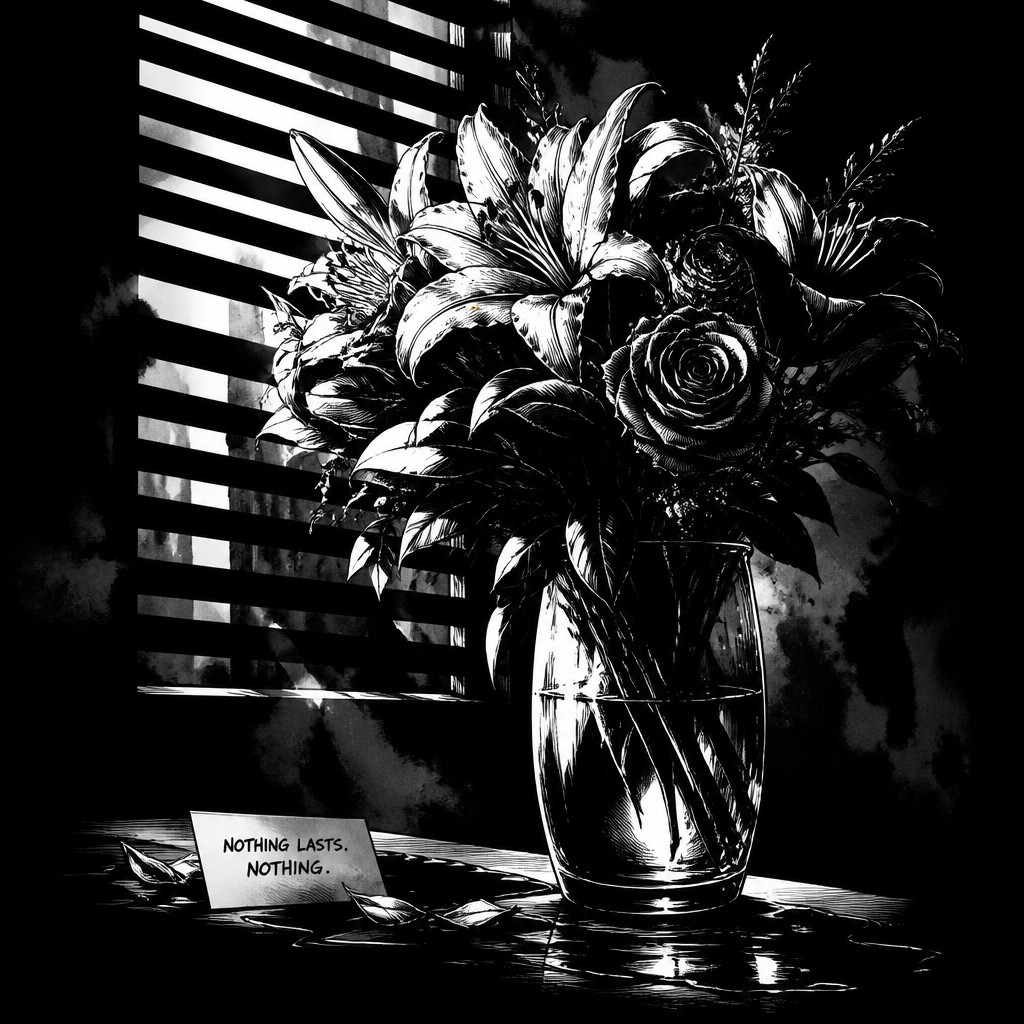
“bouquet of flowers in a glass vase”
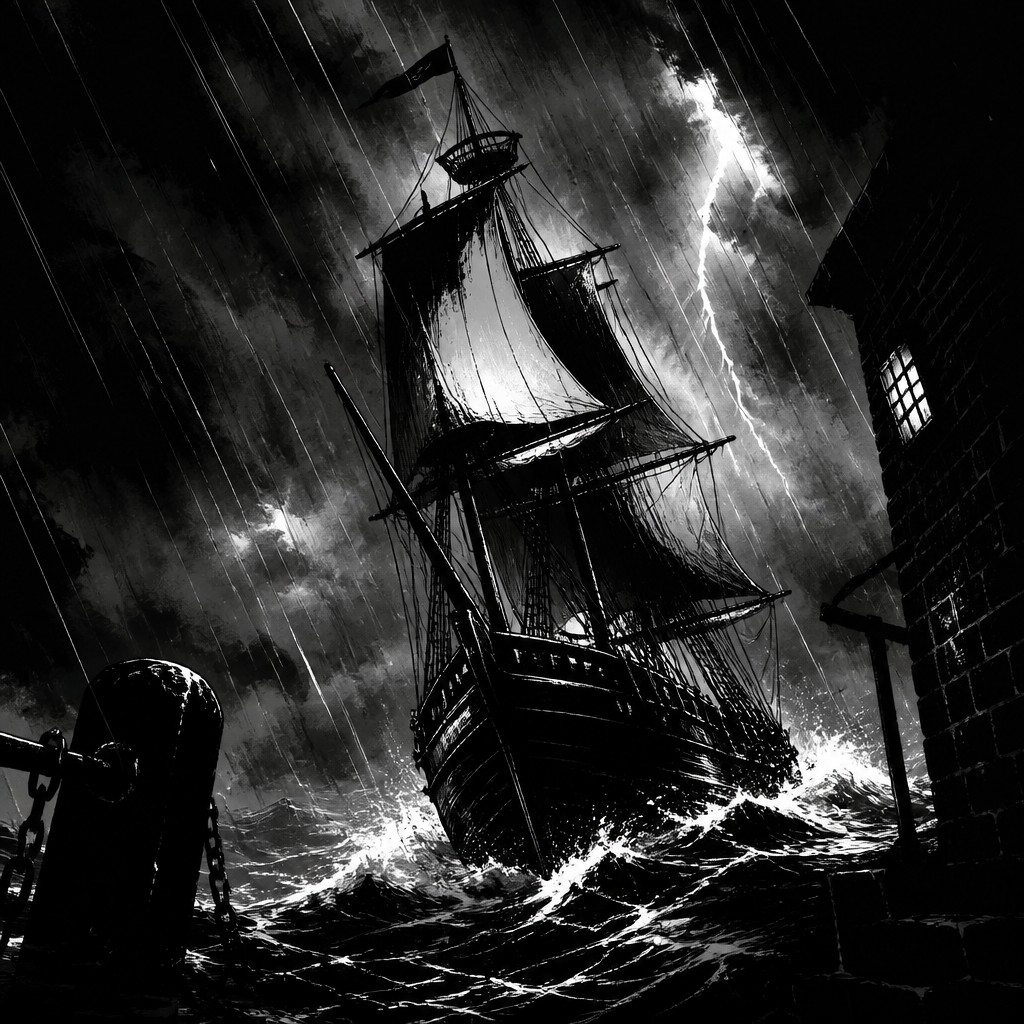
“sailing ship on a stormy sea”
How to Create Noir Comic Art
Master the craft step by step — or skip straight to creating. Read the full guide →
- 1
Build the composition around light sources
Start by deciding where the strongest light is coming from: a streetlamp, window, neon sign, car headlights, or desk lamp. Then place blacks so that the light slices through the scene rather than evenly illuminating it.
- 2
Use shadow as a design element
Do not treat shadows as secondary shading. Make them large, intentional shapes that simplify the image into a few dominant masses, with sharp edges where the light is most intense.
- 3
Prioritize silhouette and readability
In traditional work, block in the figure first as a clear black shape, then cut highlights into it with ink or white paint. In digital work, separate forms with strong value grouping before adding crosshatching and texture.
- 4
Add noir-specific surface details
Include reflective pavement, smoke, blinds, trench coats, hats, blinds, file folders, detective interiors, and rain streaks only where they support the story. These cues instantly shift the image toward crime-fiction mood.
- 5
Text prompt with value and atmosphere in mind
When generating images, specify contrast, inking, shadow geometry, wet reflections, and urban gloom rather than simply naming the genre. Subject plus lighting plus texture usually produces a stronger result than subject alone.
The Story
History & Origins of Noir Comic
Noir Comic Art is not a single historical movement so much as a modern graphic aesthetic assembled from several older traditions. Its core lineage runs through American crime comics, hard-boiled pulp illustration, and the visual language of film noir from the 1940s and 1950s, which established many of its now-standard cues: venetian-blind shadows, rain-soaked streets, nocturnal cityscapes, and stark chiaroscuro lighting. Later neo-noir comics and graphic novels intensified these devices, especially in black-and-white storytelling where shadow structure becomes central to the composition.
The style also inherits from earlier black-and-white illustration and expressionist cinema, which used distortion, angular design, and high contrast to convey psychological tension. In contemporary usage, it often appears in comics, concept art, posters, and editorial illustration, where artists borrow the language of detective fiction and urban crime to create images that feel cinematic, claustrophobic, and morally charged.
Influences: Noir Comic Art draws from film noir cinematography, pulp crime illustration, American detective comics, and black-and-white graphic novels. It is closely associated with the visual logic of hard-boiled fiction and neo-noir comics, while its exaggerated shadows and angular staging also echo German Expressionism. Among canonical artists and filmmakers often linked to these source traditions are the cinematographers and directors of classic noir cinema, though the style itself is best understood as a synthesis rather than a single authored school.

Frequently Asked Questions
What defines Noir Comic Art?
The style is defined by stark black-and-white contrast, heavy spot blacks, and cinematic shadow shapes. It usually features crime-fiction settings such as alleys, offices, diners, rooftops, and rainy streets. The overall effect is moody, tense, and visually severe.
How is it different from regular comic art?
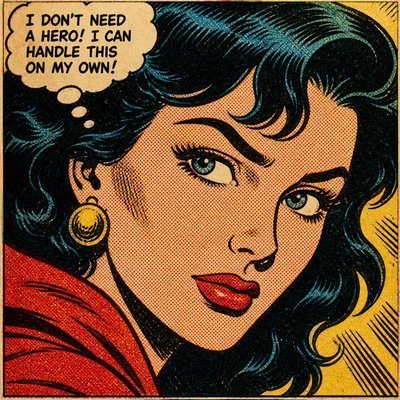
Regular comic art can use many color palettes and rendering approaches, while this style is specifically built around noir lighting and monochrome contrast. The shadows are more dominant, the atmosphere is darker, and the composition often feels more cinematic and claustrophobic.
Is this the same as film noir?
No. Film noir is a cinematic tradition, while Noir Comic Art is a graphic style that borrows its lighting, mood, and urban themes from film noir. It translates those ideas into ink, silhouettes, crosshatching, and page composition.
What subjects work best in this style?
Detectives, gangsters, femme fatales, surveillance scenes, corrupt city offices, nighttime chases, and lonely urban interiors are especially effective. The style also works well for portraits if the lighting is strong enough to create dramatic shadow patterns.
How do I make my artwork feel more noir?
Limit the palette to black and white, then build the image around a single strong light source. Use shadows to hide part of the scene, add rain or smoke for atmosphere, and keep forms bold and readable. The more intentional the blacks and highlights, the more convincing the result.
Where is this style commonly used?
It appears in graphic novels, comic covers, poster design, editorial illustration, concept art, and crime-themed visual branding. It is especially effective whenever a story needs suspense, secrecy, or a grim urban mood.

Create your first Noir Comic artwork
Describe anything — or upload a photo — and see it in Noir Comic Art in seconds.
Make Something with Noir Comic
Compare Noir Comic
Related Styles
Discover similar art styles