Cartoon Comic Art
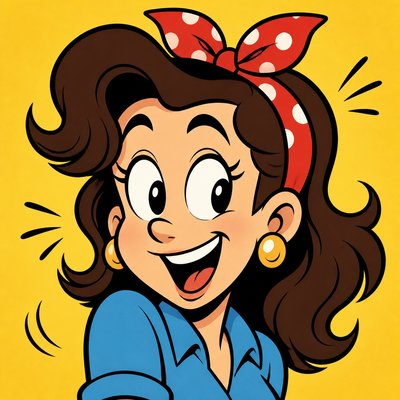
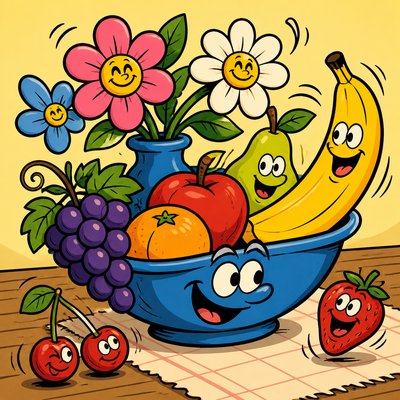
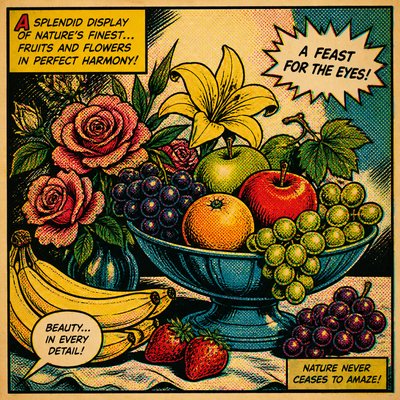
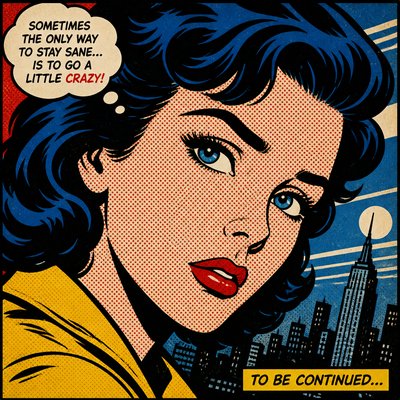
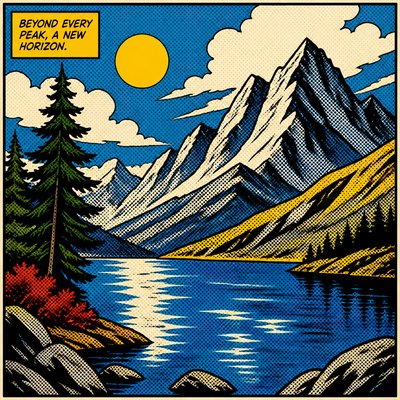
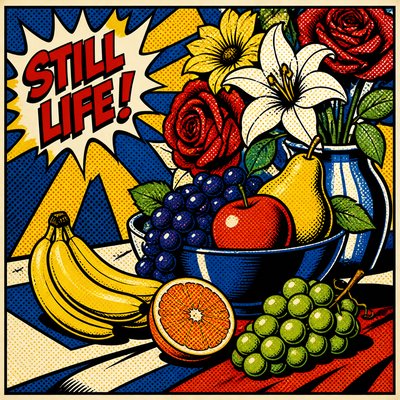
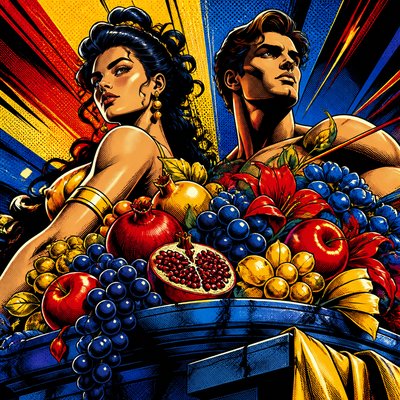
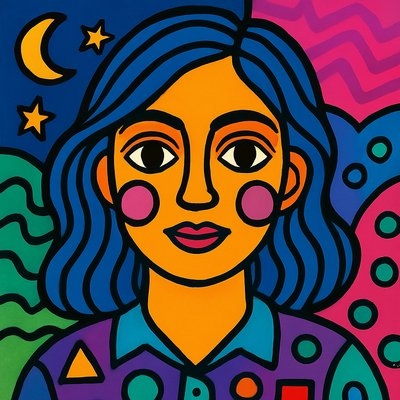
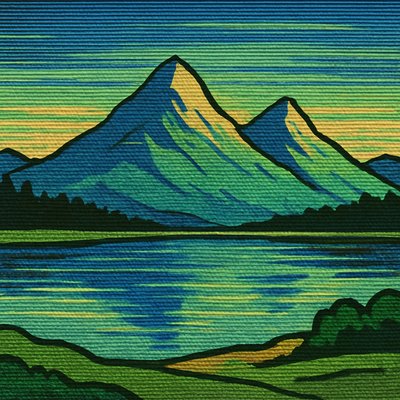
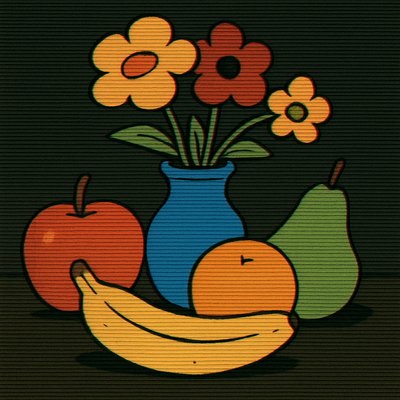
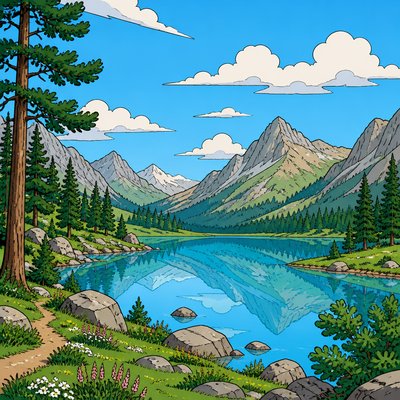
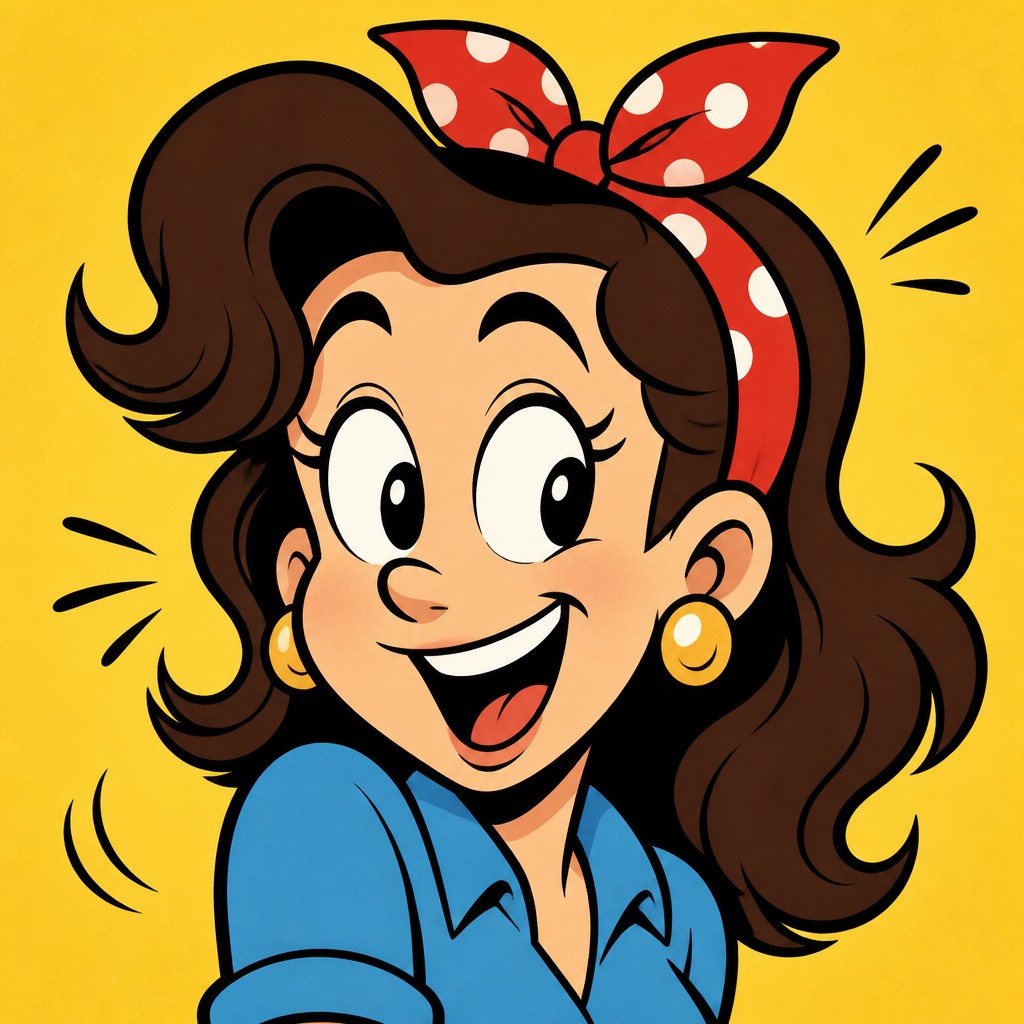
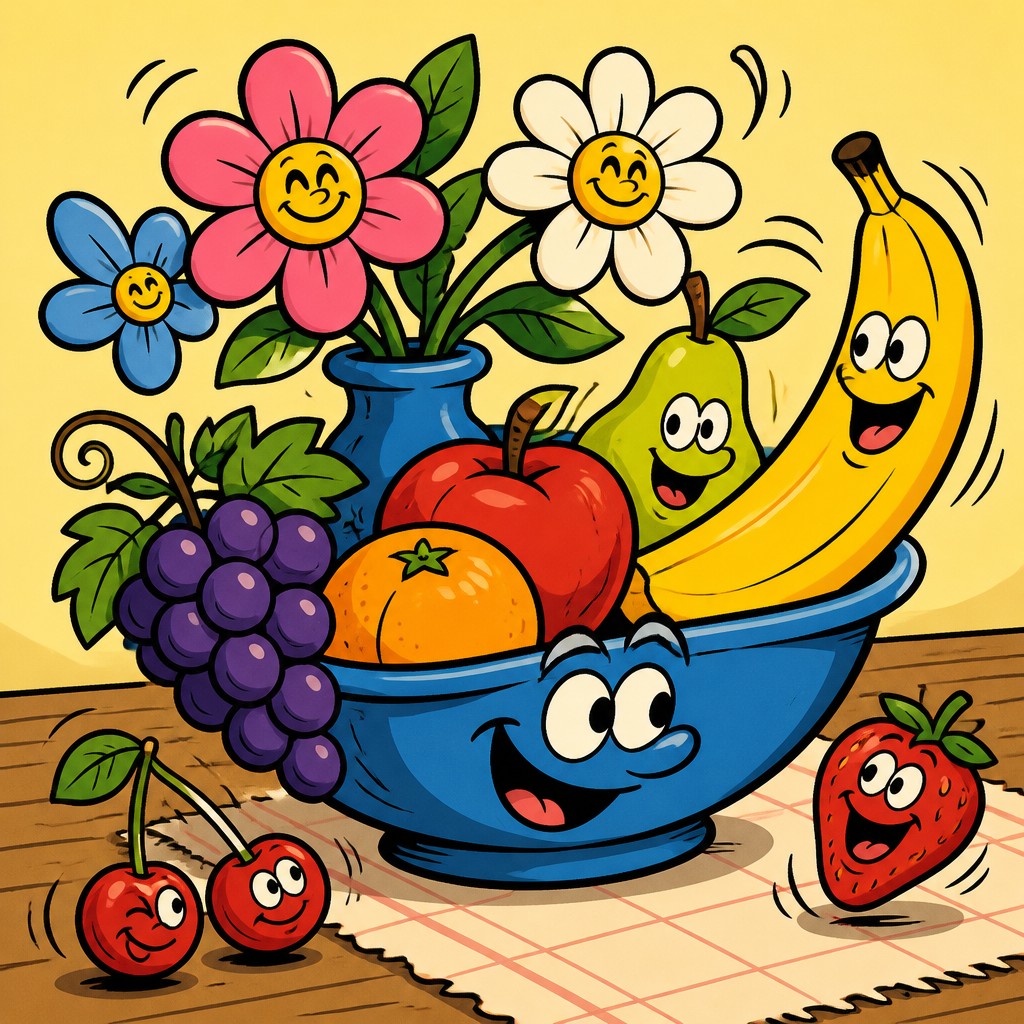
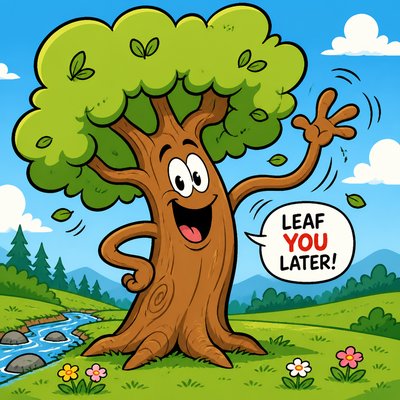
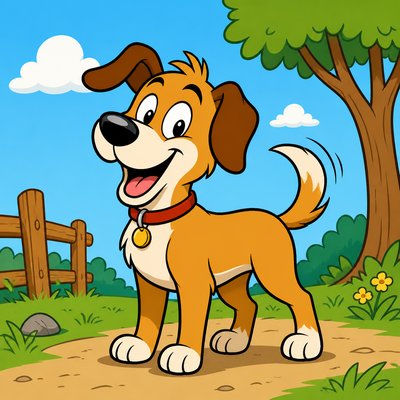
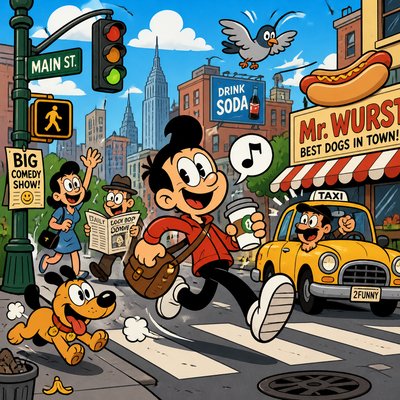
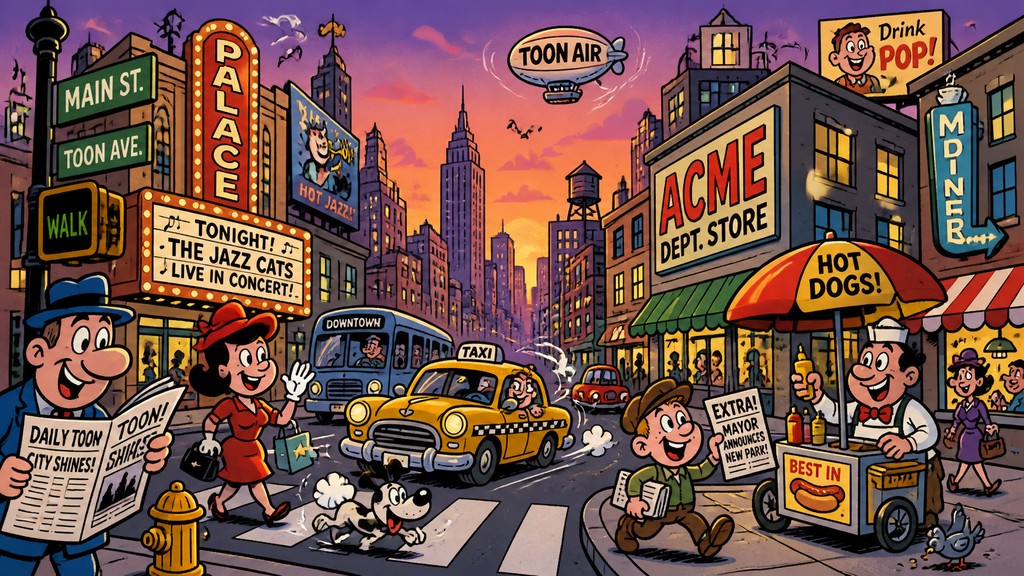
Lighthearted comic style with bold outlines, rubber-hose limbs, flat color, and exaggerated expressions inspired by humor strips.
Instantly rendered in Cartoon Comic — or transform a photo

Cartoon Comic Gallery
Tap any artwork to explore it


What is Cartoon Comic Art?
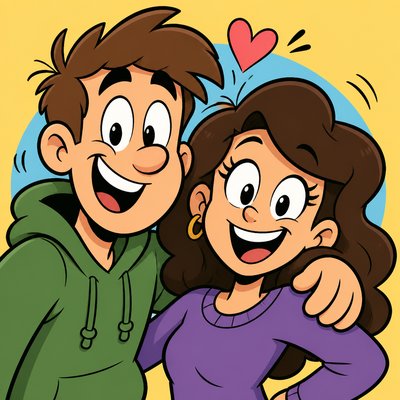
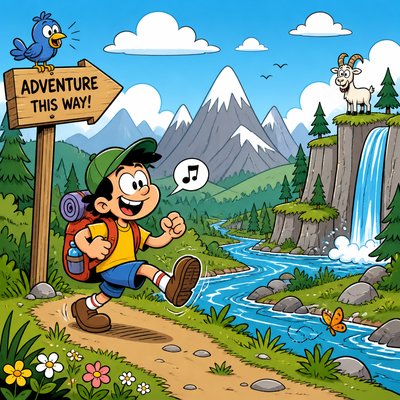
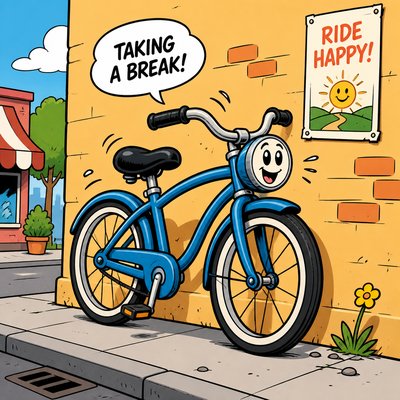
Cartoon Comic Art is a lighthearted illustration style built around simplified shapes, bold contour lines, exaggerated motion, and expressive faces. It is commonly associated with newspaper strips, gag comics, and other forms of humor-driven sequential art, where clarity and comedic timing matter as much as drawing skill.
Its visual identity comes from reducing forms to their most readable essentials: rounded bodies, elastic limbs, open gestures, and clean silhouettes. The style often uses flat cel-like color, minimal interior detail, and strong black ink outlines so that characters remain instantly legible, even in small panels or fast-moving scenes. The result is a playful, approachable look that feels animated, humorous, and easy to read at a glance.
Try It On Your Photos
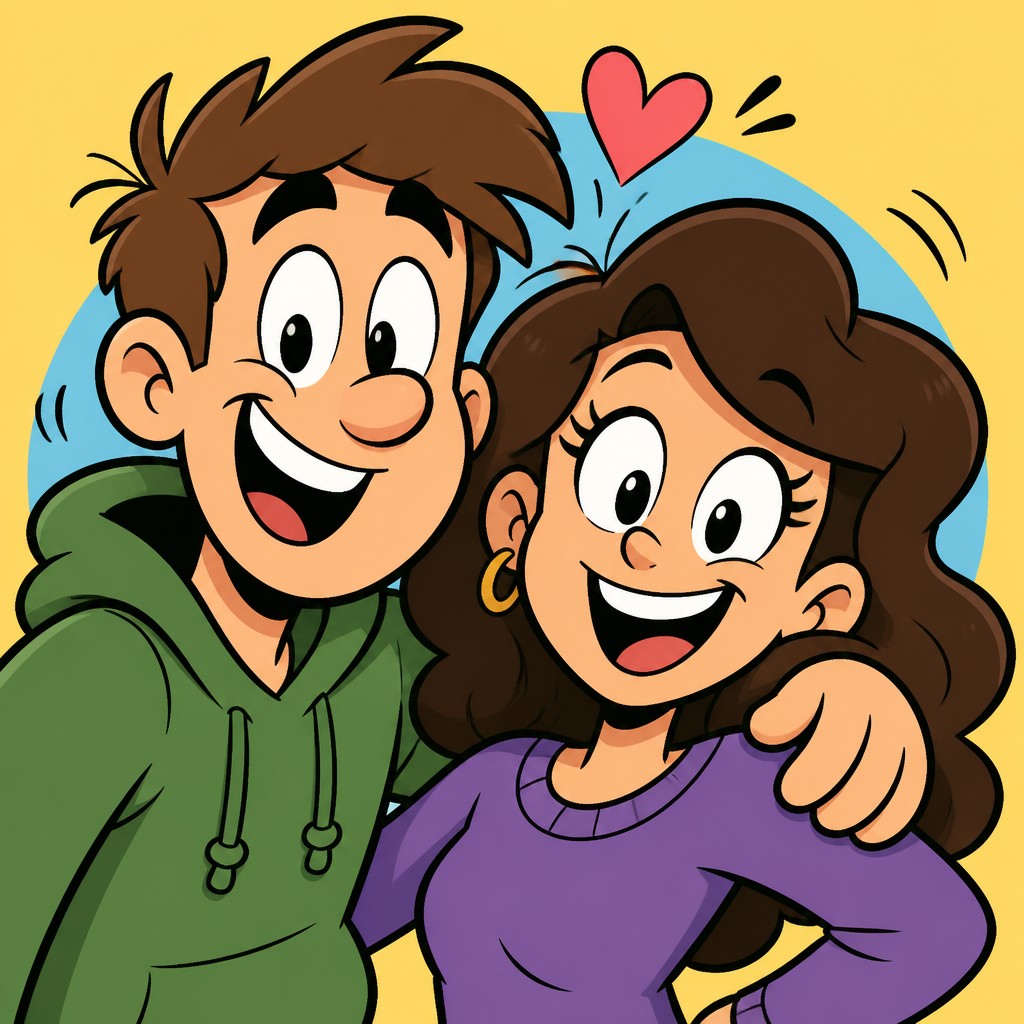
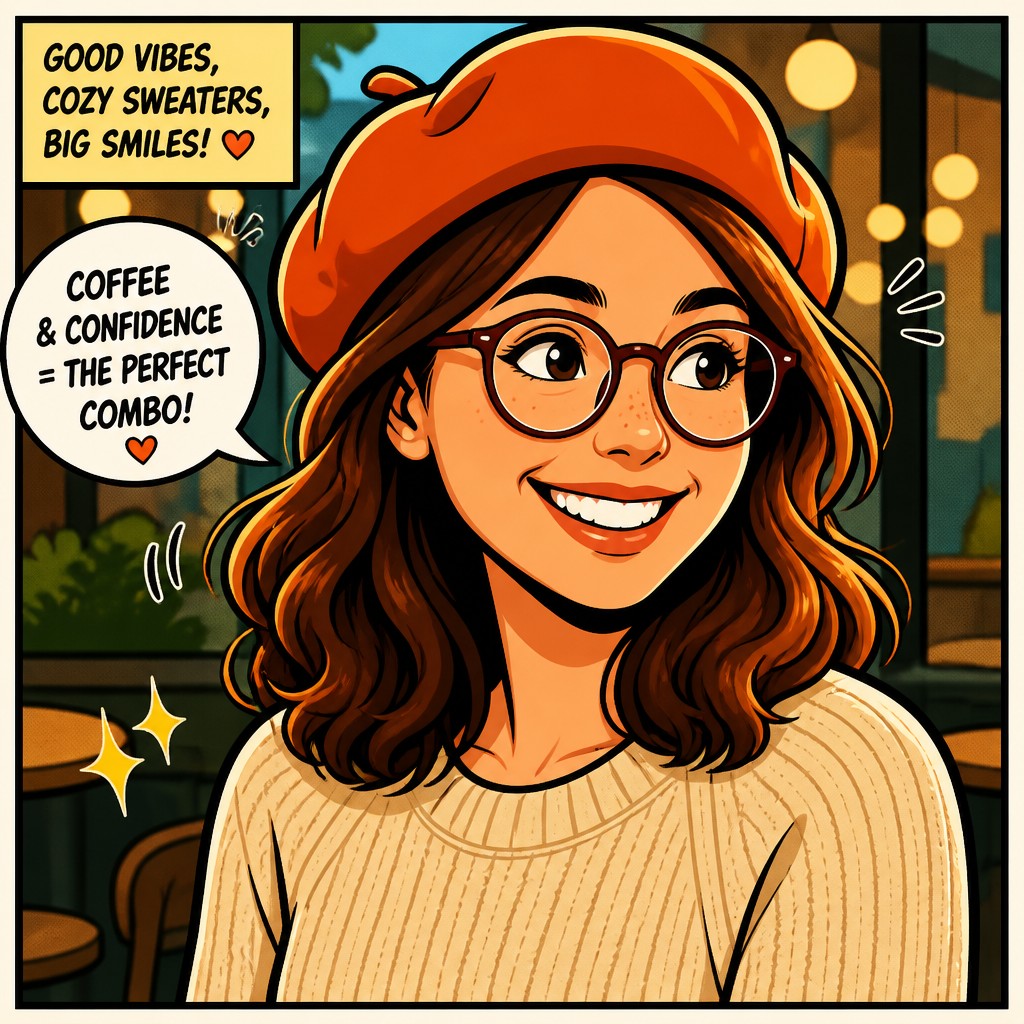
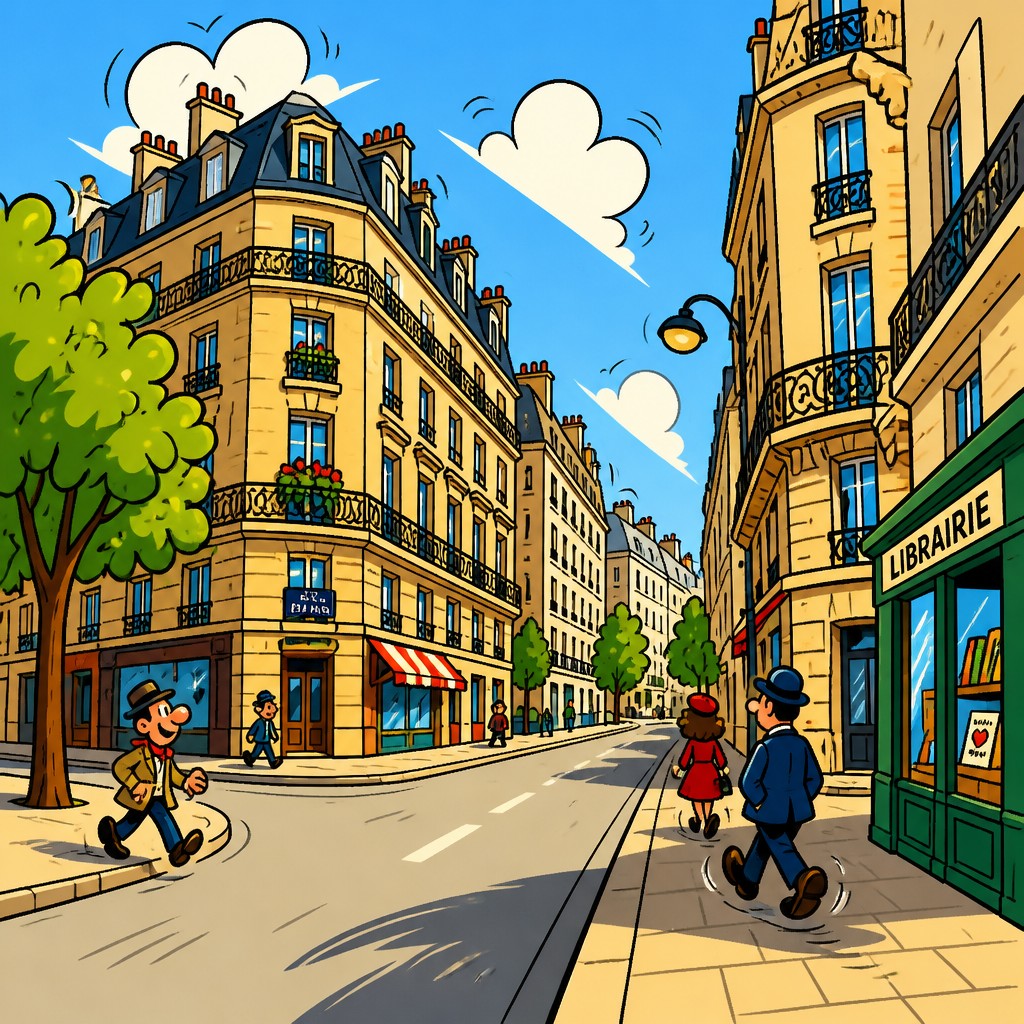
Upload any photo and convert it into Cartoon Comic Art — drag the sliders to compare before and after.


What Defines Cartoon Comic Art
The signature details, up close
Bold ink outlines
Characters and objects are usually defined by thick, confident black contours with clear edge separation. Line weight often varies slightly to guide attention and give forms more energy.
Simplified rounded forms
Bodies, hands, heads, and props are reduced to basic shapes with soft curves rather than sharp realism. This makes the design easy to read and easy to animate or redraw consistently.
Rubber-hose movement
Arms and legs often bend fluidly with no visible joints or with very loose joint structure. The effect creates a bouncy, flexible feeling that supports comedy and motion.
Exaggerated expressions
Faces tend to use oversized mouths, wide eyes, arched brows, and highly readable reactions. Emotional clarity is prioritized over anatomical accuracy.
Flat, bright color
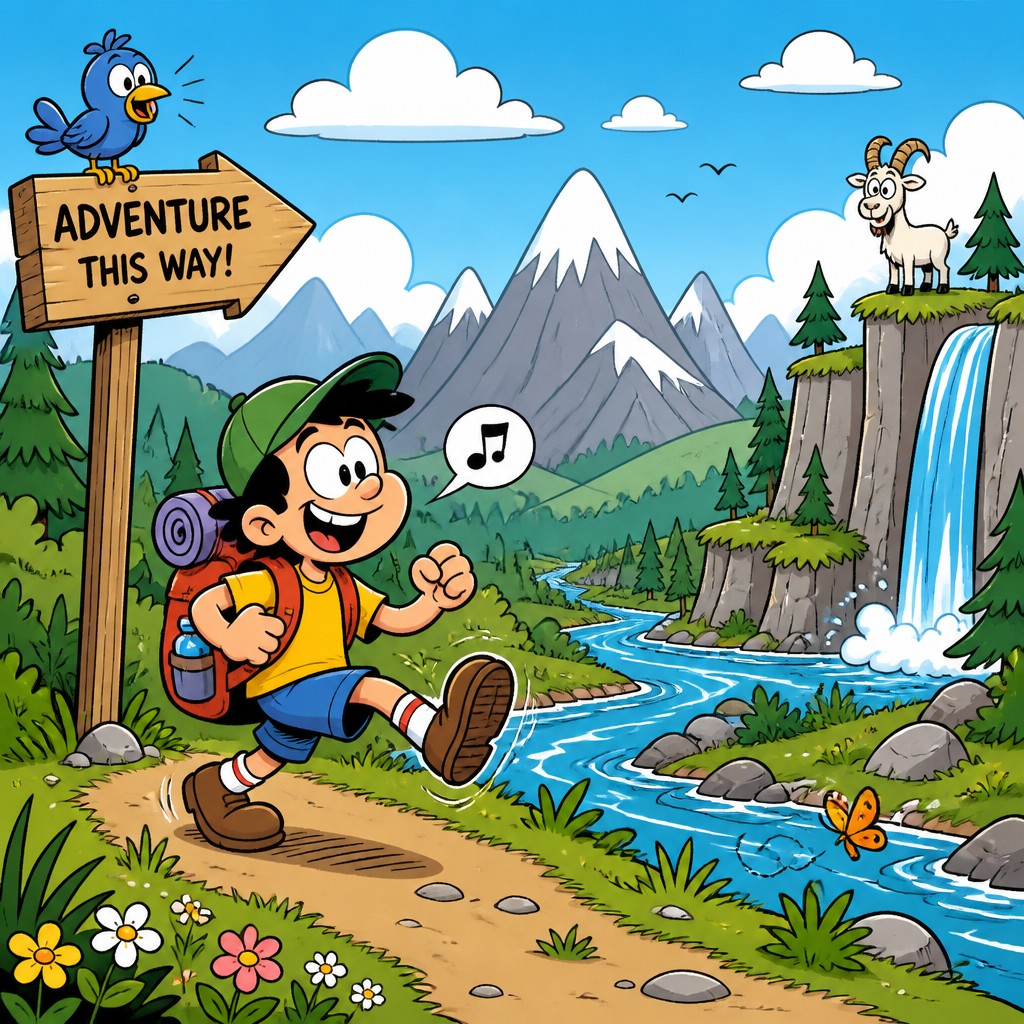
Color is commonly applied in simple blocks or cel-shaded areas with limited gradients. Saturated hues help maintain the energetic, cheerful tone associated with the style.

Minimal interior detail
Clothing, backgrounds, and props are often stripped down to the essential marks needed for recognition. This keeps the composition uncluttered and focused on the joke or action.
Comedic timing and action lines
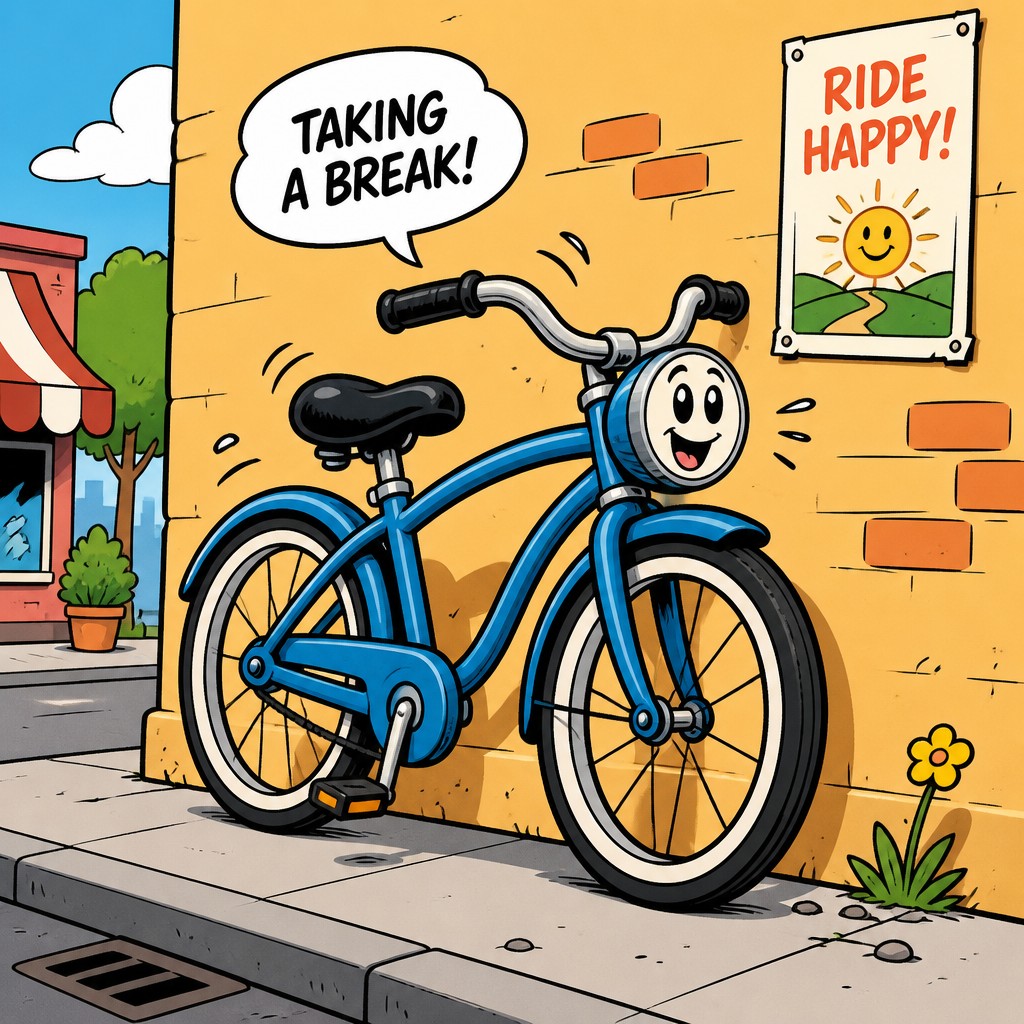
Curving motion lines, sudden poses, and visual punchlines often structure the image. The style is designed to make movement and gag delivery immediately understandable.
Try It
Create Videos in Cartoon Comic Art
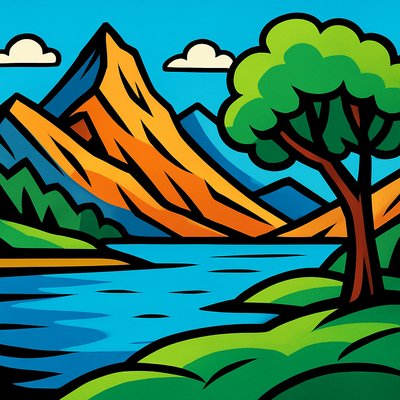
Styles aren't just for stills — describe a scene or animate an image and get a short video rendered in Cartoon Comic. Press play to see this pond come to life.
Make a VideoCartoon Comic Prompt Ideas
Start from an idea — each one opens the generator with the style ready to go. See all 40 Cartoon Comic prompts →
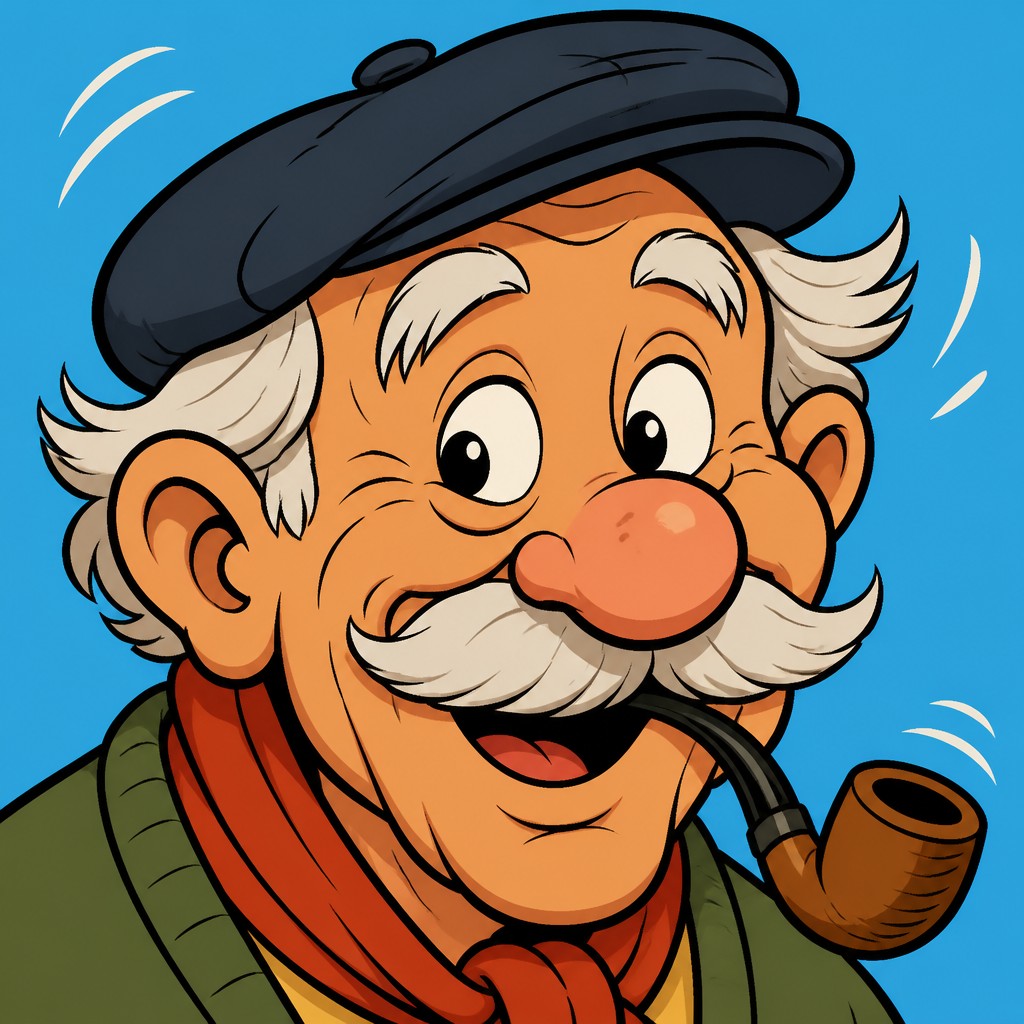
“close-up portrait of an elderly person with expressive weathered features”
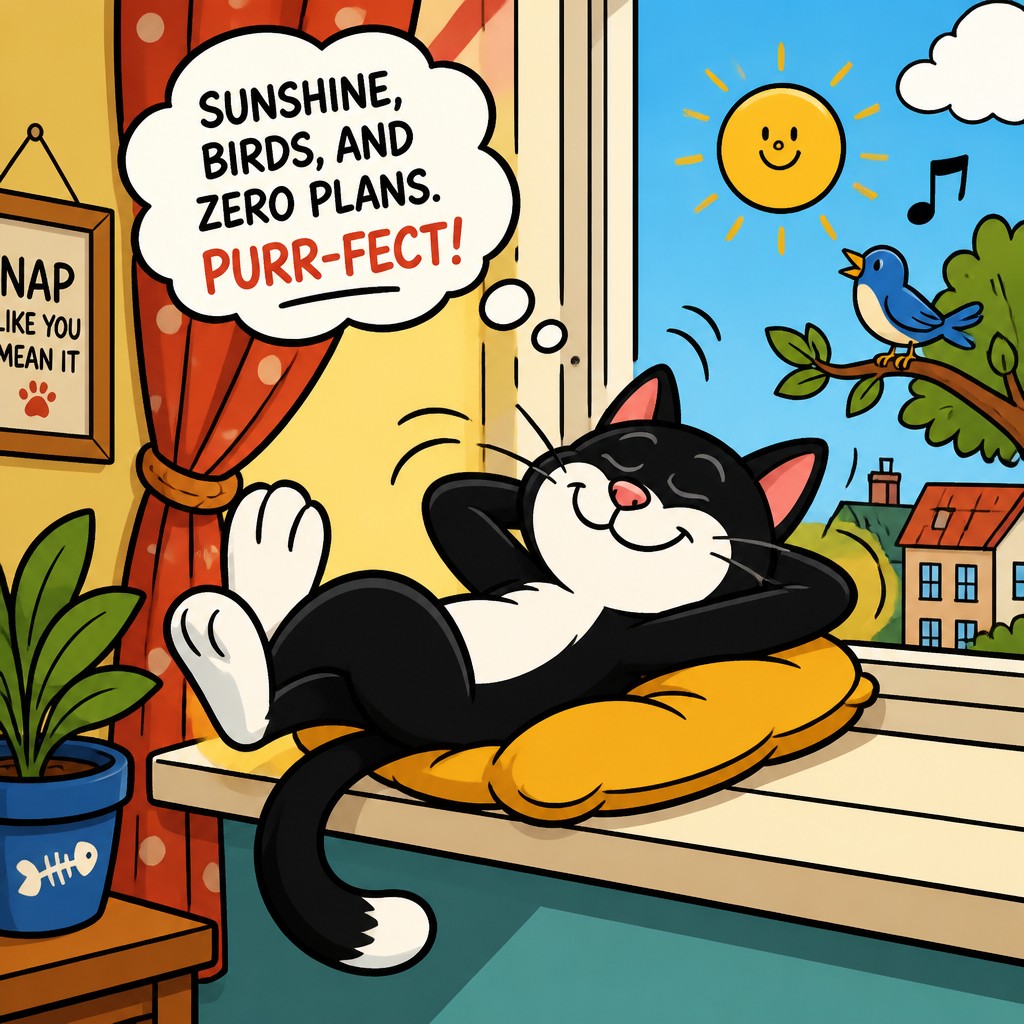
“a cat lounging in a sunlit window”

“bouquet of flowers in a glass vase”
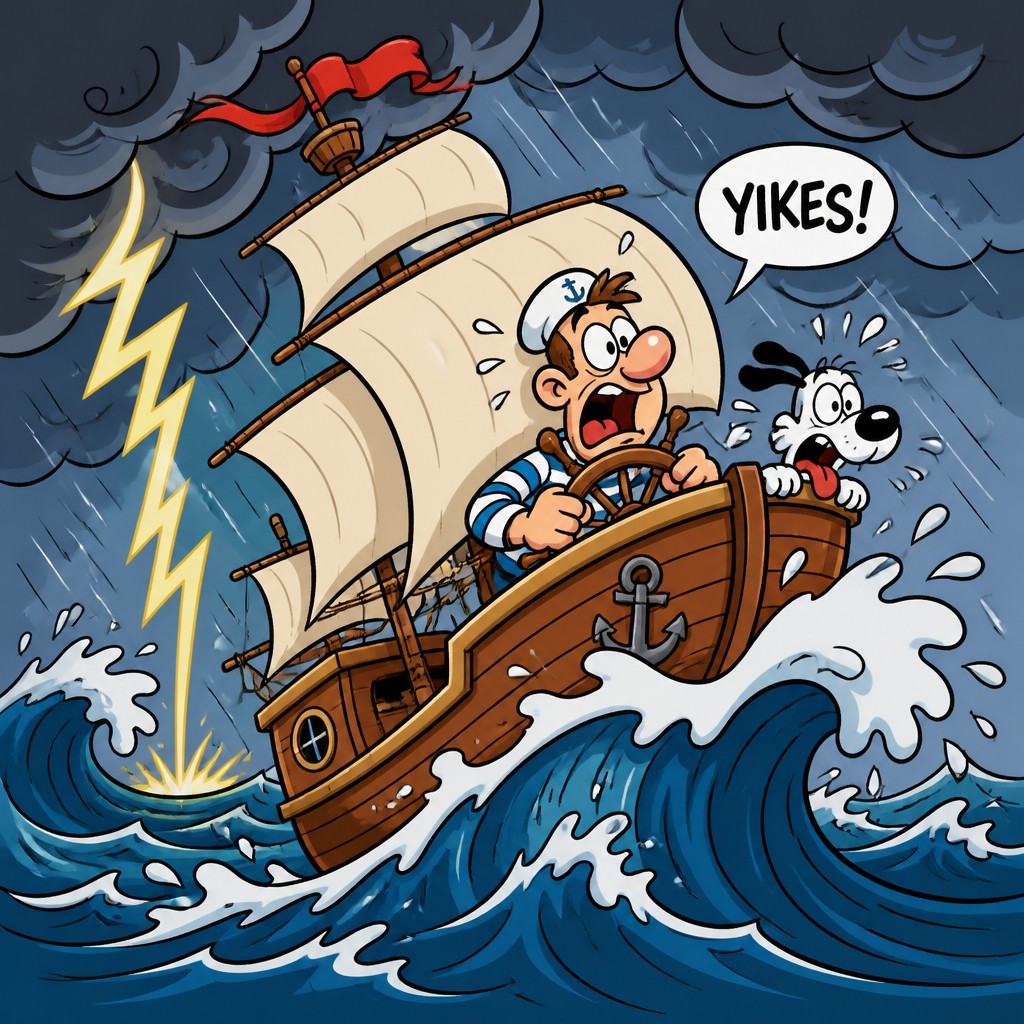
“sailing ship on a stormy sea”
How to Create Cartoon Comic Art
Master the craft step by step — or skip straight to creating. Read the full guide →
- 1
Design for readability first
Start with a simple silhouette and build the character from basic rounded shapes before adding details. Keep the pose open and the expression clear so the joke or action can be understood instantly.
- 2
Use confident line control
In traditional drawing, ink with varied line weight to separate foreground forms from interior details. In digital work, use crisp vector-like lines or a stabilized brush that can produce clean, thick contours.
- 3
Push exaggeration, but keep proportions coherent
Stretch limbs, enlarge reactions, and simplify anatomy, but preserve a consistent visual logic across the drawing. Squash-and-stretch should feel lively rather than random.
- 4
Limit the shading vocabulary
Use flat fills, simple shadow shapes, and minimal texture so the image retains its comic clarity. If you add shading, keep it graphic and stylized rather than painterly.
- 5
Stage the composition like a gag panel
Compose the scene around a single readable action, expression, or punchline. Backgrounds should support the joke without competing with the characters.
- 6
For prompt-based generation, specify the visual rules
Describe bold outlines, rounded shapes, flat colors, elastic limbs, and humorous expressions in the prompt. Mention the subject, mood, and setting separately so the image stays clear while still feeling playful.
The Story
History & Origins of Cartoon Comic
Cartoon Comic Art developed from the visual language of late 19th- and early 20th-century newspaper comics, editorial cartoons, and animated shorts. Early strips and gag panels favored bold linework, simple figure design, and exaggerated facial expressions because they had to reproduce clearly in print and communicate quickly to broad audiences.
Its aesthetic lineage also includes early animation, especially the rubber-hose character design seen in 1920s and 1930s cartoons, where limbs bend like tubing and movement is emphasized through squash-and-stretch. Over time, these conventions became a durable comic vocabulary used in humor strips, children’s comics, caricature, and modern retro-inspired illustration.
Influences: Cartoon Comic Art draws from newspaper strip humor, editorial cartooning, early comic books, and the rubber-hose animation tradition of the 1920s and 1930s. It shares an emphasis on clarity and caricature with pioneering figures in the history of comics, while its elastic motion vocabulary echoes early animation studios from the silent-to-early-sound era during their formative years. Modern retro comic illustration continues to adapt these conventions for children’s media, gag panels, and stylized editorial work.

Frequently Asked Questions
What defines Cartoon Comic Art?
The style is defined by bold outlines, simplified rounded anatomy, exaggerated facial expressions, and a playful, comedic tone. It favors legibility and humor over realism, which is why it is so effective in strips, gag panels, and character-driven scenes.
Is this the same as anime or manga?
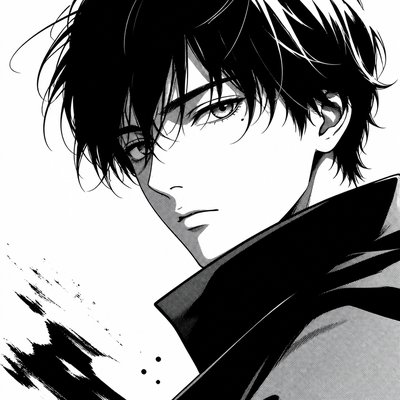
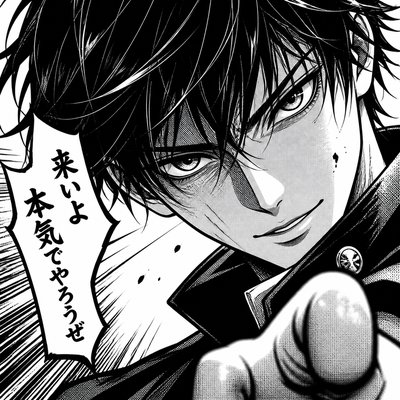
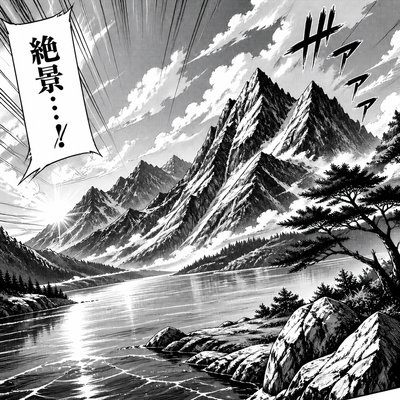
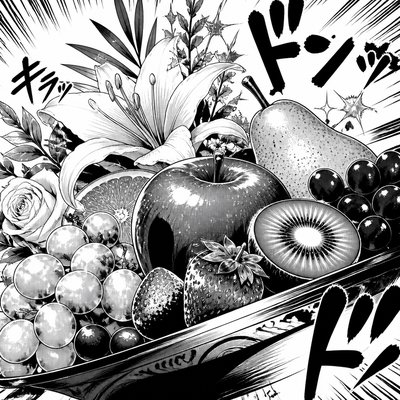
No. Anime and manga usually follow different design conventions, such as more varied line language, different facial proportions, and different storytelling rhythms. Cartoon Comic Art is more closely tied to Western newspaper comics, gag cartoons, and early animated shorts.
What is rubber-hose animation?
Rubber-hose animation is an early cartoon style in which arms and legs are drawn as flexible tubes with little visible joint structure. It creates a bouncy, whimsical motion that became a key visual influence on comic cartoon character design.
How do I make my art look more like this style?
Simplify the character design, use clean bold linework, and exaggerate poses and expressions. Keep shading flat, reduce texture, and compose the image around a single clear comedic moment.
Where is this style commonly used?
It appears in newspaper strips, comic books, children’s illustration, editorial cartoons, retro branding, and animation-inspired character art. It is especially common anywhere a friendly, humorous, and highly readable image is needed.
What makes it feel vintage?
The vintage feel usually comes from the combination of thick ink outlines, flat color, simple shapes, and early-cartoon exaggeration. References to old printing, gag-strip composition, and rubber-hose movement also reinforce the historic comic look.
Create your first Cartoon Comic artwork
Describe anything — or upload a photo — and see it in Cartoon Comic Art in seconds.
Make Something with Cartoon Comic
Compare Cartoon Comic
Related Styles
Discover similar art styles