Anime vs Cartoon Comic: What's the Difference?
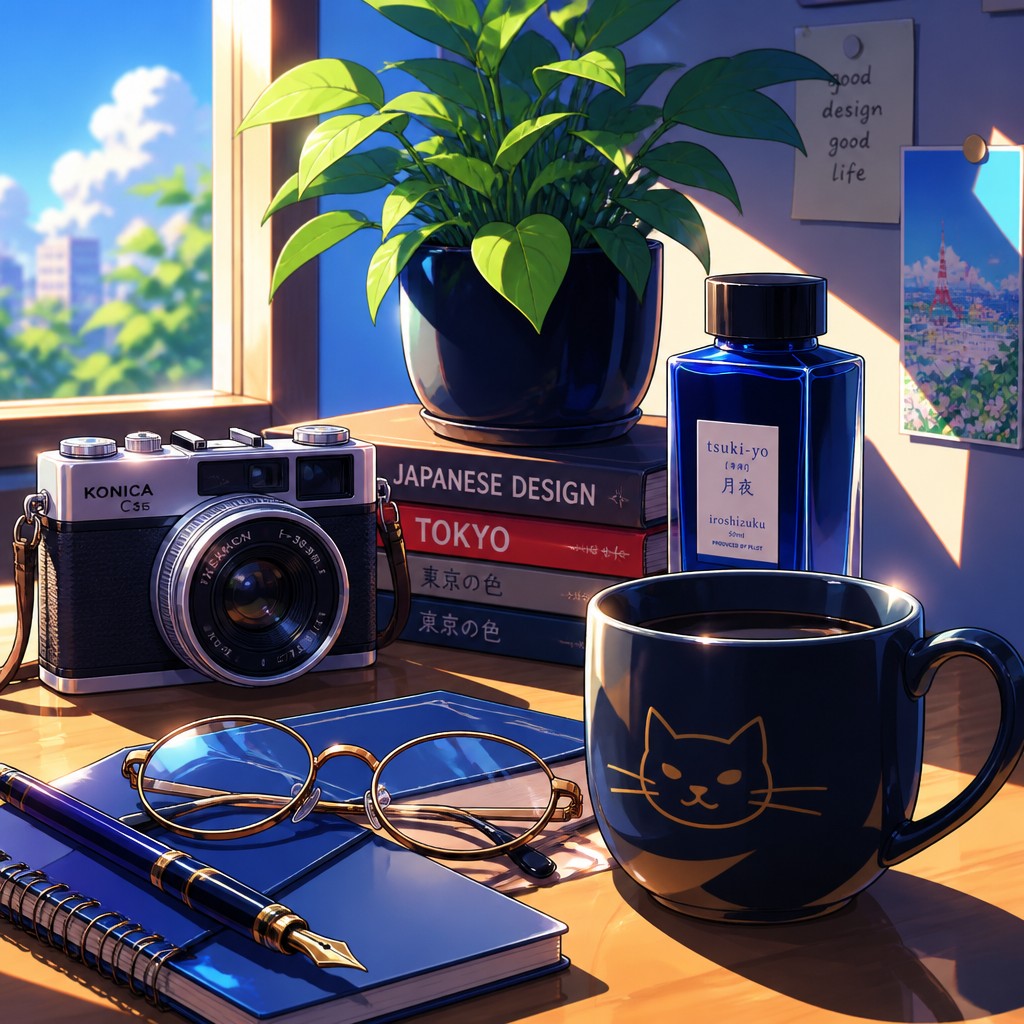
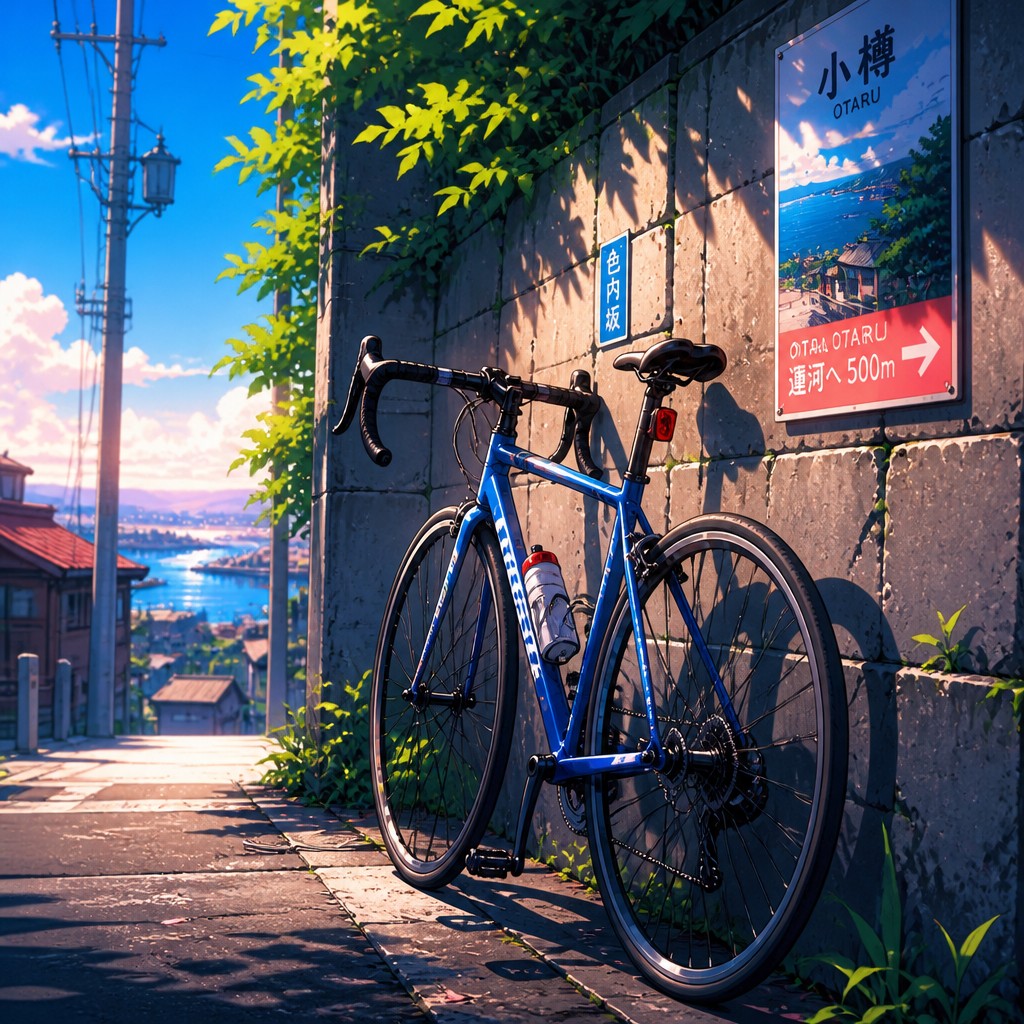
Anime art style is a Japanese animation approach known for clean linework, cel shading, vivid color, stylized facial features, and polished cinematic lighting. It often balances expressive character design with dynamic composition, making scenes feel dramatic, emotional, or visually sleek.
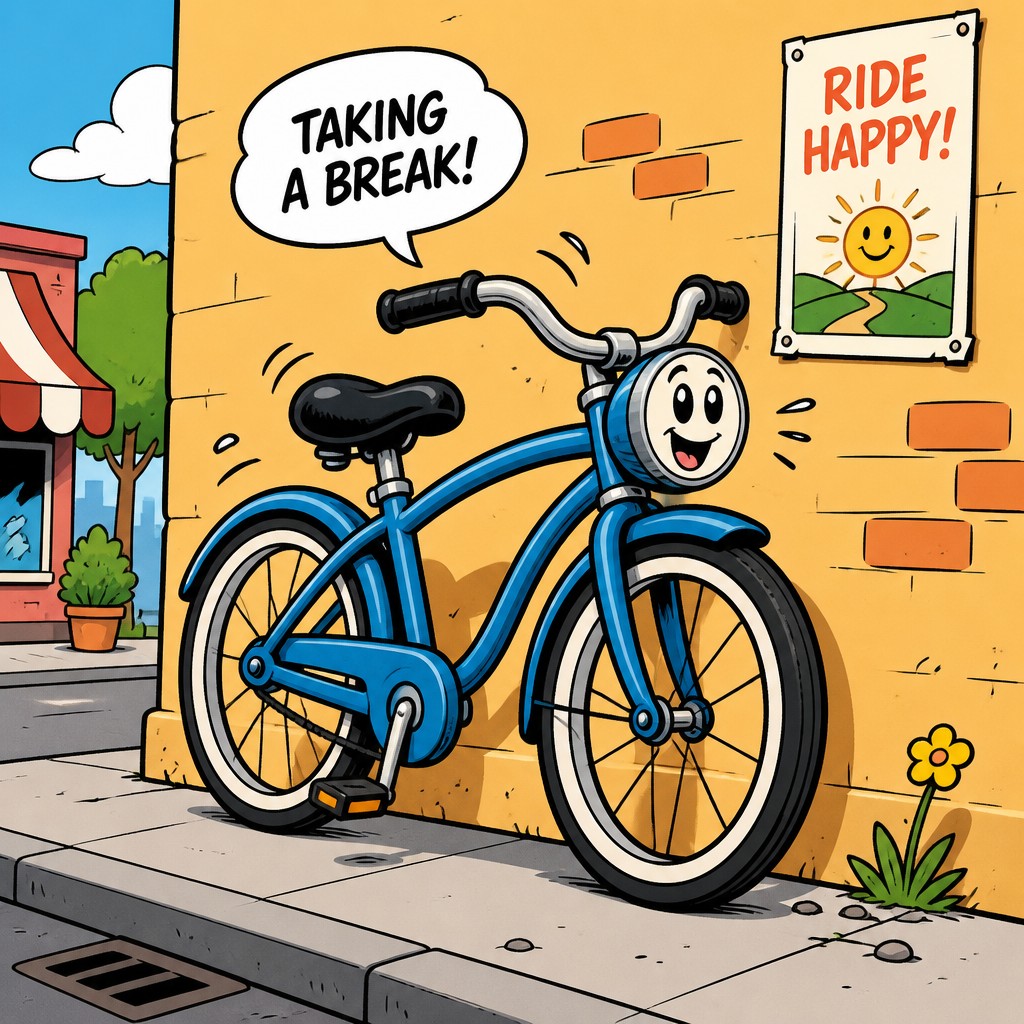
Cartoon comic art is a lighthearted comic style built around bold outlines, rubber-hose limbs, flat color, and exaggerated expressions inspired by humor strips. People compare the two because both simplify reality, emphasize readable shapes, and rely on strong visual storytelling, yet they create very different moods and rhythms.
Same Prompt, Both Styles
Each pair below was generated from the identical prompt — only the style changed.
“portrait of two people together”
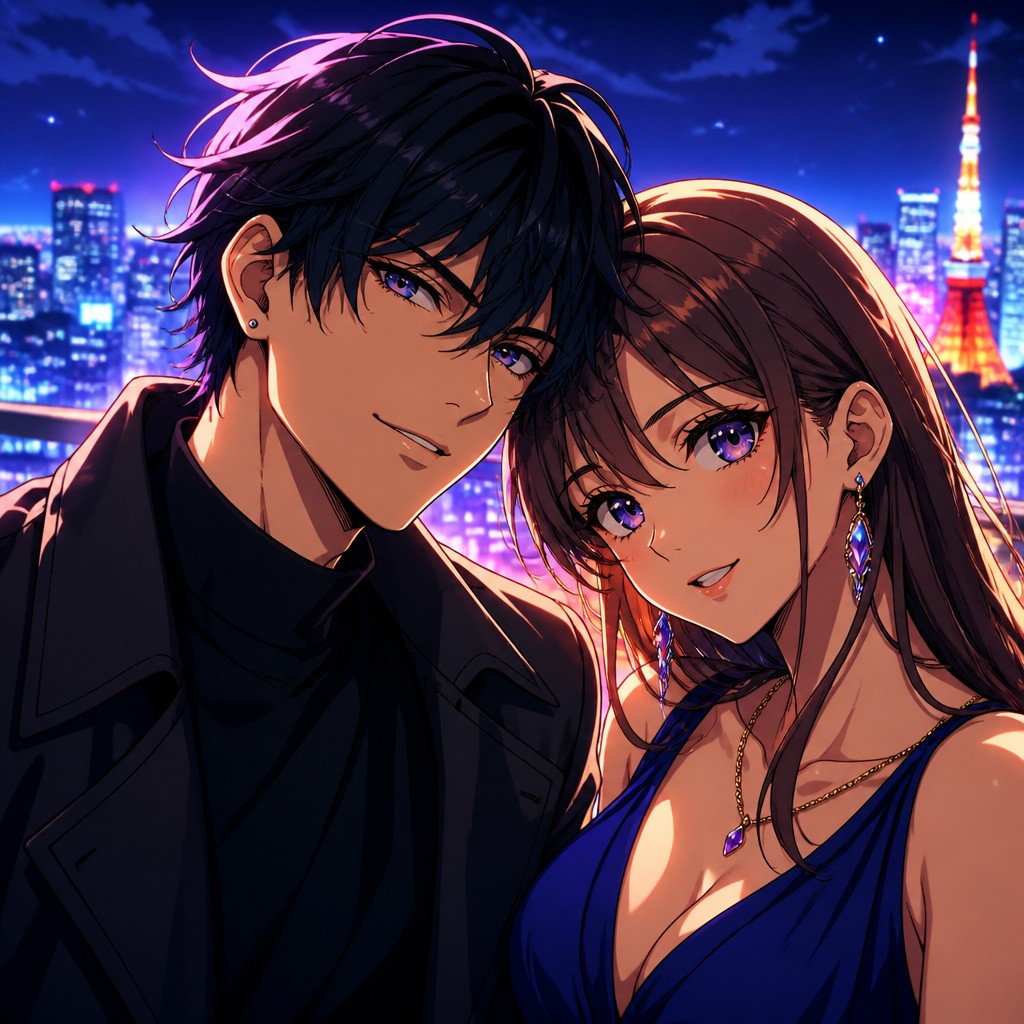
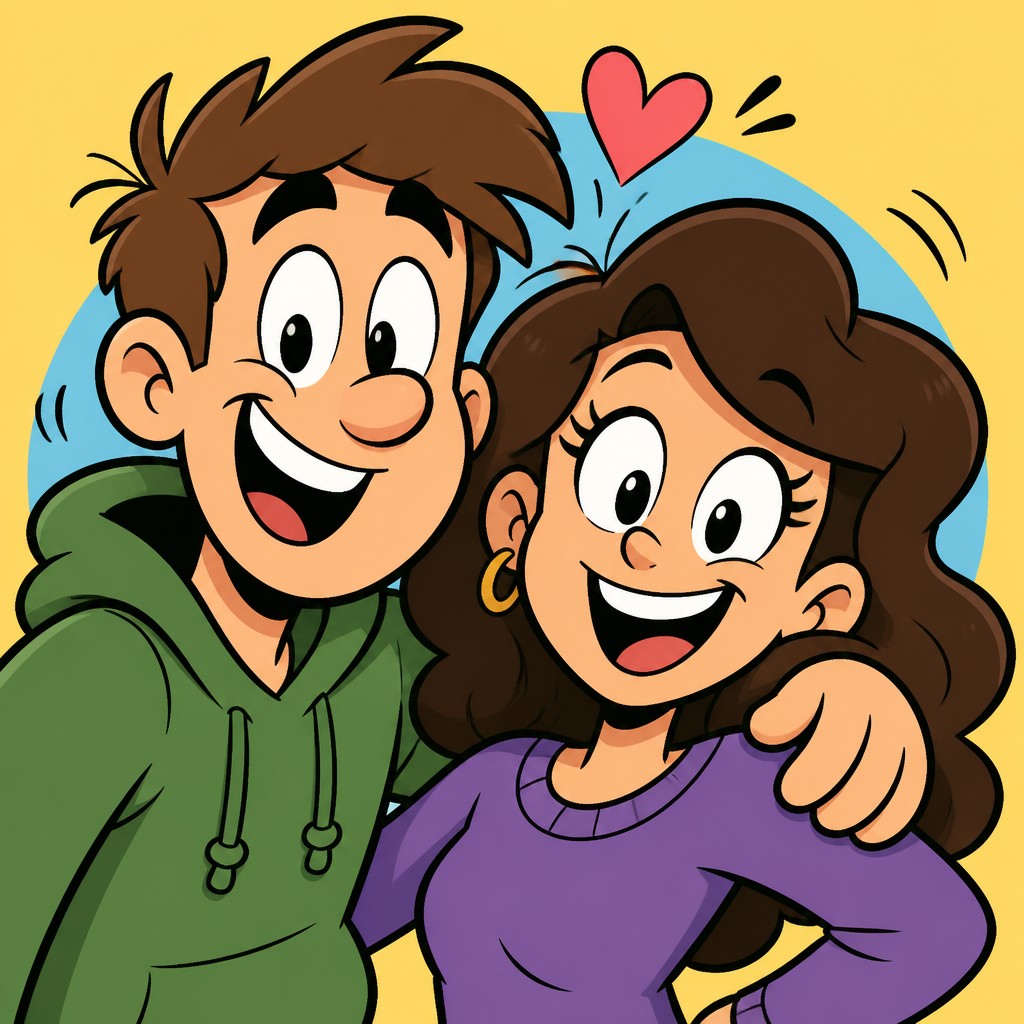
“wide landscape with natural scenery”
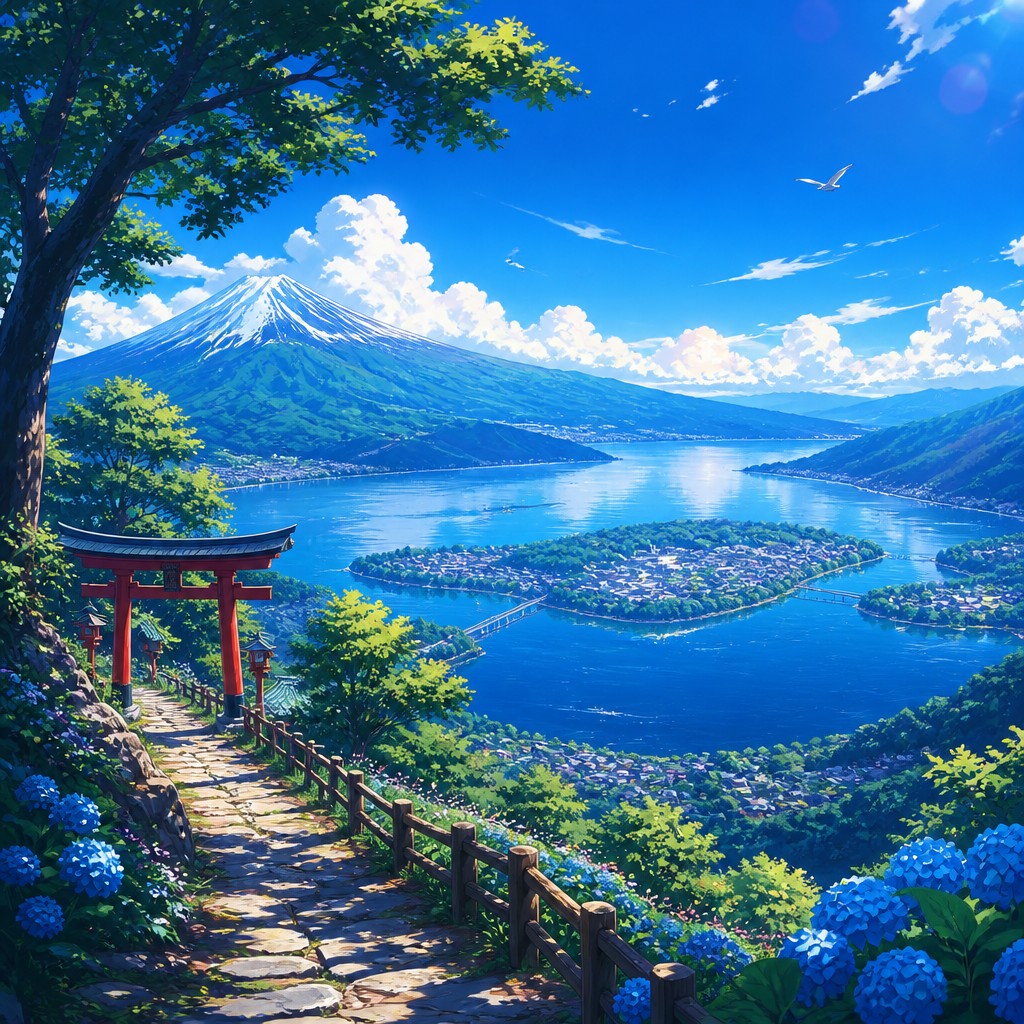
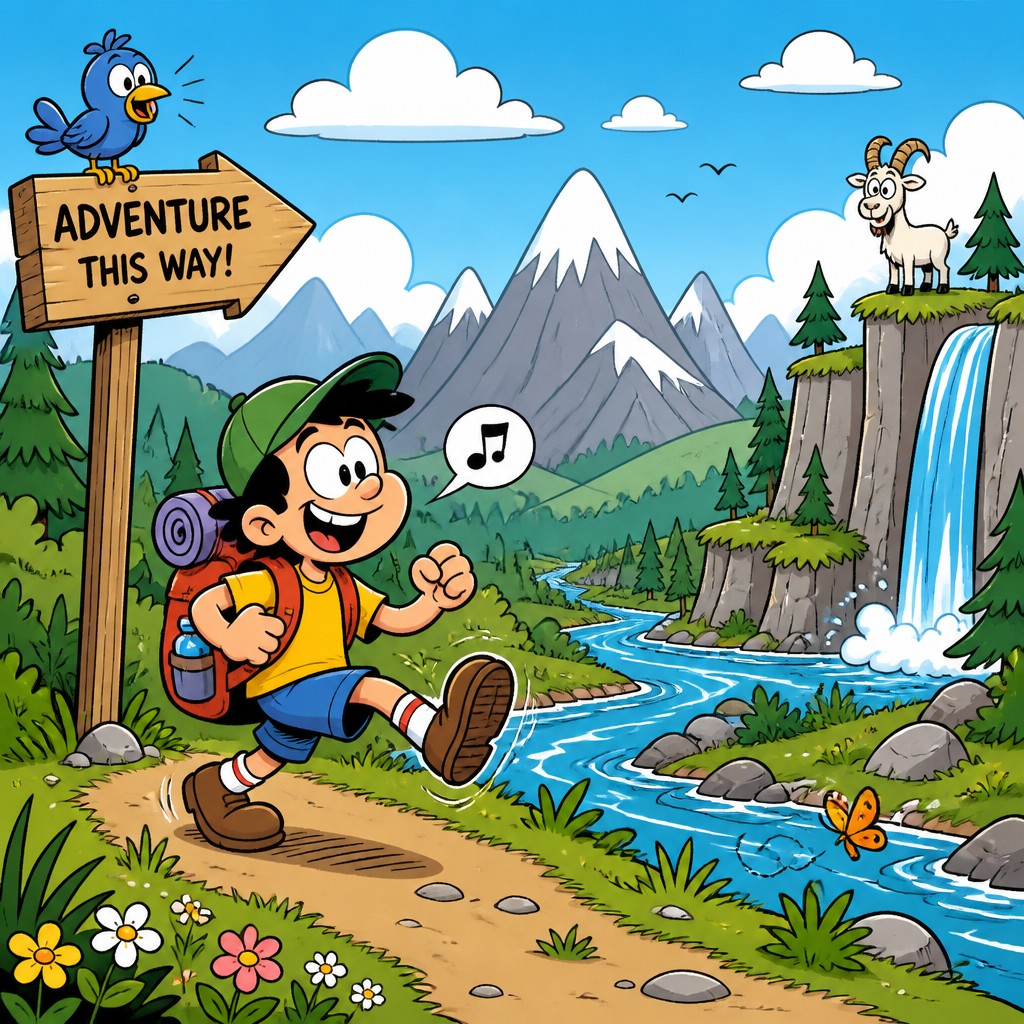
“still life with everyday objects”

“bicyle resting against a wall”
Key Differences
| Anime | Cartoon Comic | |
|---|---|---|
| Line & form | Clean, precise linework with controlled shapes and sharper edges. | Bold outlines and looser, rounder shapes for a playful feel. |
| Shading | Cel shading with clear shadow blocks and a polished look. | Flat color with minimal shading or simple shadow accents. |
| Proportions | Stylized but often more human-like proportions, especially in drama. | Highly exaggerated proportions, including rubber-hose limbs and squashy bodies. |
| Facial expression | Expressive faces with subtle nuance and emotional detail. | Broad, comedic expressions that prioritize humor and clarity. |
| Color & lighting | Vivid color with cinematic lighting and dramatic highlights. | Simpler, flatter palettes that support easy readability. |
| Mood | Often cinematic, emotional, action-focused, or atmospheric. | Usually cheerful, funny, energetic, and whimsical. |
| Mood | expressive, vivid, playful, dramatic | playful, cheerful, comic, whimsical, lighthearted |
| Energy | lively | lively |
| Detail level | detailed | moderate |
| Color | bright, saturated, high-contrast colors | bright, simple, high-contrast colors |
| Texture | smooth lines, crisp cel-shaded surfaces | clean, smooth, bold-lined |
| Origin | Japan, late 20th-century animation | early 20th-century newspaper strips, America |
| Best for | posters, anime fan art, games, comics, key art, merchandise | comic strips, children's books, greeting cards, animated shorts, humor magazines |
| Difficulty | moderate | beginner-friendly |
Which Should You Choose?
Pick anime art style if you want polished drama, cinematic lighting, expressive character moments, or a more immersive visual tone. Pick cartoon comic art if you want humor, immediate readability, exaggerated motion, and a playful, approachable feel. If your project needs serious emotion or visual spectacle, A usually fits better; if it needs comedy, charm, or simple storytelling, B is often the stronger choice.
Frequently Asked Questions
Are anime and cartoon comic styles the same thing?
No. They can both use simplified forms and expressive characters, but they differ in line quality, shading, proportions, and mood. Anime usually aims for cinematic drama or polished action, while cartoon comic art leans toward humor and exaggeration.
Which style is easier to animate?
Cartoon comic art is often easier to animate because it uses simpler shapes, flatter color, and more flexible proportions. Anime-style animation can also be efficient, but the polished lighting and detailed framing may require more planning.
Which style works better for serious storytelling?
Anime art style is often better for serious storytelling because it can support emotional nuance, atmospheric scenes, and dramatic lighting. That said, cartoon comic art can still tell serious stories if the writing and visual tone are handled carefully.
Can a design combine both styles?
Yes, many projects blend them by mixing anime-like facial rendering with comic-style outlines or exaggerated expressions. The key is choosing a consistent balance so the result feels intentional rather than visually confused.