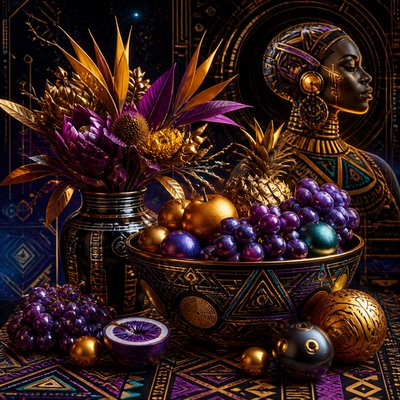
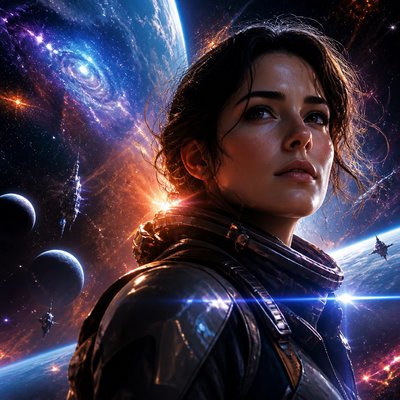
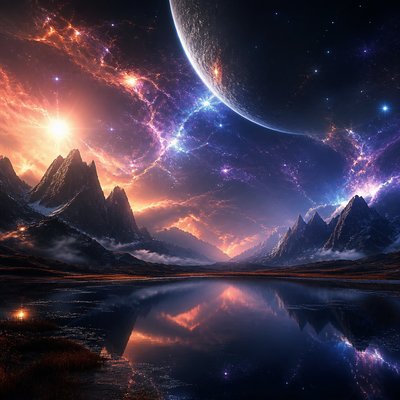
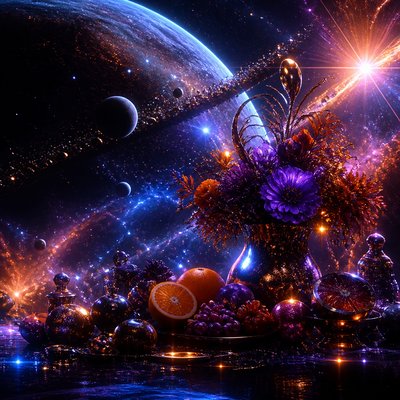
Superhero Comic Art
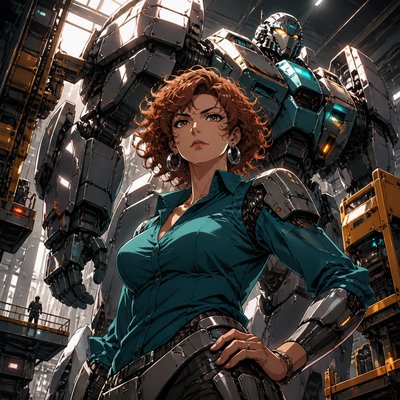
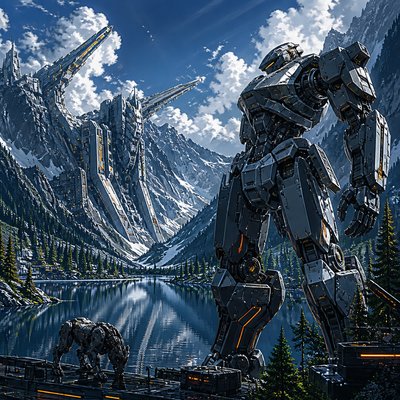
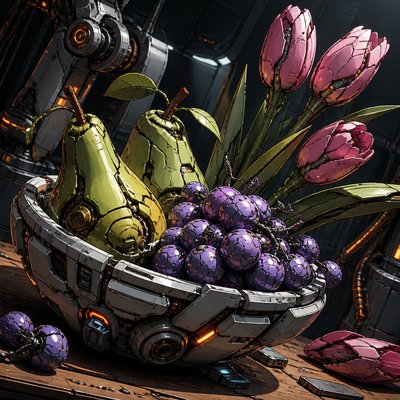
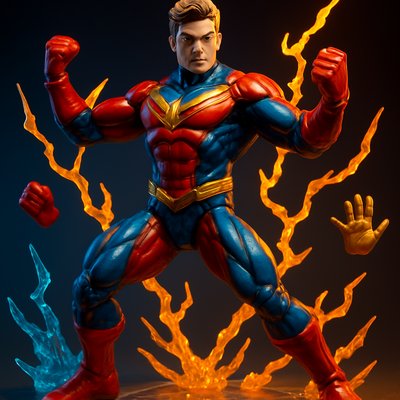
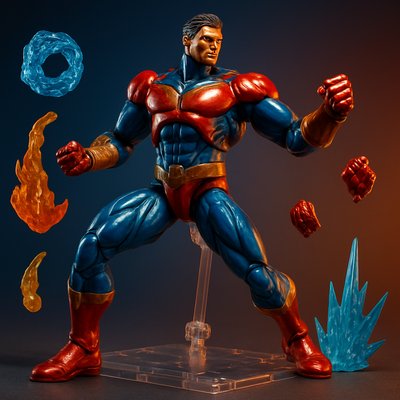
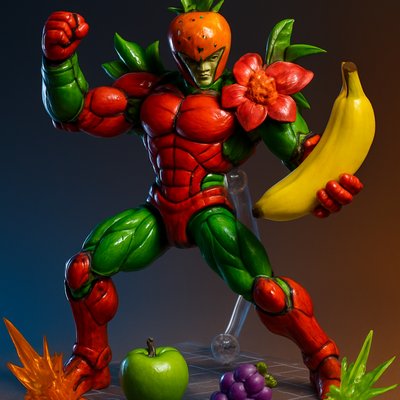
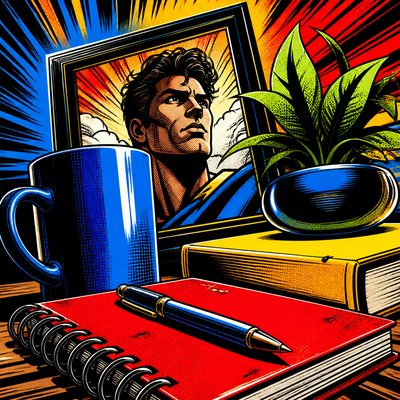
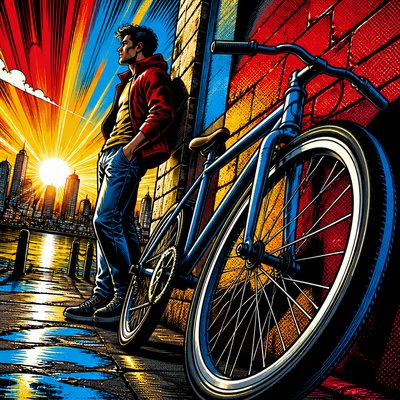
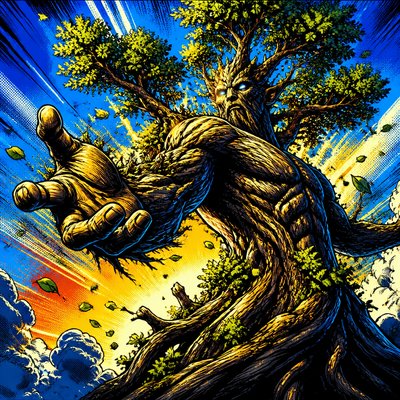
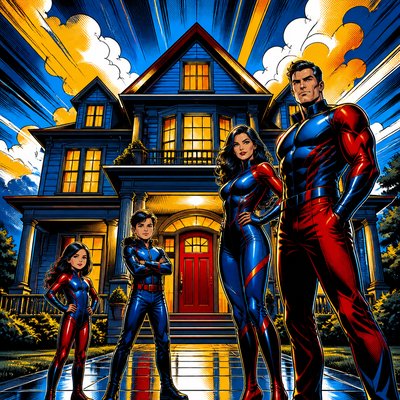
Dynamic comic-book art with bold inks, heroic anatomy, dramatic foreshortening, and vivid primary colors.
Instantly rendered in Superhero Comic — or transform a photo
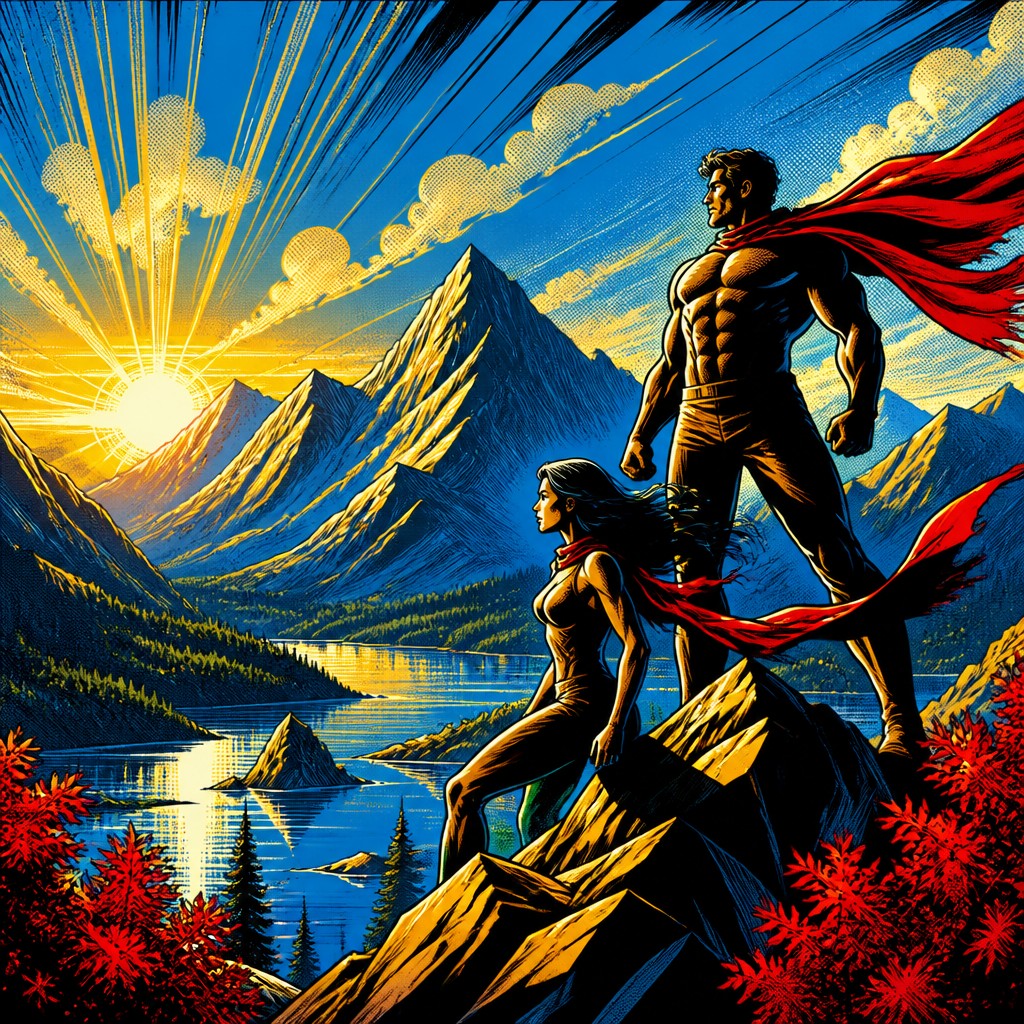
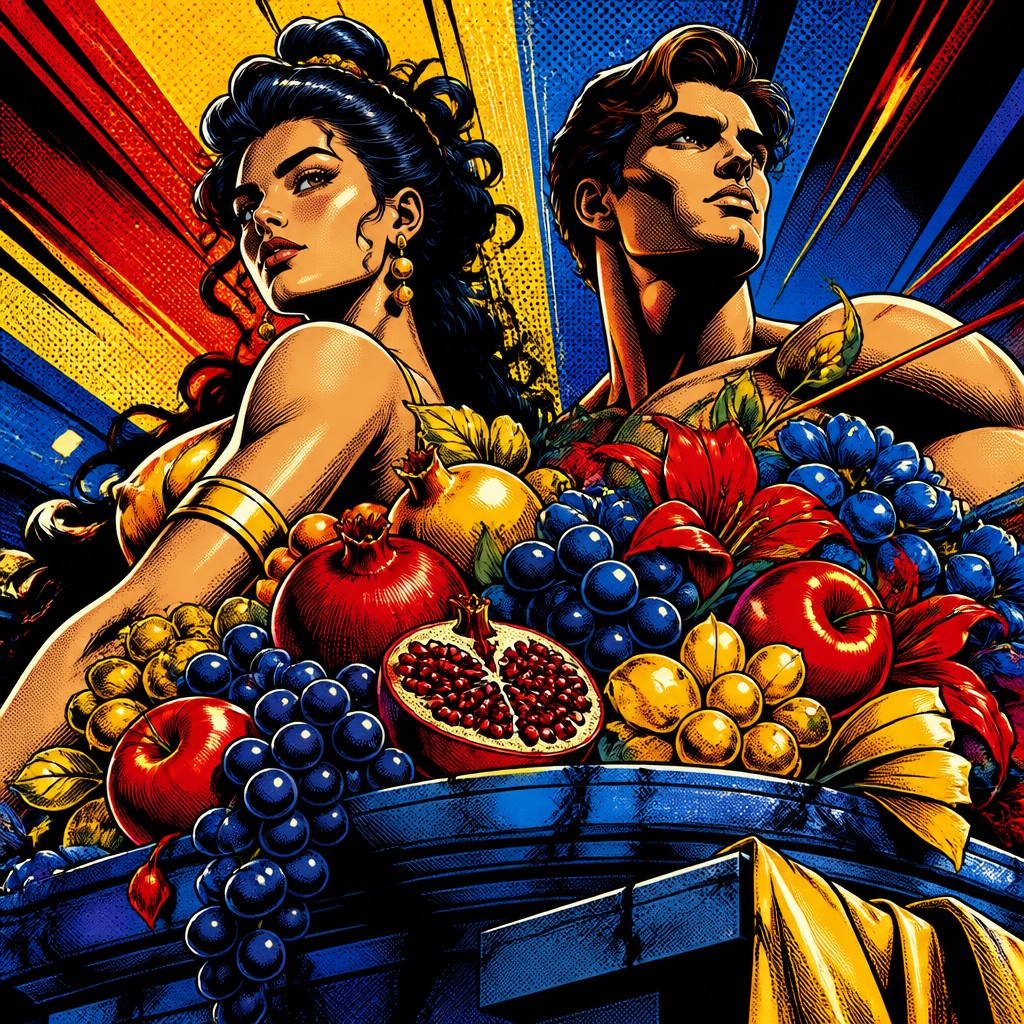
Superhero Comic Gallery
Tap any artwork to explore it
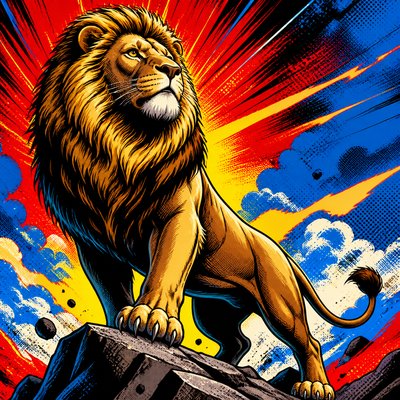
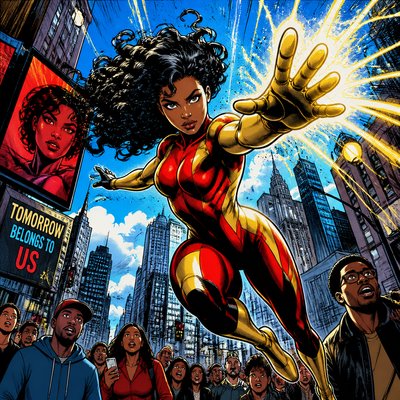
What is Superhero Comic Art?
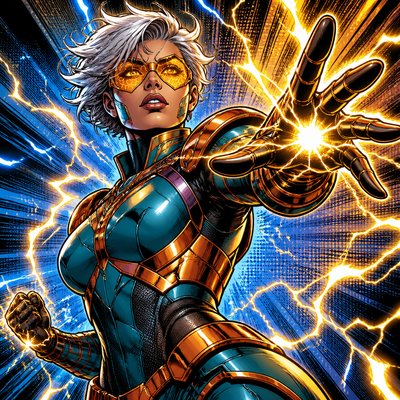
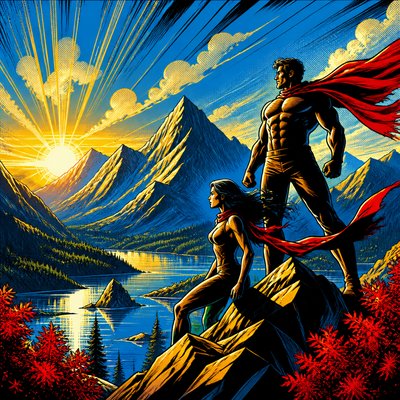
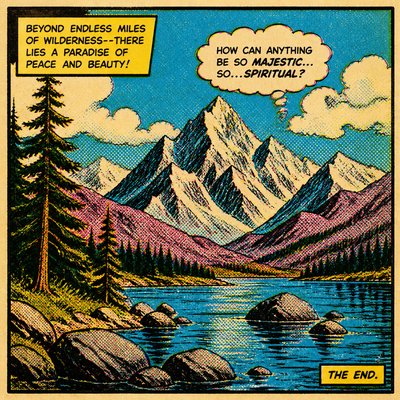
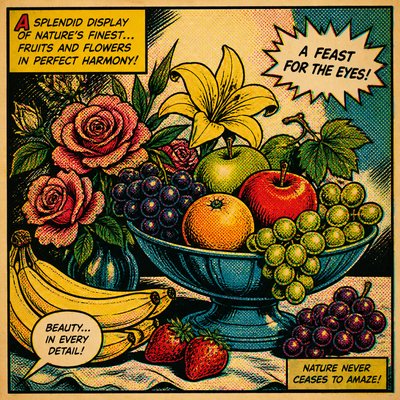
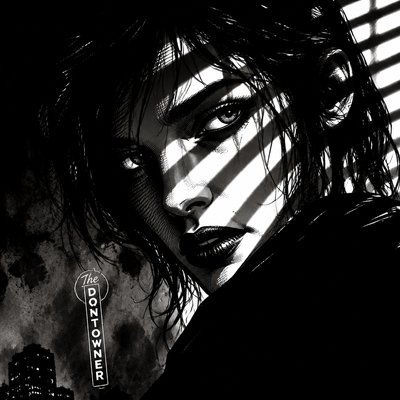
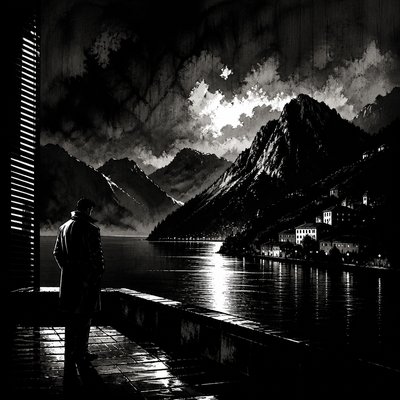
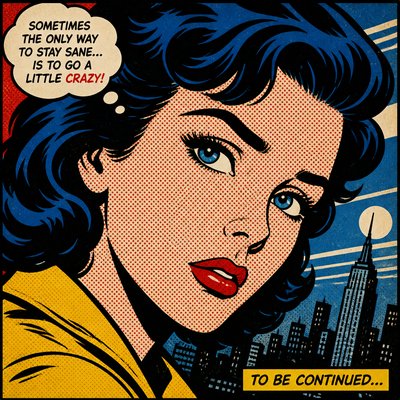
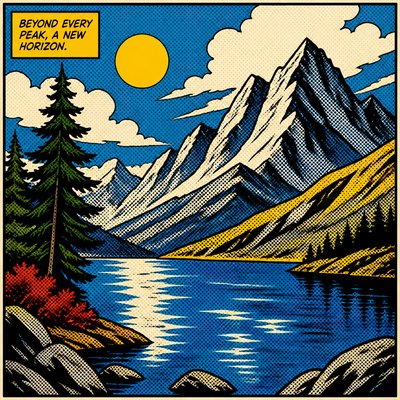
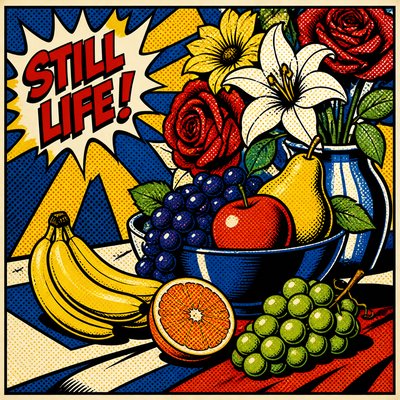
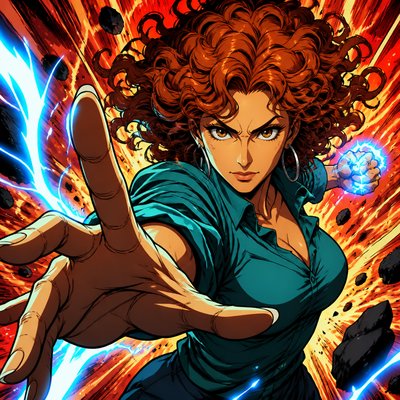
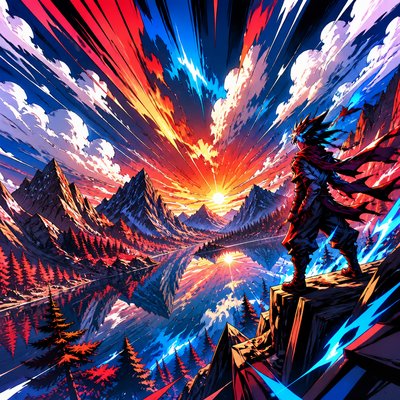
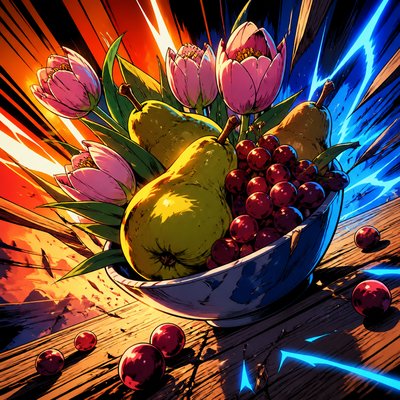
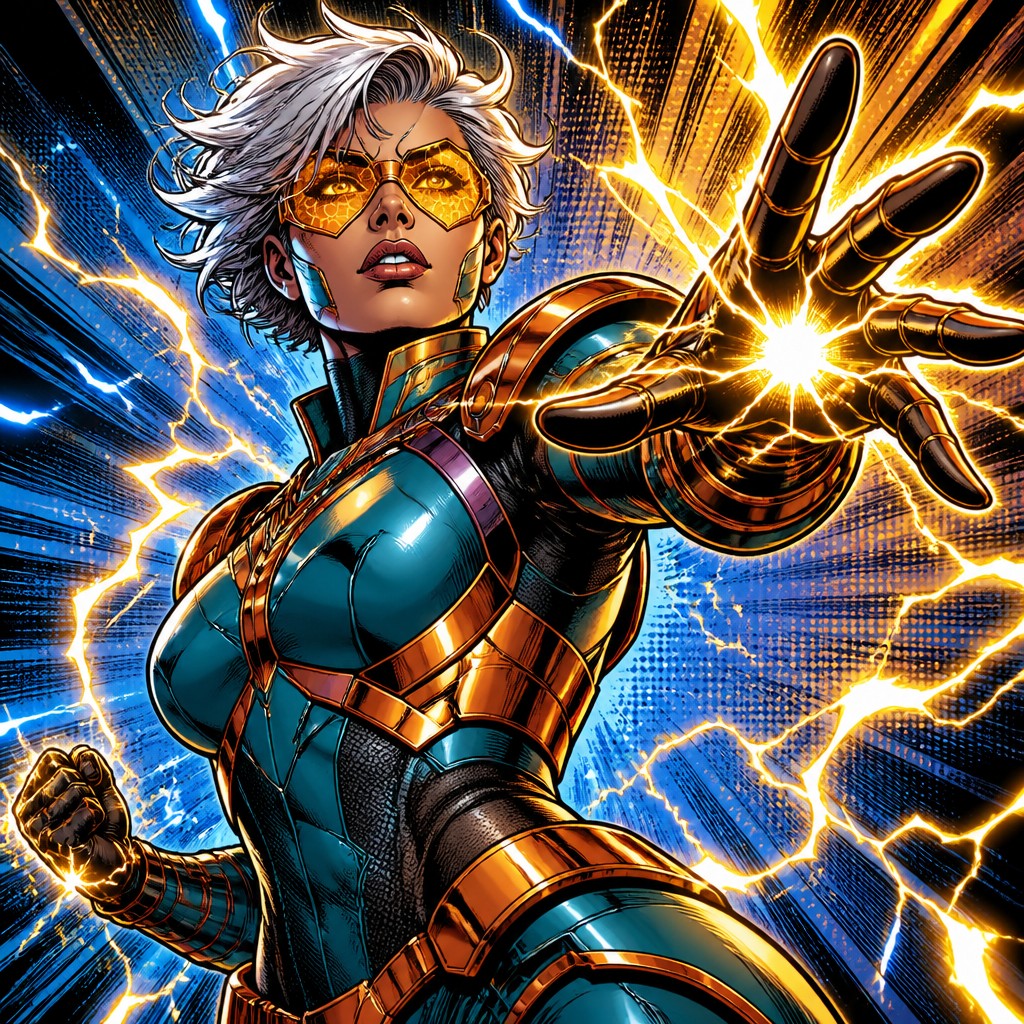
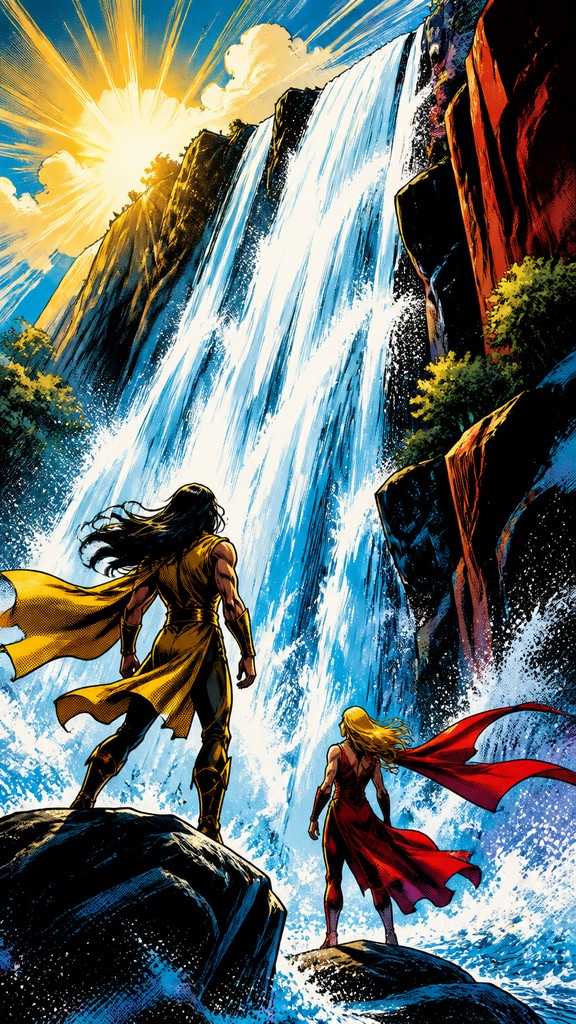
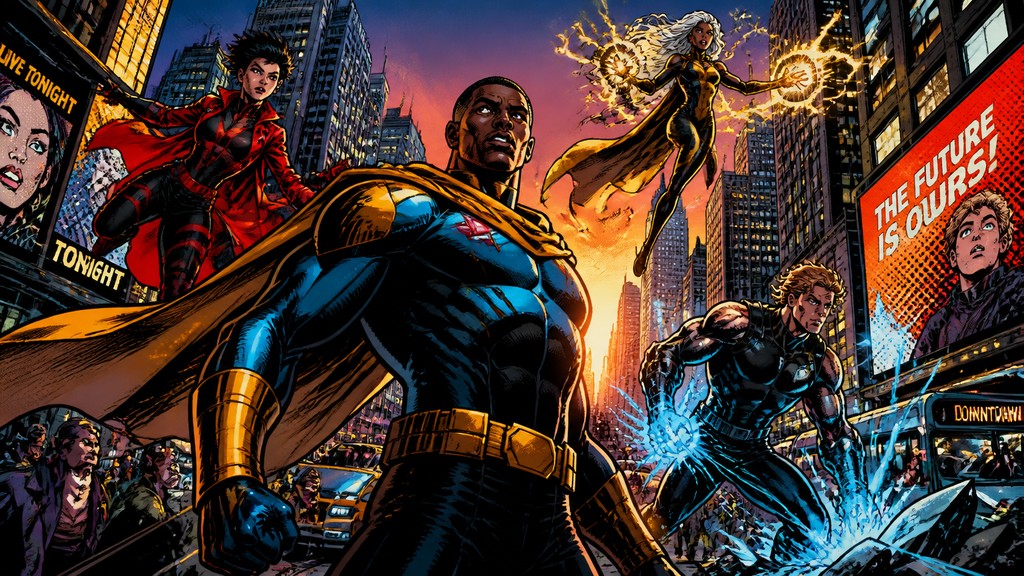
Superhero comic art is the mainstream American comic-book visual tradition built around forceful anatomy, dramatic staging, and highly legible storytelling. It is immediately recognizable by bold contour lines, heavy black shadows, bright primary color palettes, and bodies posed at the peak of action, often with exaggerated perspective that makes characters seem larger than life.
The style is designed to communicate energy and clarity at a glance. Faces are expressive but simplified, muscles are idealized, and motion is often reinforced with speed lines, impact bursts, and angular page composition. Its look comes from the practical demands of mass-market comics: images had to read quickly in print, hold up at small sizes, and deliver spectacle through a limited palette and strong graphic design.
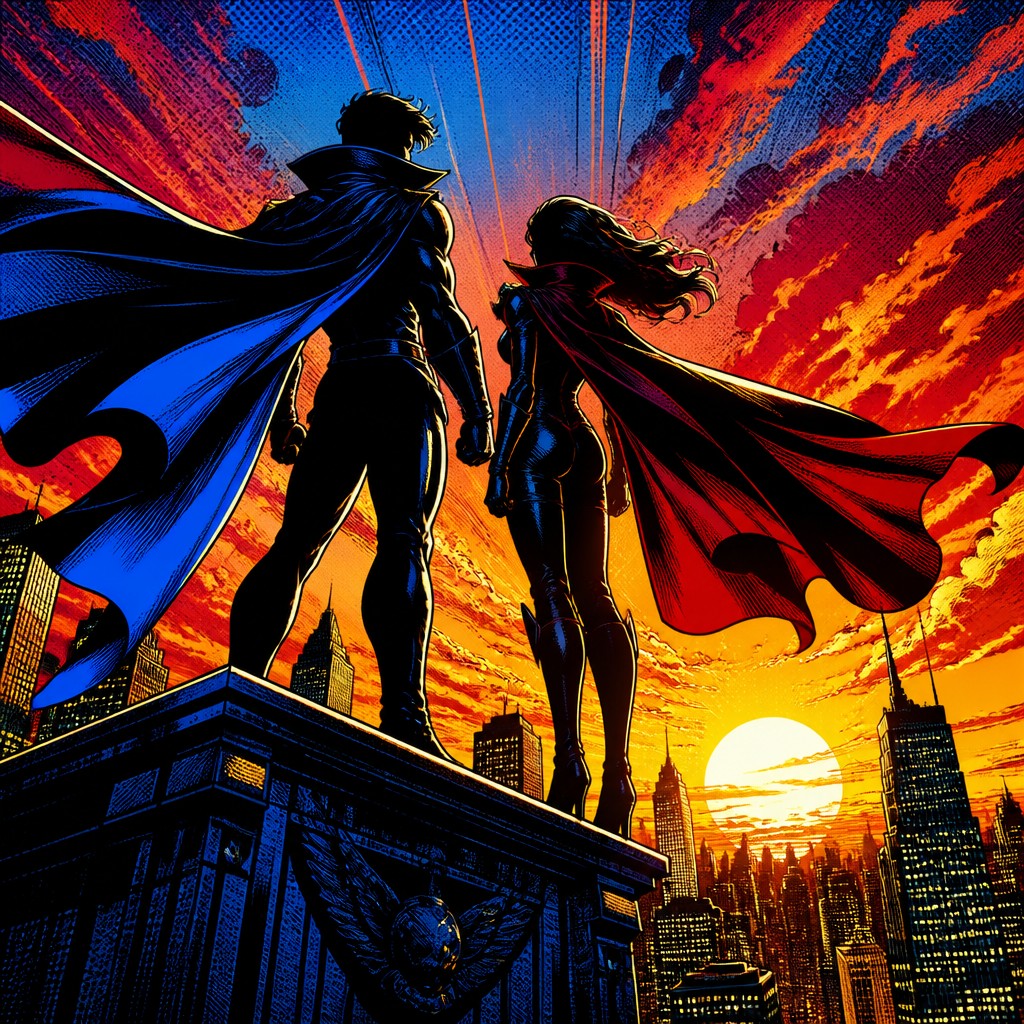
Try It On Your Photos
Upload any photo and convert it into Superhero Comic Art — drag the sliders to compare before and after.
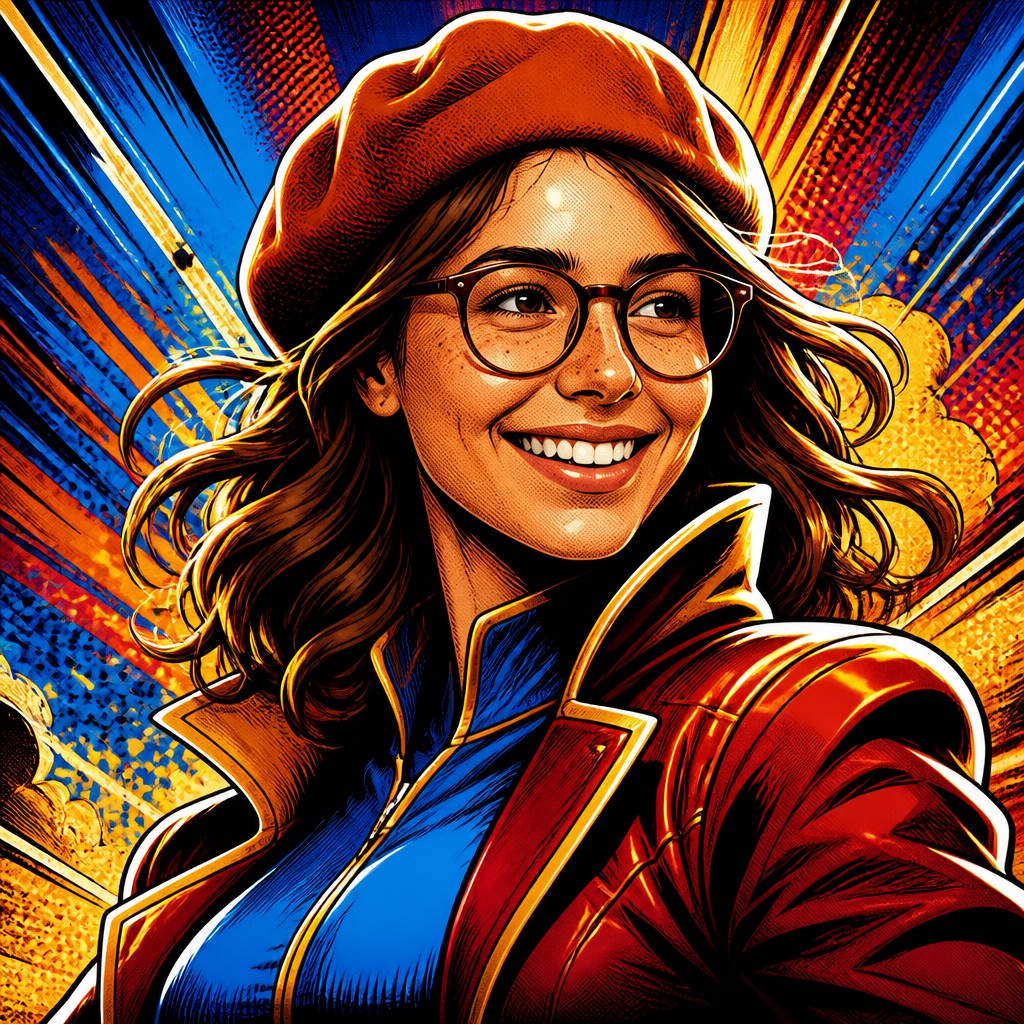

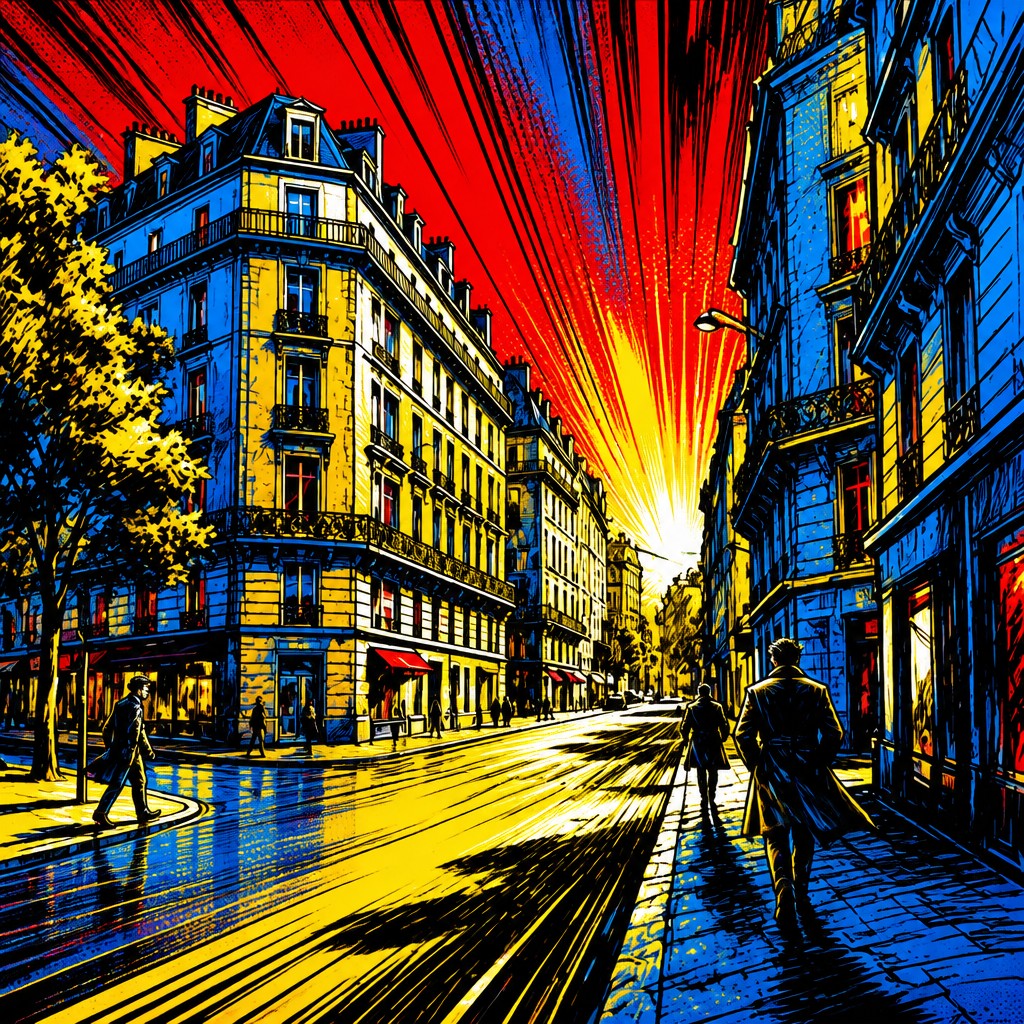

What Defines Superhero Comic Art
The signature details, up close
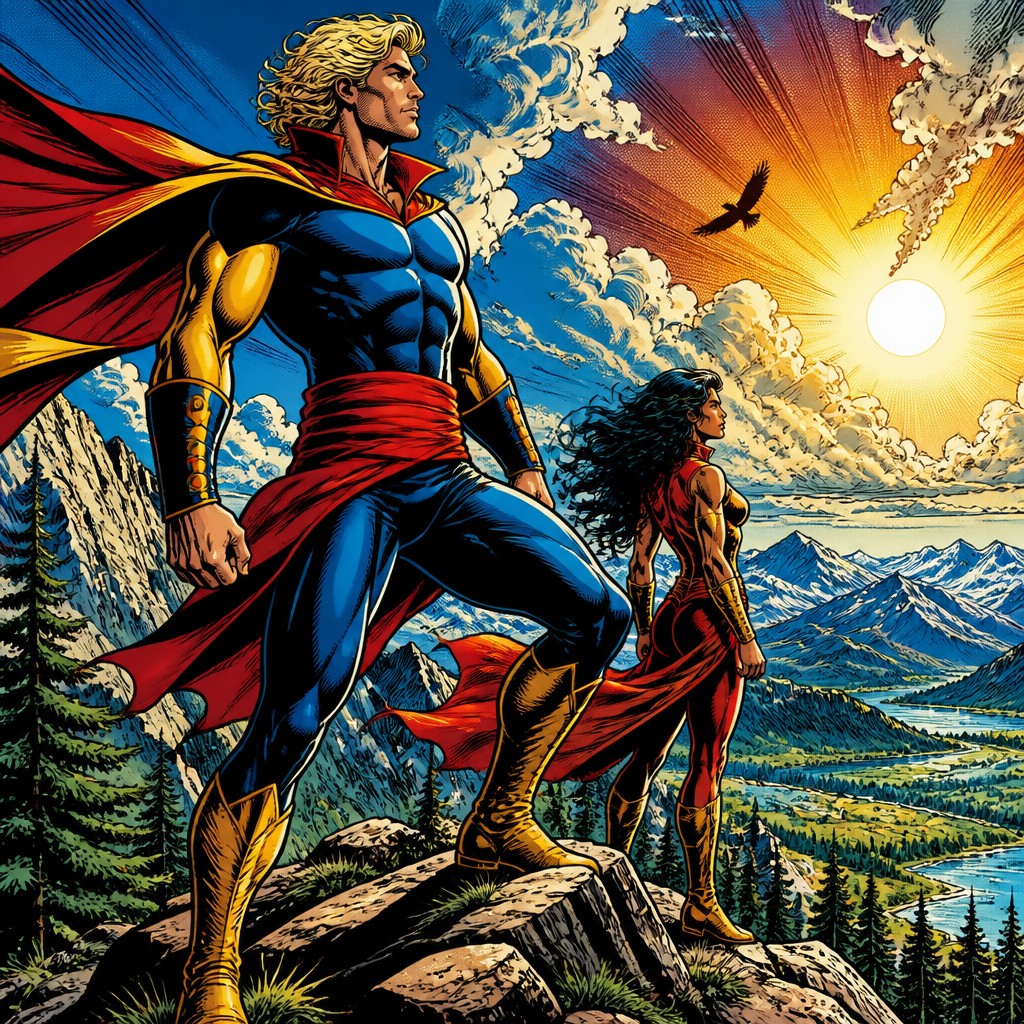
Heroic anatomy
Figures are typically idealized with broad shoulders, narrow waists, defined muscles, and confident posture. The body language communicates power even when the character is standing still.
Bold contour and ink structure
Strong outlines, varied line weight, and decisive black shadows give forms clarity and weight. The inking often does as much storytelling as the drawing itself.
Dramatic foreshortening
Arms, legs, fists, and weapons are pushed toward the viewer to create a sense of urgency and depth. This gives the image a cinematic, confrontational feel.
Primary-color intensity
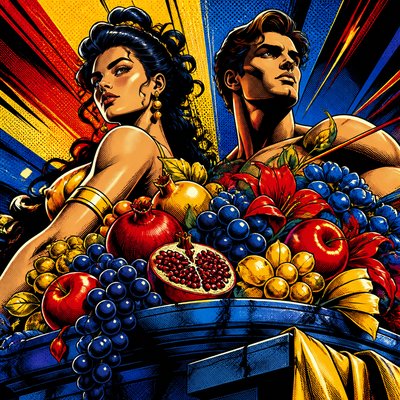
Bright blues, reds, yellows, and other saturated hues dominate the palette. Colors are usually clean and separated, helping costumes and action read instantly.
Motion and impact effects
Speed lines, energy bursts, debris, and stylized effects show movement and collision. These devices translate action into graphic symbols that feel immediate and readable.
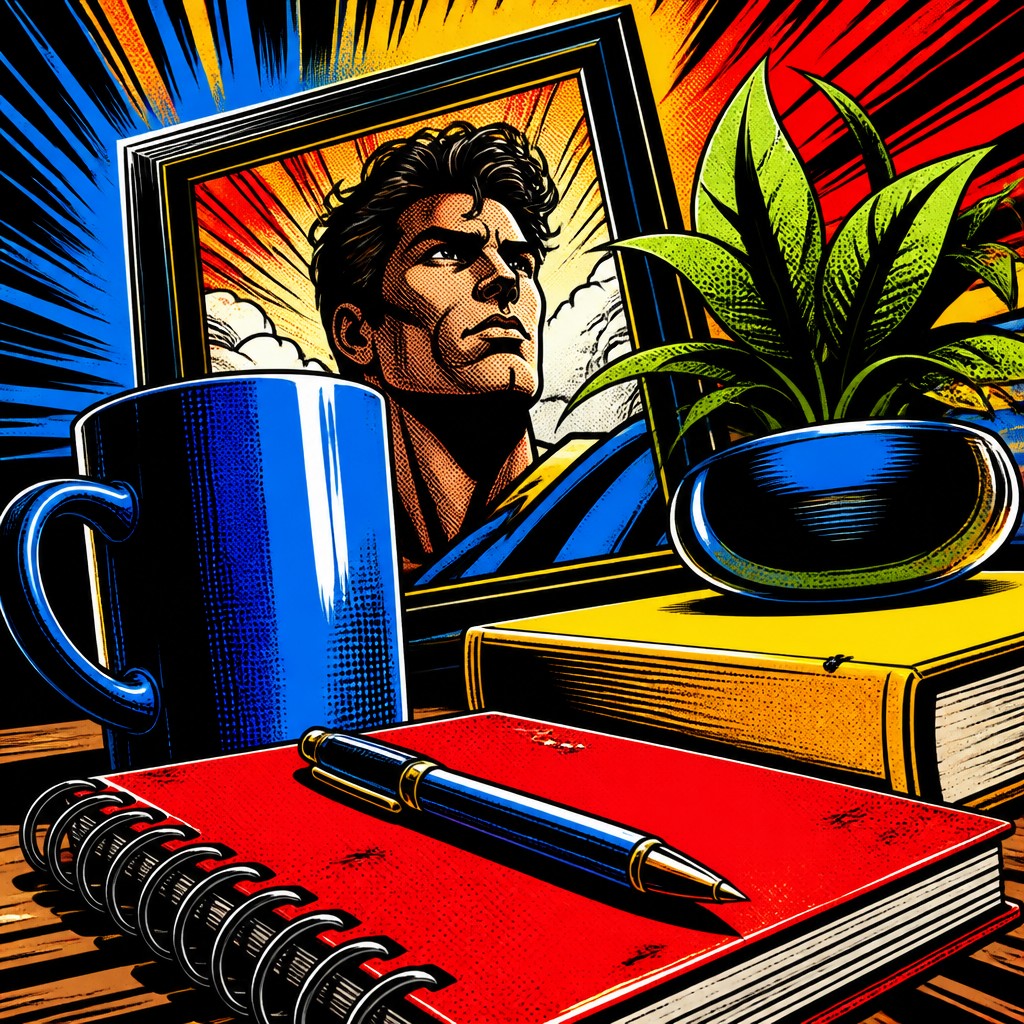
High-contrast print texture
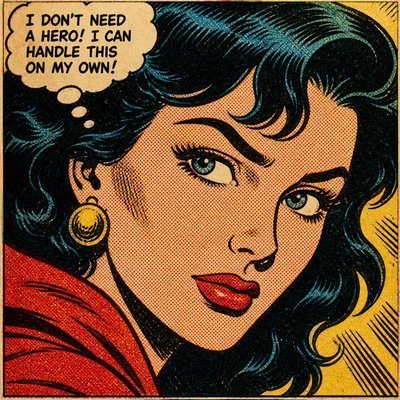
Halftone dots, Ben Day-style patterns, and flat color areas evoke the look of traditional comic printing. These textures can make digital work feel authentic to classic comic reproduction.
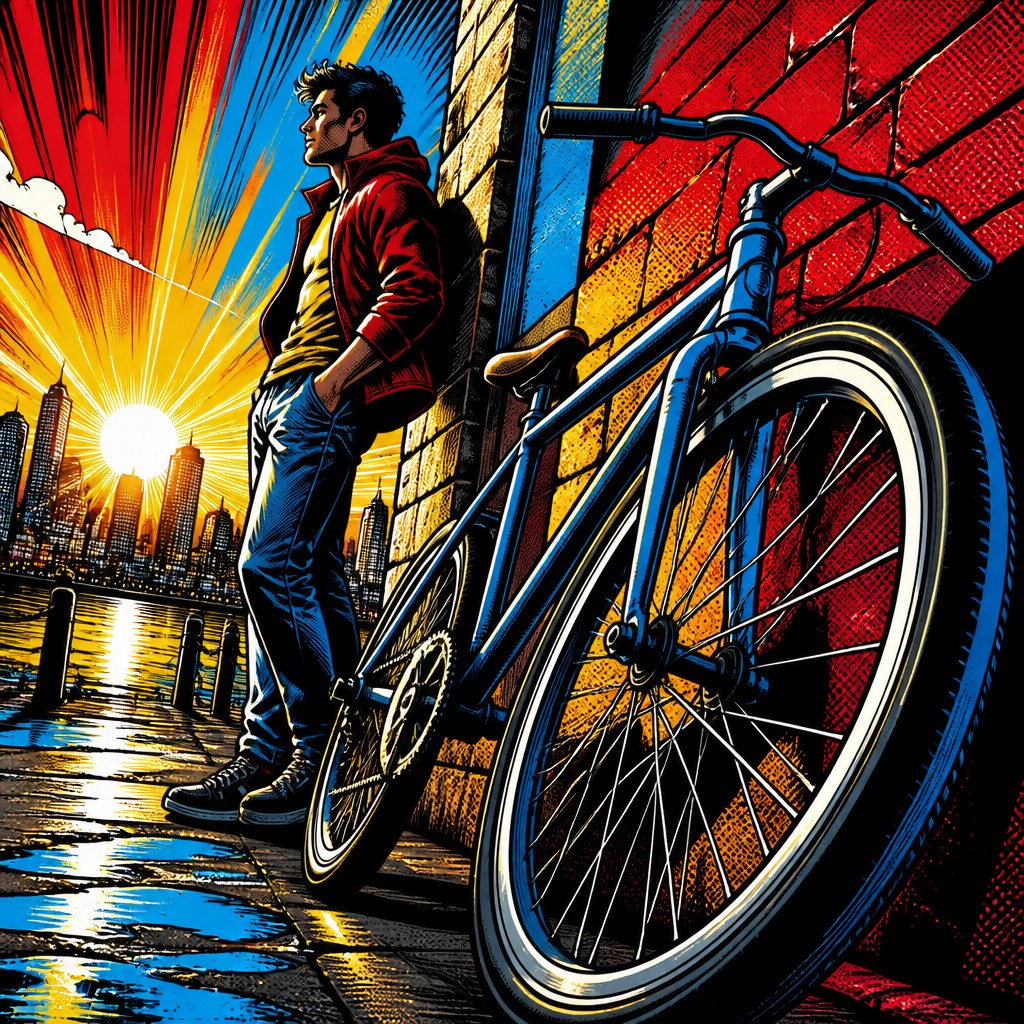
Triumphant, confrontational mood
Even when scenes are dark or tense, the overall staging tends to feel assertive and heroic. Characters are framed as protagonists in control of the space around them.
Try It
Create Videos in Superhero Comic Art
Styles aren't just for stills — describe a scene or animate an image and get a short video rendered in Superhero Comic. Press play to see this pond come to life.
Make a VideoSuperhero Comic Prompt Ideas
Start from an idea — each one opens the generator with the style ready to go. See all 40 Superhero Comic prompts →
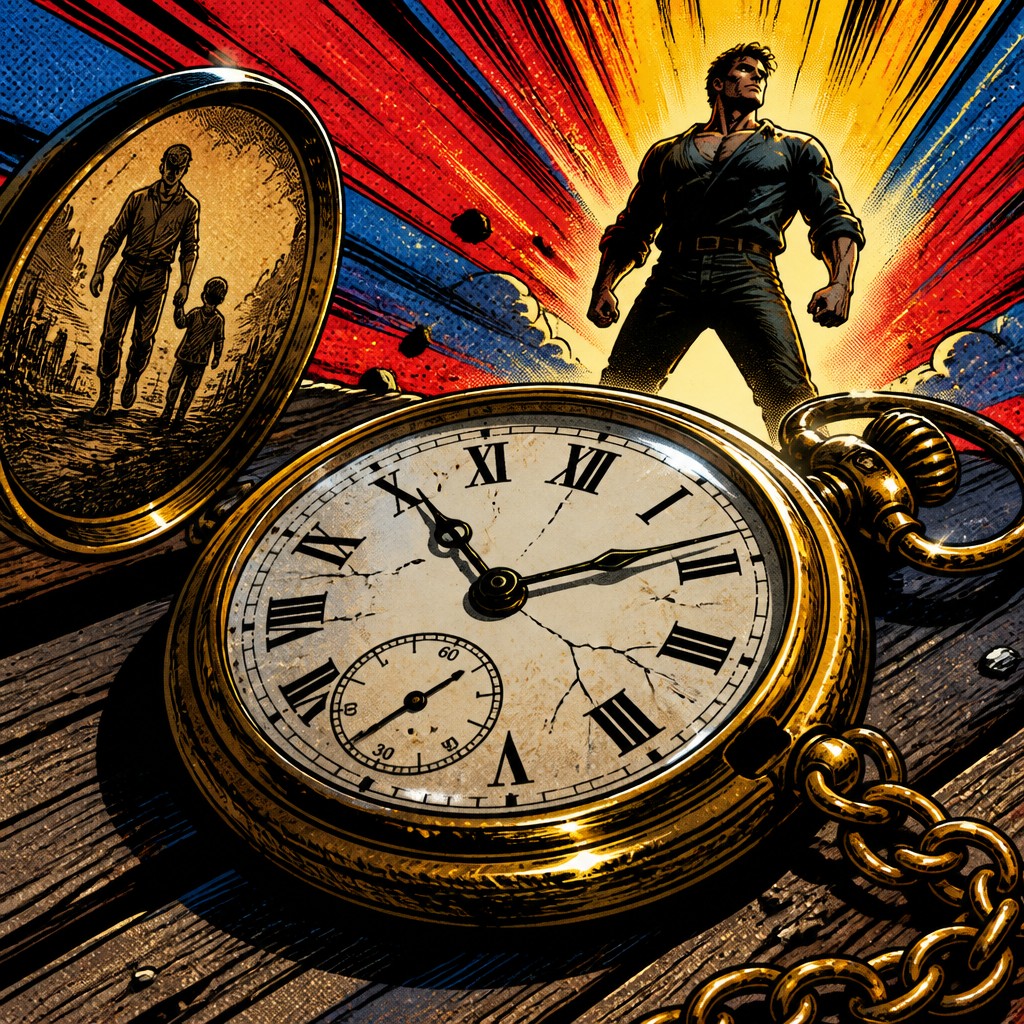
“close-up of an antique pocket watch on weathered wood”
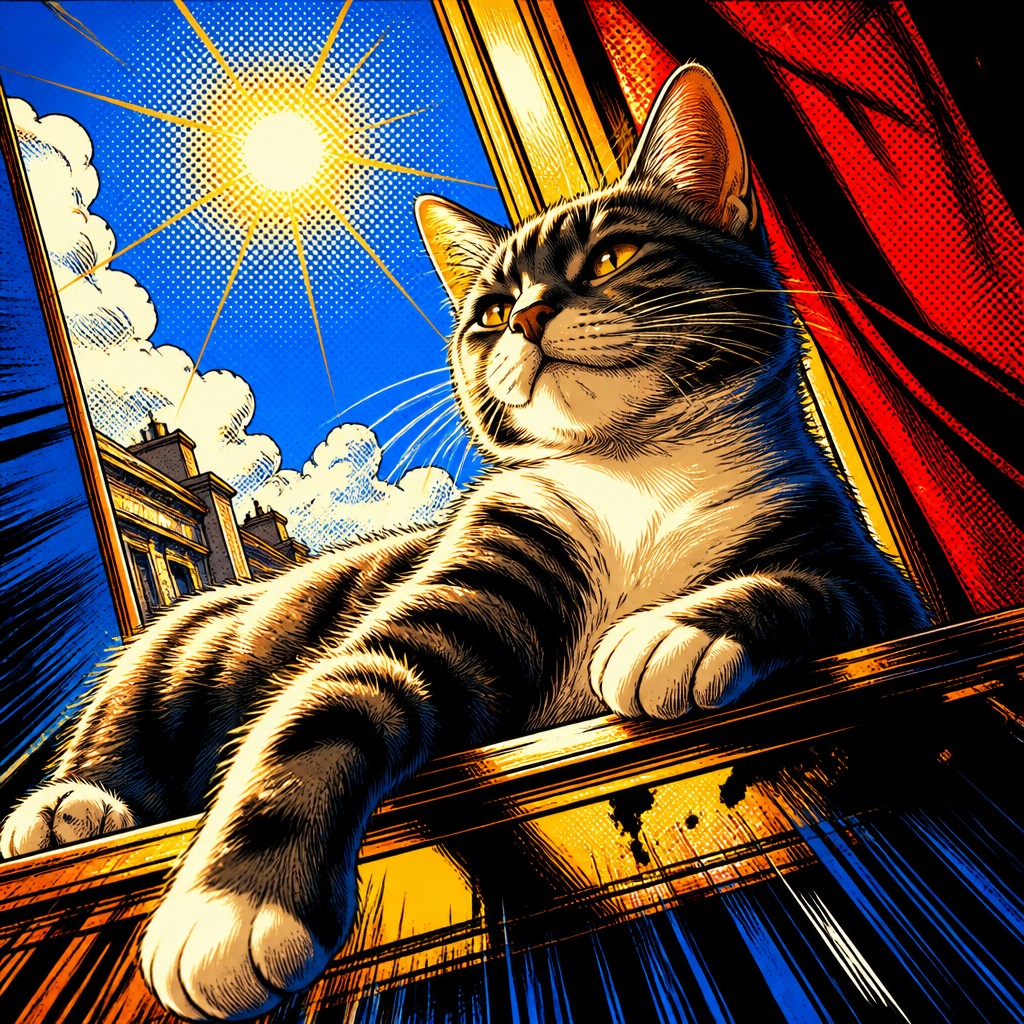
“a cat lounging in a sunlit window”
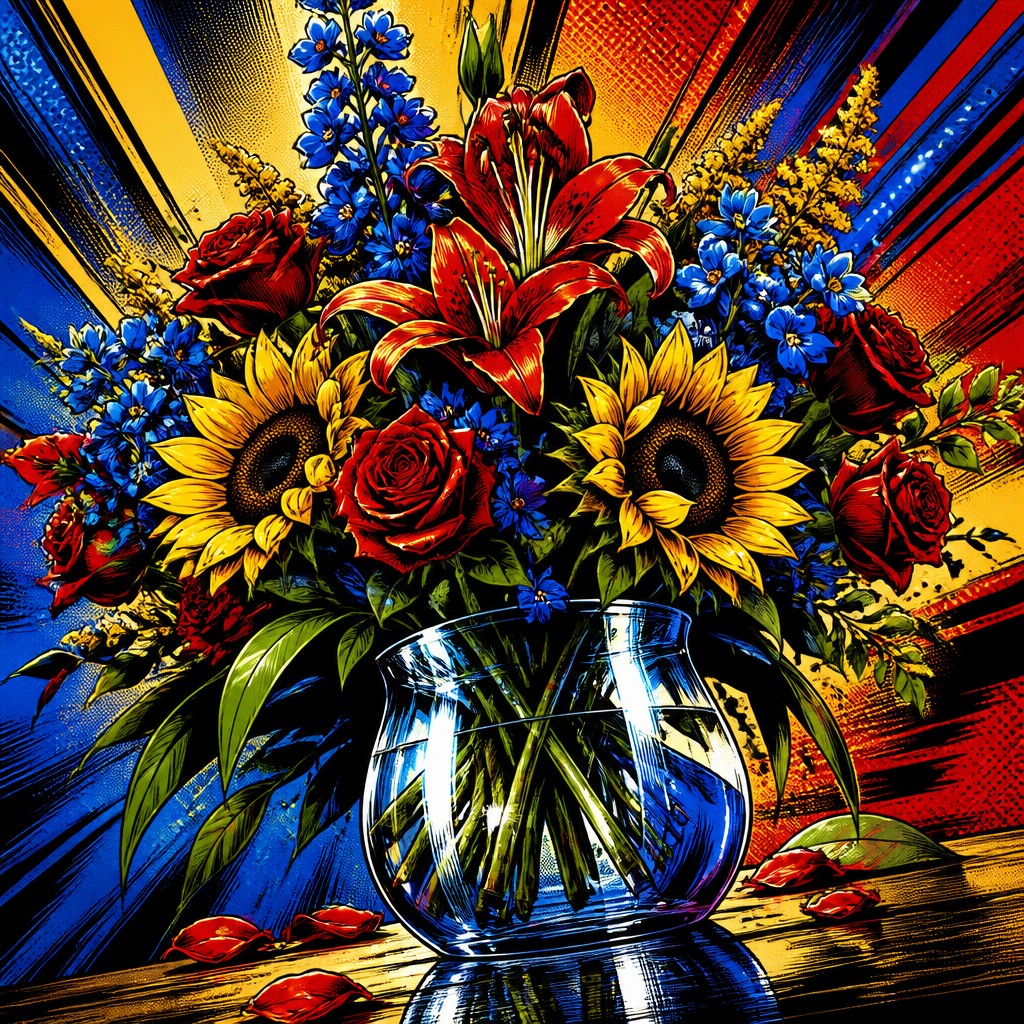
“bouquet of flowers in a glass vase”
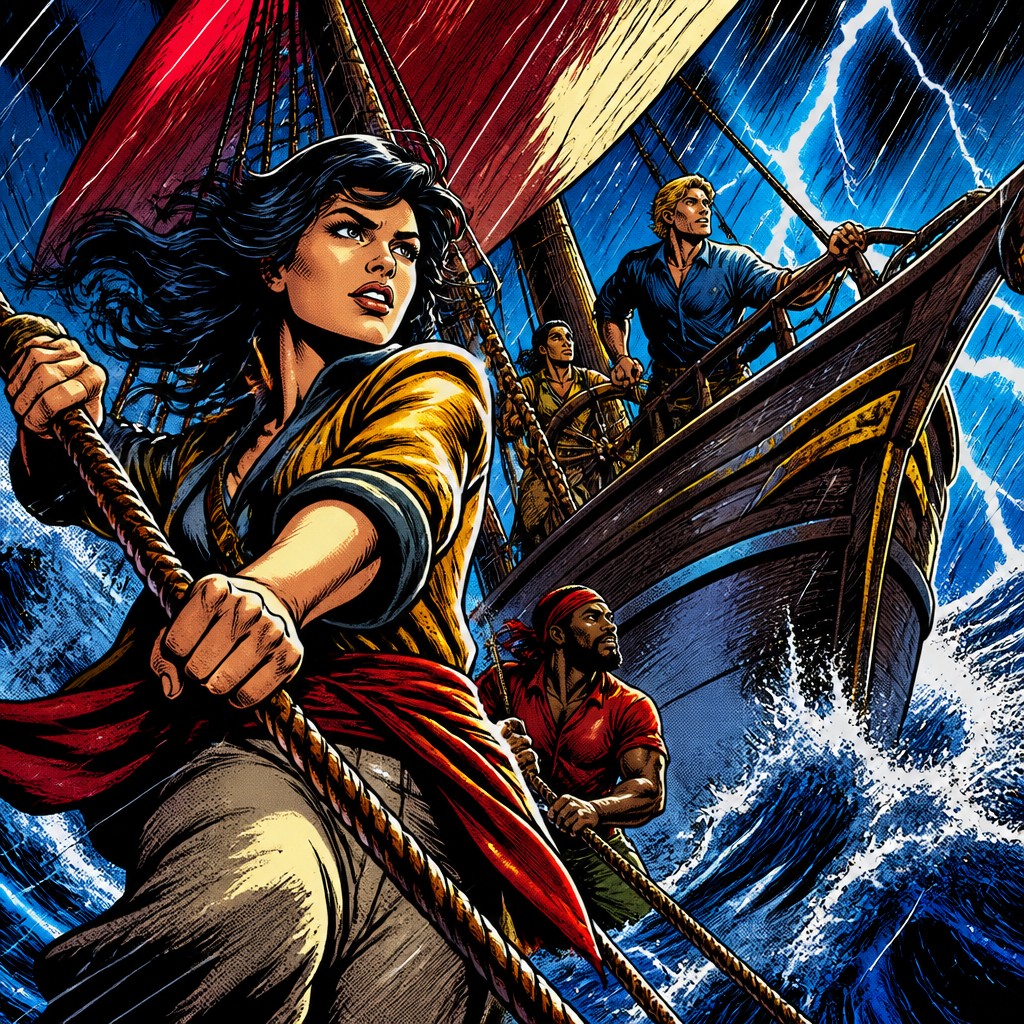
“sailing ship on a stormy sea”
How to Create Superhero Comic Art
Master the craft step by step — or skip straight to creating. Read the full guide →
- 1
Design the pose first
Start with a clear action silhouette: a punch, leap, landing, or powerful stance. Use strong diagonals and foreshortened limbs so the figure projects energy toward the viewer.
- 2
Ink with contrast in mind
Whether working traditionally or digitally, separate forms with decisive outlines and deep shadow masses. Reserve bright highlights and avoid over-soft shading so the image keeps its comic-book clarity.
- 3
Use a limited, saturated palette
Build costumes and key elements from primaries and complementary accents, then control the composition with black, white, and a few dominant colors. This helps the scene read like printed comic art rather than general illustration.
- 4
Add print-era texture selectively
Introduce halftones, dot screens, or subtle paper grain in mid-tones and shadows if you want a classic look. Keep these textures controlled so they support the drawing instead of obscuring it.
- 5
Emphasize storytelling beats
Even a single image should communicate a moment: impact, decision, rescue, arrival, or transformation. For prompt-based generation, specify the subject, pose, lighting contrast, costume colors, and action context rather than only naming the genre.
- 6
Prompt for composition, not just subject
Use language like 'dynamic foreshortening,' 'bold ink outlines,' 'radiating energy lines,' and 'high-contrast shadows' to steer the result. If you are transforming a photo, choose poses with clear limbs and strong lighting so the style can translate cleanly.

The Story
History & Origins of Superhero Comic
Superhero comic art developed in the United States alongside the rise of comic books in the late 1930s and 1940s, when characters such as Superman and Batman established the visual grammar of the genre. Early artists and later defining figures shaped its conventions through a combination of newspaper-strip clarity, pulp illustration drama, and an increasingly specialized comic-book language of exaggerated anatomy and action composition.
By the Silver Age and beyond, superhero comics refined their house style into the familiar mixture of crisp linework, dynamic foreshortening, and bold color separations. Leading superhero comic artists from the mid-to-late 20th century helped codify the heroic body, cinematic framing, and kinetic page design that remain central to the style today. The tradition continues to evolve across print, digital coloring, and motion-oriented visual media while keeping its core emphasis on spectacle and narrative clarity.
Influences: Superhero comic art draws from American newspaper strips, pulp magazine illustration, advertising graphics, and the visual logic of cinematic action framing. Its most direct canonical influences within comics include the work of major mid-to-late 20th-century superhero comic artists and draftsmen, each of whom helped define different aspects of the heroic figure, page dynamism, and visual storytelling. It also overlaps with pop art’s interest in mass media imagery, though superhero art remains primarily a narrative and production-driven illustration tradition rather than a fine-art movement.
Frequently Asked Questions
What defines superhero comic art?
It is defined by dynamic action, heroic anatomy, bold outlines, and bright, high-contrast color. The style prioritizes clarity and impact, so figures and action read instantly even in a small comic panel.
How is it different from manga or general cartoon art?
Manga often relies on different page rhythms, facial design conventions, and black-and-white tonal systems, while superhero comic art is rooted in American full-color comics and heavier inking. Compared with general cartoon art, it is usually more anatomical, more dramatic, and more focused on spectacle.
What subjects work best in this style?
Costumed heroes, villains, battles, aerial poses, team lineups, and city-scale action scenes are the most natural fit. Everyday subjects can also work if they are staged with comic-book intensity and strong graphic contrast.
What techniques make artwork look authentic to this style?
Use powerful silhouettes, foreshortened limbs, decisive ink lines, and a limited palette of saturated colors. Adding halftone textures, spot blacks, and energetic motion effects can make the result feel closer to classic print comics.
Is this style only for superheroes?
No, although superheroes are its most famous subject, the same visual language is often used for sci-fi, fantasy, horror, and action scenes. The key is not the character type but the combination of heroic staging, bold linework, and dramatic pacing.
Where is this style used today?
It remains common in mainstream comic books, variant covers, character posters, trading cards, game art, and franchise key art. Digital tools have expanded its reach, but the underlying aesthetic still comes from the print-comic tradition.
Create your first Superhero Comic artwork
Describe anything — or upload a photo — and see it in Superhero Comic Art in seconds.
Make Something with Superhero Comic
Compare Superhero Comic
Related Styles
Discover similar art styles