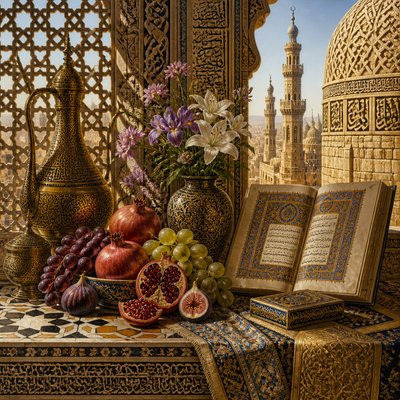
Sacred Geometric Art
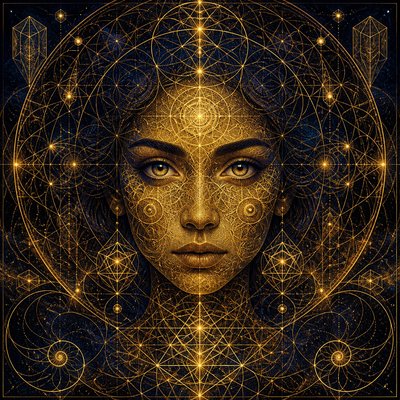
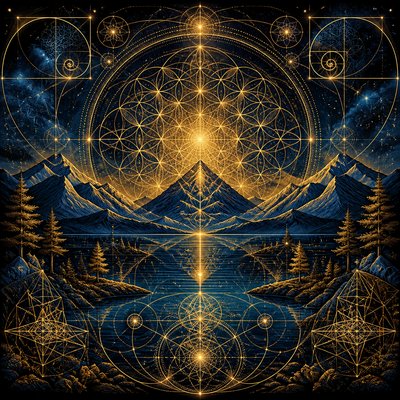
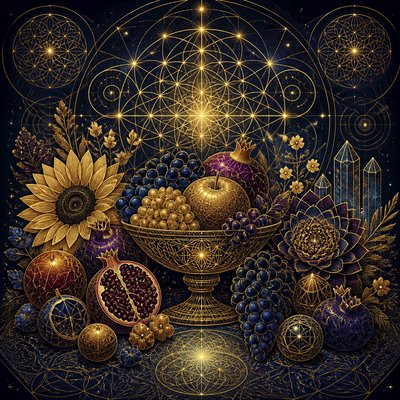
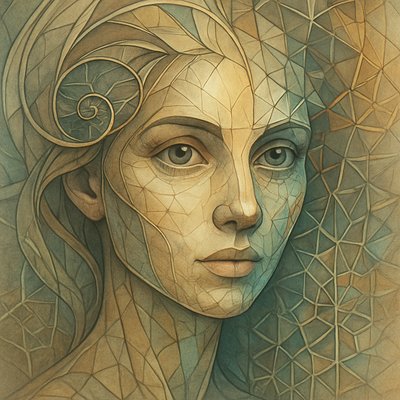
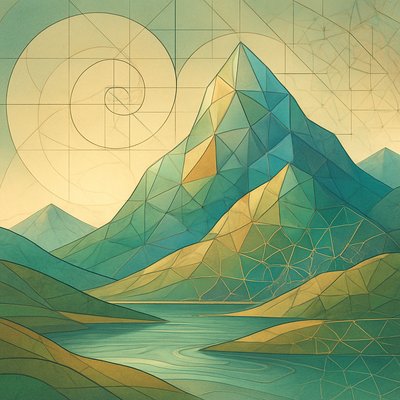
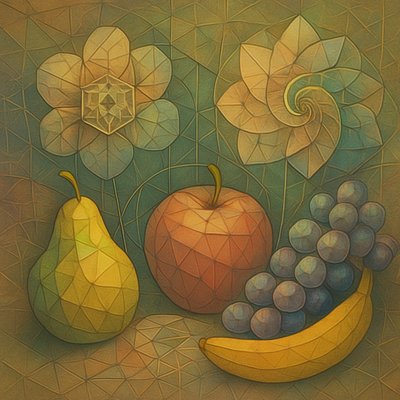
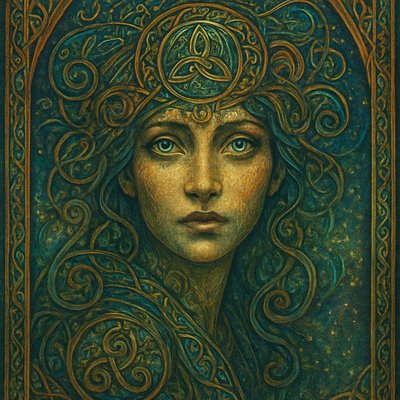
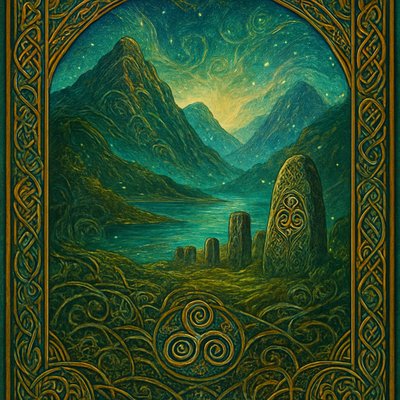
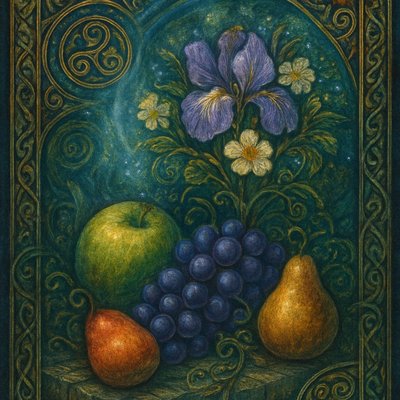
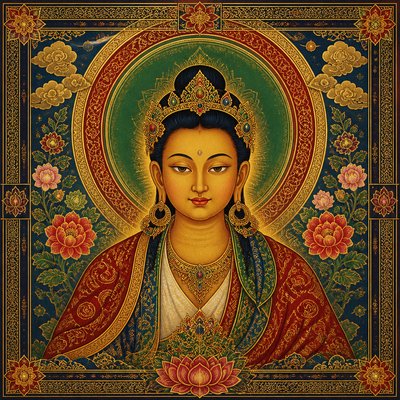
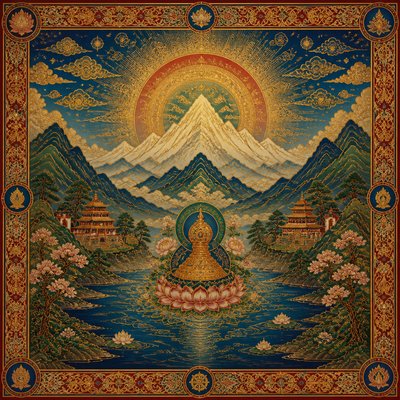
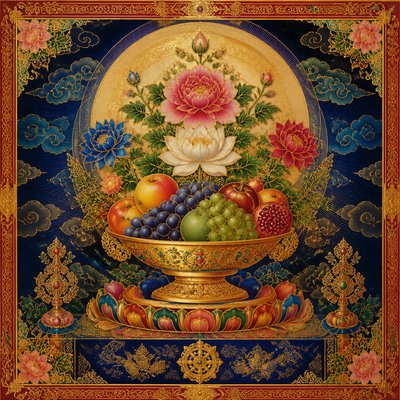
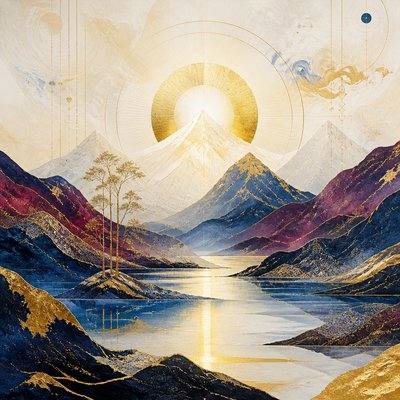
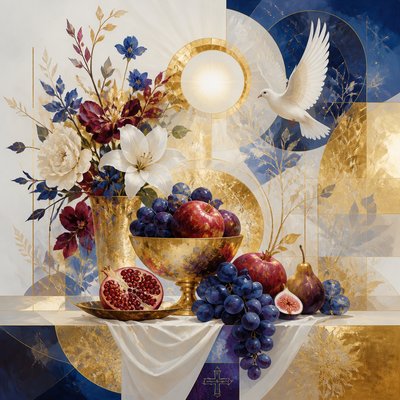
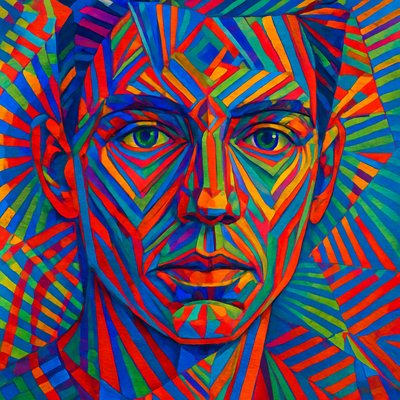
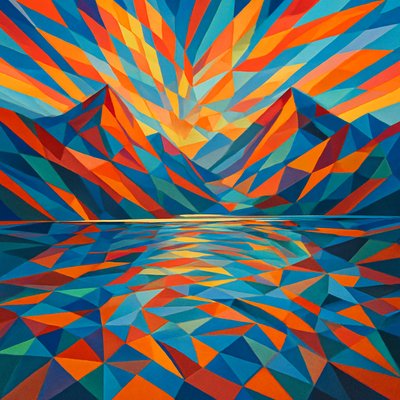
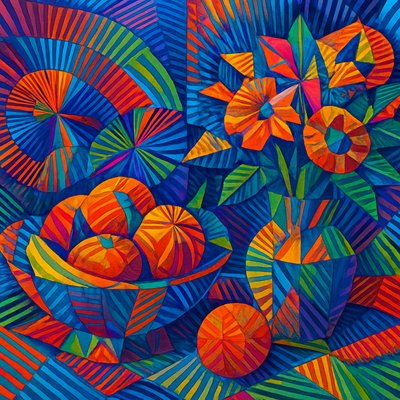
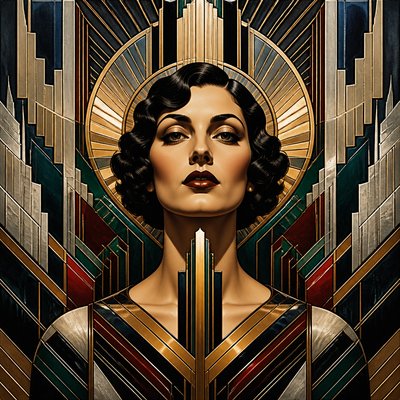
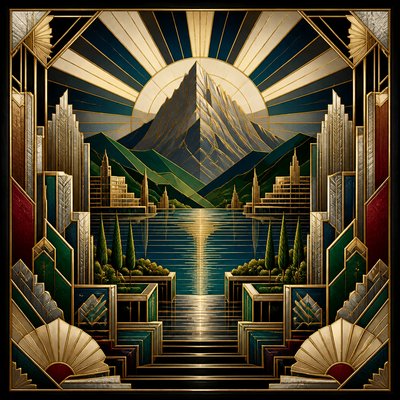
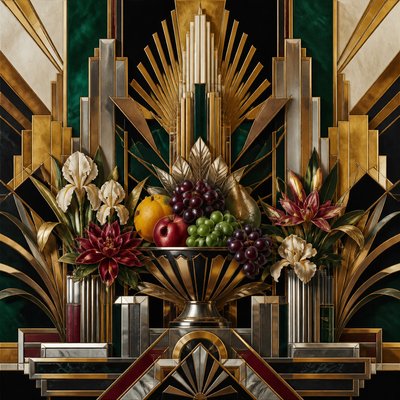
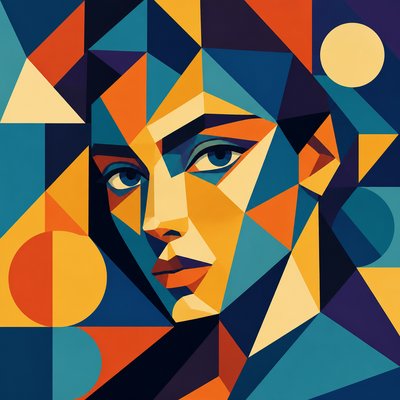
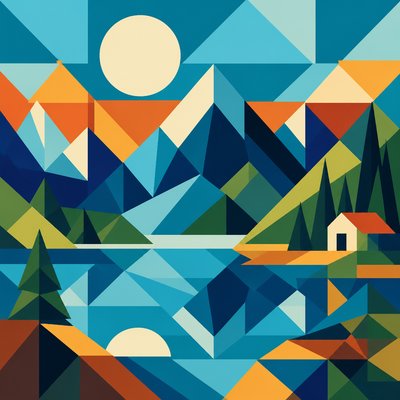
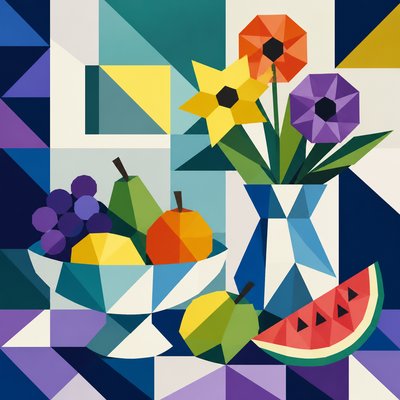
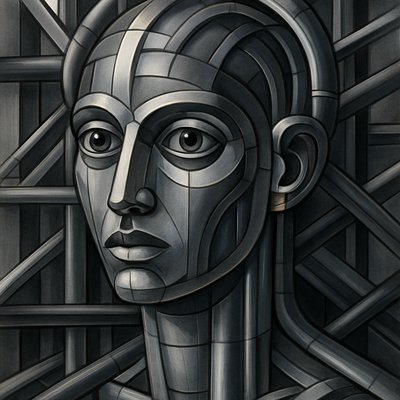
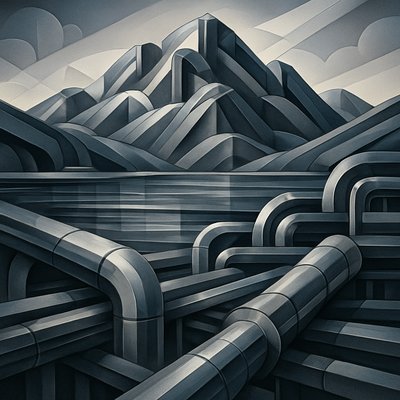
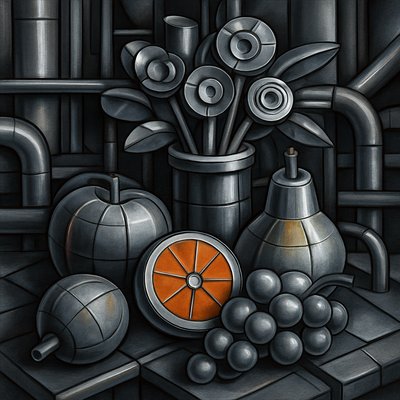
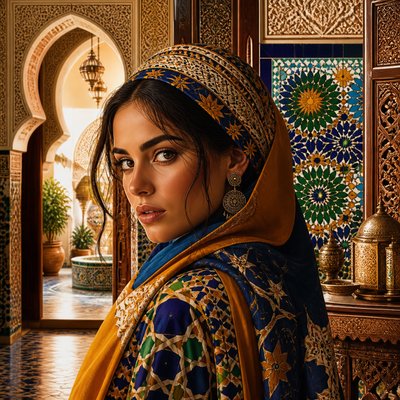
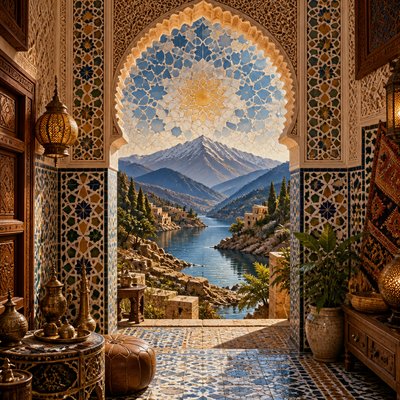
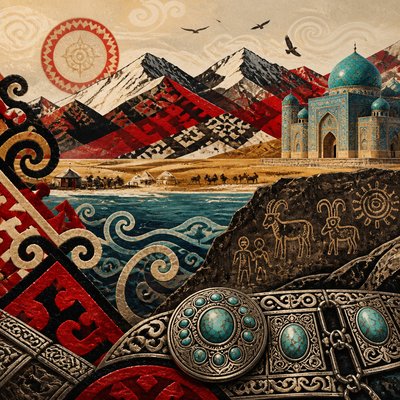
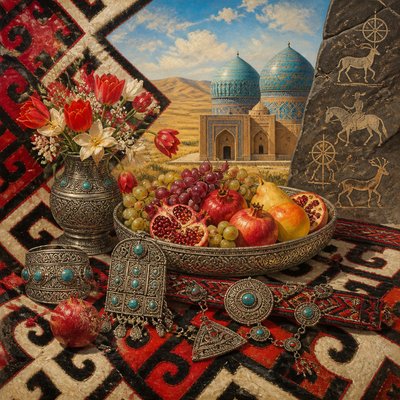
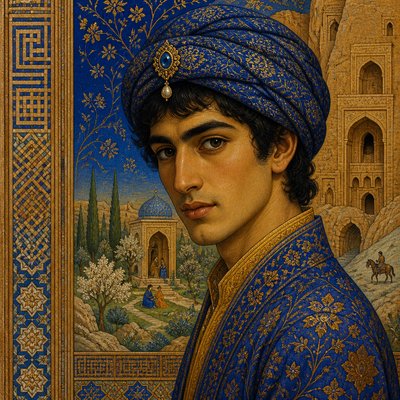
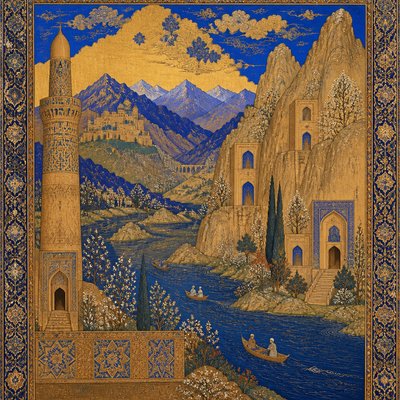
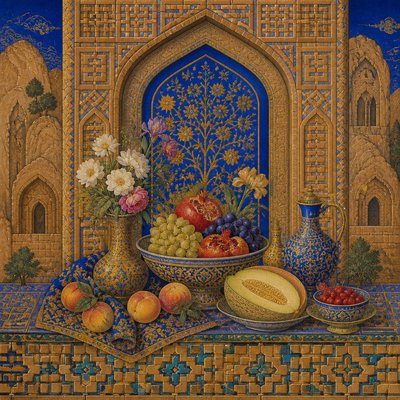
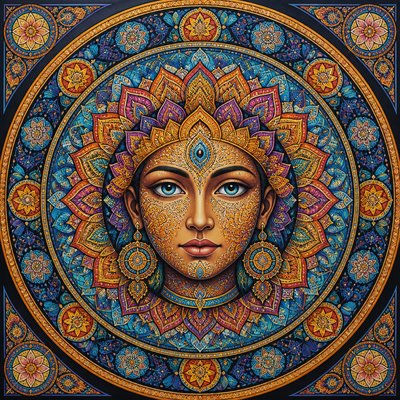
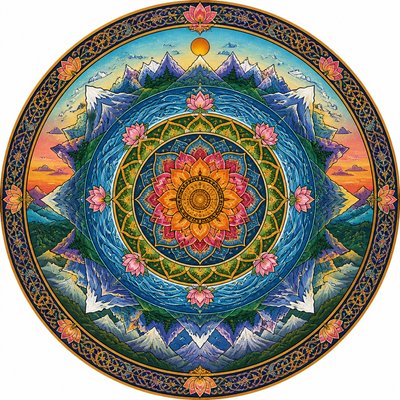
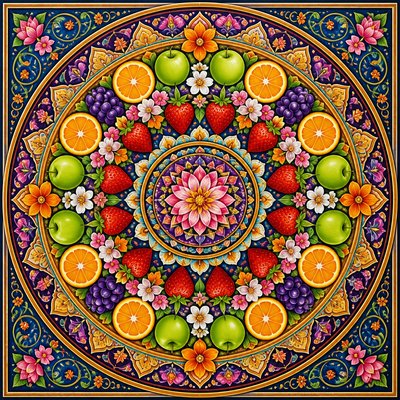
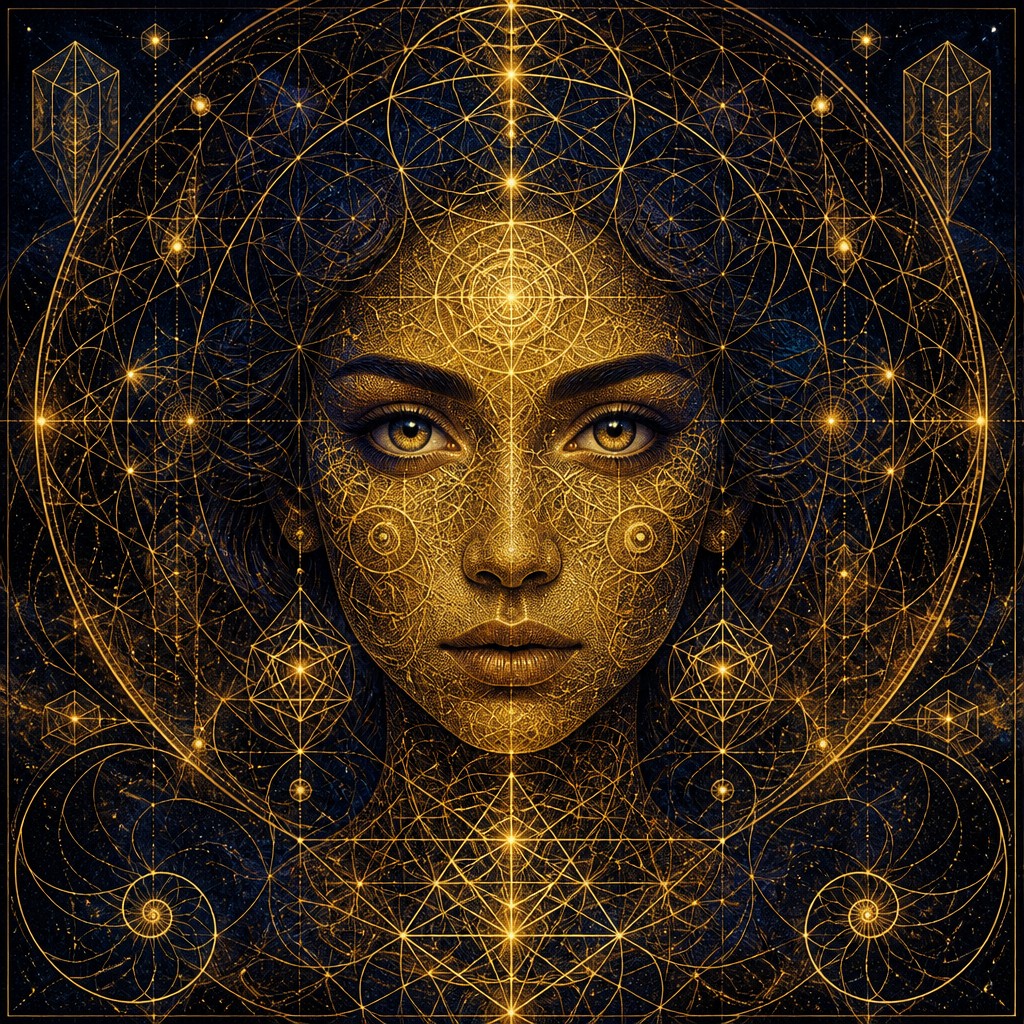
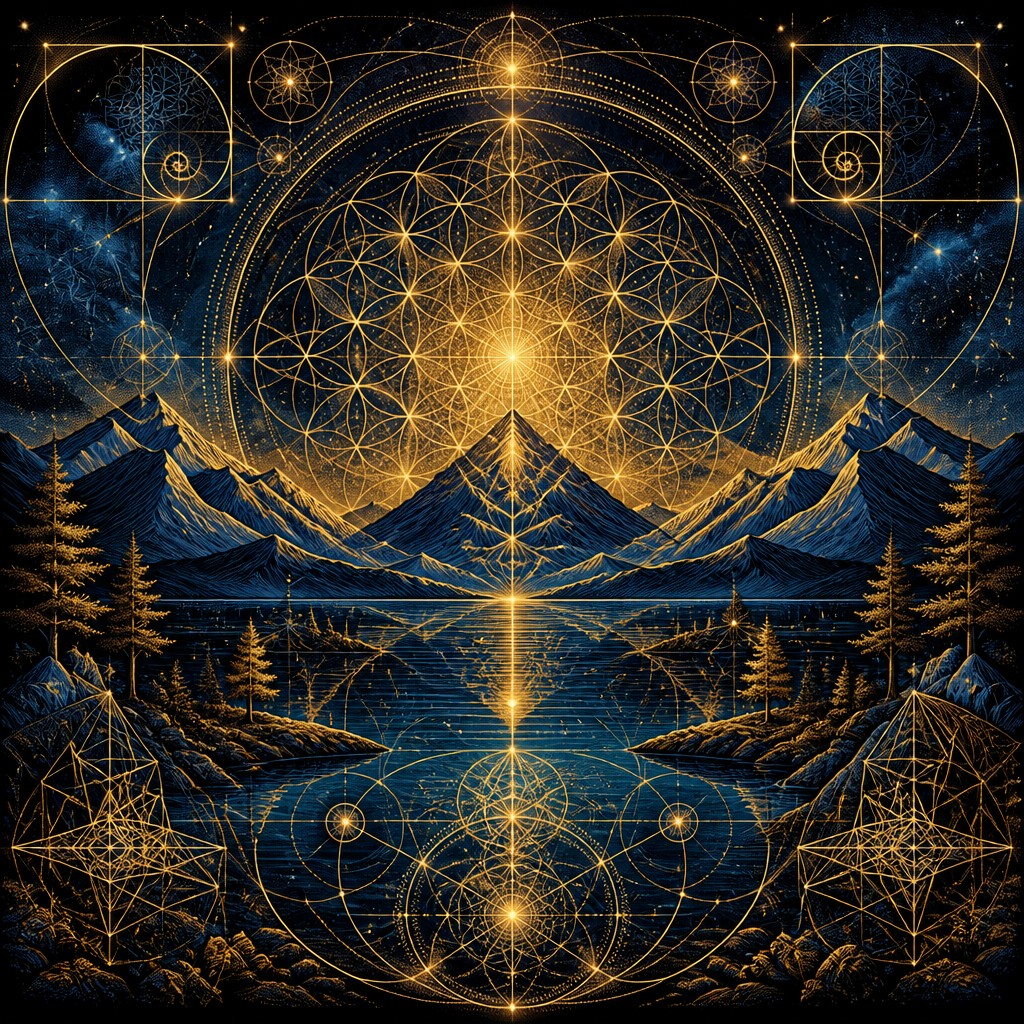
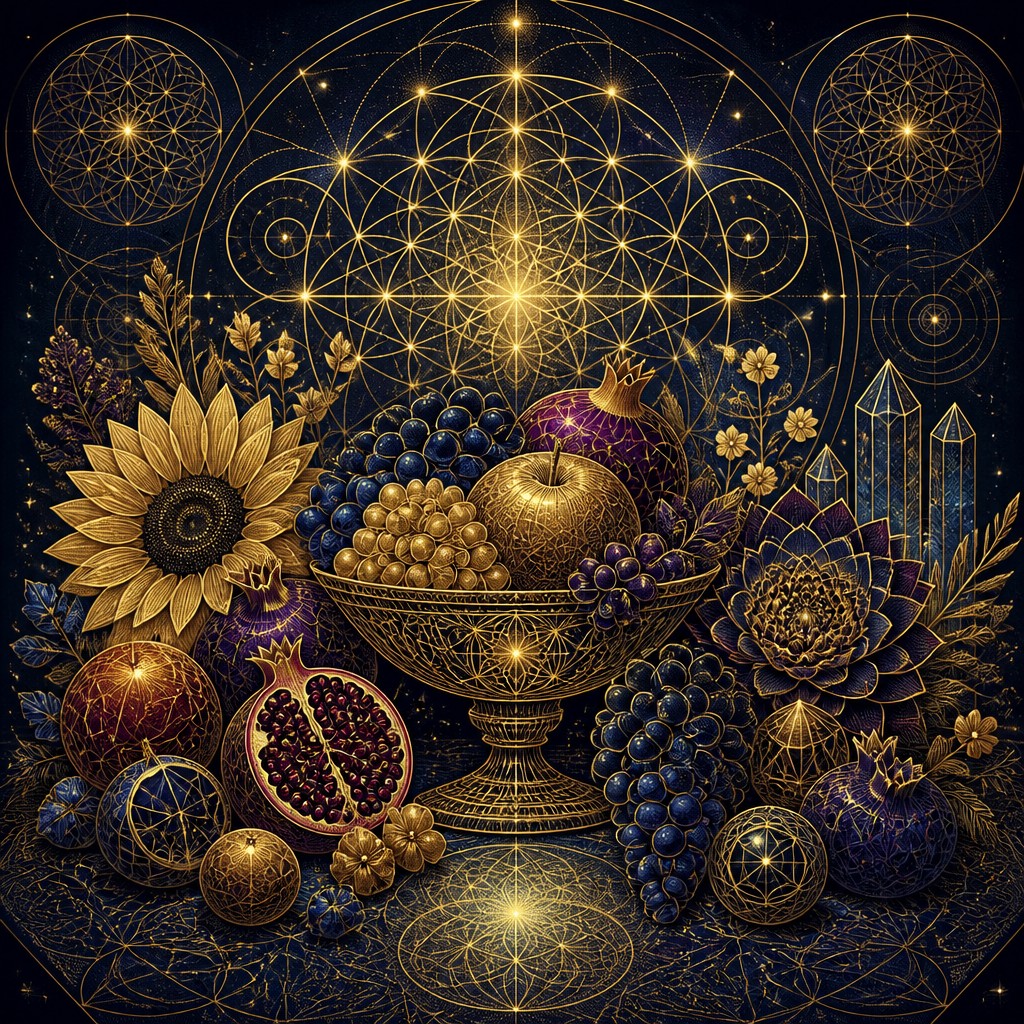
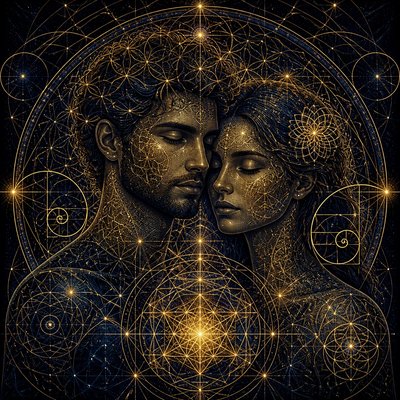
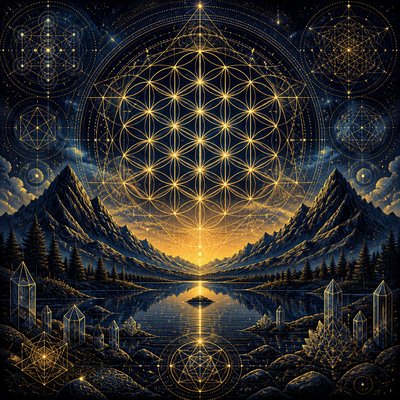
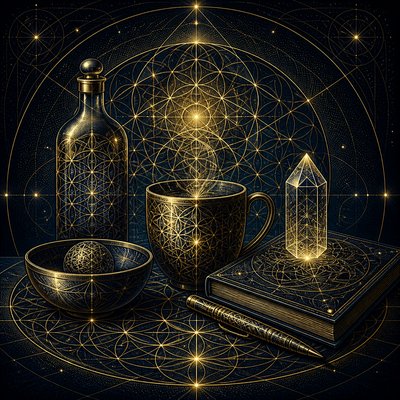
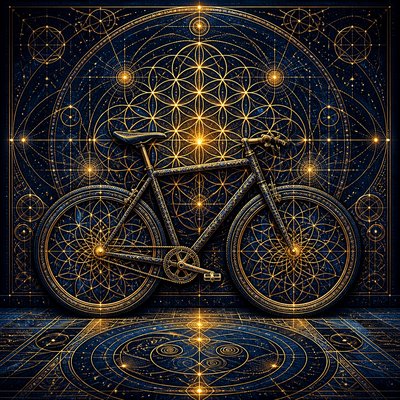
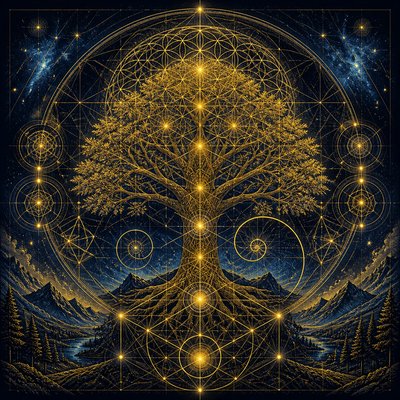
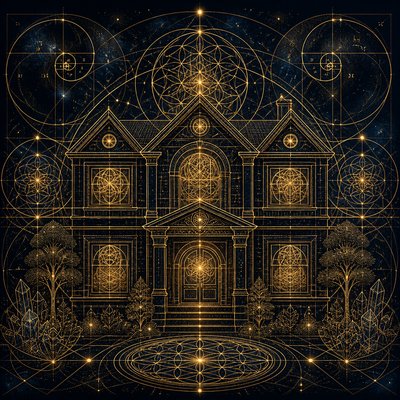
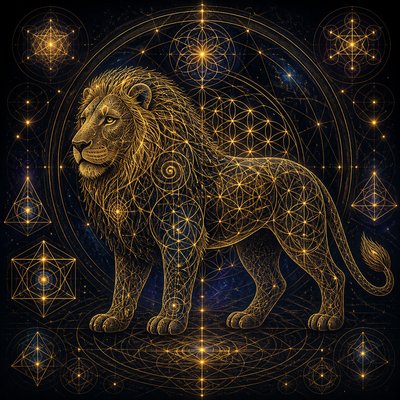
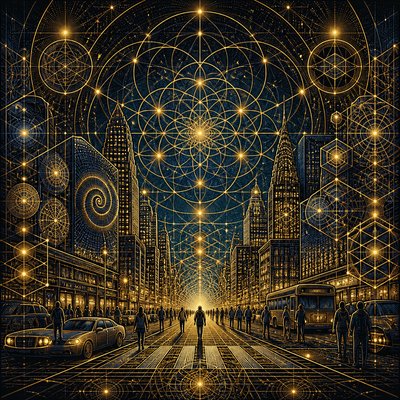
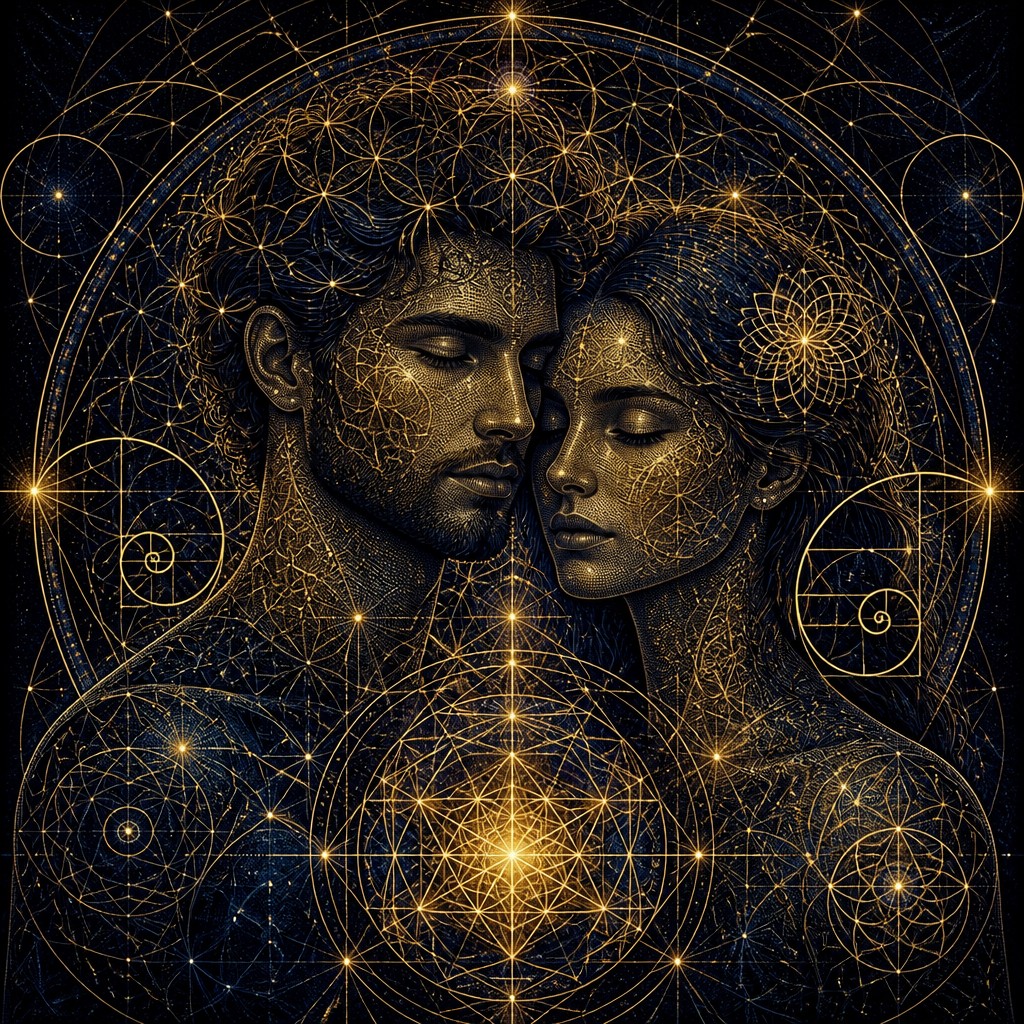
Sacred geometric art uses mandalas, Flower of Life patterns, golden ratio spirals, and radiant symmetry to create meditative cosmic imagery.
Instantly rendered in Sacred Geometric — or transform a photo
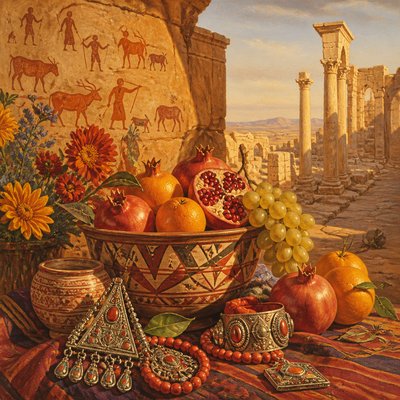
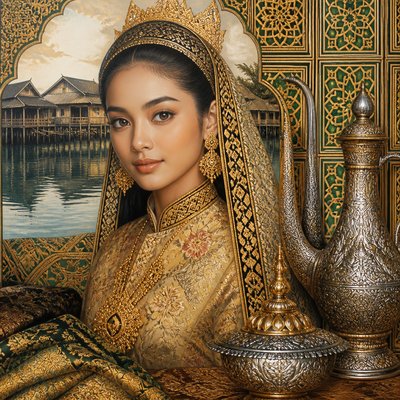
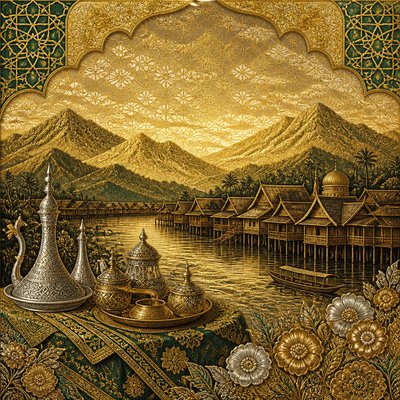
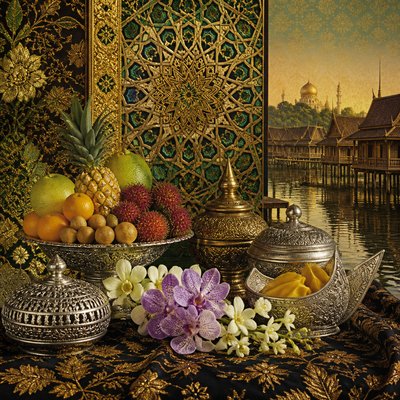
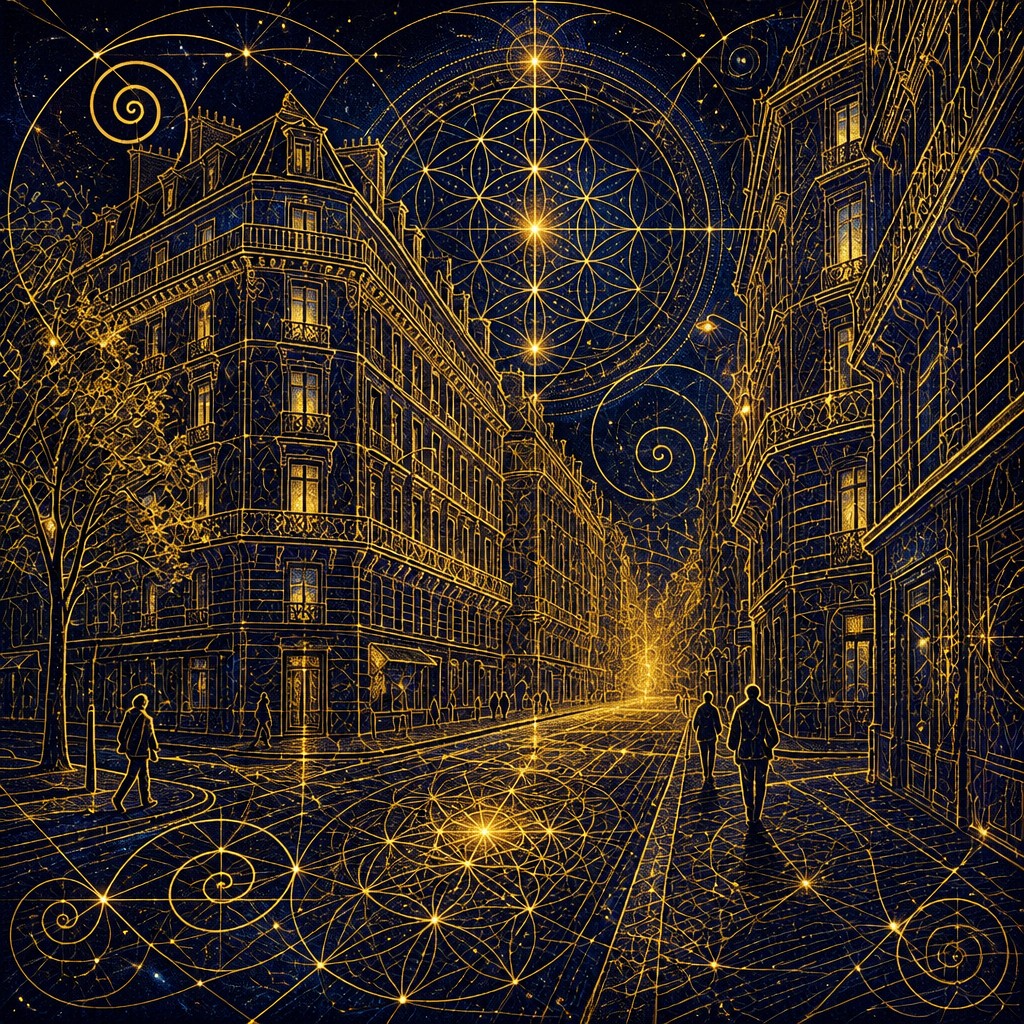
Sacred Geometric Gallery
Tap any artwork to explore it
What is Sacred Geometric Art?
Sacred geometric art is a symbolic, pattern-driven visual style built from mathematically ordered forms associated with spiritual traditions across cultures. Its core language includes circles, lattices, spirals, polygons, repeating radii, and mandala structures that organize images around balance, recursion, and proportional harmony.
The style is instantly recognizable by its precise linework and sense of cosmic order. Works often combine interlocking geometry with luminous centers, metallic highlights, and dark, space-like grounds, producing images that feel both technical and meditative. The look persists because geometry has long been used to represent unity, creation, and the hidden structure of nature.
Try It On Your Photos
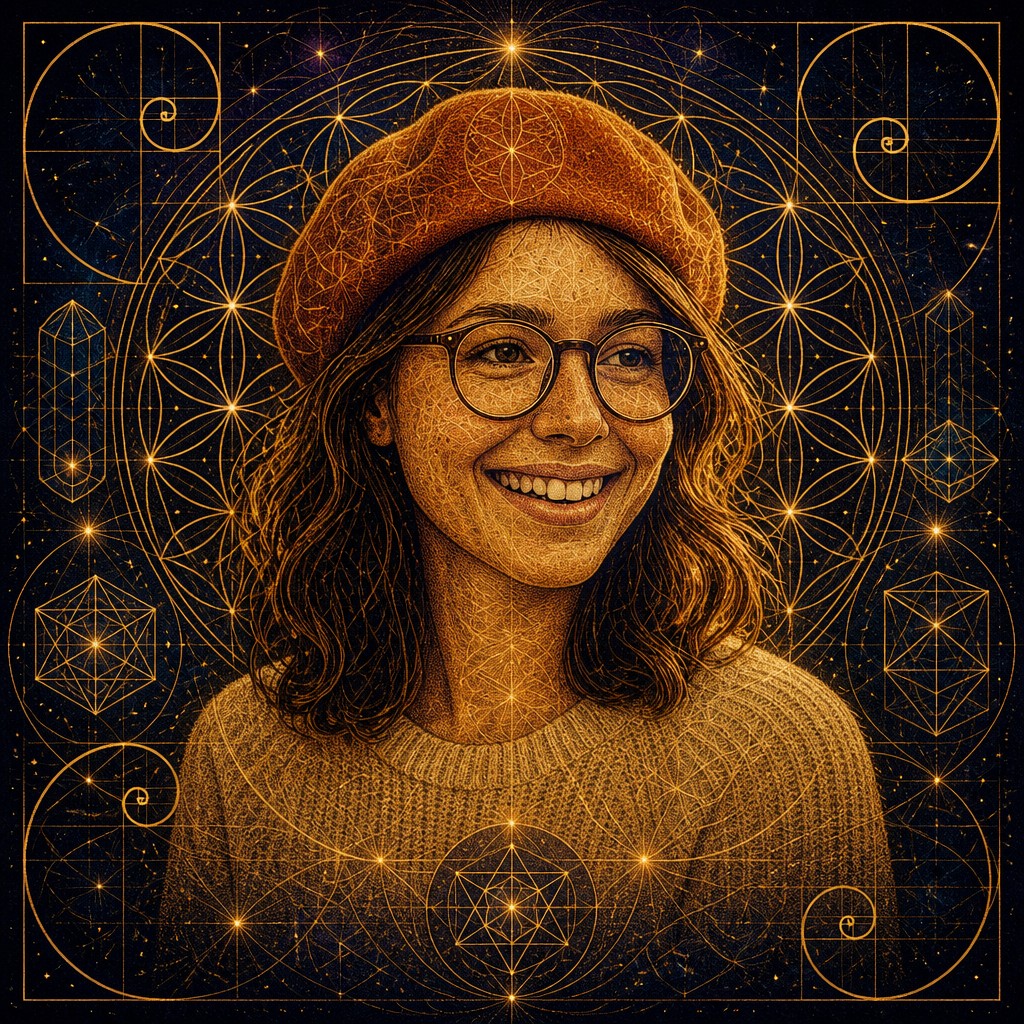
Upload any photo and convert it into Sacred Geometric Art — drag the sliders to compare before and after.


What Defines Sacred Geometric Art
The signature details, up close
Radial symmetry
Compositions are often organized around a central point, with repeated elements radiating outward in balanced circular arrangements. This creates the characteristic mandala-like structure and a feeling of visual stability.
Interlocking circles and lattices
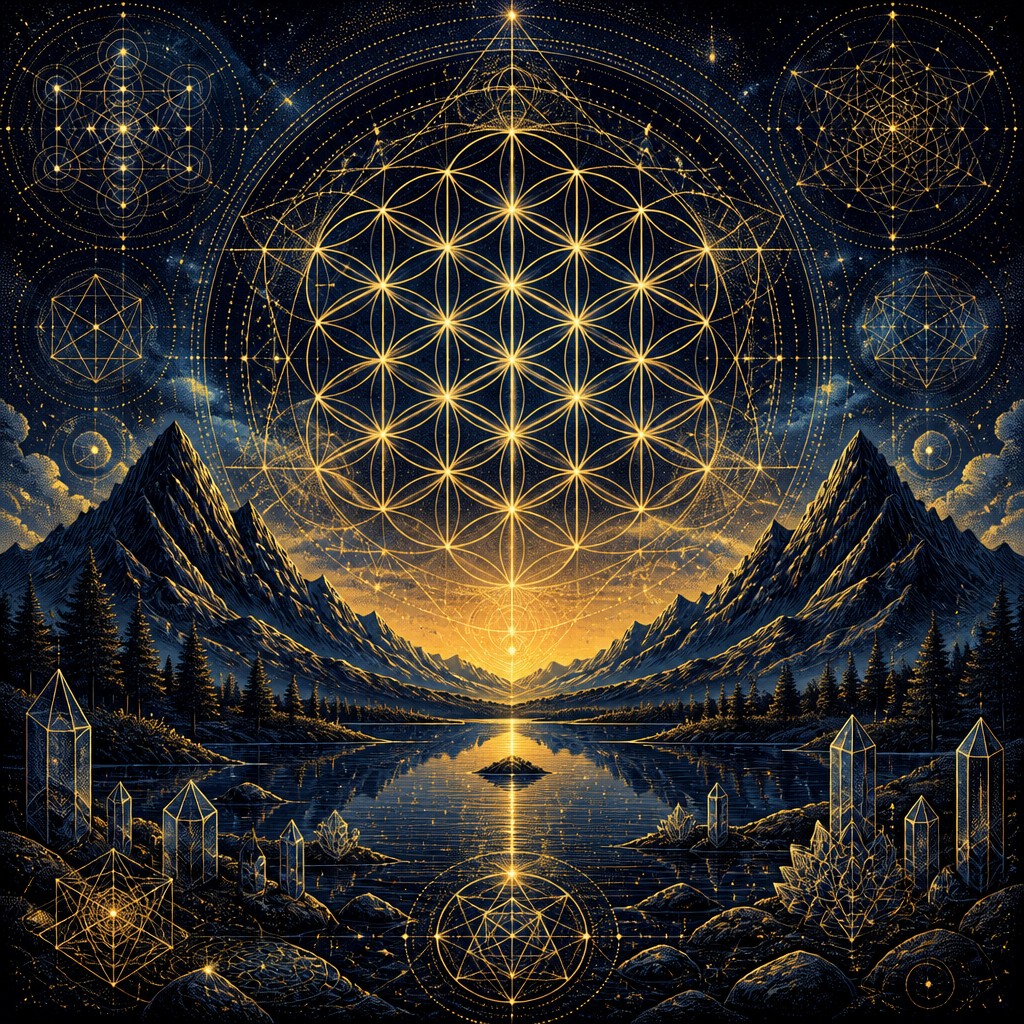
Overlapping circles, vesica piscis forms, and Flower of Life grids frequently anchor the design. These structures establish the foundational geometry from which other shapes appear to emerge.
Spirals and proportional sequences
Golden-ratio spirals, logarithmic curves, and recursive growth patterns introduce a sense of natural expansion. They connect the artwork to both organic forms and mathematical abstraction.
Fractal repetition
Motifs may recur at multiple scales, echoing themselves in nested layers or mirrored subdivisions. This repetition gives the image complexity without breaking its overall order.
Luminous node points
Intersections are often emphasized with glowing dots, highlights, or energy-like pulses. These nodes visually suggest activation, resonance, or spiritual significance.
Cosmic palette
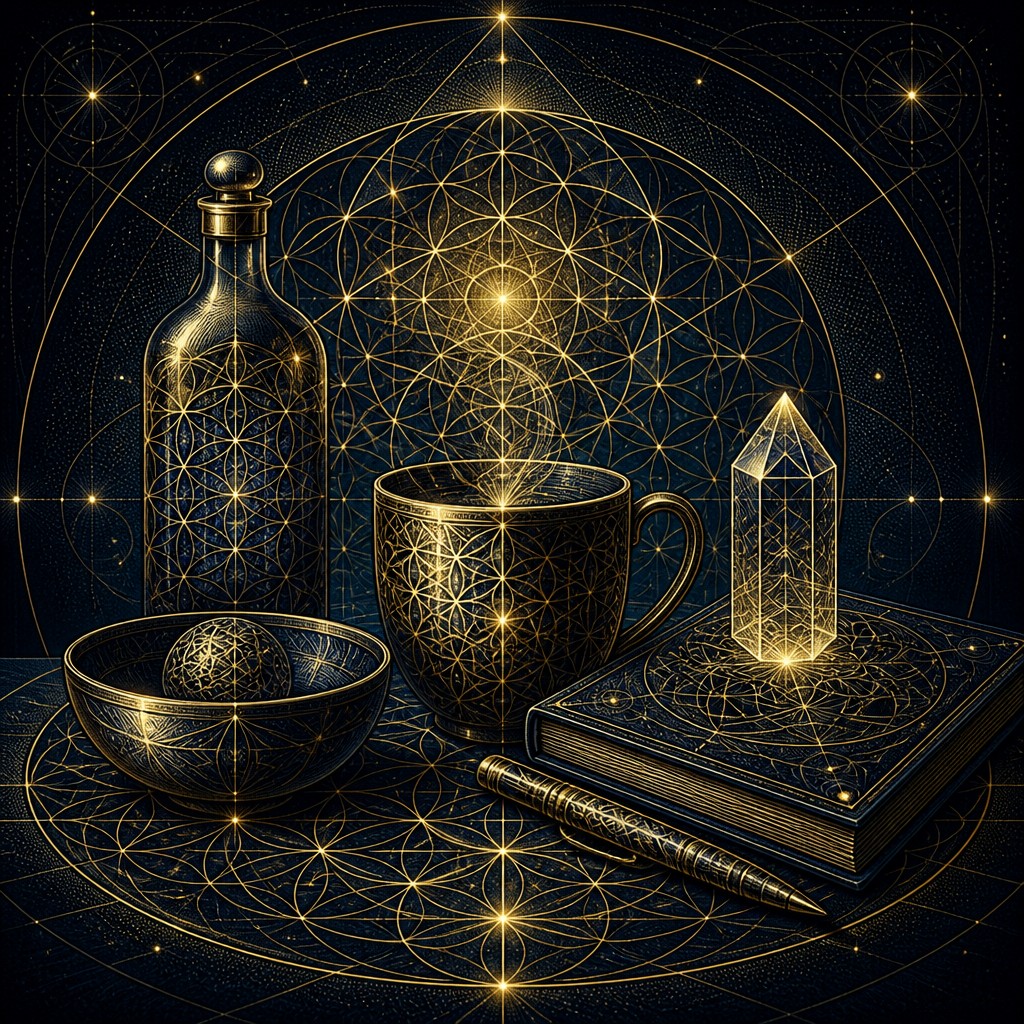
Deep indigo, black, ultramarine, gold, and white are common, often paired with metallic or neon accents. The palette helps frame geometry as radiant against a void-like background.
Try It
Create Videos in Sacred Geometric Art
Styles aren't just for stills — describe a scene or animate an image and get a short video rendered in Sacred Geometric. Press play to see this pond come to life.
Make a VideoSacred Geometric Prompt Ideas
Start from an idea — each one opens the generator with the style ready to go. See all 40 Sacred Geometric prompts →
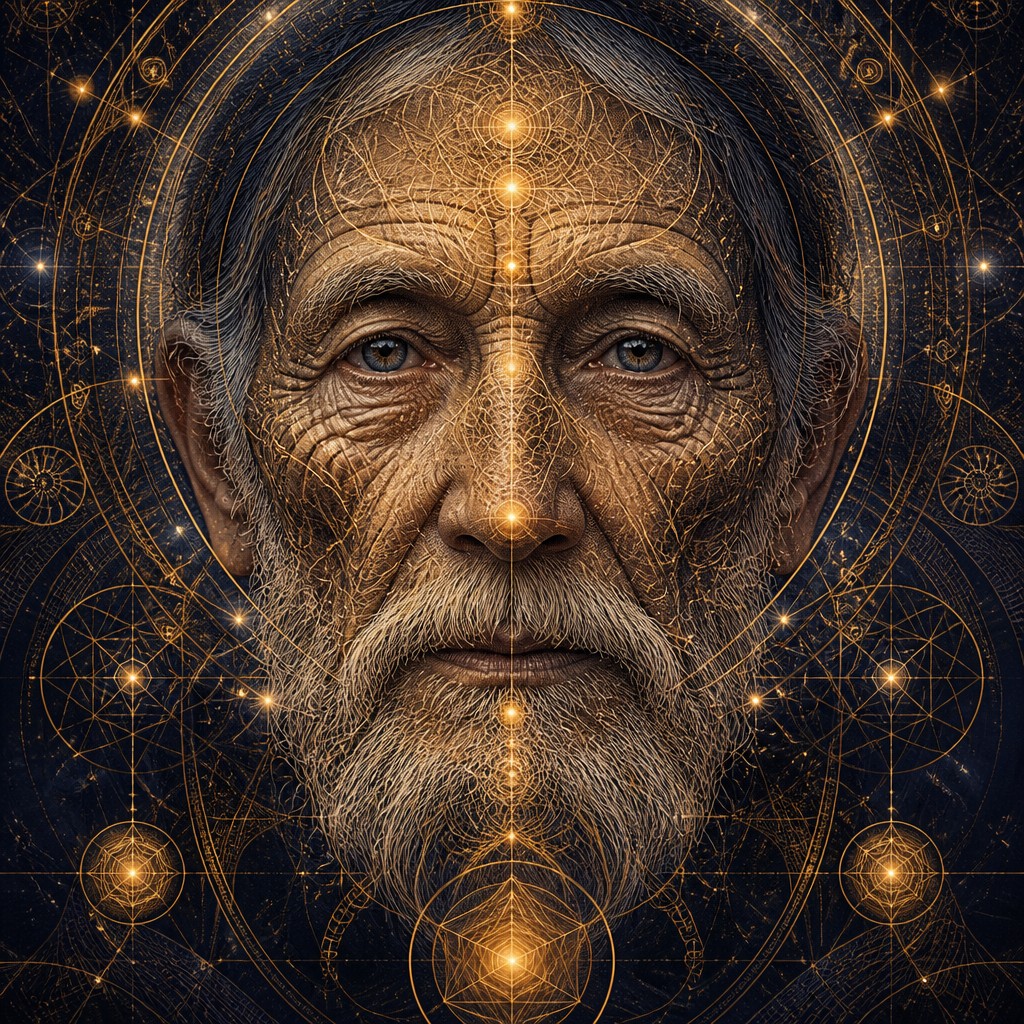
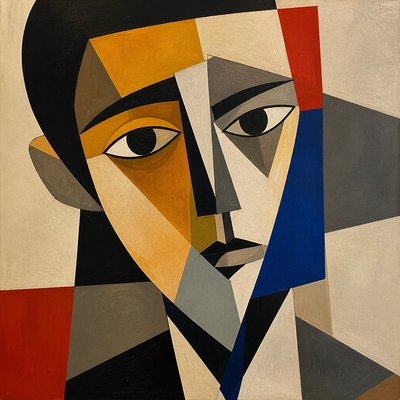
“close-up portrait of an elderly person with expressive weathered features”
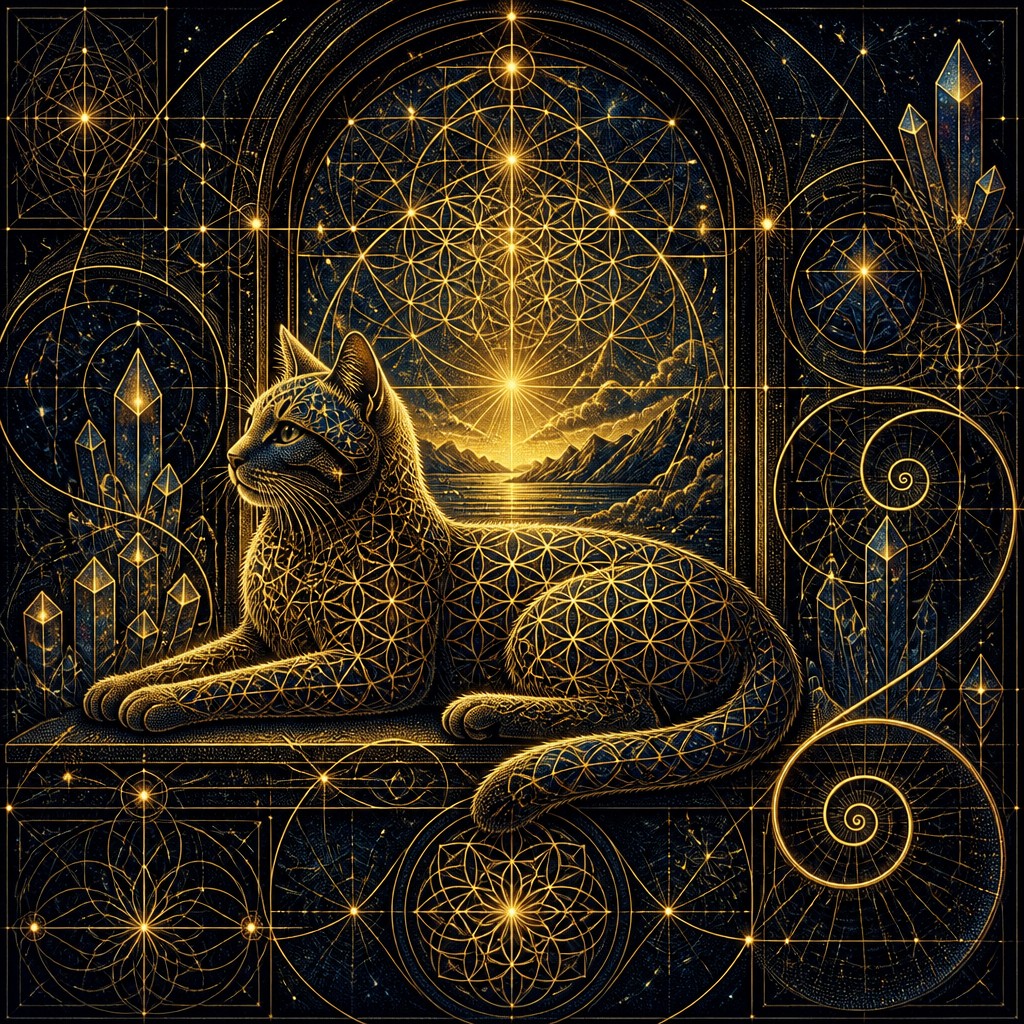
“a cat lounging in a sunlit window”
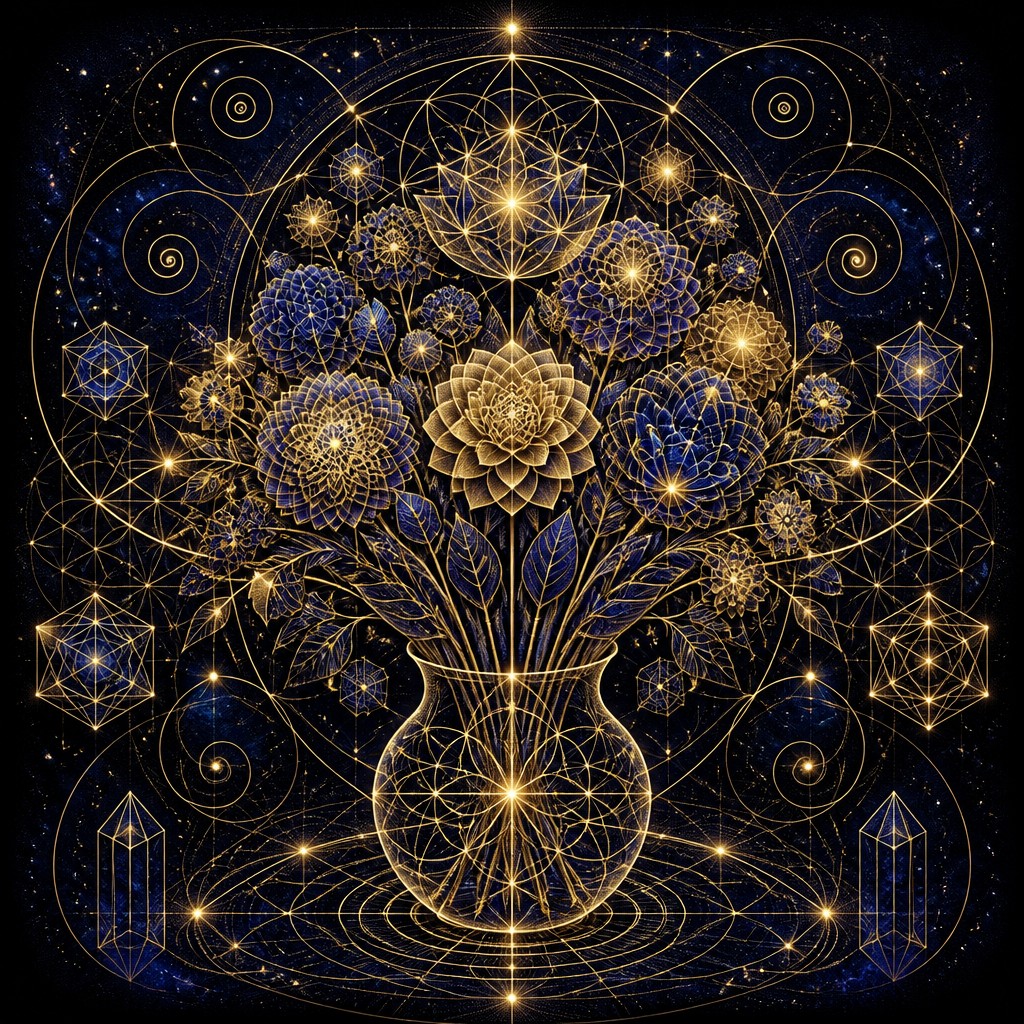
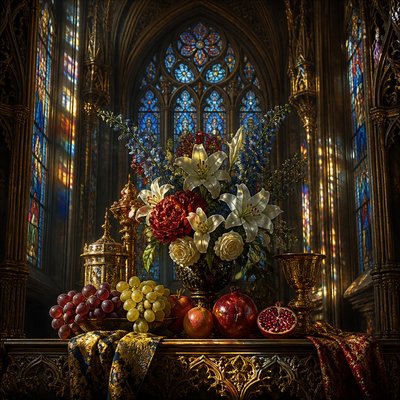
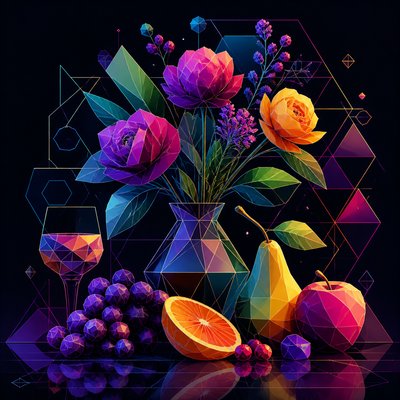
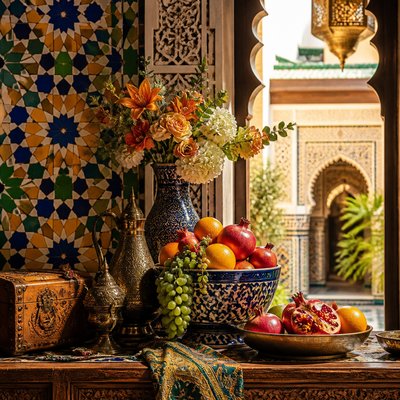
“bouquet of flowers in a glass vase”
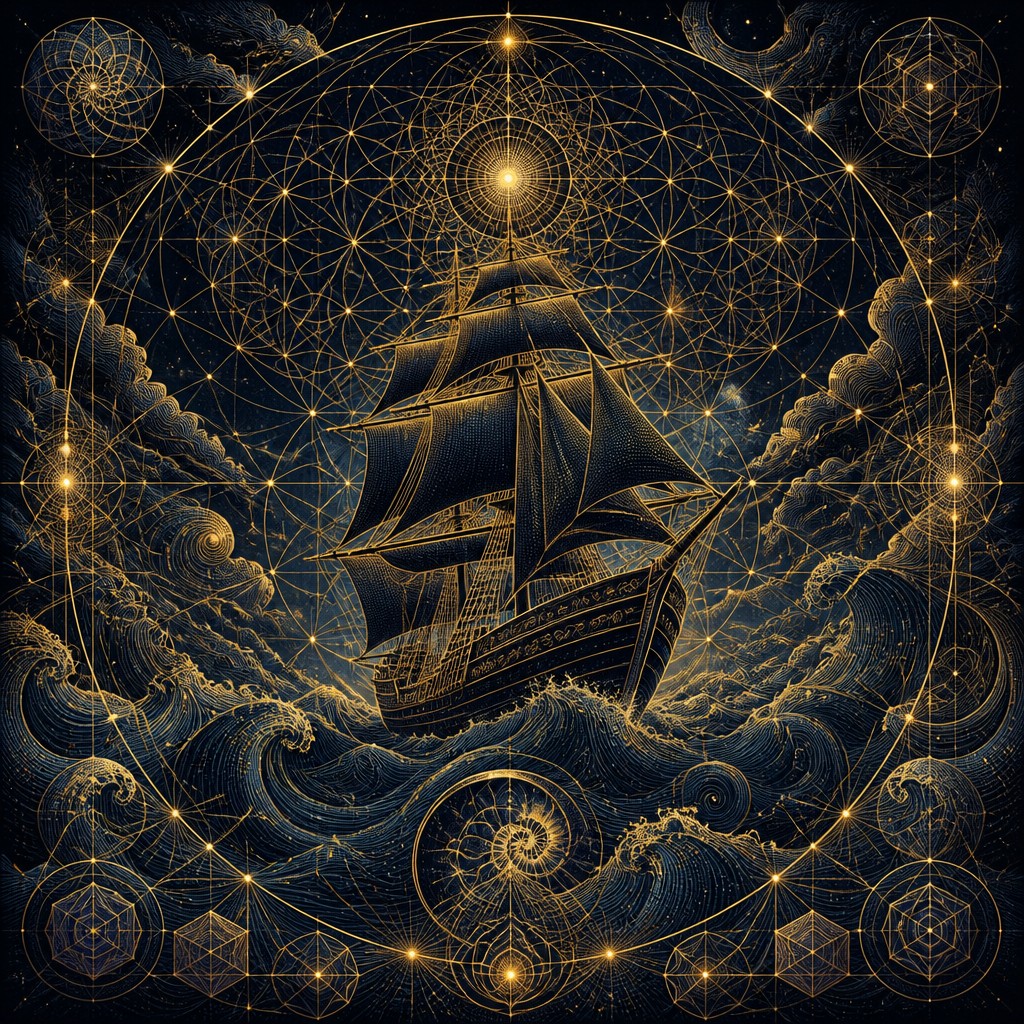
“sailing ship on a stormy sea”
How to Create Sacred Geometric Art
Master the craft step by step — or skip straight to creating. Read the full guide →
- 1
Build from a construction grid
Start with circles, triangles, hexagons, and concentric guides before adding decorative details. In traditional media, use compass, ruler, and tracing paper; in digital work, lay down vector guides or low-opacity sketch layers.
- 2
Center the composition on symmetry
Choose a focal point and mirror shapes around it so the design reads as balanced from the first glance. Keep rotational symmetry consistent unless you deliberately want a more organic, less canonical look.
- 3
Use line weight and precision carefully
Sacred geometry depends on clean edges and controlled line variation, so avoid shaky contours and incidental texture. Fine pens, technical drawing tools, or crisp vector paths are especially effective.
- 4
Add depth with selective glow and dotwork
Use stippling, gradient halos, or layered opacity to make the geometry feel dimensional without breaking its clarity. Emphasize intersections and centers so the image appears energized rather than flat.
- 5
Let symbolism guide the structure
Common motifs include mandalas, lotus-like rings, celestial diagrams, and nested polygons, but the subject can be anything from a human figure to a temple or animal. When generating with text prompts, specify the geometry, symmetry, palette, and surface treatment very clearly.
The Story
History & Origins of Sacred Geometric
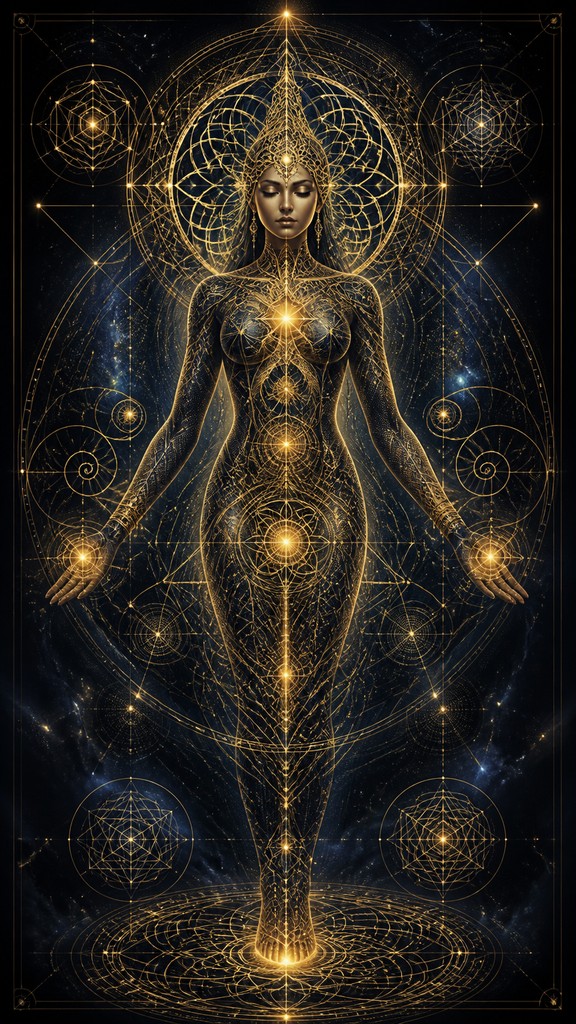
Sacred geometry is not a single historical art movement but a convergence of ideas from ancient architecture, ornament, cosmology, and ritual diagramming. Its visual vocabulary appears in many traditions, including Hindu and Buddhist yantras and mandalas, Islamic geometric ornament, medieval diagrammatic art, Renaissance theories of proportion, and modern esoteric symbolism. In contemporary usage, the style draws especially from New Age and occult interpretations of the Flower of Life, a central geometric lattice motif, and the golden ratio, which popularized these forms as emblems of universal order.
As an aesthetic lineage, sacred geometric art developed through repeated human fascination with symmetry, pattern, and mathematical regularity. Contemporary artists and designers often merge these older traditions with digital precision, creating highly polished compositions that mix ancient symbolism with modern vector aesthetics, fractal imagery, and luminous rendering.
Influences: Sacred geometric art draws from a wide range of visual traditions rather than a single school. Its closest historical relatives include Hindu and Buddhist mandala-making, Islamic geometric ornament, Renaissance proportional theory, and modern esoteric geometric systems; especially influential in contemporary usage are the Flower of Life and a central geometric lattice motif associated with esoteric diagramming. In terms of visual discipline, it also overlaps with minimalist line art, constructivist clarity, and digital vector design, though its symbolic emphasis distinguishes it from purely formal abstraction. As an aesthetic lineage, sacred geometric art developed through repeated human fascination with symmetry, pattern, and mathematical regularity. Contemporary artists and designers often merge these older traditions with digital precision, creating highly polished compositions that mix ancient symbolism with modern vector aesthetics, fractal imagery, and luminous rendering.

Frequently Asked Questions
What defines sacred geometric art?
It is defined by the use of mathematically ordered forms—especially circles, spirals, polygons, and symmetrical grids—arranged to suggest spiritual or cosmological meaning. The style usually emphasizes precision, repetition, and balance rather than gestural brushwork or painterly texture.
Is sacred geometric art a real historical art movement?
Not exactly. It is better understood as a contemporary style and symbolic visual language that draws from many older traditions, including mandalas, Islamic ornament, ancient architectural proportion systems, and modern esoteric diagrams.
How is it different from mandala art?
Mandala art is one important subset of sacred geometric art, but the broader style can include Flower of Life structures, crystalline lattices, spirals, and non-circular geometric systems. Sacred geometric work may also incorporate figurative subjects, cosmic symbolism, or architectural diagrams.
What subjects work well in this style?
Almost any subject can be translated into sacred geometry if it is organized through symmetry and proportional construction. Common choices include eyes, deities, animals, celestial bodies, temples, plants, and abstract spiritual emblems.
How do you make sacred geometric art look authentic?
Use mathematically consistent geometry, clean construction lines, and strong radial organization. Avoid random ornament; the composition should feel deliberate, measured, and internally coherent, even when it becomes highly decorative.
Where is sacred geometric art commonly used?
It appears in spiritual illustration, tattoo design, album covers, poster art, wellness branding, meditation visuals, fantasy imagery, and decorative digital art. Its strong symmetry and symbolic clarity make it especially effective in contexts that need a contemplative or mystical mood.
Create your first Sacred Geometric artwork
Describe anything — or upload a photo — and see it in Sacred Geometric Art in seconds.
Make Something with Sacred Geometric
Related Styles
Discover similar art styles