Buddhist Religious Art
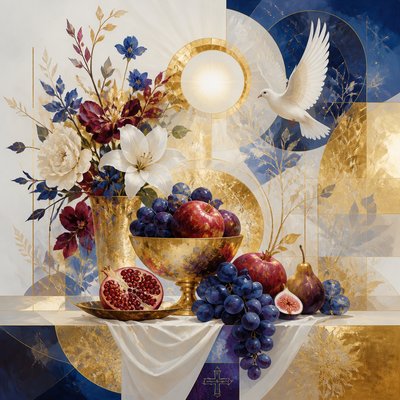
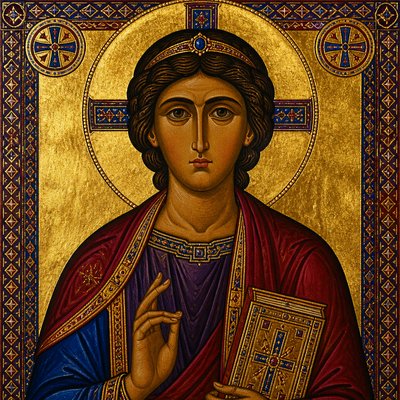
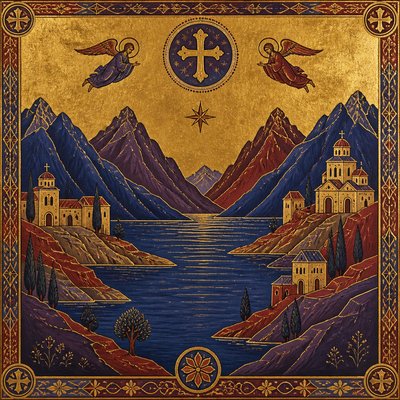
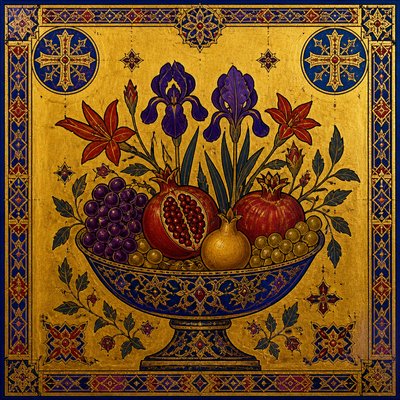
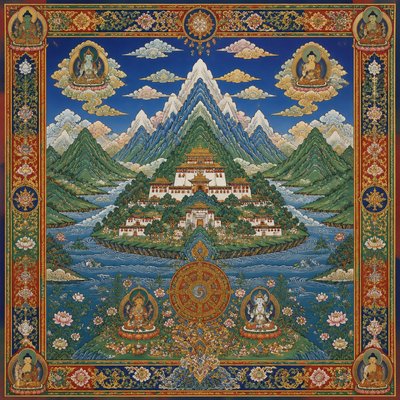
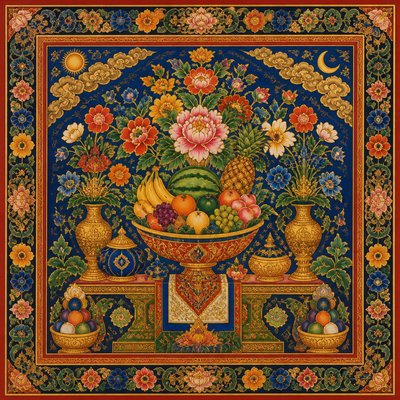
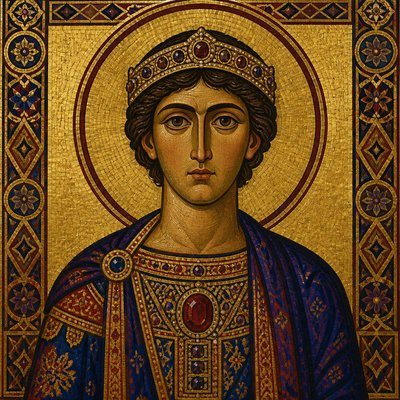
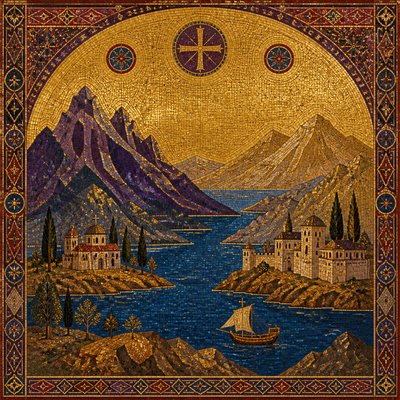
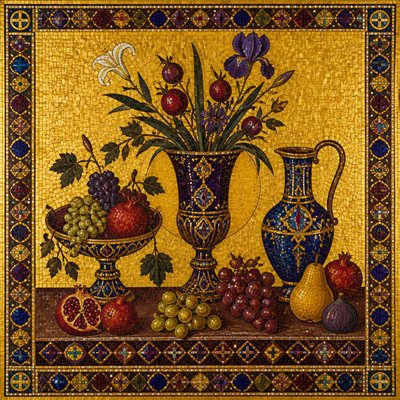
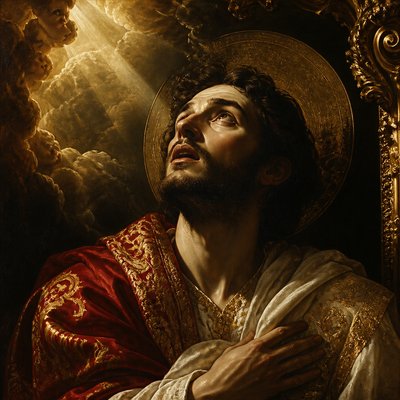
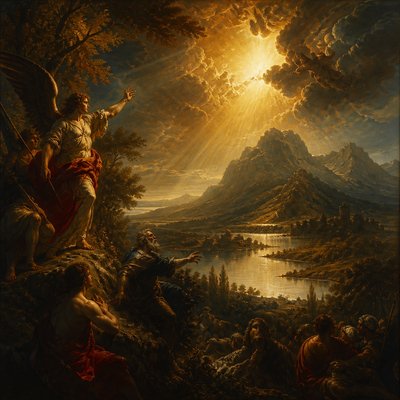
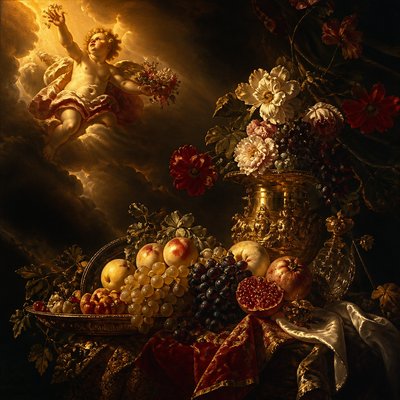
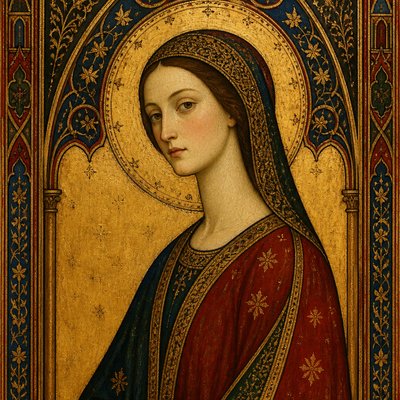
Serene sacred art with Enlightened Ones, mandalas, gold linework, jewel tones, and symmetrical ornament rooted in Buddhist visual traditions.
Instantly rendered in Buddhist Religious — or transform a photo
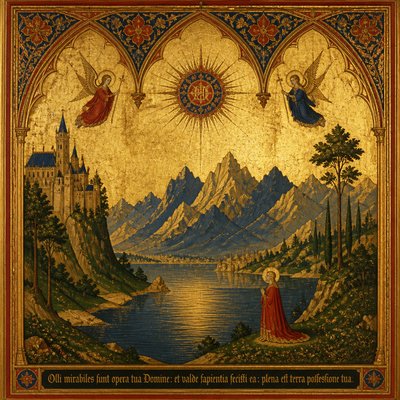
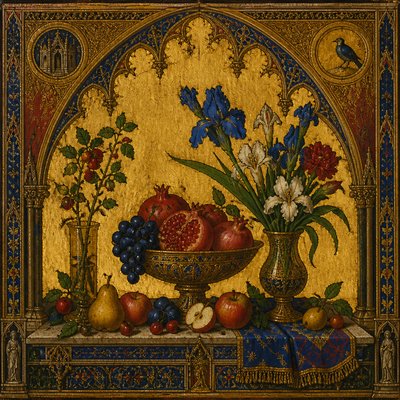
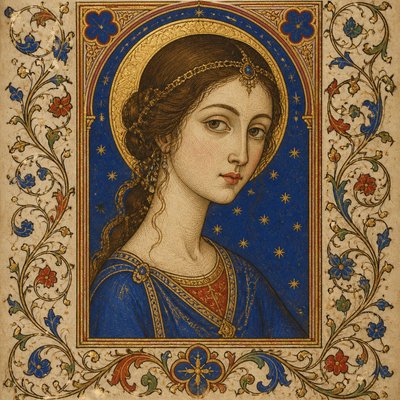
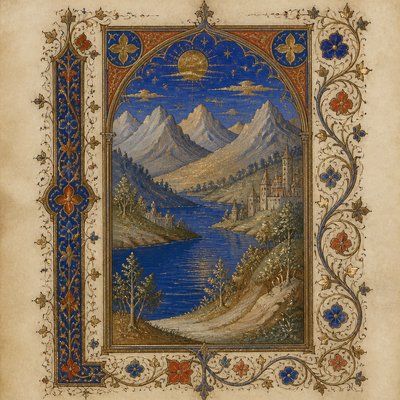
Buddhist Religious Gallery
Tap any artwork to explore it
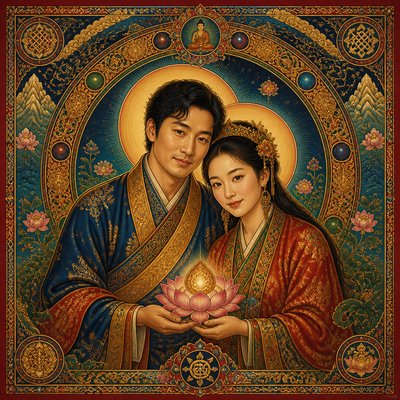
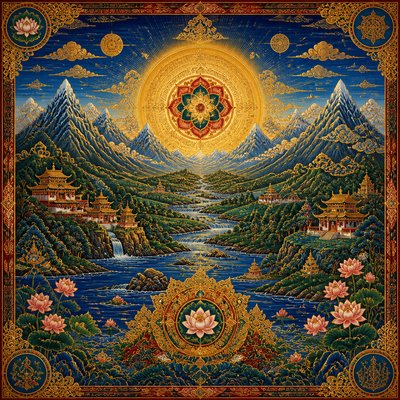
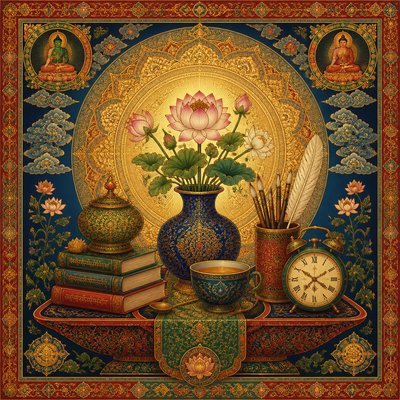
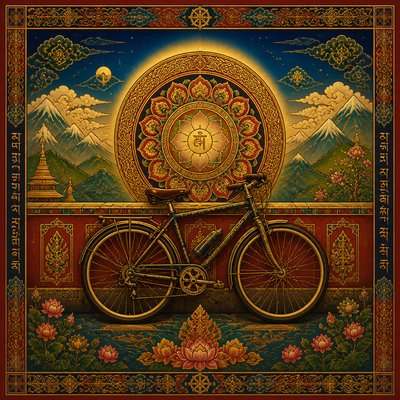
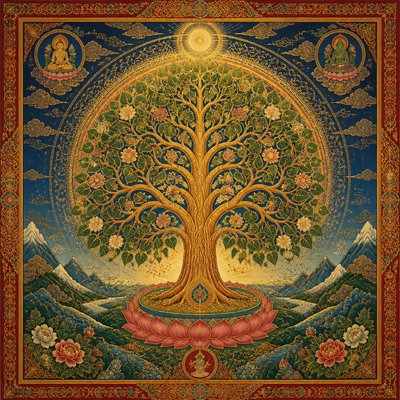
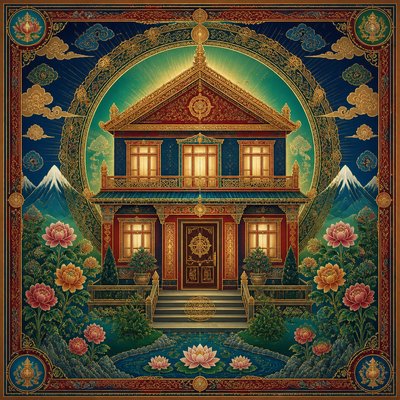
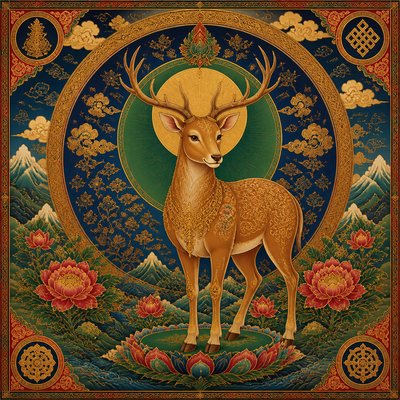
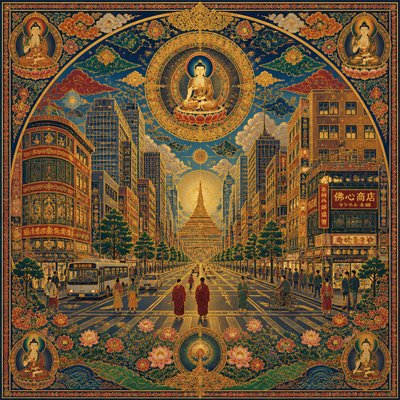
What is Buddhist Religious Art?
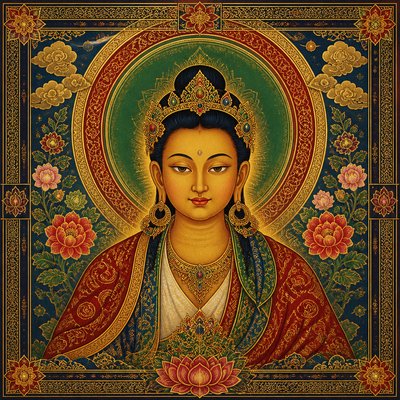
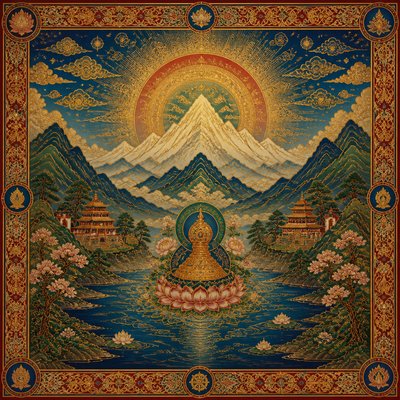
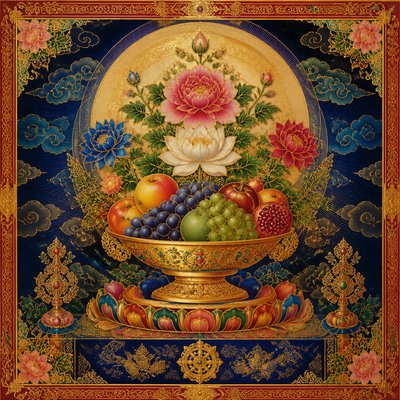
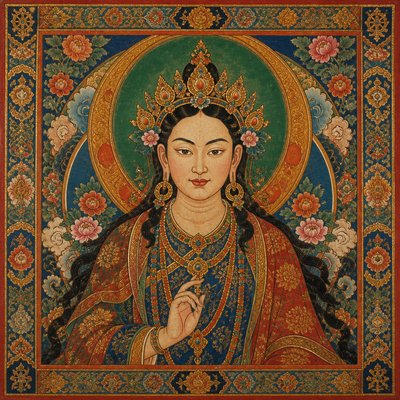
Buddhist Religious Art is a sacred visual tradition centered on figures of the Enlightened One, bodhisattvas, protective deities, mandalas, stupas, and symbolic offerings. Its purpose is not merely decorative: the imagery is designed for devotion, meditation, ritual use, and the communication of Buddhist teachings. Across regions such as Tibet, Nepal, India, Bhutan, Japan, China, Sri Lanka, and Southeast Asia, the style adapts to local materials and beliefs while preserving a sense of reverence, balance, and spiritual clarity.
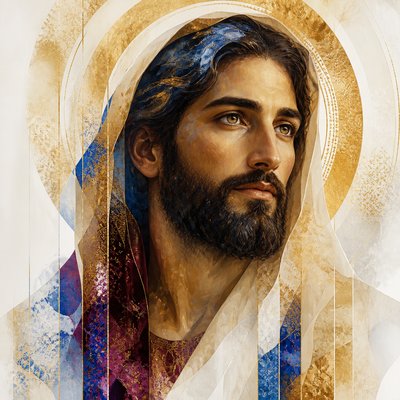
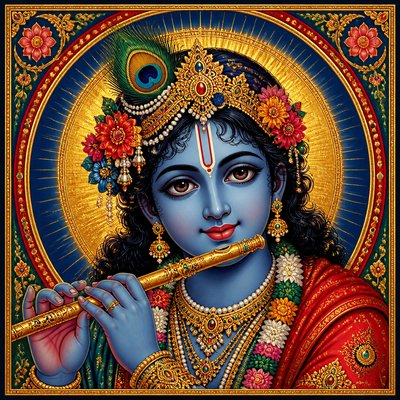
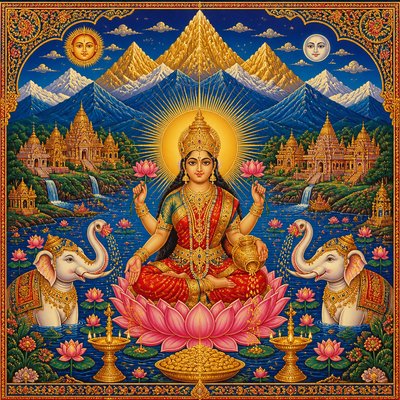
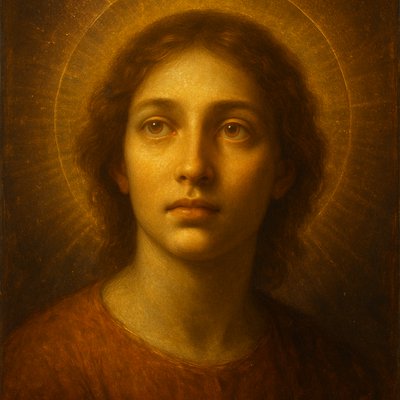
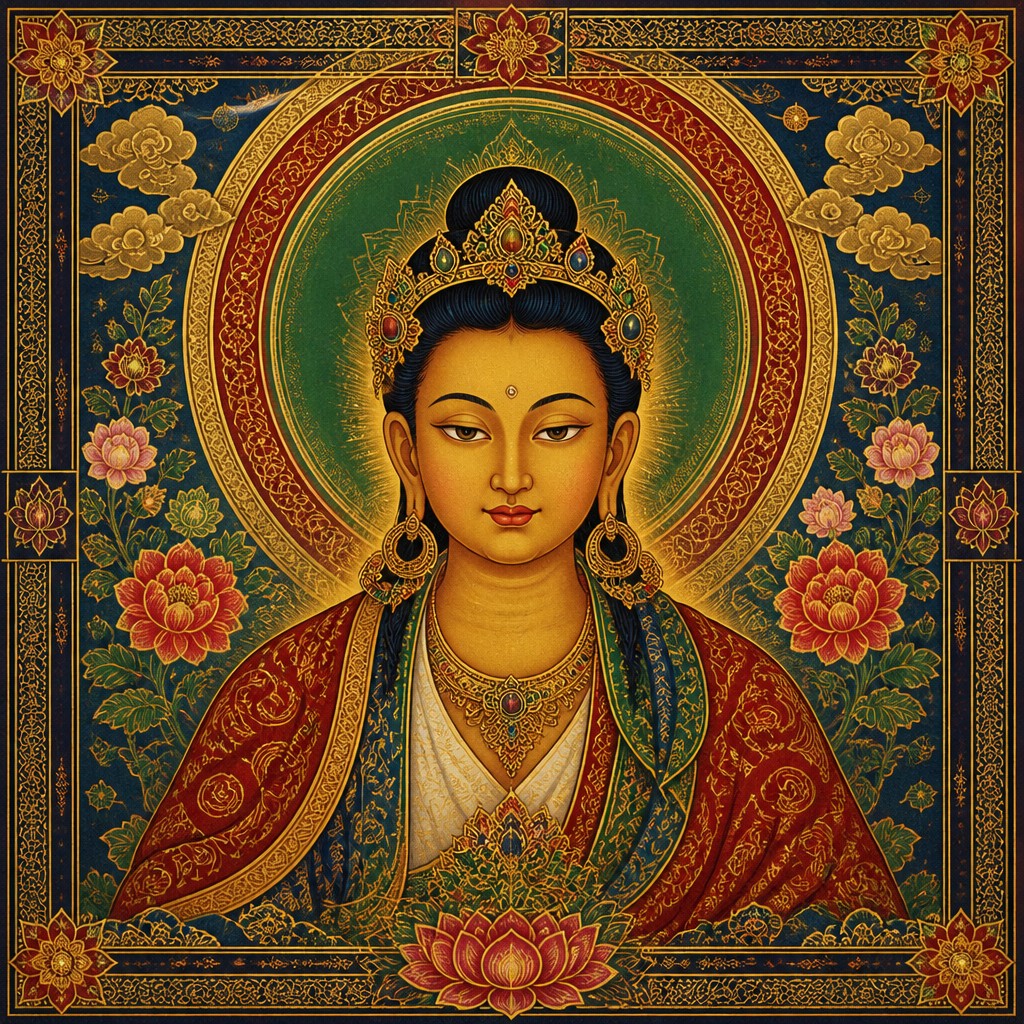
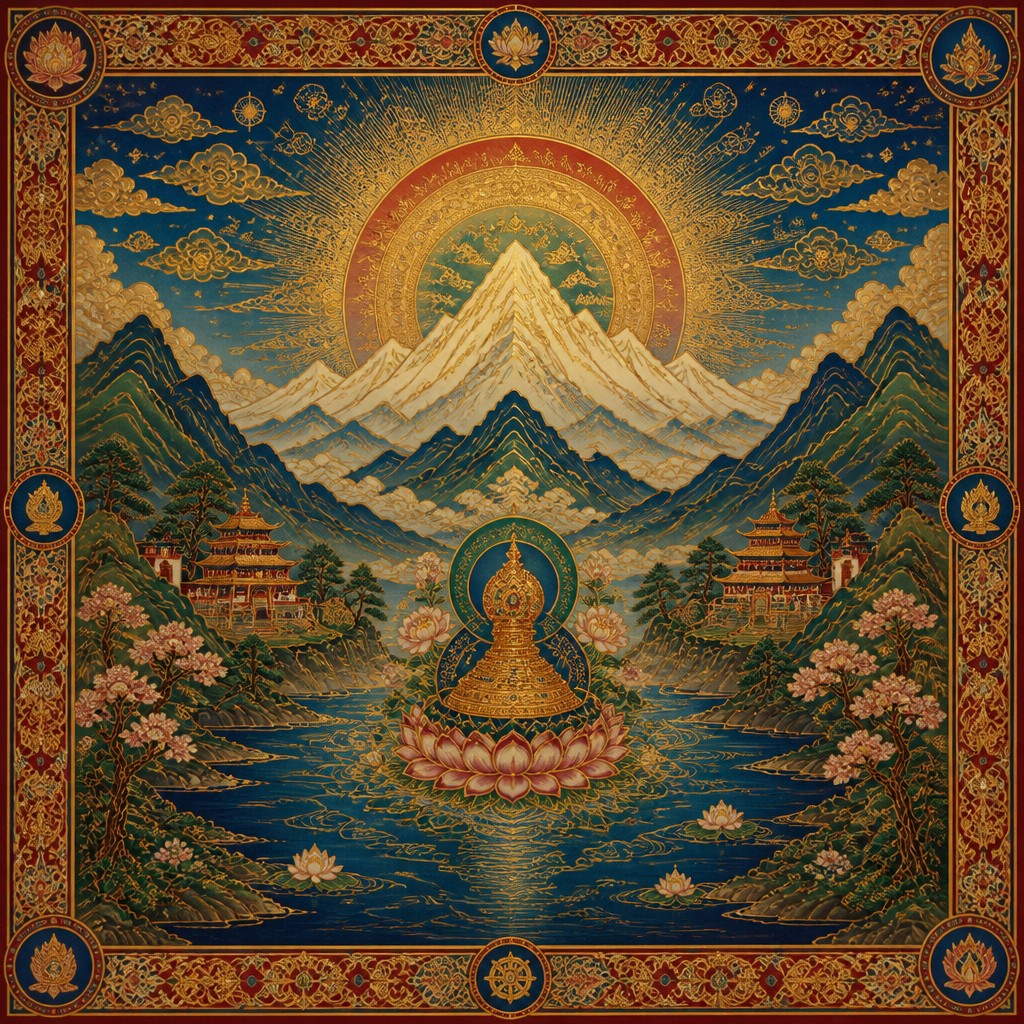
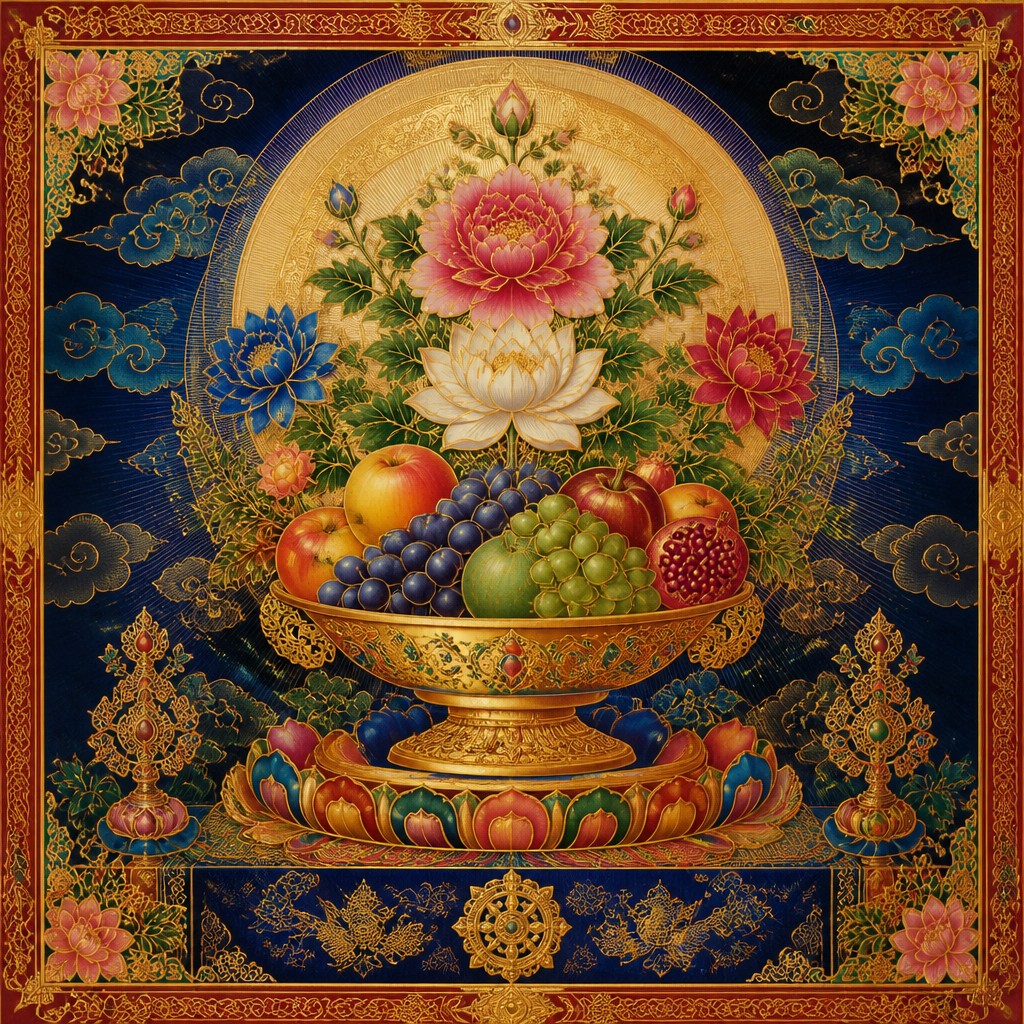
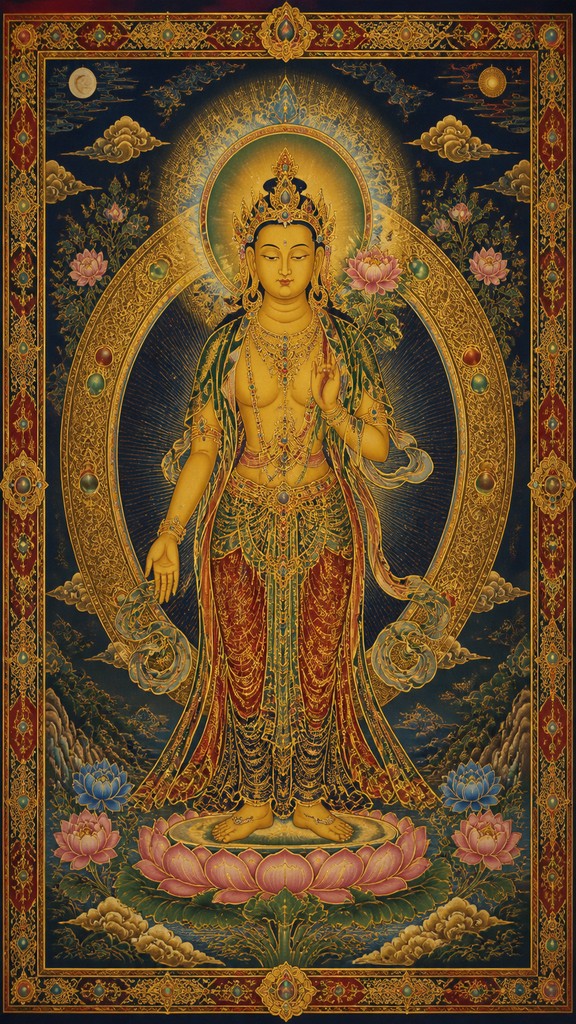
Visually, the style is marked by symmetrical compositions, luminous gold accents, jewel-like colors, and precise ornamental detailing. Figures are often frontal, iconically posed, and surrounded by halos, lotus thrones, or radiating mandalas. The look arises from its ritual function: images are constructed to support visualization, contemplation, and sacred presence rather than naturalistic illusion. As a result, Buddhist Religious Art often feels still, ordered, and transcendently calm.
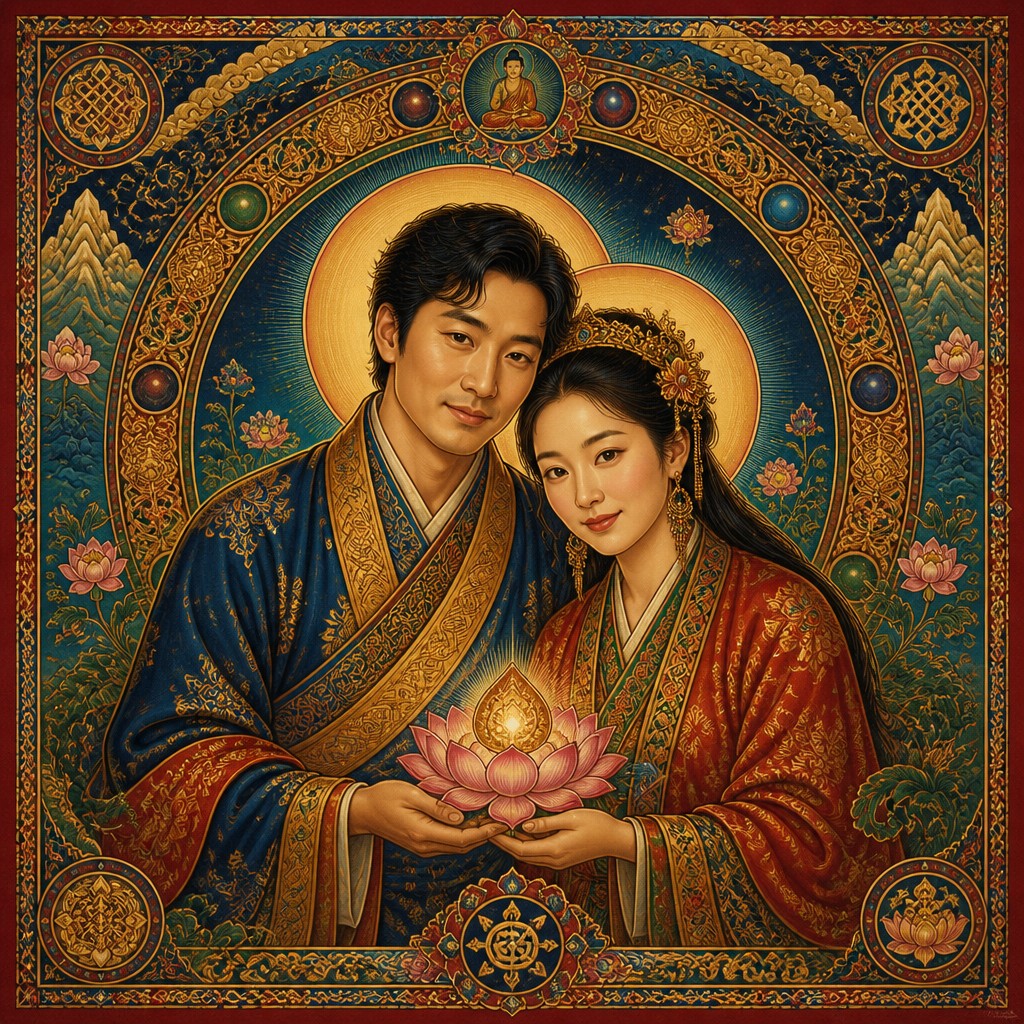
Try It On Your Photos
Upload any photo and convert it into Buddhist Religious Art — drag the sliders to compare before and after.
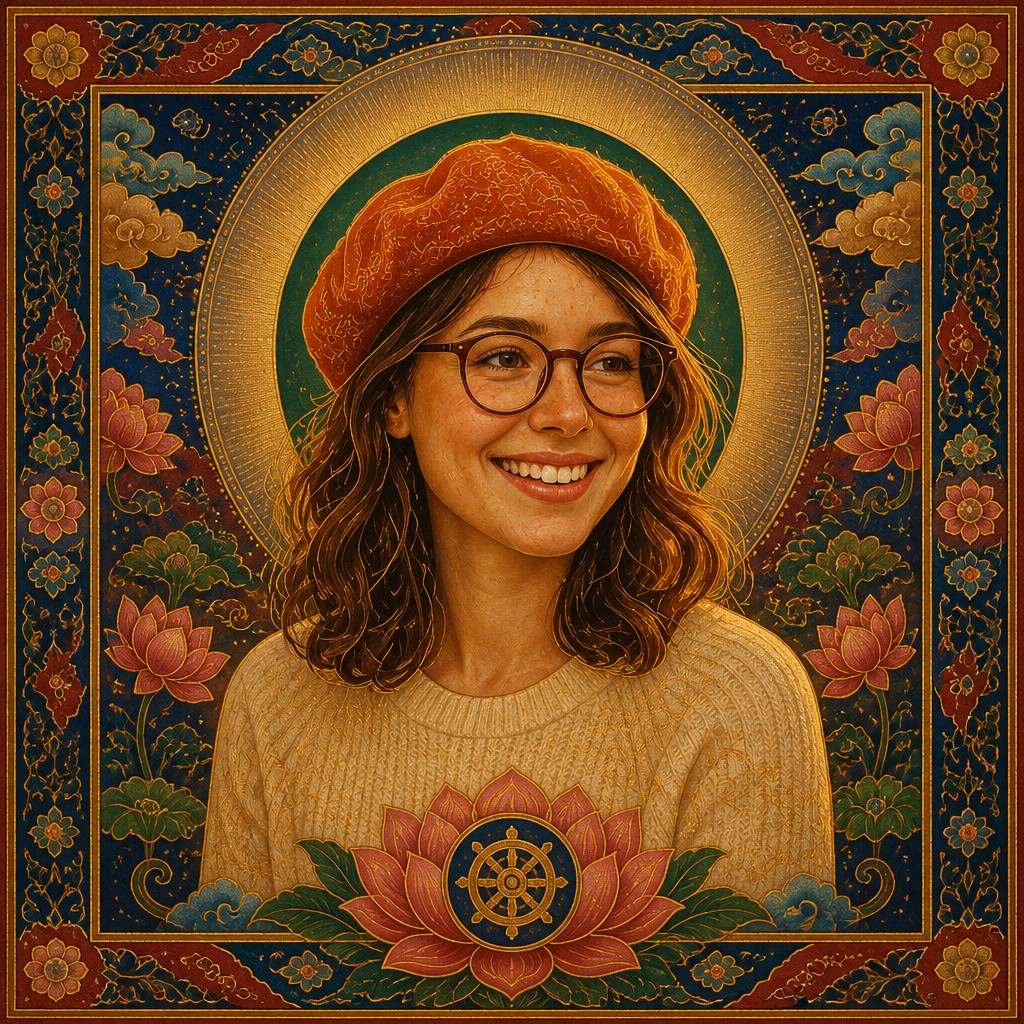

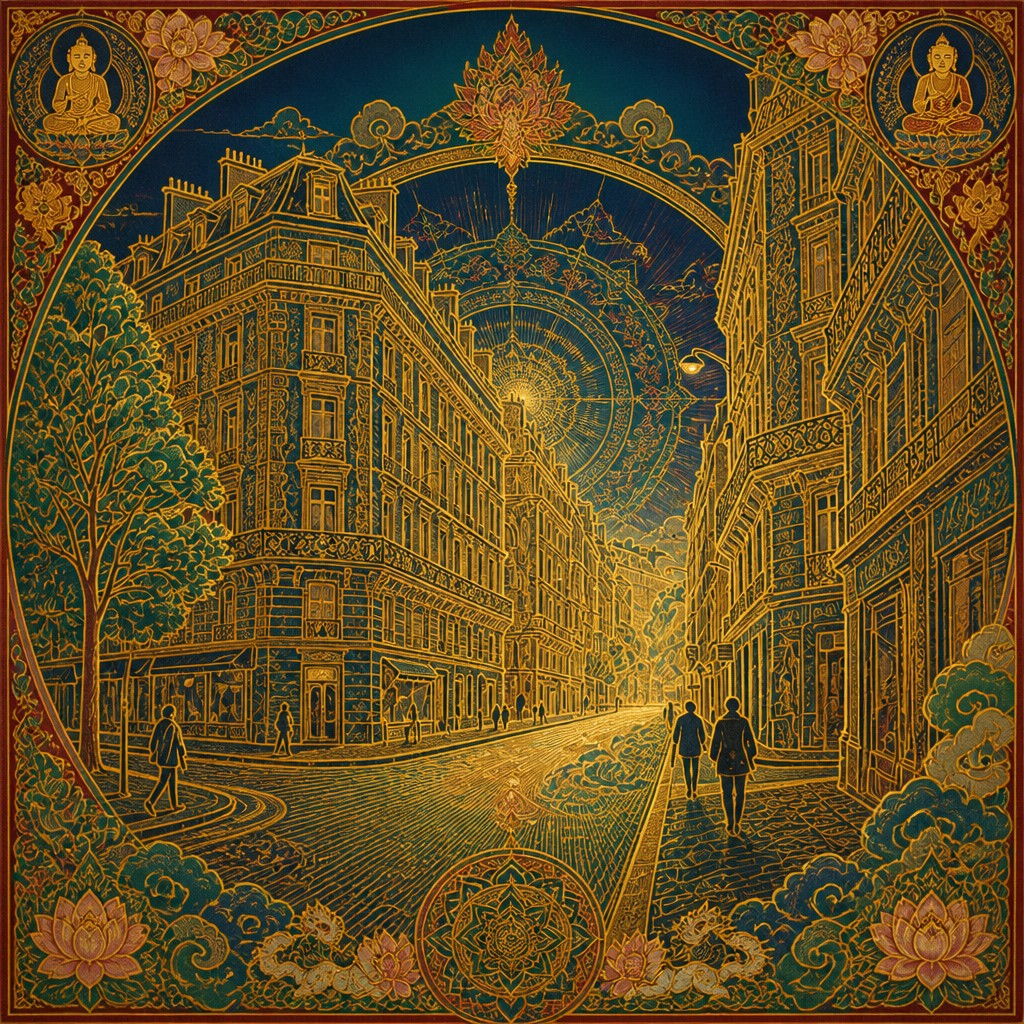

What Defines Buddhist Religious Art
The signature details, up close
Iconic Buddhist figures
Enlightened beings, bodhisattvas, arhats, and guardians are depicted as symbolic presences rather than individualized portraits. Their gestures, hand mudras, and seated postures carry precise doctrinal meanings.
Symmetrical sacred composition
Designs are typically centered and balanced, often organized around a single deity or a mandala-like geometry. This symmetry reinforces meditation, stability, and ritual order.
Gold linework and luminous accents
Thin golden outlines, halos, and decorative highlights suggest sanctity and inner radiance. Gold is often used to signal divine presence, preciousness, and spiritual illumination.
Jewel-toned palette
Deep reds, lapis blues, emerald greens, saffron, and warm ochres are common, often set against dark grounds or rich patterned fields. The colors evoke vitality while maintaining a reverent atmosphere.
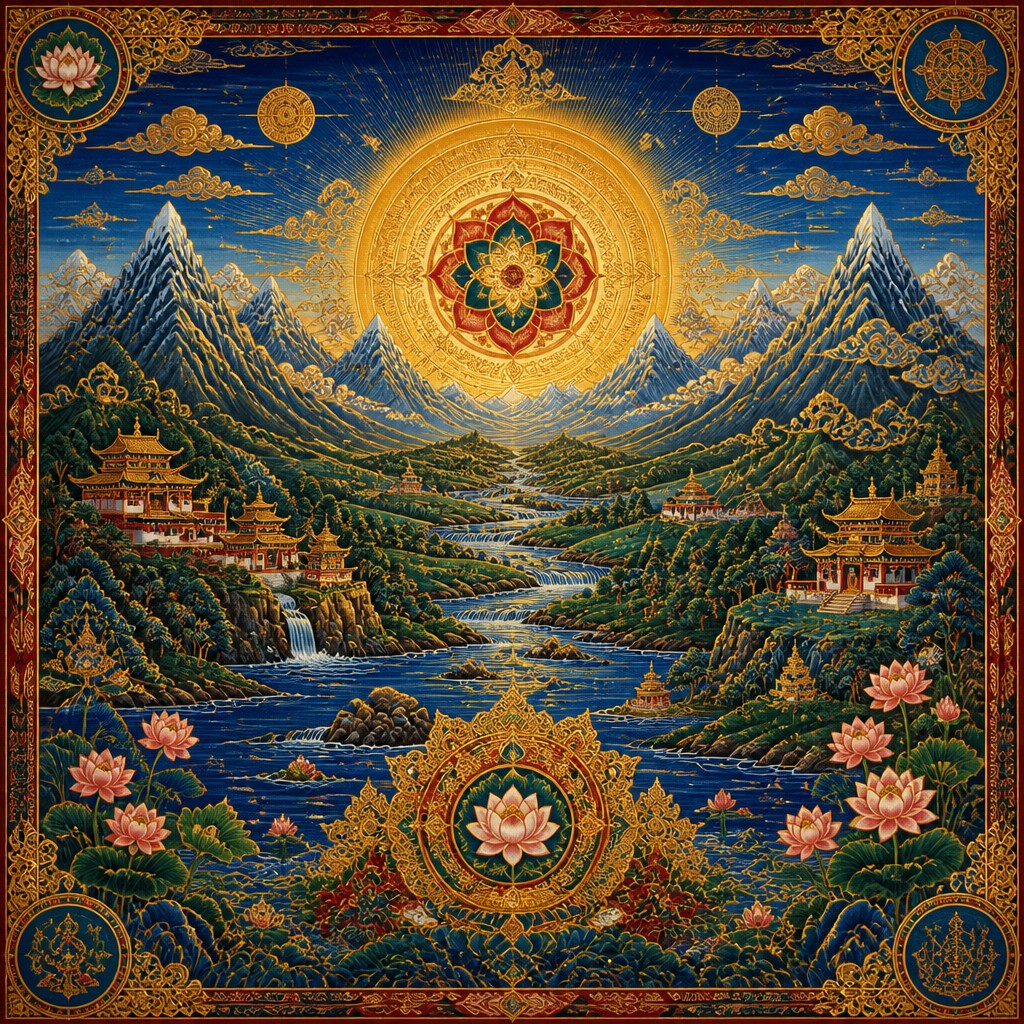
Ornamental borders and motifs
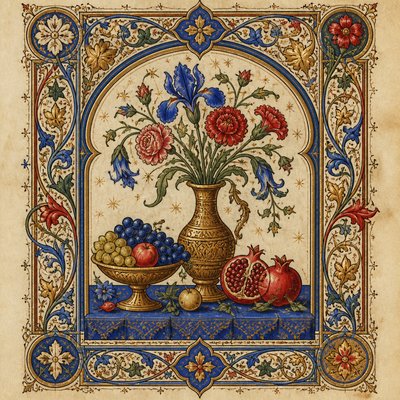
Lotus petals, clouds, flames, beads, jewelled arches, and floral scrolls frame the central image. These motifs are decorative but also highly symbolic, referring to purity, wisdom, and transcendence.
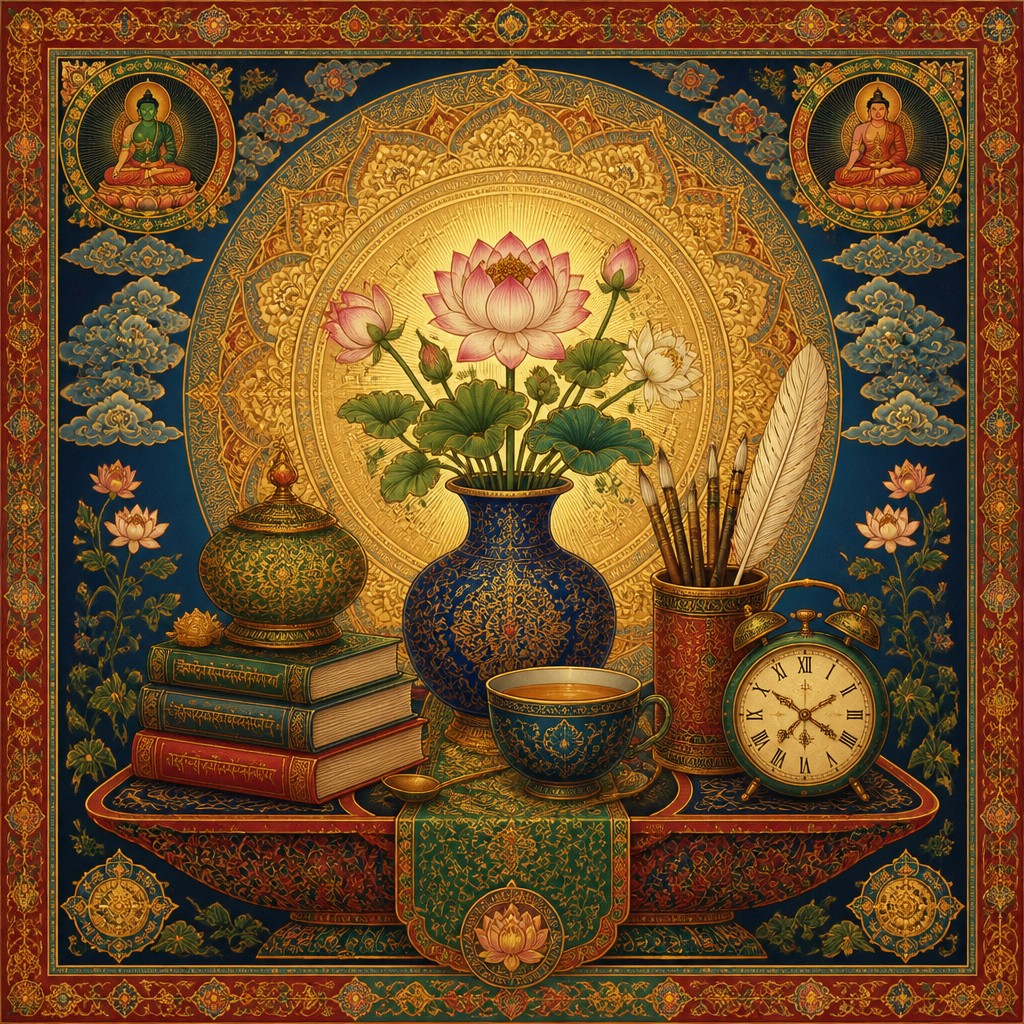
Mandala-like radiance
Circular halos, nested rings, and radiating geometry often surround the central figure. This structure conveys cosmological order and the path from ordinary perception to enlightenment.
Try It
Create Videos in Buddhist Religious Art
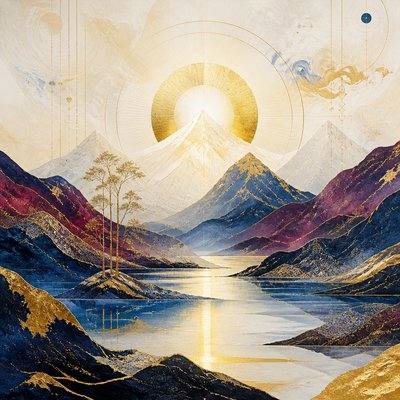
Styles aren't just for stills — describe a scene or animate an image and get a short video rendered in Buddhist Religious. Press play to see this pond come to life.
Make a VideoBuddhist Religious Prompt Ideas
Start from an idea — each one opens the generator with the style ready to go. See all 40 Buddhist Religious prompts →
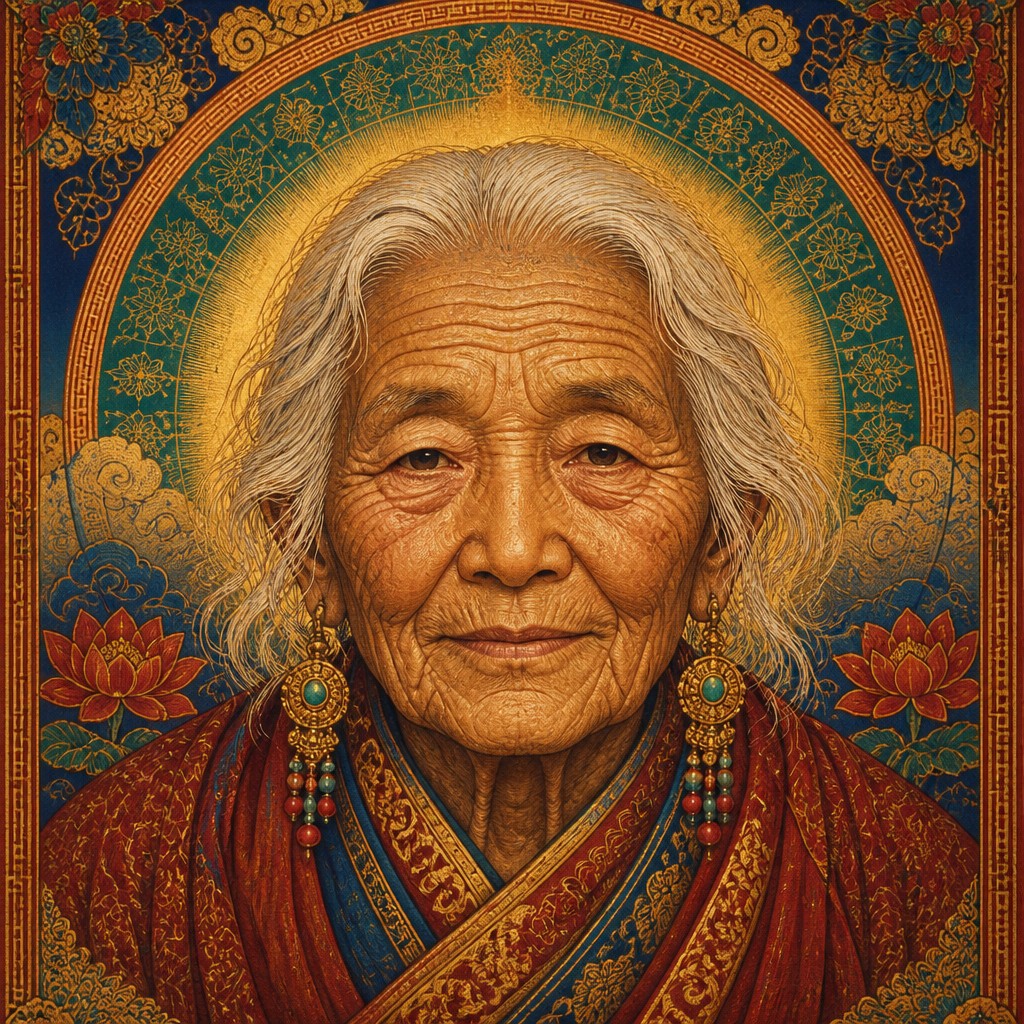
“close-up portrait of an elderly person with expressive weathered features”
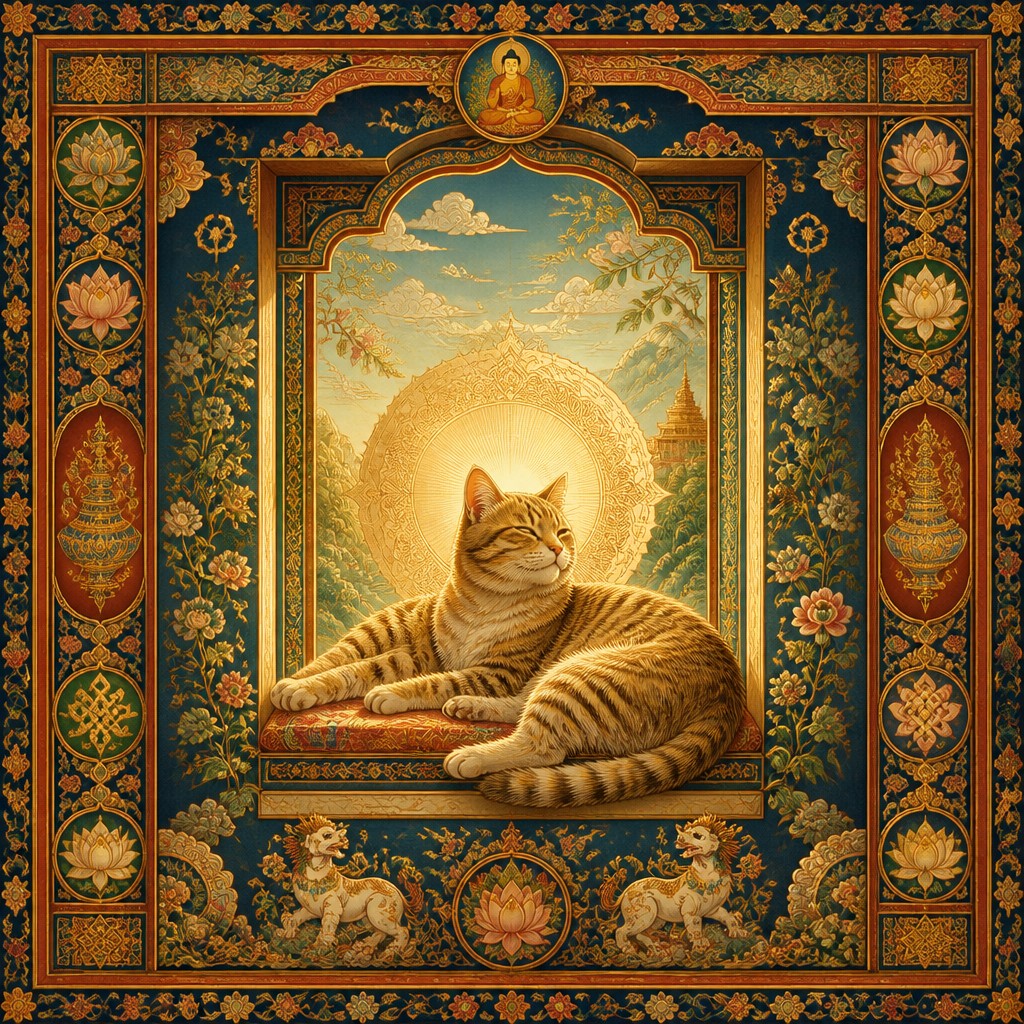
“a cat lounging in a sunlit window”
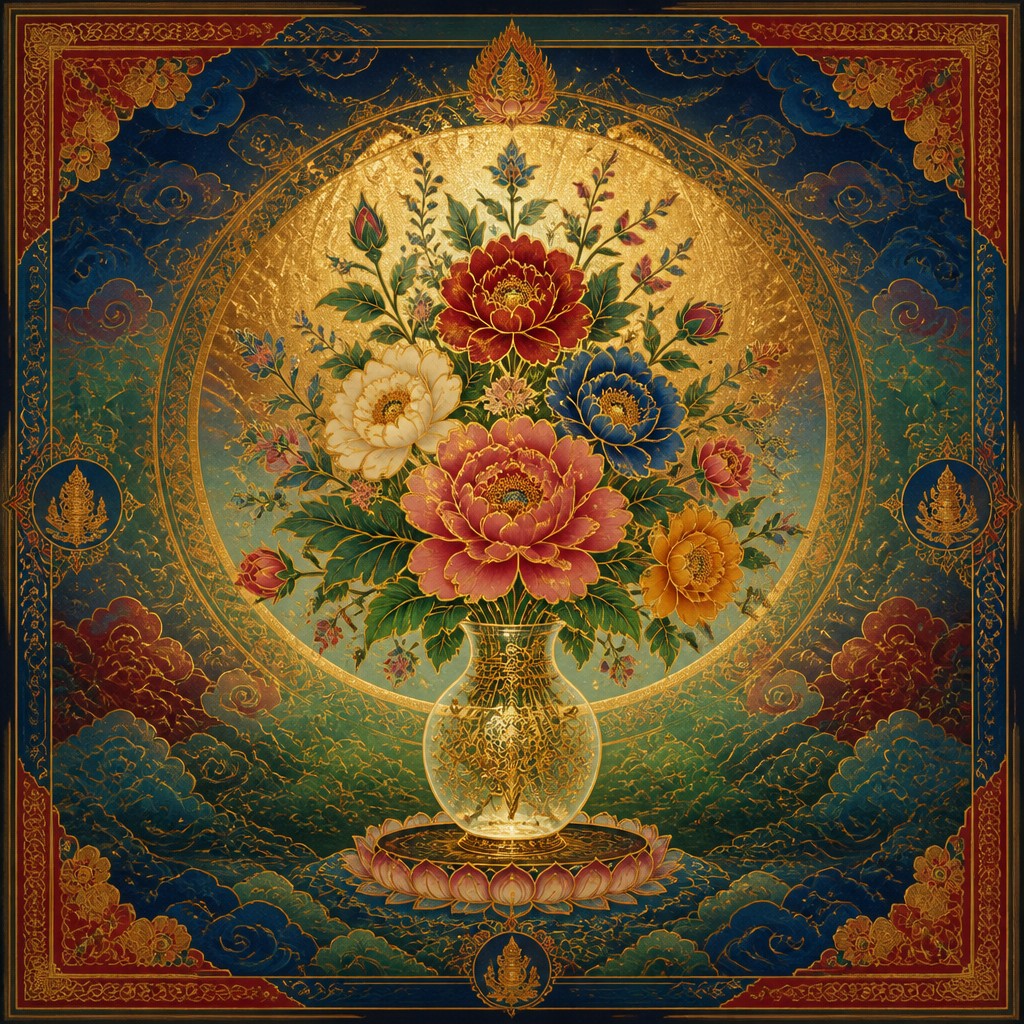
“bouquet of flowers in a glass vase”
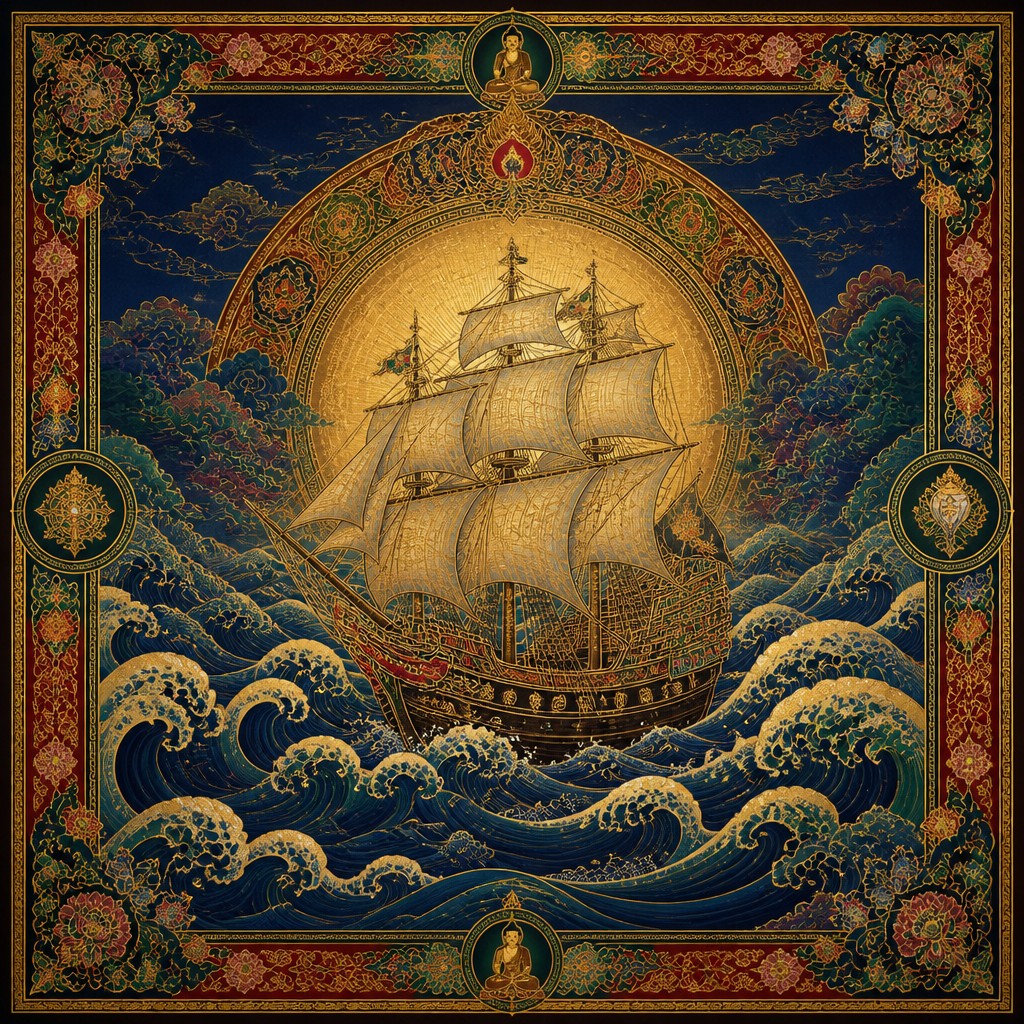
“sailing ship on a stormy sea”
How to Create Buddhist Religious Art
Master the craft step by step — or skip straight to creating. Read the full guide →
- 1
Build the composition around a sacred center
Start with a single focal figure or mandala and organize everything symmetrically around it. Use frontal poses, aligned axes, and balanced spacing so the image feels stable and contemplative.
- 2
Use refined linework and layered ornament
In traditional media, thinned mineral pigments, ink, and gold can be layered to create crisp contours and luminous details. In digital work, emulate this with clean vector-like edges, delicate patterning, and restrained texture rather than painterly chaos.
- 3
Choose colors with spiritual hierarchy
Reserve gold for halos, sacred outlines, and highlights, then support it with saturated jewel tones. Avoid muddy mixtures; the palette should feel precious, legible, and ceremonially controlled.
- 4
Include canonical symbols, not random decoration
Lotus thrones, prayer beads, dharma wheels, stupas, flames, clouds, and auspicious offerings help the image read as Buddhist. If you are depicting a specific deity, research its mudras, attributes, and iconographic rules before composing.
- 5
For photos, simplify and sanctify
When transforming an existing image, reduce visual clutter and favor frontal clarity, balanced framing, and glowing edges. Portraits, landscapes, and objects work best when translated into a calm icon-like arrangement with decorative framing.
- 6
For prompt-based generation, specify sacred materials and mood
Mention thangka-like ornament, gold leaf accents, mandala symmetry, jewel tones, halos, and meditative stillness. The more you define structure and materials, the more reliably the result will read as Buddhist sacred art.
The Story
History & Origins of Buddhist Religious
Buddhist art developed after the rise of Buddhism in ancient India, with early monumental work appearing at sites such as Bharhut, Sanchi, and Amaravati, and later aniconic symbols giving way to explicit images of the Enlightened One in the Gandharan and Mathuran traditions. As Buddhism spread across Asia, its imagery absorbed local artistic languages while maintaining core iconography: seated Enlightened Ones, lotus motifs, dharmachakras, mandalas, wrathful guardians, and scenes from the Jataka tales and the life of the Enlightened One. Different regions developed distinct schools of sacred art, from Himalayan thangka painting to Japanese esoteric mandalas and temple mural traditions in East and Southeast Asia.
The aesthetic lineage of what is commonly recognized today as Buddhist Religious Art is especially tied to Tibetan thangka painting, Nepalese paubha, and related manuscript, mural, and sculpture traditions. These works were governed by religious conventions, proportional systems, and iconographic manuals that ensured theological accuracy. Over time, the tradition remained highly continuous because it served liturgical and meditative purposes; its forms evolved, but its essential visual logic—clarity, symmetry, symbolism, and sanctified ornament—remained stable.
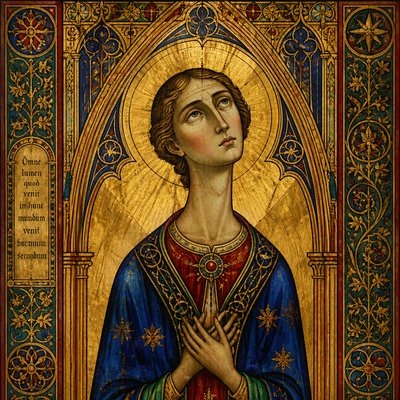
Influences: This style draws primarily from the Buddhist visual traditions of South and Central Asia, especially Indian early Buddhist sculpture and relief, Tibetan thangka painting, Nepalese paubha, Chinese Buddhist mural and figure painting, Japanese esoteric mandala traditions, and Himalayan temple arts. It also shares a structural affinity with sacred icon painting more broadly, where exact symbolism and ritual function shape the final image. Canonical makers are rarely documented for many of these historical traditions, because works were often produced within workshop lineages rather than as signed individual masterpieces.
Frequently Asked Questions
What defines Buddhist Religious Art?
It is defined by sacred Buddhist imagery, including the Enlightened One, bodhisattvas, mandalas, lotus motifs, halos, and ritual symbols. The style emphasizes symmetry, clarity, ornament, and meditative stillness rather than realism alone. Its appearance is closely tied to devotional and contemplative use.
Is Buddhist Religious Art the same as thangka painting?
Not exactly. Thangka is a specific Himalayan format of Buddhist painting, while Buddhist Religious Art is a broader category that includes thangkas, murals, sculptures, manuscript illuminations, temple decoration, and related iconography across Asia. Thangka is one of its most recognizable visual expressions.
Why does this art style use gold so often?
Gold signals sanctity, preciousness, and inner radiance. In many Buddhist traditions, it helps distinguish sacred beings and symbolic details from ordinary space. It also enhances the sense that the image is an object of devotion rather than simply decoration.
How can I make a modern image look authentic to this style?
Focus on formal structure: central symmetry, a limited jewel-toned palette, crisp outlines, halos, lotus motifs, and ornamental borders. Avoid casual sketchiness, visual noise, or overly realistic lighting unless it is carefully integrated into a sacred composition.
Where is Buddhist Religious Art commonly used?
It appears in temples, monasteries, meditation spaces, ritual objects, shrine rooms, and festival contexts. Historically, it also served as teaching imagery and as a visual aid for spiritual practice, especially in traditions that use deity visualization and mandala meditation.
Can this style depict non-religious subjects?
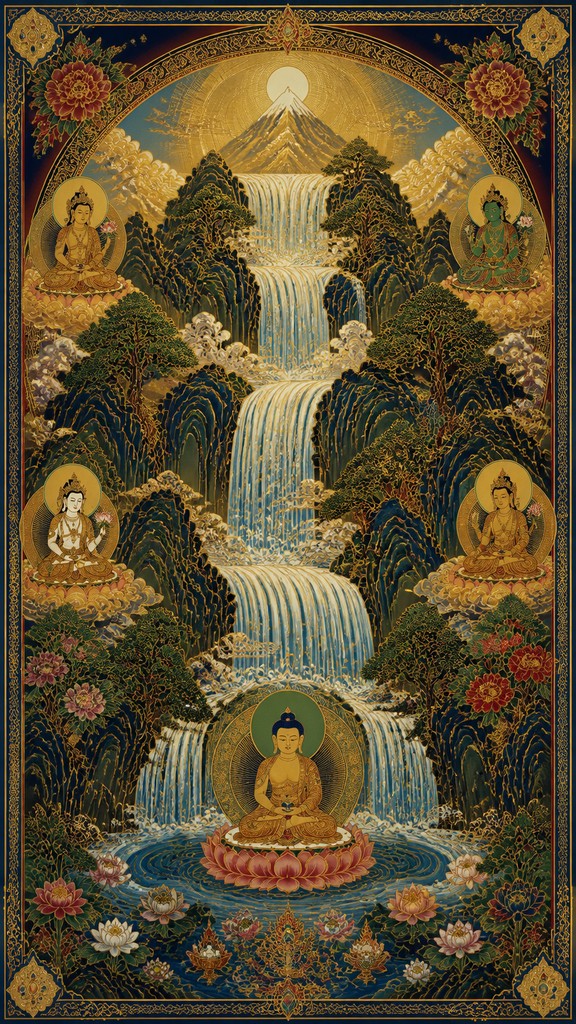
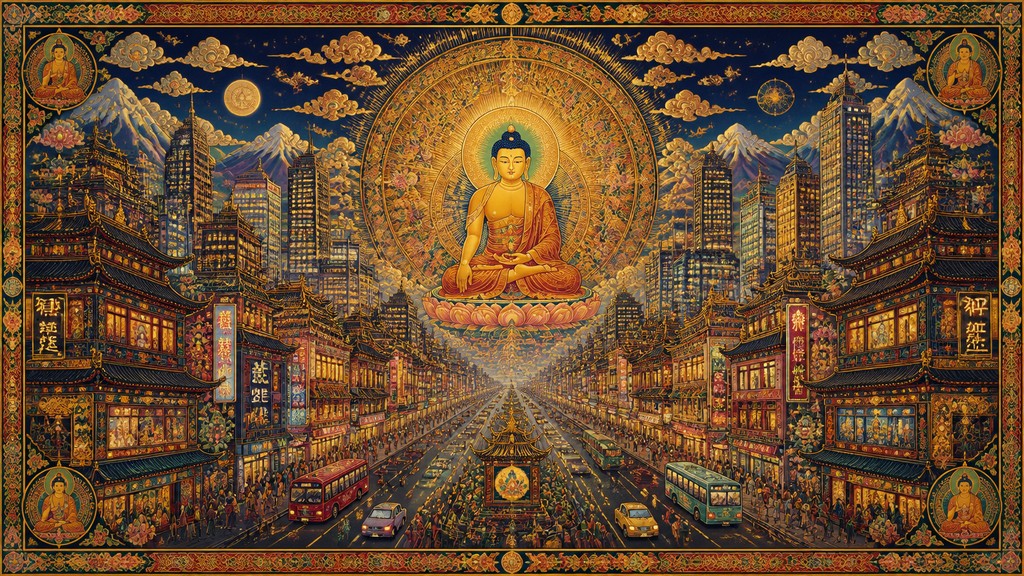
Yes, but the subject is usually transformed by sacred design logic. A landscape, animal, or portrait may be framed with lotus ornament, halos, and symmetrical balance to give it the feeling of reverence and transcendence. Without those structural features, it will read as merely decorative rather than specifically Buddhist.
Create your first Buddhist Religious artwork
Describe anything — or upload a photo — and see it in Buddhist Religious Art in seconds.
Make Something with Buddhist Religious
Related Styles
Discover similar art styles