Gothic Religious Art
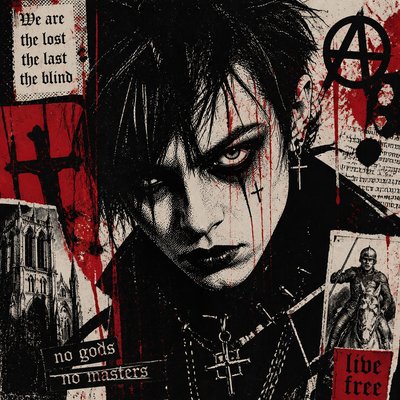
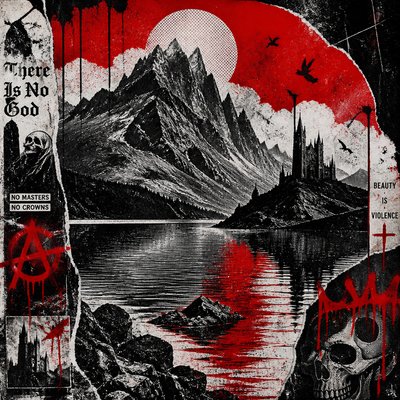
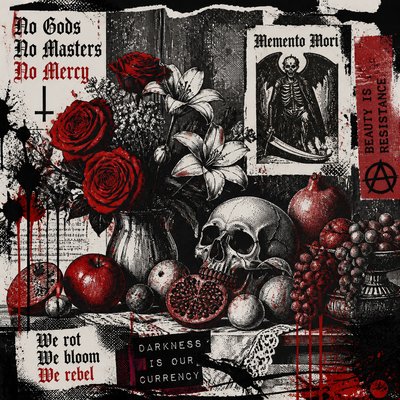
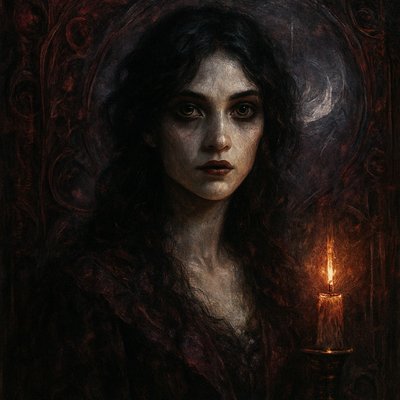
Medieval Christian art with elongated figures, gold leaf, stained-glass color, and vertical, devotional compositions.
Instantly rendered in Gothic Religious — or transform a photo
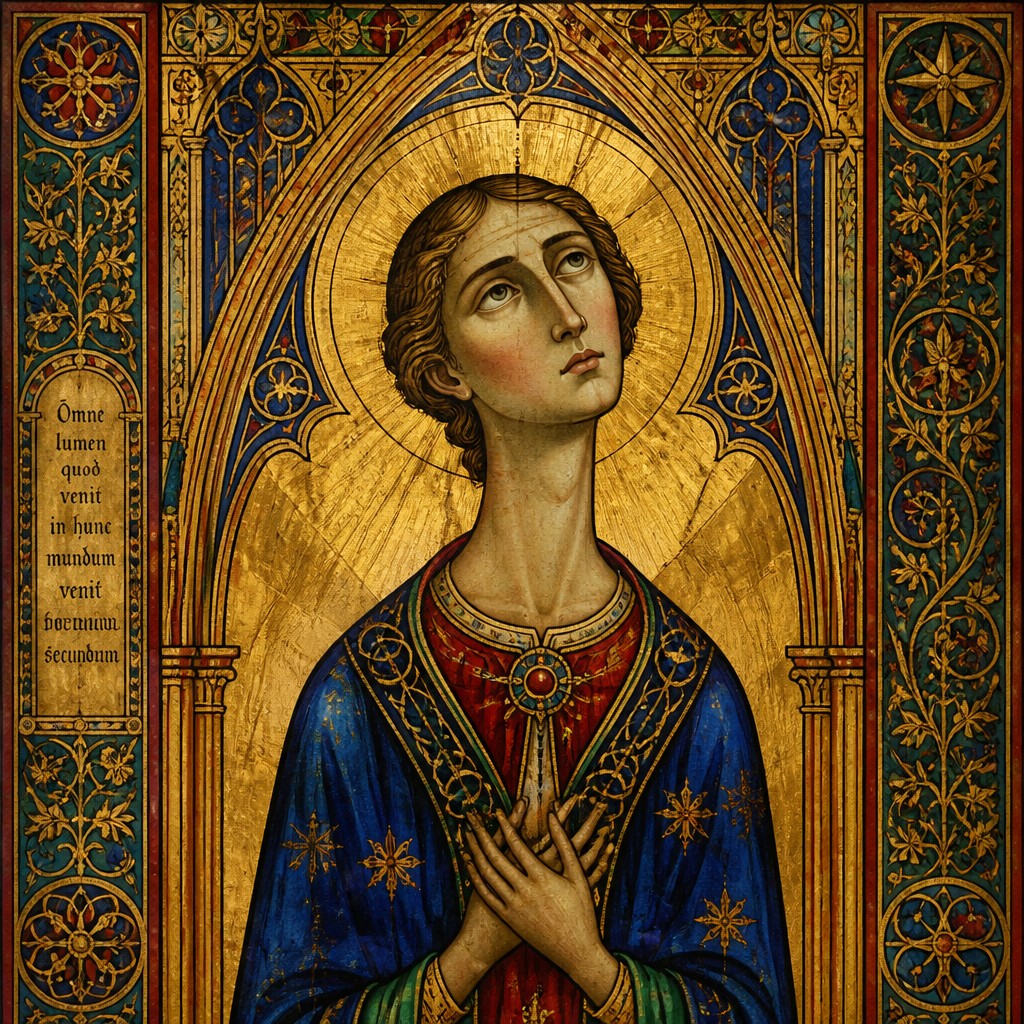
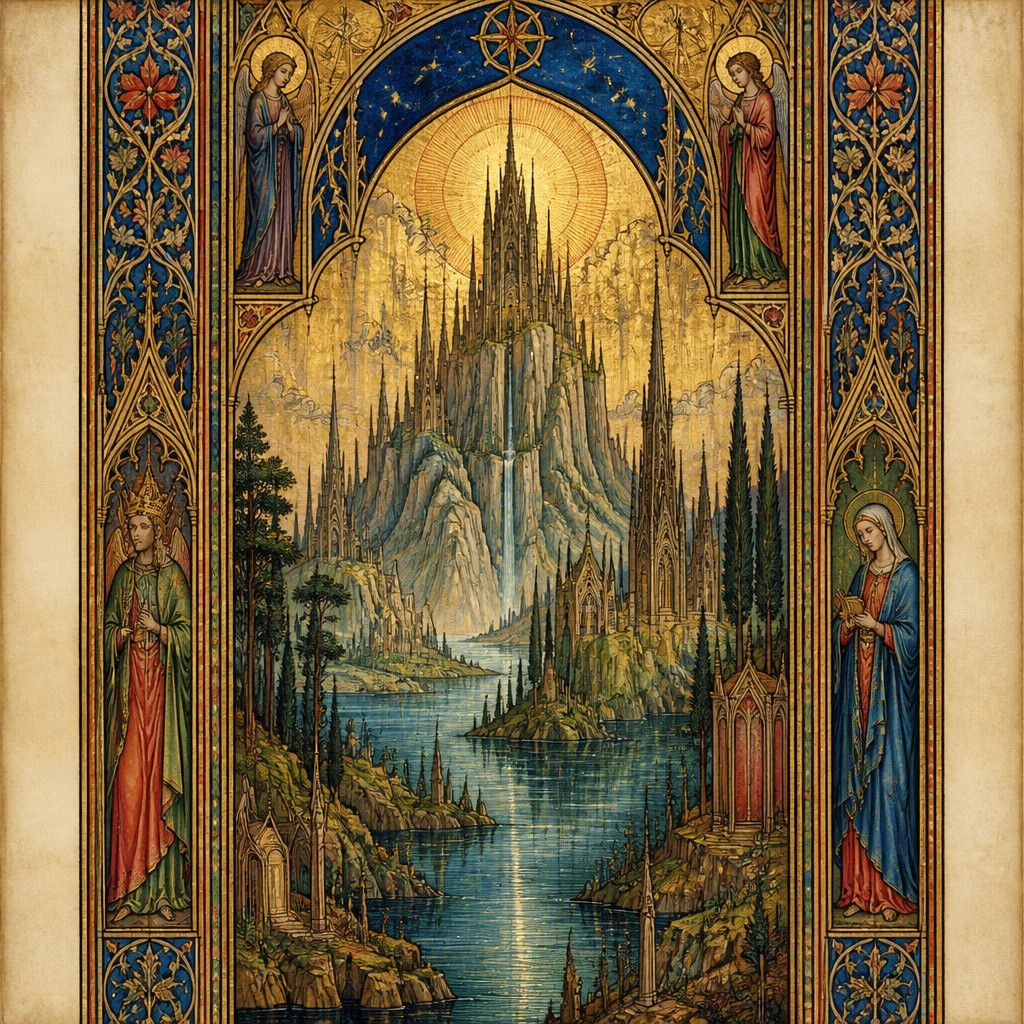
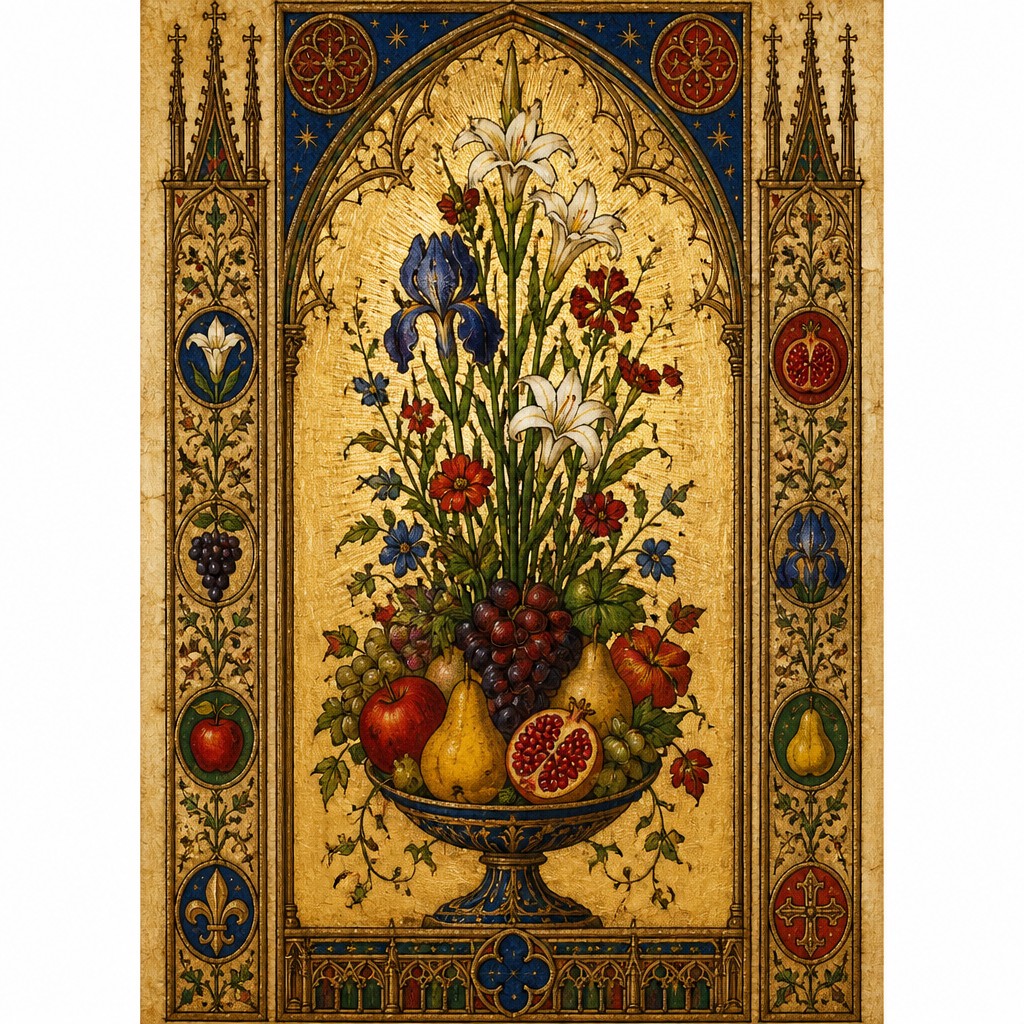
Gothic Religious Gallery
Tap any artwork to explore it
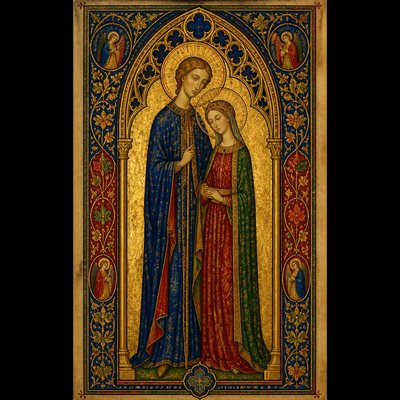
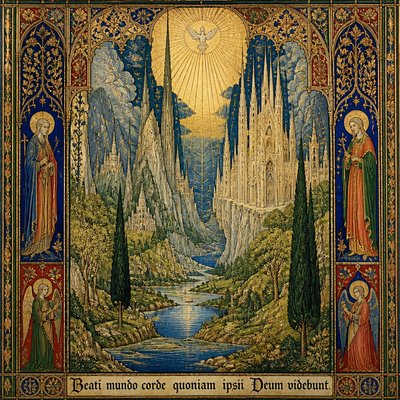
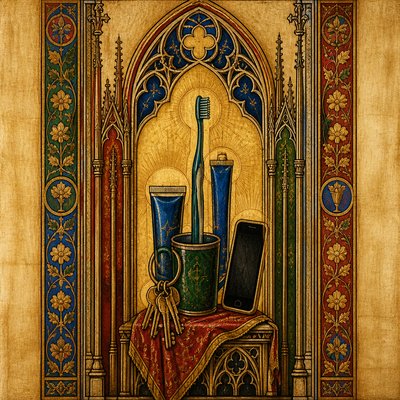
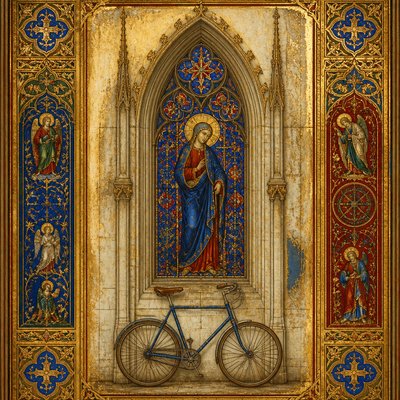
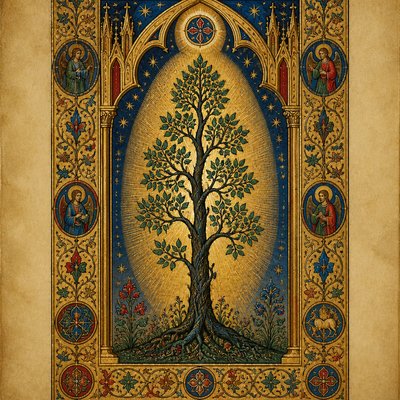
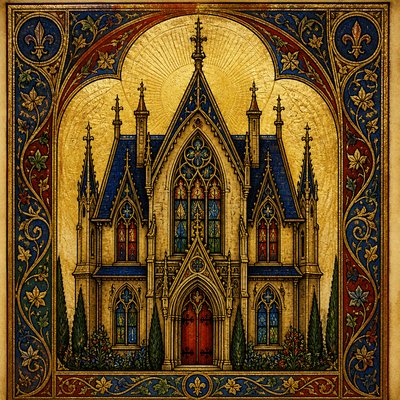
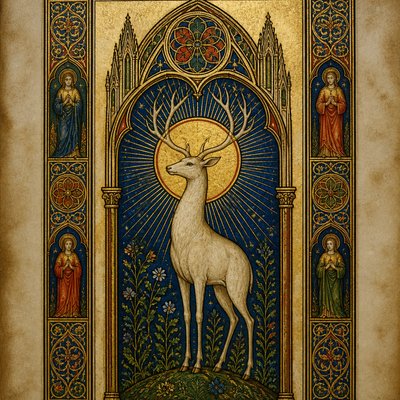
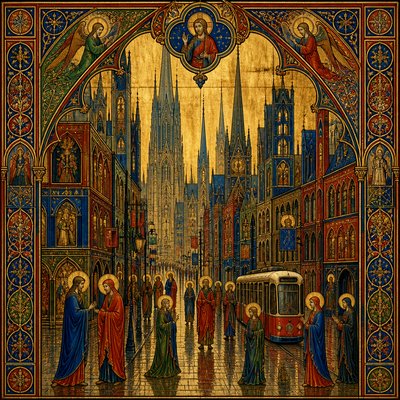
What is Gothic Religious Art?
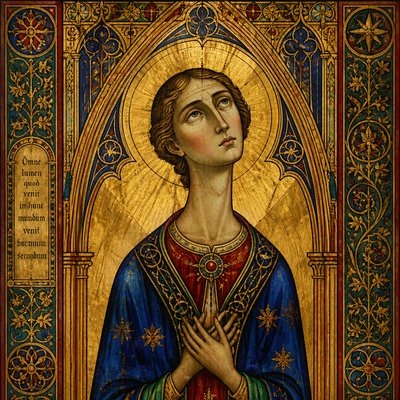
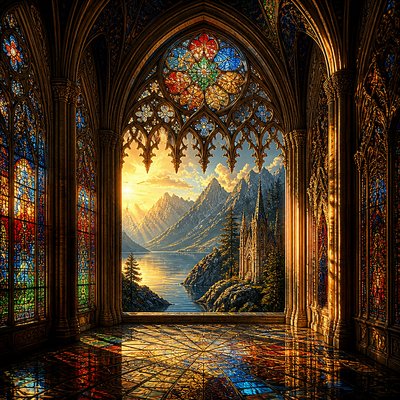
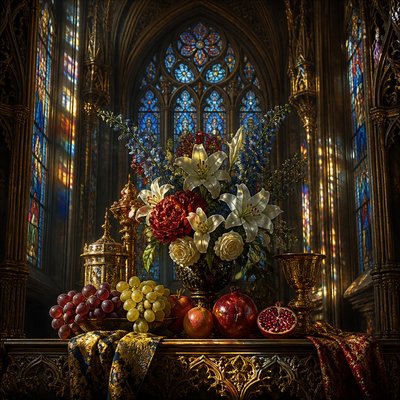
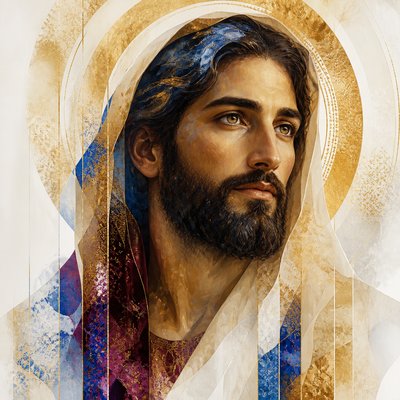
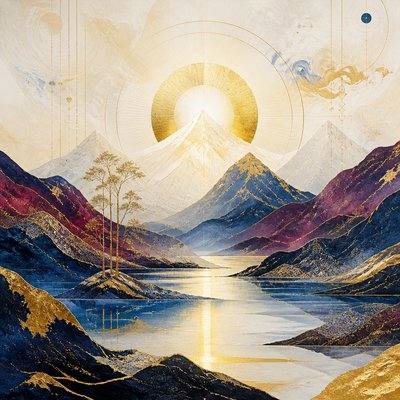
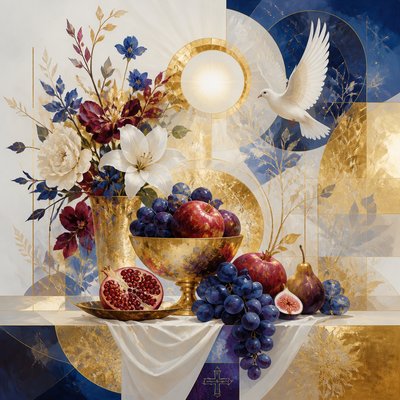
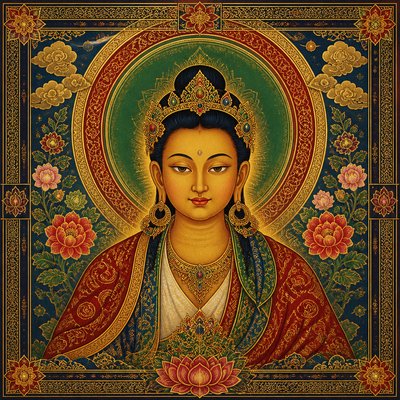
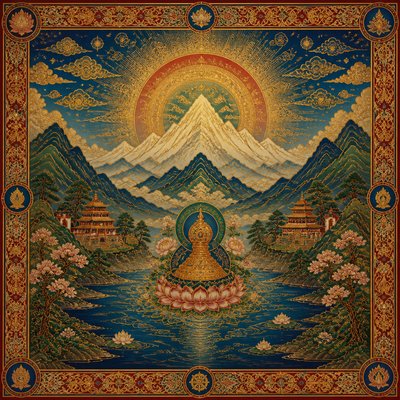
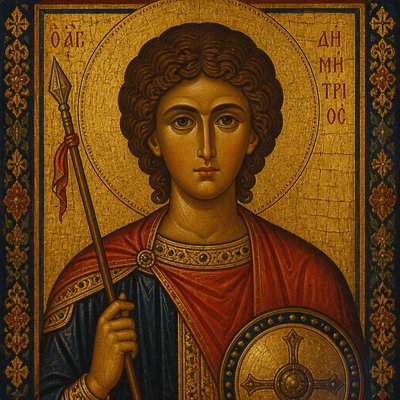
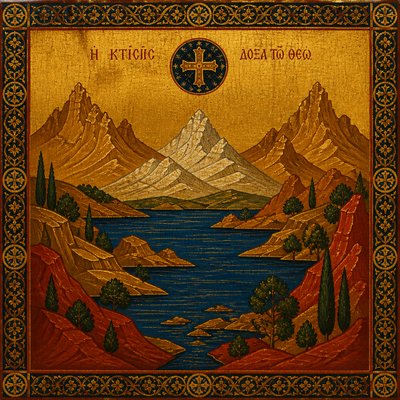
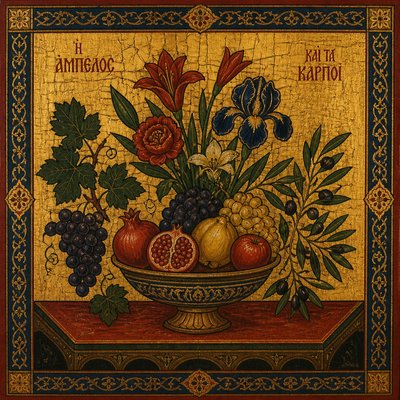
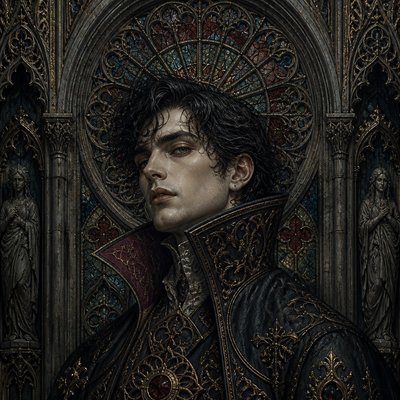
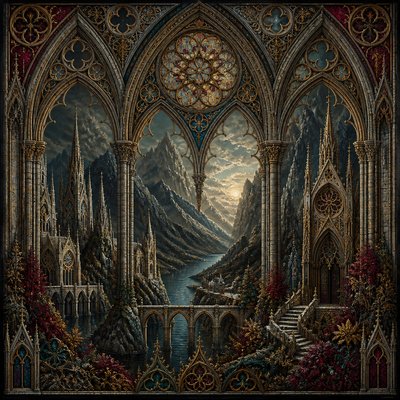
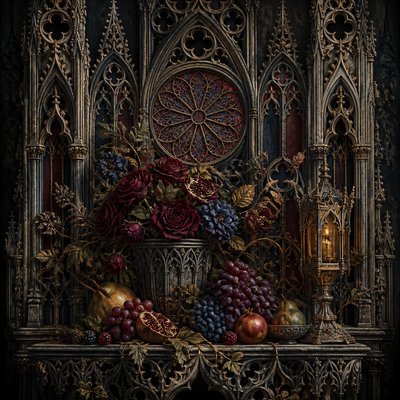
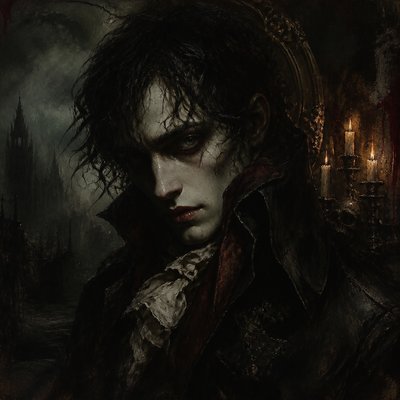
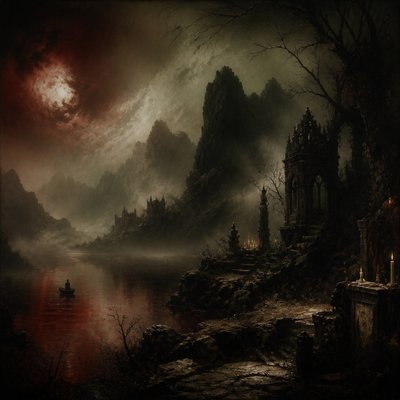
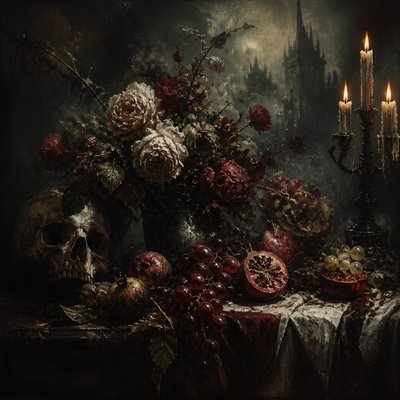
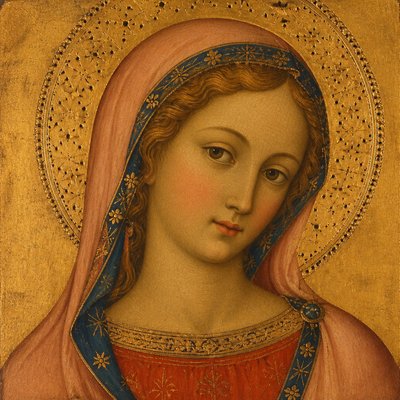
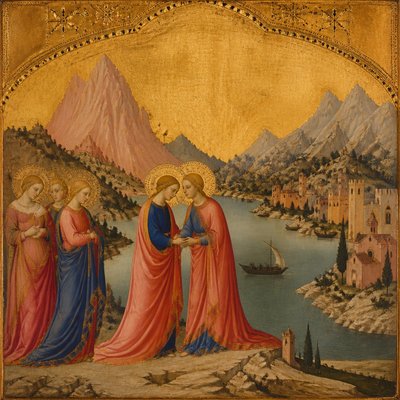
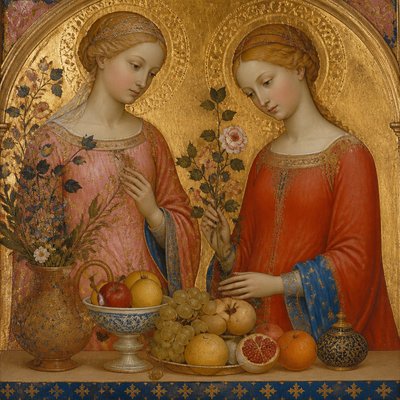
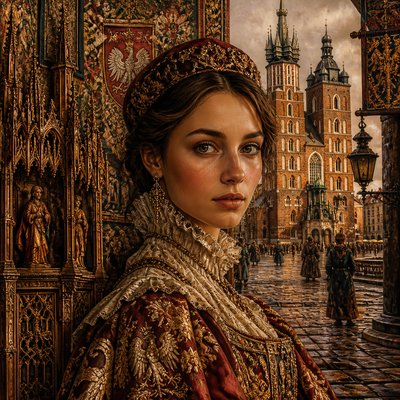
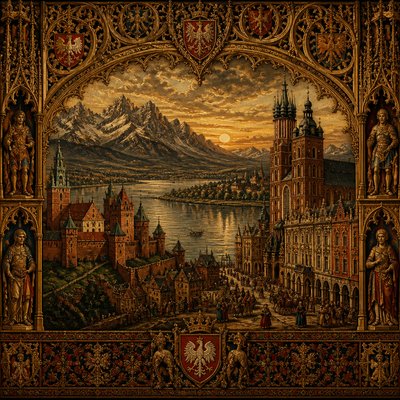
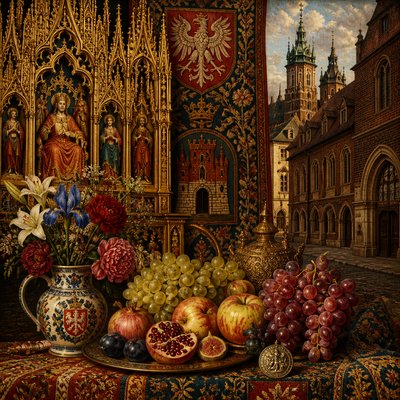
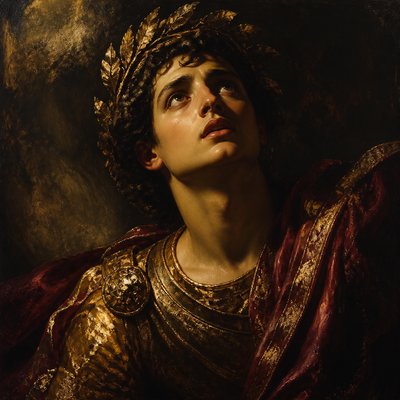
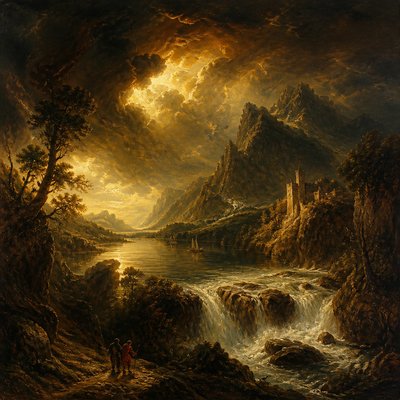
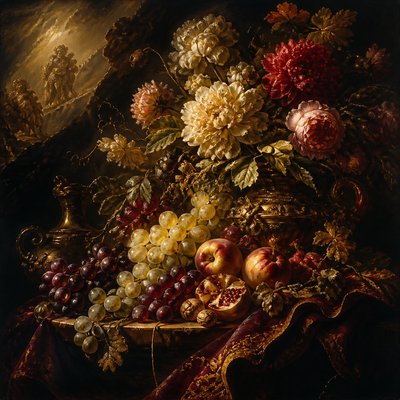
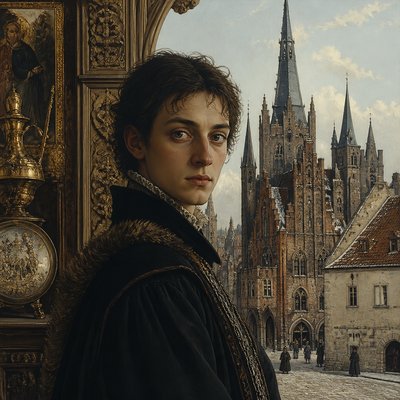
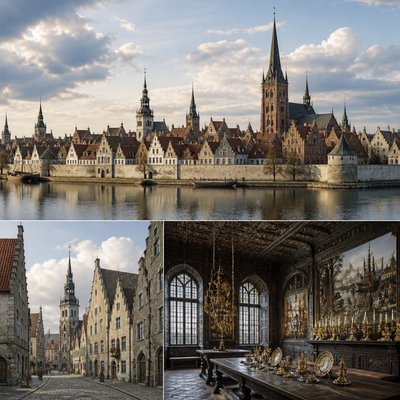
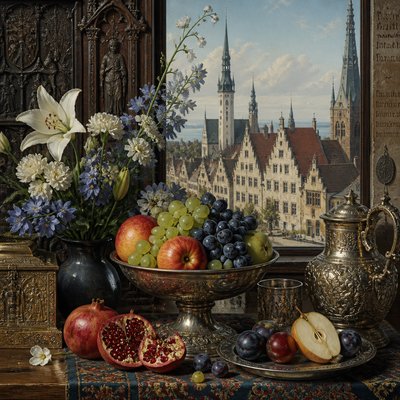
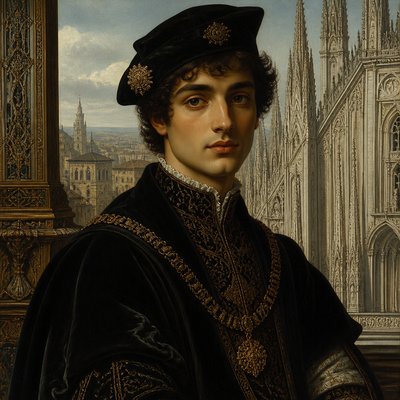
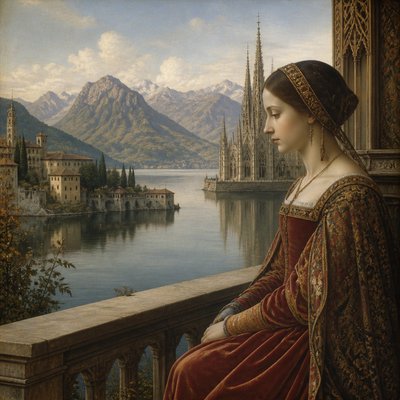
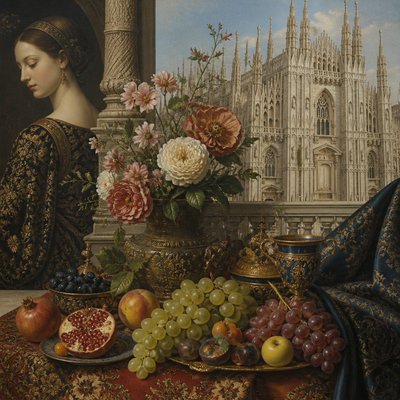
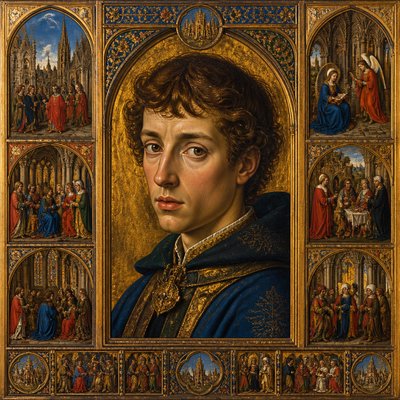
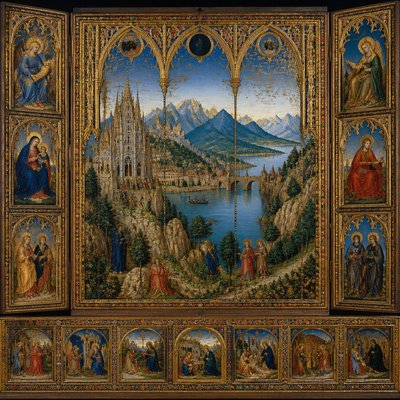
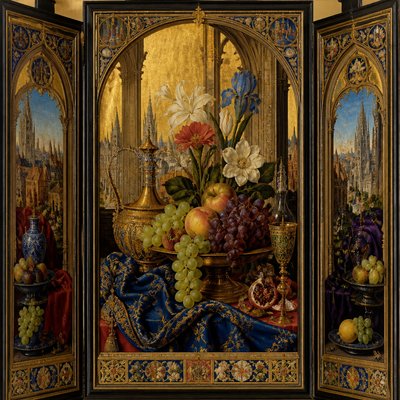
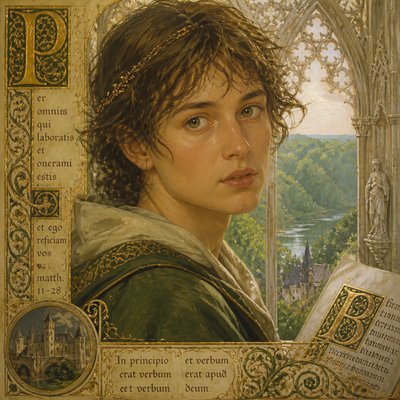
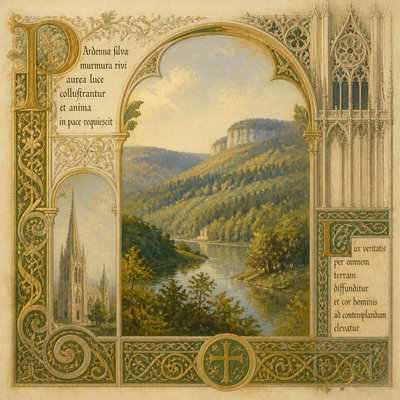
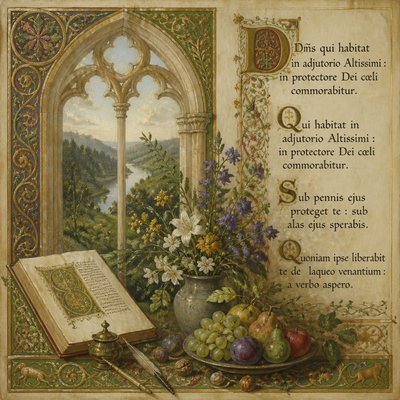
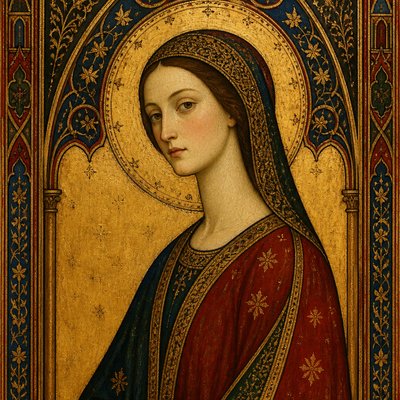
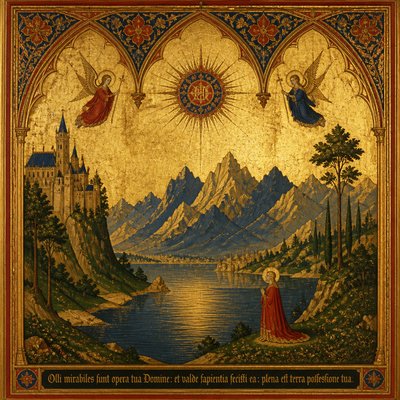
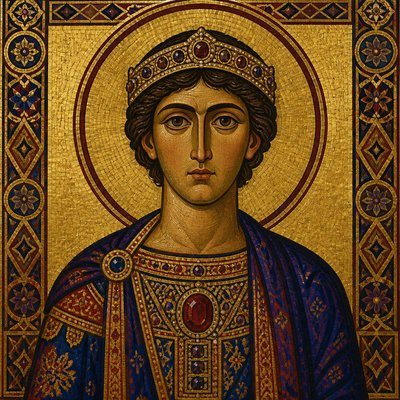
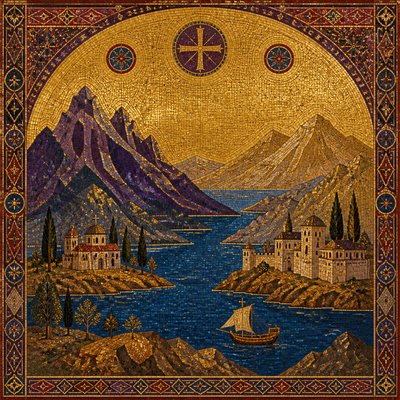
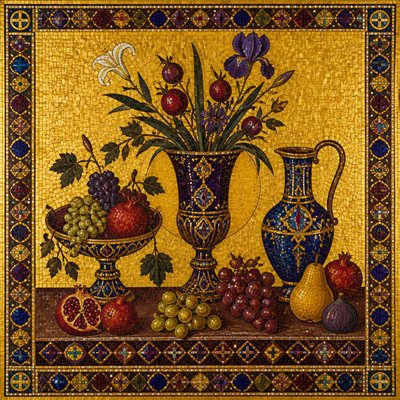
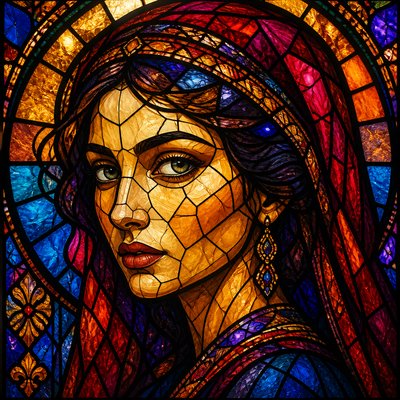
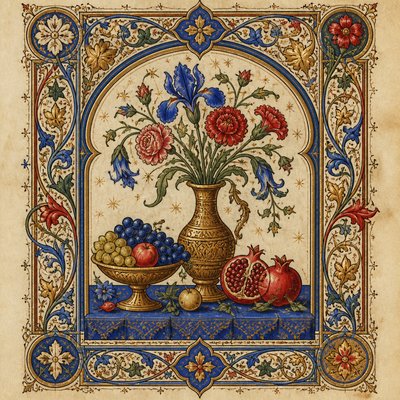
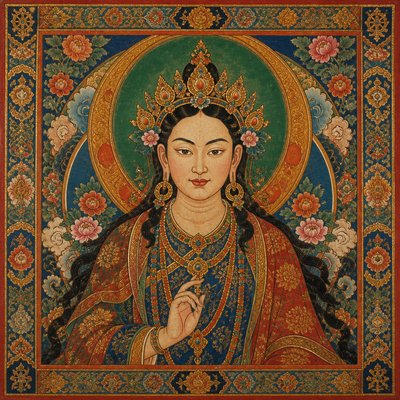
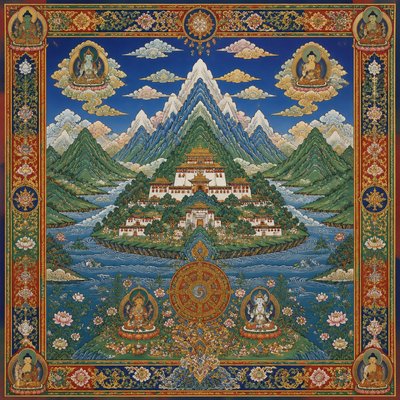
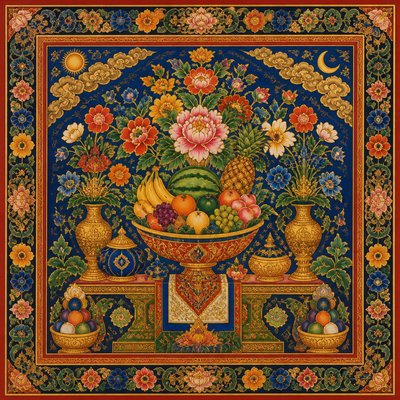
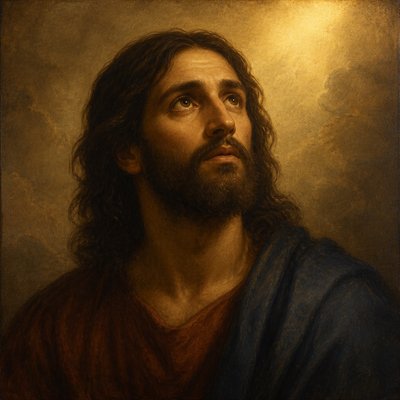
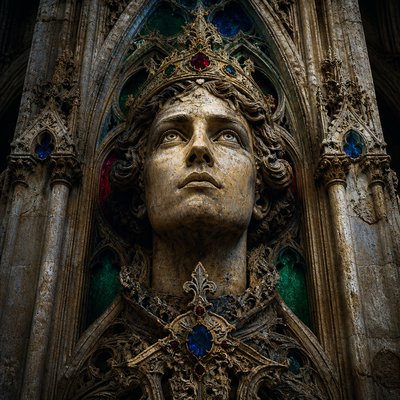
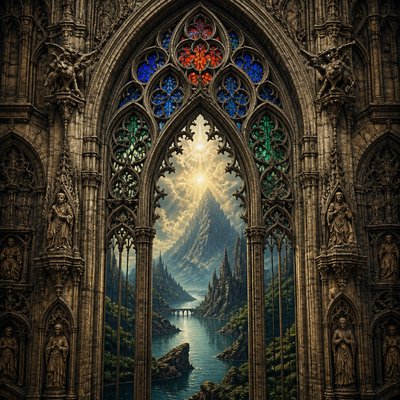
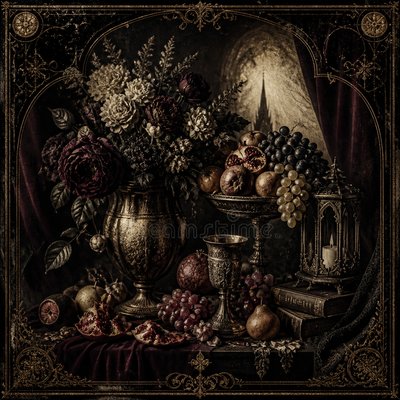
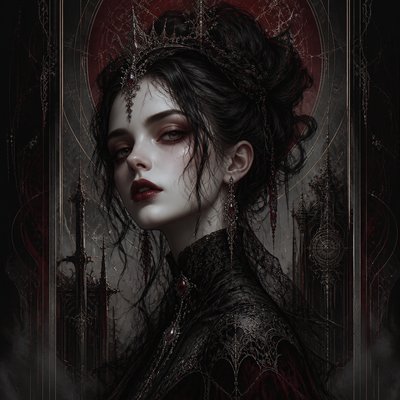
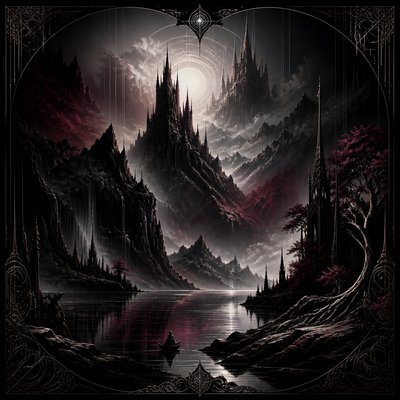
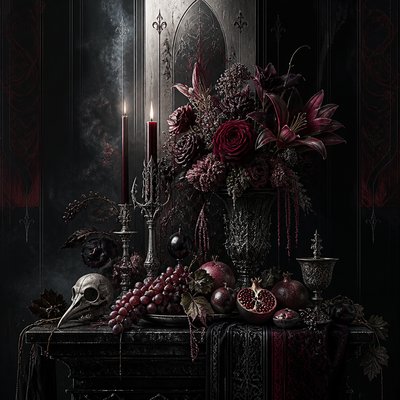
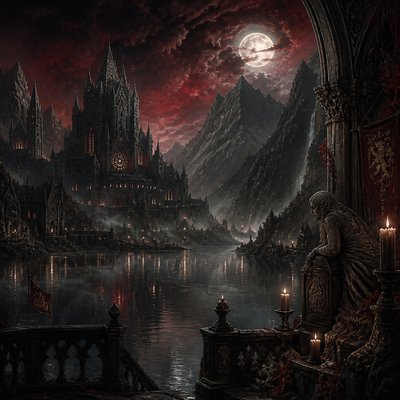
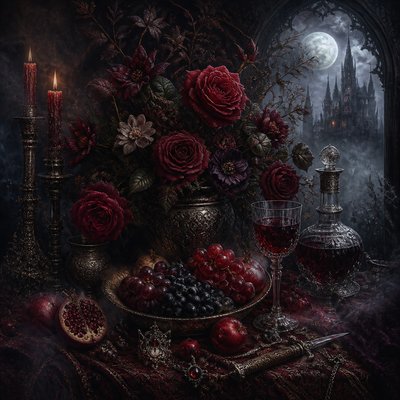
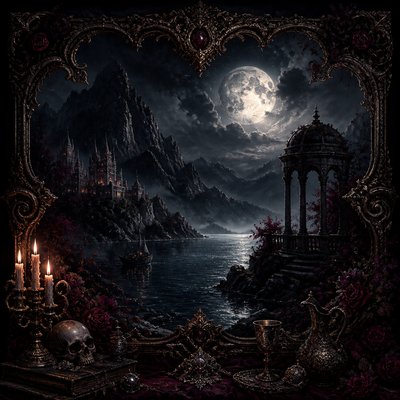
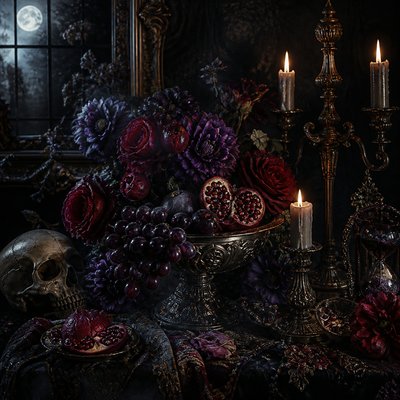
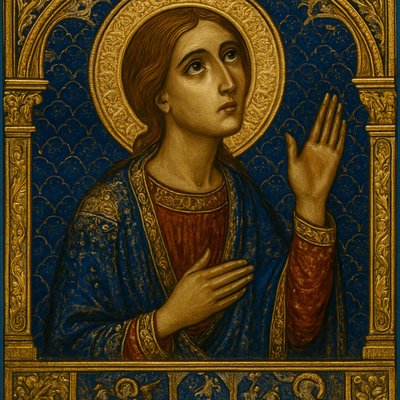
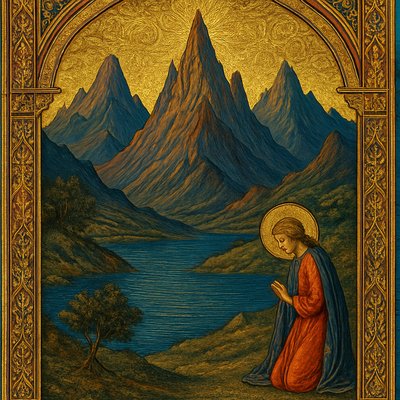
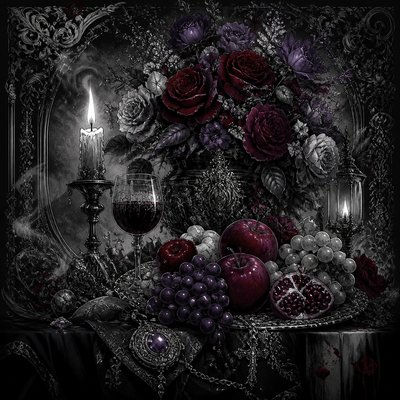
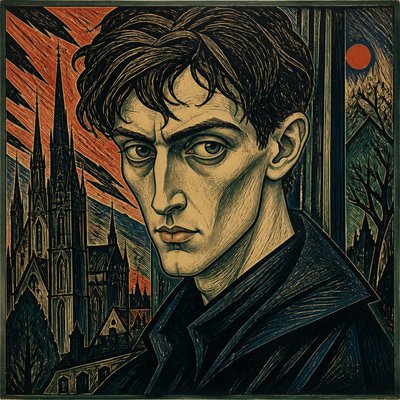
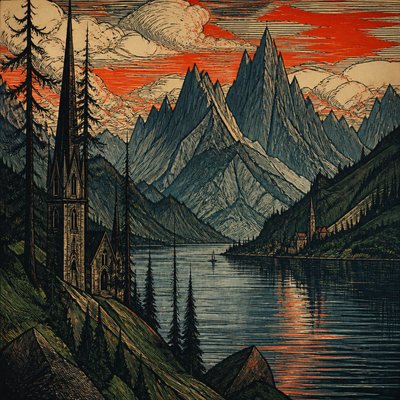
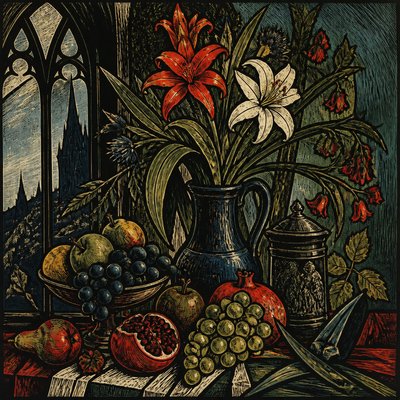
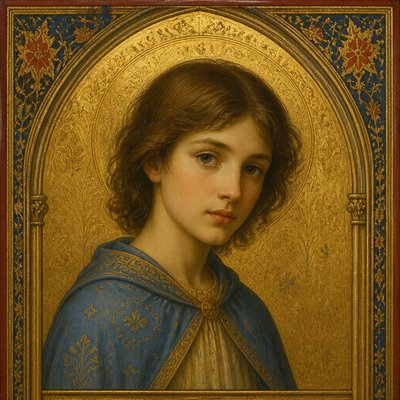
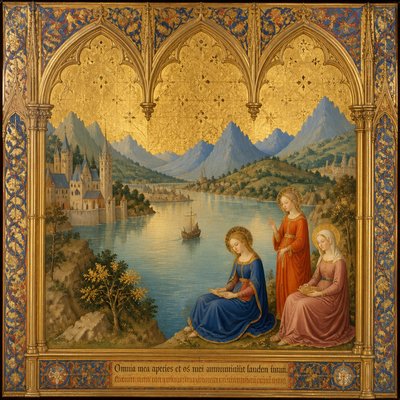
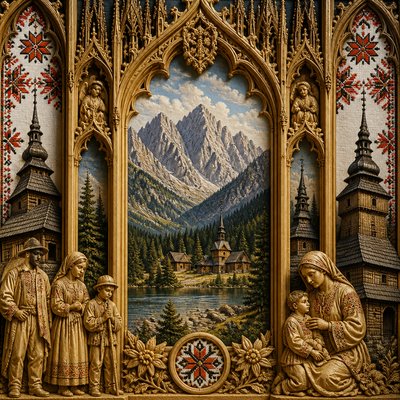
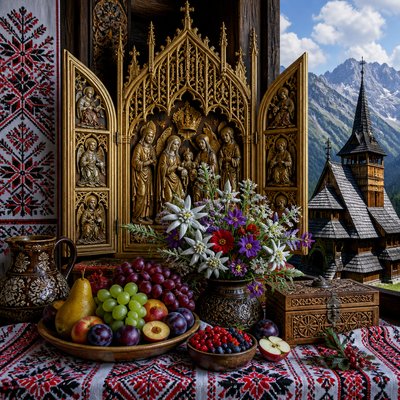
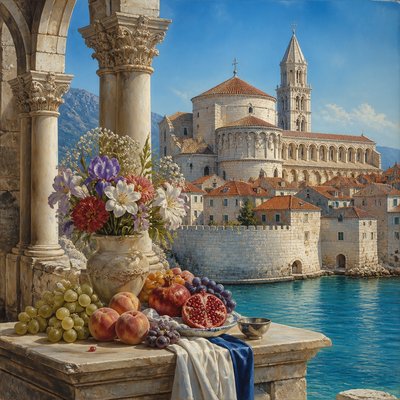
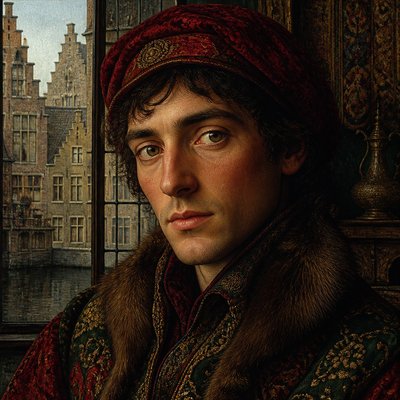
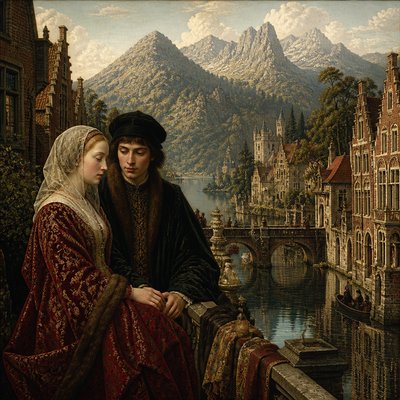
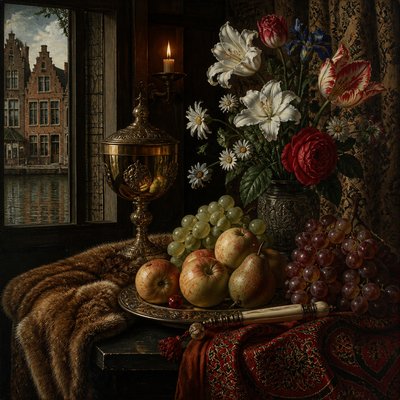
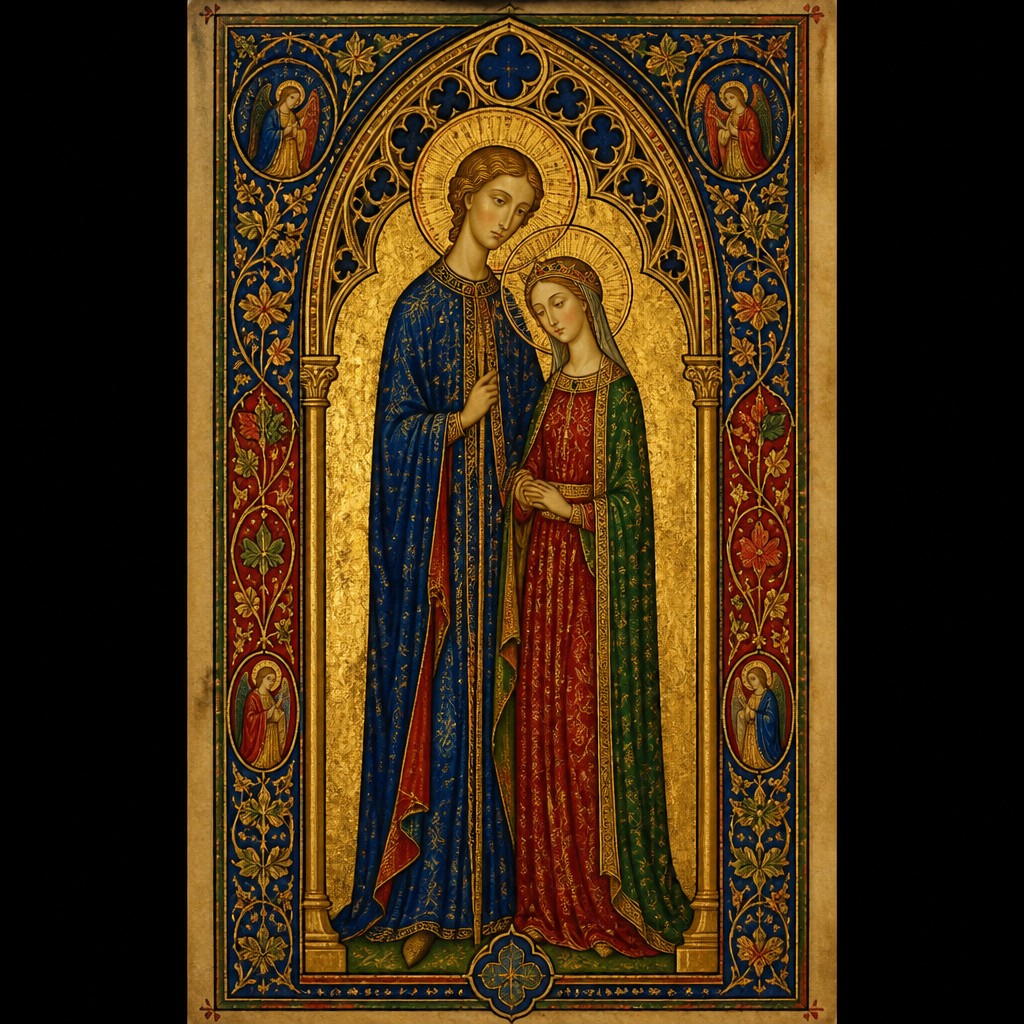
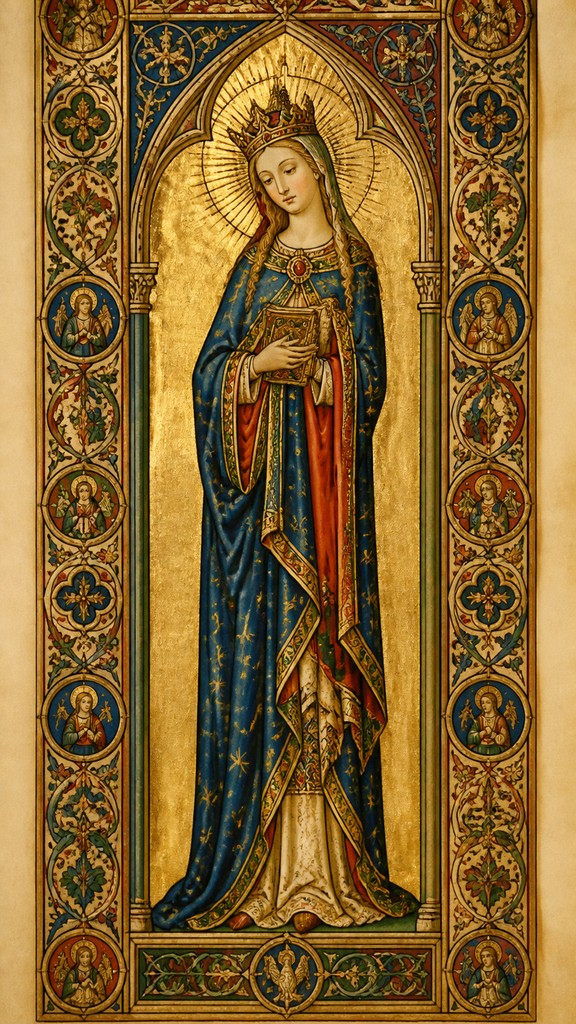
Gothic Religious Art is the visual language of medieval Christian devotion, especially as developed in Europe from the 12th to the 15th centuries. It is defined by elongated figures, solemn expressions, flattened space, decorative patterning, and a strong sense of upward movement that mirrors the spiritual ambitions of Gothic architecture.
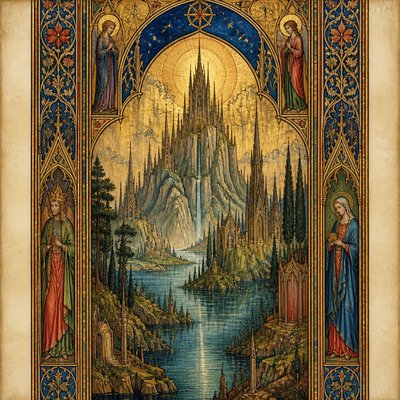
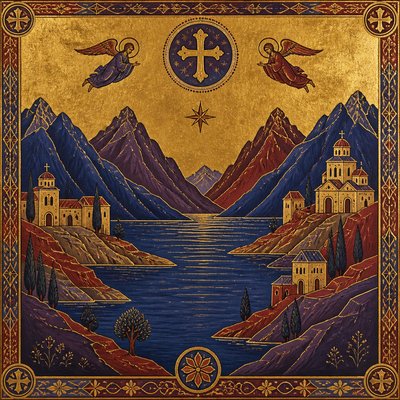
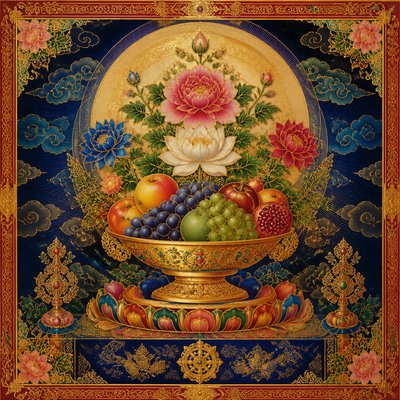
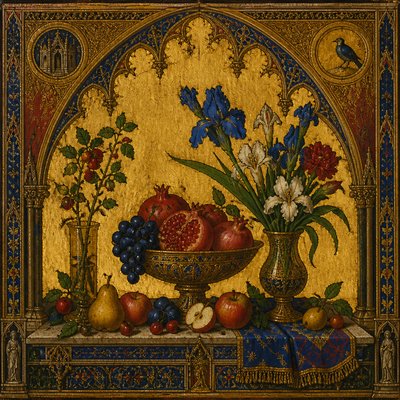
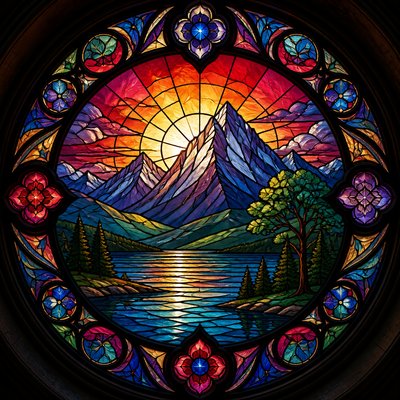
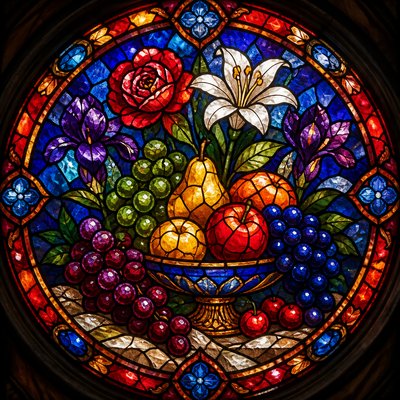
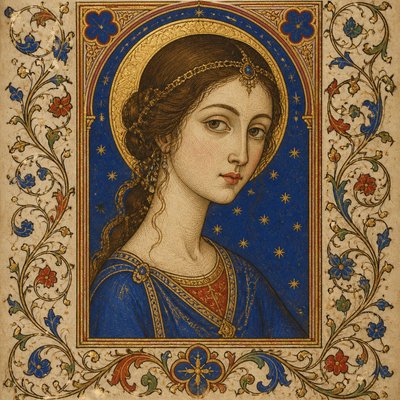
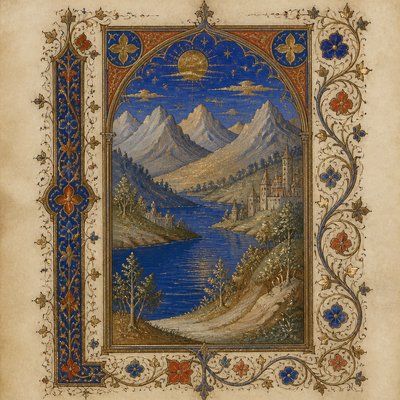
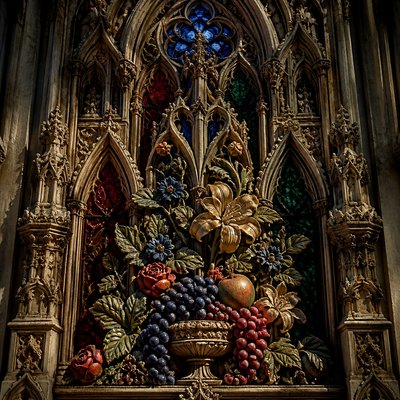
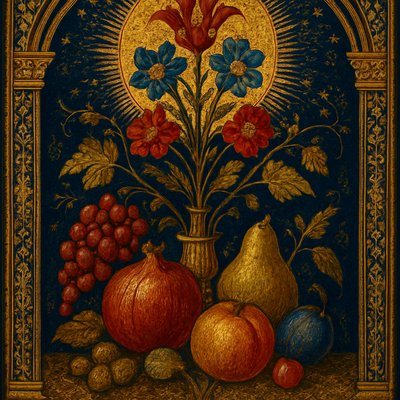
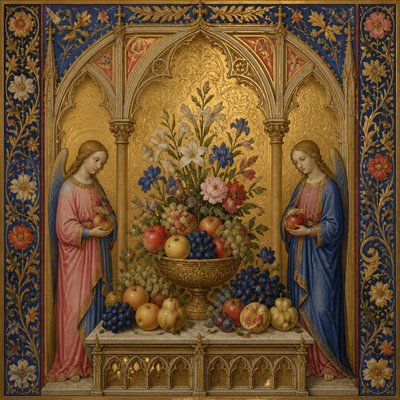
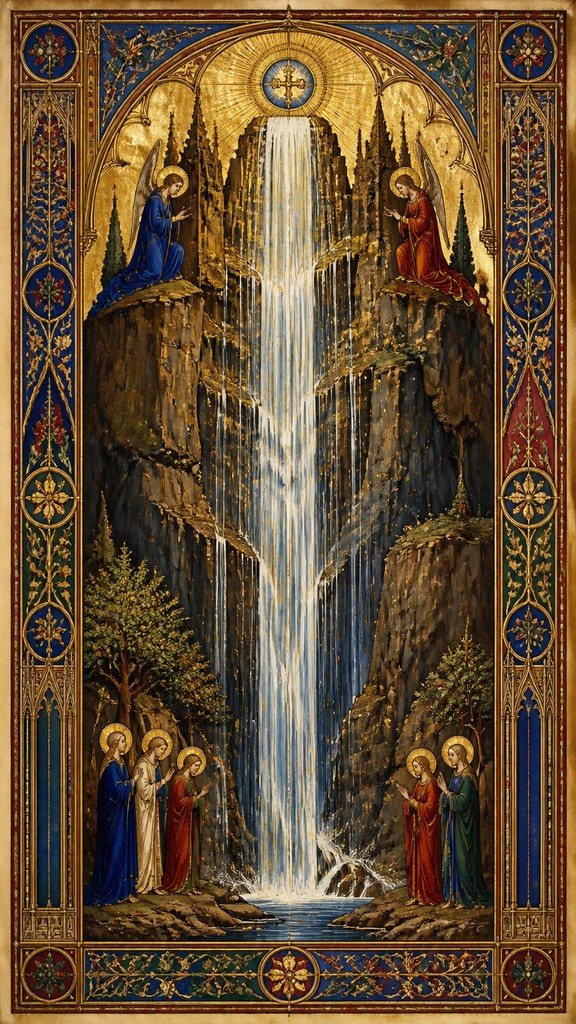
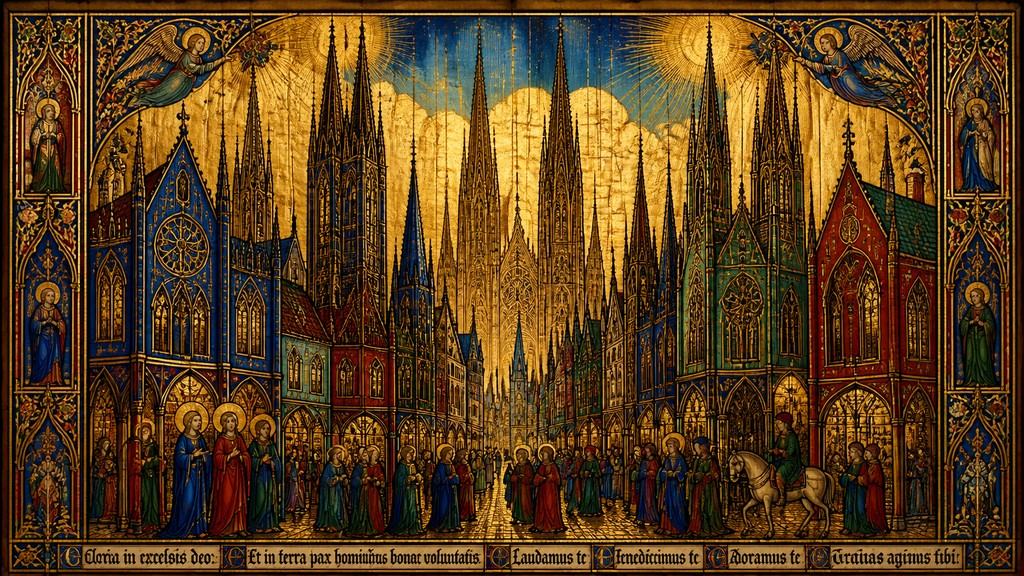
Its imagery often feels luminous and symbolic rather than naturalistic. Sapphire, ruby, emerald, and gold dominate the palette, while halos, tracery, pointed arches, and ornamental borders echo cathedral glass, illuminated manuscripts, altarpieces, and wall paintings. Bodies may appear stretched and elegant, not because artists lacked skill, but because proportion was subordinated to sacred meaning, hierarchical importance, and devotional clarity.
Try It On Your Photos
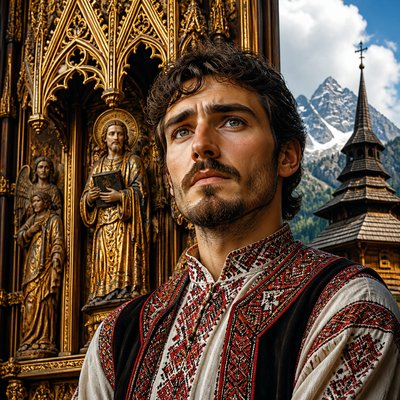
Upload any photo and convert it into Gothic Religious Art — drag the sliders to compare before and after.
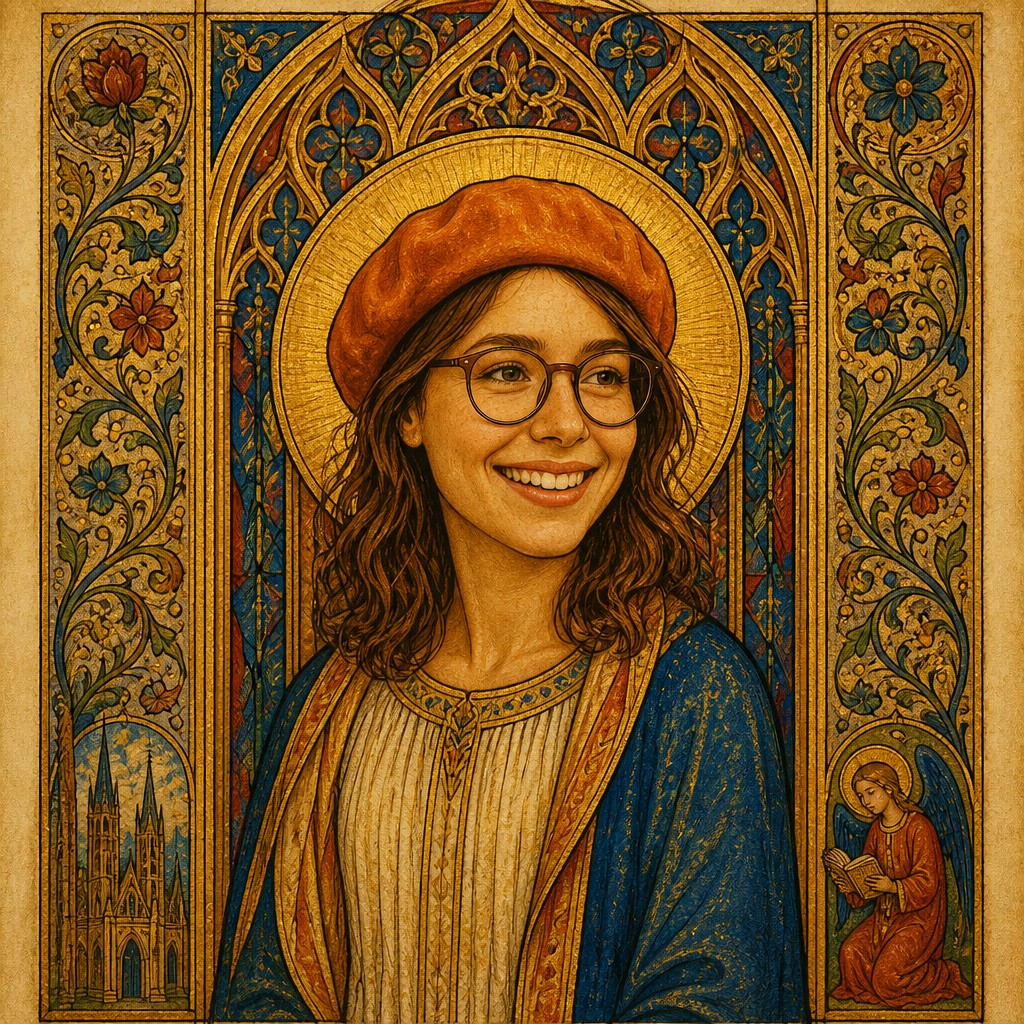

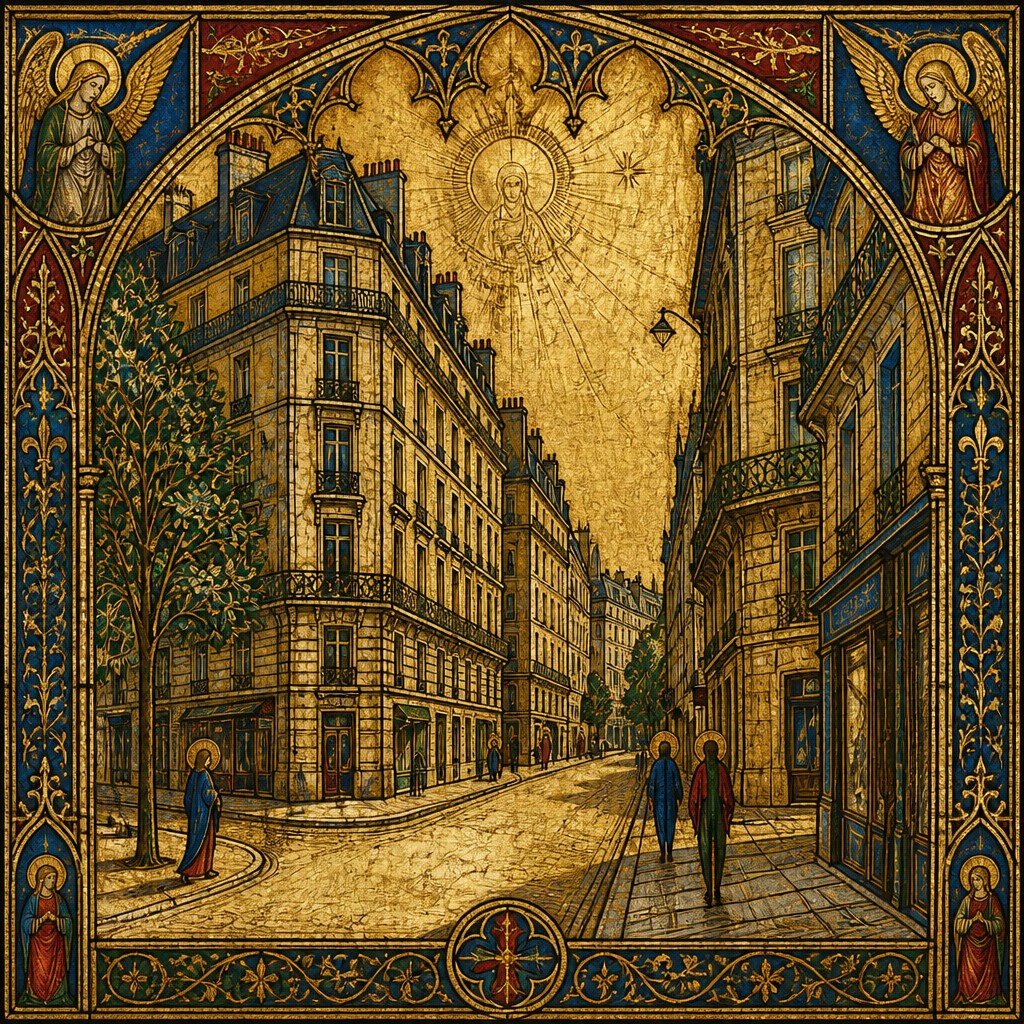

What Defines Gothic Religious Art
The signature details, up close
Elongated, vertical figures
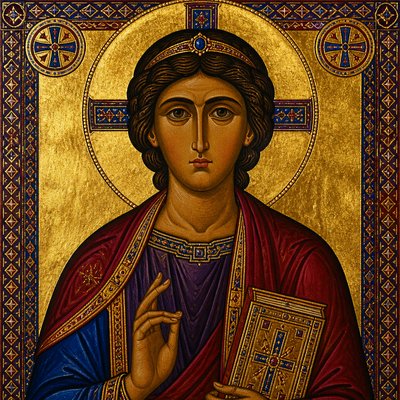
Figures are often tall, slender, and gracefully stretched, with poses that emphasize ascension and spiritual refinement. The proportions may seem stylized to modern eyes, but they support the style’s devotional rather than anatomical goals.
Luminous color and gold leaf
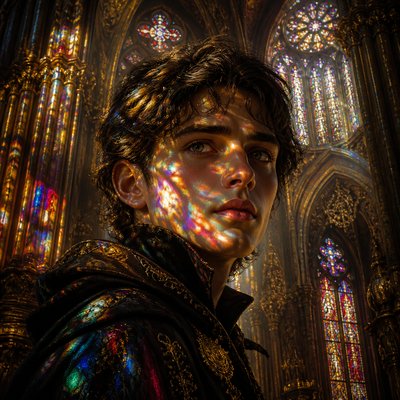
Deep jewel tones and warm gold surfaces create a sense of sacred radiance. Color is often used symbolically and decoratively, with light treated as a spiritual presence rather than a naturalistic effect.
Flattened sacred space
Perspective is typically simplified or hierarchical, with scale determined by theological importance. This gives scenes a clear, symbolic arrangement rather than a realistic view of physical depth.
Ornament and tracery
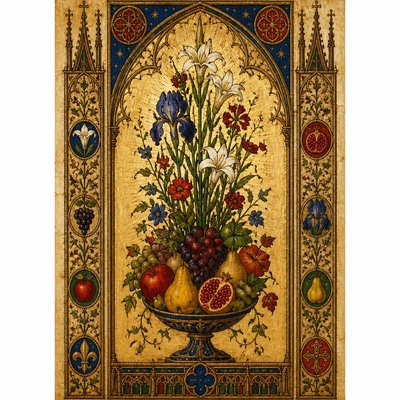
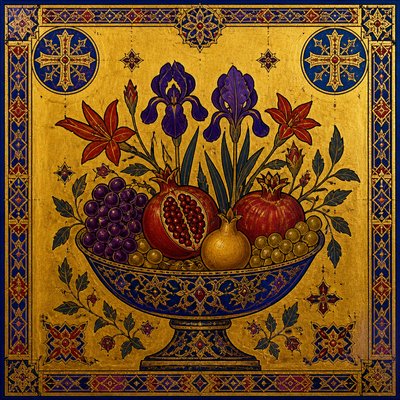
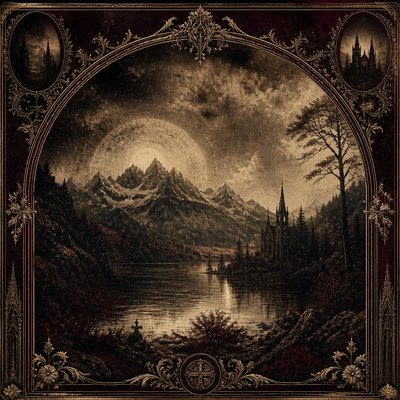
Pointed arches, quatrefoils, delicate patterns, and architectural frames frequently organize the image. These motifs visually connect the artwork to churches, altarpieces, and manuscript borders.
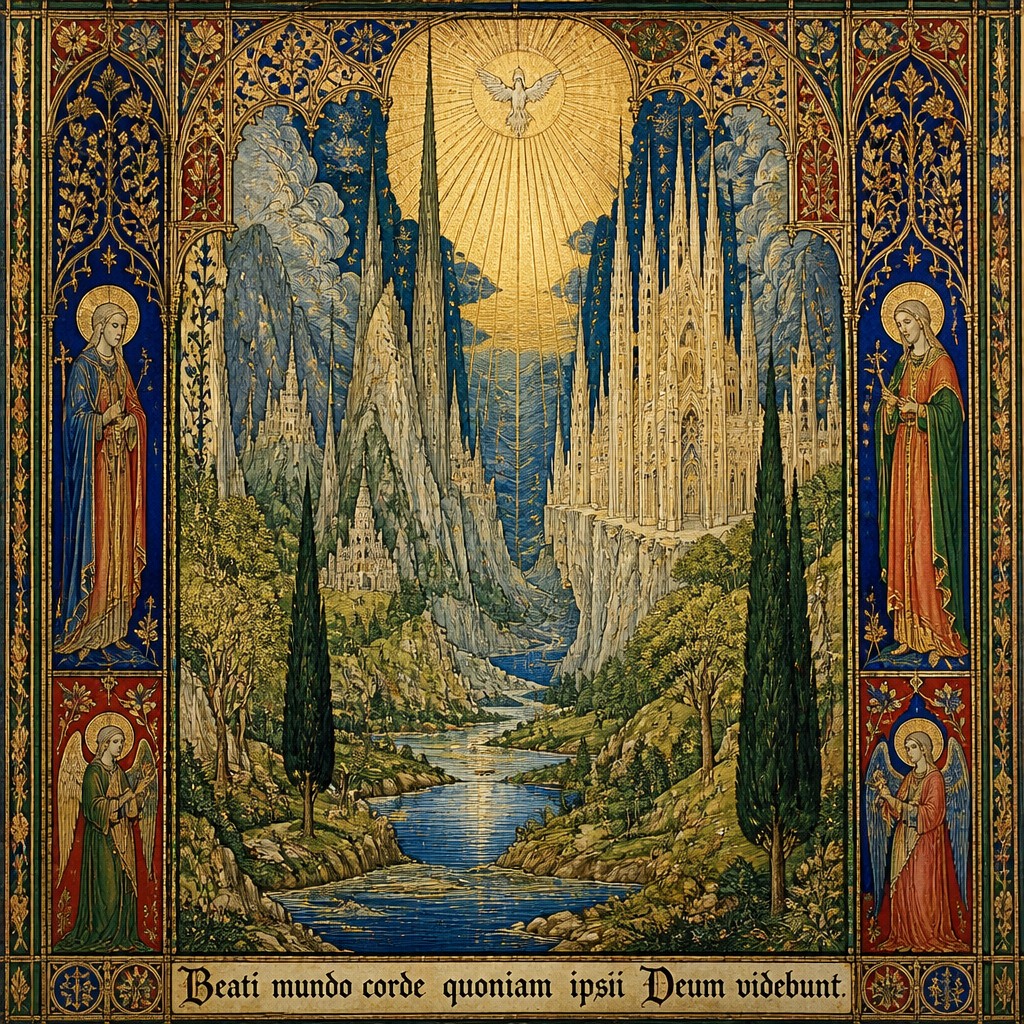
Devotional faces and gestures
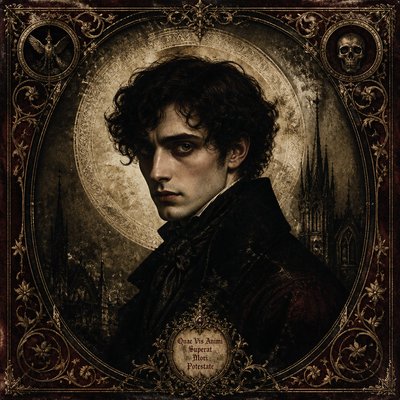
Expressions are restrained, solemn, and inward-looking, often conveying reverence, grief, or divine serenity. Hands and gestures are carefully posed to direct attention toward prayer, blessing, or revelation.
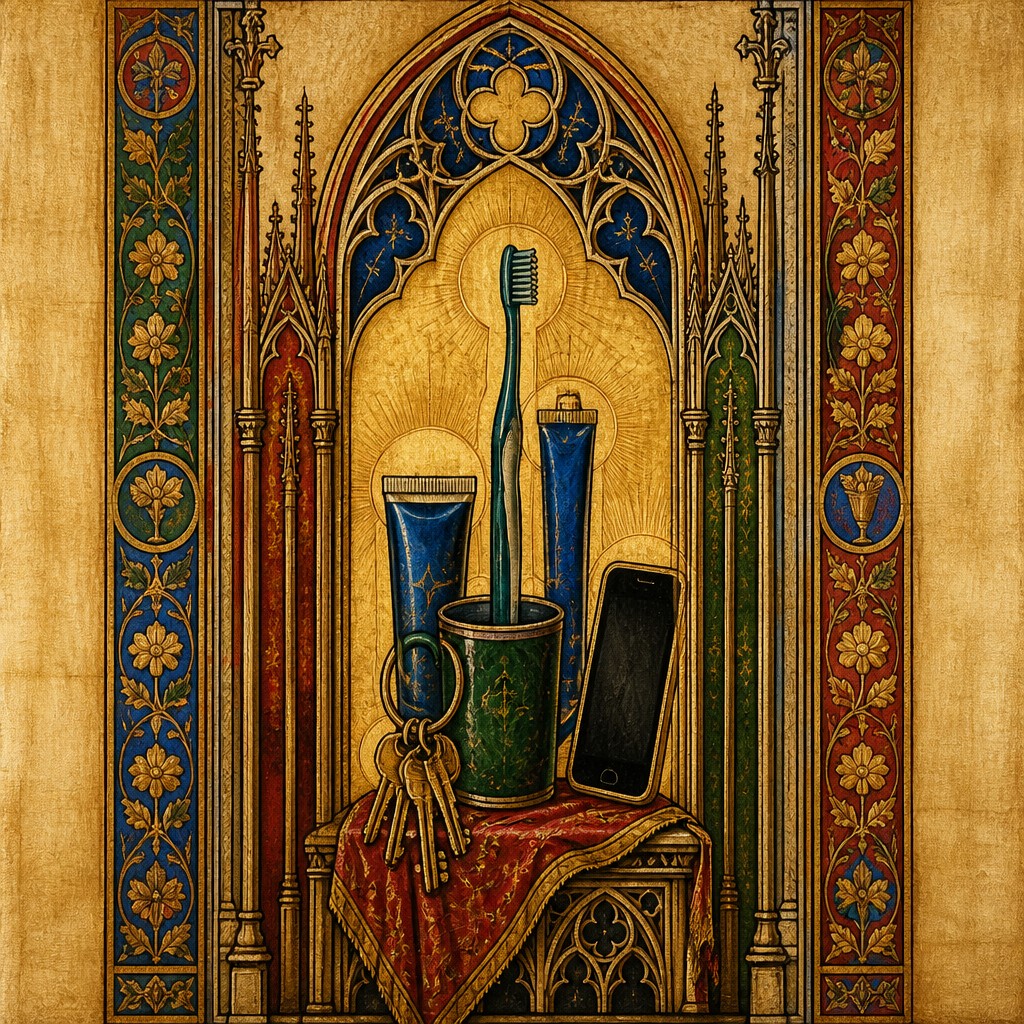
Illuminated-manuscript richness
Borders, filigree, and compact narrative details reflect the aesthetics of medieval book art. Even larger works often retain a manuscript-like sense of intricacy and preciousness.
Try It
Create Videos in Gothic Religious Art
Styles aren't just for stills — describe a scene or animate an image and get a short video rendered in Gothic Religious. Press play to see this pond come to life.
Make a VideoGothic Religious Prompt Ideas
Start from an idea — each one opens the generator with the style ready to go. See all 40 Gothic Religious prompts →
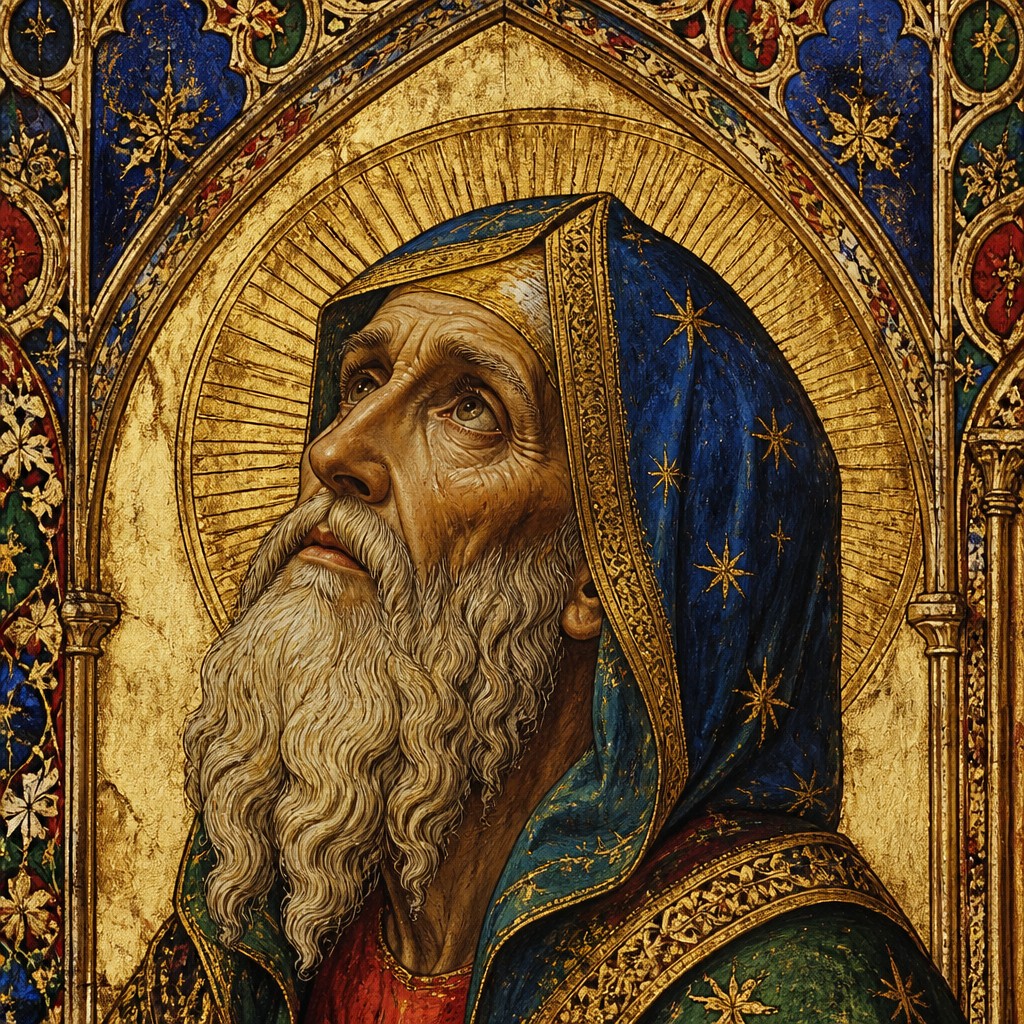
“close-up portrait of an elderly person with expressive weathered features”
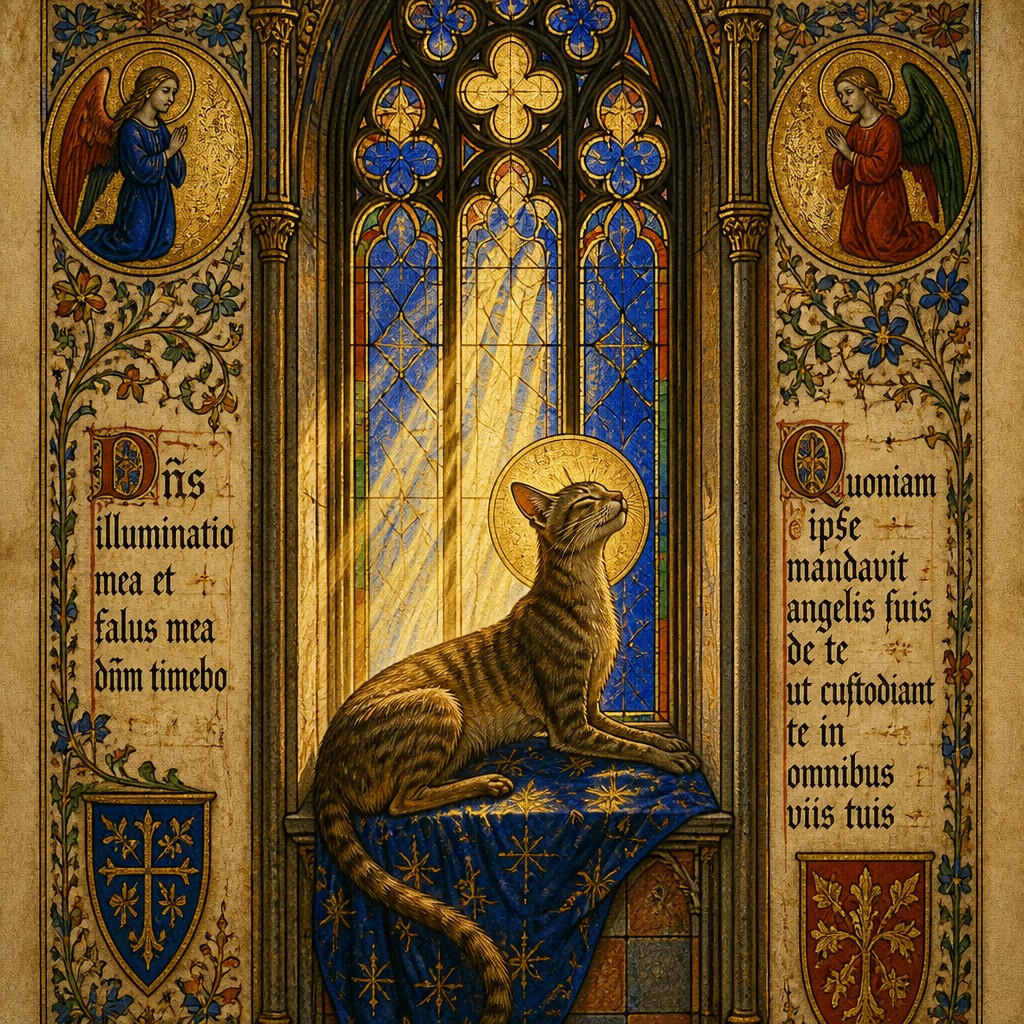
“a cat lounging in a sunlit window”
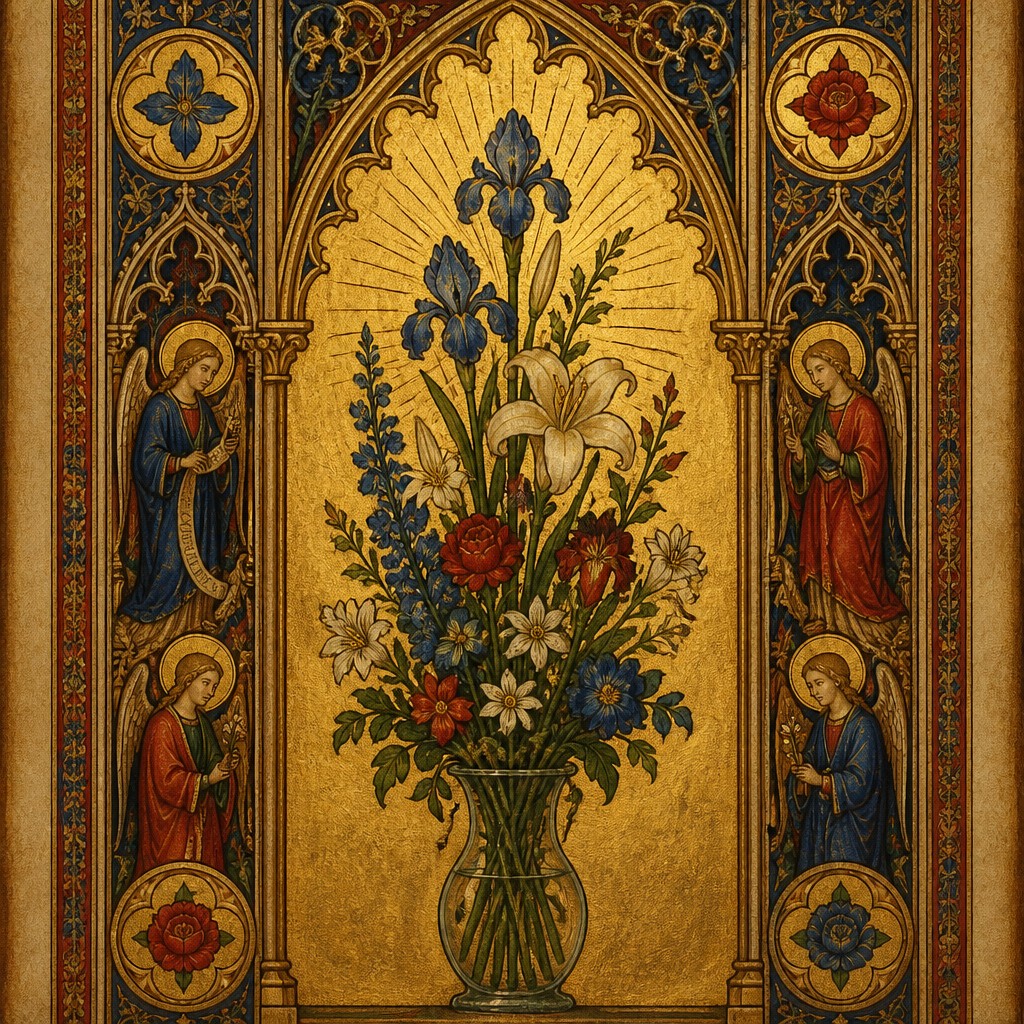
“bouquet of flowers in a glass vase”
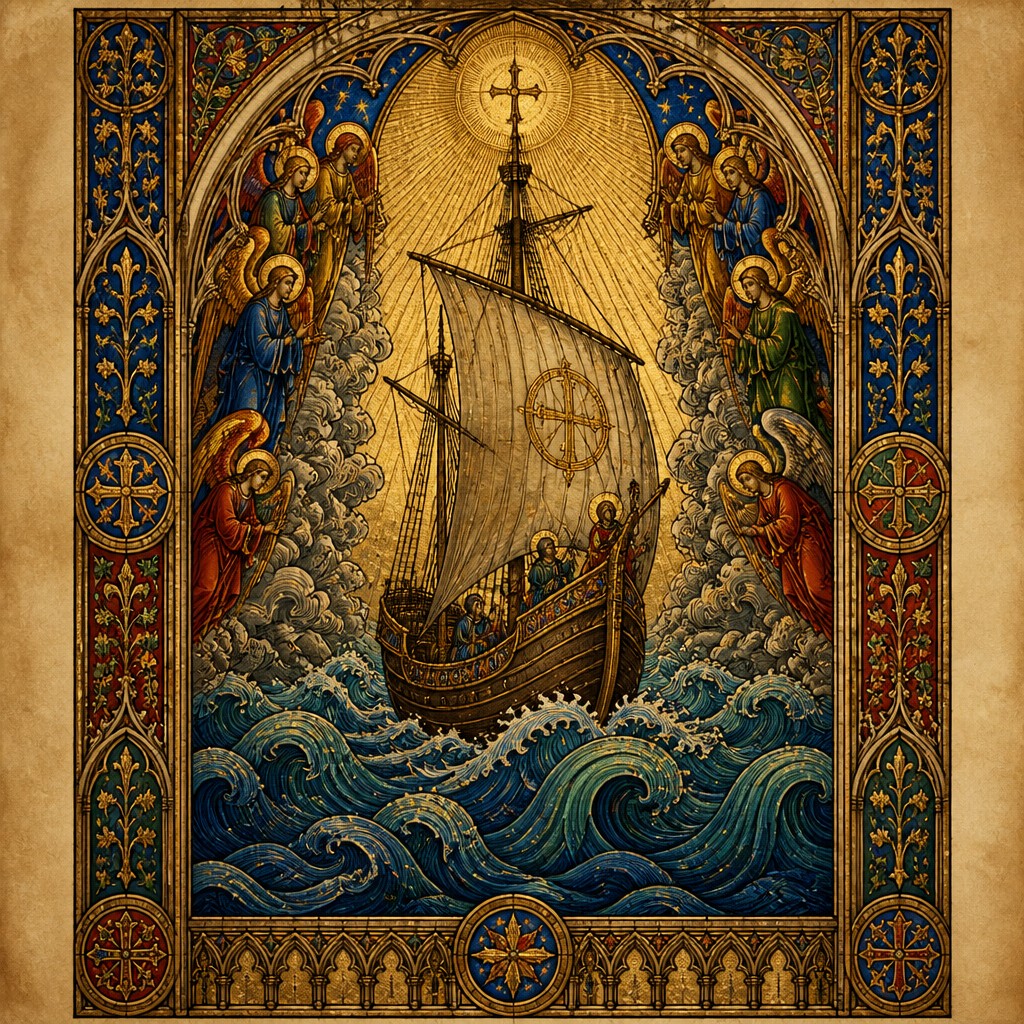
“sailing ship on a stormy sea”
How to Create Gothic Religious Art
Master the craft step by step — or skip straight to creating. Read the full guide →
- 1
Use elongated proportions and vertical composition
Build figures and architecture so they rise upward, with narrow bodies, tapering silhouettes, and tall framing elements. In traditional media, sketch long proportions first; in digital work, use composition guides that favor upward movement and centered symmetry.
- 2
Limit realism in favor of symbolic clarity
Simplify anatomy, perspective, and lighting to keep the image legible and devotional. When generating or painting, prioritize clear sacred gesture, hierarchy of scale, and a calm, iconic arrangement over physical realism.
- 3
Employ jewel colors, gold, and translucent light
Use sapphire blue, ruby red, emerald green, and burnished gold as the core palette, then add glowing highlights that suggest stained glass. In paint, tempera and gilding recreate the surface well; in digital work, layer luminous glazes, bloom, and warm metallic accents.
- 4
Add Gothic architectural and manuscript details
Incorporate pointed arches, tracery, halos, ornamental borders, and patterned textiles to anchor the image in the medieval visual world. Fine black outlines and decorative linework help capture the manuscript and panel-painting feel.
- 5
Design for devotional atmosphere
Compose scenes with stillness, reverence, and ritual gravity rather than dramatic motion. For prompt-based generation, specify sacred subjects, cathedral light, gold leaf, and flattened perspective to steer the image toward the style’s historical character.
The Story
History & Origins of Gothic Religious
Gothic Religious Art emerged in the High Middle Ages alongside Gothic cathedrals, manuscript illumination, panel painting, and stained glass. It grew out of Byzantine icon traditions and Romanesque art, then developed distinct regional forms across France, England, Germany, Italy, and the Low Countries. Its visual priorities were shaped by liturgical use, devotional practice, and the cathedral as a total spiritual environment.
Over time, Gothic art became increasingly refined and expressive. By the 14th and 15th centuries, leading Italian and courtly painters introduced greater narrative emotion, delicacy, and aristocratic elegance, while still preserving the style’s verticality and sacred luminosity. In the Renaissance, naturalism and linear perspective gradually displaced Gothic conventions, but the style’s symbolic color, gilded surfaces, and devotional intensity continued to influence ecclesiastical art for centuries.
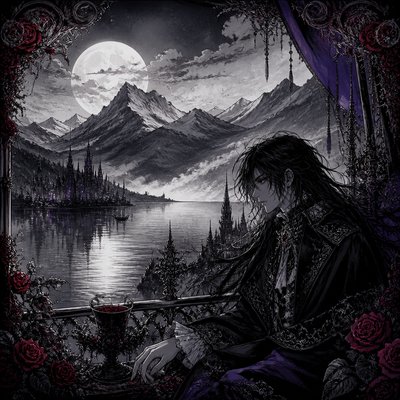
Influences: Gothic Religious Art draws from Byzantine icons, Romanesque sculpture and painting, medieval manuscript illumination, and the architecture of Gothic cathedrals. In Italy, painters such as early Sienese and Florentine masters helped bridge Gothic elegance with greater narrative presence, while later fourteenth-century courtly and panel-painting traditions refined the style’s linear grace and precious surfaces. Its later legacy can be seen in neo-Gothic revival art and in modern fantasy imagery that borrows its halos, stained-glass lighting, and devotional ornament.
Frequently Asked Questions
What defines Gothic Religious Art?
It is defined by medieval Christian imagery expressed through elongated figures, gold surfaces, vertical composition, and decorative architectural detail. The style favors symbolism and devotion over naturalistic anatomy or perspective. It often looks luminous, ornate, and solemn at once.
How is it different from Romanesque art?
Romanesque art is generally heavier, more massive, and more rigid in its forms, while Gothic art becomes taller, lighter, and more graceful. Gothic compositions also tend to feature more elaborate ornament, pointed arches, and a stronger sense of upward movement. Both are medieval Christian styles, but Gothic is usually more refined and airy.
How is it different from Renaissance religious art?
Renaissance religious art emphasizes proportion, perspective, anatomical realism, and natural light. Gothic Religious Art is more stylized, symbolic, and hierarchical, with flattened space and elongated bodies. The difference is especially visible in how each style handles depth, emotion, and sacred symbolism.
What subjects are most common in this style?
Common subjects include the Virgin and Child, the Crucifixion, the Annunciation, saints, angels, enthroned Christ, and donor portraits. Narrative scenes from the Bible or the lives of saints are often organized in a devotional, highly structured way. Altarpieces and manuscript pages are especially associated with the style.
Can I make modern images in this style?
Yes, as long as you preserve the core visual vocabulary: verticality, gold, jewel tones, ornamental borders, and sacred calm. Modern subjects can be translated into the style if they are treated with medieval composition and surface design. The result works best when the modern content is adapted rather than simply overlaid.
Where was this style used historically?
It appeared in churches, cathedrals, monasteries, illuminated manuscripts, altarpieces, devotional panels, and mural programs. These settings were designed for worship, instruction, and contemplation, so the art was meant to support religious experience. Its visual language was closely tied to liturgy and devotional reading.
Create your first Gothic Religious artwork
Describe anything — or upload a photo — and see it in Gothic Religious Art in seconds.
Make Something with Gothic Religious
Compare Gothic Religious
Related Styles
Discover similar art styles