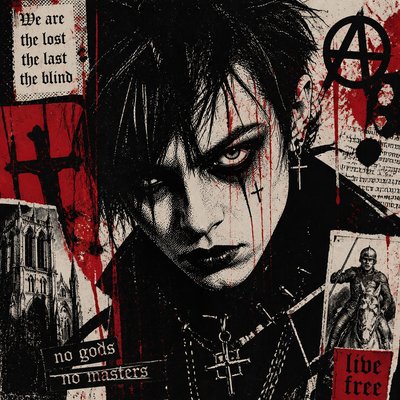
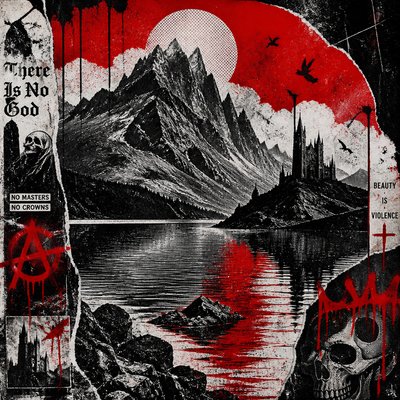
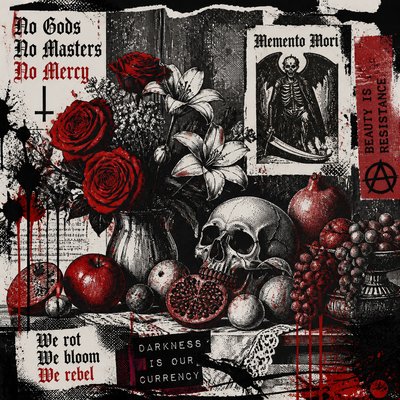
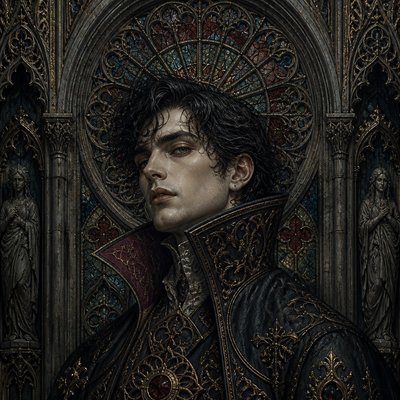
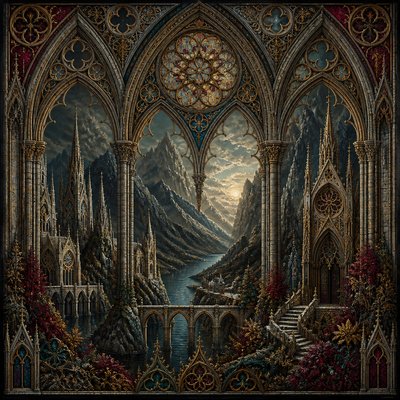
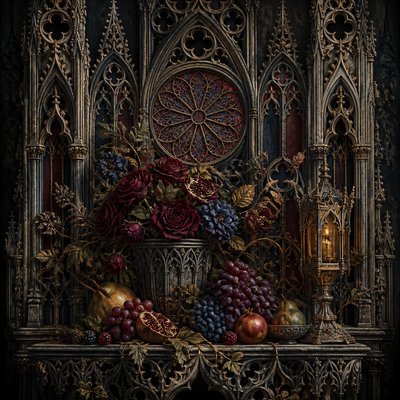
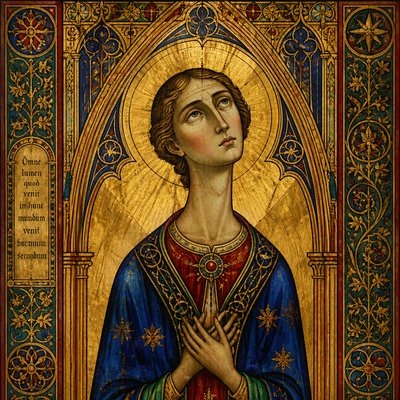
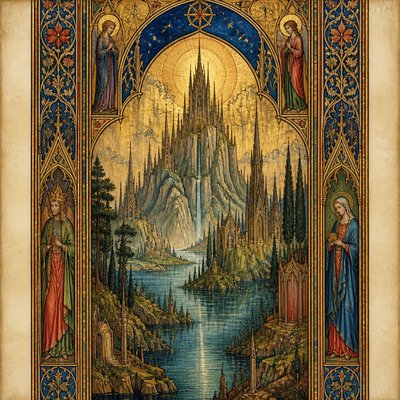
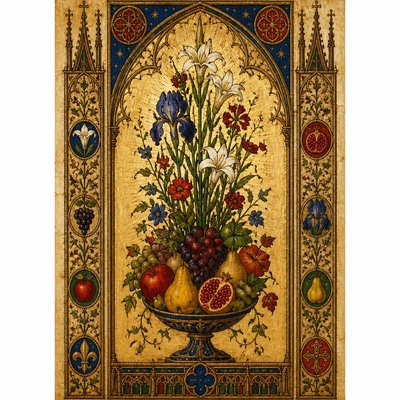
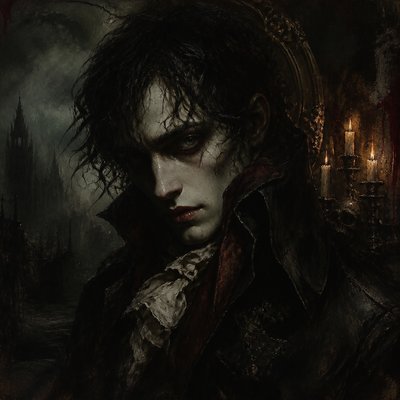
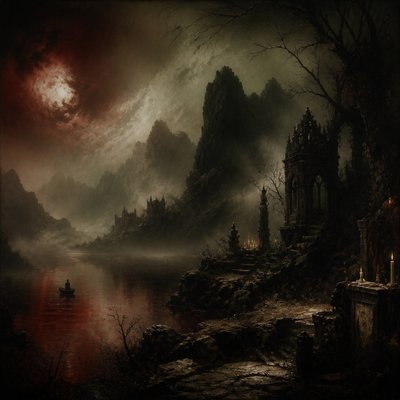
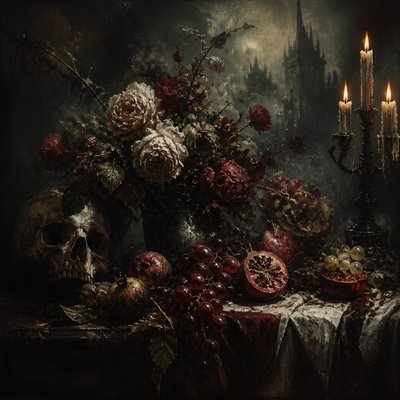
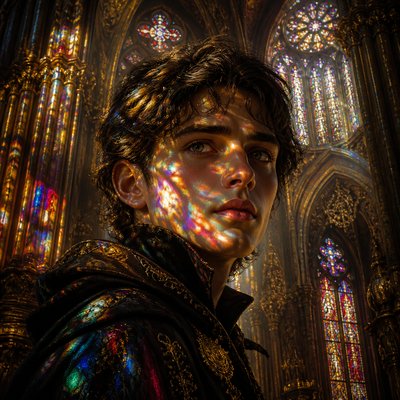
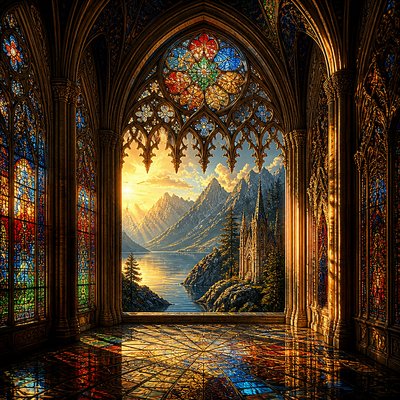
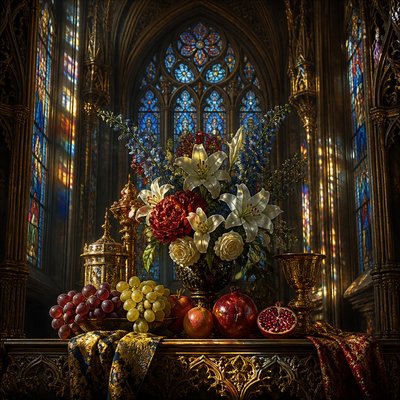
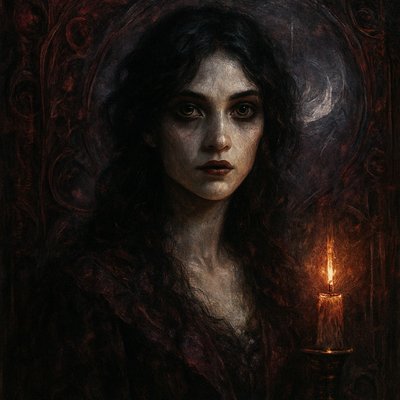
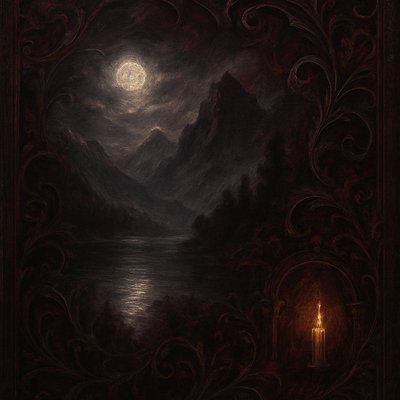
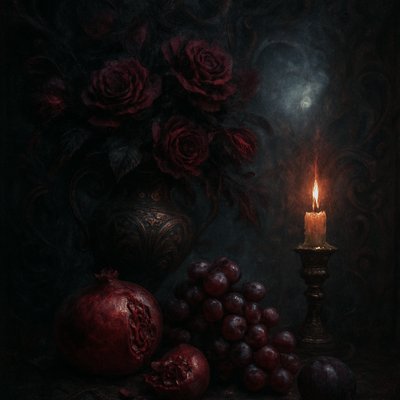
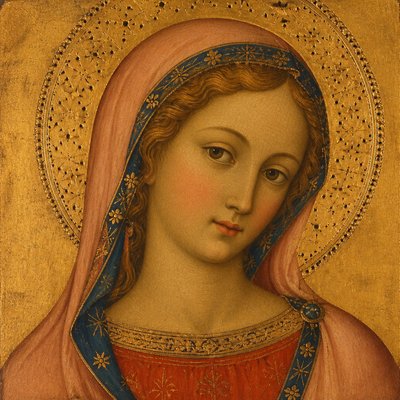
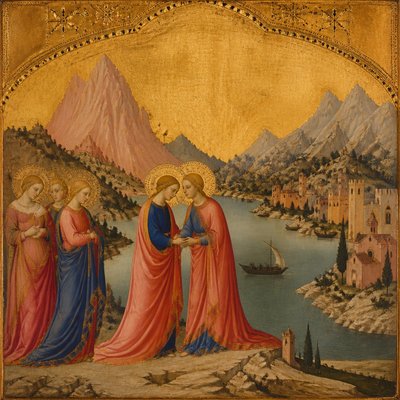
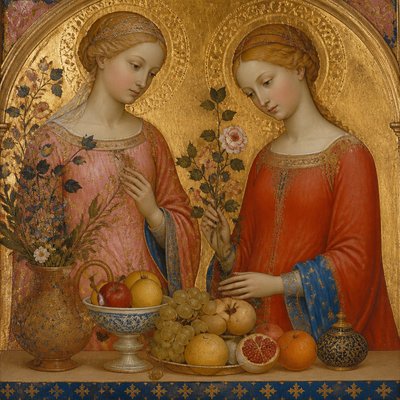
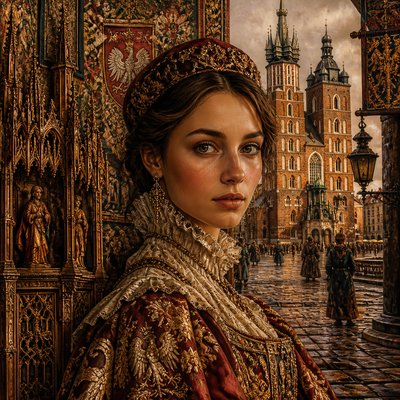
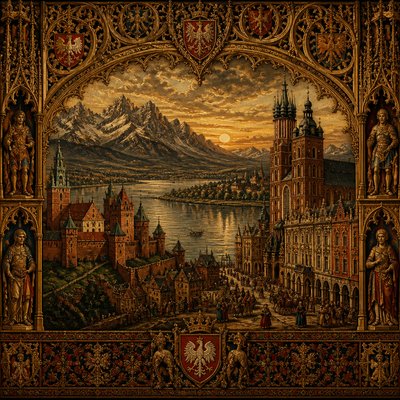
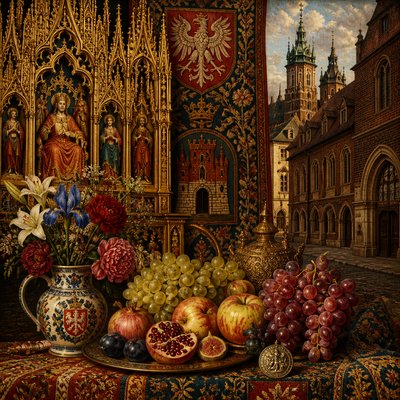
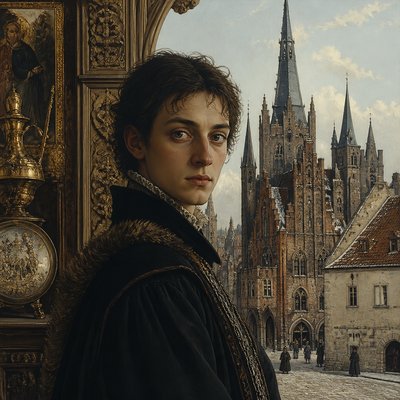
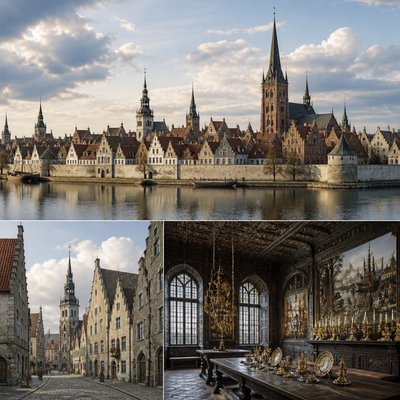
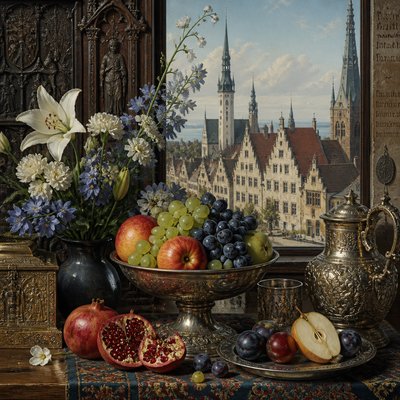
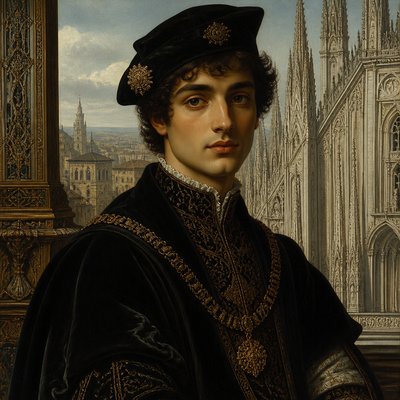
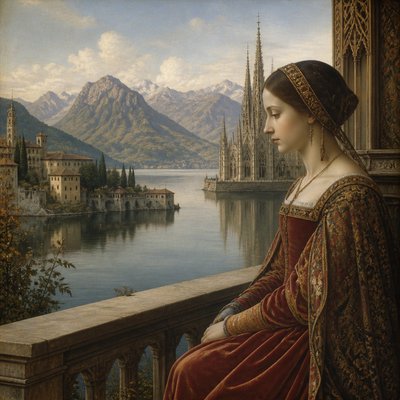
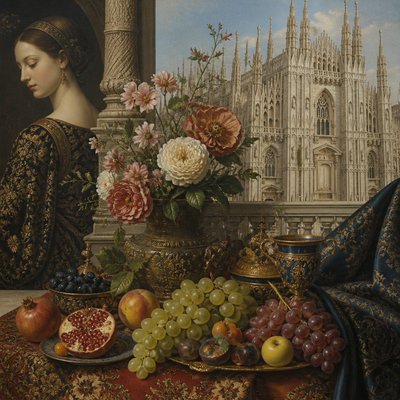
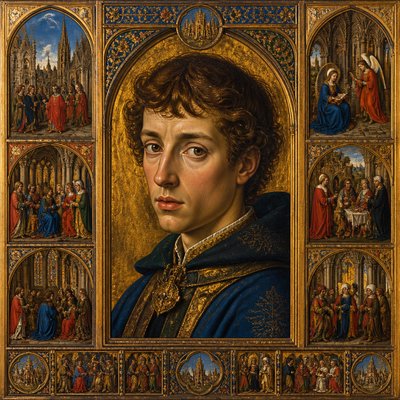
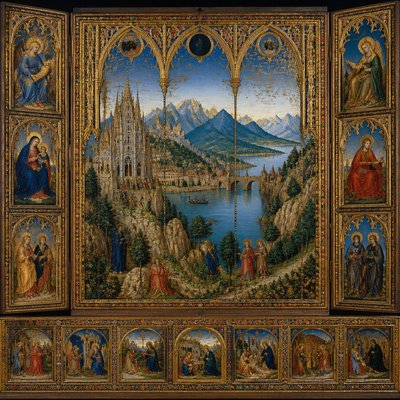
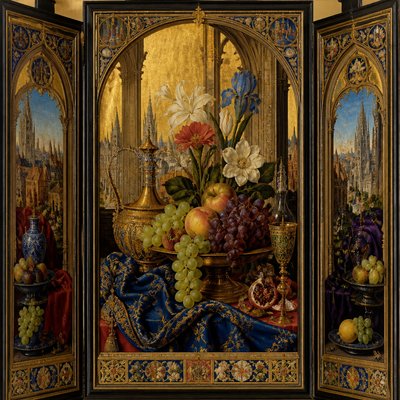
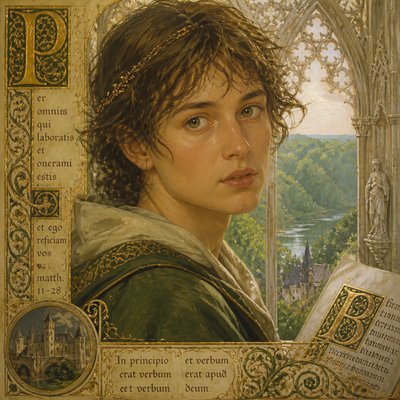
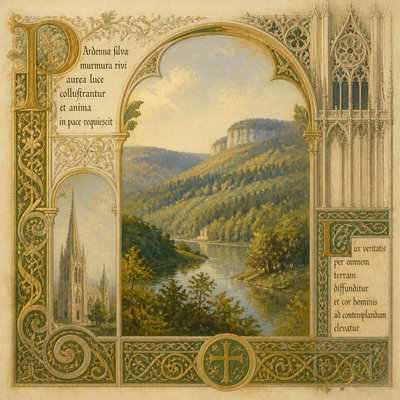
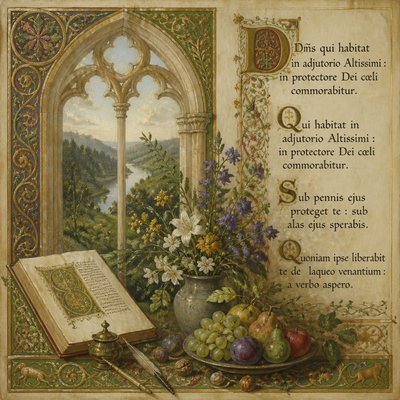
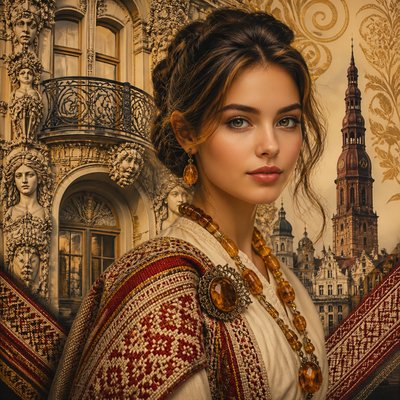
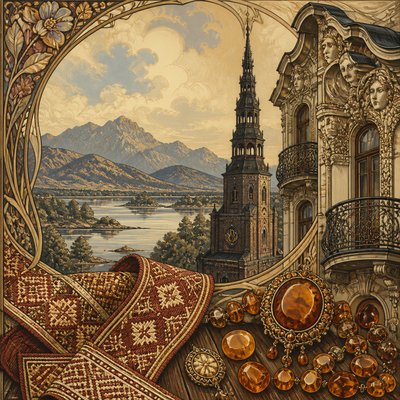
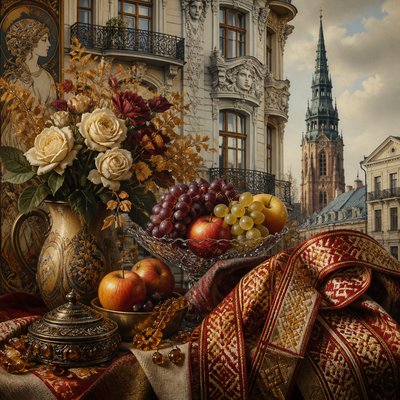
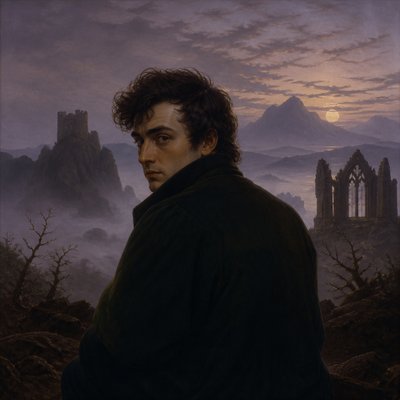
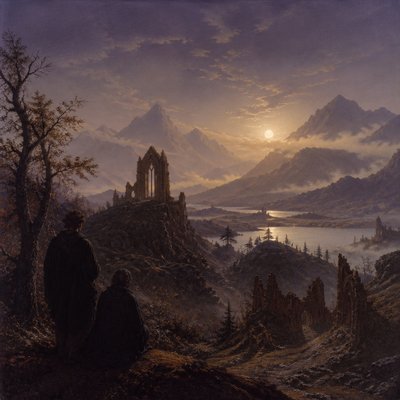
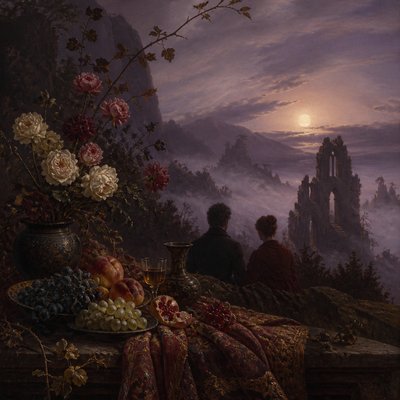
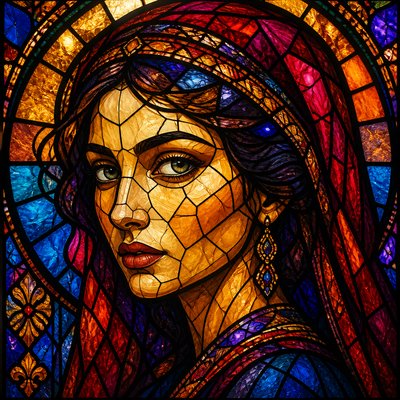
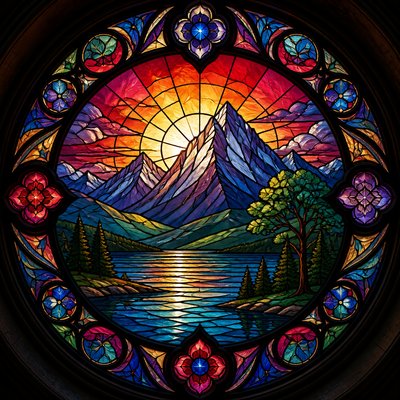
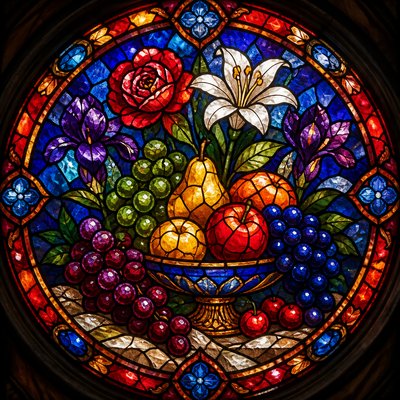
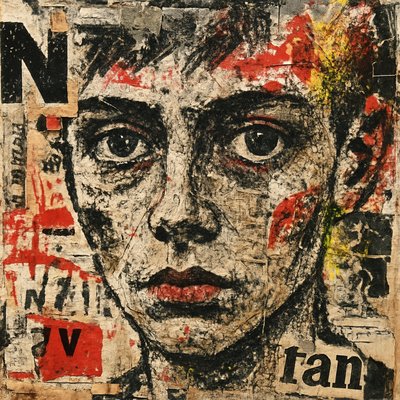
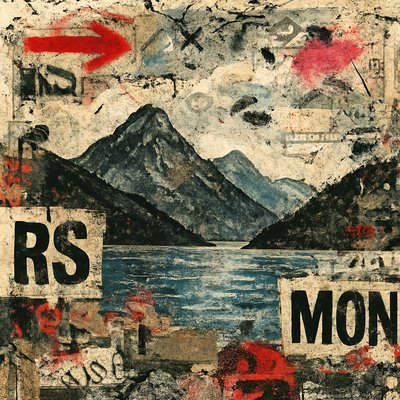
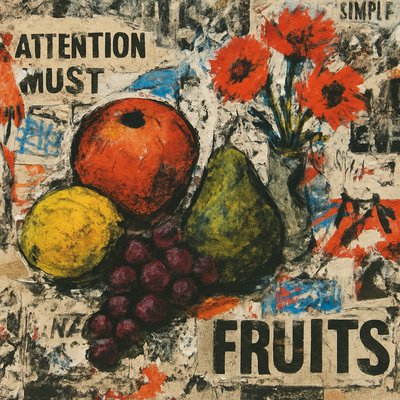
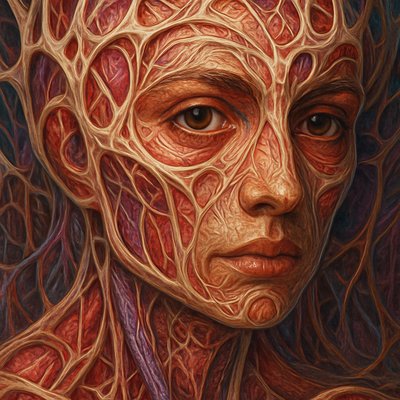
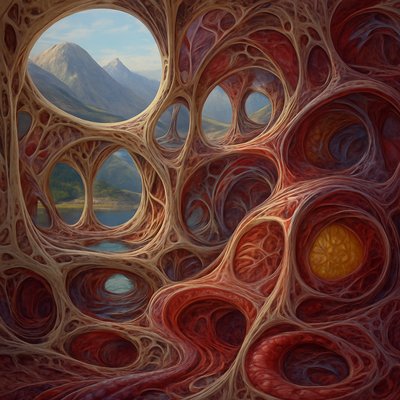
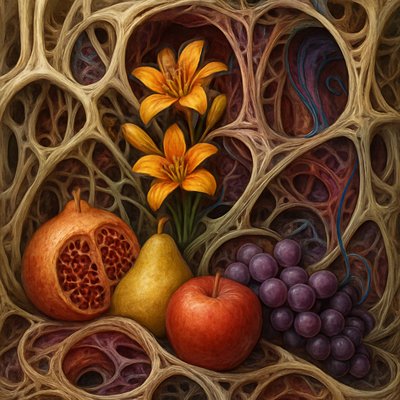
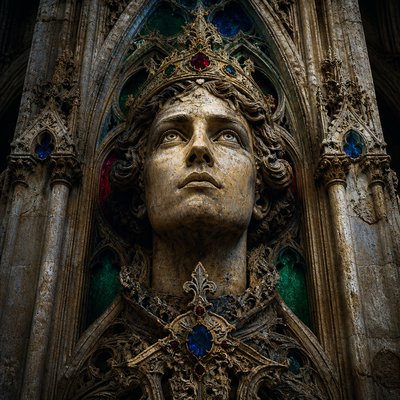
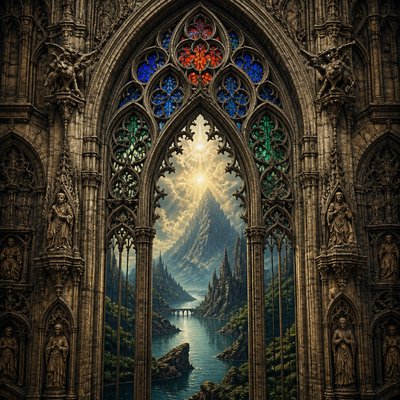
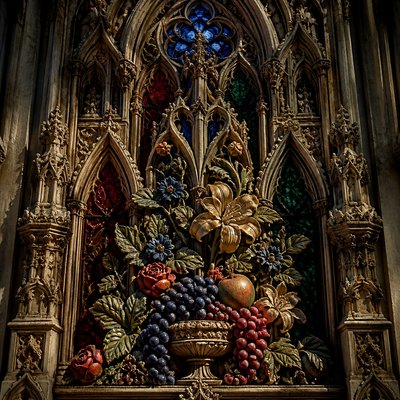
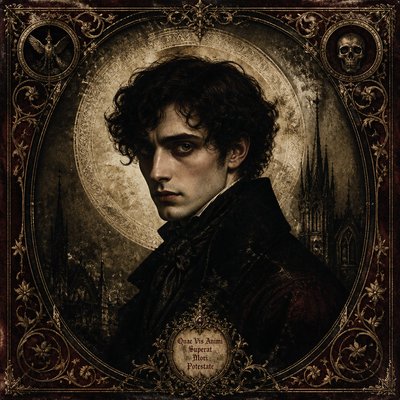
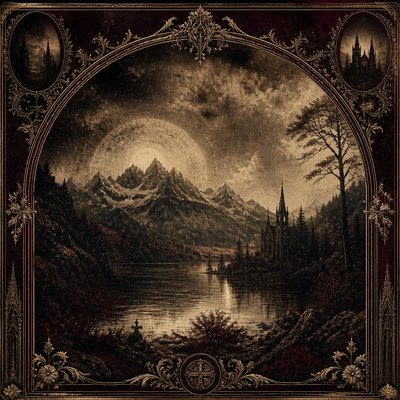
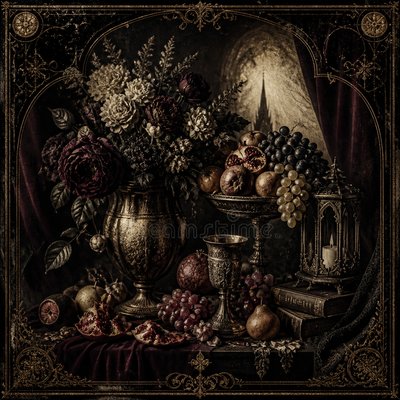
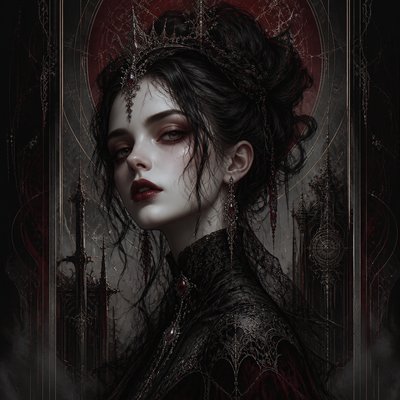
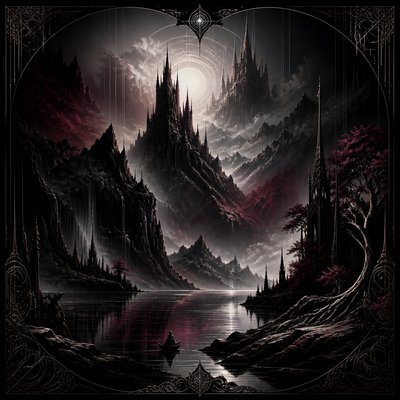
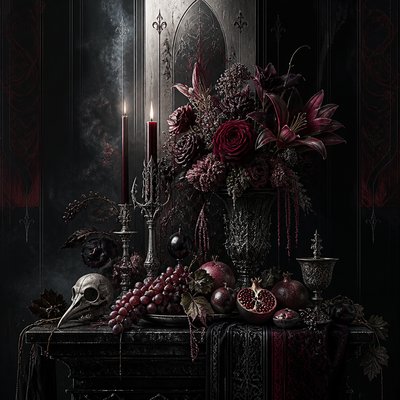
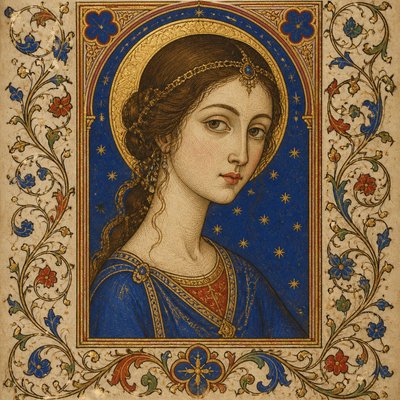
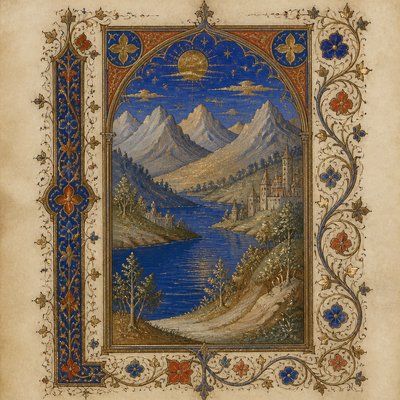
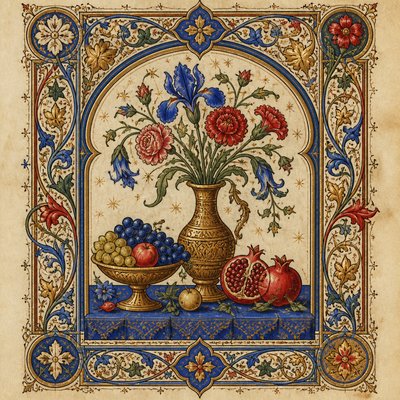
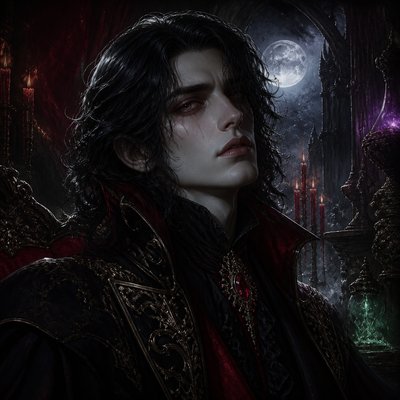
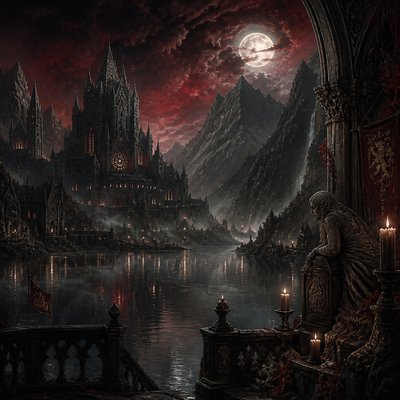
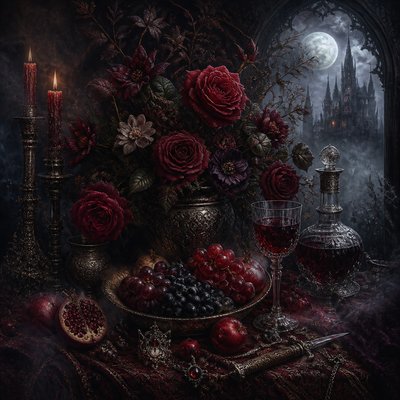
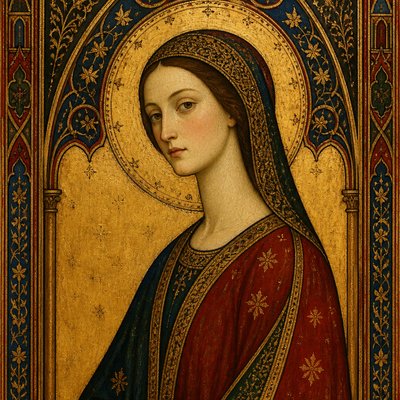
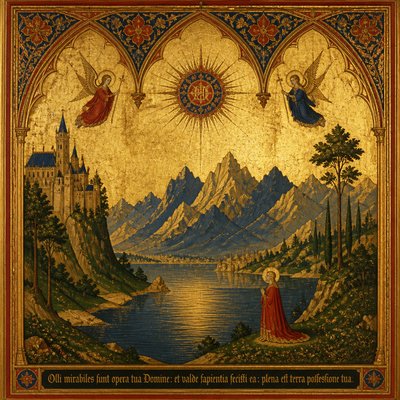
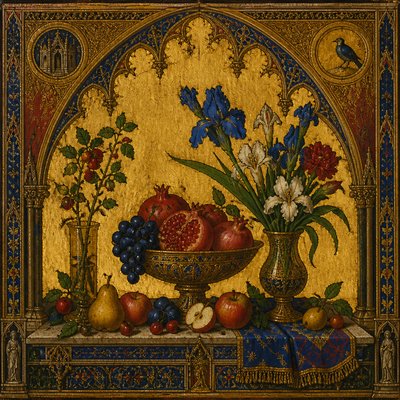
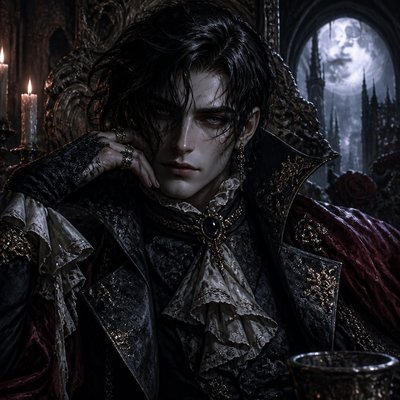
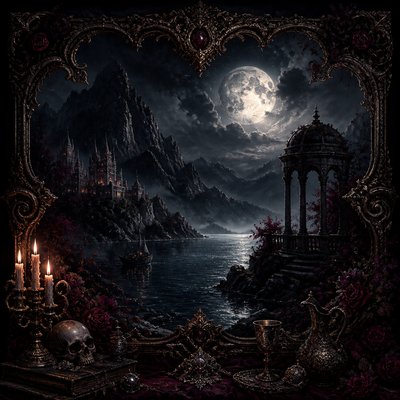
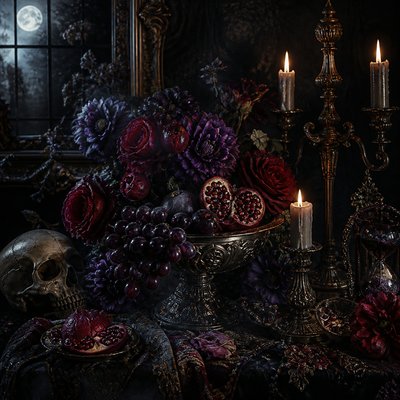
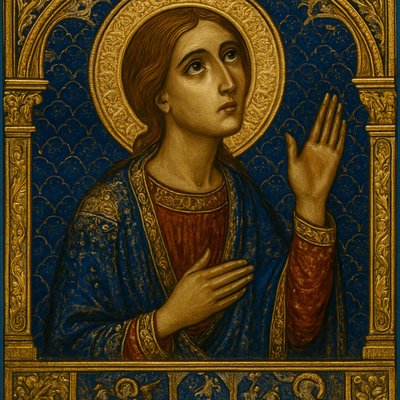
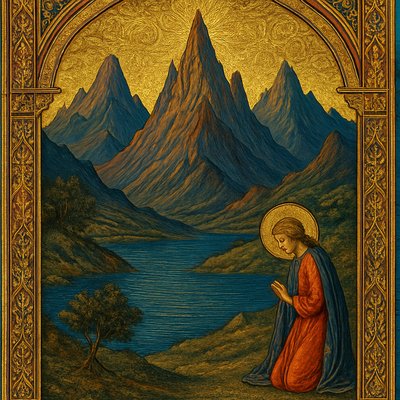
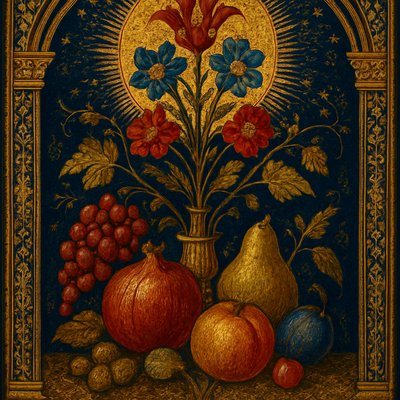
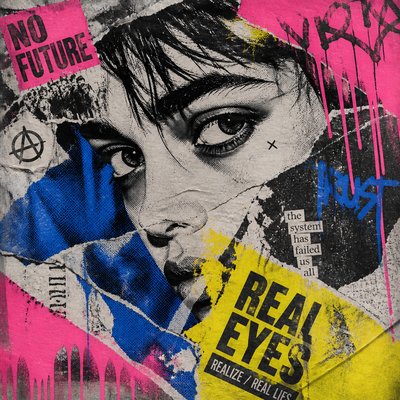
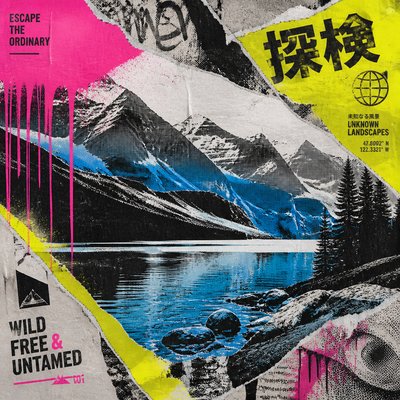
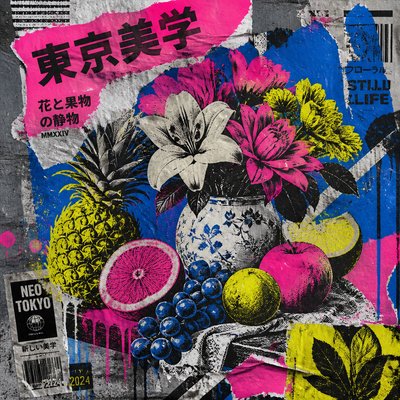
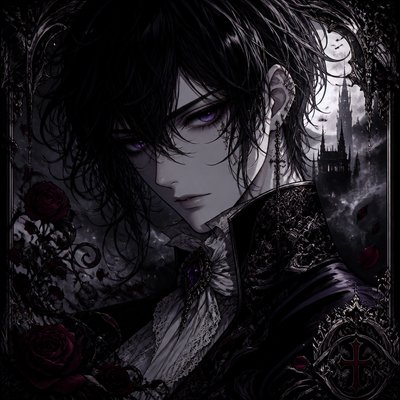
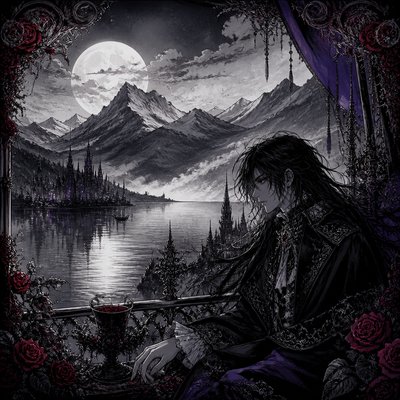
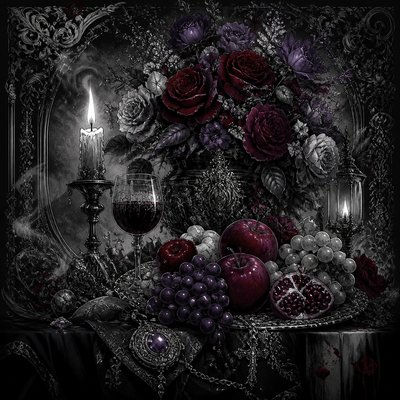
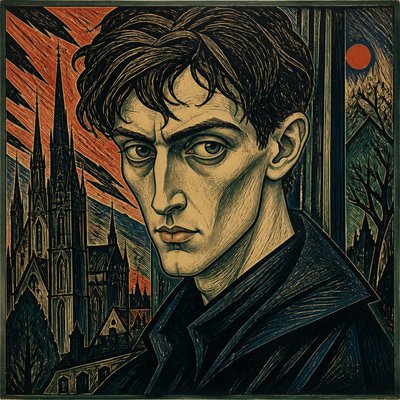
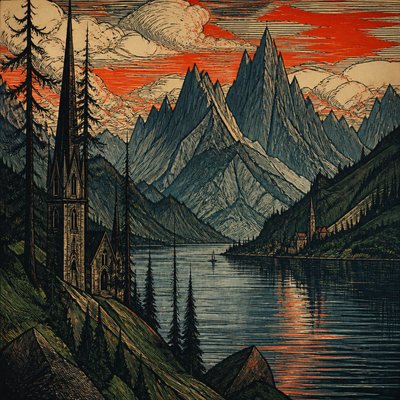
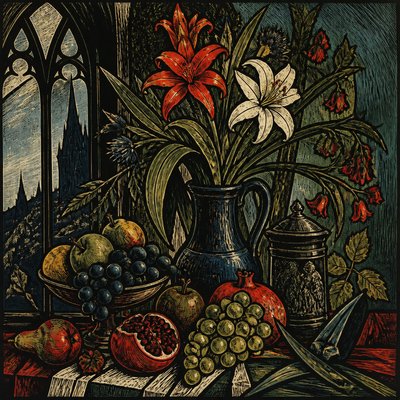
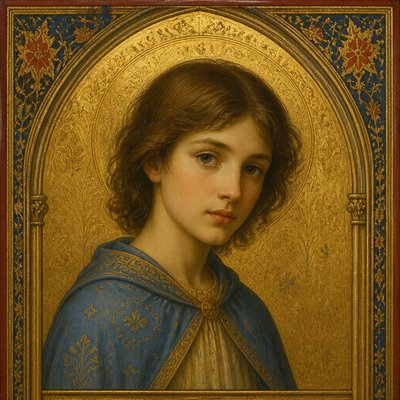
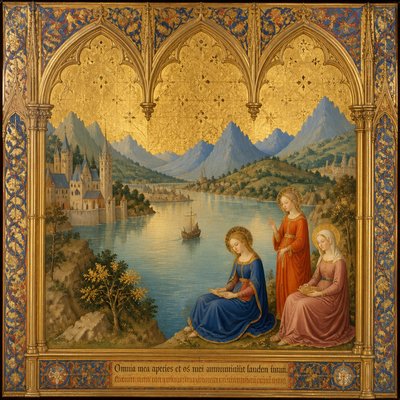
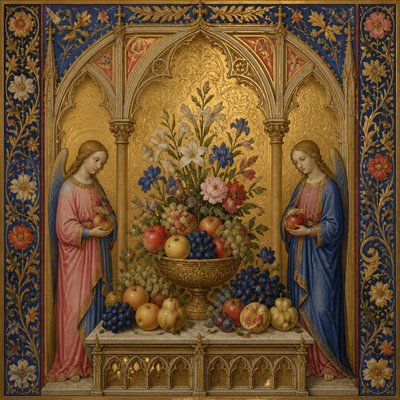
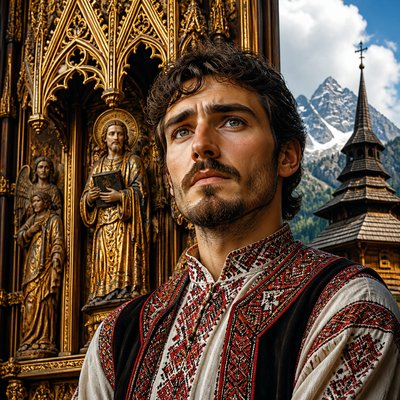
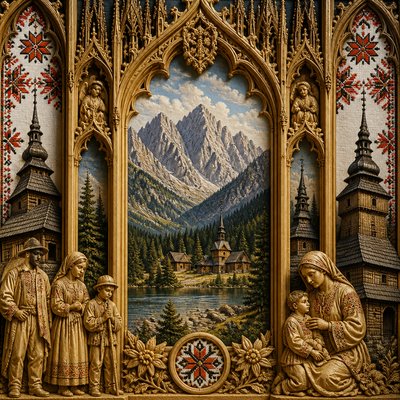
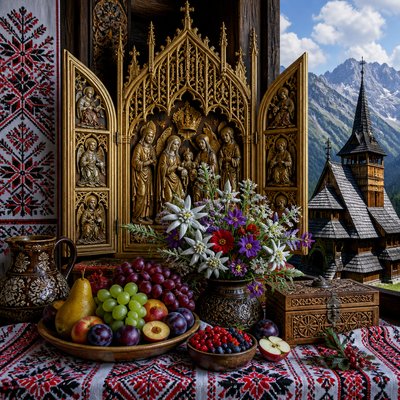
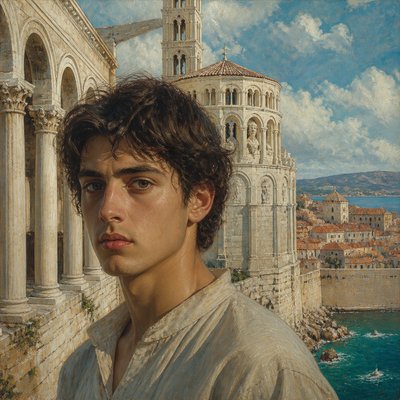
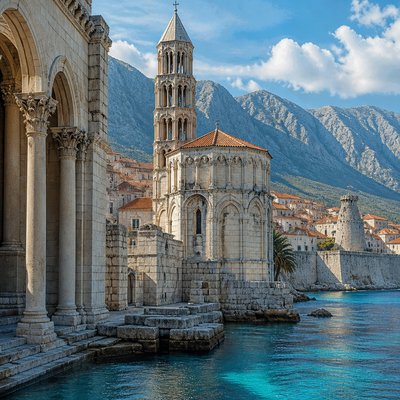
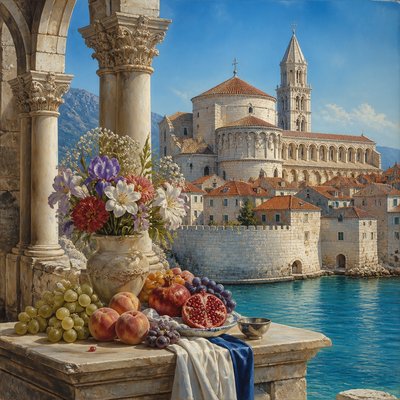
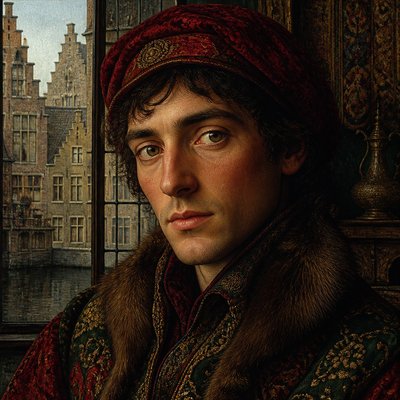
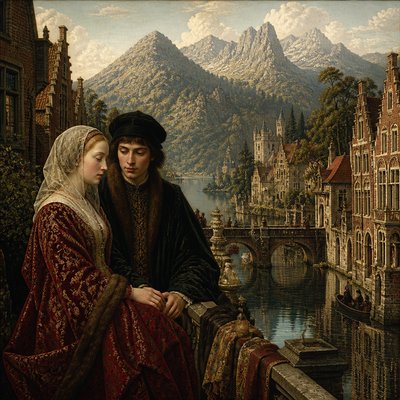
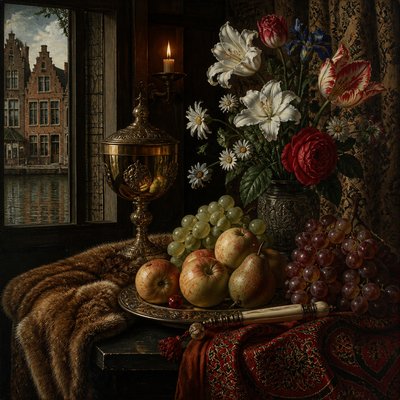
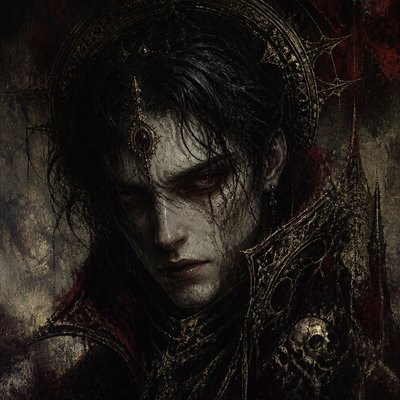
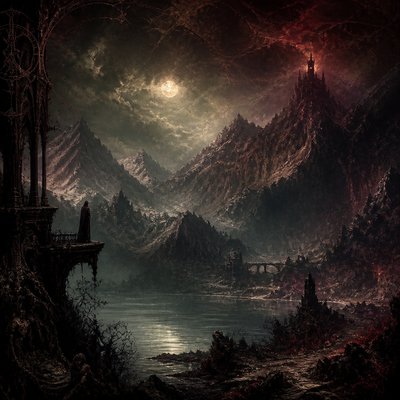
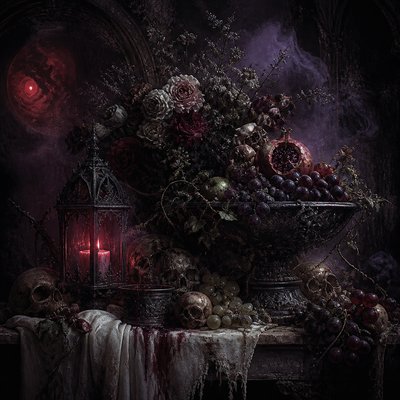
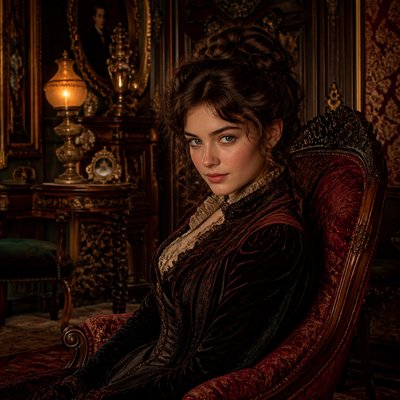
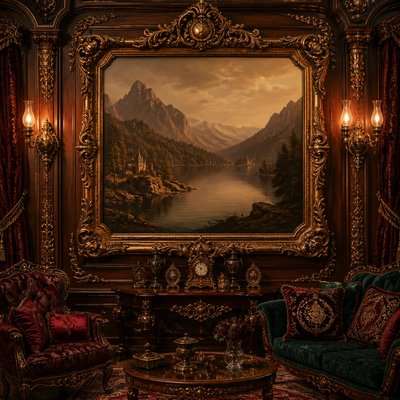
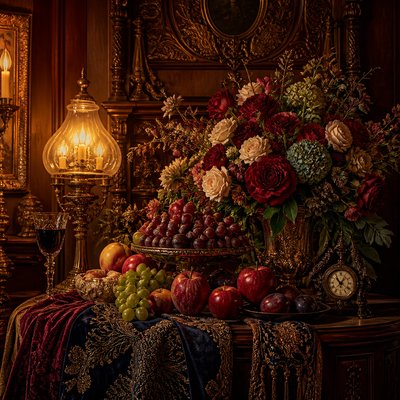
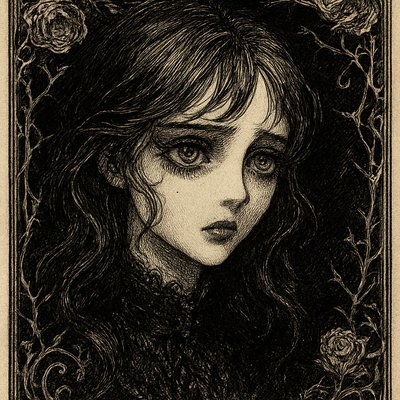
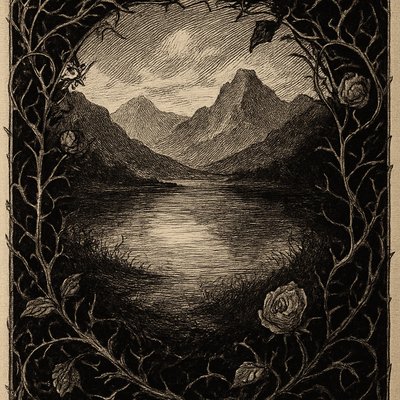
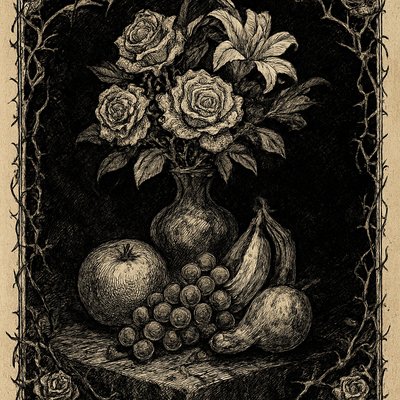
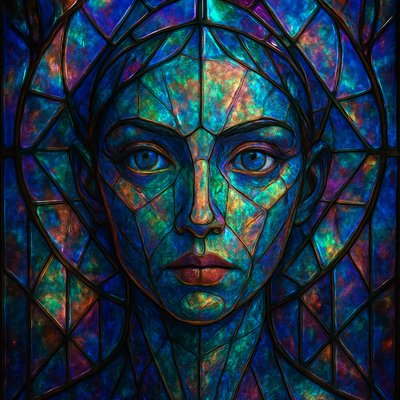
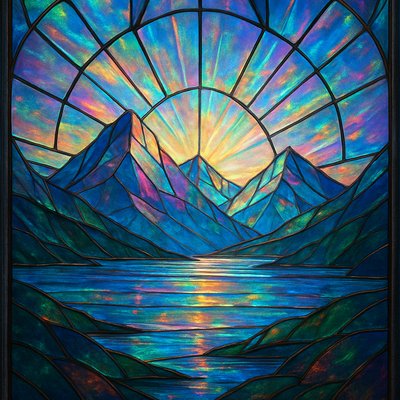
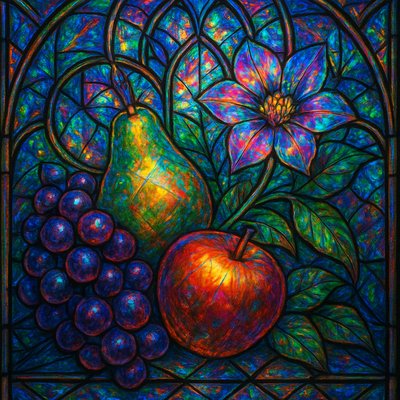
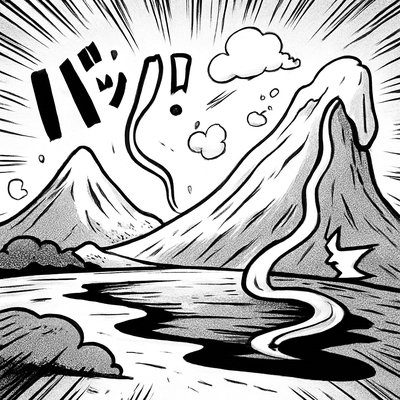
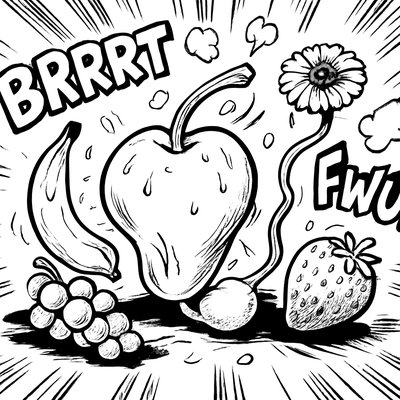
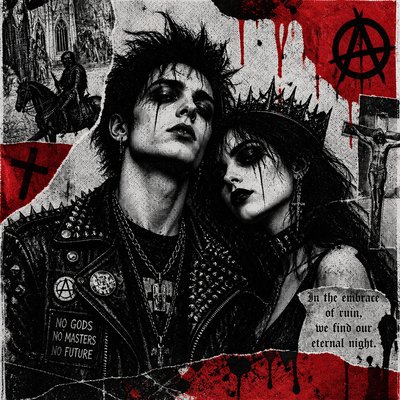
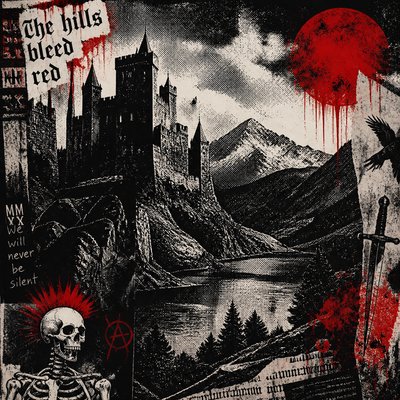
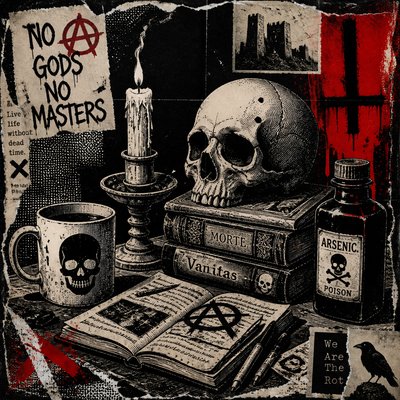
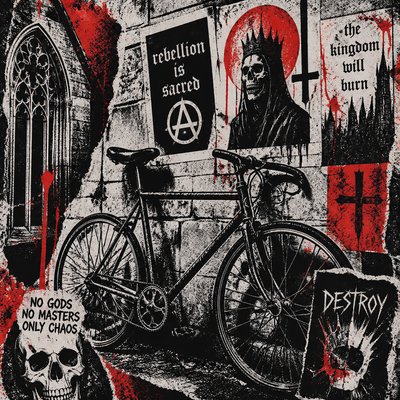
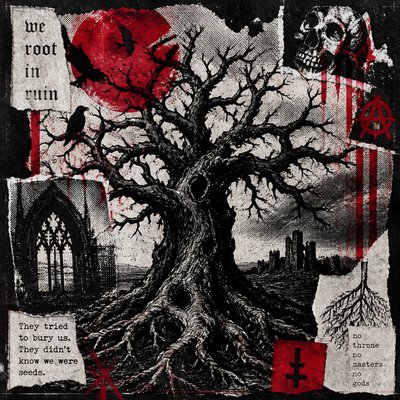
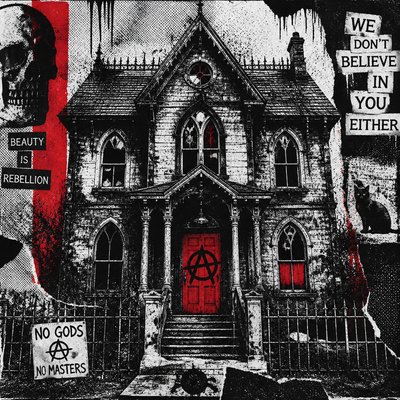
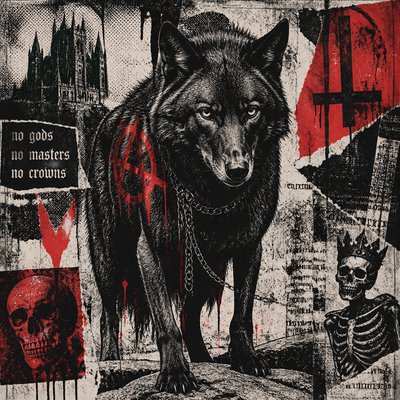
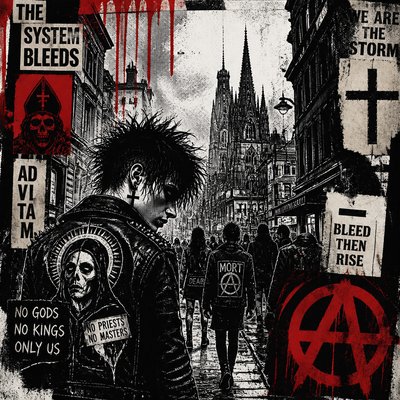
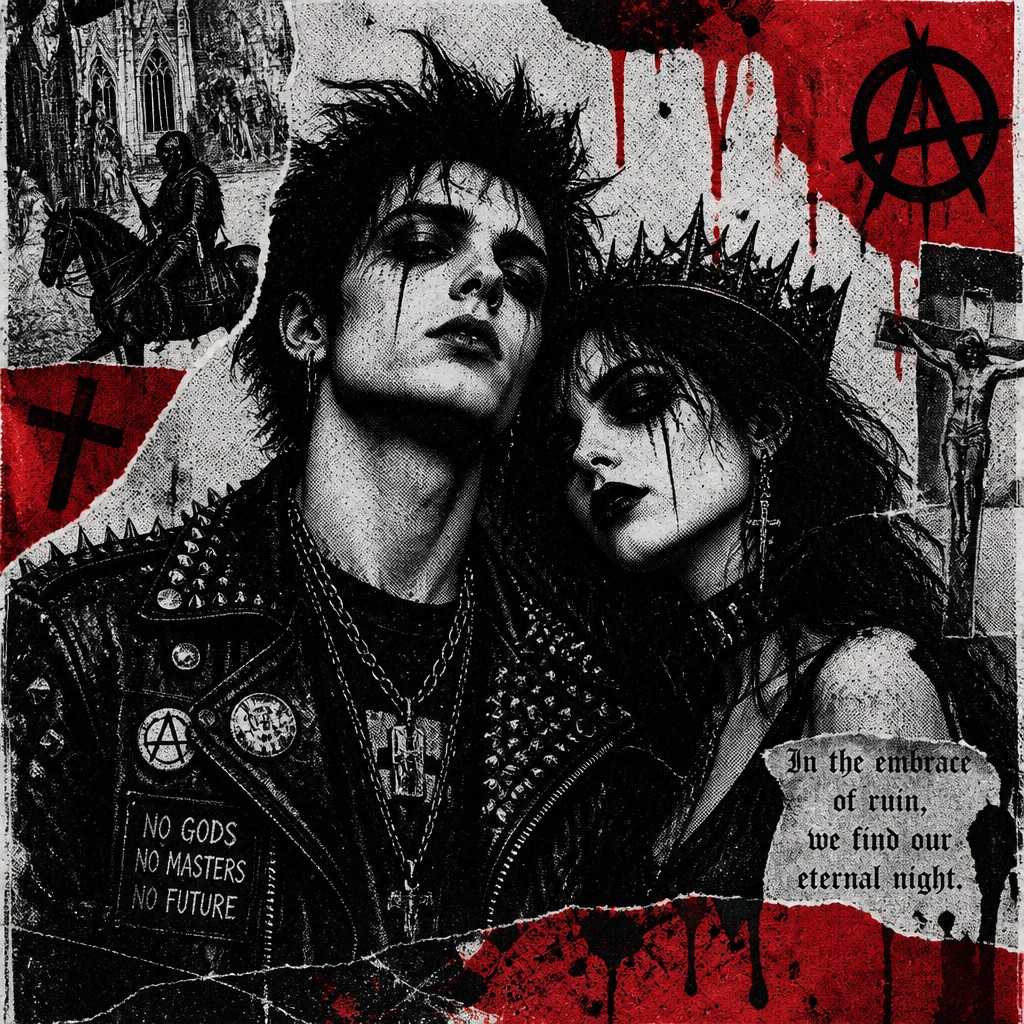
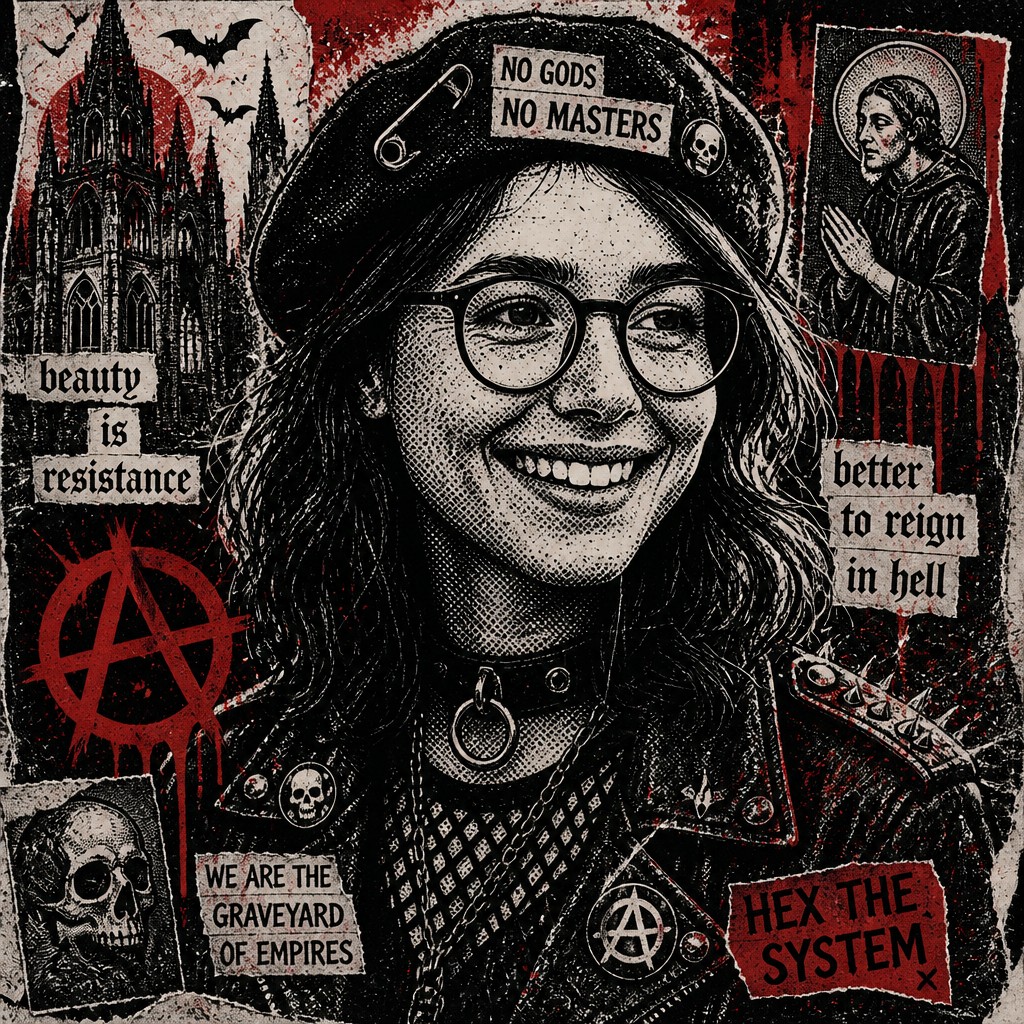
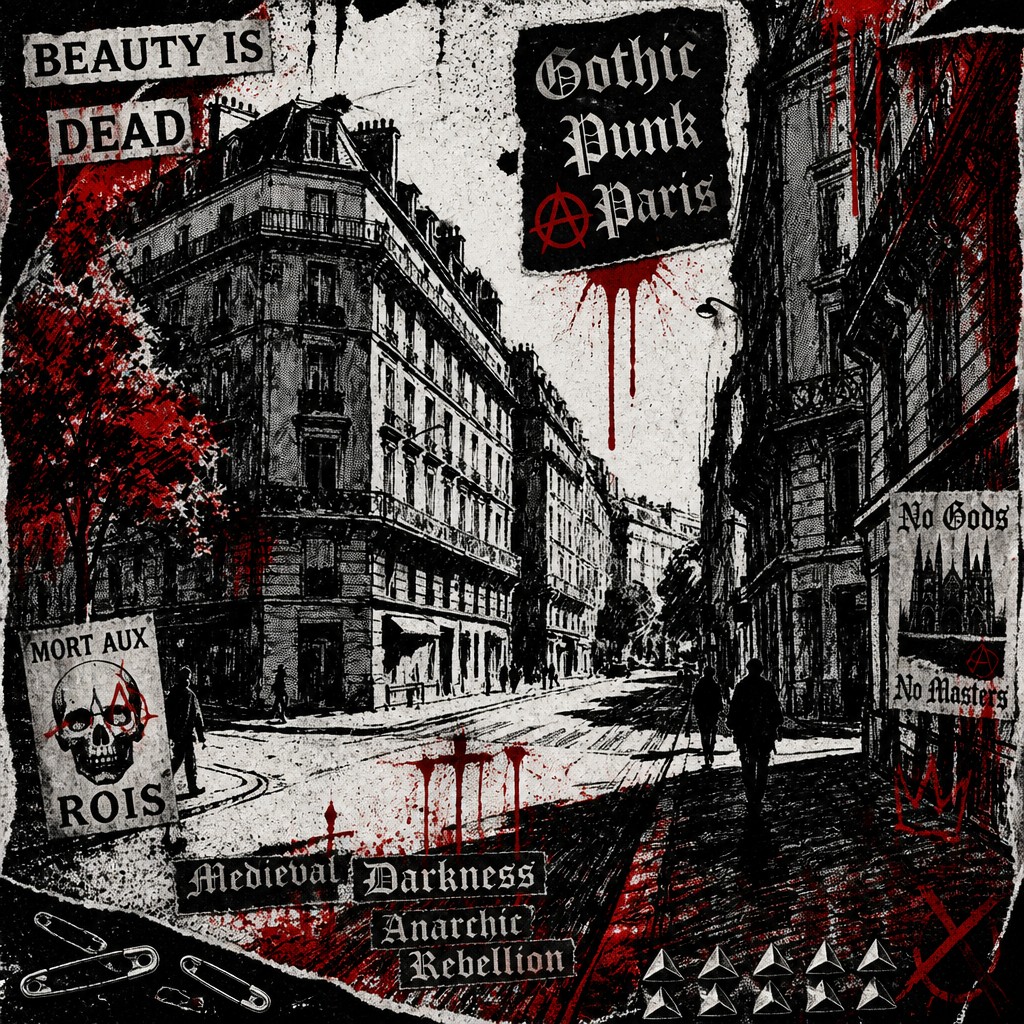
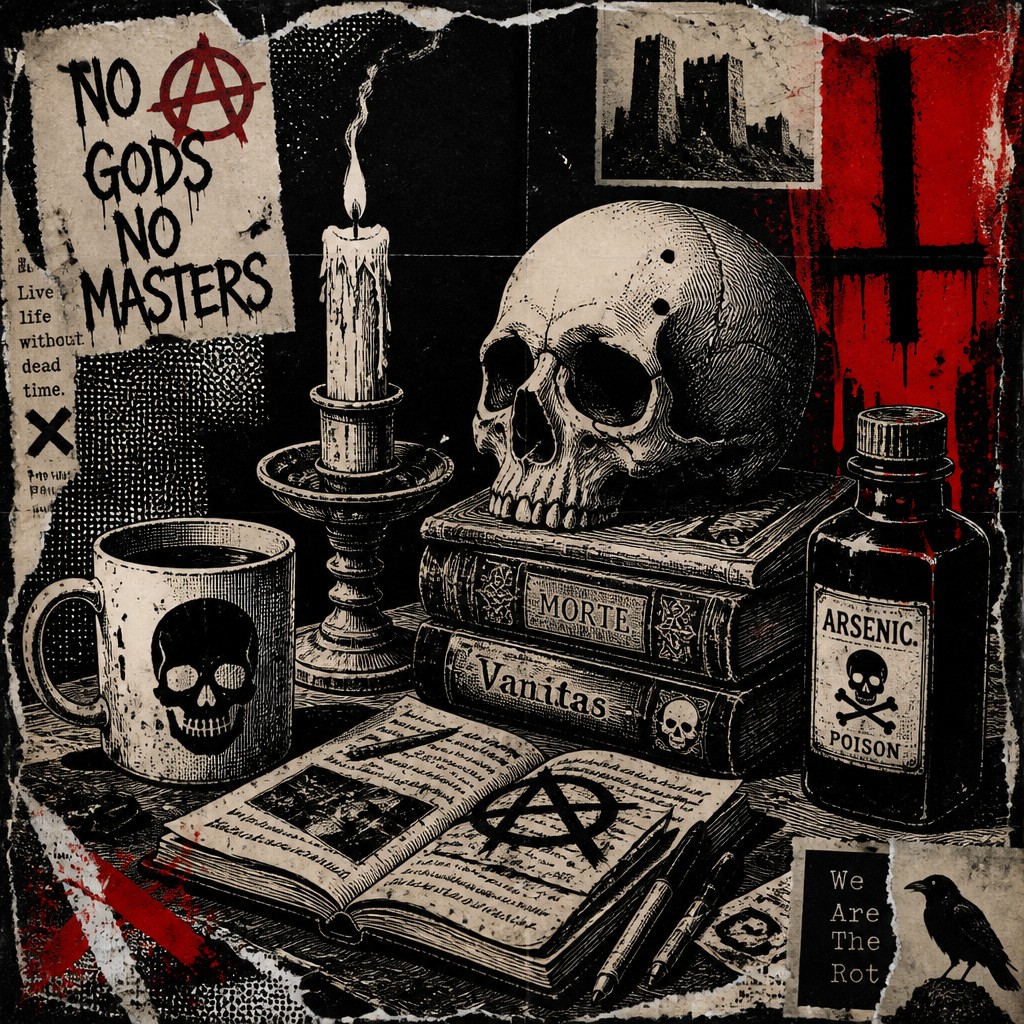
Gothic Punk Art blends medieval darkness, anarchic rebellion, monochrome ink, crimson accents, zine texture, and distressed collage.
Instantly rendered in Gothic Punk — or transform a photo
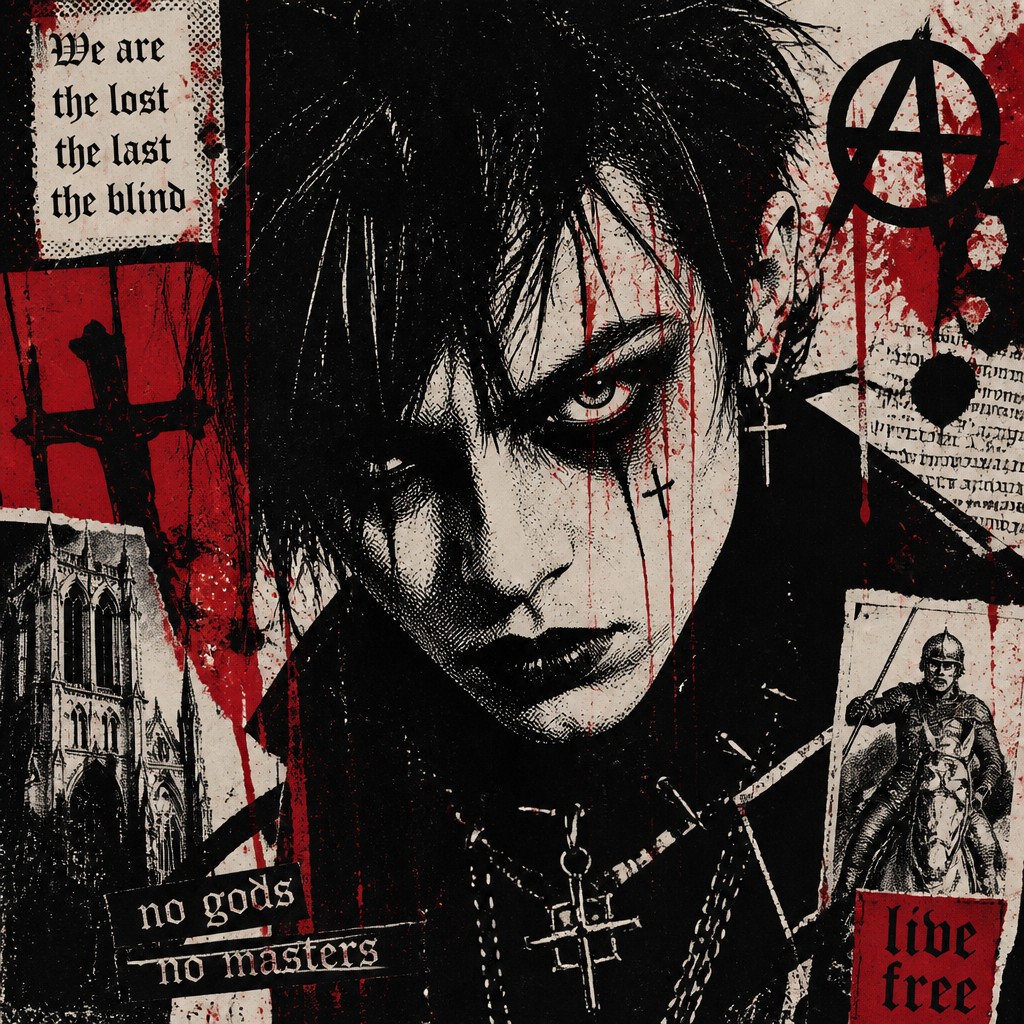
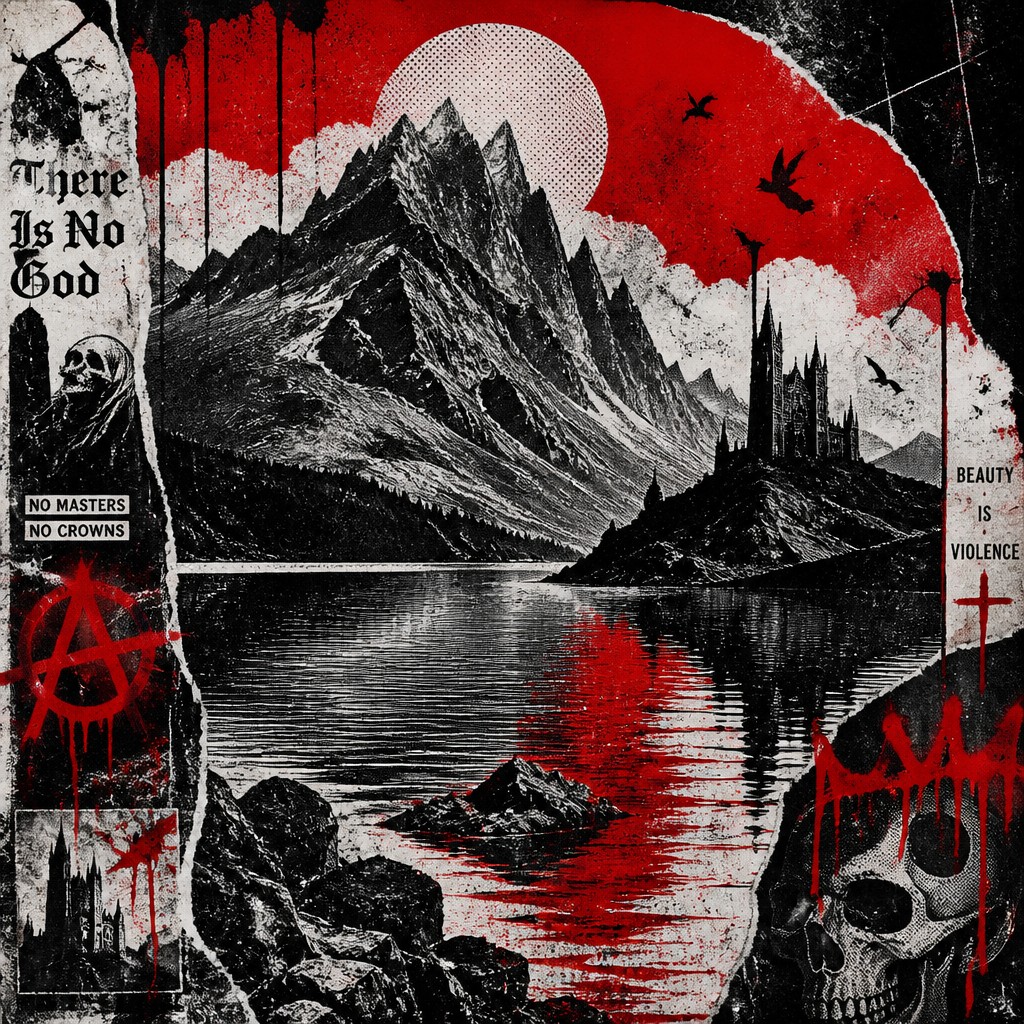
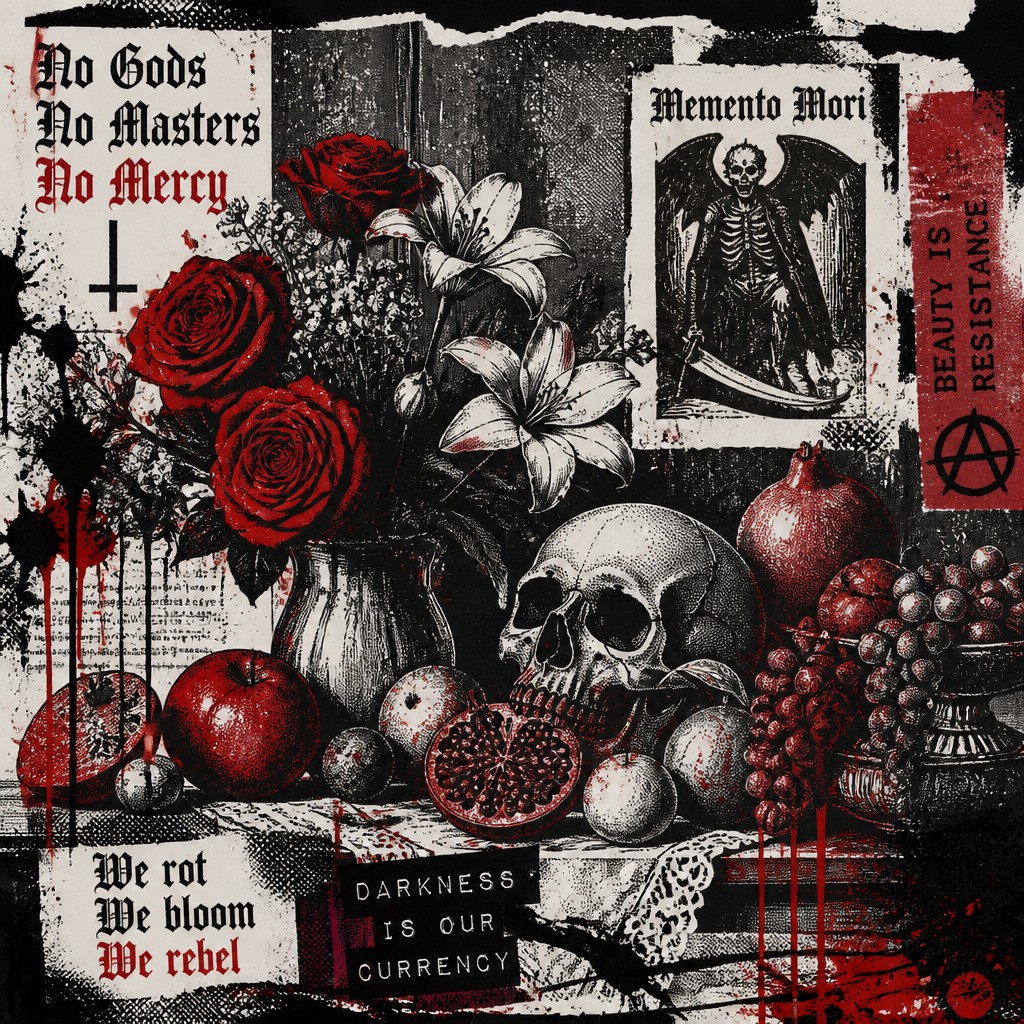
Gothic Punk Gallery
Tap any artwork to explore it
What is Gothic Punk Art?
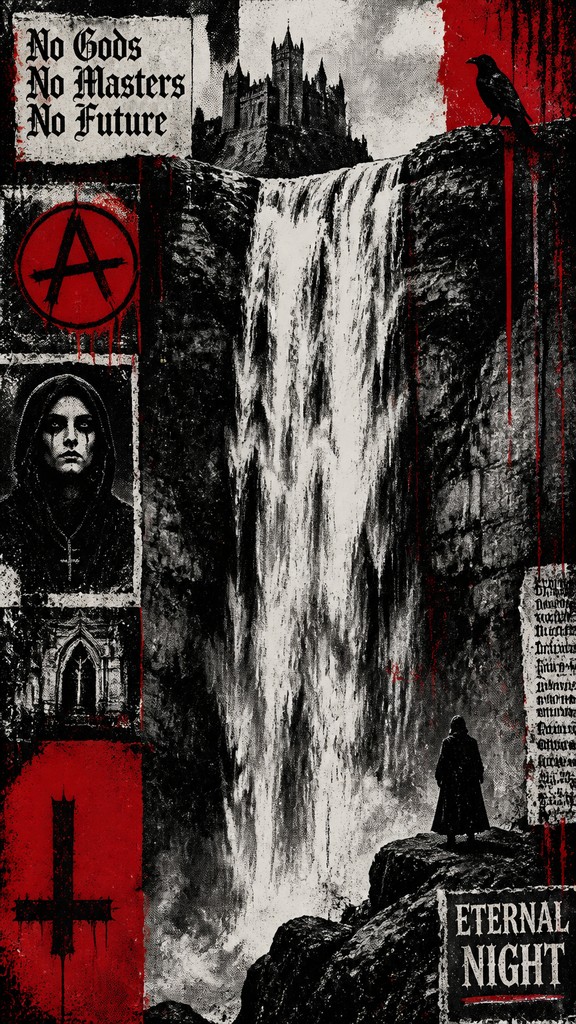
Gothic Punk Art is a contemporary fusion style that combines the visual language of Gothic imagery with the abrasive, anti-establishment energy of punk. It typically features stark black-and-white contrasts, violent crimson accents, distressed surfaces, torn paper edges, heavy linework, and a rough handmade quality that can feel at once medieval, urban, and confrontational.
Its identity comes from collision: cathedral shadow and street-level defiance, ornate Gothic mood and DIY punk production. Instead of polished elegance, the style embraces photocopied texture, ink splatter, halftone noise, and visible damage as part of the composition. The result often feels like a zine poster, protest flyer, or album cover filtered through a darker, more theatrical visual tradition.
Try It On Your Photos
Upload any photo and convert it into Gothic Punk Art — drag the sliders to compare before and after.


What Defines Gothic Punk Art
The signature details, up close
Monochrome with crimson accents
The palette is usually dominated by black, white, and gray, with small but aggressive areas of red used like warnings, blood, or graffiti marks. The limited color range increases contrast and makes every accent feel intentional.
Heavy ink linework
Forms are often built with thick black outlines, scratchy contour drawing, and aggressive crosshatching. This gives the image a raw, print-made character rather than a clean digital finish.
Photocopy and zine texture
Halftone dots, registration misalignment, compression-like artifacts, and grainy photocopy noise are common. These imperfections help the image feel reproduced, distributed, and culturally lived-in.
Distressed collage construction
Torn edges, pasted fragments, overprints, and cut-and-paste layering create a poster-like composition. The image often looks assembled from disparate materials rather than painted as one seamless scene.
Gothic iconography
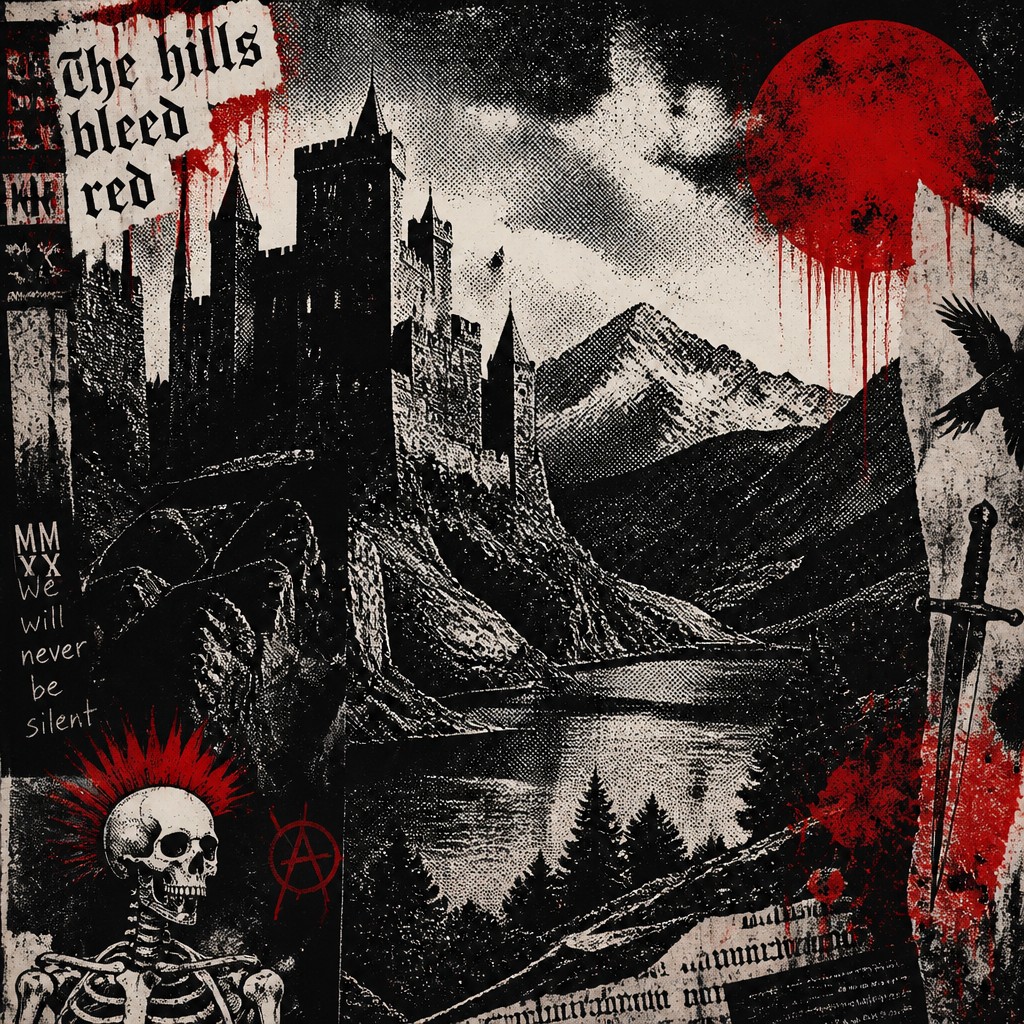
Common motifs include arches, crosses, candles, ravens, skulls, gargoyles, ruined architecture, lace, chains, and nocturnal atmospheres. These references anchor the style in darkness, ritual, and decay.
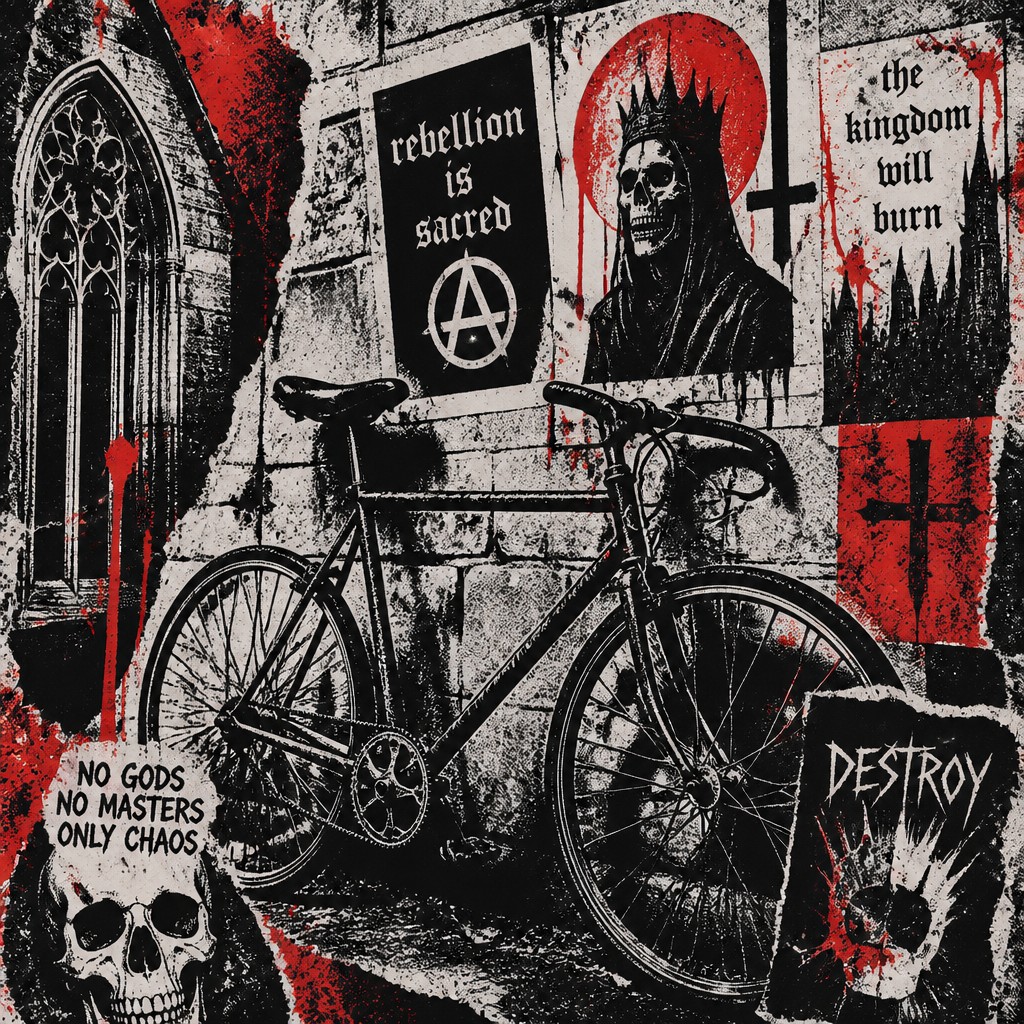
Punk rebellion cues
Safety pins, ripped clothing, slogans, protest marks, graffiti scratches, and anarchic symbols introduce urgency and defiance. These elements prevent the Gothic imagery from becoming purely romantic or decorative.
Harsh chiaroscuro
Lighting is usually dramatic and directional, with deep blacks and sharp highlights. The shadow structure adds theatrical tension and emphasizes the style’s moody, confrontational tone.
Try It
Create Videos in Gothic Punk Art
Styles aren't just for stills — describe a scene or animate an image and get a short video rendered in Gothic Punk. Press play to see this pond come to life.
Make a VideoGothic Punk Prompt Ideas
Start from an idea — each one opens the generator with the style ready to go. See all 40 Gothic Punk prompts →
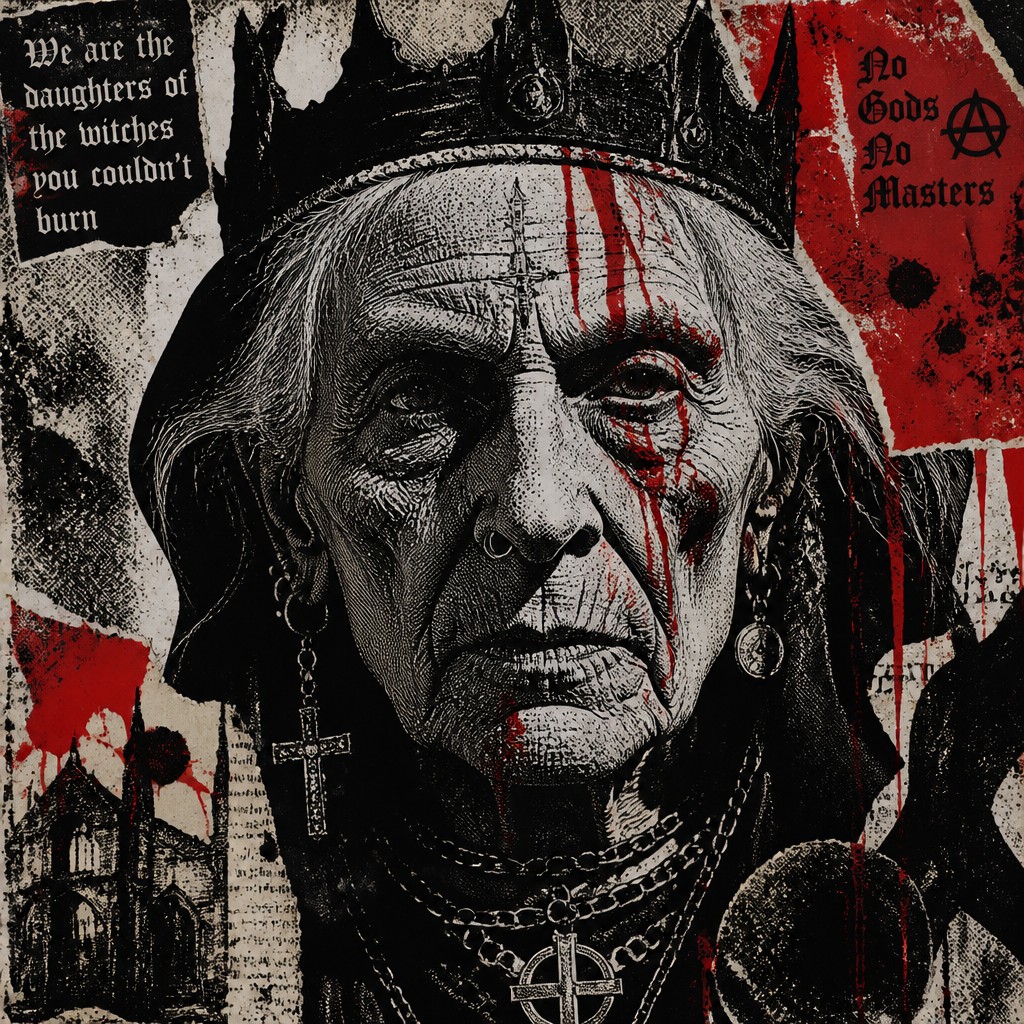
“close-up portrait of an elderly person with expressive weathered features”
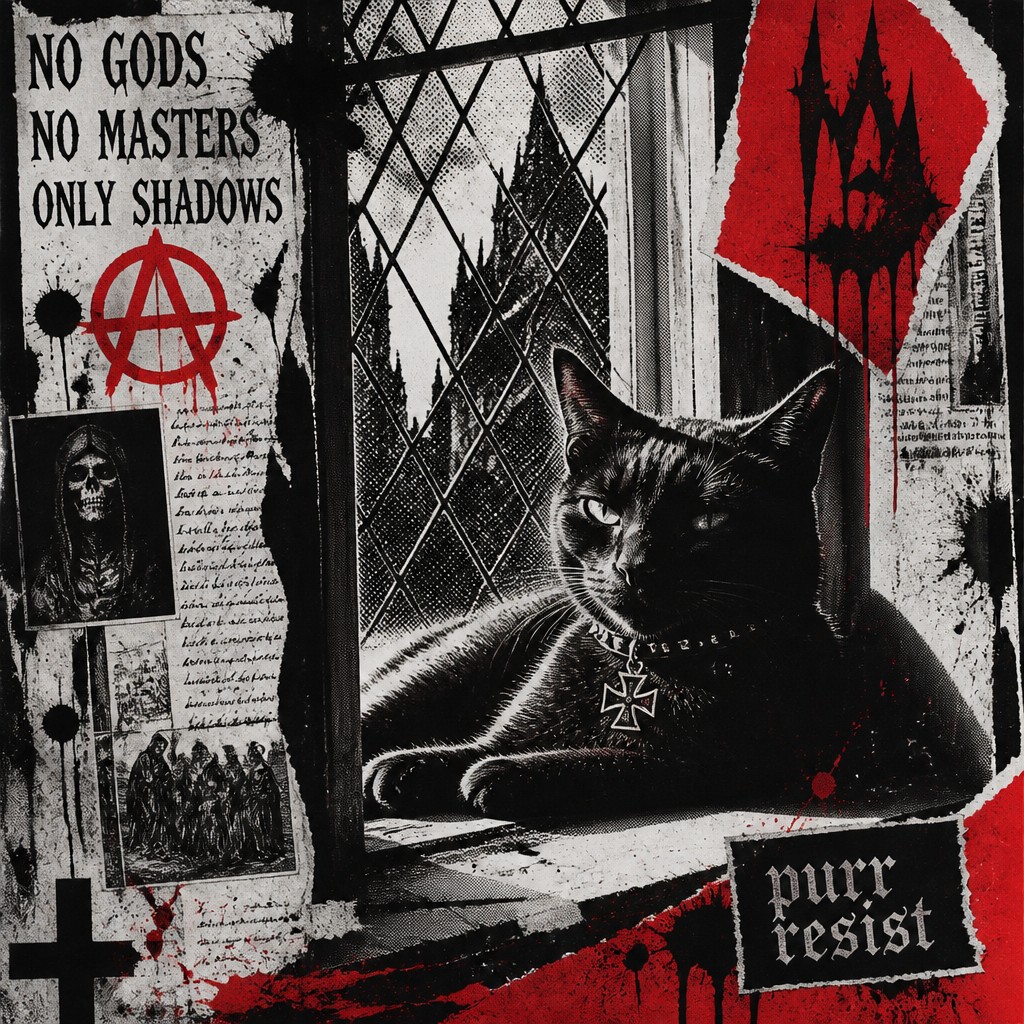
“a cat lounging in a sunlit window”
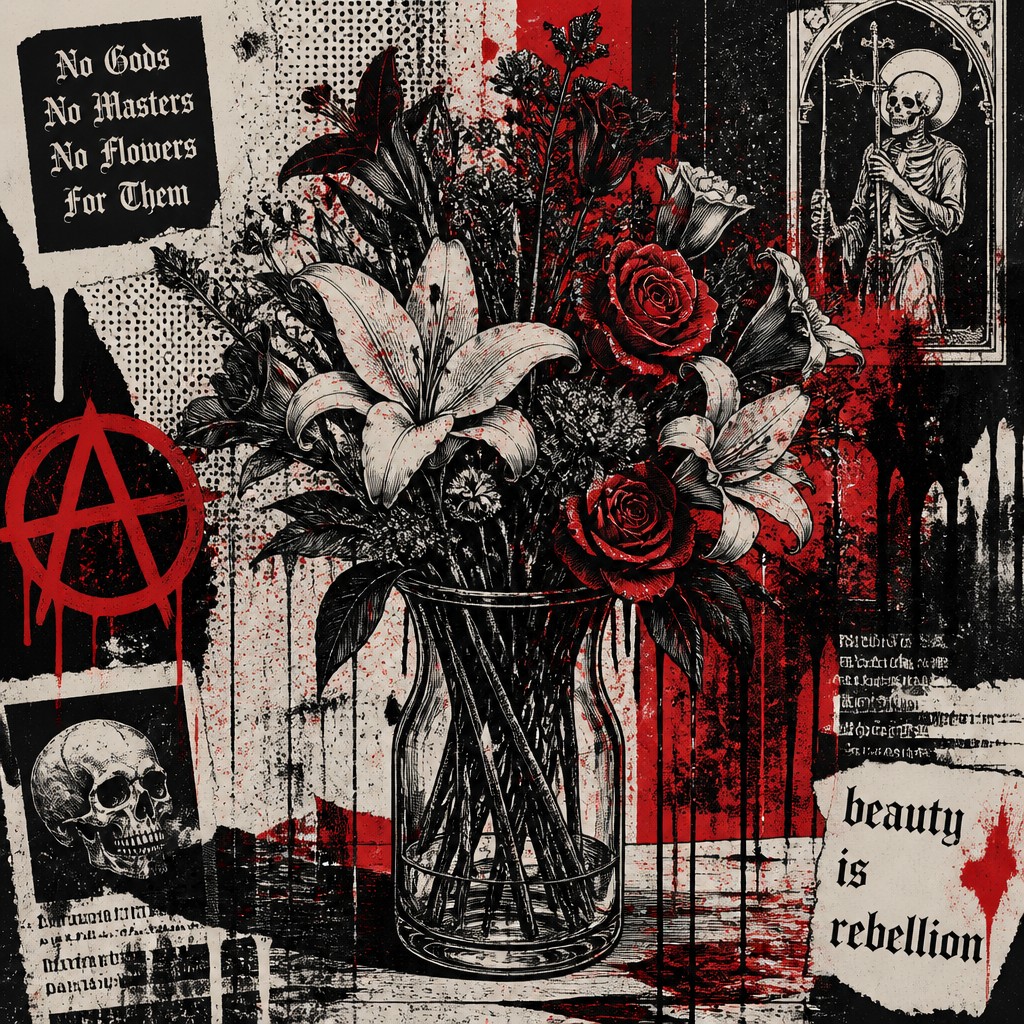
“bouquet of flowers in a glass vase”
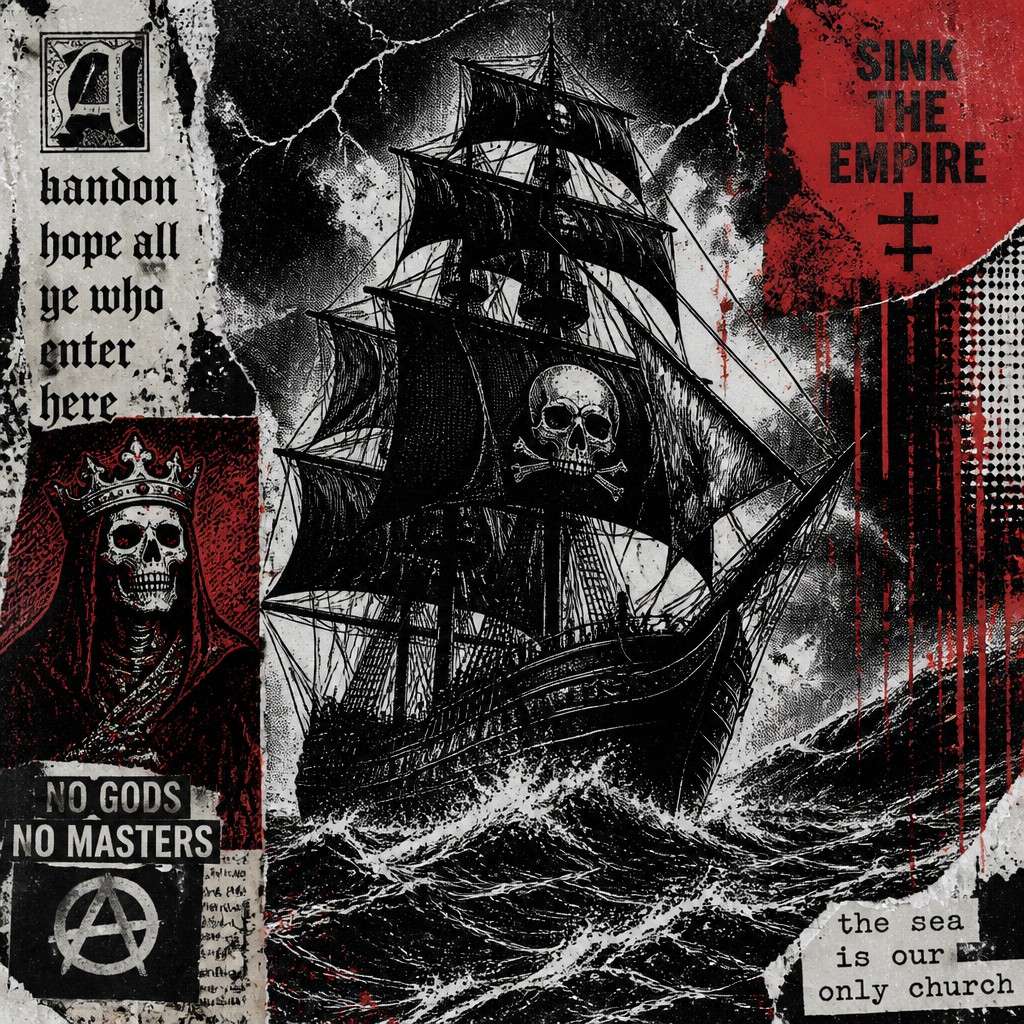
“sailing ship on a stormy sea”
How to Create Gothic Punk Art
Master the craft step by step — or skip straight to creating. Read the full guide →
- 1
Build the image in high-contrast values
Start with a mostly black-and-white composition and reserve red for focal points only. Strong value separation is essential; if the scene reads clearly without color, the style will hold up better.
- 2
Use rough, layered mark-making
In traditional media, combine pen, ink wash, dry brush, and crosshatching. In digital work, stack textured brushes, scratched overlays, and imperfect masks so the surface never looks too smooth.
- 3
Design as if for a flyer or zine spread
Think in terms of poster composition, cropped figures, overlapping text blocks, and asymmetrical balance. The style works best when it feels printed, distributed, and slightly damaged by reproduction.
- 4
Add controlled imperfections
Introduce halftone screens, misregistration, torn-paper edges, scuffs, and ink splatter. These flaws should feel structural, not random, because they communicate the DIY ethos of the style.
- 5
Combine Gothic motifs with punk symbols
Pair medieval or funerary imagery with signs of revolt such as anarchist marks, graffiti, protest typography, or torn leather and chain details. The most successful images keep both sides of the hybrid visible.
- 6
Prompt for texture and reproduction cues
When generating digitally, specify monochrome palette, violent crimson accents, crosshatching, photocopied zine texture, halftone dots, distressed collage, and torn edges. If needed, describe the subject separately from the style so the composition stays focused.

The Story
History & Origins of Gothic Punk
Gothic Punk Art is not a single historical movement with a fixed origin; it is an aesthetic hybrid that draws from several real traditions. Its Gothic side inherits from medieval and neo-Gothic visual culture, Victorian mourning imagery, horror illustration, and the broader Gothic subculture of the late 20th century, while its punk side comes from 1970s–80s punk graphics, fanzines, anarchist posters, DIY collage, and underground music culture.
Its modern form is especially indebted to photocopy culture, post-punk album art, street-poster design, and the rough textures of Xeroxed zines and handmade political graphics. In digital art, the style has been reinforced by tools that can simulate ink bleed, torn paper, halftone printing, and distressed overlays, making it easy to recreate the look of analog rebellion with contemporary workflows.
Influences: Gothic Punk Art draws from medieval and neo-Gothic architecture, Victorian mourning aesthetics, horror illustration, and the visual culture of Gothic subcultural fashion. Its graphic side is closely related to punk fanzines, anarchist poster art, photocopy collage, and the design language of post-punk and underground music graphics; it also echoes the rough energy of expressionist drawing and Dada-like cut-and-paste methods rather than any single canonical school.
Frequently Asked Questions
What defines Gothic Punk Art?
It is defined by the combination of Gothic darkness and punk rebellion. Look for monochrome or near-monochrome palettes, strong black linework, distressed surfaces, and iconic Gothic imagery disrupted by DIY, anarchic, or street-art elements.
How is it different from Goth art or punk art alone?
Gothic art alone may emphasize atmosphere, romance, or medieval references, while punk art may focus on rebellion and raw graphics. Gothic Punk Art intentionally fuses both, so the result is more theatrical than punk and more confrontational than traditional Gothic imagery.
Is this style historical?
Not as a single historical movement. It is a contemporary hybrid style built from real visual traditions including Gothic art, punk graphics, zine culture, horror illustration, and collage-based protest design.
What subjects work best in this style?
Figures, album-cover portraits, saints, skeletons, ravens, ruined buildings, and protest scenes are especially effective. Strong silhouettes and expressive textures help the imagery read clearly through the distressed surface treatment.
Can I make this style with traditional media?
Yes. Pen and ink, collage, photocopy transfer, dry brush, and hand-cut paper all fit the look naturally. The key is to preserve rough edges, contrast, and evidence of construction rather than aiming for a polished finish.
Where is Gothic Punk Art commonly used?
It is often used for band art, zines, posters, editorial illustration, fashion graphics, and alternative branding. The style works well anywhere a dark, rebellious, handmade visual identity is wanted.
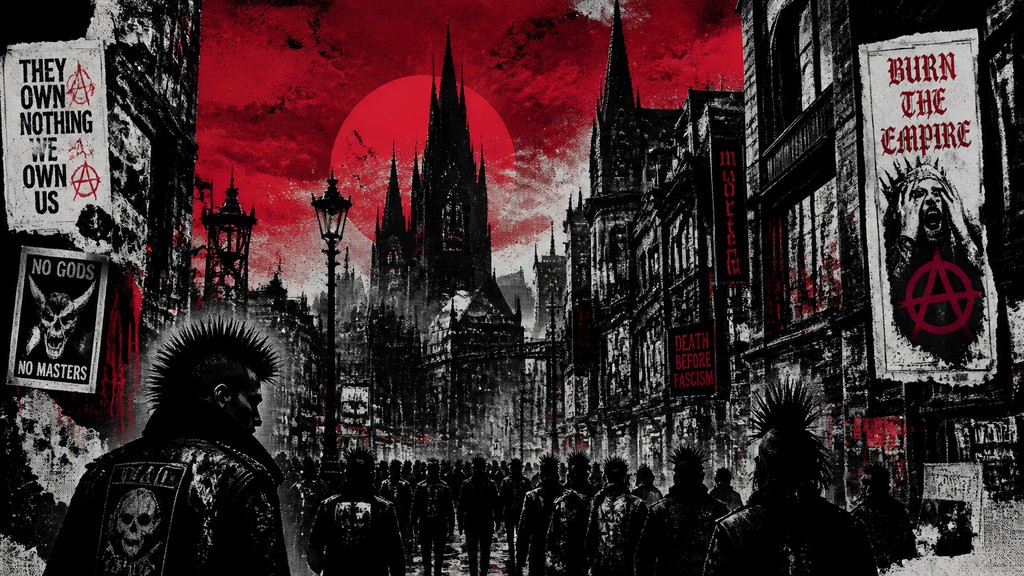
Create your first Gothic Punk artwork
Describe anything — or upload a photo — and see it in Gothic Punk Art in seconds.
Make Something with Gothic Punk
Related Styles
Discover similar art styles