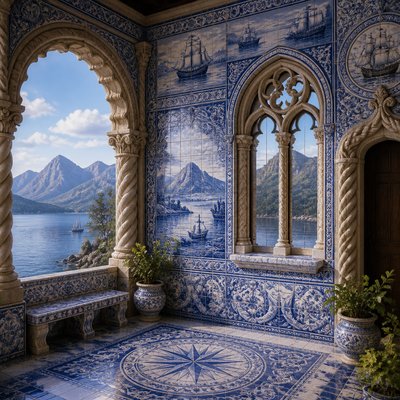
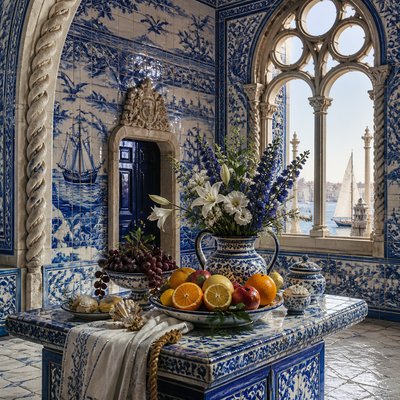
Bruges Art Style
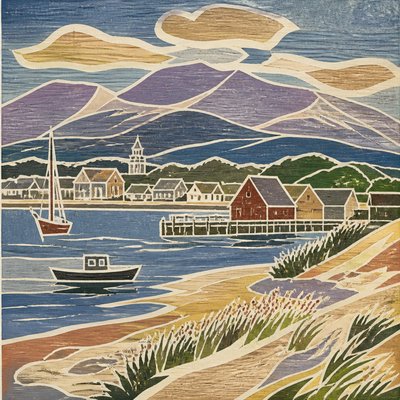
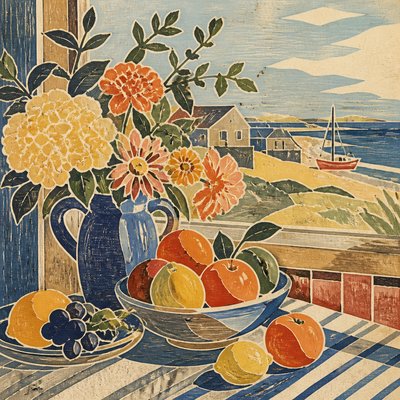
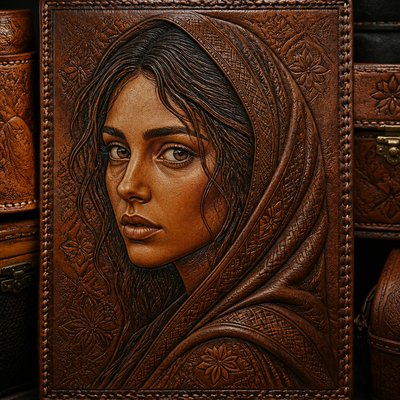
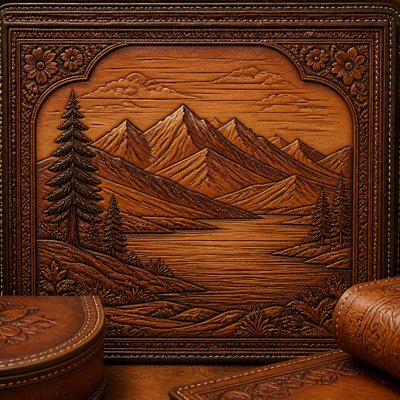
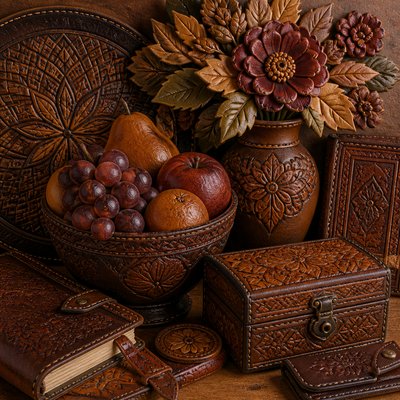
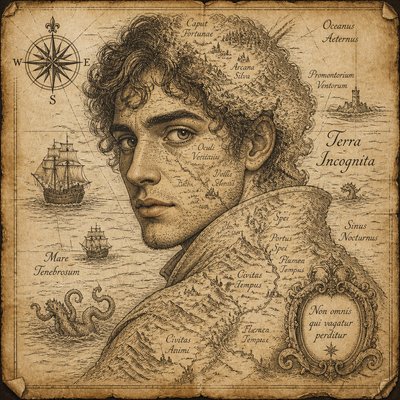
Discover Bruges Art Style: jewel-toned oil glazes, Flemish panel-painting precision, Gothic canal houses, textiles, fur, and hushed light.
Instantly rendered in Bruges — or transform a photo
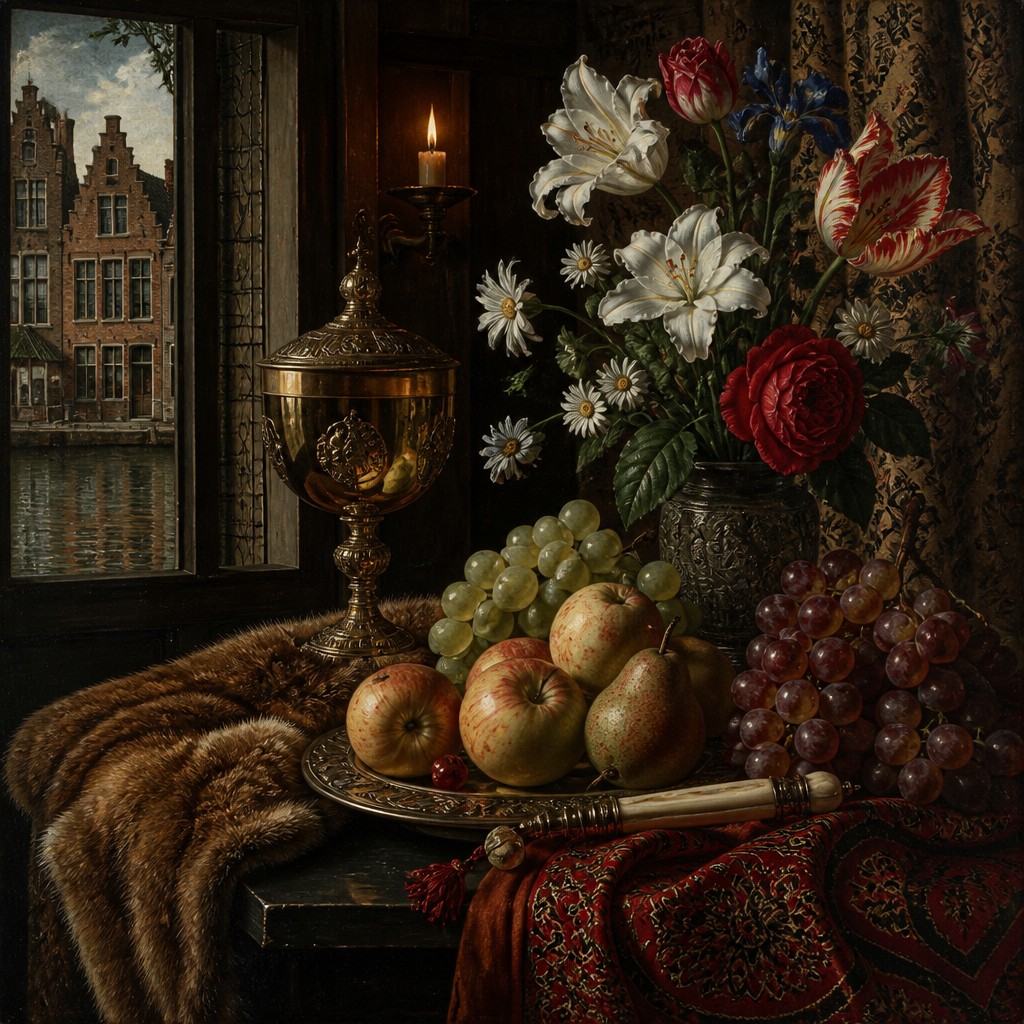
Bruges Gallery
Tap any artwork to explore it
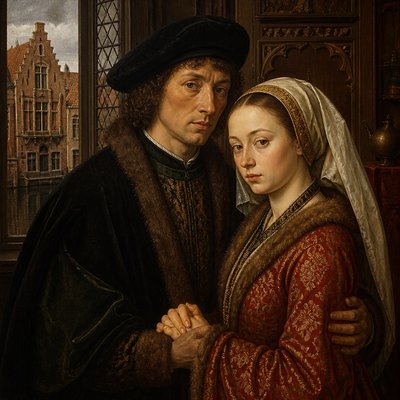
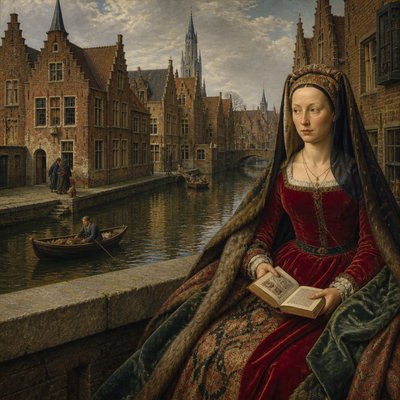
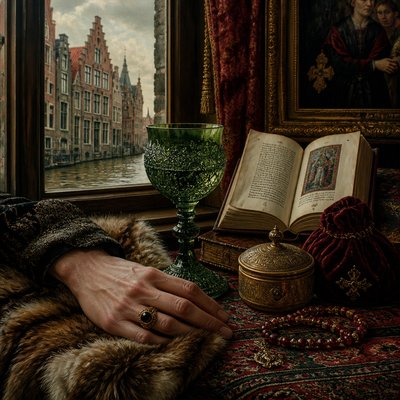
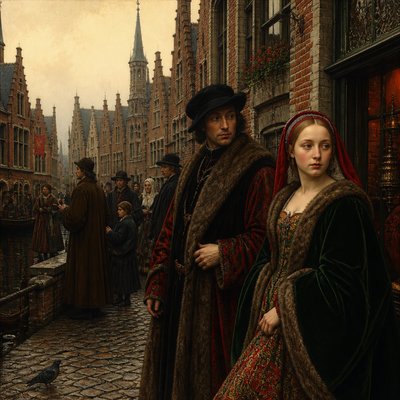
What is Bruges Art Style?
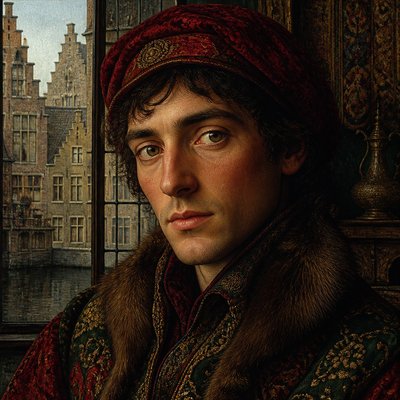
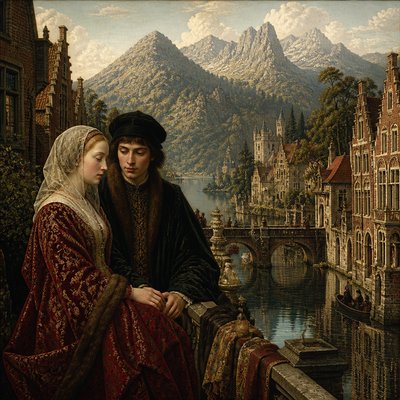
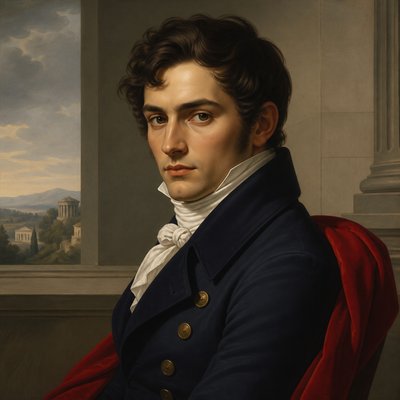
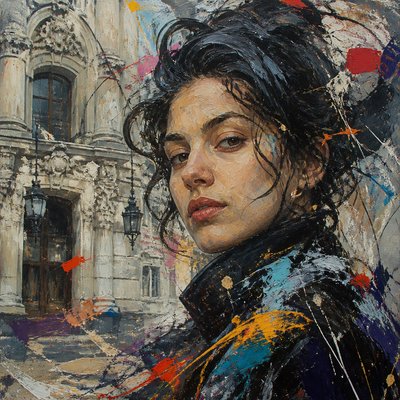
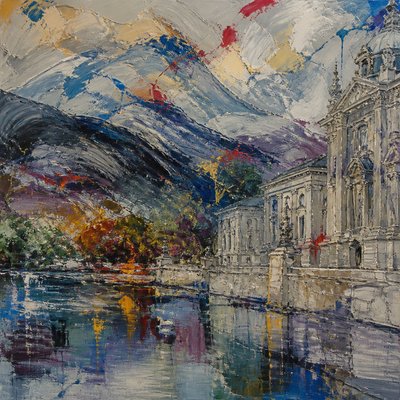
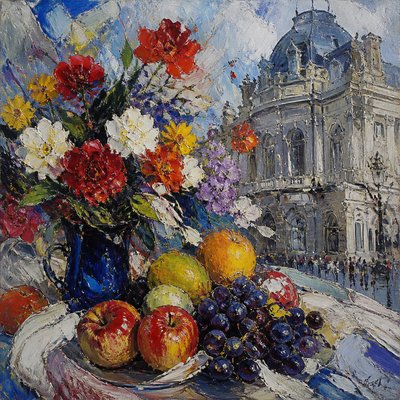
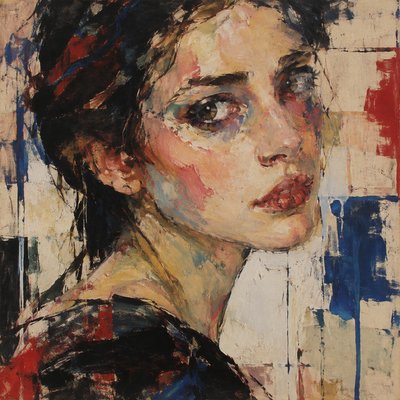
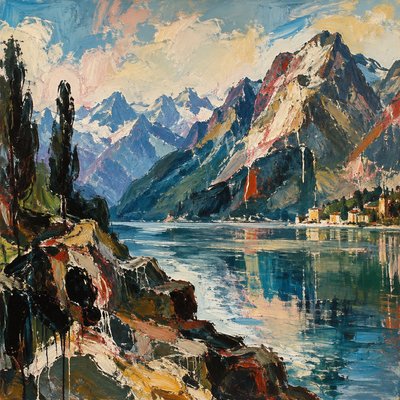
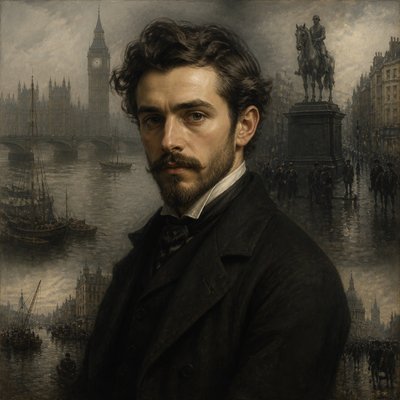
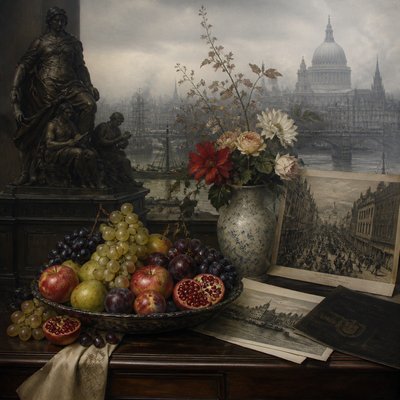
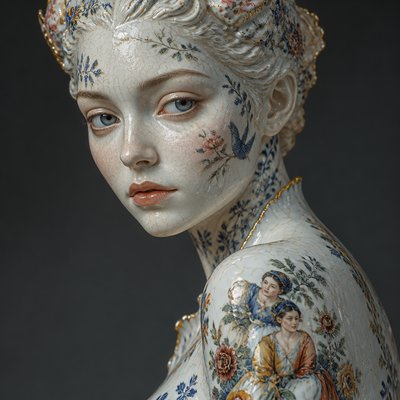
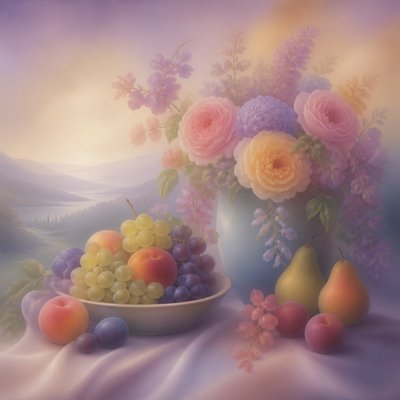
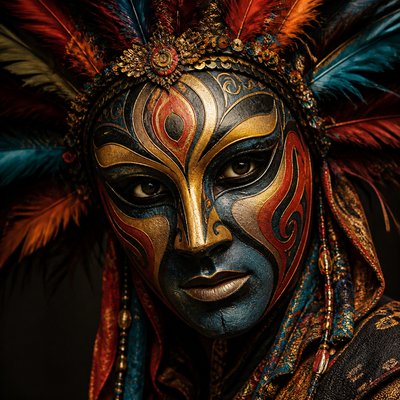
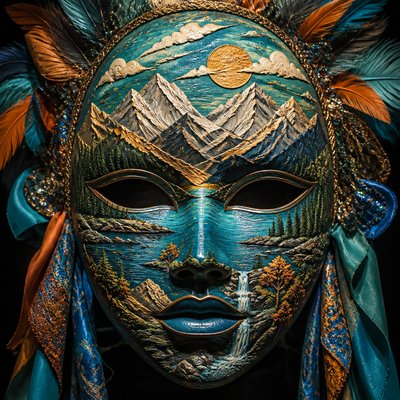
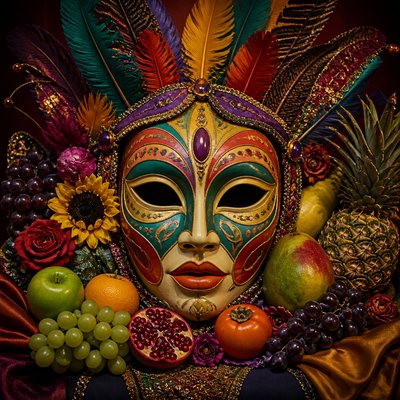
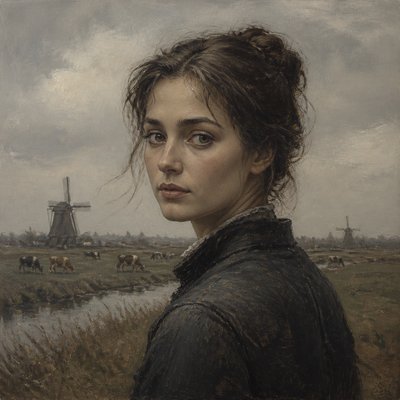
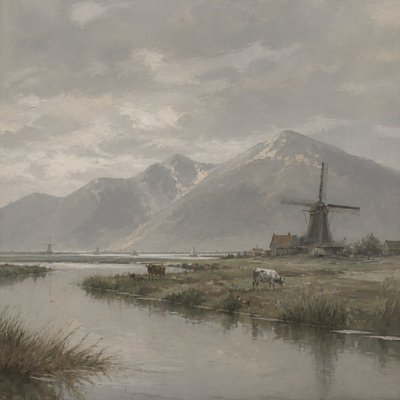
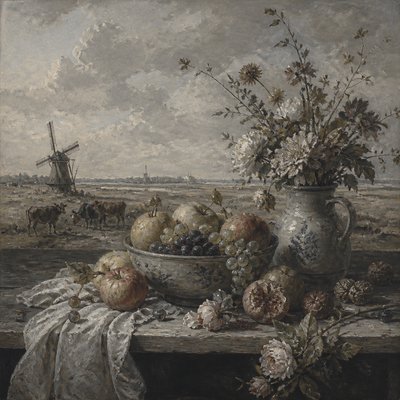
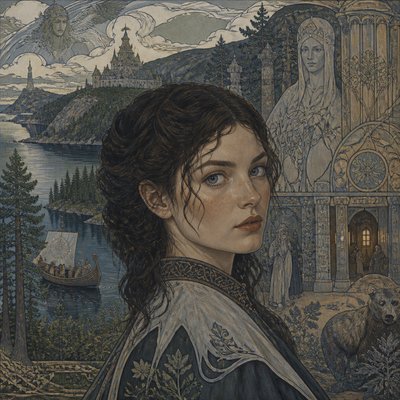
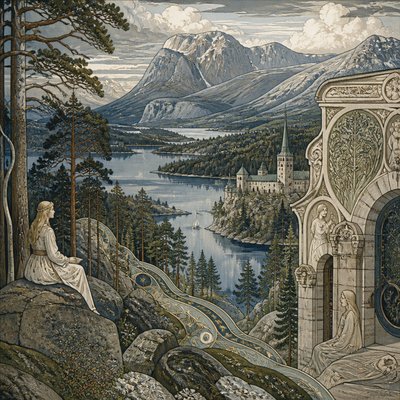
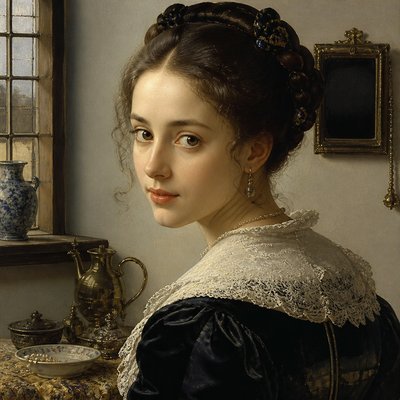
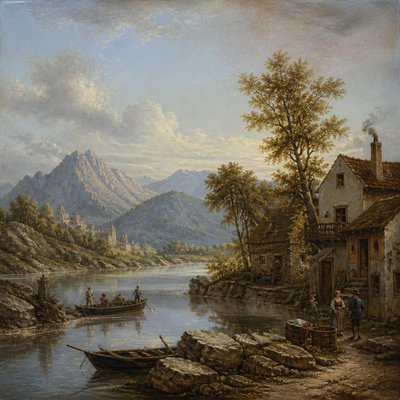
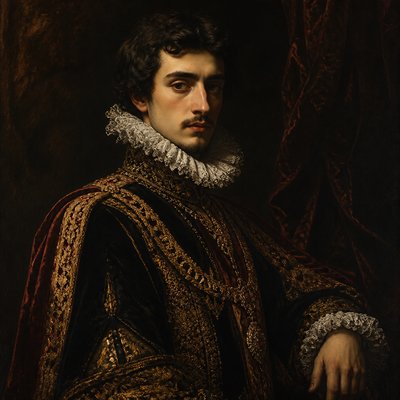
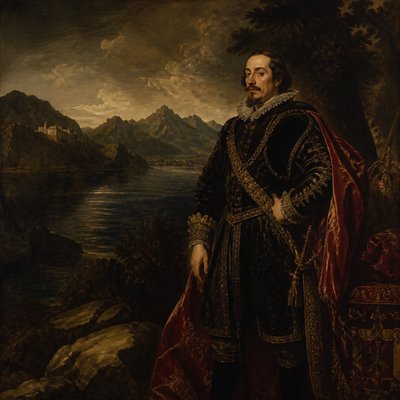
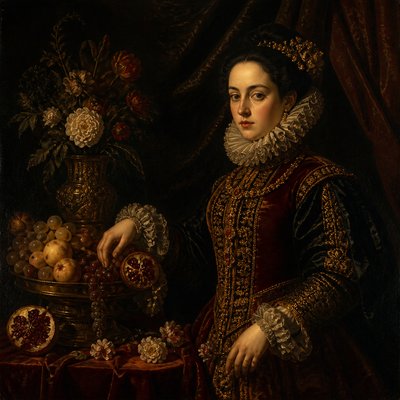
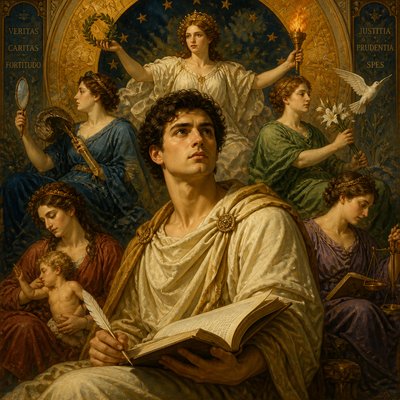
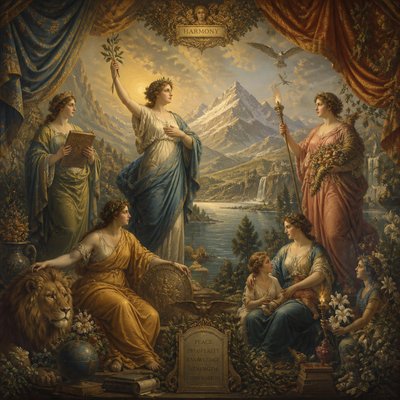
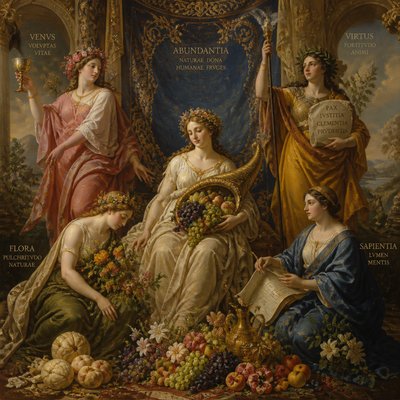
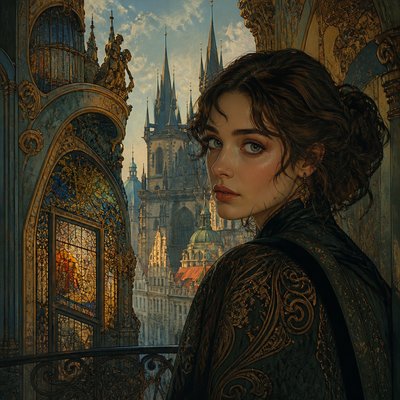
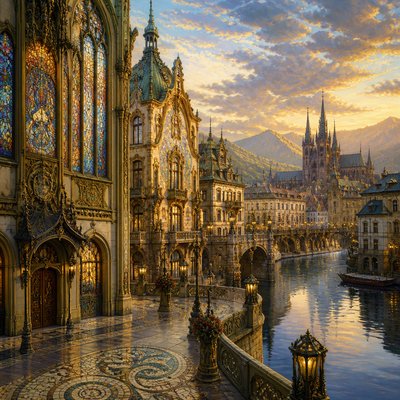
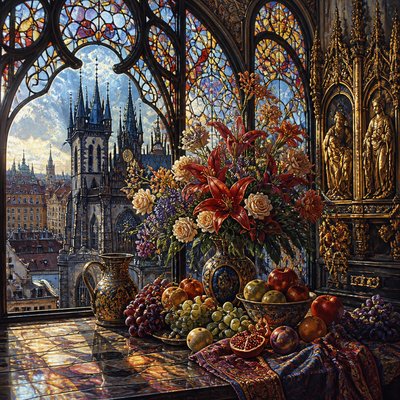
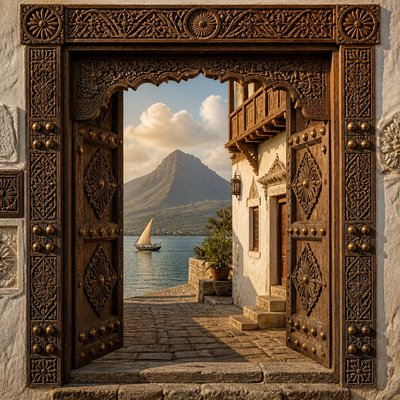
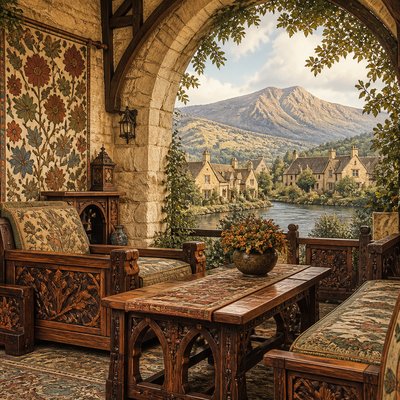
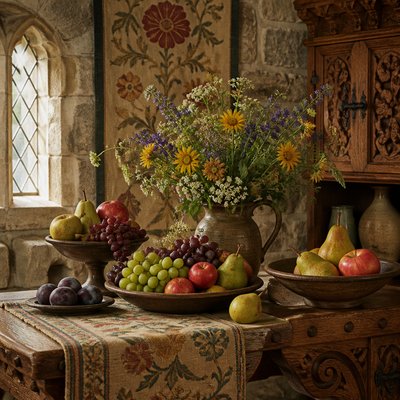
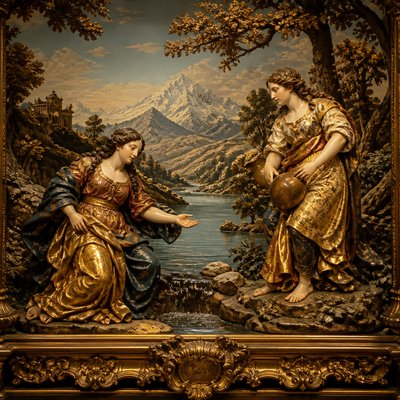
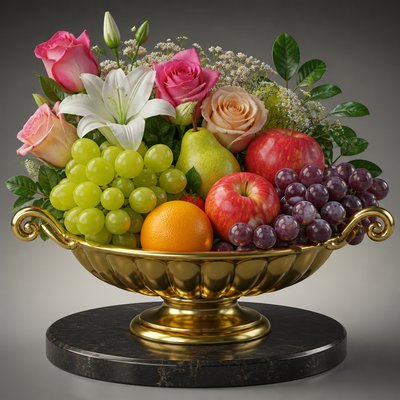
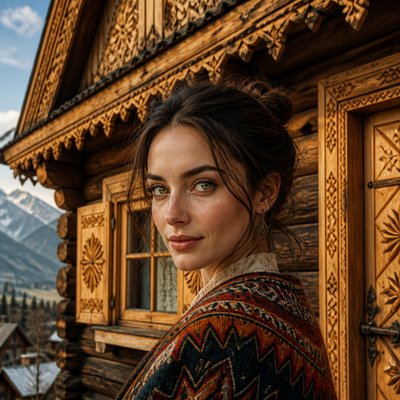
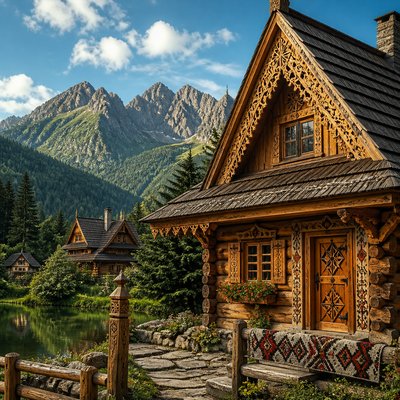
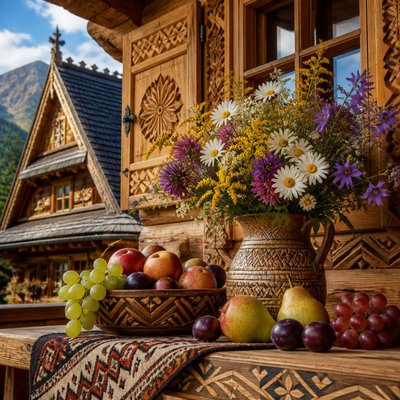
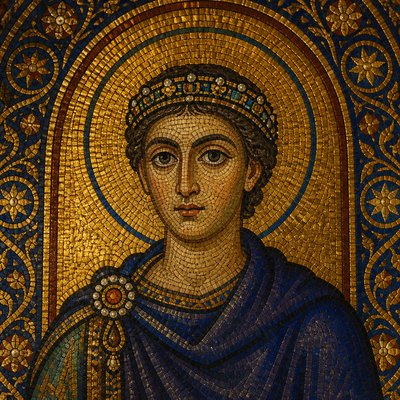
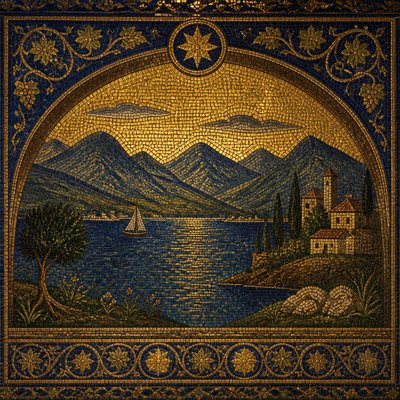
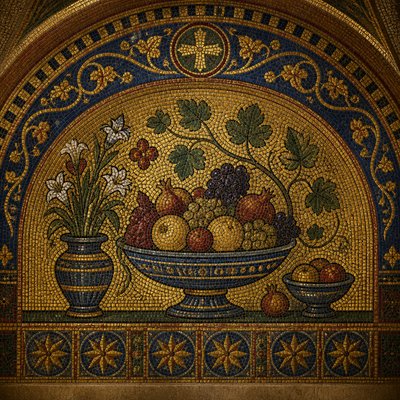
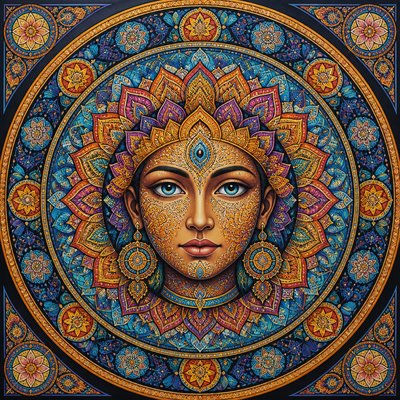
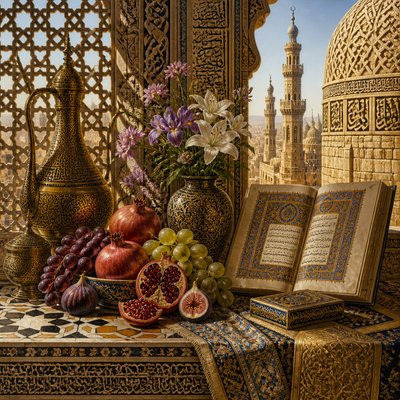
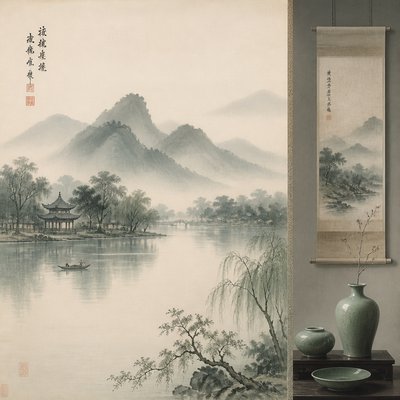
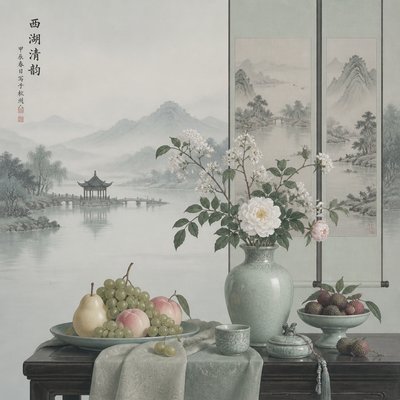
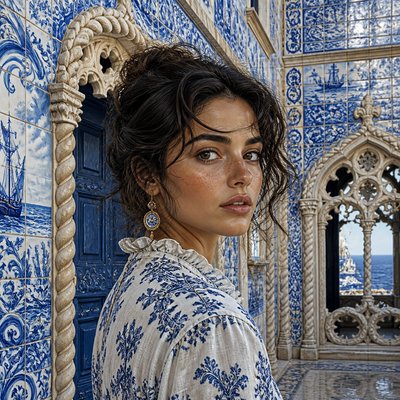
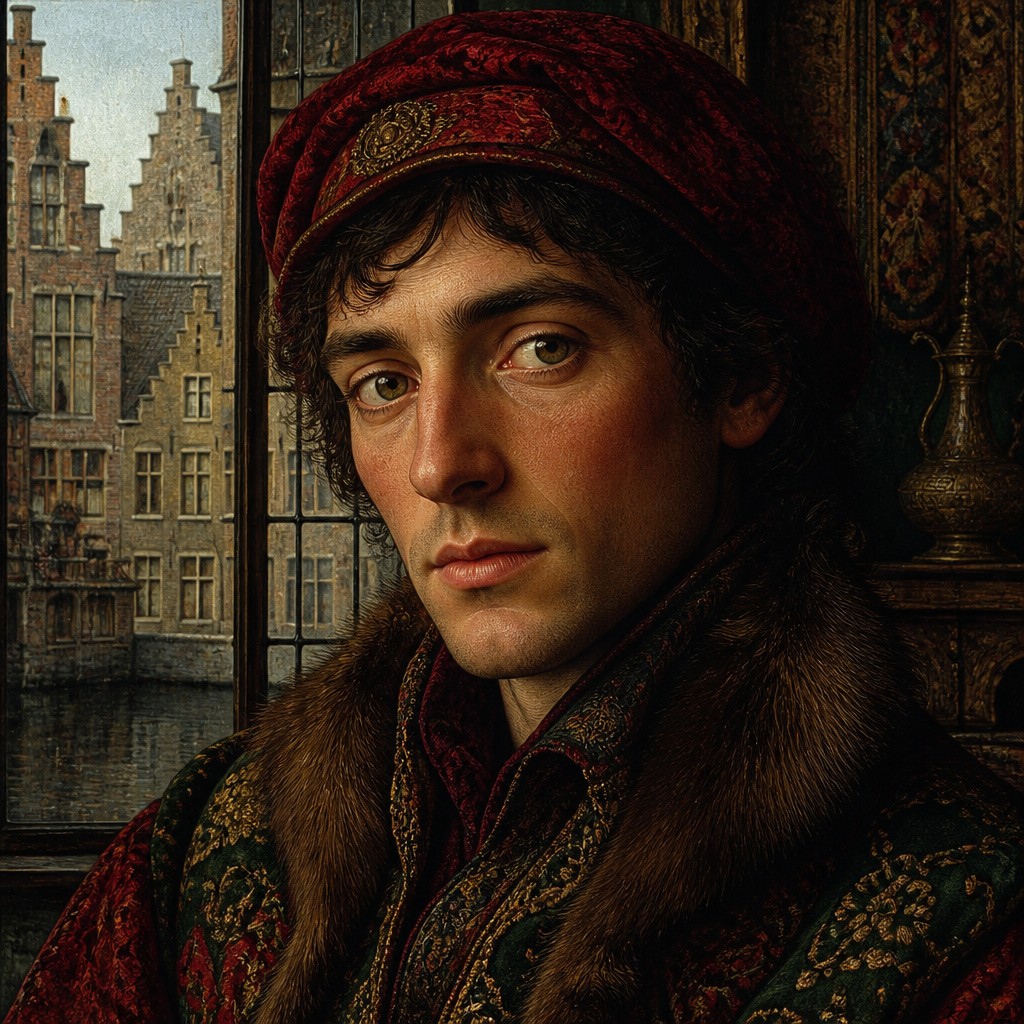
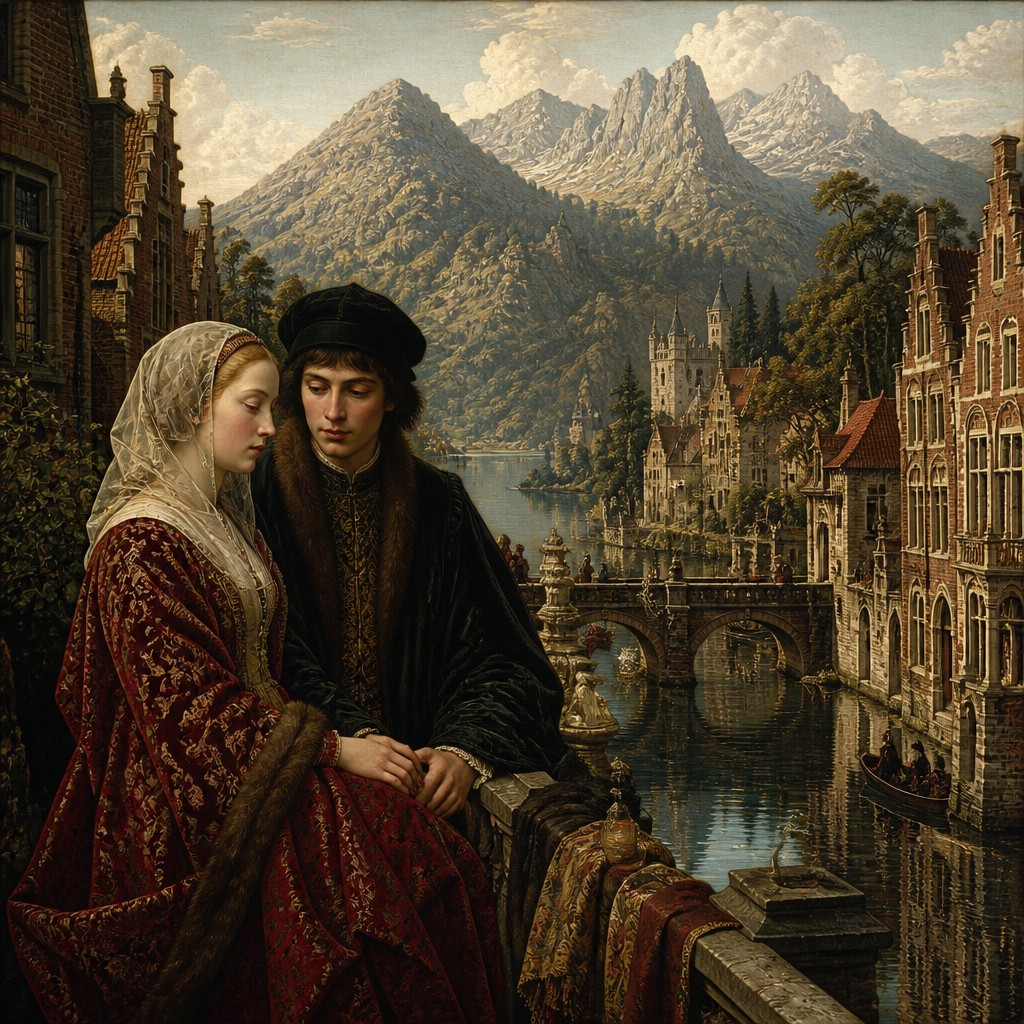
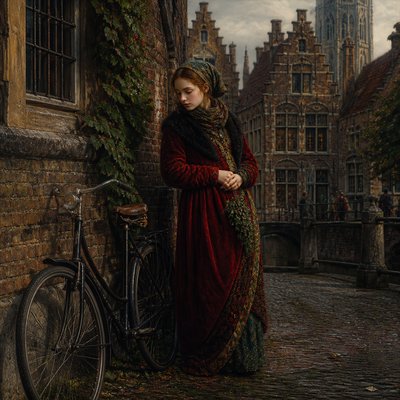
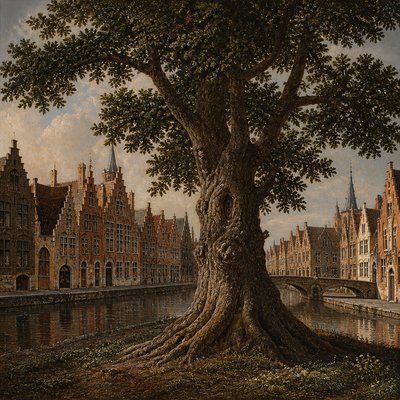
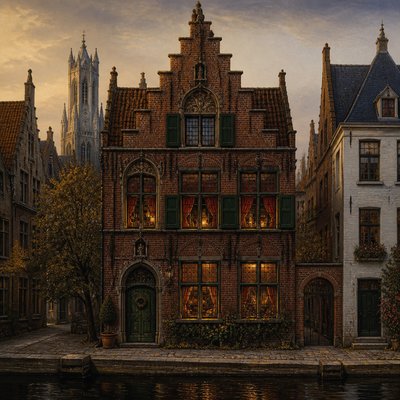
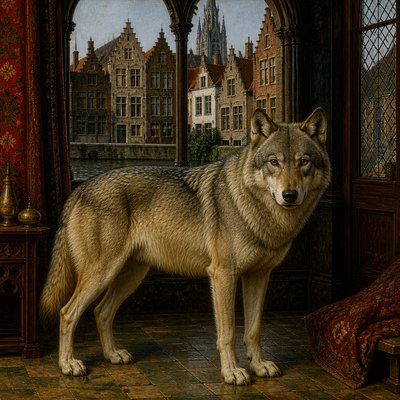
Bruges Art Style is a contemporary descriptive aesthetic built around the minute observational detail of Northern Renaissance panel painting and the architectural character of historic Bruges. It combines jewel-like oil colors, translucent glazing, sharply resolved textiles and fur, and quiet scenes shaped by Gothic canal-house facades, brickwork, stepped gables, and reflective waterways.
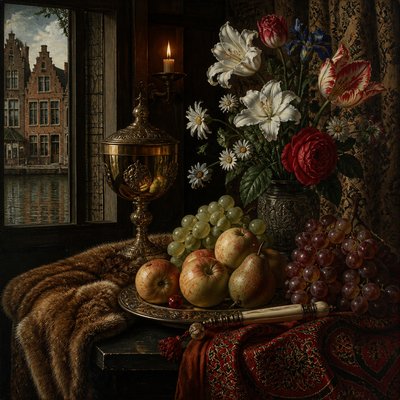
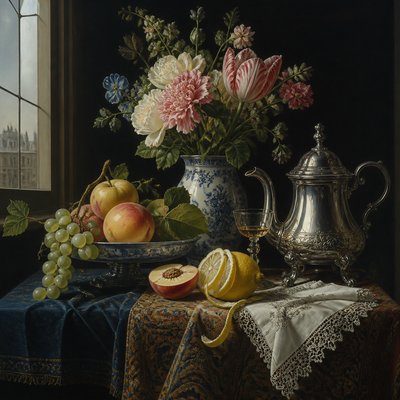
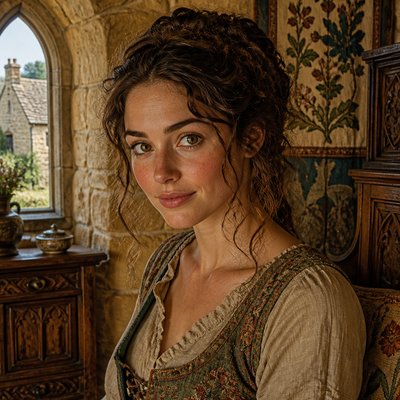
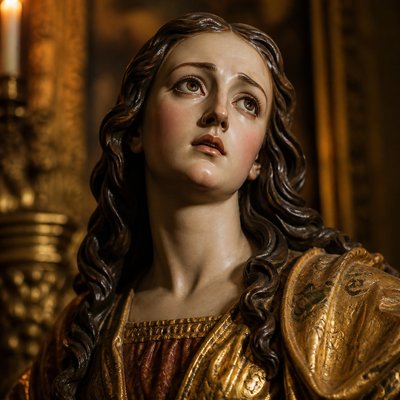
Its visual identity depends on controlled illumination and concentrated surface description rather than broad painterly gesture. Deep reds, moss greens, umbers, and muted golds appear to glow from within, while soft raking light reveals the weave of cloth, the grain of wood, the texture of skin, and the irregularity of masonry. The result is intimate, still, and richly tactile, balancing domestic interior warmth with the medieval atmosphere of a Flemish city.
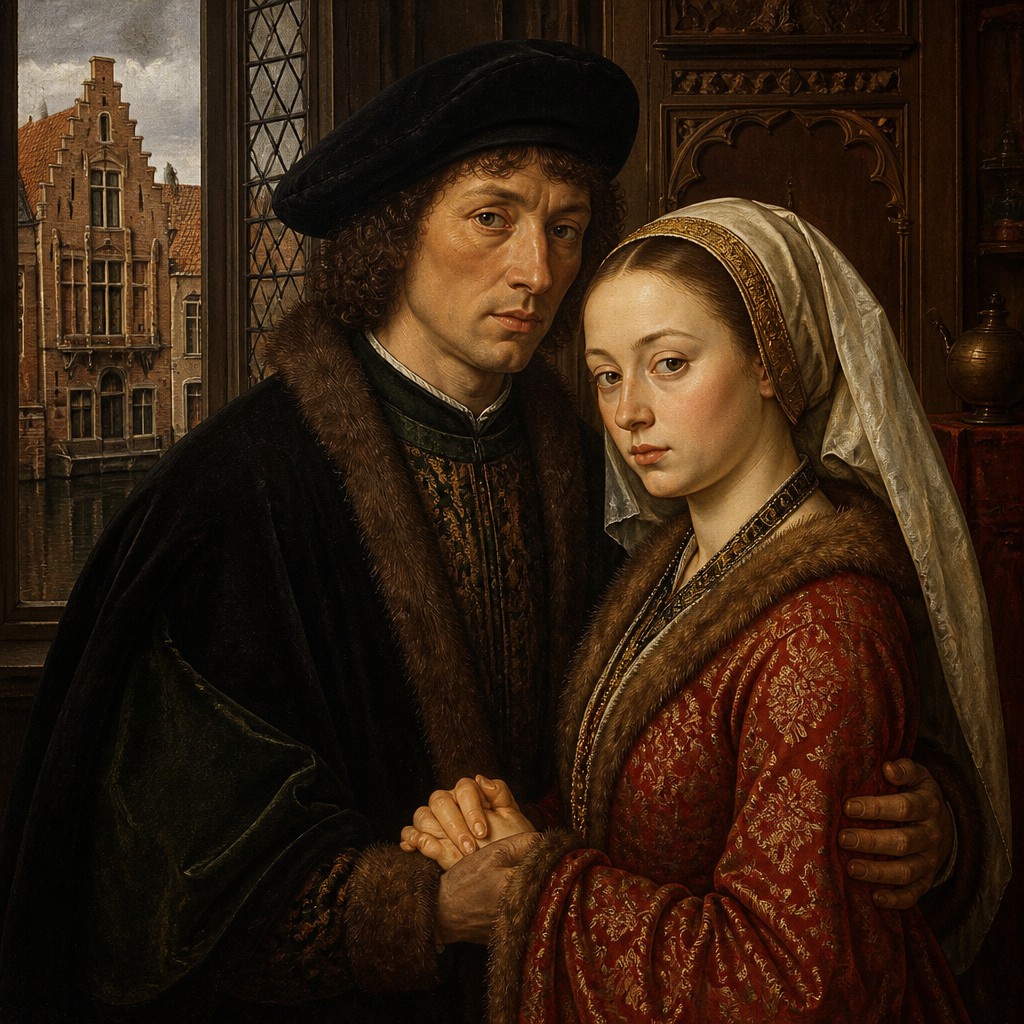
Try It On Your Photos
Upload any photo and convert it into Bruges Art Style — drag the sliders to compare before and after.
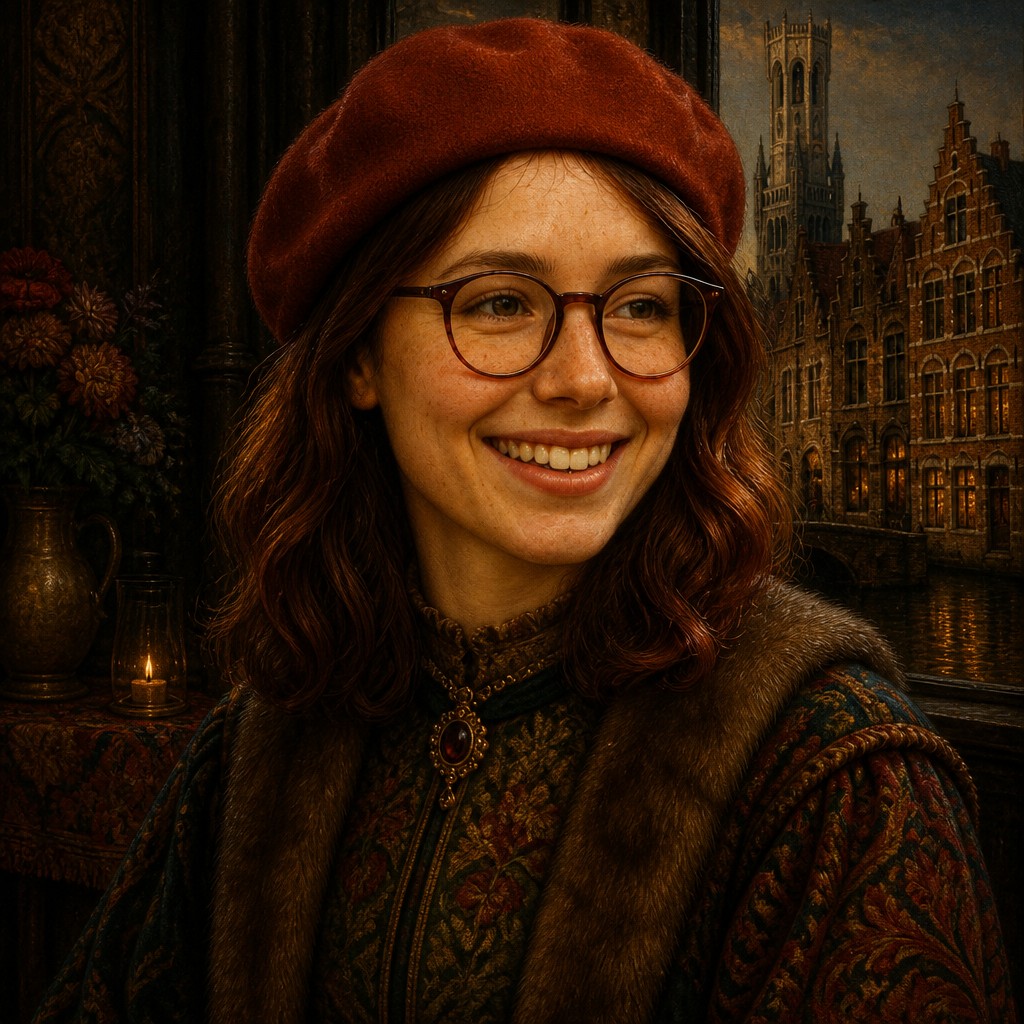

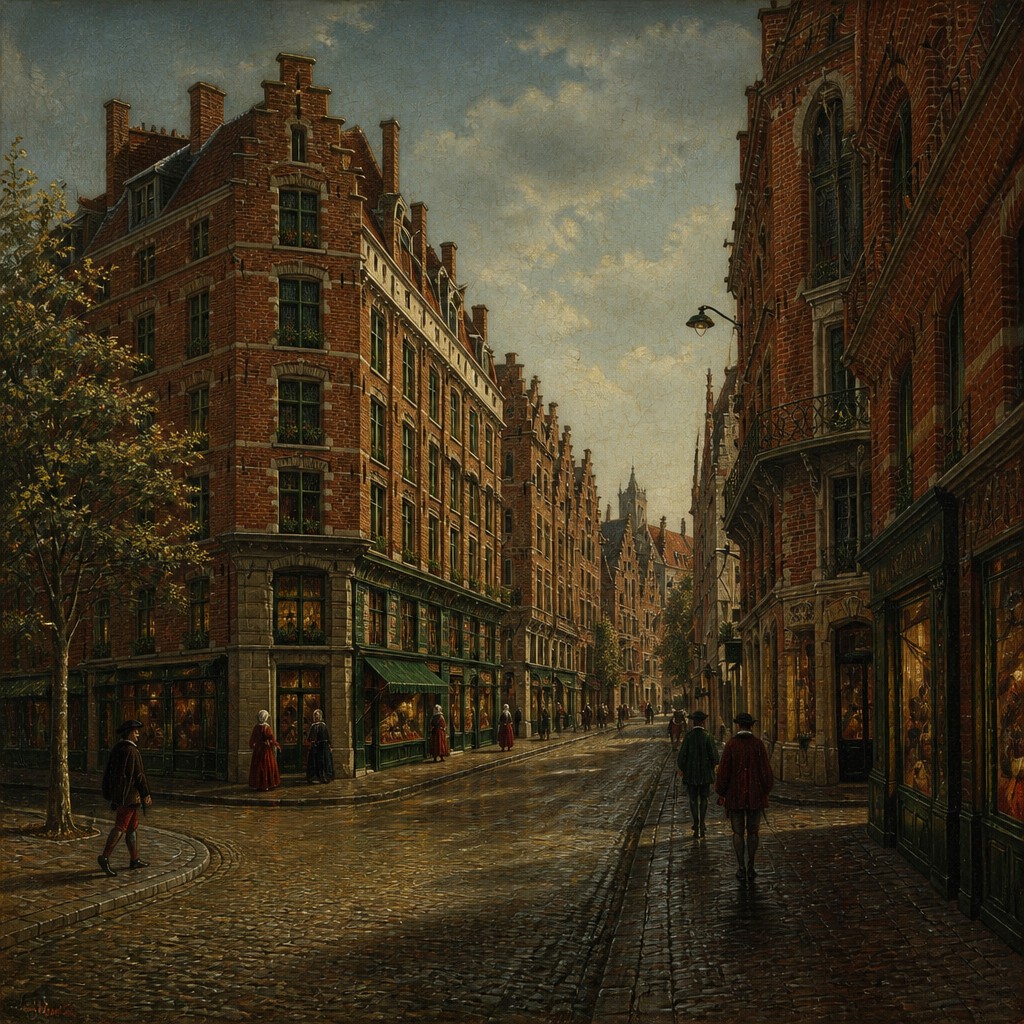

What Defines Bruges Art Style
The signature details, up close
Layered oil-glaze luminosity
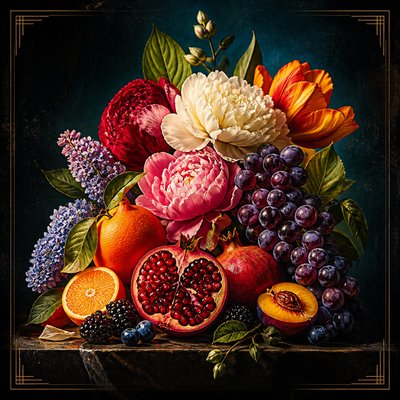
Thin translucent layers create depth in reds, greens, browns, and ochres, allowing highlights to appear polished rather than chalky. The surface suggests patient panel-painting technique.
Microscopic material detail
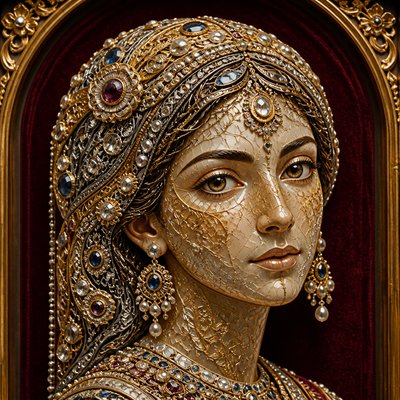
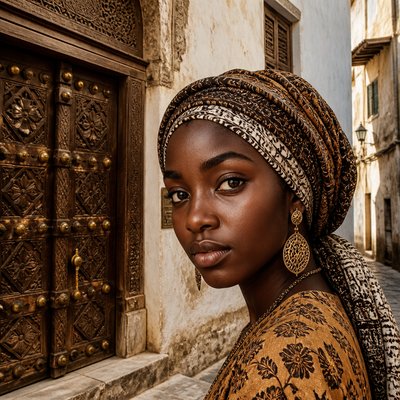
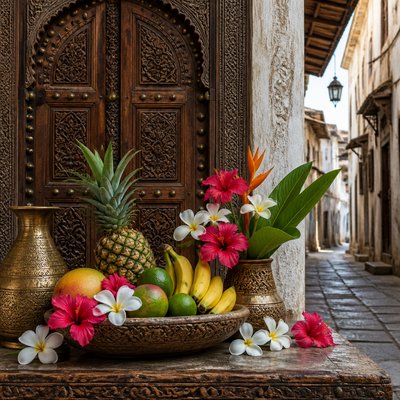
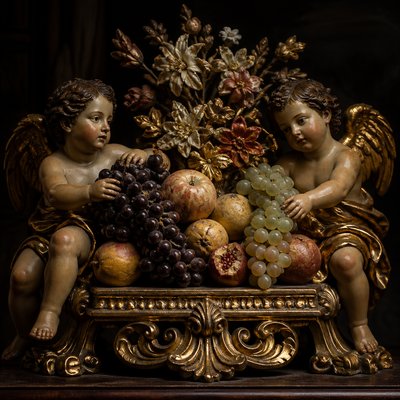
Textiles, embroidery, fur, hair, wood grain, metal, and skin are described with unusually precise edges and varied surface textures. Detail is selective but consistently tactile.
Jewel-toned palette
Deep ruby, forest green, lapis-like blue, garnet, warm brown, and muted gold dominate the color scheme. Saturation is concentrated in fabrics and focal objects against quieter architectural neutrals.
Gothic Bruges architecture
Canal houses, stepped brick gables, pointed arches, stone tracery, narrow lanes, and wet cobbles establish a medieval urban setting. Architectural forms are rendered with structural clarity and carefully observed masonry.
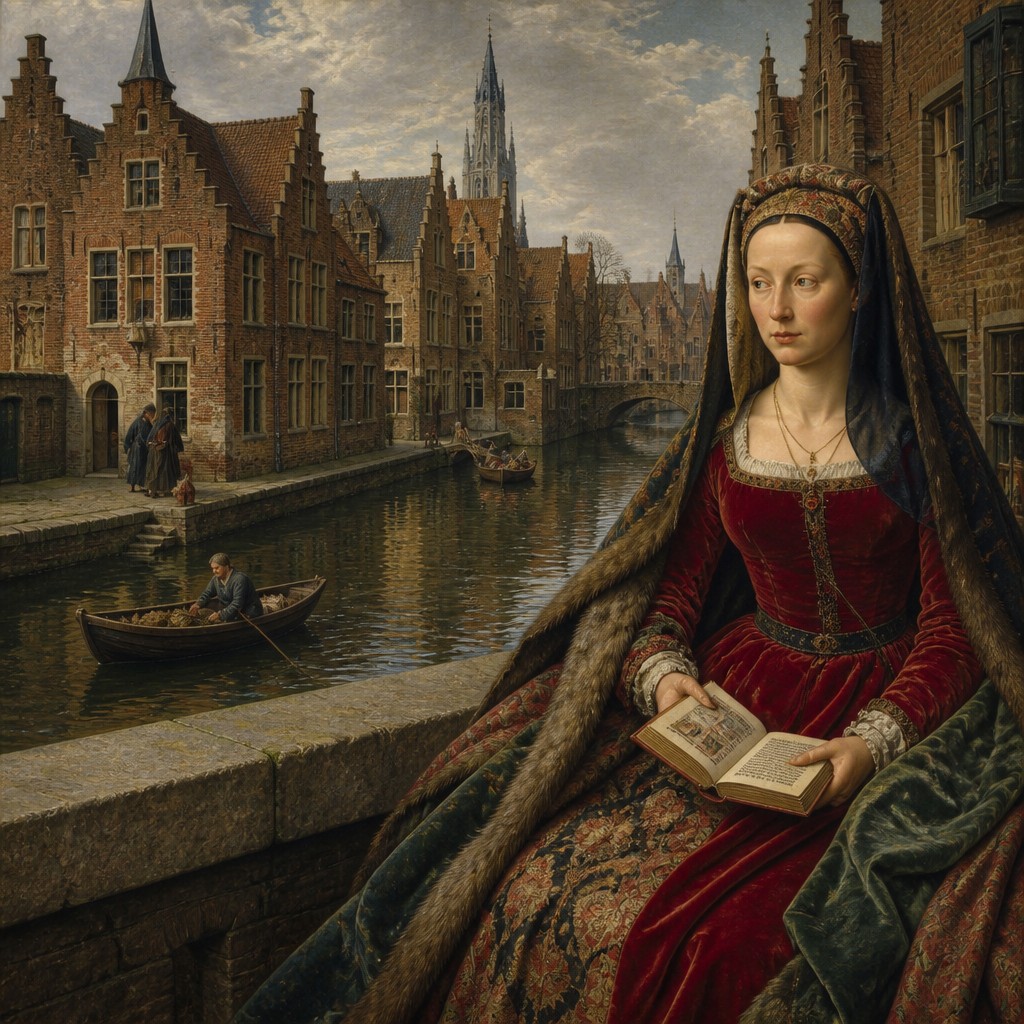
Soft raking illumination
Low, lateral light grazes surfaces and reveals weave, relief, and irregularity without producing harsh theatrical contrast. Interiors often carry a subdued amber glow.
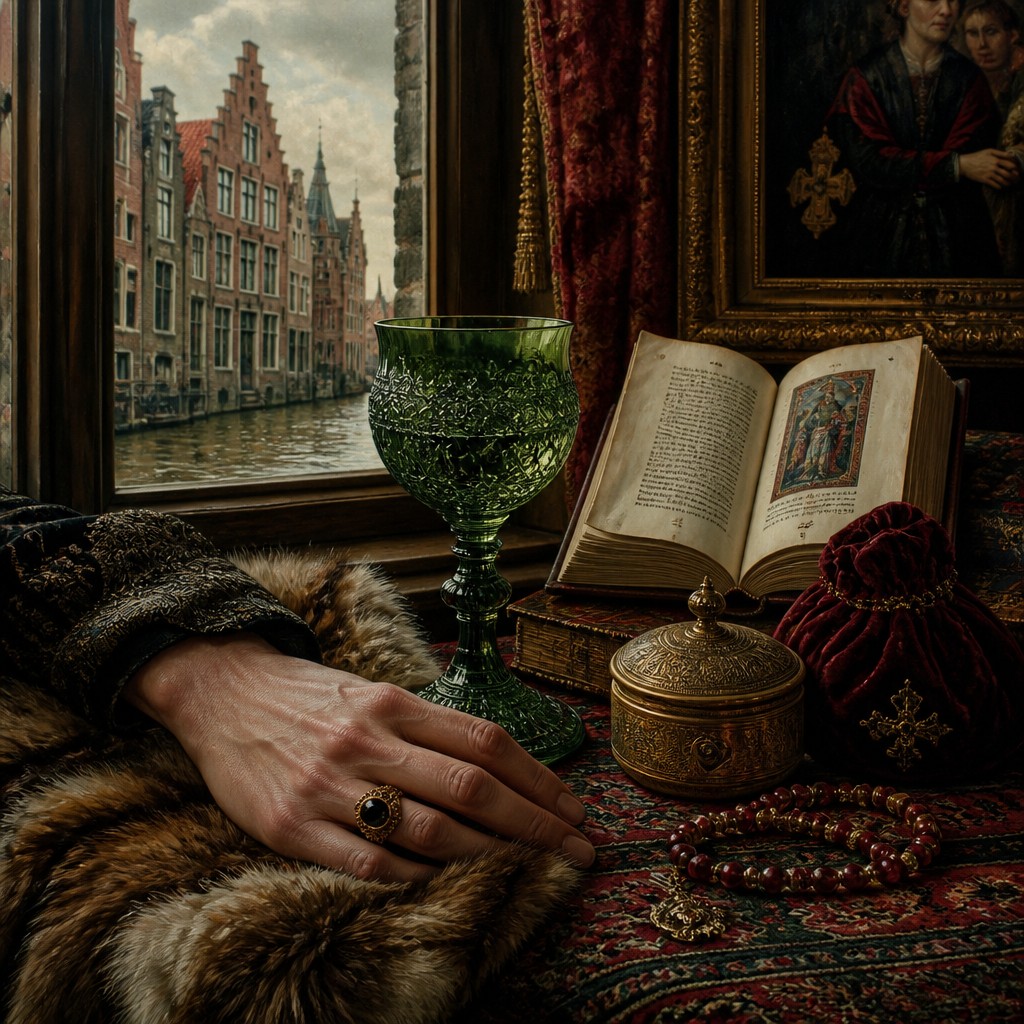
Hushed symbolic interiors
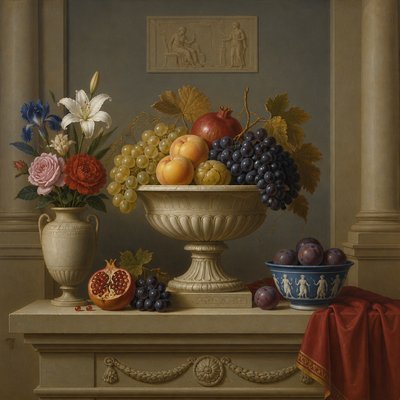
Quiet rooms, intimate domestic arrangements, devotional still lifes, and solitary figures create a contemplative mood. Objects may imply history or meaning through placement, craft, and material richness.
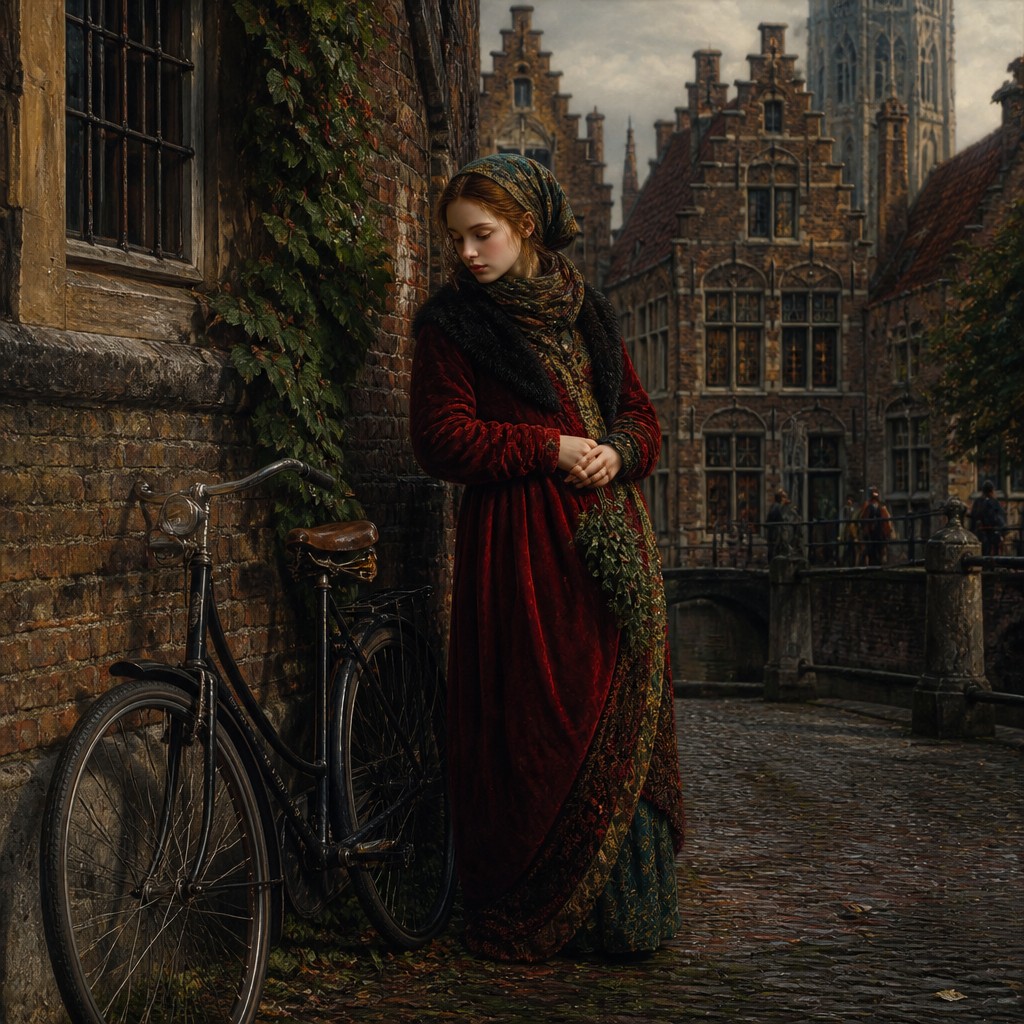
Polished, stable composition
Scenes favor balanced verticals, calm poses, layered spatial planes, and deliberate framing. The eye moves through accumulated detail rather than rapid action or expressive brushwork.
Bruges Prompt Ideas
Start from an idea — each one opens the generator with the style ready to go. See all 40 Bruges prompts →
How to Create Bruges Art
Master the craft step by step — or skip straight to creating. Read the full guide →
- 1
Build from a restrained underpainting
Begin with a warm earth-toned ground and establish the major architectural or figure masses before adding detail. Keep the value structure clear so later glazes enrich rather than obscure the composition.
- 2
Use transparent color layers
In traditional oil, apply thin transparent glazes over dry passages and reserve opaque light for highlights. Digitally, replicate the effect with low-opacity layers, multiply and color-burn adjustments, and controlled soft brushes.
- 3
Describe materials separately
Treat velvet, wool, fur, polished metal, brick, and skin as different visual problems, varying edge sharpness, directional marks, reflectivity, and microtexture. Avoid applying one generic texture across the entire image.
- 4
Shape the light from the side
Place a broad window or canal-side light source outside the frame, then use it to reveal folds, masonry relief, and facial planes. Keep shadows warm and moderately deep rather than black.
- 5
Compose with architectural anchors
Use a stepped gable, canal, pointed arch, timber beam, or tiled interior as a strong structural element. Balance these vertical and geometric forms with one richly detailed figure, textile, or still-life object.
- 6
Write specific generation instructions
For digital or AI creation, specify the subject, materials, Bruges architectural cues, jewel-toned palette, layered oil glazing, microscopic textile detail, and soft raking light. Add constraints such as calm composition, believable anatomy, coherent perspective, and no glossy modern effects.
The Story
History & Origins of Bruges
Bruges Art Style is not a documented historical movement or period-specific school; it is a modern stylistic synthesis. Its principal lineage comes from fifteenth- and sixteenth-century Netherlandish panel painting, especially the use of layered oil glazes, exacting material description, symbolic interiors, and luminous color.
The style also draws on the built environment of medieval Bruges: Gothic churches, canal-side houses, stepped brick gables, narrow streets, and water-reflected facades. In contemporary illustration and digital image-making, these sources are combined with cinematic lighting and heightened decorative detail to create a recognizable Bruges-centered visual language.
Influences: The style is related to Netherlandish and Northern Renaissance panel painting, especially its oil-glaze modeling, domestic symbolism, devotional still life, and attention to material surfaces. It also incorporates Gothic architecture, medieval brick urbanism, Flemish textile traditions, quiet still-life composition, and contemporary cinematic concept art. Compared with broad impressionistic handling or loose romantic fantasy painting, it favors controlled edges, stable perspective, subdued movement, and accumulated descriptive detail.
Frequently Asked Questions
What defines the Bruges Art Style?
It is defined by Flemish panel-painting precision, layered oil-like color, jewel-toned reds and greens, and meticulous rendering of textiles, fur, skin, wood, and masonry. Gothic canal architecture and a soft, hushed light are equally important to its identity.
Is Bruges Art Style a historical art movement?
No. The name describes a contemporary aesthetic synthesis rather than a documented historical school. It takes inspiration from Northern Renaissance painting and the medieval architecture of Bruges without claiming to be an original period style from the city.
How is it different from Flemish Primitive or Northern Renaissance painting?
Those terms refer to historical traditions with specific cultural and chronological contexts. Bruges Art Style selectively adapts their oil technique, precision, and interior imagery while adding an explicit Bruges architectural setting and modern, often cinematic, mood.
What colors work best for this style?
Deep ruby, garnet, forest green, muted blue, warm umber, ivory, and antique gold are especially effective. Use saturated color in focal fabrics or objects, then support it with quieter stone, brick, wood, and shadow tones.
Can this style be created digitally or from a photograph?
Yes. Digital painting can reproduce its appearance through textured brushes, low-opacity glazing layers, sharp material studies, and carefully controlled side lighting. When transforming a photograph, preserve the main silhouette and perspective while introducing period-inspired architecture, textiles, and a restrained oil-panel surface.
Where is Bruges Art Style commonly used?
It suits historical fantasy, editorial illustration, portraiture, book covers, narrative concept art, period interiors, architectural scenes, and richly detailed still lifes. It is most effective when the subject benefits from a quiet mood and close attention to craftsmanship.
Create your first Bruges artwork
Describe anything — or upload a photo — and see it in Bruges Art Style in seconds.
Related Styles
Discover similar art styles