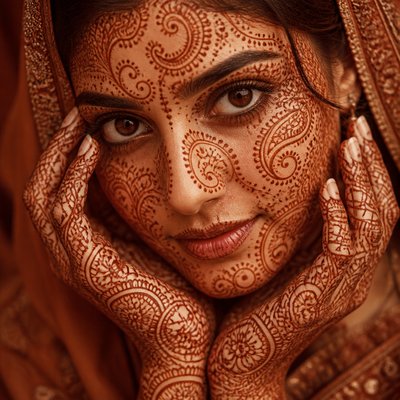
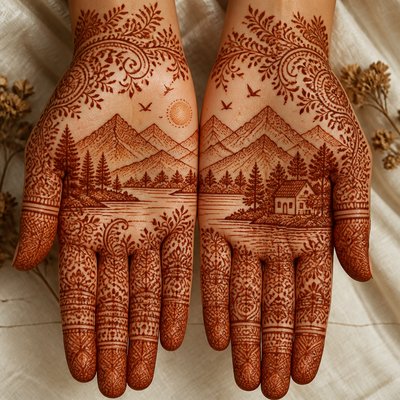
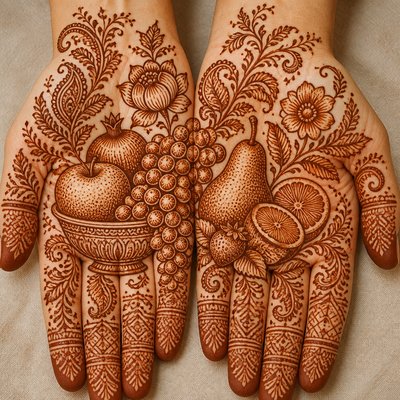
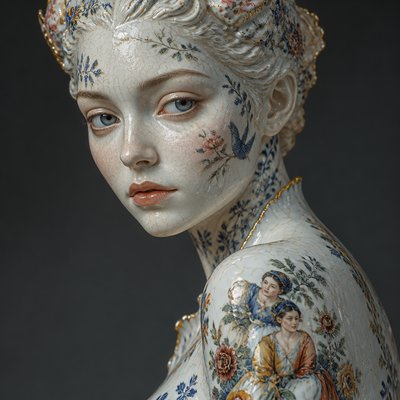
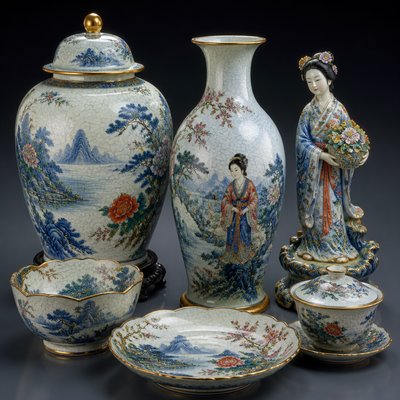
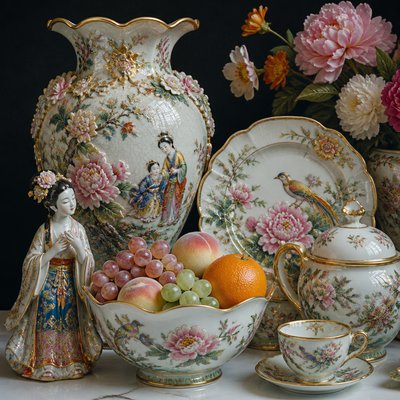
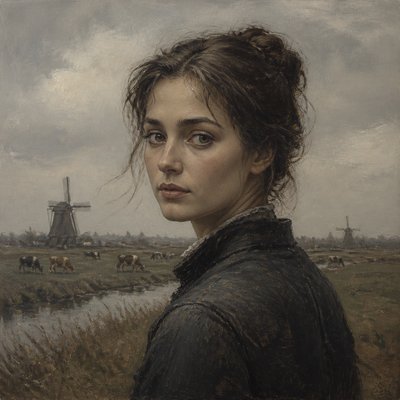
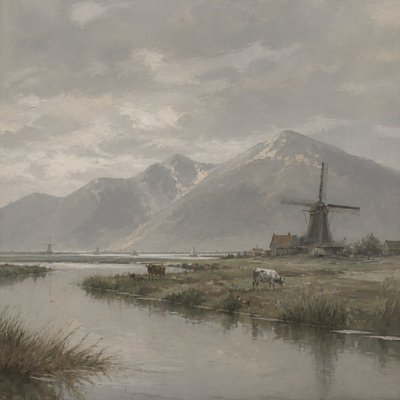
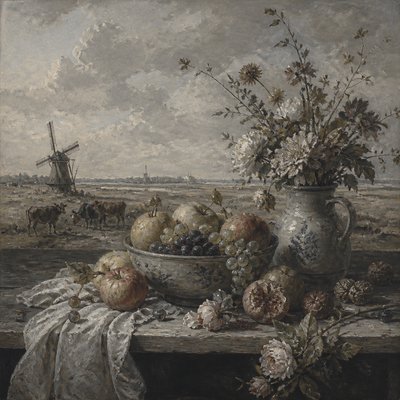
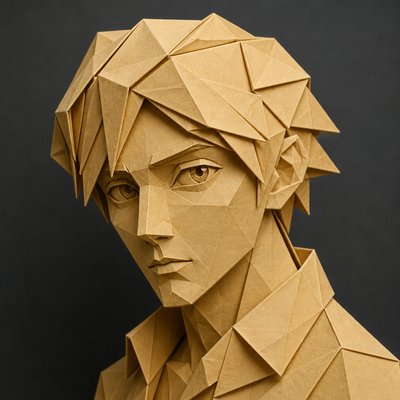
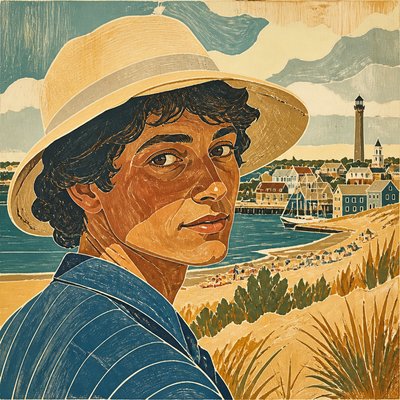
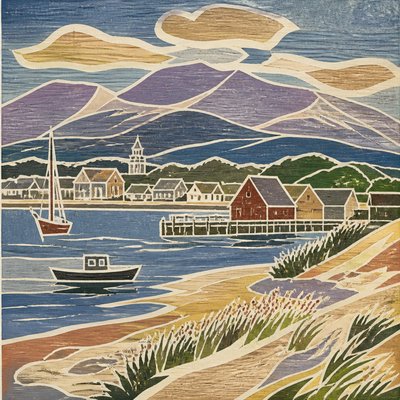
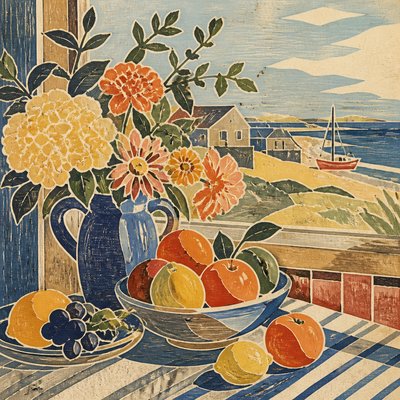
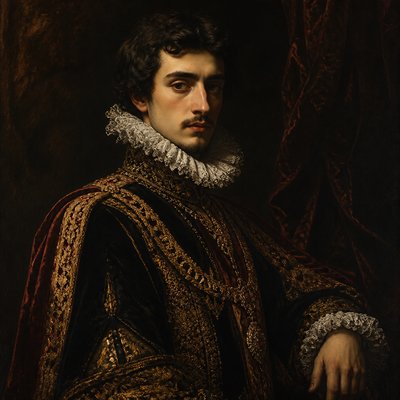
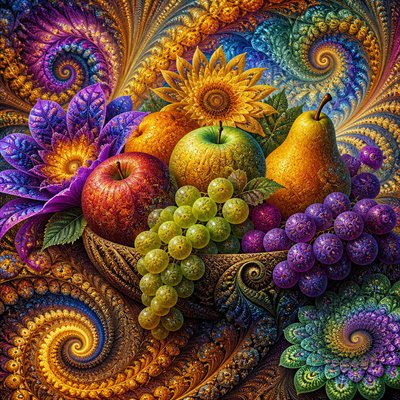
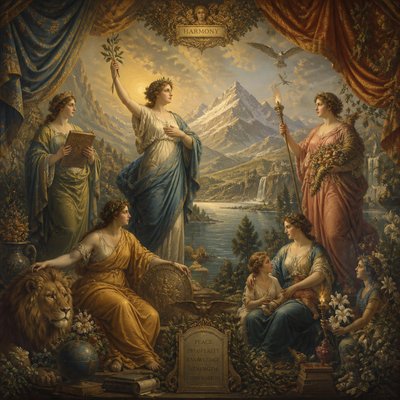
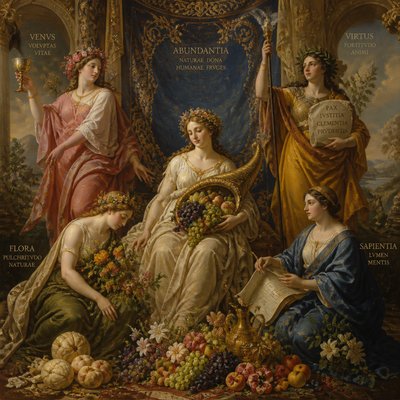
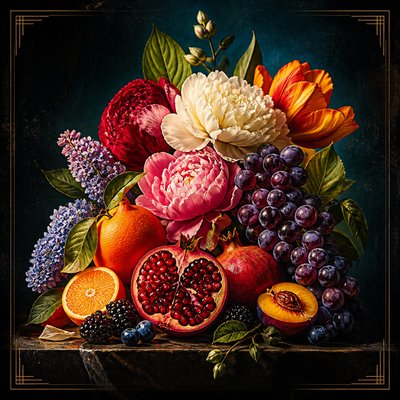
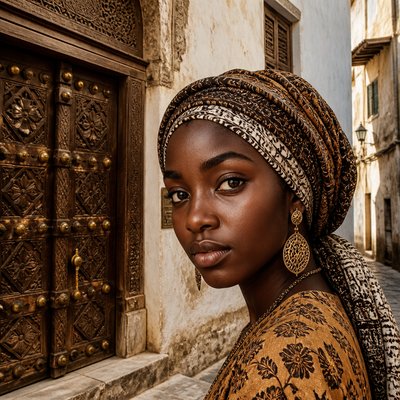
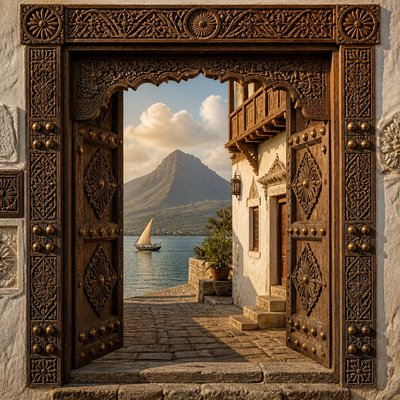
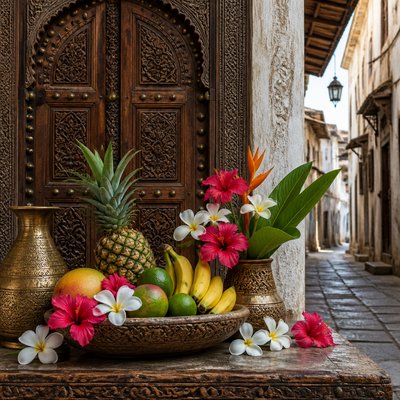
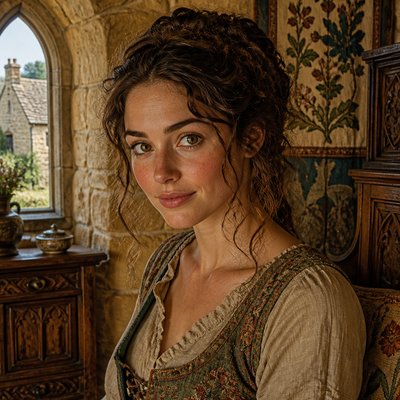
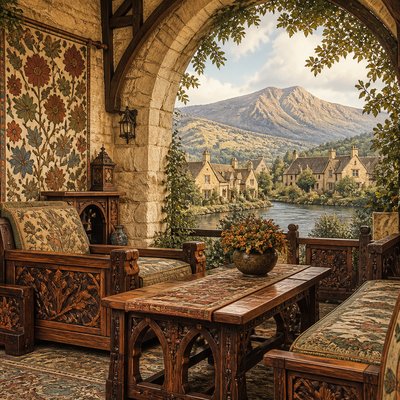
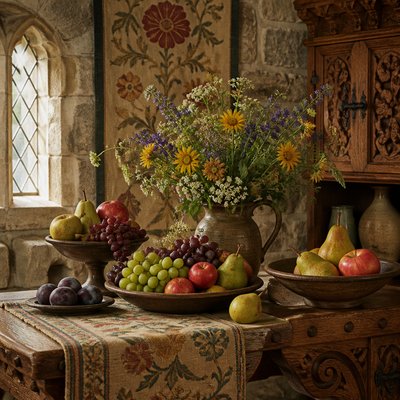
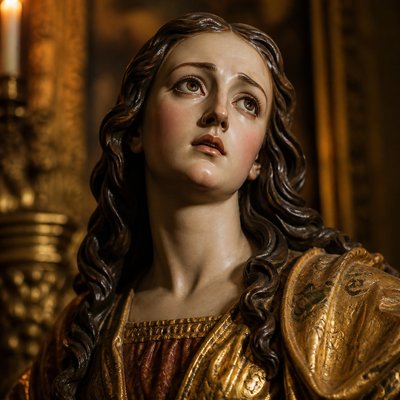
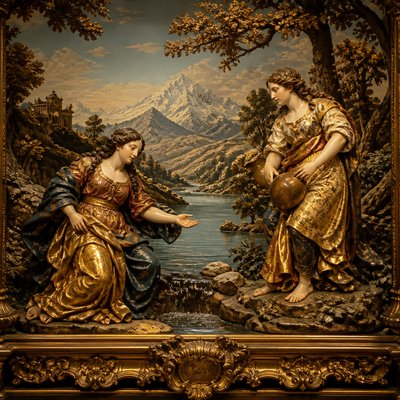
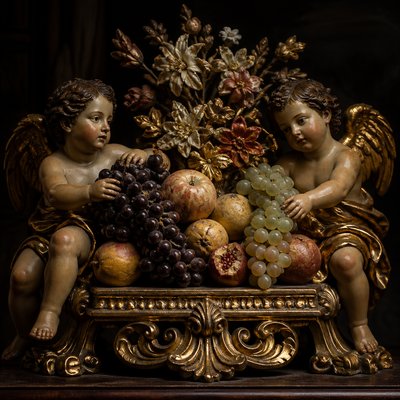
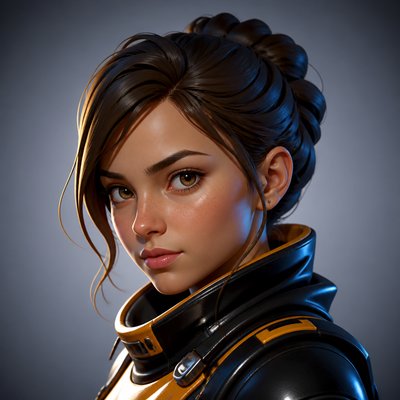
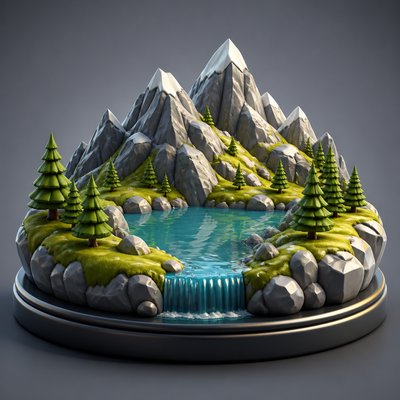
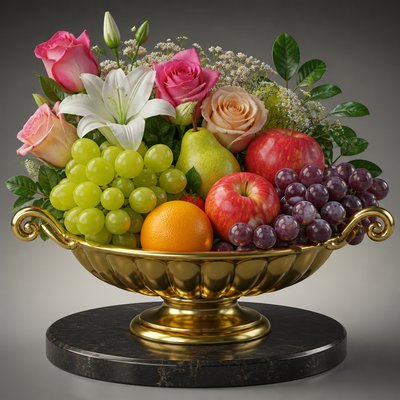
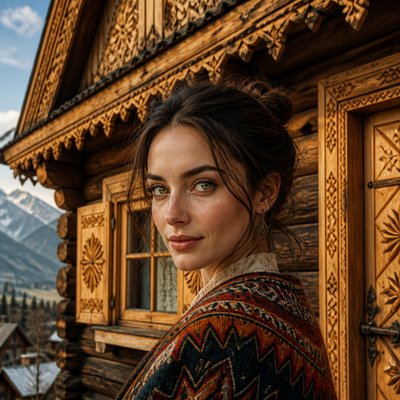
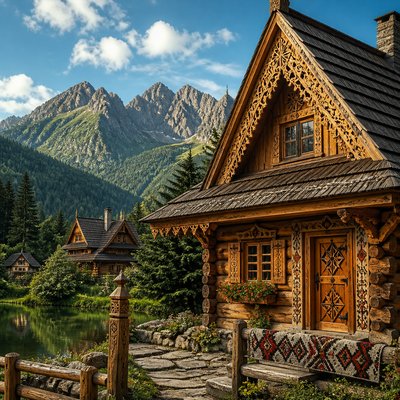
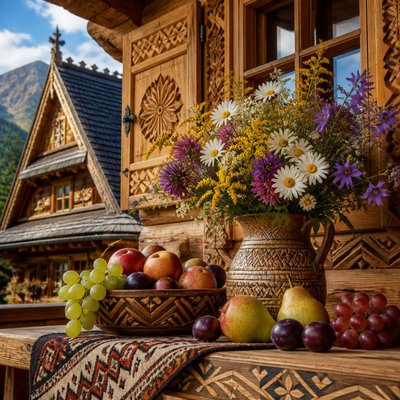
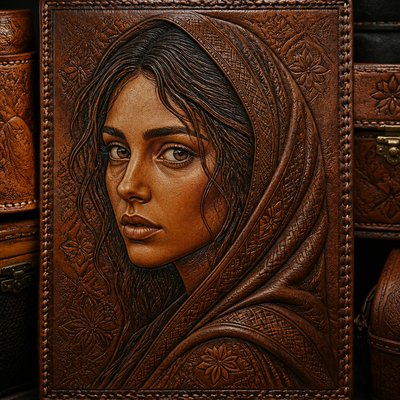
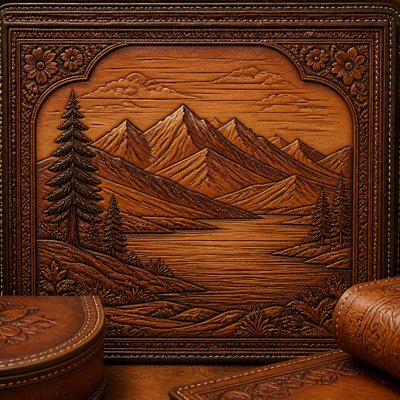
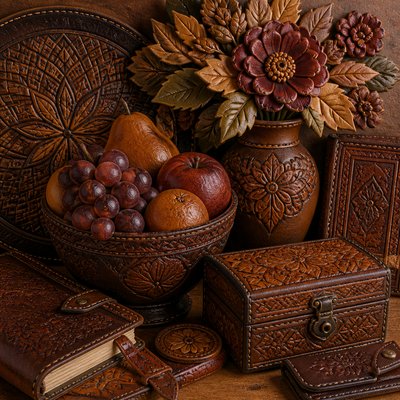
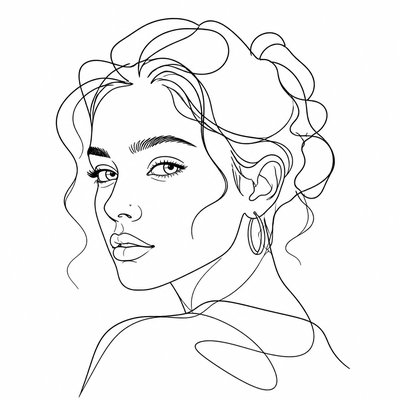
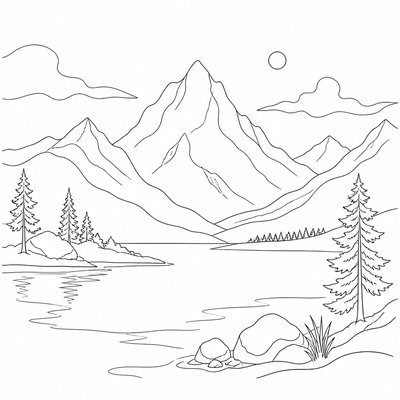
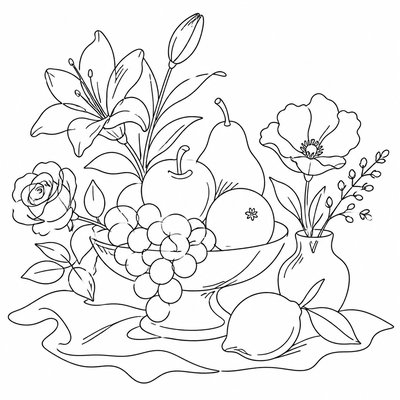
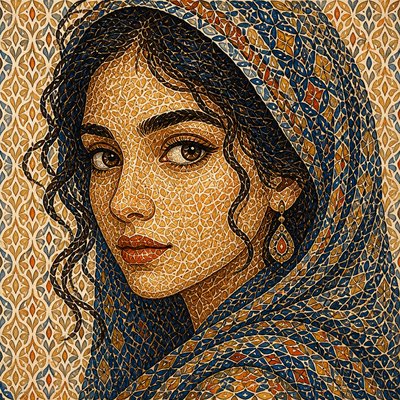
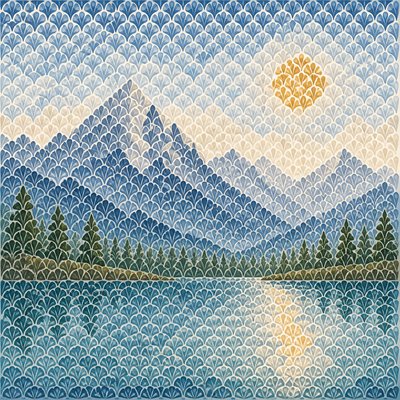
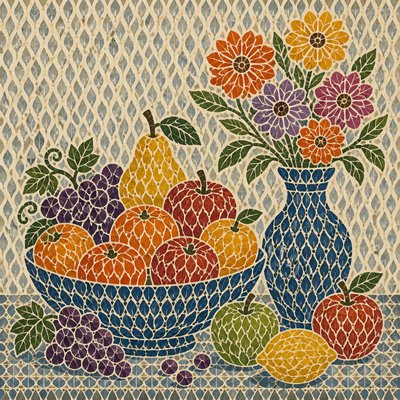
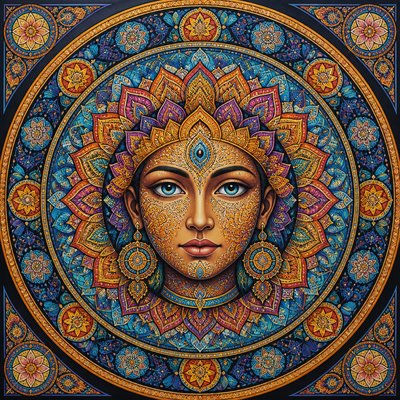
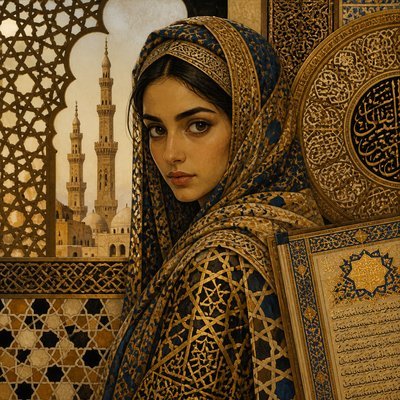
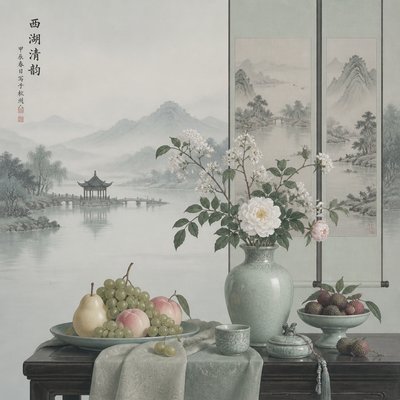
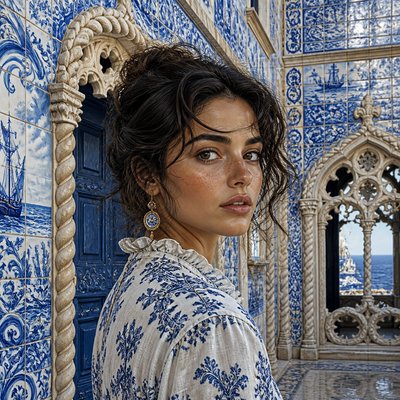
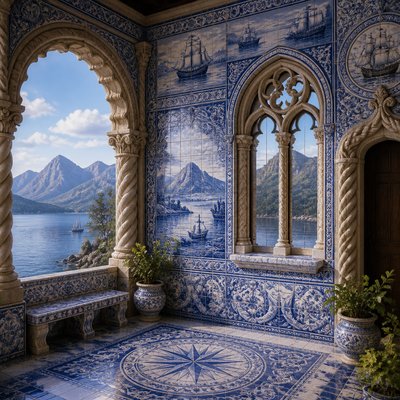
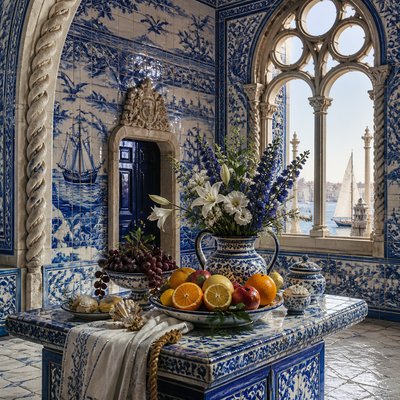
Explore henna art: intricate reddish-brown floral, paisley, geometric, and lace-like patterns created with flowing lines on skin.
Instantly rendered in Henna — or transform a photo
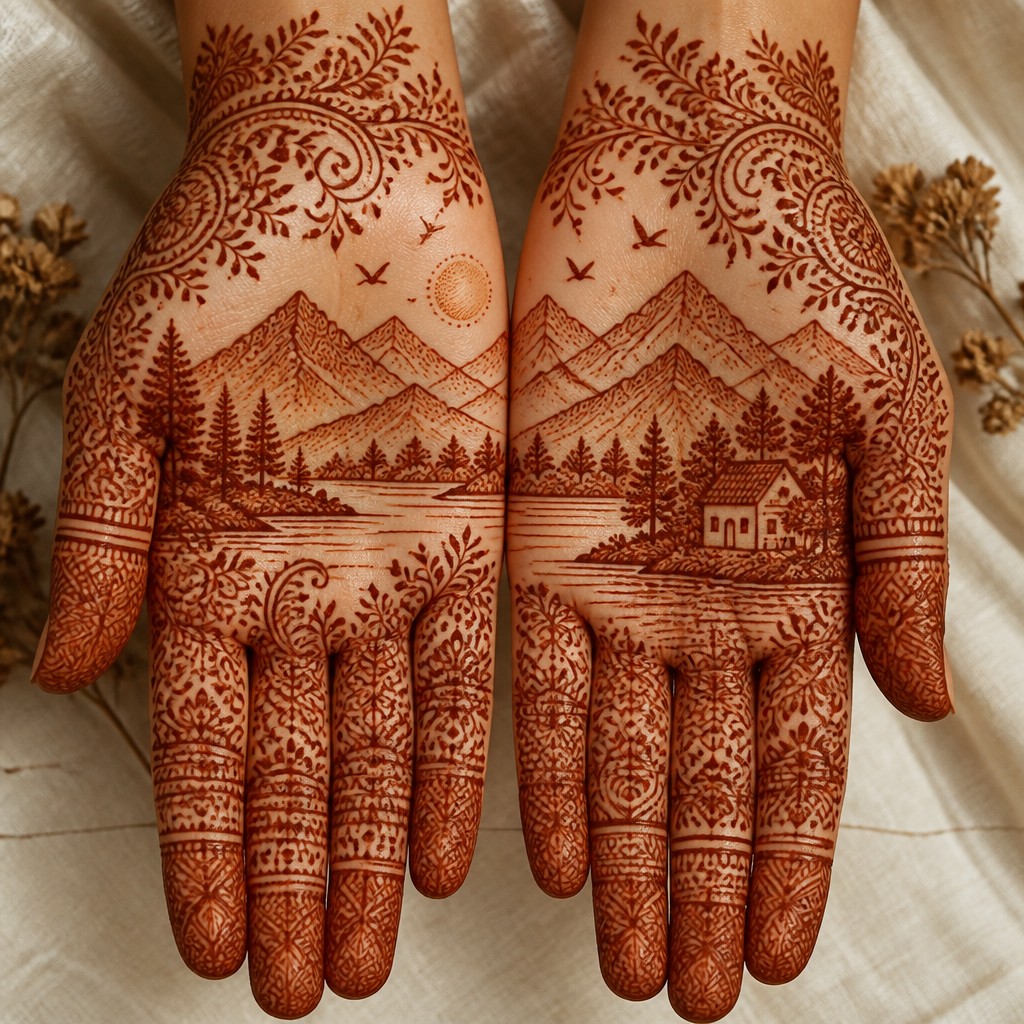
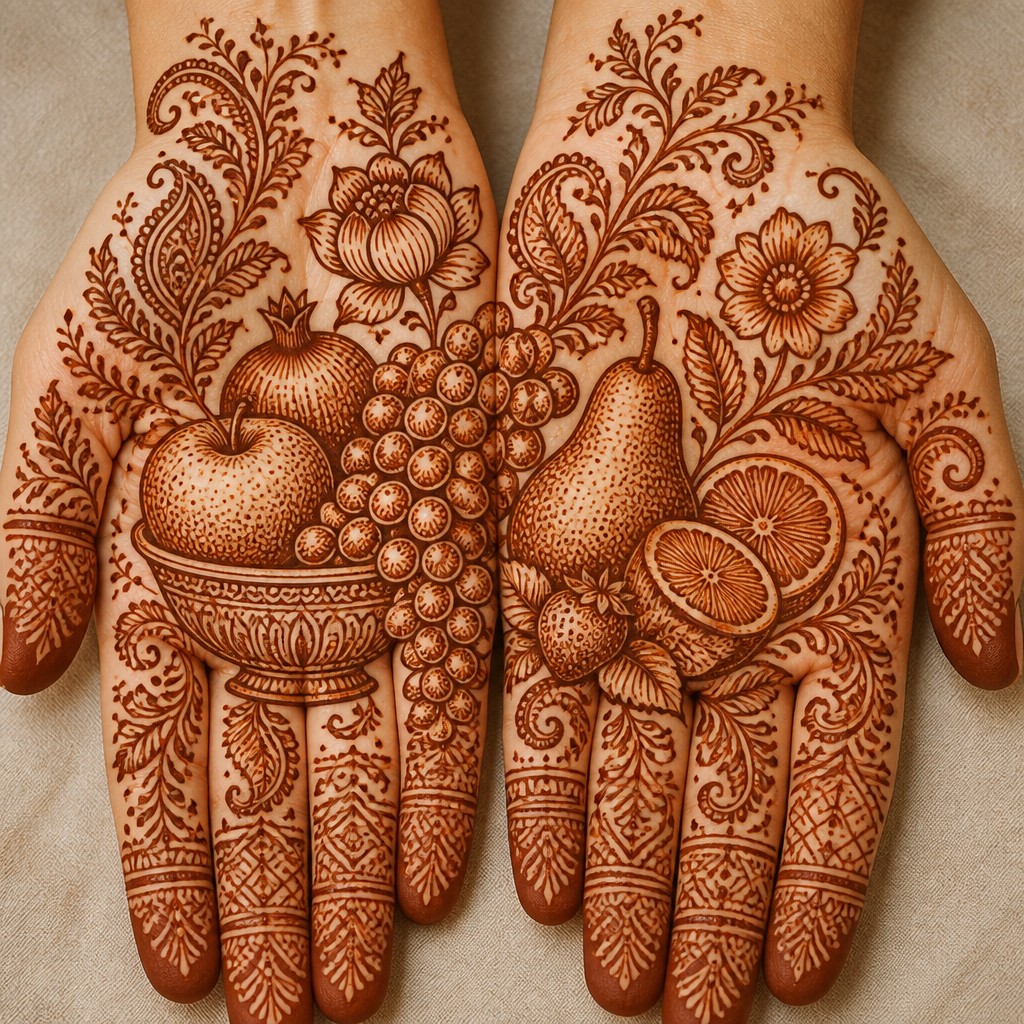
Henna Gallery
Tap any artwork to explore it
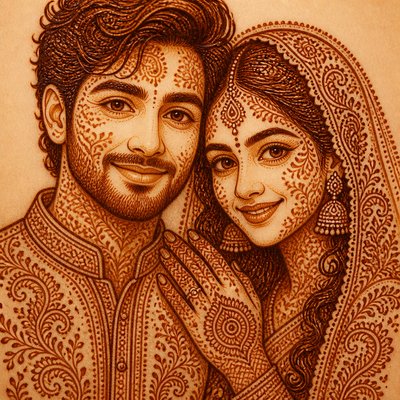
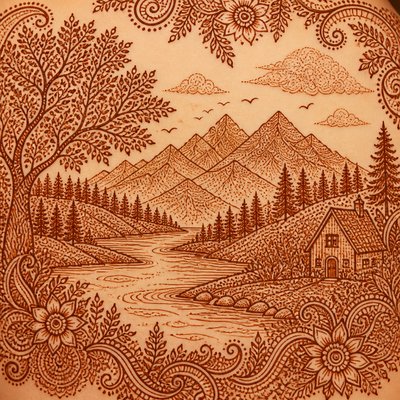
What is Henna Art Style?
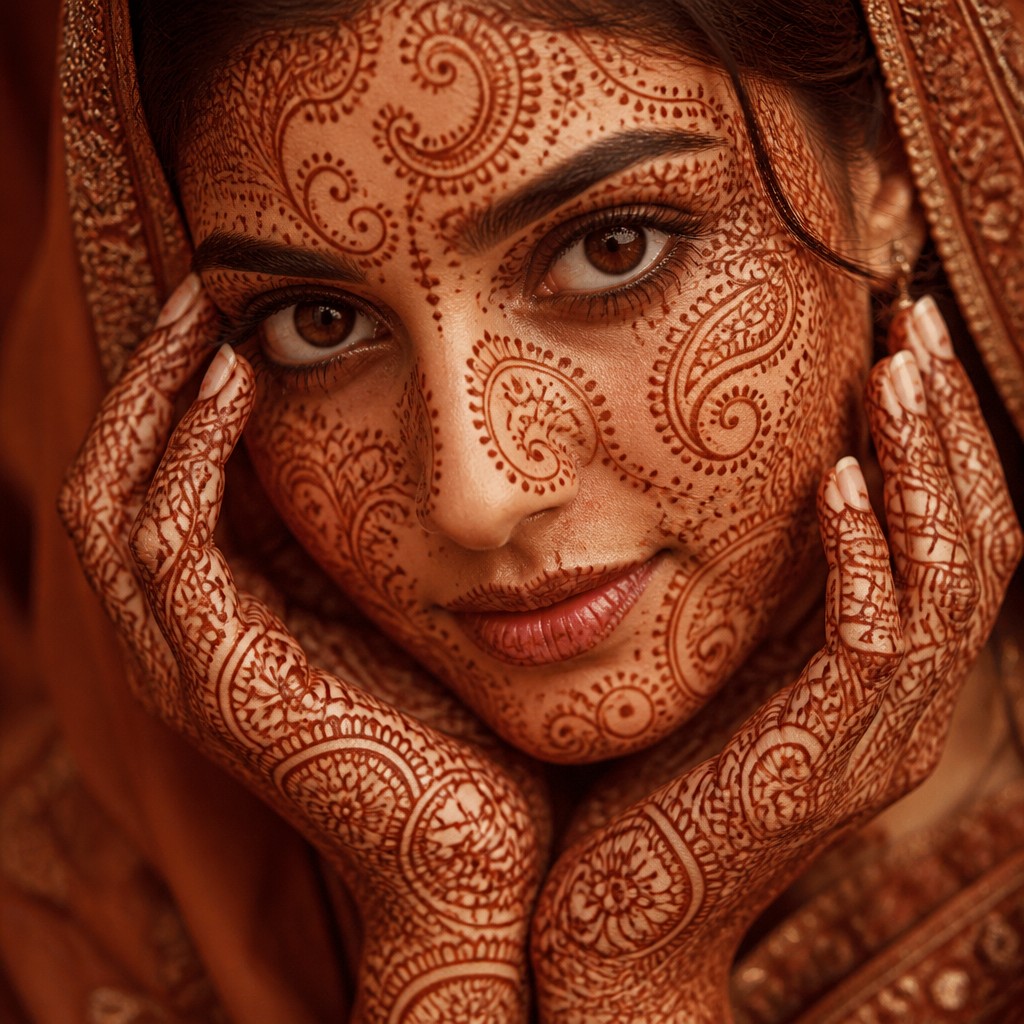
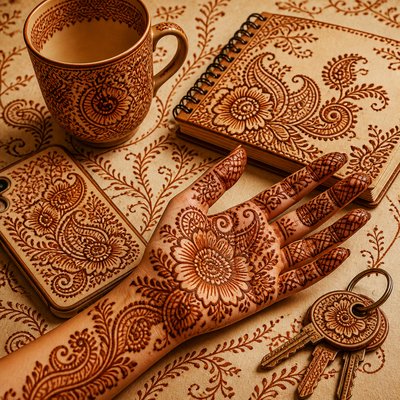
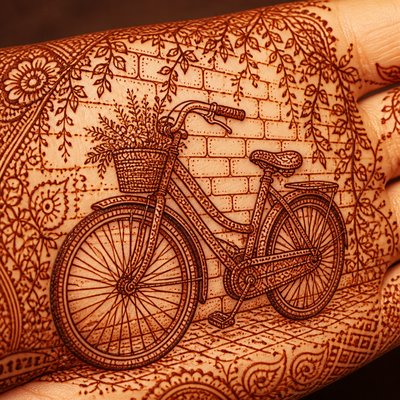
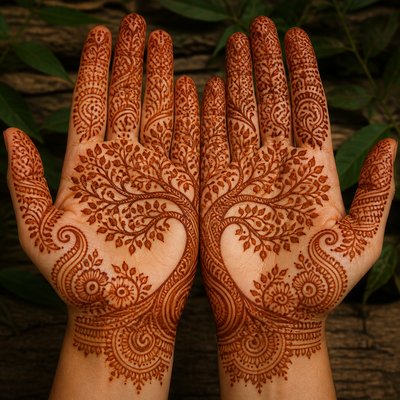
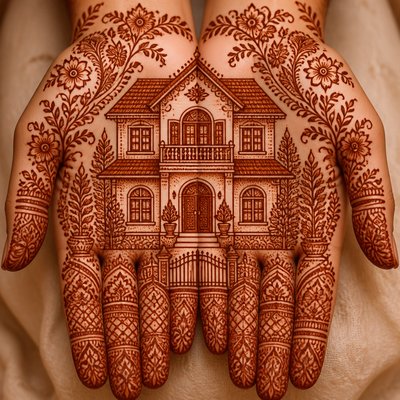
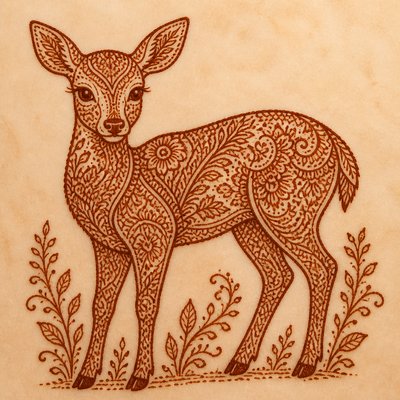
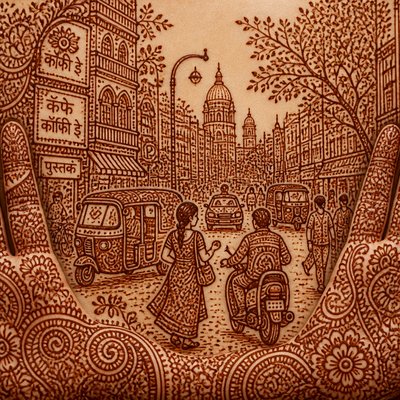
Henna art is a form of temporary body decoration made by applying a paste derived from the henna plant to the skin. As the paste dries and is removed, it leaves a warm reddish-brown to deep terracotta stain. Designs commonly combine floral vines, paisleys, leaves, fine tendrils, dots, arches, and geometric fillers into dense compositions that resemble lace or engraved linework.
The style is defined by rhythmic repetition, continuous flowing contours, and careful attention to negative space. Patterns may cover the palms, backs of the hands, wrists, feet, or other areas of the body, with motifs arranged to follow anatomy rather than appearing as isolated flat illustrations. Its visual richness comes from layering delicate outlines, clustered details, borders, and open skin-colored gaps.
Try It On Your Photos
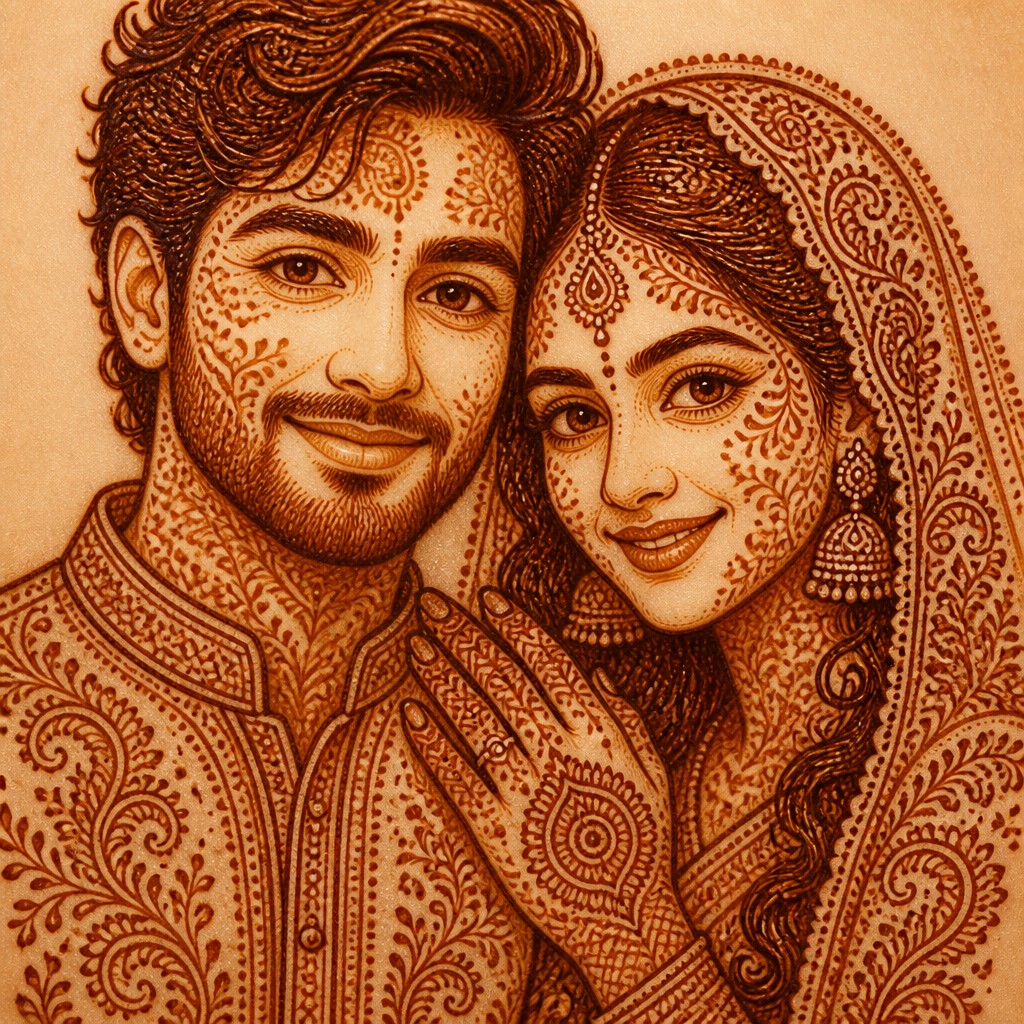
Upload any photo and convert it into Henna Art Style — drag the sliders to compare before and after.

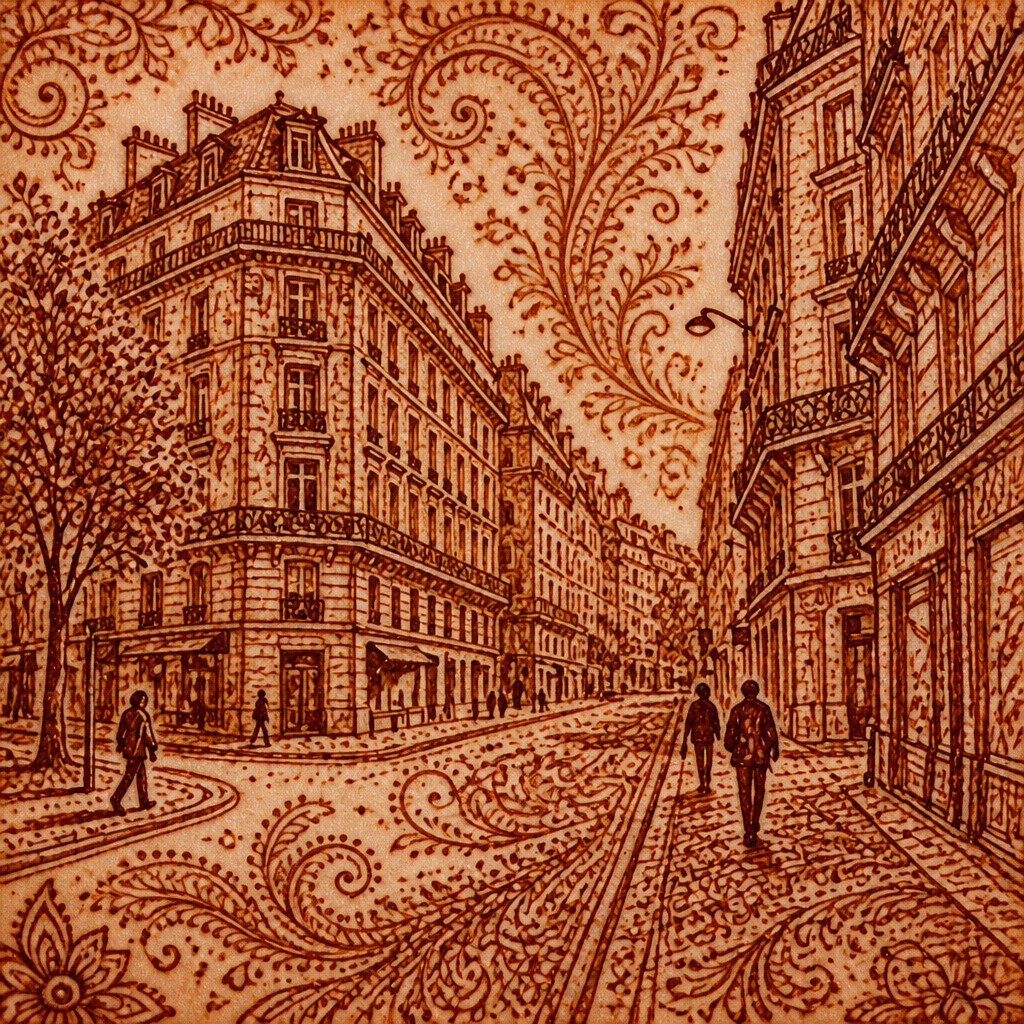

What Defines Henna Art Style
The signature details, up close
Reddish-brown stain
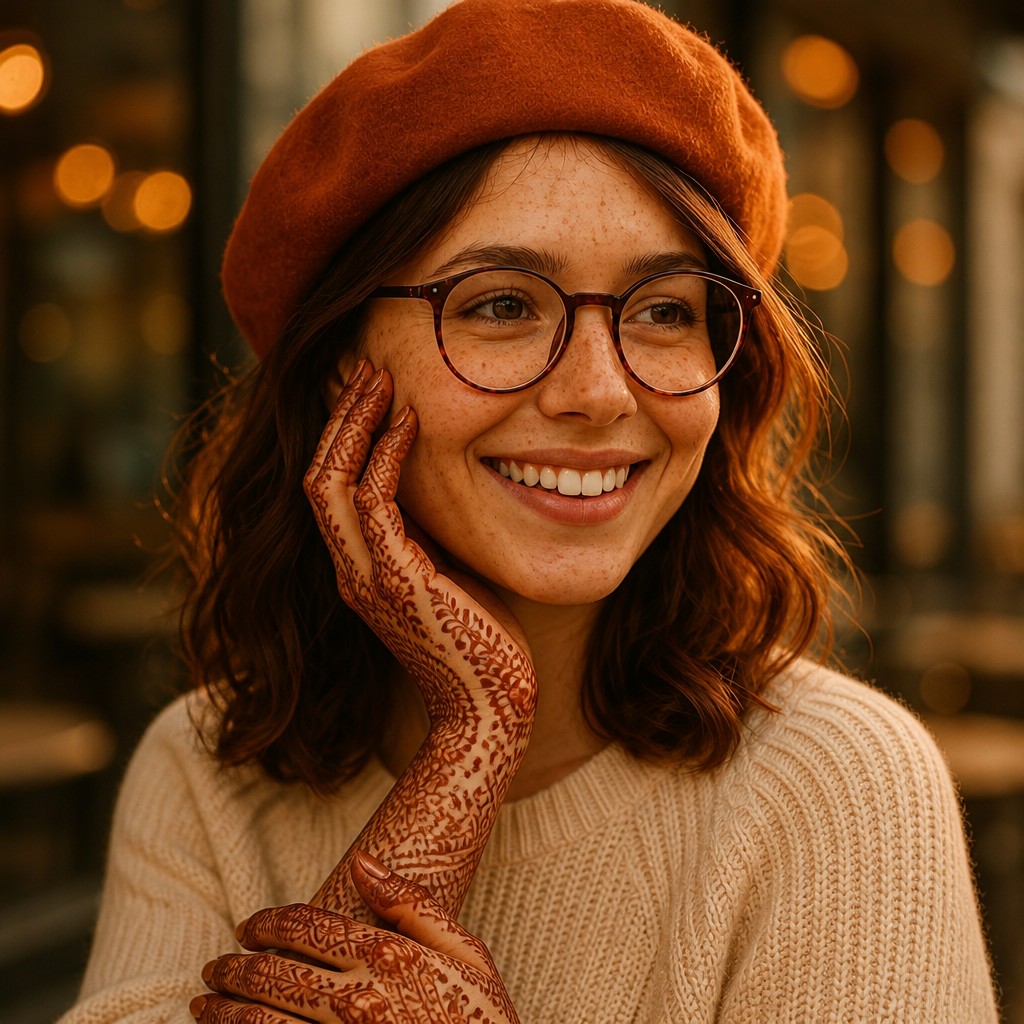
Natural henna produces a range of warm orange, red-brown, and deep terracotta tones that darken after application. The color is transparent enough to preserve the texture and natural variation of skin.
Floral vines and paisleys
Curving stems, leaves, blossoms, and paisley forms create the primary rhythm of many compositions. These motifs are often connected into uninterrupted networks rather than placed as separate emblems.
Lace-like linework
Fine outlines, hairline branches, repeated scallops, and closely spaced marks produce a delicate textile-like appearance. Dense detail is balanced by uncovered areas that keep the design legible.
Geometric fillers
Dots, grids, chevrons, arches, crosshatching, and bands fill gaps between larger organic forms. These elements provide structure and contrast with the softness of vines and petals.
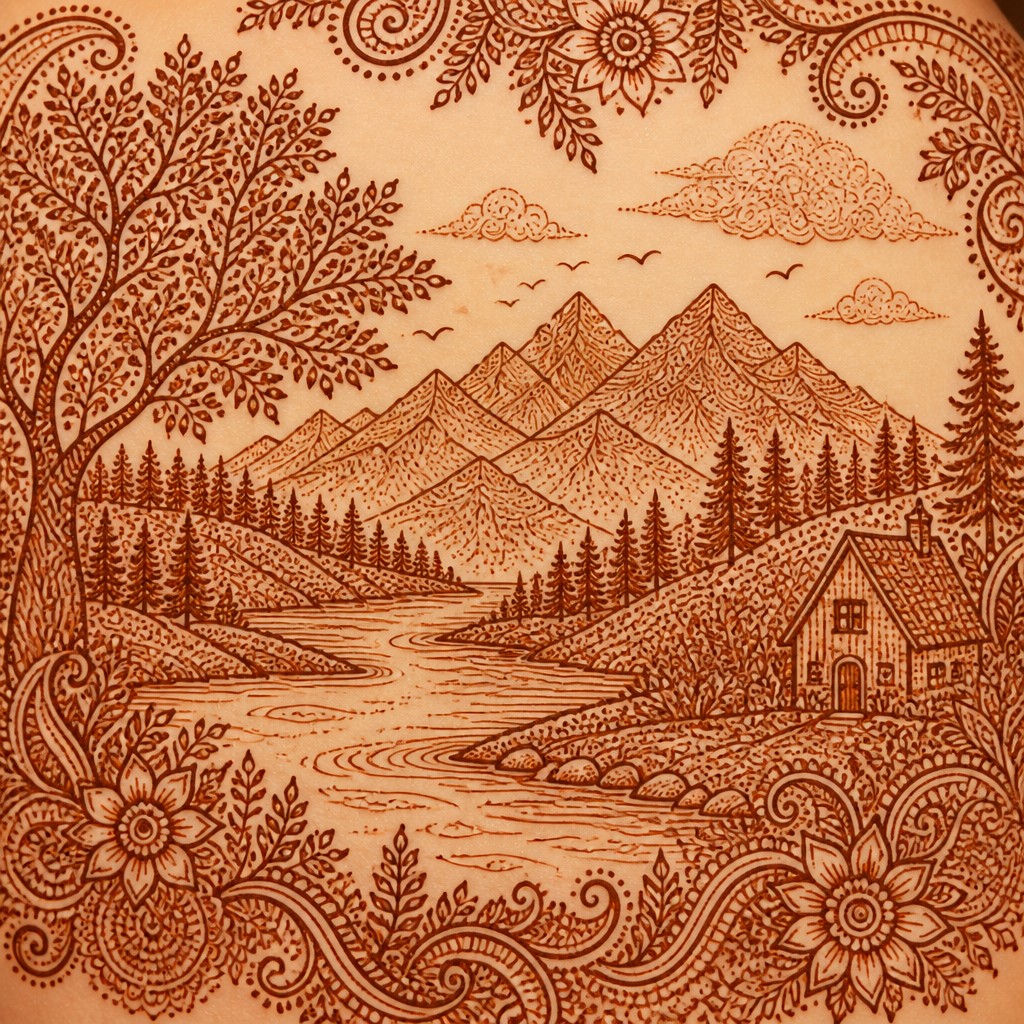
Anatomical flow
Patterns are composed to follow fingers, knuckles, wrists, palms, feet, or other body contours. Repeated bands and tapered extensions help the design move naturally across joints and changing surfaces.
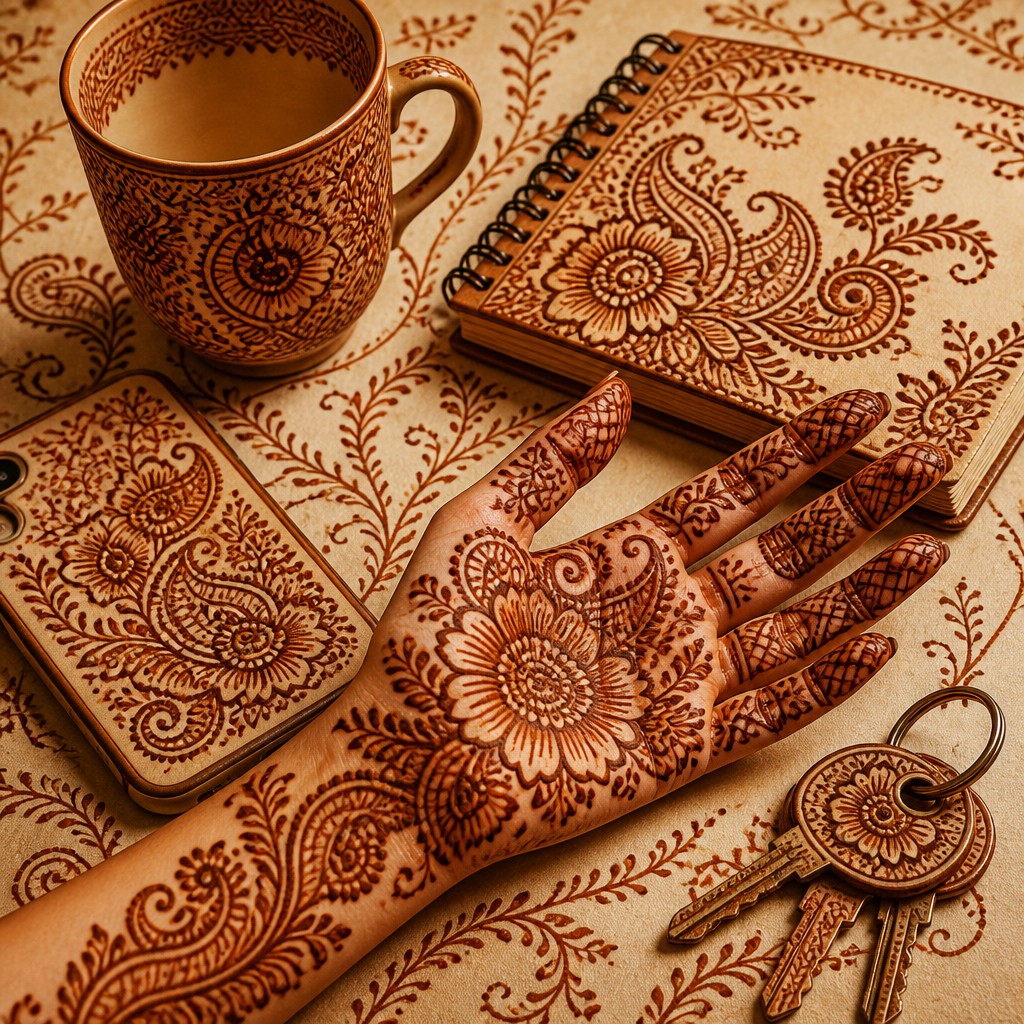
Dense palms and fingertips
Many ceremonial designs concentrate coverage on the palms, fingers, and backs of the hands, sometimes extending into cuffs or trailing motifs. Fingertips may be fully stained or capped with repeated decorative patterns.
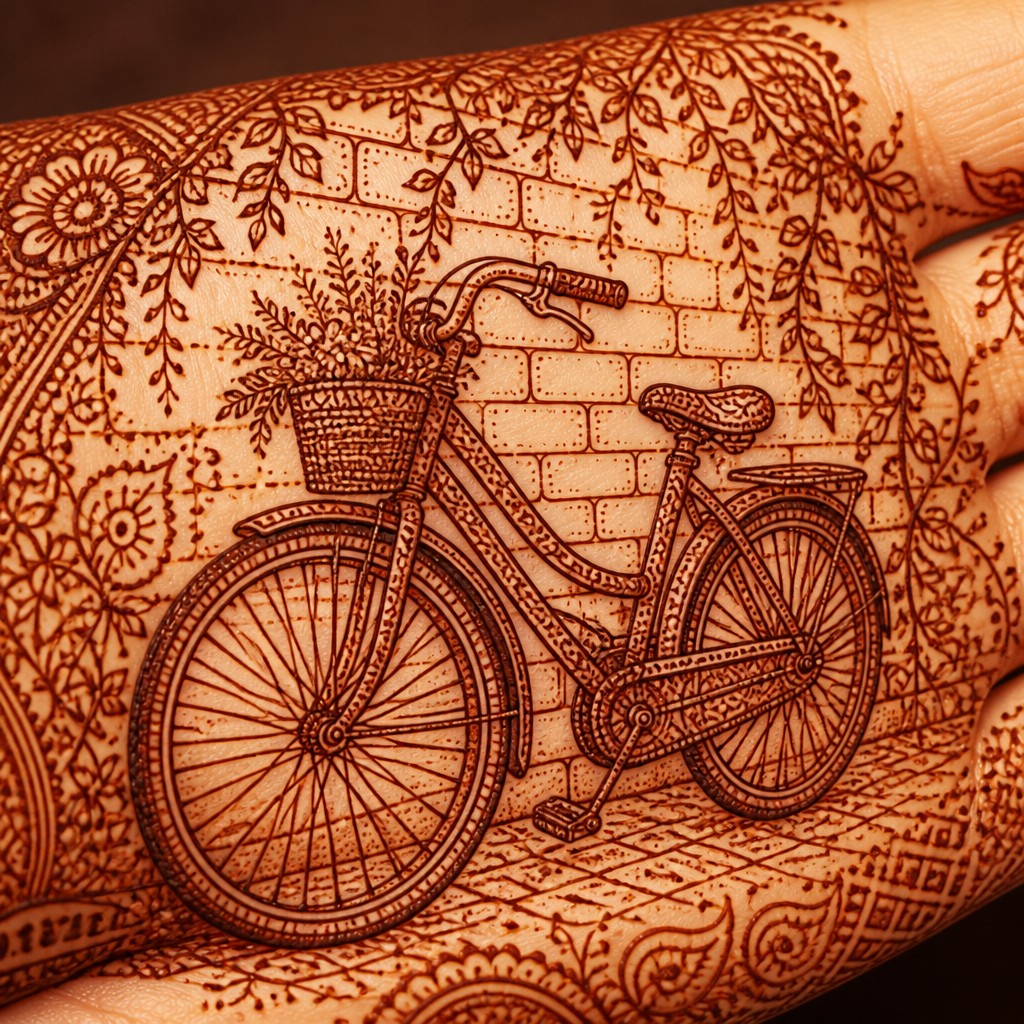
Freehand continuity
Traditional application is drawn directly from a cone in a controlled, flowing line. The slight variation in pressure and line thickness gives the finished pattern an organic, handmade character.
Henna Prompt Ideas
Start from an idea — each one opens the generator with the style ready to go. See all 40 Henna prompts →
How to Create Henna Art
Master the craft step by step — or skip straight to creating. Read the full guide →
- 1
Use natural henna paste
For traditional body decoration, use finely sifted natural henna mixed into a smooth paste and applied through a cone or narrow applicator. Test the paste and stain on a small area first, and avoid products marketed as instant black henna because they may contain skin-damaging dyes.
- 2
Build from flowing structure
Start with a main vine, border, or central paisley, then add leaves, petals, tendrils, dots, and geometric fillers. Keep line pressure steady while allowing small handmade variations rather than forcing every mark into mechanical uniformity.
- 3
Design for the body
Map the composition to joints, fingers, palms, wrists, or feet before adding detail. Use bands and tapered motifs to bridge changing surfaces, and preserve some negative space so dense ornament does not become visually muddy.
- 4
Create a digital illustration
Draw with a pressure-sensitive brush on a warm skin-toned base, using dark terracotta lines and separate layers for outlines, dots, fillers, and stain variation. Slight opacity changes and irregular edges can simulate paste drying into a natural dye.
- 5
Compose a photographic scene
For a realistic result, specify skin texture, hand or foot anatomy, paste thickness, drying stages, directional lighting, and the placement of the pattern. Avoid describing the design as a flat tattoo if the intended effect is a temporary surface stain.
- 6
Write a focused generation prompt
Name the subject first, then describe the body placement, motif mix, coverage, reddish-brown paste, fine linework, and warm natural lighting. Add constraints such as anatomically correct fingers, continuous lines, delicate negative space, and no lettering when precision matters.
The Story
History & Origins of Henna
Henna decoration has a long and geographically broad history across North Africa, the Middle East, South Asia, and parts of Southeast Asia. Because evidence is fragmentary and the practice developed across multiple cultures, its earliest origin cannot be assigned to a single place or date. The dye has been used for body decoration, adornment, ritual, and cooling properties for centuries, with regional customs shaped by local ceremonies and design vocabularies.
The practice became especially prominent in wedding and festival traditions, where intricate hand and foot designs could signify celebration, beauty, blessing, or social belonging. In the modern period, migration and cultural exchange spread henna traditions globally, while contemporary artists developed fusion designs, simplified motifs, and nontraditional placements without eliminating the importance of regional styles.
Influences: Henna art draws from the body-decoration traditions of South Asia, North Africa, the Middle East, and Southeast Asia, as well as textile ornament, Islamic geometric design, floral arabesque, and folk pattern-making. Its repeated vines and paisleys relate visually to ornamental drawing and lace, while its temporary application distinguishes it from permanent tattoo traditions. Contemporary forms also incorporate minimalist linework, bridal fashion imagery, and digital pattern design.
Frequently Asked Questions
What defines henna art?
Henna art is defined by temporary reddish-brown staining created with henna paste, usually arranged into intricate floral, paisley, vine, dotted, and geometric patterns. Designs are typically drawn directly on skin and shaped to follow the body.
Is henna art the same as mehndi?
The terms are often used interchangeably in everyday English, especially for South Asian wedding and festival designs. Mehndi commonly refers to the practice and ceremonial tradition in South Asia, while henna can refer more broadly to the plant, paste, dye, and body-art traditions found across several regions.
How long does natural henna last?
A natural henna stain commonly lasts about one to three weeks, depending on skin type, placement, washing, friction, and exposure to sunlight. It usually darkens during the first day or two before gradually fading as the outer skin sheds.
How can I make a digital image look like real henna?
Use warm terracotta-brown lines over visible skin texture, with slight variation in opacity and edge sharpness. Include realistic anatomy, natural lighting, paste thickness or dried stain, continuous vines, and a deliberate balance between dense ornament and uncovered skin.
What is the difference between henna and a tattoo?
Henna is a temporary surface stain that fades naturally, while a tattoo places pigment beneath the skin and is generally permanent. Henna designs also tend to emphasize flowing surface patterns and regional ceremonial ornament rather than permanent ink shading.
Is black henna safe?
Products sold as black henna may contain para-phenylenediamine, or PPD, which can cause severe allergic reactions, chemical burns, blistering, and lasting sensitivity. Natural henna is typically orange-brown to reddish-brown; avoid applying unknown black products to skin and seek medical advice if a reaction occurs.
Create your first Henna artwork
Describe anything — or upload a photo — and see it in Henna Art Style in seconds.
Related Styles
Discover similar art styles