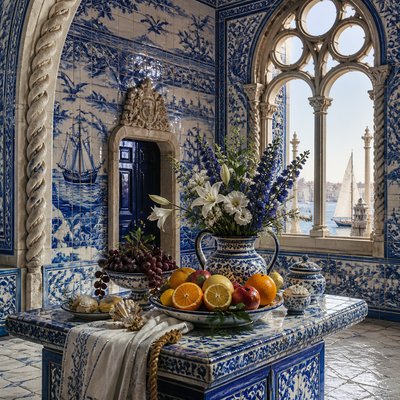
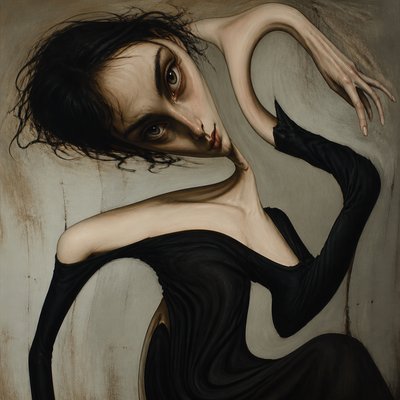
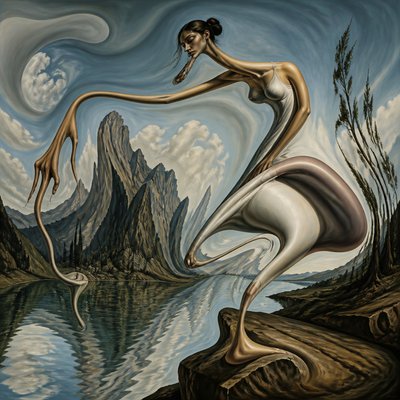
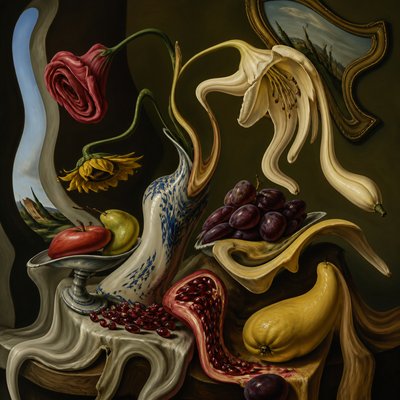
Psychedelic Art Style
Swirling, neon-bright art with liquid forms, optical pulses, and 1960s counterculture energy.
Instantly rendered in Psychedelic — or transform a photo
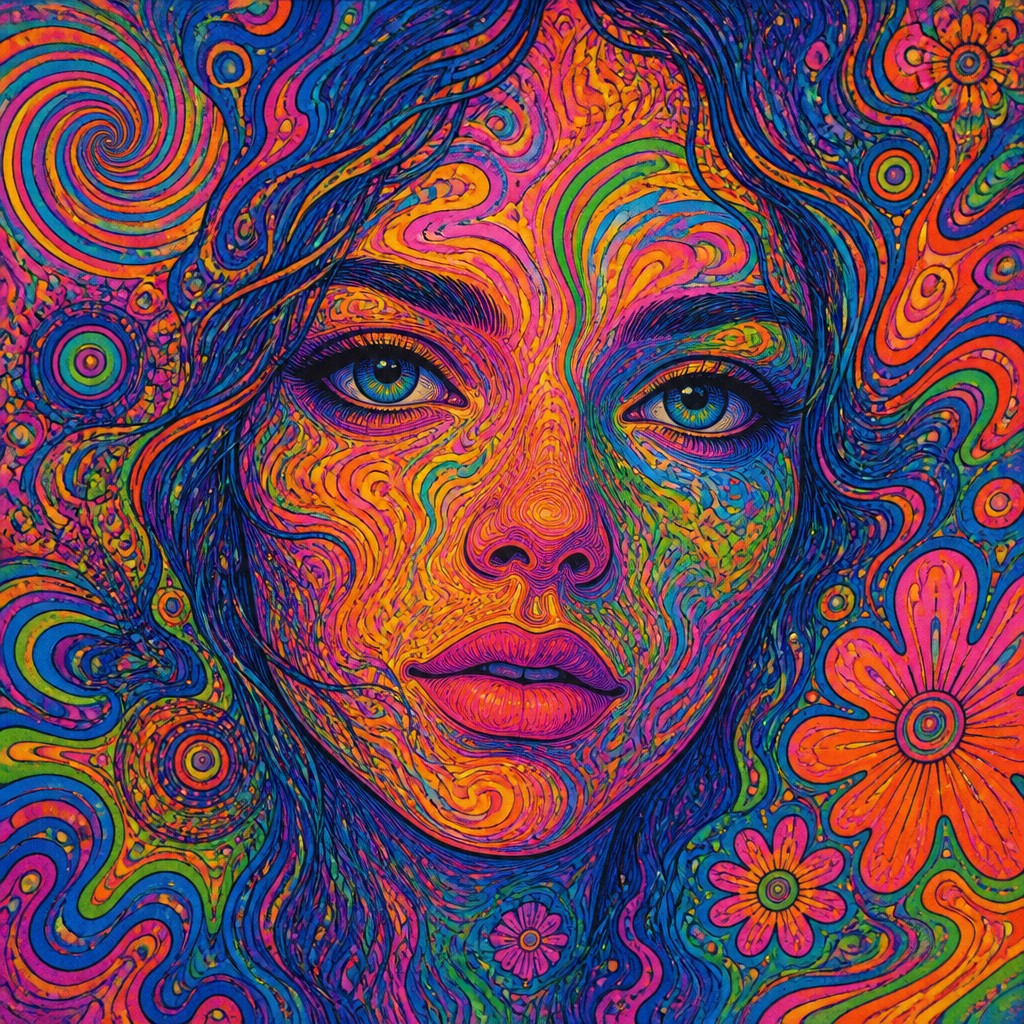
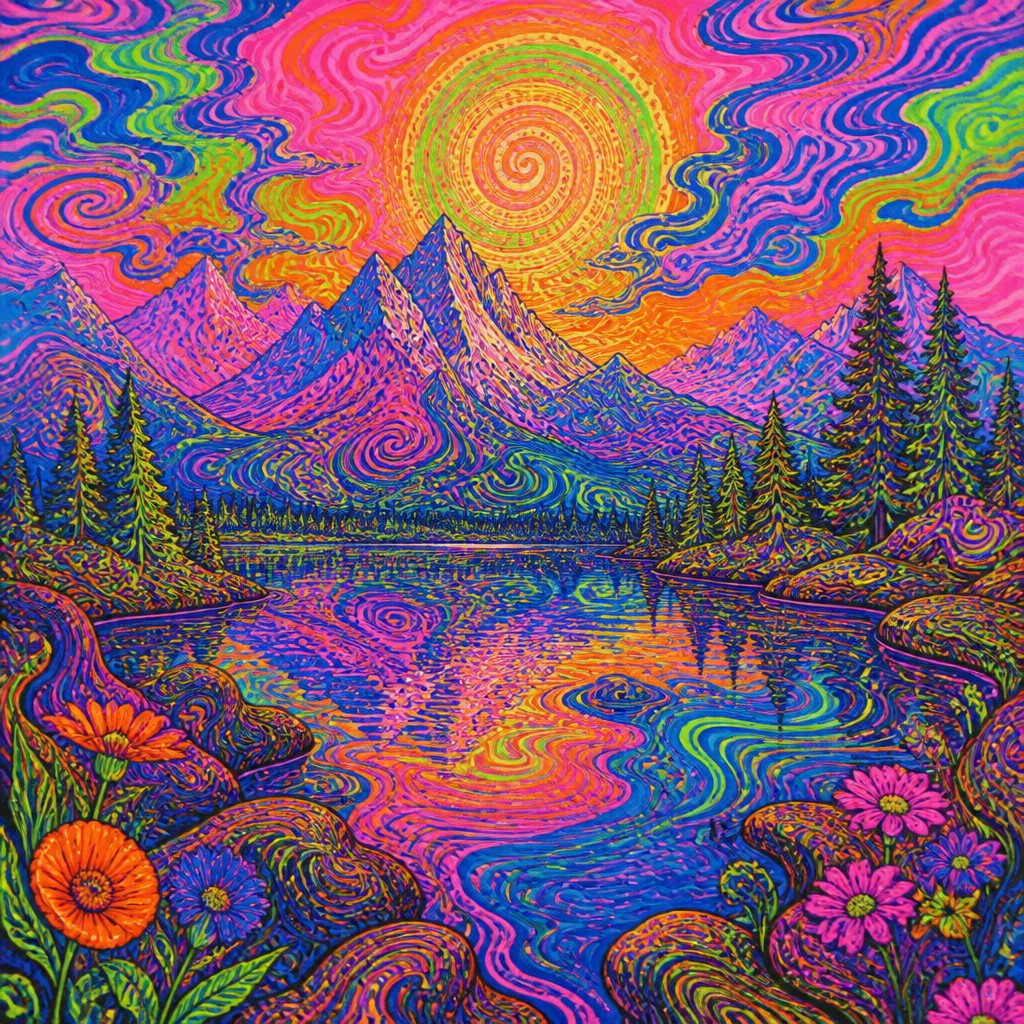
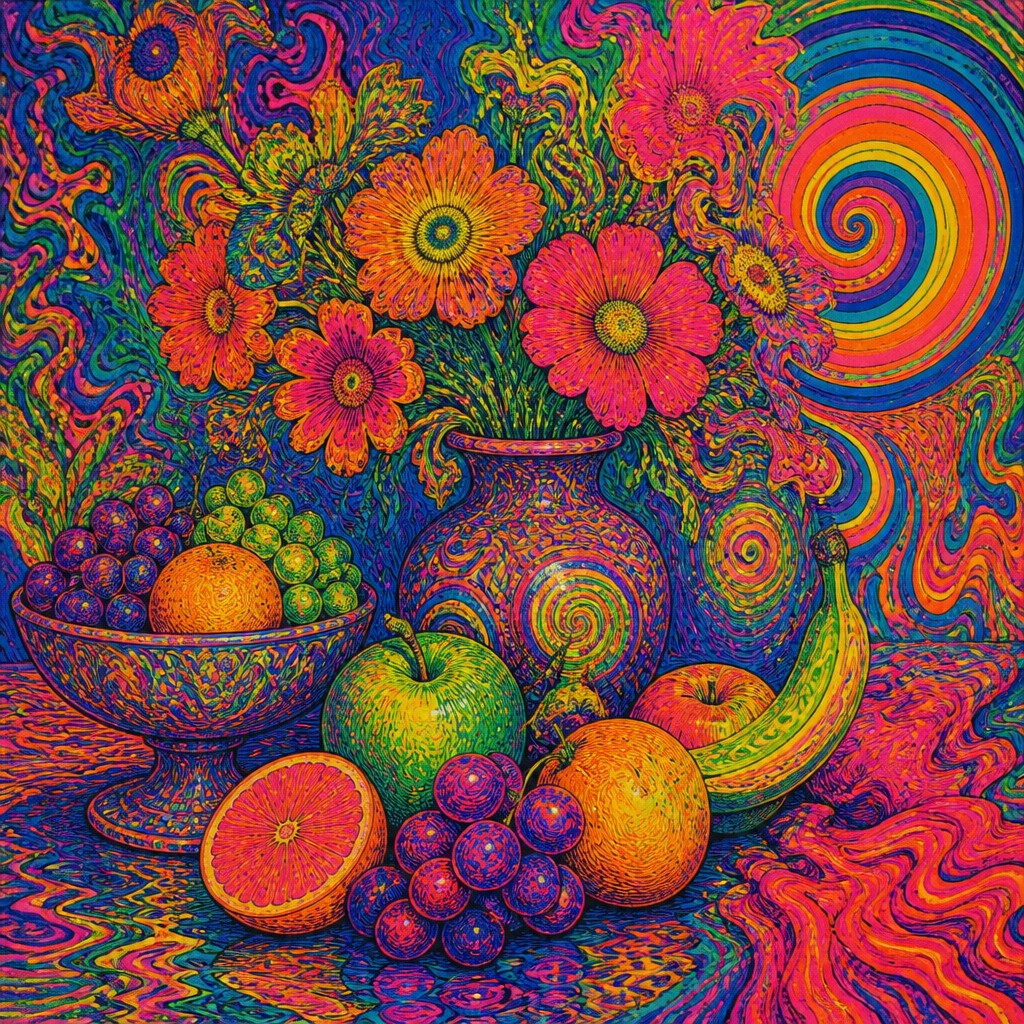
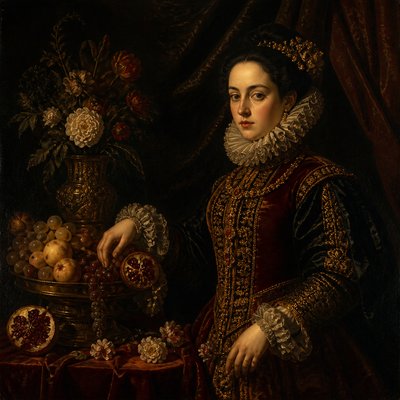
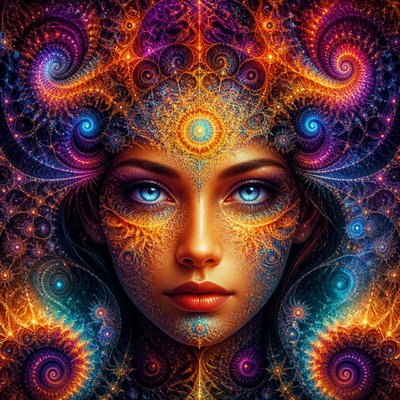
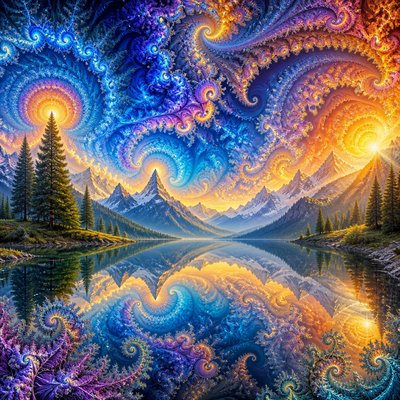
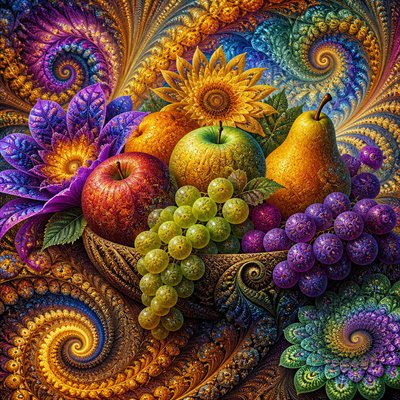
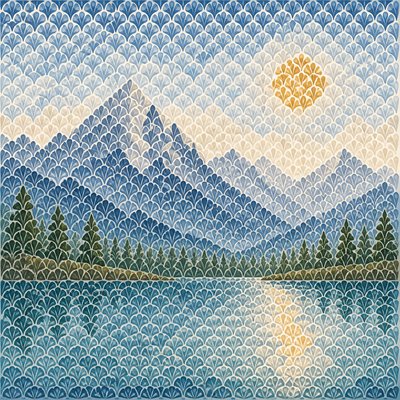
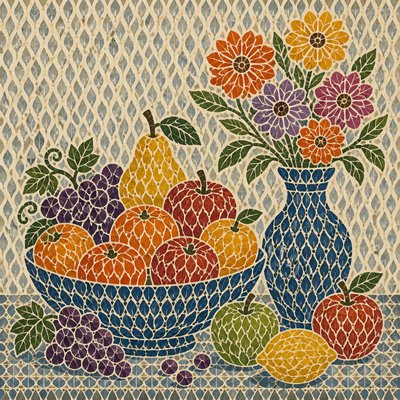
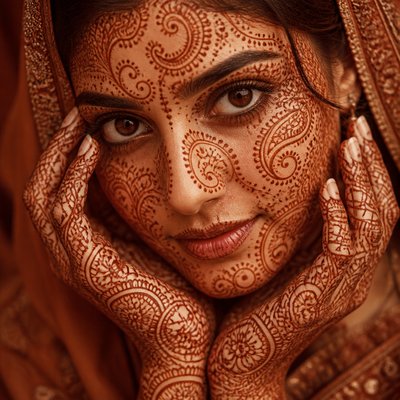
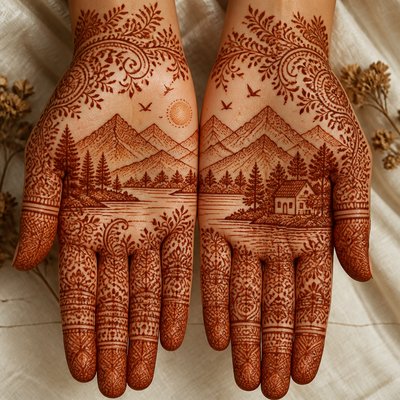
Psychedelic Gallery
Tap any artwork to explore it
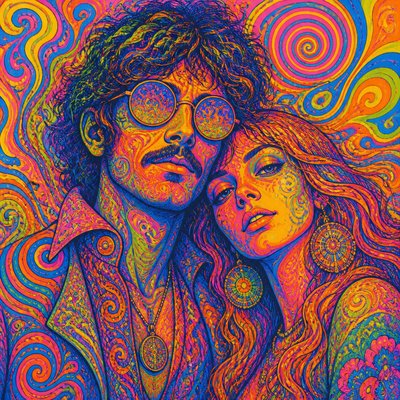
What is Psychedelic Art Style?
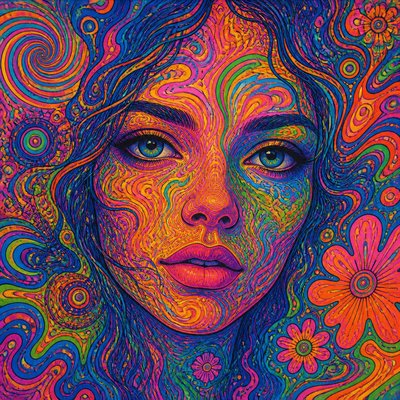
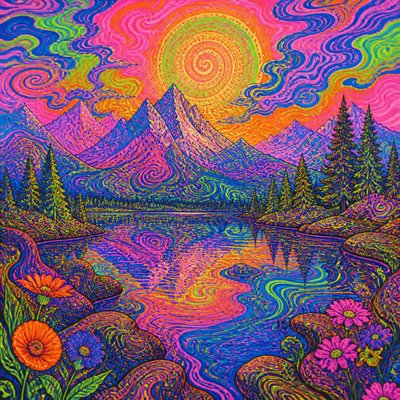
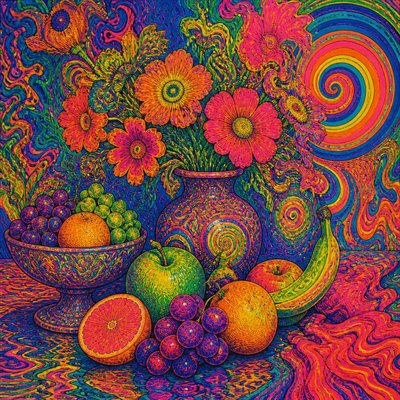
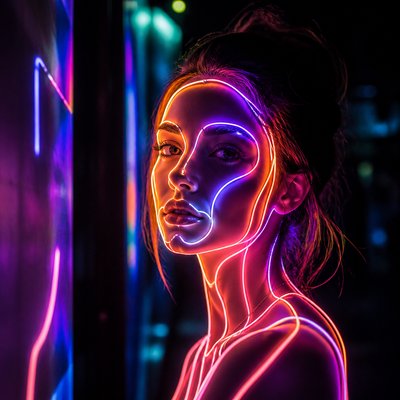
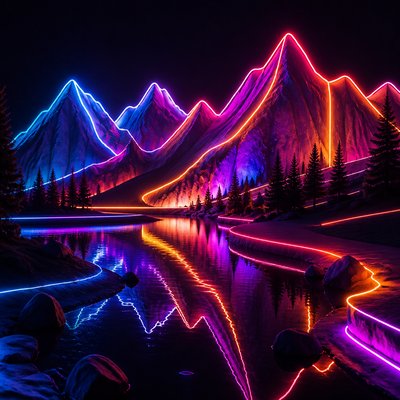
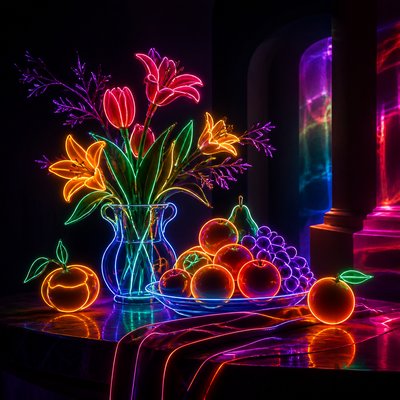
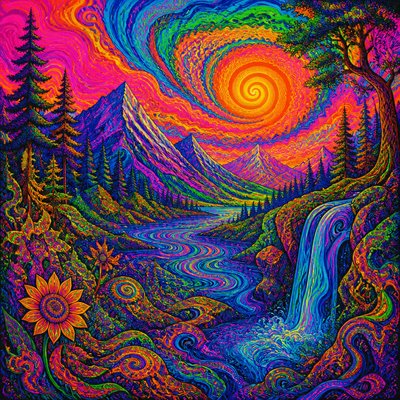
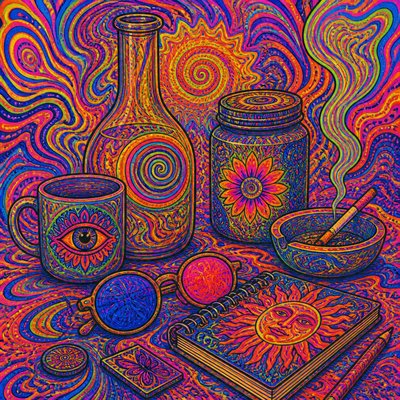
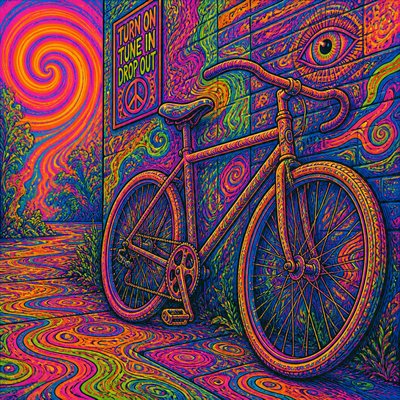
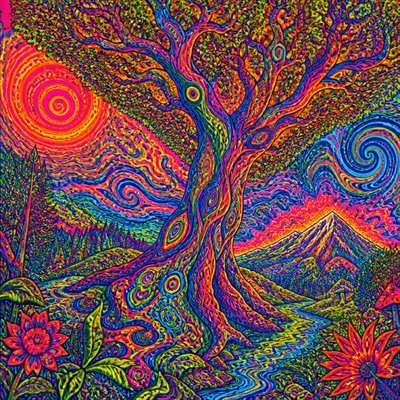
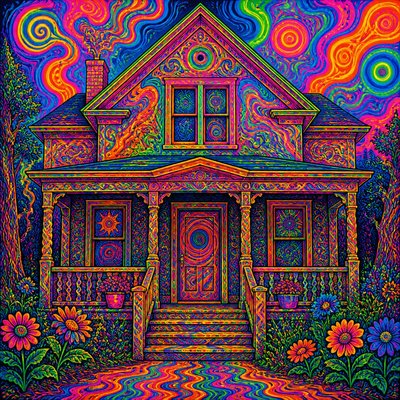
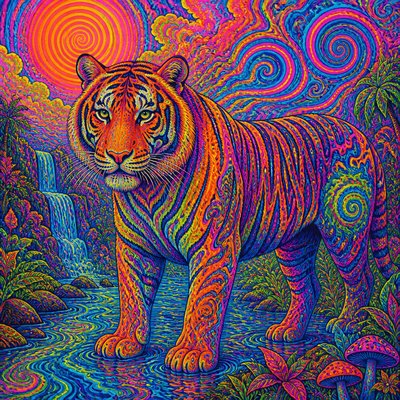
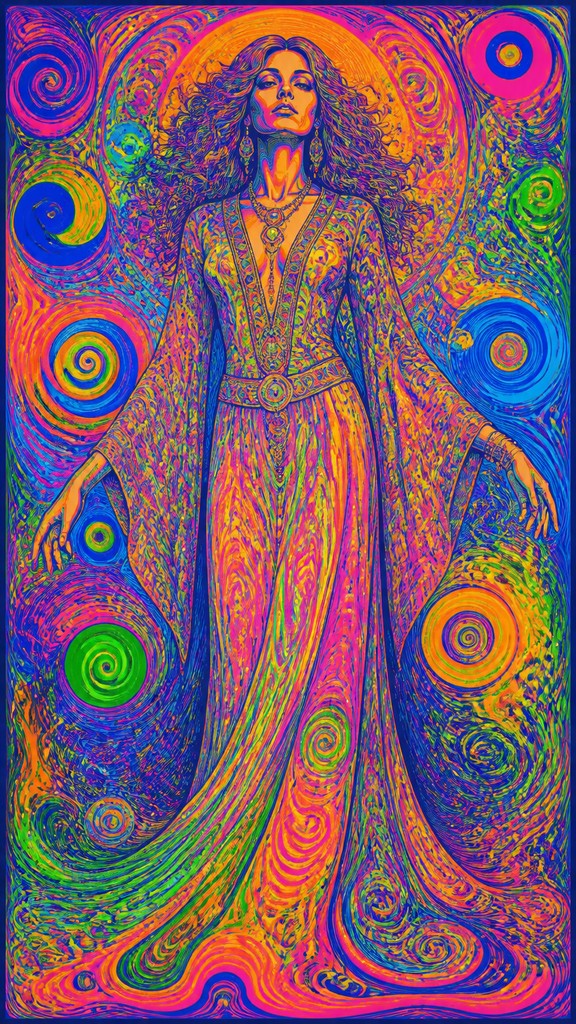
Psychedelic art is a visually intense style defined by swirling forms, vibrating color, kaleidoscopic symmetry, and optical effects that suggest altered perception. It often features fluid contours, dense patterning, and luminous contrasts that make images seem to pulse, shimmer, or move.
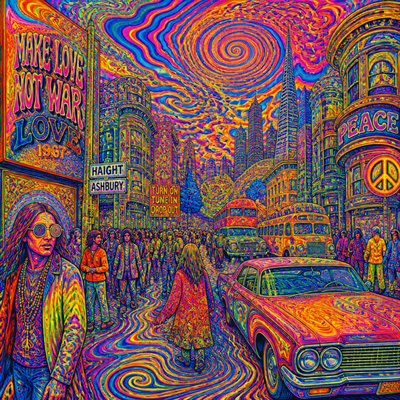
The style is closely associated with 1960s counterculture, poster art, album covers, underground comics, and visualizations of psychedelic experience. Its look comes from a mix of Art Nouveau line flow, Pop-era color boldness, Op Art optical experiments, and imagery inspired by music, hallucinogenic vision, mysticism, and expanding consciousness.
Try It On Your Photos
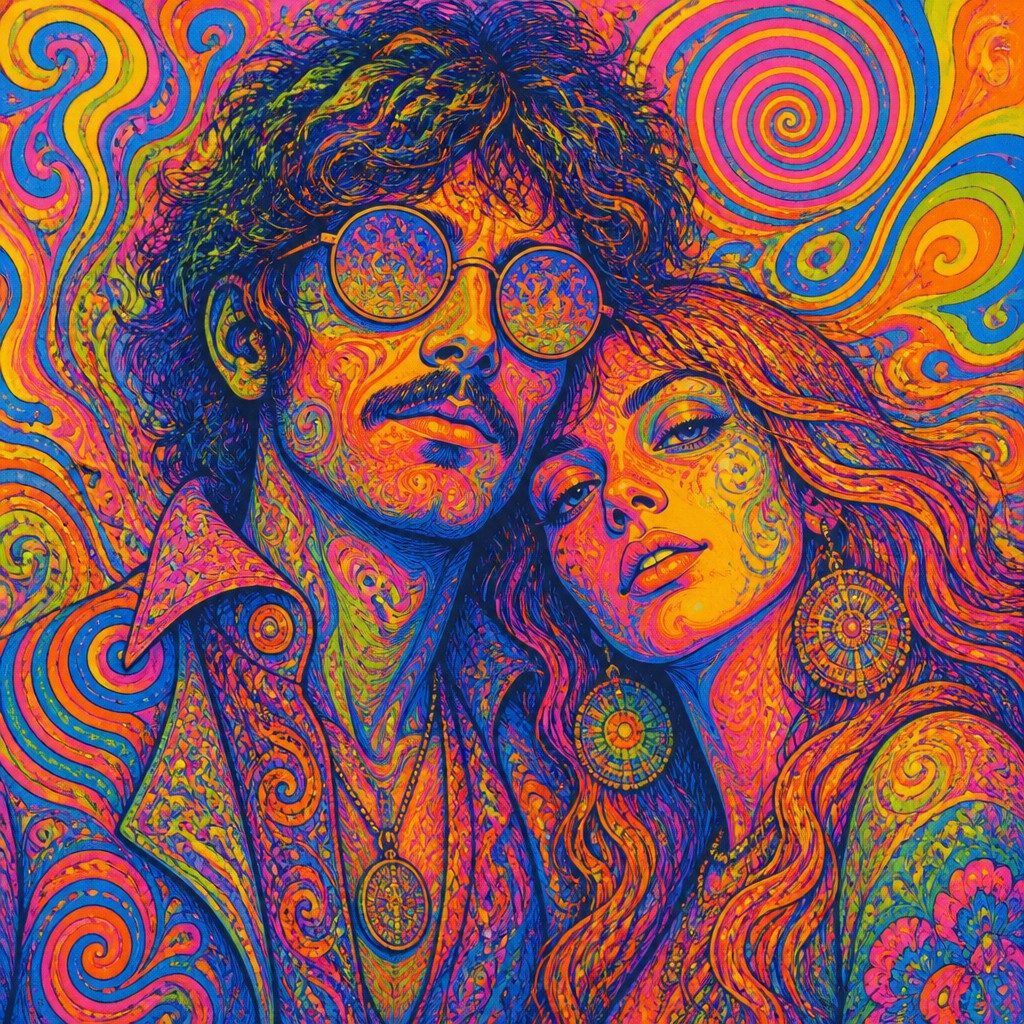
Upload any photo and convert it into Psychedelic Art Style — drag the sliders to compare before and after.
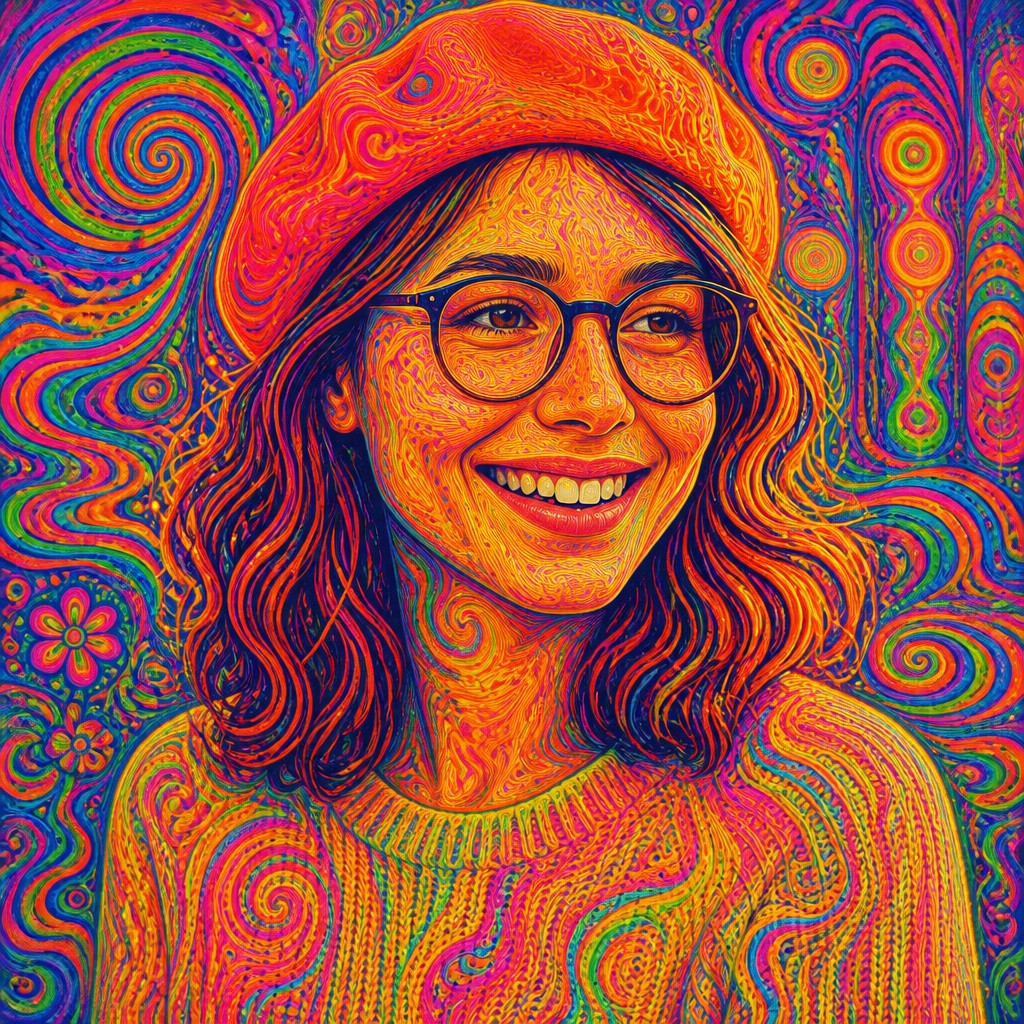

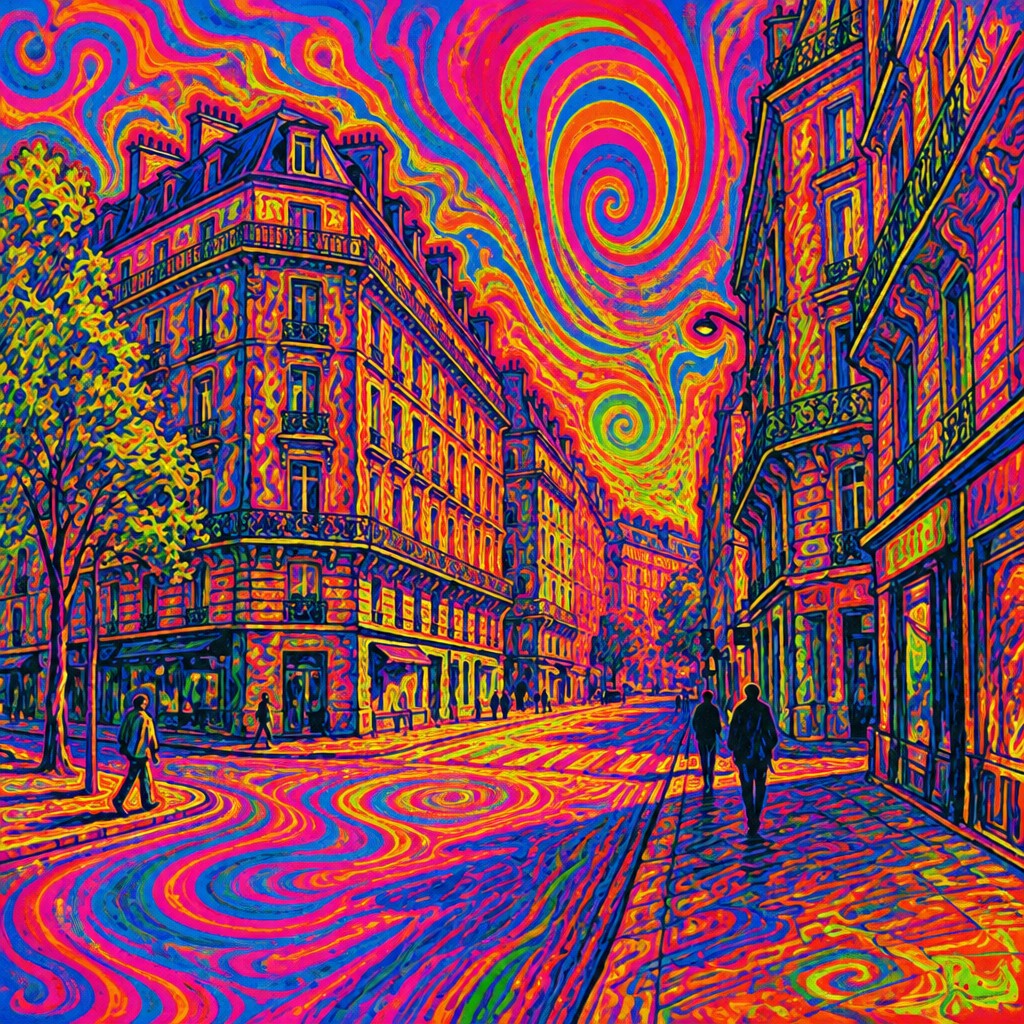

What Defines Psychedelic Art Style
The signature details, up close
Vibrating color contrasts
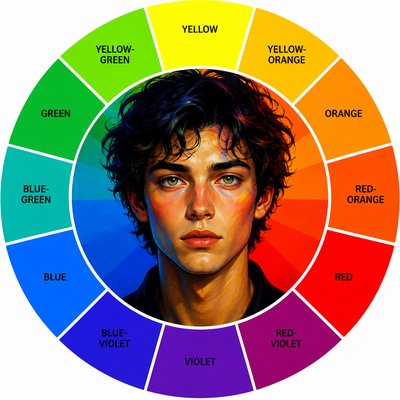
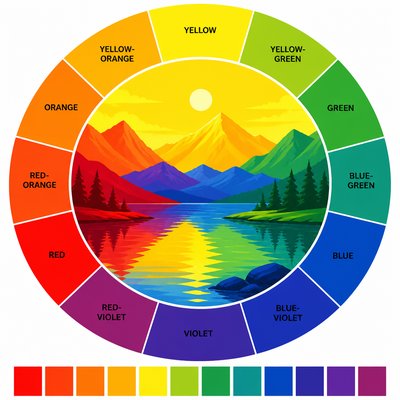
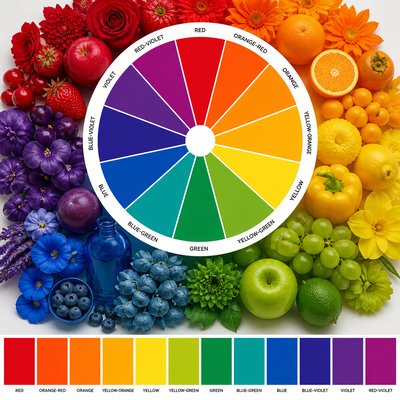
High-saturation hues are placed in complementary pairings, such as hot pink against electric green or blue against orange. The result is a visual vibration that makes surfaces feel active and unstable.
Liquid, flowing forms
Edges often melt, bend, and ripple as if seen through heat, water, or an altered lens. This gives objects a softened, fluid identity rather than a rigid outline.
Kaleidoscopic patterning
Radial symmetry, mirrored motifs, and repeating ornaments create a hypnotic sense of rotation and expansion. These patterns often suggest mandalas, tunnels, or infinite recursion.
Optical motion effects
Dense stripes, spirals, and concentric rings can produce a sensation of movement or depth. Even when the image is static, the eye experiences it as pulsing or swirling.
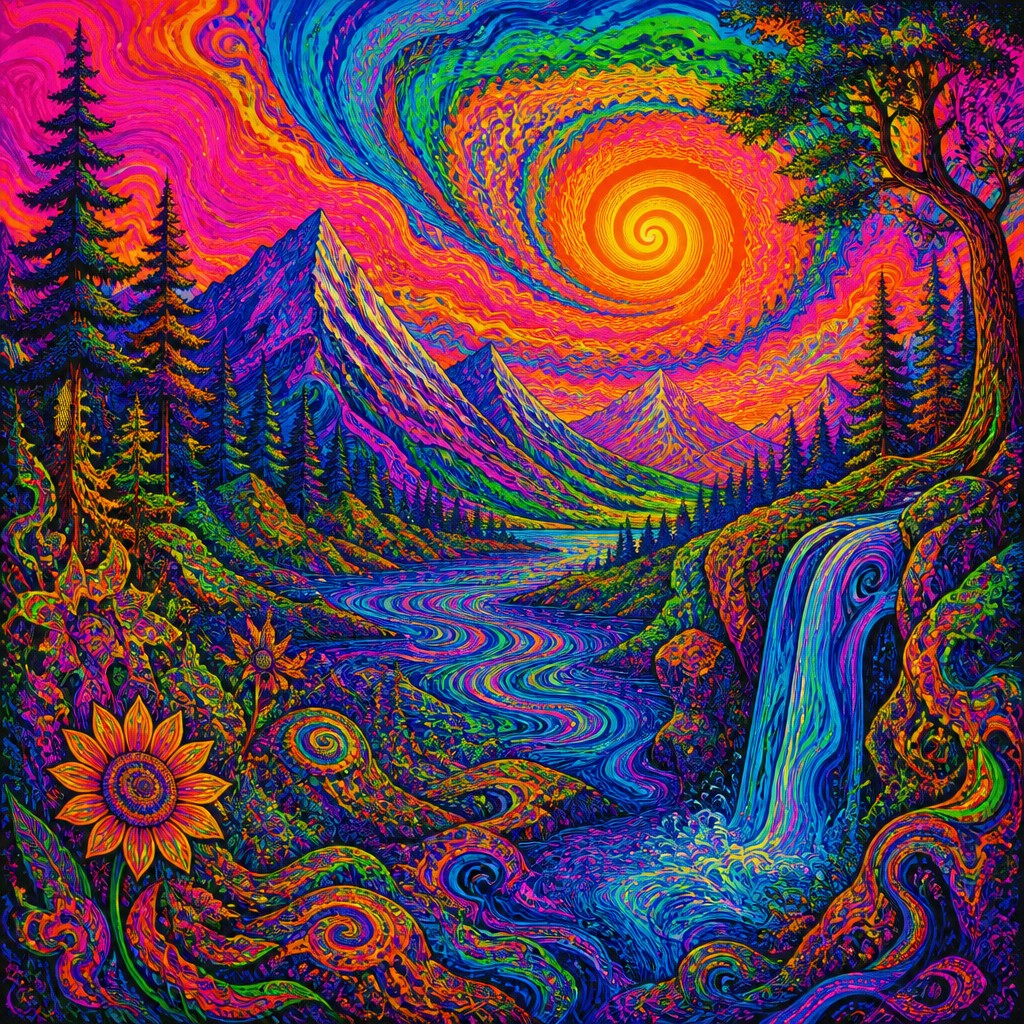
Maximal surface density
Negative space is often minimized in favor of layered decoration, linework, and color fields. The composition feels crowded, immersive, and visually saturated.
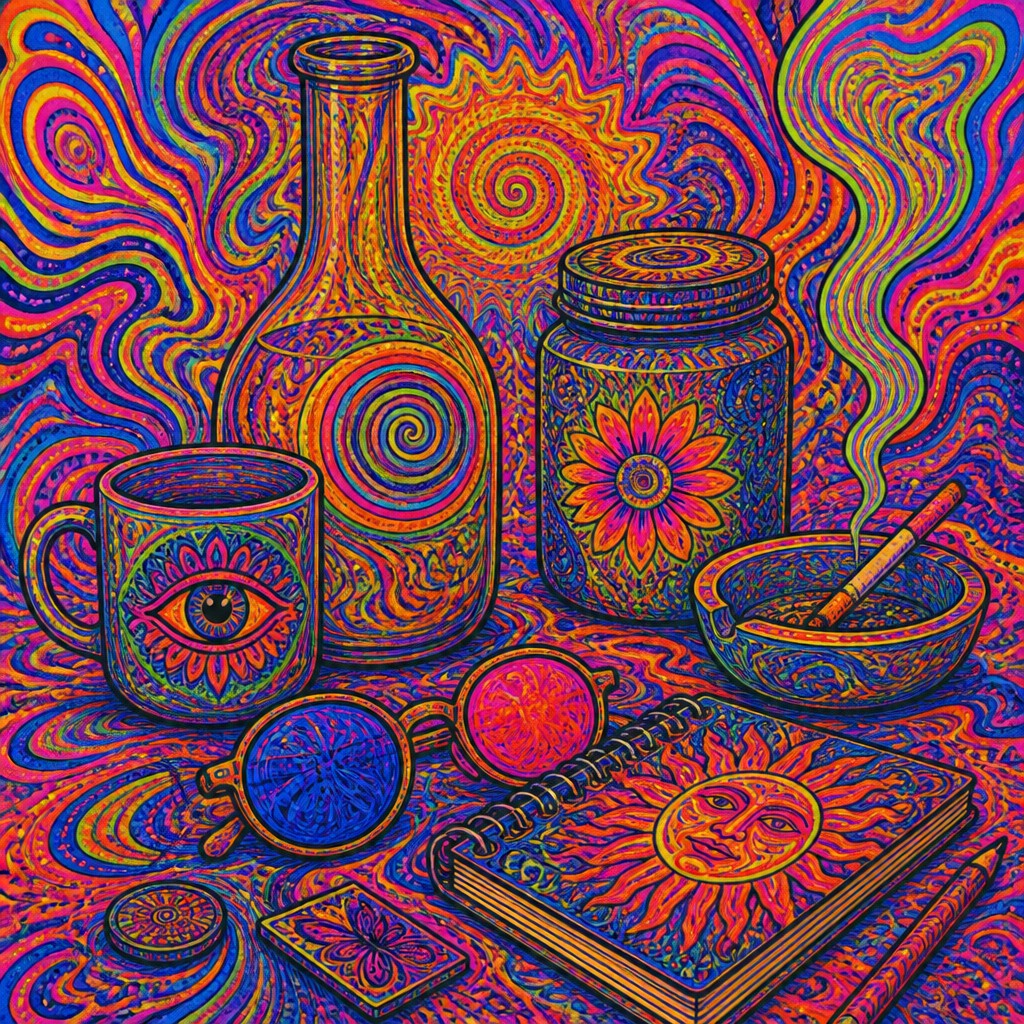
Handmade graphic energy
Loose linework, poster-like shapes, and illustration-based marks keep the style from feeling purely mechanical. Even digital versions often imitate hand-drawn irregularity and print-era texture.
Try It
Create Videos in Psychedelic Art Style
Styles aren't just for stills — describe a scene or animate an image and get a short video rendered in Psychedelic. Press play to see this pond come to life.
Make a VideoPsychedelic Prompt Ideas
Start from an idea — each one opens the generator with the style ready to go. See all 40 Psychedelic prompts →
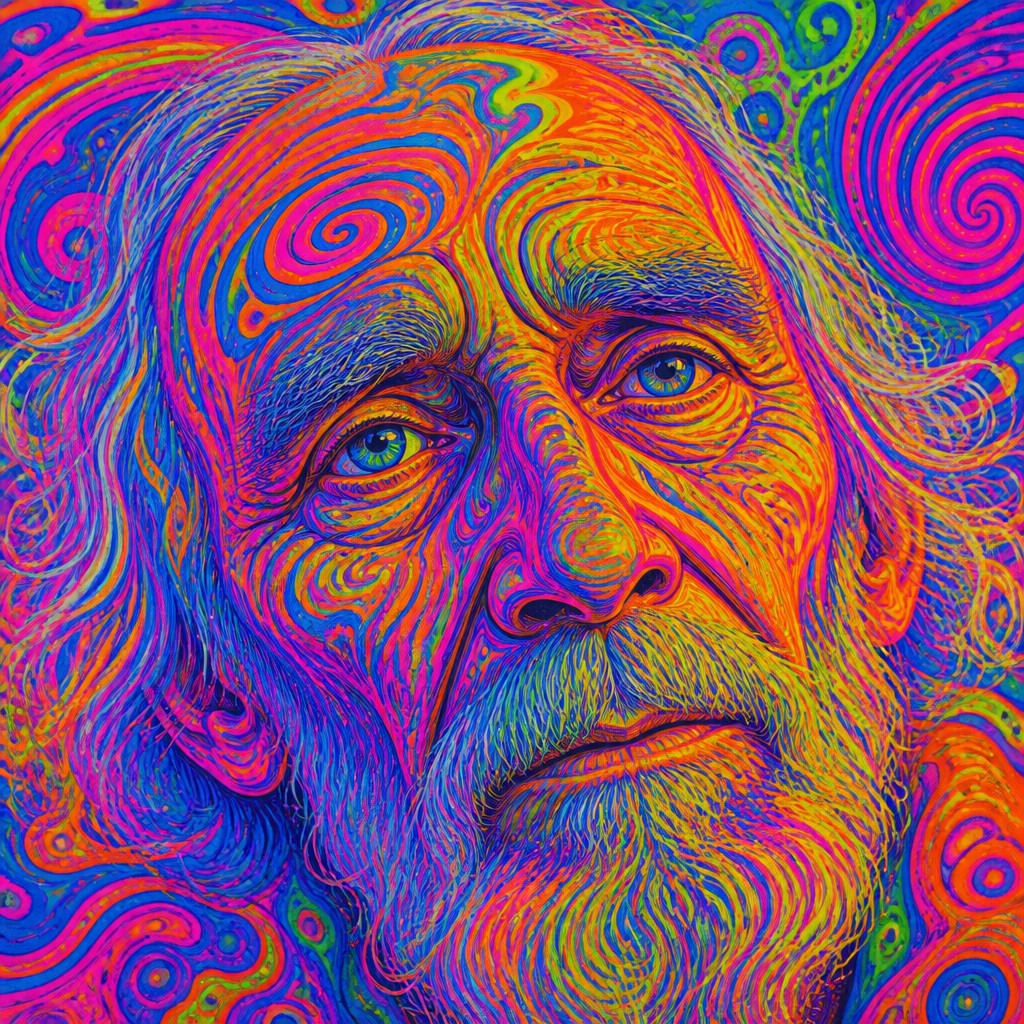
“close-up portrait of an elderly person with expressive weathered features”
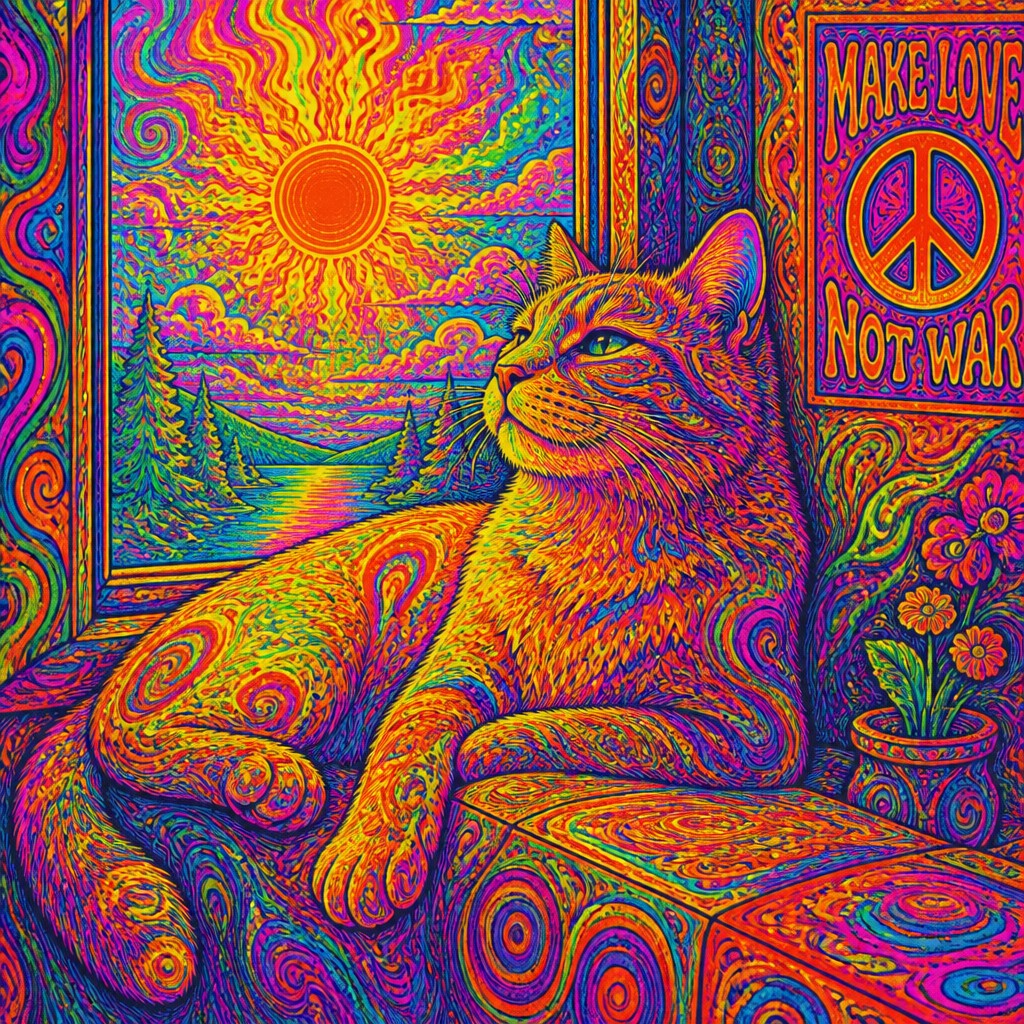
“a cat lounging in a sunlit window”
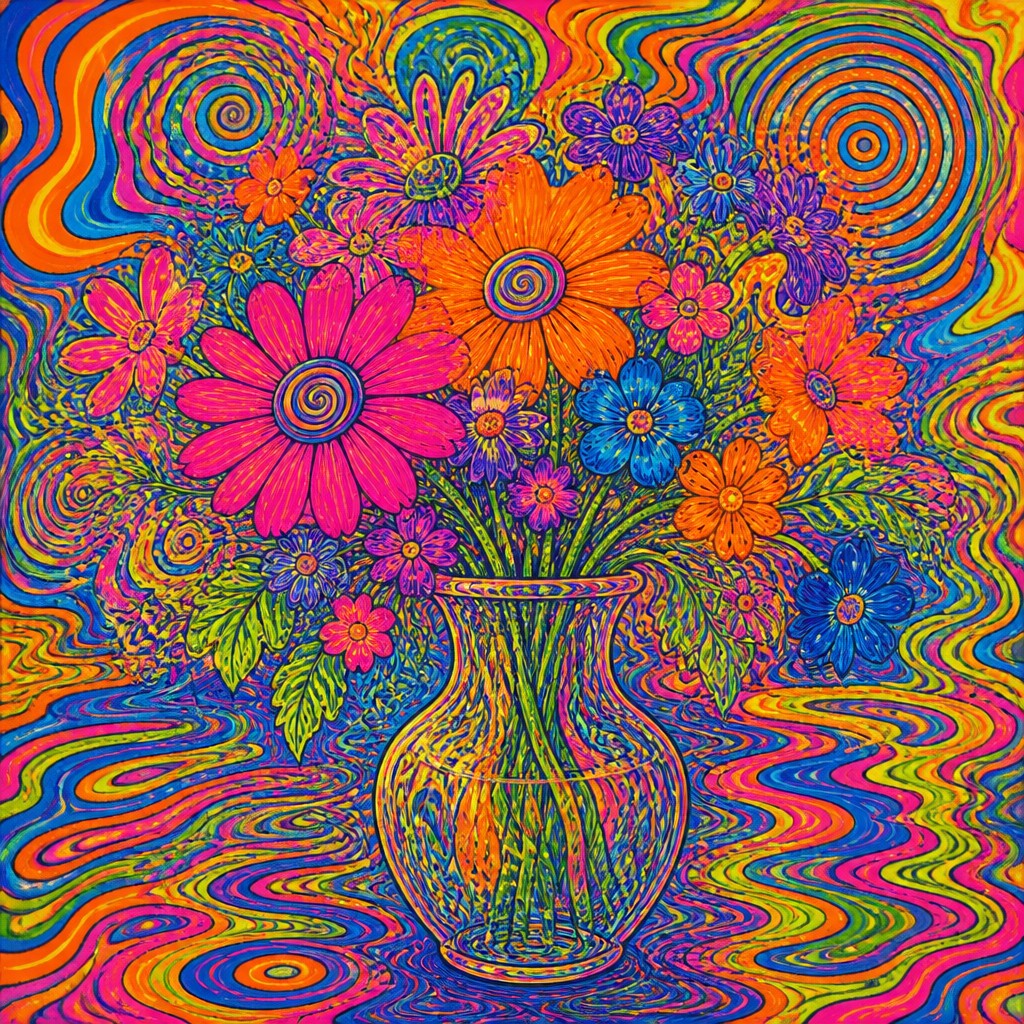
“bouquet of flowers in a glass vase”
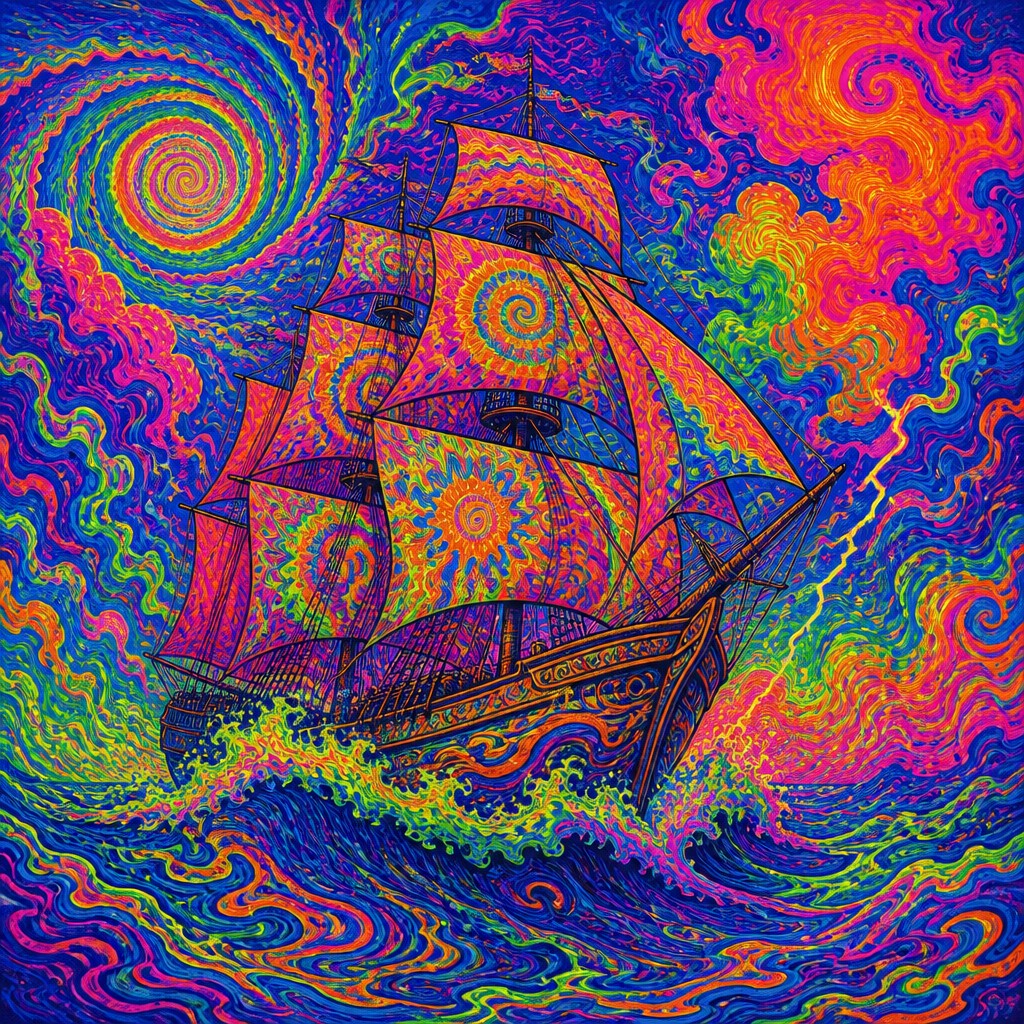
“sailing ship on a stormy sea”
How to Create Psychedelic Art
Master the craft step by step — or skip straight to creating. Read the full guide →
- 1
Build with strong contrast first
Start with a clear silhouette or subject, then push complementary colors and high saturation to create optical intensity. In paint or digital tools, place warm and cool hues side by side so they seem to vibrate.
- 2
Layer pattern over structure
Add spirals, ripples, filigree, and repeating ornament across forms instead of leaving large plain areas. Traditional artists can use fine markers, airbrush, or translucent glazing; digital artists can use repeated vector or brush motifs on separate layers.
- 3
Distort edges and contours
Use wavy outlines, melting transitions, and curved perspective to make the image feel chemically fluid or dreamlike. In digital work, warp, liquify, and ripple tools are especially effective; in analogue work, hand-drawn contour variation does the same job.
- 4
Think like poster art
Compose for immediate impact: bold central shapes, readable contrast, and dense decorative framing. This helps the image retain clarity while still feeling overloaded and immersive.
- 5
Use prompt language for motion and optics
When generating images, describe specific visual mechanics such as kaleidoscopic symmetry, concentric ripples, fluorescent gradients, and vibrating complementary colors. Keep the subject simple enough that the style can dominate the image.
The Story
History & Origins of Psychedelic
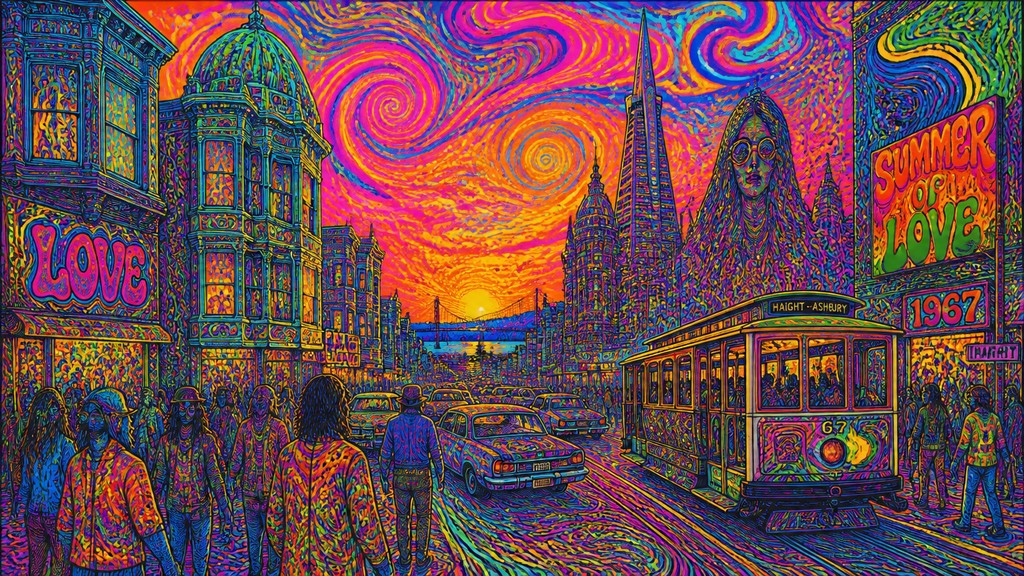
Psychedelic art emerged in the mid-1960s alongside the counterculture in the United States and Britain, especially around San Francisco, London, and other music-centered art scenes. It was closely tied to concert posters, light shows, album covers, underground press graphics, and handmade illustration, with several major poster artists and underground-comics illustrators becoming strongly associated with the style.
Its roots are broader than the 1960s alone. The style draws from Art Nouveau’s flowing ornament, Surrealism’s altered imagery, the hard-edged optical experiments of Op Art, Indian and Islamic pattern traditions, and the expressive color logic of Fauvism and Pop Art. Later revivals in graphic design, tattooing, digital art, and music visuals kept the aesthetic alive while expanding its palette and surface complexity.
Influences: Psychedelic art is closely related to 1960s poster design, underground comics, album-cover illustration, and Op Art. It also borrows from Art Nouveau’s flowing ornament, especially in the work of a leading Art Nouveau designer; from Surrealism’s altered imagery; and from the color and energy of Pop Art. In its most pattern-rich forms, it can also echo mandala traditions and decorative systems from South Asian, Middle Eastern, and textile arts.

Frequently Asked Questions
What defines psychedelic art?
Psychedelic art is defined by intense color, flowing distortion, dense patterning, and optical effects that create a sense of movement or altered perception. The style often feels immersive, hypnotic, and visually overloaded.
Is psychedelic art always tied to the 1960s?
No, but the 1960s counterculture is the style’s most recognizable historical context. Modern artists still use psychedelic visual language in music graphics, posters, illustration, digital composites, and abstract art.
How is psychedelic art different from Op Art?
Op Art focuses more narrowly on optical illusion, geometric precision, and visual instability. Psychedelic art is usually looser, more colorful, more ornamental, and more associated with fluid forms, symbolism, and countercultural imagery.
What subjects work well in this style?
Portraits, animals, landscapes, album-cover scenes, cosmic imagery, and symbolic objects all work well. The style is especially effective when the subject can be simplified into bold contours and then layered with pattern and color.
How do I make an image feel psychedelic without using obvious symbols?
Focus on visual behavior rather than iconography: wavering outlines, mirrored forms, saturated complementary colors, and repeating concentric shapes. These elements can make even an ordinary object feel hallucinatory.
Where is psychedelic art commonly used today?
It remains popular in music posters, festival branding, album art, fashion graphics, tattoo design, and digital illustration. It is also widely used for abstract wallpapers and stylized social media visuals.
Create your first Psychedelic artwork
Describe anything — or upload a photo — and see it in Psychedelic Art Style in seconds.
Make Something with Psychedelic
Related Styles
Discover similar art styles