Minimalism Art Style
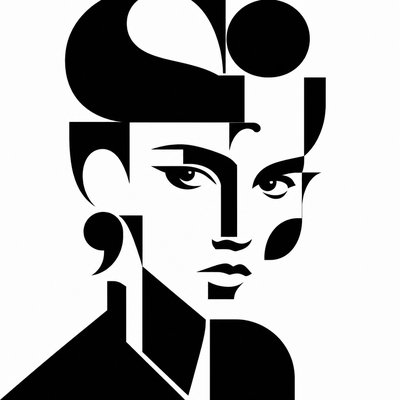
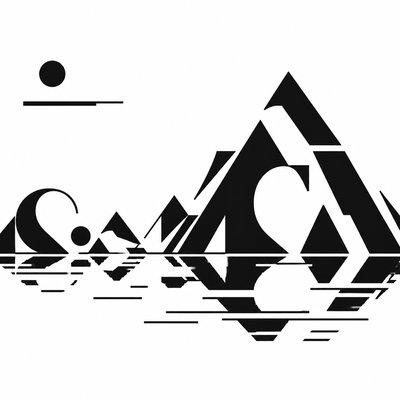
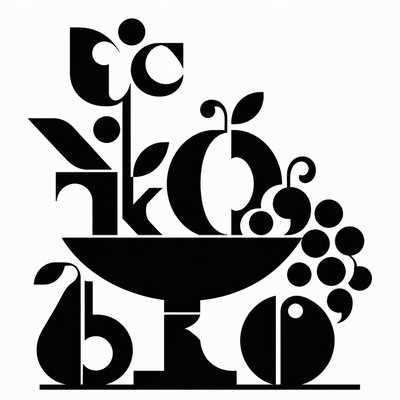
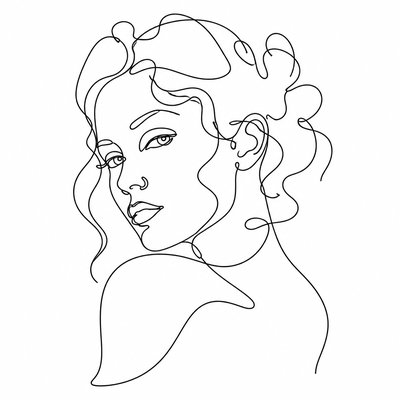
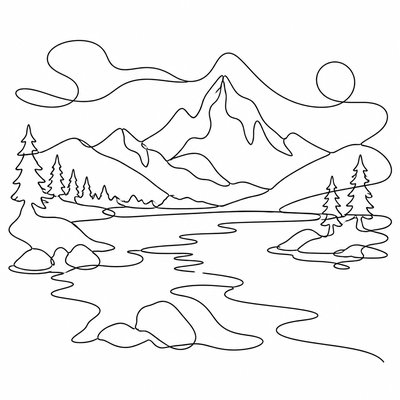
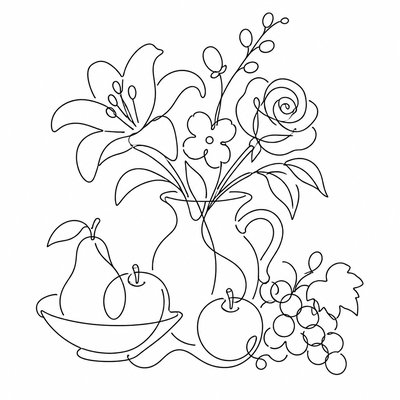
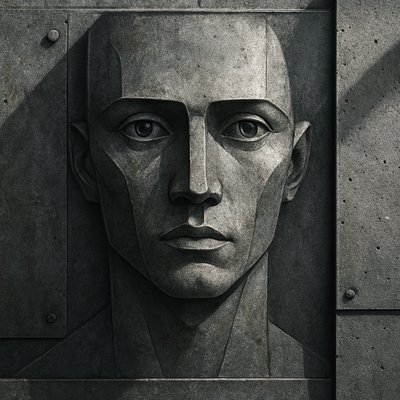
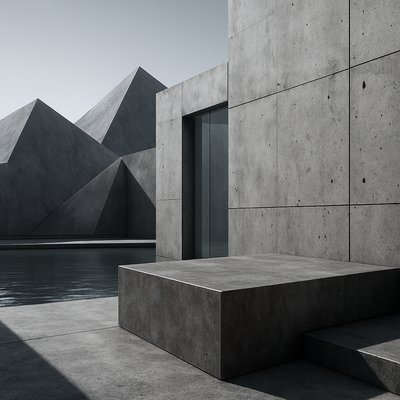
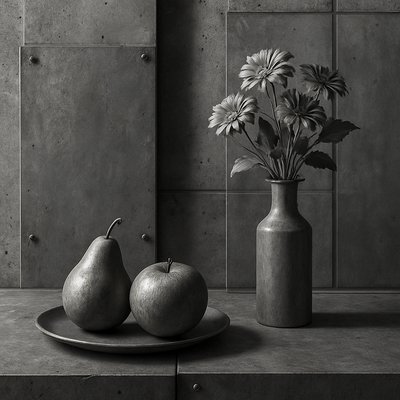
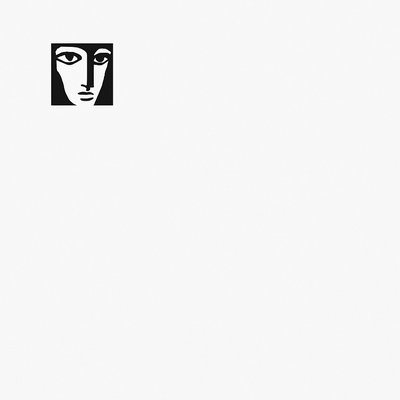
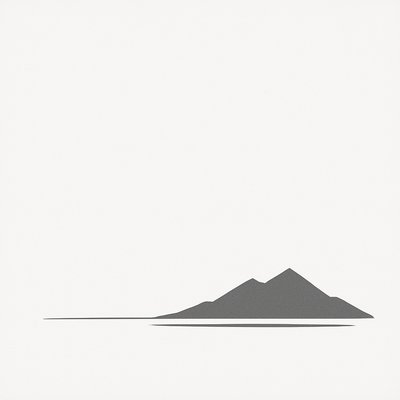
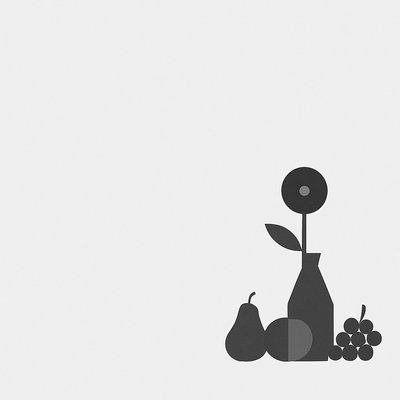
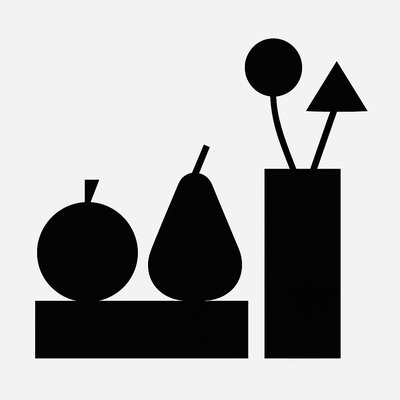
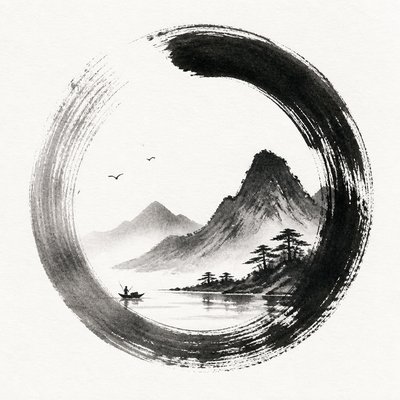
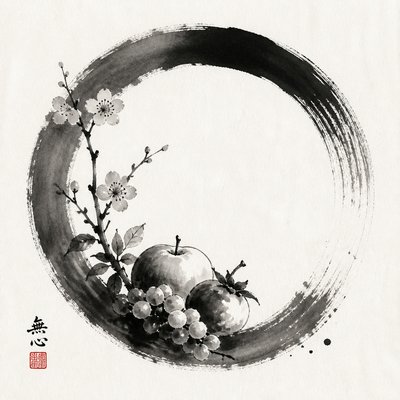
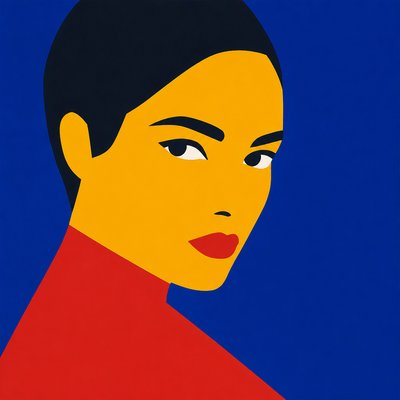
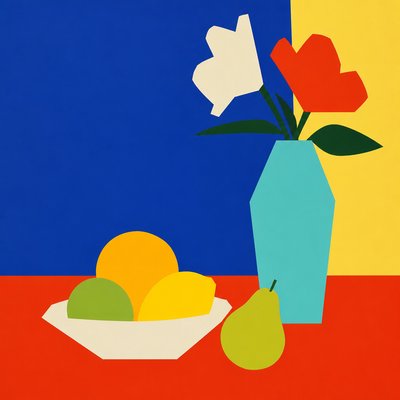
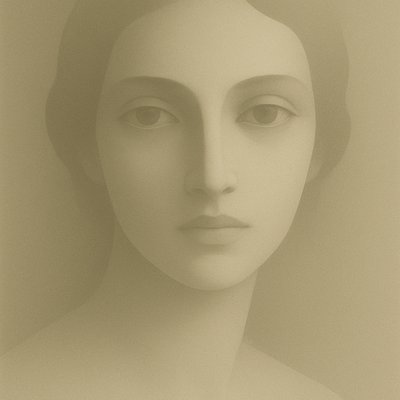
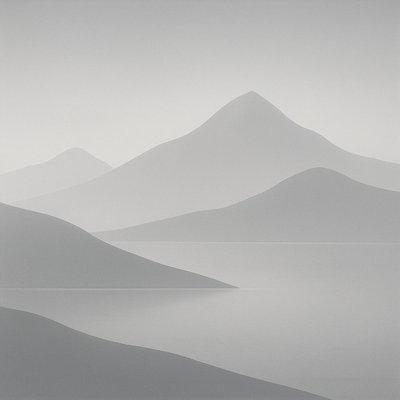
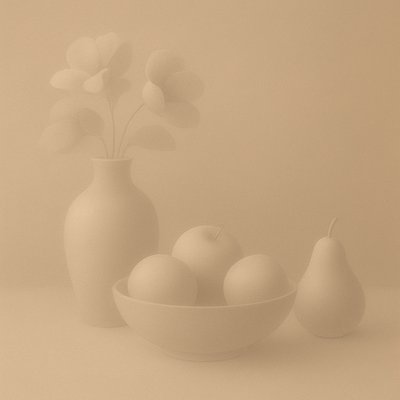
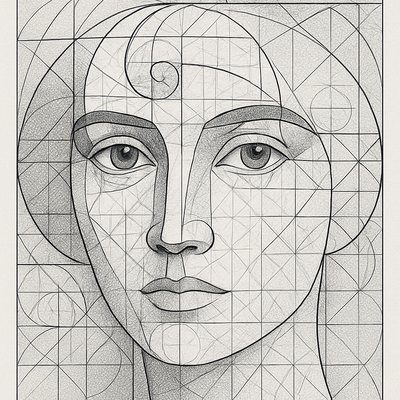
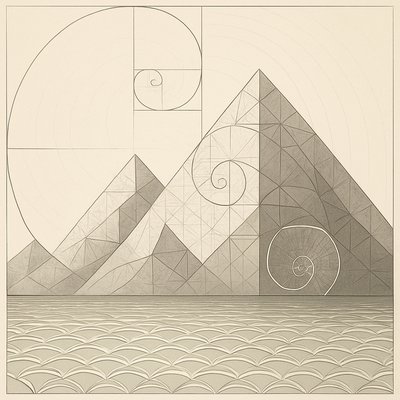
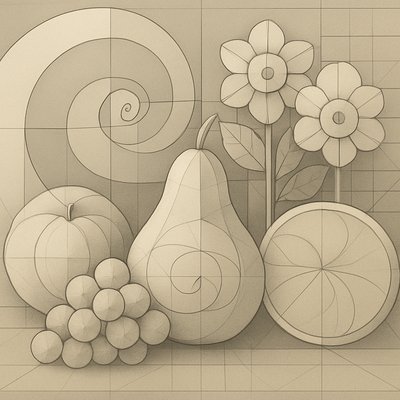
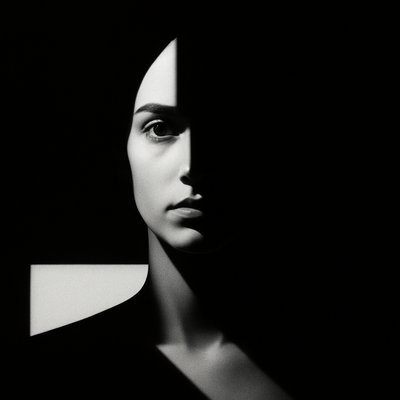
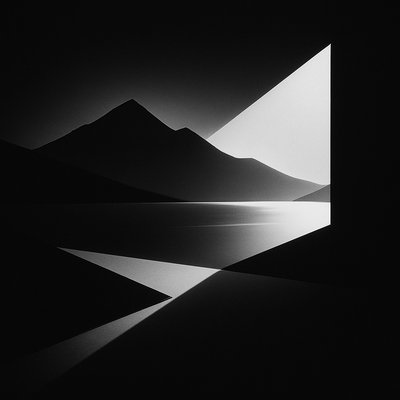
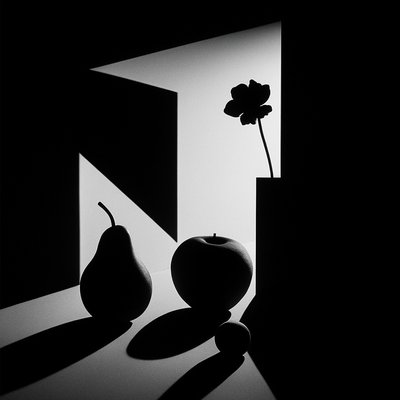
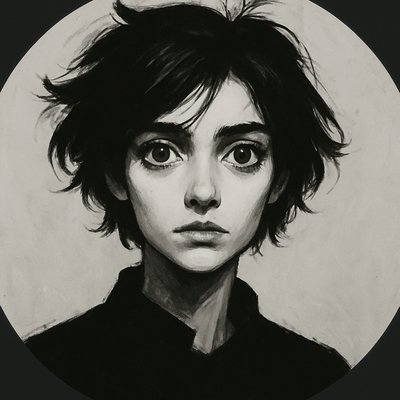
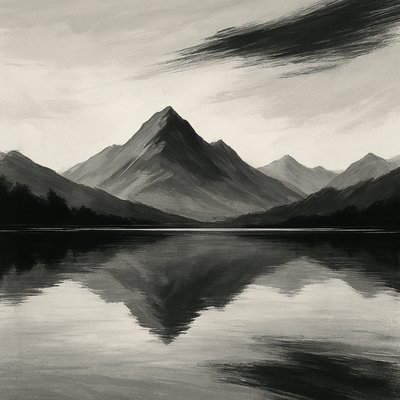
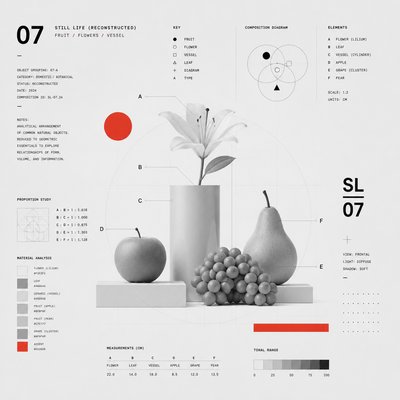
Minimalism art style uses pared-down geometric forms, limited color, and generous negative space to reduce images to essentials.
Instantly rendered in Minimalism — or transform a photo

Minimalism Gallery
Tap any artwork to explore it






What is Minimalism Art Style?
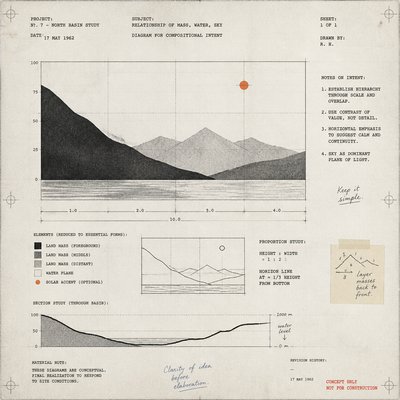
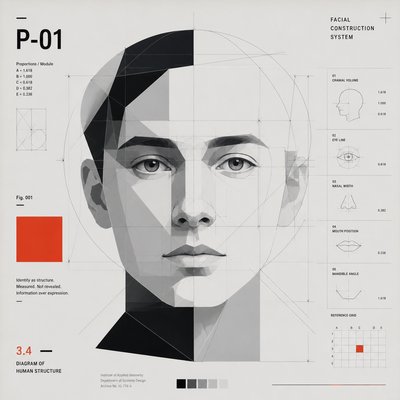
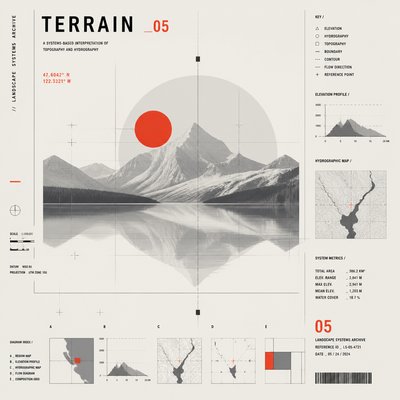
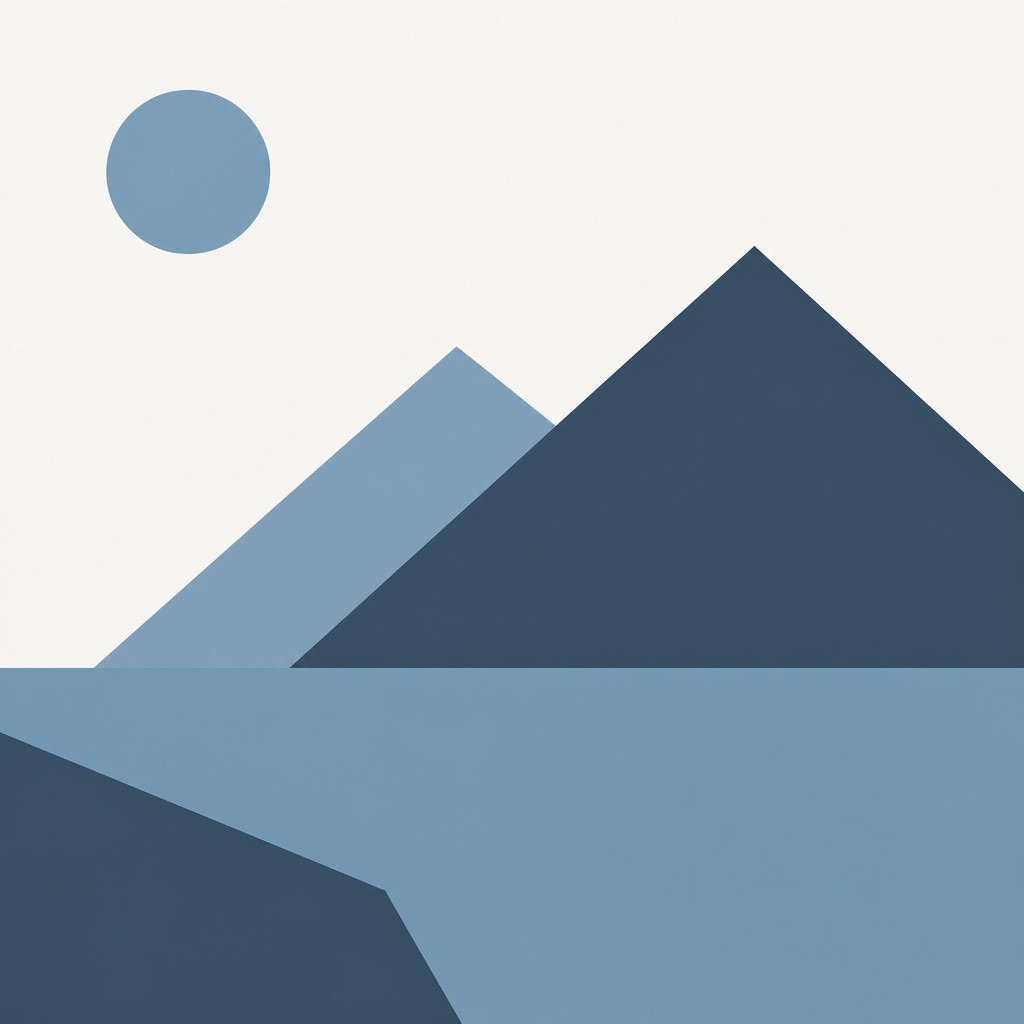
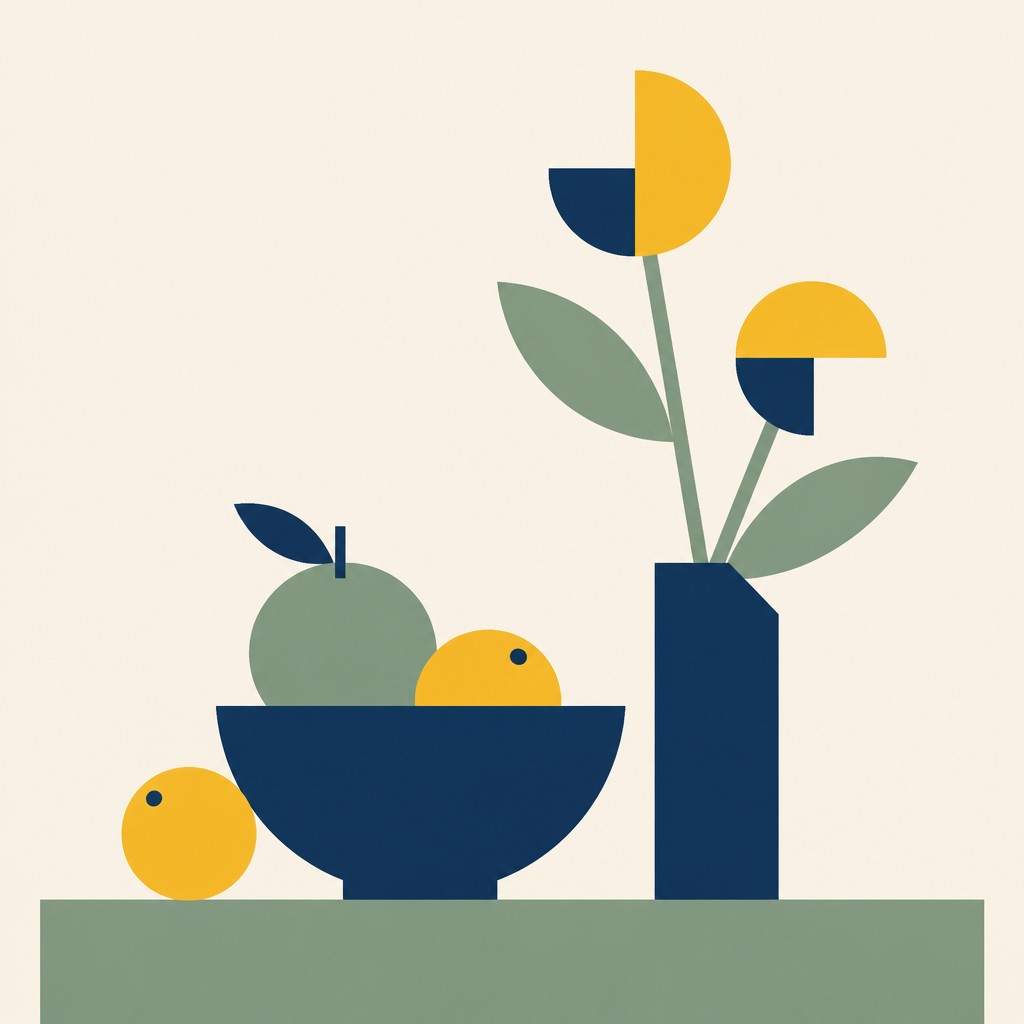
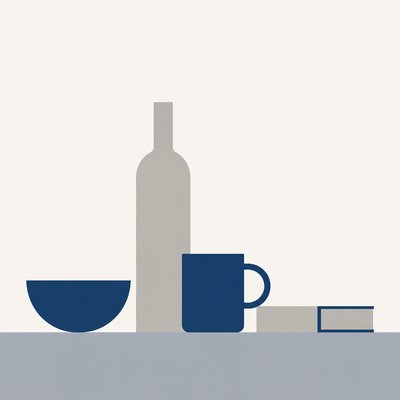
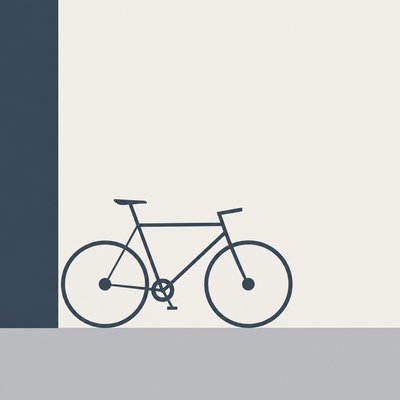
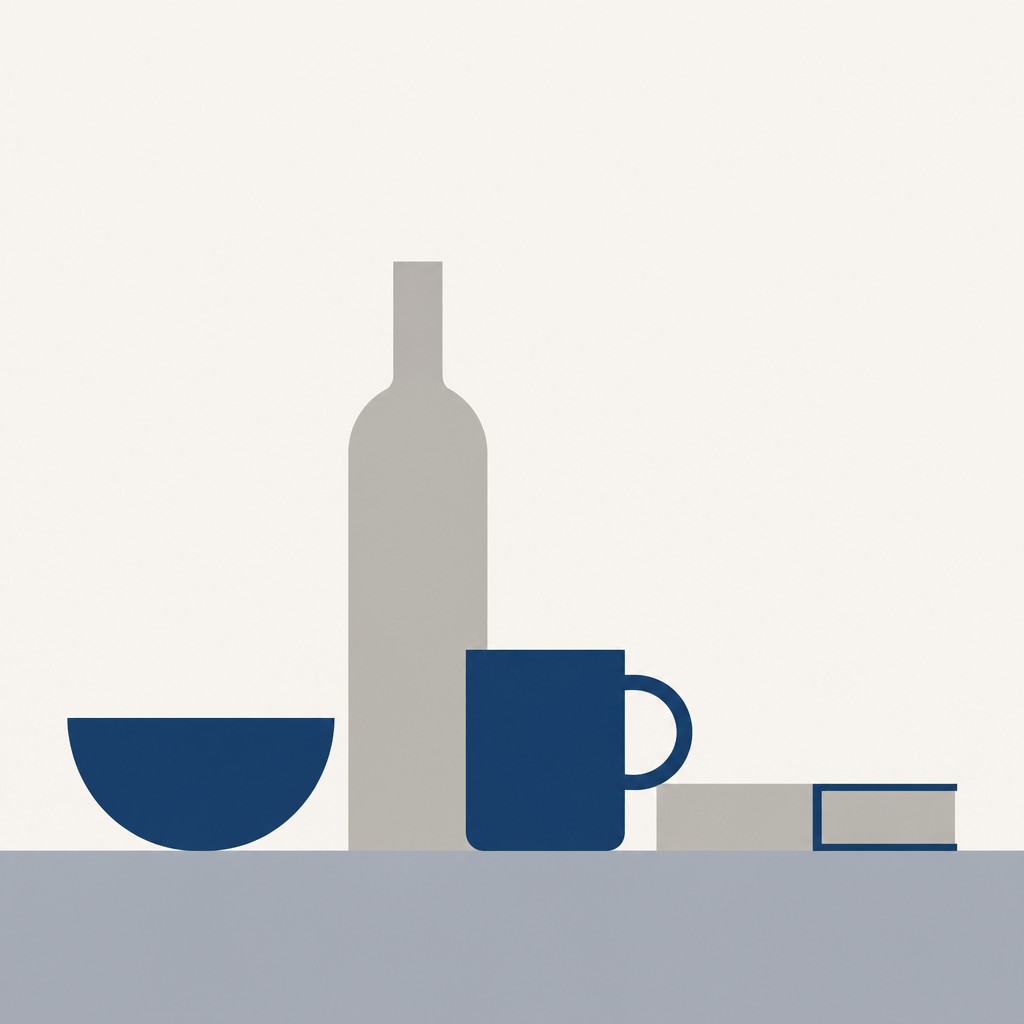
Minimalism is an art style defined by extreme reduction: simplified forms, limited color, and a deliberate refusal of ornament. Instead of describing subjects in full detail, it distills them to their essential structure, often using basic geometry, flat surfaces, sharp edges, and large areas of empty space.
Its visual identity depends as much on what is left out as on what is shown. Minimalist images feel precise, quiet, and controlled because composition, spacing, and proportion do the expressive work. The result is a clean, impersonal aesthetic that emphasizes order, clarity, and material presence rather than narrative or emotional display.

Try It On Your Photos
Upload any photo and convert it into Minimalism Art Style — drag the sliders to compare before and after.



What Defines Minimalism Art Style
The signature details, up close
Reduced forms
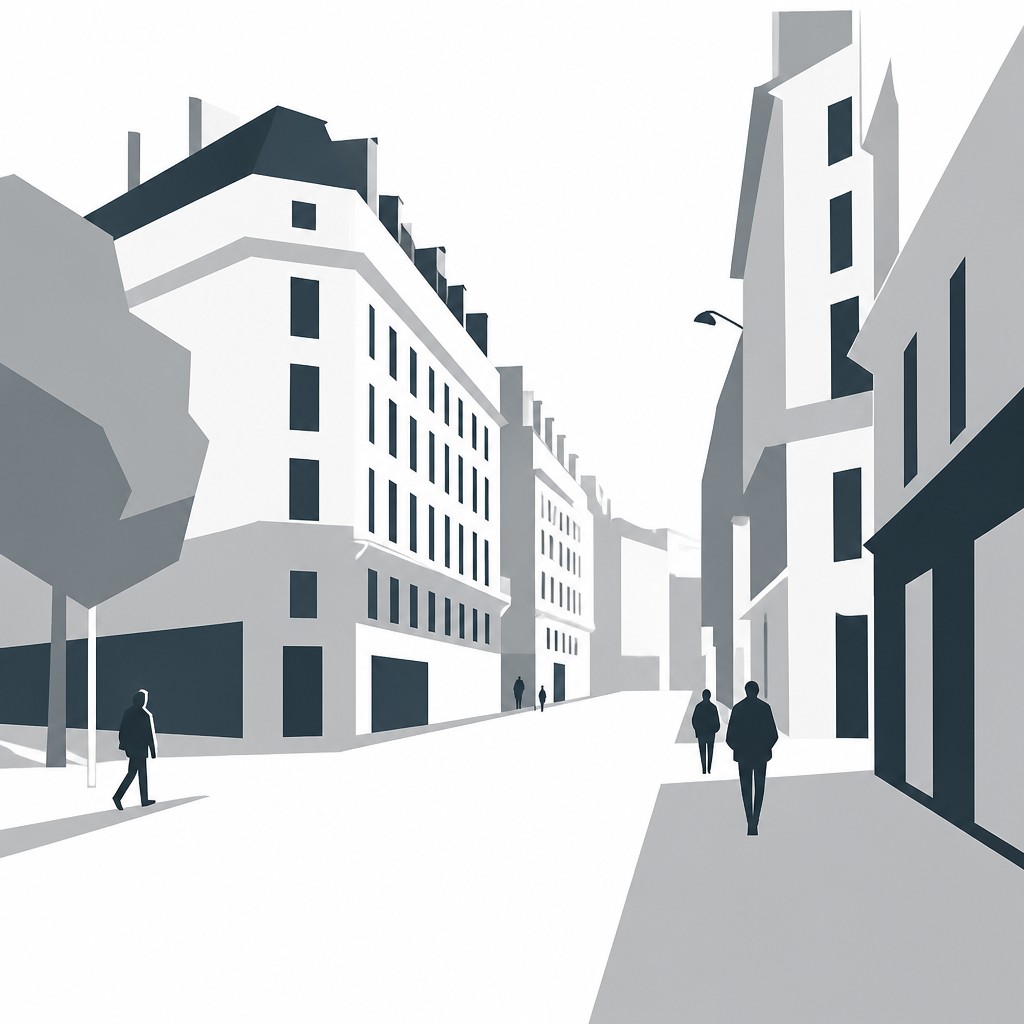
Subjects are simplified to circles, rectangles, lines, blocks, or other basic geometric structures. Detail is removed until only the essential silhouette or spatial logic remains.
Limited palette
Minimalist works usually rely on one to three restrained colors, often neutral or muted. Color is used sparingly to organize space rather than to create lush visual complexity.
Negative space
Empty or open areas are not incidental; they are active parts of the composition. Generous spacing creates balance, calm, and a sense of visual breathing room.
Hard edges and clean alignment
Edges tend to be crisp and boundaries exact, with careful alignment and measured proportions. The composition often feels engineered rather than hand-expressive.
Flat visual treatment
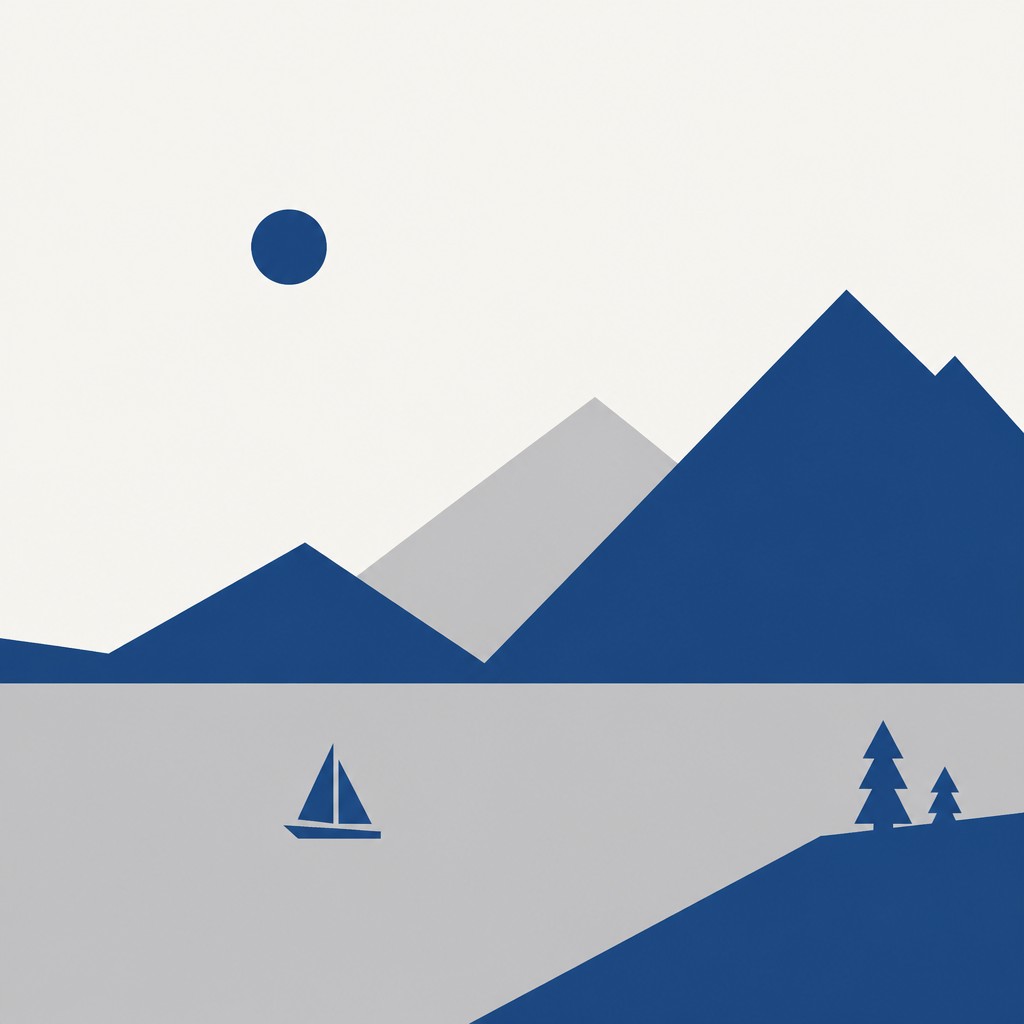
Shading, texture, and atmospheric effects are minimized or eliminated. Surfaces read as uniform fields, reinforcing the style’s clarity and reduction.
Impersonal finish
The overall impression is detached, calm, and objective. Instead of visible brushwork or dramatic gesture, the work suggests controlled construction and restraint.
Try It
Create Videos in Minimalism Art Style
Styles aren't just for stills — describe a scene or animate an image and get a short video rendered in Minimalism. Press play to see this pond come to life.
Make a VideoMinimalism Prompt Ideas
Start from an idea — each one opens the generator with the style ready to go. See all 40 Minimalism prompts →
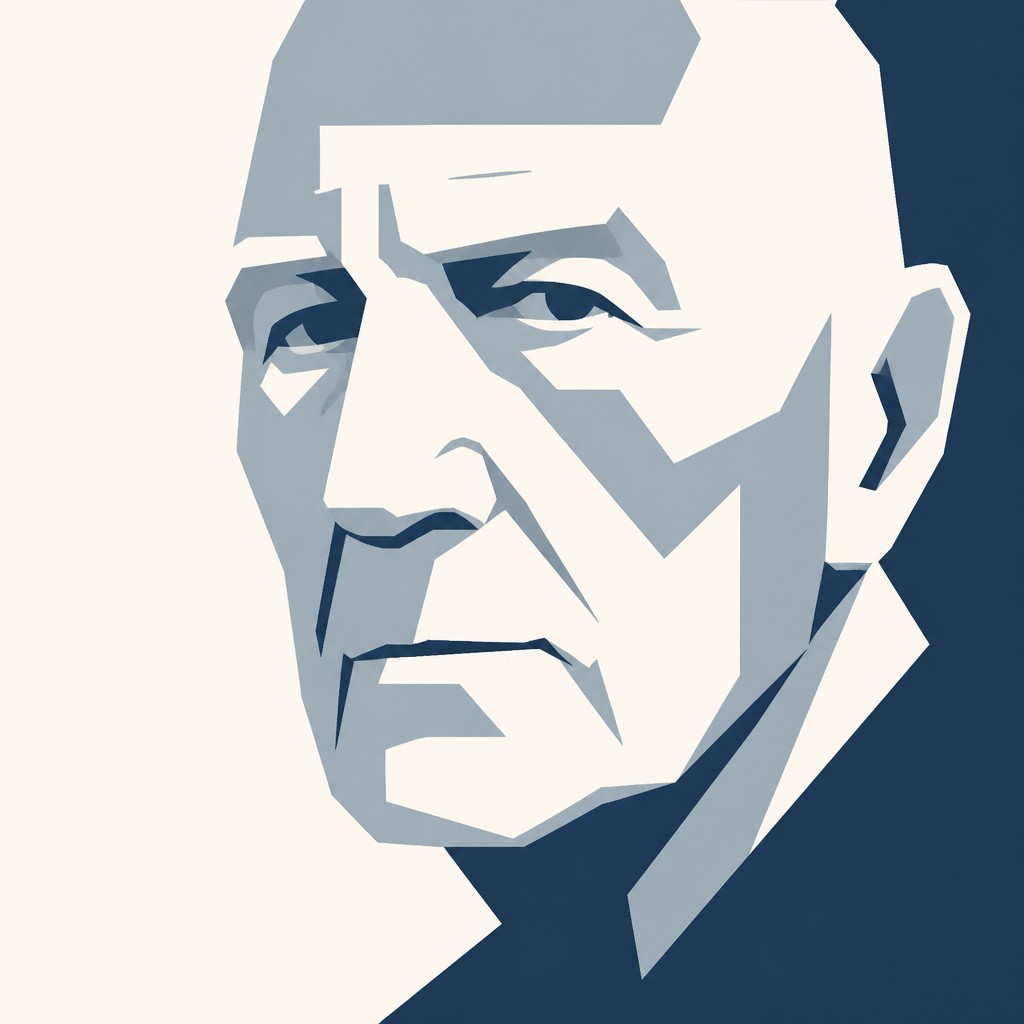
“close-up portrait of an elderly person with expressive weathered features”
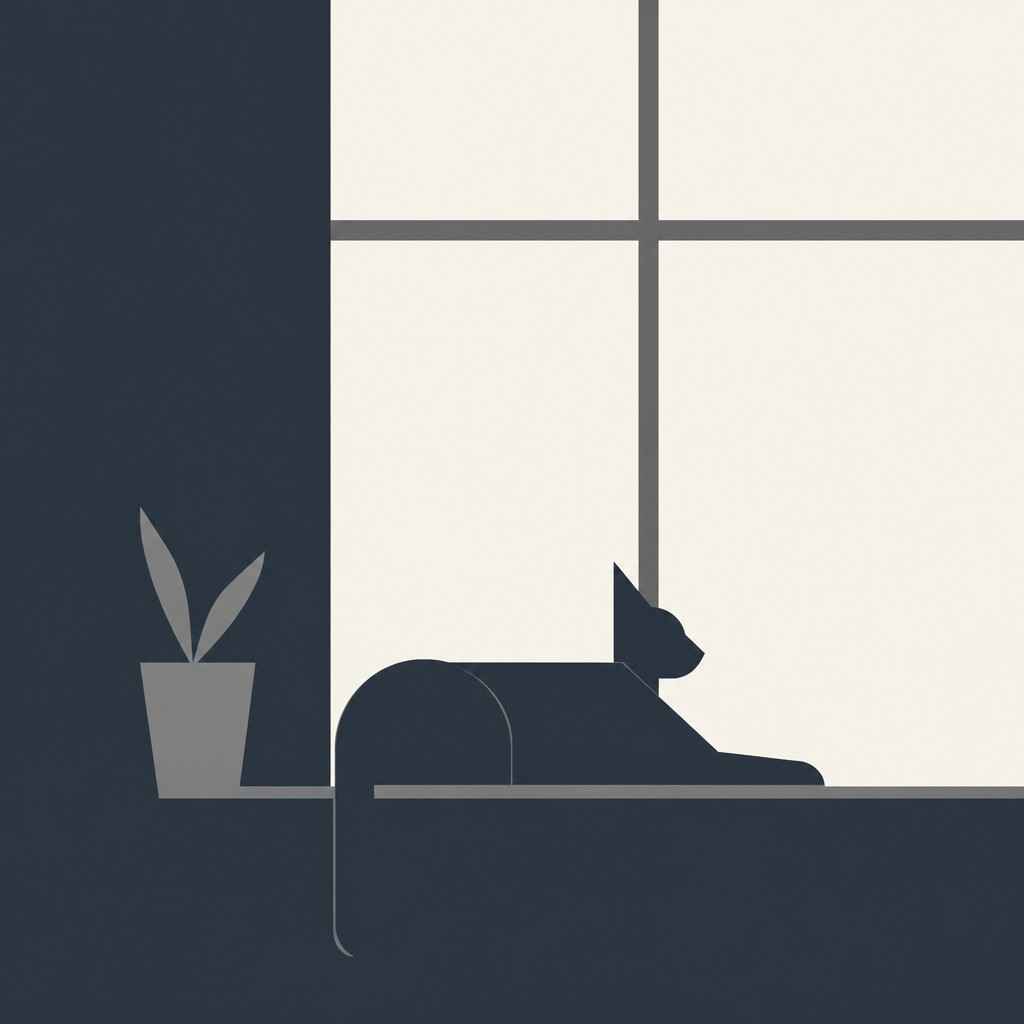
“a cat lounging in a sunlit window”
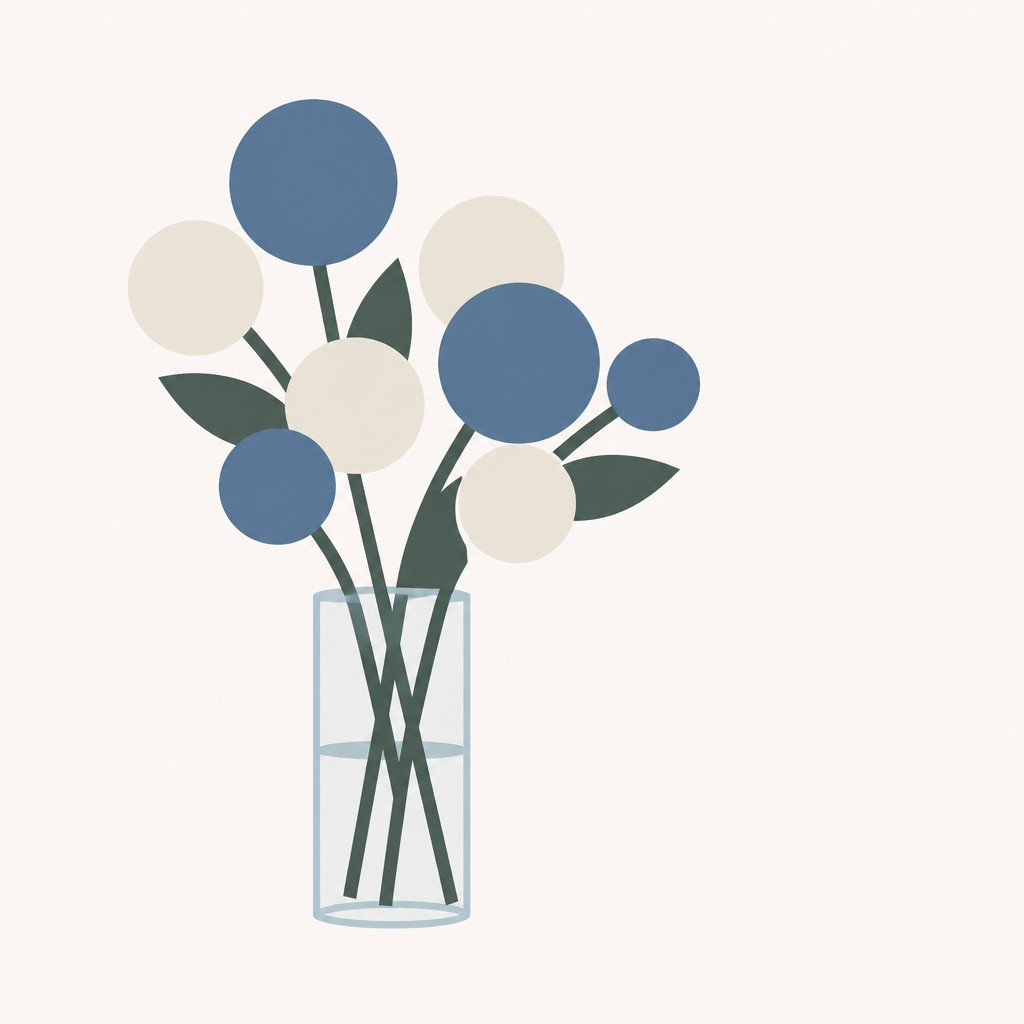
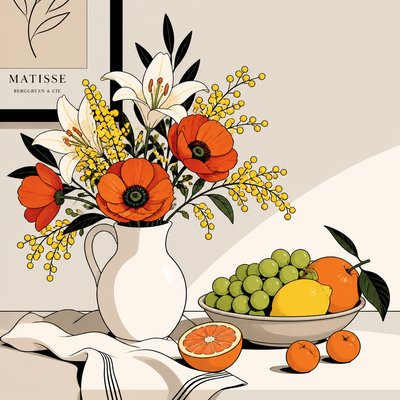
“bouquet of flowers in a glass vase”
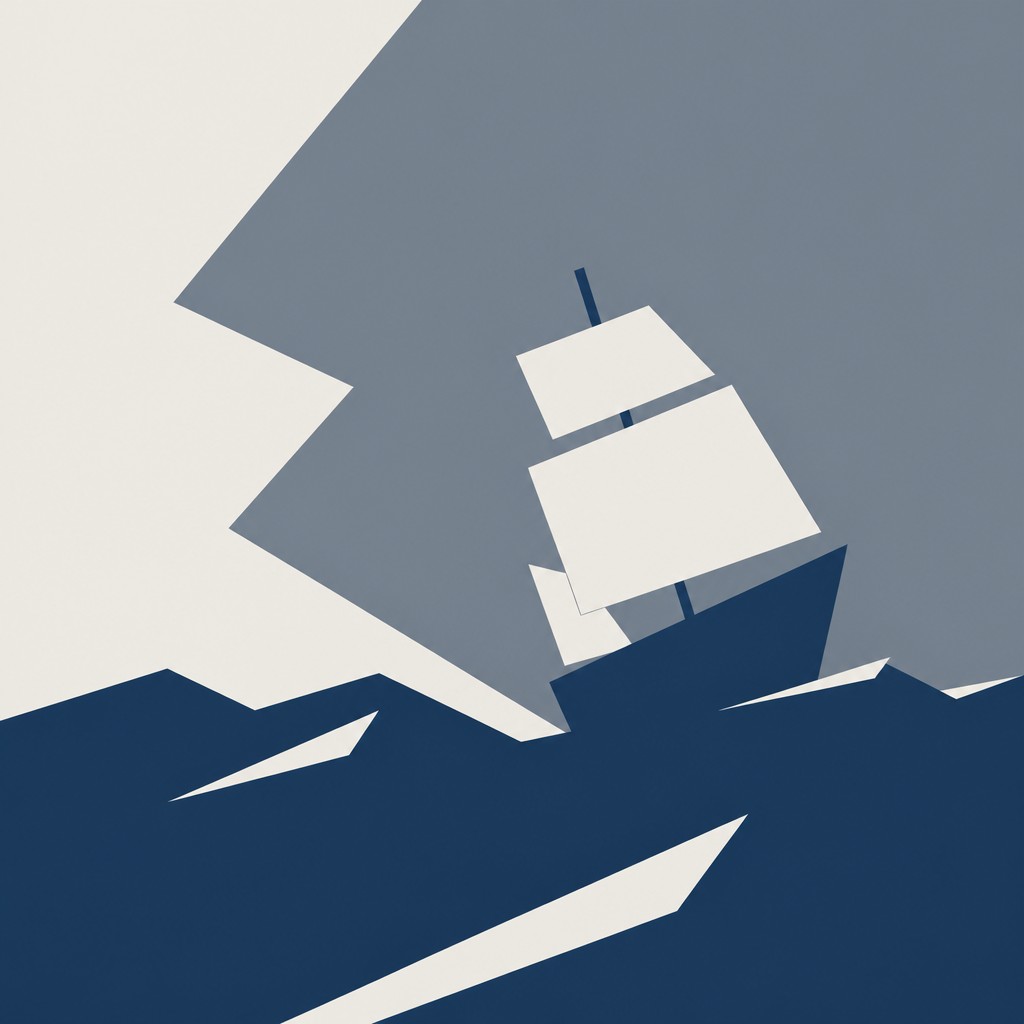
“sailing ship on a stormy sea”
How to Create Minimalism Art
Master the craft step by step — or skip straight to creating. Read the full guide →
- 1
Start with one essential idea
Choose a single subject or concept and ask what must remain if everything decorative is removed. Reduce the scene to its most basic geometry and strongest visual relationship.
- 2
Limit the palette aggressively
Use no more than three colors, and favor muted, neutral, or carefully balanced tones. Keep each color flat and consistent so the composition depends on shape and spacing.
- 3
Design the empty space first
Plan the negative space as intentionally as the subject itself. Whether working by hand or digitally, keep margins, intervals, and alignment precise so the composition feels measured.
- 4
Remove texture and expressive marks
Avoid visible brushstroke, grain, gradients, and ornament unless the goal is a deliberate exception. Clean digital flats, smooth paint applications, or sharply cut paper shapes work especially well.
- 5
Use prompt language that emphasizes reduction
When generating an image from text, specify hard edges, flat color fields, simple geometry, and generous negative space. Exclude terms that imply realism, decoration, atmospheric lighting, or surface texture.
The Story
History & Origins of Minimalism
As a recognizable artistic tendency, Minimalism emerged in the United States in the 1960s, first in sculpture, painting, and later architecture, design, and photography. It developed in part as a reaction against the gestural subjectivity of Abstract Expressionism, favoring industrial materials, serial structure, and reduced form. Artists closely associated with the movement include a leading postwar sculptor known for large-scale repeated forms, a prominent maker of fluorescent light installations, an influential American painter of sparse grids, a major conceptual artist and author of systematic wall-based works, and a significant sculptor associated with reductive geometric installations.
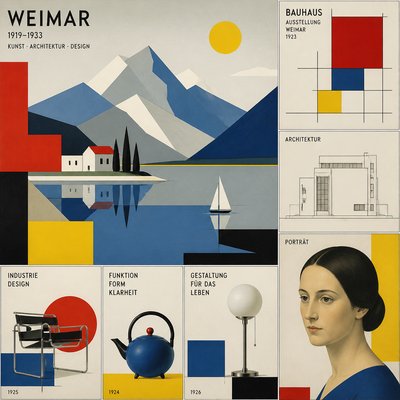
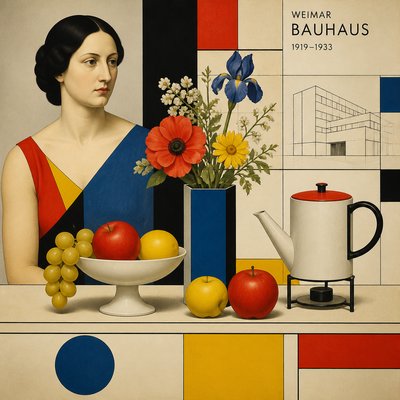
Minimalism also has deeper aesthetic antecedents in modernist abstraction, De Stijl, Constructivism, Bauhaus design, Japanese compositional restraint, and certain strains of conceptually driven art. In contemporary visual culture, the style’s lineage continues in graphic design, product design, editorial layouts, and digital interfaces, where clarity, hierarchy, and economy of means remain central.
Influences: Minimalism is closely related to modernist abstraction, especially De Stijl and Bauhaus principles of reduction, clarity, and functional form. It also overlaps with Constructivist structure, the serial logic of leading postwar modular sculptural practice, the light-based simplicity of prominent neon and fluorescent installation art, the spare grids of an influential American painter known for serene, reduced compositions, and the conceptual rigor of a major American conceptual art practice. In broader visual culture, its visual logic continues in graphic design, architecture, and interface design, where legibility and economy are prized.
Frequently Asked Questions
What defines Minimalism art style?
Minimalism is defined by reduction: simple forms, limited color, little or no ornament, and strong use of empty space. The image should feel controlled, clear, and stripped down to essentials. It often avoids narrative detail in favor of structure and balance.
How is Minimalism different from abstract art?
Minimalism is often abstract, but not all abstract art is minimalist. Abstract art may still be expressive, layered, or gestural, while Minimalism typically suppresses personal expression and reduces form and color to a minimum. The emphasis is on precision and restraint rather than emotional mark-making.
How do I make a minimalist image look intentional rather than empty?
The key is composition. Leave space on purpose, align forms carefully, and make sure each element has a clear role. A minimalist image should feel balanced and exact, not unfinished or accidentally sparse.
What subjects work best in Minimalism?
Simple subjects with clear silhouettes work especially well, such as furniture, architecture, single figures, landscapes, or objects with strong geometry. Even complex subjects can be minimalized if they are reduced to core shapes and relationships. The style is especially effective when the subject is recognizable despite simplification.
Where is Minimalism commonly used?
Minimalism is widely used in painting, sculpture, graphic design, photography, interior design, architecture, and editorial layouts. It is popular anywhere clarity, restraint, and visual order are important. The style is especially useful for logos, posters, product imagery, and calm interiors.
What should I avoid if I want a true minimalist look?
Avoid clutter, complex shading, rich texture, decorative pattern, and excessive color variation. Also avoid overcomplicating the subject with too much realism or narrative detail. The goal is to express more with less.
Create your first Minimalism artwork
Describe anything — or upload a photo — and see it in Minimalism Art Style in seconds.
Make Something with Minimalism
Compare Minimalism
Related Styles
Discover similar art styles