Color Field Minimalism Art Style
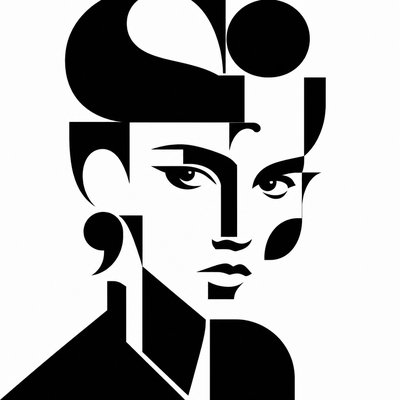
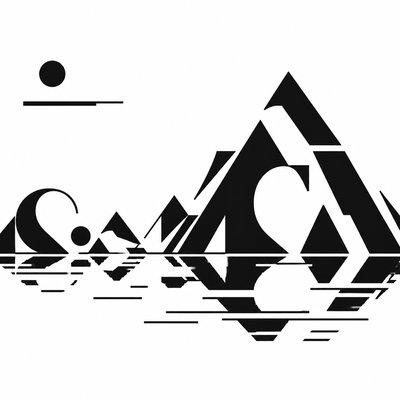
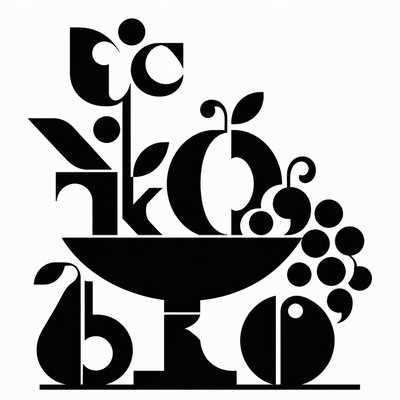
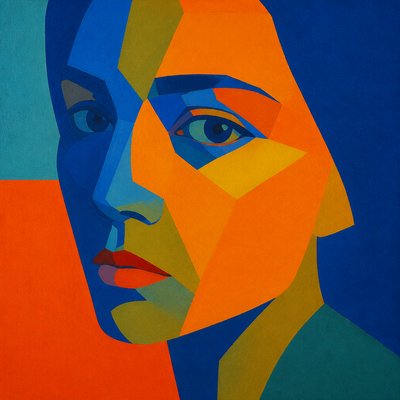
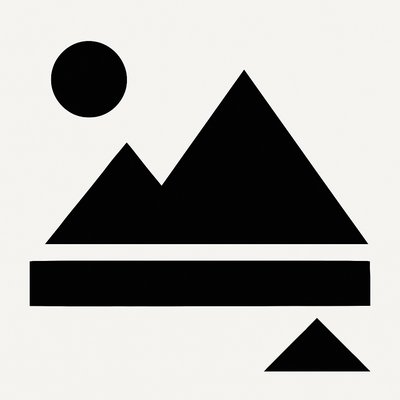
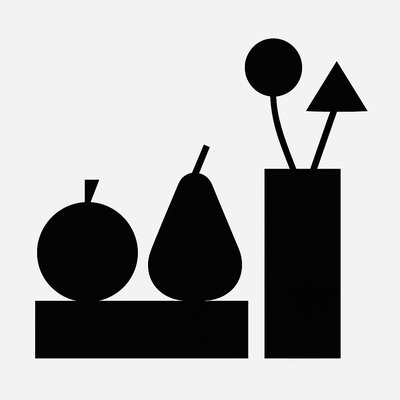
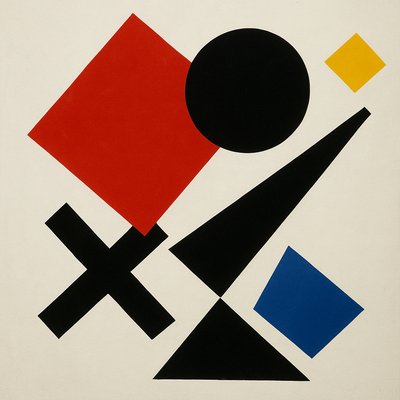
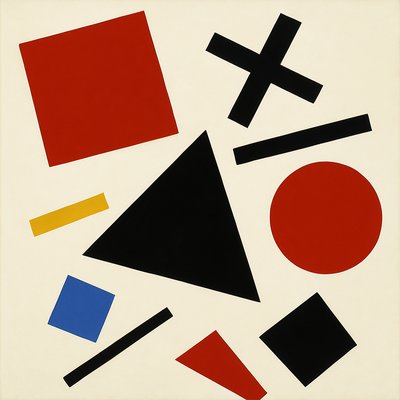
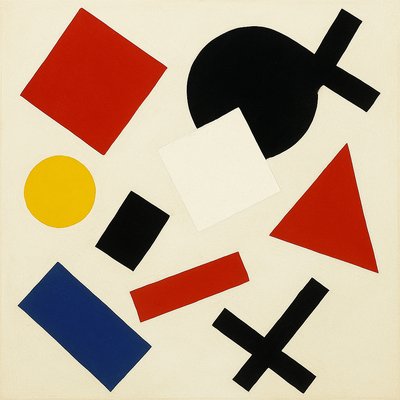
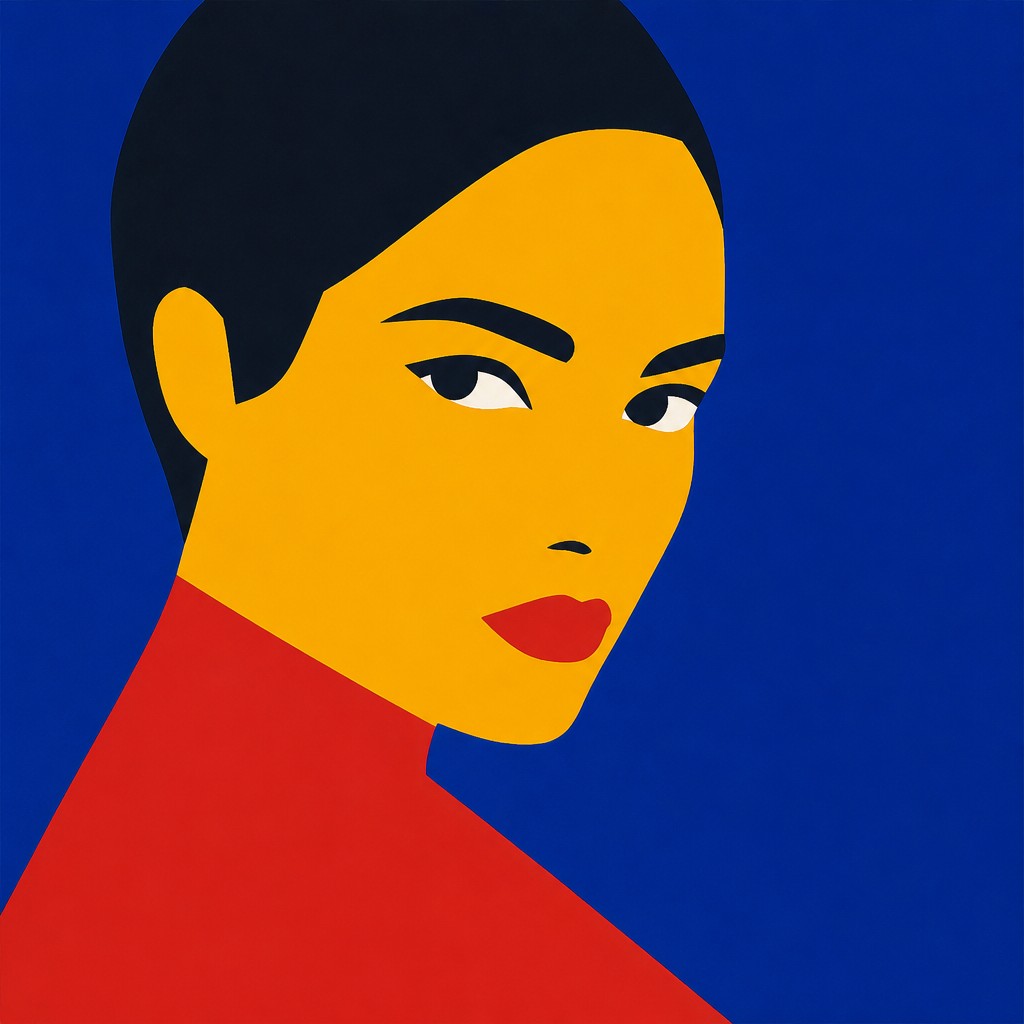
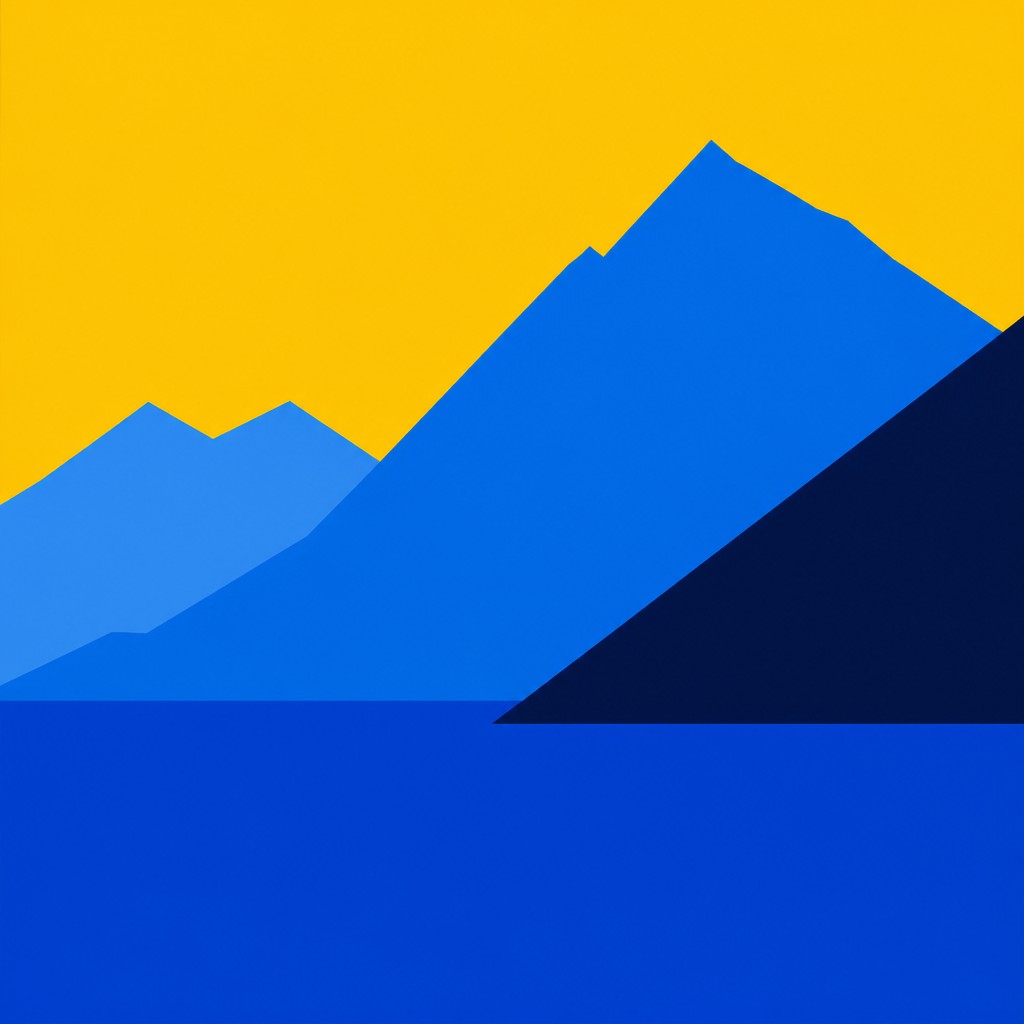
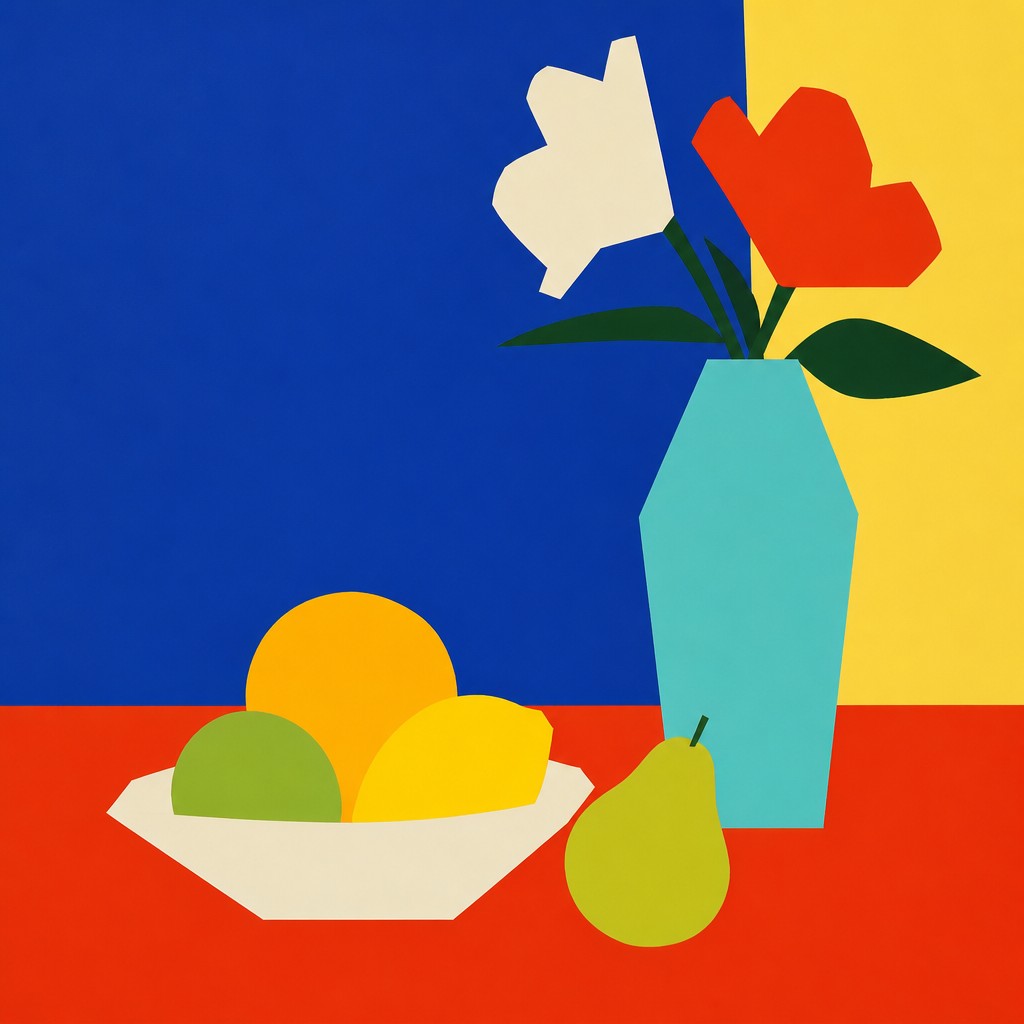
Hard-edge color fields, flat matte planes, and pure hue relationships define this austere abstract style.
Instantly rendered in Color Field Minimalism — or transform a photo
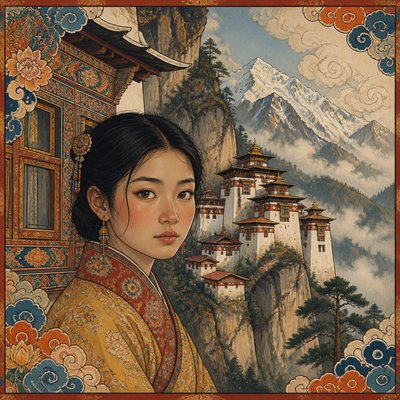
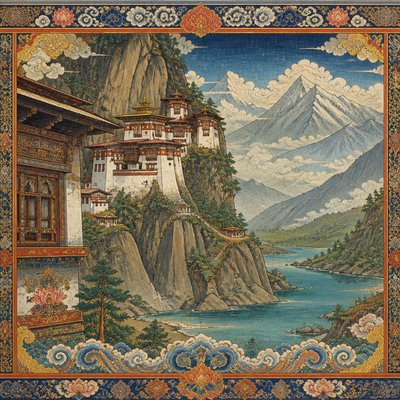
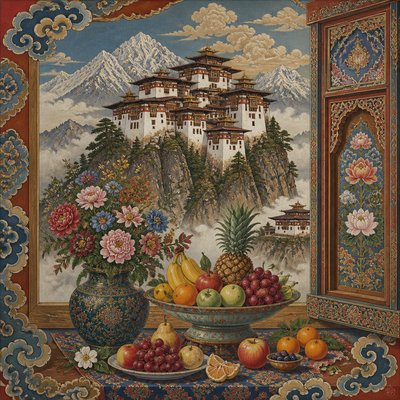
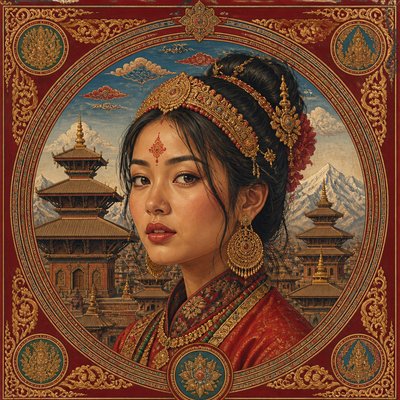
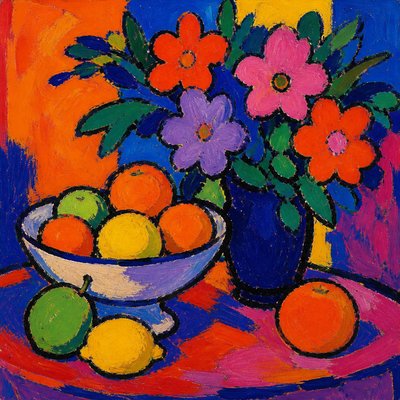
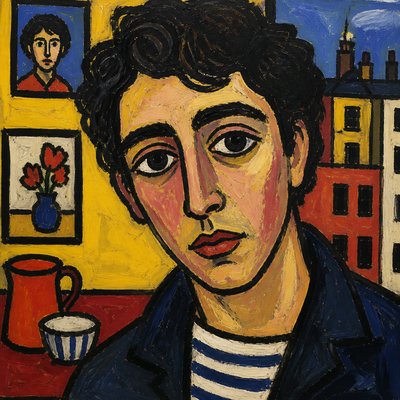
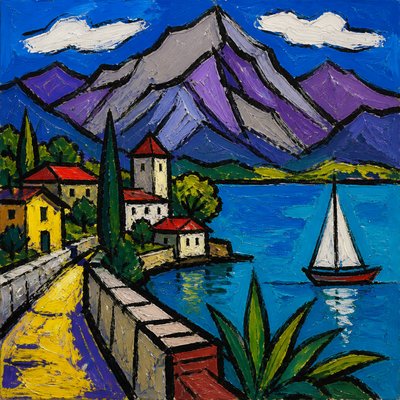
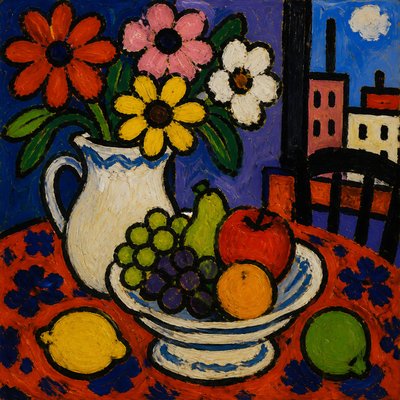
Color Field Minimalism Gallery
Tap any artwork to explore it
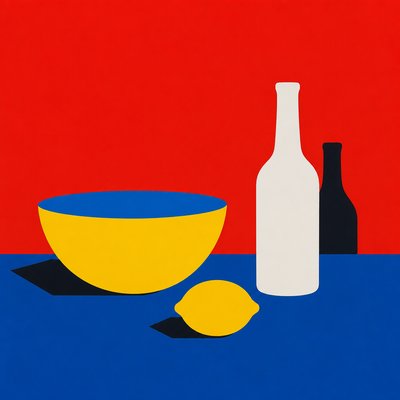
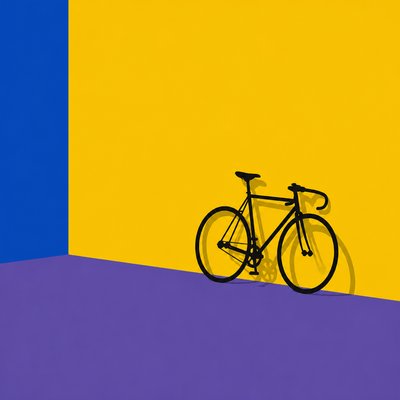
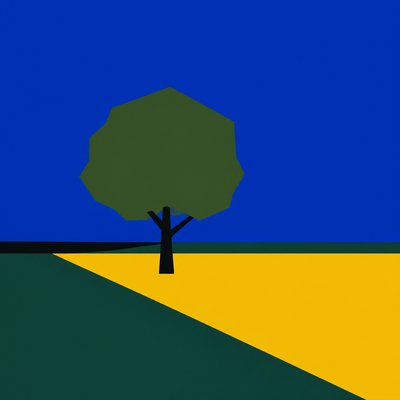
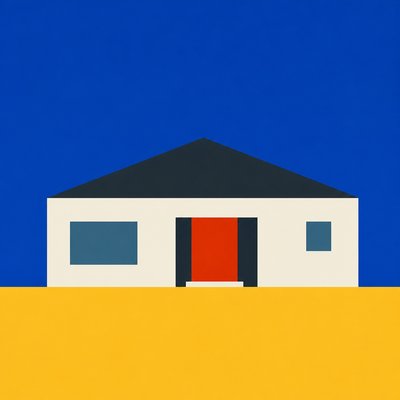

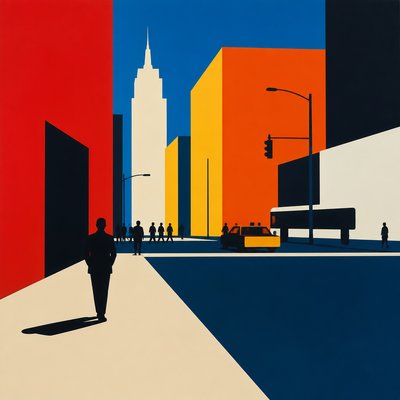
What is Color Field Minimalism Art Style?
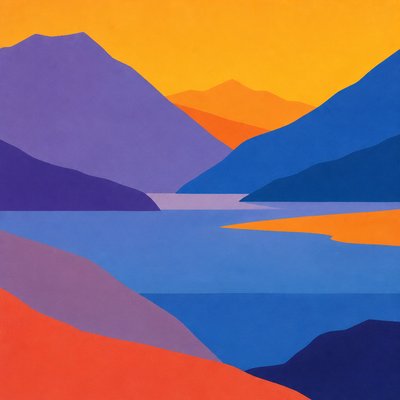
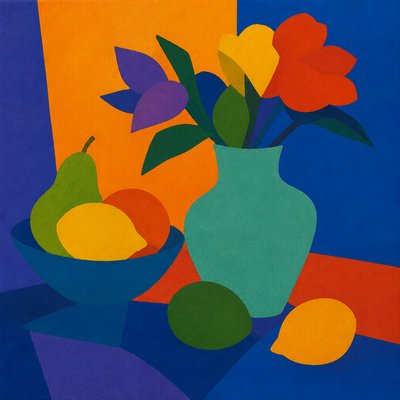
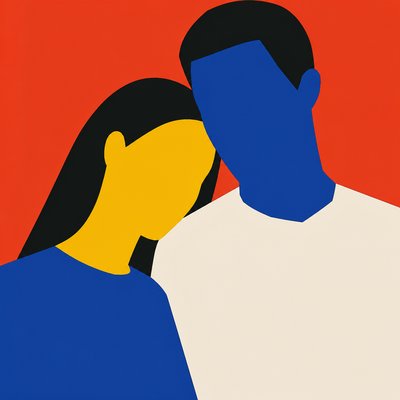
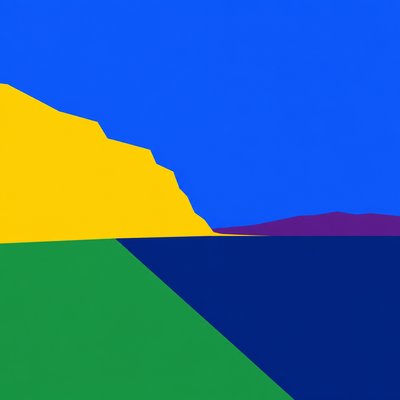
Color Field Minimalism is an abstract style built from a small number of large, flat color areas arranged with hard, precise edges. Rather than depicting objects, landscapes, or symbols, it uses the tension between adjacent hues, scale, and spacing to create visual meaning. The result is spare and disciplined: forms are reduced until color itself becomes the subject.
Its visual identity depends on simplicity and control. Surfaces are usually matte and uniform, with little or no texture, brushwork, or shading. Because there are no modeled volumes or narrative cues, the viewer reads the image through chromatic contrast, edge relationships, and balance between filled and empty space.
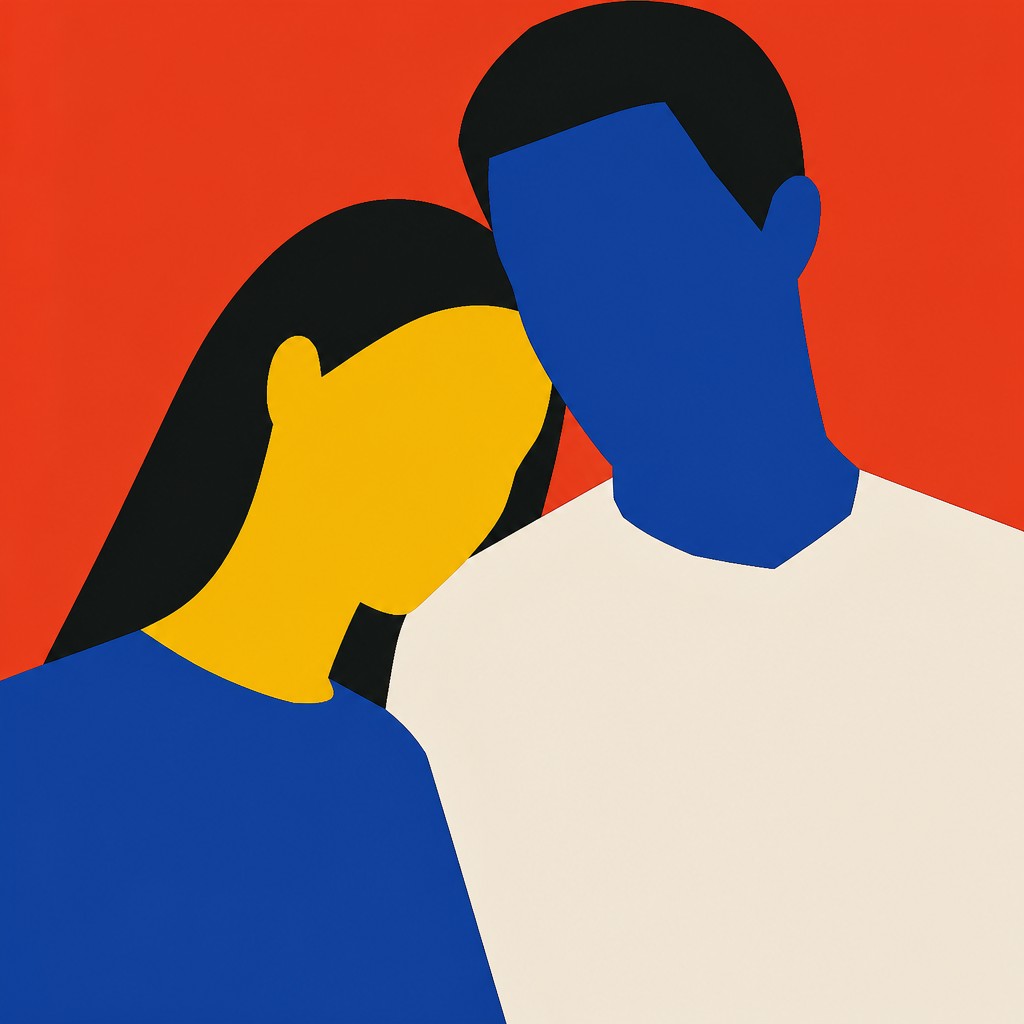
Try It On Your Photos
Upload any photo and convert it into Color Field Minimalism Art Style — drag the sliders to compare before and after.
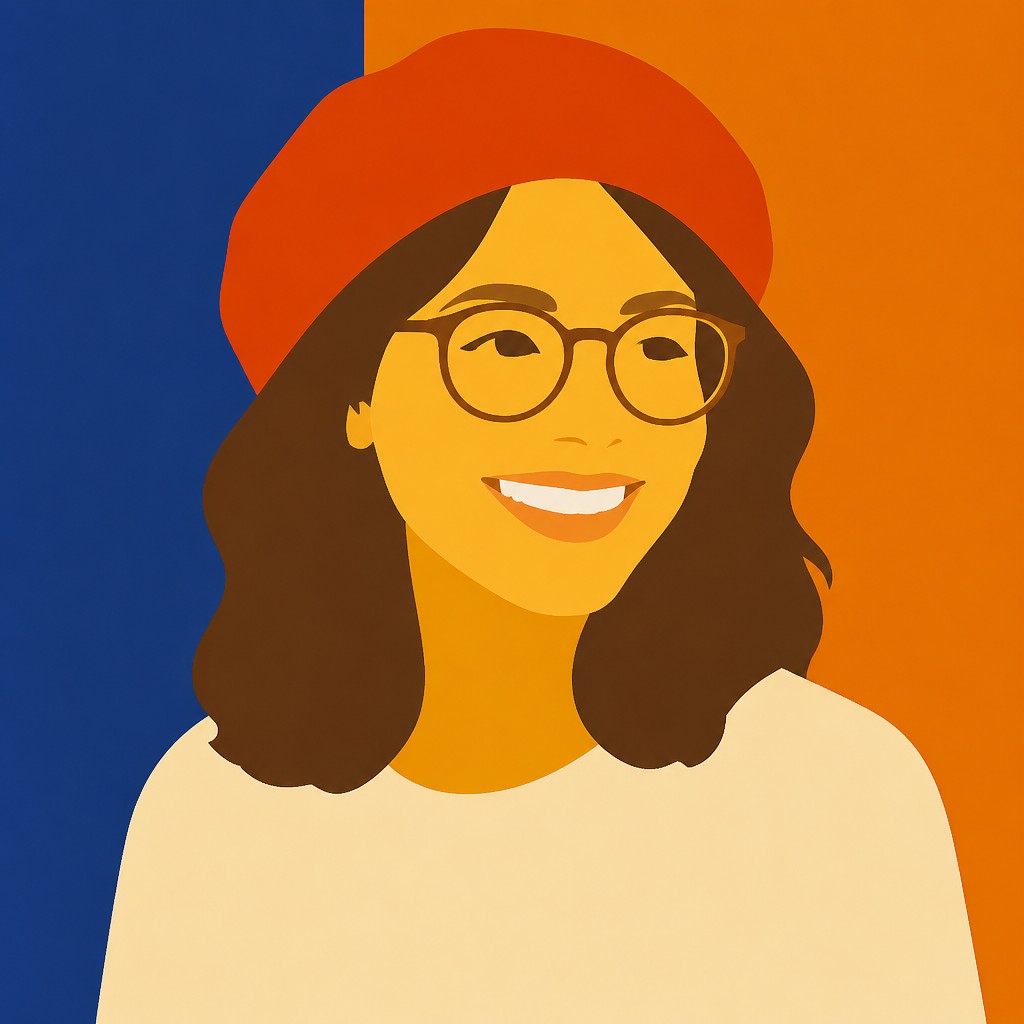

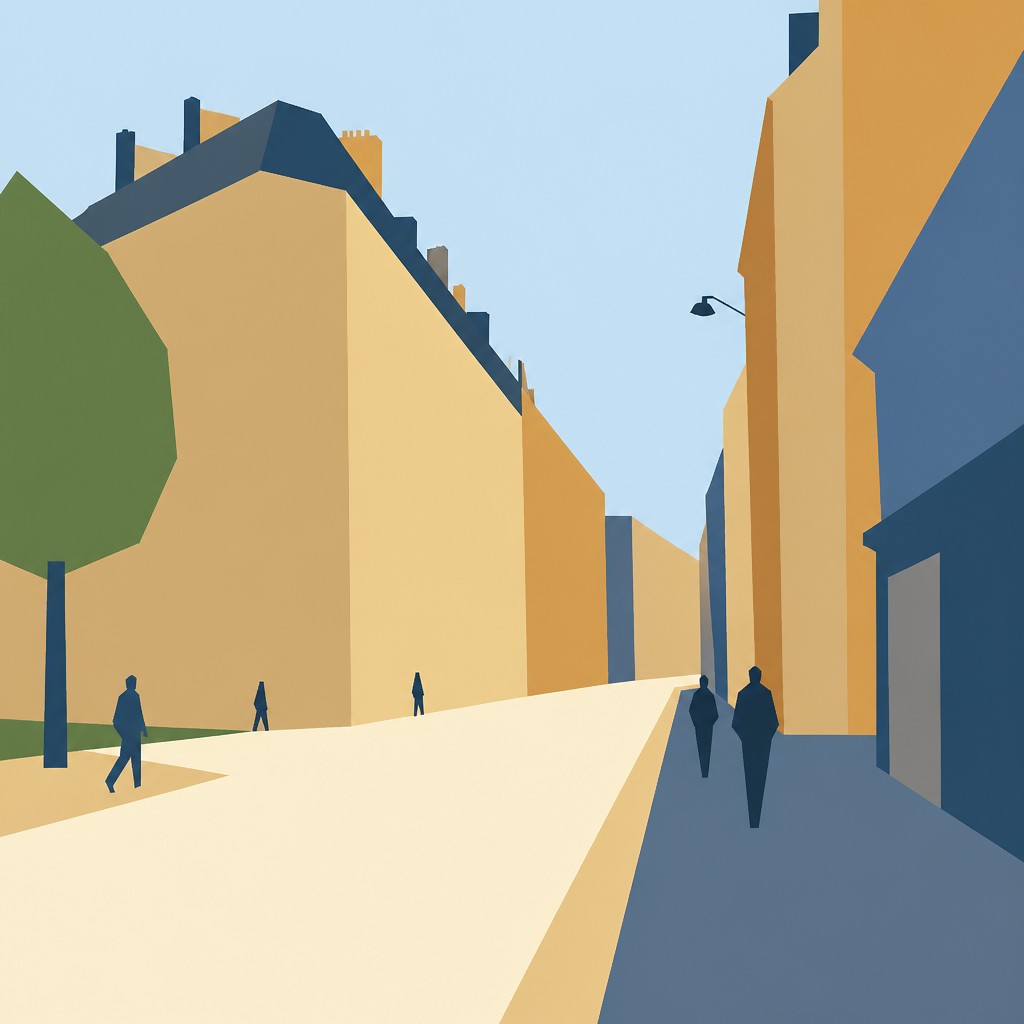

What Defines Color Field Minimalism Art Style
The signature details, up close
Expansive color planes
The image is built from broad, uninterrupted fields of color rather than from drawn forms or layered detail. These planes often occupy most of the frame, creating a sense of scale and stillness.
Hard-edge boundaries
Edges are sharp, clean, and deliberate, with no feathering or painterly blending. The seam between colors is often the most active part of the composition.
Flat, matte surfaces
The style avoids visible brushstrokes, gloss, texture, and dimensional rendering. This keeps attention on color interaction rather than on material surface effects.
Austere composition
There is usually generous negative space and a small number of compositional elements. The reduction produces a restrained, meditative feeling instead of visual complexity.
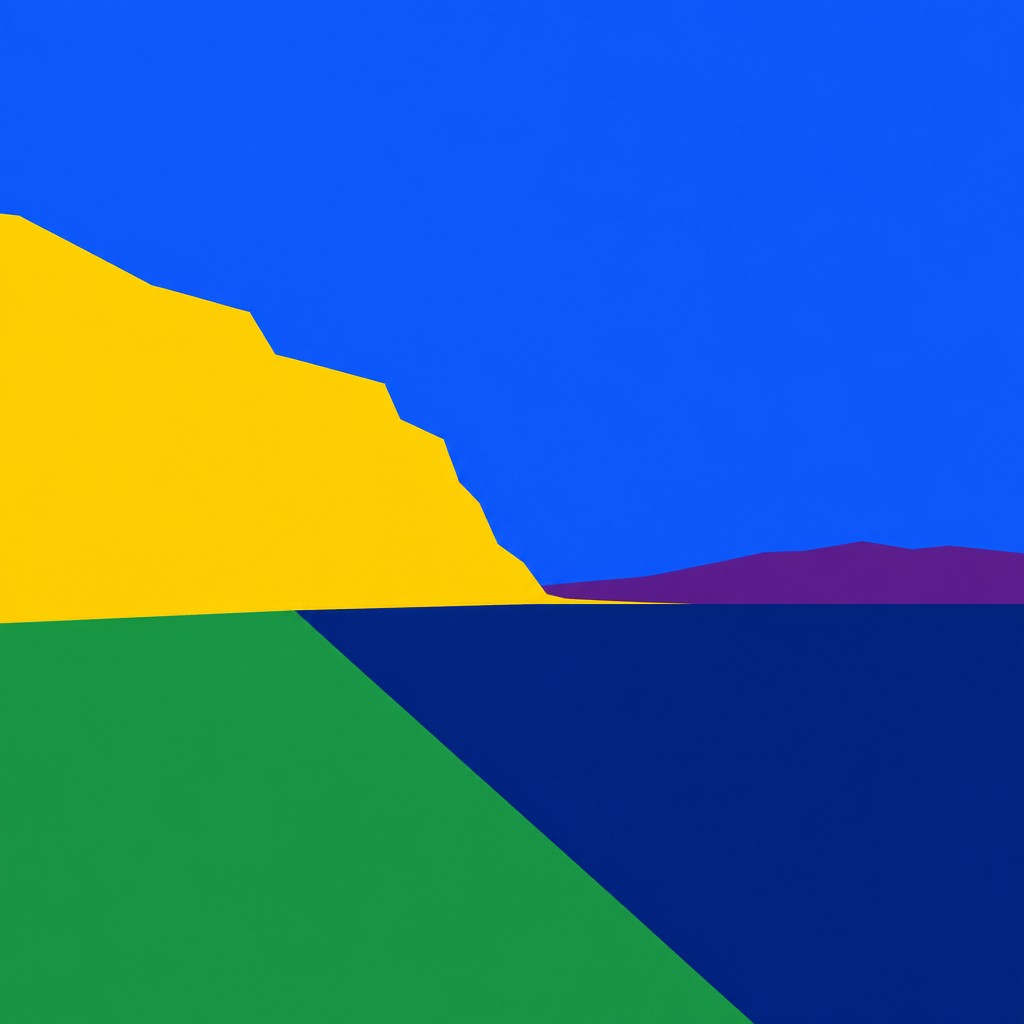
Chromatic tension
Meaning arises from how colors intensify, mute, or vibrate against one another. High-contrast pairings can create optical energy even in an otherwise minimal composition.
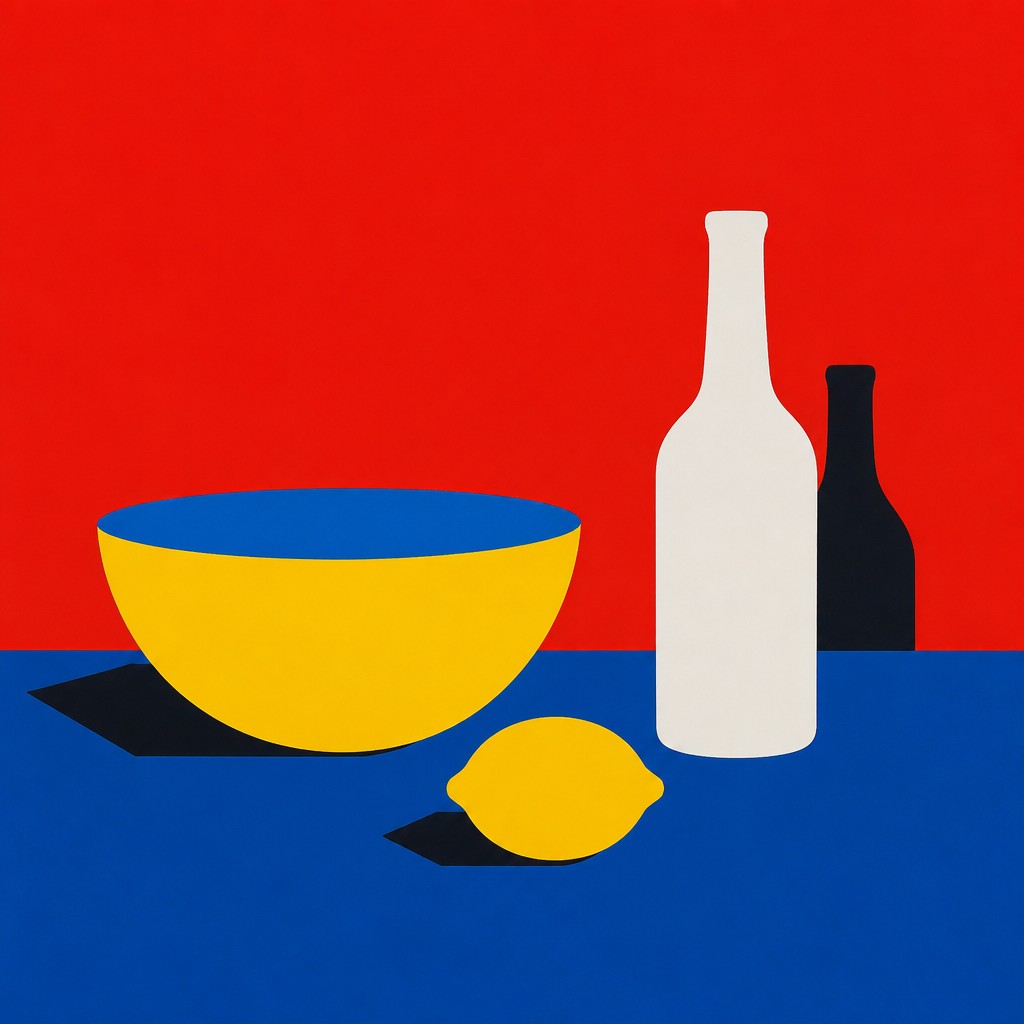
Non-representational emphasis
The style generally avoids recognizable objects, figures, and symbols. If imagery is present, it is reduced to near-abstraction so that color relationships remain dominant.
Try It
Create Videos in Color Field Minimalism Art Style
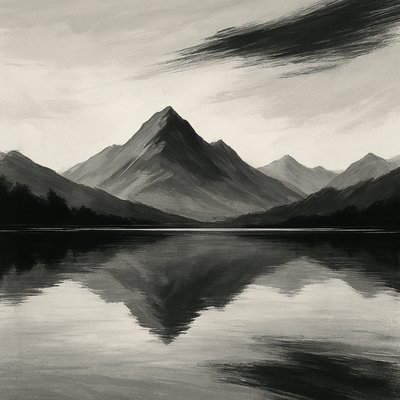
Styles aren't just for stills — describe a scene or animate an image and get a short video rendered in Color Field Minimalism. Press play to see this pond come to life.
Make a VideoColor Field Minimalism Prompt Ideas
Start from an idea — each one opens the generator with the style ready to go. See all 40 Color Field Minimalism prompts →
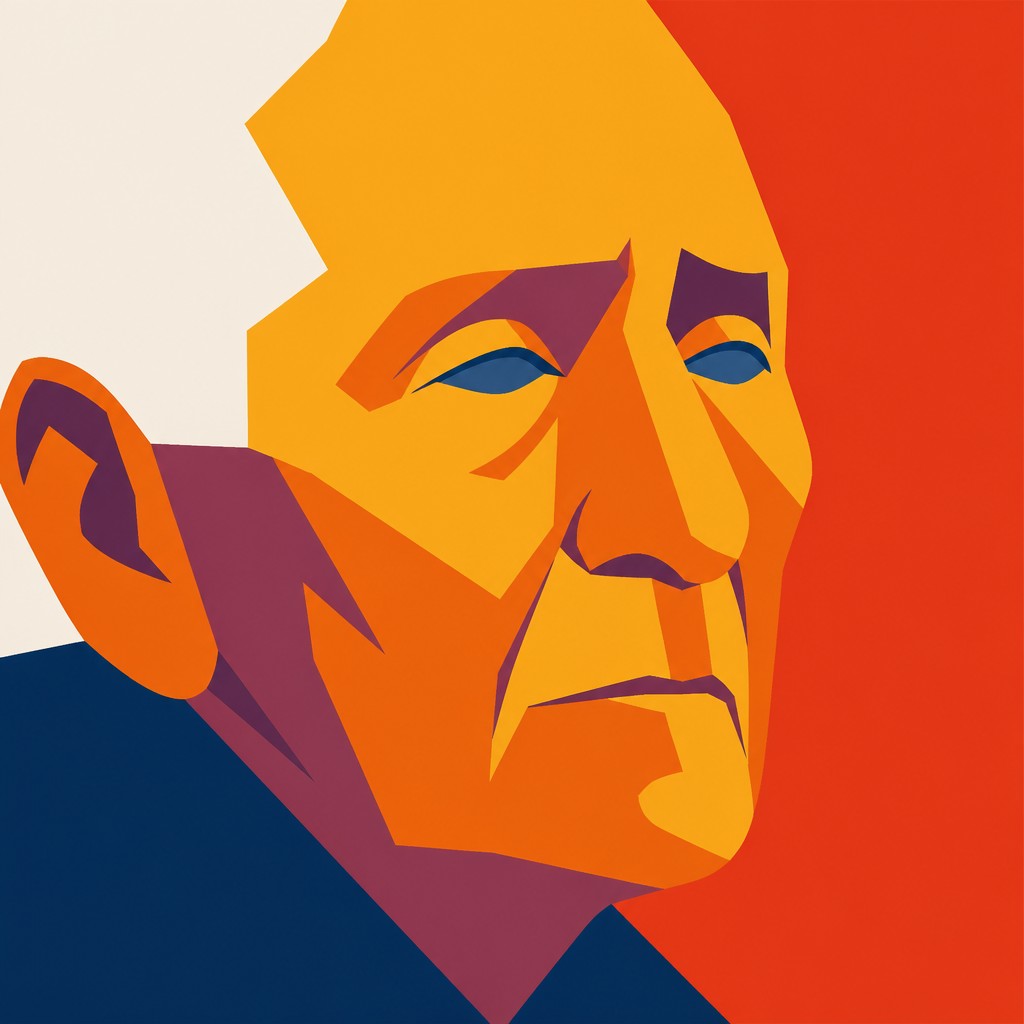
“close-up portrait of an elderly person with expressive weathered features”
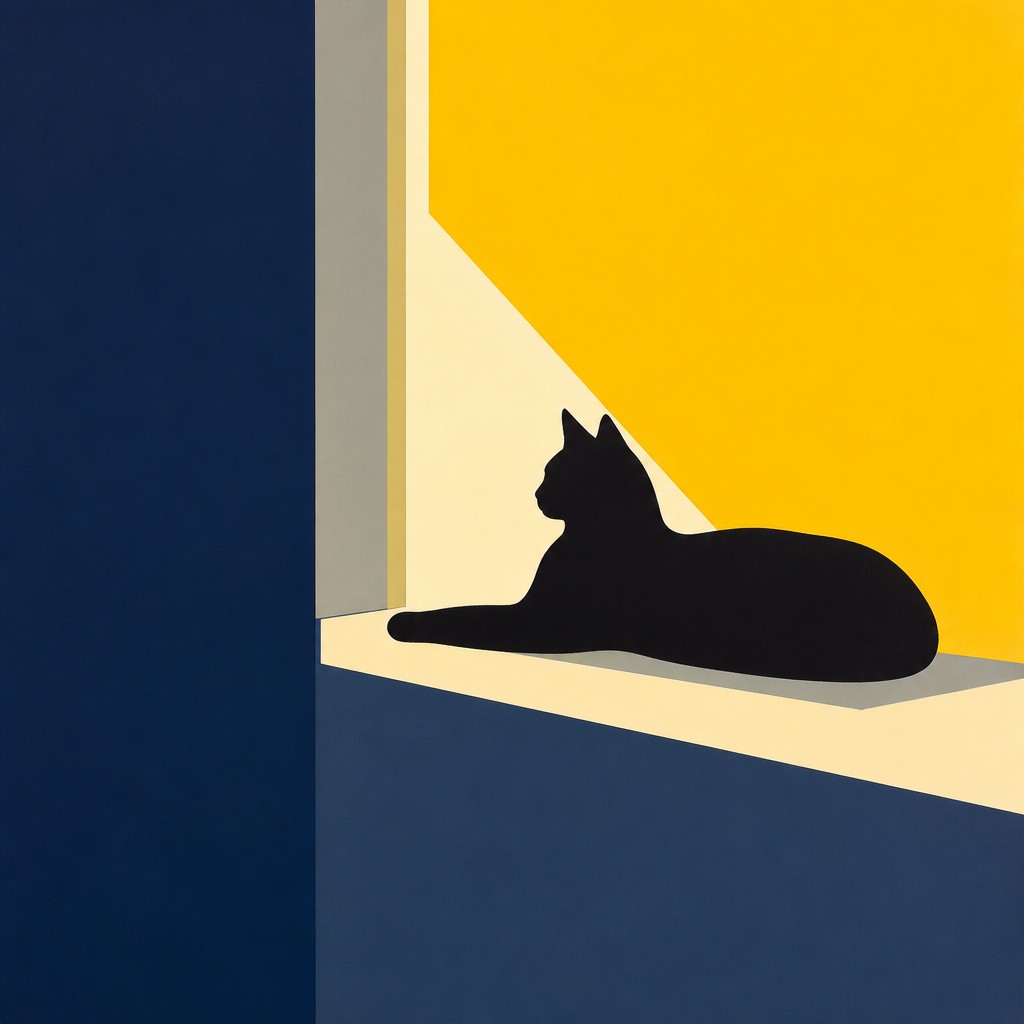
“a cat lounging in a sunlit window”
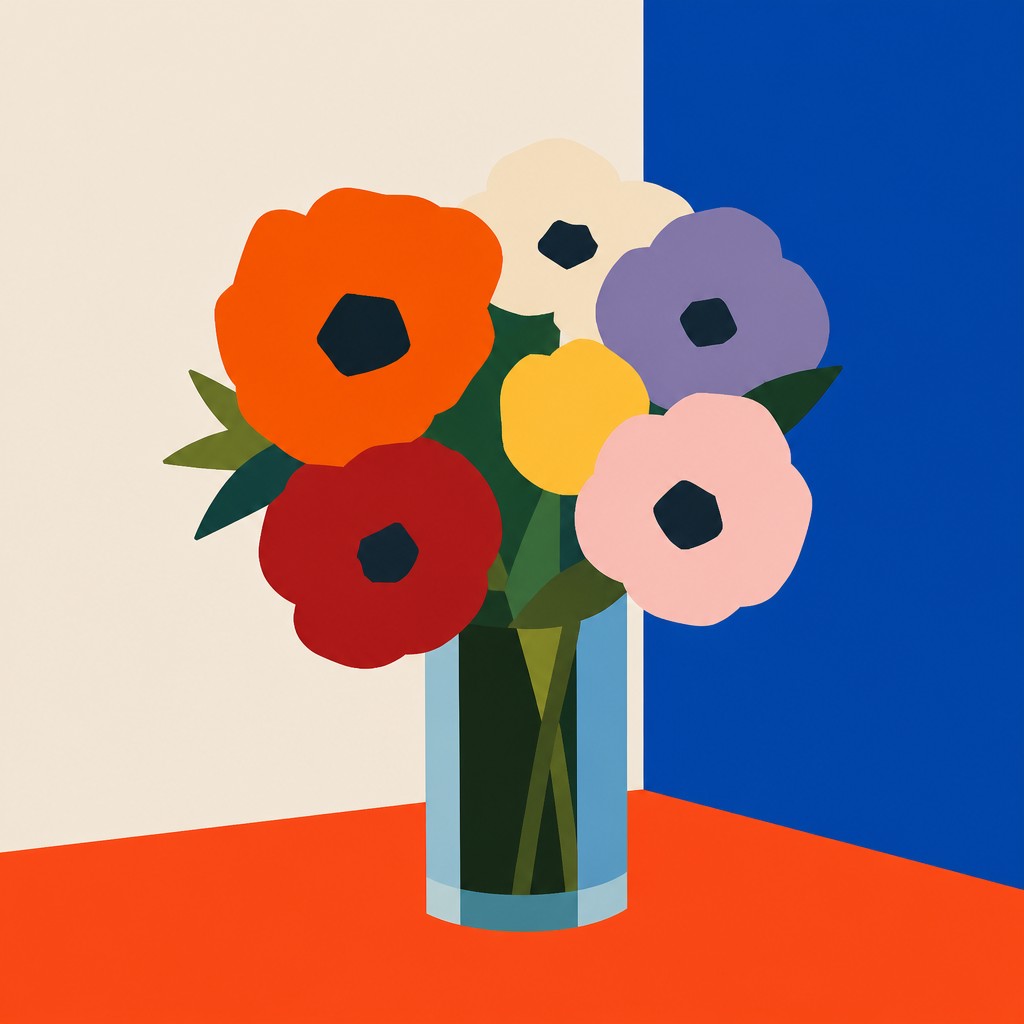
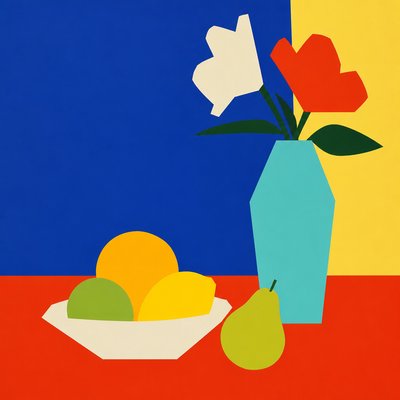
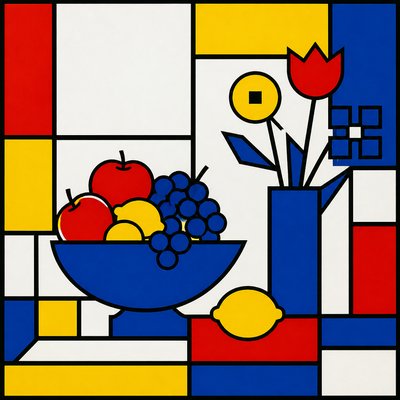
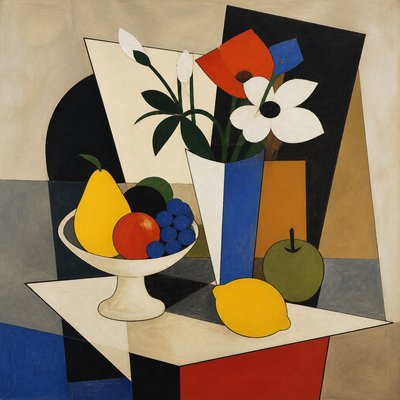
“bouquet of flowers in a glass vase”
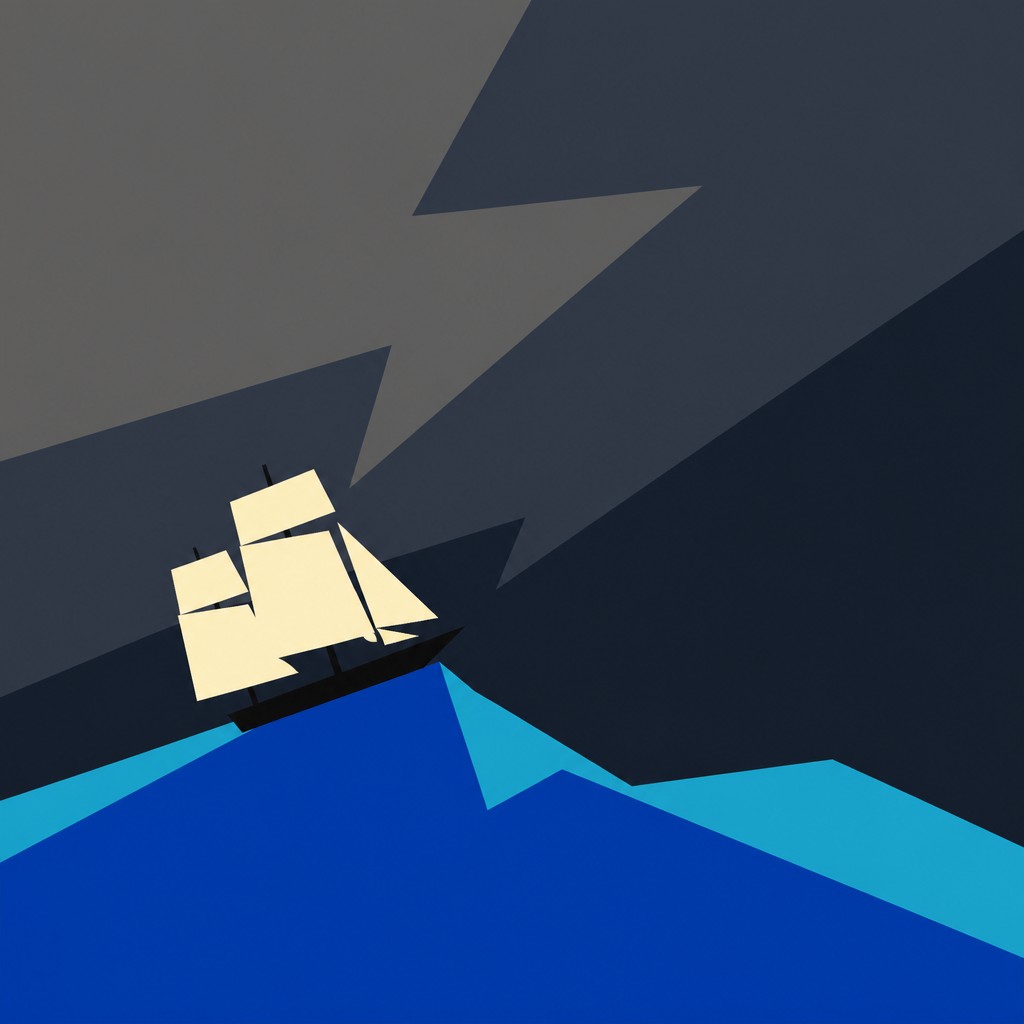
“sailing ship on a stormy sea”
How to Create Color Field Minimalism Art
Master the craft step by step — or skip straight to creating. Read the full guide →
- 1
Reduce the composition to essentials
Start by limiting yourself to two to five large shapes or fields. Eliminate internal detail, perspective cues, and narrative elements so the composition reads as pure color structure.
- 2
Use precise, hard edges
Whether painting digitally or by hand, define boundaries with tape, masks, vector shapes, or careful masking. Crisp edges are crucial because softness changes the style into something more atmospheric or painterly.
- 3
Keep surfaces flat and matte
Avoid gradients, texture overlays, and visible gestural marks. In traditional media, use smooth paint application; in digital work, rely on uniform fills and clean layer separations.
- 4
Plan color relationships, not objects
Choose hues for their interaction: complementaries for vibration, near-values for quiet tension, or saturated blocks for assertive contrast. Think in terms of adjacency, balance, and spatial rhythm rather than subject matter.
- 5
Preserve negative space
Leave areas unfilled when needed so the composition can breathe. Empty space is not a background in this style; it is an active structural element.
- 6
For prompt-based generation, specify strict abstraction
Use phrases like 'hard-edge,' 'flat matte color planes,' 'minimal abstract composition,' and 'no texture or brushwork.' If generating from a subject, ask for it to be reduced into pure color relationships rather than depicted realistically.

The Story
History & Origins of Color Field Minimalism
This style draws from the lineage of mid-20th-century abstract painting, especially Color Field painting, hard-edge abstraction, and Minimalism. Color Field painting emerged in the United States in the 1940s and 1950s, with leading American abstract painters exploring large areas of unbroken color and extended chromatic atmosphere. Hard-edge abstraction, associated with major practitioners of crisp boundary-based and geometric composition, emphasized clean separations and a more exact organization of the picture plane.
Color Field Minimalism is not a single historical movement with a fixed canon so much as a contemporary synthesis of these traditions. It keeps the emotional and perceptual concentration of Color Field painting while stripping the composition down further toward near-absolute reduction. In digital image-making and graphic contexts, the style also overlaps with modernist poster design and contemporary minimalist abstraction, where clarity, balance, and hue relationships are primary.
Influences: Color Field Minimalism is closely related to Color Field painting, hard-edge abstraction, and Minimalism. It shares the large-scale chromatic intensity of leading mid-20th-century American abstract painters associated with vast color fields, while its crisp geometry and restrained structure recall major hard-edge and geometric abstraction practitioners. It also overlaps with modernist graphic design and contemporary abstract digital composition, which favor clarity, flatness, and strong visual economy.

Frequently Asked Questions
What defines Color Field Minimalism?
It is defined by large, flat areas of color, very few compositional elements, and hard, precise edges. The style avoids representation and texture, allowing color relationships to carry the entire image. The visual effect is often quiet but optically charged.
How is it different from Color Field painting?
Color Field painting is the broader historical category, while Color Field Minimalism is a more reduced, austere expression of that lineage. It typically uses fewer shapes, cleaner geometry, and less expressive surface handling. In practice, it pushes the color-field idea toward stricter minimalism.
How is it different from hard-edge painting?
Hard-edge painting emphasizes crisp boundaries and geometric clarity, but it can still include more varied structures and more explicit design logic. Color Field Minimalism puts greater emphasis on large uninterrupted fields, emptier compositions, and the perceptual force of adjacent hues. It is usually less diagrammatic and more meditative.
Can this style be used for landscapes or portraits?
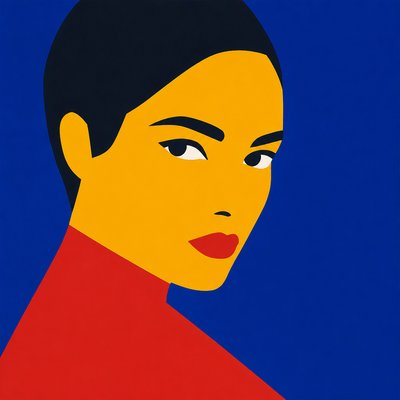
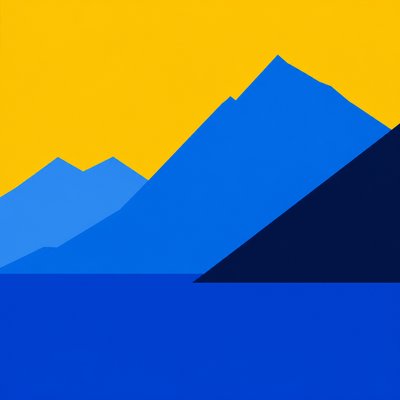
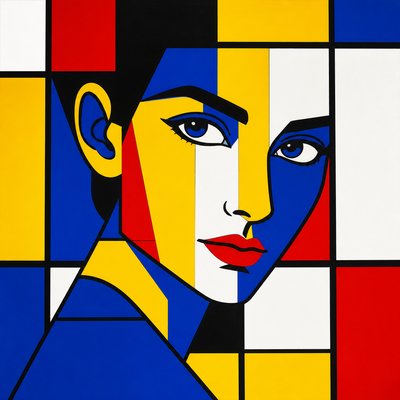
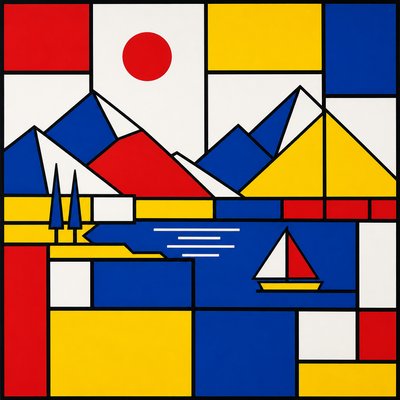
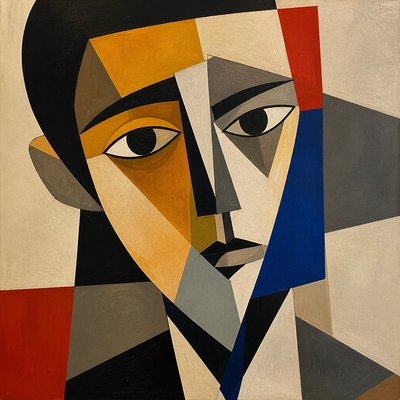
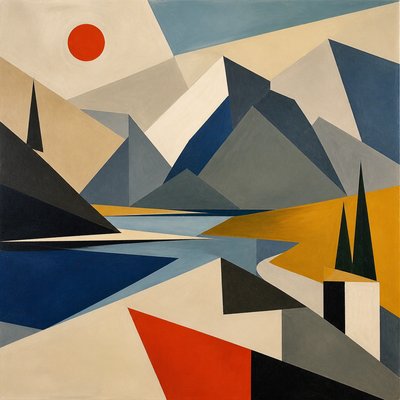
Yes, but the subject must be highly reduced. A landscape may become horizontal color bands or simplified horizon blocks, and a portrait may become a sequence of abstract planes. The result should not rely on realistic detail; it should translate the subject into color structure.
What colors work best in this style?
Strong primary colors, restrained neutrals, and carefully judged complementary pairs are especially effective. The best choice depends on whether you want tension, serenity, or subtle tonal contrast. Because the style is minimal, even small color decisions have a large impact.
Where is this style commonly used?
It appears in abstract painting, gallery-style prints, editorial graphics, album art, branding, and contemporary digital compositions. It is especially effective wherever a calm, modern, and conceptually disciplined visual language is desired. Its simplicity also makes it adaptable to both physical and digital media.
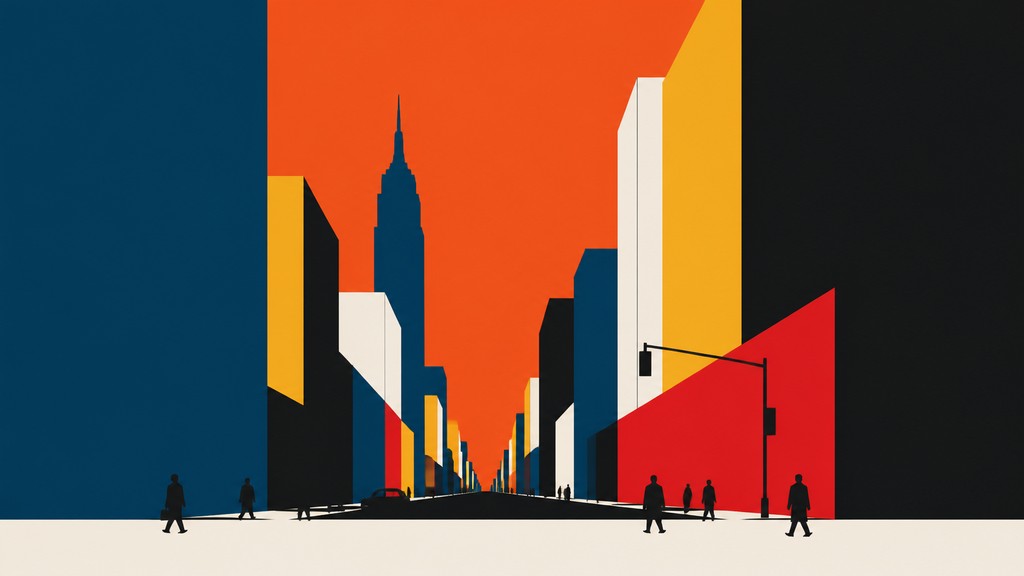
Create your first Color Field Minimalism artwork
Describe anything — or upload a photo — and see it in Color Field Minimalism Art Style in seconds.
Make Something with Color Field Minimalism
Compare Color Field Minimalism
Related Styles
Discover similar art styles