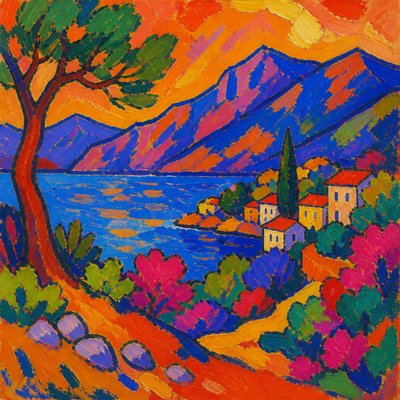
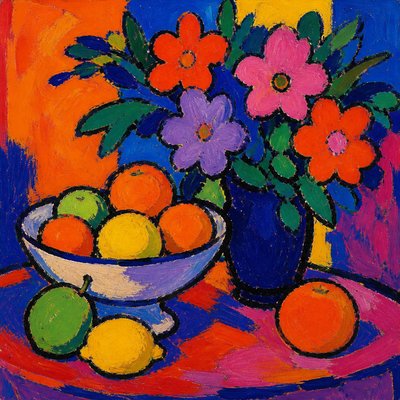
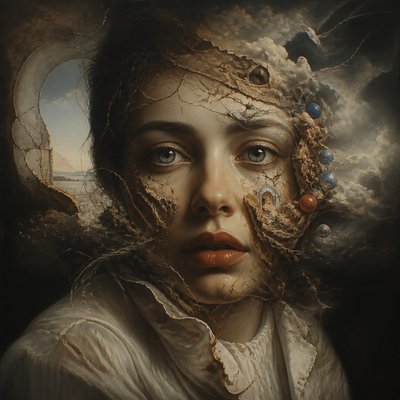
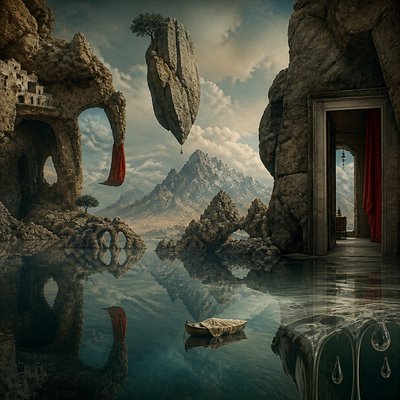
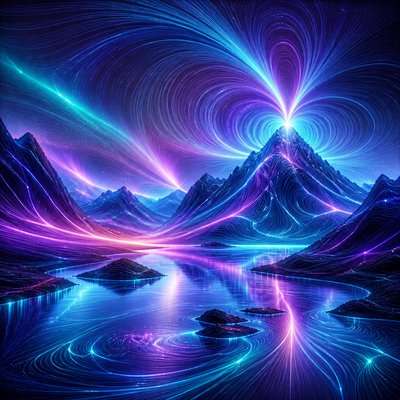
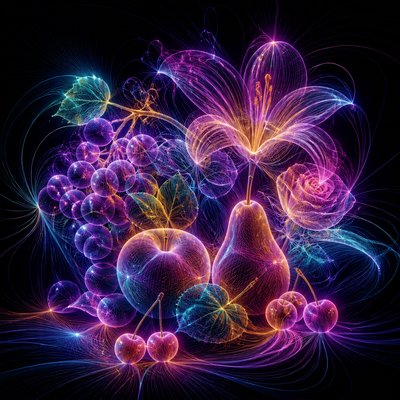
Color Field Painting Style
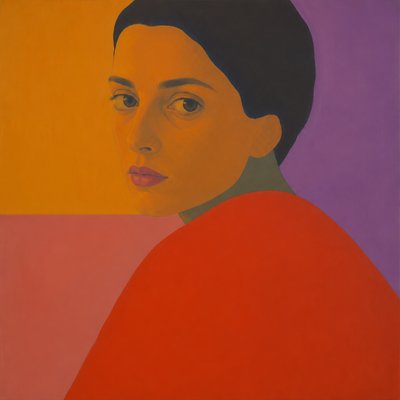
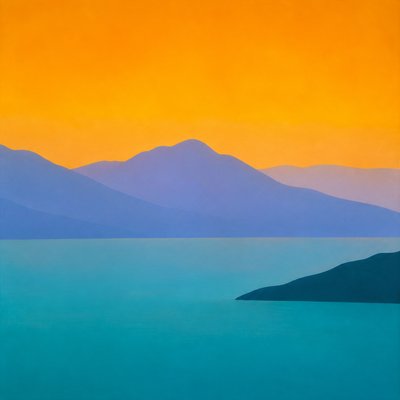
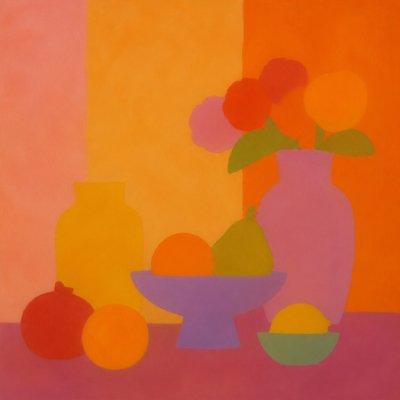
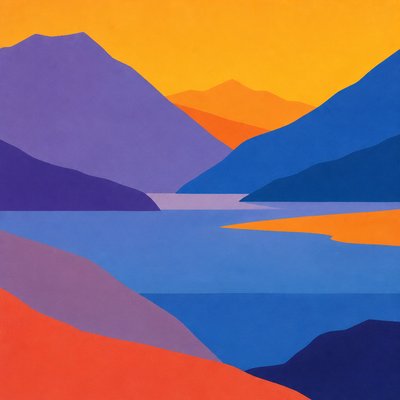
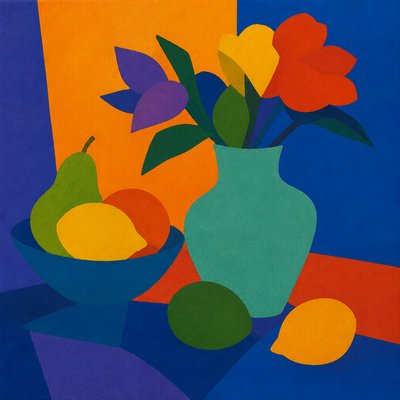
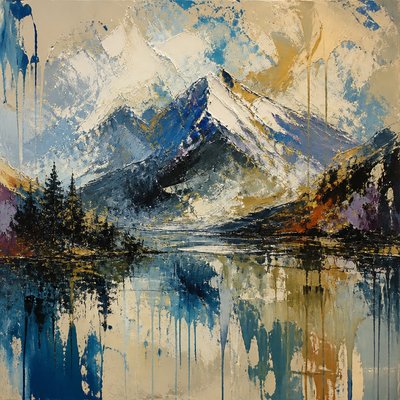
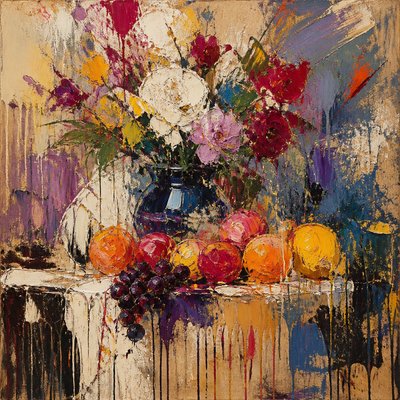
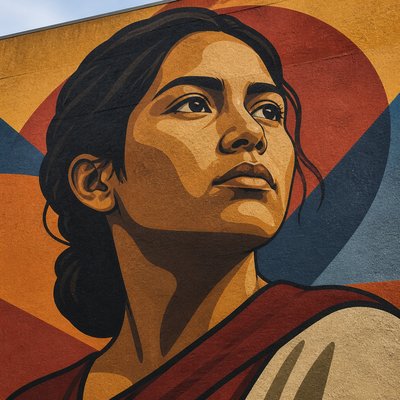
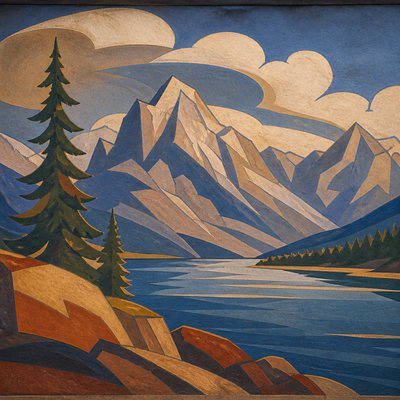
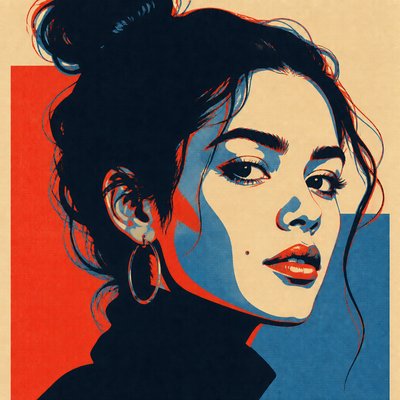
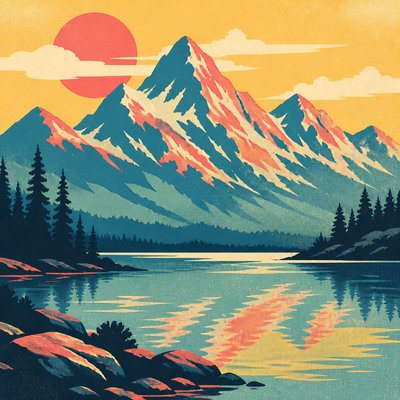
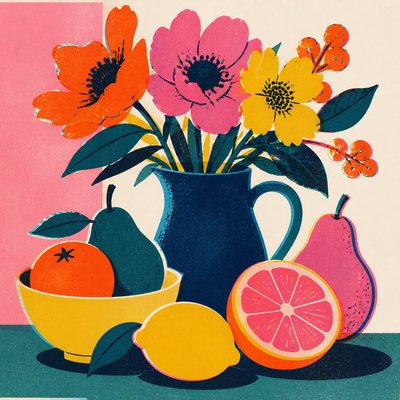
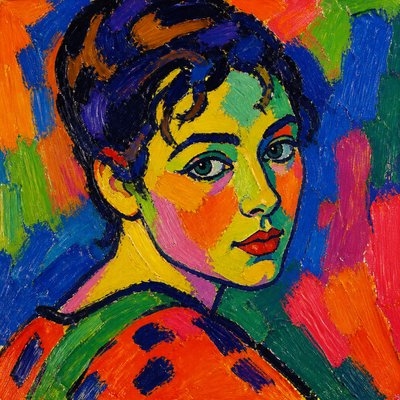
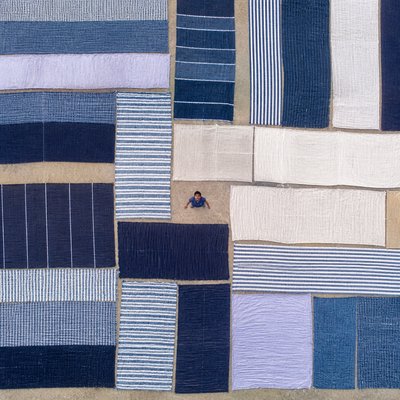
Large, meditative fields of flat color with soft edges and immersive depth, rooted in postwar abstraction.
Instantly rendered in Color Field Painting — or transform a photo
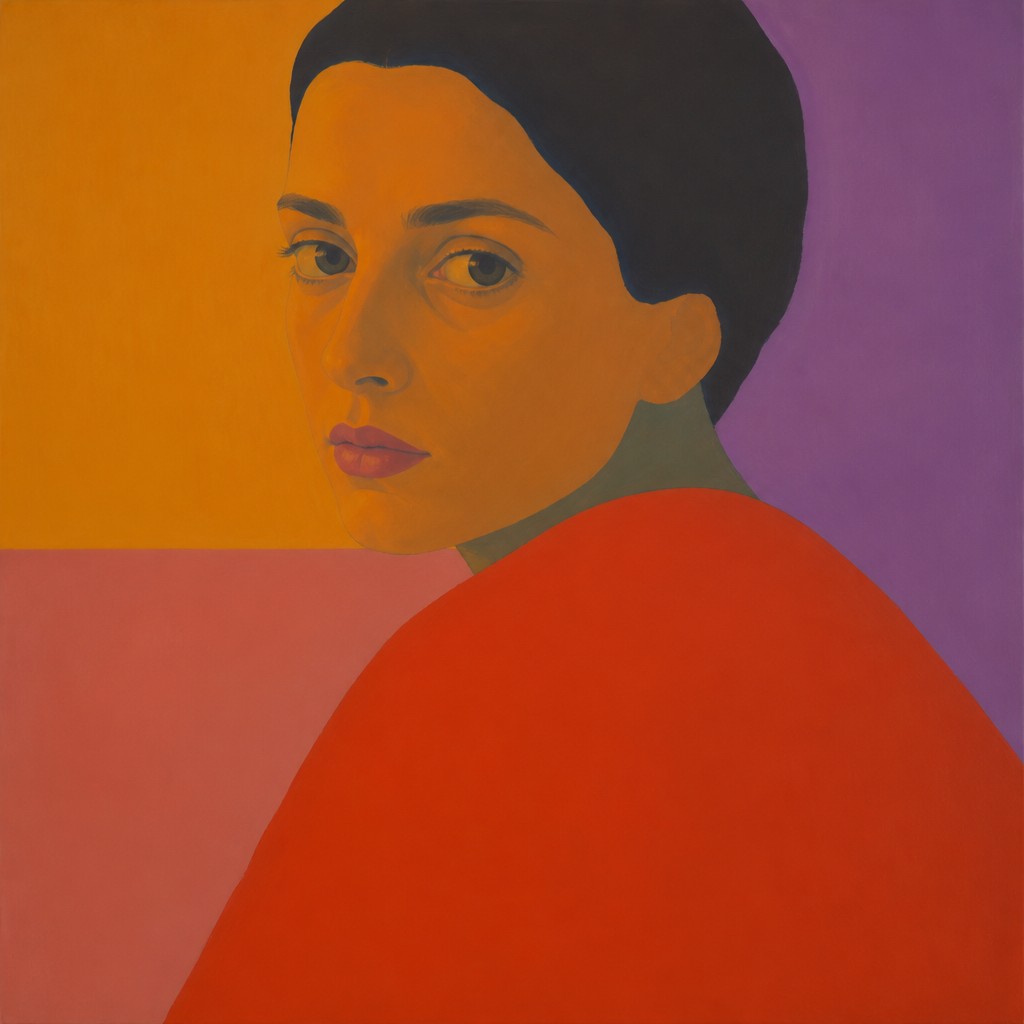
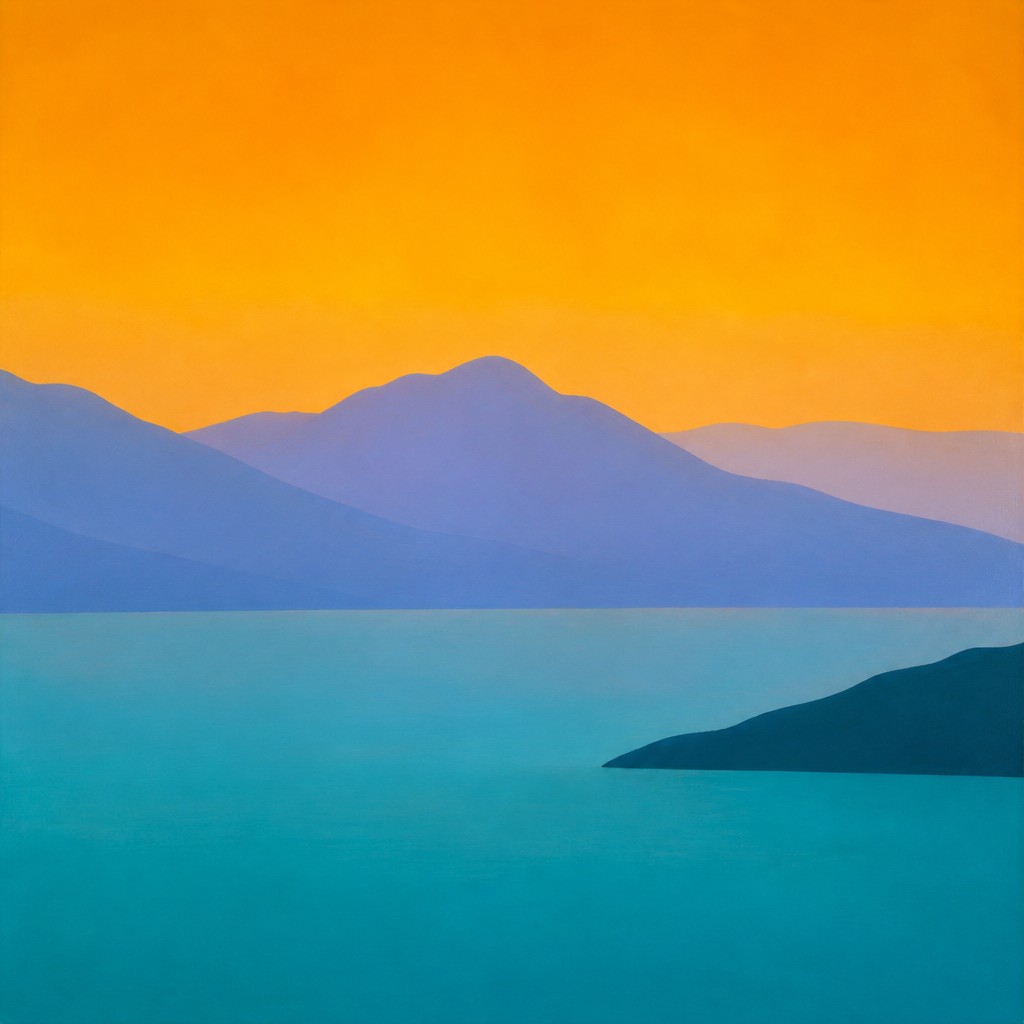
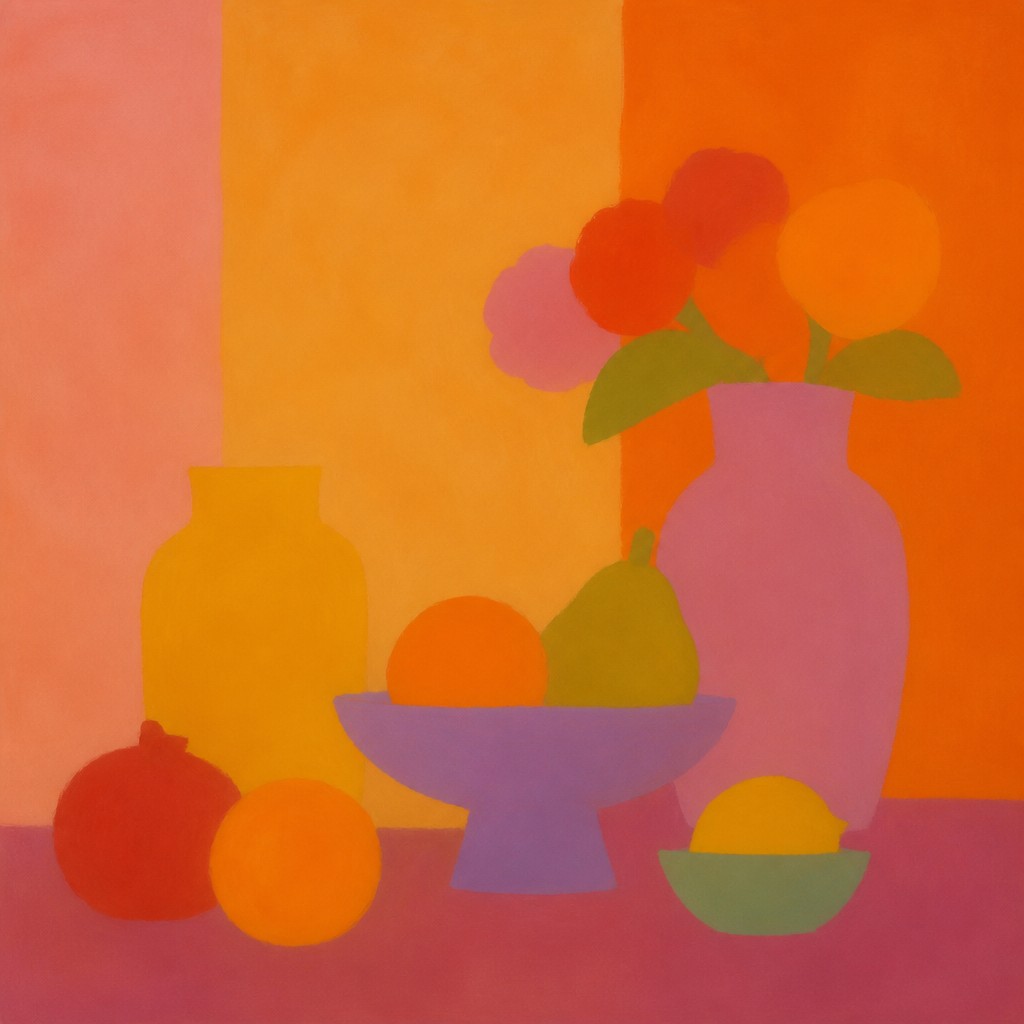
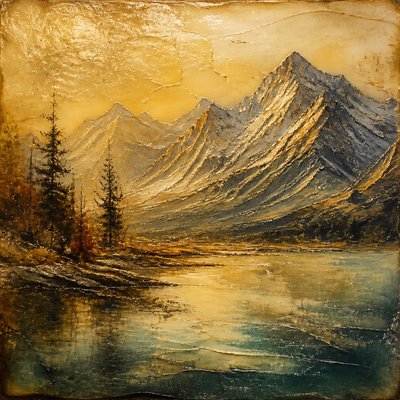
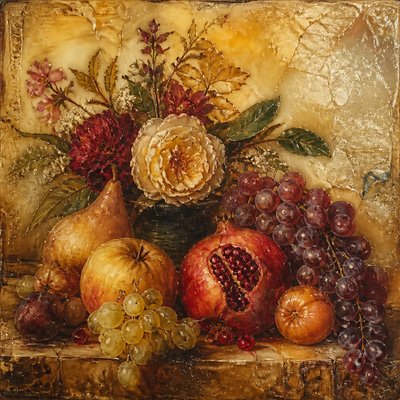
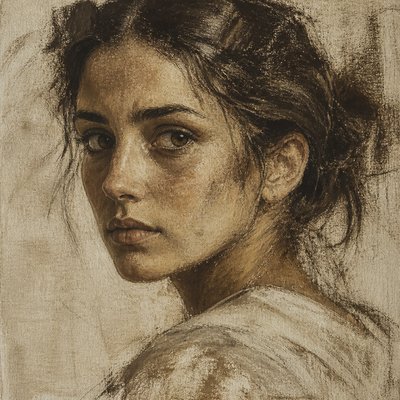
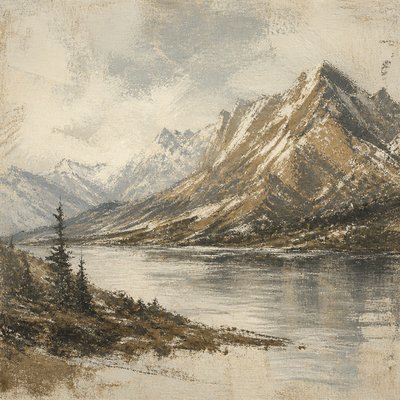
Color Field Painting Gallery
Tap any artwork to explore it
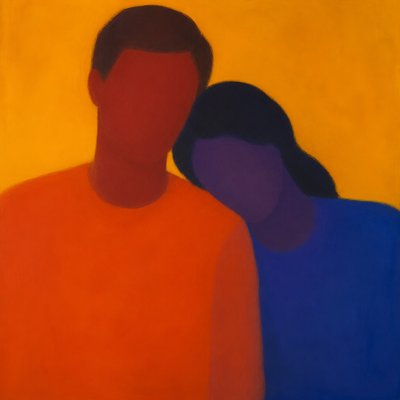
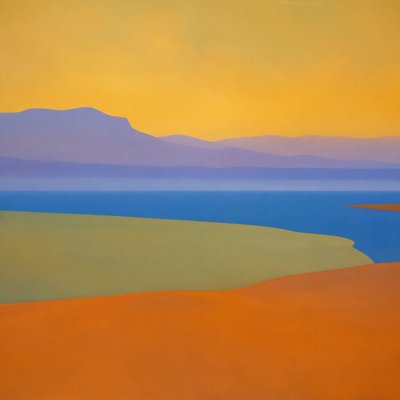
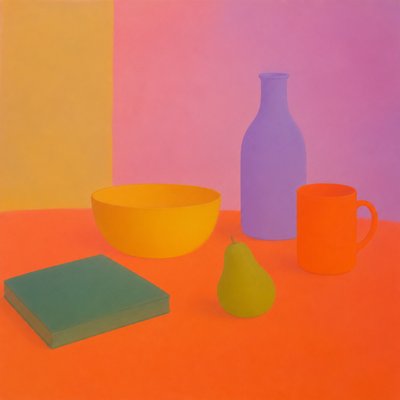
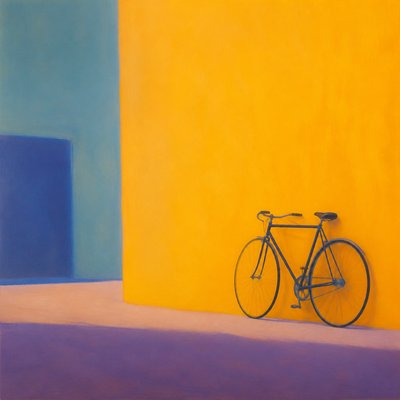
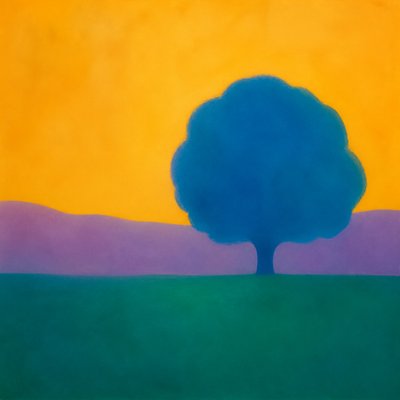
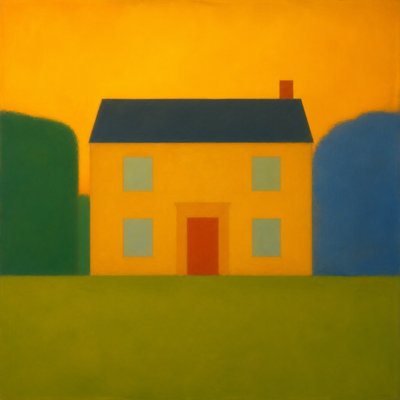
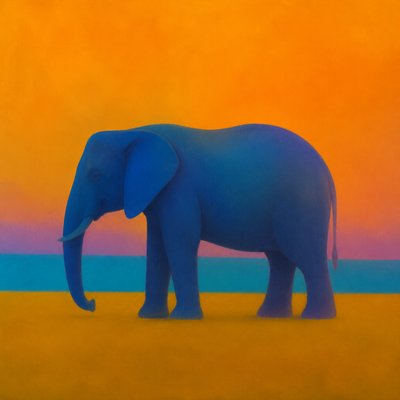
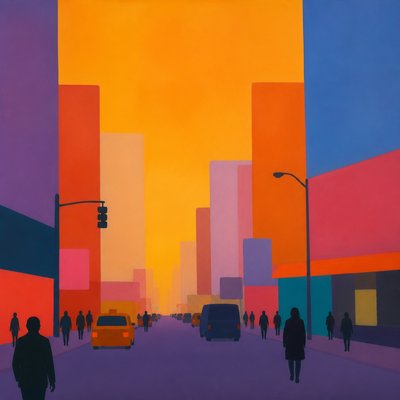
What is Color Field Painting Style?
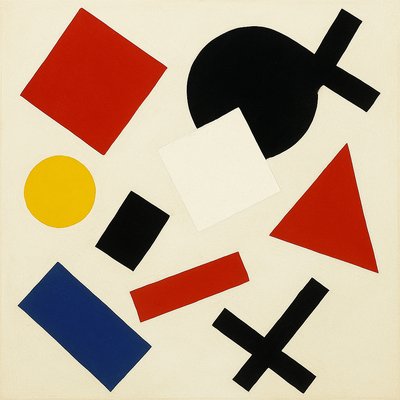
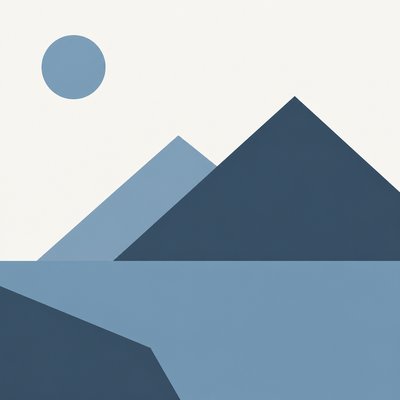
Color field painting is a form of abstract painting defined by broad, relatively unmodulated areas of color that dominate the picture plane. Rather than depicting objects or using visible gestural brushwork as the main event, it asks the viewer to experience color itself: its scale, temperature, luminosity, and emotional atmosphere. The result is often quiet, expansive, and meditative, with composition organized by large chromatic zones rather than by lines, figures, or narrative.
Its visual identity depends on restraint. Edges may be soft, blurred, or barely marked; contrasts are often subtle rather than dramatic; and tonal variation within each field is minimized so the color can appear suspended, breathing, or internally lit. The style looks this way because it treats painting less as representation and more as a direct perceptual encounter, encouraging prolonged looking and an awareness of how color behaves across a large surface.
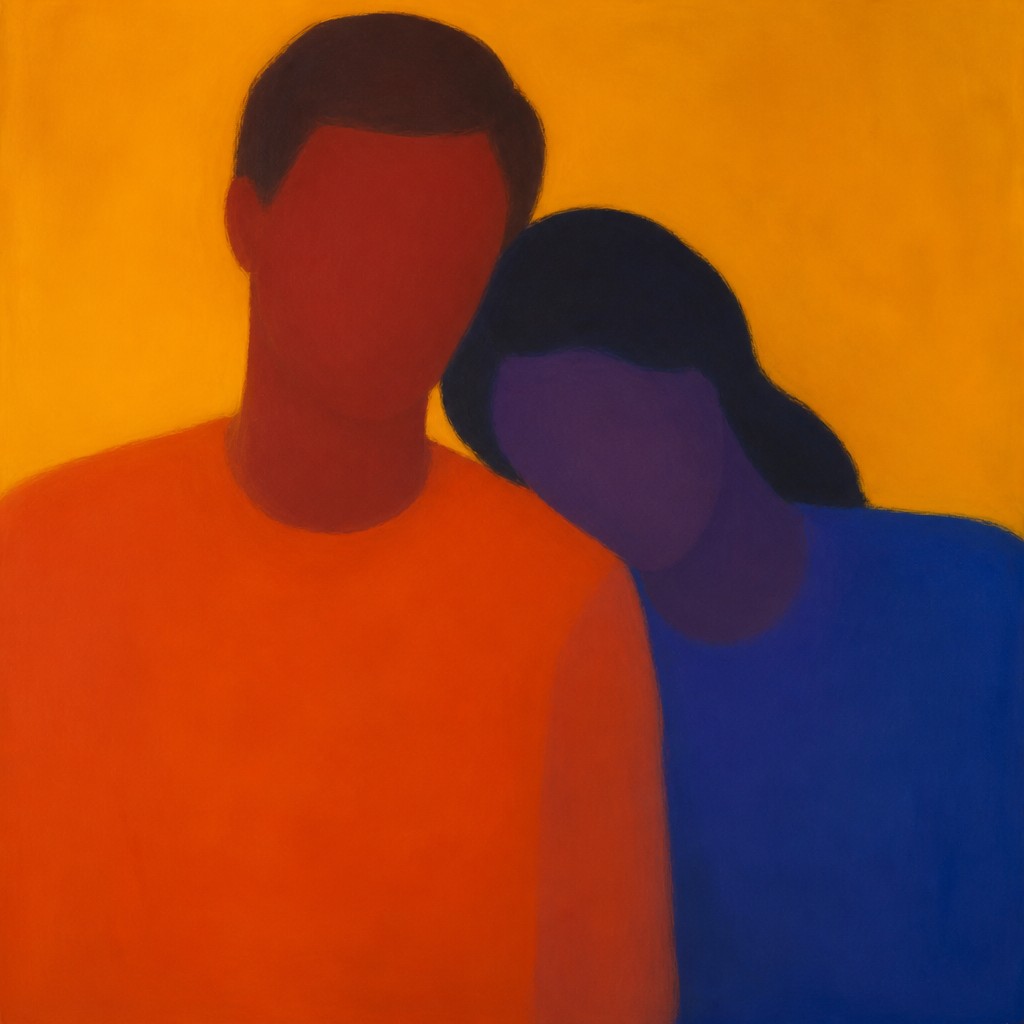
Try It On Your Photos
Upload any photo and convert it into Color Field Painting Style — drag the sliders to compare before and after.
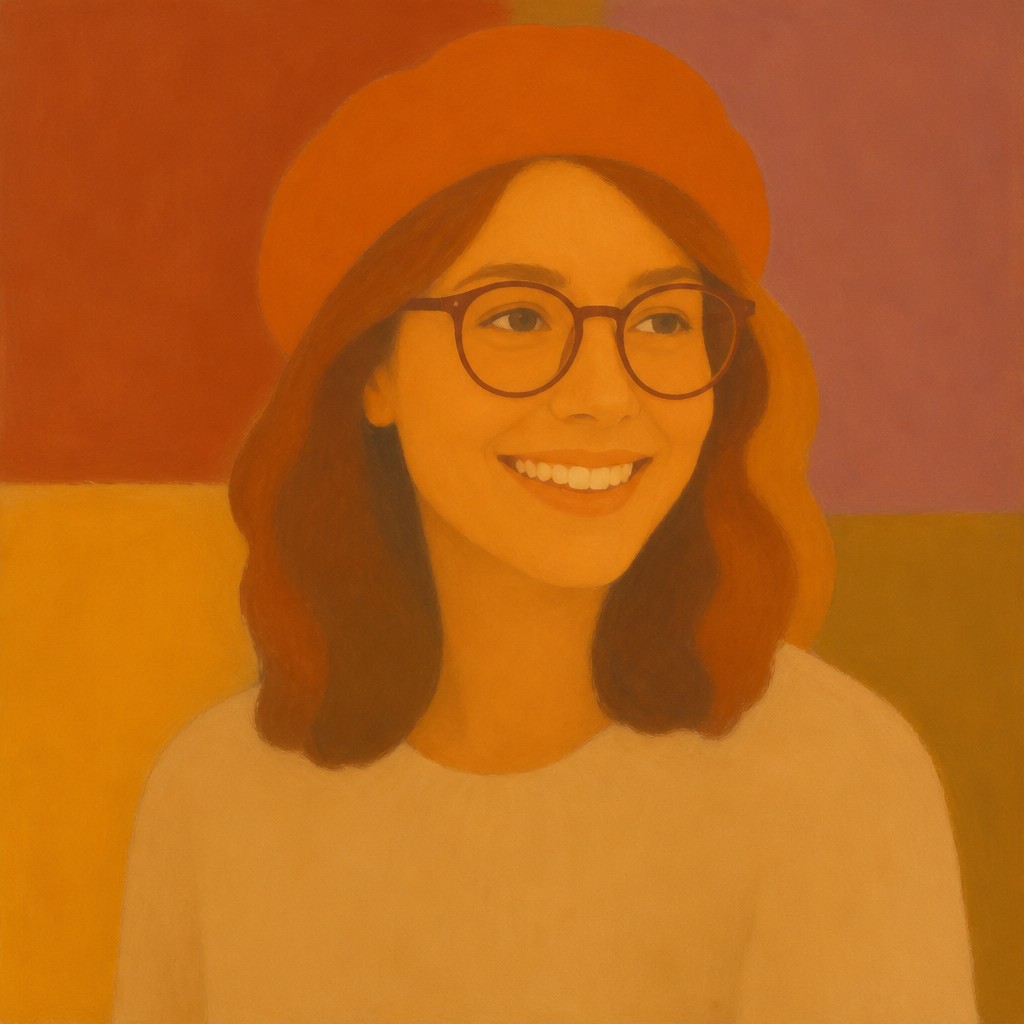

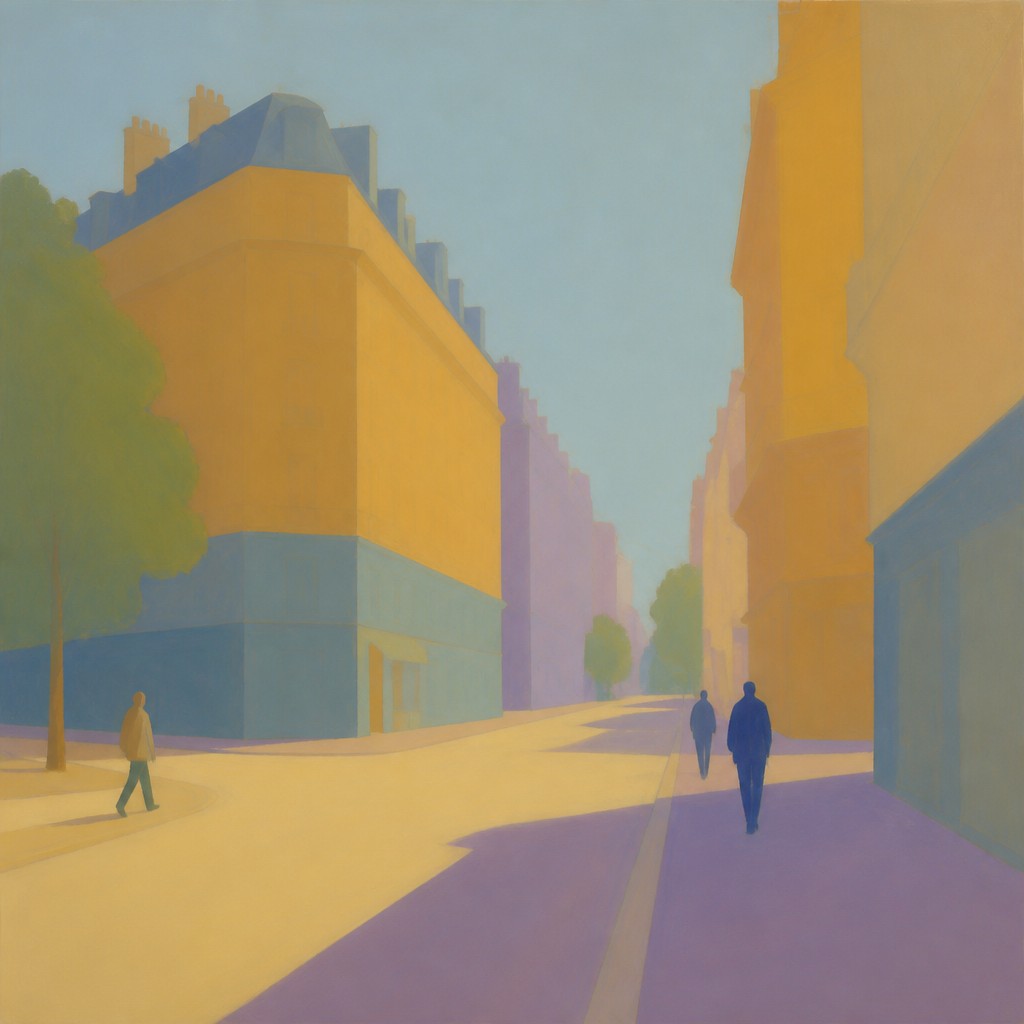

What Defines Color Field Painting Style
The signature details, up close
Large contiguous color zones
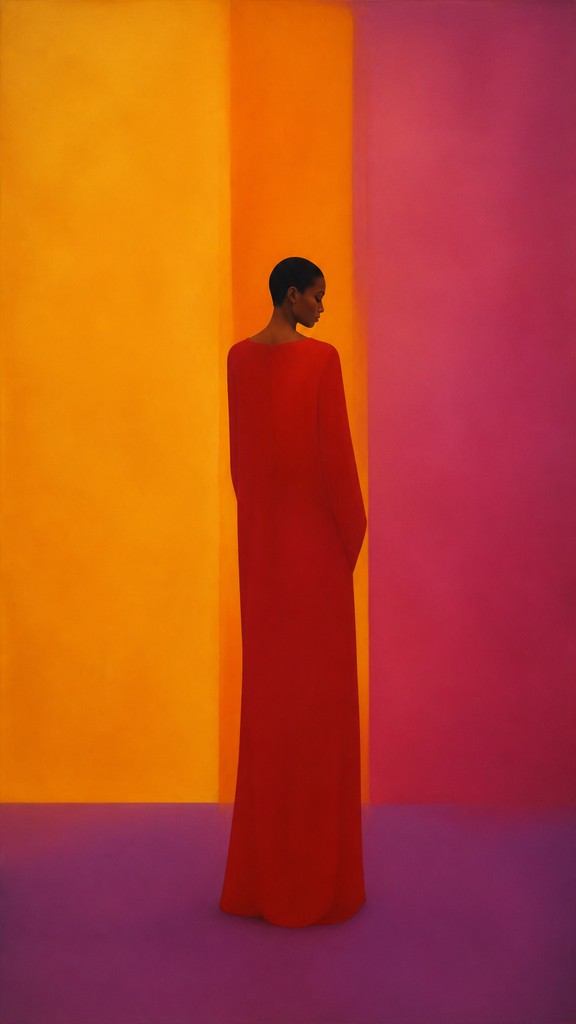
The composition is usually organized into broad fields of color that occupy much of the surface. These zones can be stacked, divided, or layered, but they remain the primary structural element.
Soft or quiet edges
Boundaries between color areas are often softened, feathered, or gently inflected rather than sharply outlined. This creates a sense of hovering ambiguity and visual calm.
Minimal internal detail
Texture, line, figure, and small-scale motifs are reduced or absent. The image relies on chromatic presence instead of descriptive content.
Subtle tonal modulation
Although the fields are flat in intent, they may include slight shifts in value or saturation that produce depth and vibration. These nuances keep the surface alive without breaking its overall unity.
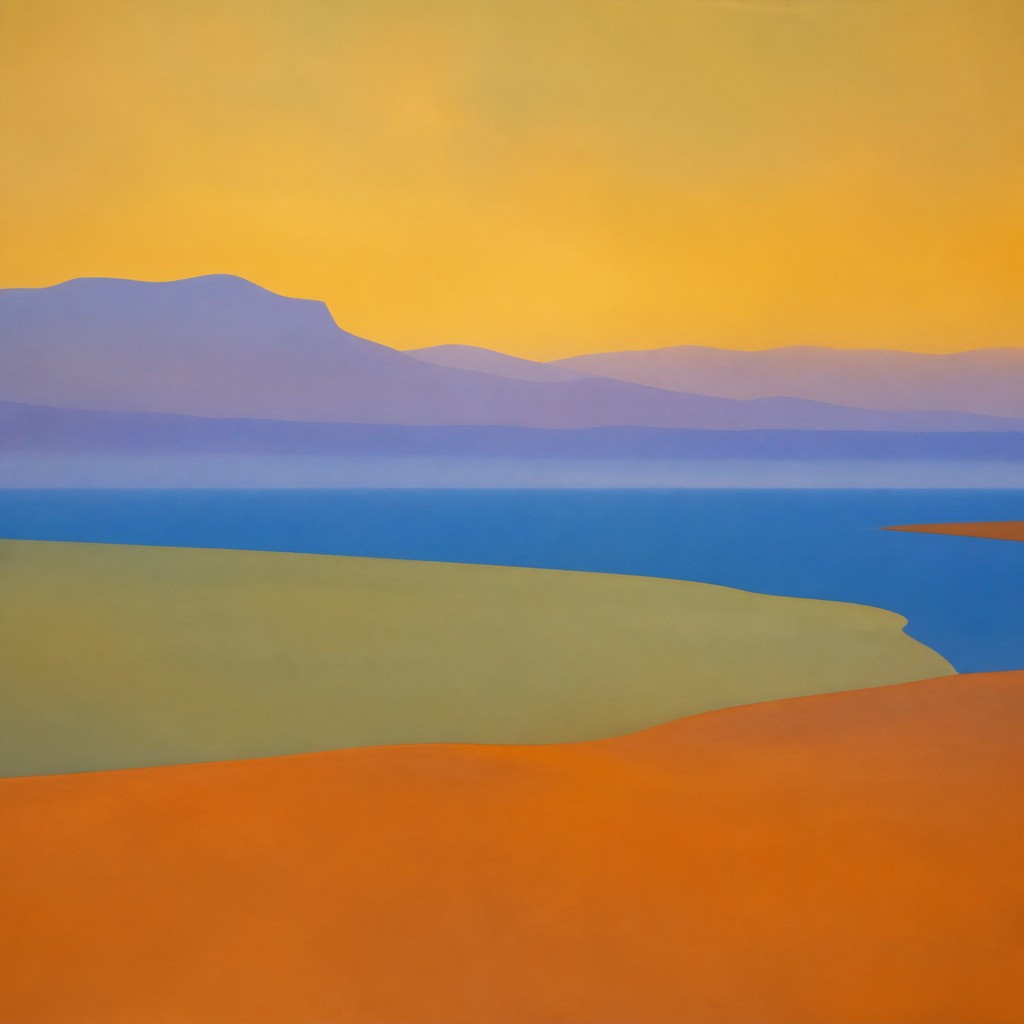
Immersive scale
The style often works best at a large size, where the viewer can enter the painting physically and perceptually. Scale contributes to the sensation of being surrounded by color.
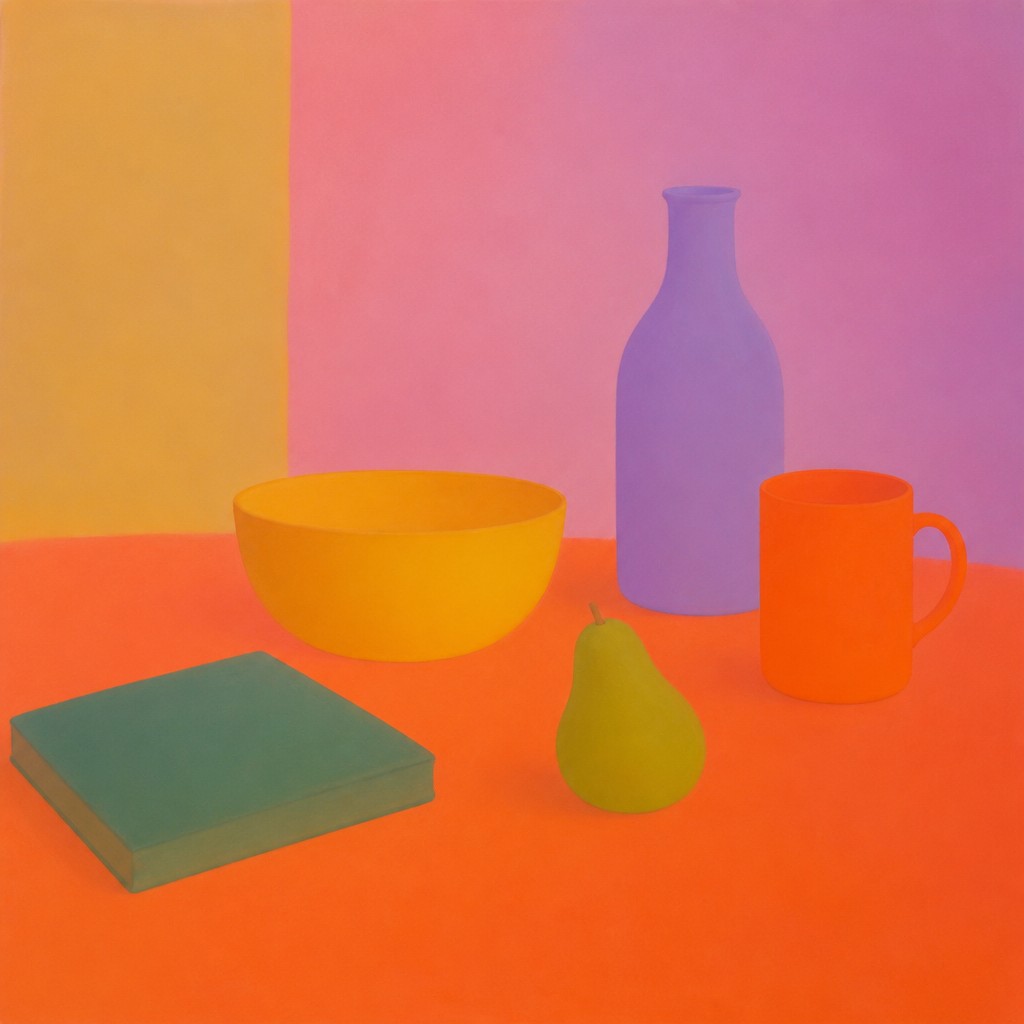
Contemplative mood
Color is used to evoke stillness, reflection, or emotional resonance rather than action. The painting invites sustained viewing rather than immediate narrative interpretation.
Try It
Create Videos in Color Field Painting Style
Styles aren't just for stills — describe a scene or animate an image and get a short video rendered in Color Field Painting. Press play to see this pond come to life.
Make a VideoColor Field Painting Prompt Ideas
Start from an idea — each one opens the generator with the style ready to go. See all 40 Color Field Painting prompts →
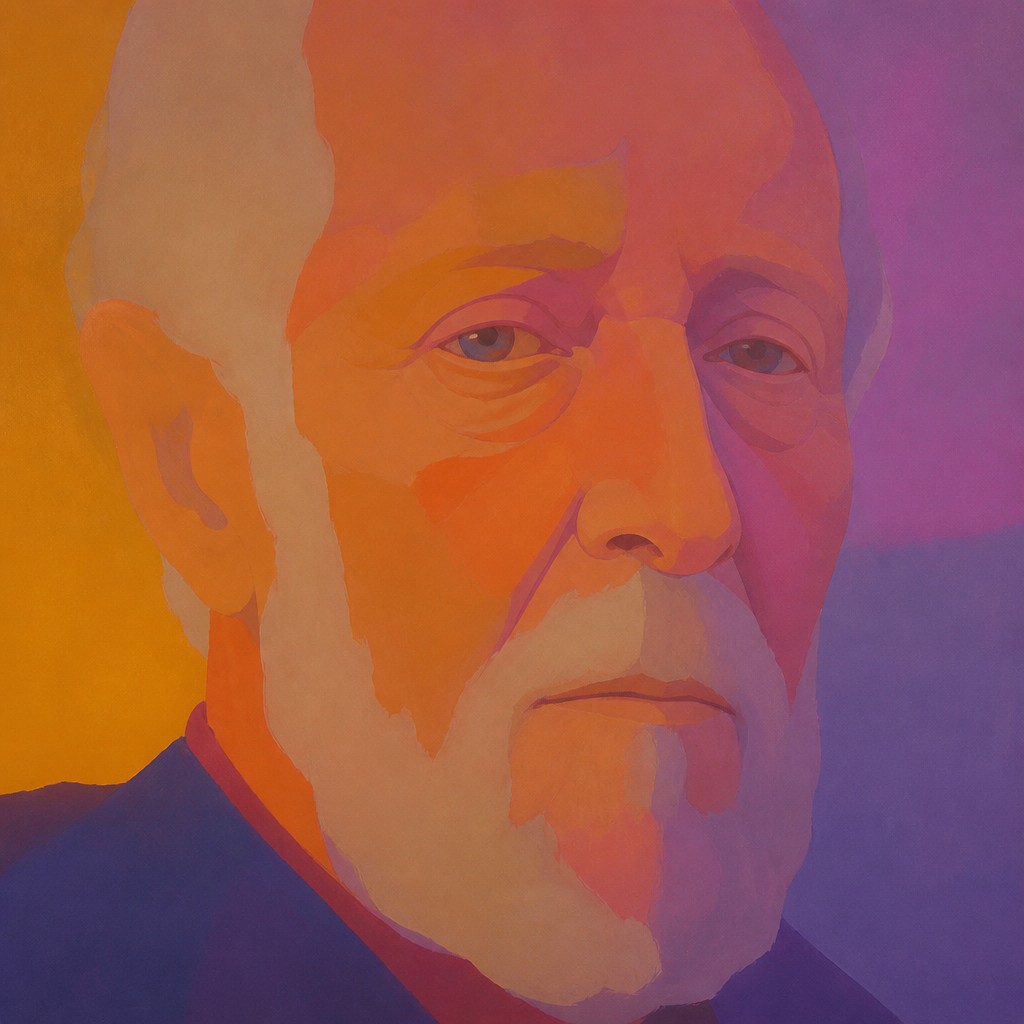
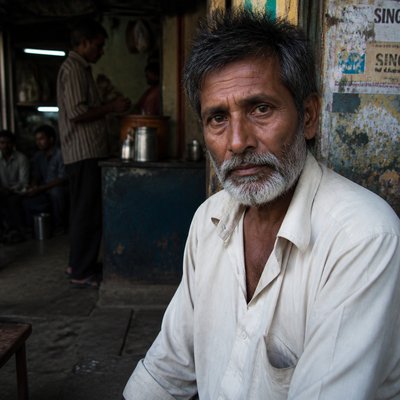
“close-up portrait of an elderly person with expressive weathered features”
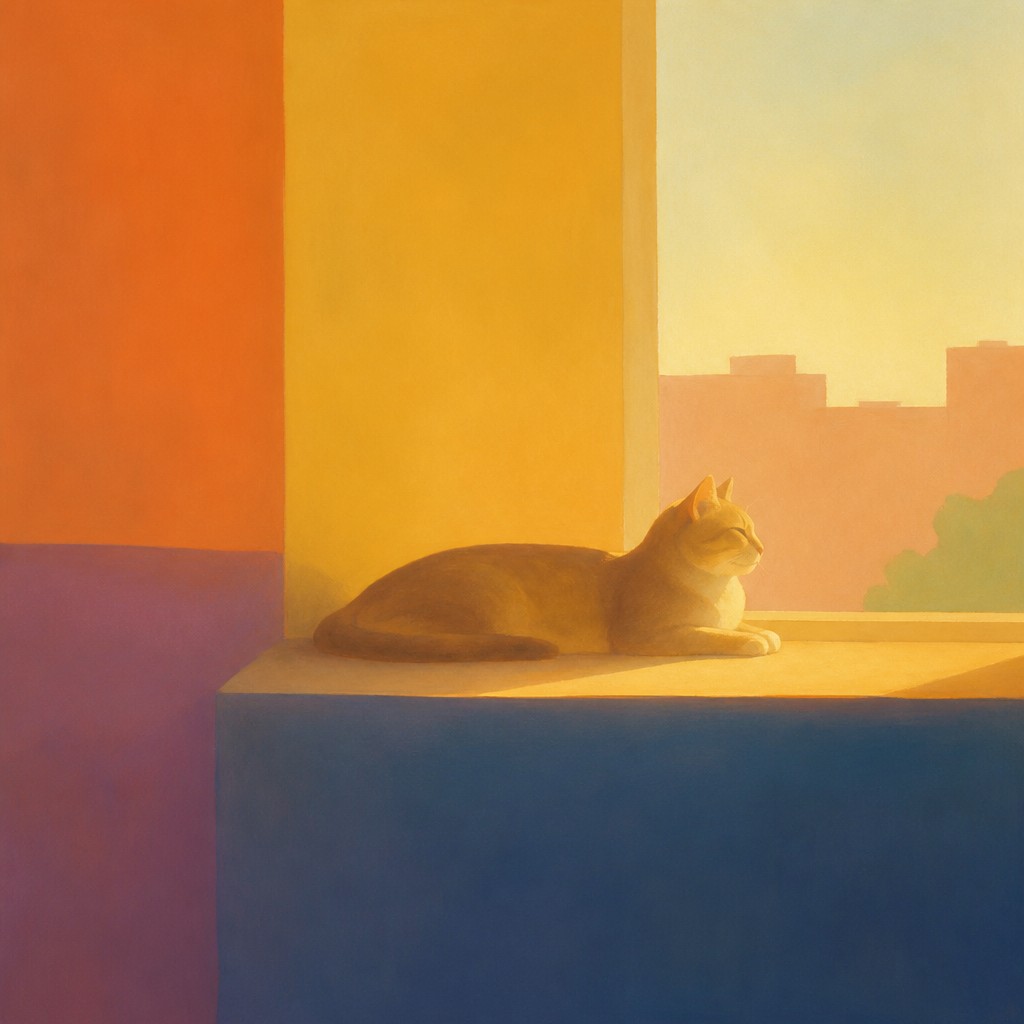
“a cat lounging in a sunlit window”
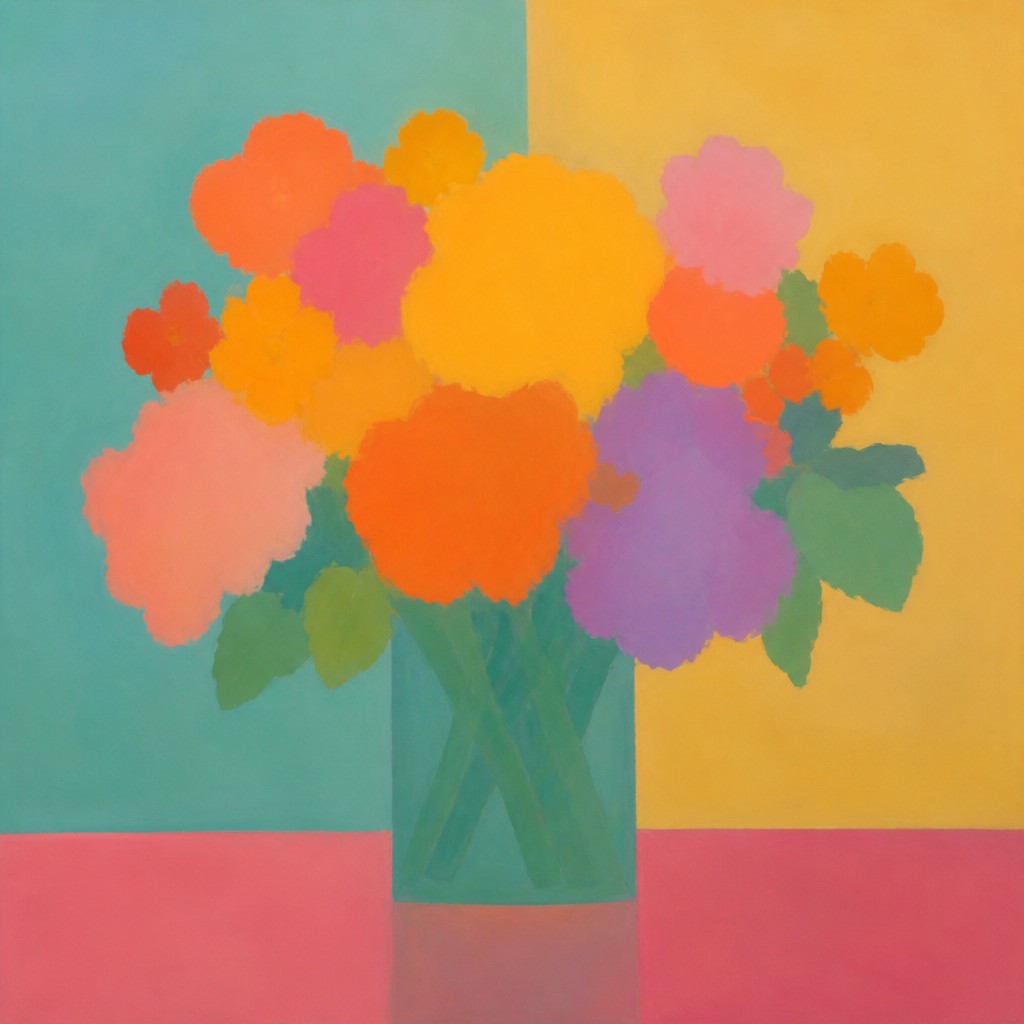
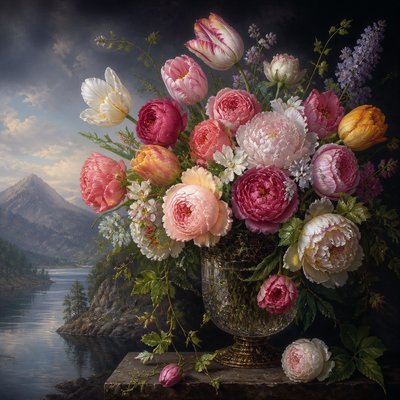
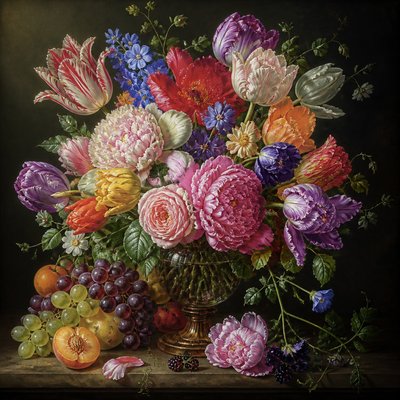
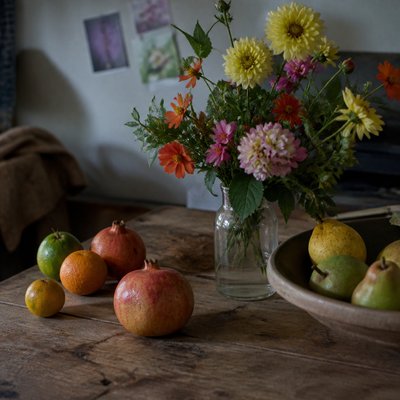
“bouquet of flowers in a glass vase”
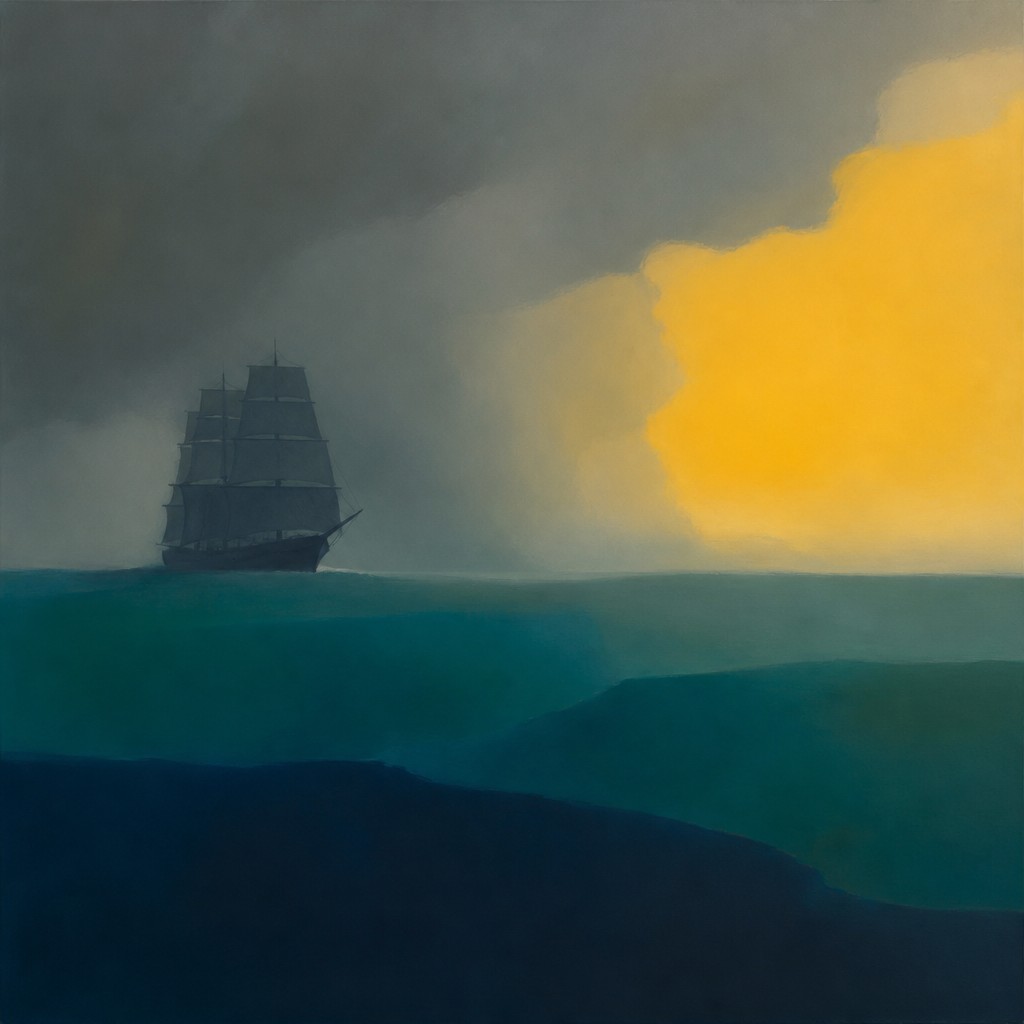
“sailing ship on a stormy sea”
How to Create Color Field Painting Art
Master the craft step by step — or skip straight to creating. Read the full guide →
- 1
Build the composition from fields, not forms
Start with a limited number of large color areas and design the image around their proportions and relationships. Avoid centering a figure or a complex object; let the color blocks carry the composition.
- 2
Keep edges controlled and understated
For traditional painting, use masking, staining, glazing, or broad soft brushes to suppress obvious marks. In digital work, use gentle gradients or low-contrast transitions only where needed, preserving the sense of flatness.
- 3
Limit tonal variation within each zone
Choose colors that are distinct in hue but restrained in internal value shifts. A field should feel unified, with only slight breathing room from texture, transparency, or saturation changes.
- 4
Think about color relationships over subject matter
Decide whether the image should feel warm, cool, solemn, luminous, or tense based on how the colors interact. The emotional content comes from adjacency, proportion, and luminance rather than narrative symbolism.
- 5
Use scale and silence in prompts
When generating digitally, specify broad color areas, soft boundaries, minimal detail, and an immersive atmosphere. Prompts work best when they describe the intended subject first, then request flat color expanses, subtle gradations, and a meditative abstract finish.
The Story
History & Origins of Color Field Painting
Color field painting emerged in the United States in the late 1940s and 1950s as one of the major developments within postwar abstract painting. It is closely associated with Abstract Expressionism, though it differs from the more visibly gestural wing of that movement by reducing drama and emphasizing expansive areas of hue. Artists most commonly linked to the style include leading color-field painters of the postwar era; later painters using stain painting and thinner, more fluid methods extended its concerns.
The style developed in dialogue with modernist abstraction, especially the search for painting that could be non-representational yet emotionally and perceptually powerful. Its lineage includes the flatness of early modernist abstraction, the spirituality often associated with major pioneers of geometric and Suprematist abstraction, and the postwar interest in painting as an immersive field rather than a window onto the world. By the 1960s, color field ideas fed into broader tendencies in minimalist and hard-edge abstraction, while continuing to influence contemporary painters working with atmosphere, scale, and chromatic sensation.
Influences: Color field painting is closely related to Abstract Expressionism but departs from the dramatic brushwork of action painters in favor of restraint and expansiveness. Its most important historical associations are with leading color-field painters of the postwar era, while its concern with flatness and optical presence also connects it to modernist abstraction more broadly, including the spiritual and non-objective ambitions of major pioneers of geometric and Suprematist abstraction. Later minimalist and hard-edge painters inherited its interest in reduced form and viewer perception.
Frequently Asked Questions
What defines color field painting?
It is defined by large areas of relatively flat color that dominate the canvas and suppress narrative, drawing, and visible gesture. The painting’s meaning comes from color relationships, scale, and atmosphere. The viewer is meant to experience the work perceptually and emotionally rather than decode a scene.
How is it different from Abstract Expressionism?
Color field painting is often considered part of Abstract Expressionism, but it is more restrained than the gestural style associated with action painting. Instead of energetic drips, slashes, or dense mark-making, it emphasizes broad chromatic zones and quiet spatial effects. The mood is usually contemplative rather than explosive.
Is color field painting the same as minimalism?
Not exactly. Both may use reduction and simplicity, but color field painting is generally more atmospheric and emotionally resonant, while minimalism is often more impersonal, systematic, and object-like. Color field works tend to foreground color as sensation, not just formal structure.
What materials or techniques are common in this style?
Traditional artists often use acrylic, oil, or stained canvas methods to achieve broad, even coverage and soft transitions. Digital artists can mimic the look with layered gradients, large flat shapes, restrained texture, and careful attention to edge softness. The key is to avoid overly detailed rendering.
Can color field painting be based on a real subject?
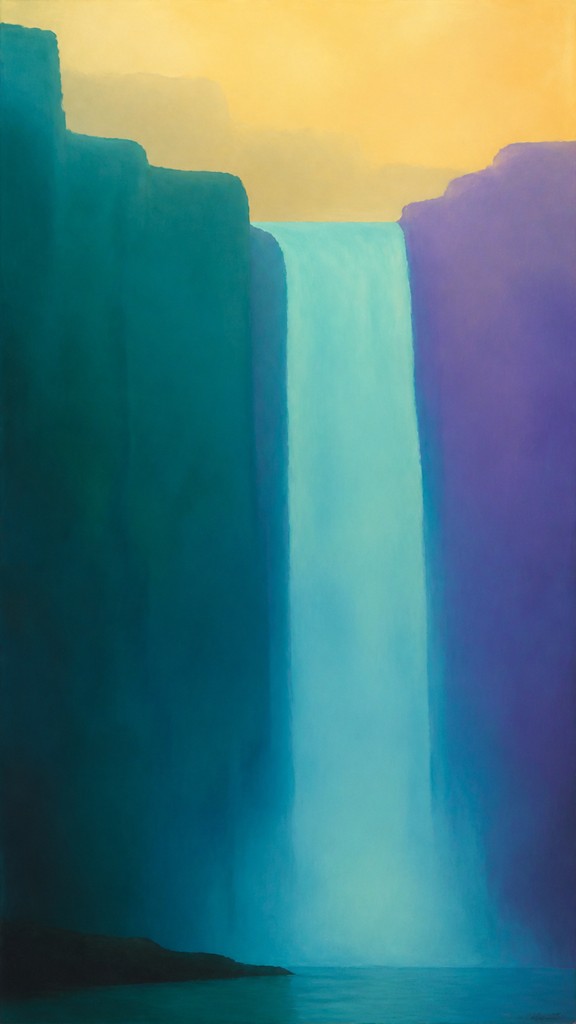
Yes, but the subject is usually simplified into color relationships rather than depicted literally. Landscapes, skies, horizons, and architectural forms are often transformed into broad abstract zones. The recognizable source becomes secondary to the chromatic experience.
Where is this style commonly used?
It appears in fine art painting, large-scale wall works, interiors, book covers, and editorial or conceptual imagery that needs a calm, contemplative abstract language. Its broad color fields make it effective for backgrounds and immersive visuals. It is also widely used in digital image-making when a minimalist, atmospheric look is desired.
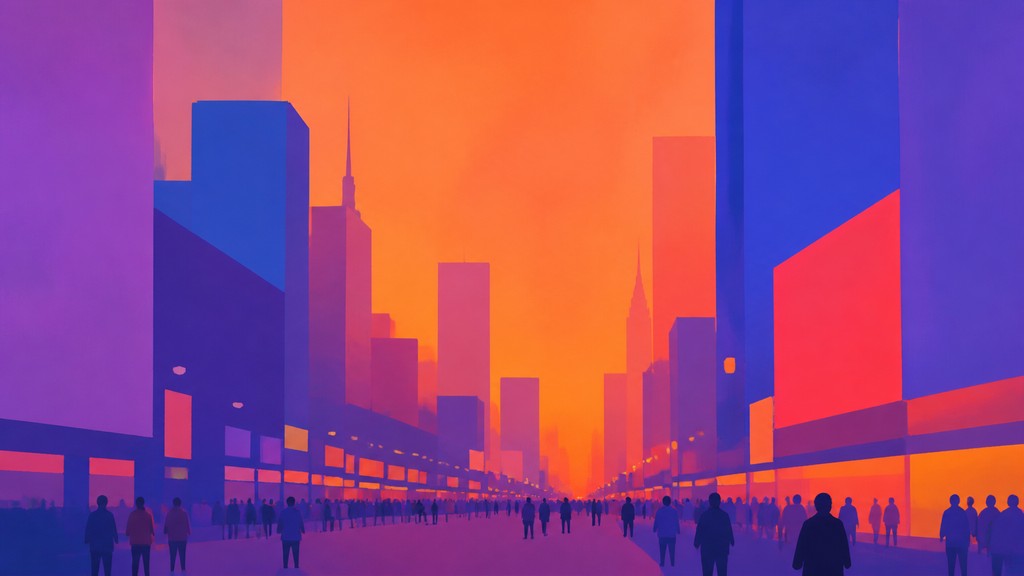
Create your first Color Field Painting artwork
Describe anything — or upload a photo — and see it in Color Field Painting Style in seconds.
Make Something with Color Field Painting
Compare Color Field Painting
Related Styles
Discover similar art styles