Neo-Expressionism Art Style
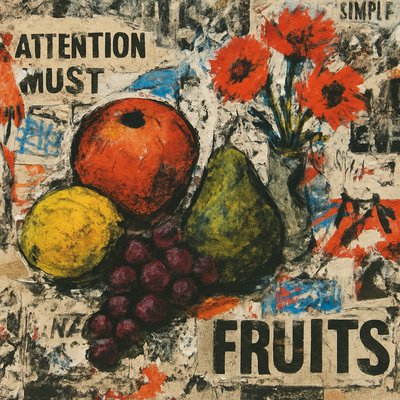
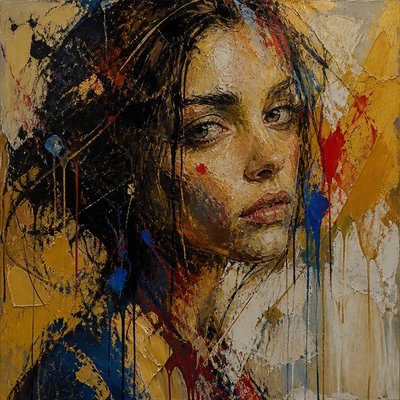
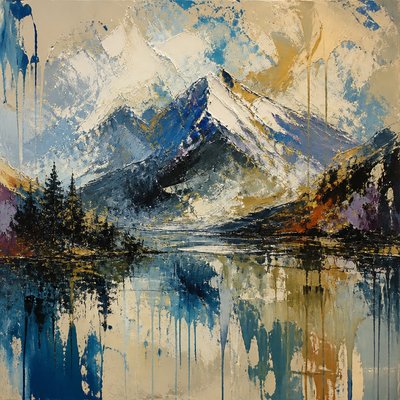
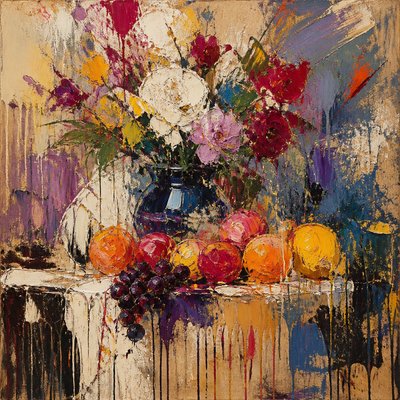
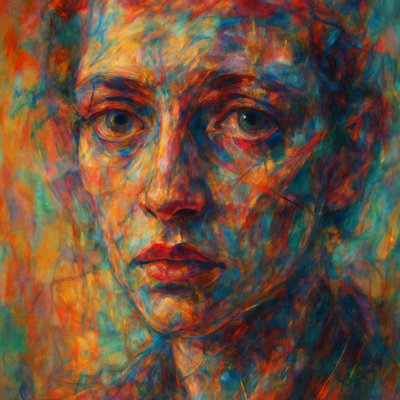
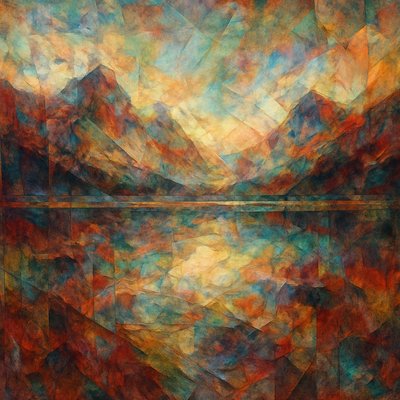
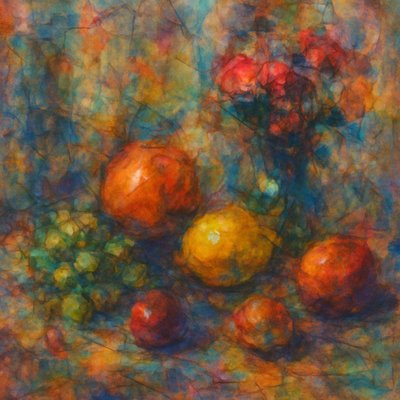
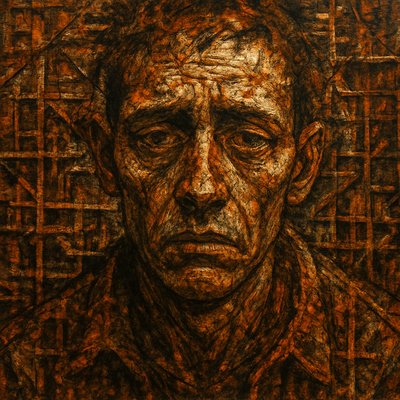
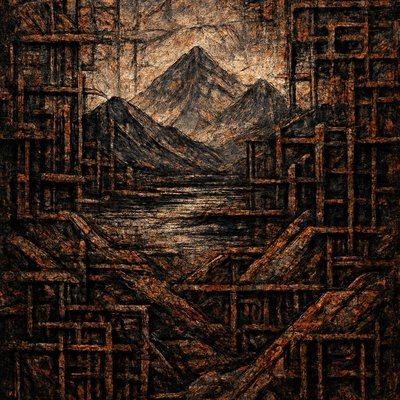
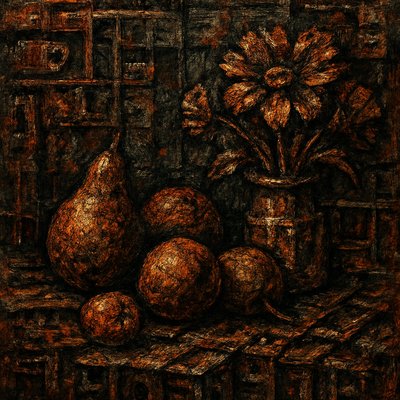
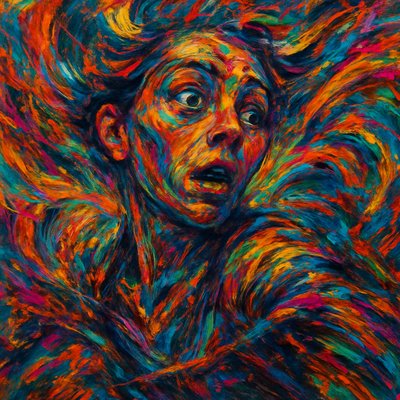
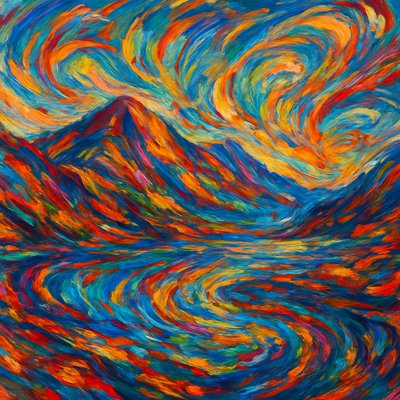
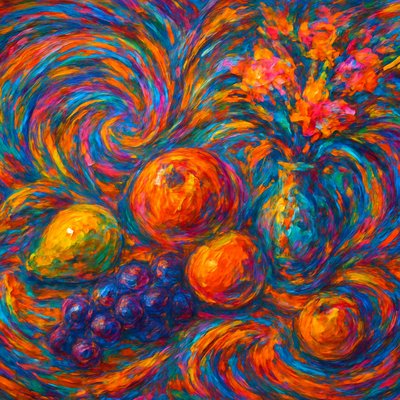
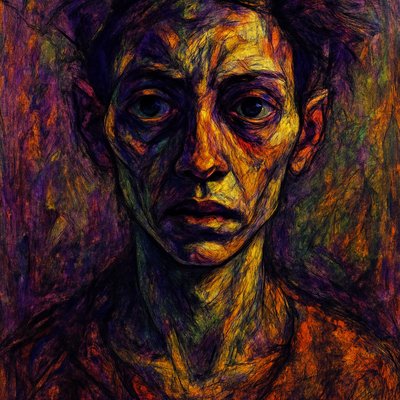
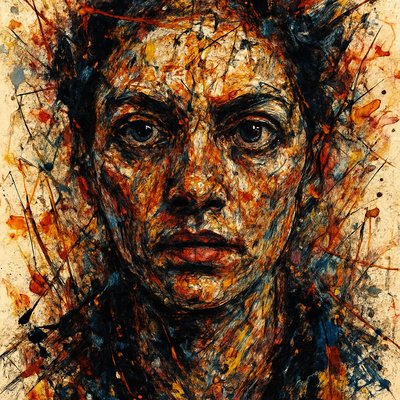
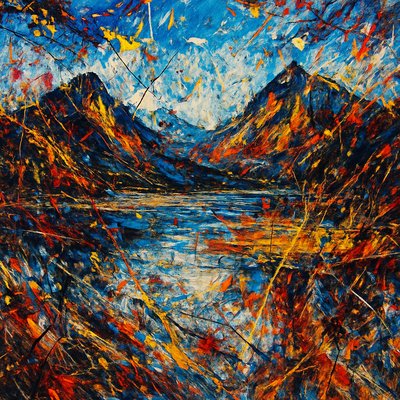
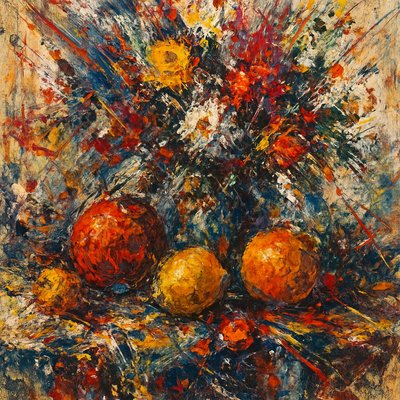
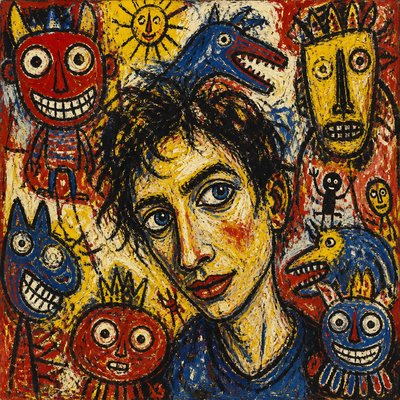
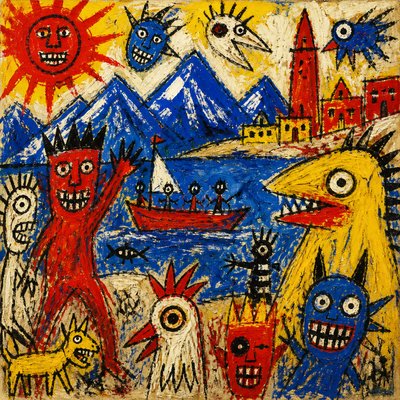
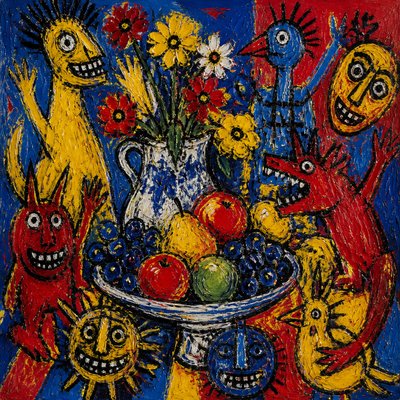
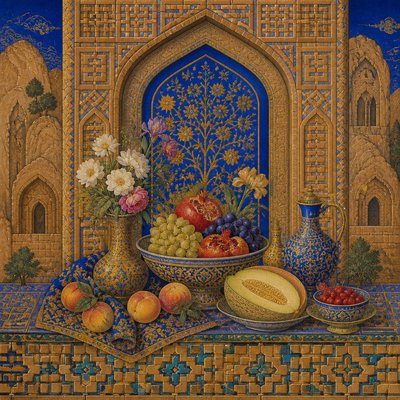
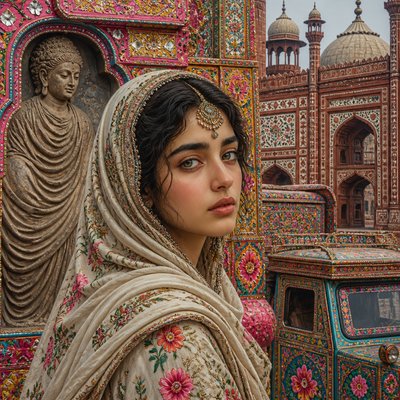
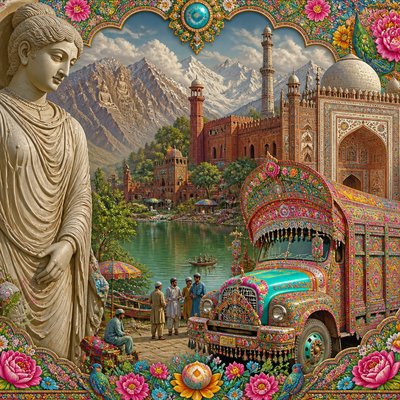
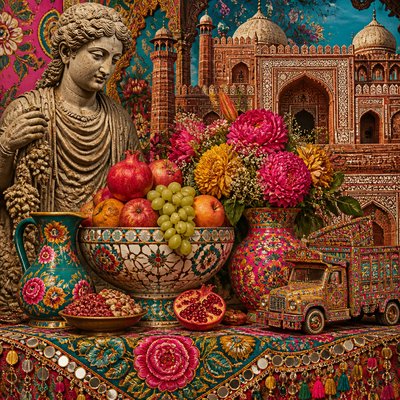
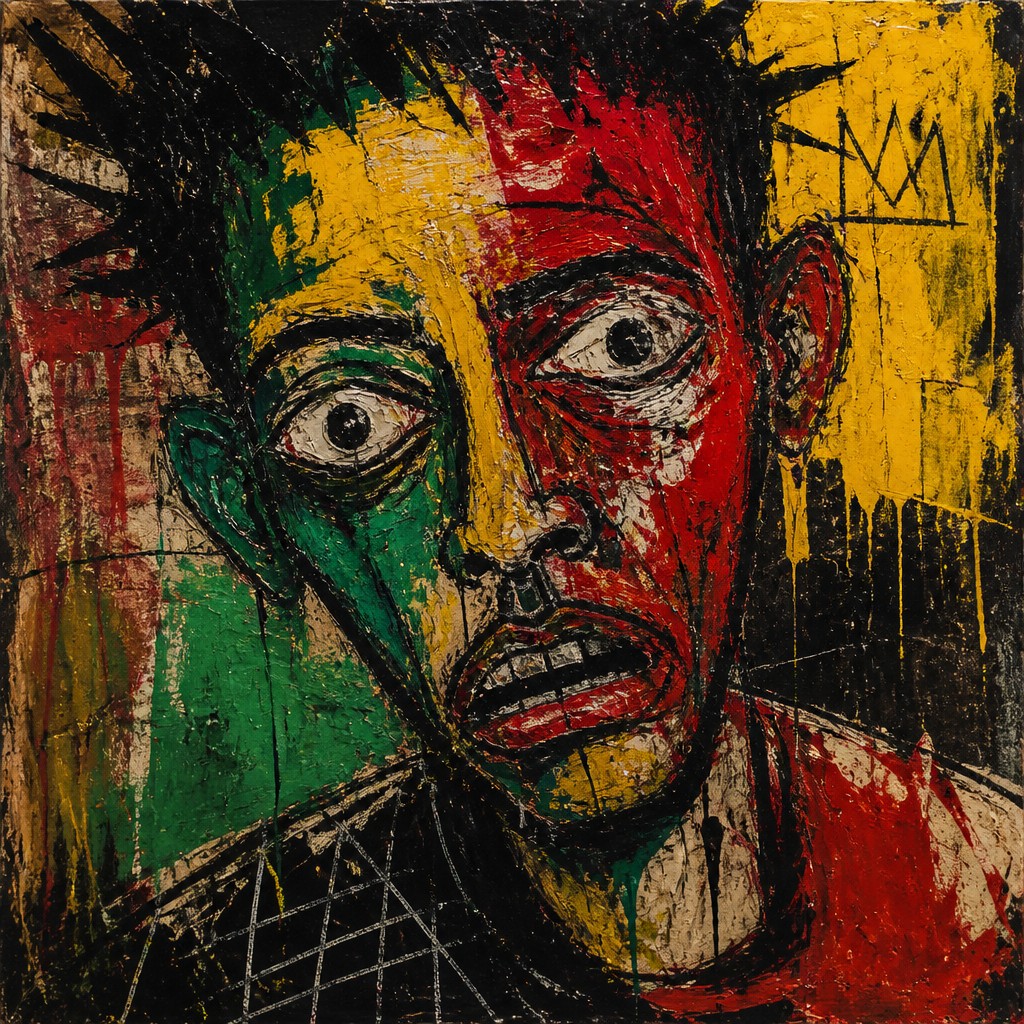
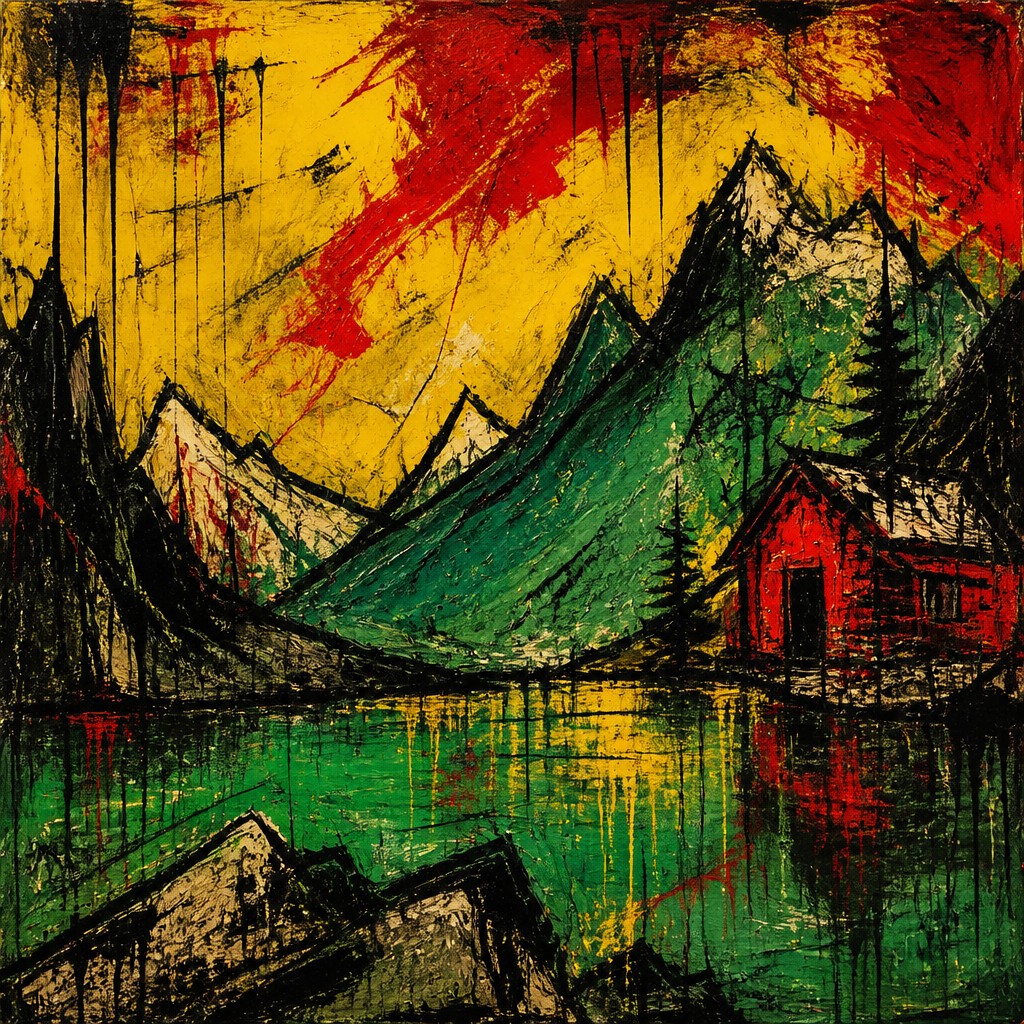
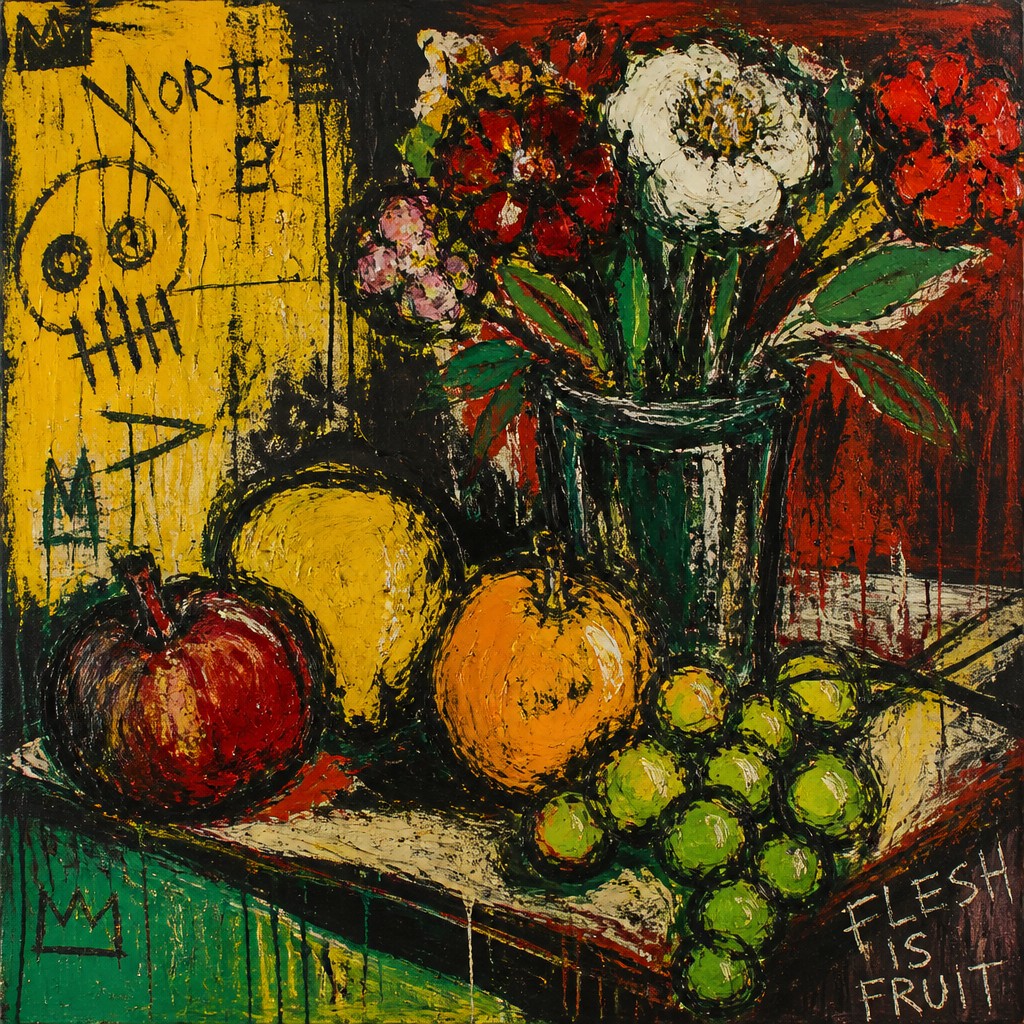
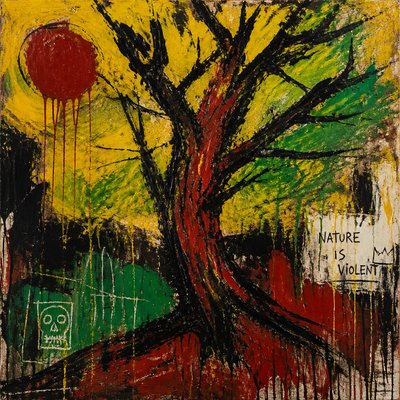
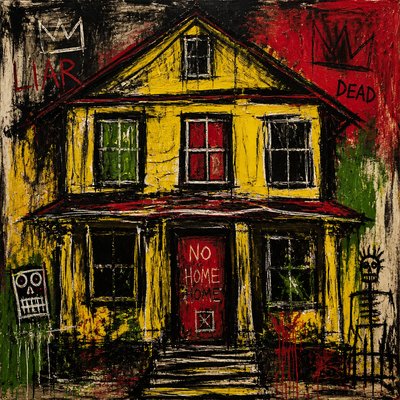
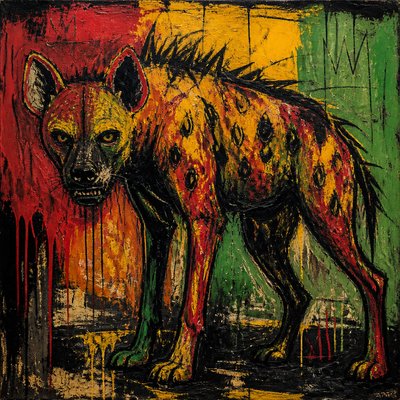
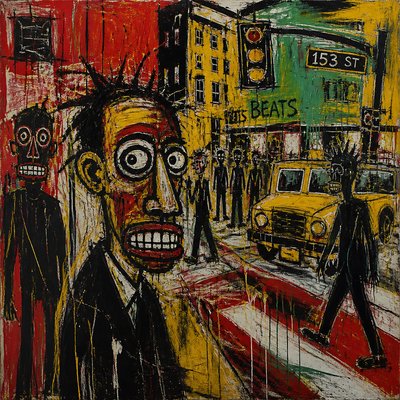
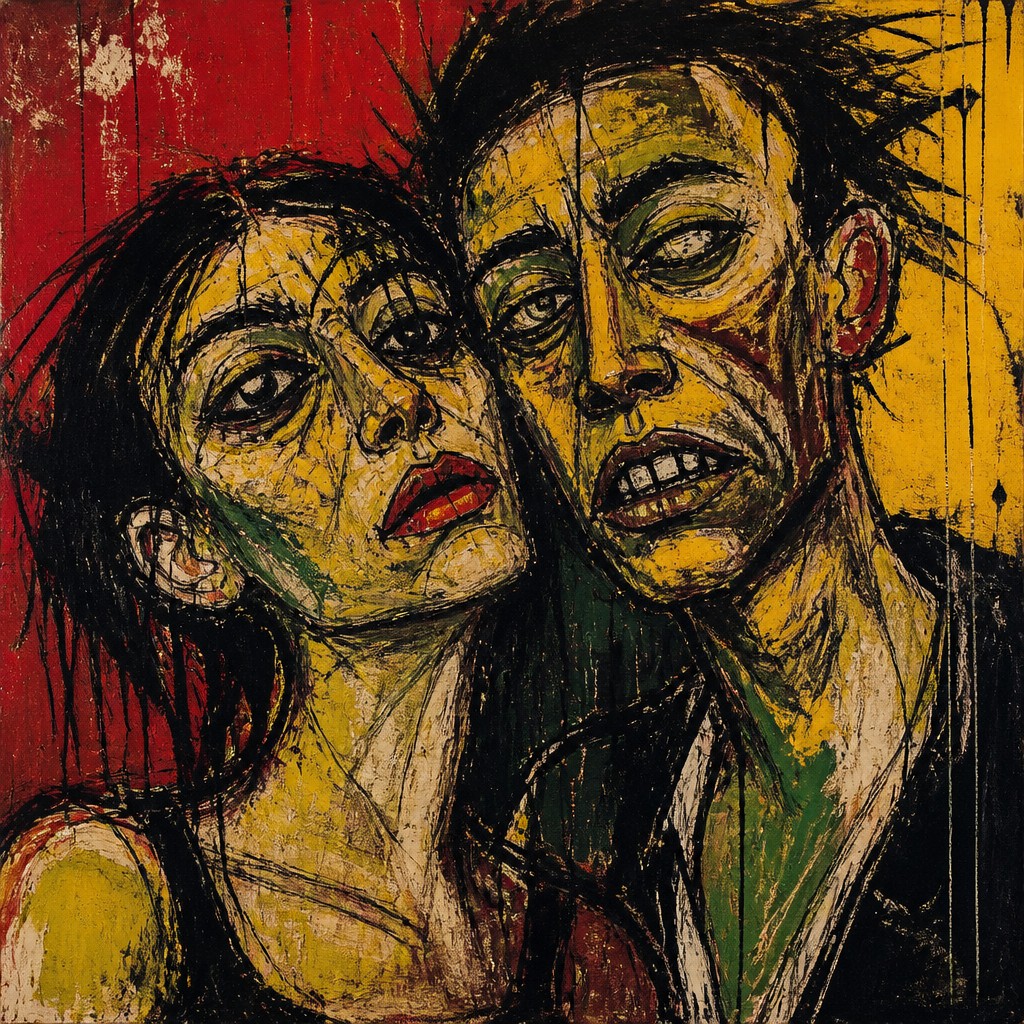
Neo-Expressionism: raw, gestural painting with distorted forms, thick impasto, vivid color clashes, and intense psychological energy.
Instantly rendered in Neo-Expressionism — or transform a photo
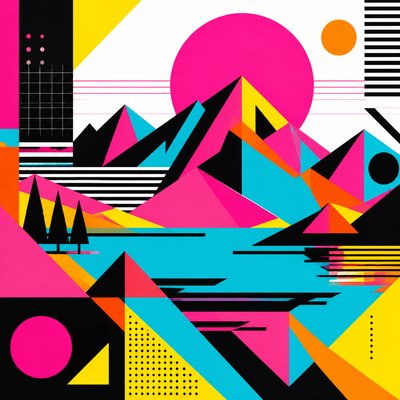
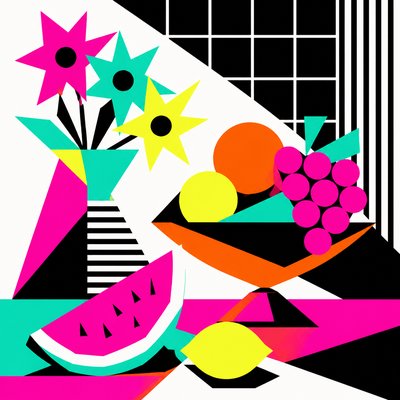
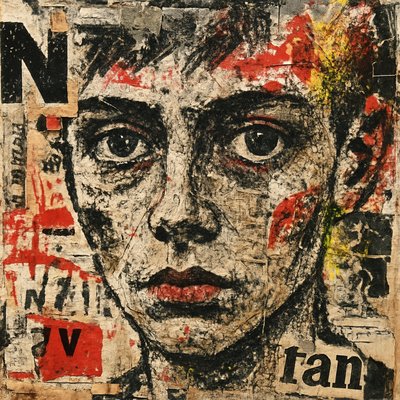
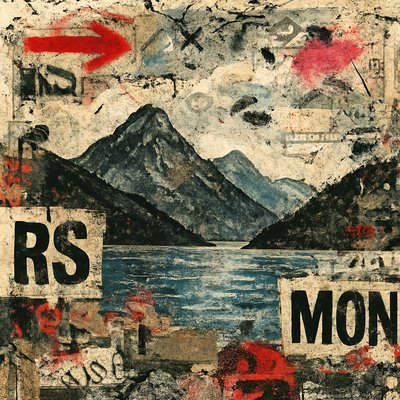
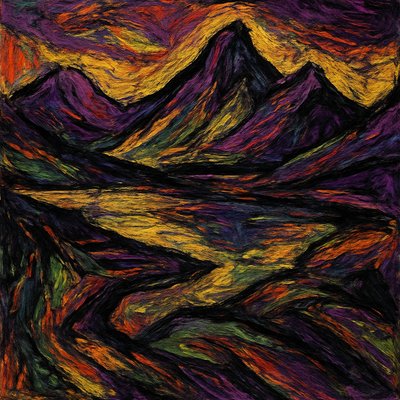
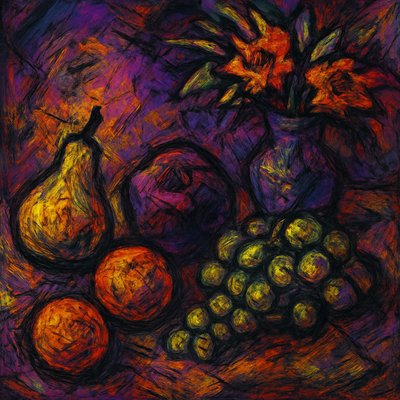
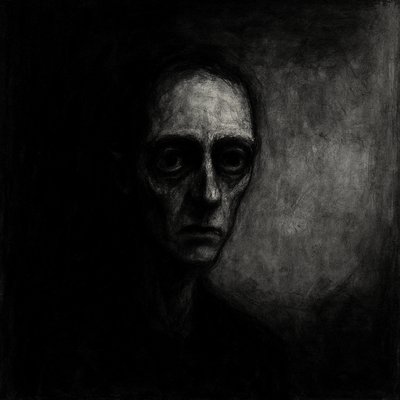
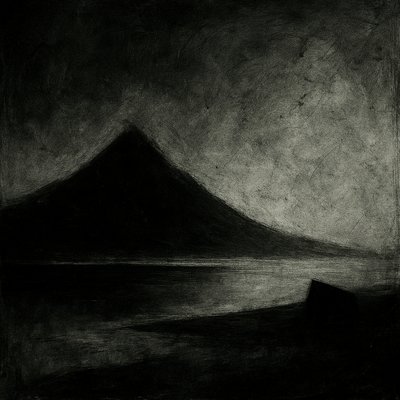
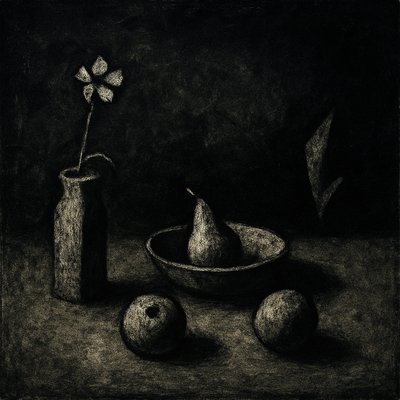
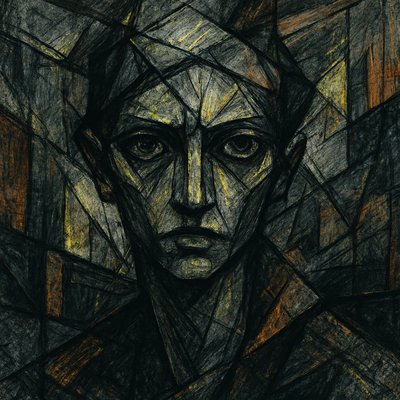
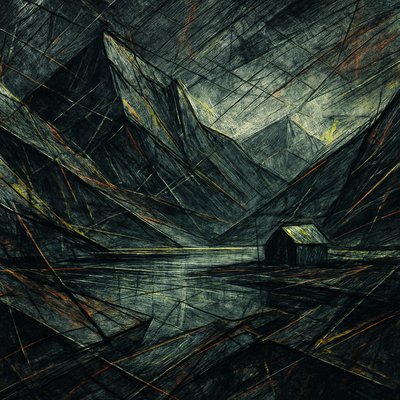
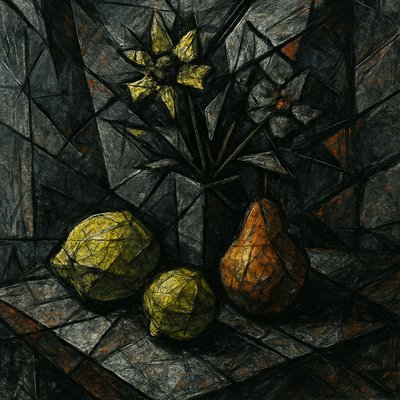
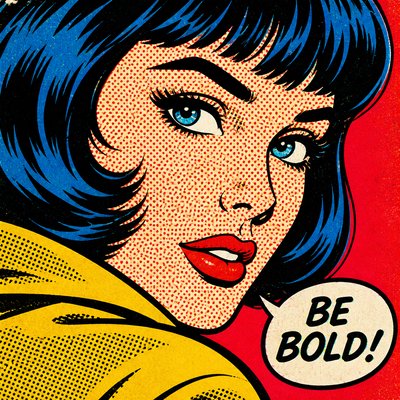
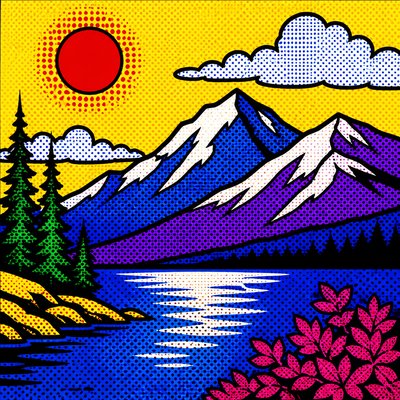
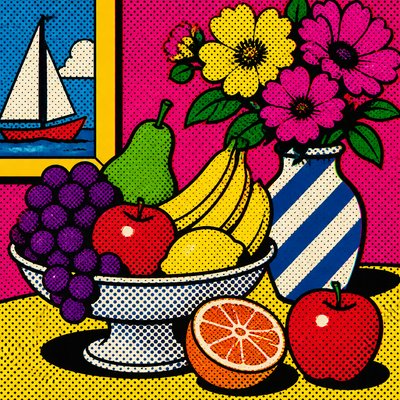
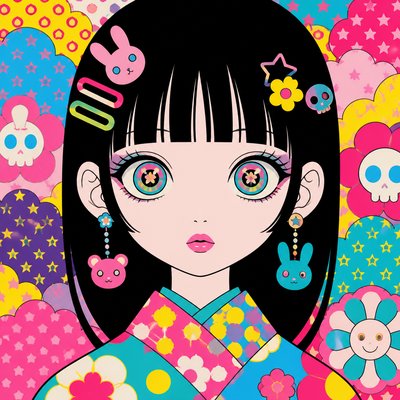
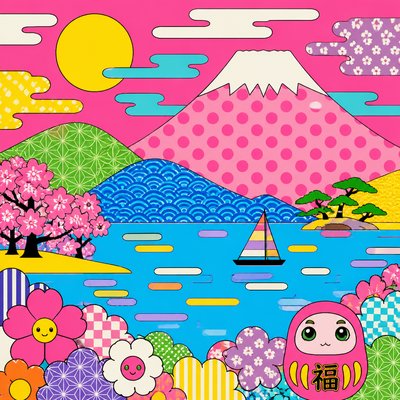
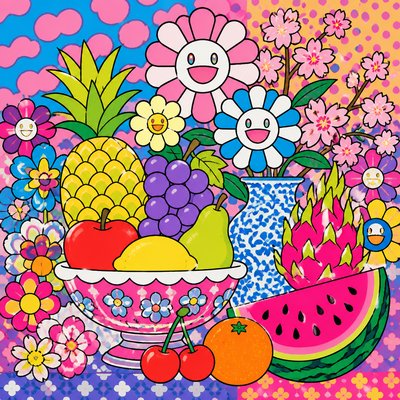
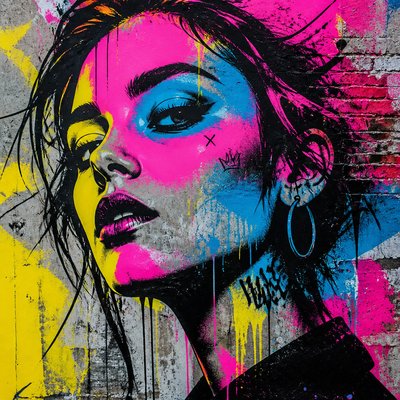
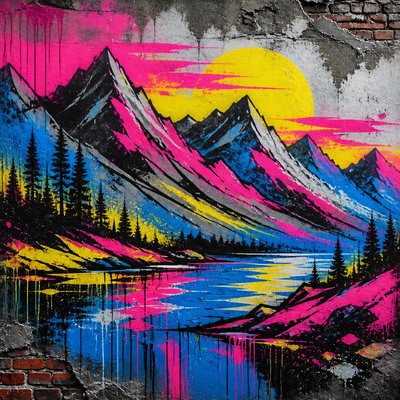
Neo-Expressionism Gallery
Tap any artwork to explore it
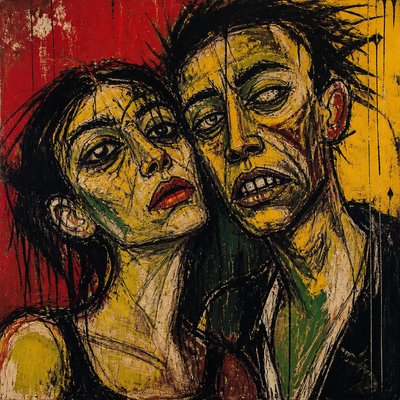
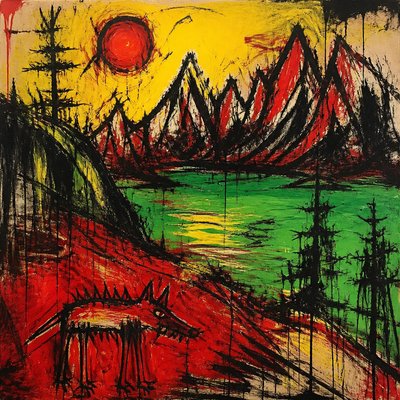
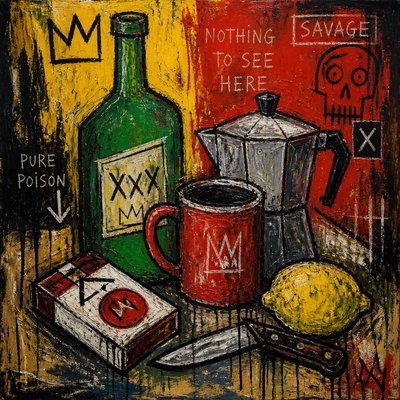
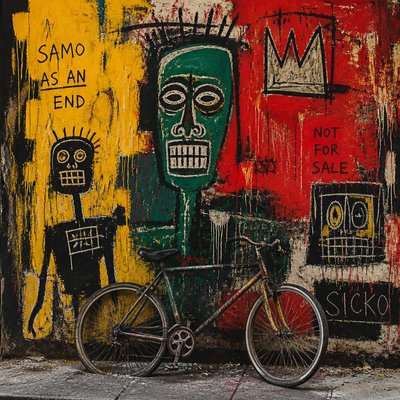
What is Neo-Expressionism Art Style?
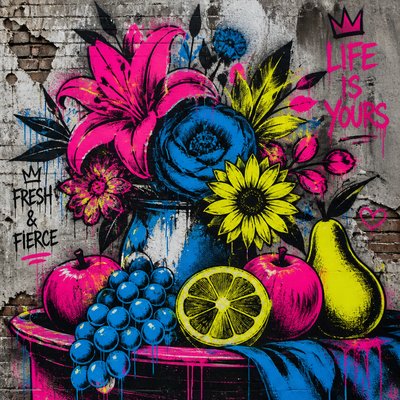
Neo-Expressionism is a late-20th-century painting style and broader art tendency defined by emotional immediacy, visibly worked surfaces, and a rejection of detached, conceptual restraint. It revives expressionist priorities—subjective feeling, symbolic distortion, and energetic mark-making—while often drawing on figurative imagery, myth, memory, and private psychology.
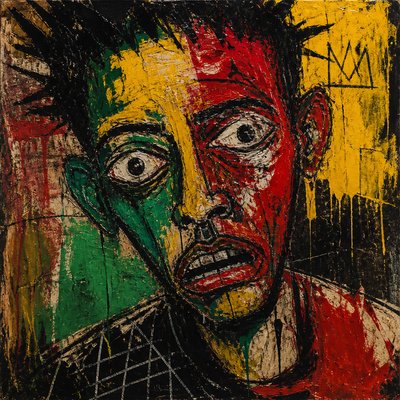
Visually, the style is usually recognizable by rough brushwork, heavy paint buildup, fractured or crude forms, abrupt color contrasts, and a sense of urgency or abrasion. Figures may appear elongated, jagged, or deliberately awkward, not because of inaccuracy but because distortion is used as a vehicle for emotional force. The result is art that feels physically made and psychologically charged, with the surface of the painting as important as the subject depicted.
Try It On Your Photos
Upload any photo and convert it into Neo-Expressionism Art Style — drag the sliders to compare before and after.


What Defines Neo-Expressionism Art Style
The signature details, up close
Aggressive brushwork
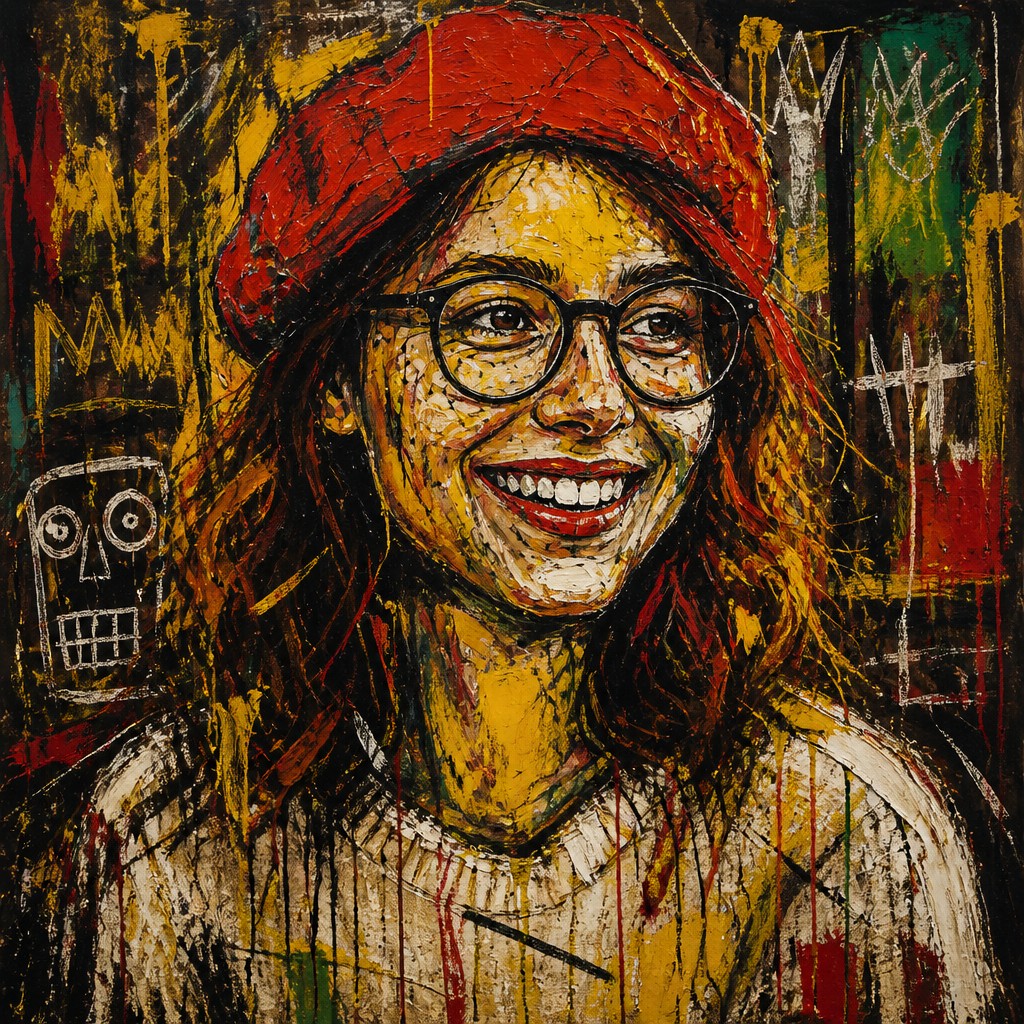
Strokes are visible, rapid, and often thickly loaded, so the act of painting remains legible in the final image. This creates a sense of physical urgency and emotional immediacy.
Distorted, primitive forms
Figures and objects are simplified, exaggerated, or crudely rendered, often with an intentionally awkward or childlike directness. The distortion is expressive rather than decorative.
Thick, tactile surfaces
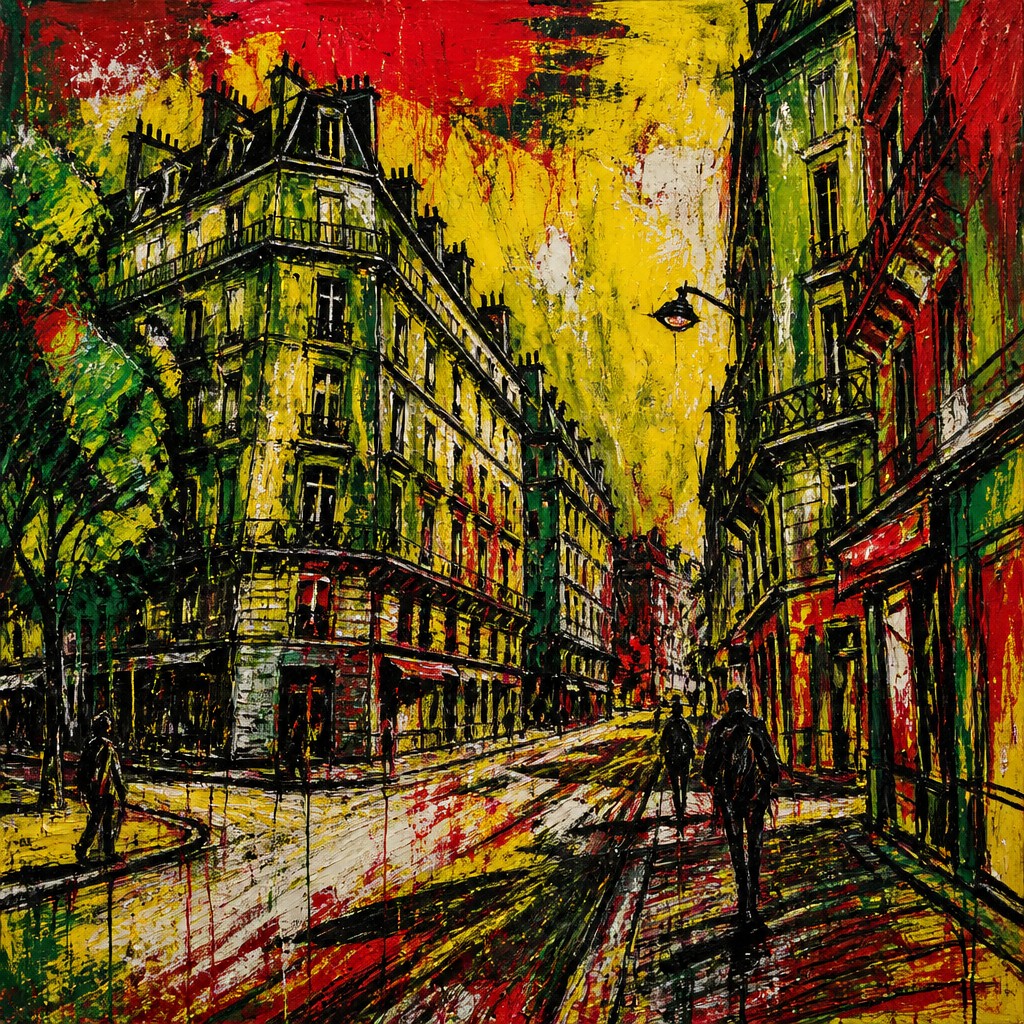
Impasto, scraping, drips, and layered revisions give the work a rough material presence. The surface often appears worked, damaged, or unstable.
Harsh color tension
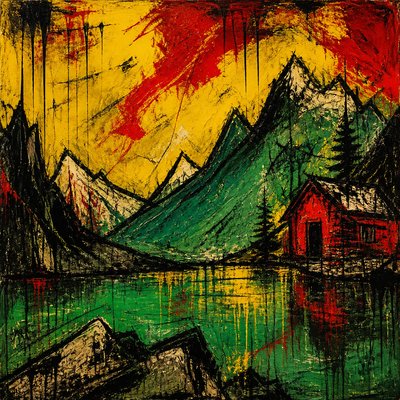
Saturated hues may clash with muddy darks, acidic greens, blood reds, or dirty yellows to produce visual stress. Color is used for psychological impact, not naturalism.
Heavy contour and fragmentation
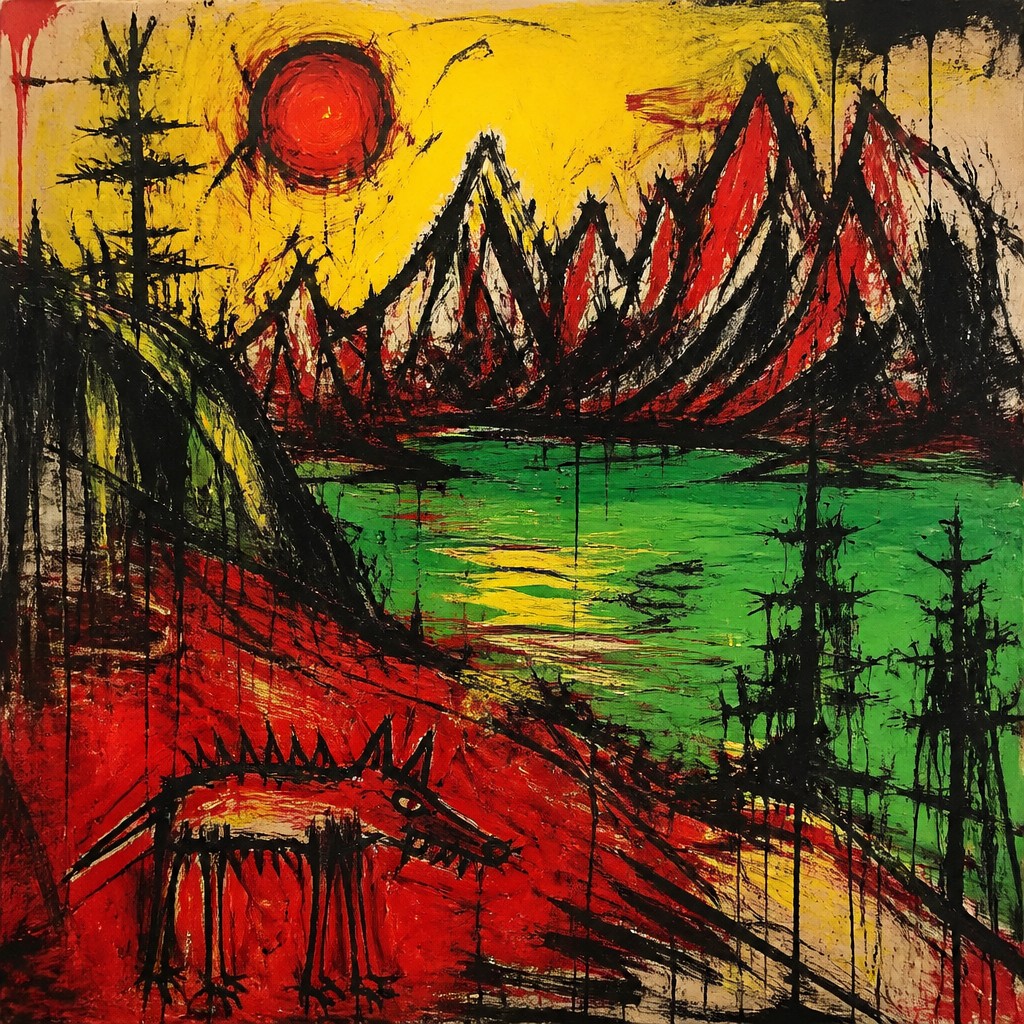
Bold outlines, angular edges, or broken boundaries hold forms together while also emphasizing their instability. Compositions may feel fractured or compressed.
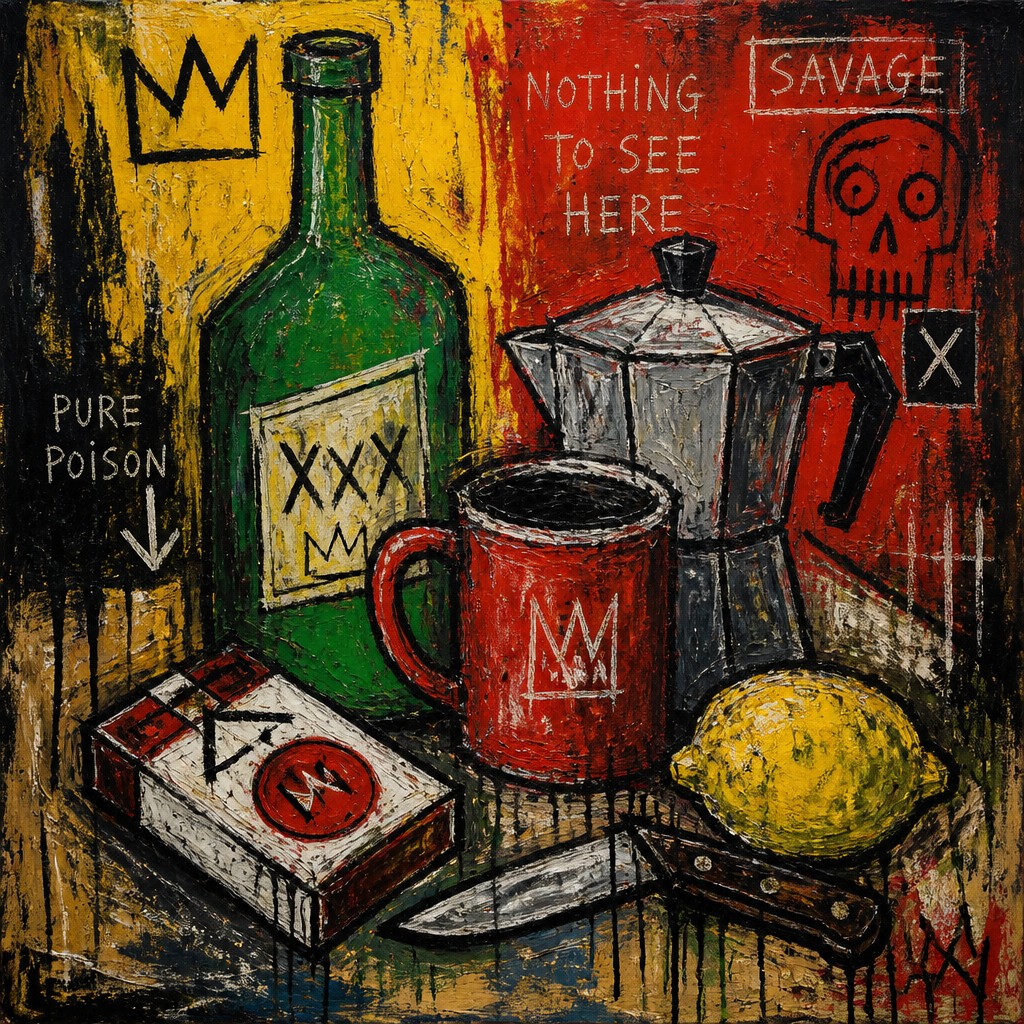
Psychological or narrative charge
The imagery often suggests anguish, memory, myth, identity, or confrontation. Even when abstracted, the work usually feels emotionally and humanly anchored.
Try It
Create Videos in Neo-Expressionism Art Style
Styles aren't just for stills — describe a scene or animate an image and get a short video rendered in Neo-Expressionism. Press play to see this pond come to life.
Make a VideoNeo-Expressionism Prompt Ideas
Start from an idea — each one opens the generator with the style ready to go. See all 40 Neo-Expressionism prompts →
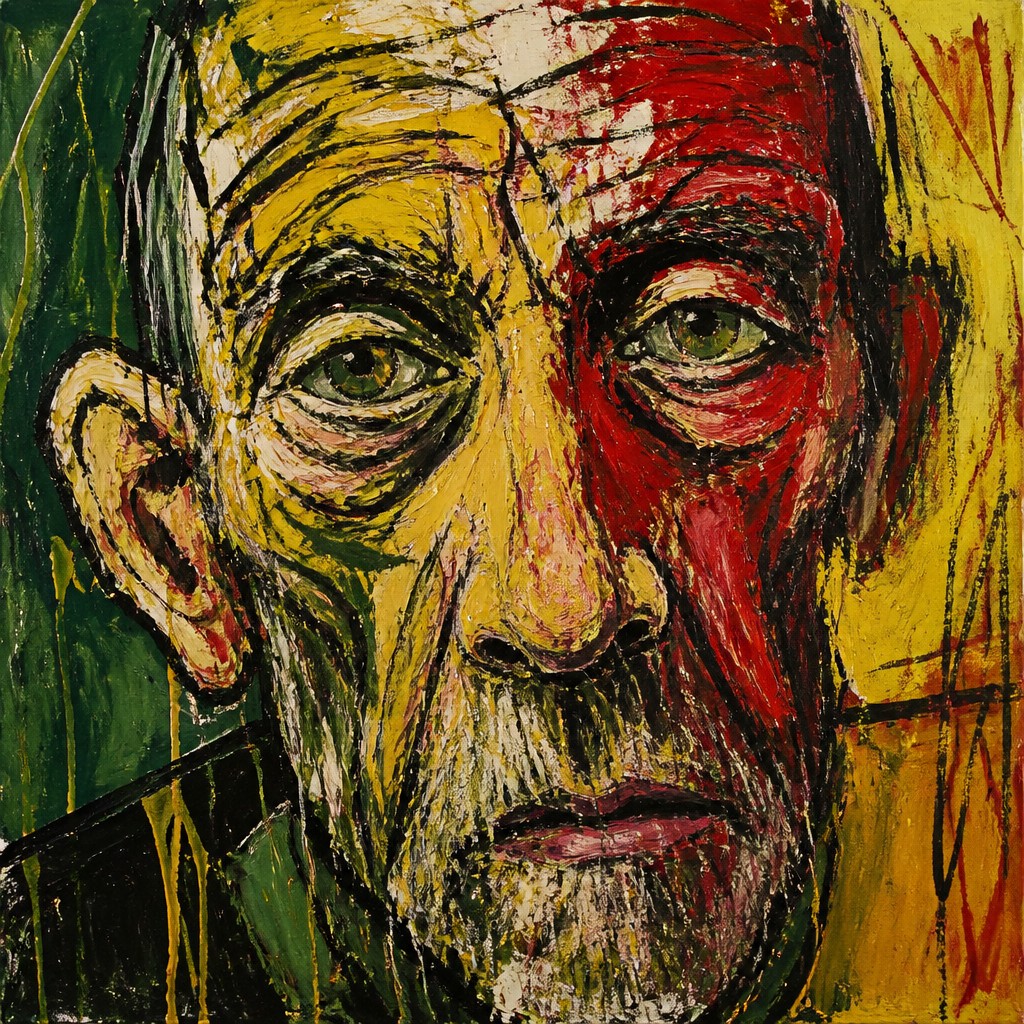
“close-up portrait of an elderly person with expressive weathered features”
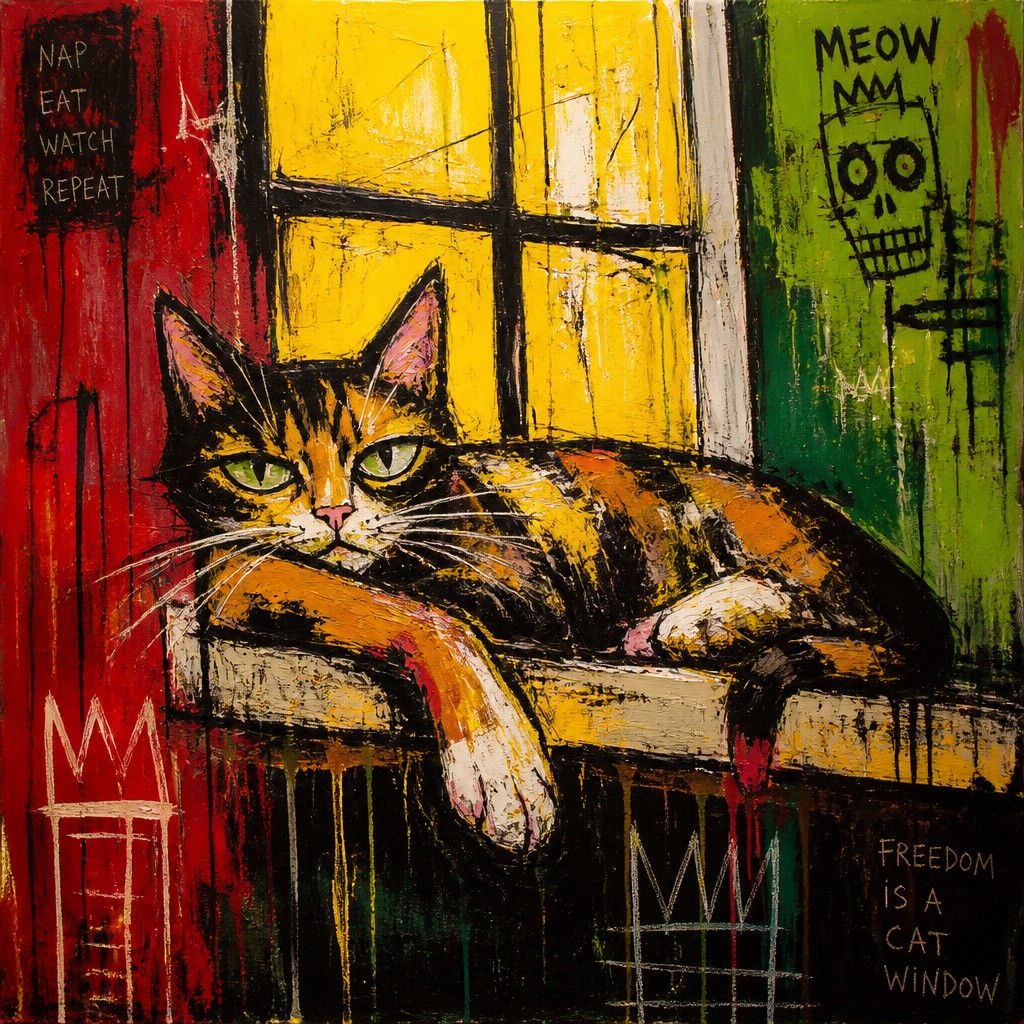
“a cat lounging in a sunlit window”
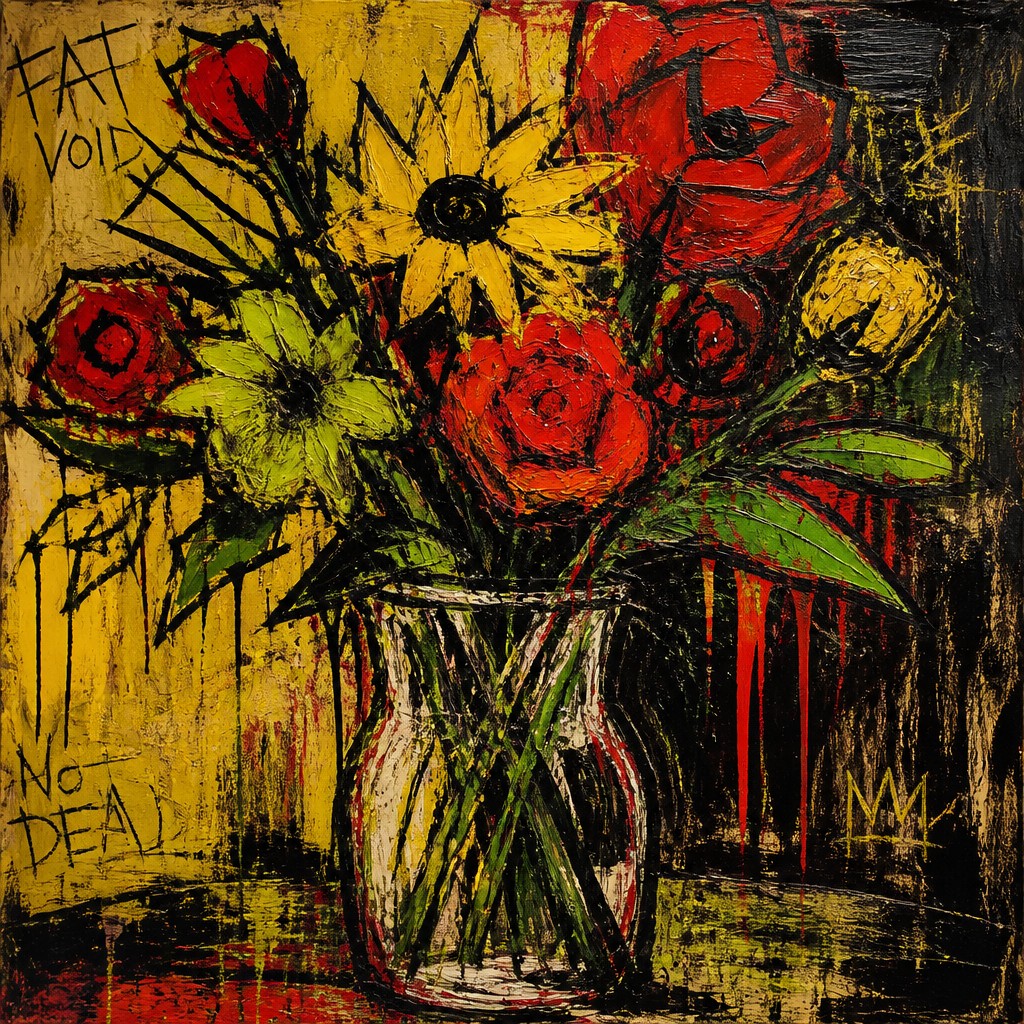
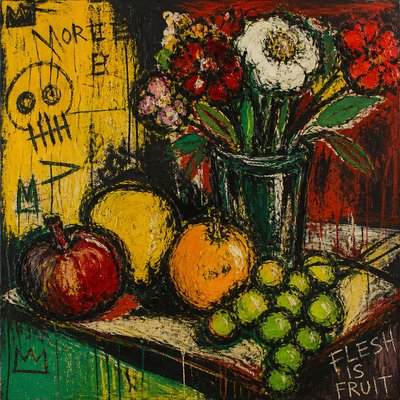
“bouquet of flowers in a glass vase”
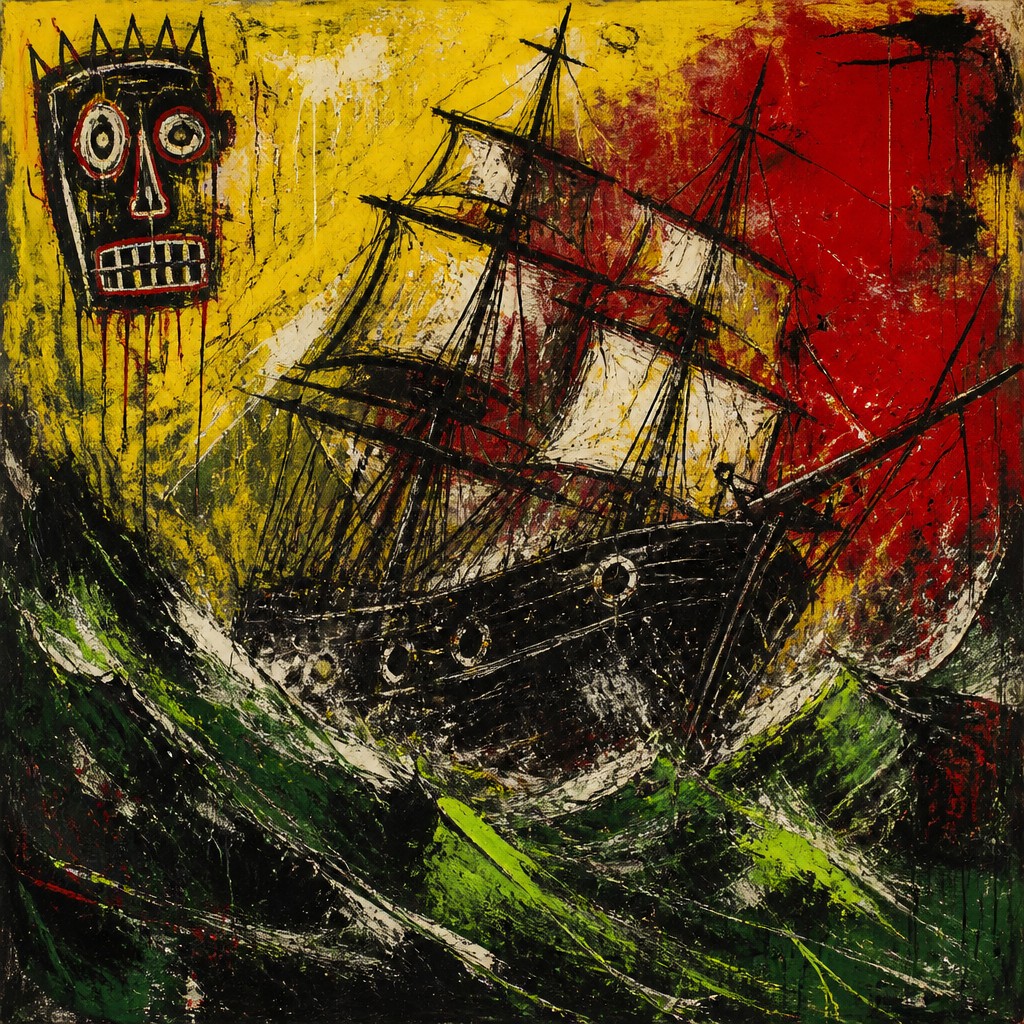
“sailing ship on a stormy sea”
How to Create Neo-Expressionism Art
Master the craft step by step — or skip straight to creating. Read the full guide →
- 1
Build the painting around gesture first
Start with broad, forceful marks and let the composition emerge from movement rather than from a fully polished sketch. In digital work, use large textured brushes and preserve visible directionality in the strokes.
- 2
Distort forms for emotional effect
Simplify anatomy, compress space, and exaggerate proportions to make the subject feel strained or unstable. Keep the distortion intentional so the image reads as expressive, not accidental.
- 3
Use paint texture as part of the meaning
Layer thick impasto, scraping, and reworking so the surface carries evidence of revision. In digital media, simulate this with rough overlays, palette-knife-like brushes, and scanned canvas textures.
- 4
Create color conflict
Choose a limited but confrontational palette: acidic yellows, reds, greens, and dark neutrals often work well. Let colors clash rather than blend smoothly, and avoid overly clean transitions.
- 5
Leave the image visibly unresolved
Allow drips, interruptions, rough edges, and exposed underlayers to remain. If generating by prompt, emphasize raw brushwork, heavy outlines, visible splatter, and an unrefined canvas surface.

The Story
History & Origins of Neo-Expressionism
Neo-Expressionism emerged in the late 1970s and 1980s as part of a wider international return to painting after the conceptual and minimalist emphasis of the 1960s and early 1970s. It developed in several centers, especially Germany, Italy, and the United States, and became associated with artists who rejected the coolness of non-objective and idea-led art in favor of direct, bodily, and often narrative image-making. In Germany, the movement was closely linked to a re-engagement with figuration and historical memory after decades shaped by postwar cultural anxiety.
Its lineage reaches back to earlier Expressionism, Fauvism, and aspects of postwar gestural abstraction, but Neo-Expressionism is not simply a revival of those movements. It combines expressionist distortion with contemporary references, literary or mythic content, and a heightened awareness of painting as an arena for personal and historical tension. Major associated figures include leading neo-expressionist painters from Germany, the United States, and Italy, among others, though the style is broad and often overlaps with figurative painting, transavanguardia, and graffiti-inflected art.
Influences: Neo-Expressionism draws from early 20th-century Expressionism, especially the emotional distortion of leading German Expressionist painters and early Expressionist draftspersons, as well as from Fauvism’s unmodulated color and postwar gestural abstraction. It also overlaps with Italian Transavanguardia, the German Neue Wilde, and, in some later urban and figurative strains, graffiti and comic-book mark-making. In the work of leading neo-expressionist painters associated with Germany, the United States, and Italy, these traditions combine with contemporary imagery, historical memory, and a forcefully handmade surface.

Frequently Asked Questions
What defines Neo-Expressionism?
It is defined by emotionally charged, heavily worked painting that favors distortion, rough brushwork, and visible materiality over polished realism. The style often uses figurative imagery, but the figures are usually altered to heighten psychological intensity.
How is it different from Expressionism?
Historical Expressionism refers to early 20th-century movements that first foregrounded subjective feeling through distortion and color. Neo-Expressionism revives those concerns in a later context, often with postwar, contemporary, or postmodern references and a more eclectic visual language.
How is it different from Abstract Expressionism?
Abstract Expressionism often emphasizes abstraction, all-over composition, or the act of painting itself, sometimes without recognizable subjects. Neo-Expressionism may share gestural energy, but it more often keeps figures, symbols, or narrative hints visible and emotionally pointed.
What subjects work well in this style?
Figures, self-portraits, confrontations, mythic scenes, animals, urban environments, and emotionally loaded symbolic objects all fit well. Subjects that can carry tension, memory, or psychological conflict tend to be especially effective.
Can Neo-Expressionism be made digitally?
Yes. Use textured brushes, rough edges, layered paint effects, and limited but aggressive color choices to imitate the look of thick impasto and scraped surfaces. The key is to preserve a sense of speed, abrasion, and hand-made instability.
Where is Neo-Expressionism used today?
It appears in contemporary painting, poster-like illustration, album art, editorial imagery, and mixed-media work that wants a raw, human, or confrontational tone. Artists often choose it when they want emotion and material presence to outweigh precision or polish.

Create your first Neo-Expressionism artwork
Describe anything — or upload a photo — and see it in Neo-Expressionism Art Style in seconds.
Make Something with Neo-Expressionism
Compare Neo-Expressionism
Related Styles
Discover similar art styles