Expressionism vs Neo-Expressionism: What's the Difference?
Expressionism is an early modern art style that uses bold color, distortion, and vigorous brushwork to express emotion, anxiety, and inner psychological states. It often changes natural appearance on purpose so the artwork feels intense, subjective, and emotionally direct.
Neo-Expressionism is a later revival that also favors raw feeling, distorted forms, and energetic paint handling, but often pushes texture, scale, and color clashes even further. People compare the two because both prioritize emotion over realism, yet they belong to different historical moments and often differ in surface, material presence, and degree of painterly force.
Same Prompt, Both Styles
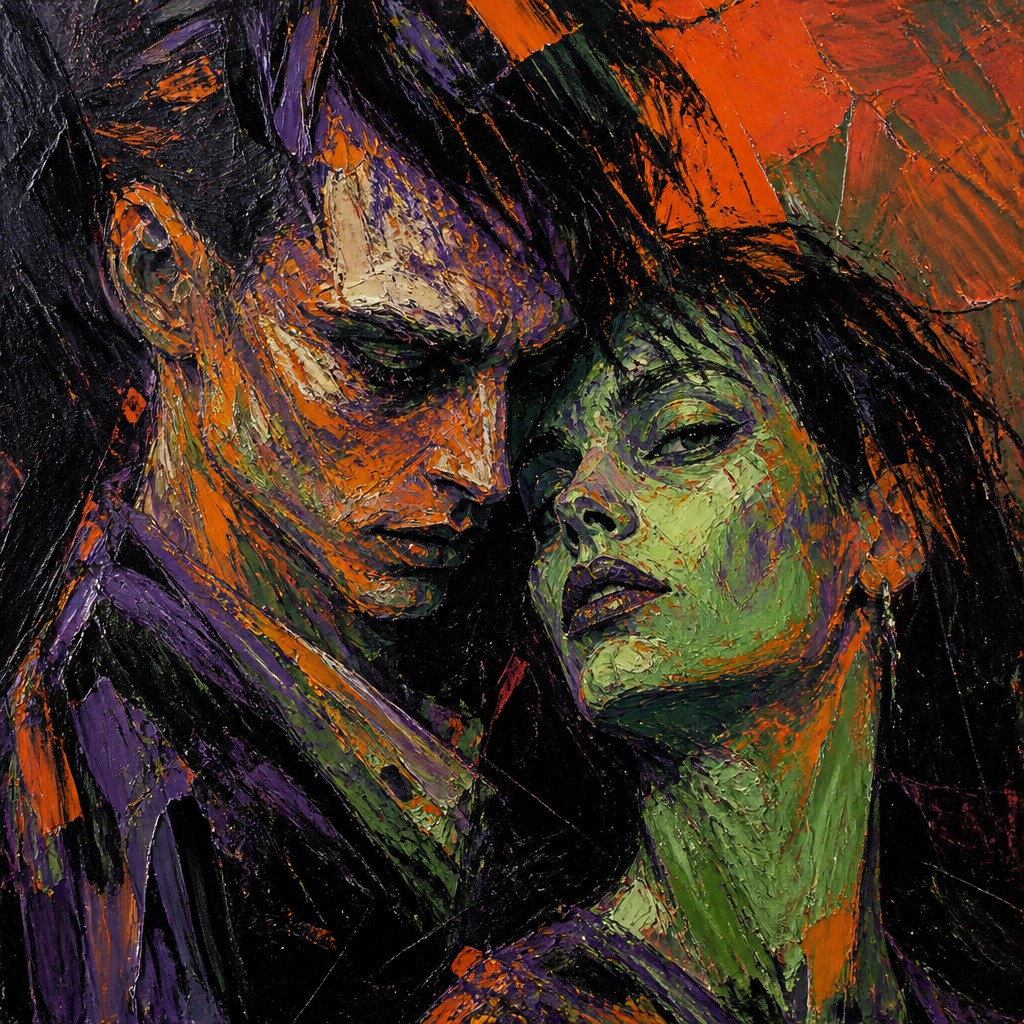
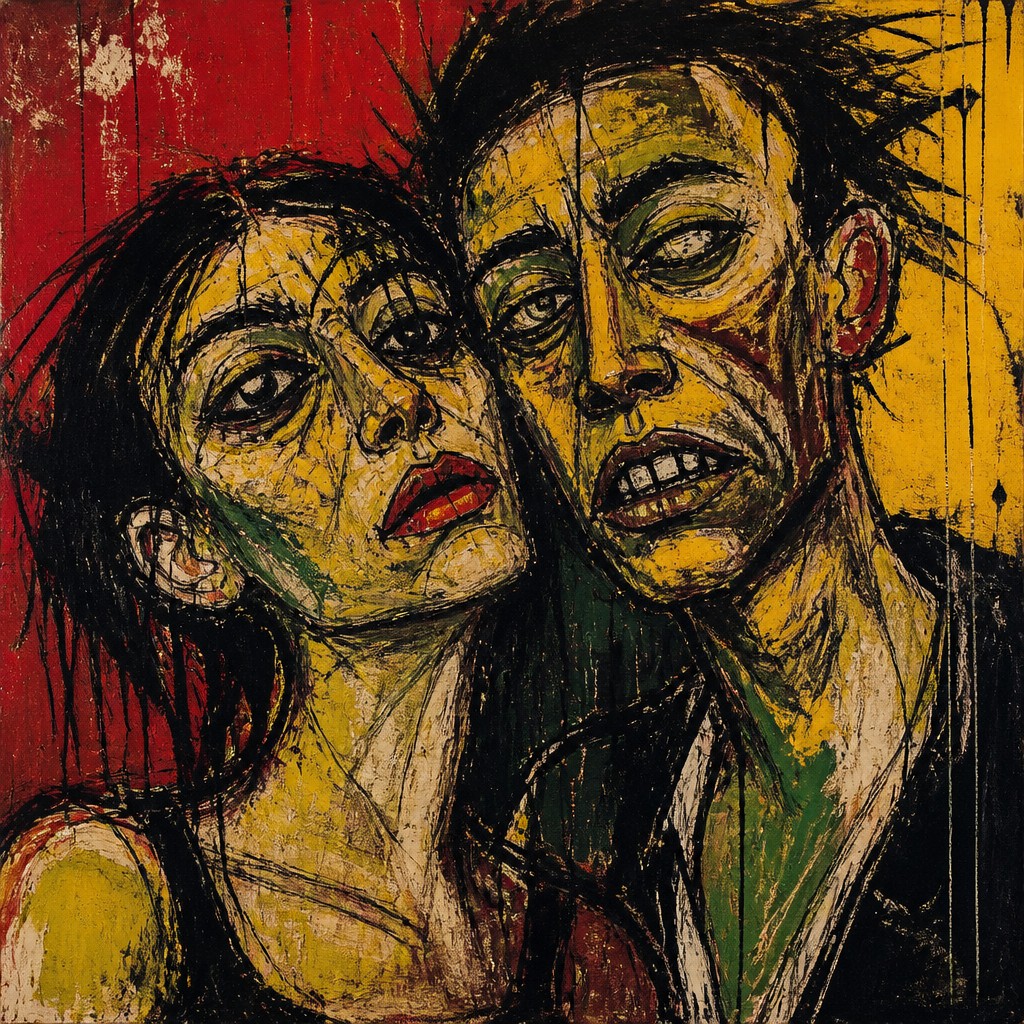
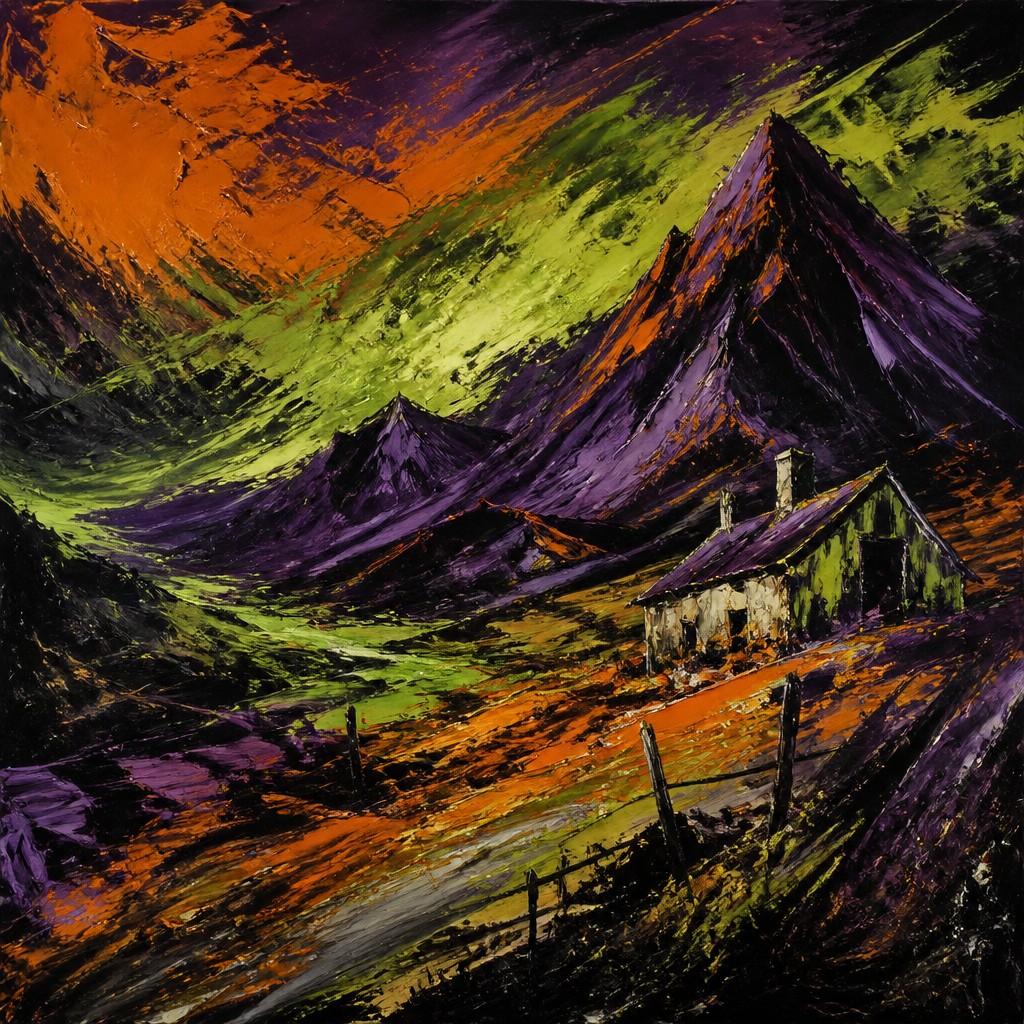
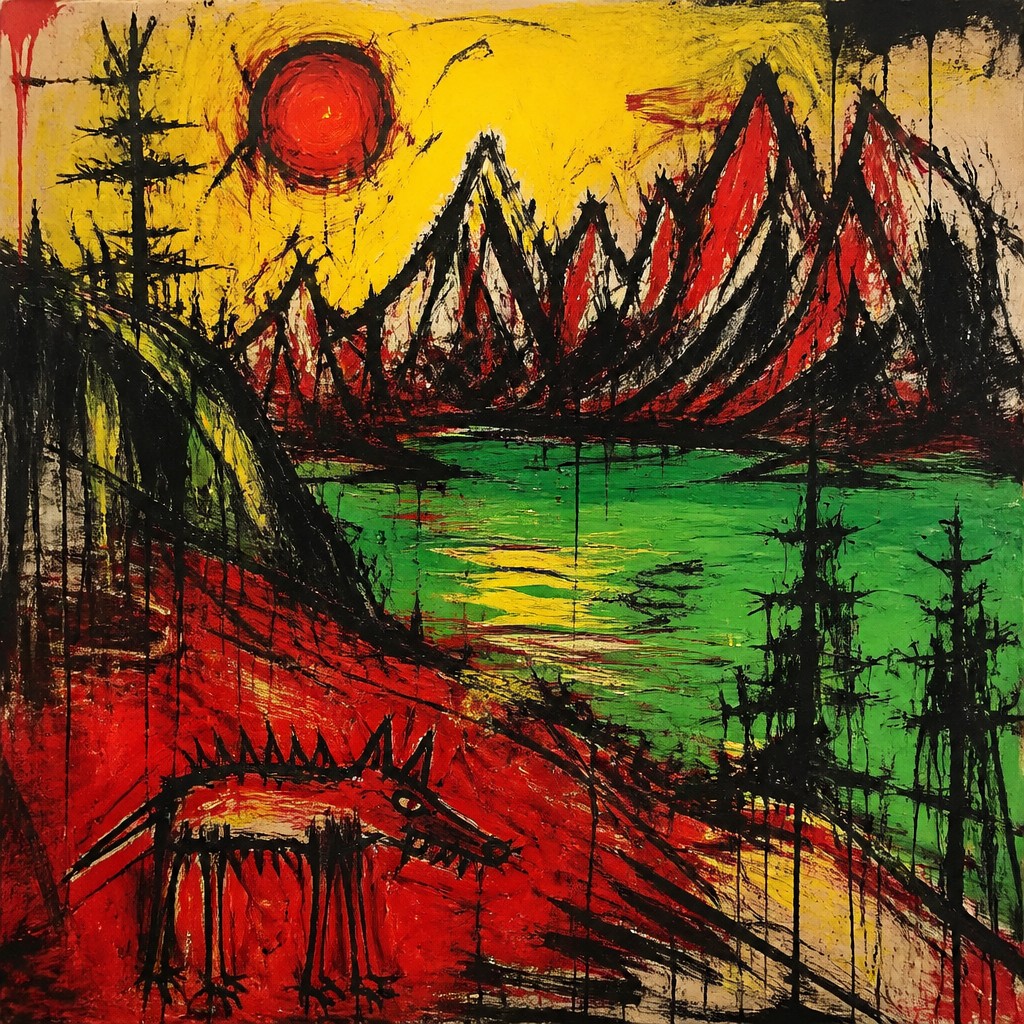
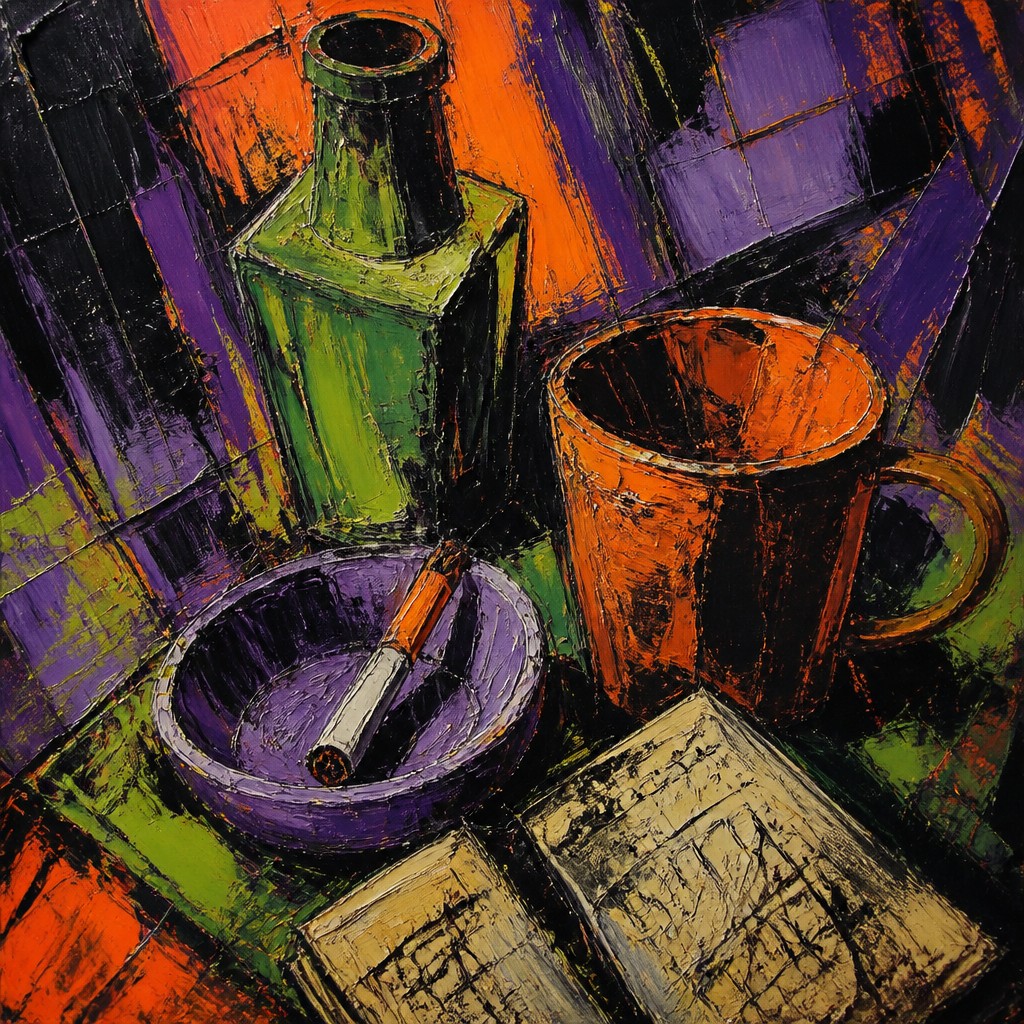
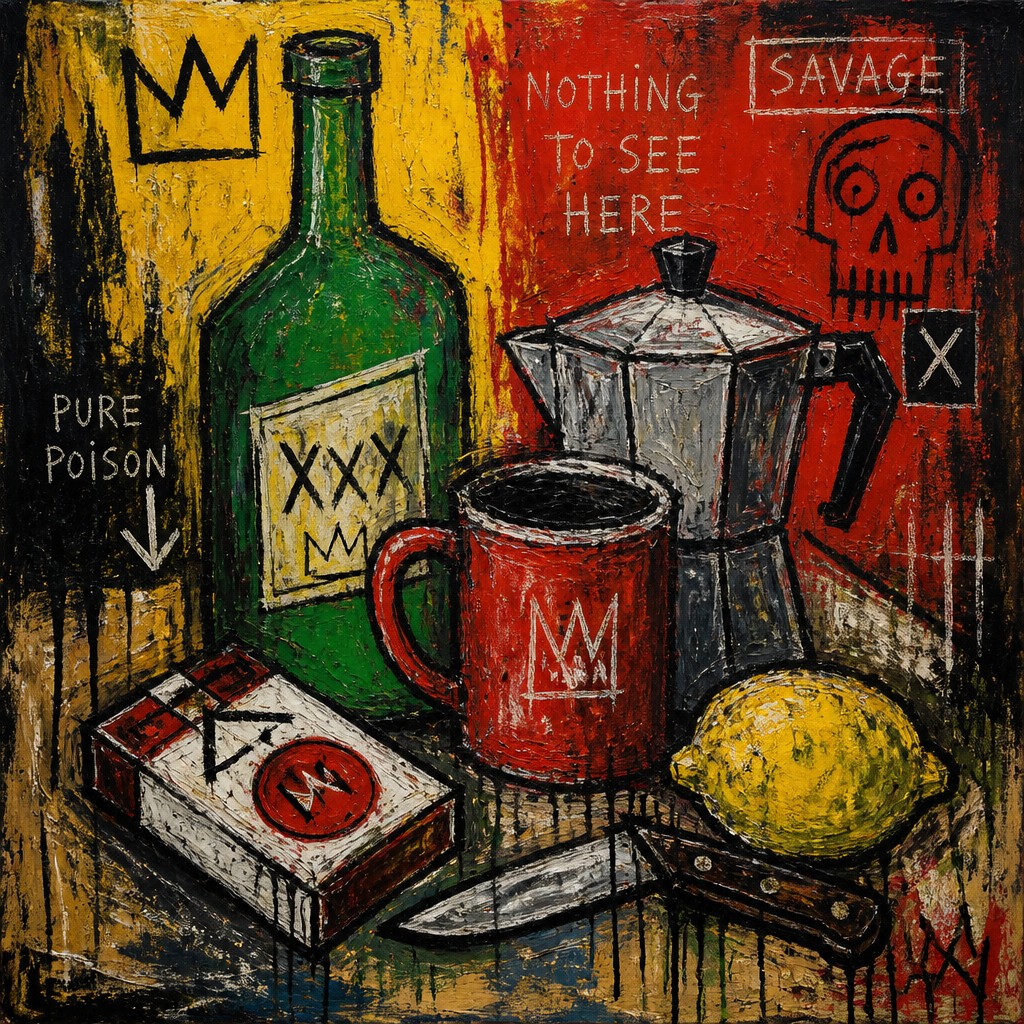
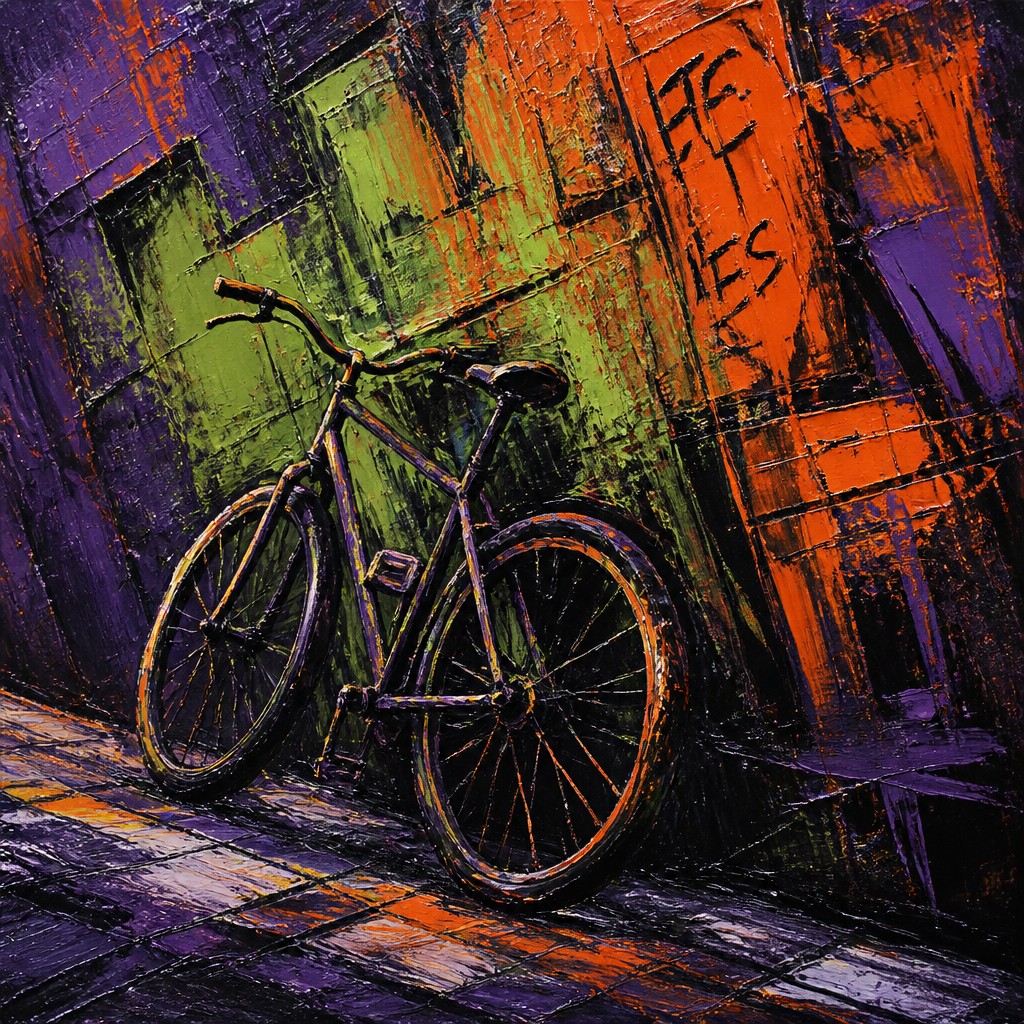
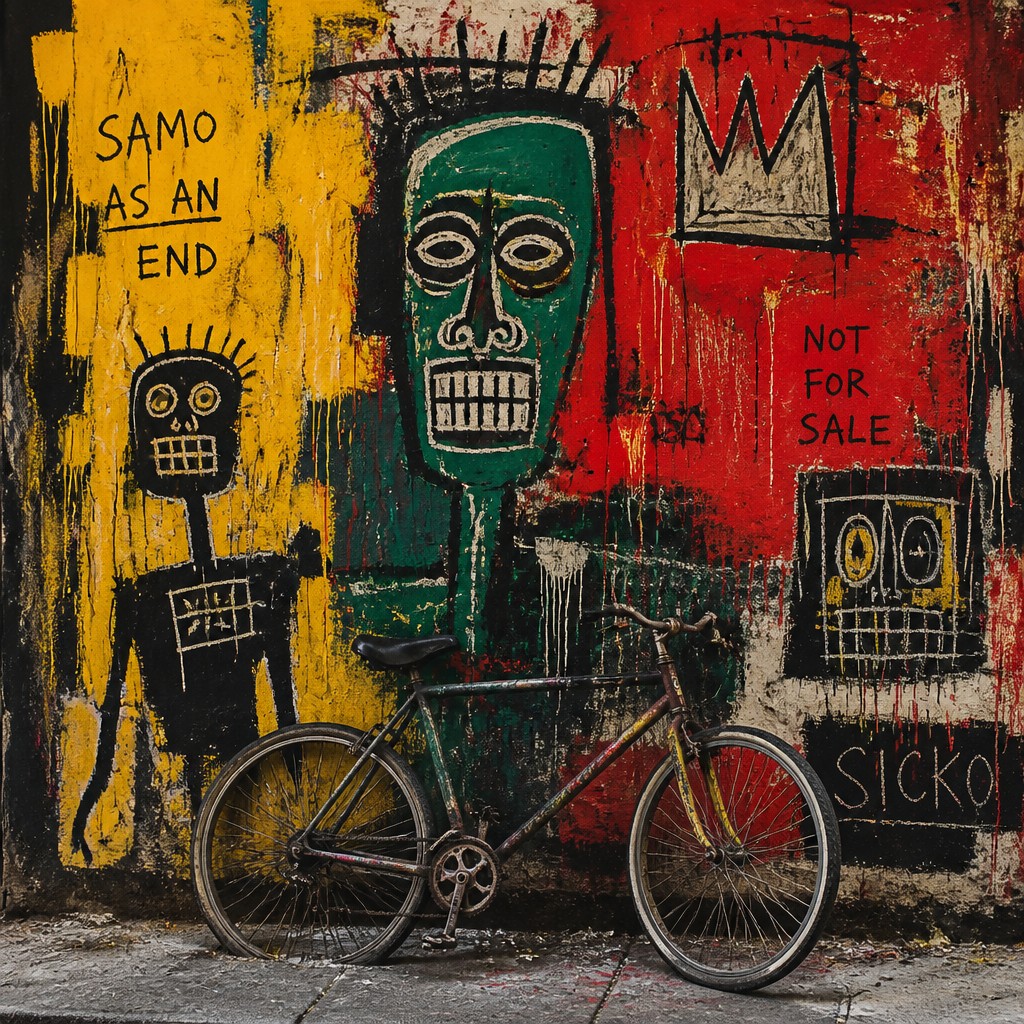
Each pair below was generated from the identical prompt — only the style changed.
“portrait of two people together”
“wide landscape with natural scenery”
“still life with everyday objects”
“bicyle resting against a wall”
Key Differences
| Expressionism | Neo-Expressionism | |
|---|---|---|
| Historical period | Early 20th-century modern art reacting against realism and academic tradition. | Late 20th-century revival that reasserts painting after conceptual and minimalist trends. |
| Surface & paint | Brushwork can be vigorous, but surfaces are often varied and less materially heavy. | Often uses thick impasto and highly tactile paint surfaces. |
| Color | Bold, expressive color supports mood and emotional tension. | Vivid, clashing colors are often pushed harder for heightened impact. |
| Form | Forms may be distorted to reveal inner feeling or psychological unease. | Forms are usually more aggressively simplified, fractured, or exaggerated. |
| Emotional effect | Creates anxiety, vulnerability, or spiritual intensity through subjective expression. | Creates raw urgency, confrontation, and dramatic psychological energy. |
| Overall emphasis | Focuses on emotional expression as a response to modern life and inner states. | Focuses on painterly force, immediacy, and a powerful return to expressive image-making. |
| Mood | anguished, agitated, introspective, intense | angry, raw, brooding, psychological |
| Energy | intense | intense |
| Detail level | moderate | moderate |
| Color | bold, saturated, often unnatural hues | bold, saturated, often dark contrasts |
| Texture | visible, vigorous, rough brushwork | rough, visibly brushed, heavily worked |
| Origin | early 20th-century Germany and Europe | late 20th century Europe and New York |
| Best for | posters, album covers, editorial illustrations, theater posters, book covers | album covers, posters, gallery paintings, book covers, emotive figurative art |
| Difficulty | moderate | advanced |
Which Should You Choose?
Pick Expressionism if you want a historically rooted modern style that emphasizes inner emotion through distortion, color, and tension with realism. Pick Neo-Expressionism if you want a more aggressive, later style with thicker paint, stronger texture, and a louder, more physically charged surface. If your goal is mood and psychological depth, either can work; if you want a rougher, more tactile, and confrontational look, Neo-Expressionism usually fits better.
Frequently Asked Questions
Are Expressionism and Neo-Expressionism the same thing?
No. They share a focus on emotion and distortion, but they come from different periods and artistic contexts. Neo-Expressionism is a later revival that often uses heavier paint and a more forceful visual impact.
Which style is more abstract?
Neither is automatically abstract, but both can move away from realistic depiction. Expressionism often keeps forms recognizable while altering them, while Neo-Expressionism may push forms into more aggressive simplification or fragmentation.
Which style uses thicker paint?
Neo-Expressionism typically does. Thick impasto and visible paint texture are common features. Expressionism can be painterly too, but it is not as strongly defined by heavy surface buildup.
Why do both styles feel emotionally intense?
Both styles prioritize subjectivity over realism. They use distortion, bold color, and energetic mark-making to communicate feeling directly rather than calmly describing the world.