Conceptual Art Style
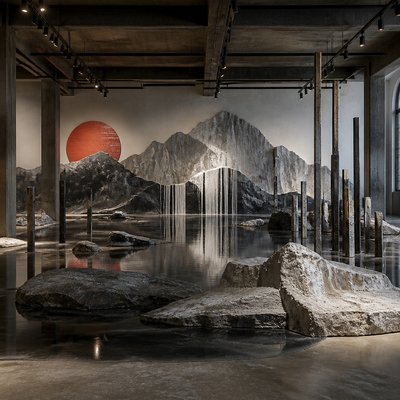
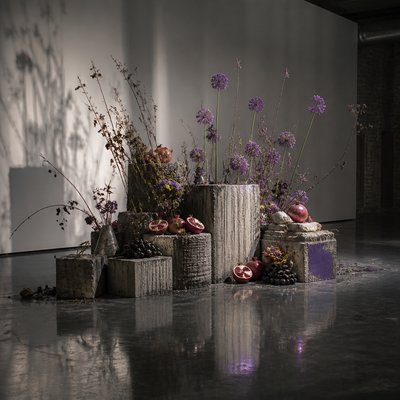
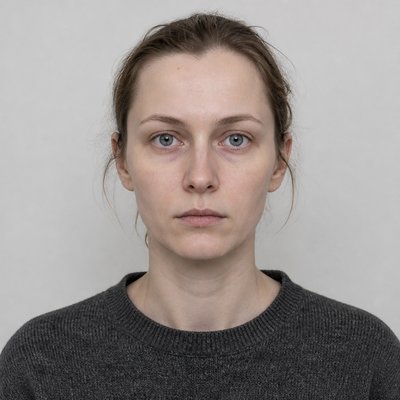
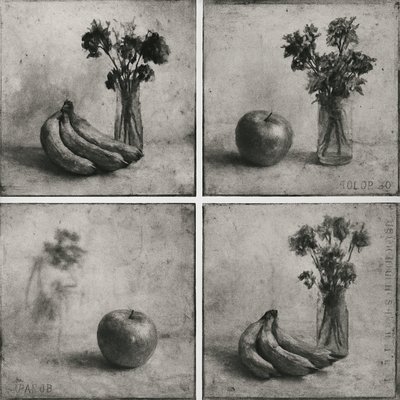
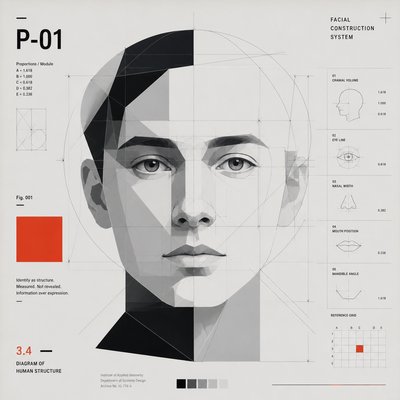
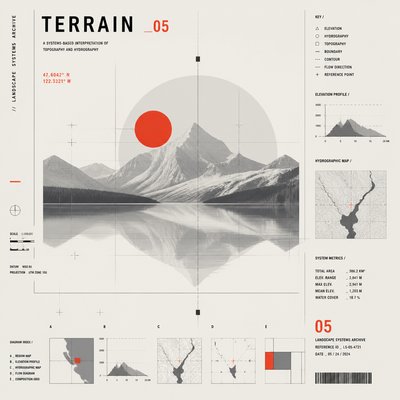
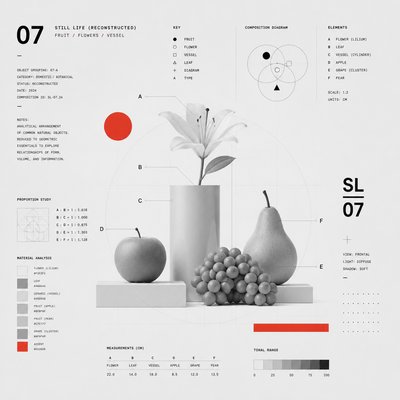
Conceptual art emphasizes ideas over form, using text, diagrams, documentation, and minimal visuals to make meaning the subject.
Instantly rendered in Conceptual — or transform a photo
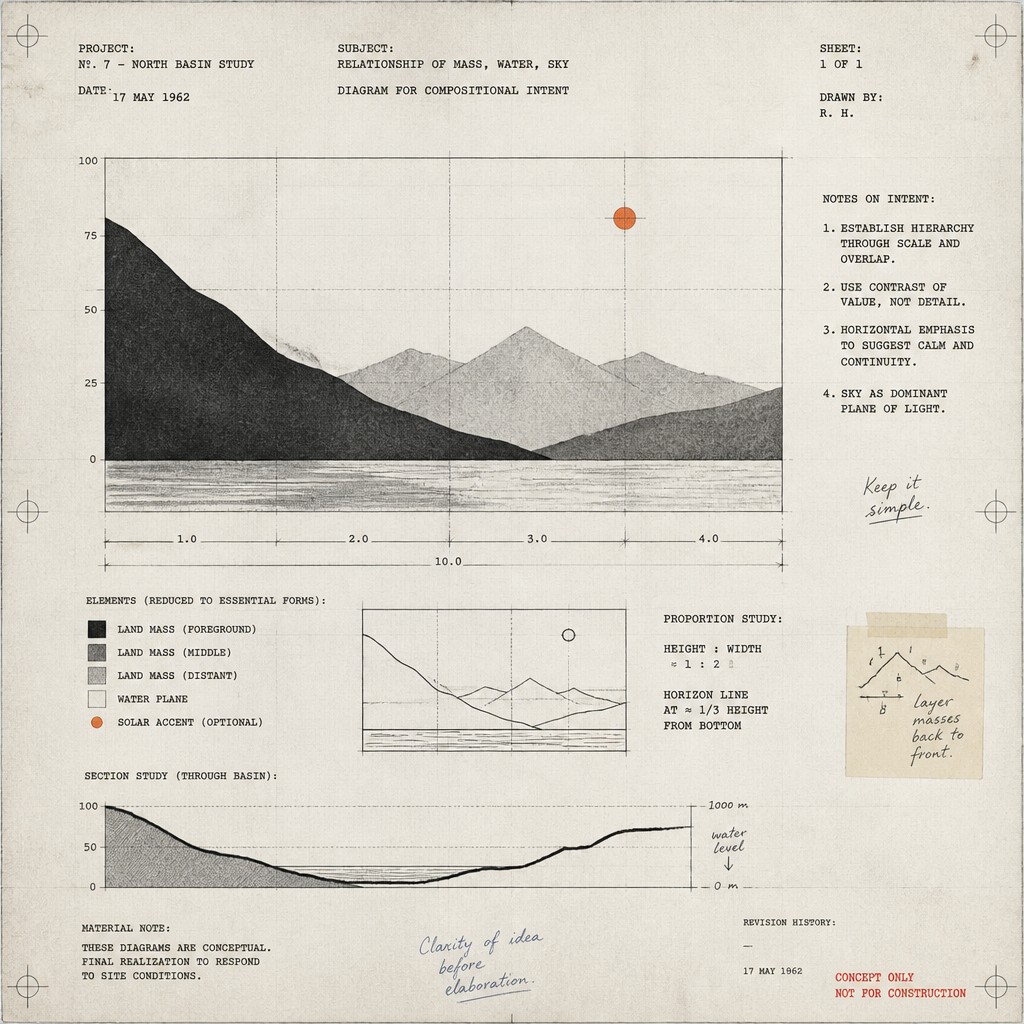
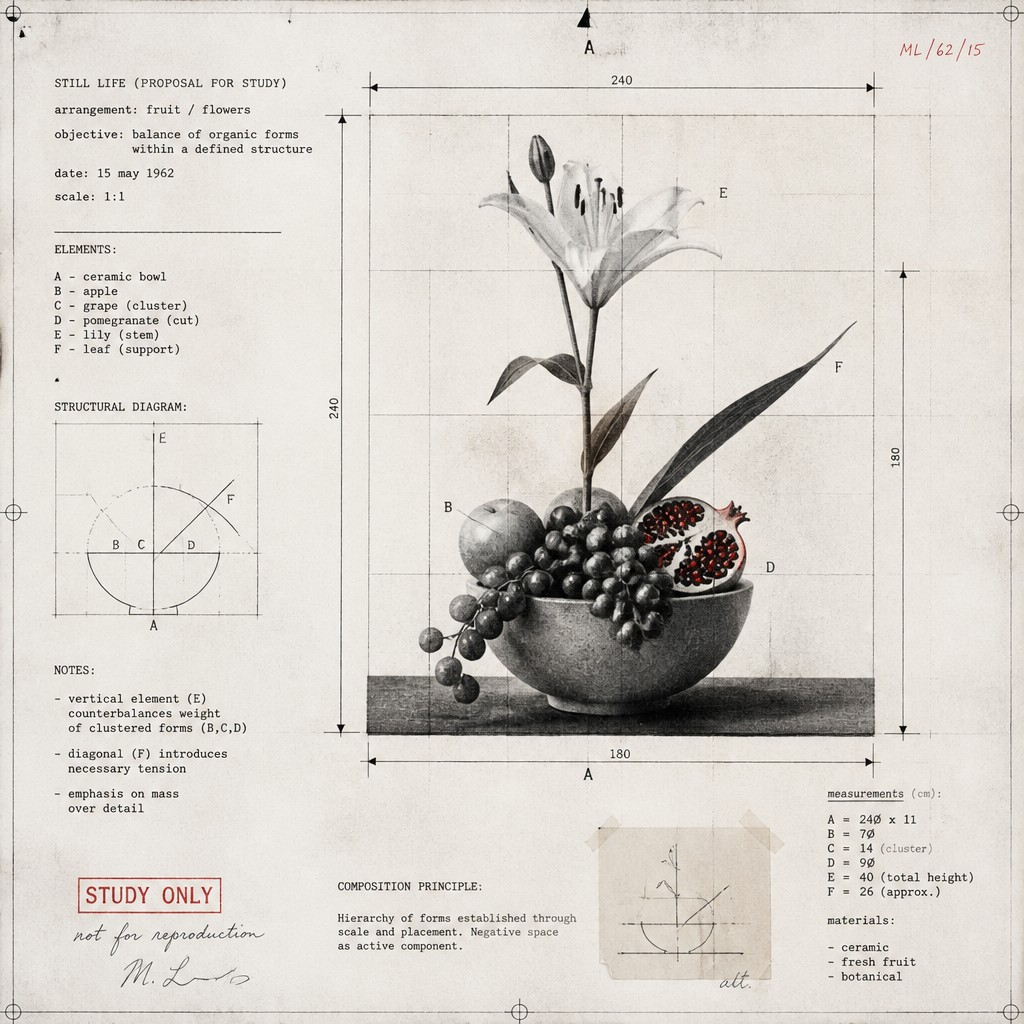
Conceptual Gallery
Tap any artwork to explore it
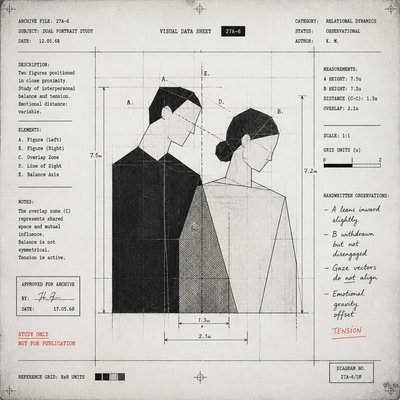
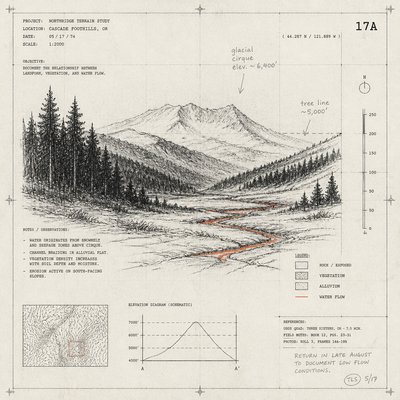
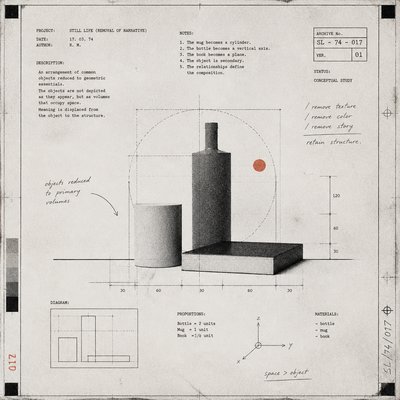
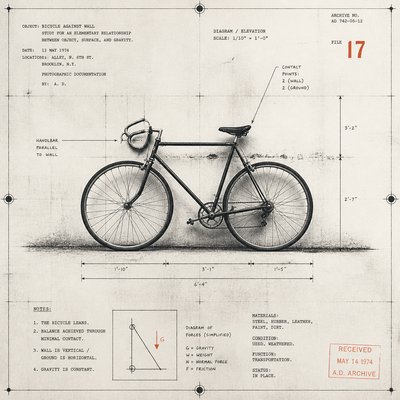
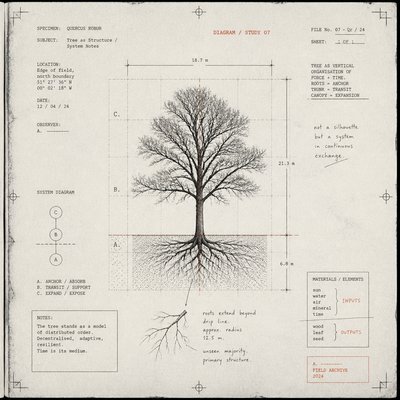
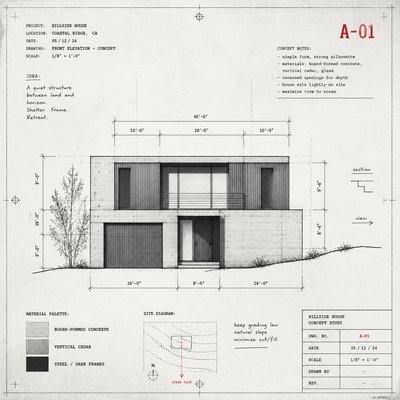
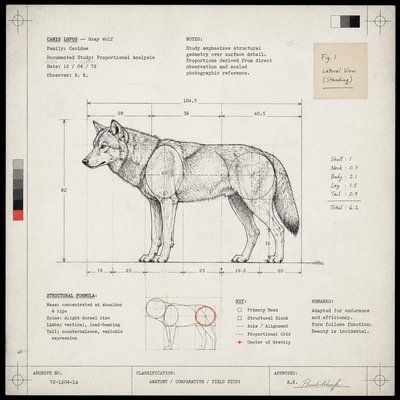
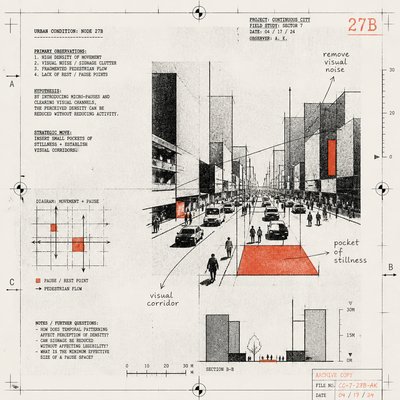
What is Conceptual Art Style?
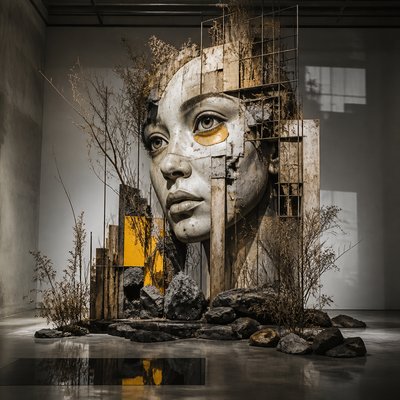
Conceptual art is an approach in which the idea, instruction, or framework of the work matters more than visual polish, technical virtuosity, or even the final physical object. It often uses sparse imagery, text, maps, diagrams, serial photographs, instructions, found materials, and documentary traces to present art as a proposition or investigation rather than a decorative image.
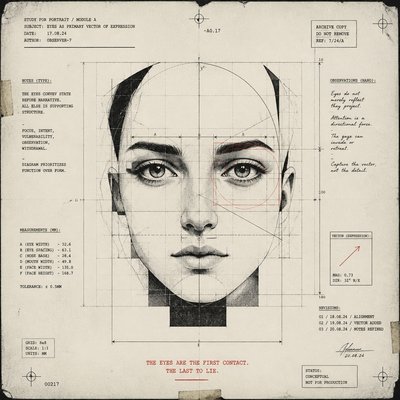
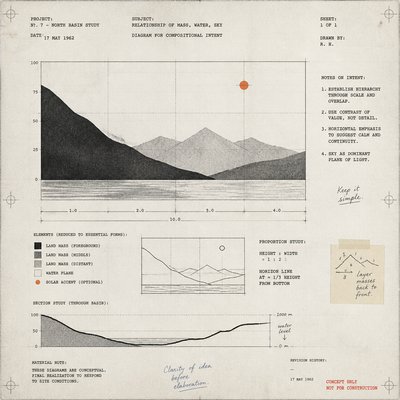
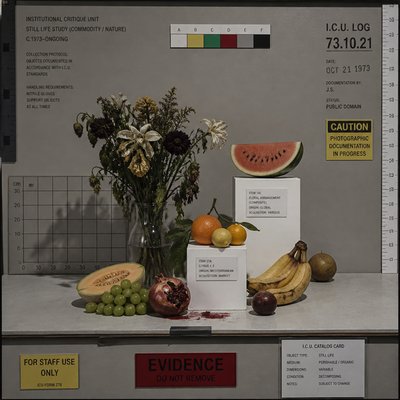
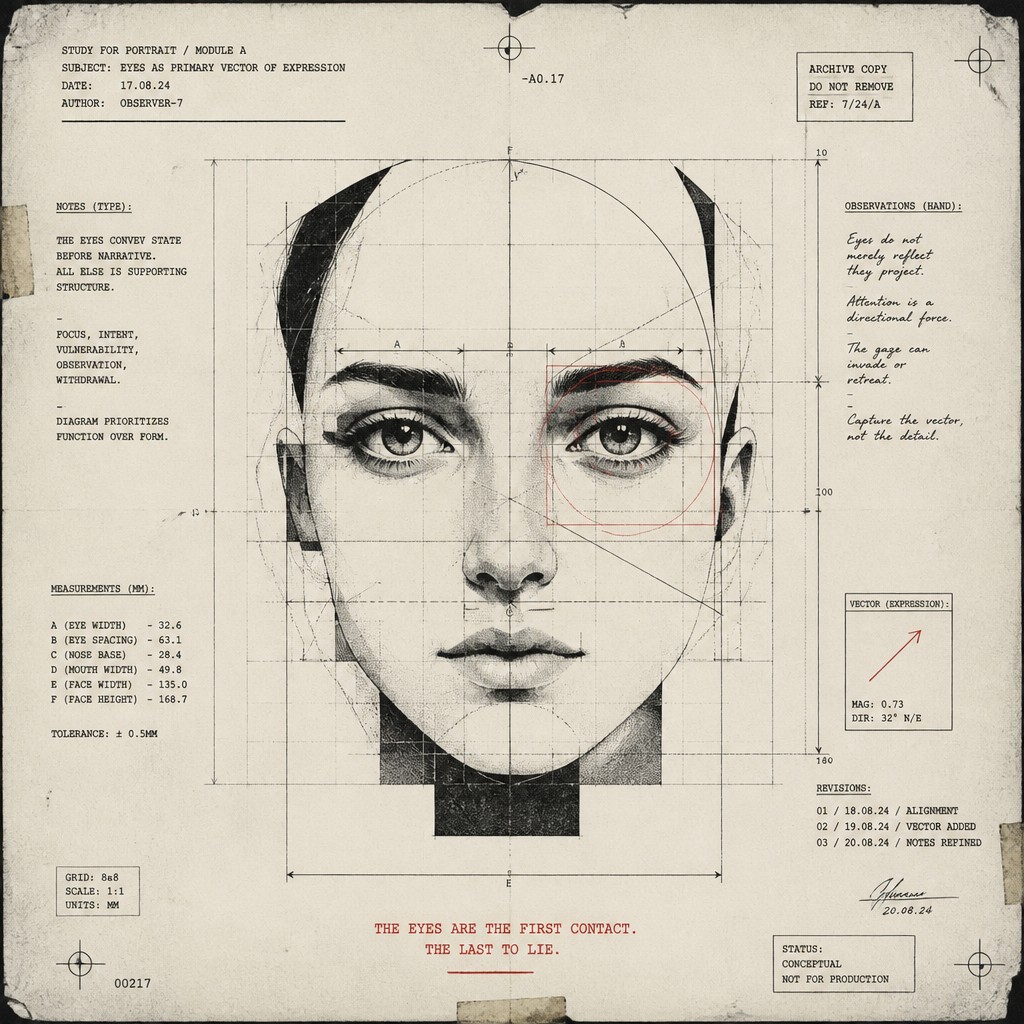
Its visual identity is usually restrained and analytical. A conceptual work may look like an archived page, a classified report, a lab sheet, a wall label, or a set of annotated notes because those forms support its core premise: the artwork is not only what is seen, but also what is argued, documented, or implied. The pared-down appearance is deliberate, directing attention to language, context, and structure instead of illusionistic representation.
Try It On Your Photos
Upload any photo and convert it into Conceptual Art Style — drag the sliders to compare before and after.
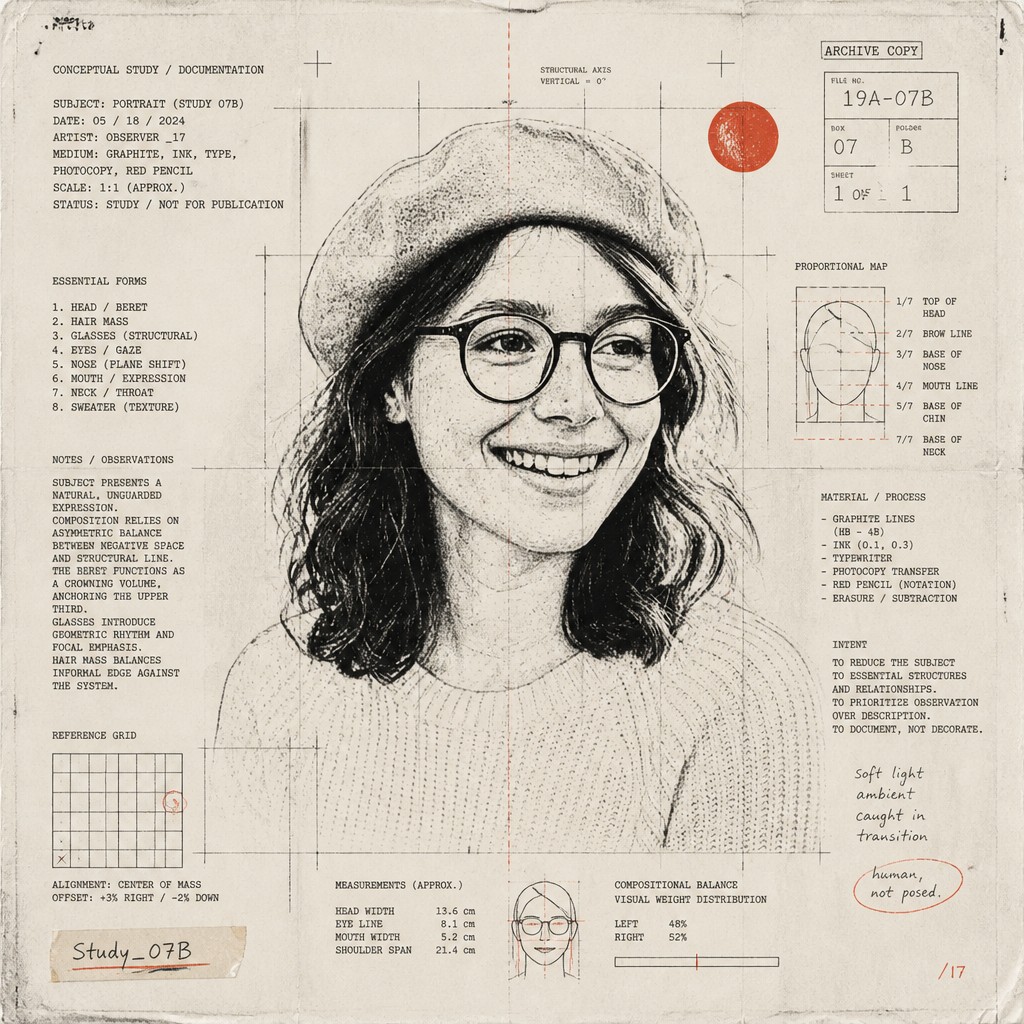

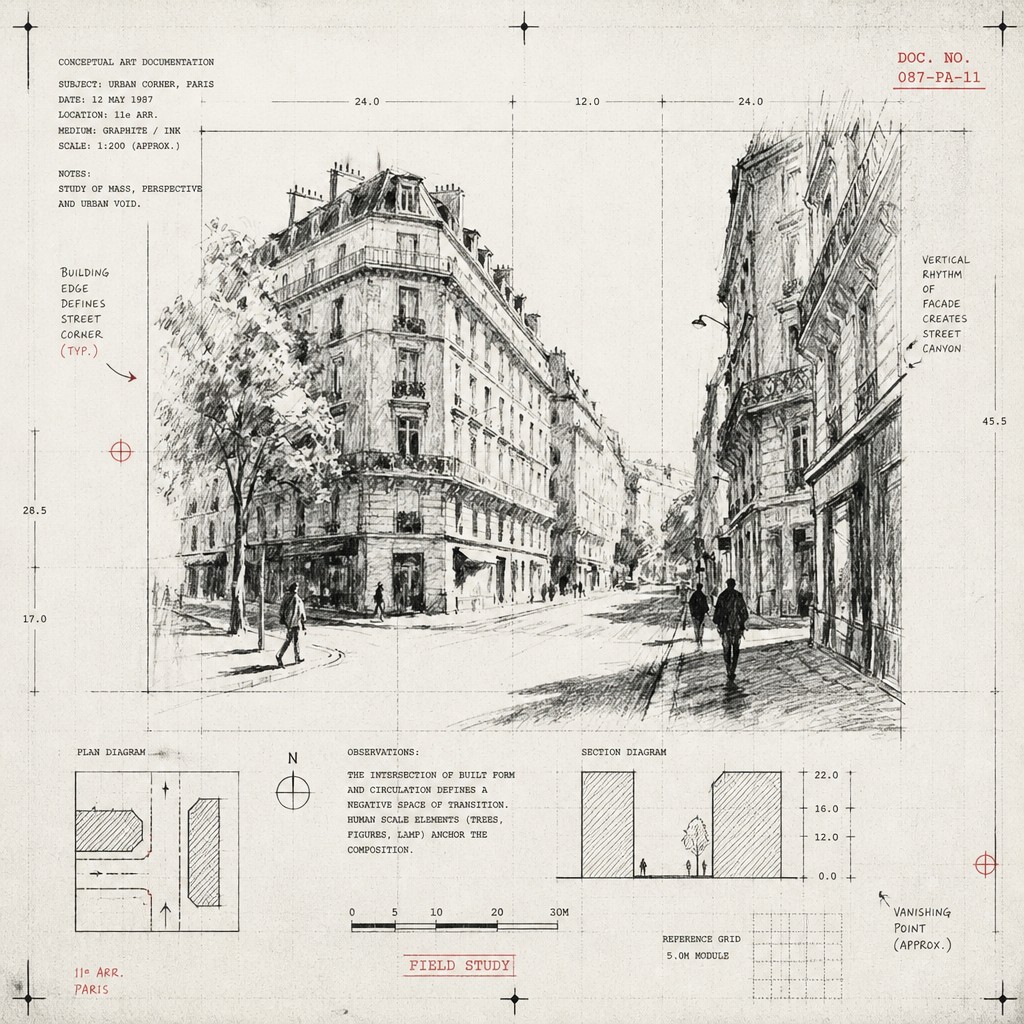

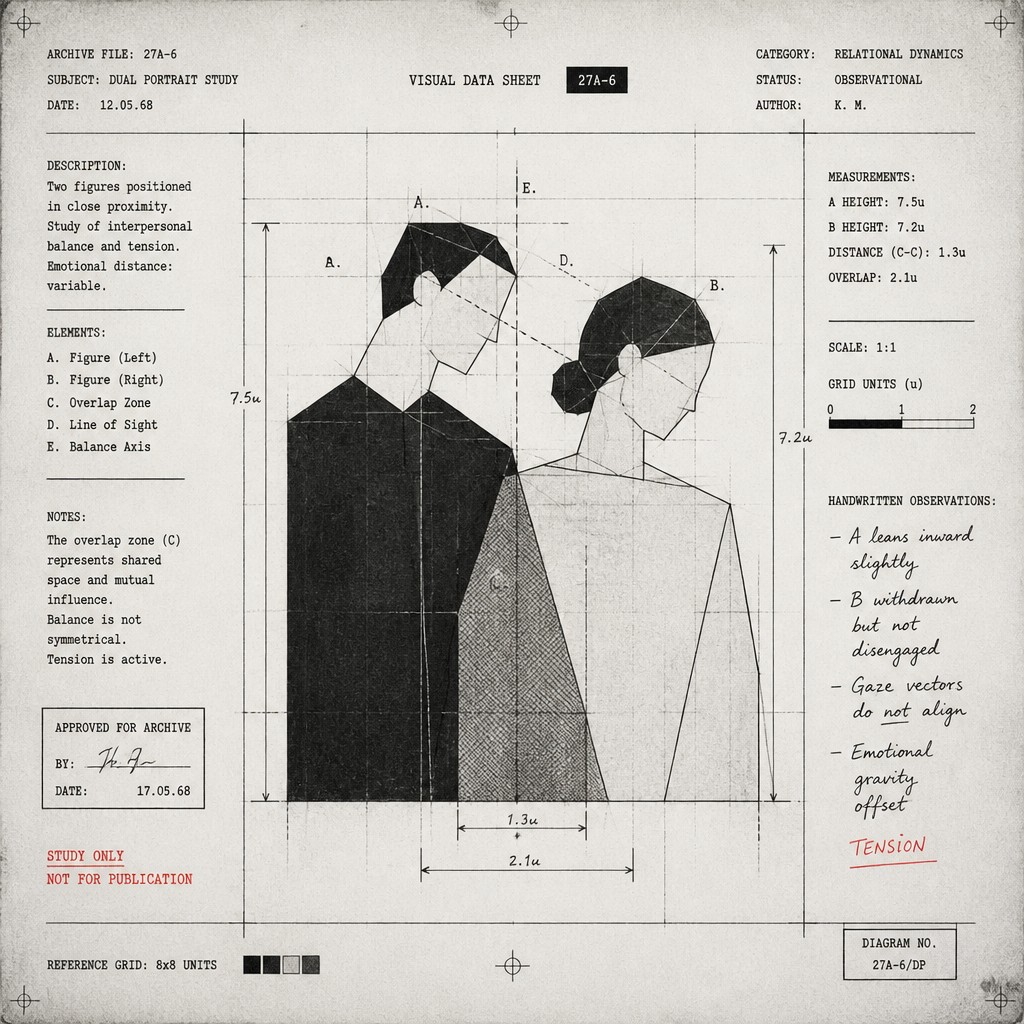
What Defines Conceptual Art Style
The signature details, up close
Idea-first structure
The concept determines the work’s form, not the other way around. The image often functions as evidence, notation, or an index of an underlying thought experiment.
Text as image and meaning
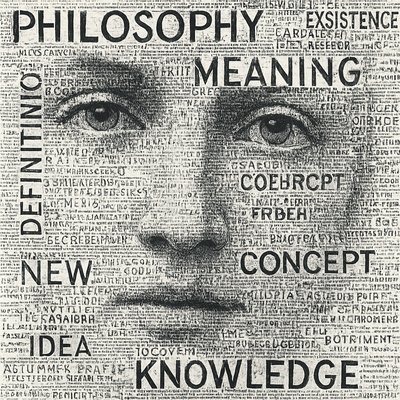
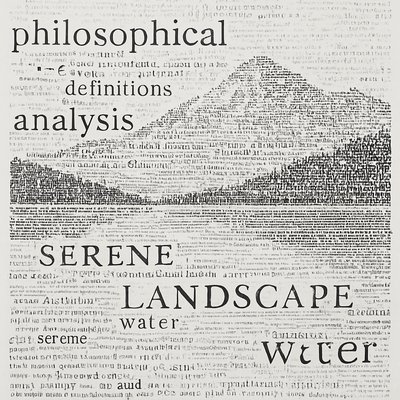
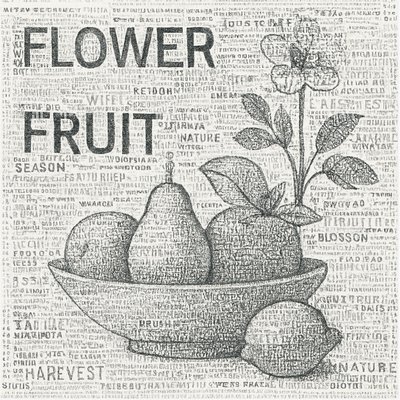
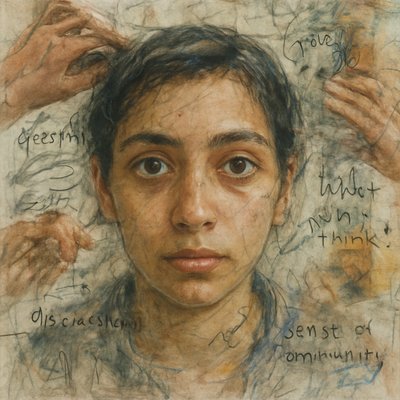
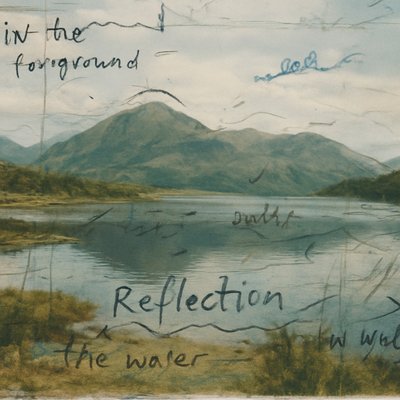
Words, captions, instructions, labels, and typed notes are common visual elements. Text may explain the work, but it can also be the work itself.
Minimal or diagrammatic imagery
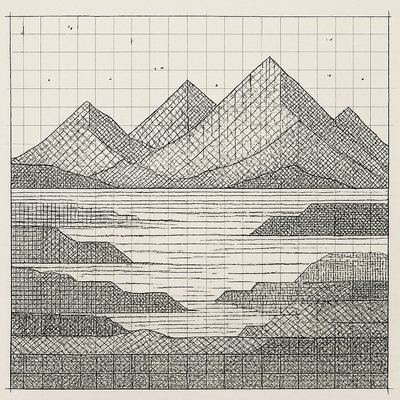
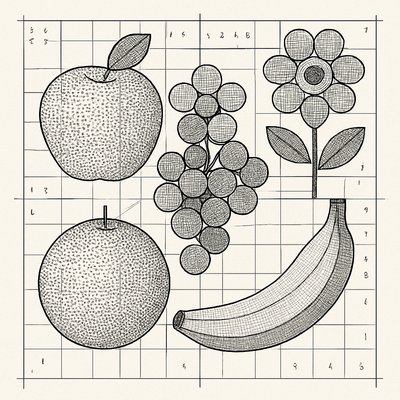
Forms are frequently reduced to outlines, grids, symbols, maps, or schematic marks. The goal is clarity of idea rather than optical richness.
Documentary and archival feel
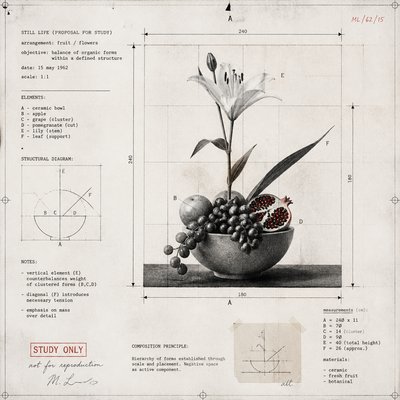
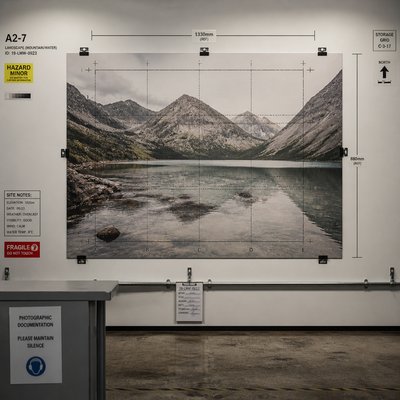
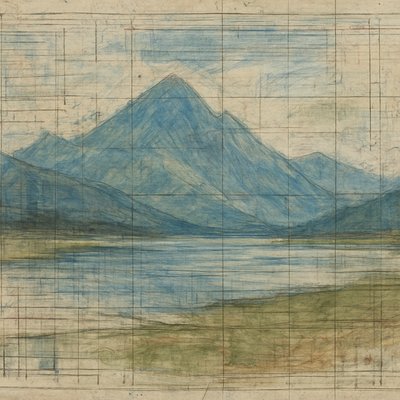
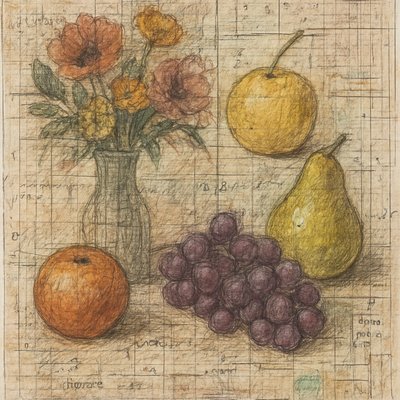
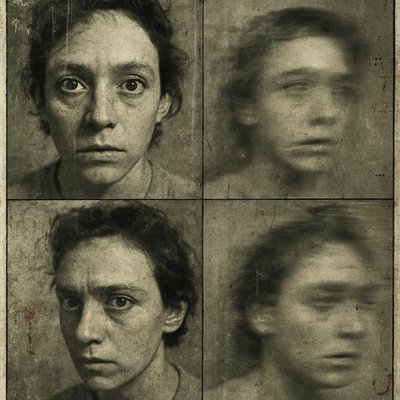
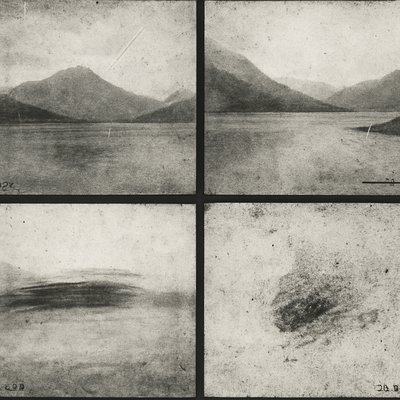
Photocopy grain, registration marks, filing aesthetics, and aged paper textures evoke records, reports, and evidence. The work often looks collected, cataloged, or processed.
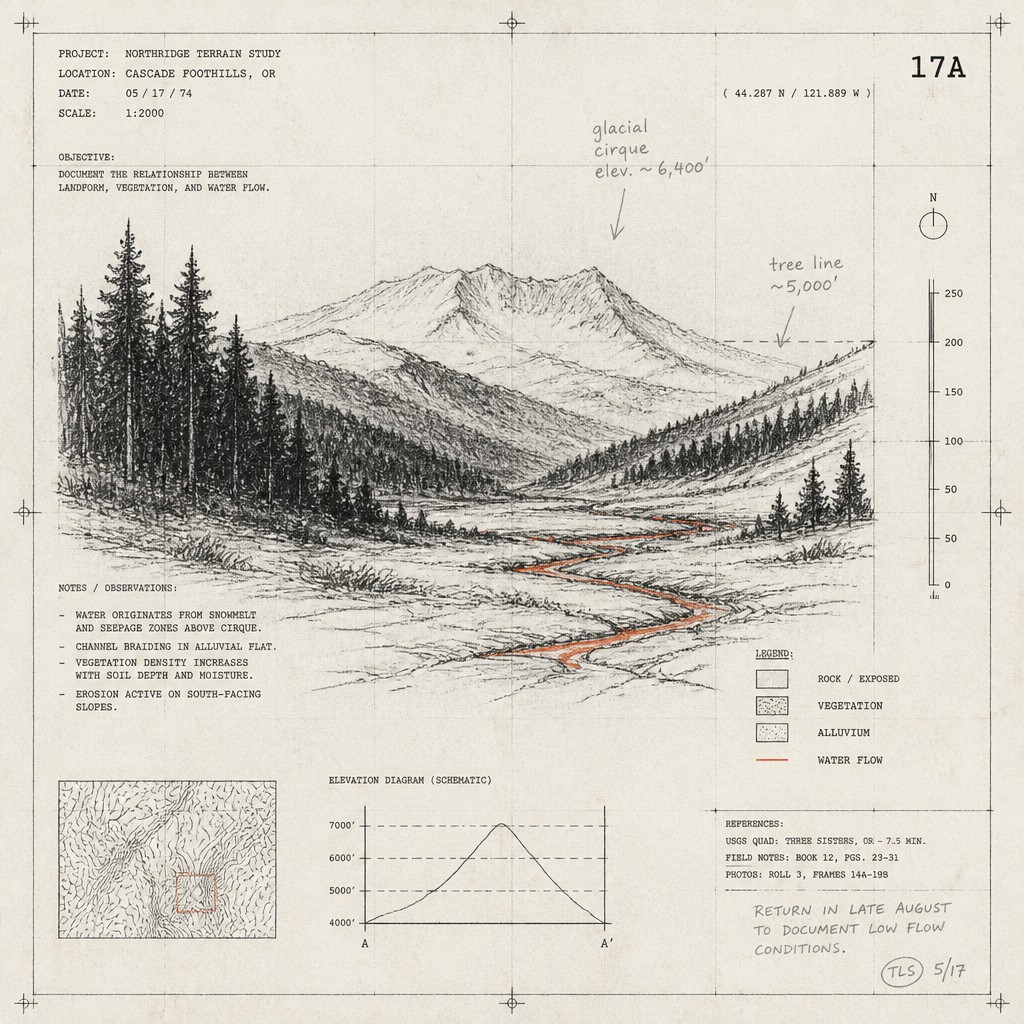
Systematic composition
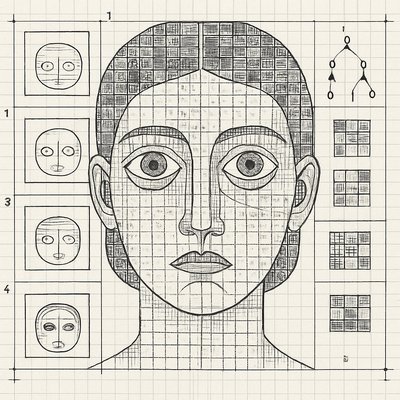
Grids, numbering, measurement marks, and repeated modules create an analytical structure. This supports the sense that the piece is a study, proposition, or set of instructions.
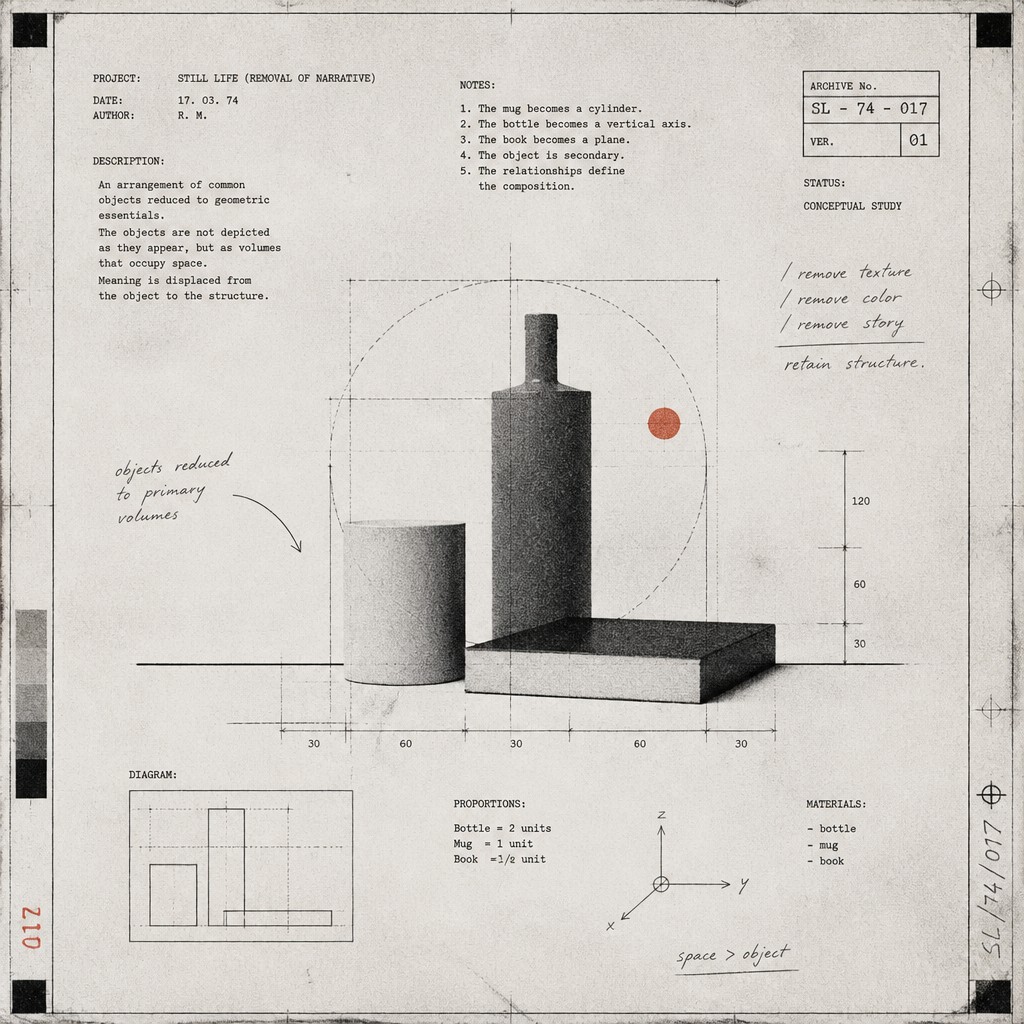
Visual austerity
Color is limited, contrast is controlled, and composition is sparse. This restraint shifts attention away from decorative impact and toward interpretation.
Try It
Create Videos in Conceptual Art Style
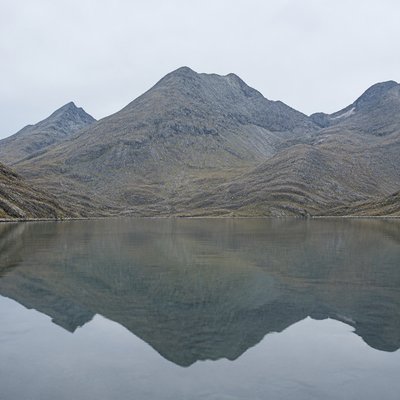
Styles aren't just for stills — describe a scene or animate an image and get a short video rendered in Conceptual. Press play to see this pond come to life.
Make a VideoConceptual Prompt Ideas
Start from an idea — each one opens the generator with the style ready to go. See all 40 Conceptual prompts →
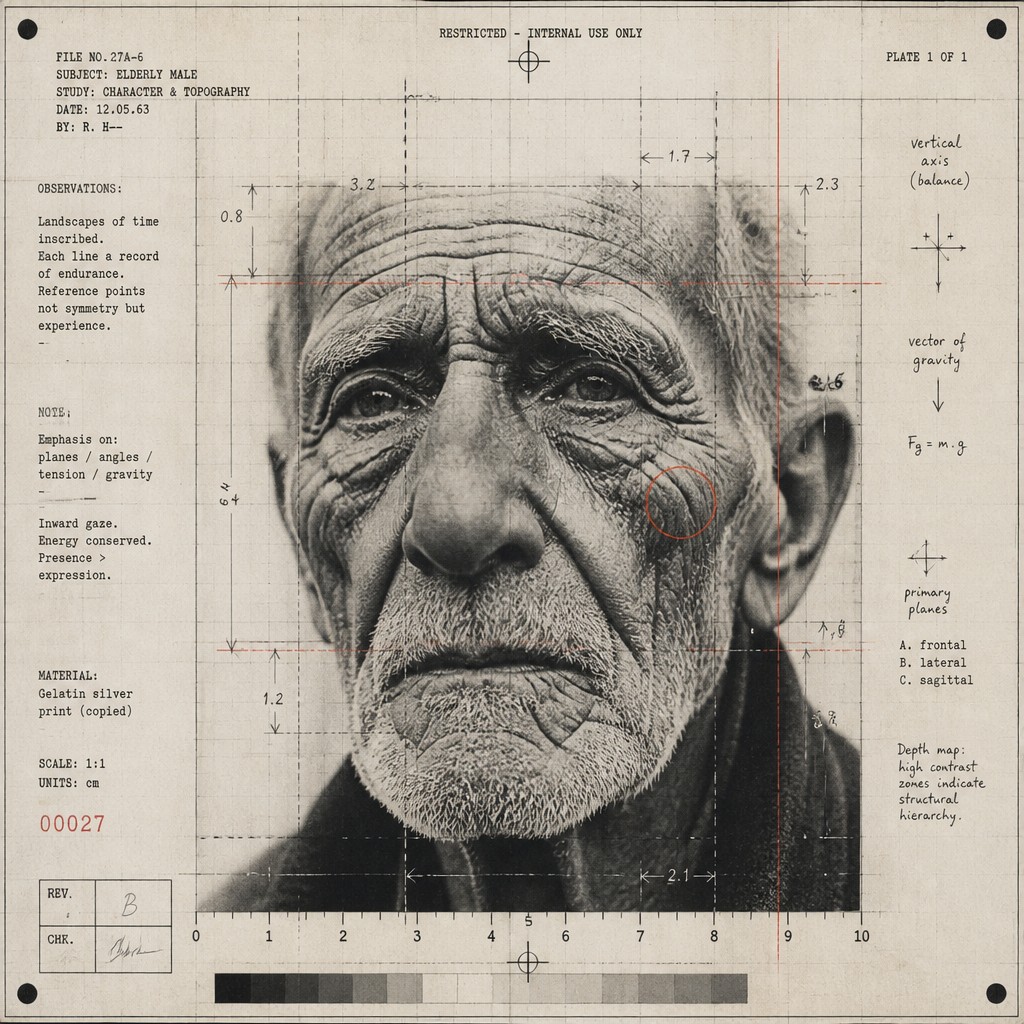
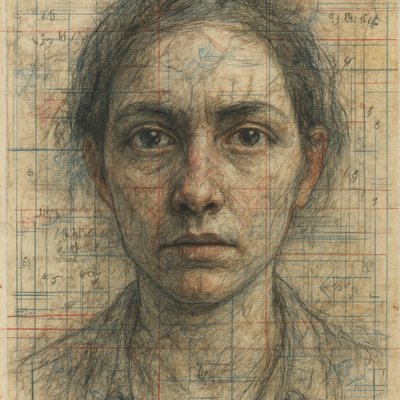
“close-up portrait of an elderly person with expressive weathered features”
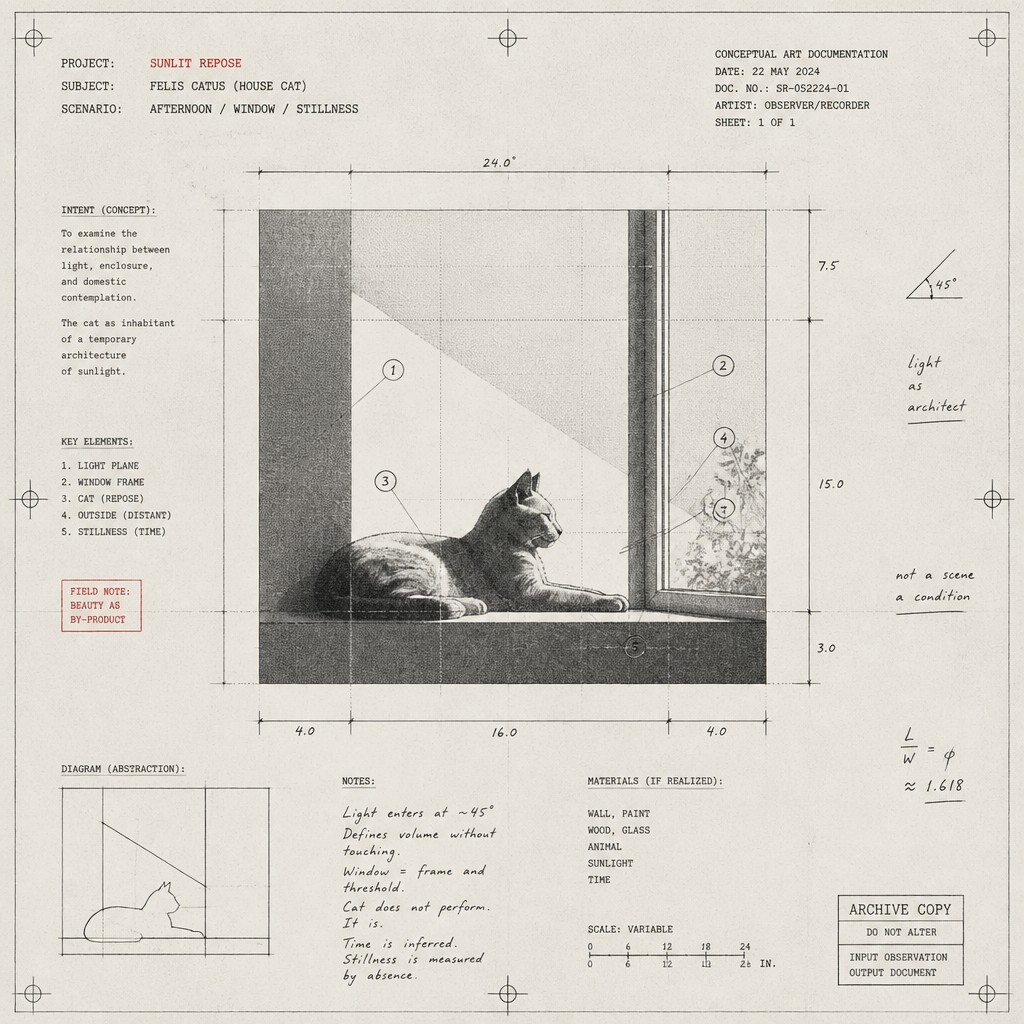
“a cat lounging in a sunlit window”
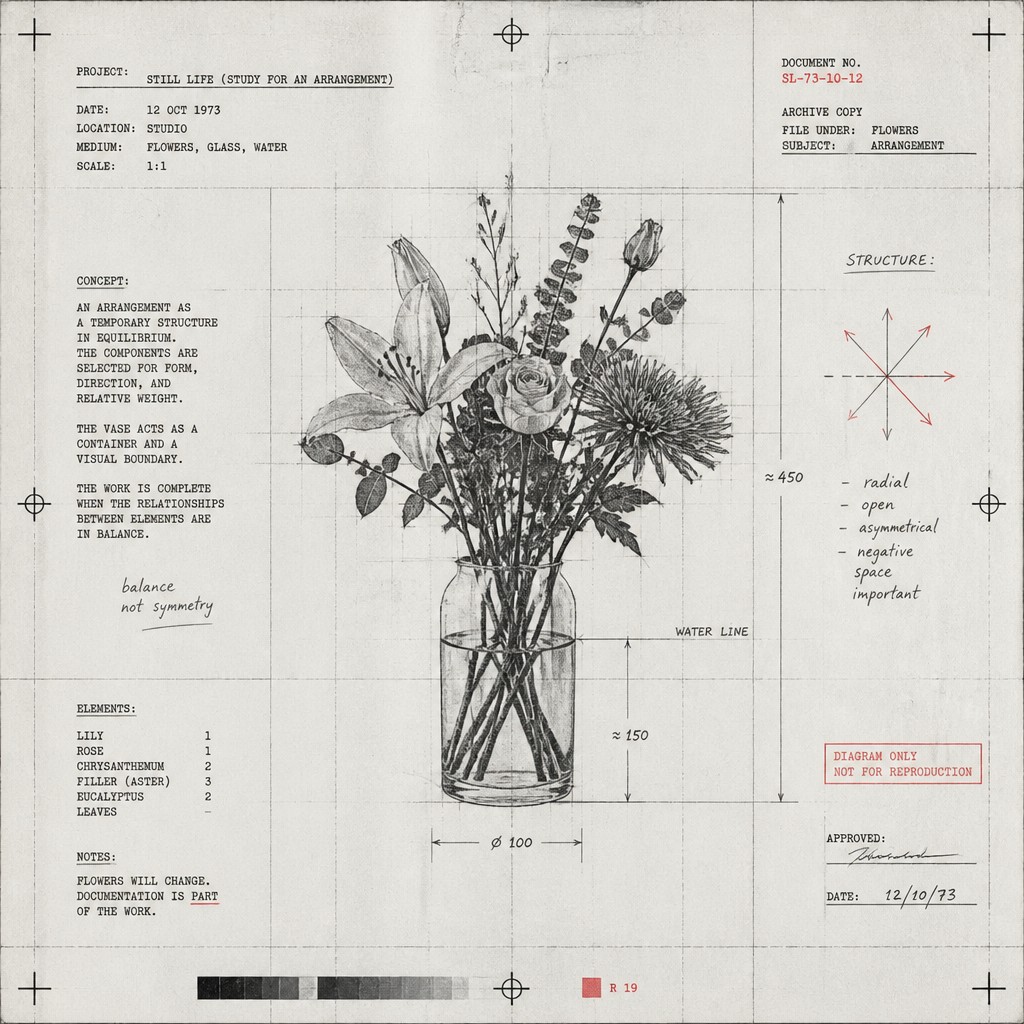
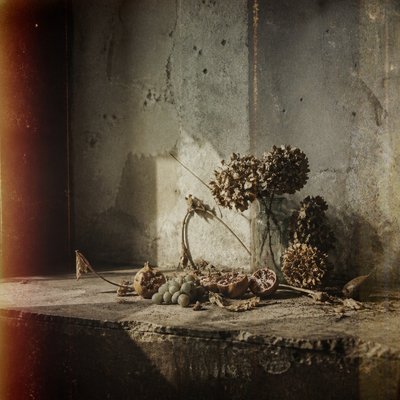
“bouquet of flowers in a glass vase”
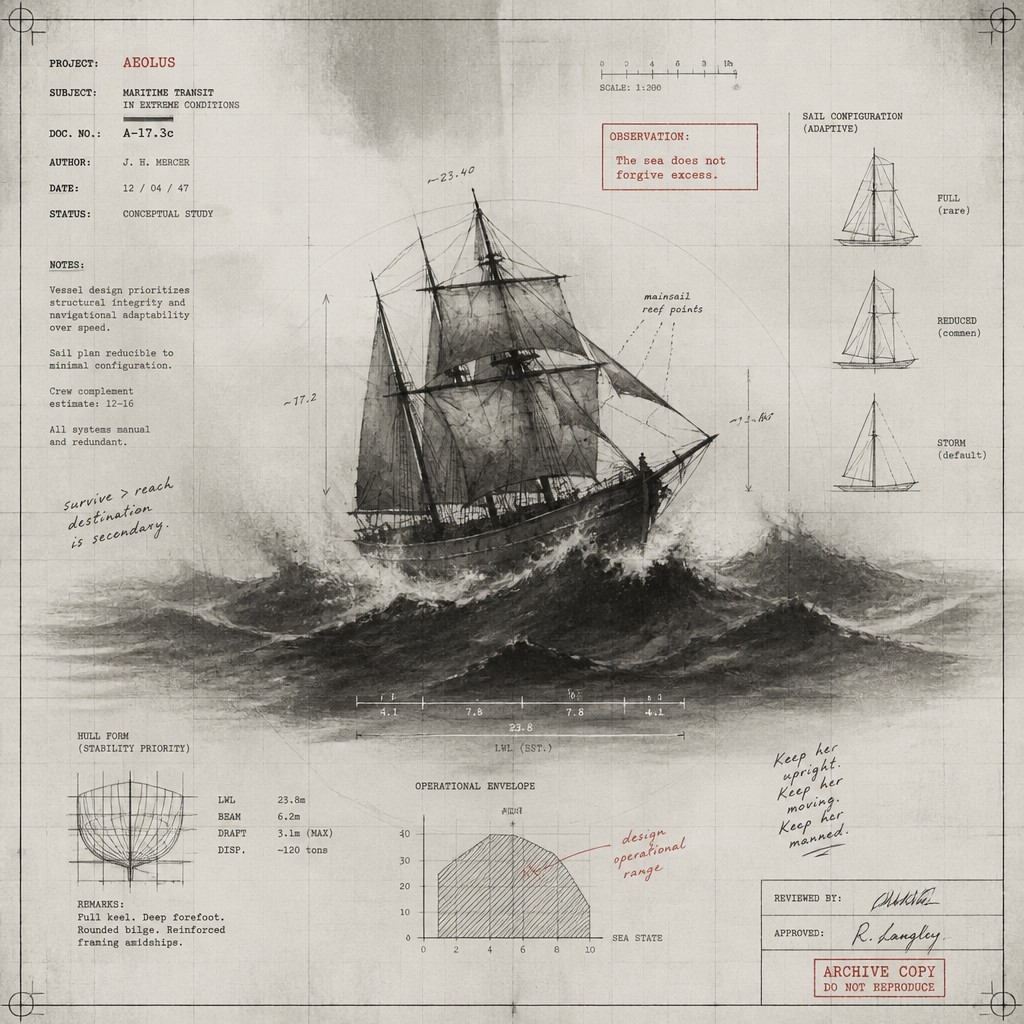
“sailing ship on a stormy sea”
How to Create Conceptual Art
Master the craft step by step — or skip straight to creating. Read the full guide →
- 1
Start with a proposition
Begin by defining the idea the work should test, question, or document. In traditional media, write the concept first and build the image around it; in digital workflows, you can frame the image as a mock archival page, diagram, or annotated record.
- 2
Reduce the image to essentials
Strip away unnecessary shading, color, and background detail until only the crucial forms remain. Use linework, symbols, labels, and spacing to make the composition read like an analysis rather than a scene.
- 3
Use typography as a compositional element
Choose typewritten, stamped, or handwritten text to carry metadata, instructions, or commentary. Let the text interact with the image so it feels integrated rather than appended.
- 4
Build an archival surface
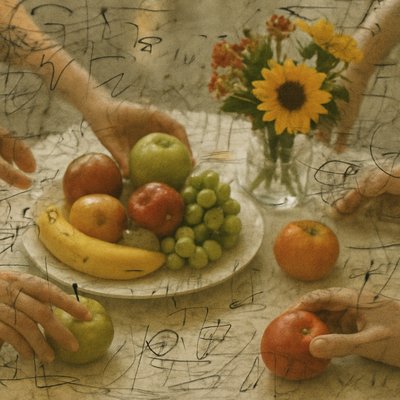
Employ paper texture, photocopy artifacts, tape marks, registration marks, and slight misalignment to suggest documentation. In physical work, collage and printmaking are effective; in digital work, subtle grain and scanned-document effects help establish the same logic.
- 5
Keep color purposeful and rare
Use monochrome as the base and reserve accent color for emphasis, coding, or signaling. A single red mark, highlight, or annotation can function like a conceptual cue.
- 6
When generating from text, specify the evidence system
Prompt for diagrams, annotations, measurement marks, grid layouts, and documentary textures rather than generic minimalism. Describe the subject as if it were presented in an exhibit file, laboratory record, or annotated case study.
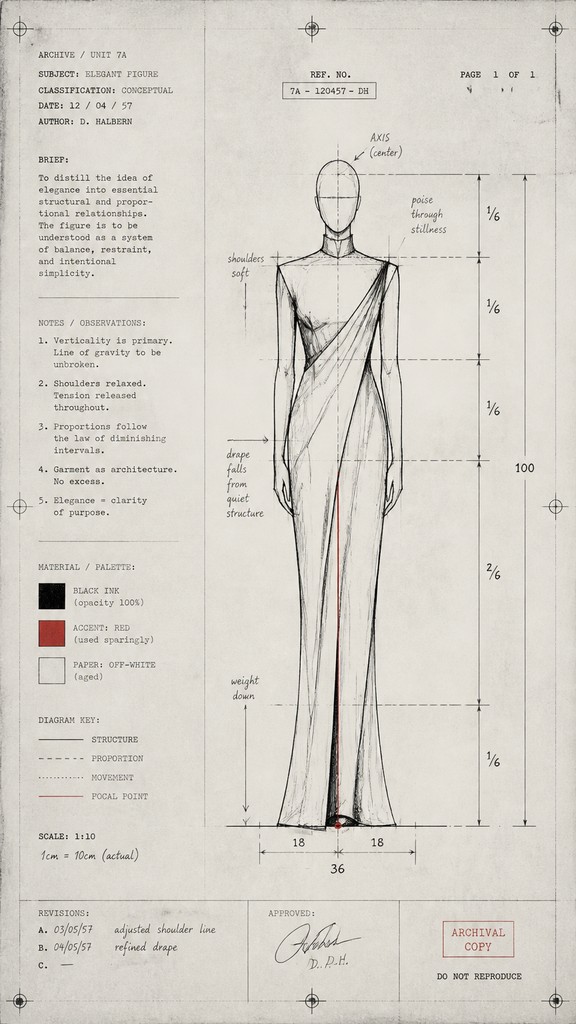
The Story
History & Origins of Conceptual
Conceptual art emerged in the 1960s, particularly in the United States and Europe, as artists questioned the primacy of the art object and the market value attached to it. Its roots lie in earlier avant-garde strategies, including the challenge posed by readymades to the traditional art object, Dada’s anti-art provocations, and postwar minimalism, but conceptual artists pushed further by treating language, systems, and ideas themselves as the medium of the work.
Key figures associated with the movement include major postwar conceptual artists and the collaborative text-based collective Art & Language. Their work helped define conceptual art as a field where instructions, records, and propositions could be the artwork, and where documentation, typography, and administrative formats became central visual tools. The movement strongly influenced later installation art, institutional critique, performance documentation, contemporary graphic practices, and text-based contemporary art.
Influences: Conceptual art is closely related to Dada, especially the challenge posed by readymade objects to the traditional art object, and to Minimalism’s emphasis on reduction and serial structure. It also overlaps with systems art, performance documentation, instructional art, and later text-based practices; major postwar conceptual artists and the collaborative text-based collective Art & Language are central reference points. Its visual language also draws from editorial design, scientific illustration, bureaucratic records, and archival documentation.

Frequently Asked Questions
What defines conceptual art?
Conceptual art is defined by the priority it gives to the idea, instruction, or proposition behind the work. The visual form may be minimal, textual, diagrammatic, or documentary because the work is meant to be understood as an intellectual structure rather than just an image.
How is conceptual art different from minimalism?
Minimalism reduces form to essential shapes and materials, but conceptual art goes further by making the concept itself the primary content. A conceptual work can be minimal, but it can also use text, documentation, or collage if those elements best serve the idea.
Does conceptual art always use text?
No, but text is common because it can carry instructions, context, or argument with precision. Some conceptual works rely on photography, objects, maps, or performance records instead, provided the work remains idea-driven.
What materials or media are typical in conceptual art?
Common media include typed pages, photocopies, photographs, diagrams, found documents, instruction cards, installation notes, and wall text. Many artists also use simple drawing, printmaking, or documentation of ephemeral actions.
How can I make a conceptual art image?
Choose a clear idea first, then decide what kind of evidence or notation would best express it. Use sparse composition, labeling, grids, and archival textures so the image reads like a record of thought rather than a finished illustration.
Where is conceptual art used today?
It appears in fine art, editorial illustration, critical design, contemporary photography, museum installation, and experimental graphic design. Its methods are also common in work that uses data visualization, annotated imagery, or text-image hybrids.

Create your first Conceptual artwork
Describe anything — or upload a photo — and see it in Conceptual Art Style in seconds.
Make Something with Conceptual
Compare Conceptual
Related Styles
Discover similar art styles