Conceptual vs Installation: What's the Difference?
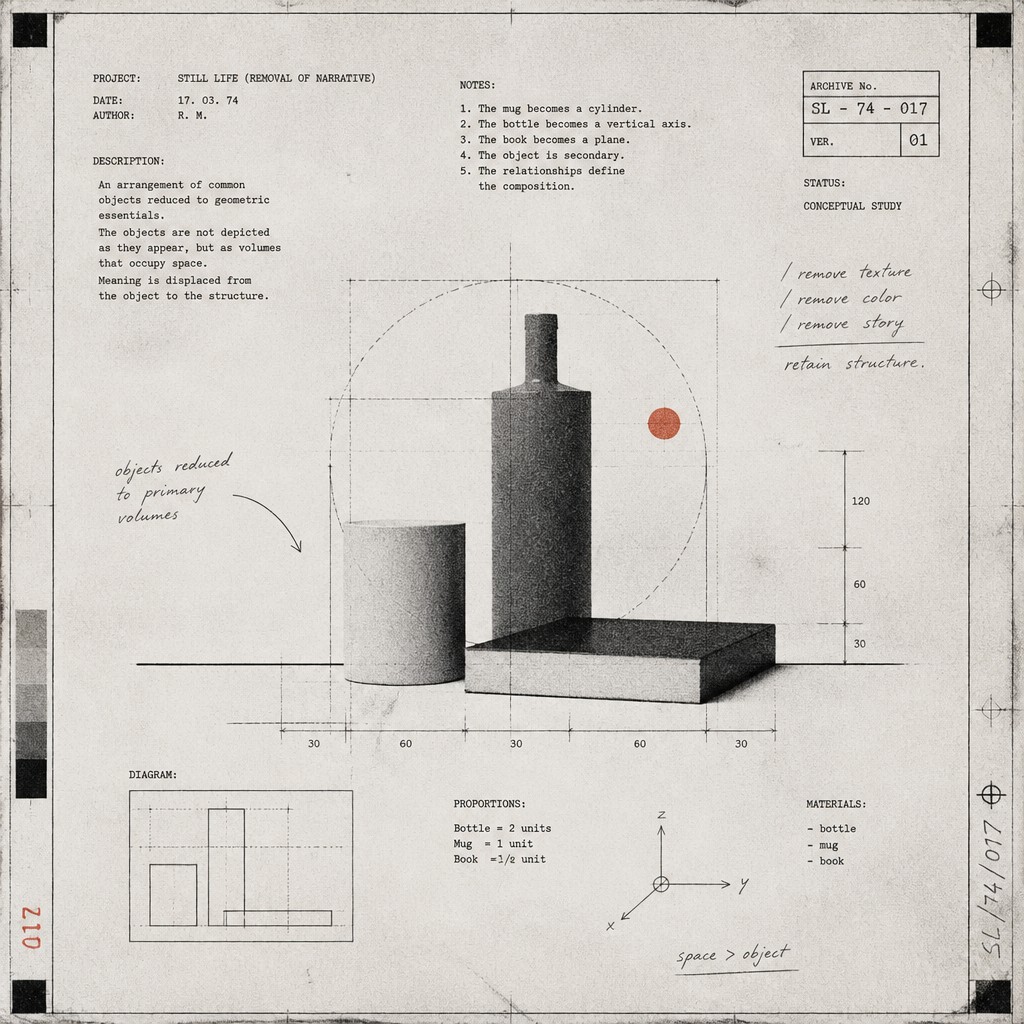
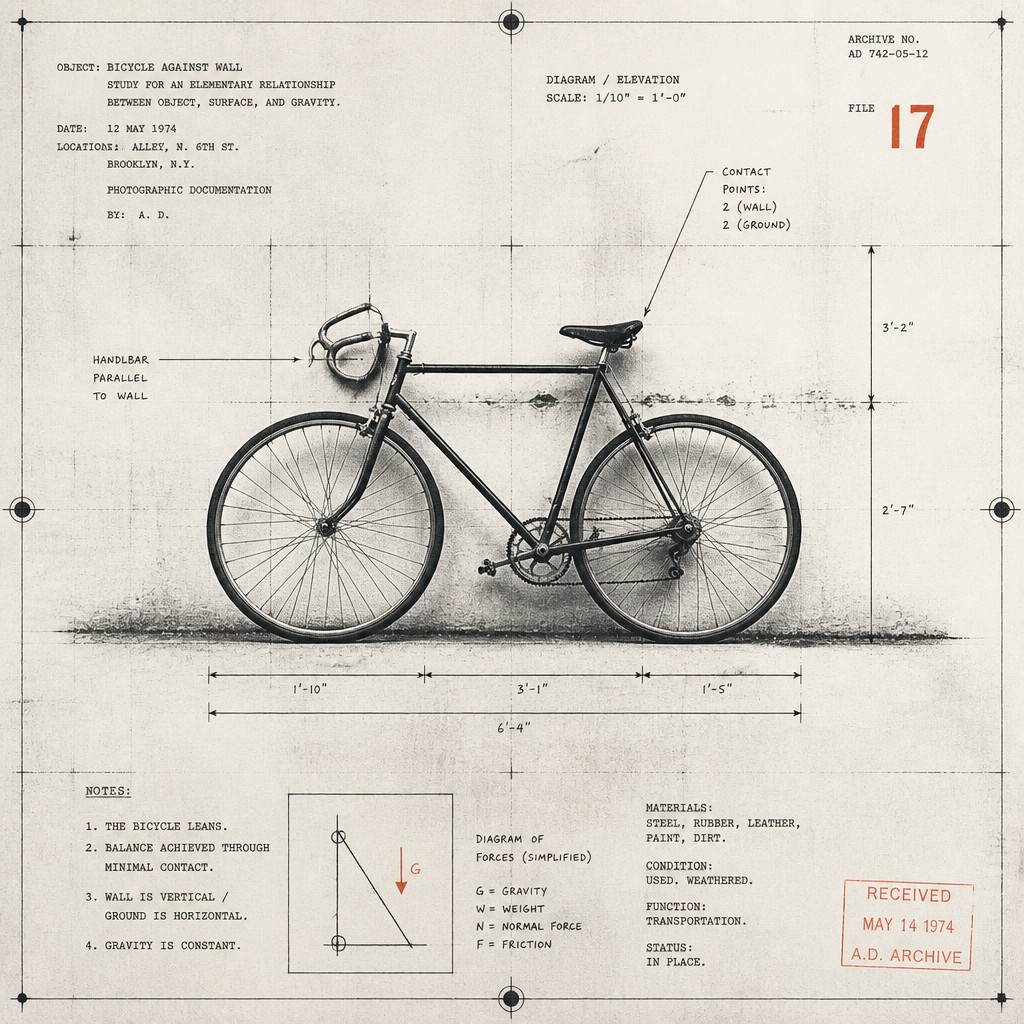
Conceptual art is an idea-led approach where the concept carries the main meaning. It often uses text, diagrams, instructions, documentation, or sparse visual elements to shift attention from appearance to thought, systems, language, and context.
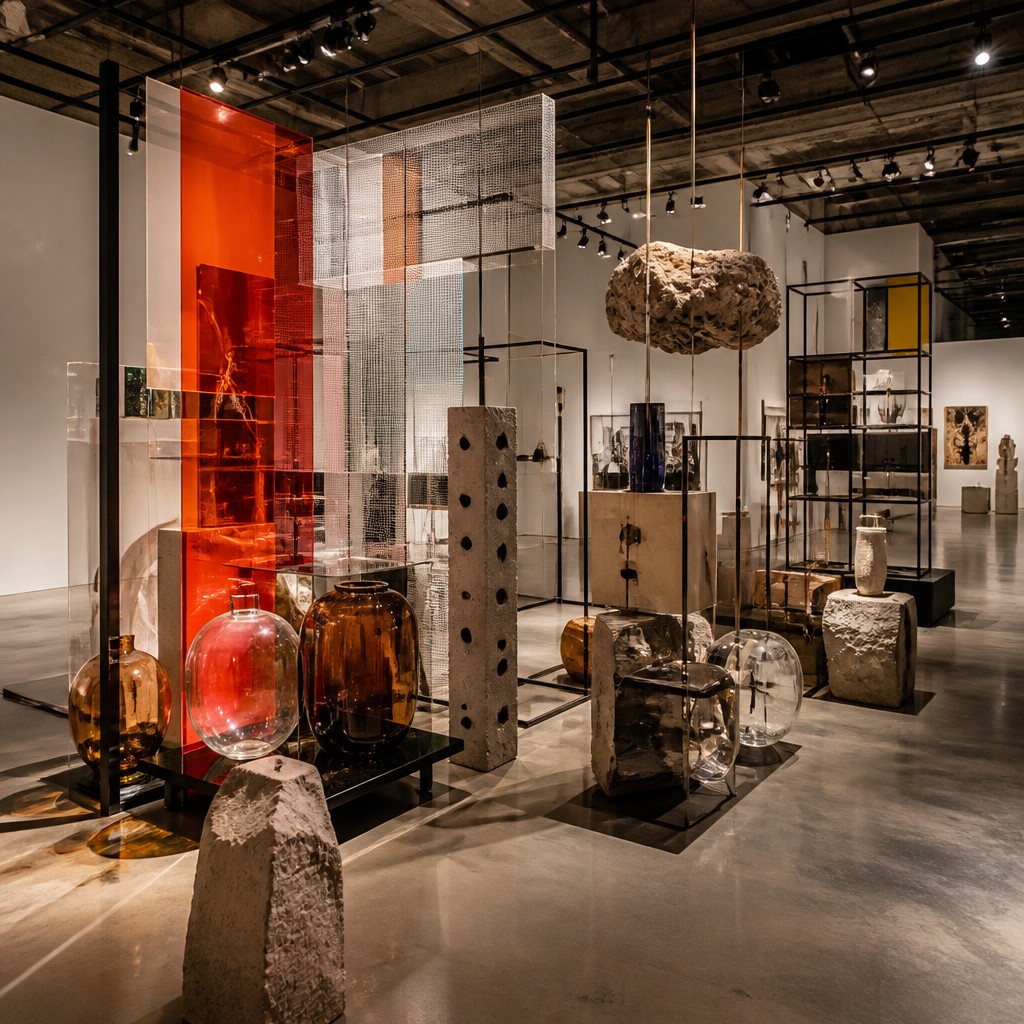
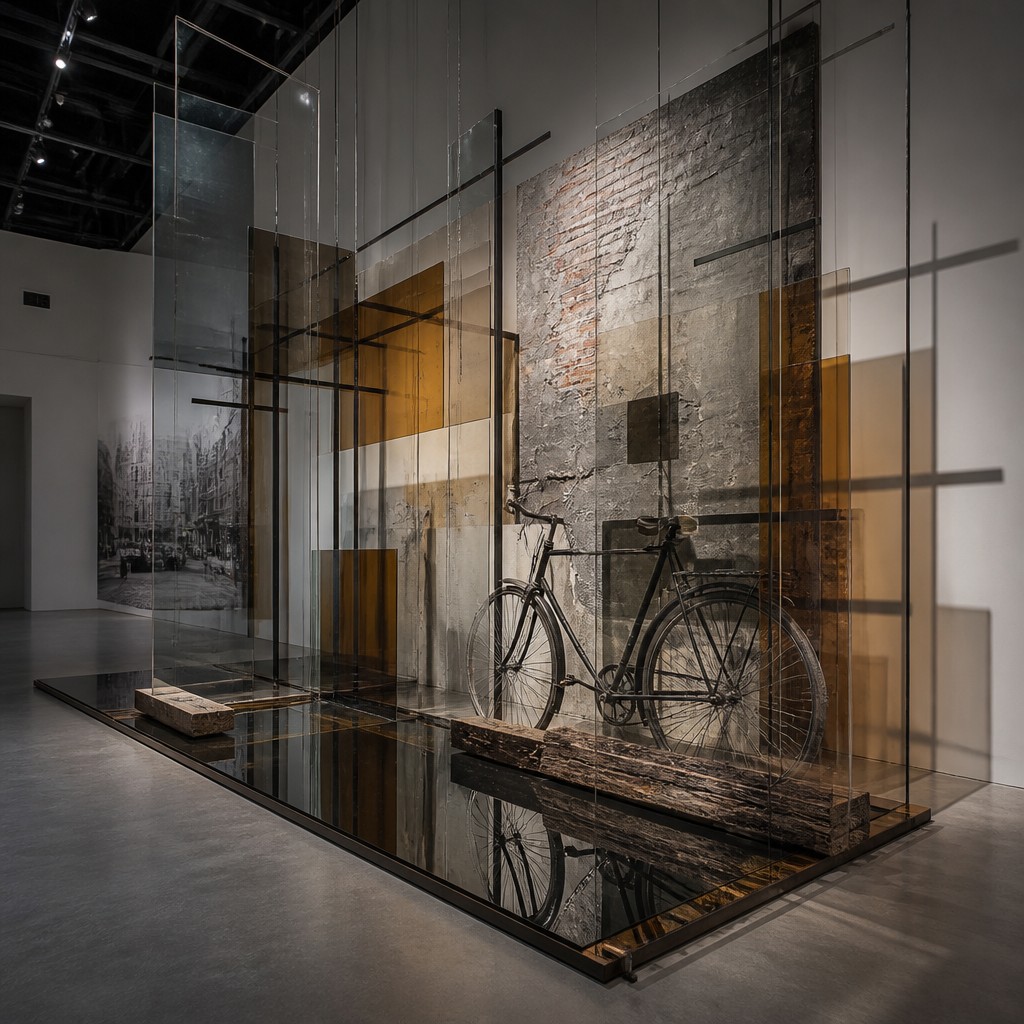
Installation art is a spatial approach that turns a room, site, or environment into an immersive artwork. It combines three-dimensional materials, mixed media, light, shadow, and arrangement in space, which is why people compare the two: both can prioritize experience and meaning over traditional object-focused painting or sculpture, but they do so in different ways.
Same Prompt, Both Styles
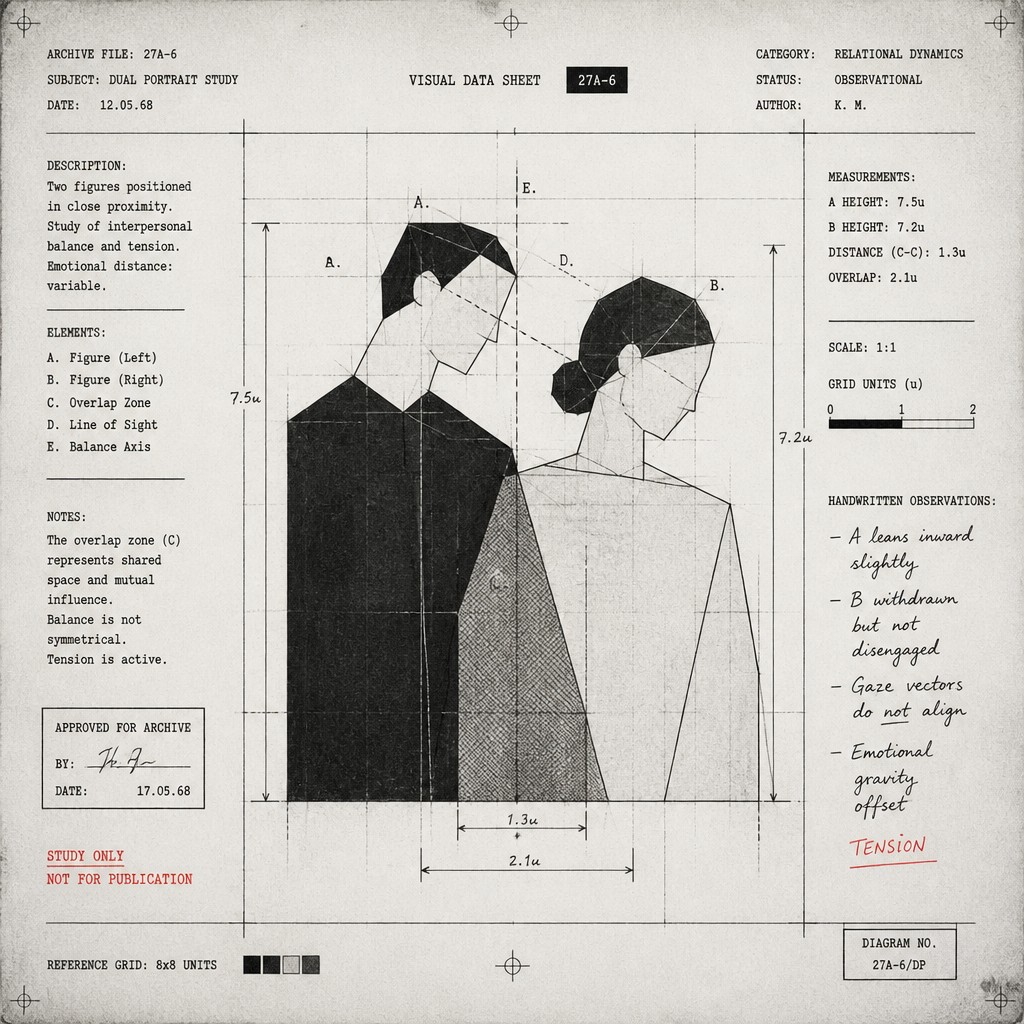
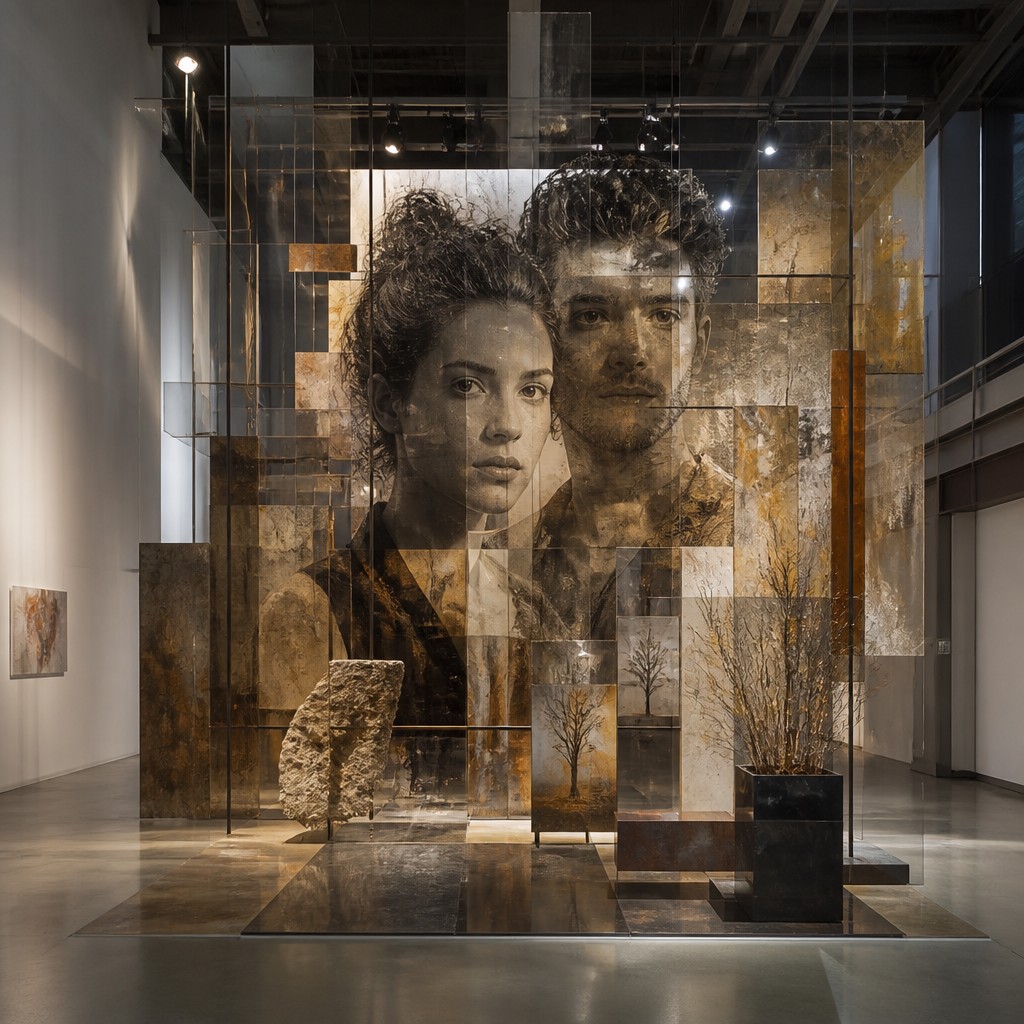
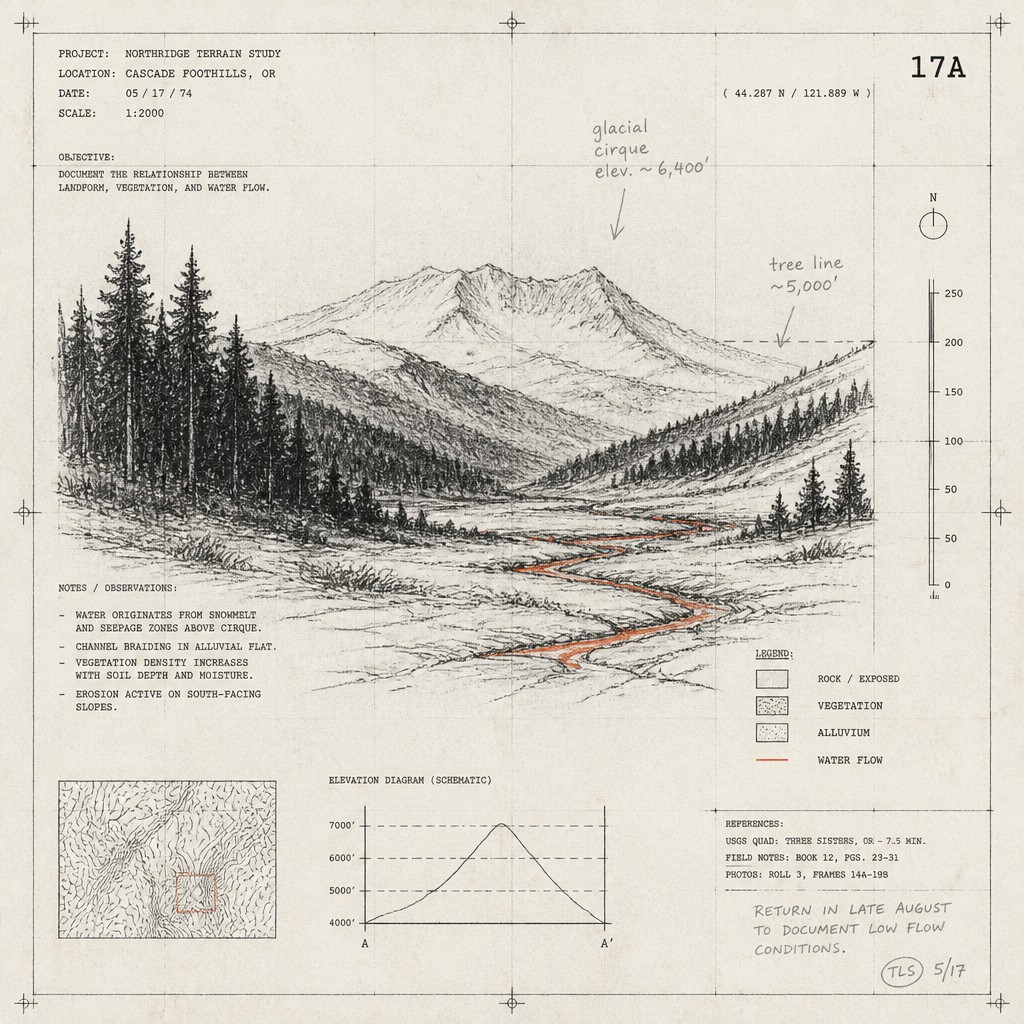
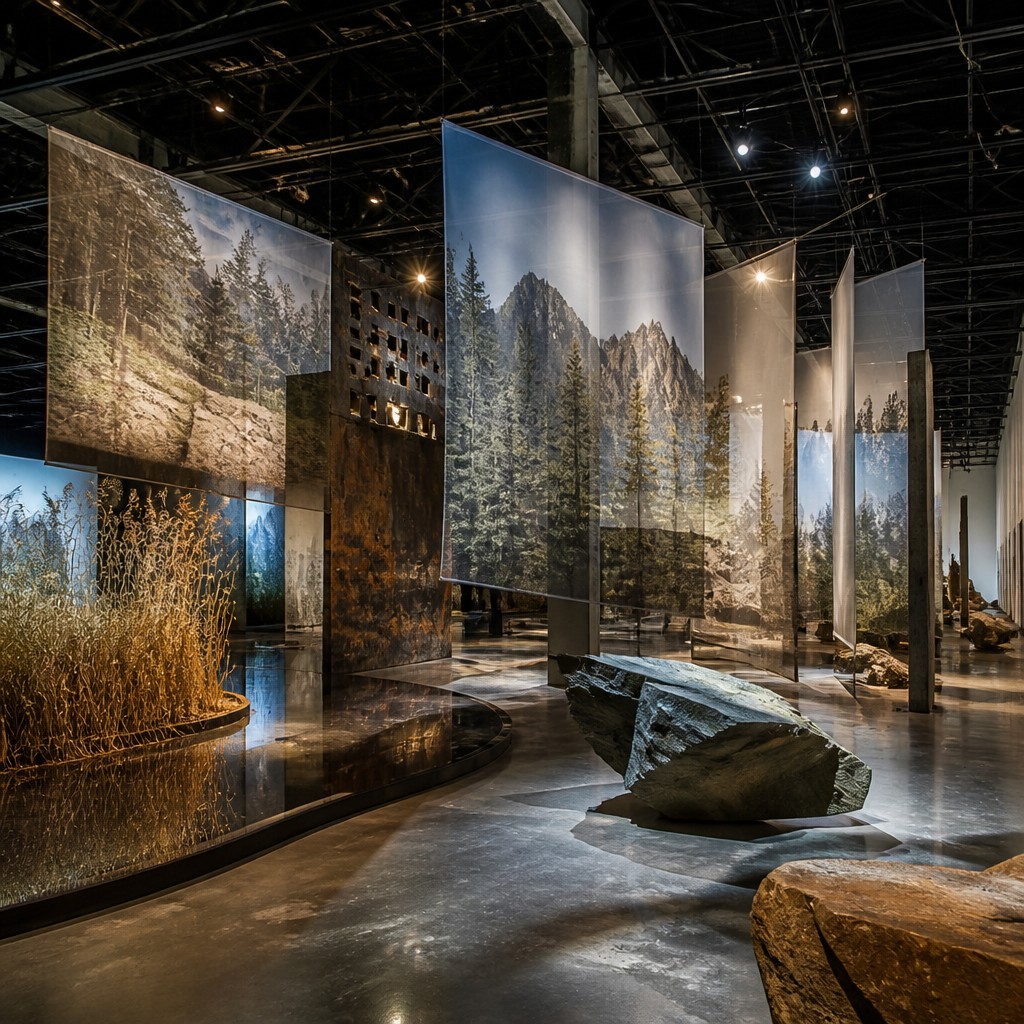
Each pair below was generated from the identical prompt — only the style changed.
“portrait of two people together”
“wide landscape with natural scenery”
“still life with everyday objects”
“bicyle resting against a wall”
Key Differences
| Conceptual | Installation | |
|---|---|---|
| Core focus | The idea is the artwork; visuals may be secondary. | The overall spatial experience is the artwork. |
| Physical form | Often minimal, textual, or diagrammatic. | Usually multi-part, three-dimensional, and environment-based. |
| Viewer experience | Read, interpret, and think through the work. | Move through, around, or inside the work. |
| Use of space | Space supports the concept rather than dominating it. | Space is actively transformed and becomes part of the meaning. |
| Materials | Can use documents, language, photographs, or found objects. | Often combines objects, light, sound, and site-specific materials. |
| Relationship to context | Meaning often depends on framing, explanation, or systems. | Meaning often depends on the surrounding site and bodily presence. |
| Mood | thoughtful, provocative, analytical, detached | immersive, contemplative, spatial, provocative |
| Energy | calm | balanced |
| Detail level | minimal | intricate |
| Color | neutral, monochrome, subdued accents | varied, often bold, mixed-media palette |
| Texture | flat, sparse, documentary-like | multisensory, layered, tactile surfaces |
| Origin | 1960s Western contemporary art | 1960s Western contemporary art |
| Best for | museum installations, editorial concepts, exhibition posters, artist books, research visuals | museum exhibits, gallery environments, event spaces, concept art, immersive branding |
| Difficulty | beginner-friendly | advanced |
Which Should You Choose?
Choose conceptual art when your main goal is to communicate an idea, critique a system, or explore language and meaning with minimal visual emphasis. Choose installation art when you want viewers to enter a designed environment and have a strong physical, spatial, or sensory experience. If your project needs both, concept can lead the structure while installation can carry the audience through it.
Frequently Asked Questions
Can an artwork be both conceptual and installation-based?
Yes. Many installations are concept-driven, and many conceptual works use spatial arrangement as part of the presentation. The difference is which element does the main work: the idea alone, or the immersive environment.
Which style is more minimal?
Conceptual art is usually more minimal in appearance because it often relies on text or simple forms. Installation art can be minimal too, but it more often builds a full spatial environment.
Which style is easier to understand at first glance?
Installation art is often more immediately legible because viewers can experience it physically. Conceptual art may require reading, explanation, or reflection before its meaning becomes clear.
Which style depends more on the exhibition site?
Installation art usually depends more on the site because the space helps define the work. Conceptual art can be shown in many formats, though its meaning may still depend on context and presentation.