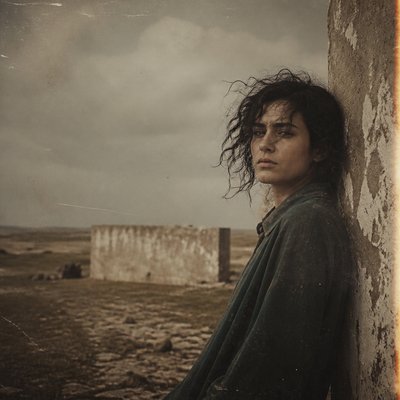
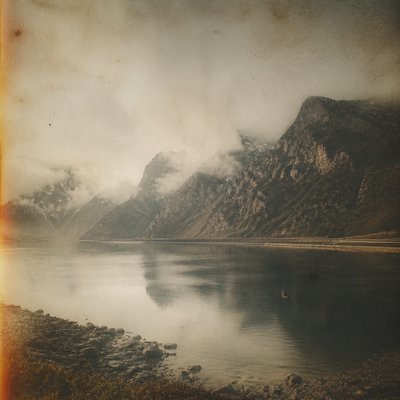
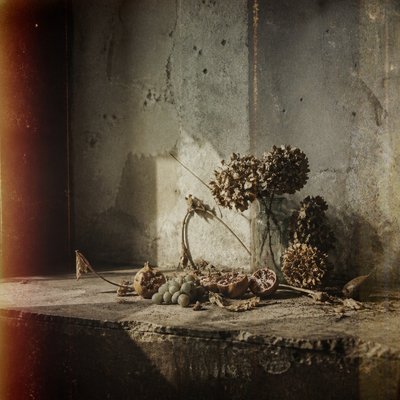
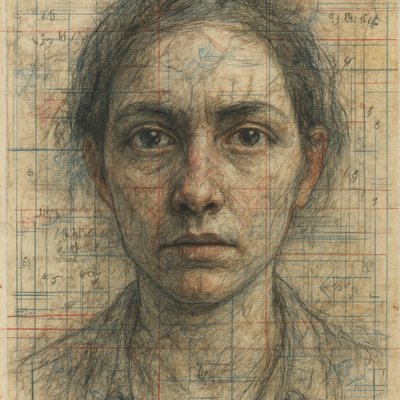
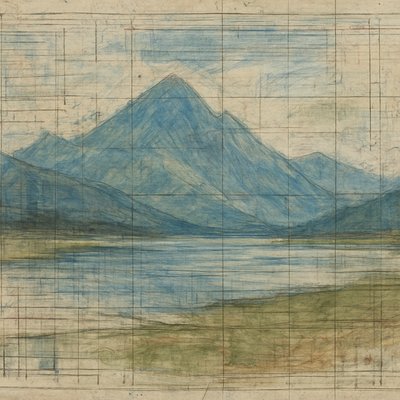
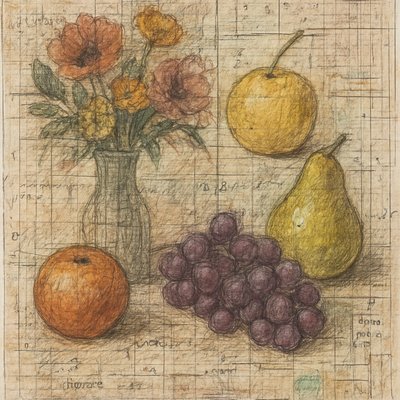
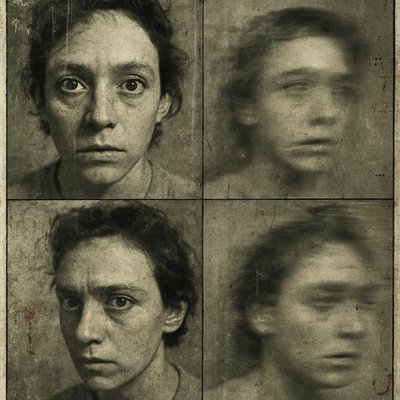
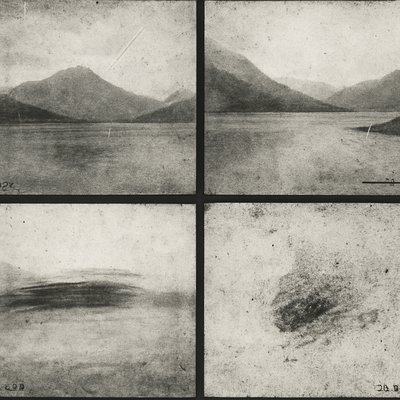
Photo-Conceptual Art Style
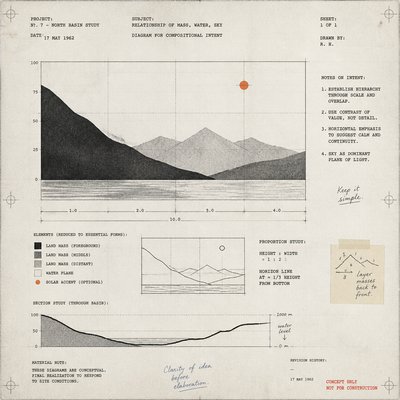
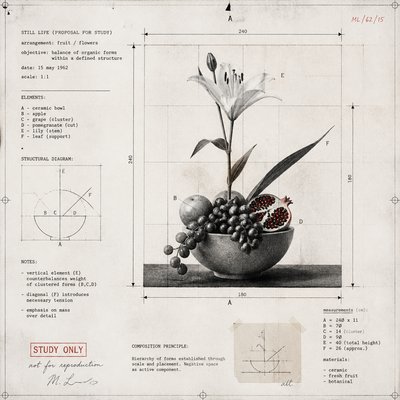
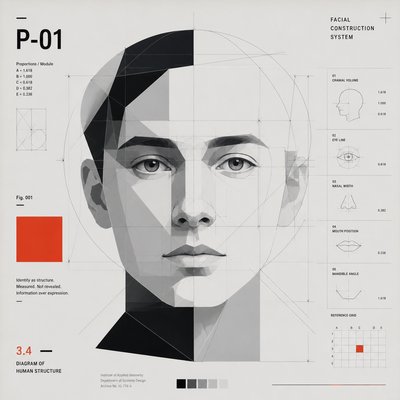
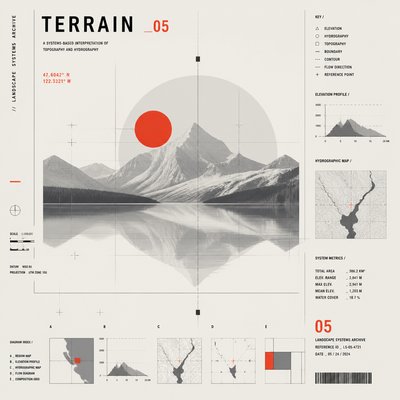
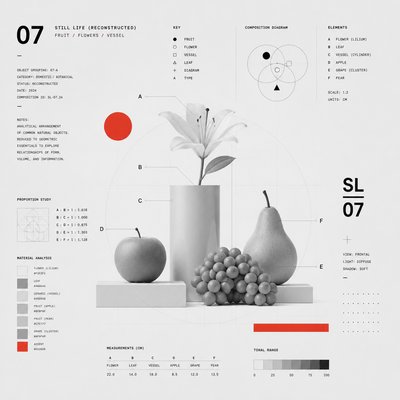
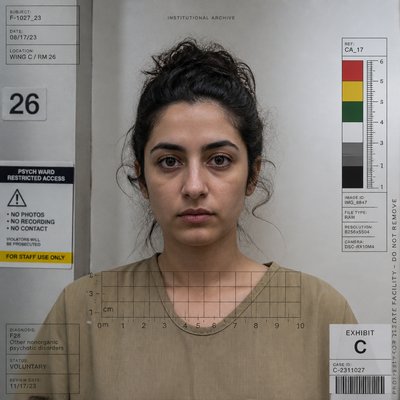
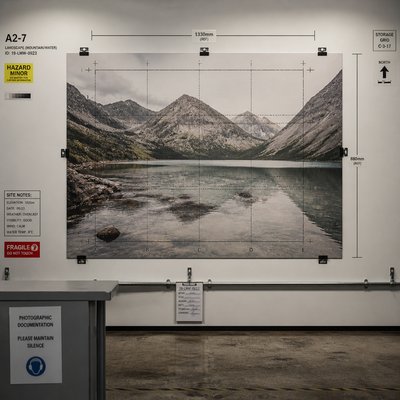
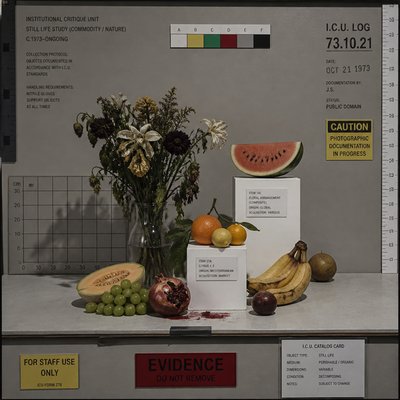
Photography used as concept and evidence: deadpan, serial, objective-looking images with neutral light and clinical composition.
Instantly rendered in Photo-Conceptual — or transform a photo
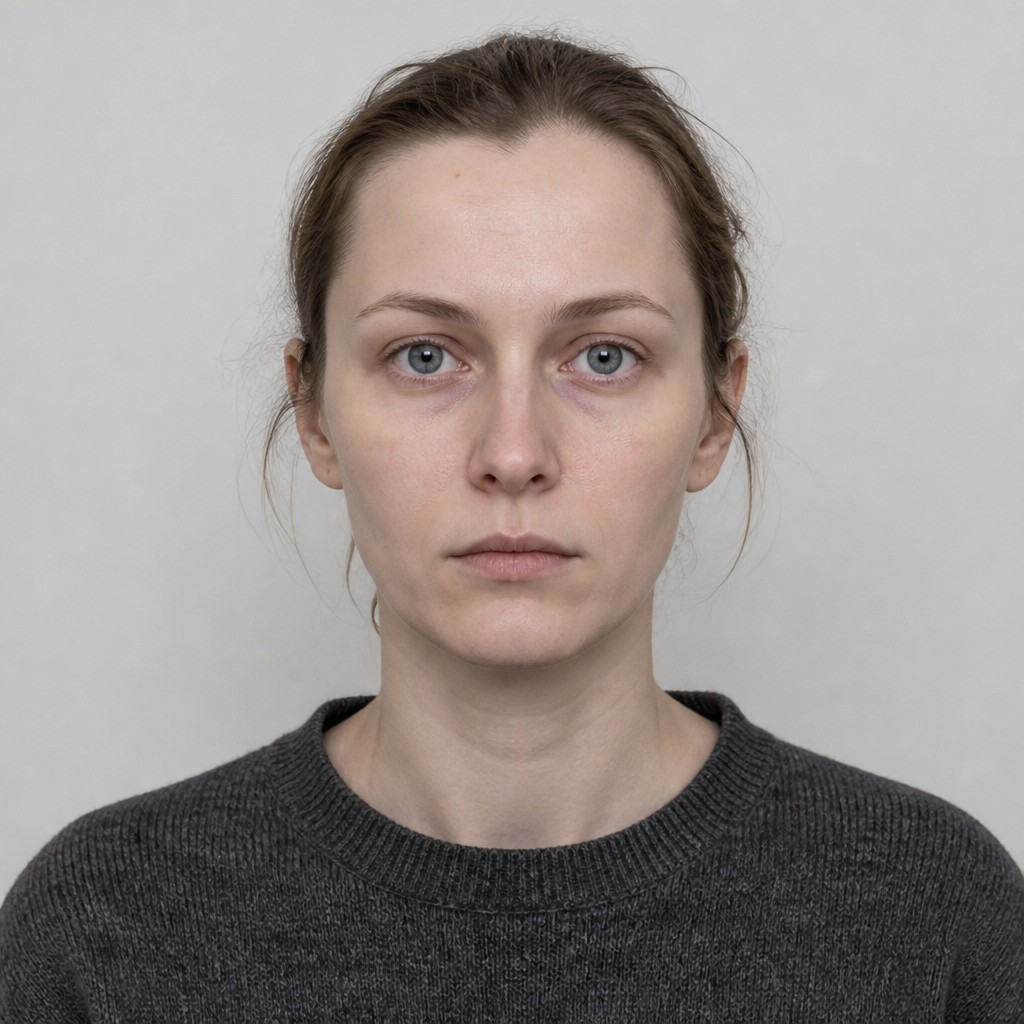
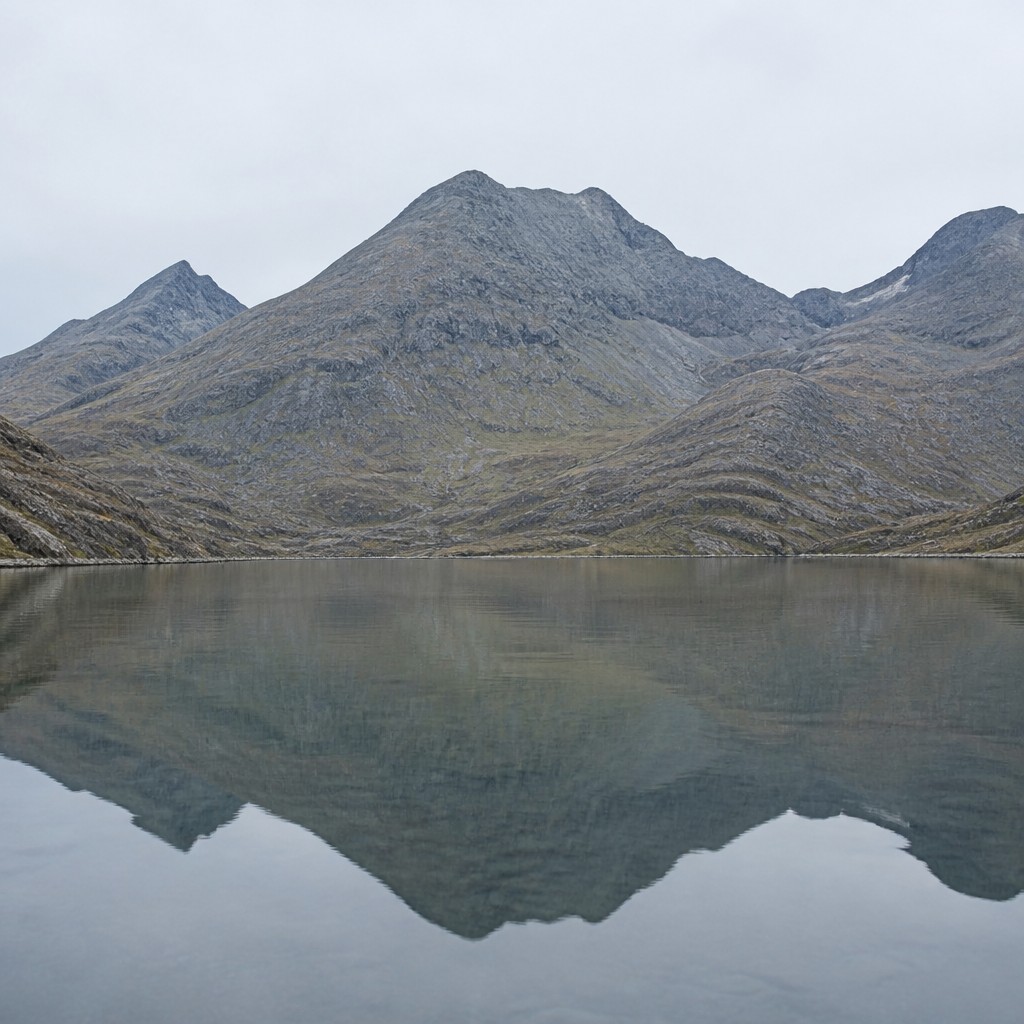
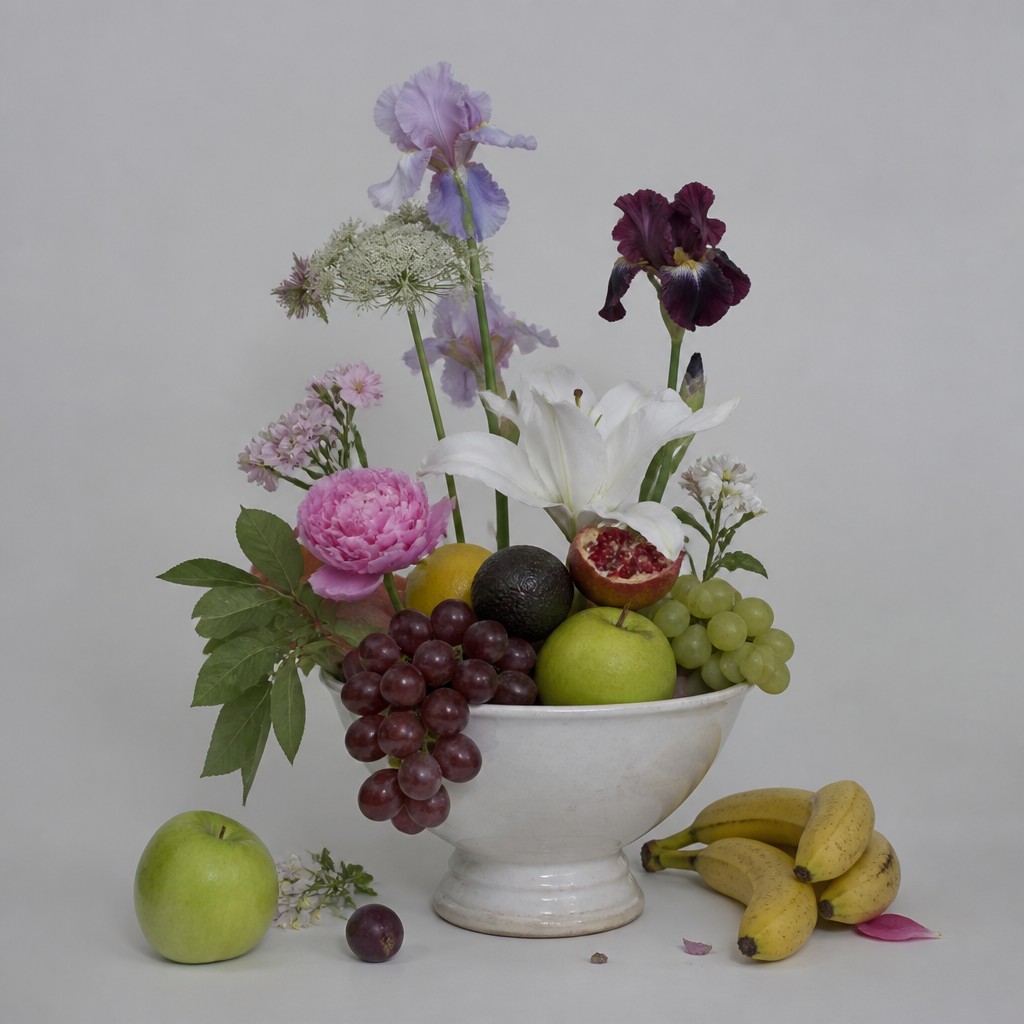
Photo-Conceptual Gallery
Tap any artwork to explore it




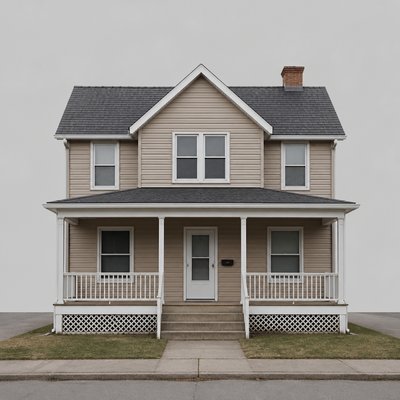
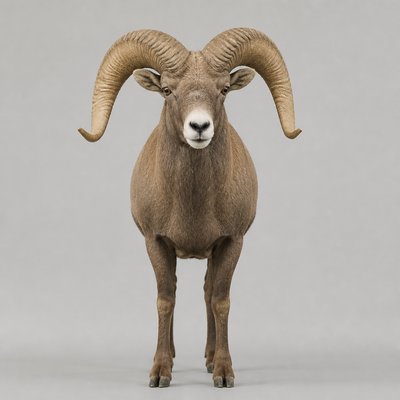
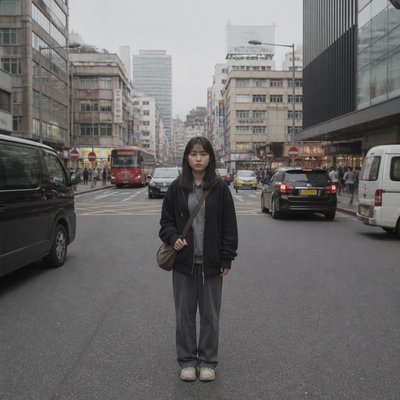
What is Photo-Conceptual Art Style?
Photo-conceptual art uses the camera less as a tool for pictorial beauty than as an instrument for thinking. Images are often frontal, repetitive, typological, and stripped of expressive drama so that the viewer reads them as evidence, data, or a visual proposition rather than a captured “moment.”
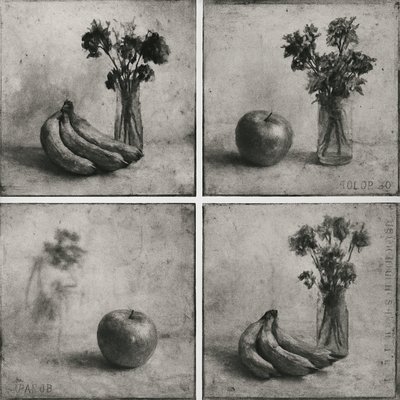
Its look is intentionally unemphatic: even lighting, centered framing, neutral backgrounds, and a broad focus that keeps information legible across the frame. The style borrows photography’s cultural authority for objectivity and turns that authority into a conceptual device, asking viewers to consider systems, categories, repetition, language, and the act of documentation itself.
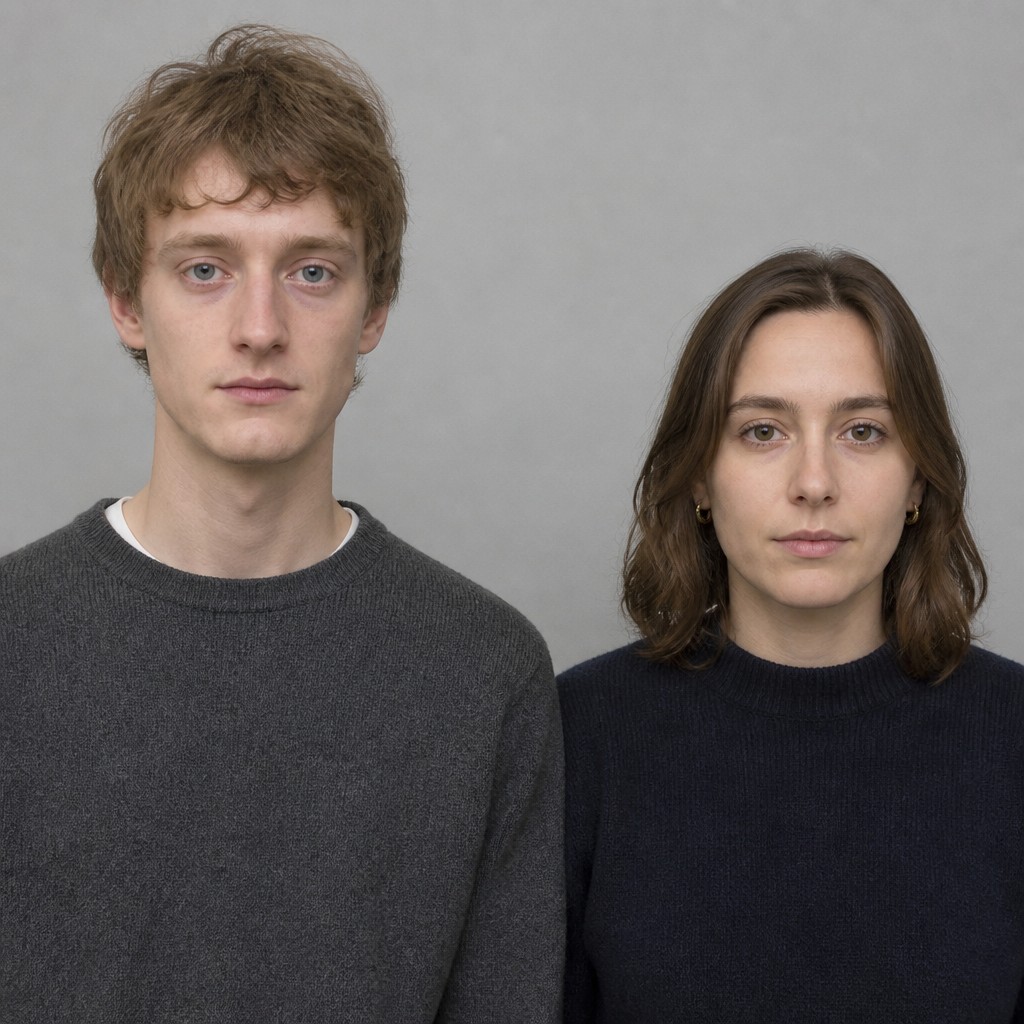
Try It On Your Photos
Upload any photo and convert it into Photo-Conceptual Art Style — drag the sliders to compare before and after.


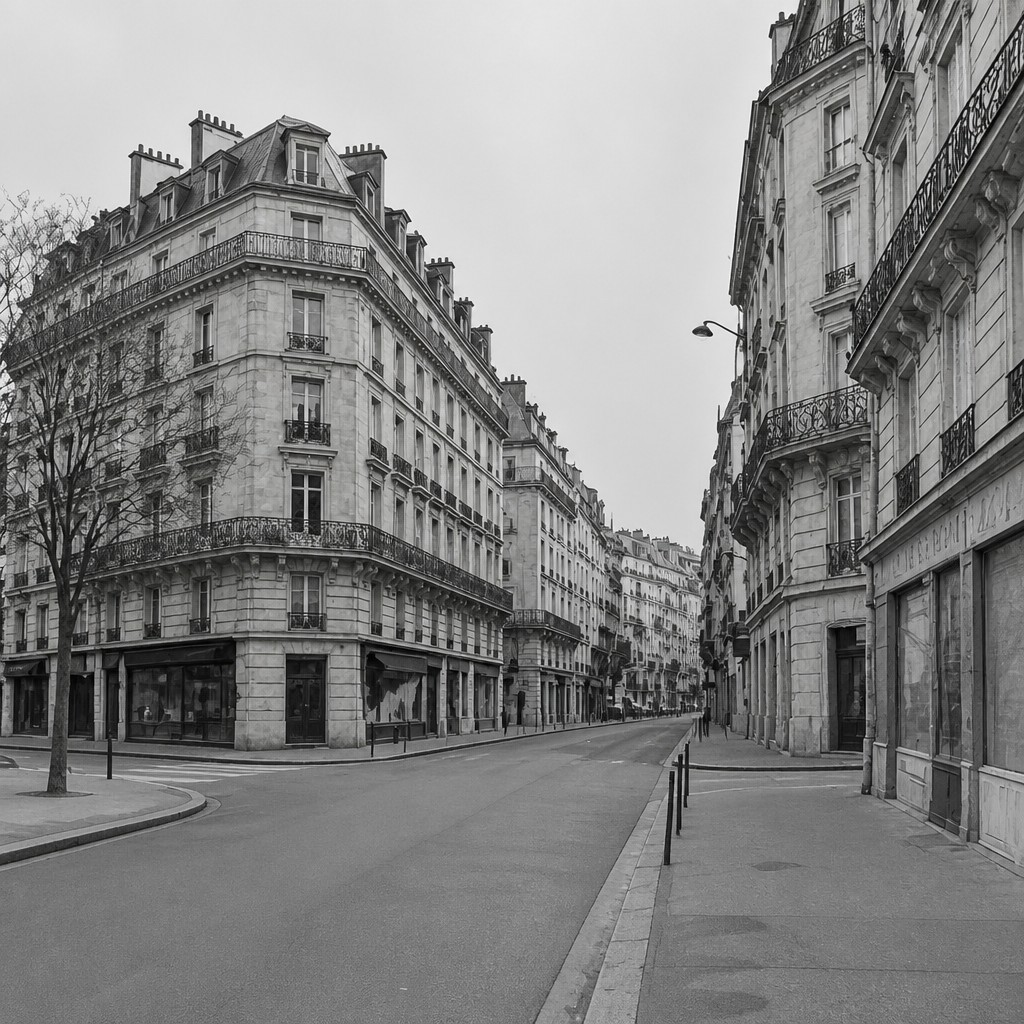

What Defines Photo-Conceptual Art Style
The signature details, up close
Deadpan framing
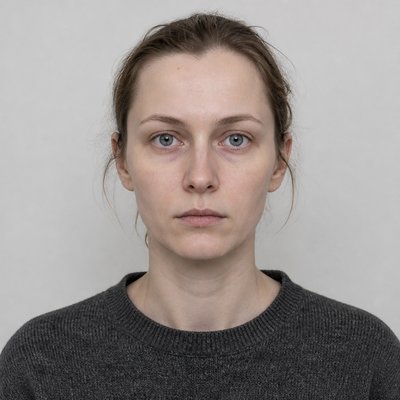
Subjects are presented frontally and plainly, with little or no dramatic angle. The composition feels neutral, measured, and deliberately unsensational.
Serial repetition
Images may appear in sequences, grids, or typologies that emphasize comparison over individual expression. Repetition becomes a method for generating meaning.
Clinical lighting
Light is even, flat, and non-dramatic, minimizing shadows and atmosphere. This helps the image read like a record rather than a scene.
Muted tonal range
Colors are often subdued or naturalistic, with restrained contrast. The palette supports clarity and documentation over mood.
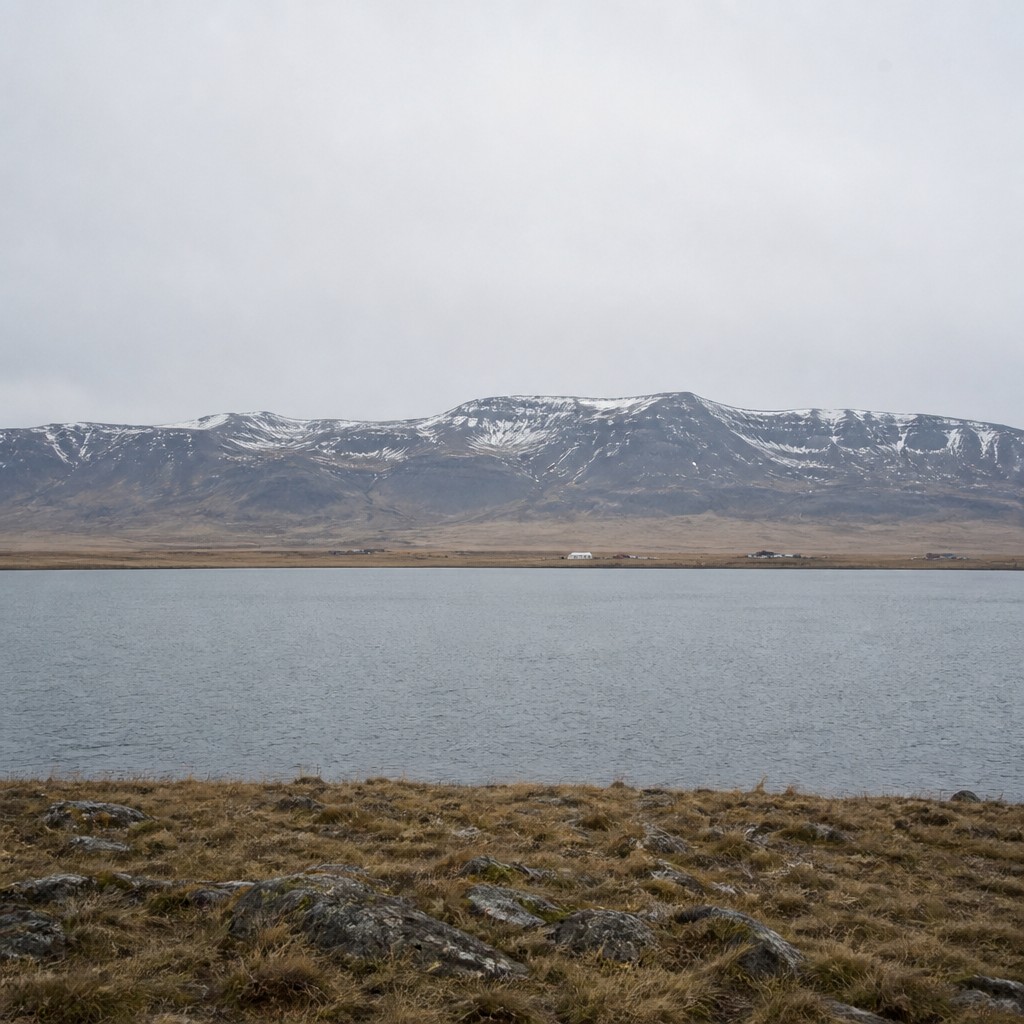
Uniform focus and clarity
Sharpness is distributed across the frame so details remain legible. The result resembles archival, forensic, or scientific imagery.

Neutral context
Backgrounds are kept plain or isolating, removing narrative clutter. This leaves the subject to function as an example, specimen, or proposition.
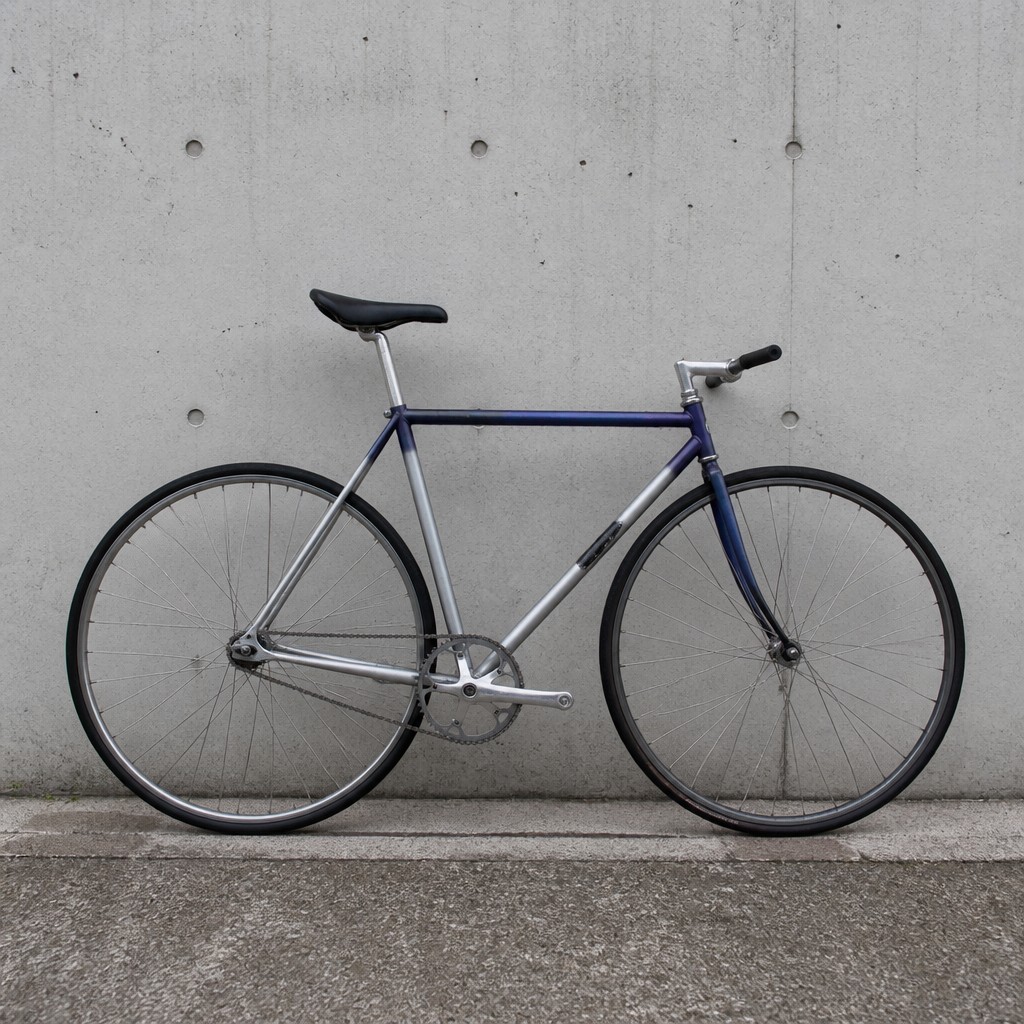
Concept-first presentation
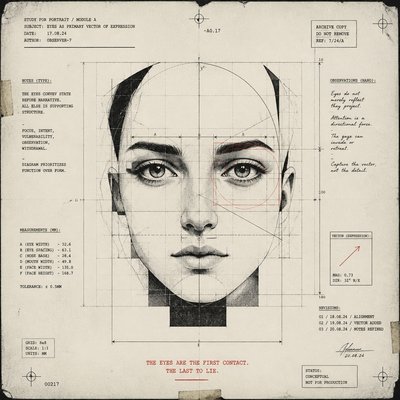
The image is organized to serve an idea: classification, comparison, instruction, or critique. Visual interest comes from structure and implication rather than expressive flourish.
Try It
Create Videos in Photo-Conceptual Art Style
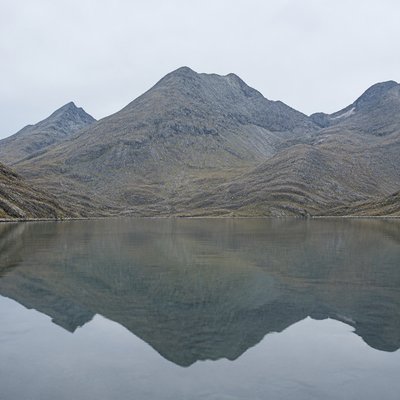
Styles aren't just for stills — describe a scene or animate an image and get a short video rendered in Photo-Conceptual. Press play to see this pond come to life.
Make a VideoPhoto-Conceptual Prompt Ideas
Start from an idea — each one opens the generator with the style ready to go. See all 40 Photo-Conceptual prompts →
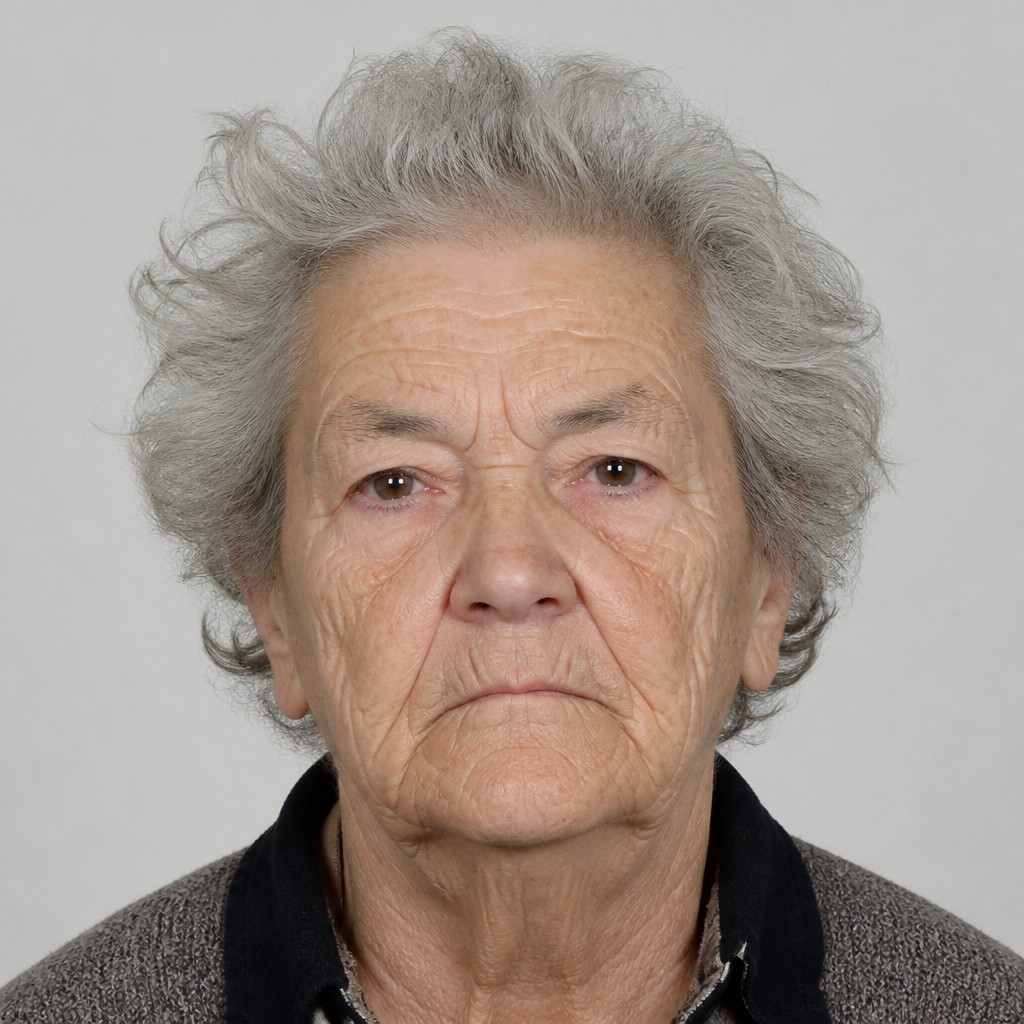
“close-up portrait of an elderly person with expressive weathered features”
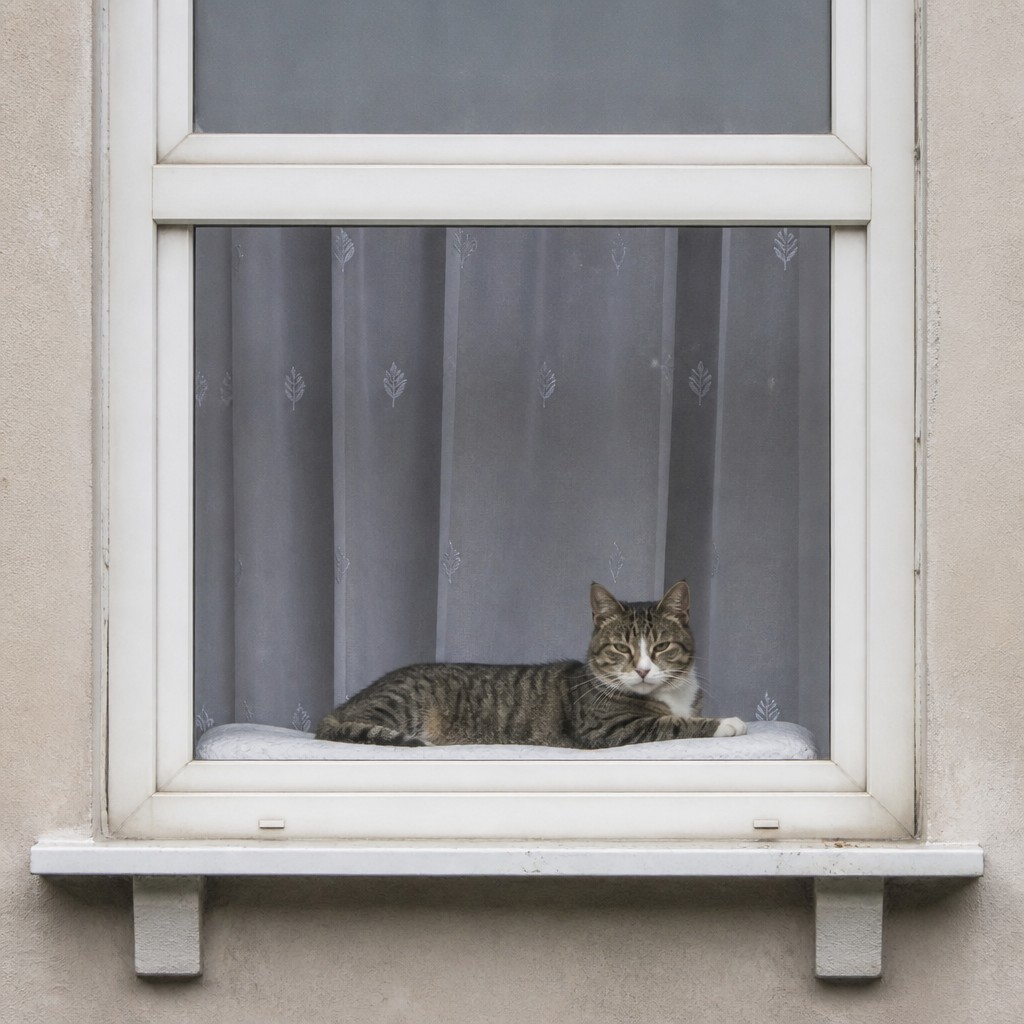
“a cat lounging in a sunlit window”
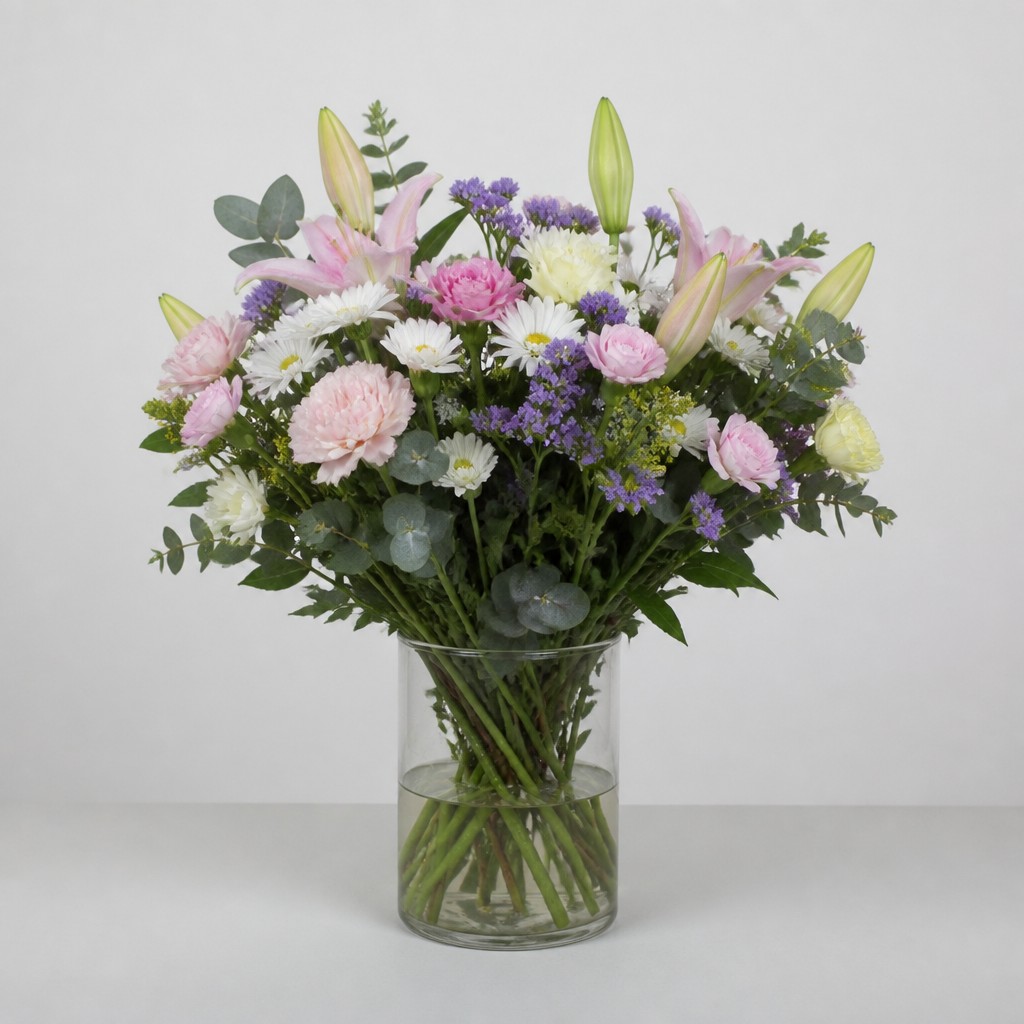
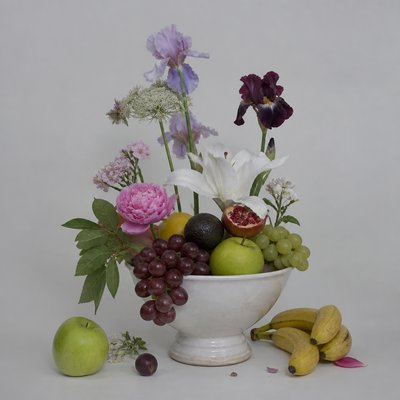
“bouquet of flowers in a glass vase”

“sailing ship on a stormy sea”
How to Create Photo-Conceptual Art
Master the craft step by step — or skip straight to creating. Read the full guide →
- 1
Choose a concept before a look
Start with a question, system, or rule: counting, categorizing, repeating, isolating, or documenting a process. In traditional photography, design the shoot around that logic; in digital or AI-assisted work, write prompts that specify the conceptual structure, not just the subject.
- 2
Use frontal, documentary composition
Place the subject squarely in frame and avoid dynamic angles, dramatic cropping, or theatrical perspective. The goal is to make the image feel like an observation or record, not an expressive portrait.
- 3
Flatten the lighting
Work in diffuse daylight, soft studio lighting, or other evenly distributed illumination. Reduce strong shadows and highlights so the image reads clearly and clinically.
- 4
Build series and grids
Make multiple related images with small controlled variations. Presenting them together is often essential, because repetition and comparison are central to the style’s meaning.
- 5
Remove visual noise in post
In editing, keep contrast moderate, color restrained, and the background as neutral as possible. Avoid heavy atmospheric effects, warm grading, vignette, blur, or lens drama.
- 6
Prompt for objectivity and typology
For prompt-based generation, combine the subject with terms like frontal view, archival record, neutral background, even lighting, serial documentation, and clinical clarity. Specify what the image is documenting so the result feels purposeful rather than merely minimalist.
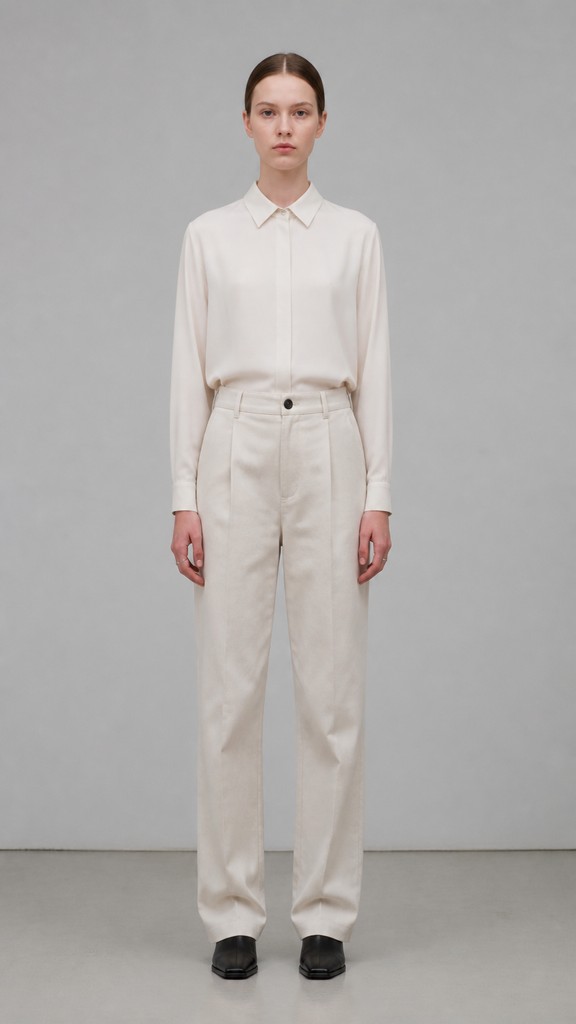
The Story
History & Origins of Photo-Conceptual
Photo-conceptual practice grew out of Conceptual Art in the late 1960s and 1970s, when many artists began treating the photograph as a record of an idea rather than a standalone aesthetic object. It also draws from documentary photography, scientific imaging, typology, and the deadpan strategies of “objective” modern photography. In this context, the image’s neutrality is not a lack of style but a deliberate style of thought.
Important precedents include the typological approach of a renowned husband-and-wife pair of photographers working in serial industrial studies, whose photographs of industrial structures established a rigorous, repetitive visual method; a major West Coast pop and conceptual artist’s book works, which used plain photography as conceptual documentation; and artists such as an influential text-and-image conceptual artist, a significant British conceptual and media theorist, a prominent large-scale narrative photographer, and a French conceptual artist known for diaristic investigations, who expanded photography’s role into language, narrative, appropriation, and instruction. Later photo-conceptual work continued into contemporary practices involving archives, surveillance aesthetics, and systematic picture-making.
Influences: Photo-conceptual art is closely related to Conceptual Art, documentary photography, and typological photography, as well as the “objective” aesthetic associated with the Düsseldorf School. Canonical figures often cited in relation to these strategies include a renowned husband-and-wife pair of typological photographers, a major West Coast pop and conceptual artist, an influential text-and-image conceptual artist, a significant British conceptual and media theorist, a prominent large-scale narrative photographer, and a French conceptual artist known for diaristic investigations. It also overlaps with scientific imaging, archival record-keeping, and surveillance aesthetics, all of which contribute to its matter-of-fact visual language.
Frequently Asked Questions
What defines photo-conceptual art?
It is photography used primarily to present an idea, system, or proposition rather than to produce a beautiful image. The style often looks neutral, repetitive, and documentary because that apparent objectivity helps the concept read clearly.
How is it different from documentary photography?
Documentary photography usually aims to describe real events, places, or people with evidentiary force, while photo-conceptual art uses that evidentiary look to explore a concept. The image may still document reality, but its main purpose is often structural, critical, or analytical.
What makes the images look so plain?
The plainness is intentional. Flat lighting, centered composition, and minimal atmosphere prevent the viewer from focusing on mood or spectacle, directing attention to form, repetition, and meaning.
Does this style always use series or grids?
Not always, but serial presentation is one of its most recognizable strategies. Repetition allows small differences to become meaningful and reinforces the sense that the work is studying a system rather than a single subject.
How can I make a photo-conceptual image?
Begin with a rule or idea, then shoot in a controlled, unemotional way that supports it. Keep the lighting even, the framing direct, and the background simple; if working digitally, preserve that same restrained, documentary feeling in the final image.
Where is this style used today?
It appears in fine art photography, editorial projects, archival and museum contexts, and contemporary work dealing with identity, systems, labor, and institutions. It is also useful wherever an image needs to feel analytical, recorded, or deliberately anti-spectacular.
Create your first Photo-Conceptual artwork
Describe anything — or upload a photo — and see it in Photo-Conceptual Art Style in seconds.
Make Something with Photo-Conceptual
Related Styles
Discover similar art styles