Institutional Critique Conceptual Art Style
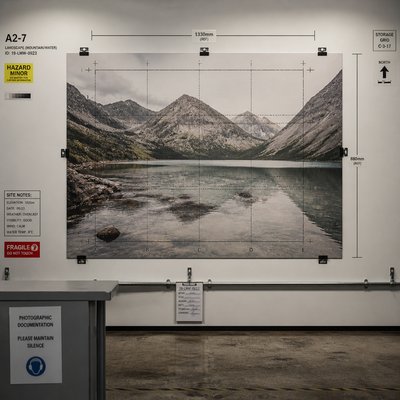
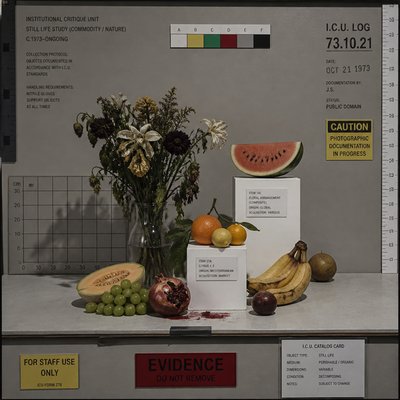
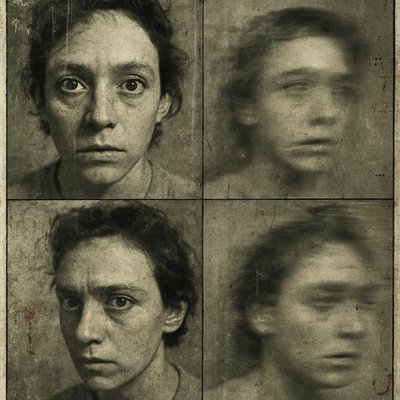
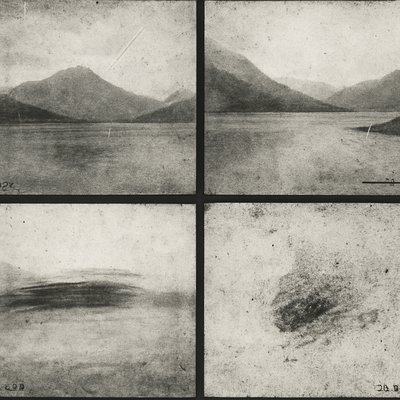
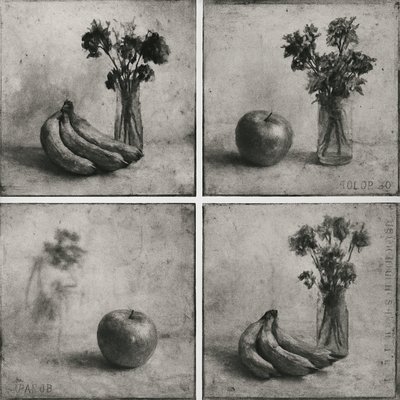
Conceptual art that exposes institutions through stark documentation, labels, grids, fluorescent light, and bureaucratic visual systems.
Instantly rendered in Institutional Critique Conceptual — or transform a photo

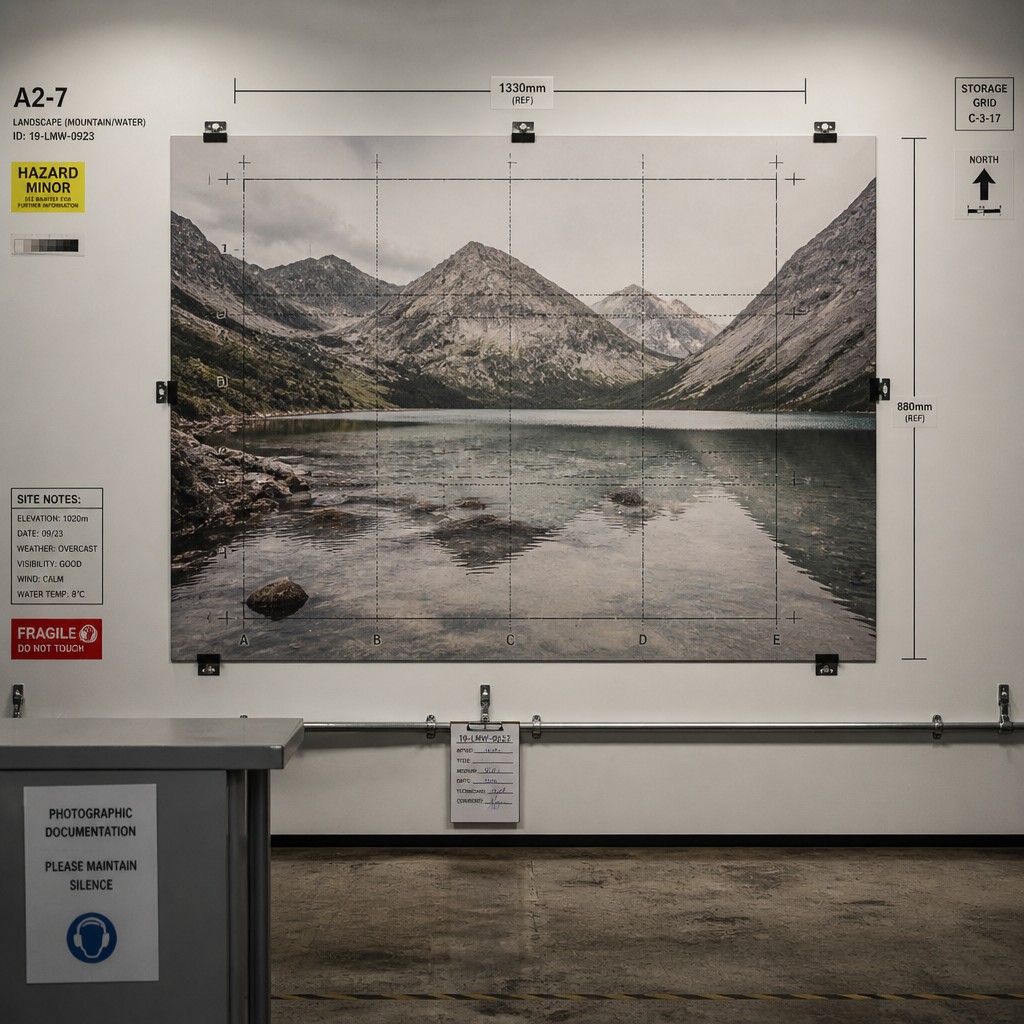
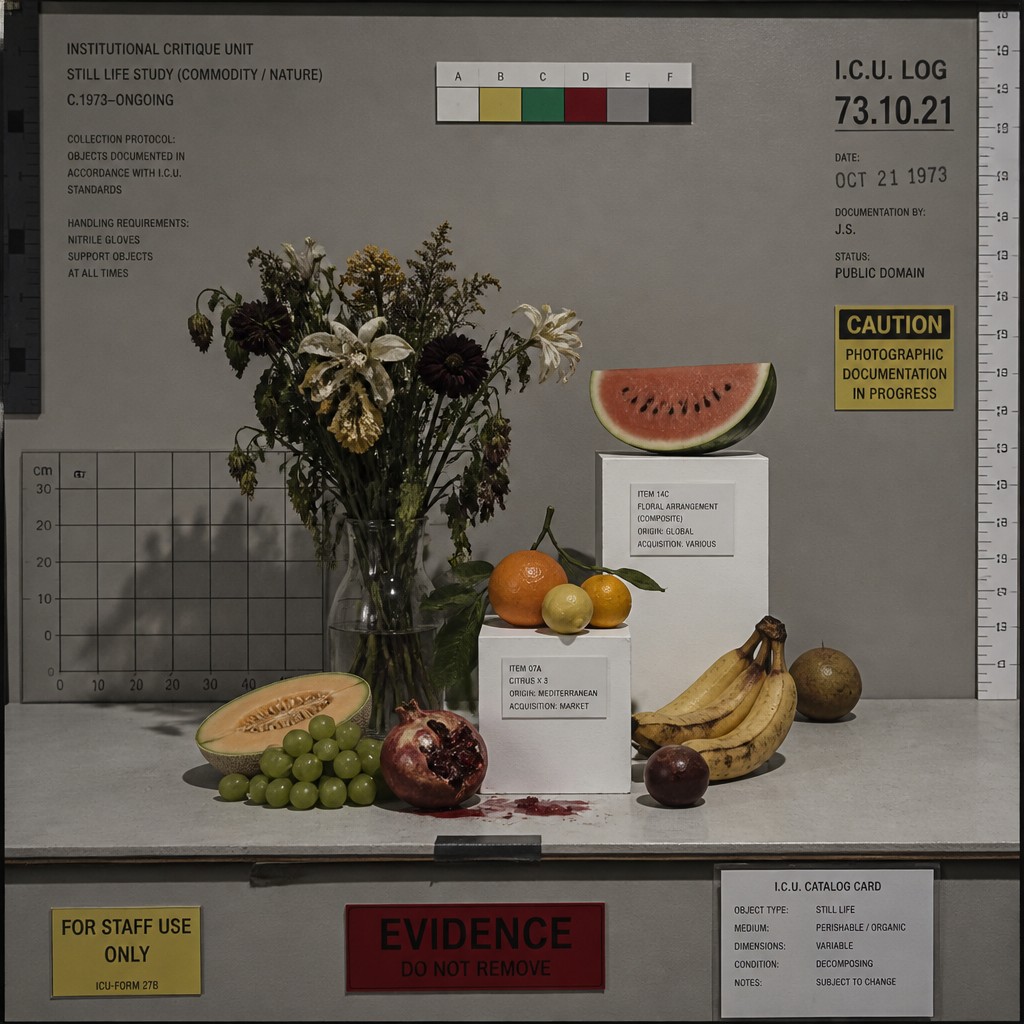
Institutional Critique Conceptual Gallery
Tap any artwork to explore it
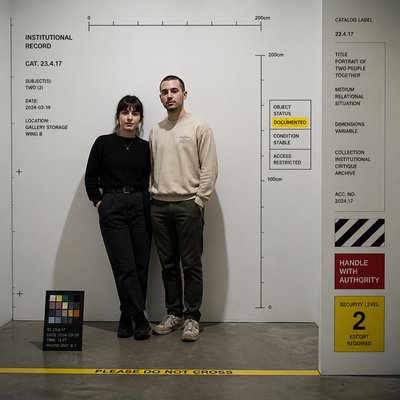
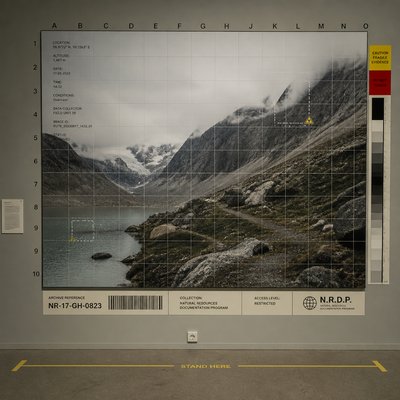
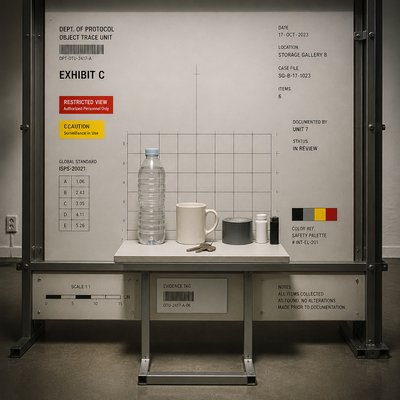
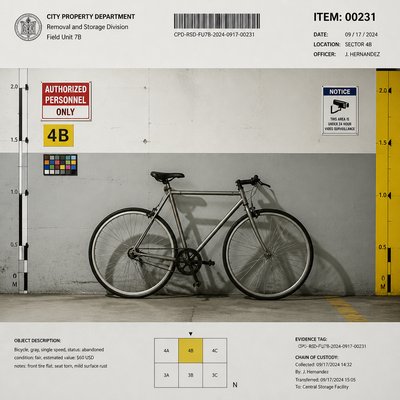
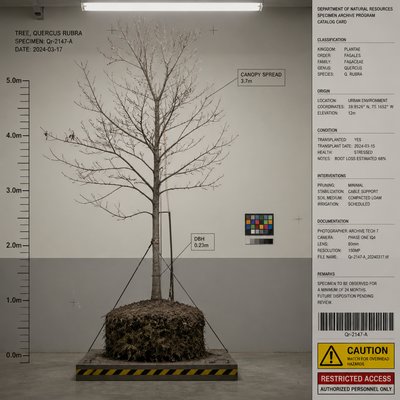
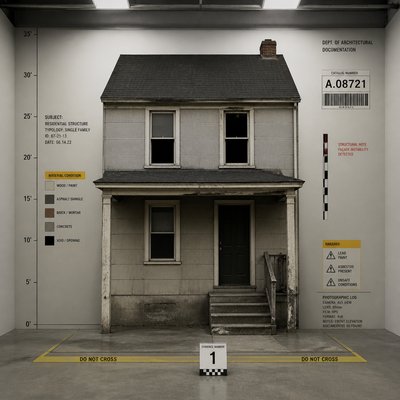

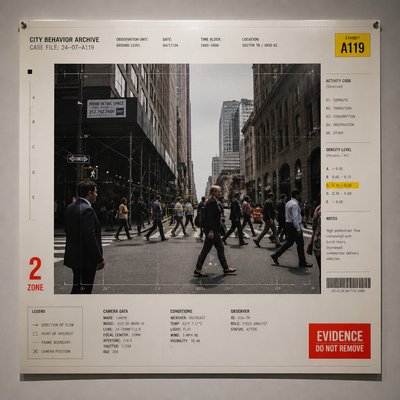
What is Institutional Critique Conceptual Art Style?
Institutional critique conceptual art is a practice-oriented style that uses the visual language of administration, documentation, and display to reveal the power structures behind museums, galleries, archives, and art markets. Rather than emphasizing personal expression or painterly illusion, it often looks analytical, procedural, and impersonal: a work may resemble an inventory sheet, an installation record, a site survey, or an evidence photograph.
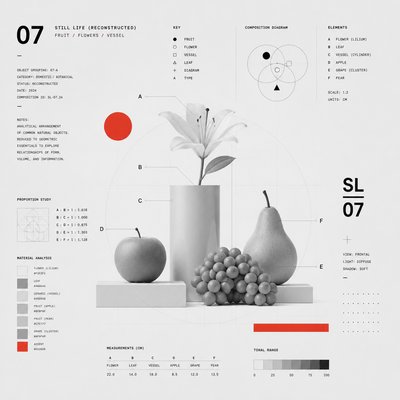
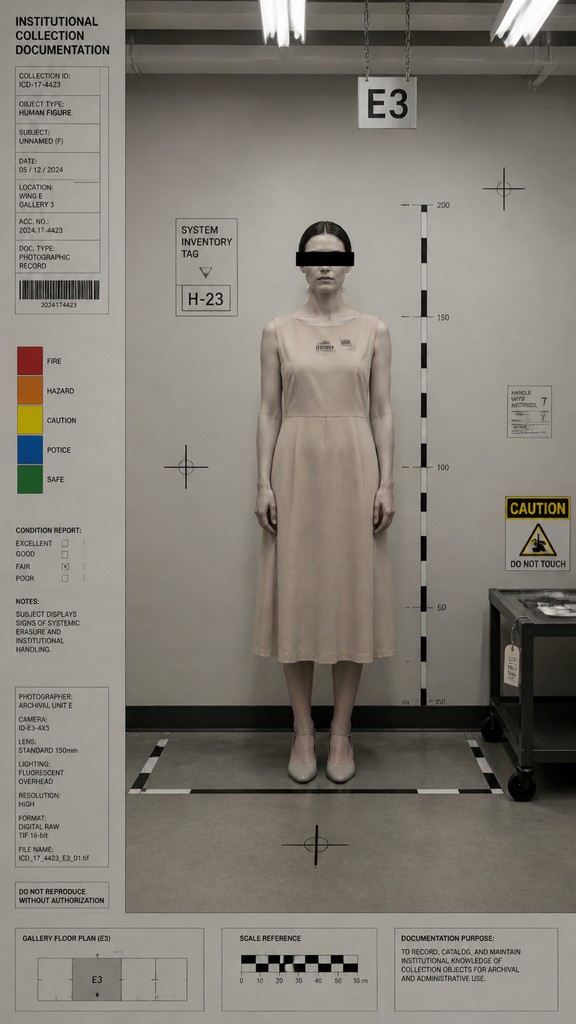
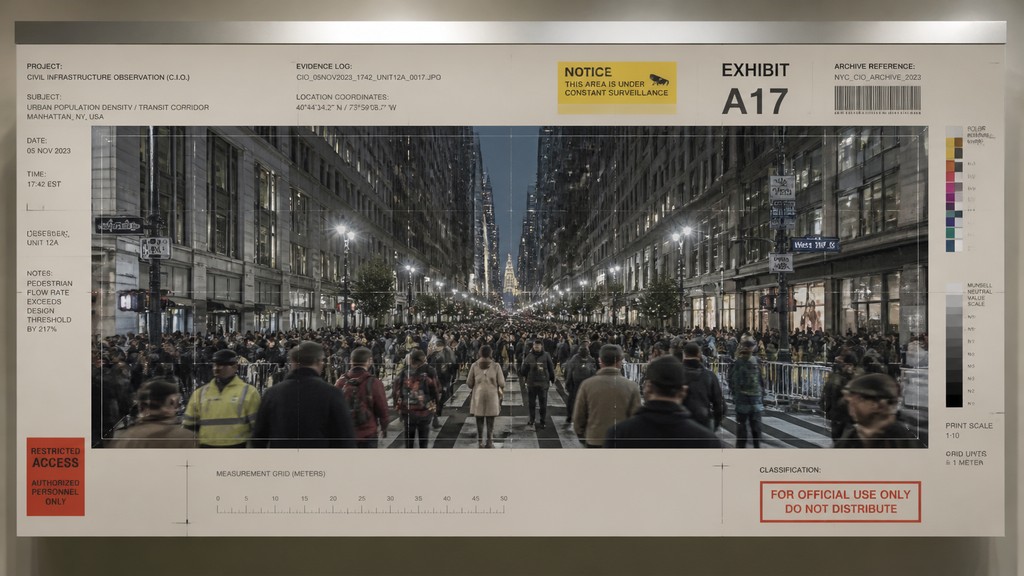
Its visual identity is built from the appearance of objectivity. Flat fluorescent lighting, neutral grays and beiges, measurement marks, wall labels, signage colors, and formal symmetry that is slightly disturbed all contribute to a sense of regulated space under scrutiny. The style looks this way because it is not only showing an object or scene; it is exposing the frame, the apparatus, and the institutional logic that normally remain invisible.
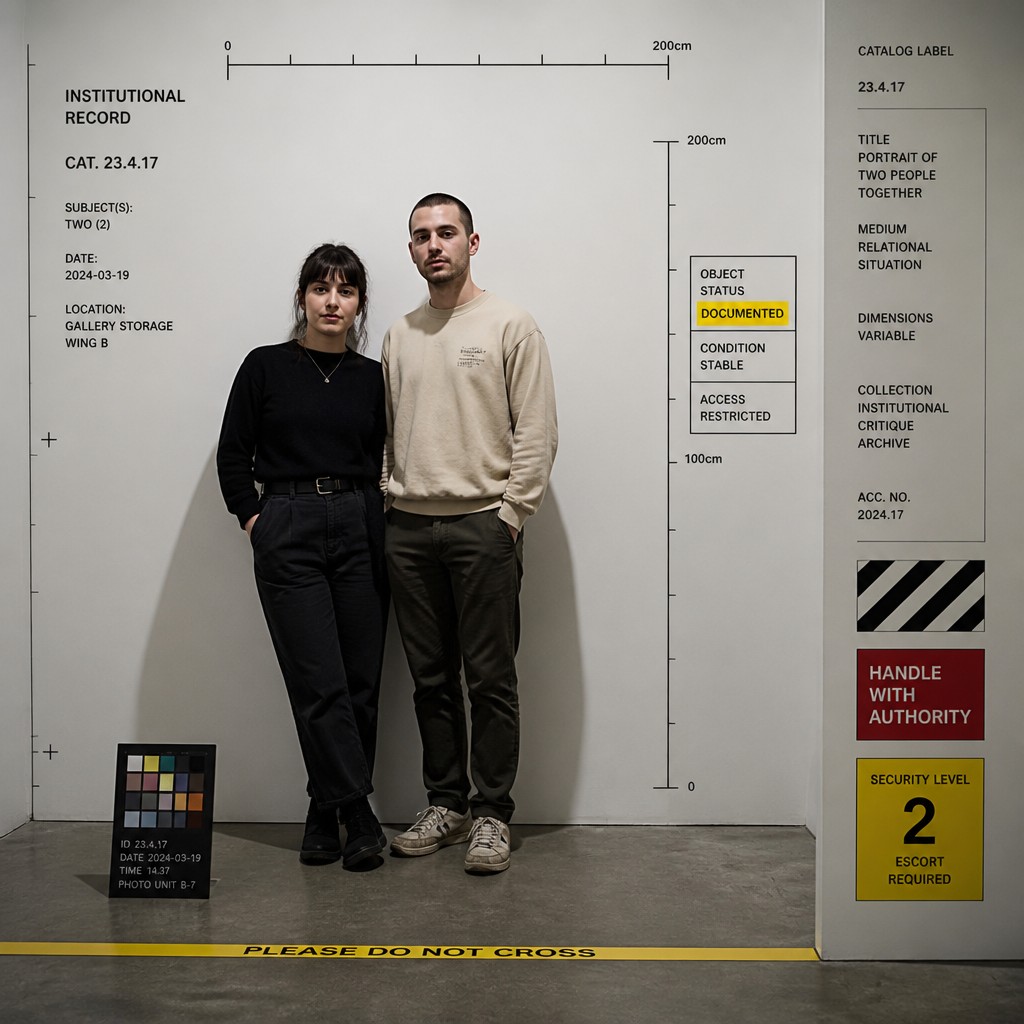
Try It On Your Photos
Upload any photo and convert it into Institutional Critique Conceptual Art Style — drag the sliders to compare before and after.


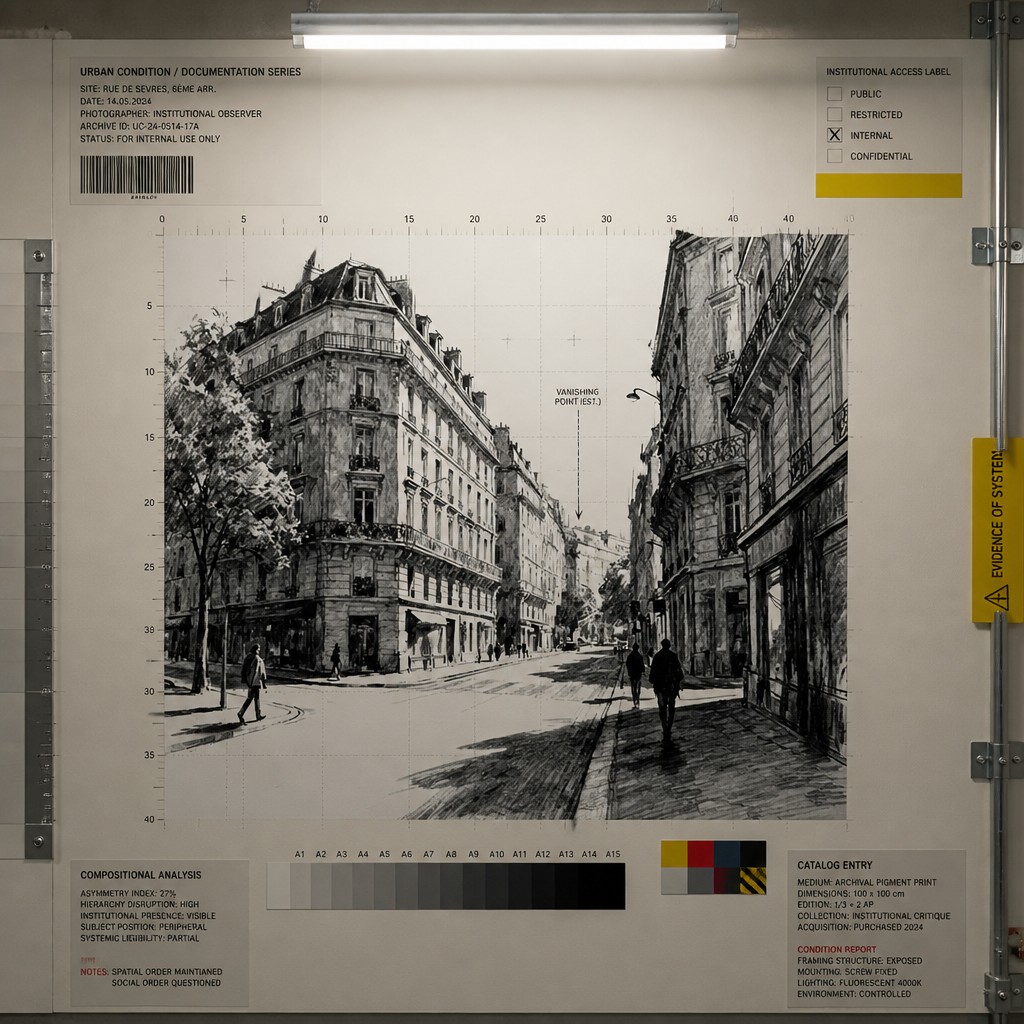

What Defines Institutional Critique Conceptual Art Style
The signature details, up close
Clinical documentation
Images often resemble archival records, inspection photos, or evidentiary documentation. The camera or layout feels detached and methodical rather than expressive.
Institutional surfaces
Gallery walls, labels, crates, pedestals, receipts, contracts, and filing systems become central visual material. Ordinary systems of display are treated as the subject itself.
Measured composition
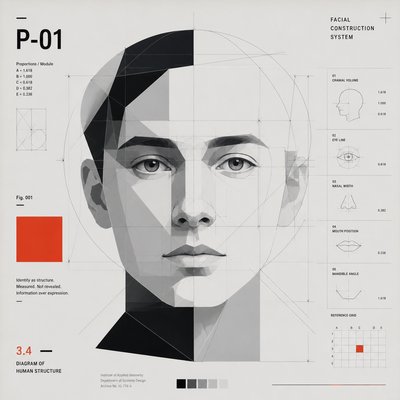
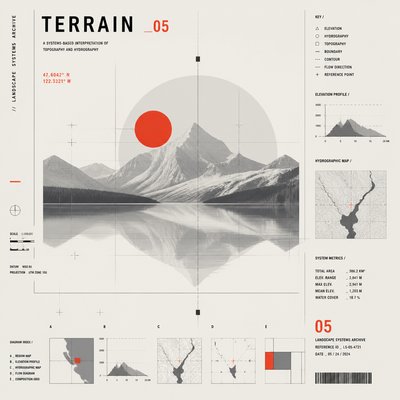
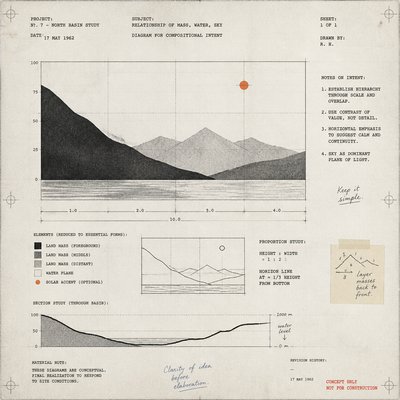
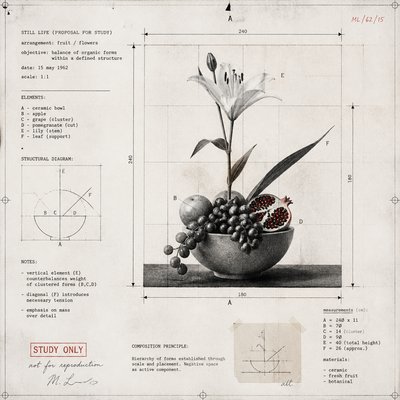
Grids, alignment, scale references, and standardized framing create a controlled look. Any disruption to that order signals critique or tension.
Bureaucratic typography
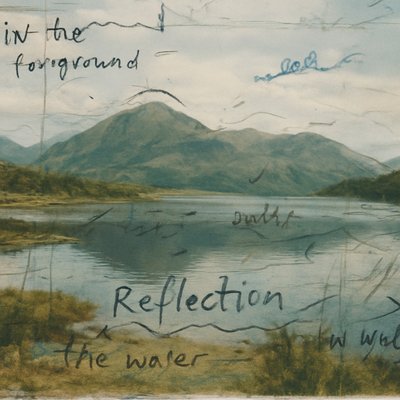
Sans-serif labels, specimen tags, catalog numbers, and annotation boxes are used as compositional elements. Text behaves like administrative metadata rather than decorative copy.
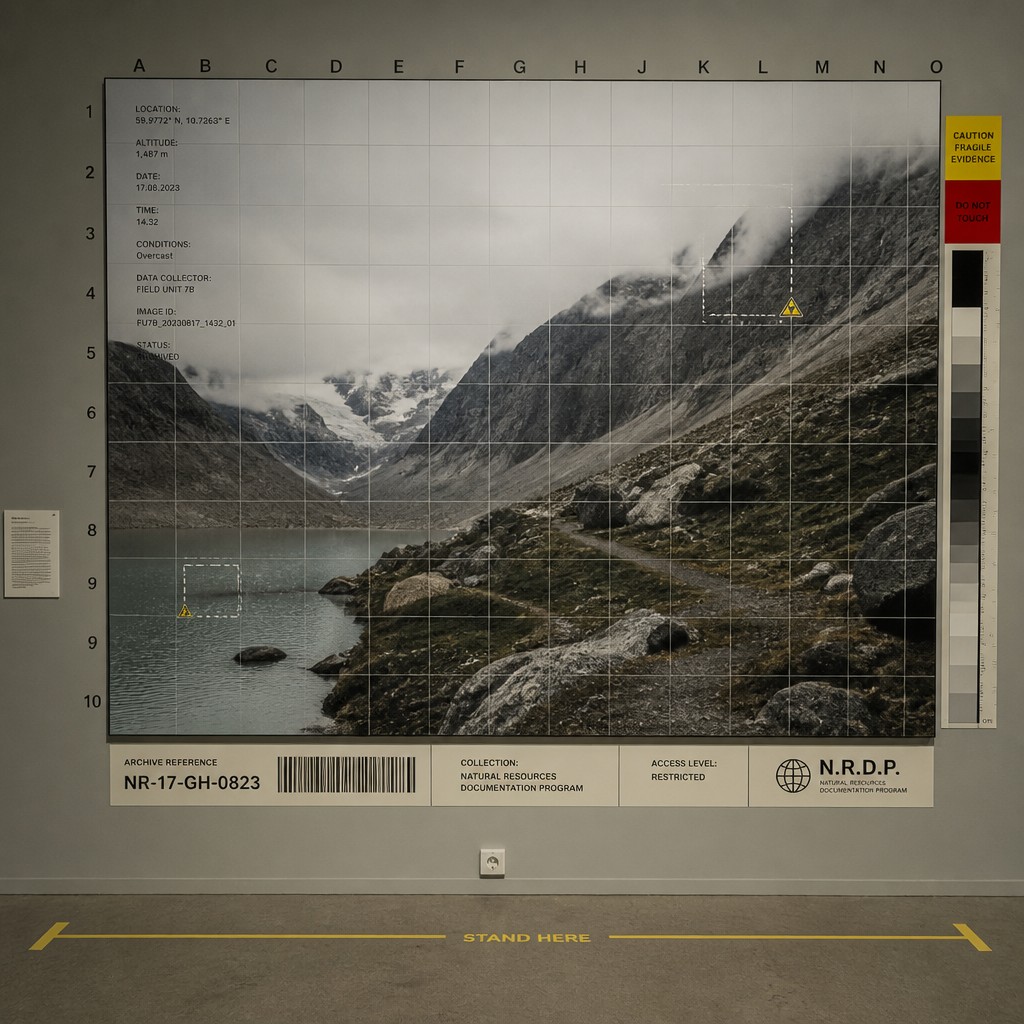
Neutral palette with coded accents
Grays, off-whites, beige, and institutional tones dominate, often punctuated by warning colors such as red, yellow, or blue. The accents mimic signage, compliance marks, or file indexing.
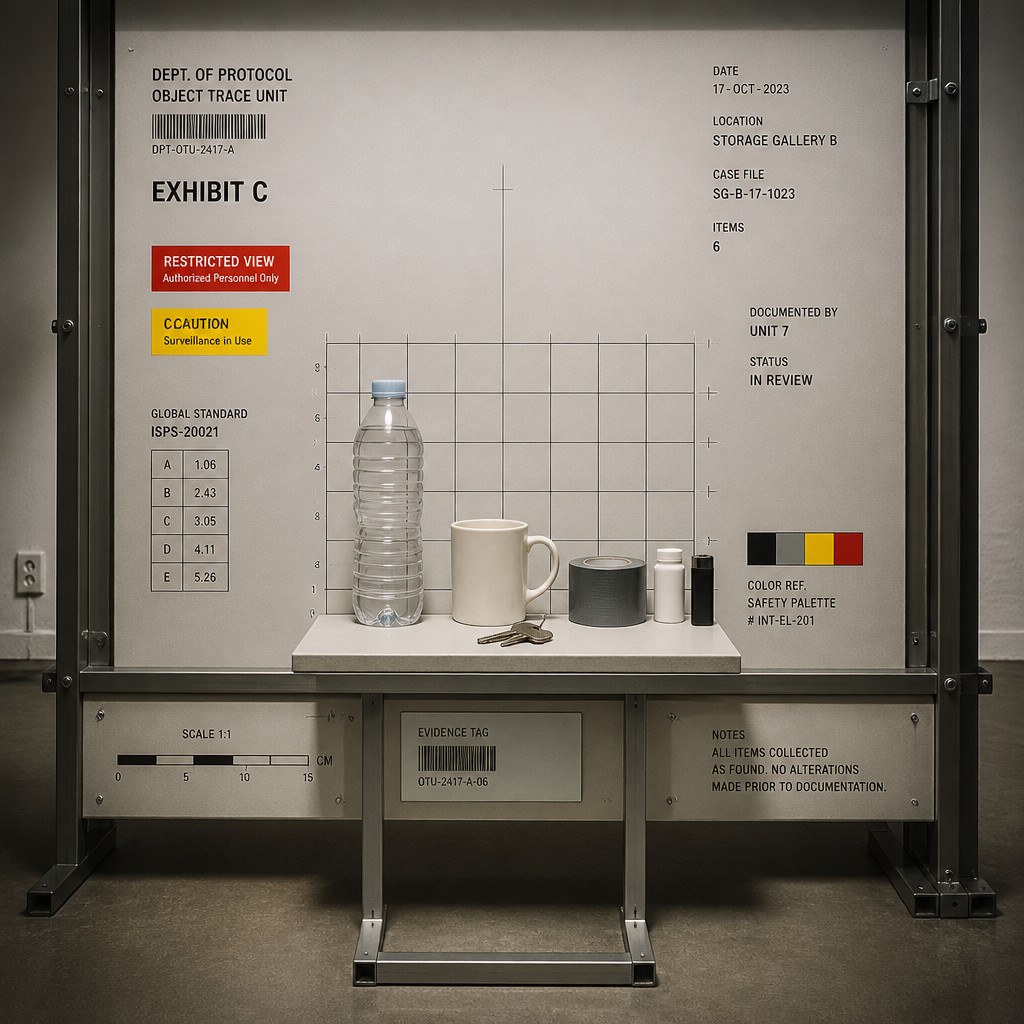
Exposed apparatus
Lighting rigs, mounts, brackets, tape, and installation hardware may be visible. The work emphasizes that presentation is constructed, not neutral.
Try It
Create Videos in Institutional Critique Conceptual Art Style
Styles aren't just for stills — describe a scene or animate an image and get a short video rendered in Institutional Critique Conceptual. Press play to see this pond come to life.
Make a VideoInstitutional Critique Conceptual Prompt Ideas
Start from an idea — each one opens the generator with the style ready to go. See all 40 Institutional Critique Conceptual prompts →

“close-up portrait of an elderly person with expressive weathered features”
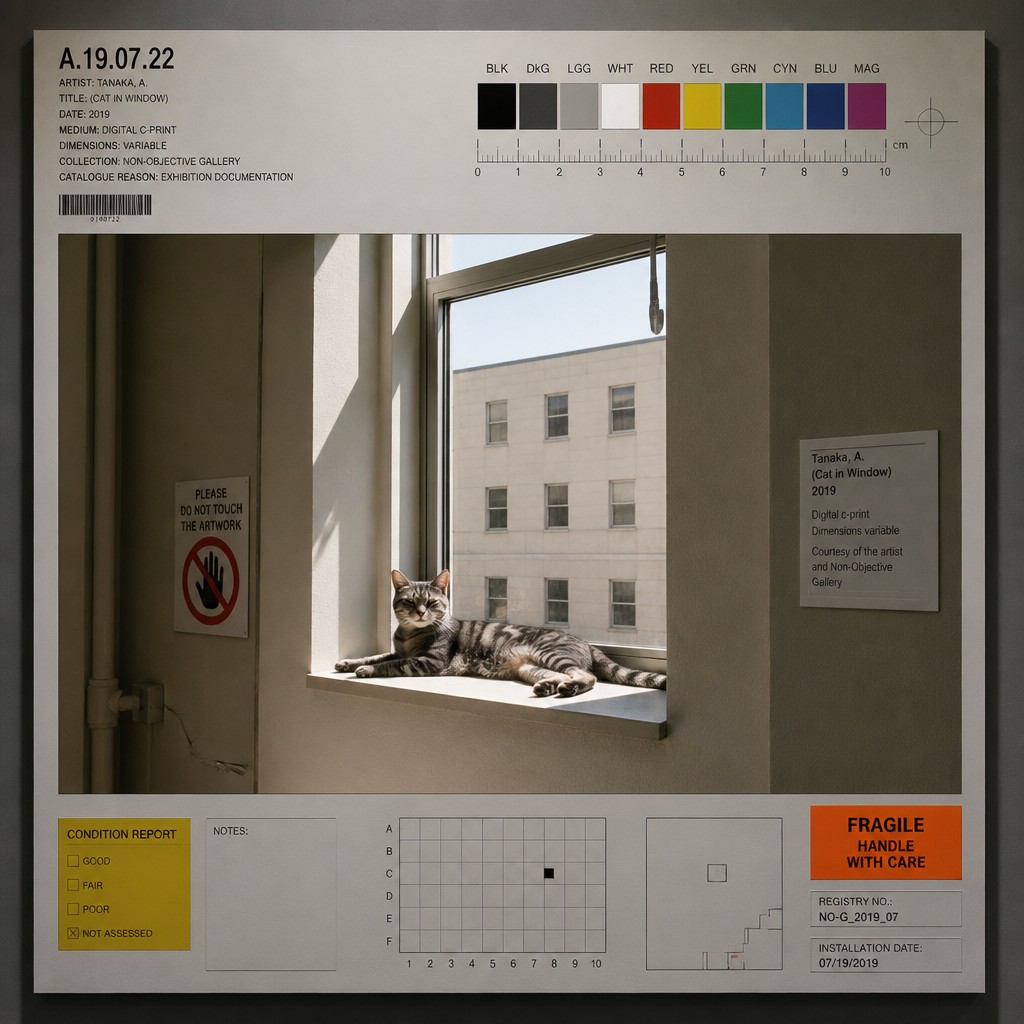
“a cat lounging in a sunlit window”
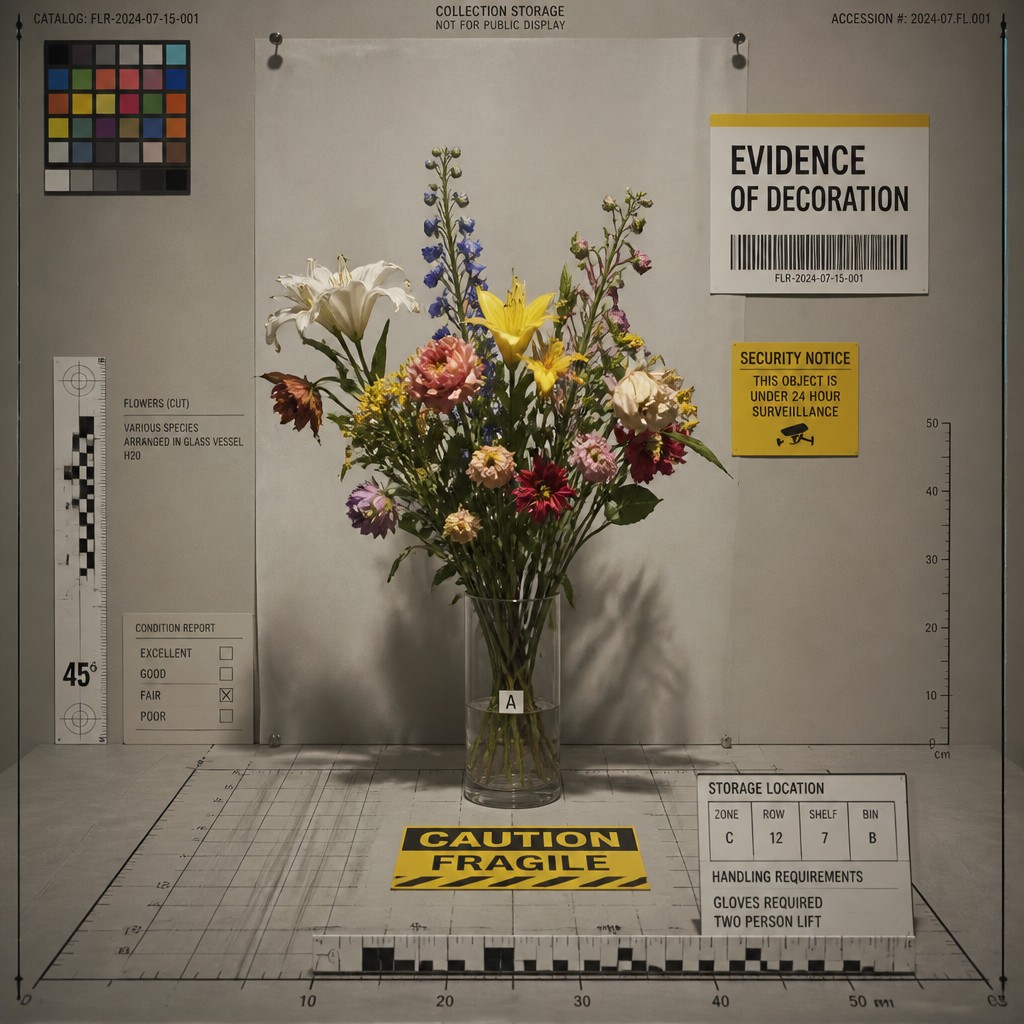
“bouquet of flowers in a glass vase”
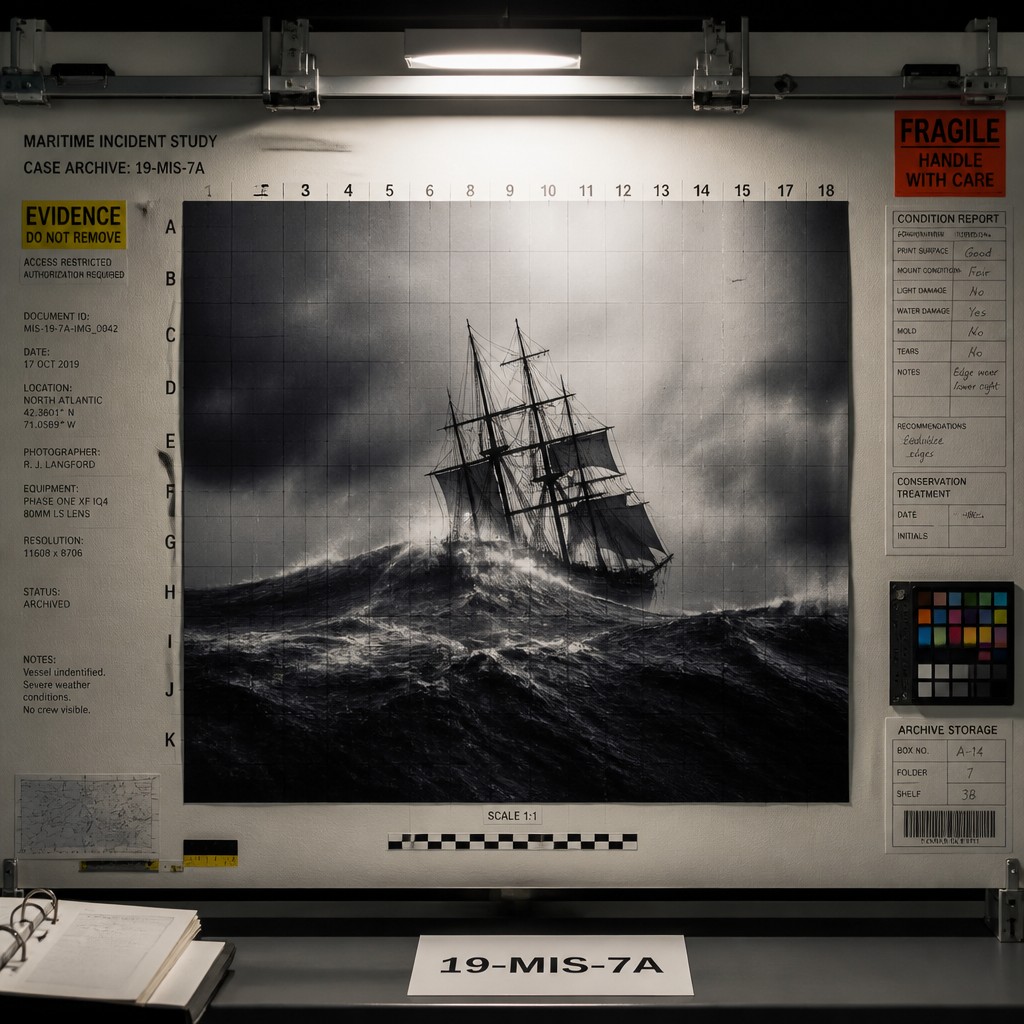
“sailing ship on a stormy sea”
How to Create Institutional Critique Conceptual Art
Master the craft step by step — or skip straight to creating. Read the full guide →
- 1
Build the work around a system, not a single image
Start with a structure to critique: a museum label format, an acquisition record, a floor plan, a shipping crate, or an image archive. The subject should reveal how institutions classify, value, or conceal cultural objects.
- 2
Use documentary framing and flat light
Photograph or render with even fluorescent illumination, straight-on viewpoints, and minimal atmospheric effects. Harsh honesty, rather than dramatic lighting, is what makes the image read as investigative.
- 3
Incorporate labels, grids, and measurement marks
Add catalog numbers, arrows, scales, captions, and alignment guides as visible design features. These elements should feel functional and administrative, not ornamental.
- 4
Show the frame and the infrastructure
Leave in the edges of the installation: tape, hooks, mounting hardware, wall seams, or a document stand. When making the image digitally, prompt for exposed apparatus, archival photography, and bureaucratic exposure.
- 5
Keep the palette restrained
Work mainly with neutral institutional colors and reserve bright accents for warnings, codes, or reference marks. This contrast helps the piece feel like a revealed system rather than a decorative composition.
- 6
Prompt for critique, evidence, and administrative detail
When generating images, specify concepts such as gallery intervention, archive, provenance, inventory, museum storage, or market mechanics. The strongest results come from describing the institutional process you want exposed.
The Story
History & Origins of Institutional Critique Conceptual
Institutional critique emerged in the late 1960s and 1970s as artists began interrogating the museum, gallery, and market systems that define artistic value. The approach is associated with conceptual art, site-specific installation, and performance/documentation practices, where the artwork often exists as evidence of an action, intervention, or analysis rather than as a traditional autonomous object.
Its aesthetic lineage draws from minimalism’s formal restraint, conceptual art’s emphasis on systems and ideas, documentary photography’s evidentiary look, and administrative graphics such as filing, labeling, and cataloguing. Artists commonly associated with institutional critique include major institutional-critique artists working through museum investigation, site-specific interruption, performance-based cultural analysis, exhibition reconfiguration, art-institution photography, and museum-simulation practices, whose works reveal how institutions shape what can be seen, owned, and authorized as art.
Influences: This style is closely related to conceptual art, minimalism, documentary photography, and graphic systems used in museums, archives, and bureaucracy. Canonical reference points include major institutional-critique artists’ investigations into museum power, prominent site-specific intervention practices, leading performance-based critiques of cultural authority, significant exhibition reconfiguration projects, influential photographs of art in institutional contexts, and museum-simulation works by notable postwar conceptual artists. It also overlaps with administrative design, evidence photography, and the visual language of file systems and compliance documentation.

Frequently Asked Questions
What defines institutional critique conceptual art?
It is art that examines the institutions that frame art itself: museums, galleries, archives, collectors, and markets. Visually, it often adopts documentary, administrative, or display-oriented forms so the system becomes part of the artwork.
How is it different from regular conceptual art?
Conceptual art broadly prioritizes ideas over traditional aesthetics, while institutional critique specifically targets the structures that govern art’s visibility and value. The difference is often visible in the subject matter: institutional critique foregrounds labels, rooms, records, contracts, and modes of display.
What colors and lighting work best in this style?
Neutral whites, grays, beige, and office-like tones are the foundation, with occasional coded accents like red or yellow. Flat fluorescent or overhead light is preferred because it creates the impersonal clarity associated with documentation and inspection.
Can this style be used outside museums and galleries?
Yes. It can be used to critique any system of classification or authority, such as archives, corporate branding, surveillance, or bureaucratic processes. The key is that the work should reveal hidden structures rather than simply depict a place.
How do I make an image in this style without it looking generic?
Anchor it in a specific institutional mechanism: provenance, acquisition, conservation, installation, shipping, or labeling. The more concrete the system, the more the image will feel like a purposeful critique rather than a generic minimalist interior.
Where is this style commonly used?
It appears in exhibition-based art, photography, installation documentation, editorial design, and critical visual essays. It is especially effective when the goal is to question authorship, ownership, authority, and the neutrality of display.
Create your first Institutional Critique Conceptual artwork
Describe anything — or upload a photo — and see it in Institutional Critique Conceptual Art Style in seconds.
Make Something with Institutional Critique Conceptual
Related Styles
Discover similar art styles