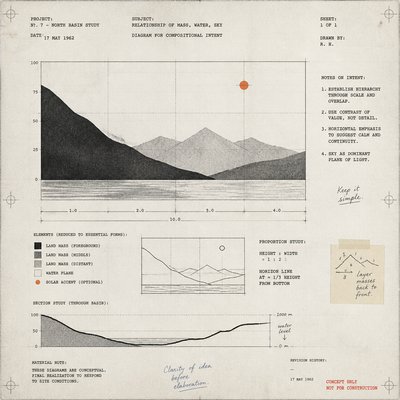
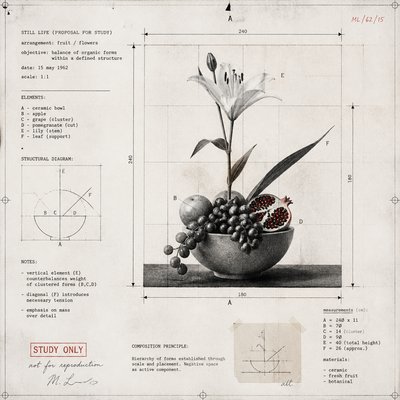
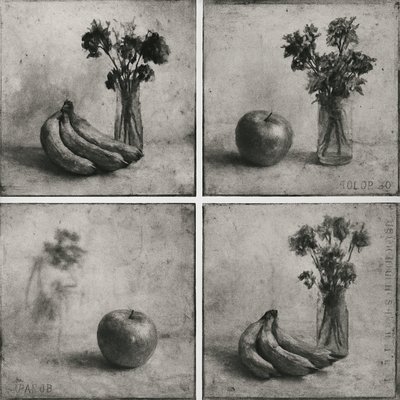
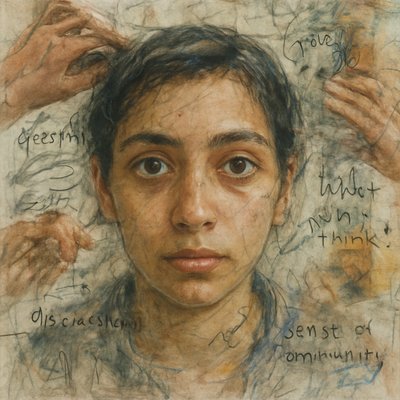
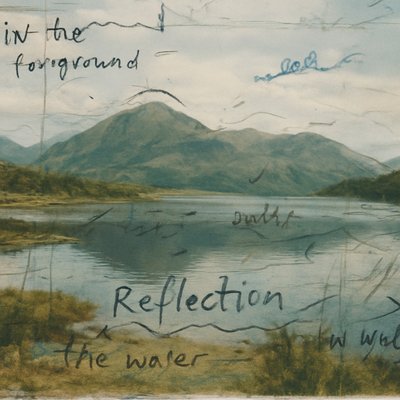
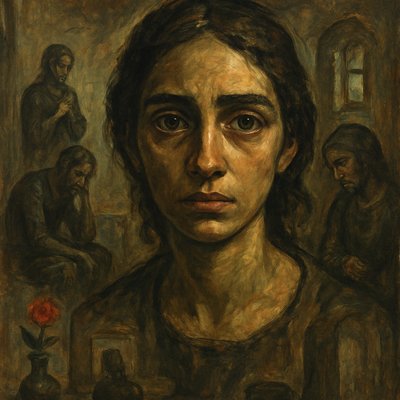
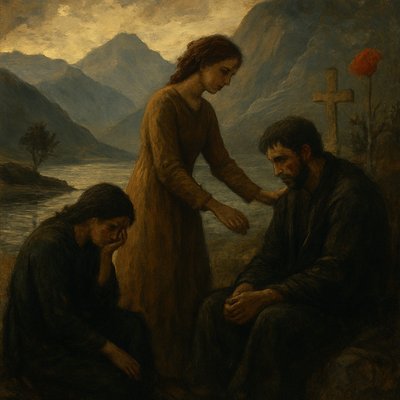
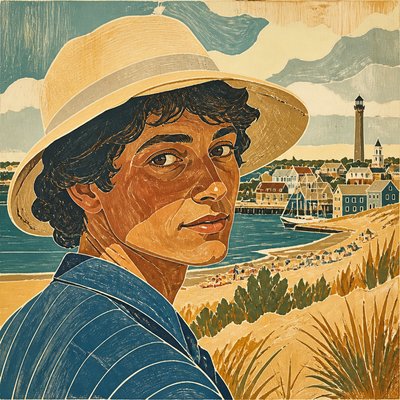
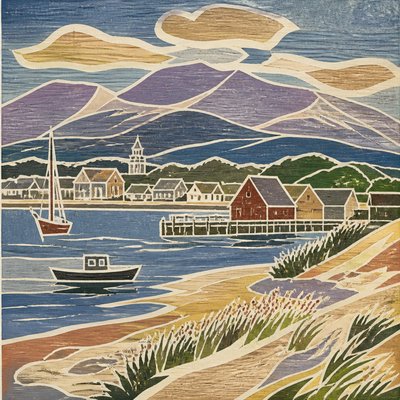
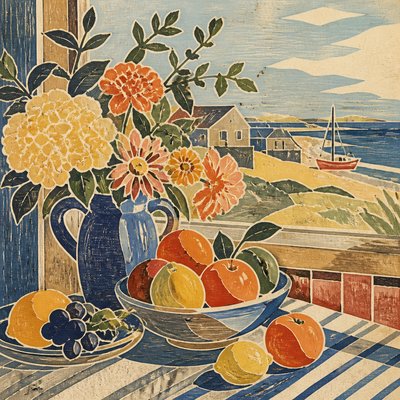
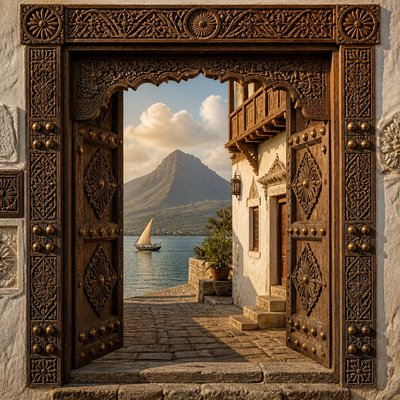
Land/Environmental Conceptual Art Style
Earth-as-canvas conceptual works documented through grainy archival imagery, decay, remote actions, and ecological reflection.
Instantly rendered in Land/Environmental Conceptual — or transform a photo
Land/Environmental Conceptual Gallery
Tap any artwork to explore it
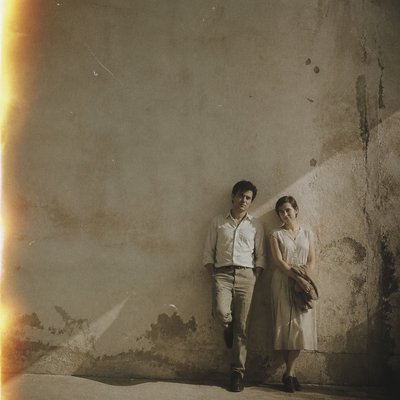
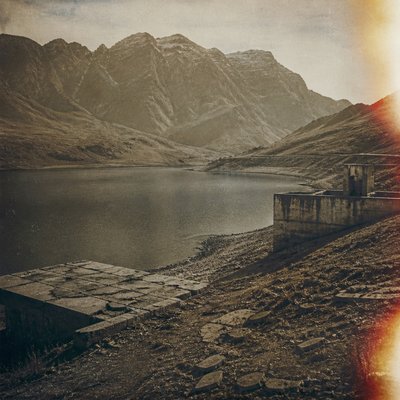
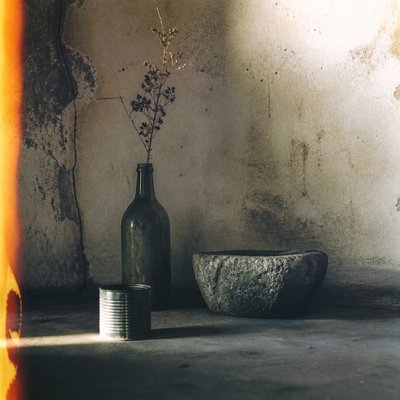
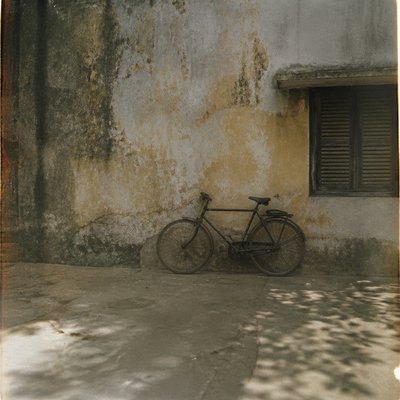
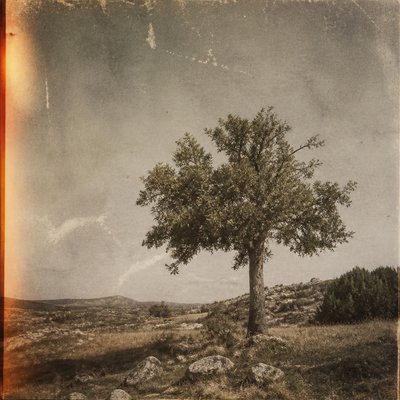
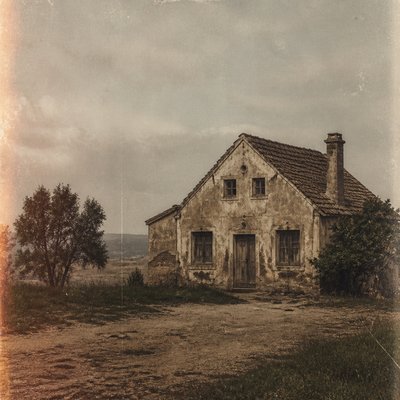
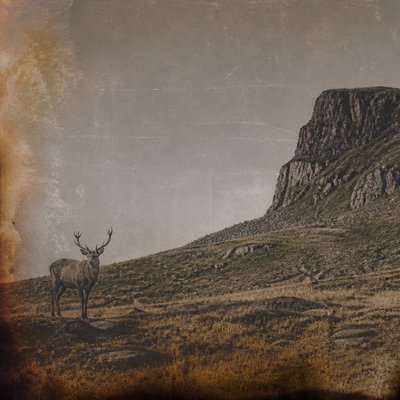
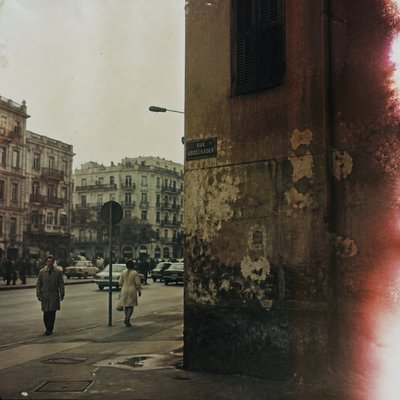
What is Land/Environmental Conceptual Art Style?
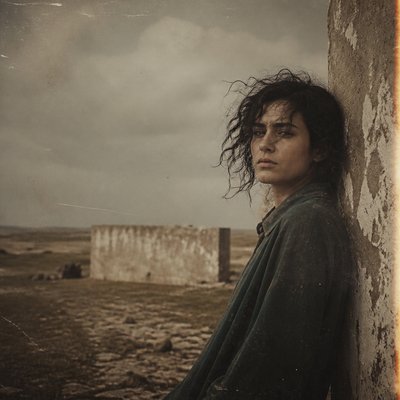
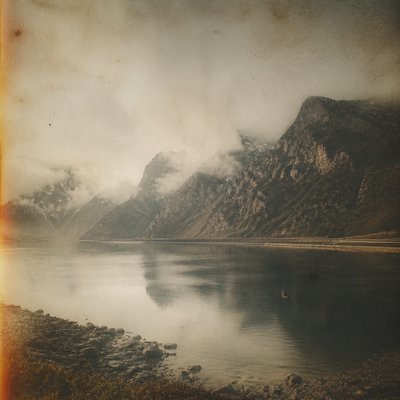
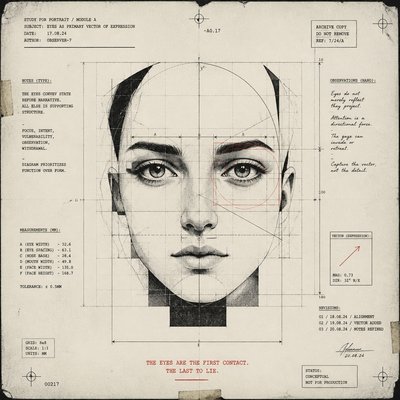
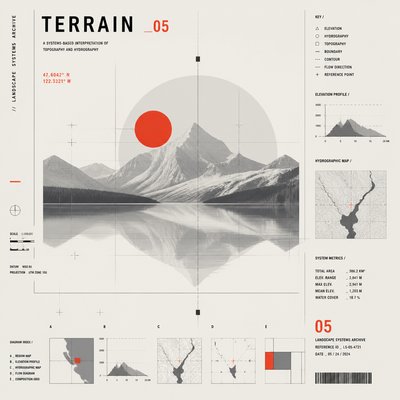
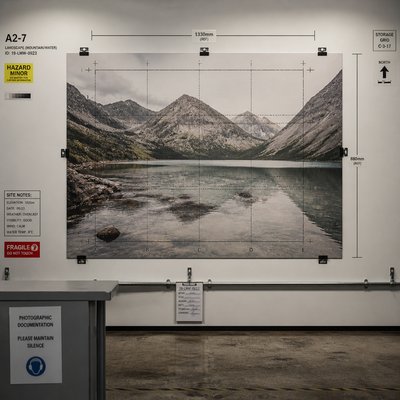
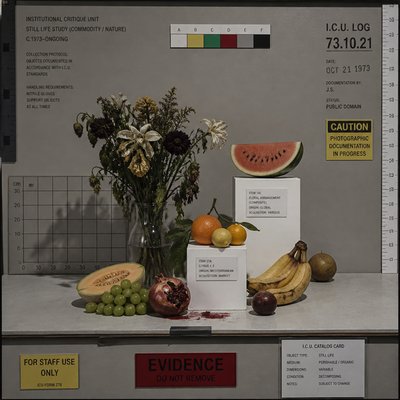
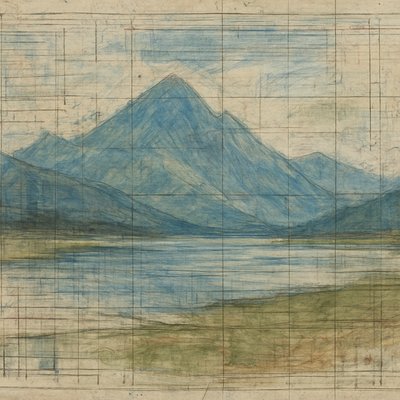
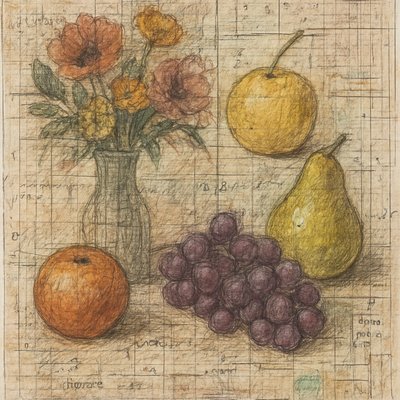
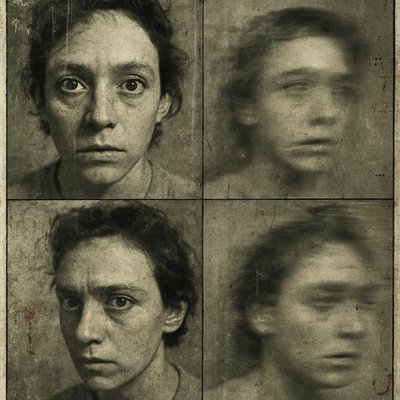
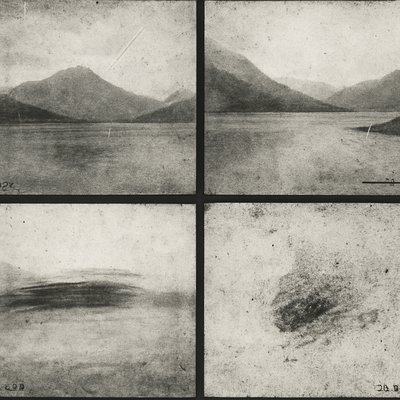
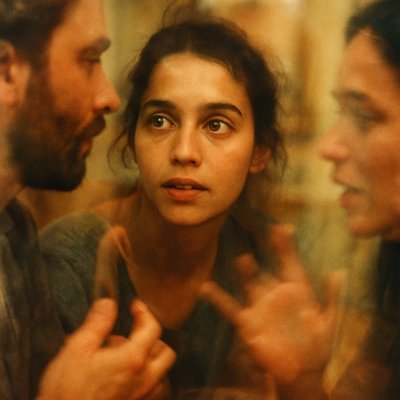
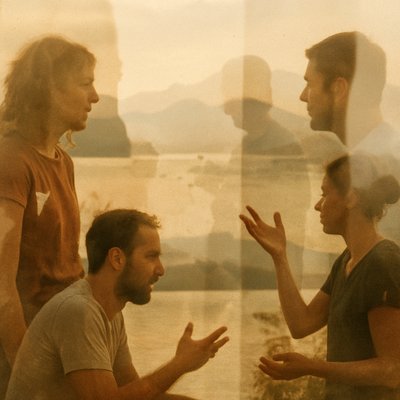
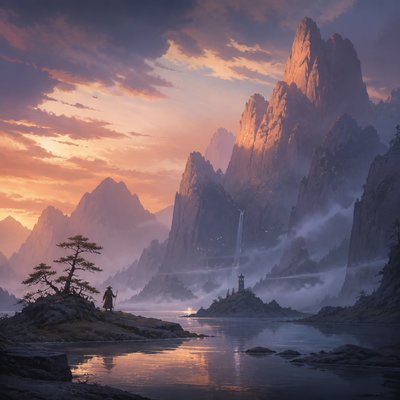
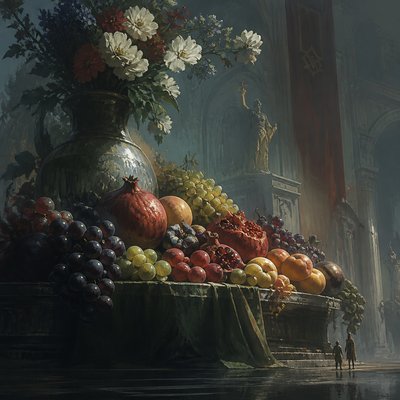
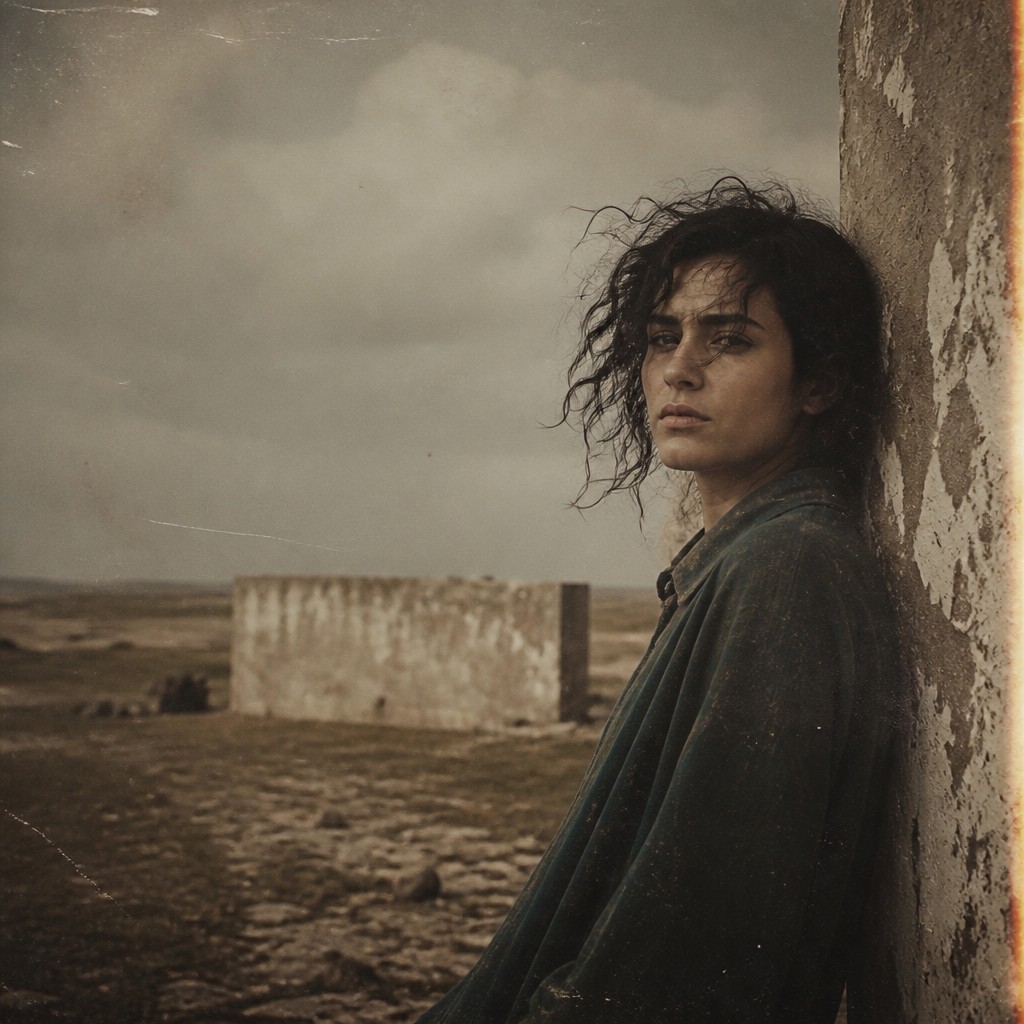
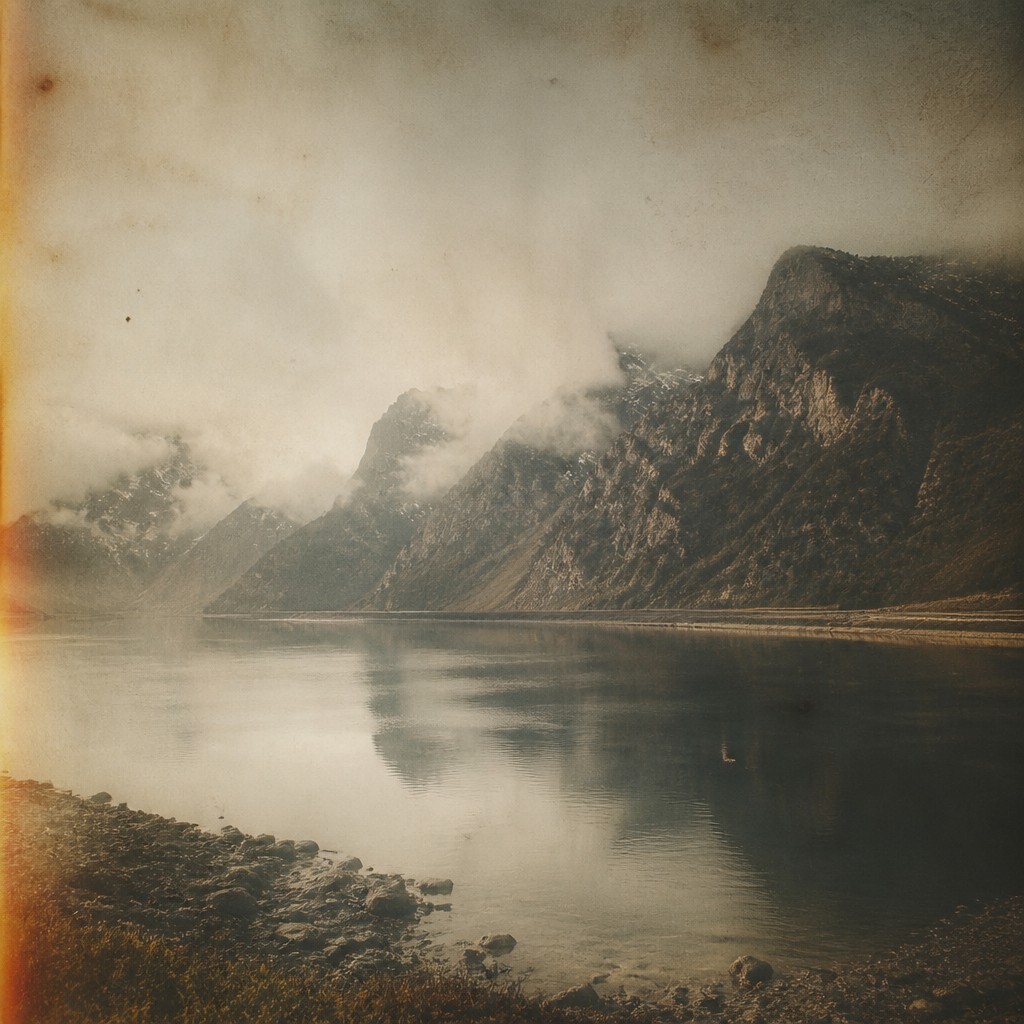
Land/Environmental Conceptual Art is a form of concept-driven work in which the landscape is not just depicted but used, altered, or activated as part of the artwork itself. Its visual identity is often documentary rather than picturesque: remote sites, temporary marks, repetitive actions, mapped arrangements, and traces of natural processes are recorded as evidence of an intervention that may no longer exist. The emphasis is on idea, site, duration, and environment rather than on a finished object.
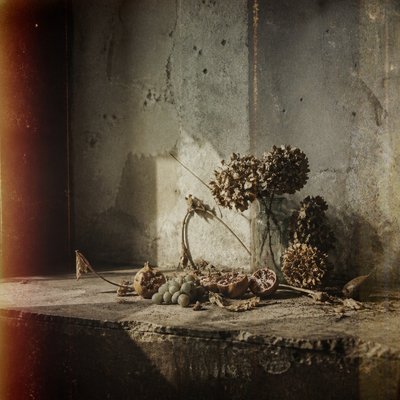
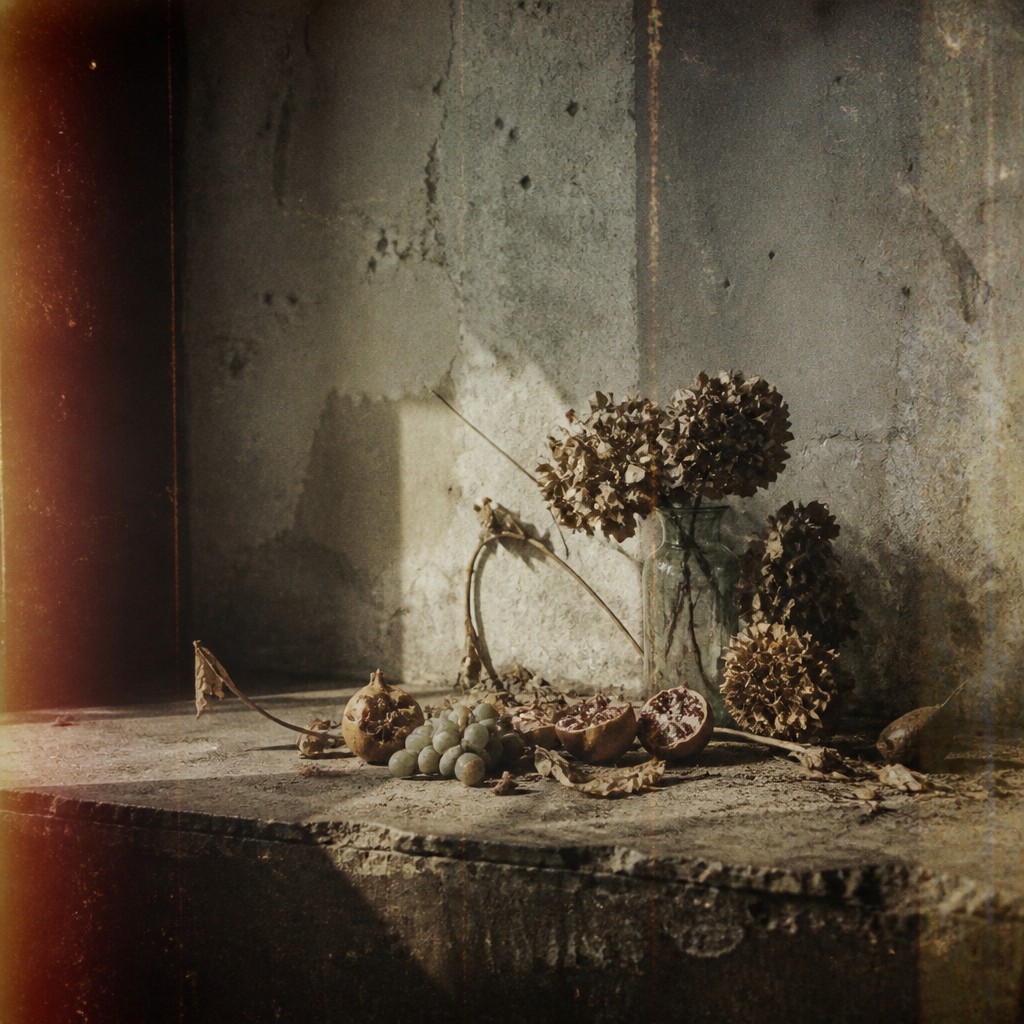
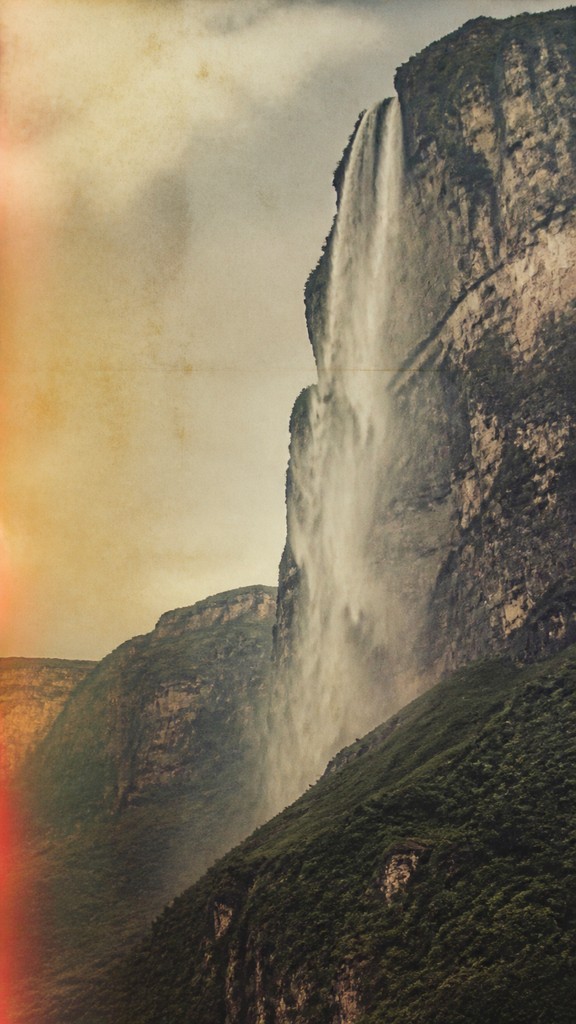
The style typically looks weathered, sparse, and observational because the work is concerned with time and impermanence. Images often include rough ground, water, ice, rock, fields, and other elemental surfaces, alongside signs of entropy such as erosion, oxidation, fading, or collapse. In visual terms, the aesthetic is shaped by the tension between human intention and natural change: the artwork is made, but the environment continues to transform it.
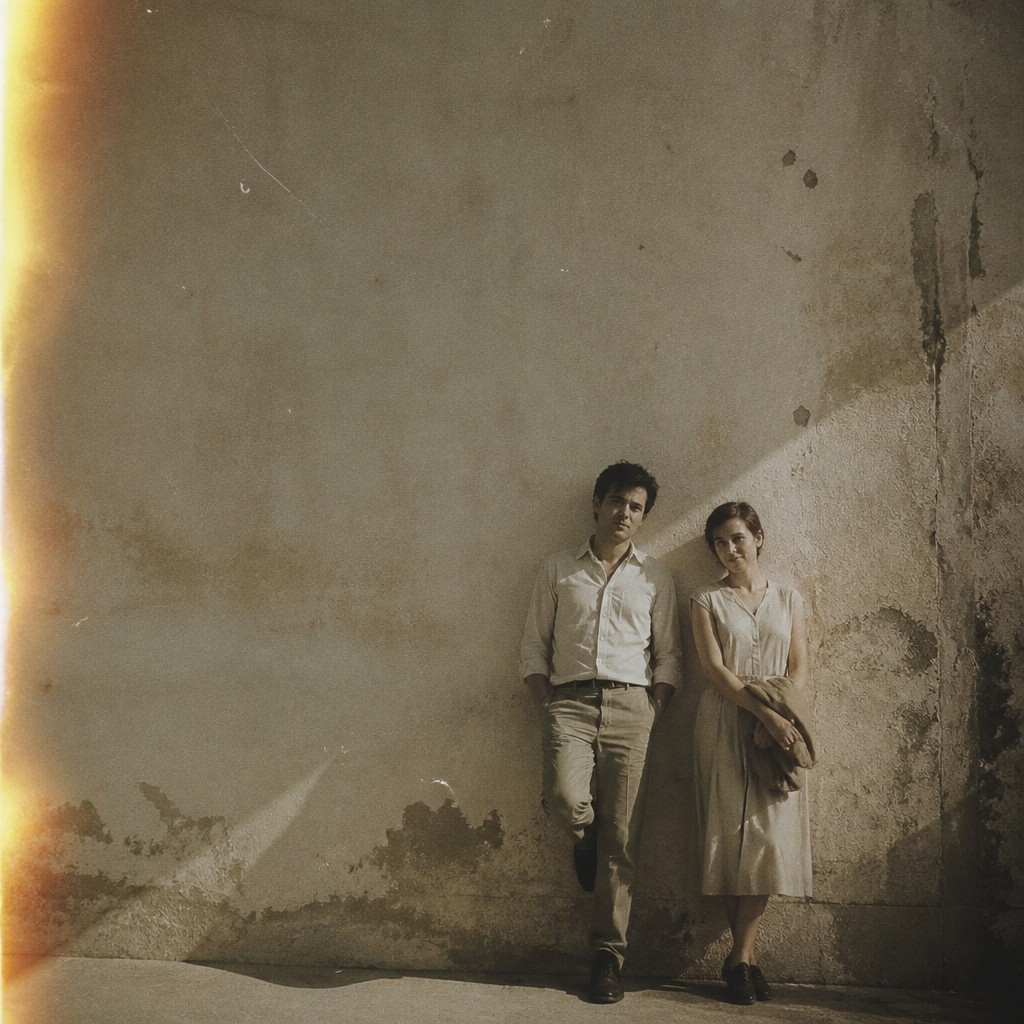
Try It On Your Photos
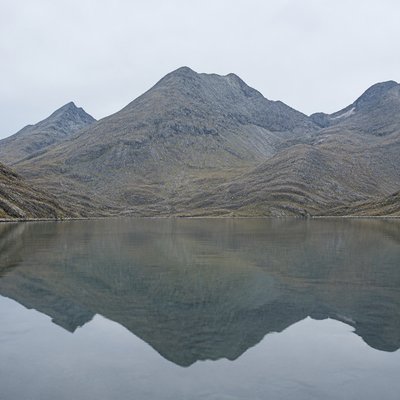
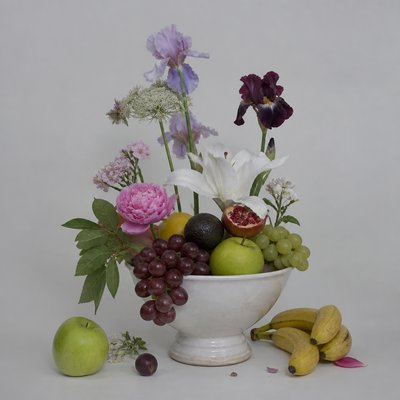
Upload any photo and convert it into Land/Environmental Conceptual Art Style — drag the sliders to compare before and after.


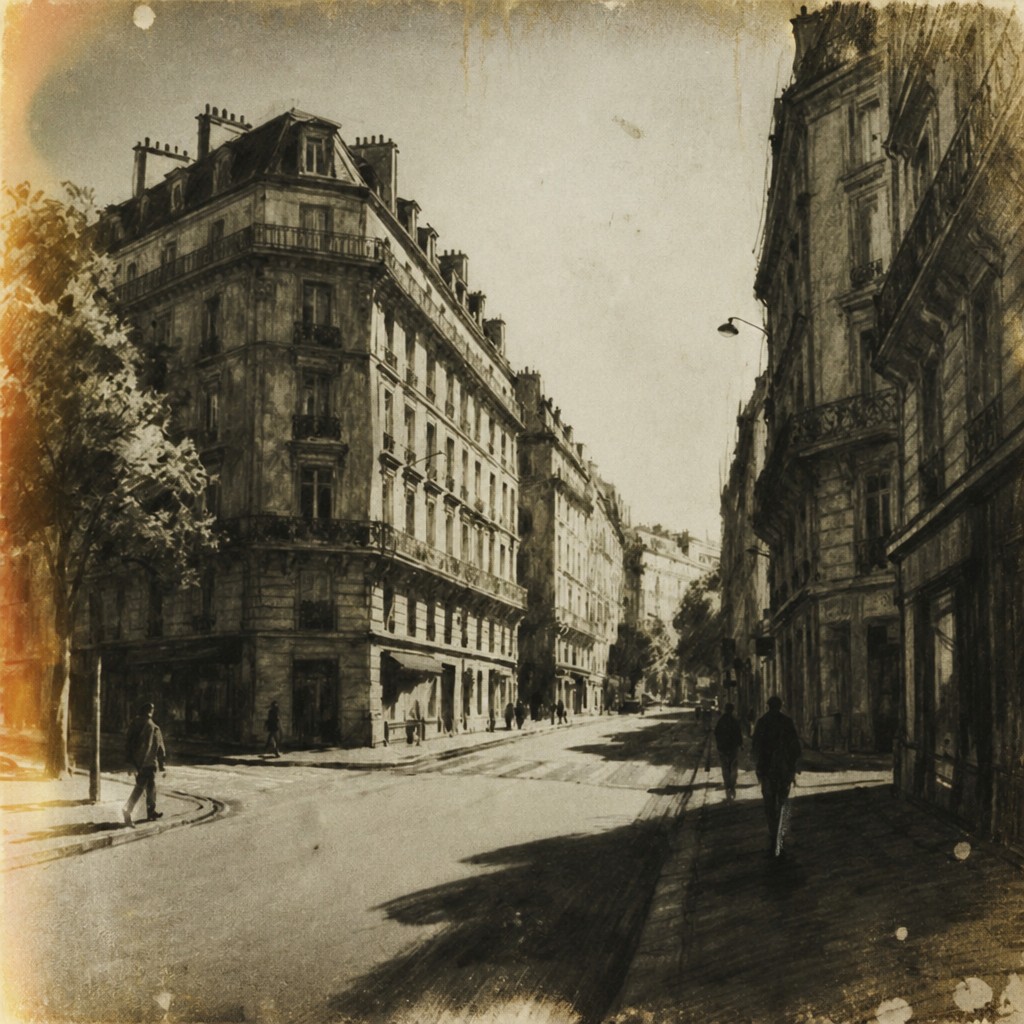

What Defines Land/Environmental Conceptual Art Style
The signature details, up close
Site-specific intervention
The work is conceived for a particular landscape, climate, or terrain, and its meaning depends on that context. The site is not a neutral backdrop but an active component of the piece.
Ephemeral or process-based form
Many pieces are temporary, altered by weather, tide, season, or decay. The artwork may exist only briefly in the environment and longer as documentation.
Documentary framing
Images often resemble field records, expedition photos, or archival evidence. Compositions tend to be direct, observational, and slightly distant rather than theatrically composed.
Earth-toned, muted palette
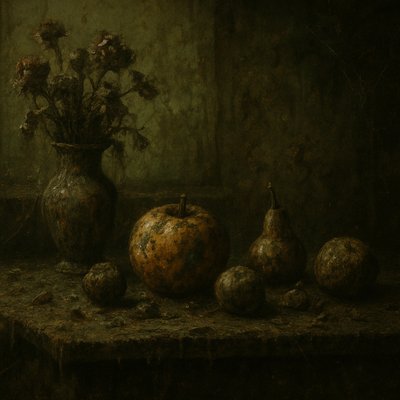
Ochres, umbers, faded greens, gray skies, and dusted neutrals dominate. Color is usually subdued so that texture, atmosphere, and material change remain central.
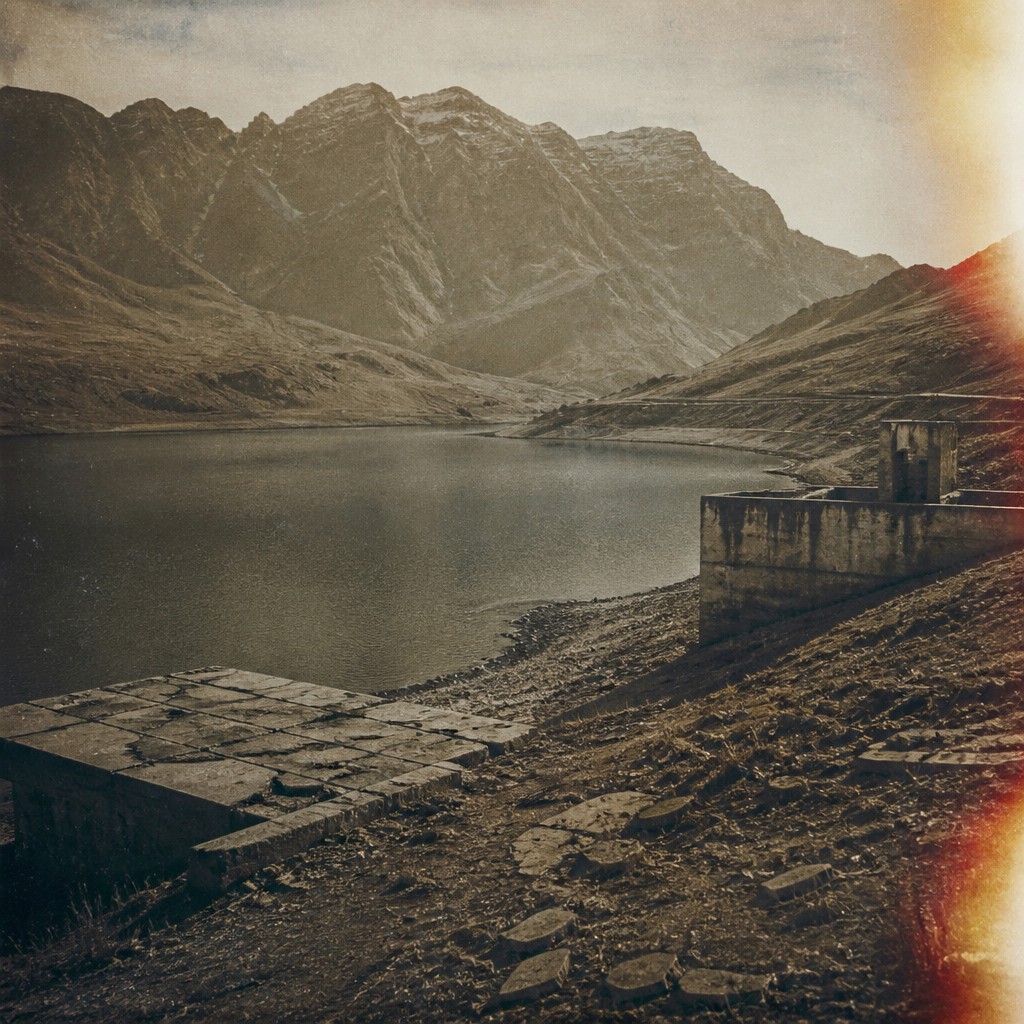
Surface weathering and decay
Erosion, oxidation, cracking, and worn edges are visually emphasized. These marks reinforce the sense that time and the environment are coauthors of the work.
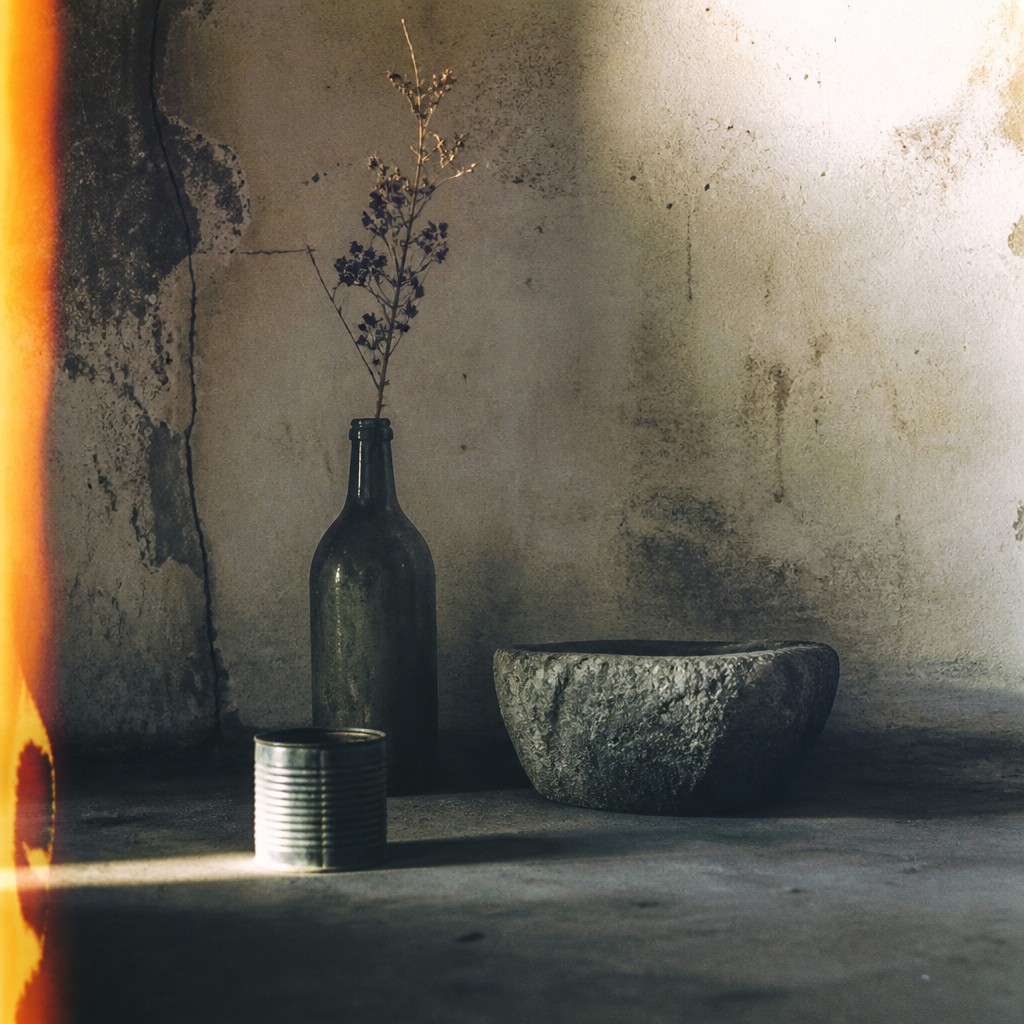
Conceptual emphasis over spectacle
The idea behind the intervention matters more than dramatic visual impact. The image often functions as evidence, not as a self-contained decorative scene.
Try It
Create Videos in Land/Environmental Conceptual Art Style
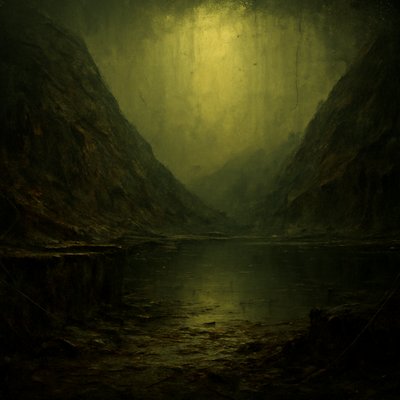
Styles aren't just for stills — describe a scene or animate an image and get a short video rendered in Land/Environmental Conceptual. Press play to see this pond come to life.
Make a VideoLand/Environmental Conceptual Prompt Ideas
Start from an idea — each one opens the generator with the style ready to go. See all 40 Land/Environmental Conceptual prompts →
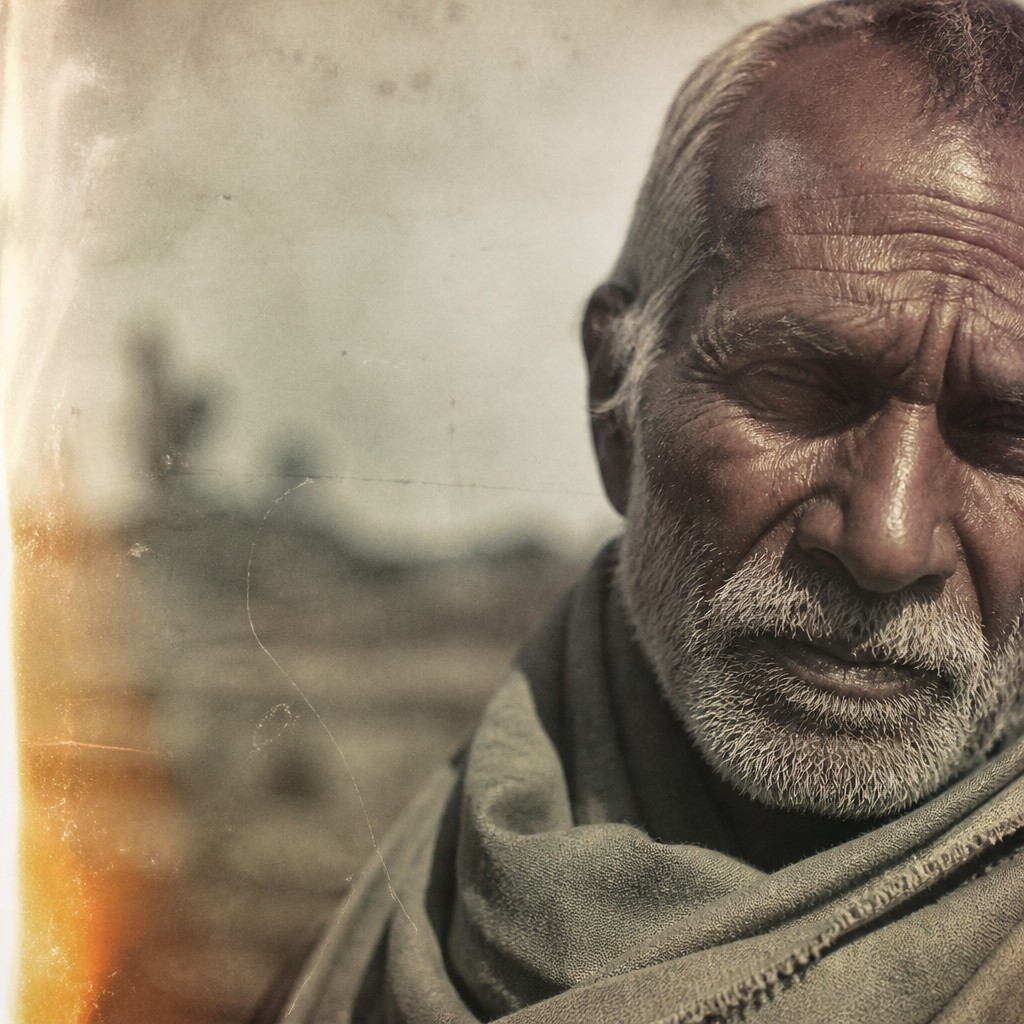
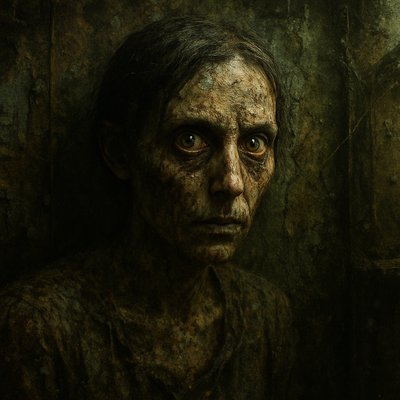
“close-up portrait of an elderly person with expressive weathered features”
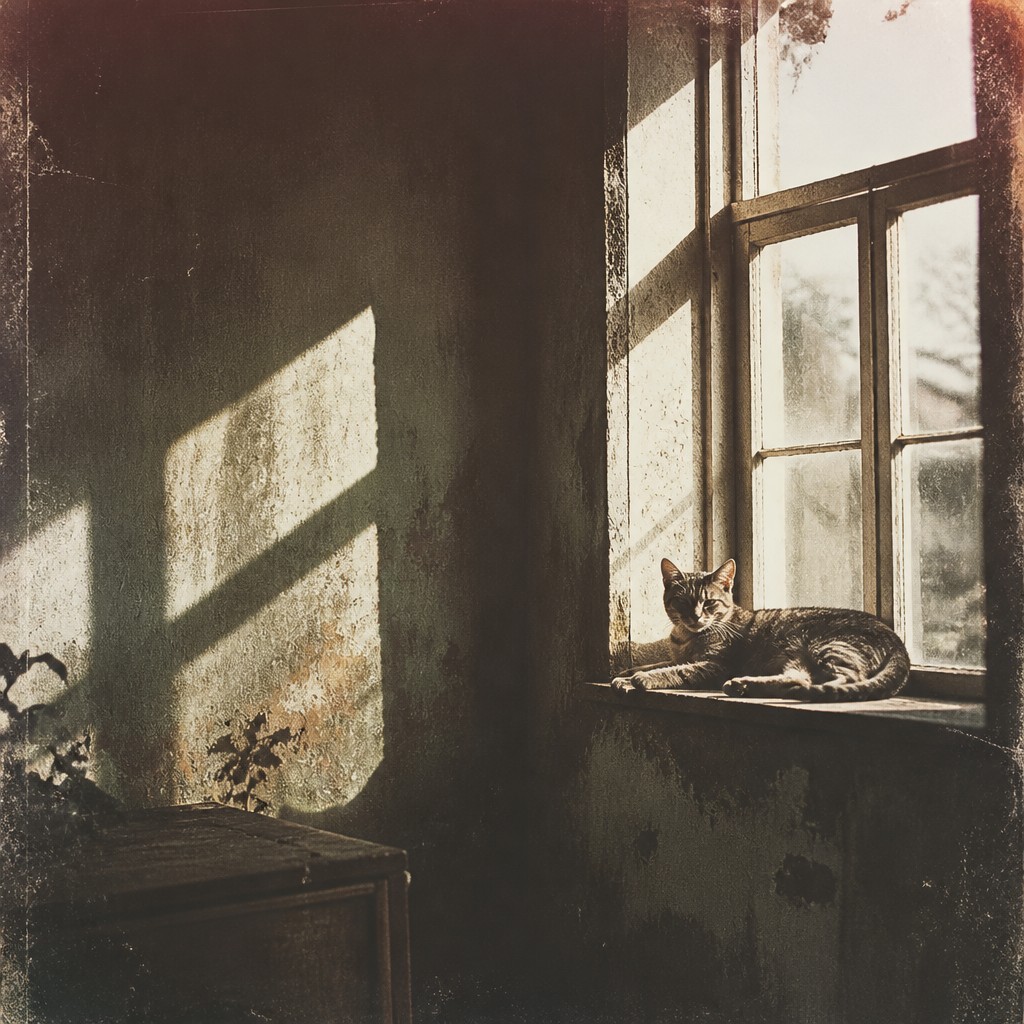
“a cat lounging in a sunlit window”
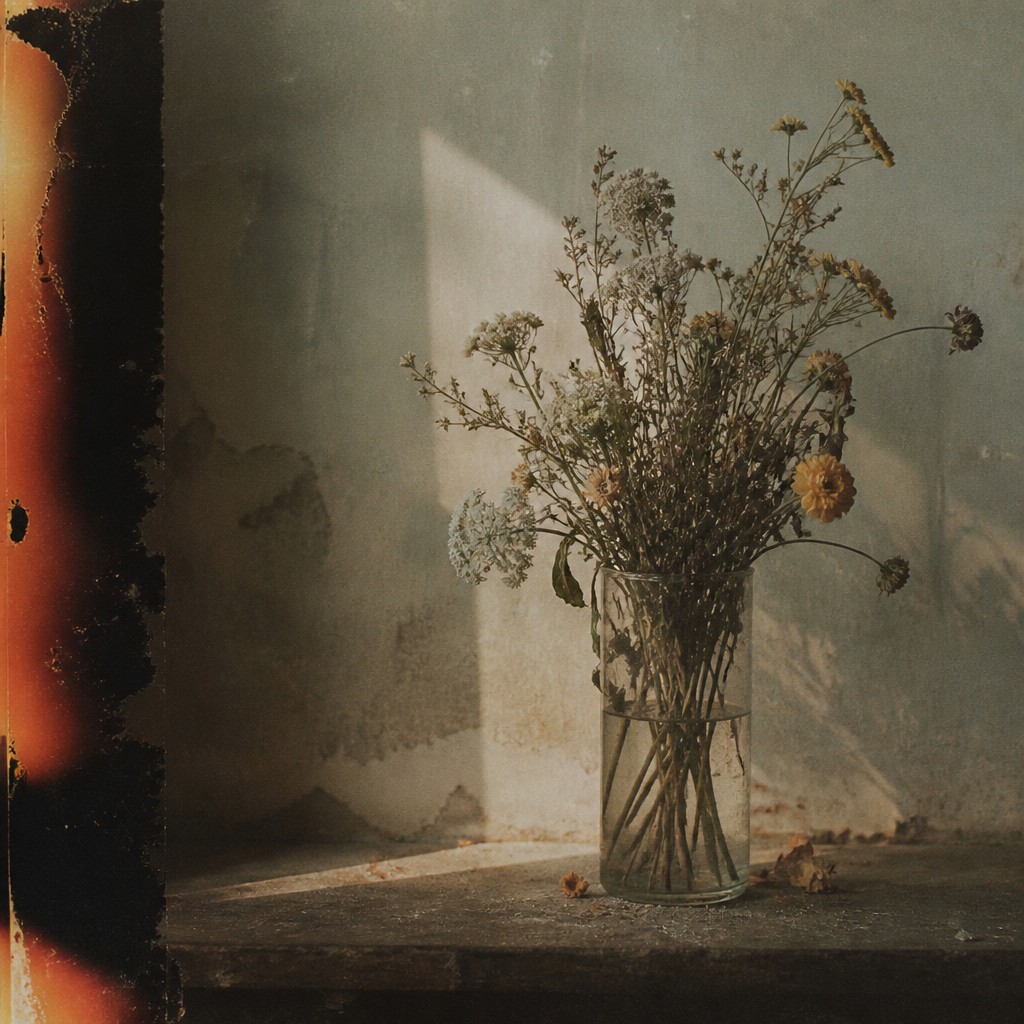
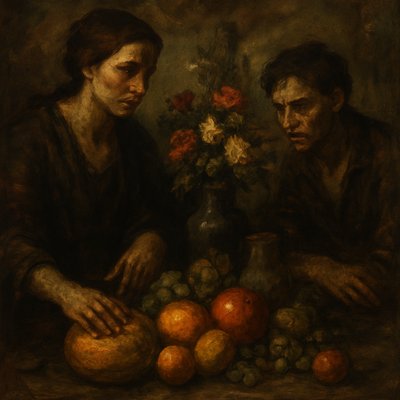
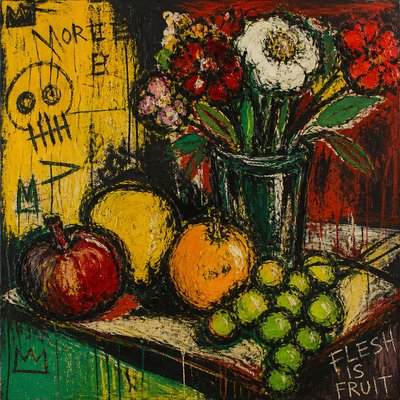
“bouquet of flowers in a glass vase”
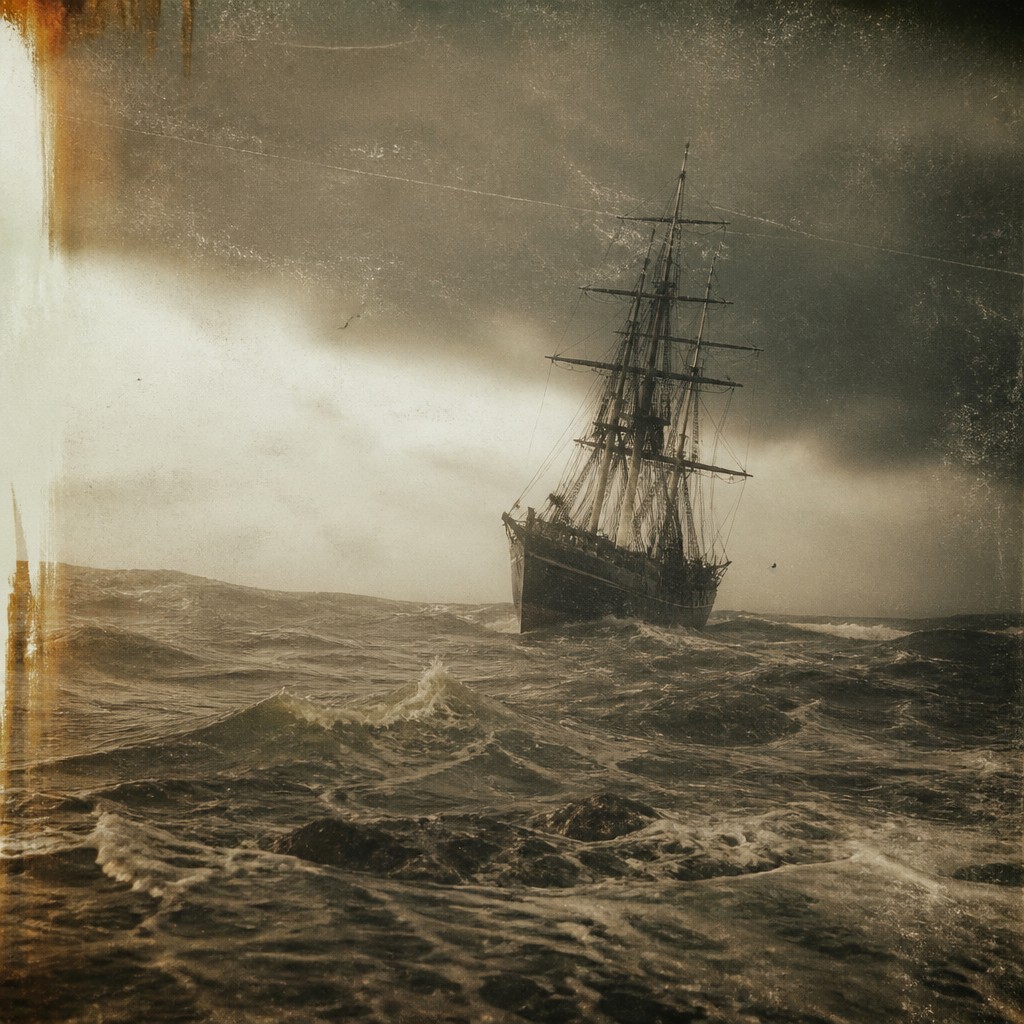
“sailing ship on a stormy sea”
How to Create Land/Environmental Conceptual Art
Master the craft step by step — or skip straight to creating. Read the full guide →
- 1
Choose a site and a concept
Start with a clear environmental idea: marking tide lines, mapping erosion, arranging stones by gradient, or recording seasonal change. In traditional work, plan the intervention around existing terrain; in digital work, build the landscape first so the concept and site feel inseparable.
- 2
Use restrained interventions
Small, precise actions read better than overly elaborate compositions: a line cut into sand, a repeated gesture across a field, or a temporary structure that will weather away. The visual power comes from the relationship between the act and the landscape, not from heavy manipulation.
- 3
Photograph like a document
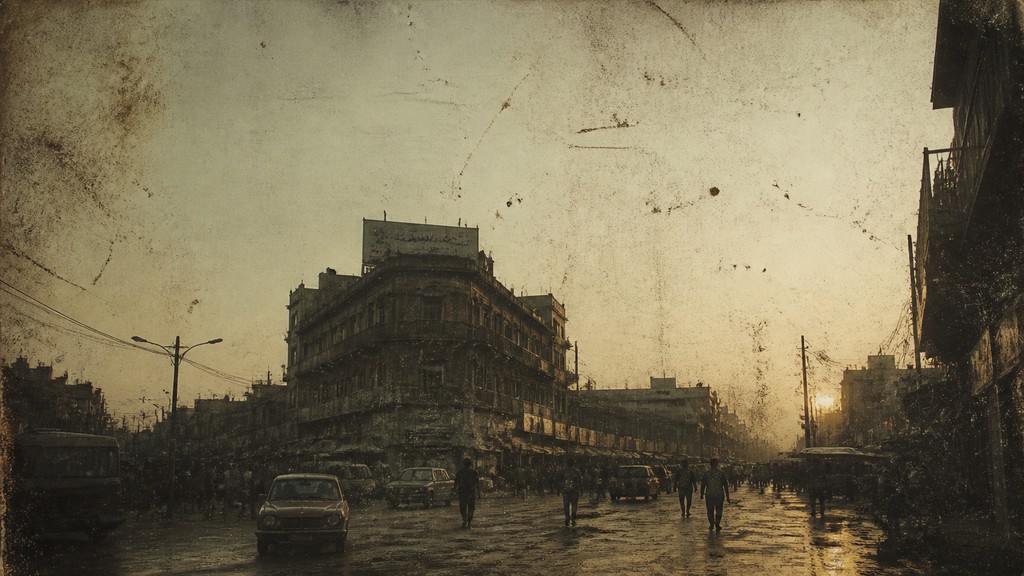
Frame the scene with a practical, observational eye: include surrounding terrain, leave negative space, and avoid overly dramatic angles. If working digitally, add grain, scratches, light leaks, and a compressed tonal range to evoke archival documentation.
- 4
Let texture suggest time
Highlight erosion, rust, mud, salt, frost, cracked earth, or peeling materials. In paintings and mixed media, use scumbled layers, dry-brush edges, and subdued glazing; in image generation, emphasize weathered imperfections and natural light.
- 5
Balance presence and absence
Include traces rather than crowded imagery: footprints, measured alignments, temporary markers, or altered ground can be more effective than visible figures. For prompt-based generation, specify remote, solitary, or archival conditions to preserve the quiet conceptual tone.

The Story
History & Origins of Land/Environmental Conceptual
As a historical lineage, land/environmental conceptual art emerged from the late 1960s and 1970s convergence of Land art, Conceptual art, performance, and early ecological consciousness. Artists began moving work out of galleries and into deserts, fields, coastlines, and other sites where scale, distance, and natural processes could become integral to the piece. Documentation—photographs, maps, film, diagrams, and notes—often became the most enduring form of the work, since many interventions were remote, temporary, or intentionally ephemeral.
Its development also reflects a growing interest in the ethics of place, resource use, and the fragility of ecosystems. Unlike monumental earthworks that reshape terrain permanently, environmental conceptual practices frequently foreground restraint, minimal intervention, and impermanence. The visual language owes as much to documentary photography and archival media as to sculpture: the record of the action is part of the meaning, and the weathered look reinforces the idea that time, not the artist, is the final collaborator.
Influences: This style draws on Land art and Conceptual art, especially the site-based and process-oriented practices associated with major postwar American land-art practitioners, while also overlapping with performance documentation and ecological art. Its documentary look also reflects traditions of field photography, expedition records, and archival imagery, where the camera serves as evidence rather than spectacle. In more contemporary usage, it resonates with environmental art and socially engaged practices that treat landscape as a living system rather than a static image.
Frequently Asked Questions
What defines land/environmental conceptual art?
It is defined by the use of landscape as an active part of the artwork, usually through a deliberate but often temporary intervention. The concept, site, and documentation are more important than a permanent object. The imagery tends to feel sparse, observational, and time-worn.
How is this different from Land art?
Land art often refers to large-scale works physically embedded in the landscape, while environmental conceptual art is more likely to emphasize idea, process, ecological meaning, and documentation. The two overlap, but the conceptual version usually places more weight on the recorded action and the artwork’s impermanence.
What makes the images look archival?
The archival look comes from grain, scratches, light leaks, muted color, and documentary-style framing. These elements make the image feel like a record of something temporary or already vanished, which suits the style’s concern with duration and loss.
Can this style be made digitally?
Yes. Digital work can convincingly adopt the style by using natural-light landscapes, restrained interventions, subdued color grading, and film-like imperfections. The key is to preserve the sense of evidence, site specificity, and environmental change.
What subjects work best in this style?
Remote landscapes, tidal flats, deserts, fields, shorelines, snow, quarries, and forest edges are especially effective. Subjects that show weather, erosion, or temporary marks help communicate the style’s central concern with impermanence.
Where is this style used?
It appears in fine art documentation, gallery photography, environmental projects, site-specific installations, and conceptual portfolios. It is also useful for editorial or speculative images that need to feel reflective, ecological, and grounded in place.
Create your first Land/Environmental Conceptual artwork
Describe anything — or upload a photo — and see it in Land/Environmental Conceptual Art Style in seconds.
Make Something with Land/Environmental Conceptual
Compare Land/Environmental Conceptual
Related Styles
Discover similar art styles