Eco vs Land/Environmental Conceptual: What's the Difference?
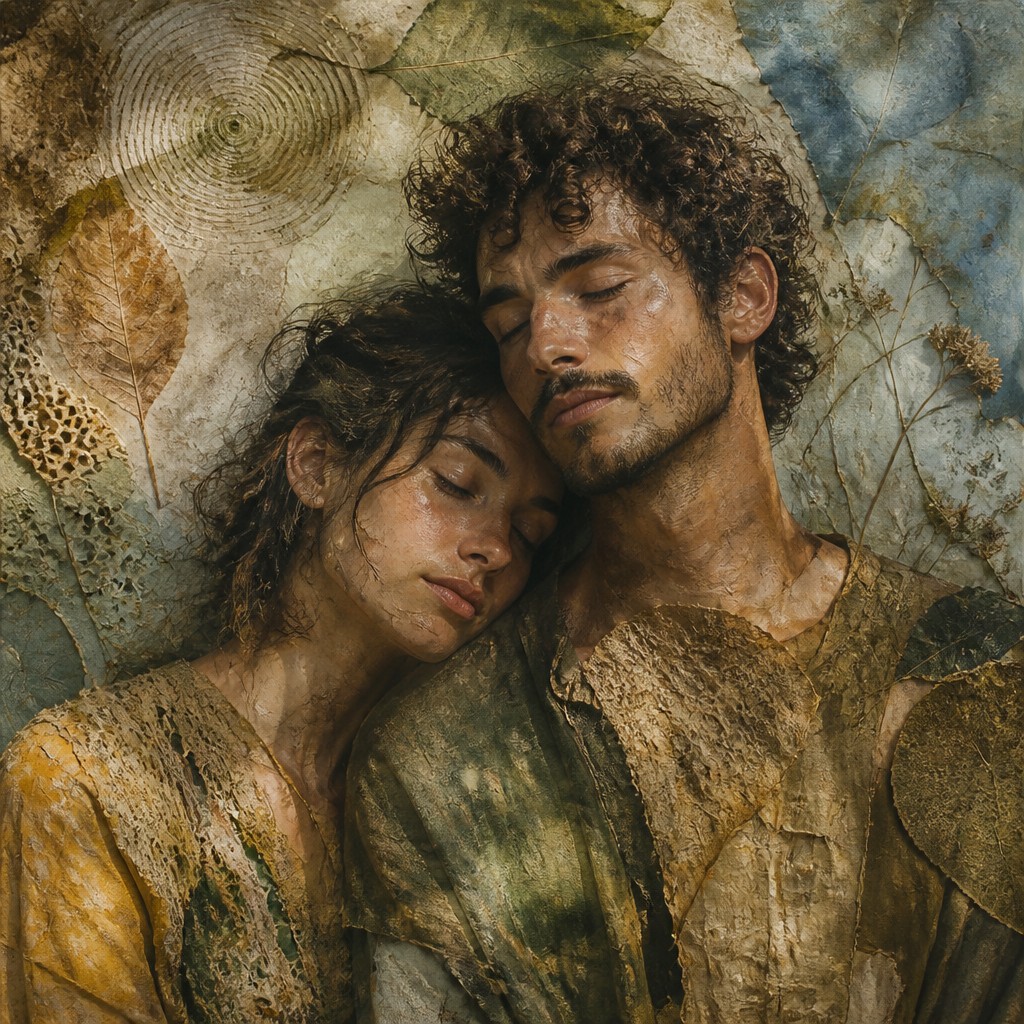
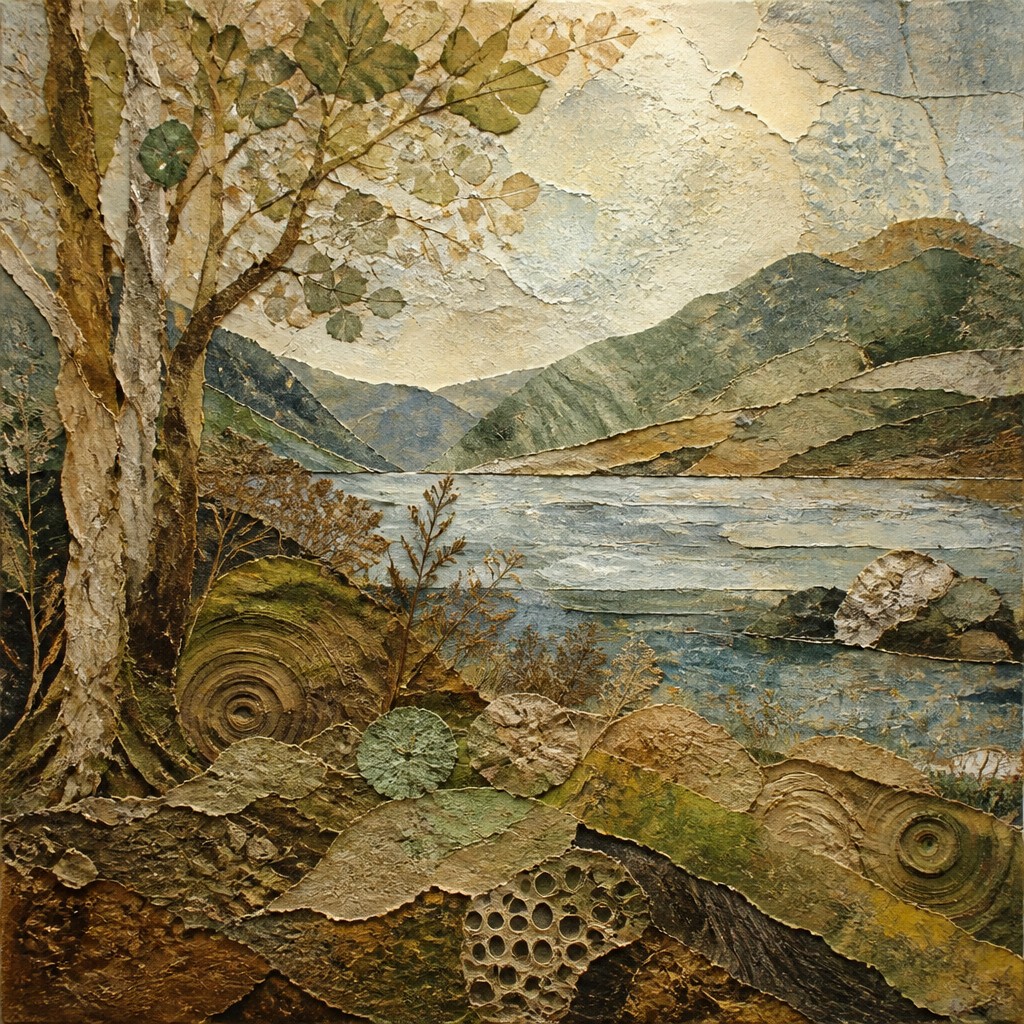
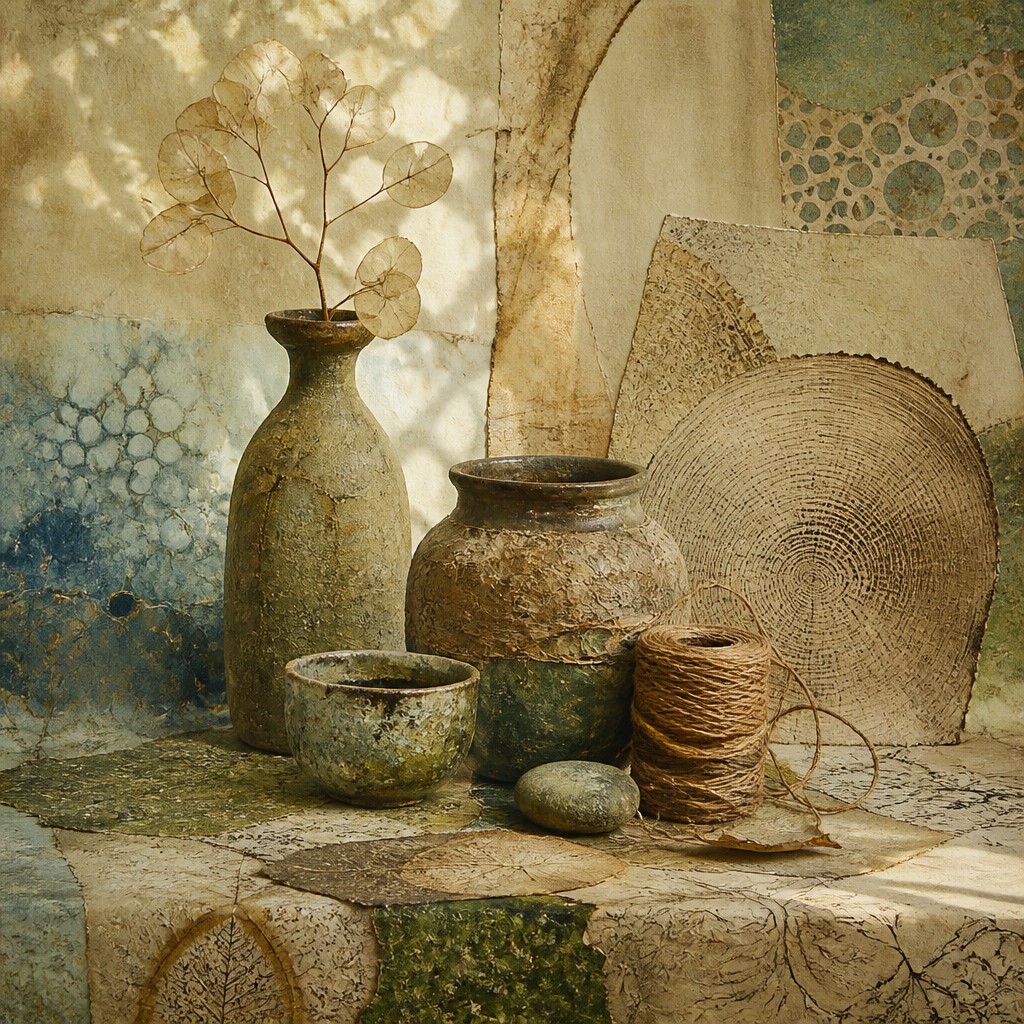
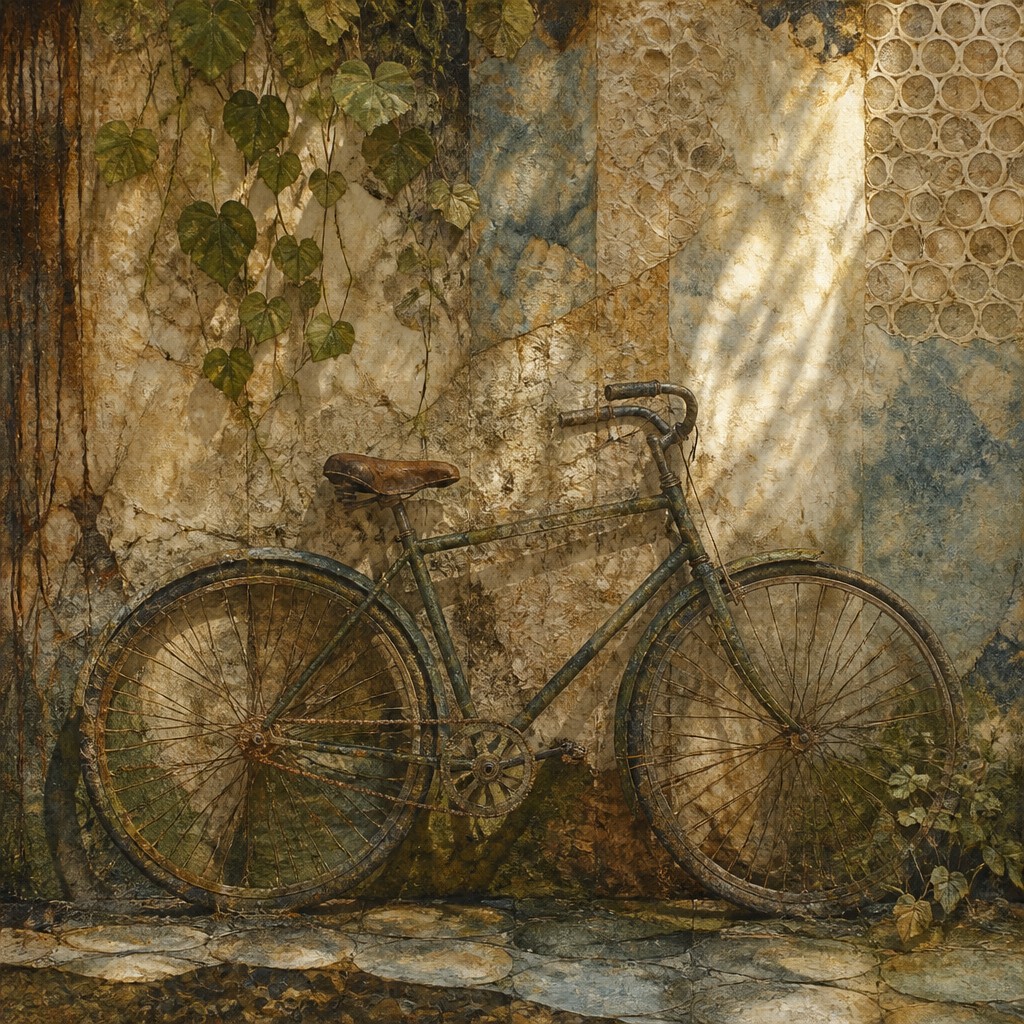
Eco Art Style focuses on using natural, reclaimed, or low-impact materials to create work about sustainability, decay, renewal, and care for the planet. It often feels tactile and immediate, with visible signs of weathering, reuse, and ecological connection.
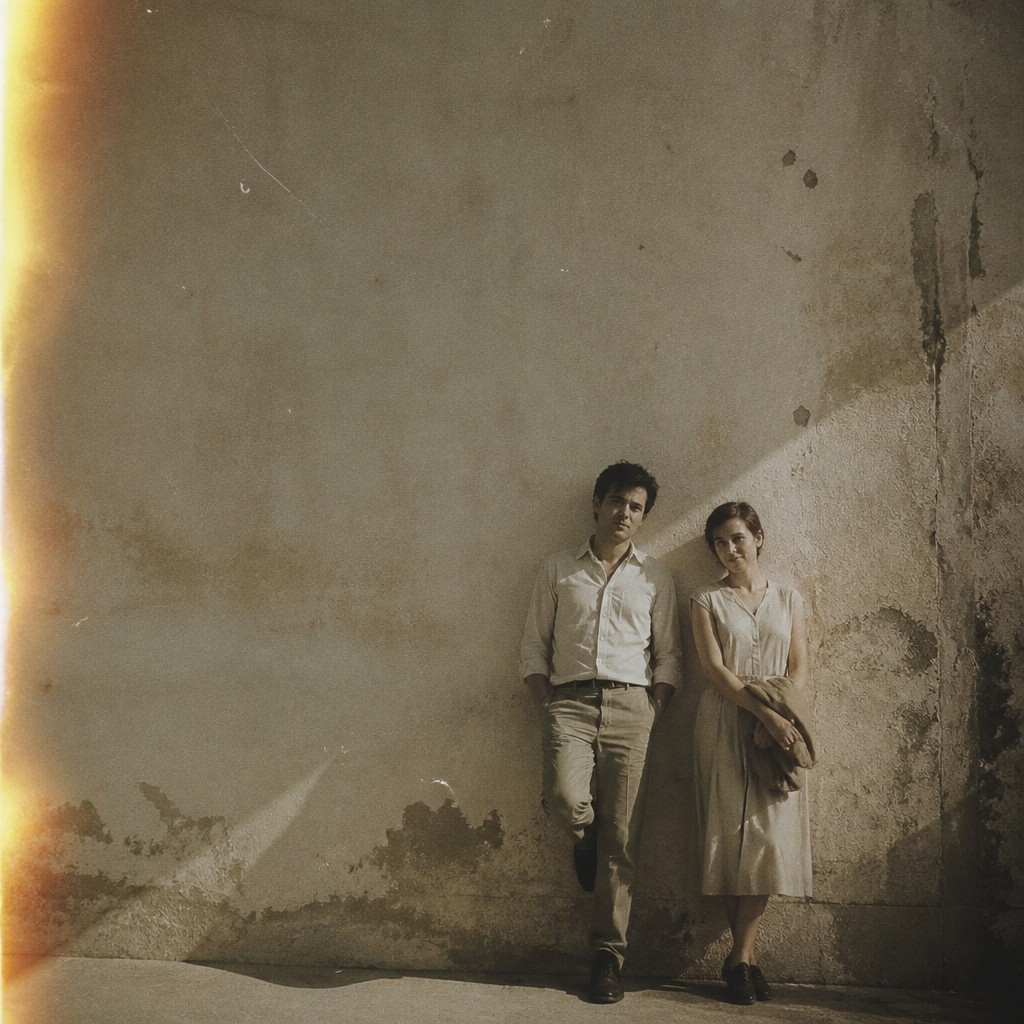
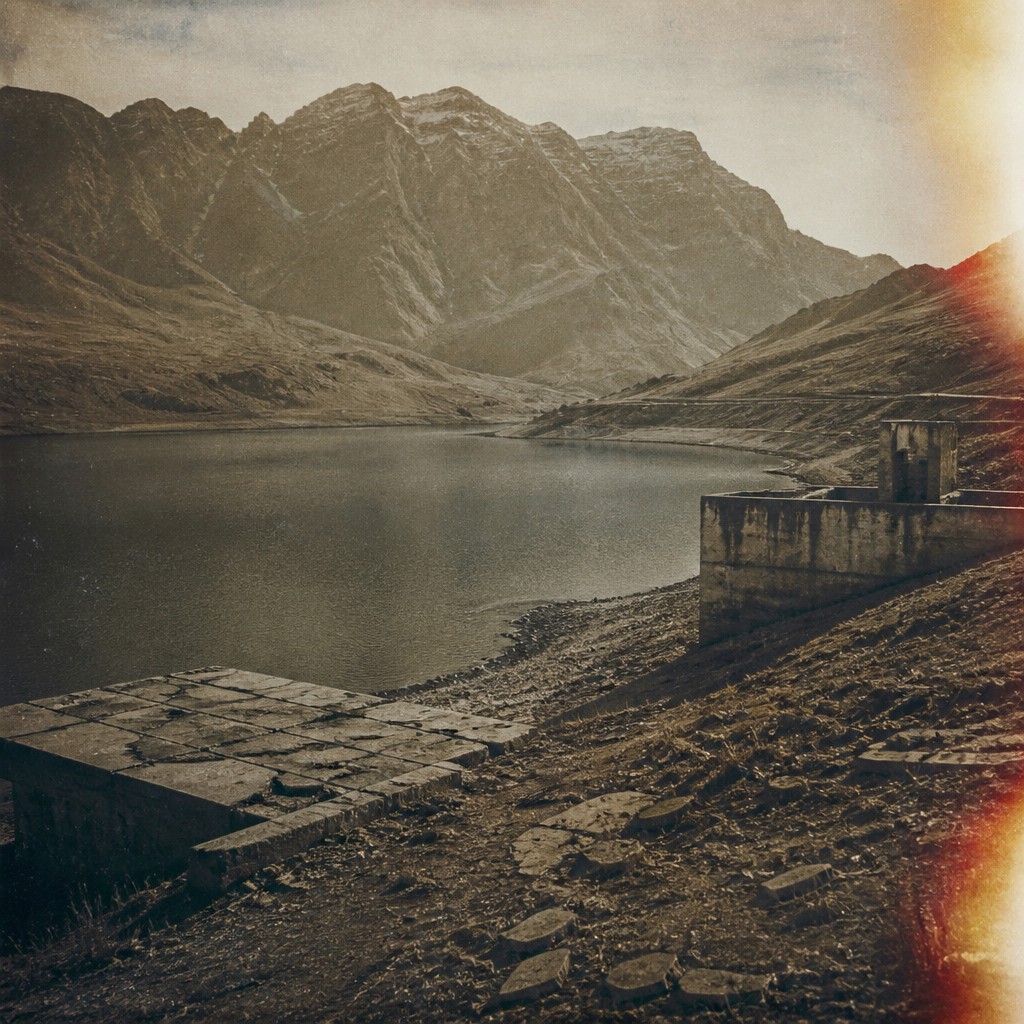
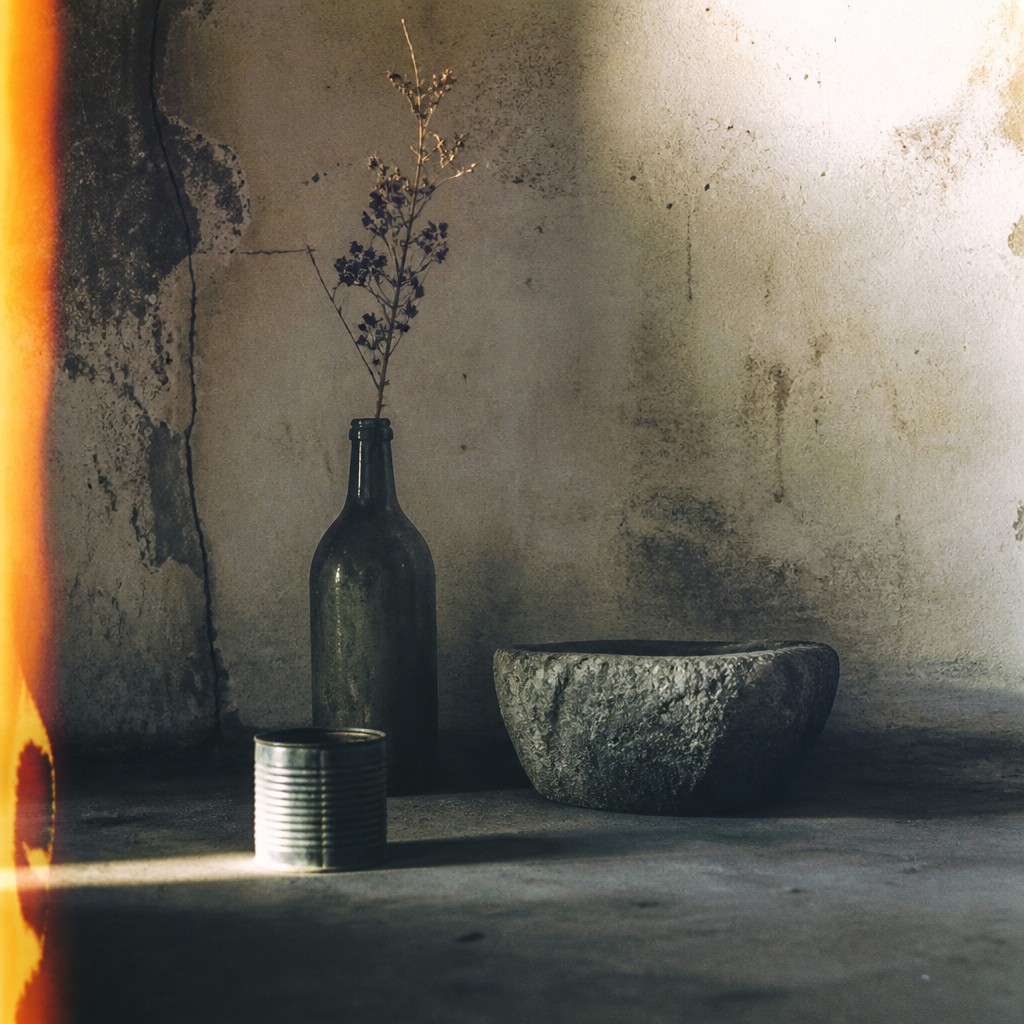
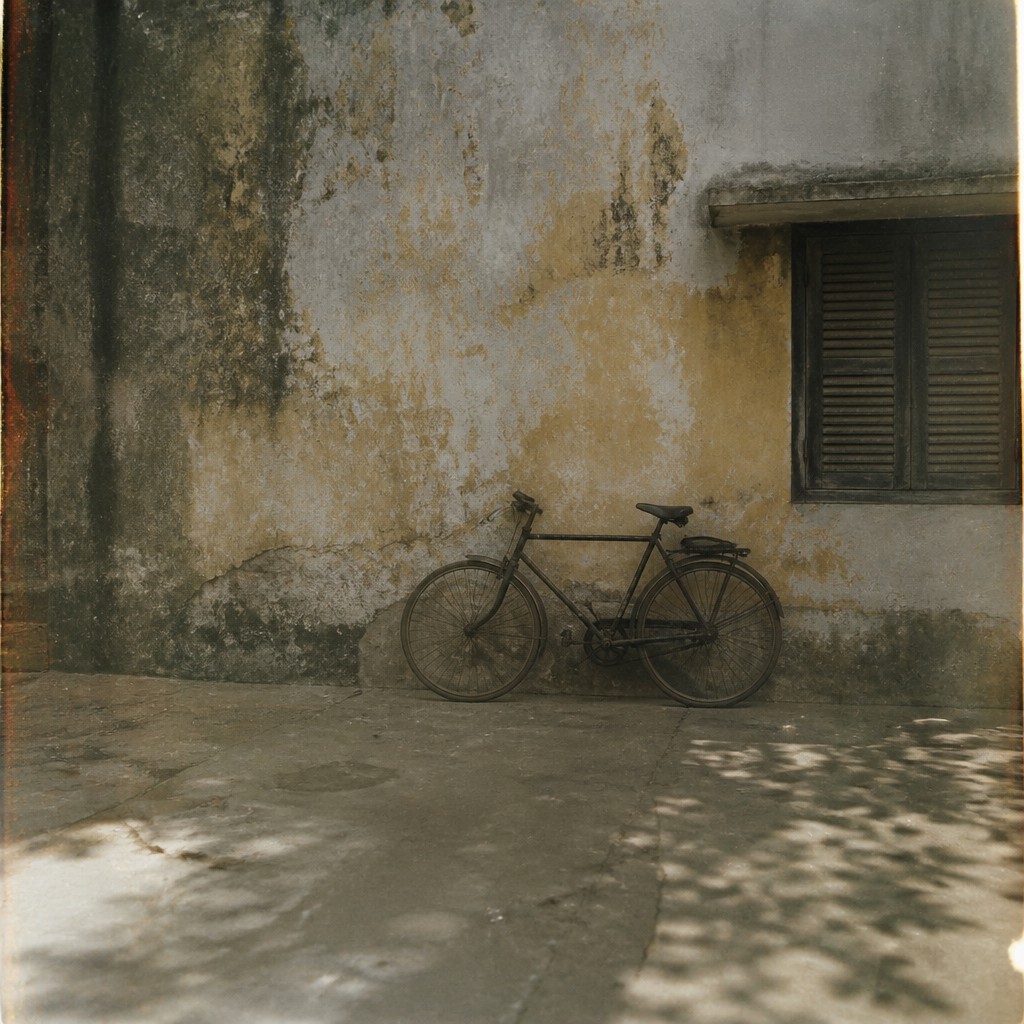
Land/Environmental Conceptual Art Style treats the earth itself as both subject and medium, often through large-scale interventions, remote actions, and documentation. People compare them because both address nature and ecology, but one centers material reuse and environmental themes while the other emphasizes concept, site, and documentation.
Same Prompt, Both Styles
Each pair below was generated from the identical prompt — only the style changed.
“portrait of two people together”
“wide landscape with natural scenery”
“still life with everyday objects”
“bicyle resting against a wall”
Key Differences
| Eco | Land/Environmental Conceptual | |
|---|---|---|
| Materials | Uses leaves, soil, found objects, reclaimed surfaces, and other natural or reused materials. | May alter landscapes directly, with the environment as the medium rather than a material source. |
| Primary emphasis | Centers ecological themes through visible handmade objects and surface textures. | Centers an idea or intervention, with the artwork often existing through documentation. |
| Scale | Often small to medium in size, suited to galleries, installations, or local sites. | Often vast or remote, involving fields, deserts, coastlines, or other open environments. |
| Visual character | Organic, layered, earthy, and often richly textured. | Spare, elemental, and frequently shown in grainy archival images or maps. |
| Time and change | Highlights decay, reuse, and renewal as visible processes. | Highlights duration, erosion, distance, and the afterlife of an action. |
| Viewer experience | Encourages close looking at material details and ecological messages. | Encourages reflection on scale, location, and the relationship between action and evidence. |
| Mood | thoughtful, hopeful, activist, grounded, reflective | reflective, austere, ephemeral, conceptual |
| Energy | balanced | calm |
| Detail level | moderate | moderate |
| Color | earth tones with muted natural accents | earth tones, muted natural hues, weathered neutrals |
| Texture | organic, tactile, recycled-material feel | raw, elemental, documentary |
| Origin | late 20th century global environmental movement | late 20th-century land art, Western Europe and US |
| Best for | campaign posters, public installations, editorial illustrations, museum exhibits, educational materials, sustainability branding | documentary posters, environmental campaigns, gallery catalog covers, editorial features, museum wall graphics |
| Difficulty | moderate | moderate |
Which Should You Choose?
Choose Eco Art Style if you want a material-based look that clearly communicates sustainability, reuse, and environmental care through texture and craft. Choose Land/Environmental Conceptual Art Style if you want a more idea-driven approach that uses landscape, site-specific action, and documentation to provoke reflection on ecology and scale.
Frequently Asked Questions
Are these the same thing?
Not exactly. They overlap because both engage with the environment, but Eco Art is usually more material-centered, while Land/Environmental Conceptual Art is more idea-centered and often documented after the fact.
Which style is more focused on sustainability?
Eco Art Style is usually more directly tied to sustainability because it often uses reclaimed or natural materials. Land/Environmental Conceptual Art may also address ecological issues, but its focus is often on concept, site, and reflection rather than material reuse.
Does Land/Environmental Conceptual Art have to be outdoors?
Usually, yes, the work is rooted in a specific place or environmental context. However, the final artwork may be experienced through photographs, maps, film, or other records rather than in the landscape itself.
Which style is better for a gallery exhibition?
Eco Art Style often adapts well to galleries because it can be shown as objects, installations, or assemblages. Land/Environmental Conceptual Art can also work in galleries, but it often depends on documentation and explanation to convey the original action or site.