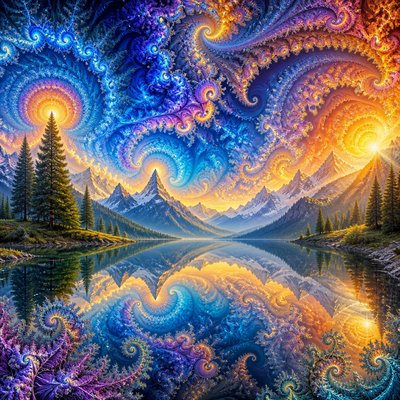
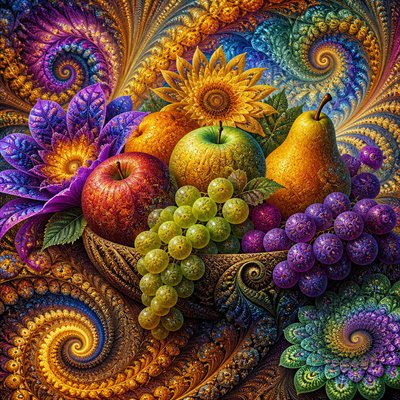
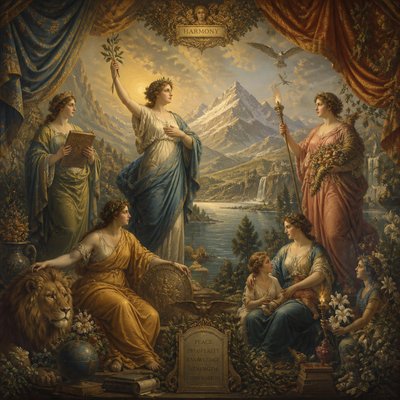
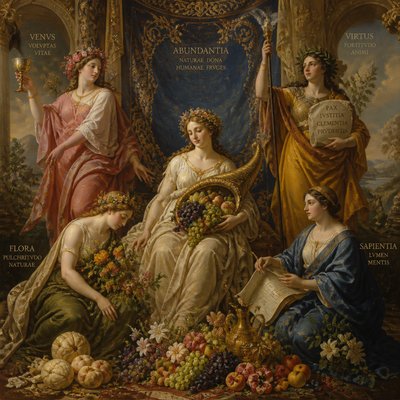
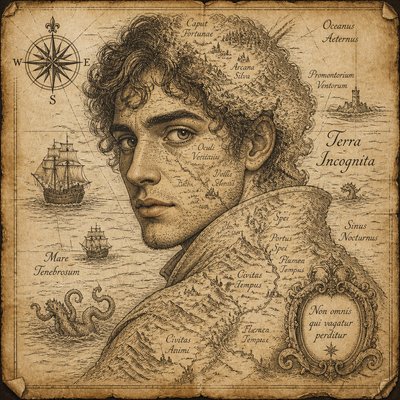
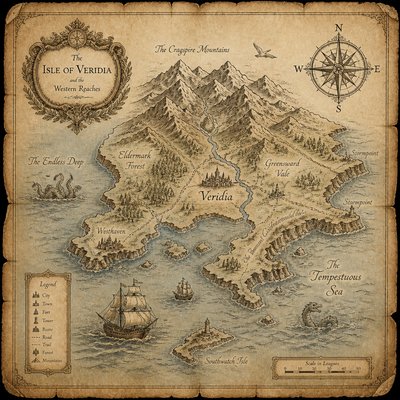
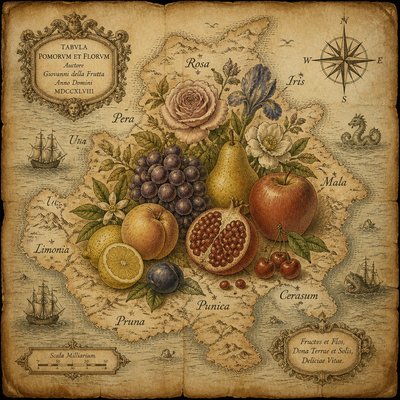
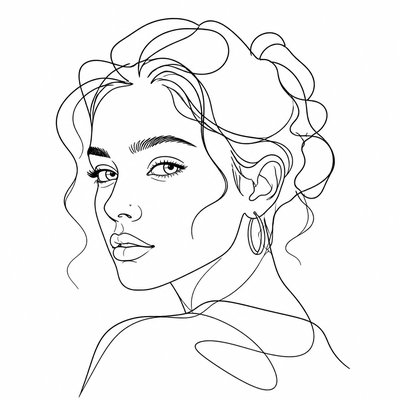
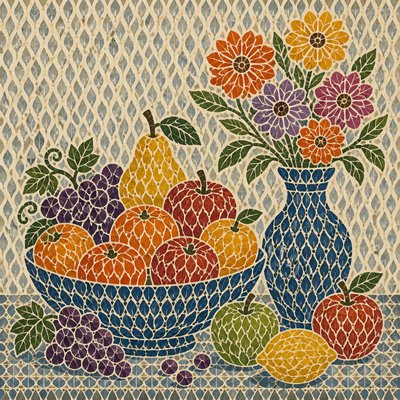
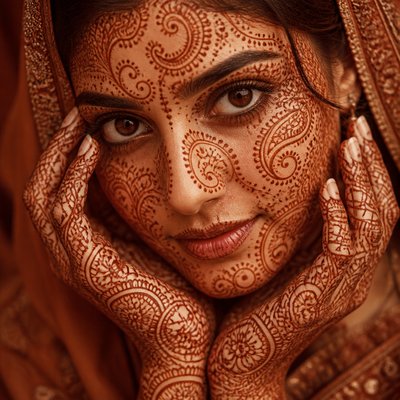
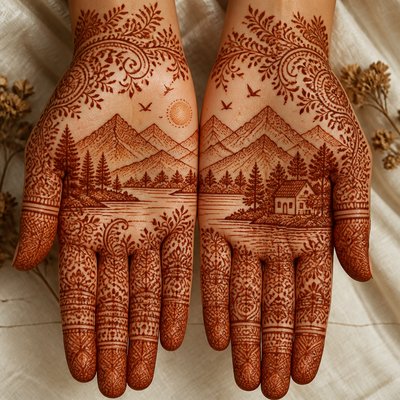
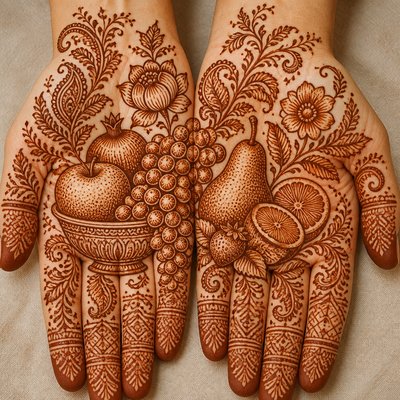
Land Art Style
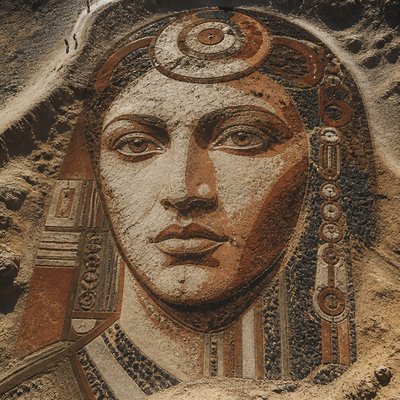
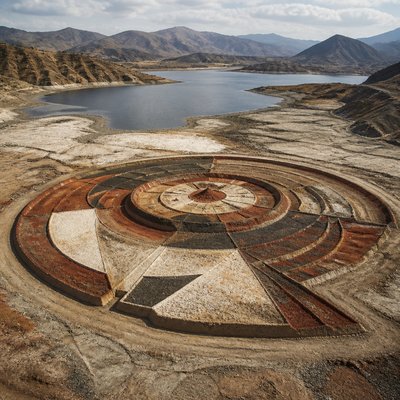
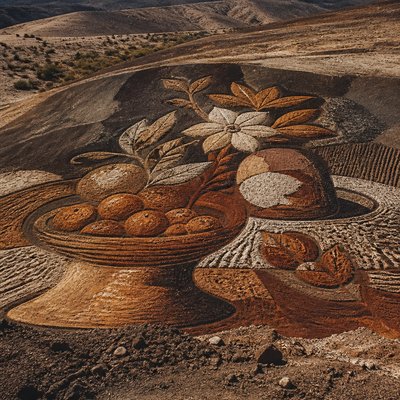
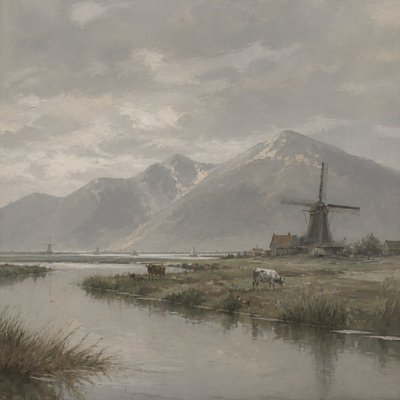
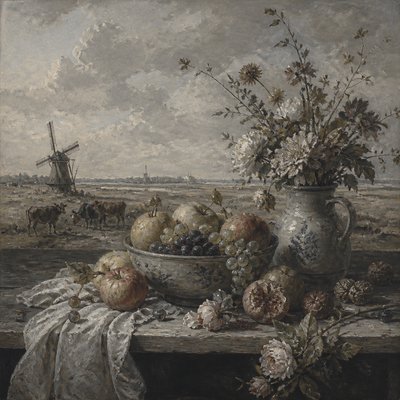
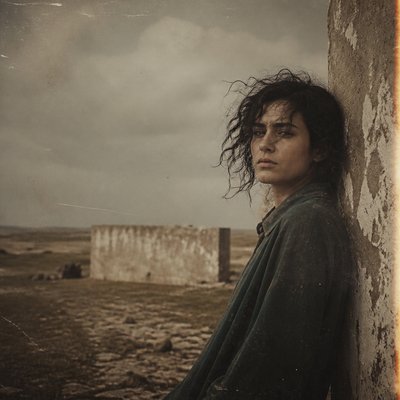
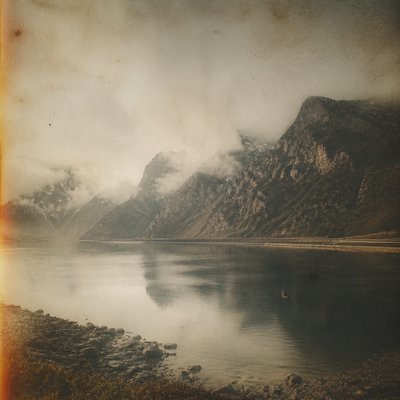
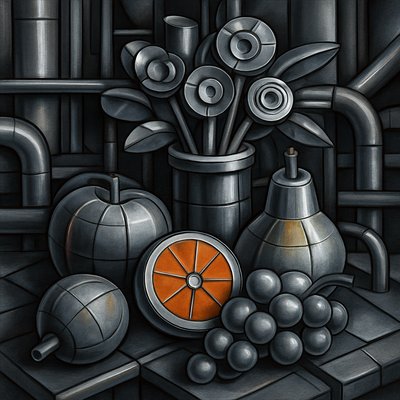
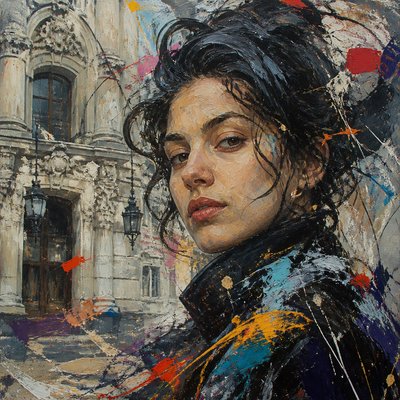
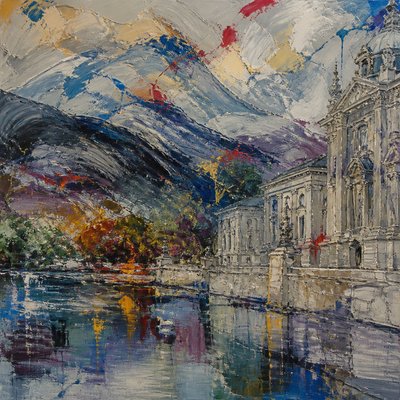
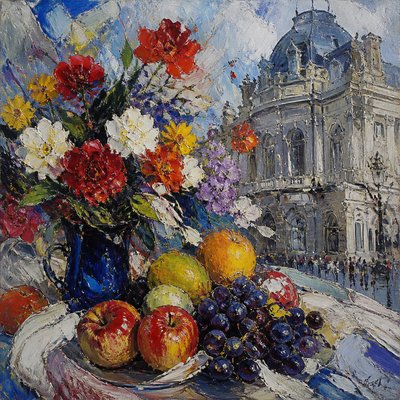
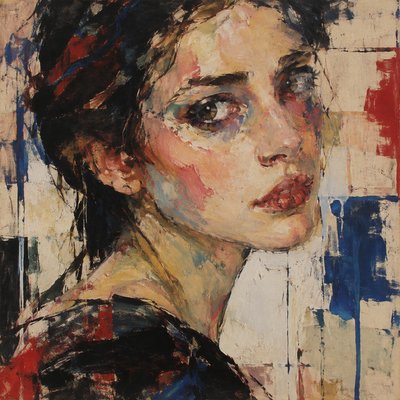
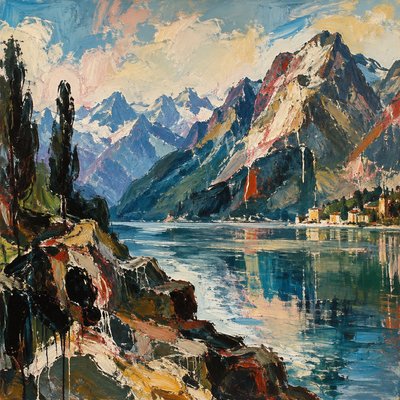
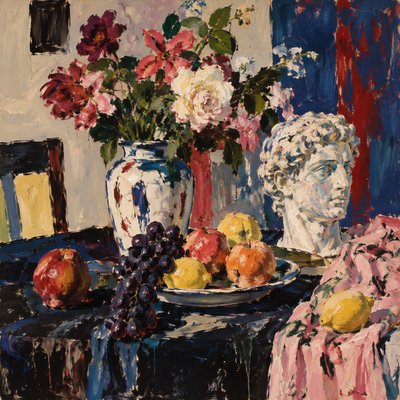
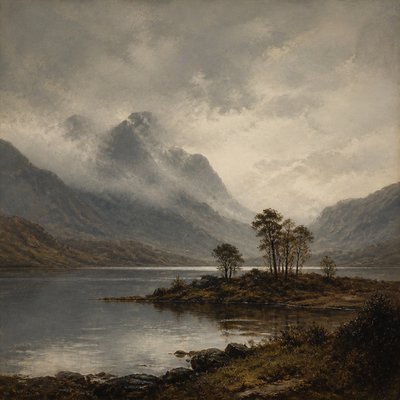
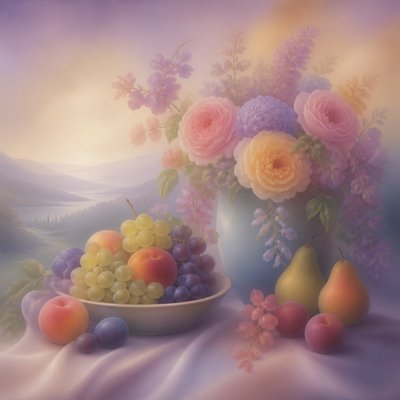
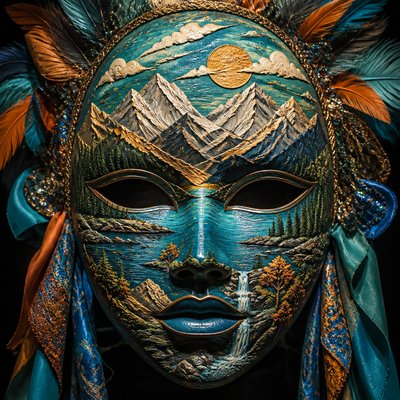
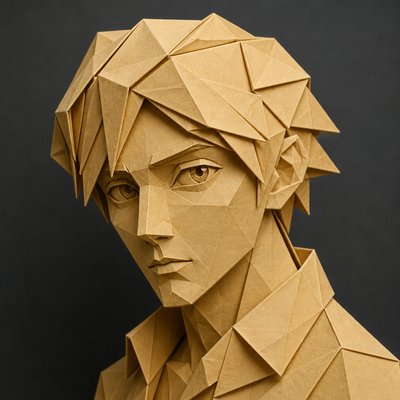
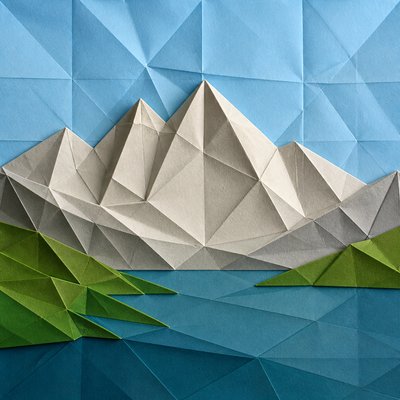
Monumental land-based art using earth, stone, and water to shape landscapes into temporary or permanent visual interventions.
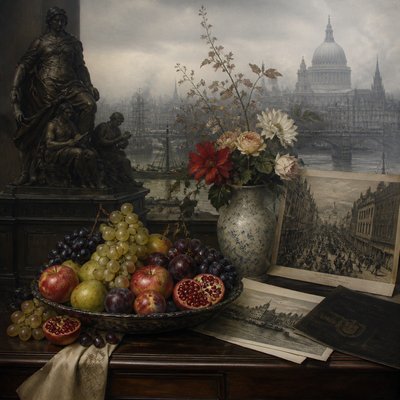
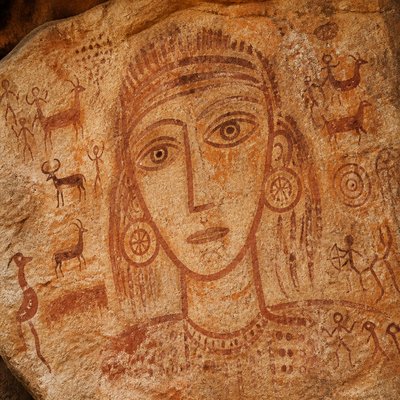
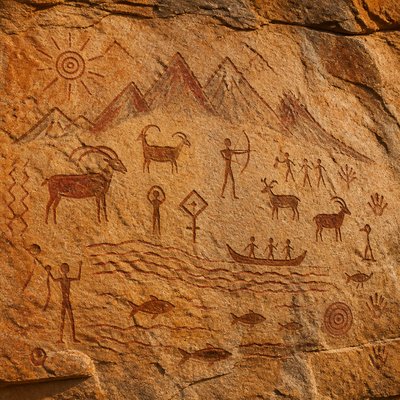
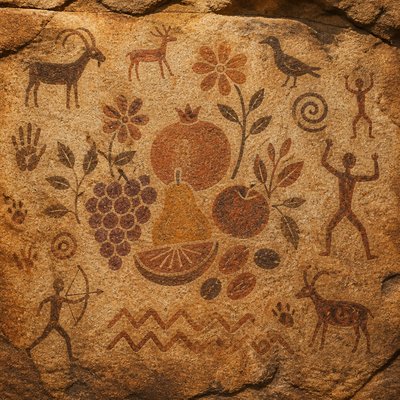
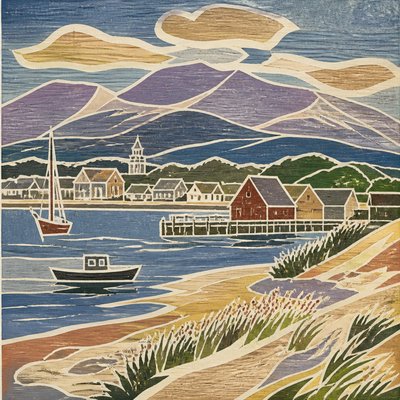
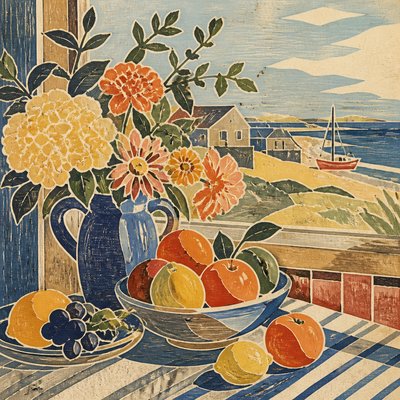
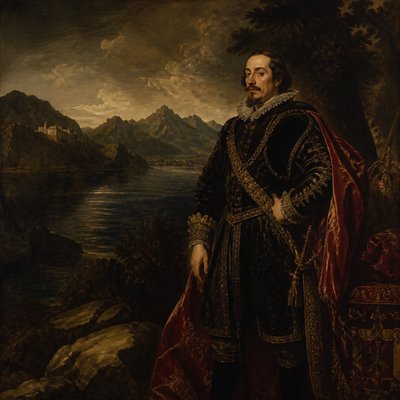
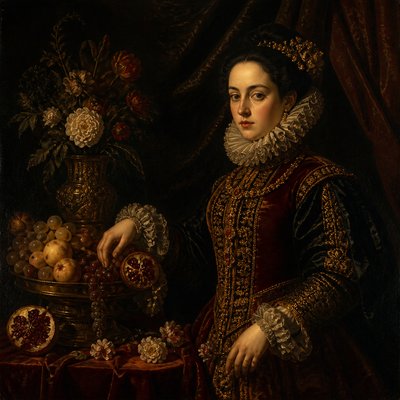
Instantly rendered in Land — or transform a photo
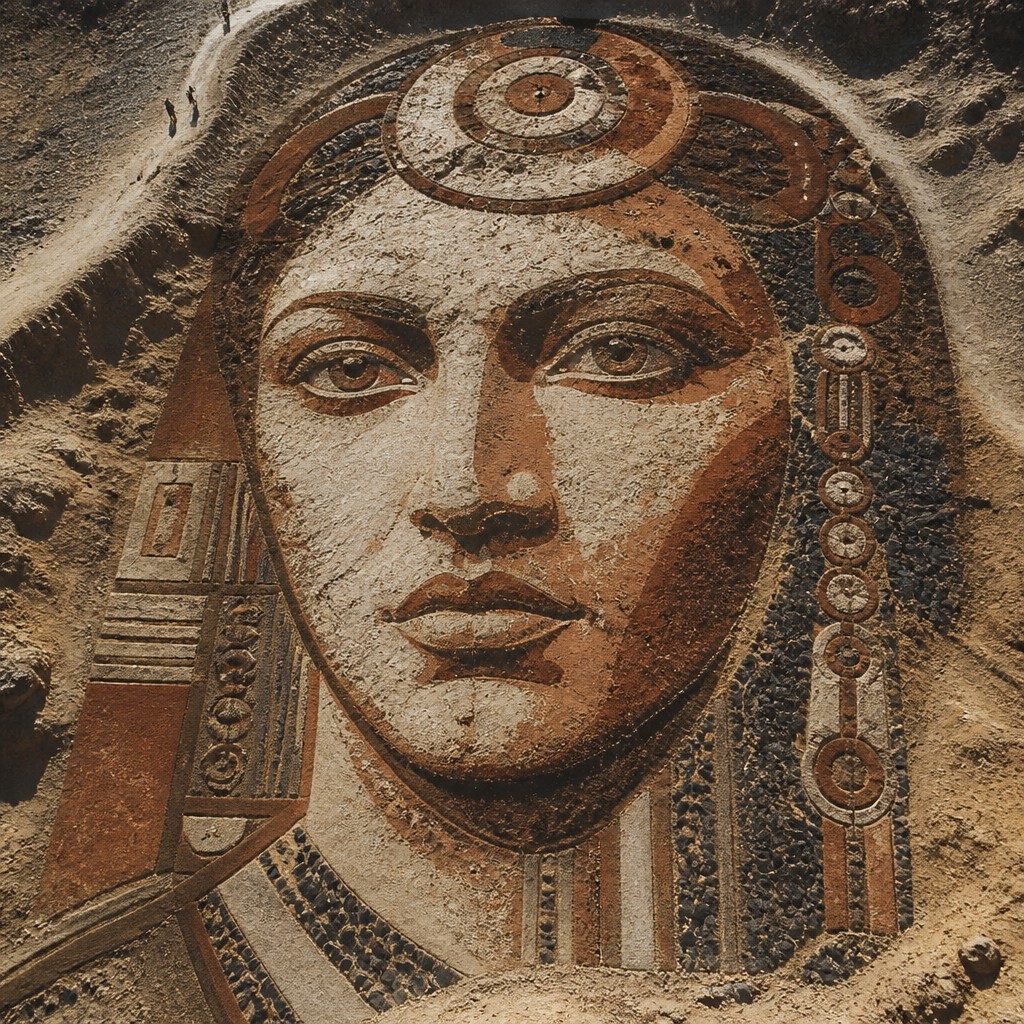
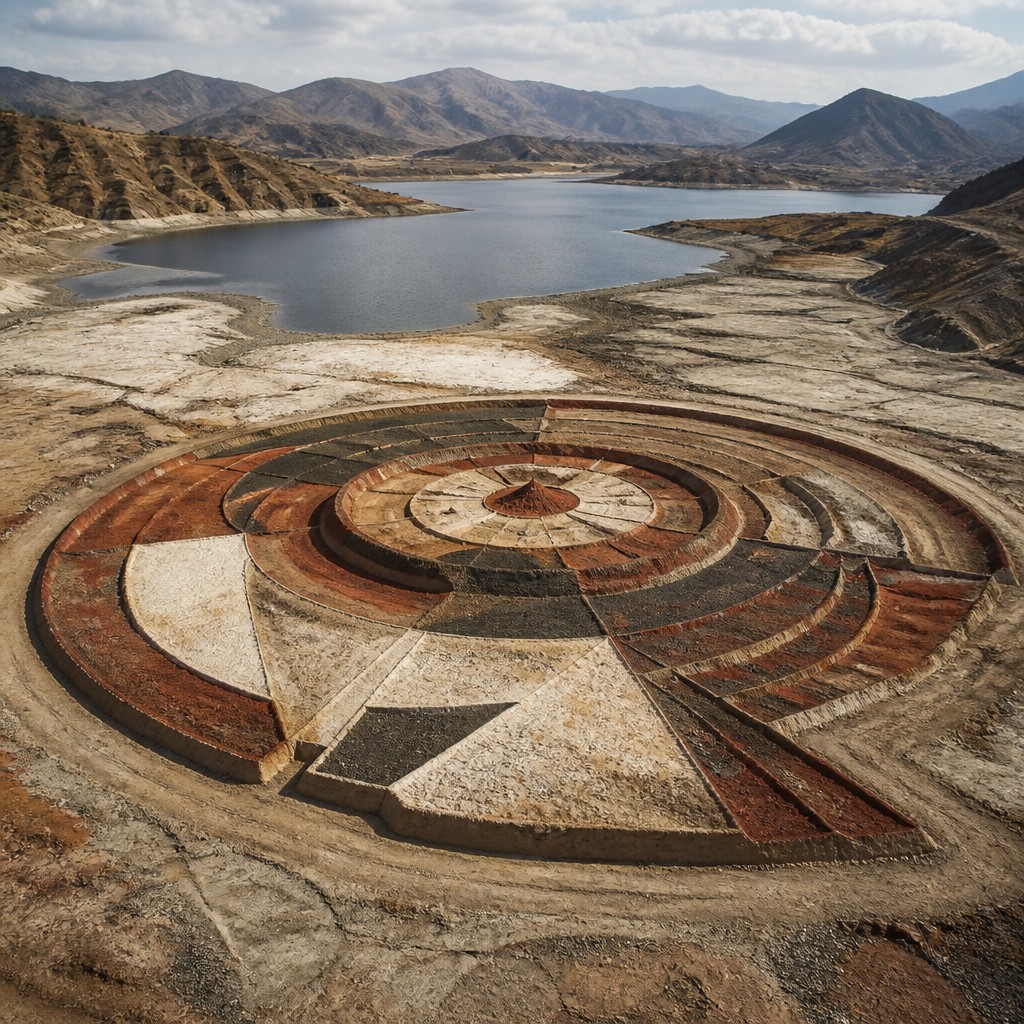
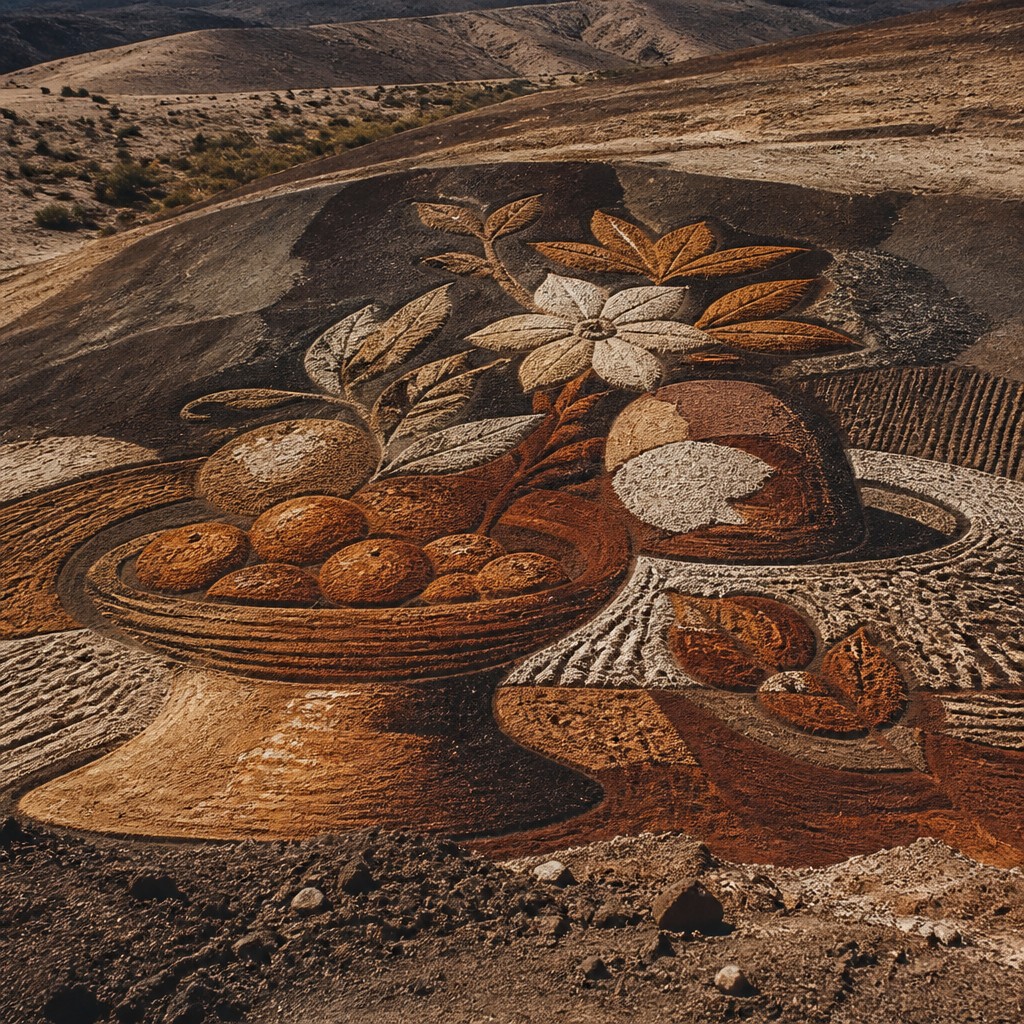
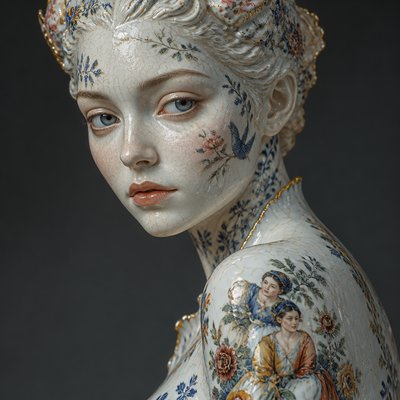
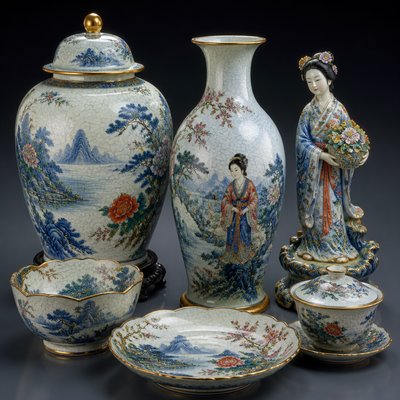
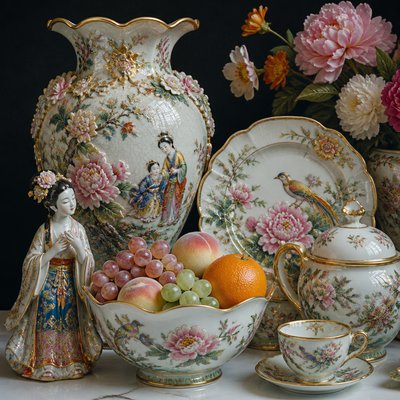
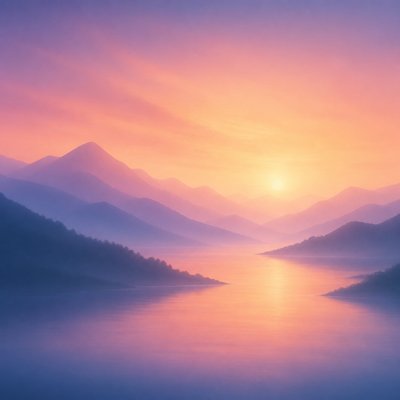
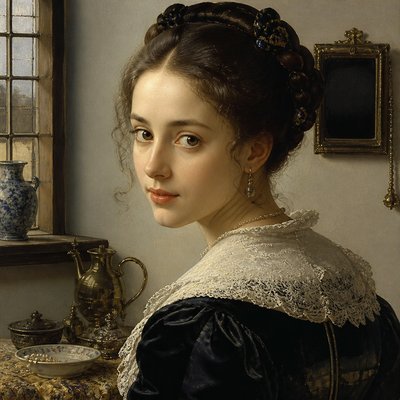
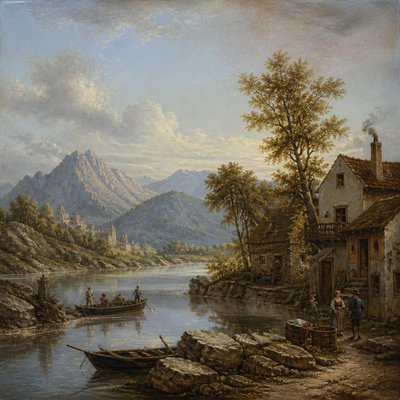
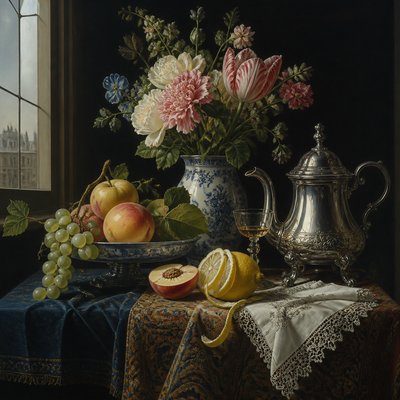
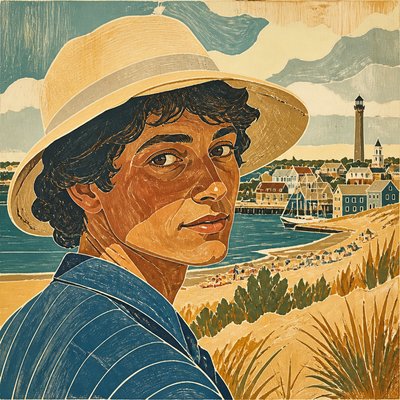
Land Gallery
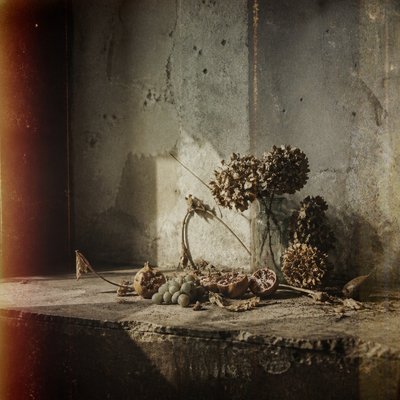
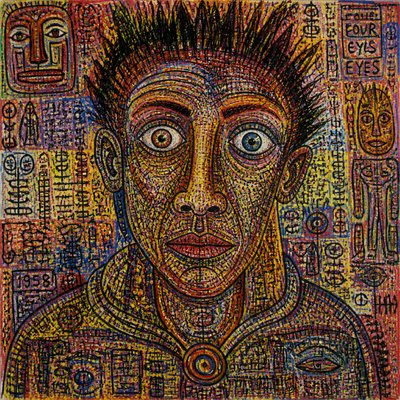
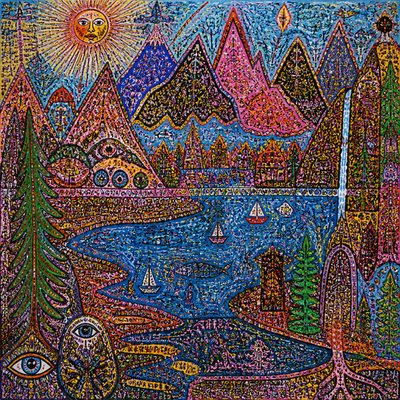
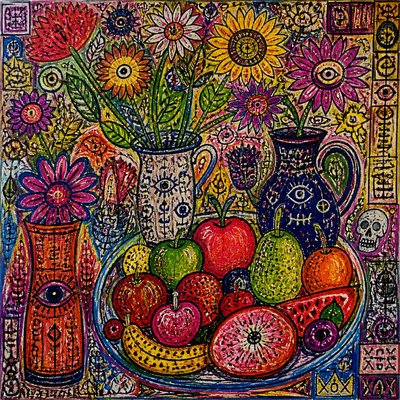
Tap any artwork to explore it
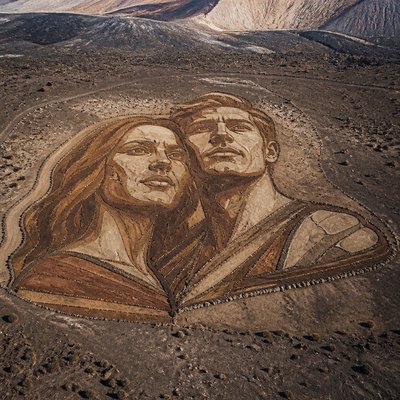
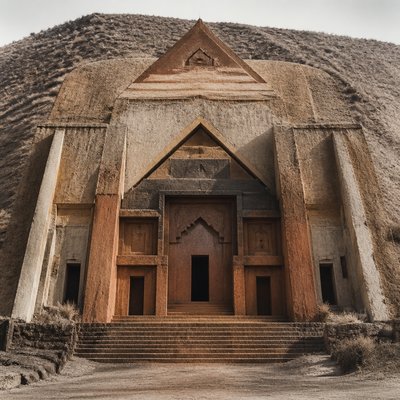
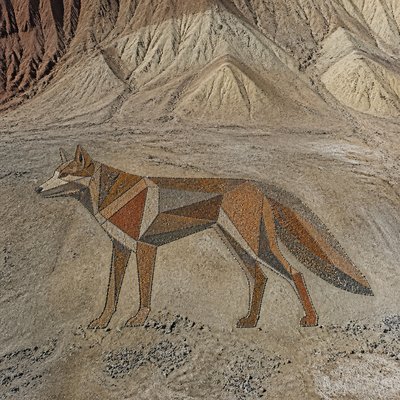
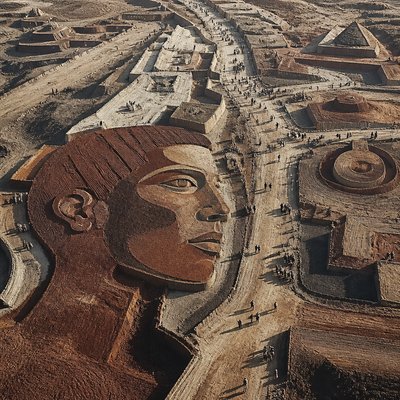
What is Land Art Style?
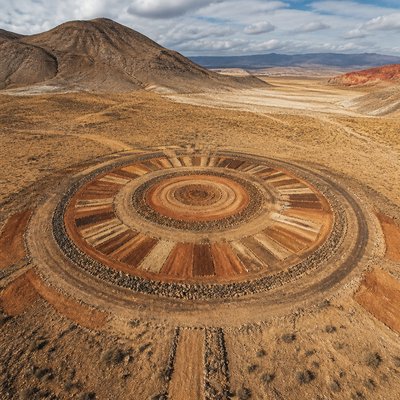
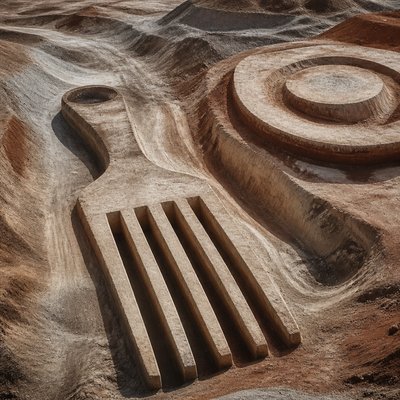
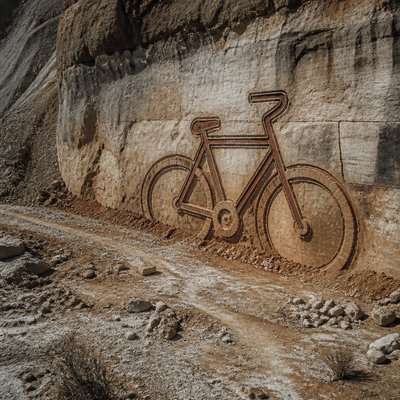
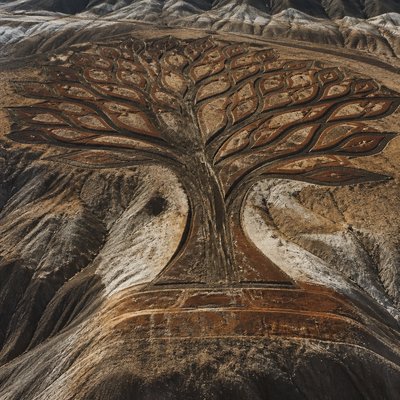
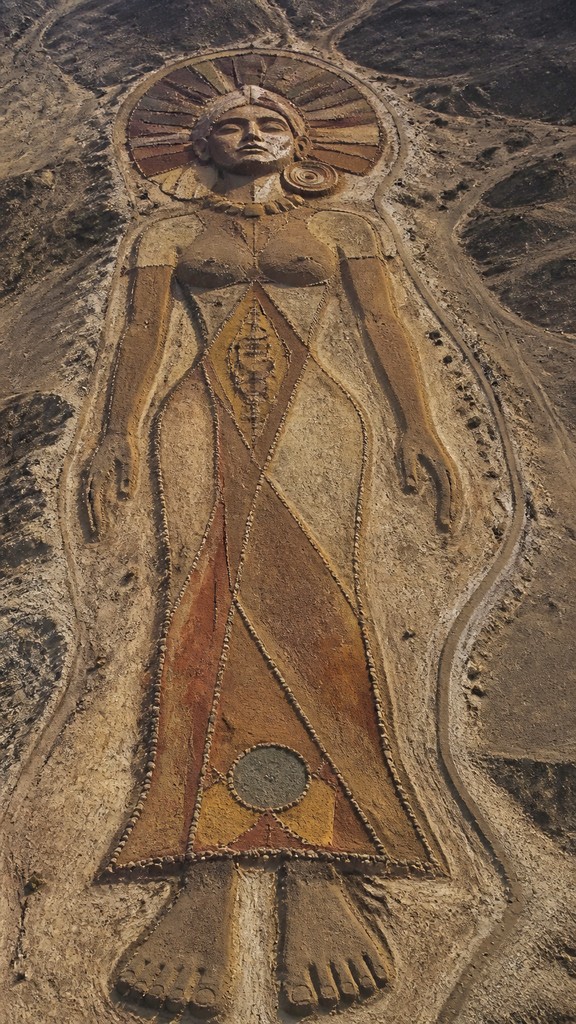
Land art is a form of large-scale artistic intervention made directly in natural environments using materials such as rock, soil, sand, water, and vegetation. Rather than depicting nature, it works with the land itself: artists cut, pile, align, excavate, or redirect terrain to create forms that are experienced as part of the landscape.
Its visual identity is defined by scale, restraint, and material truth. Colors tend to come from the site itself—ochres, browns, slate grays, chalk whites, and rust reds—while textures record erosion, weathering, and sediment. The result often feels both engineered and ancient: a geometric or symbolic form imposed on an organic setting, shaped by human intention but ultimately governed by time and the elements.
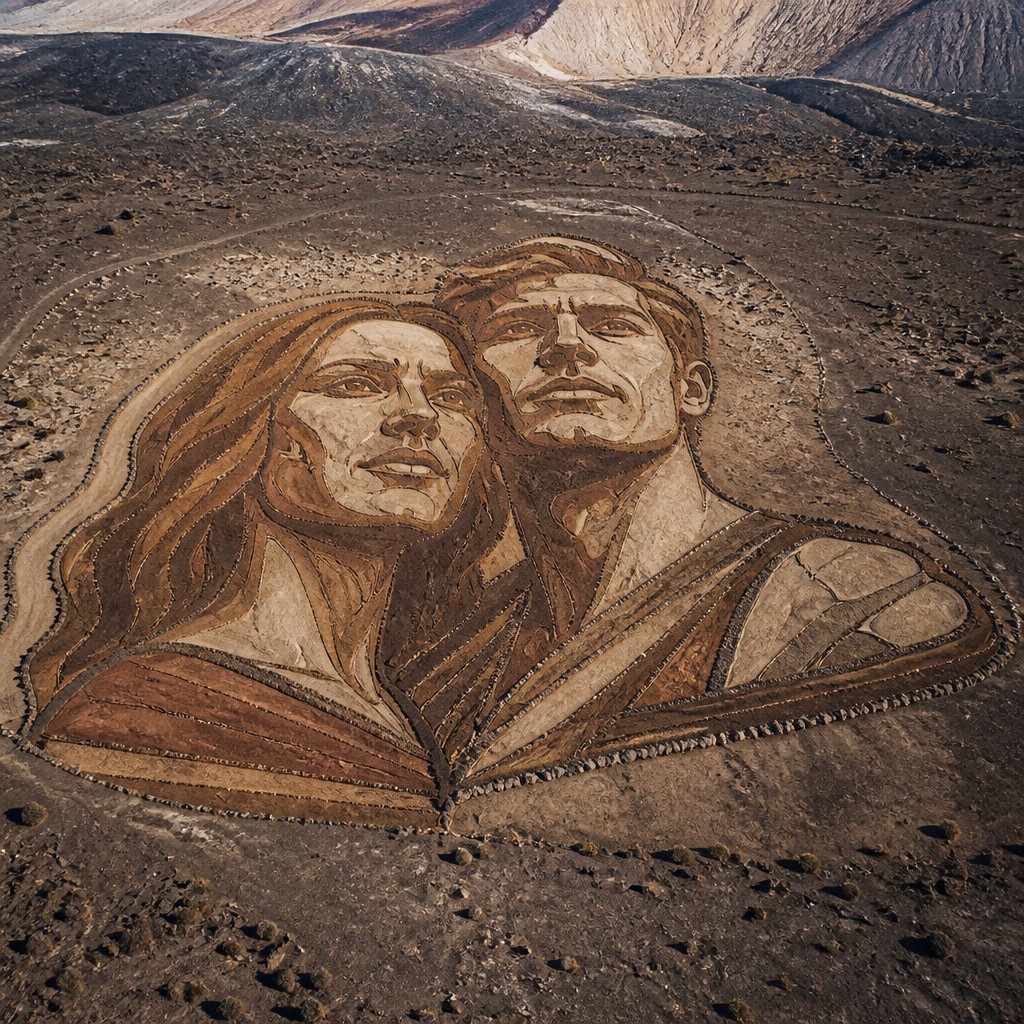
Try It On Your Photos
Upload any photo and convert it into Land Art Style — drag the sliders to compare before and after.
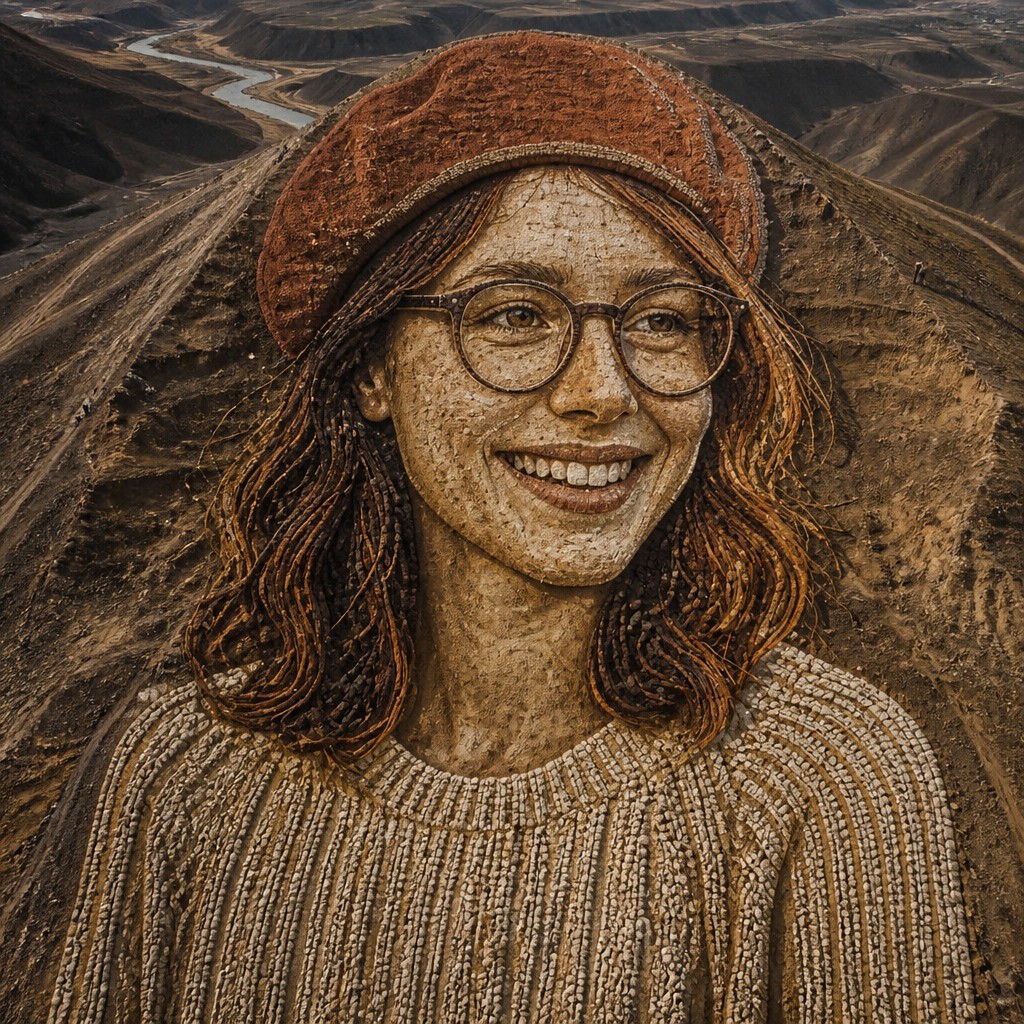

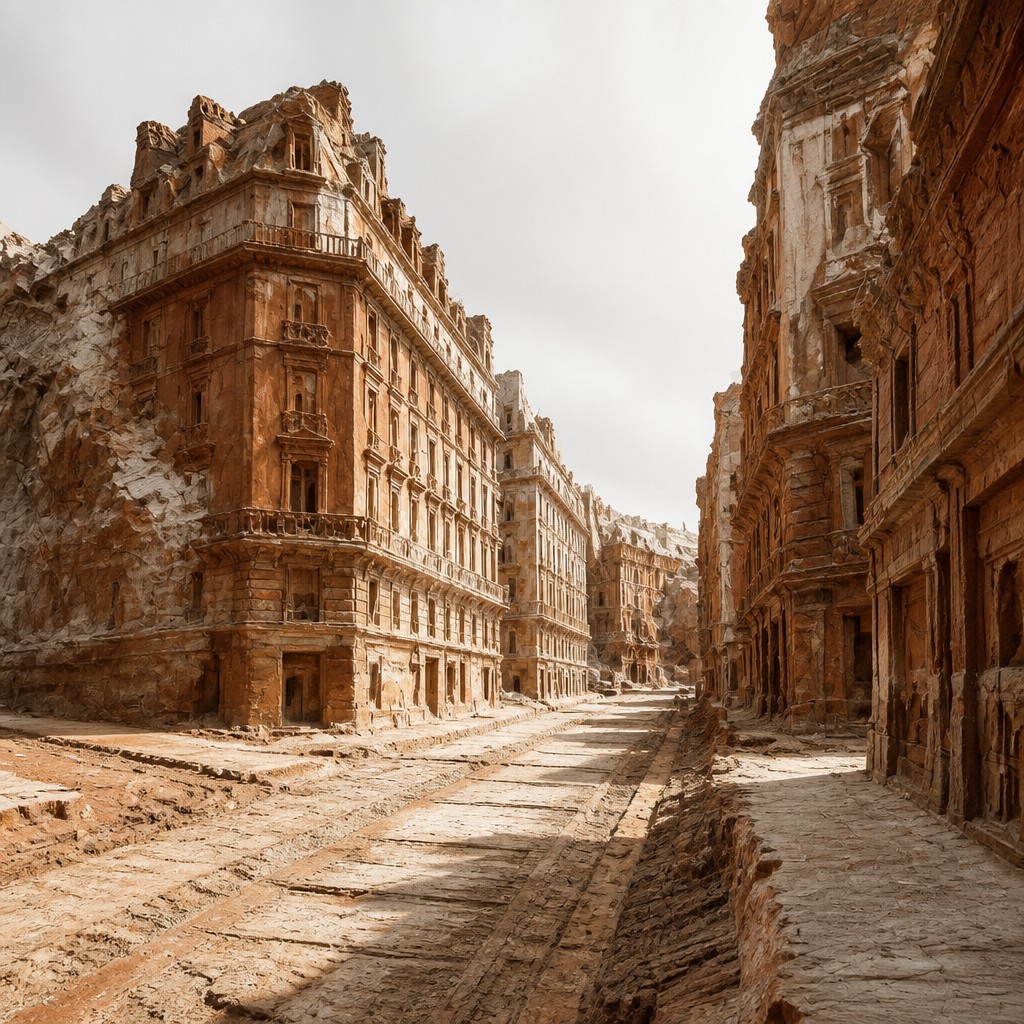

Or use the free Land photo filter
What Defines Land Art Style
The signature details, up close
Natural materials as medium
Land art is built from what the site provides: stone, clay, soil, sand, water, timber, and sometimes vegetation. The material choice is not decorative; it determines the work’s texture, durability, and relationship to the land.
Monumental scale
Even when the form is simple, land art usually reads as massive. Scale is communicated through long shadows, distant viewpoints, and the contrast between human intervention and vast terrain.
Geometric intervention
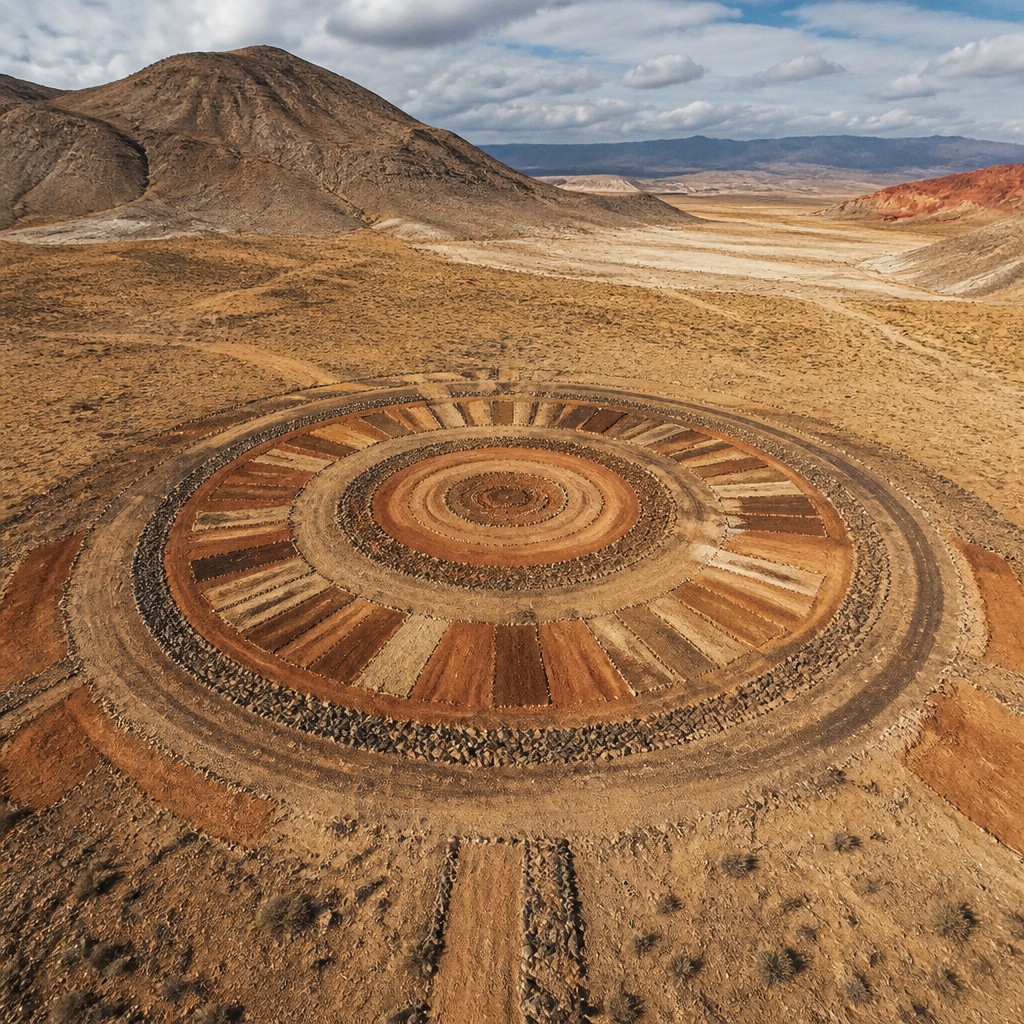
Many works use clear shapes such as circles, lines, spirals, trenches, mounds, and ridges. These forms create tension between measured design and the irregularity of natural surroundings.
Weathered, earthen palette
The color range is usually grounded in the site: ochre, umber, sienna, rust, clay red, charcoal, and bleached white. Bright synthetic color is uncommon unless it is introduced as a deliberate contrast.
Visible process and erosion
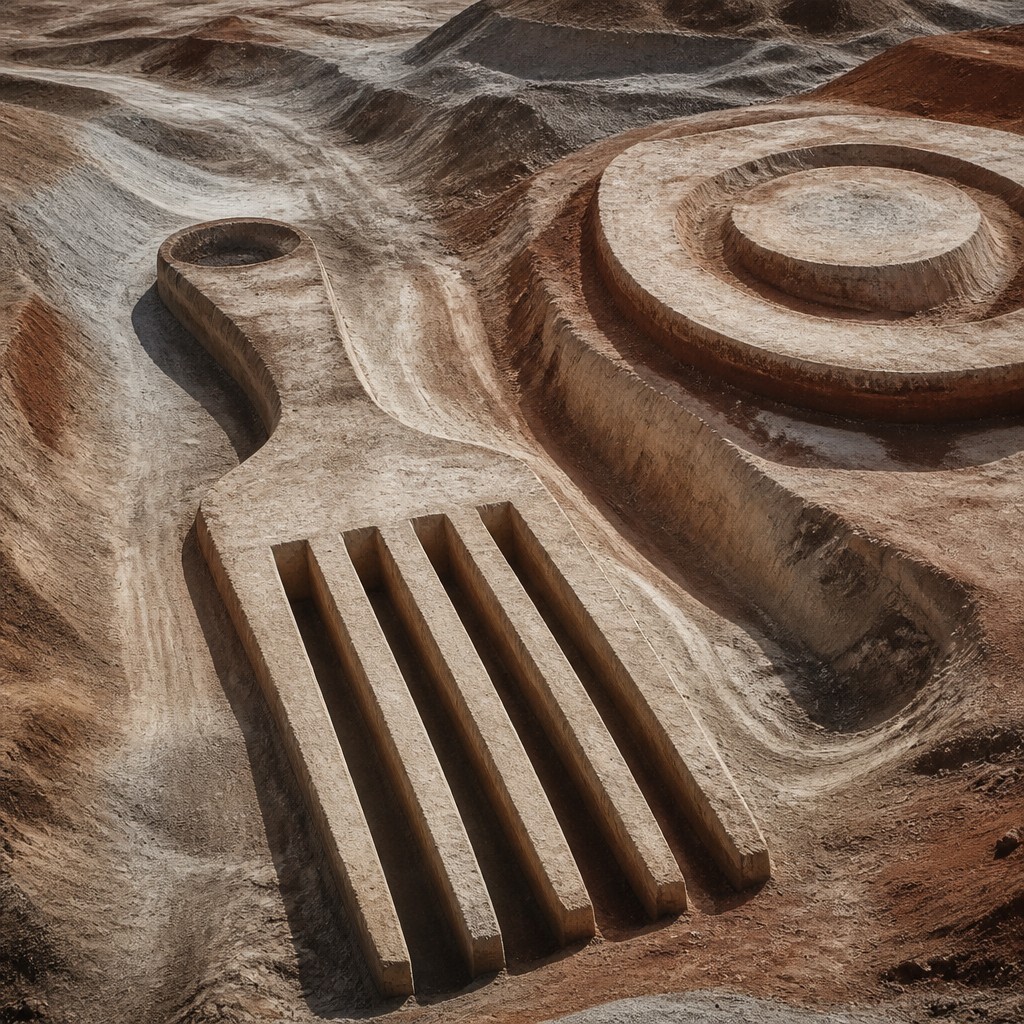
The surface often shows compaction, carving, settling, cracking, or washout. This makes time visible, emphasizing that the work is subject to rain, wind, tide, and decay.
Site specificity
Land art is inseparable from its location, whether a desert, salt flat, shoreline, field, or quarry. The topography is not a backdrop but part of the composition itself.
Try It
Create Videos in Land Art Style
Styles aren't just for stills — describe a scene or animate an image and get a short video rendered in Land. Press play to see this pond come to life.
Make a VideoLand Prompt Ideas
Start from an idea — each one opens the generator with the style ready to go. See all 40 Land prompts →
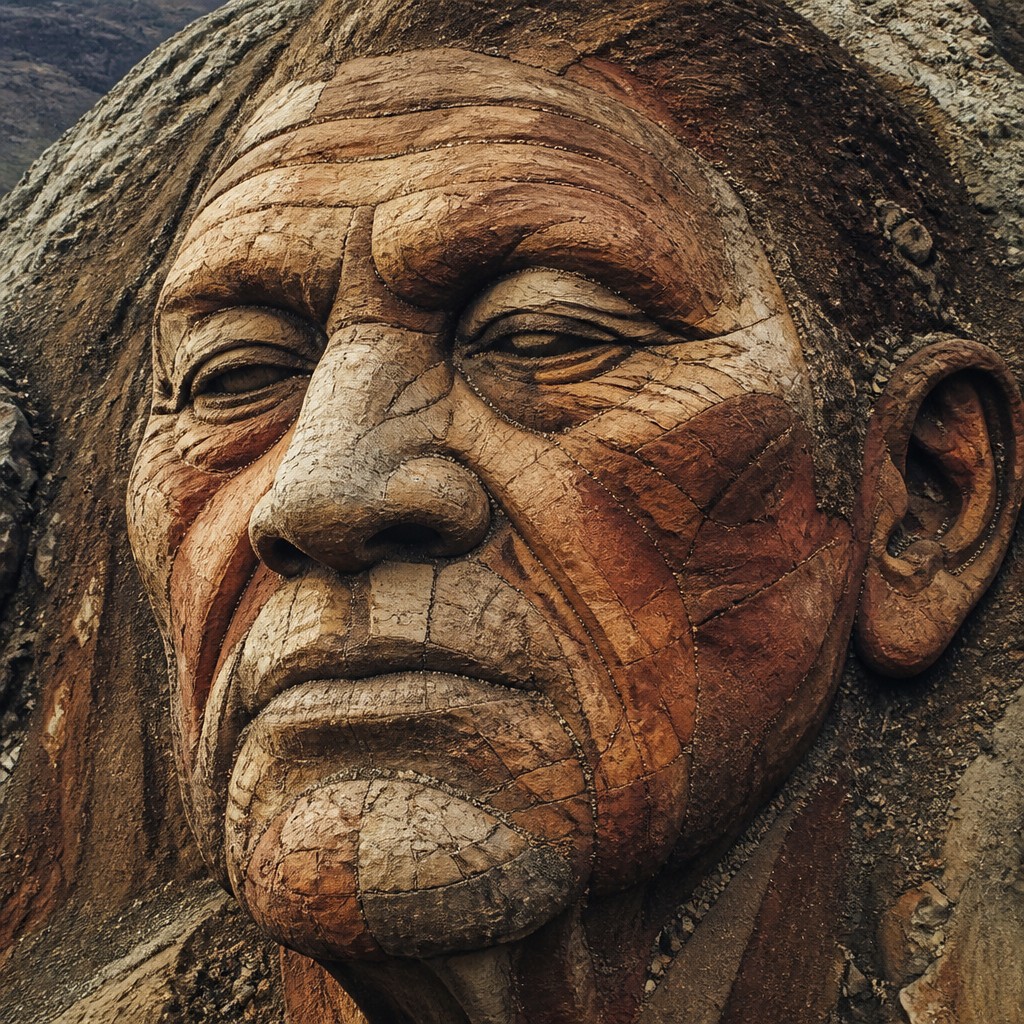
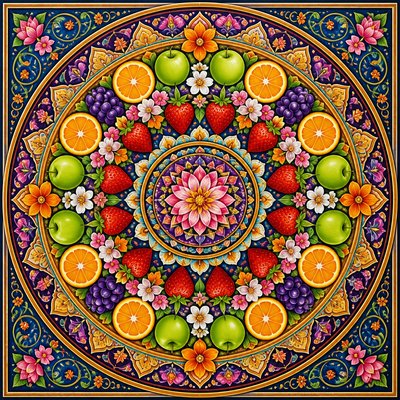
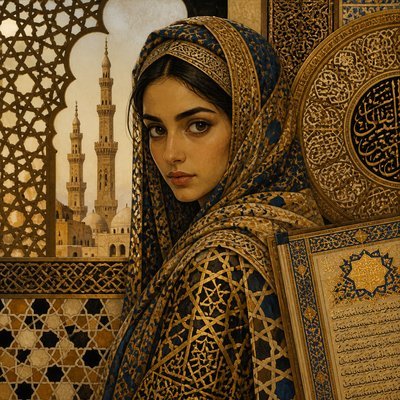
“close-up portrait of an elderly person with expressive weathered features”
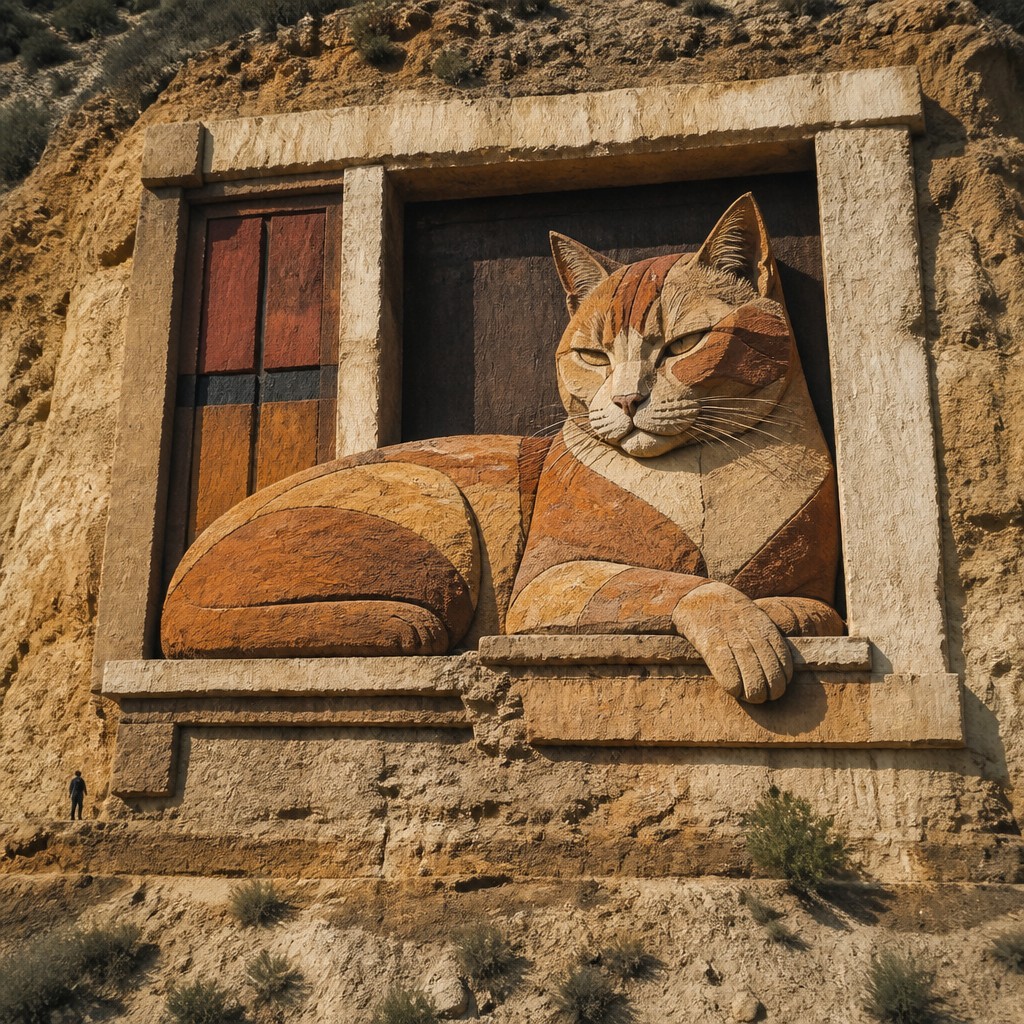
“a cat lounging in a sunlit window”
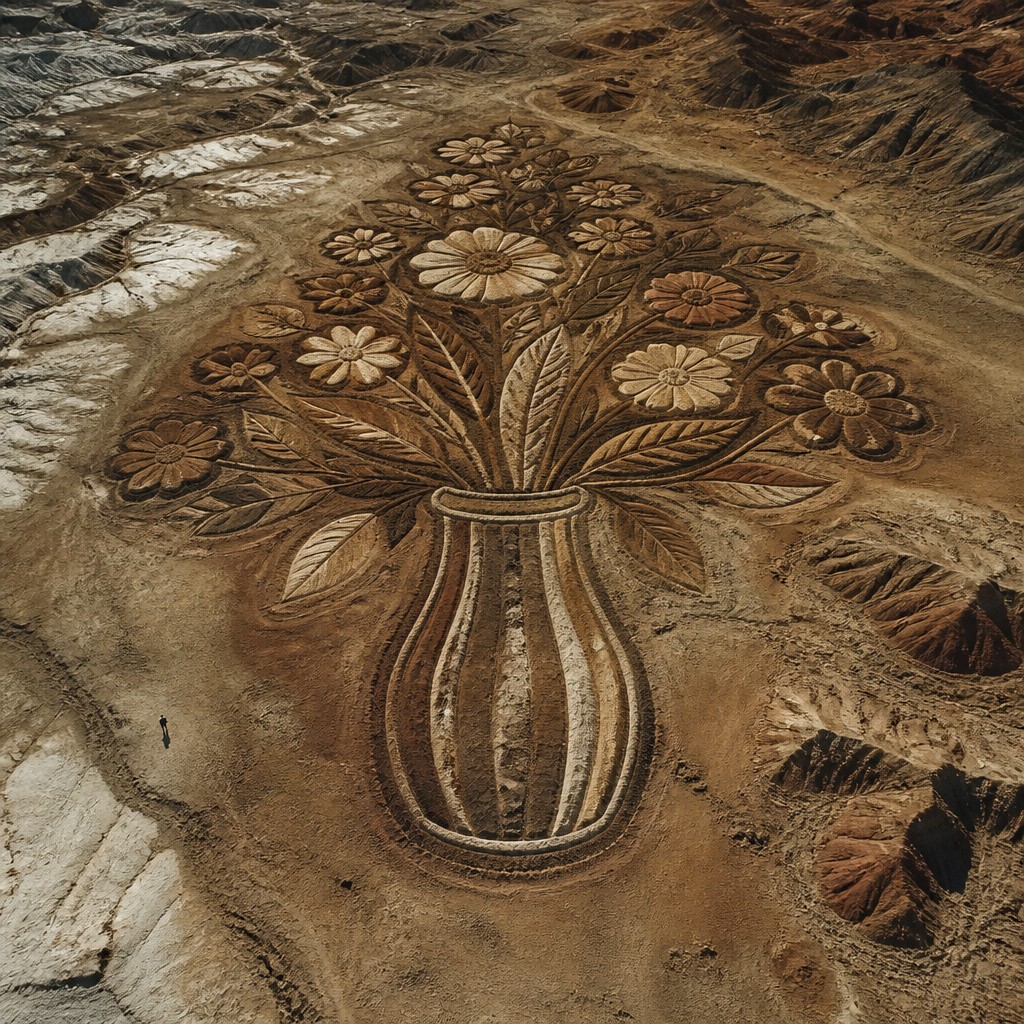
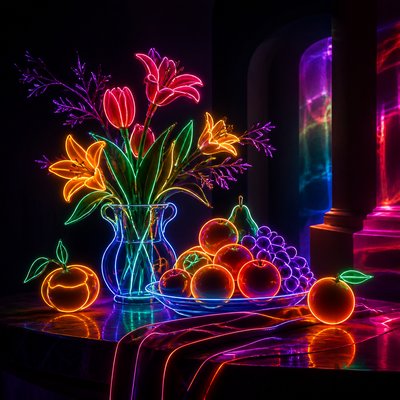
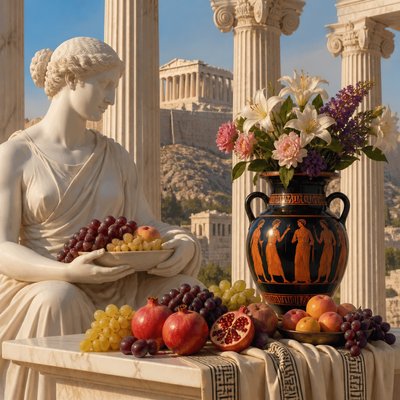
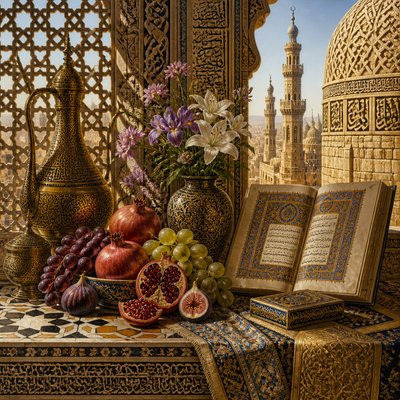
“bouquet of flowers in a glass vase”
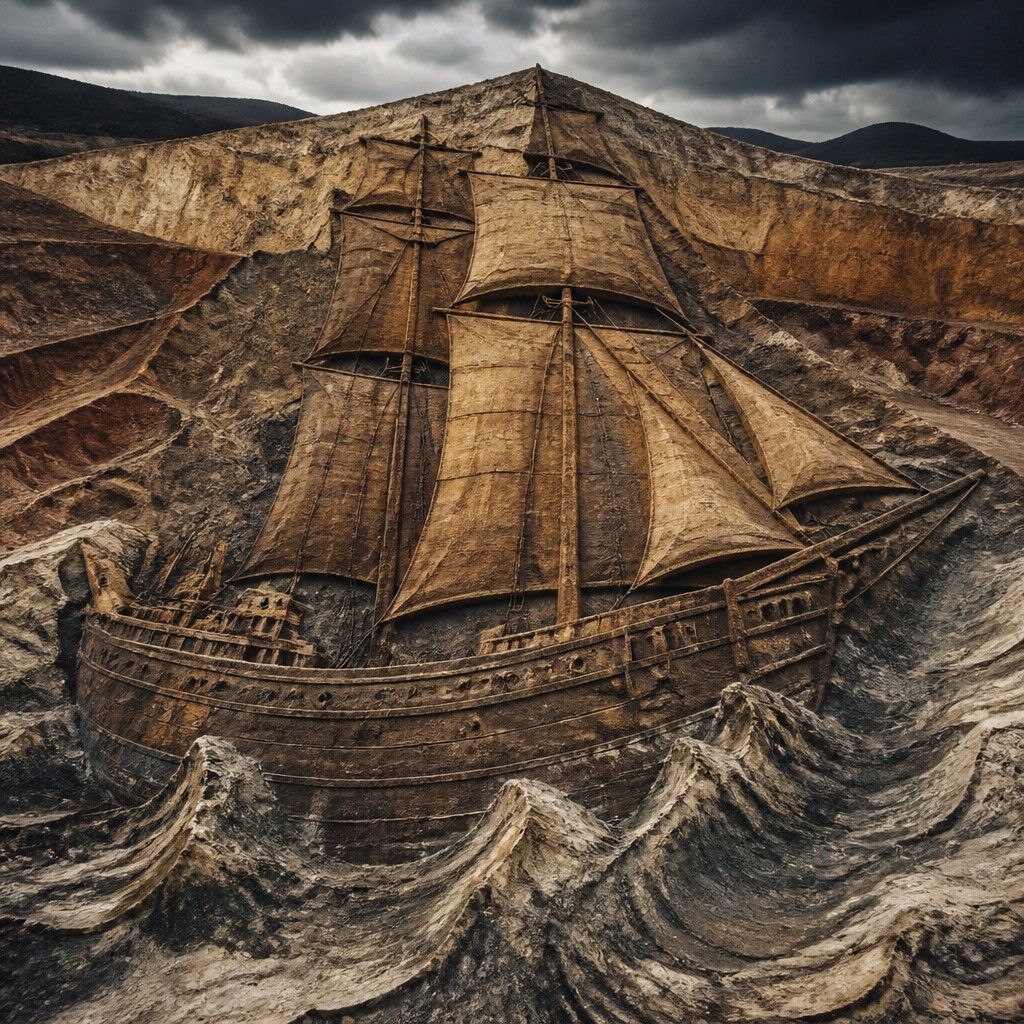
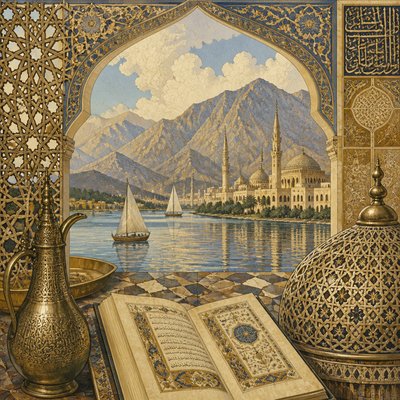
“sailing ship on a stormy sea”
How to Create Land Art
Master the craft step by step — or skip straight to creating. Read the full guide →
- 1
Start with the site, not the object
Choose a landscape whose terrain, climate, and materials can shape the final form. In traditional work, make sketches directly from the site and design around slope, drainage, wind, and the available earth rather than imposing an unrelated sculpture.
- 2
Use simple, legible geometry
Circles, spirals, corridors, mounds, and cut lines read well at large scale and from aerial or distant viewpoints. Keep forms strong and economical so the landscape remains visible and the intervention feels deliberate.
- 3
Prioritize texture and light
Surface detail matters: compaction, stone stacking, scrape marks, sediment layers, and rough edges help the work feel physically grounded. Document or render the piece in harsh natural light to emphasize shadow and weathered material.
- 4
Allow impermanence to show
Erosion, tide marks, cracks, and settling are part of the language of the style. When creating digitally or with prompts, include cues such as weathering, partial collapse, sediment, and environmental wear to preserve the temporal character.
- 5
Treat documentation as part of the artwork
Because real land art can be remote or temporary, photographs often define its public image. For image generation, specify documentary realism, wide-angle or aerial composition, and true-to-life terrain textures rather than polished fantasy lighting.
The Story
History & Origins of Land
Land art emerged in the late 1960s and early 1970s, especially in the United States, as artists moved beyond the gallery and into remote landscapes. It developed alongside Minimalism, Conceptual art, and Earthworks, with practitioners using excavation, stone placement, mounds, trenches, and site-specific construction to challenge the boundaries of sculpture and exhibition space. Because many works were remote, fragile, or temporary, photography, film, maps, and written documentation became essential parts of how the movement was seen and remembered.
The aesthetic lineage of land art includes ancient earthworks, site-specific architecture, landscape engineering, and conceptual sculpture. It is closely related to environmental and post-minimal practices that treat place, scale, and material process as central artistic concerns. In contemporary image-making, the style often references not only the original Earthworks movement but also archaeological forms, desert interventions, and monumental public landscape projects.
Influences: Land art draws from Minimalism, Conceptual art, and Earthworks, especially the emphasis on reduction, site specificity, and process associated with major postwar earthwork and site-specific practitioners. It also relates to archaeological earthworks, land surveying, and ancient monumental construction, all of which use terrain as a medium for symbolic or spatial order. In visual terms, it overlaps with documentary landscape photography because the work is often experienced through the camera as much as in person.

Frequently Asked Questions
What defines land art?
Land art is art made directly in the landscape using natural materials and site-specific forms. Its defining features are scale, environmental context, and the use of the land itself as both medium and setting. Many works are temporary or altered by weather over time.
How is land art different from landscape painting or landscape photography?
Landscape painting and photography depict a view of nature, while land art changes the landscape physically. The artwork is not an image of the land but an intervention within it. Documentation may record the work, but the work itself exists in the terrain.
Is land art always permanent?
No. Many land art works are intentionally ephemeral or designed to change through erosion, plant growth, tides, or seasonal shifts. Some are permanent earthworks, but impermanence is a common part of the style’s meaning.
What materials are most common in land art?
Rock, soil, sand, clay, salt, water, wood, and vegetation are the most common materials. Artists usually choose what is already present or can be minimally altered from the site. Artificial materials are less typical unless used sparingly.
How can I make an image look like land art?
Use a large natural setting, clear geometric interventions, and an earthen palette with strong texture and shadow. Emphasize scale through aerial views, distant perspective, or documentary-style framing. Weathering, sediment, and rough edges make the image feel authentic to the style.
Where is land art typically used?
It is usually found in deserts, plains, shorelines, quarries, salt flats, fields, and other open landscapes with room for large-scale intervention. Contemporary versions also appear in environmental projects, public art, and landscape-based installations. The key requirement is that the site materially shapes the work.

Create your first Land artwork
Describe anything — or upload a photo — and see it in Land Art Style in seconds.
Make Something with Land
Compare Land
Related Styles
Discover similar art styles