Land vs Environmental: What's the Difference?
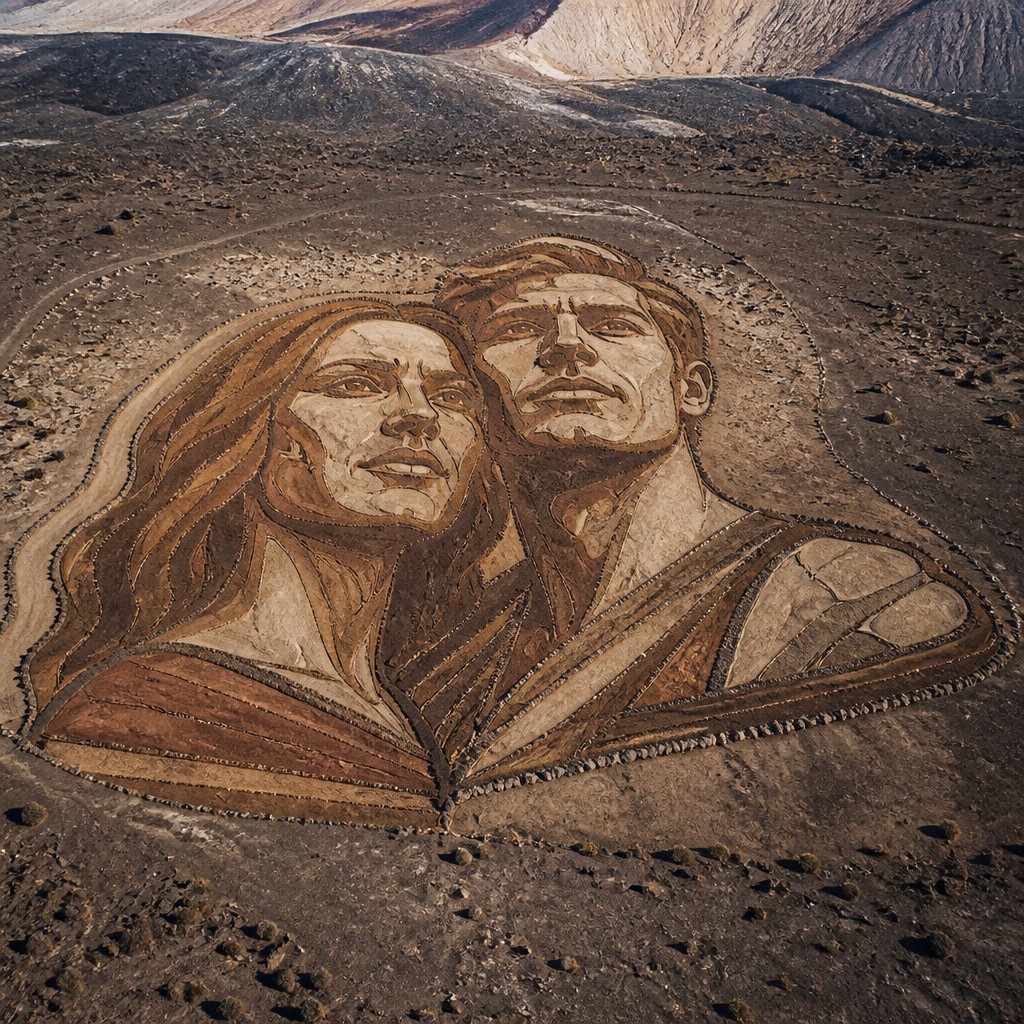
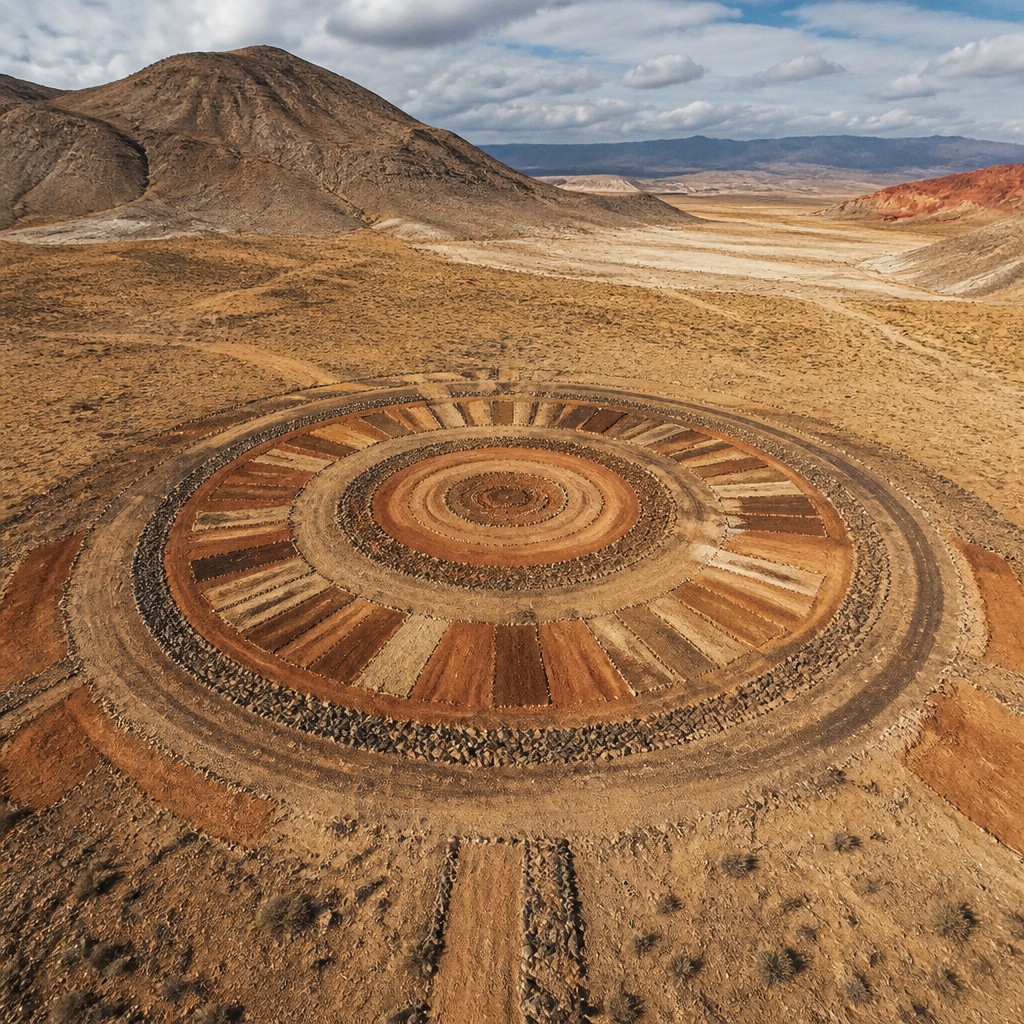
Land Art Style uses earth, stone, water, and large-scale site work to reshape the ground itself into a visual experience. It often feels monumental, emphasizing scale, terrain, and the physical force of altering a landscape, whether temporarily or in more lasting forms.
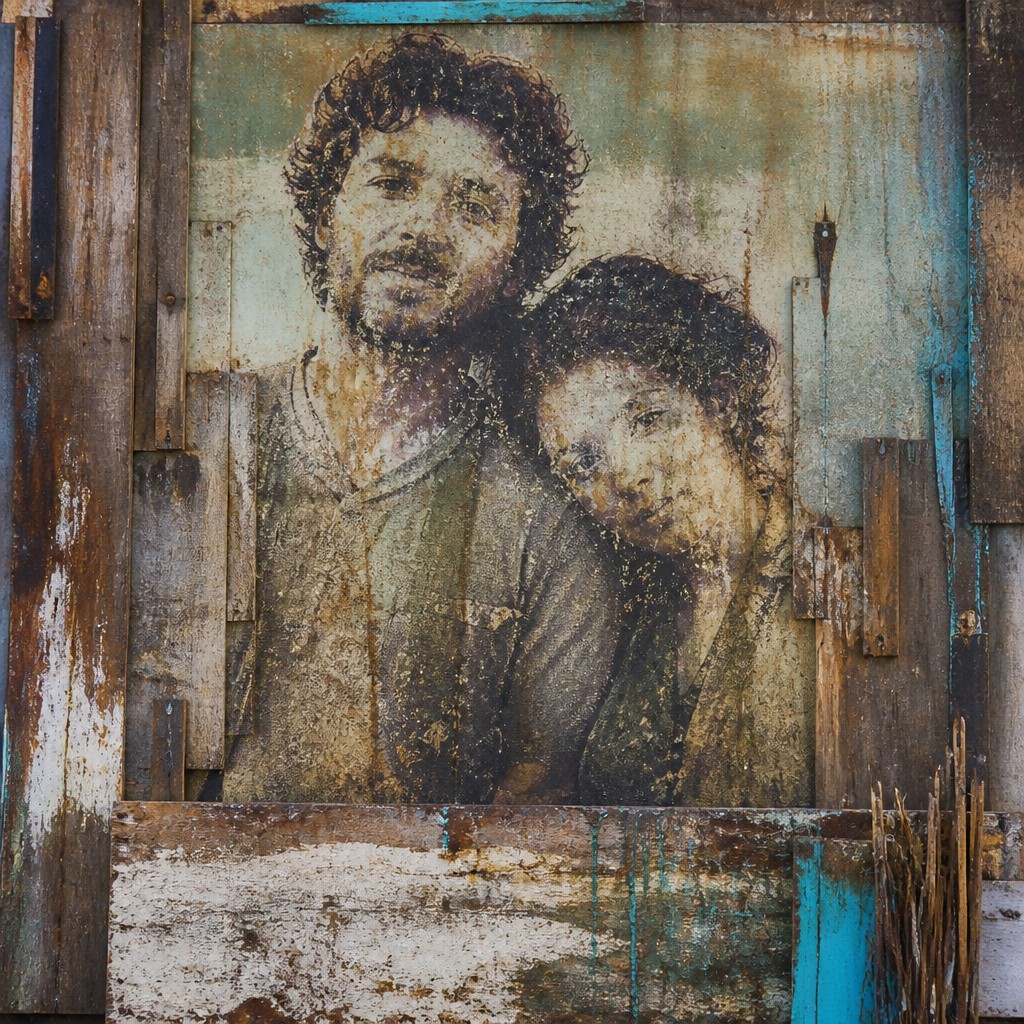
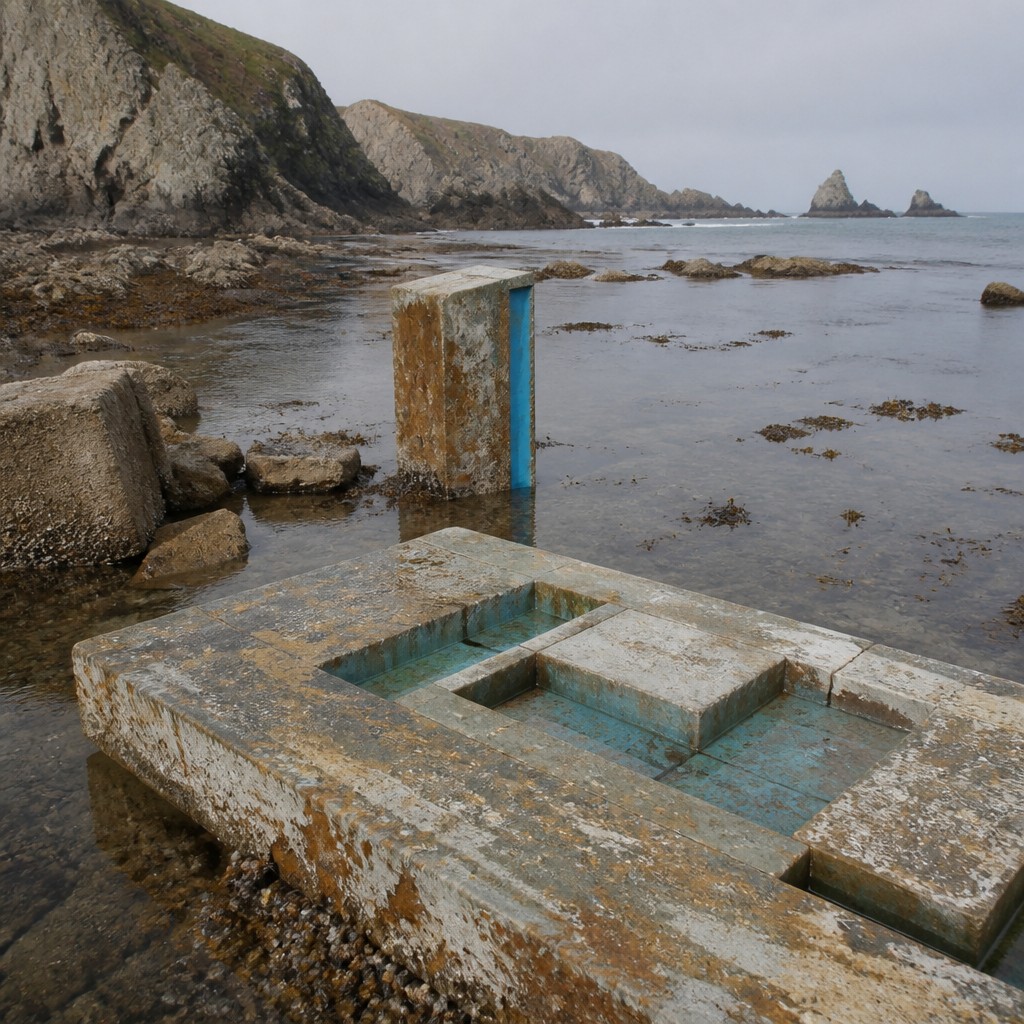
Environmental Art Style is also site-specific, but it usually focuses on blending with existing landscapes or city settings through weathered materials, natural decay, and temporary interventions. People compare the two because both work outside traditional galleries, respond to place, and use natural processes, yet they differ in how much they transform the site versus integrate with it.
Same Prompt, Both Styles
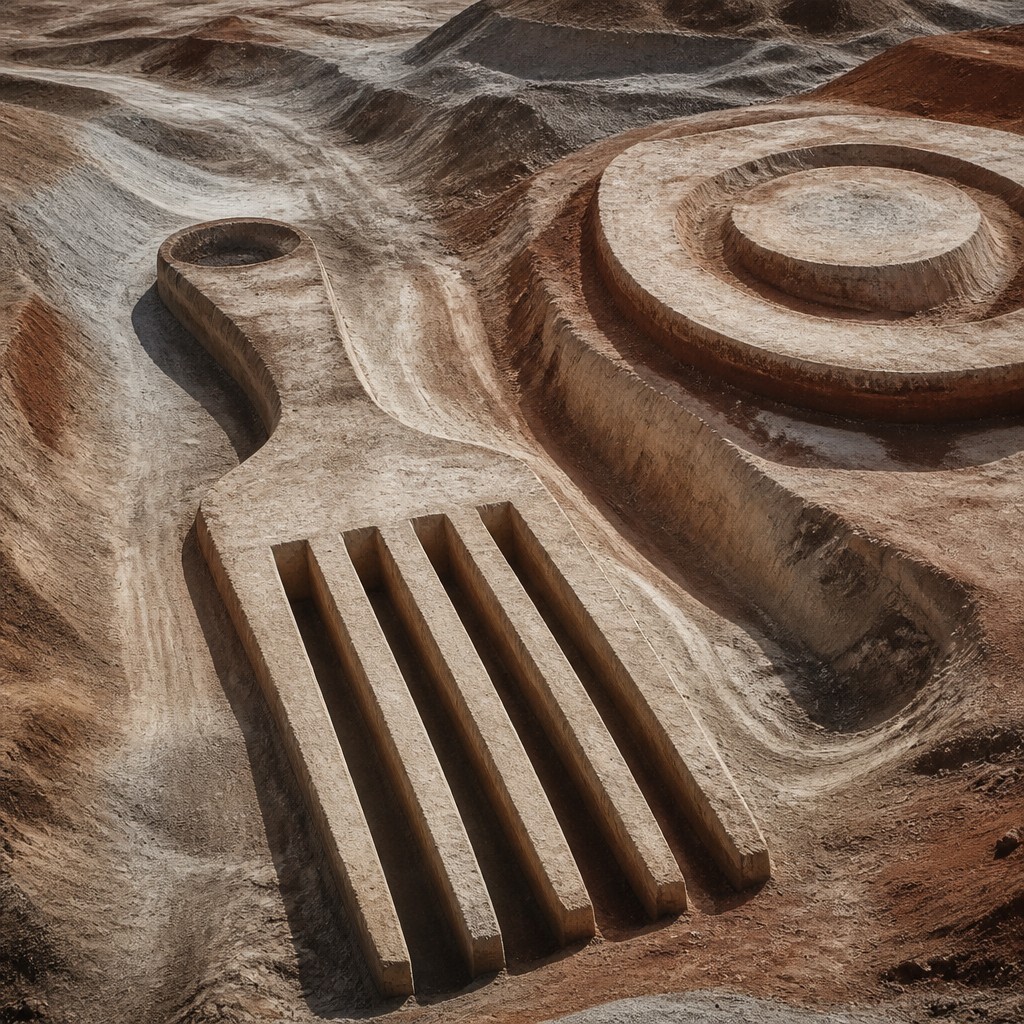
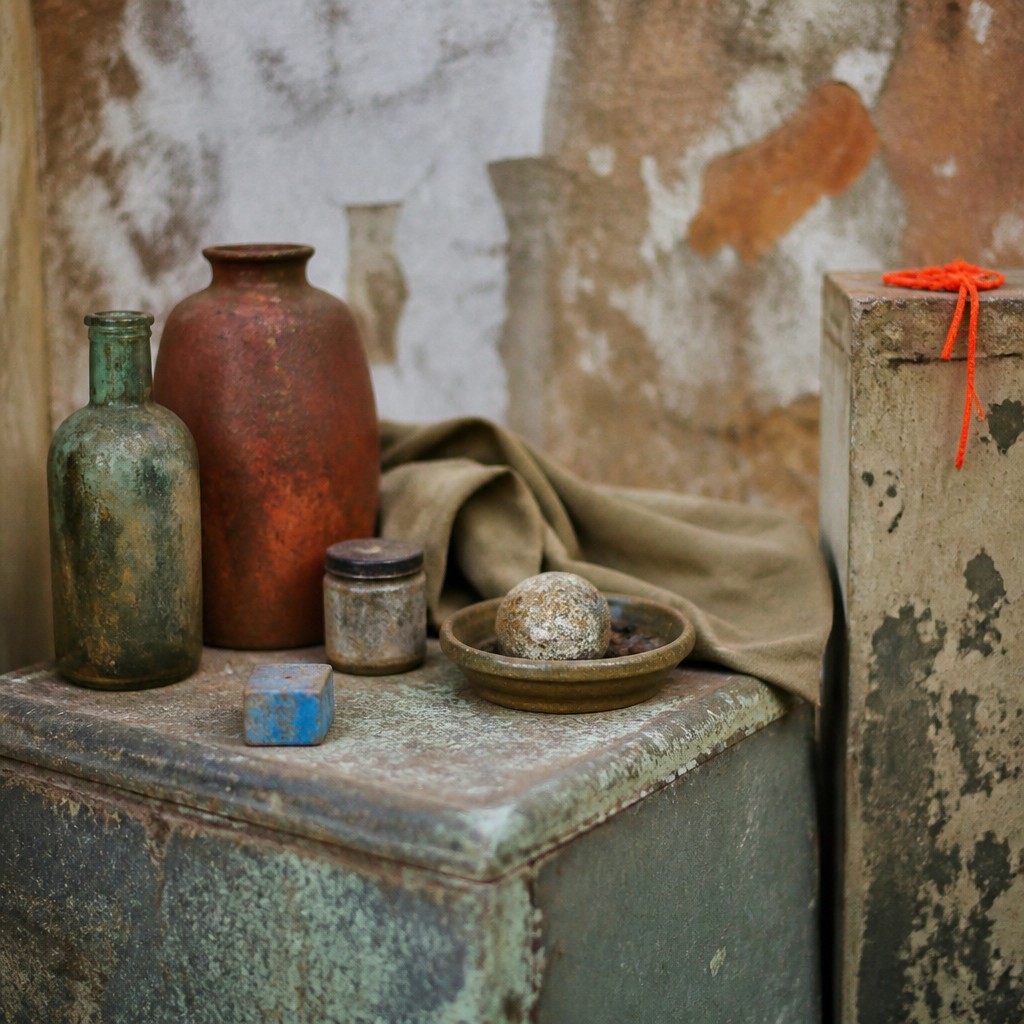
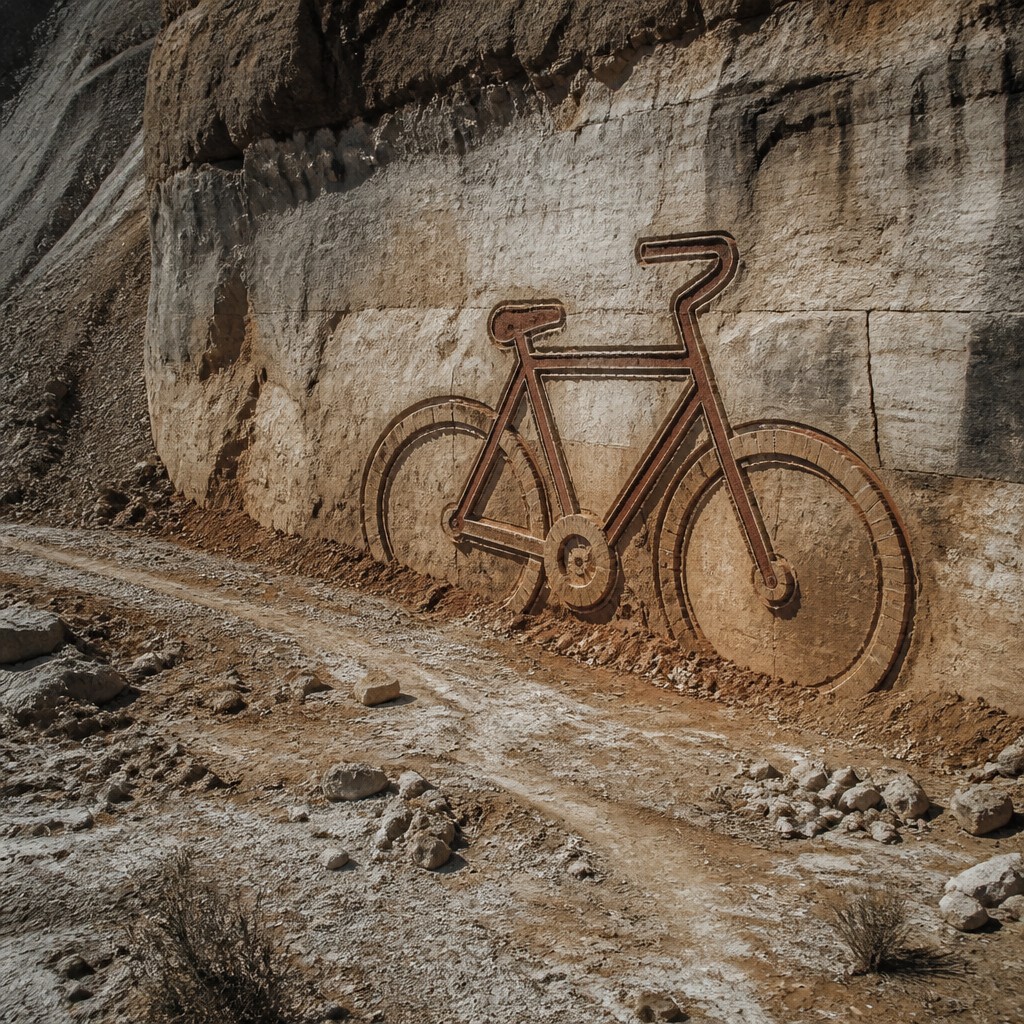
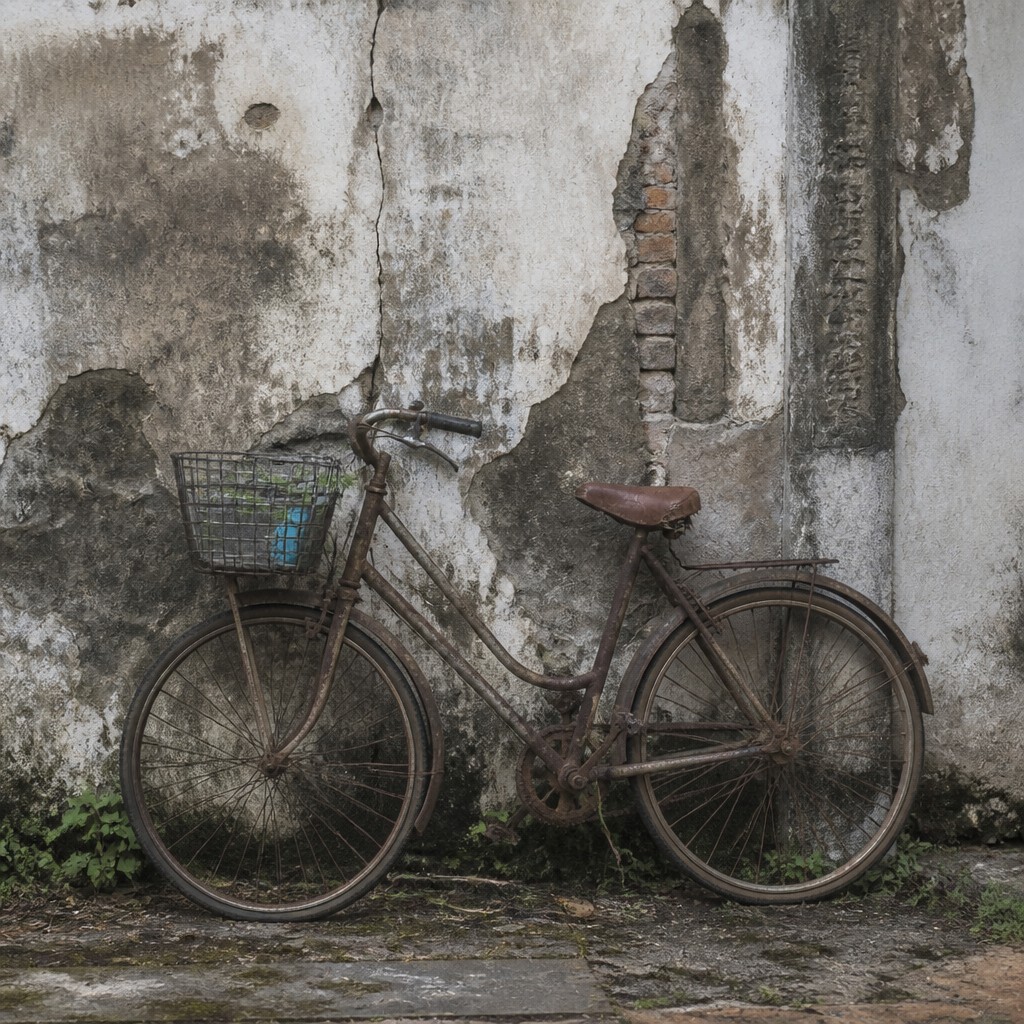
Each pair below was generated from the identical prompt — only the style changed.
“portrait of two people together”
“wide landscape with natural scenery”
“still life with everyday objects”
“bicyle resting against a wall”
Key Differences
| Land | Environmental | |
|---|---|---|
| Primary relationship to place | Transforms the site into the artwork; the landscape becomes the medium. | Responds to the site and blends into it, often preserving its existing character. |
| Scale | Usually monumental, wide in scope, and visually dominant. | Often smaller or more dispersed, with emphasis on subtle placement. |
| Materials | Uses earth, stone, water, and other large physical elements. | Uses weathered, found, or natural materials that age visibly over time. |
| Temporary vs permanent | Can be temporary or permanent, but often leaves a strong physical mark. | Often temporary, changing through decay, weather, or seasonal shifts. |
| Visual character | Bold, geometric, or earth-formed presence that reads from a distance. | More integrated, textured, and context-sensitive, often discovered up close. |
| Urban compatibility | Less common in dense urban settings because it relies on large open land. | Works well in both natural and urban environments, including streets and plazas. |
| Mood | awe-inspiring, contemplative, earthbound, quiet, monumental | grounded, reflective, organic, transient |
| Energy | calm | calm |
| Detail level | moderate | moderate |
| Color | earth tones, muted natural hues | earth tones, muted neutrals, weathered accents |
| Texture | raw, rugged, weathered surfaces | natural, tactile, weathered, layered |
| Origin | 1960s-1970s Western land art | late 20th-century site-specific environmental practice |
| Best for | documentary posters, environmental campaigns, museum catalogs, landscape branding, editorial spreads, site-specific installations | land art, public installations, editorial spreads, exhibition graphics, place-based branding |
| Difficulty | advanced | advanced |
Which Should You Choose?
Choose Land Art Style when you want a large, landscape-altering intervention that feels monumental and grounded in earth, stone, or water. Choose Environmental Art Style when you want a site-specific work that feels integrated, weathered, and responsive to existing ecological or urban conditions. If the goal is to reshape the terrain, pick A; if the goal is to collaborate with the place and let natural change be part of the work, pick B.
Frequently Asked Questions
Are these styles the same thing?
No. They overlap because both are site-specific and often outdoors, but Land Art Style is more about reshaping the landscape itself. Environmental Art Style is more about blending with a place and working with its existing conditions.
Which style is more permanent?
Either can be temporary or lasting, but Land Art Style more often leaves a strong physical footprint. Environmental Art Style commonly emphasizes temporary, weather-driven change and gradual decay.
Can Environmental Art Style be made in cities?
Yes. It often adapts well to urban spaces because it can use walls, sidewalks, plazas, and other existing structures. The work usually aims to fit the setting rather than dramatically alter it.
Which style is more environmentally gentle?
Environmental Art Style is generally more cautious about disruption because it tends to use low-impact, site-responsive interventions. Land Art Style may involve more visible alteration of landforms, even when done thoughtfully.