Appropriation Art Style
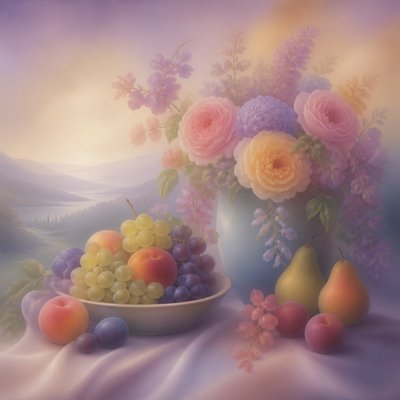
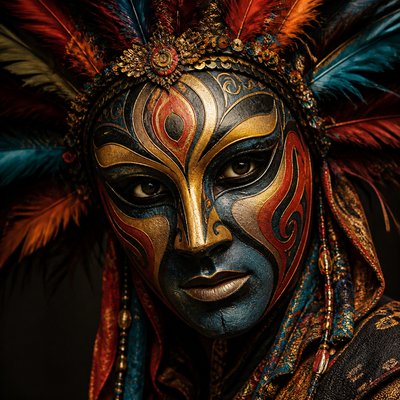
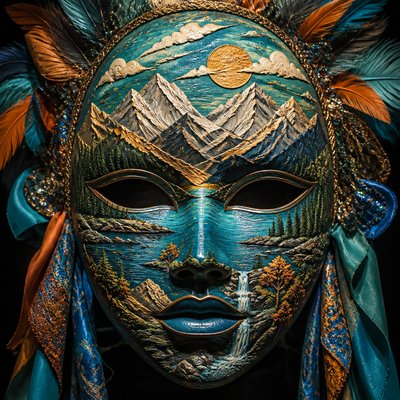
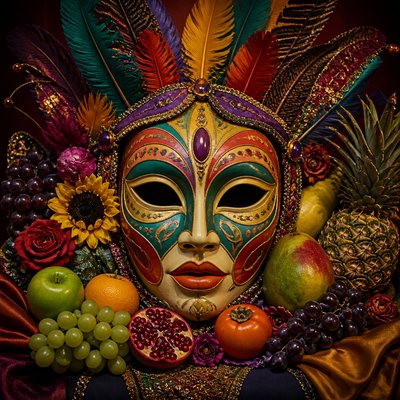
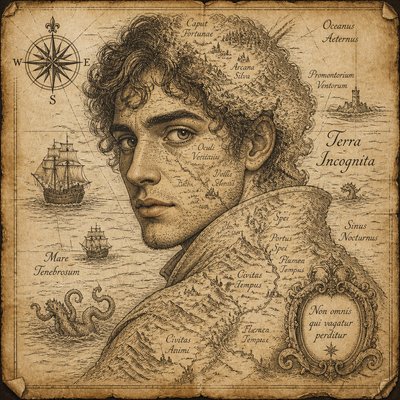
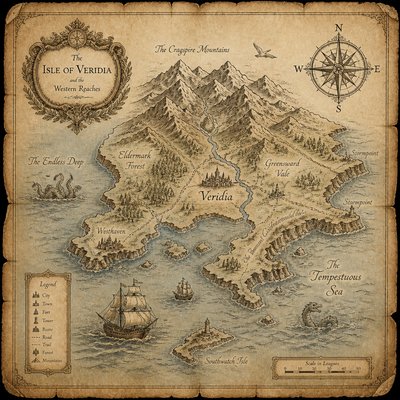
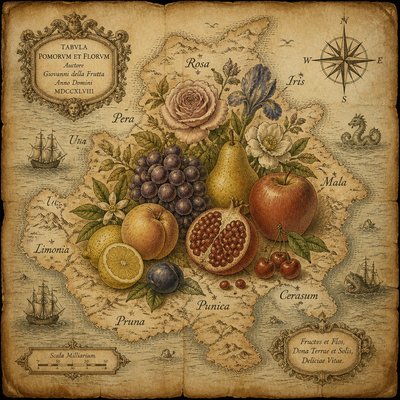
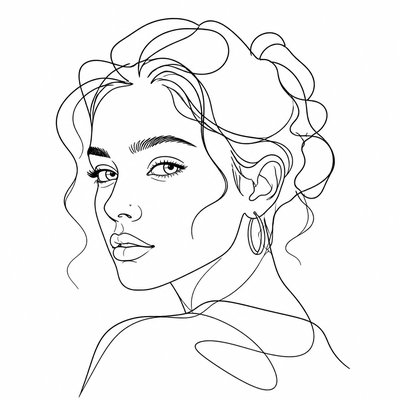
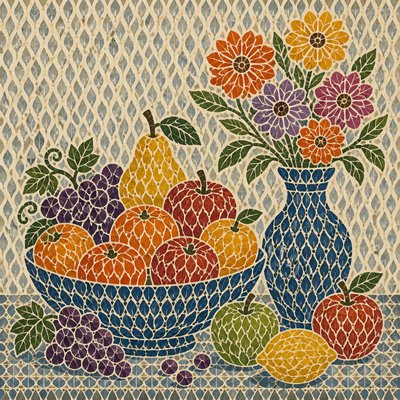
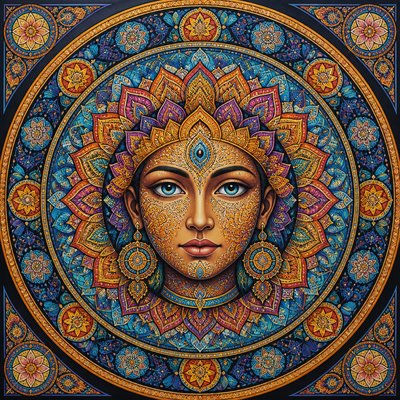
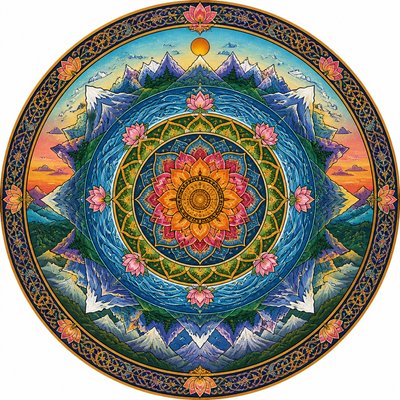
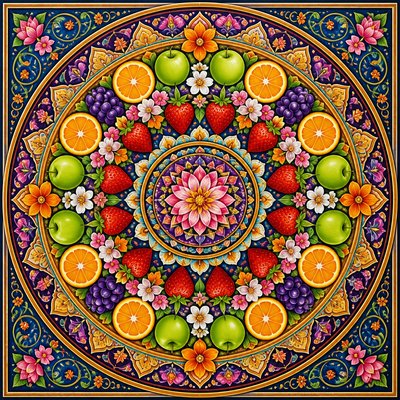
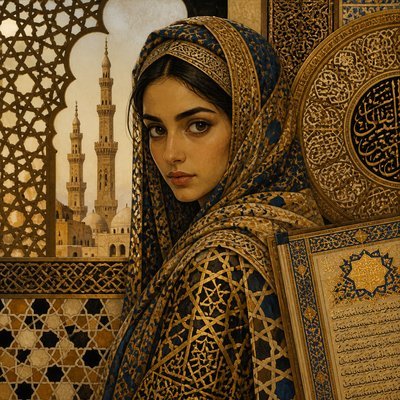
Appropriation art reuses and reframes existing images and objects to create critique, irony, and new meanings.
Instantly rendered in Appropriation — or transform a photo
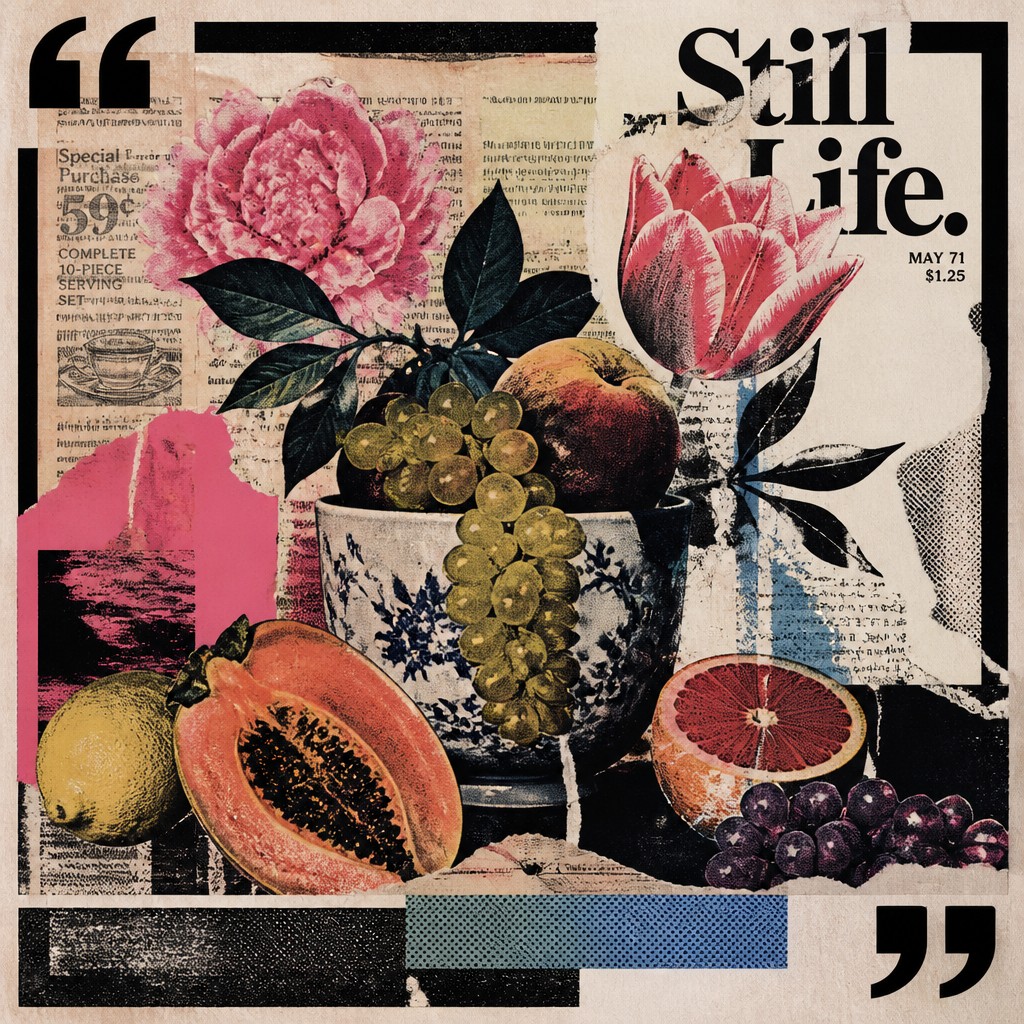
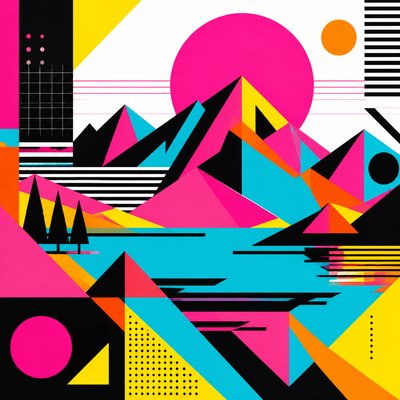
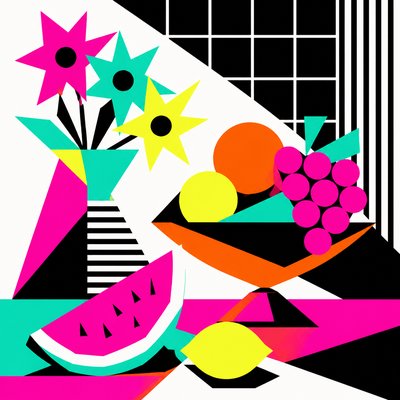
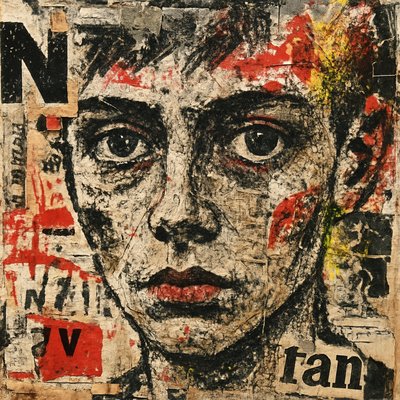
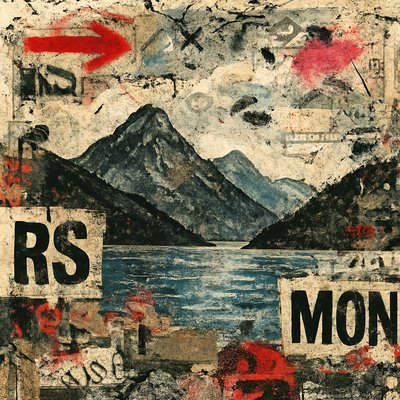
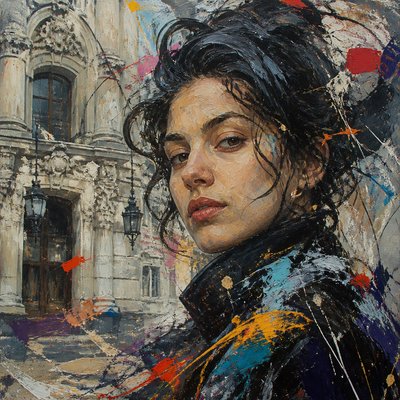
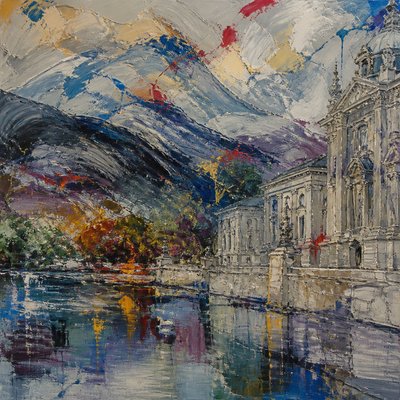
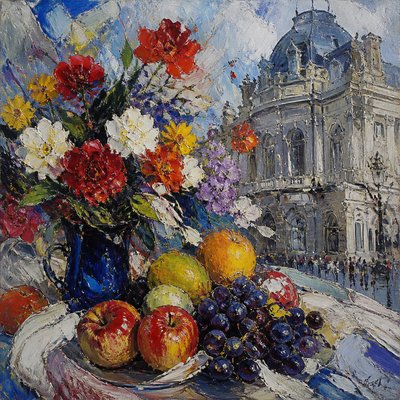
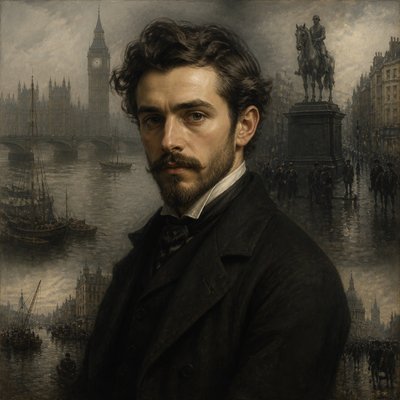
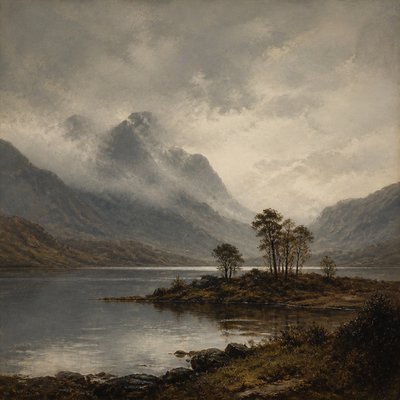
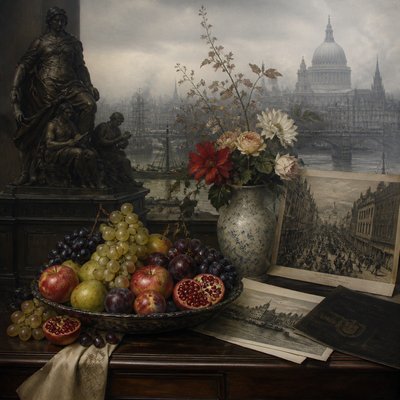
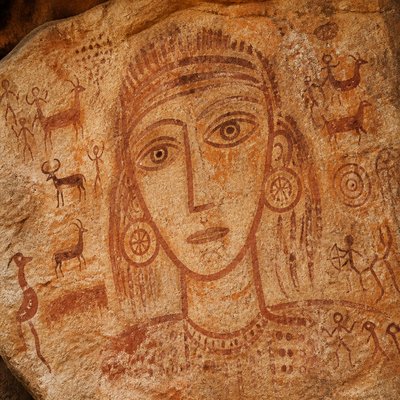
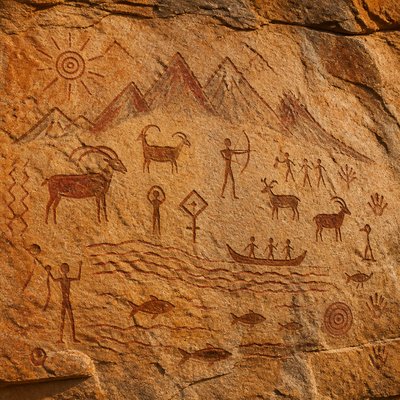
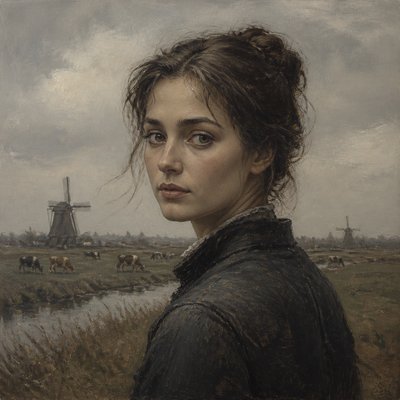
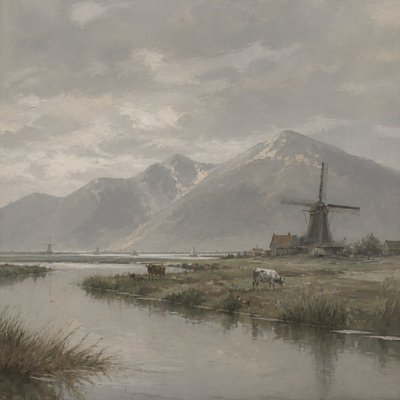
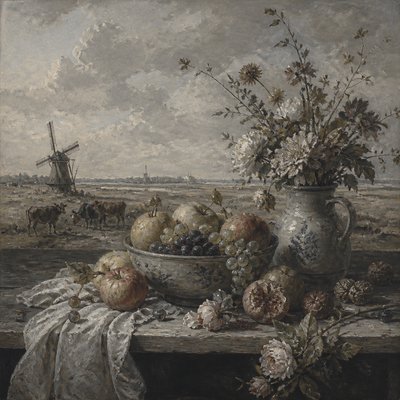
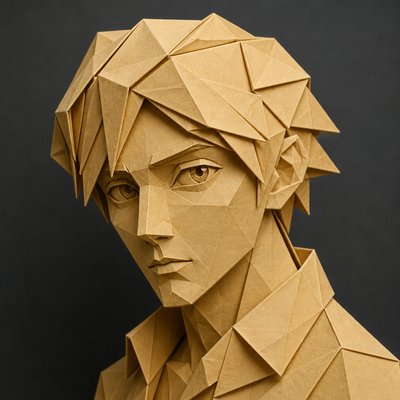
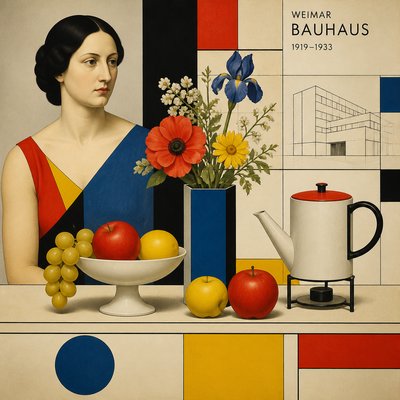
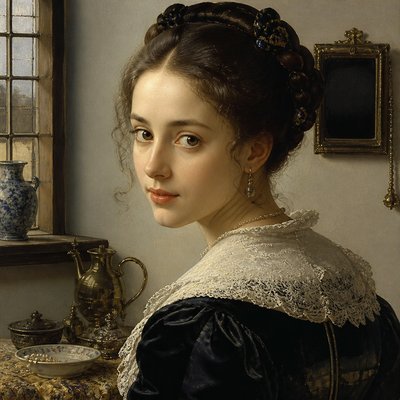
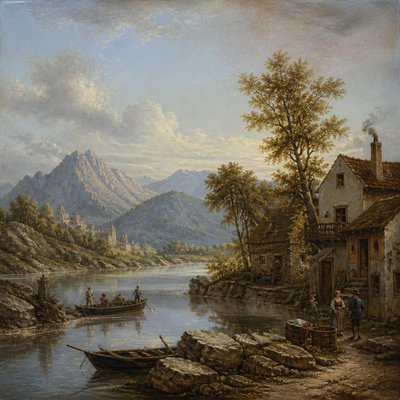
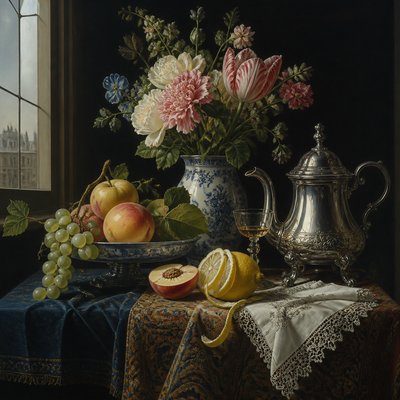
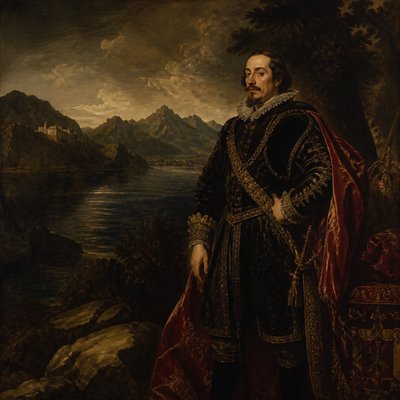
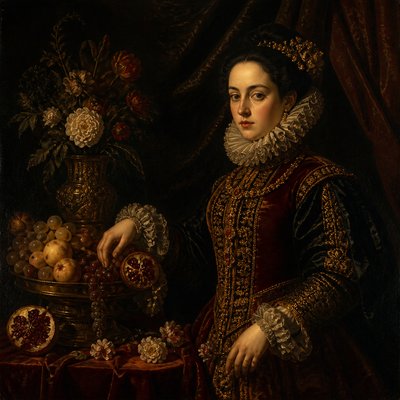
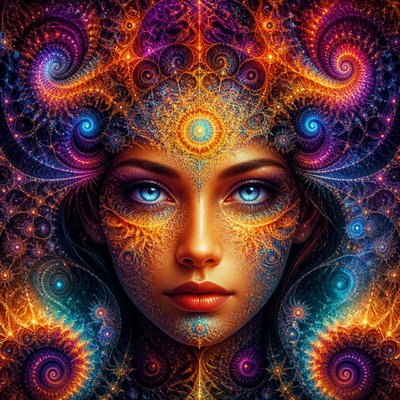
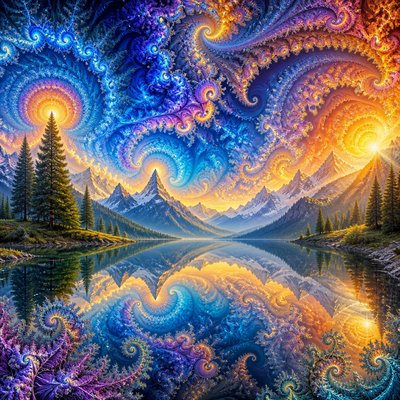
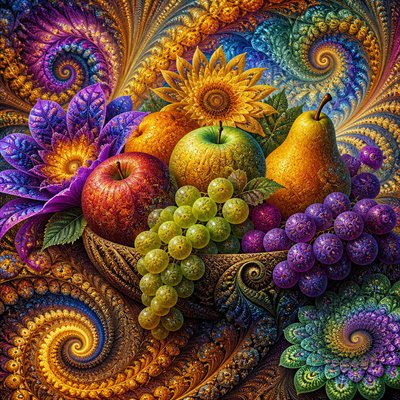
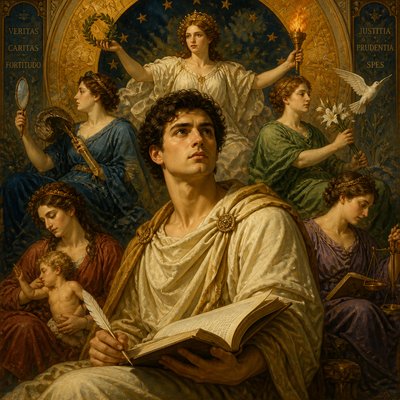
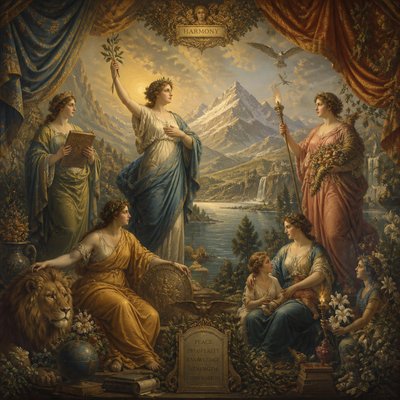
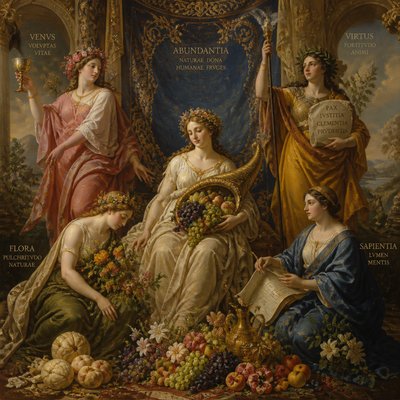
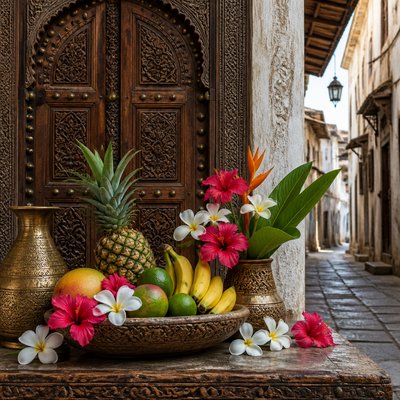
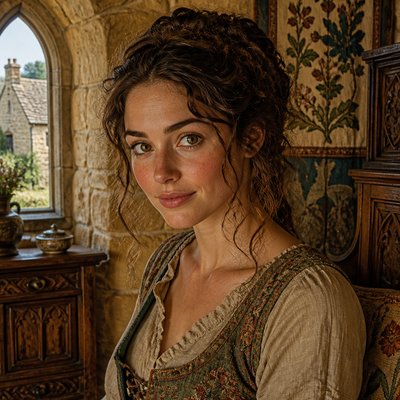
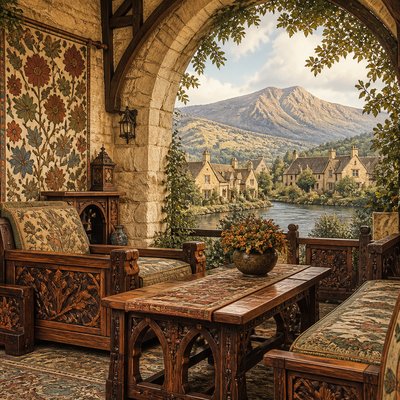
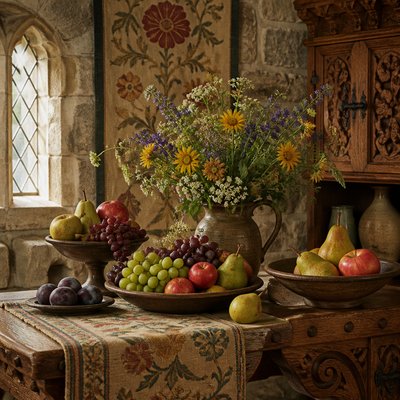
Appropriation Gallery
Tap any artwork to explore it
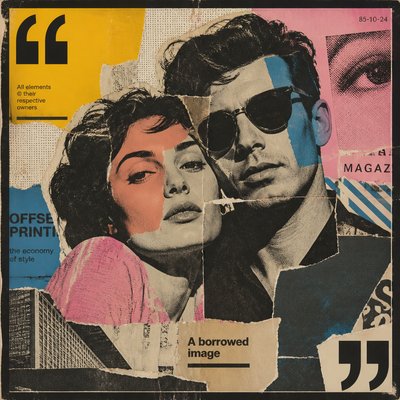
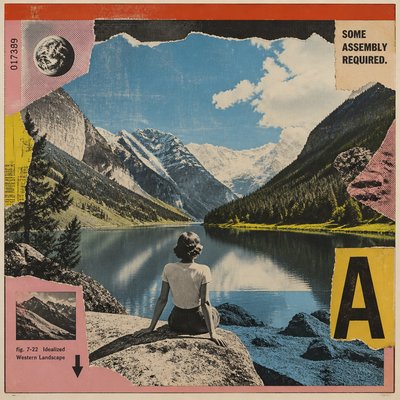
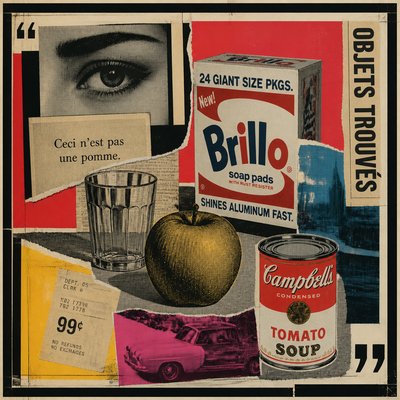
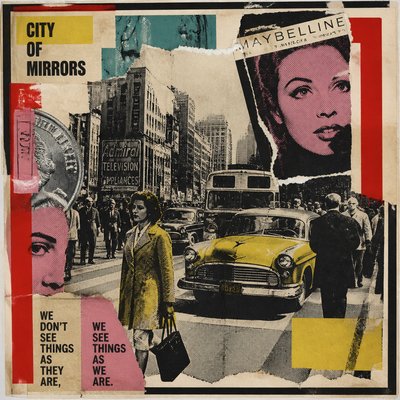
What is Appropriation Art Style?
Appropriation art is an approach to image-making that takes preexisting material—photographs, advertisements, artworks, logos, film stills, objects, or other cultural imagery—and places it in a new context so that its meaning changes. Rather than inventing an image from scratch, the artist deliberately borrows, copies, edits, or re-presents familiar material to expose the conventions, assumptions, or power structures embedded in it.
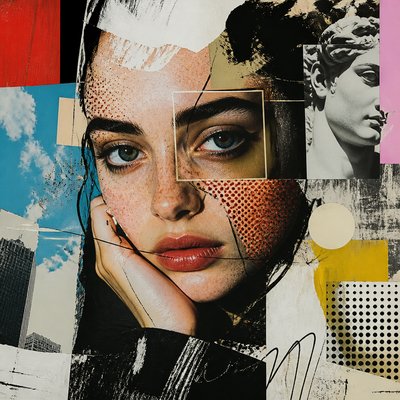
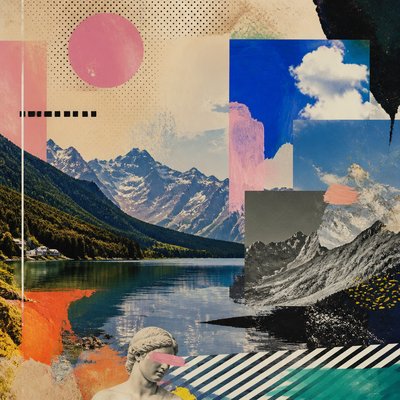
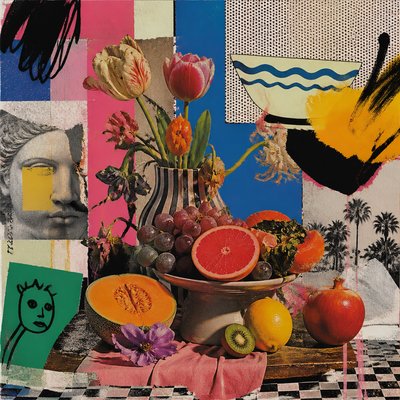
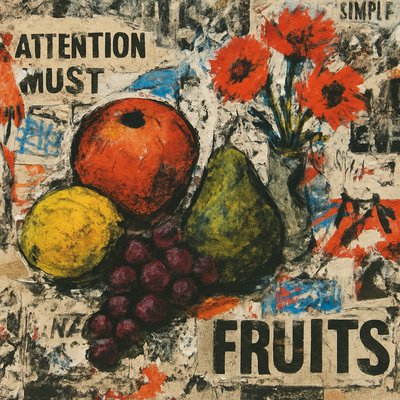
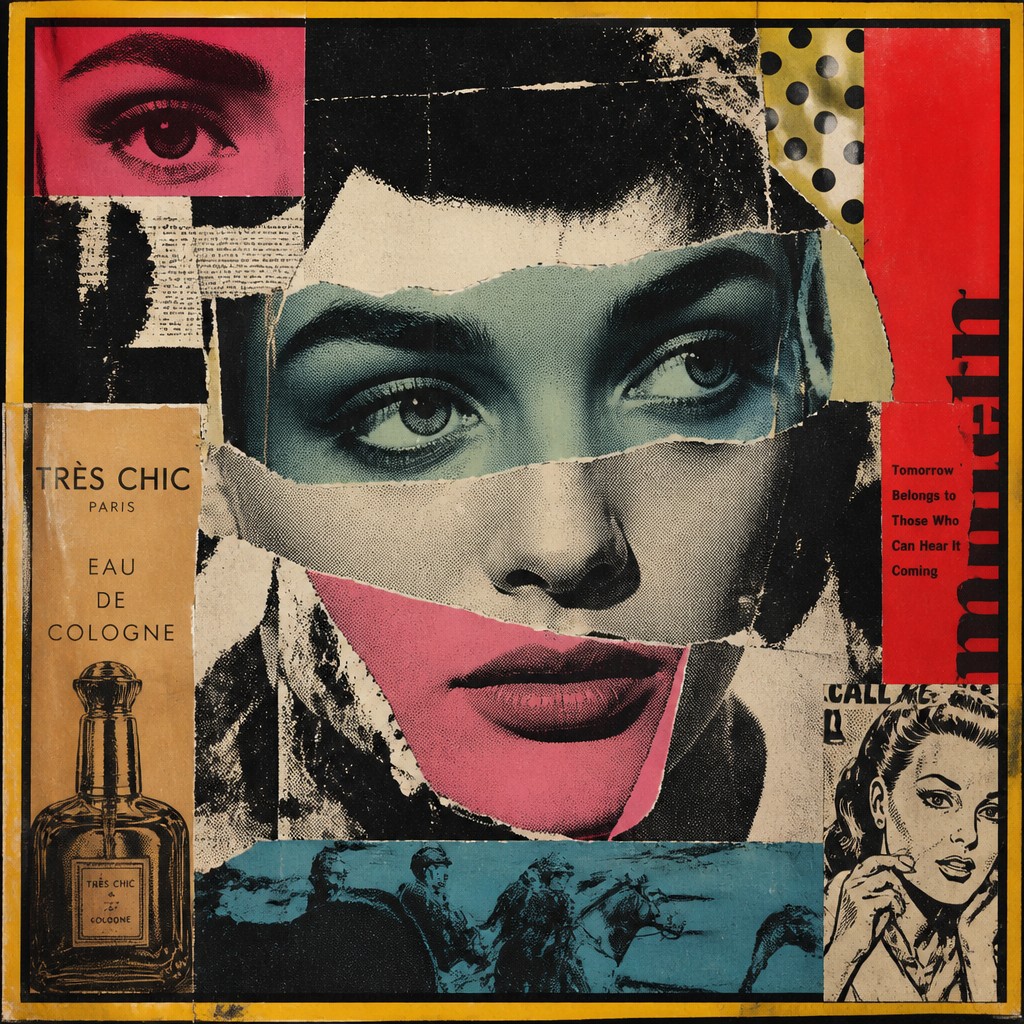
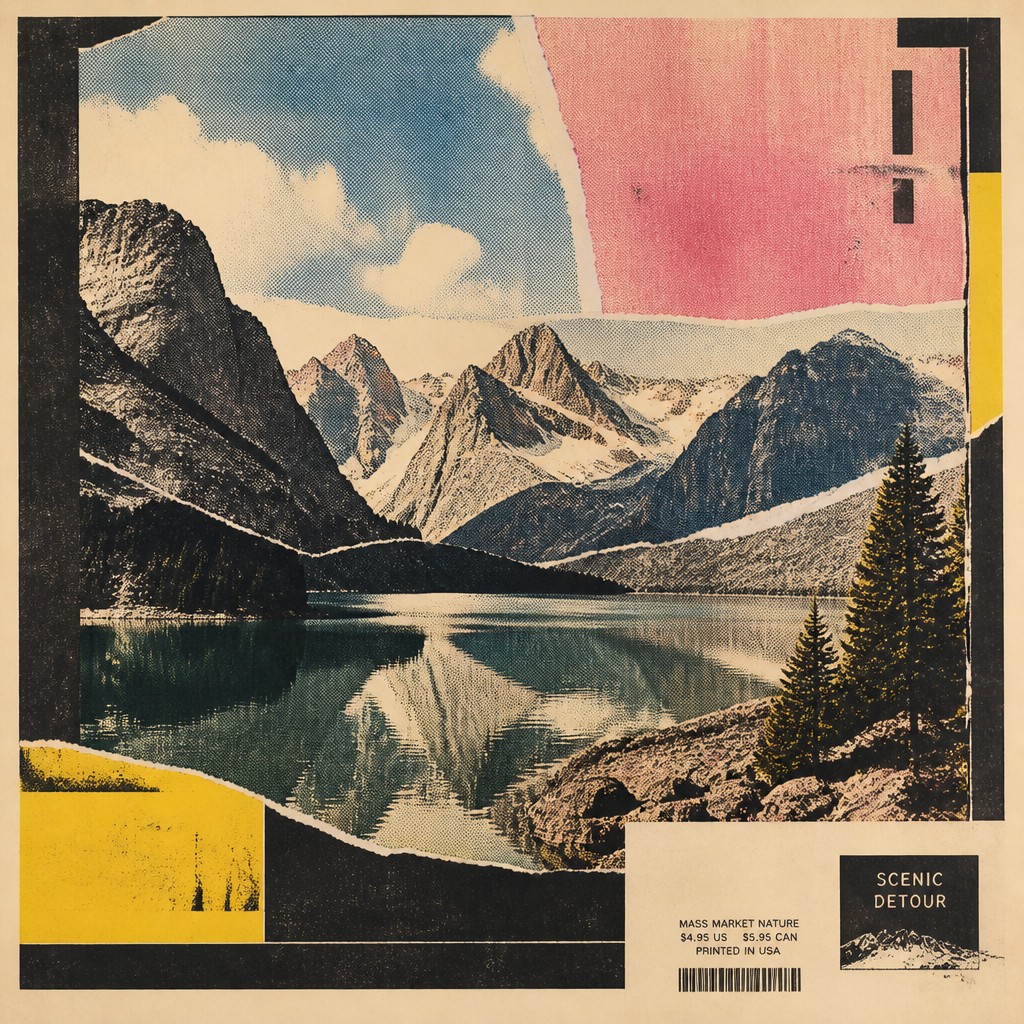
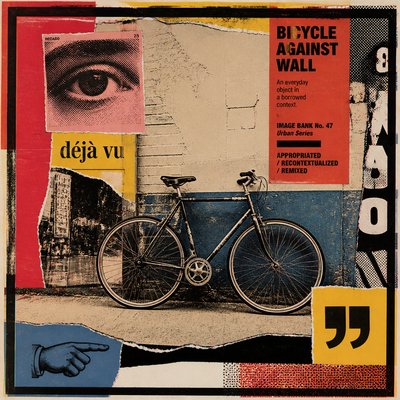
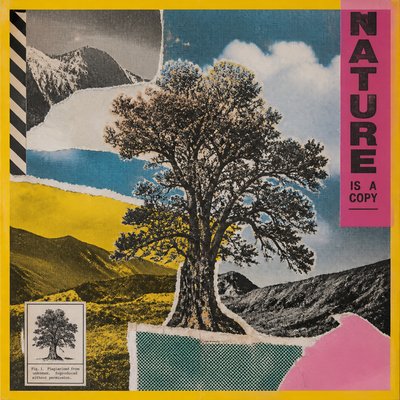
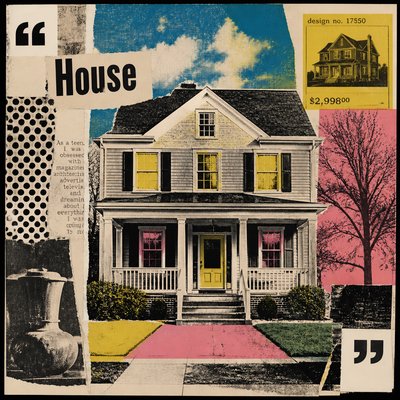
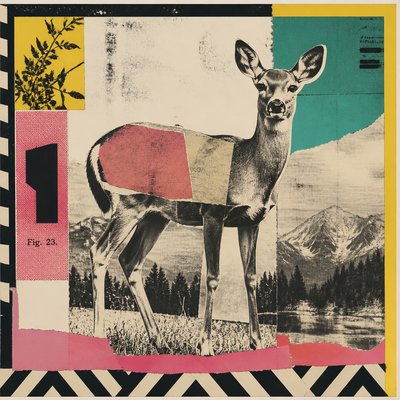
Visually, appropriation art often looks layered, quoted, and self-aware. It may include collage seams, cropped fragments, repeated motifs, printed-text textures, poster-like layouts, or reproduction artifacts such as halftone dots and photocopy grain. The style tends to flatten differences between high art and commercial imagery, turning source material into a critical composition where familiarity is part of the point and estrangement is the effect.
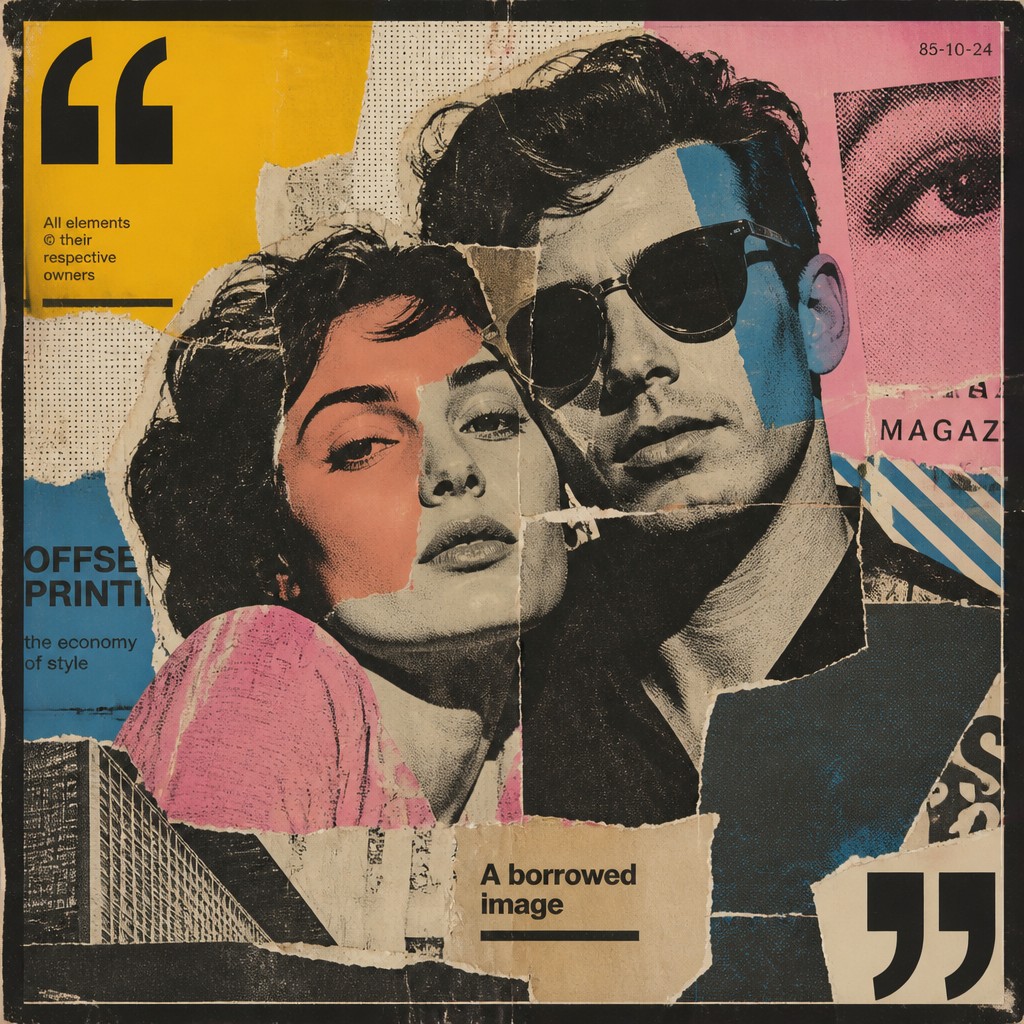
Try It On Your Photos
Upload any photo and convert it into Appropriation Art Style — drag the sliders to compare before and after.
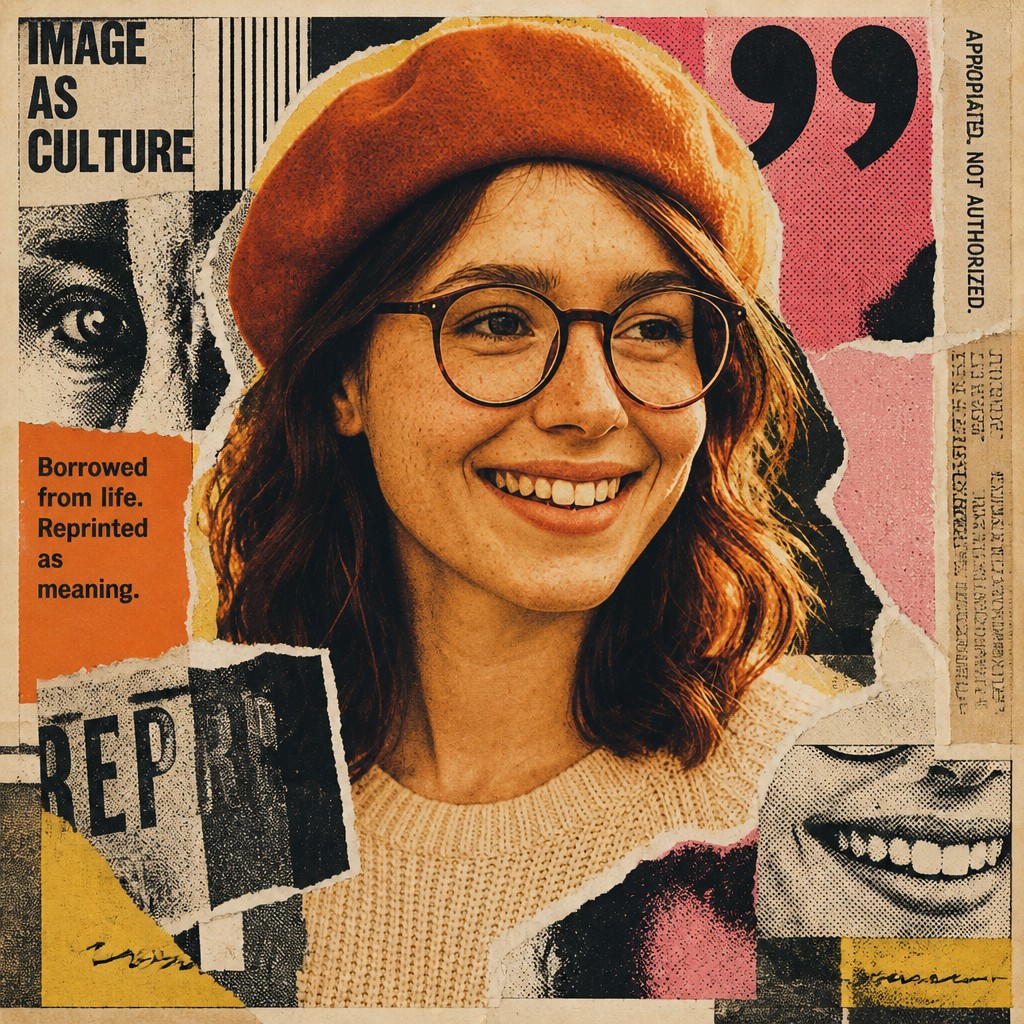

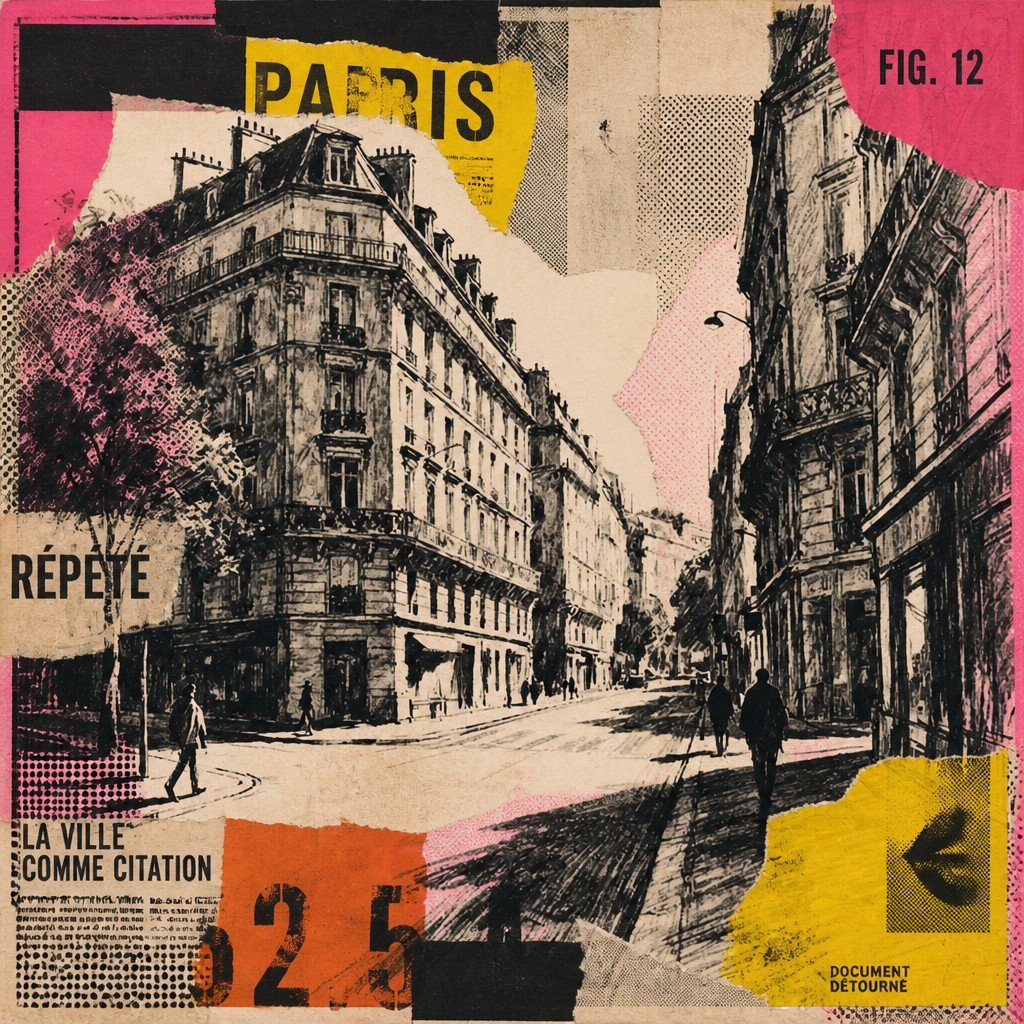

What Defines Appropriation Art Style
The signature details, up close
Borrowed imagery
The composition is built from recognizable source material rather than fully original invention. Familiar images are recontextualized so viewers notice both what they are and what they now mean.
Visible collage construction
Torn edges, overlaps, pasted joins, and mismatched scales are often left visible. These seams signal that the image is assembled from fragments and quotations.
Reproduction artifacts
Halftone dots, photocopy noise, screen-print misregistration, scan marks, and compression-like blemishes are common. These effects emphasize mass reproduction instead of painterly uniqueness.
Critical framing
Captions, borders, cropping, repetition, or juxtaposition often alter the source’s meaning. The layout itself functions as an argument about media, culture, or authorship.
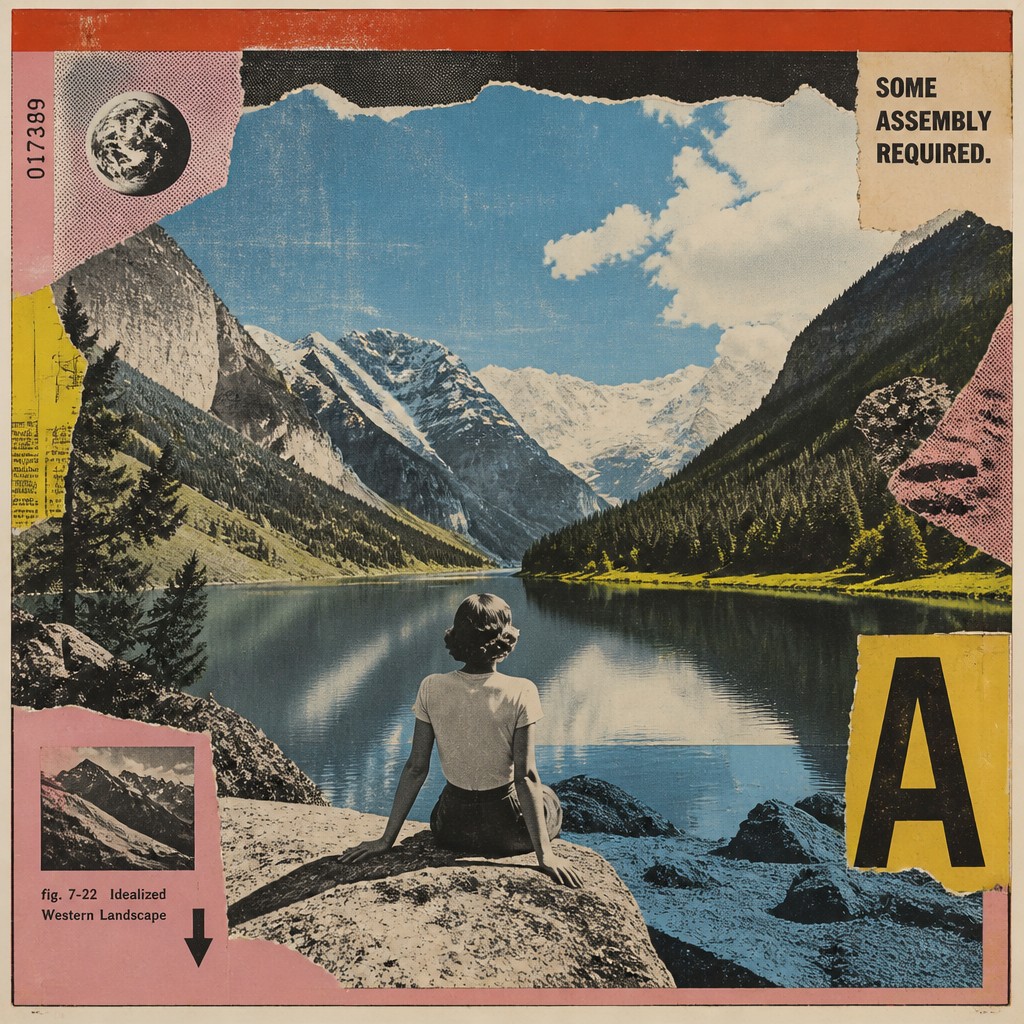
Flattened hybrid space
Fine-art and commercial-print languages are mixed in a deliberately flat picture plane. Objects may appear like magazine cutouts, archive clippings, or poster elements rather than illusionistic forms.
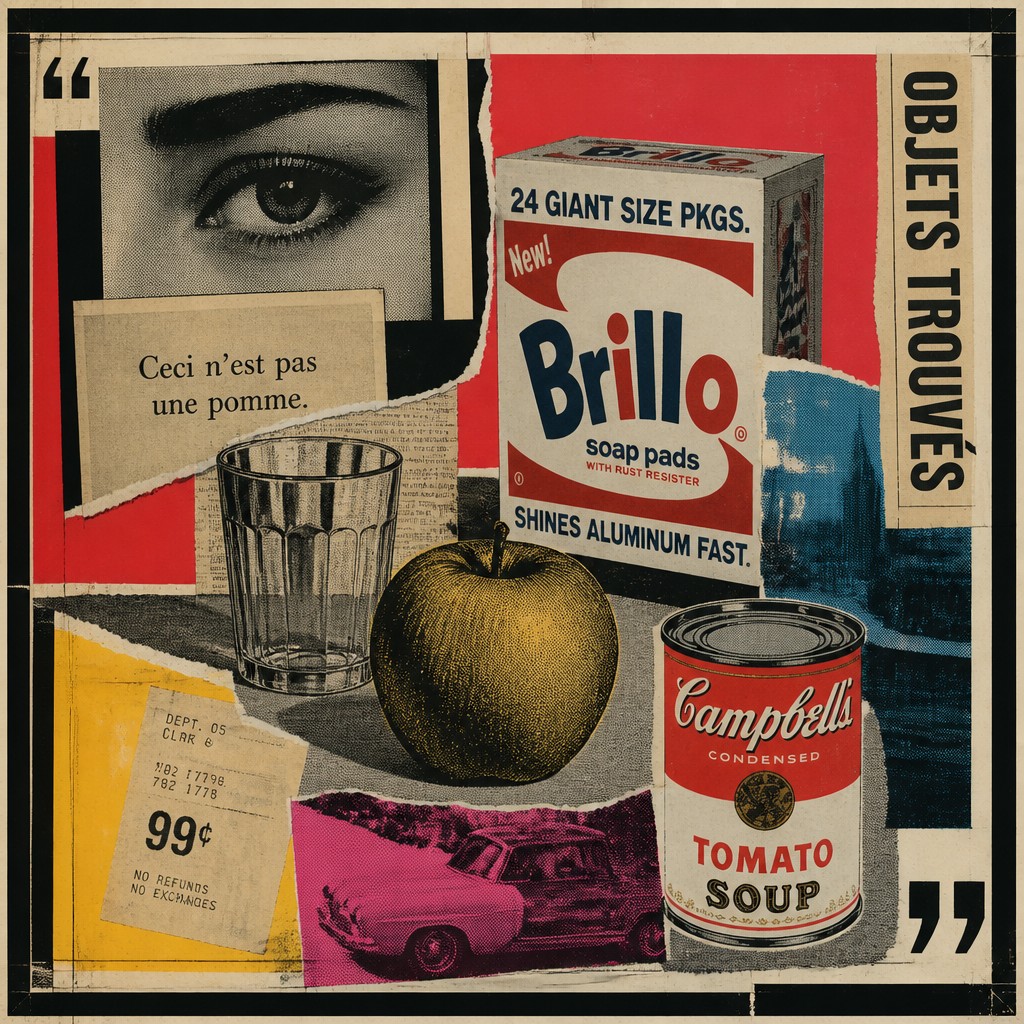
Irony and distance
The mood is frequently analytical, skeptical, or satirical rather than immersive. The work invites recognition while also asking the viewer to question the source material's authority.
Try It
Create Videos in Appropriation Art Style
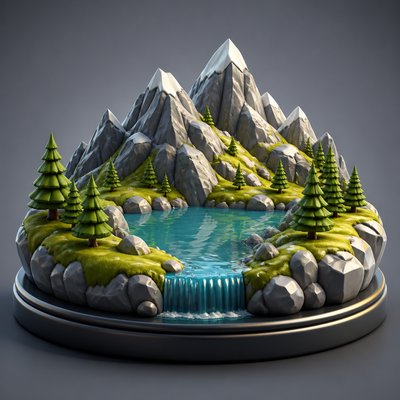
Styles aren't just for stills — describe a scene or animate an image and get a short video rendered in Appropriation. Press play to see this pond come to life.
Make a VideoAppropriation Prompt Ideas
Start from an idea — each one opens the generator with the style ready to go. See all 40 Appropriation prompts →
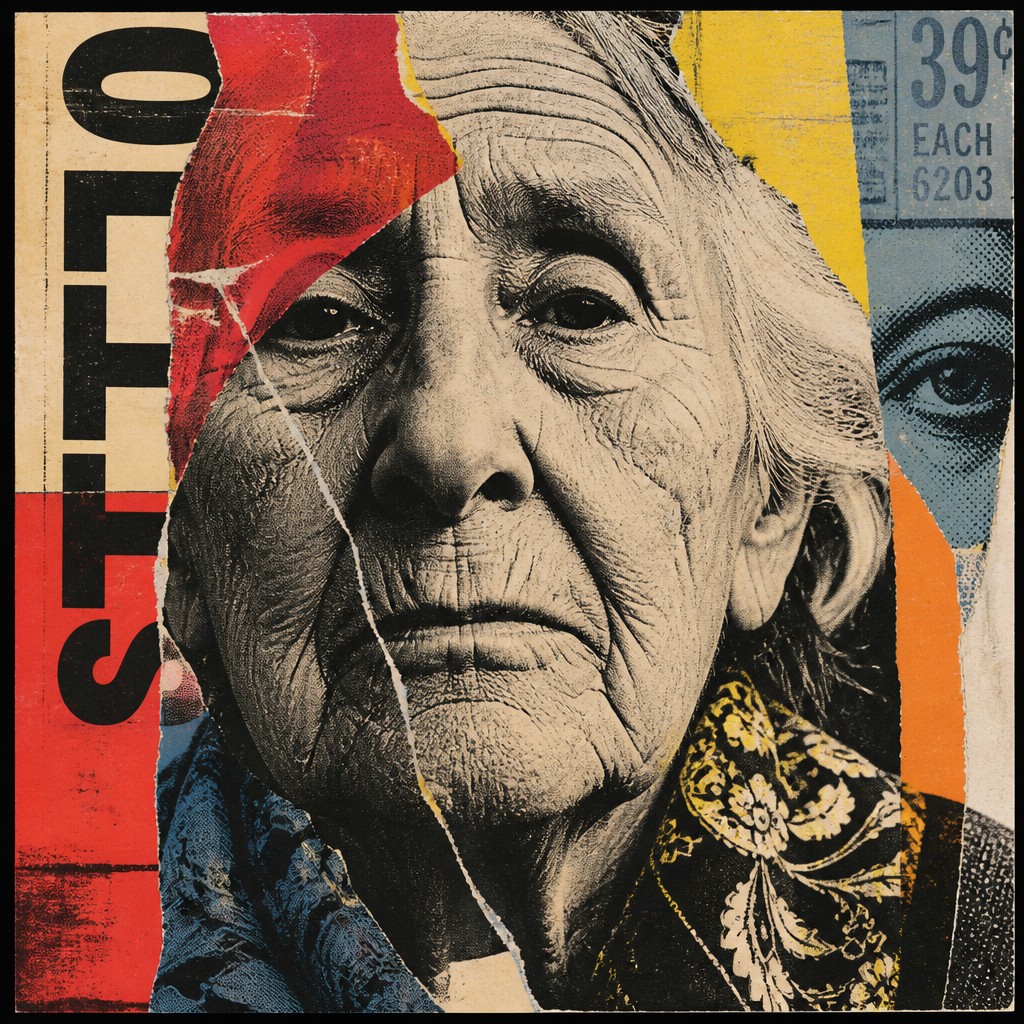
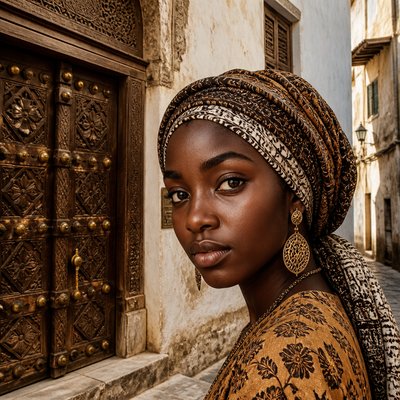
“close-up portrait of an elderly person with expressive weathered features”
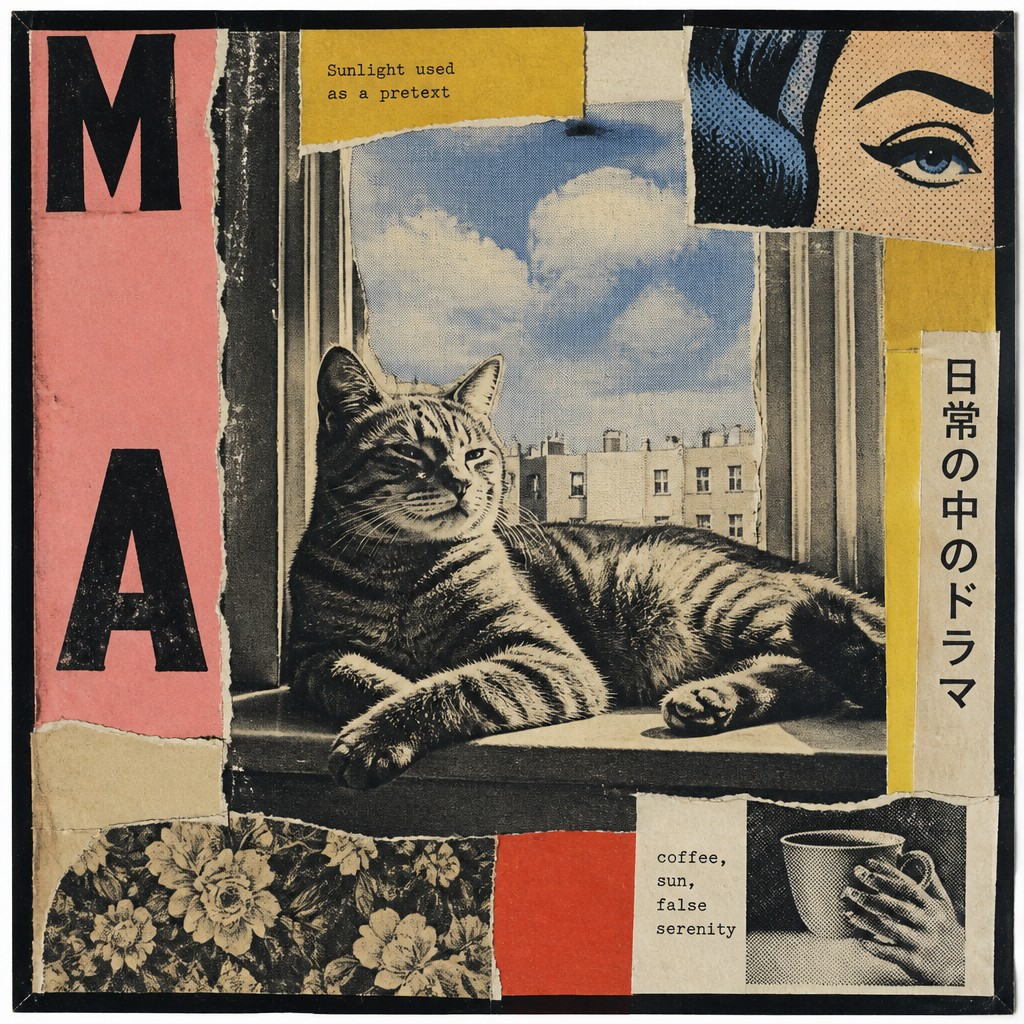
“a cat lounging in a sunlit window”
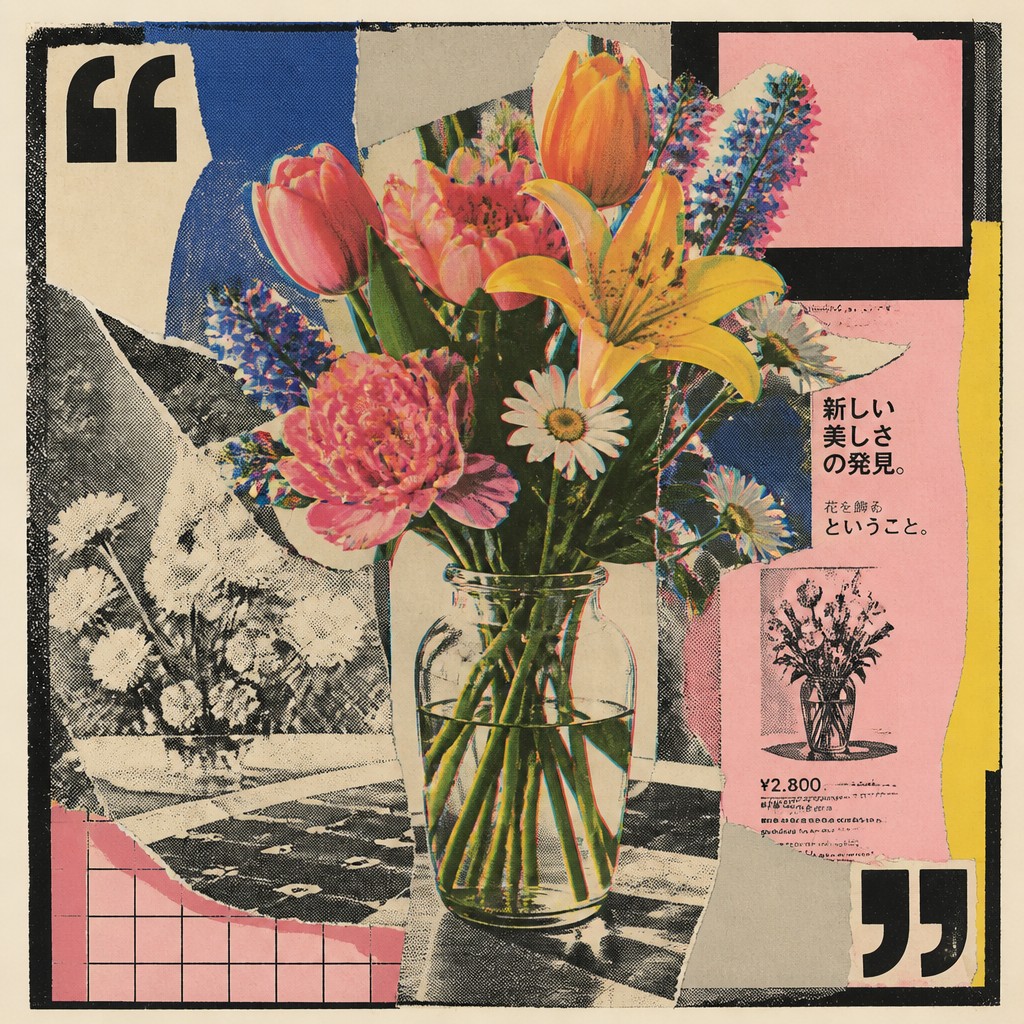
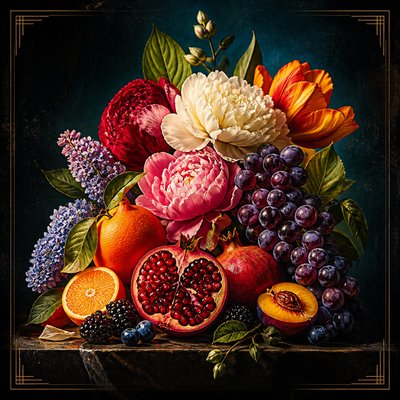
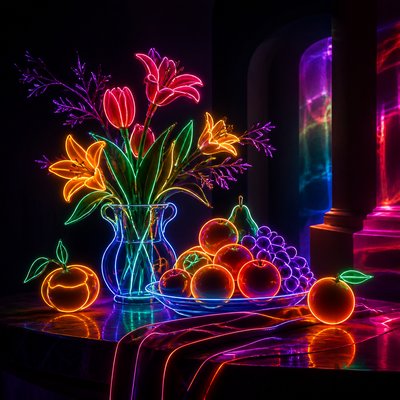
“bouquet of flowers in a glass vase”
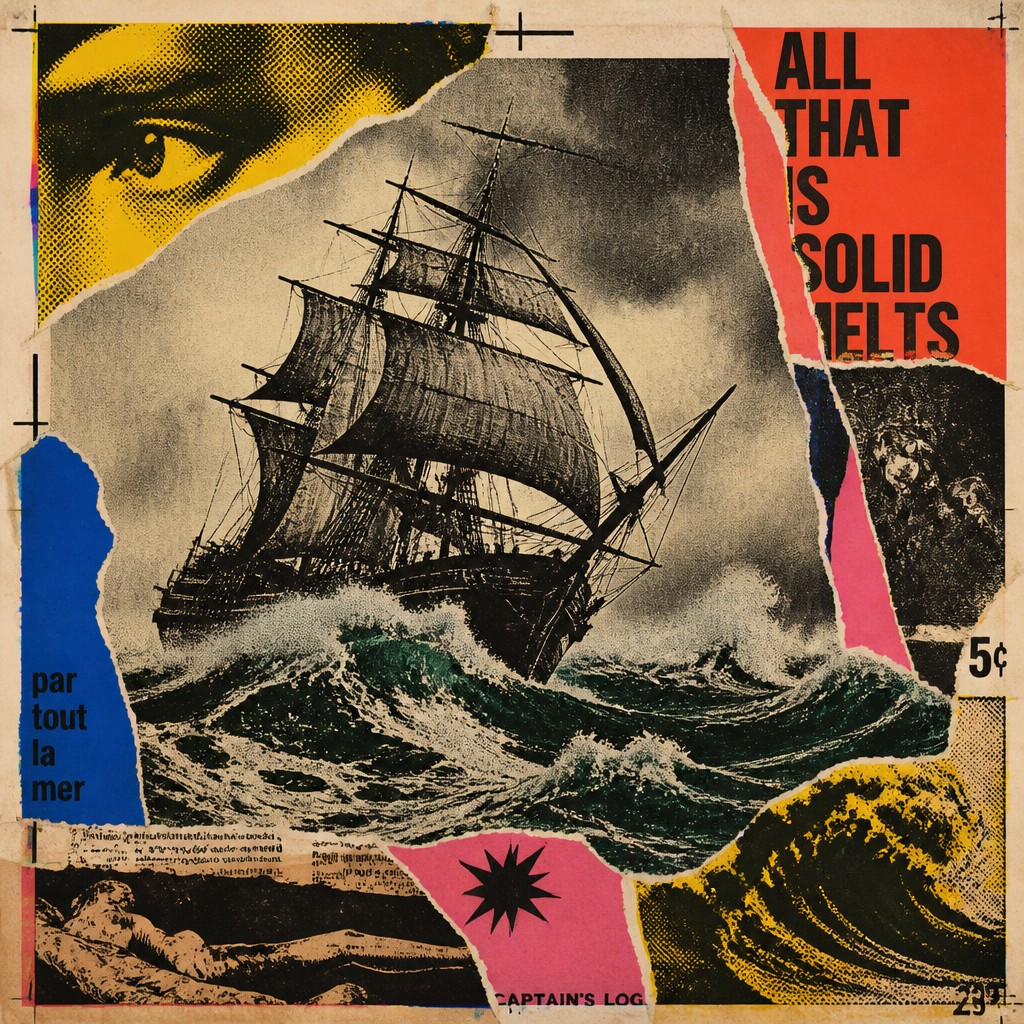
“sailing ship on a stormy sea”
How to Create Appropriation Art
Master the craft step by step — or skip straight to creating. Read the full guide →
- 1
Start with a recognizable source
Choose an existing image, object, or visual language with cultural charge: an ad, news photo, album cover, classic painting, product label, or film still. The stronger the source’s familiarity, the more room there is for recontextualization.
- 2
Transform through framing, not just editing
Change meaning by cropping, juxtaposing, repeating, captioning, or placing the source beside contradictory material. In digital work, combine layers, masks, and rough edges; in traditional work, use photocopy transfers, cut-paper collage, silkscreen, or hand-drawn quotes.
- 3
Keep evidence of reproduction visible
Avoid smoothing everything into seamless realism. Let the viewer see grain, offset colors, scan lines, torn paper, misaligned registration, or low-resolution textures so the work reads as mediated and quoted.
- 4
Use graphic structure as commentary
Treat borders, labels, arrows, text blocks, and repetition as part of the meaning. Strong layout choices can make the image feel like a poster, editorial spread, archive page, or critique rather than a neutral picture.
- 5
For prompt-based generation, specify quotation and collage language
Describe the subject first, then add instructions such as layered source fragments, torn paper edges, screen-print texture, photocopy grain, off-register colors, and a critical editorial tone. Ask for visible seams and reframed familiar imagery so the result feels borrowed rather than purely invented.

The Story
History & Origins of Appropriation
Appropriation in art has deep precedents in collage, montage, and ready-made practice, but it became especially prominent in the late 20th century. Dada artists such as a pioneering photomontage maker and a cut-up collage artist used cut-and-paste methods to recombine mass-media scraps, while a leading conceptual precursor’s readymades shifted attention from making to selection and framing. In the 1970s and 1980s, artists associated with the Pictures Generation—especially prominent postwar image appropriators, a notable fashion-and-media appropriator, a well-known staged-photography artist, and a pointed text-and-image critic—made appropriation central to critiques of authorship, consumer culture, gender, and media power.
Its visual language developed alongside advertising, print reproduction, broadcast media, and later digital remix culture. The style draws not from a single historical school but from the broader lineage of collage, conceptual art, postmodern critique, propaganda graphics, pop imagery, and photocopied zine aesthetics. As a result, appropriation art remains closely tied to questions of originality, citation, ownership, and the politics of looking.
Influences: Appropriation art is closely related to Dada collage, photomontage, Pop Art, conceptual art, and postmodern theory. Key reference points include photomontages by a major Dada artist, readymades by a leading conceptual precursor, and later Pictures Generation artists such as prominent postwar image appropriators, a notable fashion-and-media appropriator, a well-known staged-photography artist, and a pointed text-and-image critic, whose work clarified how borrowed imagery can operate as critique rather than simple quotation.
Frequently Asked Questions
What defines appropriation art?
It is art that intentionally reuses existing imagery, objects, or styles and reframes them to produce new meaning. The core idea is not imitation for its own sake, but critical transformation through selection, context, and presentation.
How is appropriation art different from collage?
Collage is a technique; appropriation art is a broader conceptual strategy. Many appropriation works use collage, but not all collage is appropriation, because appropriation specifically depends on borrowing preexisting cultural material and changing its meaning through context.
Is appropriation art the same as plagiarism?
No. Plagiarism tries to pass borrowed work off as original, while appropriation art usually makes the borrowing visible and meaningful. The point is to reveal how images circulate, how authorship works, or how media shapes perception.
What materials work best for this style?
Photographs, newspaper clippings, advertisements, packaging, archival documents, magazine pages, and reproduced artworks are all effective source materials. Anything already charged with cultural meaning can be useful if you place it in a new frame or combine it with contradictory elements.
Where is appropriation art commonly used?
It appears in gallery and museum contexts, editorial illustration, poster design, album art, activist graphics, and experimental digital collage. The style is especially effective when the goal is critique, irony, cultural commentary, or media deconstruction.
How can I make a generated image look more like appropriation art?
Ask for layered borrowed fragments, visible torn seams, screen-print or photocopy texture, off-register color, and bold graphic framing. Mention that the imagery should feel recontextualized, quoted, and critically edited rather than smoothly rendered or purely original.

Create your first Appropriation artwork
Describe anything — or upload a photo — and see it in Appropriation Art Style in seconds.
Make Something with Appropriation
Related Styles
Discover similar art styles