Maximalism Art Style
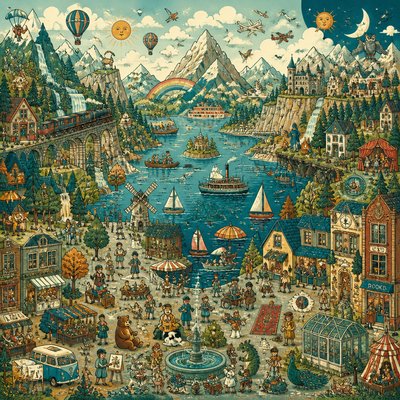
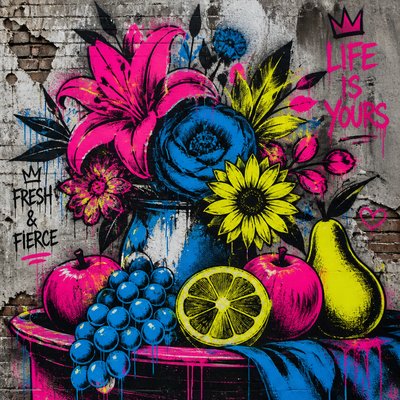
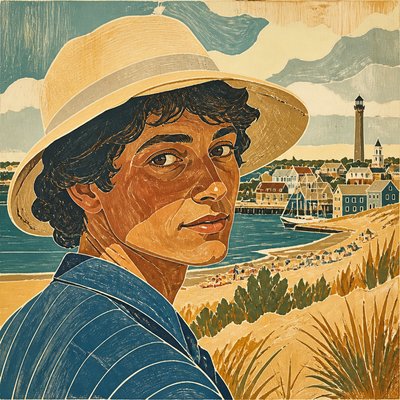
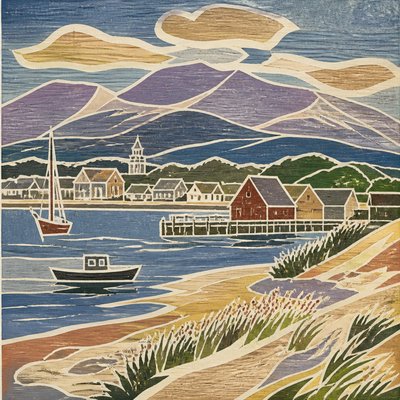
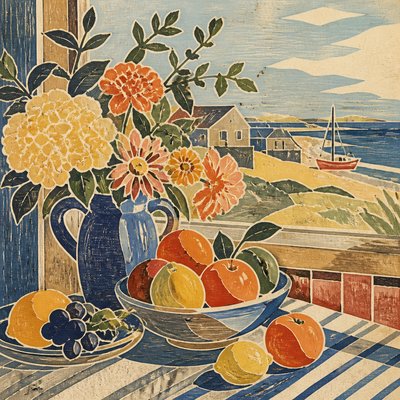
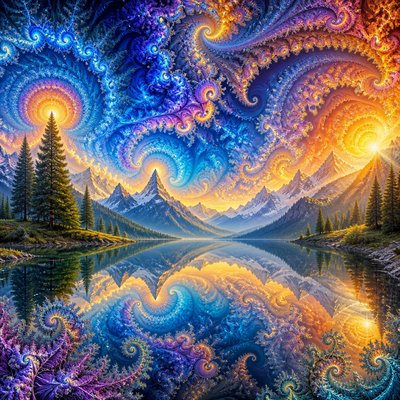
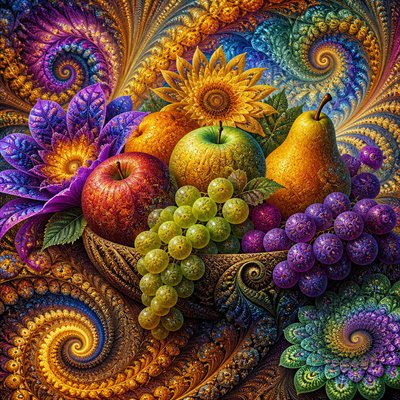
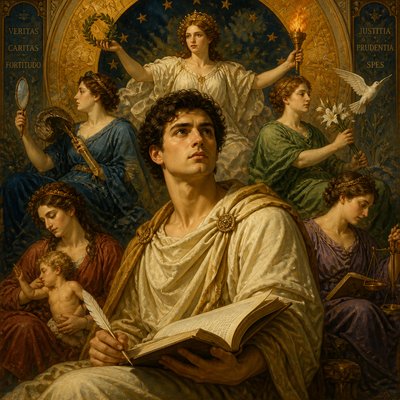
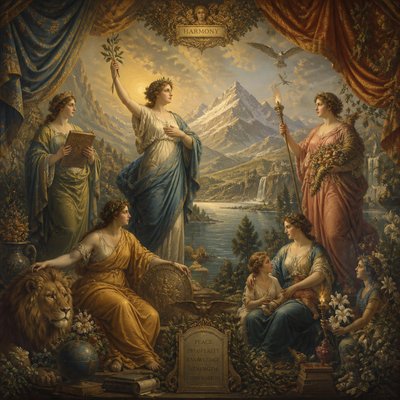
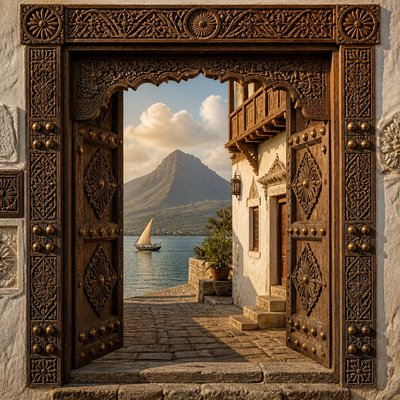
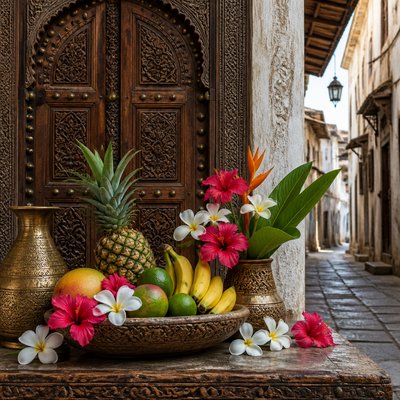
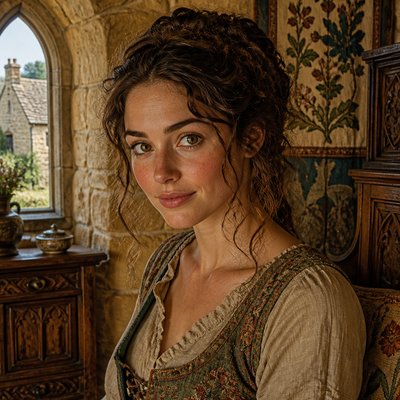
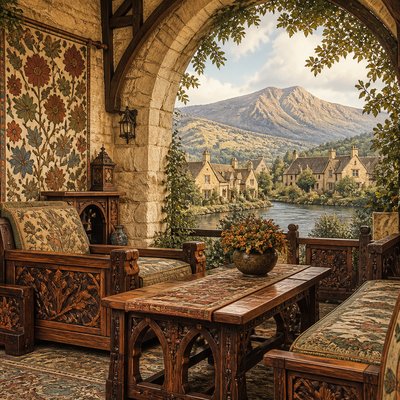
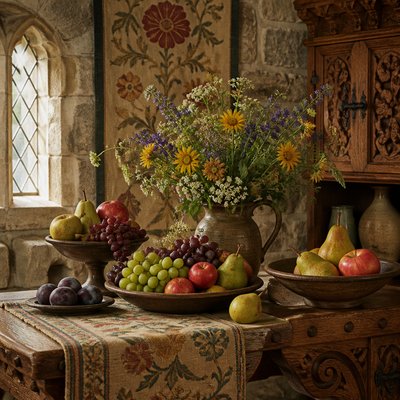
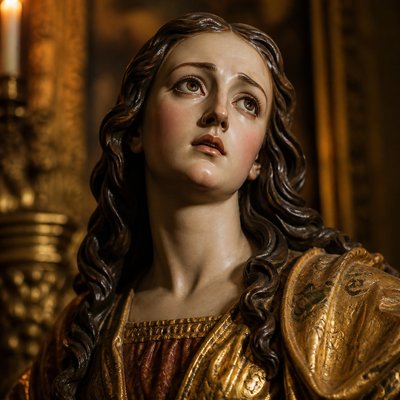
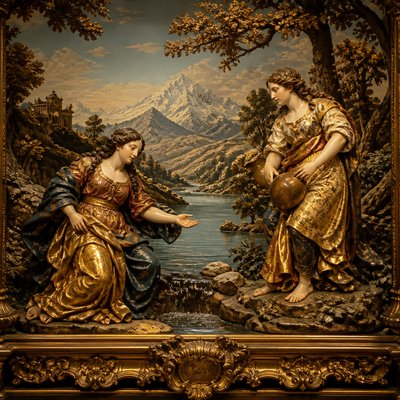
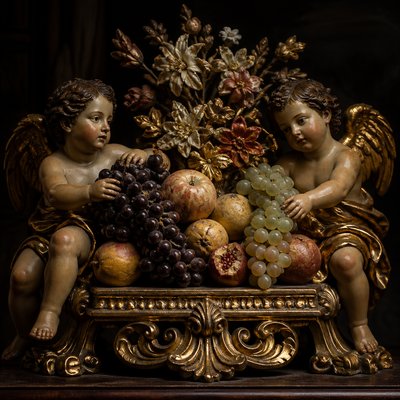
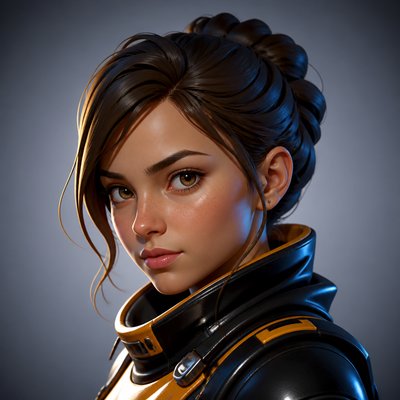
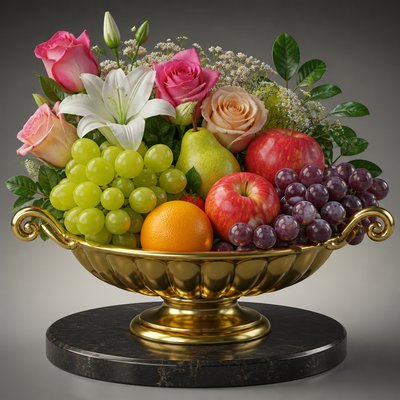
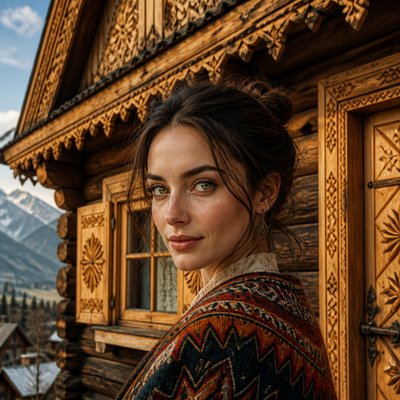
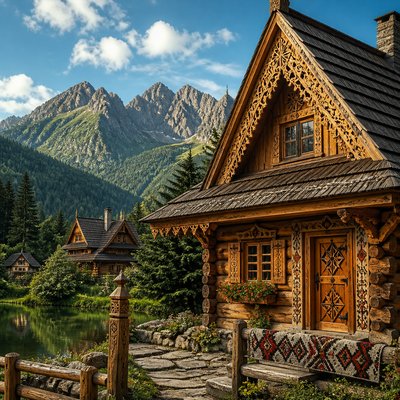
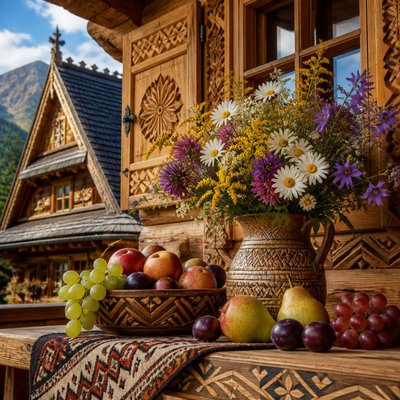
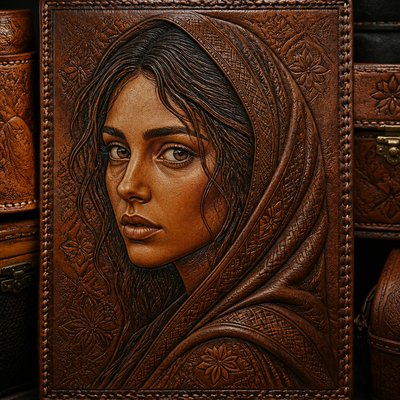
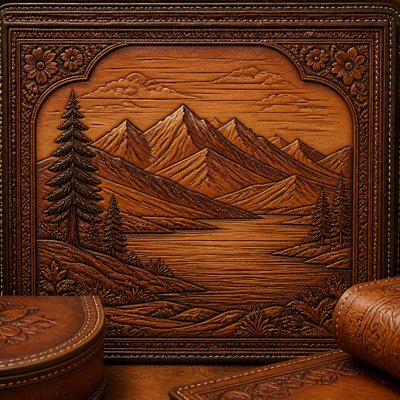
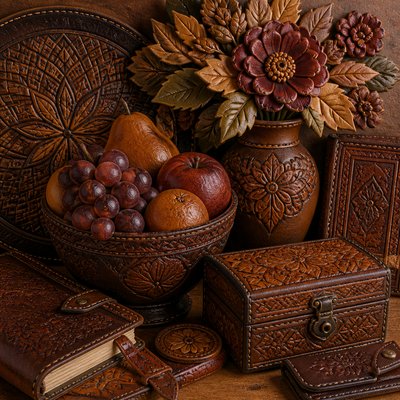
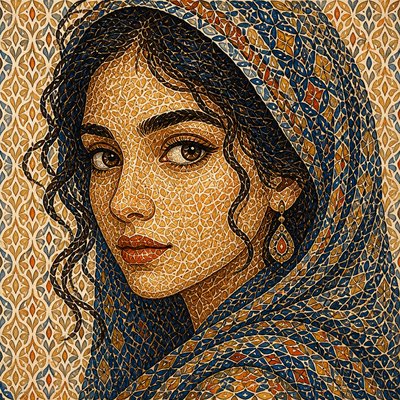
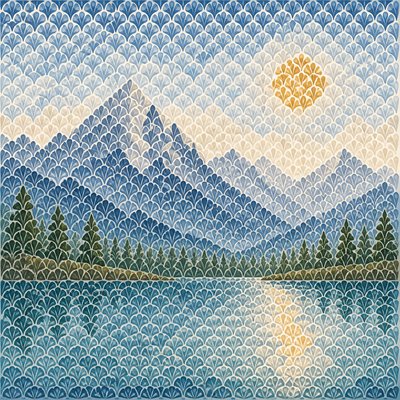
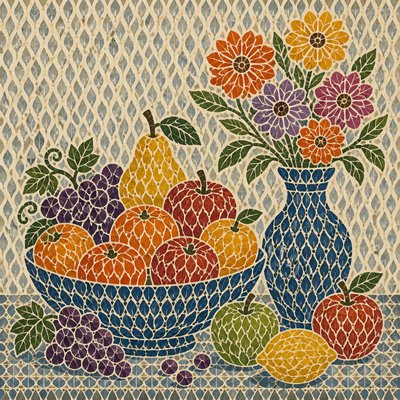
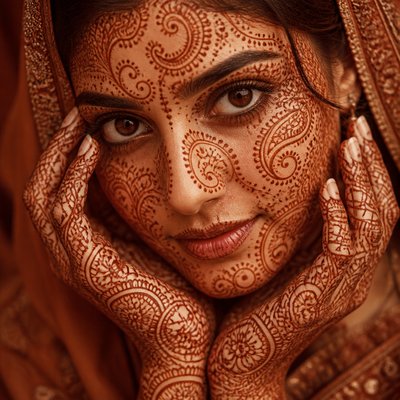
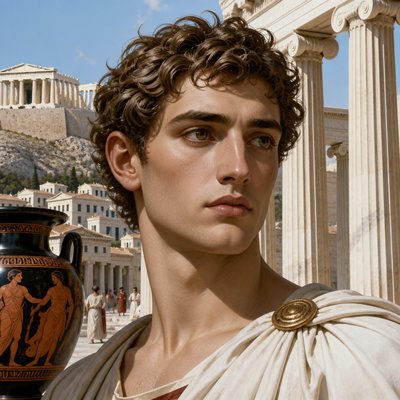
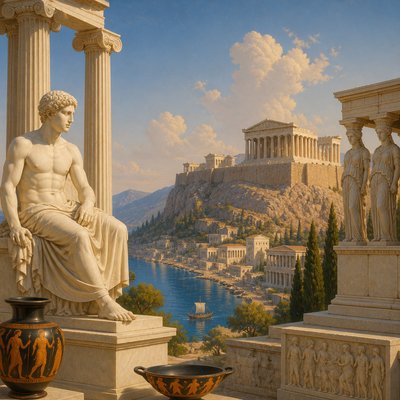
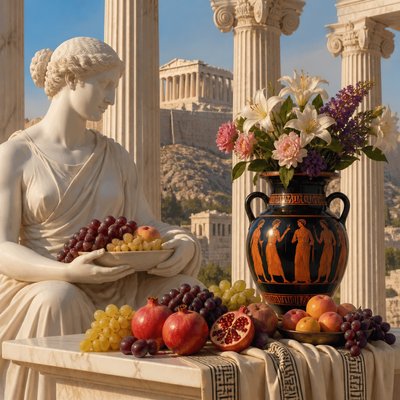
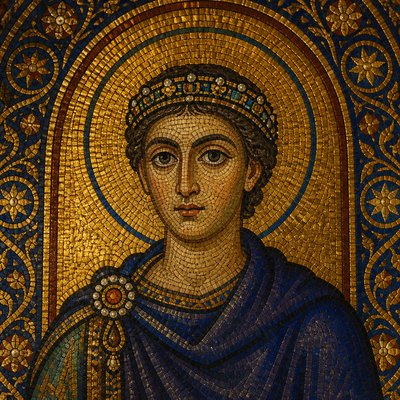
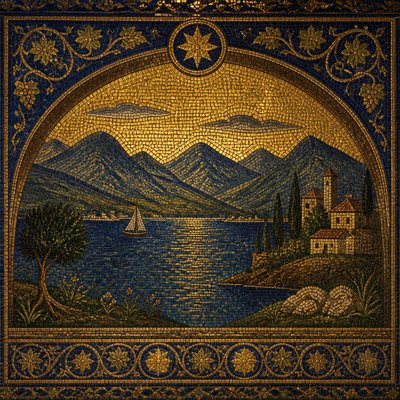
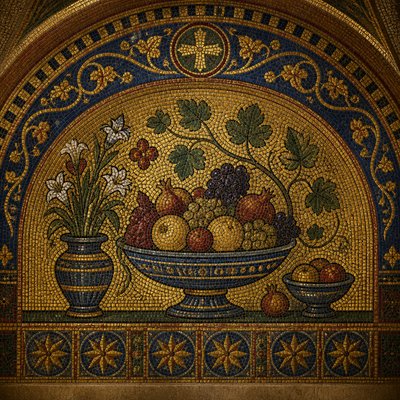
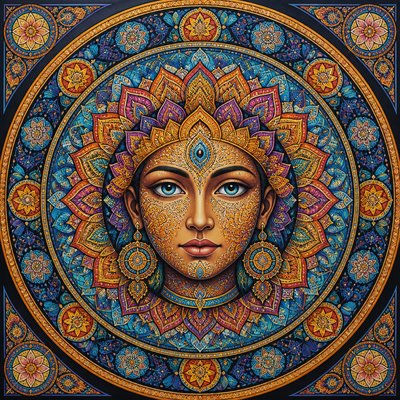
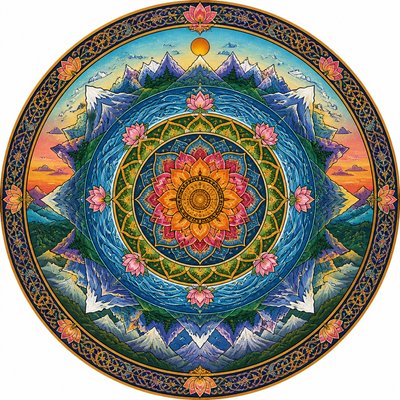
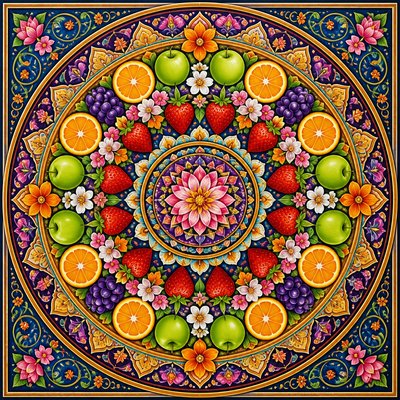
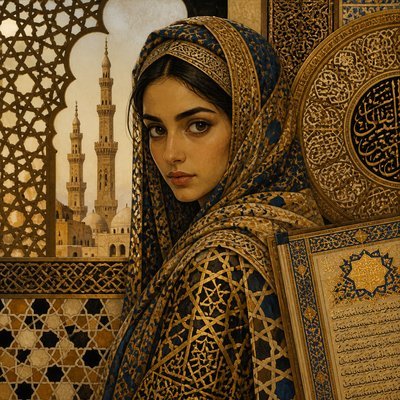
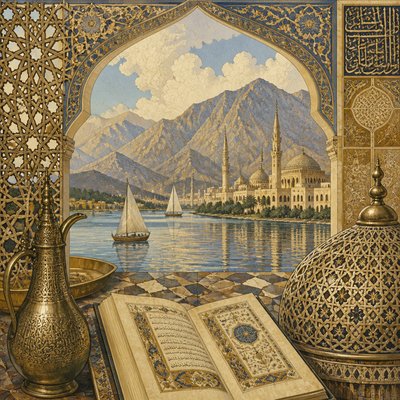
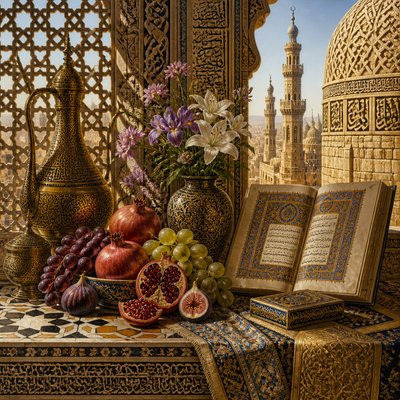
Maximalism is a dense, layered aesthetic of pattern, color, ornament, and visual abundance that rejects minimal restraint.
Instantly rendered in Maximalism — or transform a photo
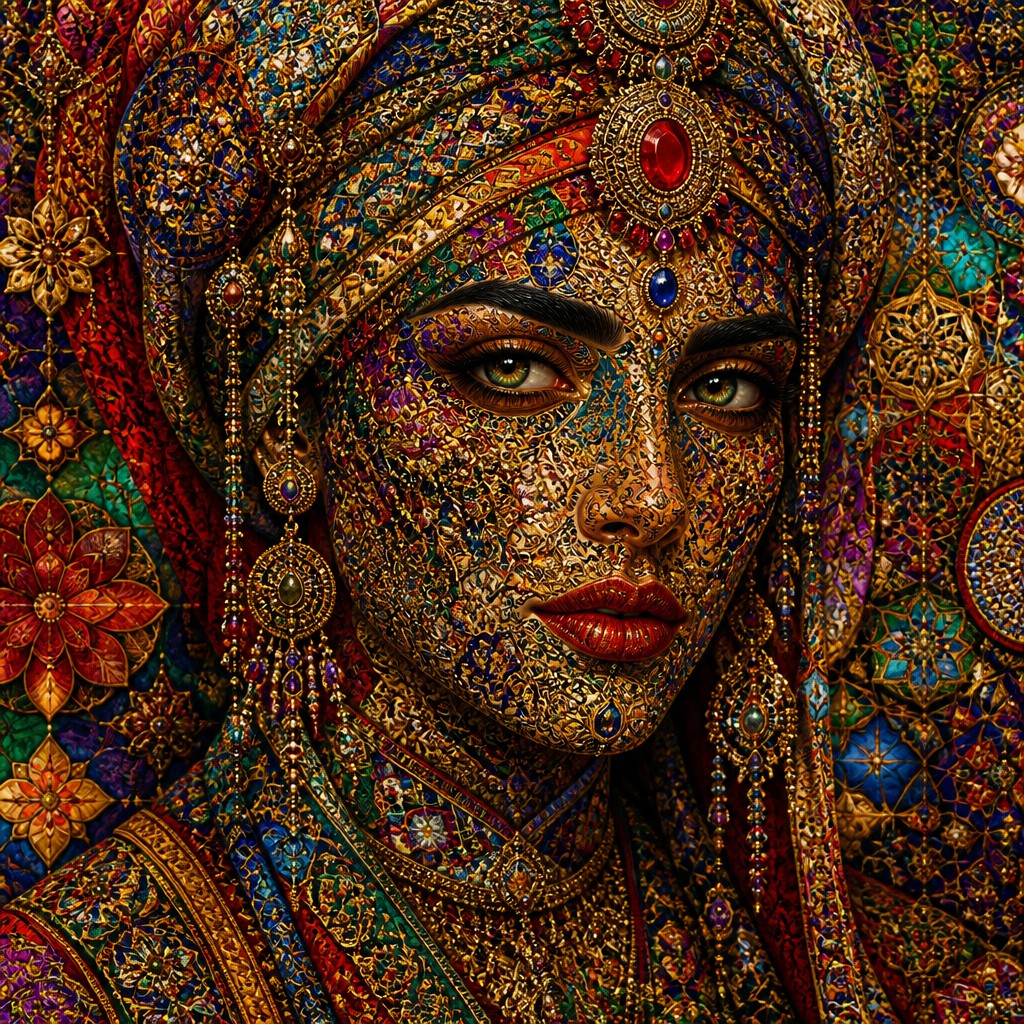
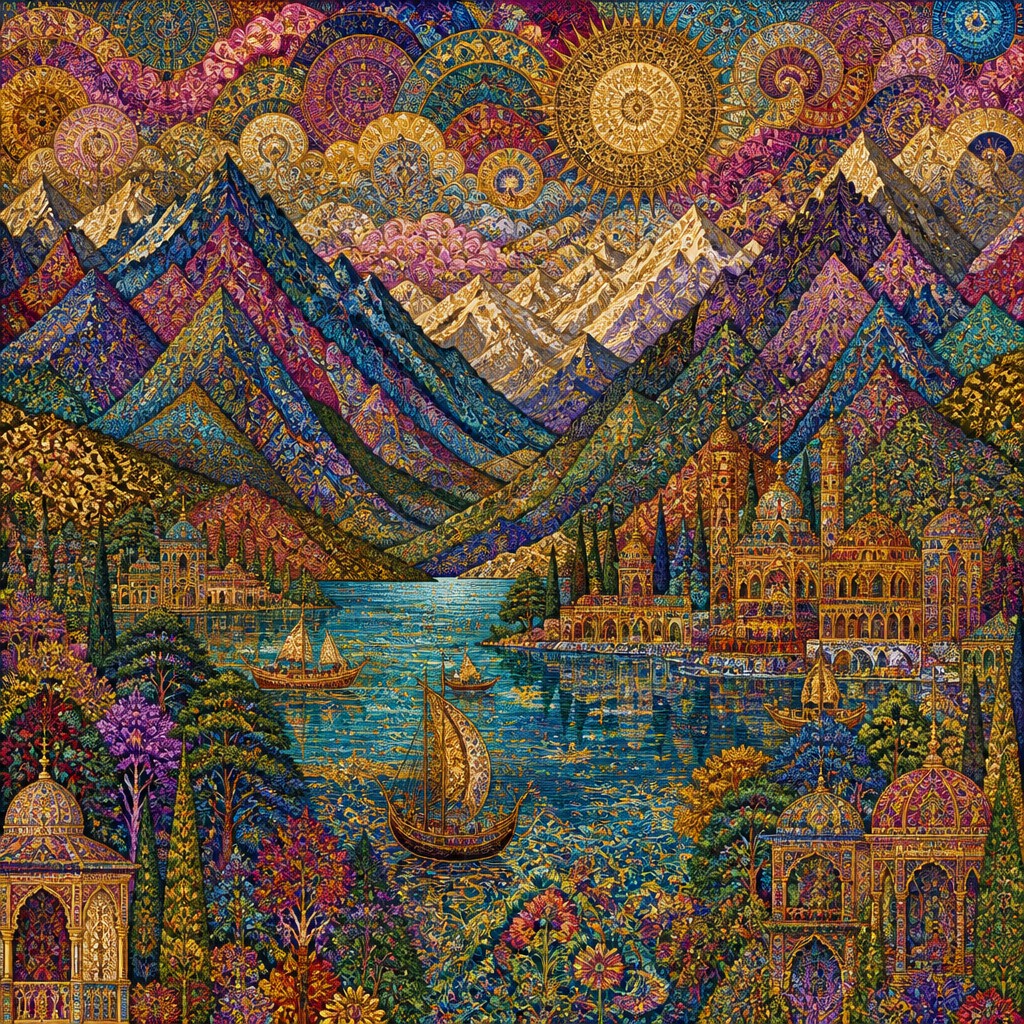
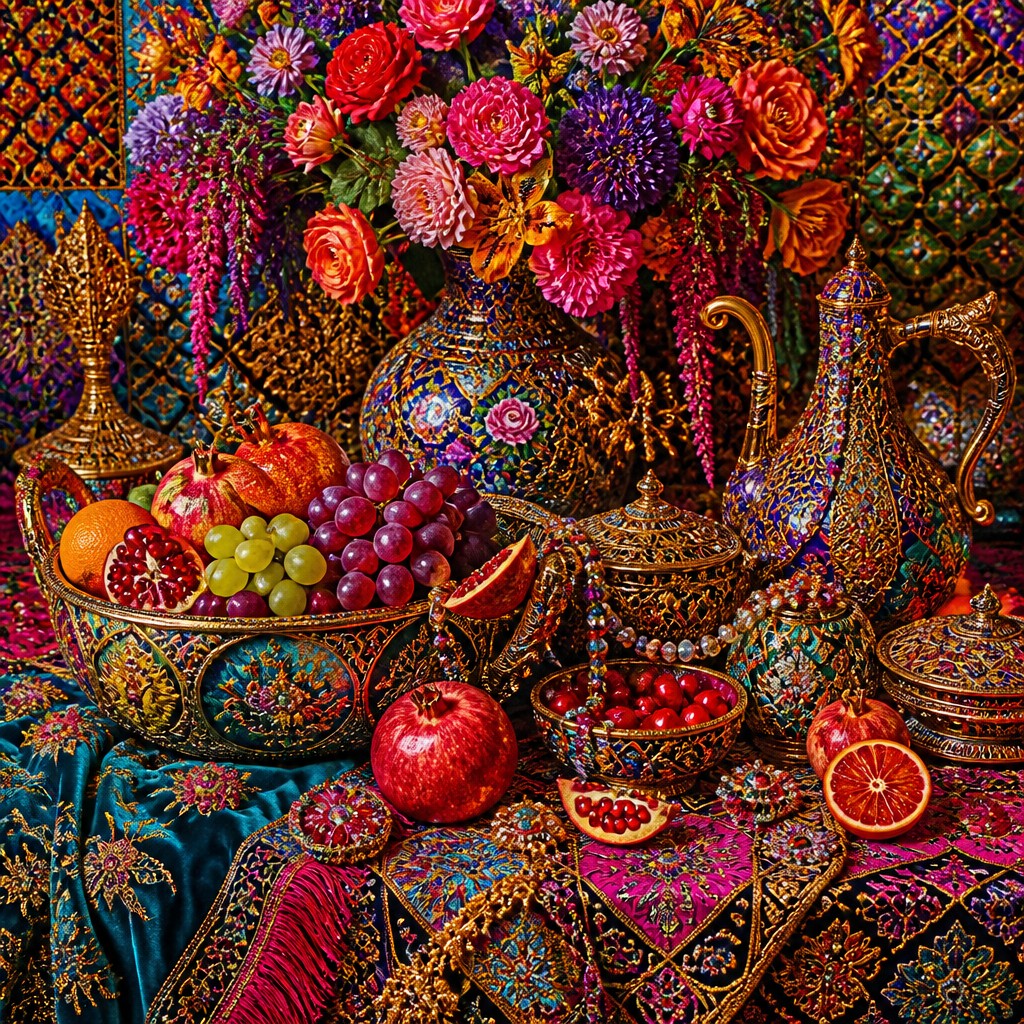
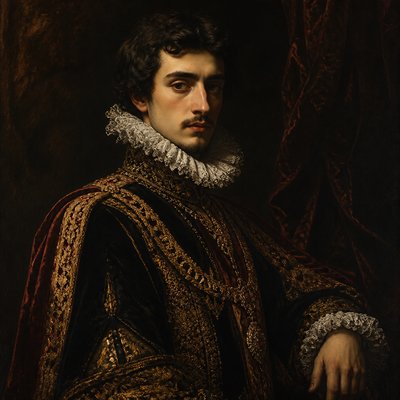
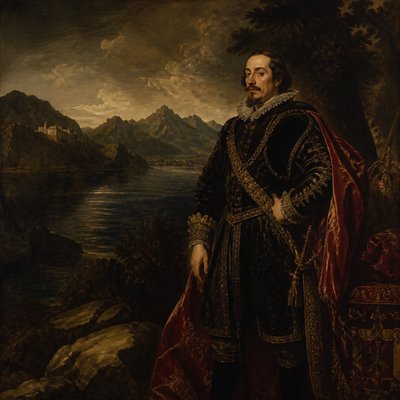
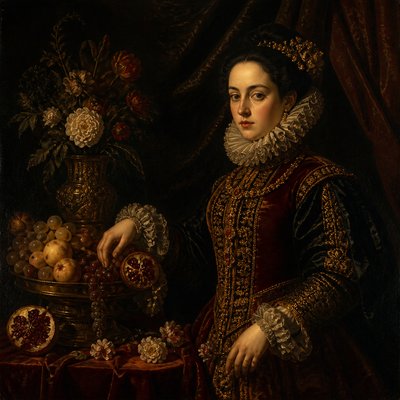
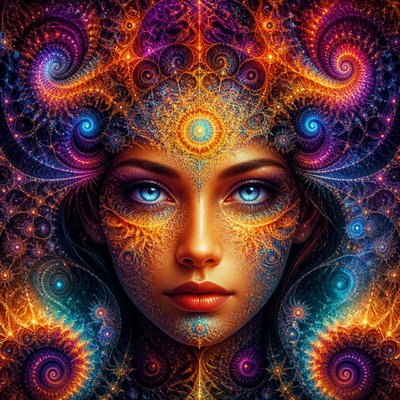
Maximalism Gallery
Tap any artwork to explore it
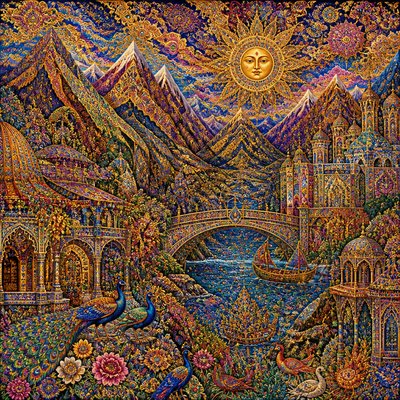
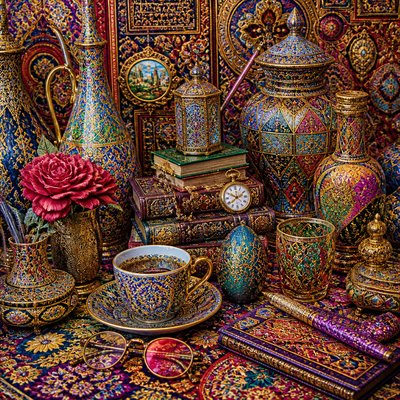
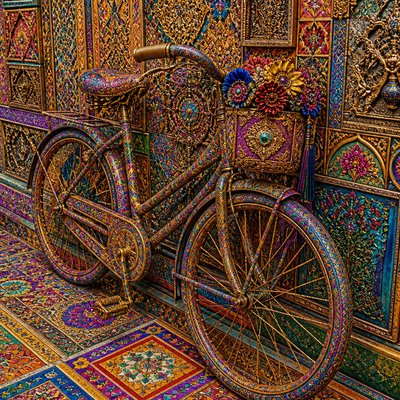
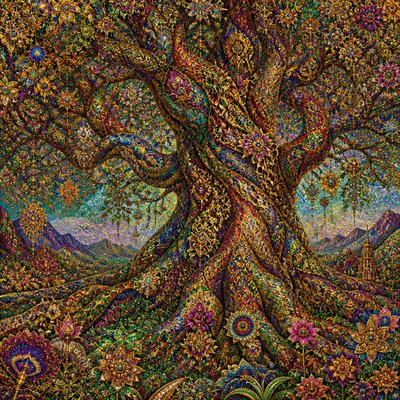
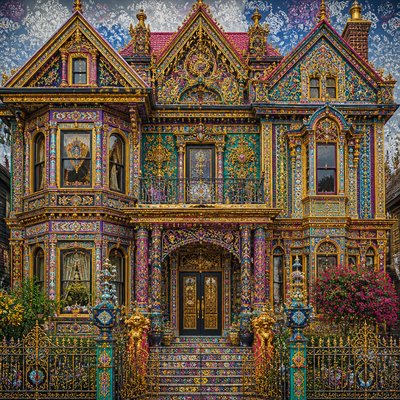
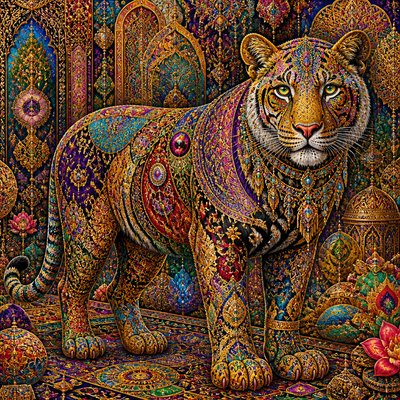
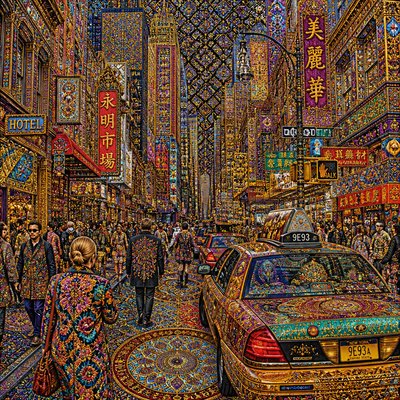
What is Maximalism Art Style?
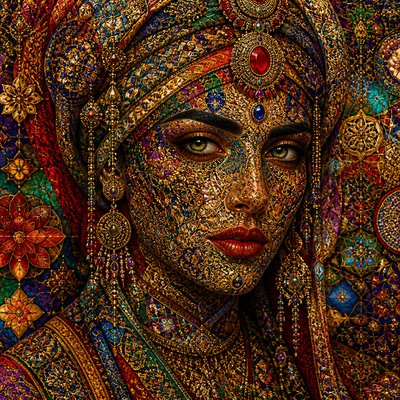
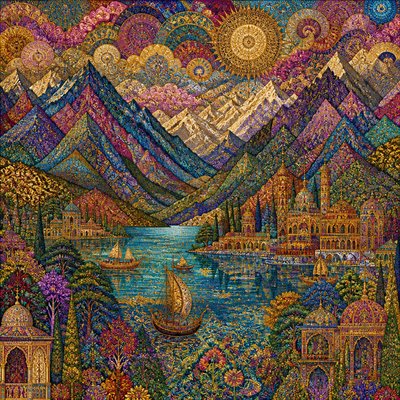
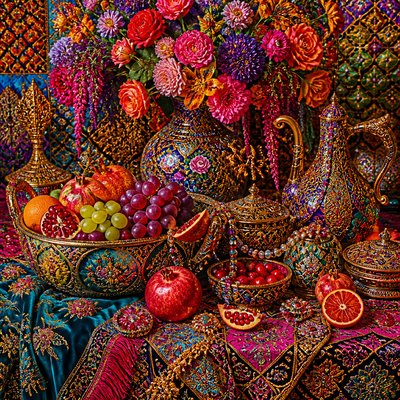
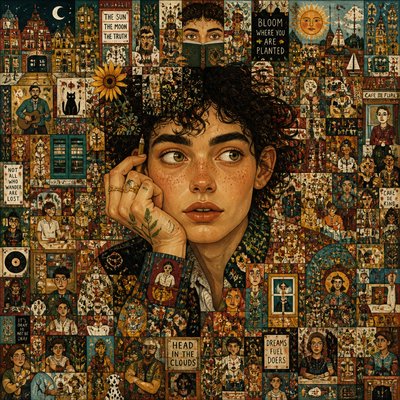
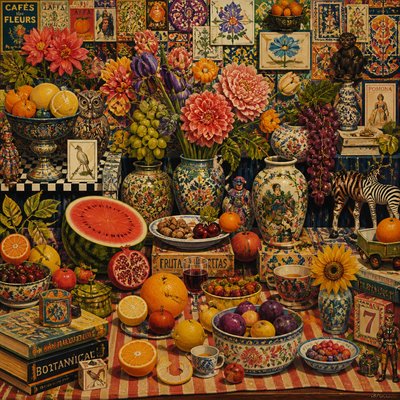
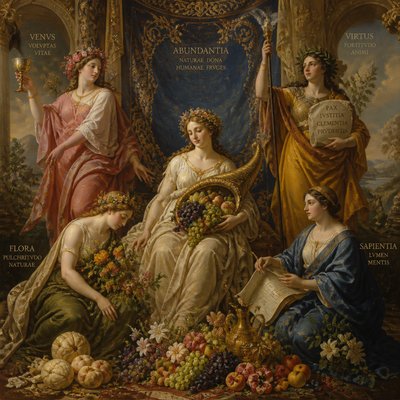
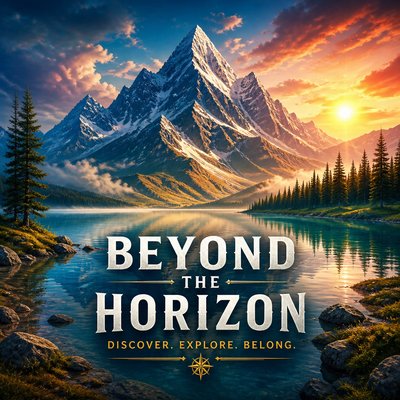
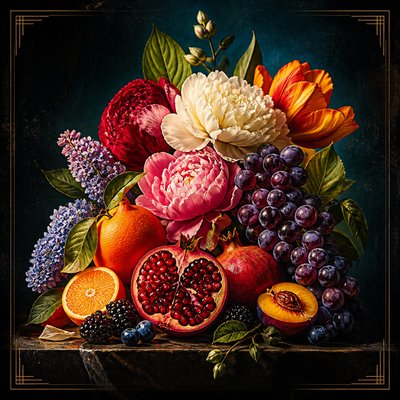
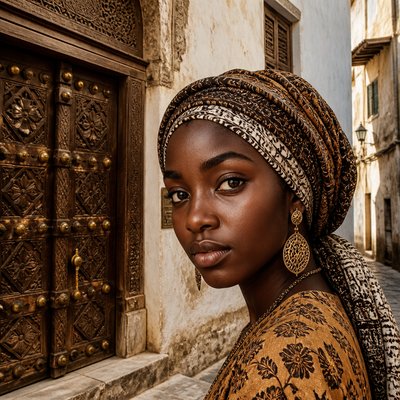
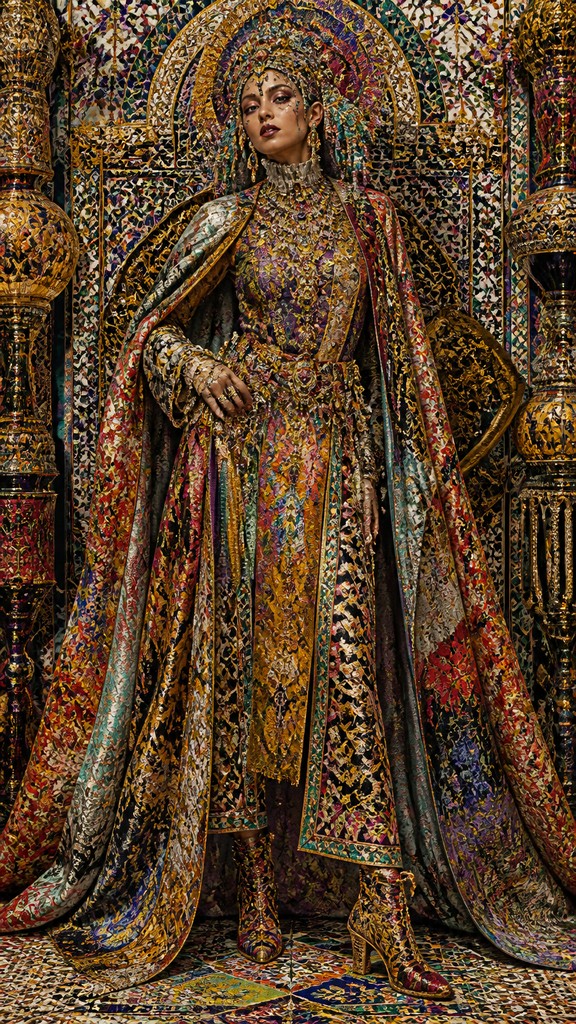
Maximalism is an aesthetic built on abundance: layered pattern, dense ornament, saturated color, and a refusal of empty space. Rather than reducing an image to essentials, it stacks motifs, textures, and competing focal points until the surface feels crowded, ornate, and deliberately overstimulating.
Its visual identity often includes jewel-tone palettes, metallic highlights, elaborate pattern repetition, and decorative detail at every scale. Maximalist images look the way they do because the style privileges accumulation over restraint; meaning comes not from simplicity or emptiness, but from excess, collision, and the active coexistence of many visual ideas at once.
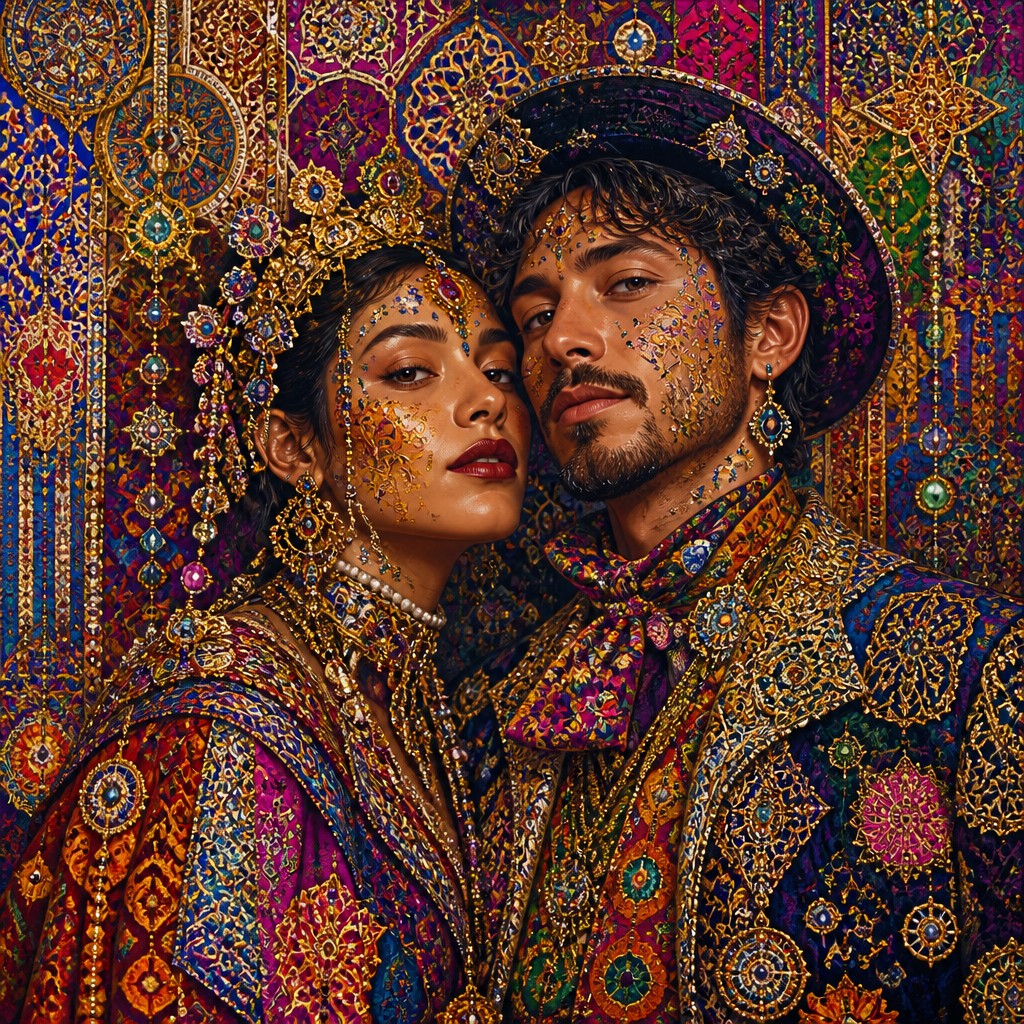
Try It On Your Photos
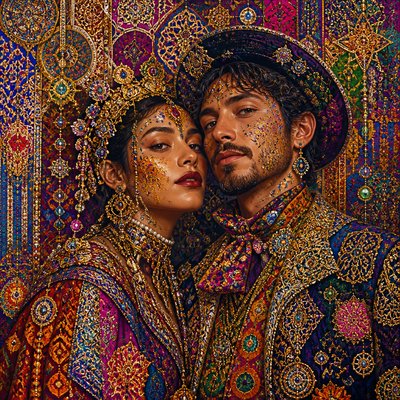
Upload any photo and convert it into Maximalism Art Style — drag the sliders to compare before and after.
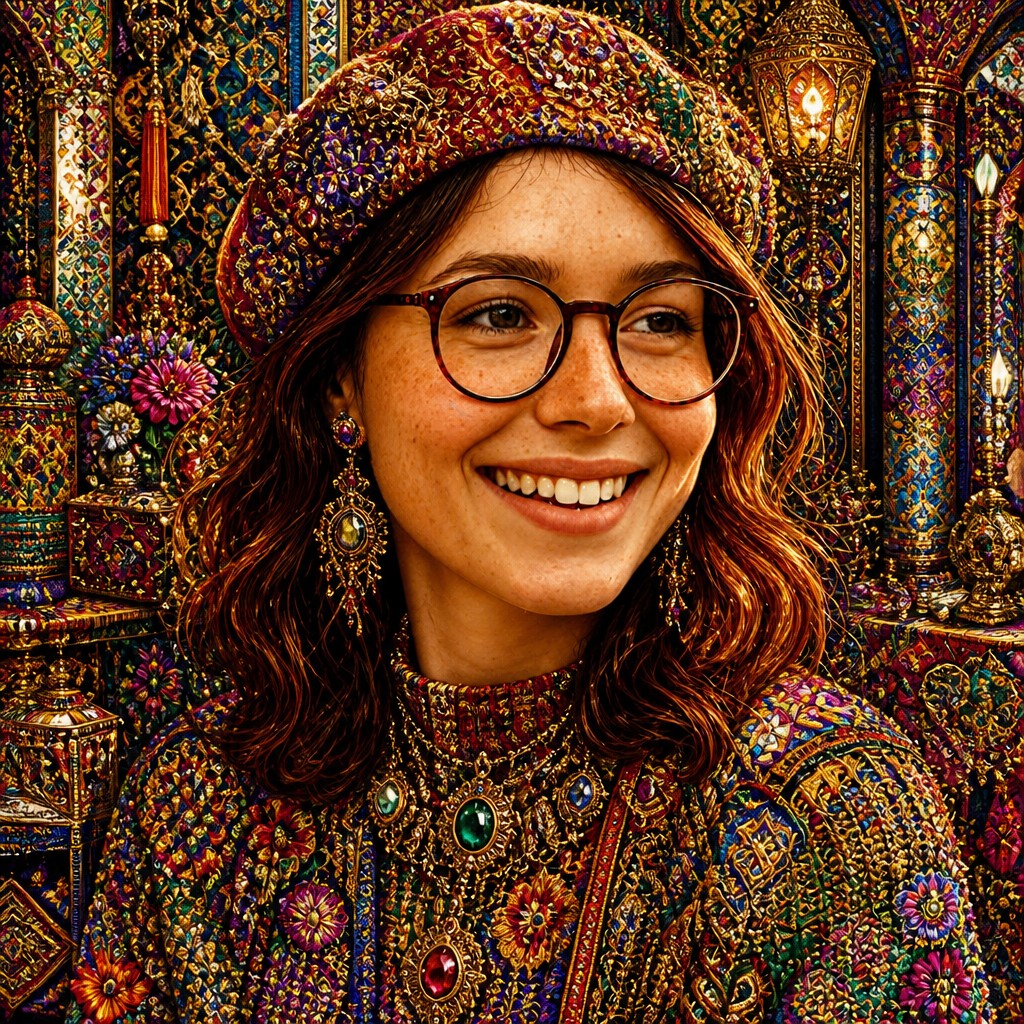

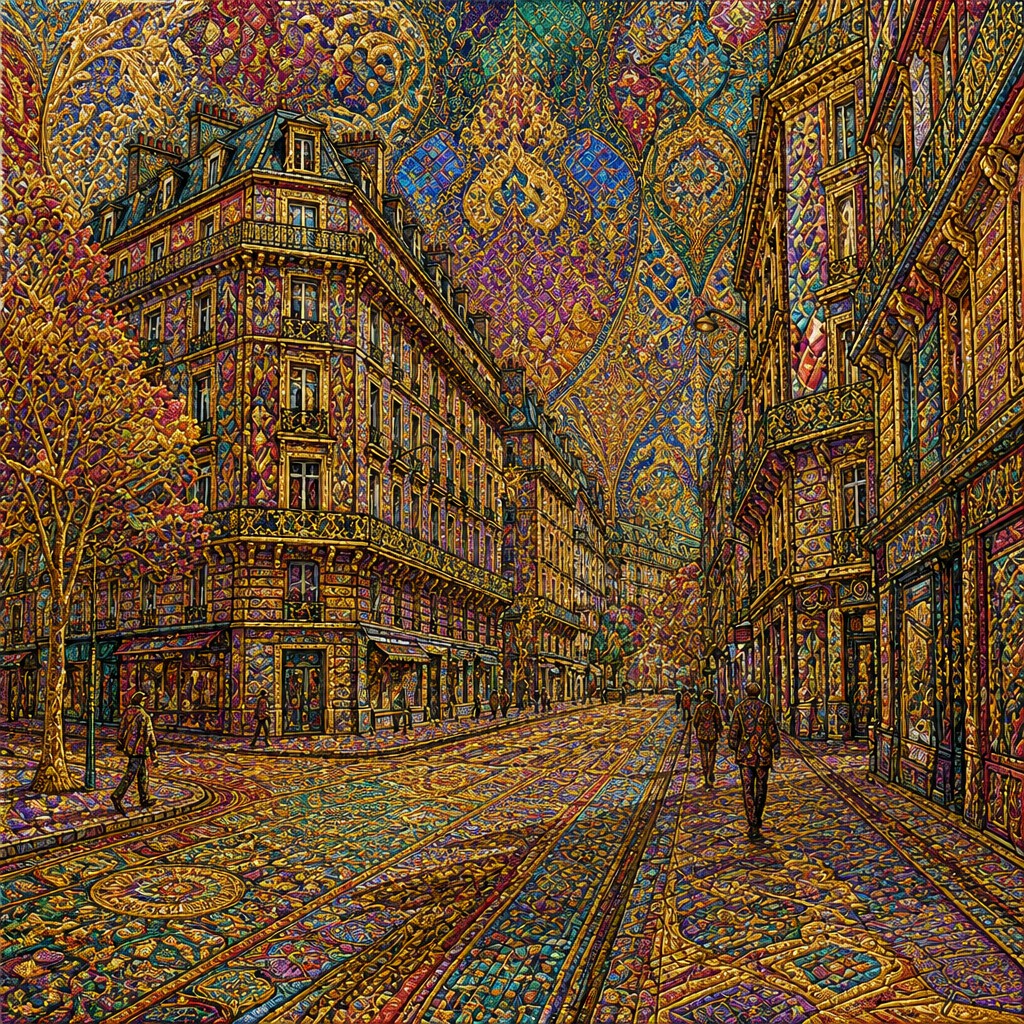

What Defines Maximalism Art Style
The signature details, up close
Visual abundance
The composition is filled rather than opened up, with little or no negative space. Every area tends to carry some combination of pattern, texture, ornament, or detail.
Layered patterning
Motifs repeat across multiple scales, often stacking florals, stripes, tessellations, brocade-like surfaces, arabesques, and other decorative schemes within the same image.
Saturated color contrast
Maximalist work often uses jewel tones, high chroma combinations, and clashing or complementary colors to heighten visual intensity. Metallic golds, silvers, and iridescent accents are common.
Ornament over austerity
Decorative elements are not secondary; they are the subject of the composition. Frames, borders, filigree, appliqué-like details, and embellishments often become central features.
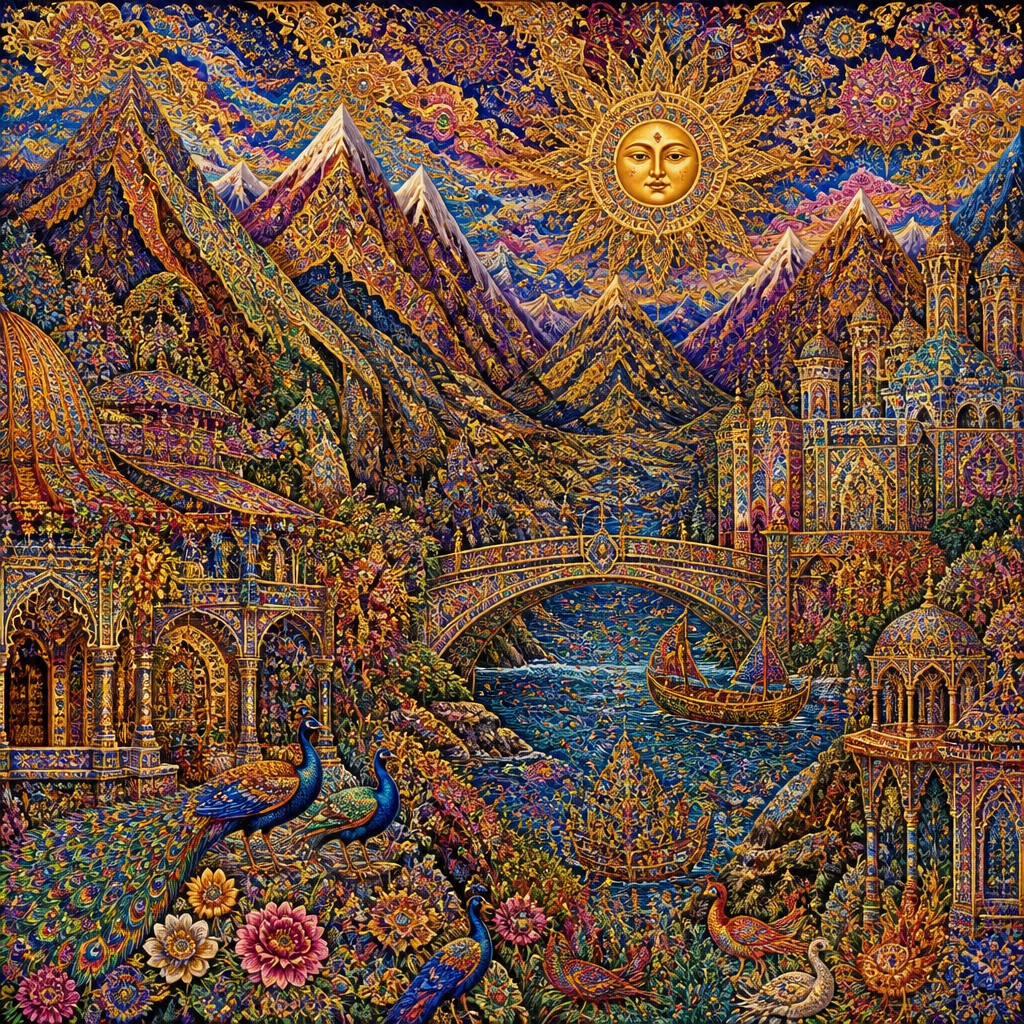
Multiple focal points
Instead of a single dominant center, the eye is drawn around the image by competing areas of interest. This creates a restless, vibrating visual experience.
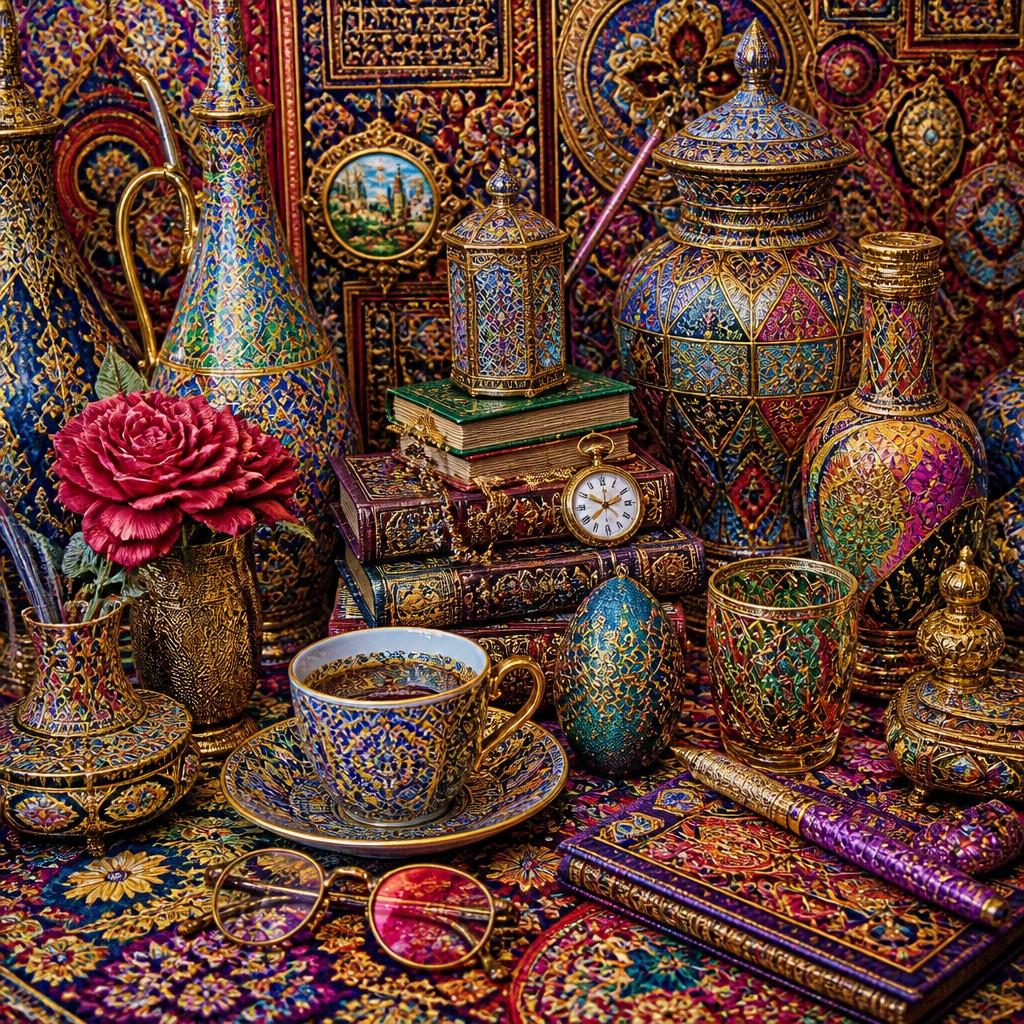
Textural complexity
Surfaces may combine brocade, velvet, mosaic, embroidery, collage, engraving, or painterly mark-making to create a sense of tactile richness and density.
Try It
Create Videos in Maximalism Art Style
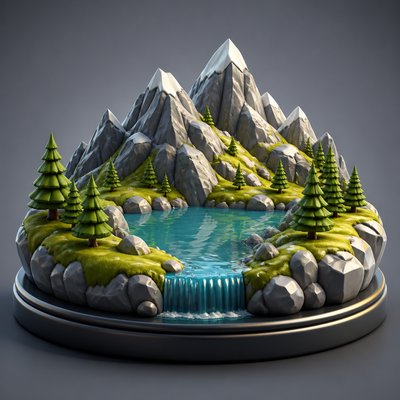
Styles aren't just for stills — describe a scene or animate an image and get a short video rendered in Maximalism. Press play to see this pond come to life.
Make a VideoMaximalism Prompt Ideas
Start from an idea — each one opens the generator with the style ready to go. See all 40 Maximalism prompts →
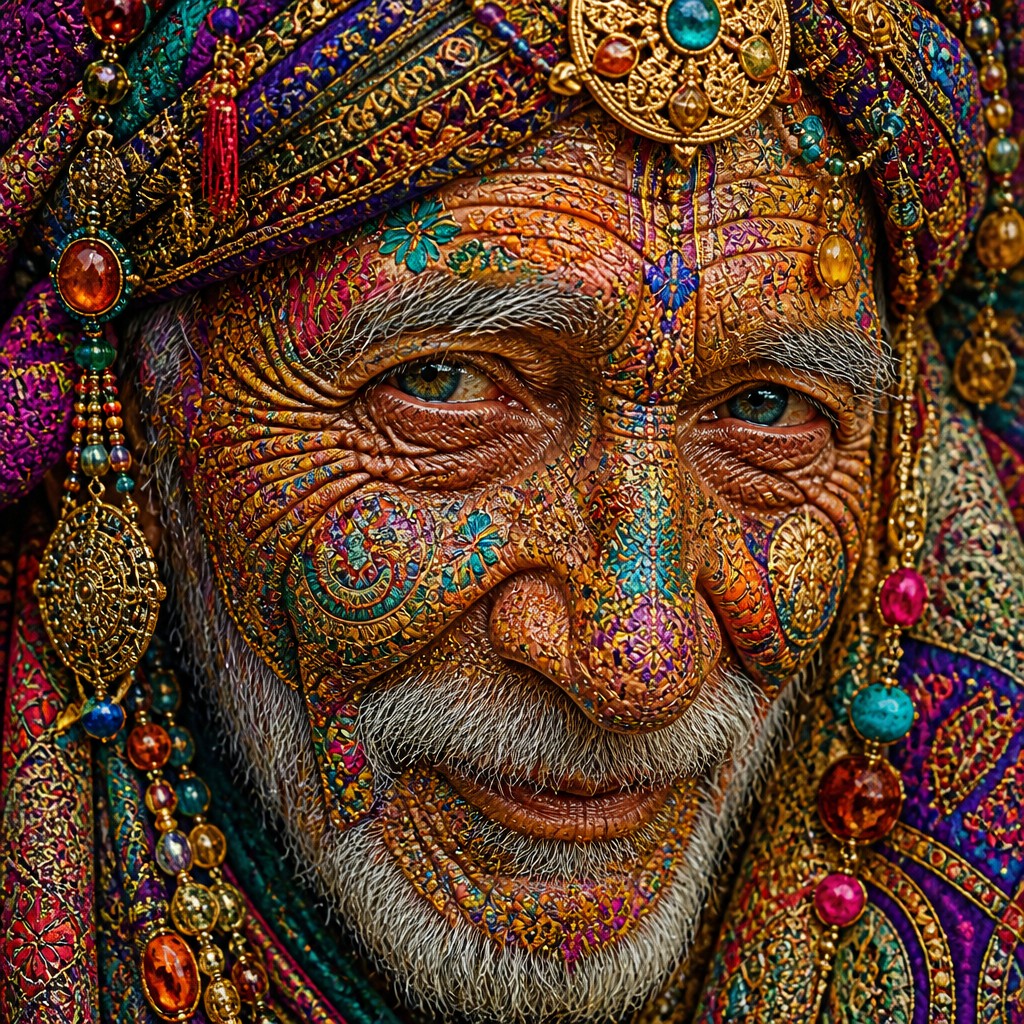
“close-up portrait of an elderly person with expressive weathered features”
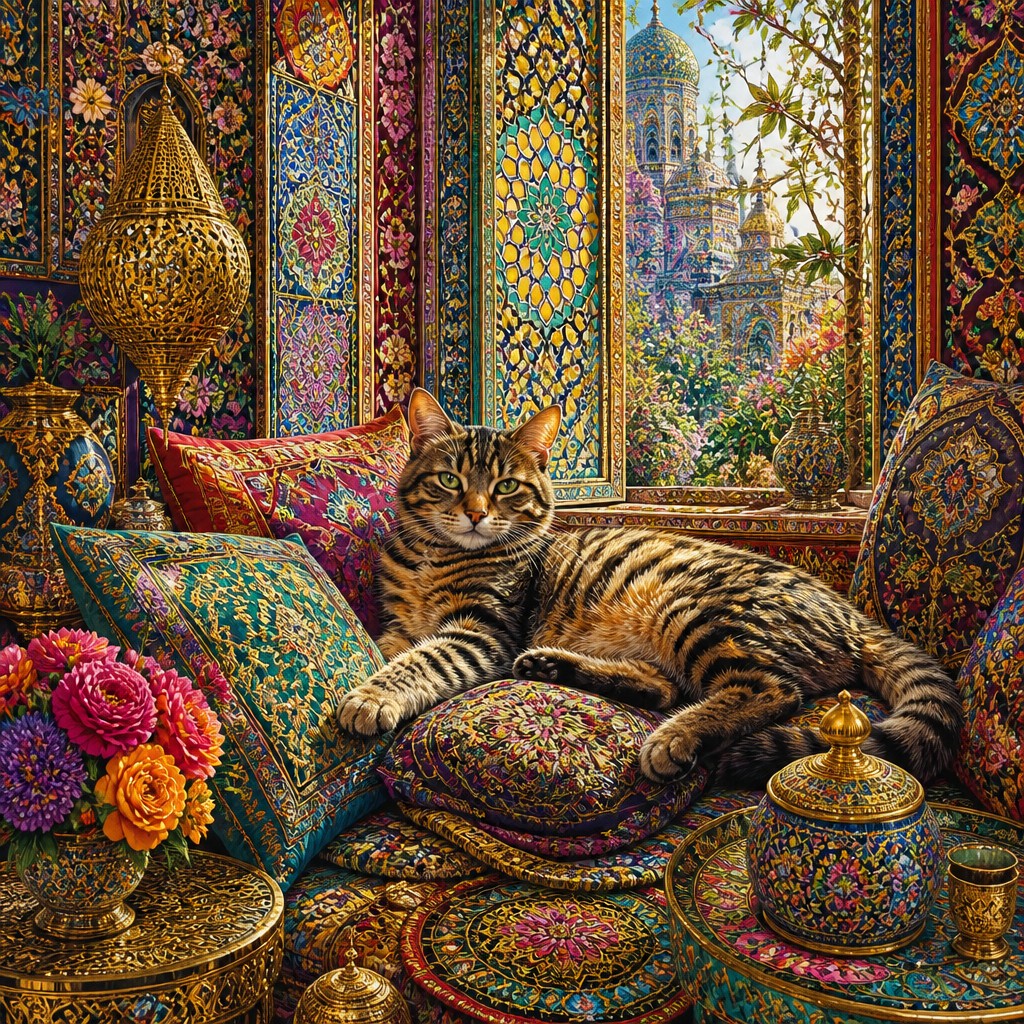
“a cat lounging in a sunlit window”
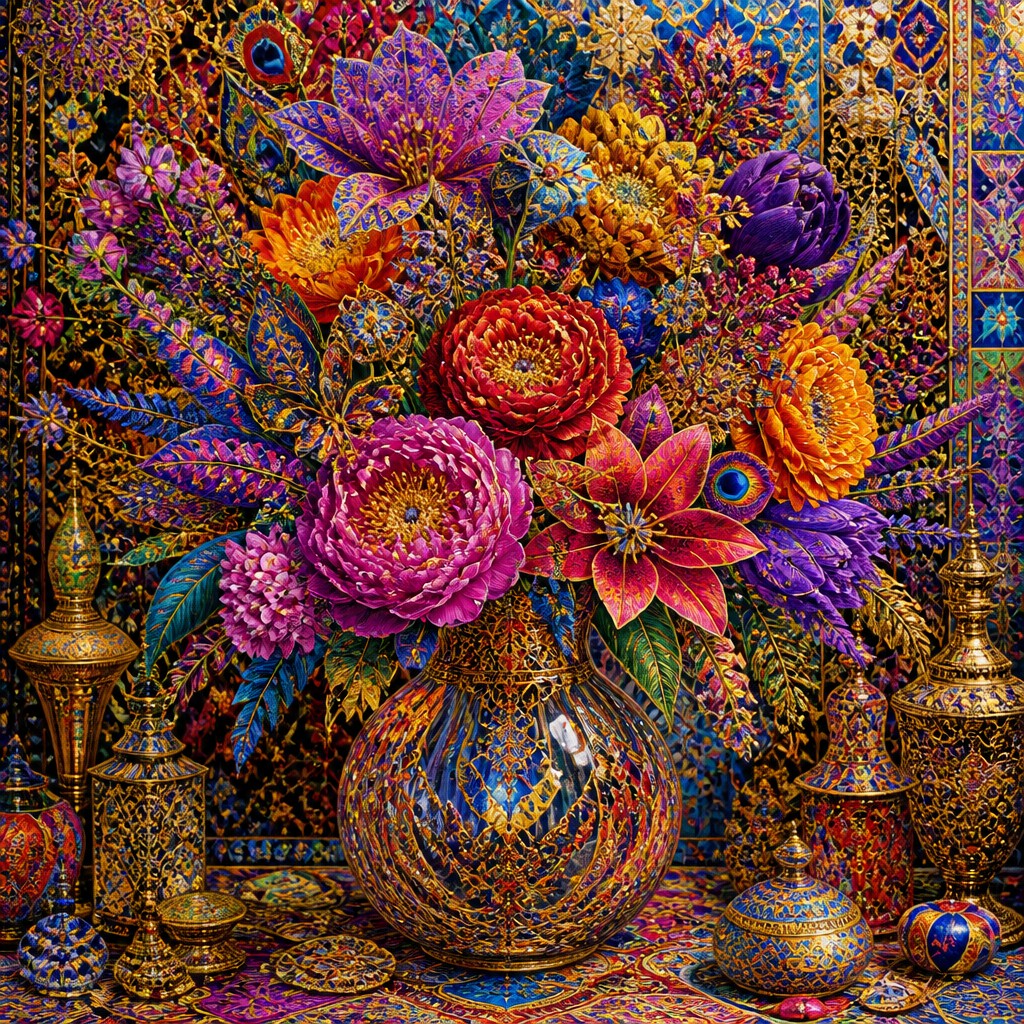
“bouquet of flowers in a glass vase”
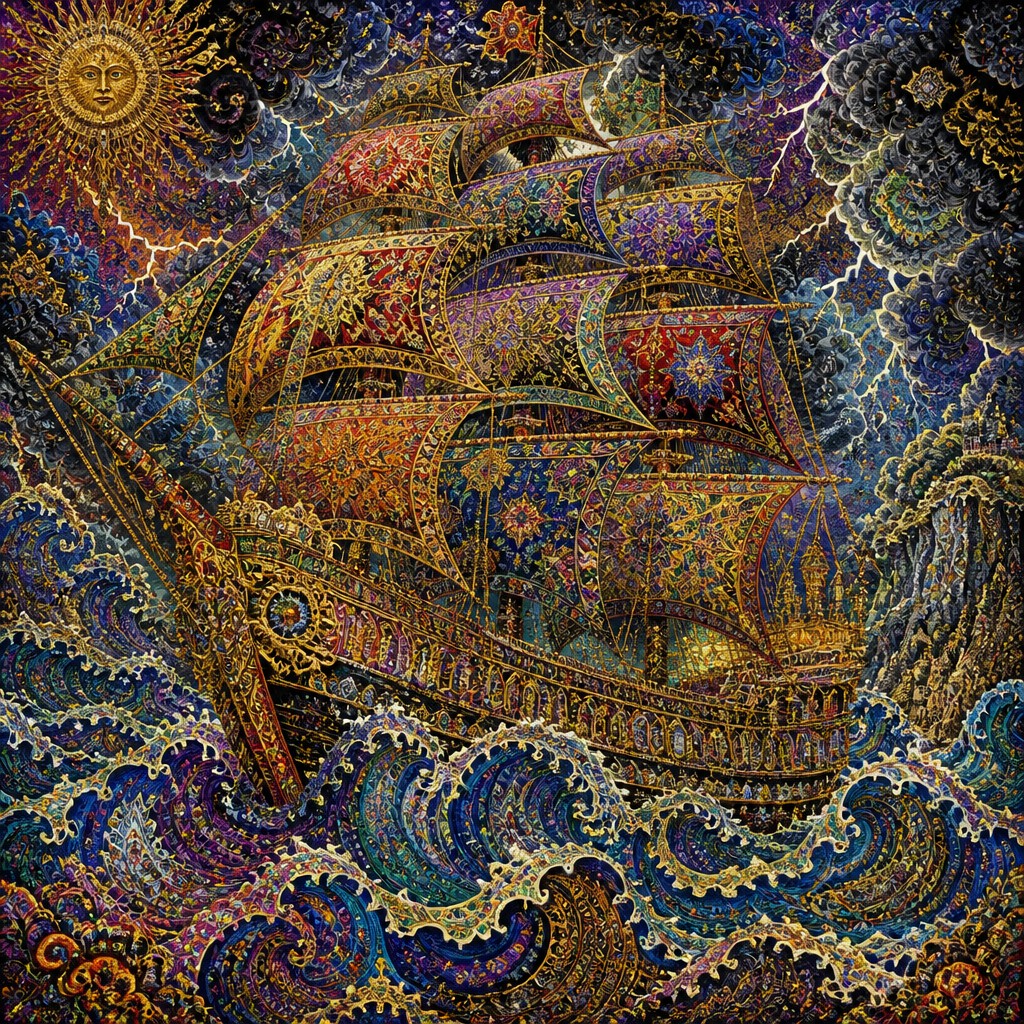
“sailing ship on a stormy sea”
How to Create Maximalism Art
Master the craft step by step — or skip straight to creating. Read the full guide →
- 1
Build from a crowded base
Start with a full composition and resist large open areas. In painting or drawing, block in major shapes first, then fill and subdivide them with smaller motifs, borders, and texture.
- 2
Use patterned layering
Combine at least three distinct pattern types, such as florals, geometry, and organic filigree. Let them overlap, frame each other, or appear at different scales so the image feels accumulated rather than planned as a single flat repeat.
- 3
Push color and contrast
Choose a saturated palette with strong contrasts, then add metallic or light-catching accents to create richness. In digital work, use layered blend modes, texture overlays, and selective sharpening to intensify the sense of ornament.
- 4
Vary scale and density
Mix large decorative shapes with micro-detail so the viewer keeps discovering new information. This scale shift is essential to the style’s sense of excess and prevents the image from reading as monotonous clutter.
- 5
Create controlled chaos in prompts
When generating images, specify dense layering, overlapping ornament, jewel tones, gilded accents, and no empty space. Include the subject plus descriptors like elaborate, ornate, pattern-filled, intricately detailed, and visually overwhelming to guide the result.
The Story
History & Origins of Maximalism
Maximalism is not a single historical school with one founding moment, but an aesthetic tendency that appears across different periods and media whenever artists favor fullness, ornament, and richness over reduction. Its lineage can be traced through historical decoration traditions such as Baroque interiors, Rococo ornament, Islamic geometric pattern, pattern-rich textile arts, Victorian interior design, and later postmodern design, all of which embrace visual density in different ways.
In contemporary usage, maximalism also responds directly to modernist minimalism, presenting itself as a counter-aesthetic. In art, fashion, interiors, graphic design, and digital illustration, it has become a way to express personality, cultural layering, luxury, playfulness, or controlled chaos, often combining historical ornament with contemporary collage, pop color, and digitally intensified detail.
Influences: Maximalism draws from many ornament-rich traditions, especially Baroque and Rococo decoration, Islamic geometric and arabesque design, Victorian eclectic interiors, textile arts, and pattern-based decorative arts. In contemporary visual culture, it also overlaps with postmodern design, collage, fashion editorial styling, and digital illustration that emphasizes detail, layering, and sensory density; historically canonical ornament-focused makers tied to sumptuous composition include leading Baroque sculptors and architects, prominent Baroque painters, and major Art Nouveau / Secession designers, though maximalism itself is broader than any single artist or movement.

Frequently Asked Questions
What defines maximalism in art?
Maximalism is defined by abundance: dense detail, layered pattern, rich color, and an intentionally crowded composition. It favors ornament, variety, and visual intensity over simplicity or empty space. The effect is often lush, energetic, and sometimes overwhelming.
How is maximalism different from minimalism?
Minimalism reduces an image to essential forms, limited color, and open space. Maximalism does the opposite by embracing accumulation, decoration, and multiple competing elements. Where minimalism seeks calm and clarity, maximalism often seeks richness and stimulation.
Is maximalism a historical art movement?
Not exactly in the way Impressionism or Cubism are. Maximalism is better understood as a recurring aesthetic tendency that appears across many periods and media. It has deep historical roots, but its modern name is used more as a descriptive style category than as a single formal movement.
What kinds of subjects work well in maximalist art?
Portraits, interiors, fashion scenes, still lifes, fantasy settings, gardens, and ceremonial or decorative subjects all work especially well. The style is especially effective when the subject can support surface pattern, rich materials, and layered visual information. Even simple subjects can become maximalist through highly ornamented treatment.
How can I make a minimalist image more maximalist?
Add layers of texture, pattern, props, border elements, and color variation. Increase the density of detail at multiple scales, and introduce overlapping motifs so the composition feels accumulated rather than sparse. Use contrast and ornament to fill the empty areas without flattening the image.
Where is maximalism commonly used?
It appears in fine art, illustration, fashion, interior design, album art, editorial visuals, theater, and luxury branding. It is especially popular when a project wants to communicate extravagance, personality, nostalgia, or imaginative excess. In digital art, it is also widely used for highly detailed fantasy and decorative imagery.

Create your first Maximalism artwork
Describe anything — or upload a photo — and see it in Maximalism Art Style in seconds.
Make Something with Maximalism
Compare Maximalism
Related Styles
Discover similar art styles