Minimalism vs Maximalism: What's the Difference?
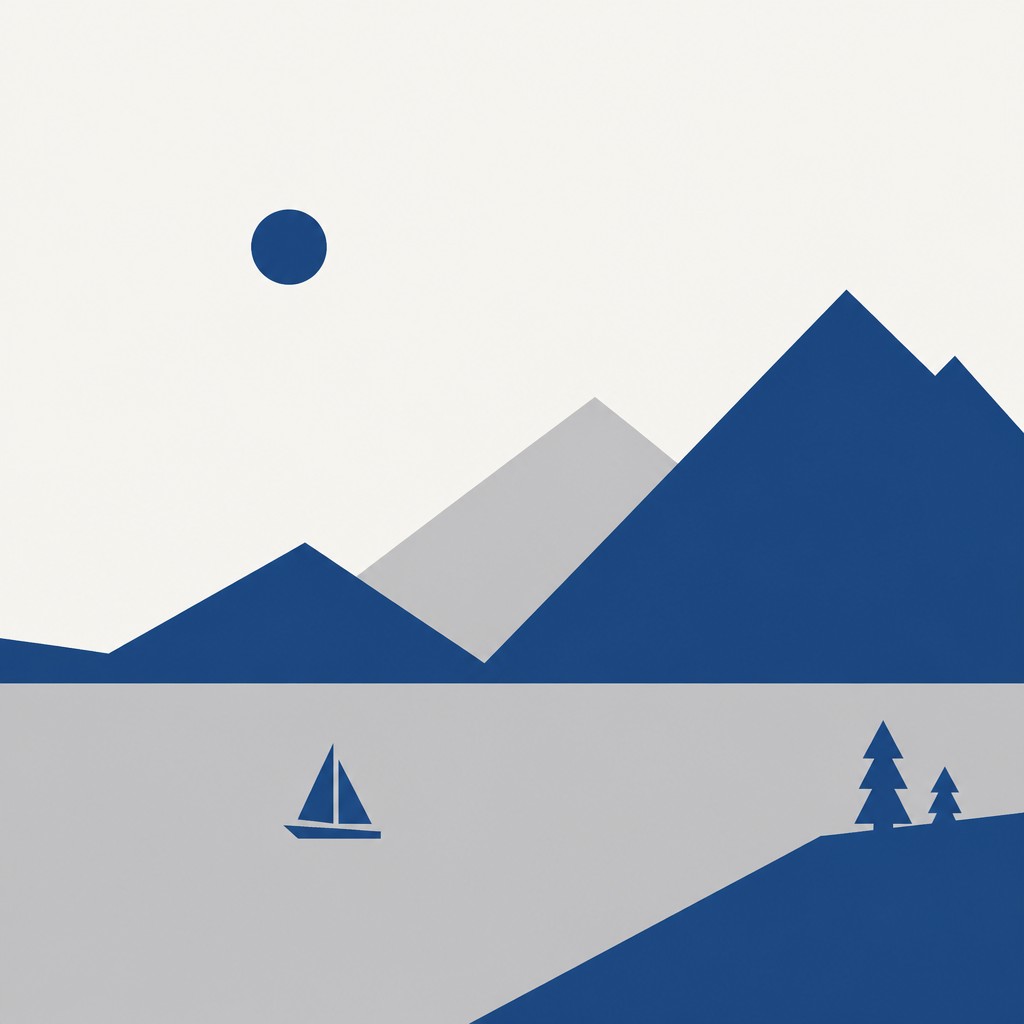
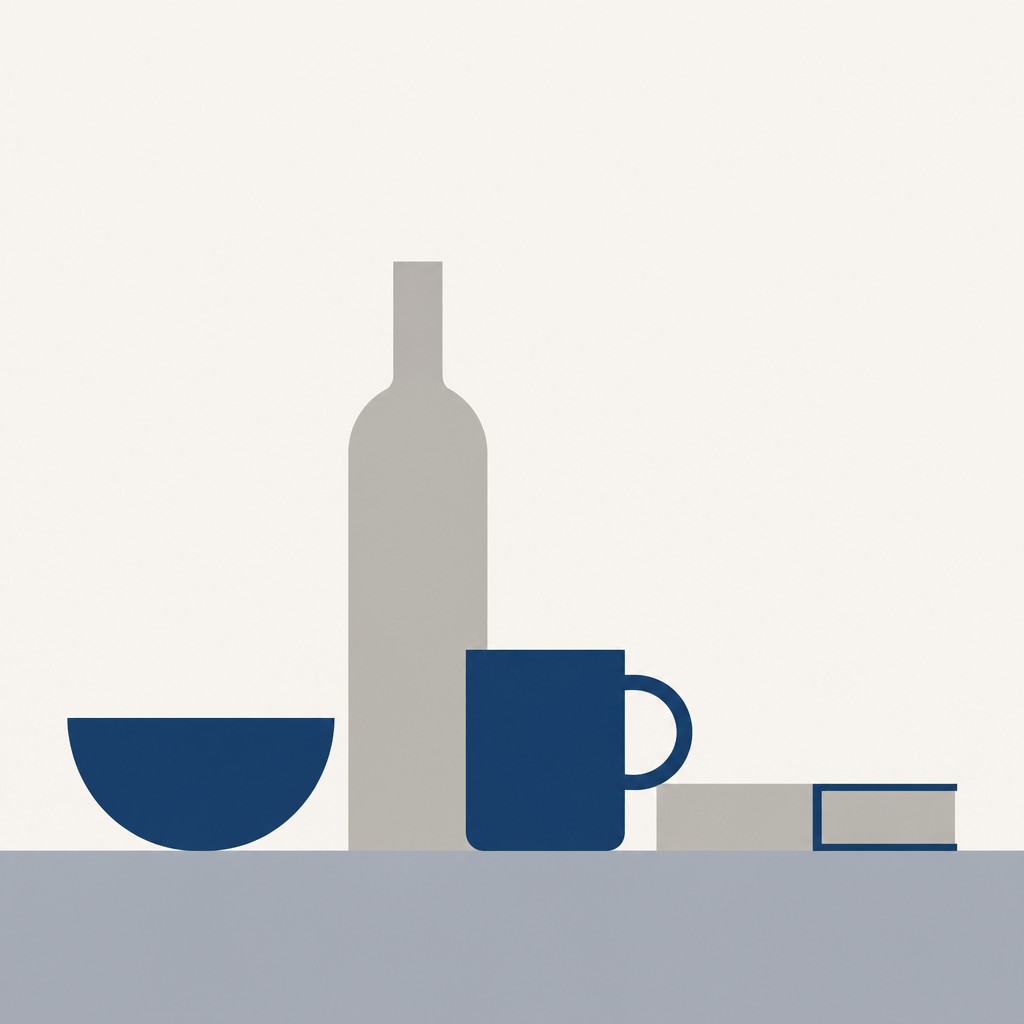
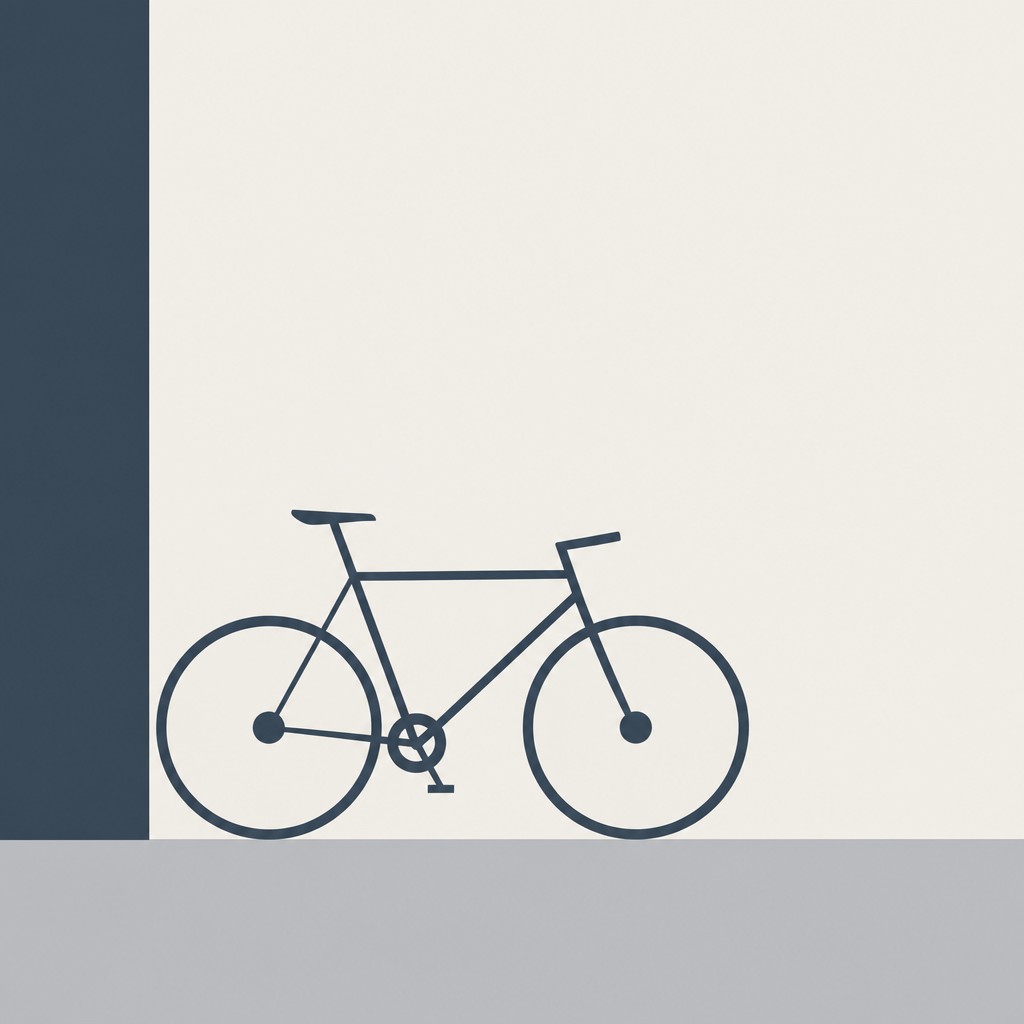
Minimalism is an art style built from pared-down geometric forms, limited color, and generous negative space. It aims to reduce a composition to essentials, emphasizing clarity, balance, and visual restraint. By removing excess detail, minimalist works often feel calm, precise, and open.
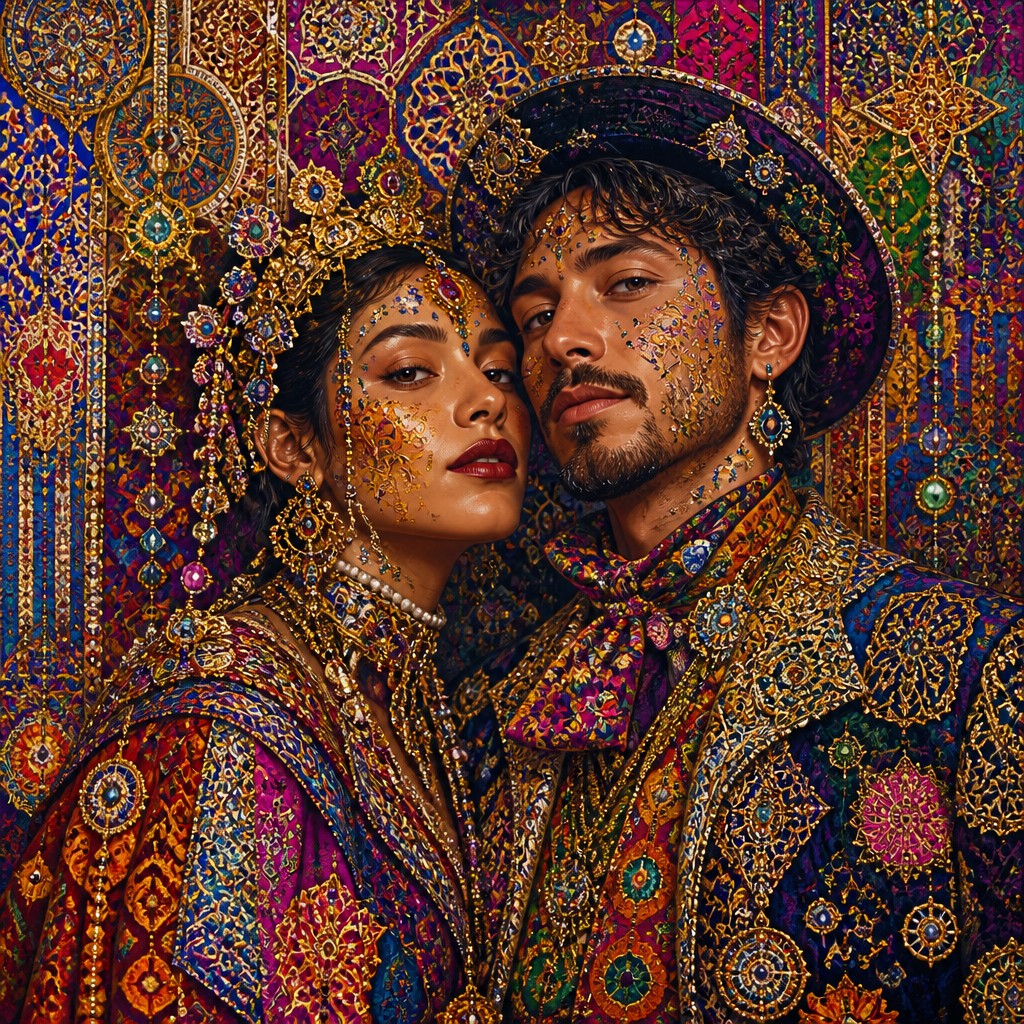
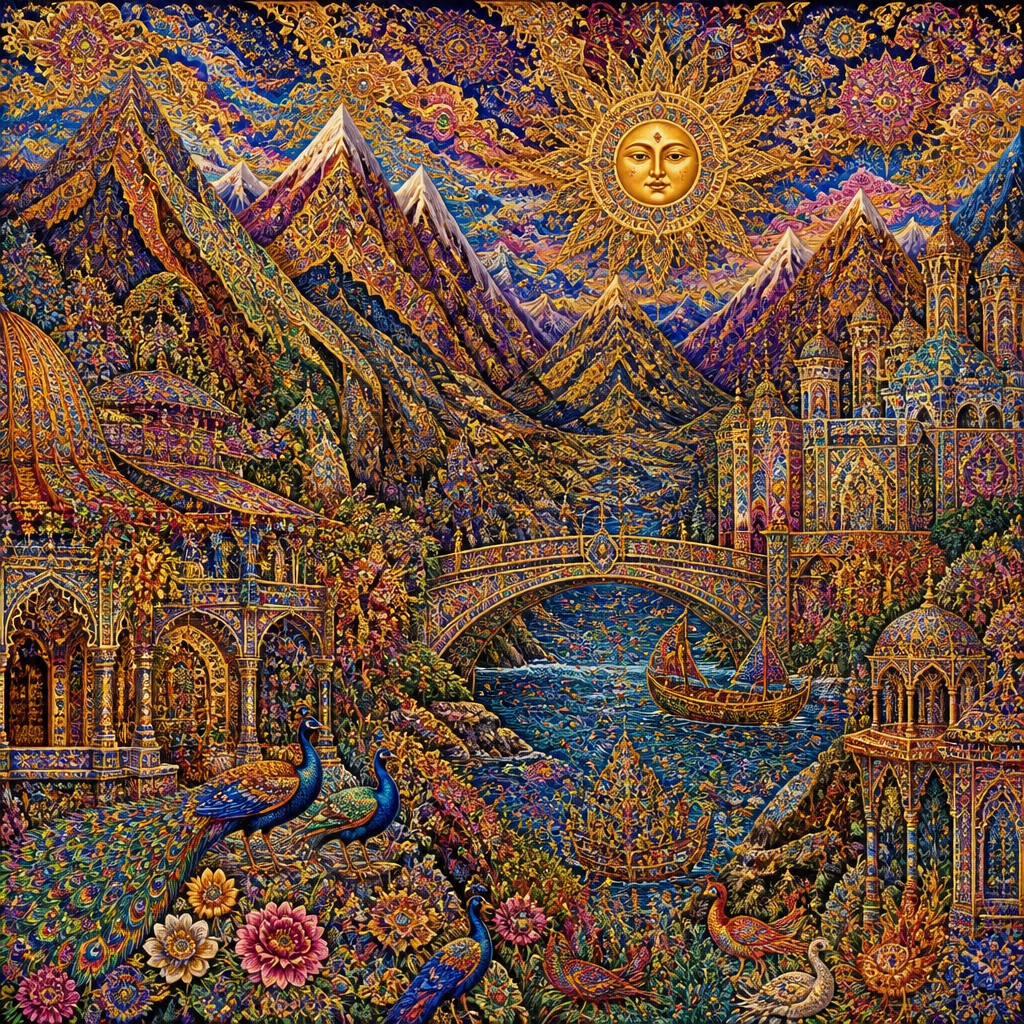
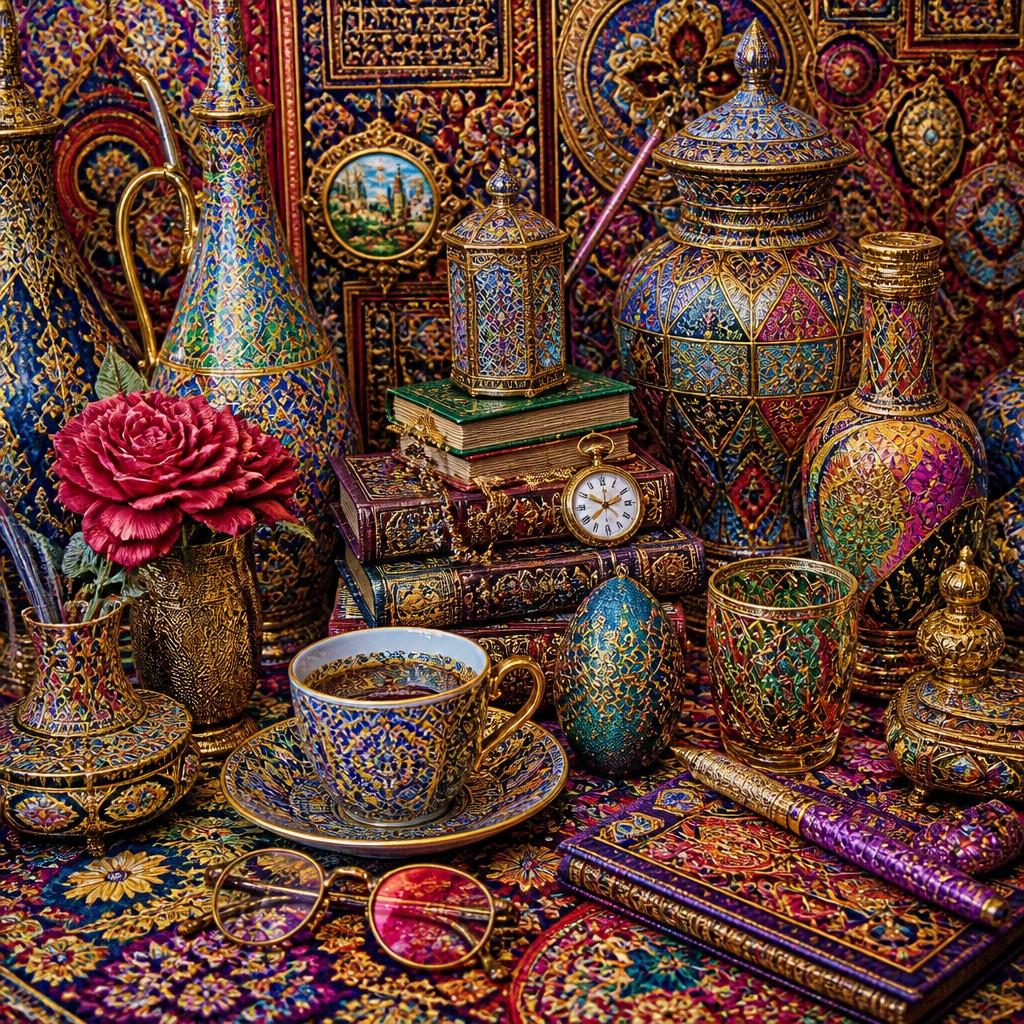
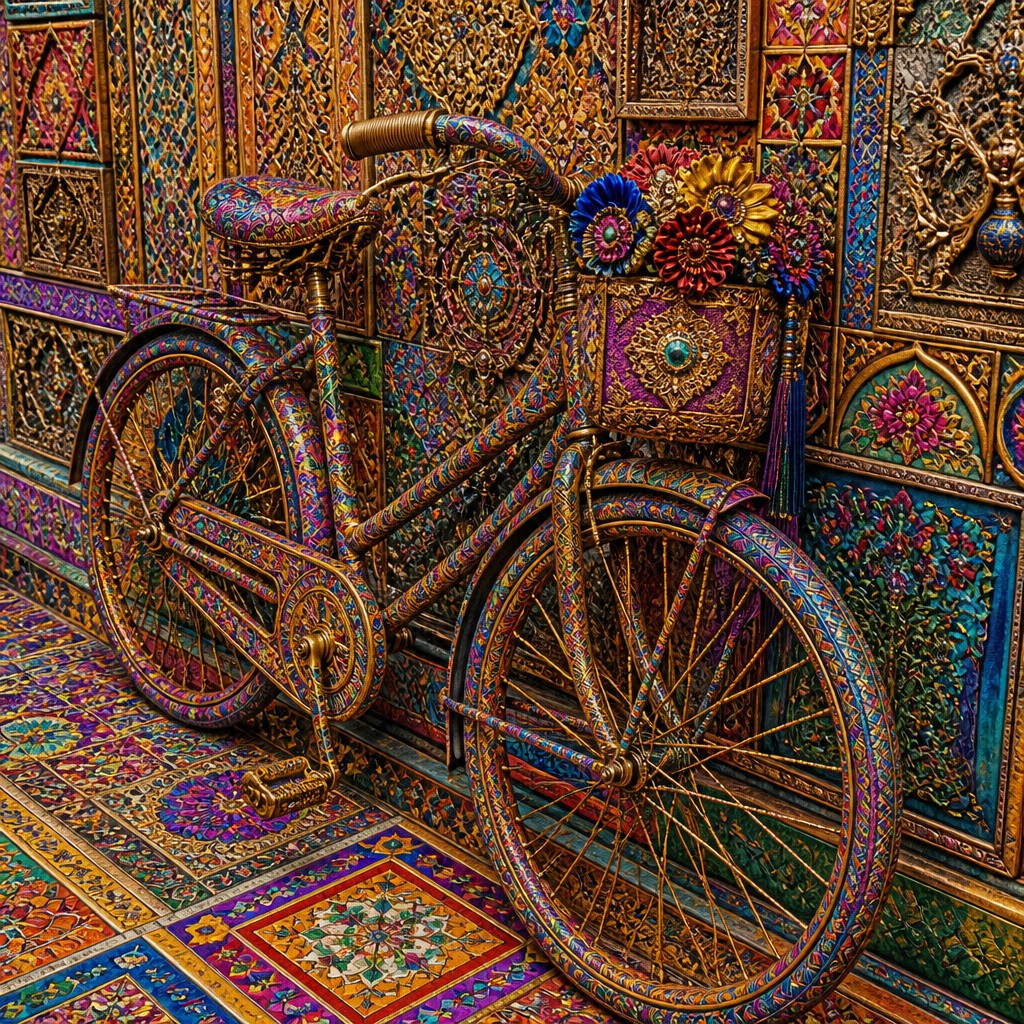
Maximalism takes the opposite approach: it creates density through pattern, color, ornament, and layered visual information. Rather than simplifying, it embraces abundance and complexity. People compare these styles because they offer contrasting answers to the same design question: how much visual material is enough?
Same Prompt, Both Styles
Each pair below was generated from the identical prompt — only the style changed.
“portrait of two people together”

“wide landscape with natural scenery”
“still life with everyday objects”
“bicyle resting against a wall”
Key Differences
| Minimalism | Maximalism | |
|---|---|---|
| Line & form | Simple geometry, clean edges, few shapes. | Layered forms, decorative contours, many shapes. |
| Color use | Limited palette, often neutral or restrained. | Rich palette, varied hues, strong contrasts. |
| Composition | Open layout with generous negative space. | Dense layout with little empty space. |
| Visual detail | Few elements; every part has clear purpose. | Many elements; detail and ornament are central. |
| Overall mood | Quiet, orderly, focused, and understated. | Energetic, expressive, dramatic, and abundant. |
| Viewer experience | Quick to read, easy to scan, less sensory load. | Rewarding to explore, more layered and immersive. |
| Mood | calm, restrained, austere, meditative | opulent, ornate, audacious, stimulating, extravagant |
| Energy | serene | intense |
| Detail level | minimal | intricate |
| Color | limited palette, often monochrome or muted | saturated jewel tones, metallic accents |
| Texture | flat, smooth, crisp-edged | dense, layered, richly patterned |
| Origin | 1960s United States and Europe | late 20th-century global design culture |
| Best for | posters, gallery installations, branding, editorial layouts, logos, architectural visuals | posters, album covers, editorial spreads, packaging, fashion visuals, decorative illustrations |
| Difficulty | beginner-friendly | advanced |
Which Should You Choose?
Choose minimalism when you want clarity, calm, and strong emphasis on form, space, and restraint. Choose maximalism when you want richness, personality, and a visually immersive composition. Minimalism works well for simplicity and focus, while maximalism suits expression, storytelling, and energetic impact.
Frequently Asked Questions
Is minimalism always easier to understand than maximalism?
Usually, minimalism is quicker to read because it uses fewer elements and more open space. Maximalism can take longer to process because meaning is often built through layers of detail and repetition. Neither is inherently better; they simply guide attention differently.
Does maximalism mean cluttered or messy?
Not necessarily. Maximalism is intentional density, where color, pattern, and ornament are arranged to create a rich whole. It can still be organized, balanced, and highly controlled.
Can a work combine minimalism and maximalism?
Yes. Many artworks and designs mix restrained structure with selective bursts of detail or color. A piece may feel minimalist in layout but maximalist in texture, pattern, or symbolism.
Which style is better for small spaces or simple messages?
Minimalism is often better for small spaces and straightforward communication because it reduces visual noise. Maximalism can still work in those settings, but it usually requires more careful coordination to avoid overwhelming the viewer.