Rococo Art Style
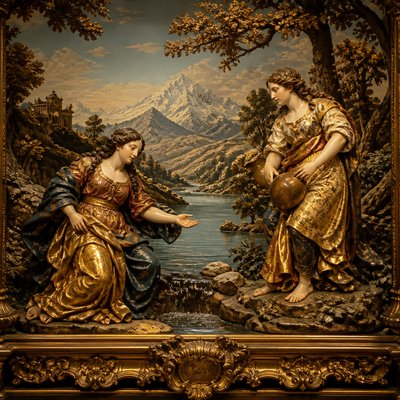
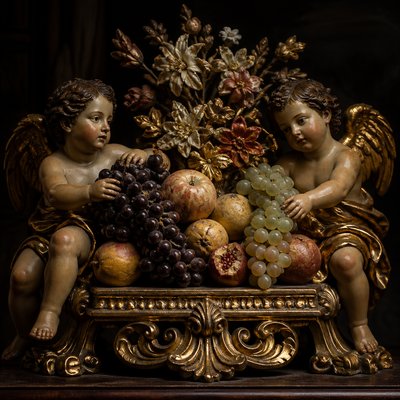
Delicate 18th-century style of pastel elegance, gilded ornament, asymmetry, and playful aristocratic scenes.
Instantly rendered in Rococo — or transform a photo
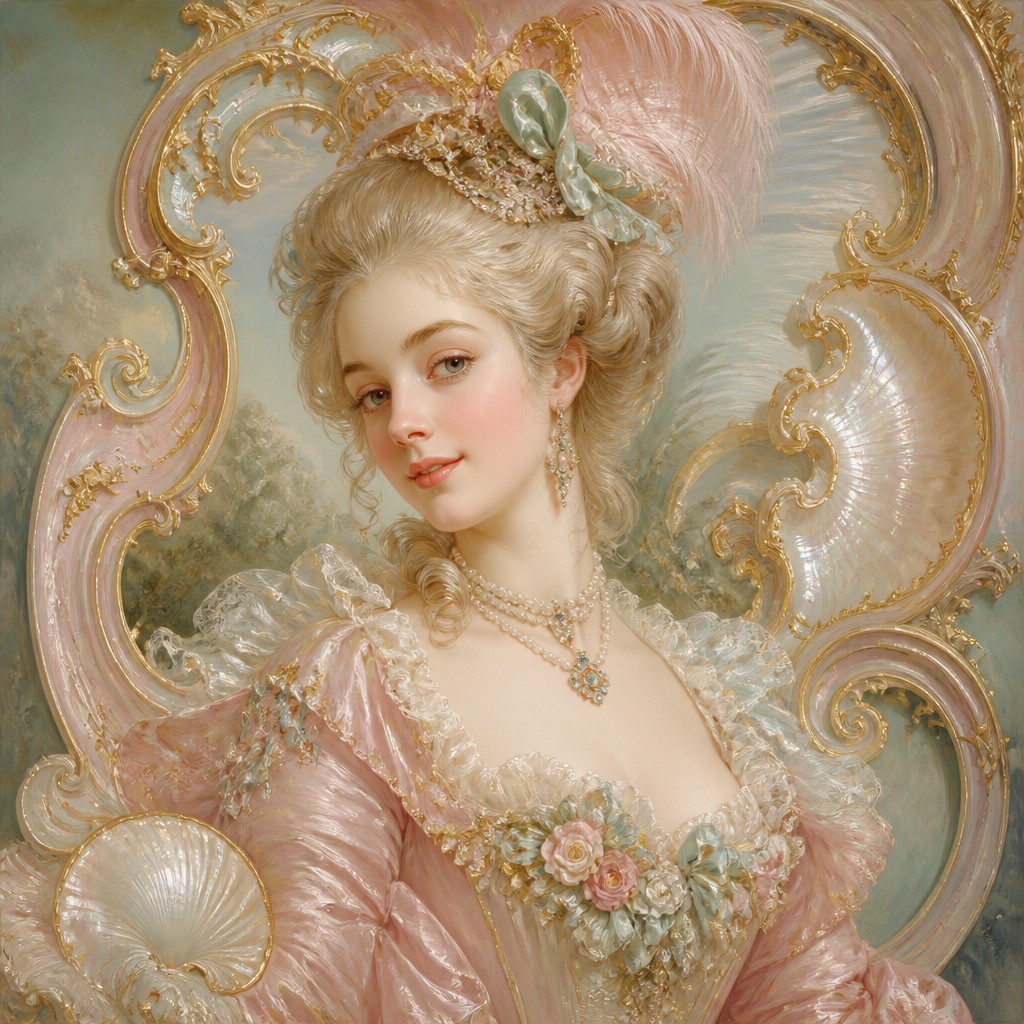
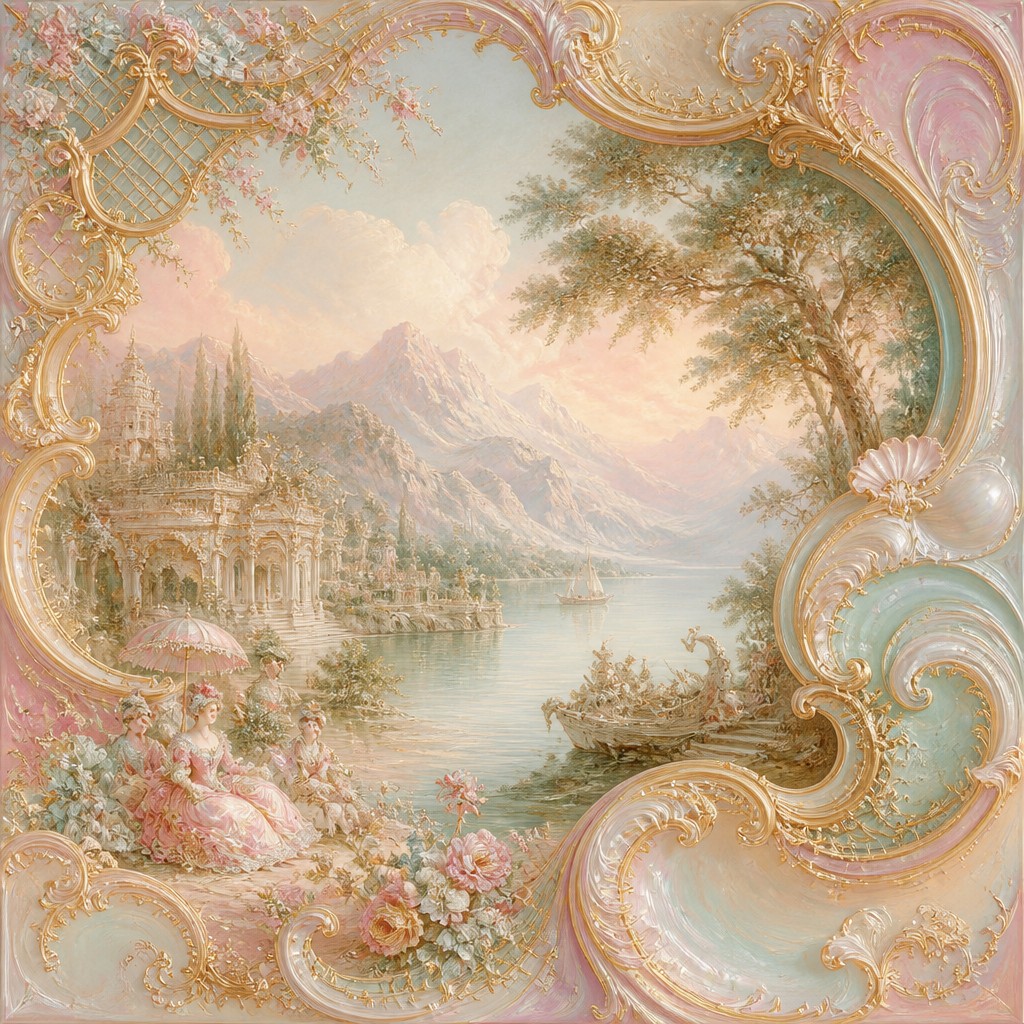
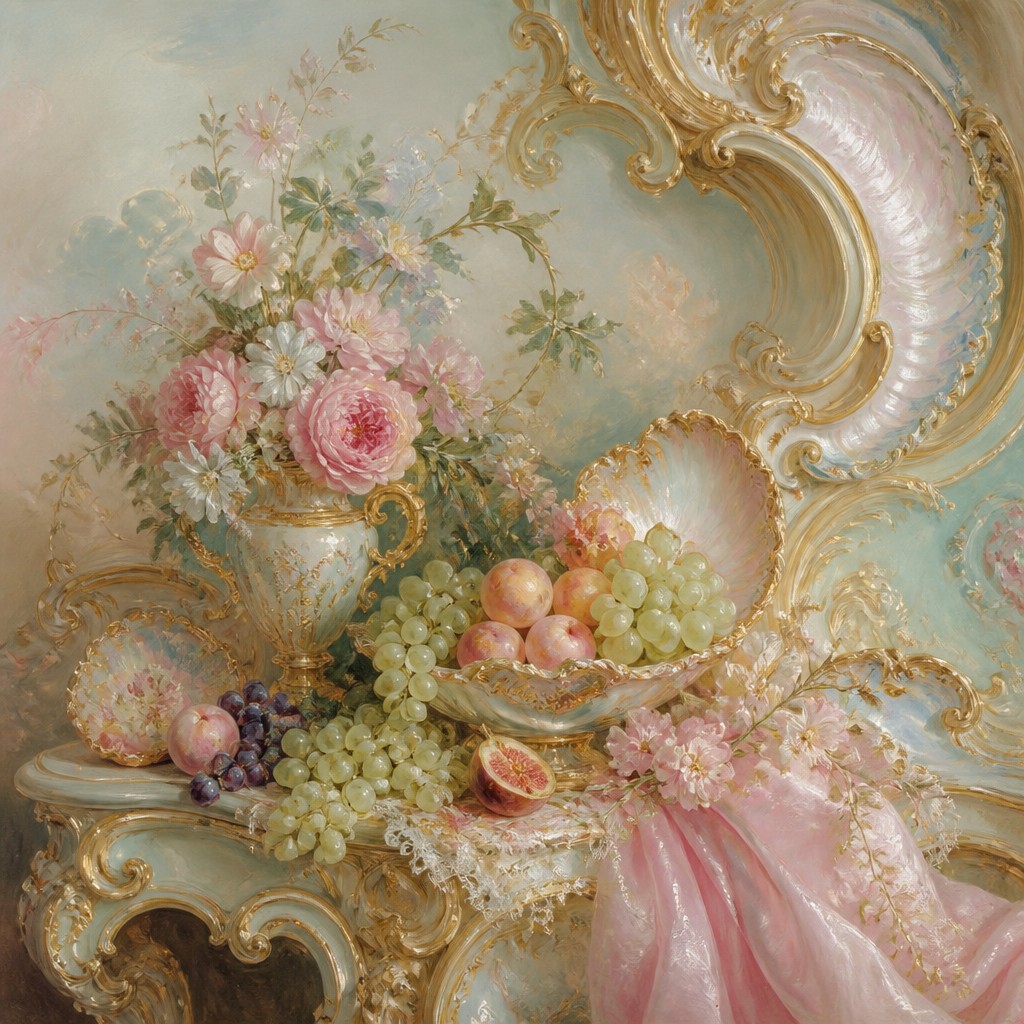
Rococo Gallery
Tap any artwork to explore it
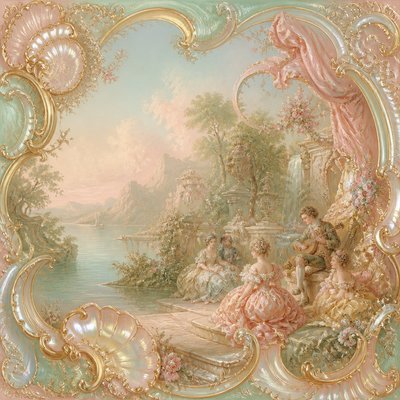
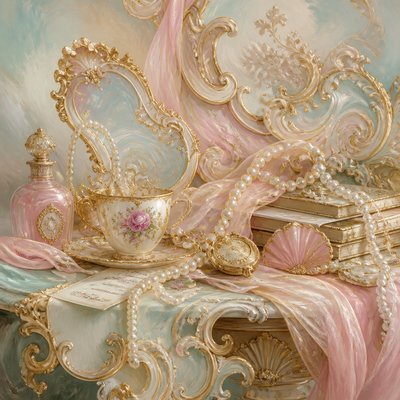
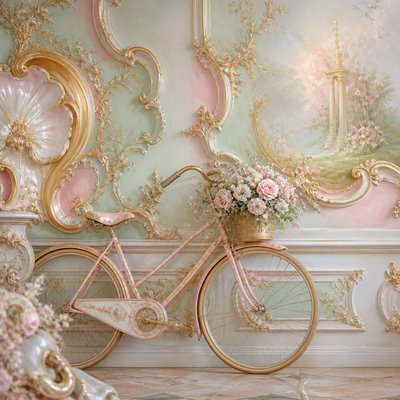
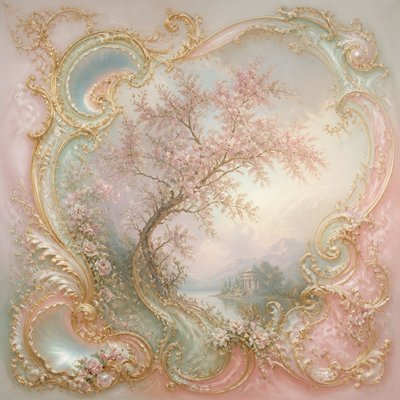
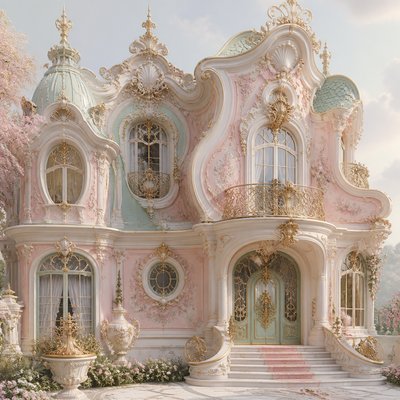
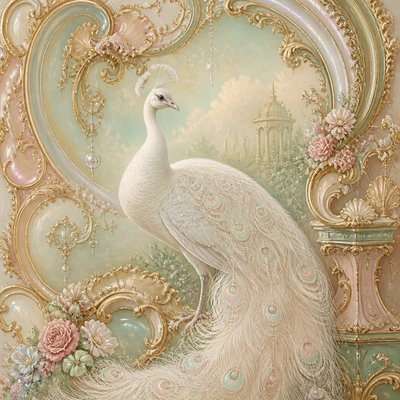
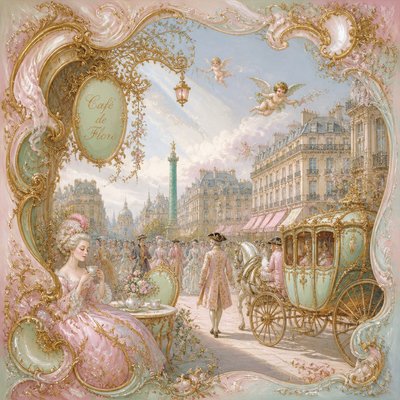
What is Rococo Art Style?
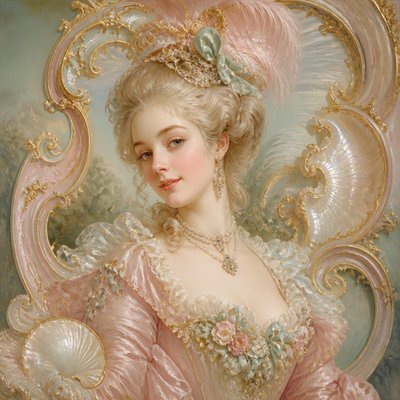
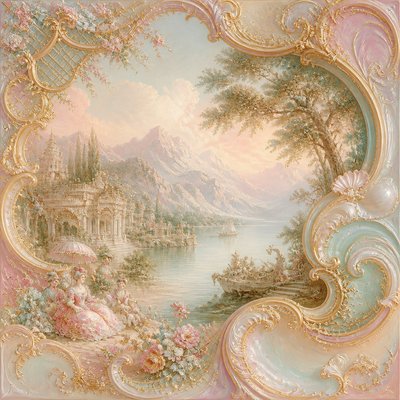
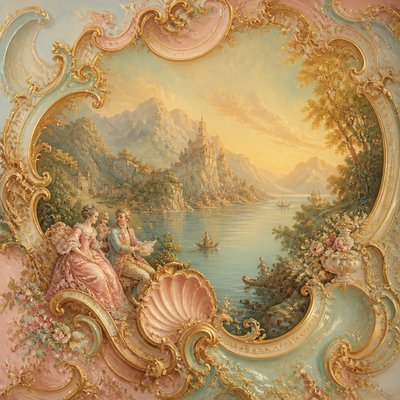
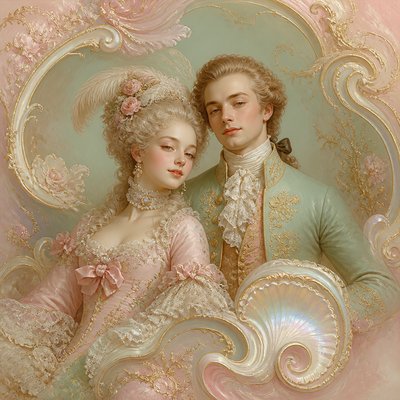
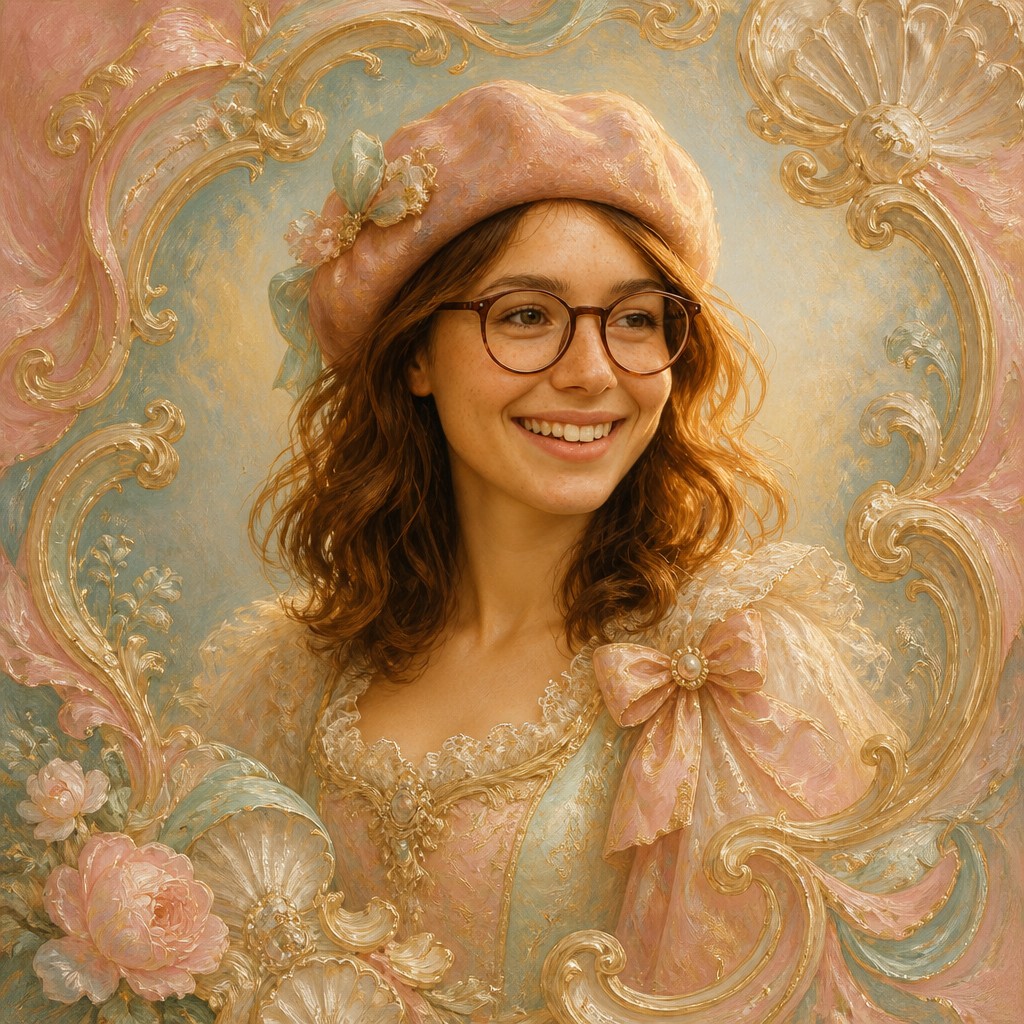
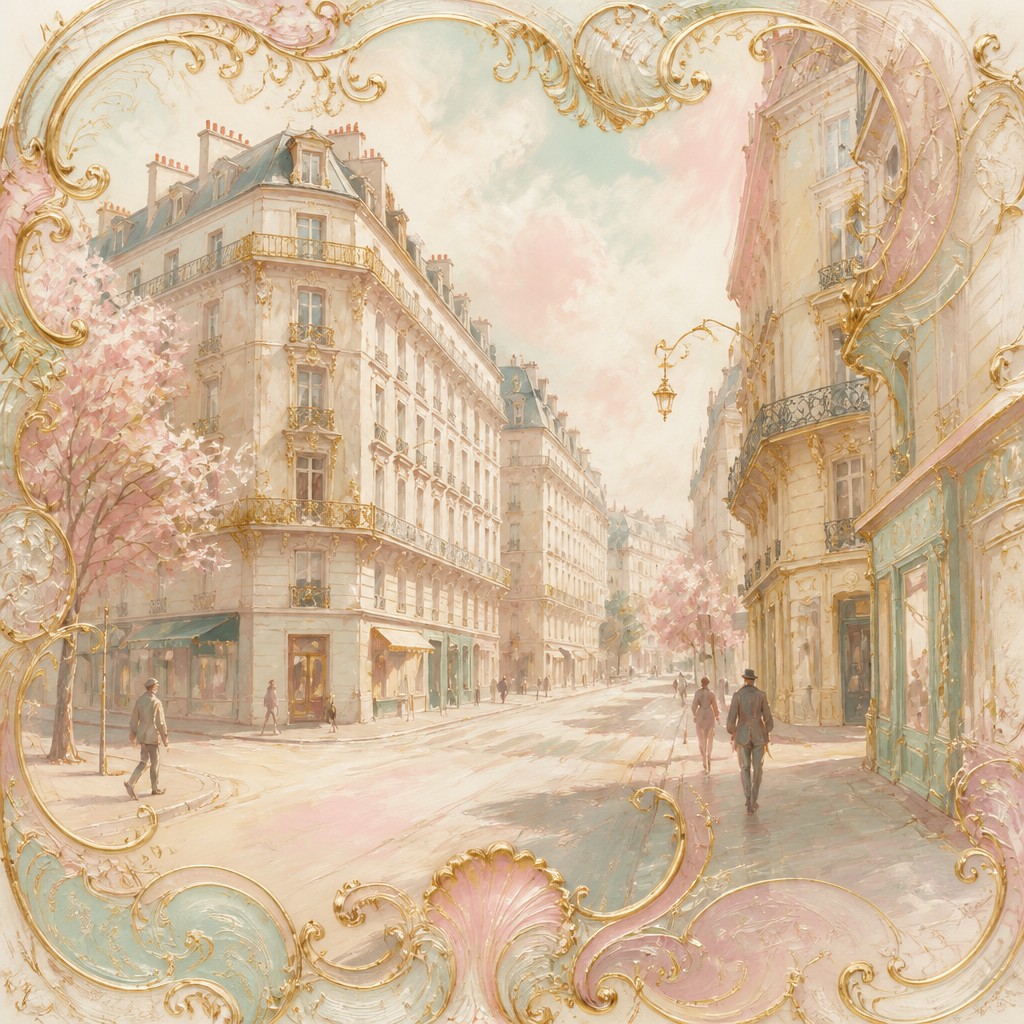
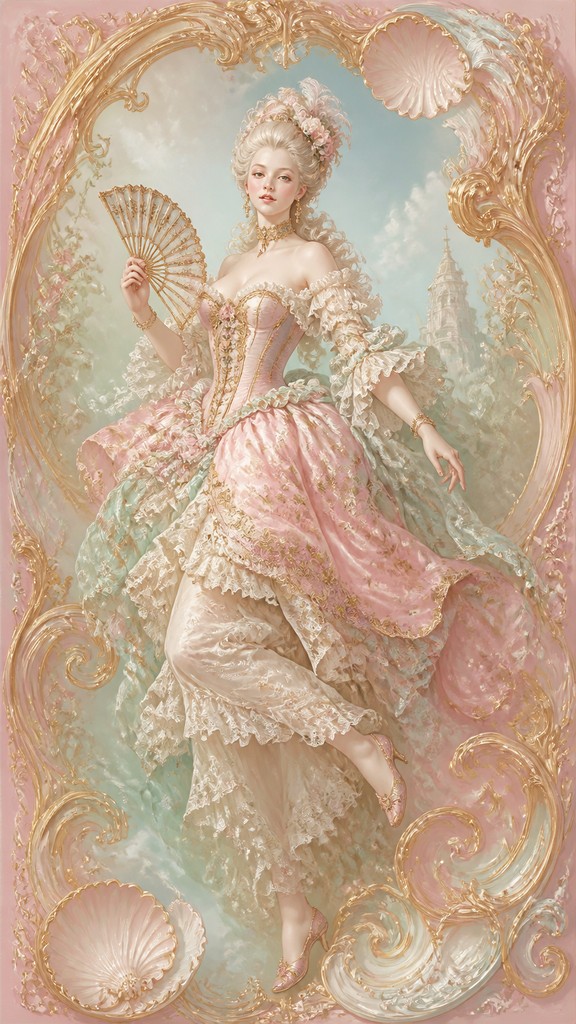
Rococo is an 18th-century European art style associated with elegance, intimacy, and decorative refinement. It is recognized by pastel color palettes, lightness of touch, asymmetrical compositions, curving forms, and abundant ornament derived from shells, scrolls, leaves, and arabesques. In painting, it often depicts aristocratic leisure, flirtation, pastoral fantasy, mythological play, and theatrical pleasure rather than civic grandeur or religious solemnity.
The style looks this way because it emerged from elite interior culture in France after the high drama of the Baroque. Rococo artists and designers favored smaller-scale works, luminous surfaces, and fluid lines that echoed the curves of salon furniture, wall panels, textiles, and gilded decoration. Its visual identity is therefore inseparable from the decorative arts: the pictures, rooms, and objects of Rococo were designed to create an atmosphere of charm, luxury, and graceful fantasy.
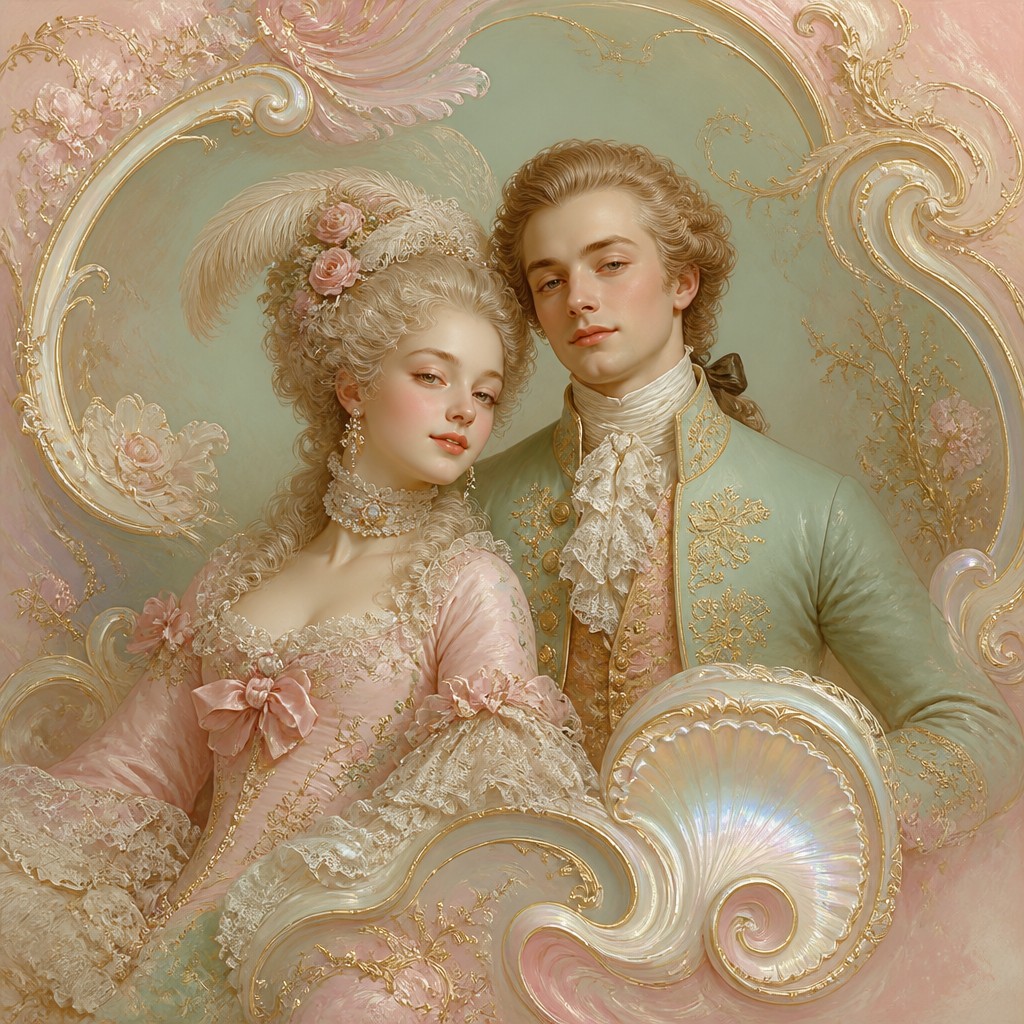
Try It On Your Photos
Upload any photo and convert it into Rococo Art Style — drag the sliders to compare before and after.


What Defines Rococo Art Style
The signature details, up close
Pastel palette
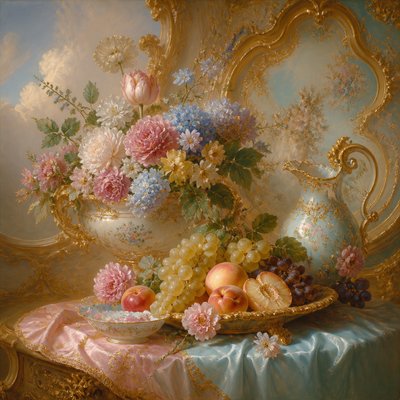
Rococo commonly uses powder pink, soft blue, mint green, pearl white, cream, and pale gold. These hues produce a light, airy, and refined atmosphere rather than dramatic contrast.
Asymmetry and movement
Compositions often avoid strict balance in favor of flowing, off-center arrangements. S-curves, C-scrolls, and diagonal drift create a sense of graceful motion.
Rocaille ornament
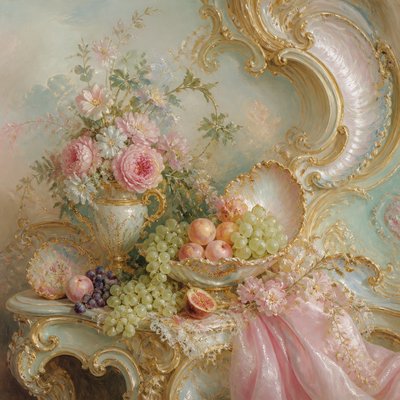
Shell forms, scrollwork, foliage, and filigree appear repeatedly in frames, interiors, and patterning. Ornament is not incidental; it is a core visual language of the style.
Delicate, luminous handling
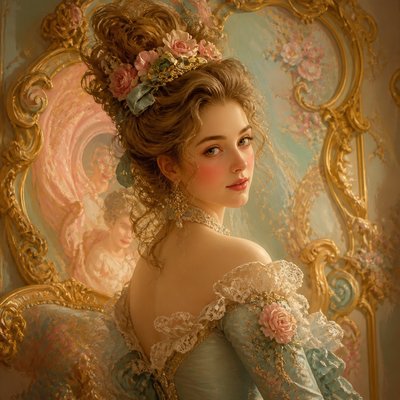
Paint surfaces tend to be soft, feathery, and diffused, with satin, silk, lace, and skin rendered for visual tenderness. Highlights are often pearly or gilded rather than harshly contrasted.
Aristocratic leisure
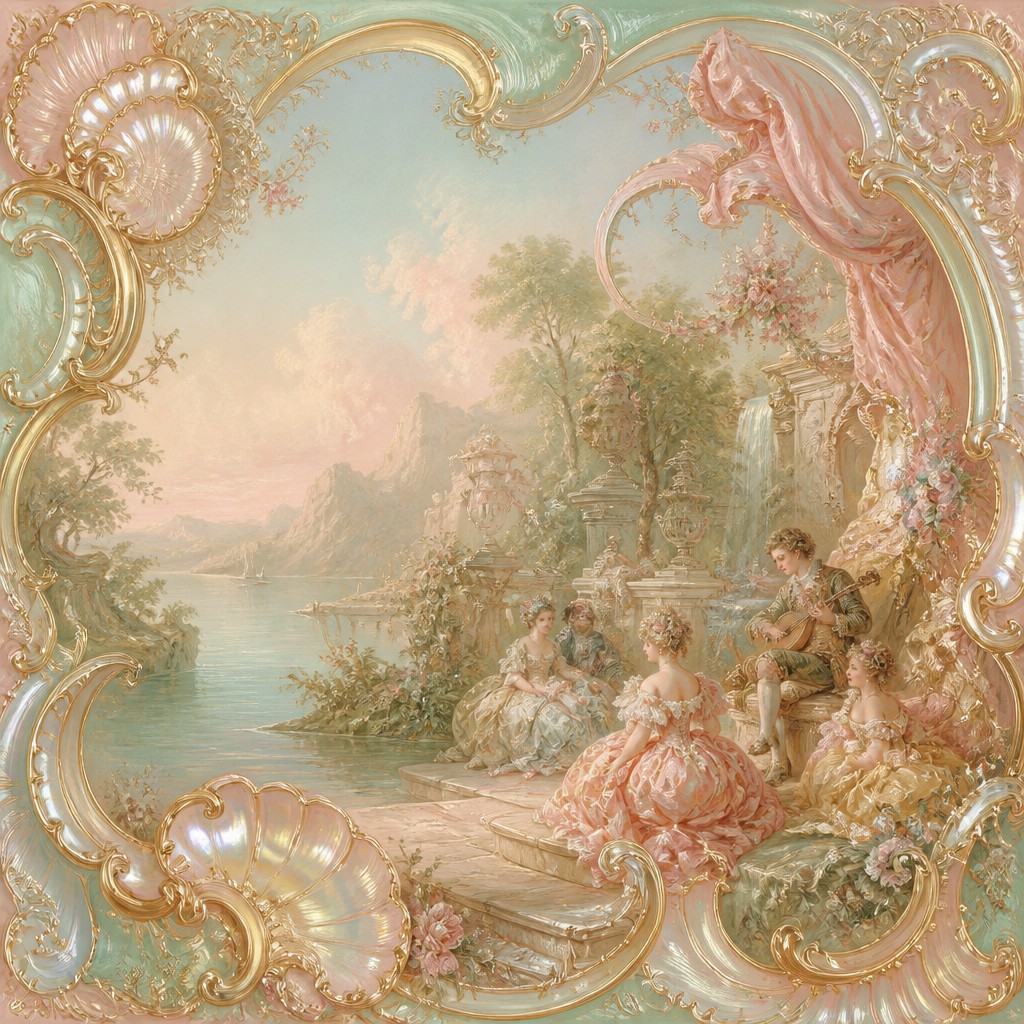
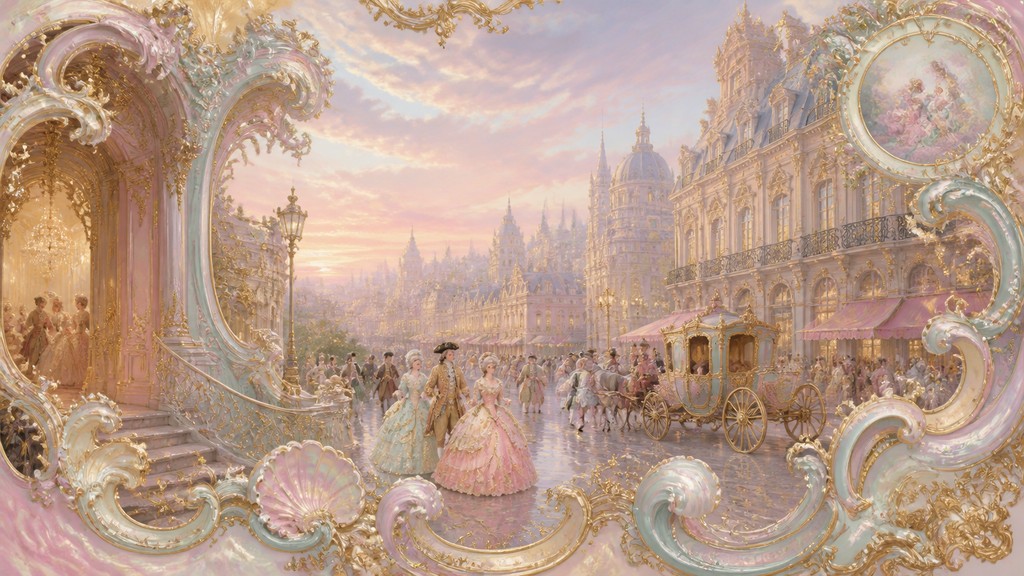
Subjects often include flirting couples, garden scenes, masquerades, music, conversation, and mythological idylls. The mood is playful, intimate, and socially polished.
Decorative integration
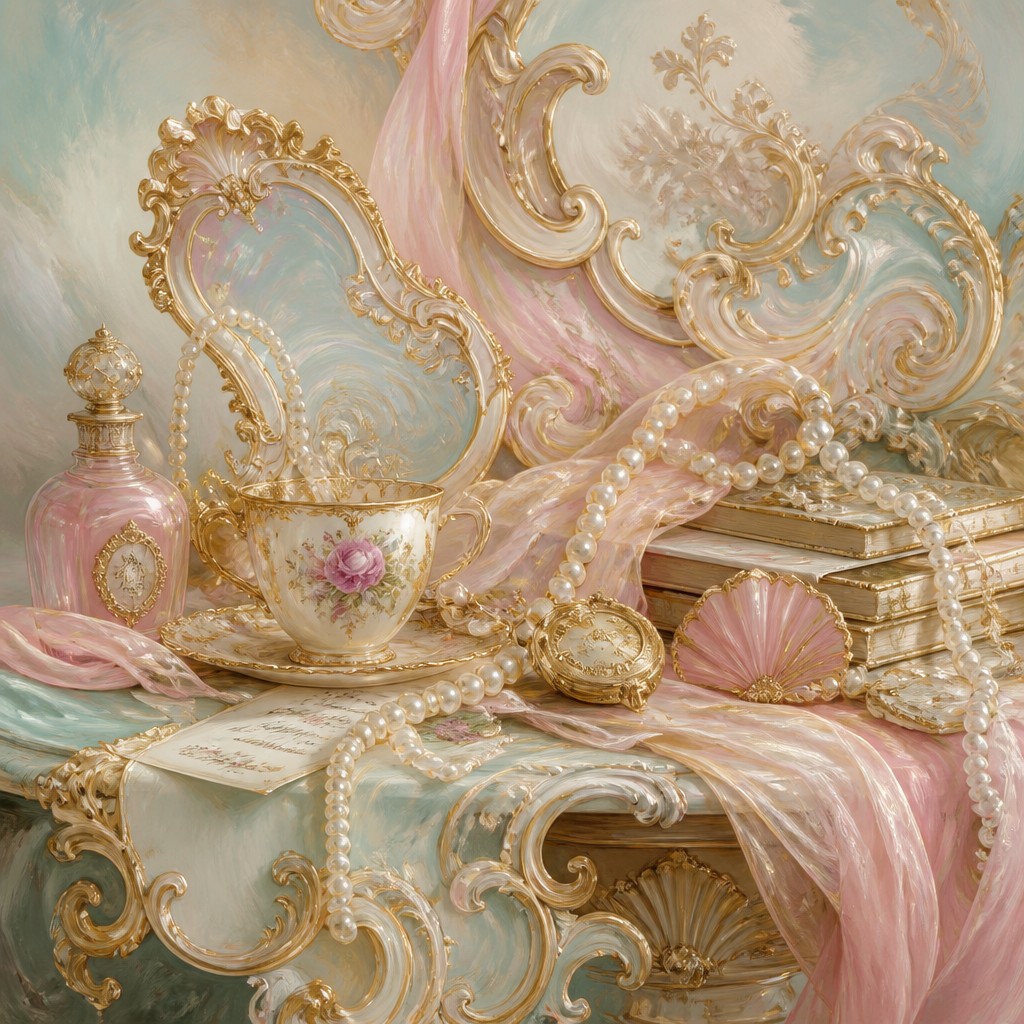
Figures, setting, ornament, and framing devices are designed to harmonize. The image often feels like part of a larger decorative environment rather than a self-contained window onto reality.
Try It
Create Videos in Rococo Art Style
Styles aren't just for stills — describe a scene or animate an image and get a short video rendered in Rococo. Press play to see this pond come to life.
Make a VideoRococo Prompt Ideas
Start from an idea — each one opens the generator with the style ready to go. See all 40 Rococo prompts →
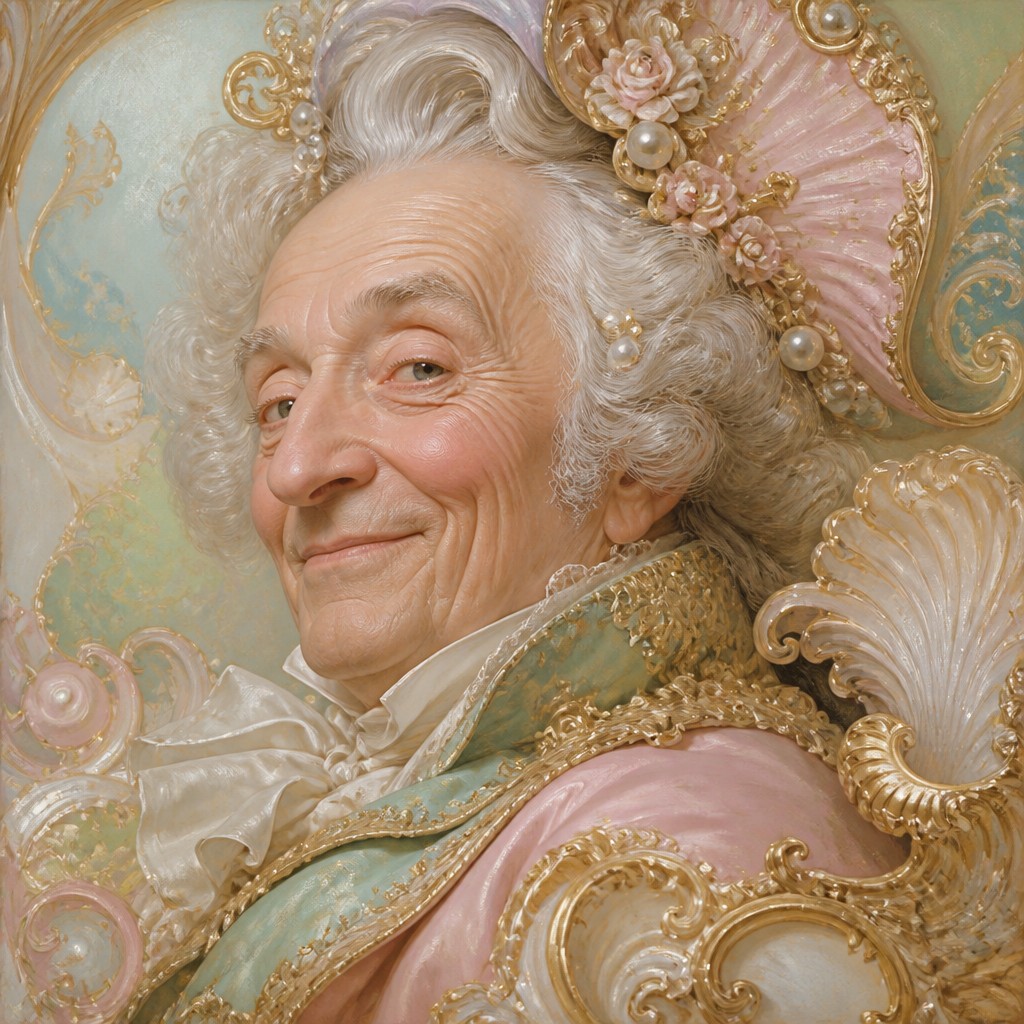
“close-up portrait of an elderly person with expressive weathered features”
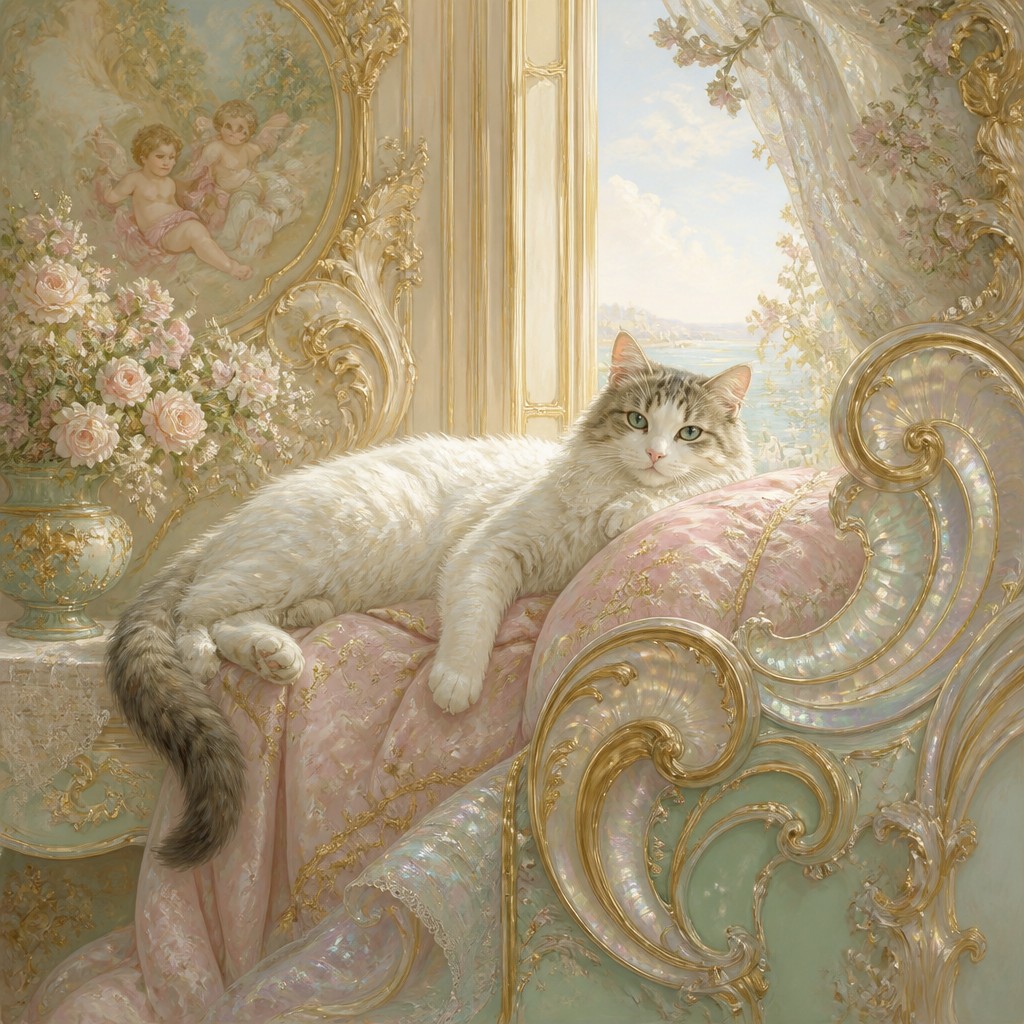
“a cat lounging in a sunlit window”
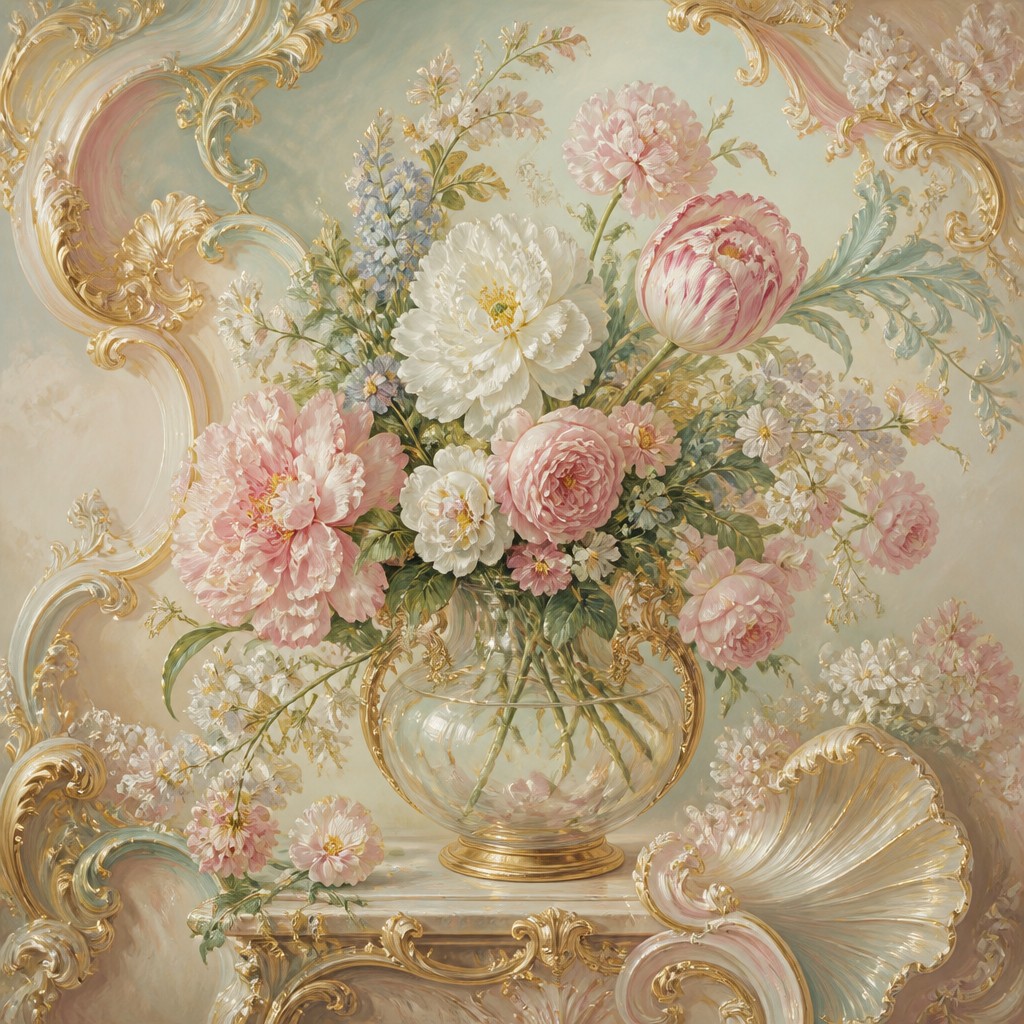
“bouquet of flowers in a glass vase”
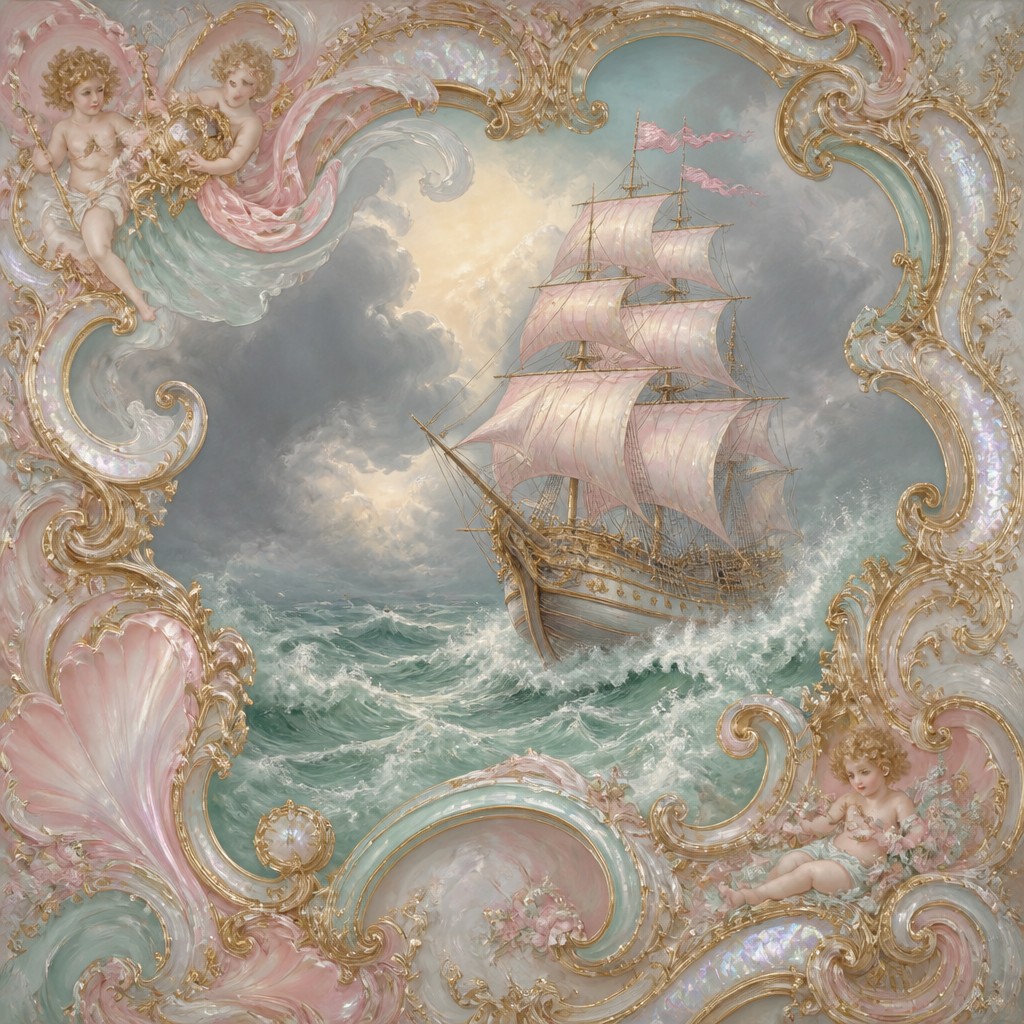
“sailing ship on a stormy sea”
How to Create Rococo Art
Master the craft step by step — or skip straight to creating. Read the full guide →
- 1
Build with curves, not rigid geometry
Design the composition around flowing lines, shell-like flourishes, and asymmetrical balance. In traditional work, sketch the major curves first; in digital work, use layered ornamental motifs and sweeping contour lines to guide the eye.
- 2
Use a restrained pastel harmony
Limit the palette to pale pinks, creams, mint greens, soft blues, and touches of gold. Keep shadows gentle and avoid heavy blacks so the image retains its airy, luminous quality.
- 3
Render surfaces as silk, porcelain, and gilded plaster
Emphasize tactile luxury through satin drapery, polished skin, pearl highlights, and ornamental framing. A soft brush or subtle blending will help reproduce the delicate finish associated with the style.
- 4
Stage intimate or playful subject matter
Choose scenes of leisure, conversation, music, romance, or decorative fantasy rather than monumental action. The style works best when the mood is refined, light, and slightly theatrical.
- 5
Balance decoration with clarity
Even when ornament is abundant, preserve readable focal points in faces, figures, or key objects. For prompt-based generation, specify asymmetrical composition, pastel palette, gilded ornament, and feathery brushwork to keep the result recognizable.
The Story
History & Origins of Rococo
Rococo developed in France in the early 18th century, especially after the reign of a French monarch associated with absolutist court grandeur, and spread across Europe through painting, interior design, sculpture, printmaking, porcelain, and decorative arts. The term is derived from rocaille, a shell-and-rock ornament used in garden grottos and interior decoration. In painting, it reached prominence in the work of leading French Rococo painters, while in architecture and ornament it shaped salon interiors, furniture, and applied arts.
The style gradually gave way by the late 18th century to Neoclassicism, which rejected Rococo’s lightness and sensuality in favor of order, moral seriousness, and antique precedent. Even so, Rococo remained influential in decorative design and later revivals, and its qualities of pastel elegance, curvilinear ornament, and playful luxury continue to inform fashion, illustration, and interior aesthetics today.
Influences: Rococo grew out of late Baroque ornament and court culture, but it softened Baroque drama into lighter, more intimate forms. In painting, it is closely associated with leading French Rococo painters known for fête galante scenes, prominent French Rococo painters of decorative mythologies and pastoral images, and major French Rococo painters of playful, sensuous compositions. It also draws from the decorative arts, including French furniture, interior plasterwork, porcelain, tapestry, and print ornament, all of which contributed to its curvilinear visual language.

Frequently Asked Questions
What defines Rococo art?
Rococo is defined by pastel colors, asymmetrical compositions, decorative ornament, and a light, playful mood. It often features aristocratic leisure, romantic scenes, and elaborate interiors. The style is less about heroic drama and more about elegance, charm, and visual delight.
How is Rococo different from Baroque?
Baroque tends to be larger, more dramatic, and more forceful, with strong contrasts and emotional intensity. Rococo is lighter, more intimate, and more decorative, favoring pastel hues, curving lines, and playful subjects. Where Baroque seeks grandeur, Rococo seeks refinement and graceful pleasure.
What are the main colors in Rococo art?
The most typical colors are powder pink, pale blue, mint green, cream, pearl white, and soft gold. These colors help create the style’s airy, luxurious atmosphere. Dark tones may appear, but usually as accents rather than dominant elements.
What subjects are common in Rococo paintings?
Common subjects include flirtation, music, masquerades, gardens, mythological scenes, and elegant social gatherings. Artists also depicted pastoral fantasy and refined domestic leisure. The emphasis is usually on mood, pleasure, and decorative beauty.
Can Rococo be used outside painting?
Yes. Rococo is a broader decorative style that also appears in architecture, interior design, furniture, sculpture, porcelain, fashion, and illustration. Its curved ornament and pastel elegance translate well to modern graphic design and digital imagery as well.
How do I make an image look Rococo?
Use an asymmetrical composition, a pastel palette, ornamental scrolls or shell motifs, and soft luminous rendering. Choose graceful or playful subjects and avoid harsh contrast or rigid geometry. If generating digitally, include terms such as gilded accents, feathery brushwork, silk-like surfaces, and theatrical glow.
Create your first Rococo artwork
Describe anything — or upload a photo — and see it in Rococo Art Style in seconds.
Make Something with Rococo
Compare Rococo
Related Styles
Discover similar art styles