Rococo vs Art Nouveau: What's the Difference?
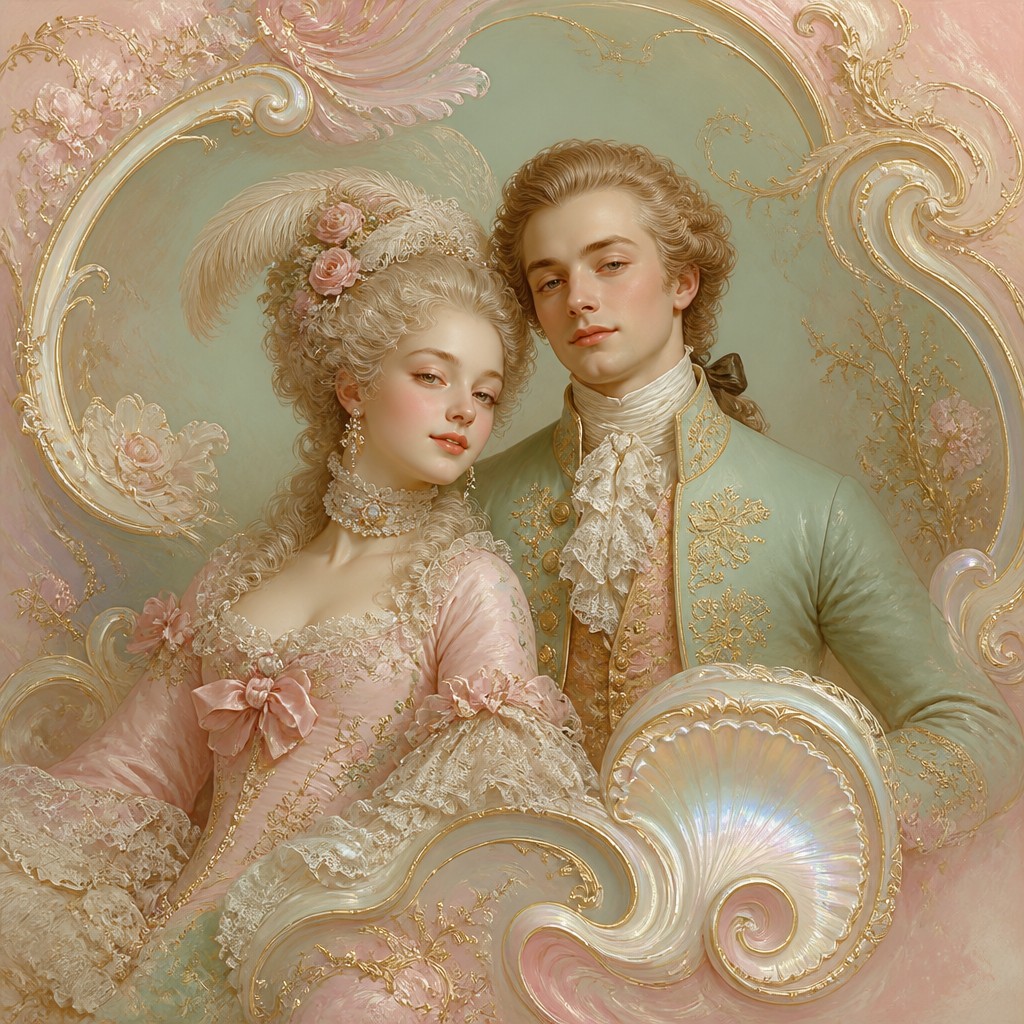
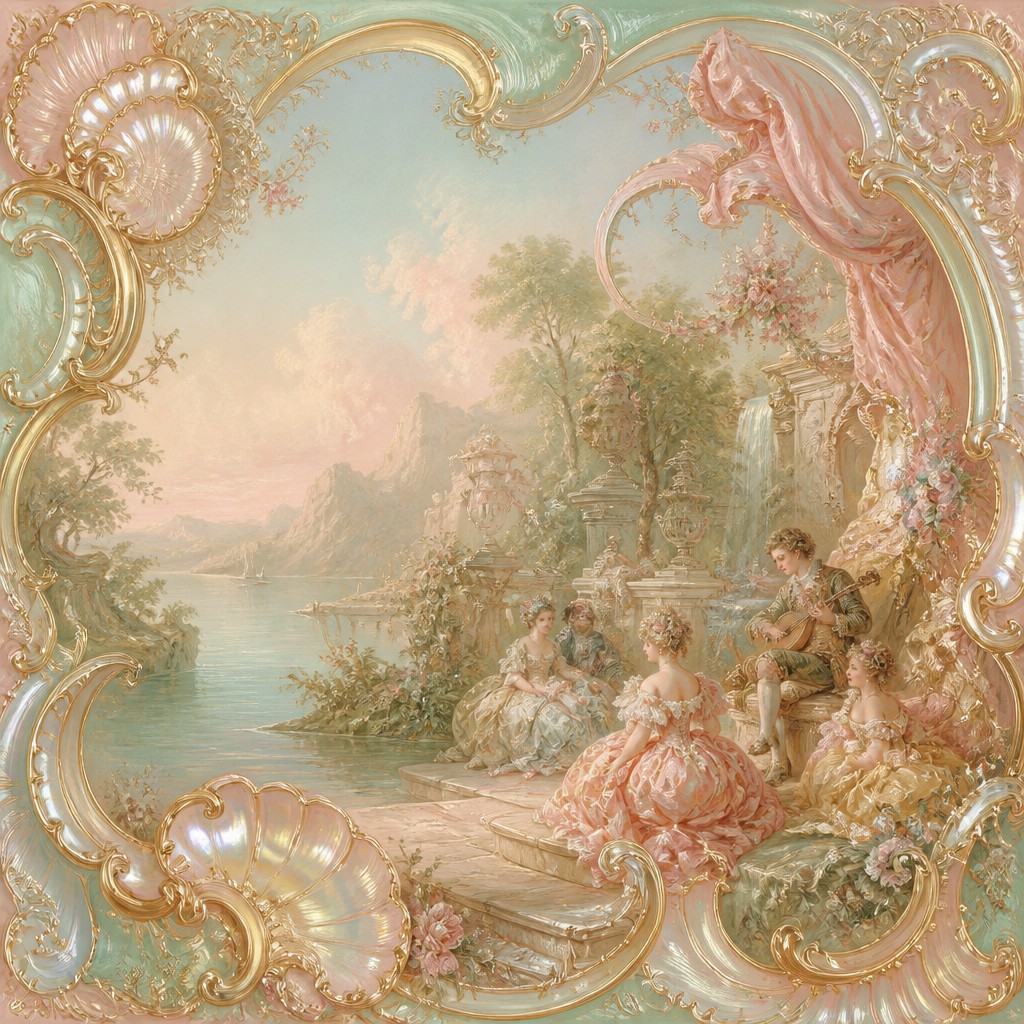
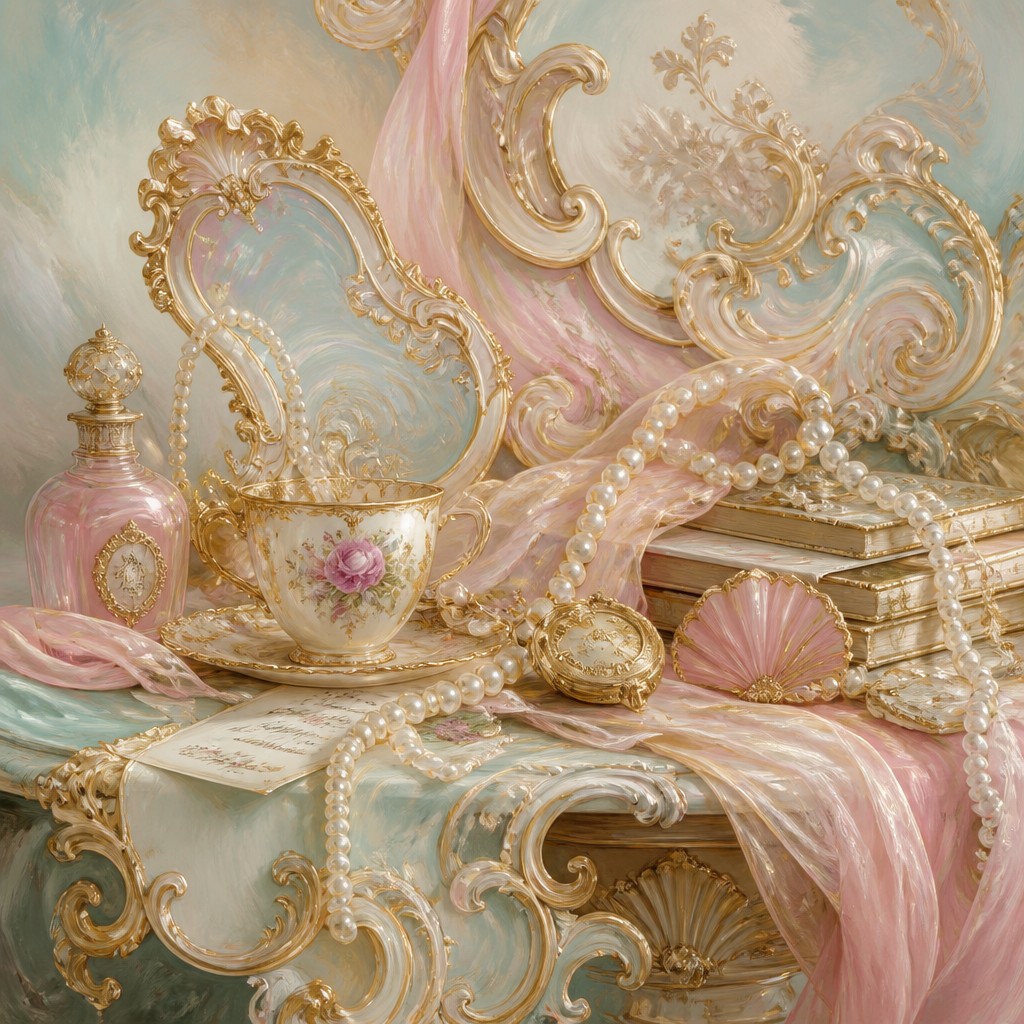
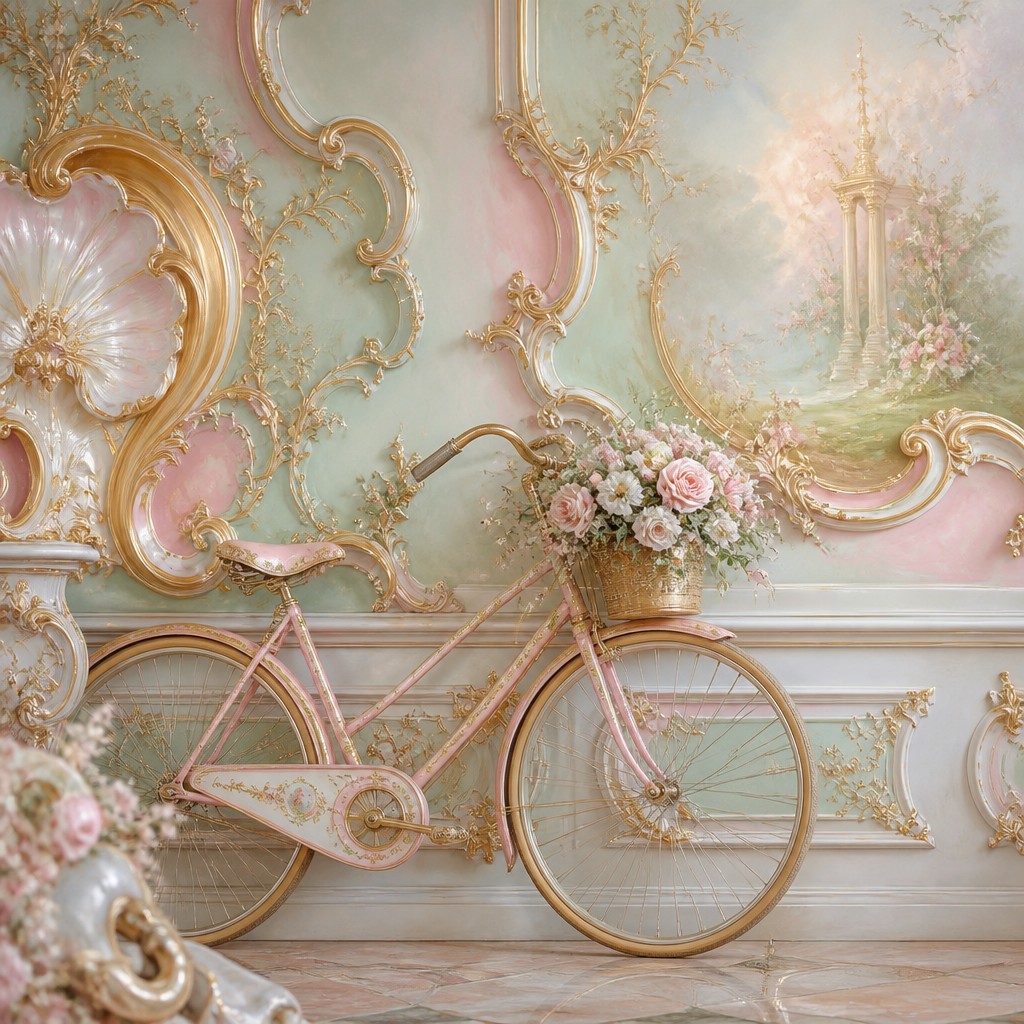
Rococo is an 18th-century decorative style known for pastel colors, gilded ornament, delicate curves, asymmetry, and lighthearted scenes of leisure and elegance. It often feels airy, intimate, and refined, with a taste for theatrical interiors, shimmering surfaces, and playful compositions.
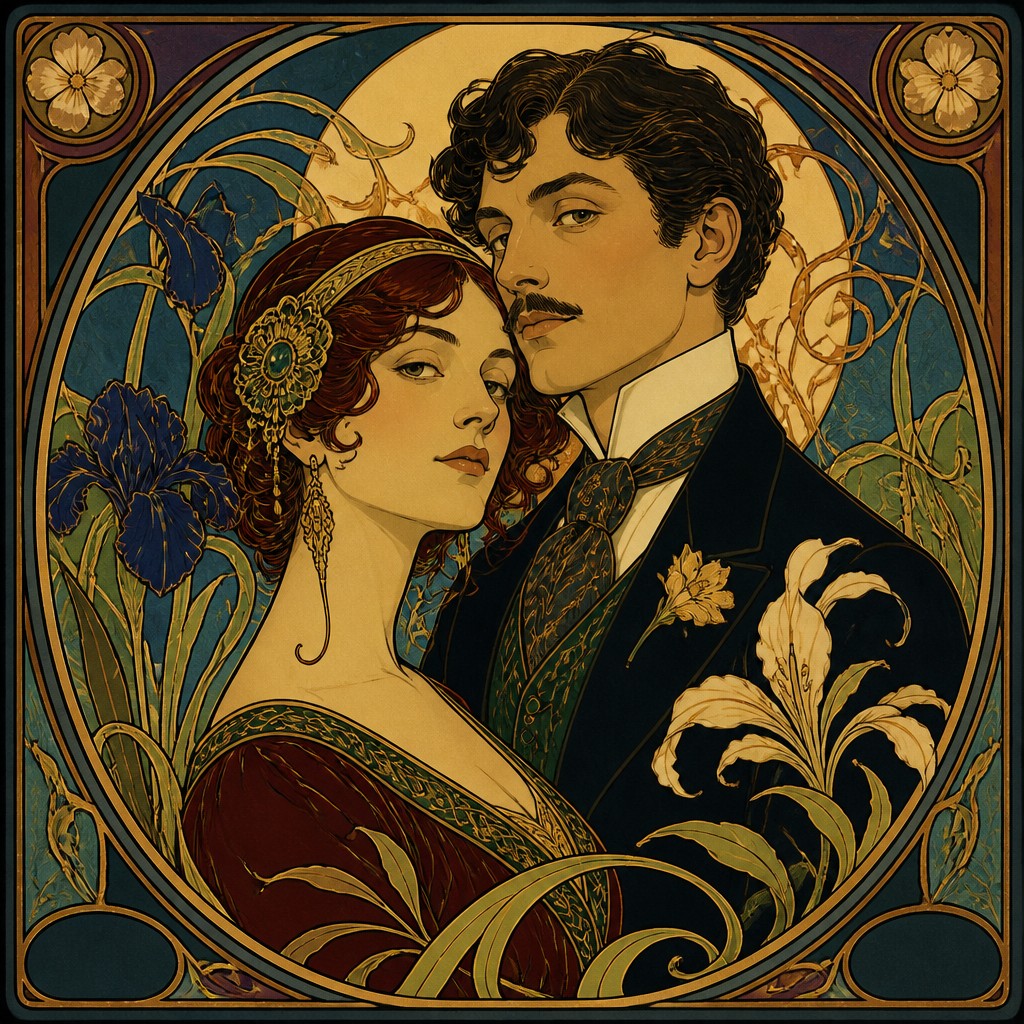
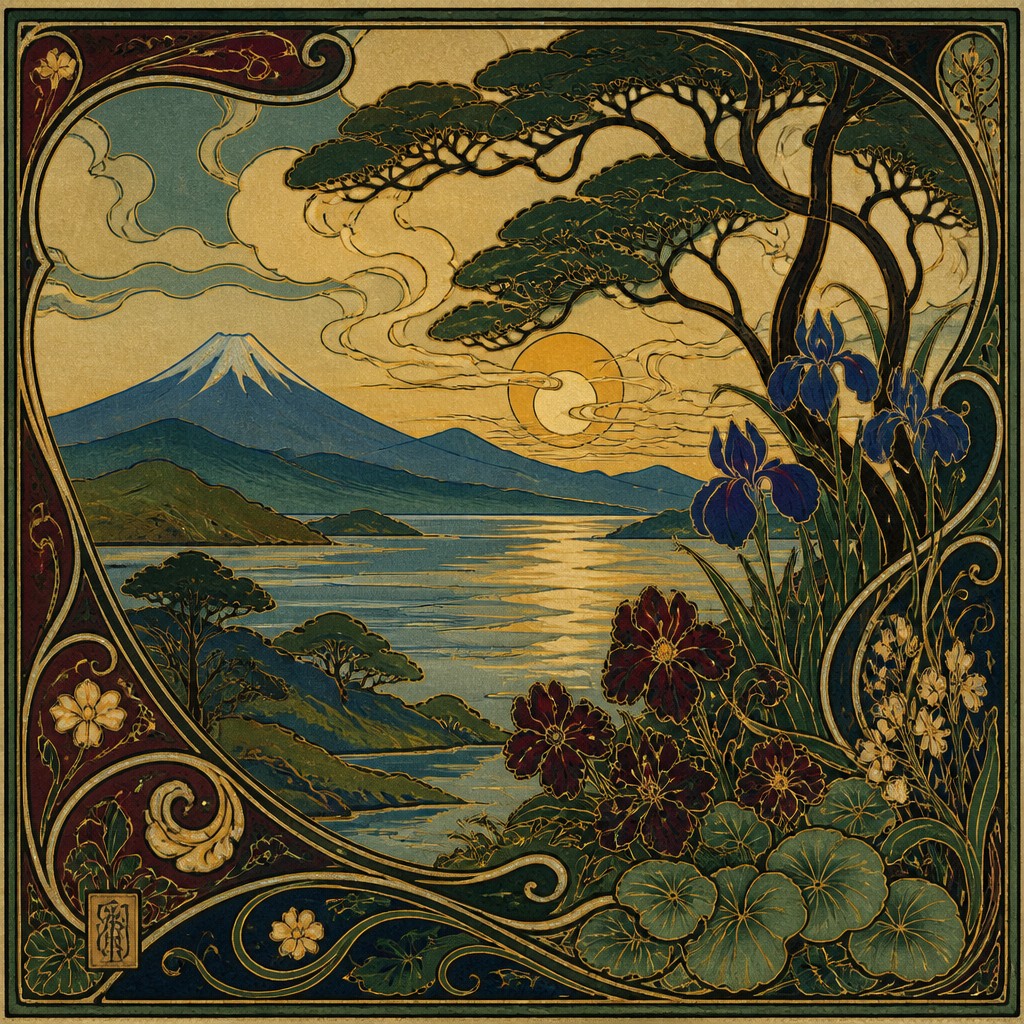
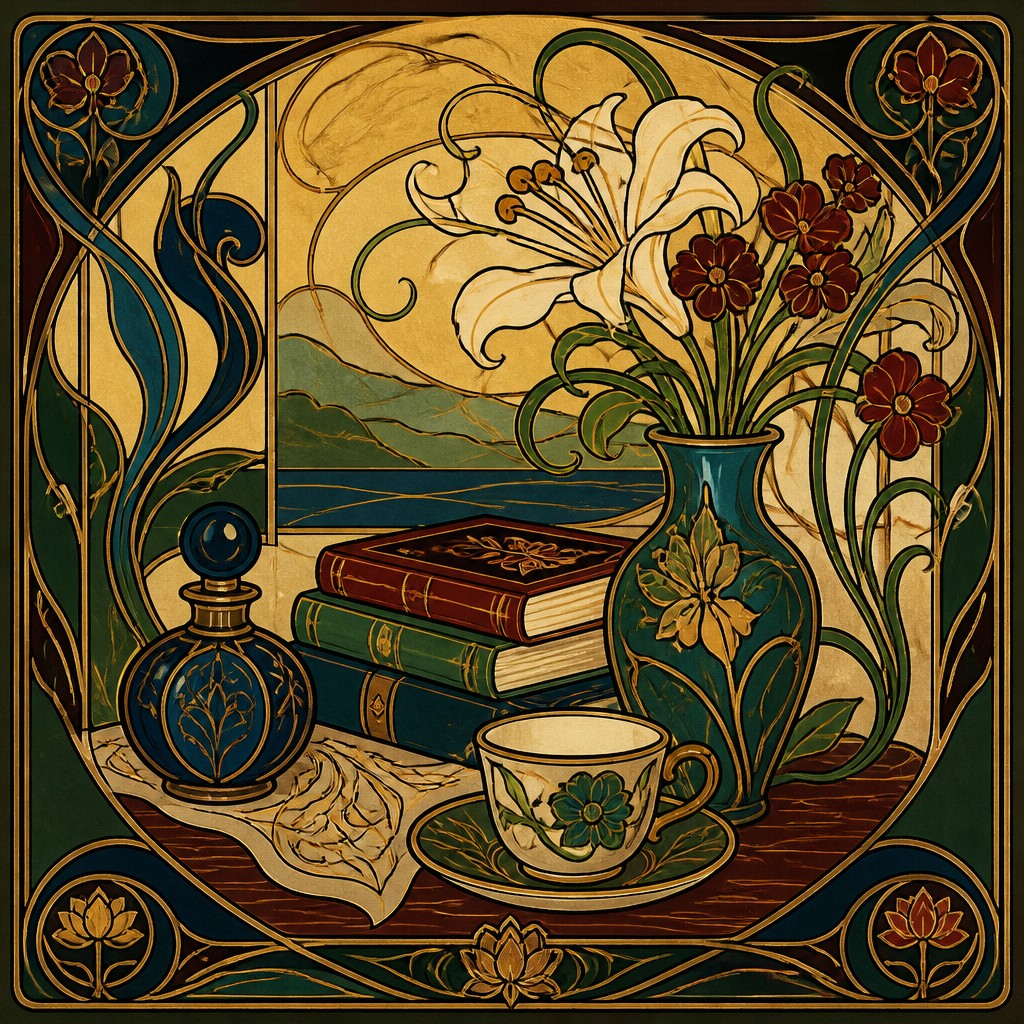
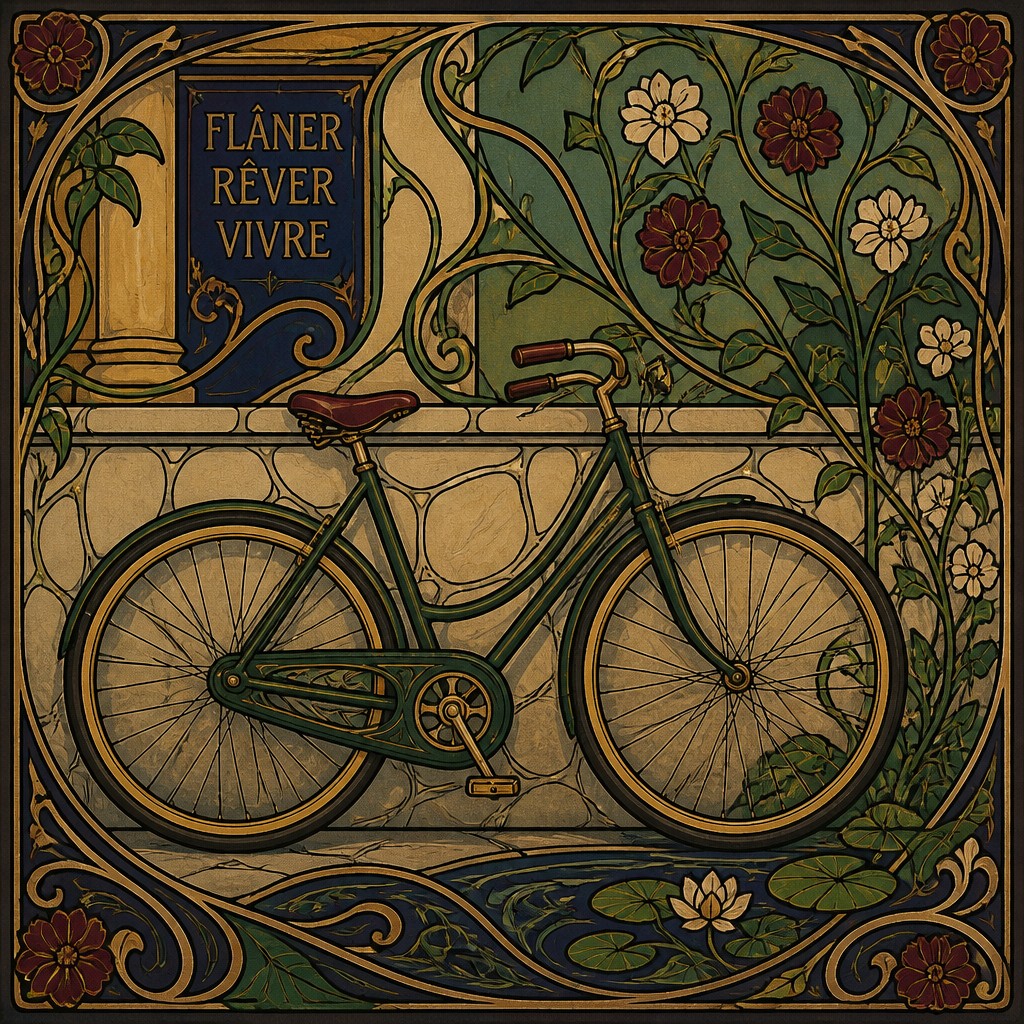
Art Nouveau is an early-1900s decorative style built around flowing organic lines, floral forms, whiplash curves, and elegant flat color design. People compare the two because both are ornamental, graceful, and curved, but they come from different periods and express different moods: Rococo is more aristocratic and playful, while Art Nouveau is more modern, nature-inspired, and structurally unified.
Same Prompt, Both Styles
Each pair below was generated from the identical prompt — only the style changed.
“portrait of two people together”
“wide landscape with natural scenery”
“still life with everyday objects”
“bicyle resting against a wall”
Key Differences
| Rococo | Art Nouveau | |
|---|---|---|
| Historical period | 18th century decorative art for elite interiors and social scenes. | Early 1900s decorative art tied to modern design and mass reproduction. |
| Line & form | Soft curves, asymmetry, and ornamental scrolls with light, airy movement. | Strong flowing lines, whiplash curves, and sinuous plant-like structure. |
| Color | Pastels, creamy whites, and luminous gold accents. | Muted earth tones or rich contrasts, often with flat, stylized color. |
| Subject matter | Playful aristocratic leisure, romance, and decorative fantasy. | Nature motifs, stylized figures, and integrated ornamental imagery. |
| Surface treatment | Gilded, intricate, and richly embellished with fine detail. | Flattened, graphic, and designed for visual unity over illusion. |
| Mood | Lighthearted, luxurious, intimate, and often whimsical. | Elegant, sensual, organic, and more modern in feeling. |
| Mood | elegant, playful, ornamental, romantic, whimsical | ornate, graceful, romantic, organic |
| Energy | lively | balanced |
| Detail level | intricate | intricate |
| Color | soft pastels, pale gold, creamy whites | muted jewel tones, creams, golds, pastels |
| Texture | delicate, smooth, lavishly embellished | smooth, flowing, decorative |
| Origin | 18th-century France and Europe | late 19th-century Europe |
| Best for | luxury invitations, fashion editorials, theater sets, decorative wallpapers, romantic book covers | posters, book covers, decorative panels, packaging, typography, interior motifs |
| Difficulty | advanced | advanced |
Which Should You Choose?
Choose Rococo if you want a look that feels airy, refined, and courtly, with pastel charm and decorative luxury. Choose Art Nouveau if you want something more modern and graphic, with nature-inspired curves, flatter design, and a stronger sense of visual unity. Rococo suits elegant historic interiors and playful romantic scenes, while Art Nouveau suits posters, signage, interiors, and objects that need decorative flow with a cleaner, more contemporary structure.
Frequently Asked Questions
Which style is more ornate?
Rococo is usually more ornate in the sense of gilded detail, intricate decoration, and surface richness. Art Nouveau is also highly decorative, but its ornament tends to be more unified and line-driven.
Which style uses more natural forms?
Art Nouveau generally uses more direct natural inspiration, especially flowers, vines, and flowing plant-like lines. Rococo may include shells, scrolls, and floral elements, but its forms are usually more playful and courtly than botanical.
Which style feels older or more historical?
Rococo is the older style, coming from the 18th century. Art Nouveau is later and often reads as a bridge between traditional decoration and modern design.
Can they look similar at first glance?
Yes, both can be elegant, curving, and highly decorative. The key difference is that Rococo often feels pastel, gilded, and aristocratic, while Art Nouveau feels more organic, graphic, and design-focused.