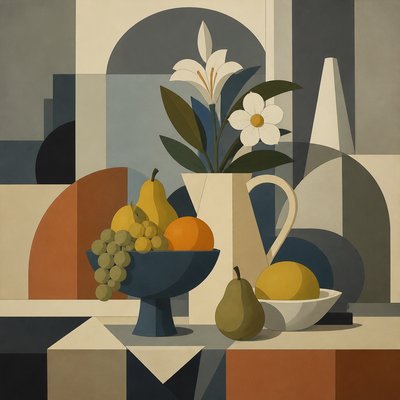
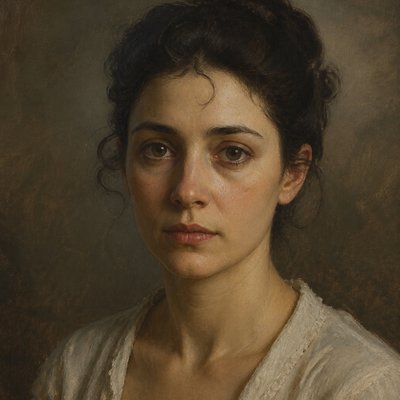
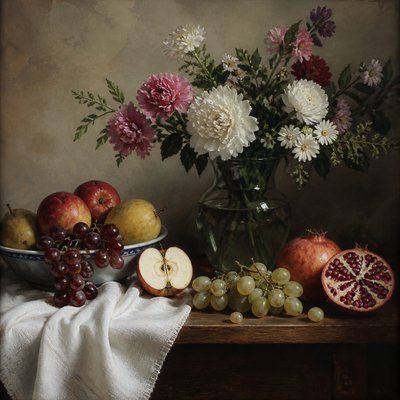
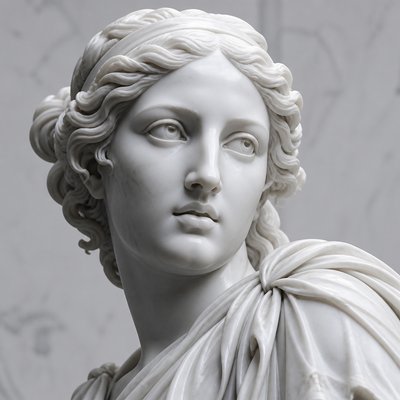
Rococo Classical Art Style
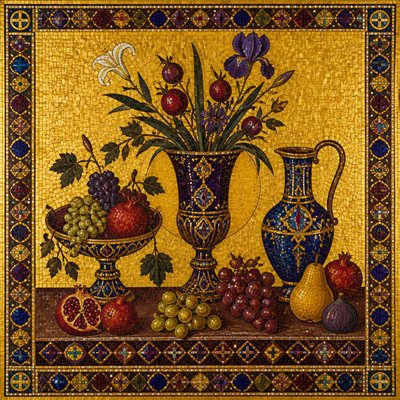
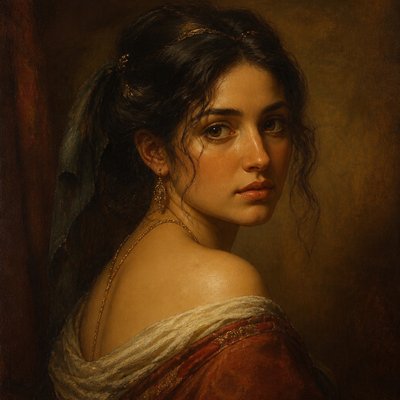
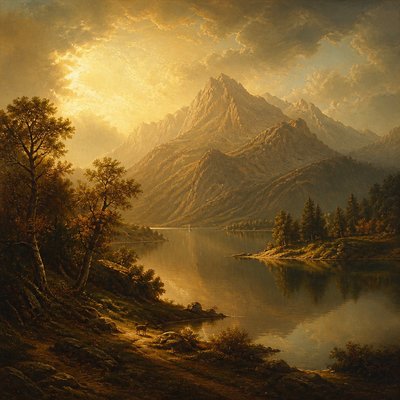
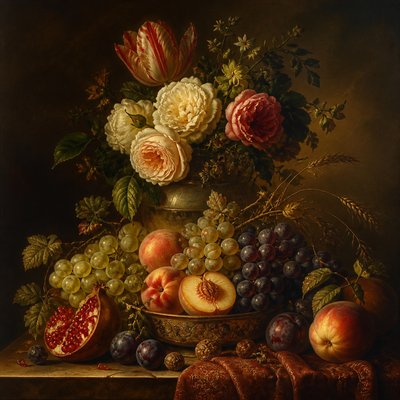
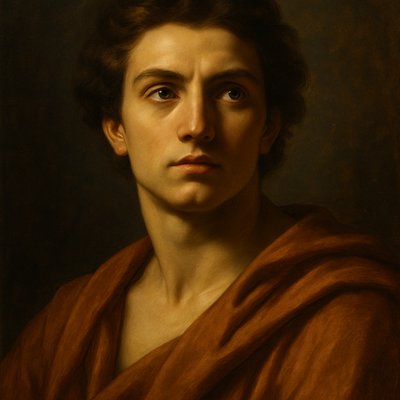
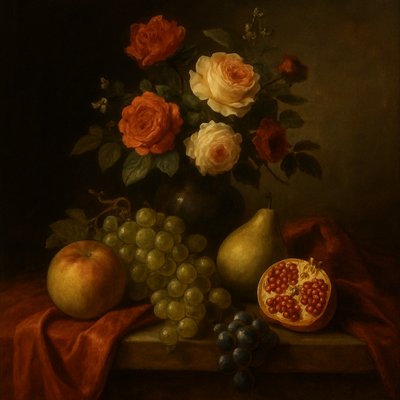
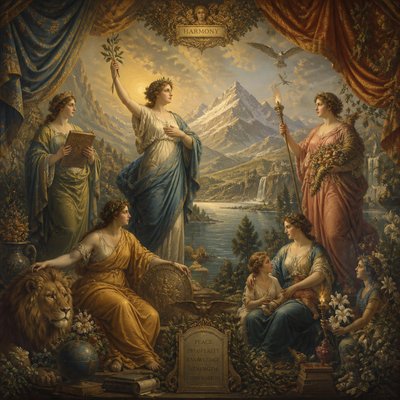
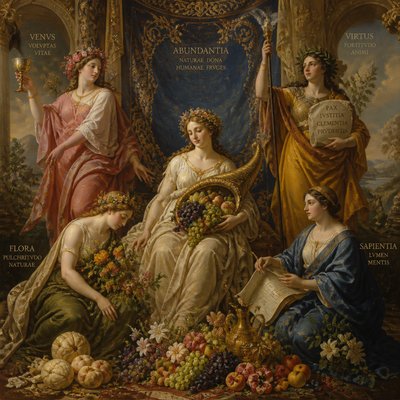
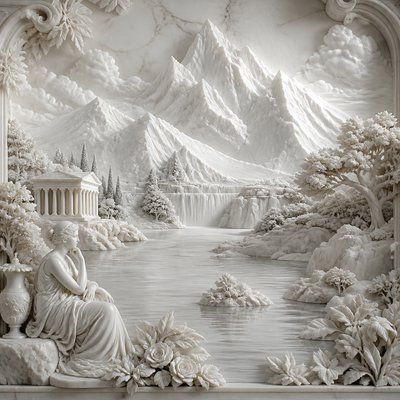
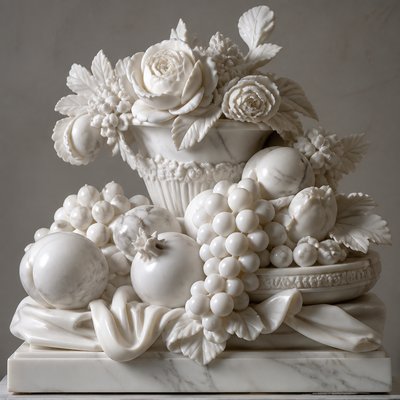
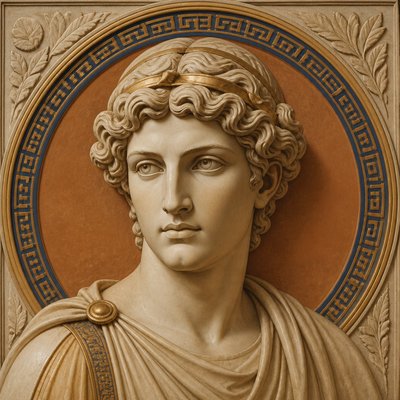
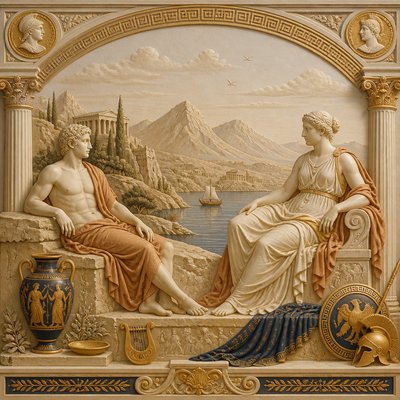
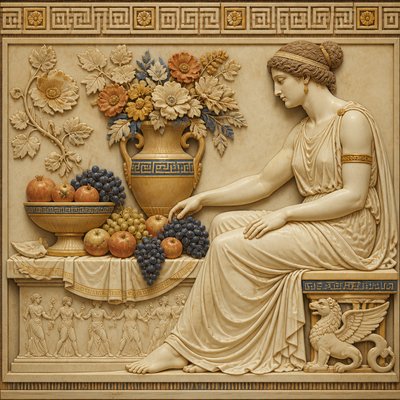
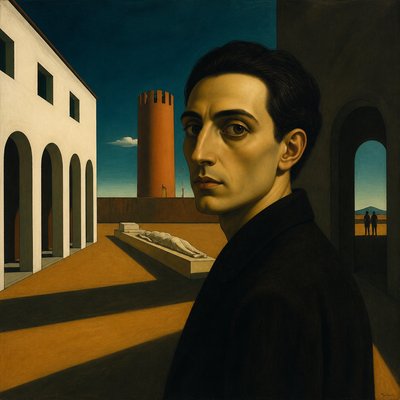
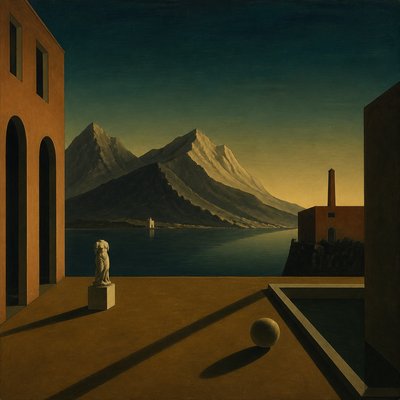
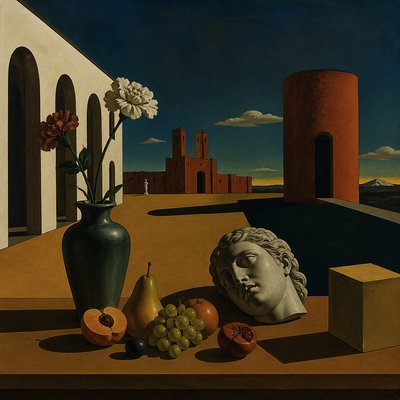
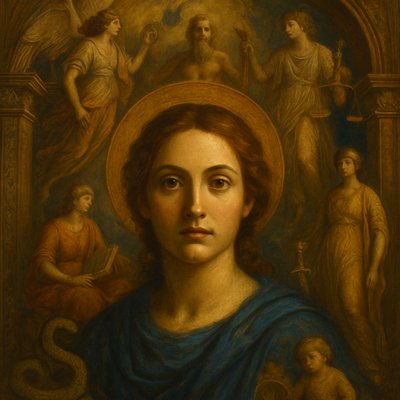
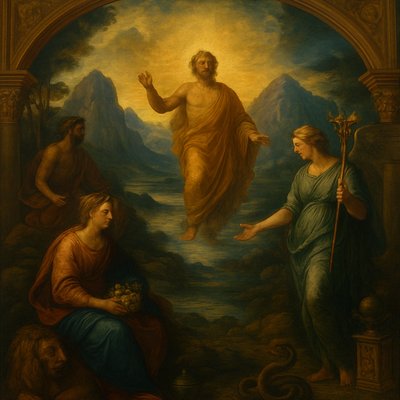
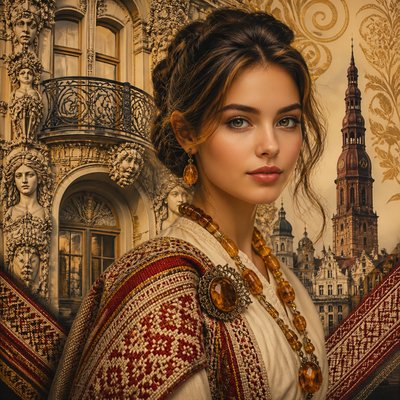
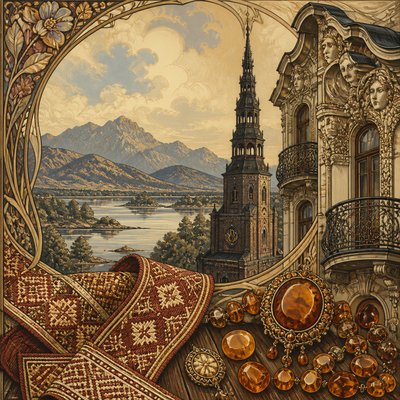
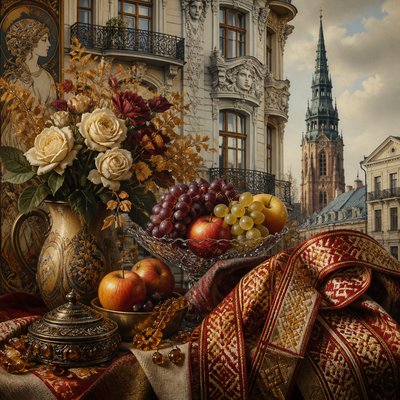
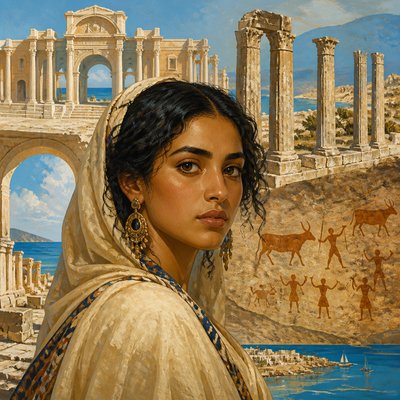
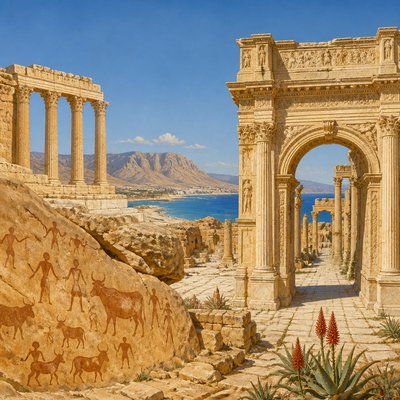
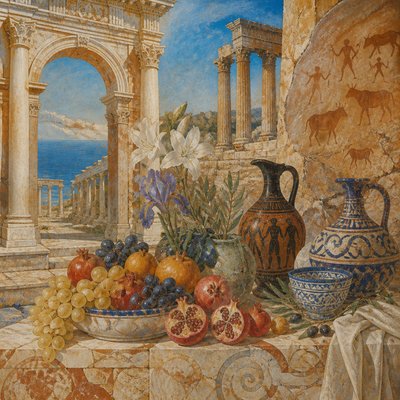
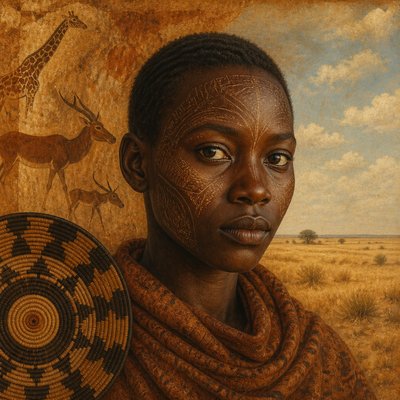
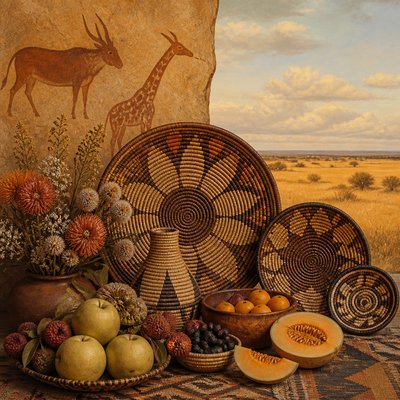
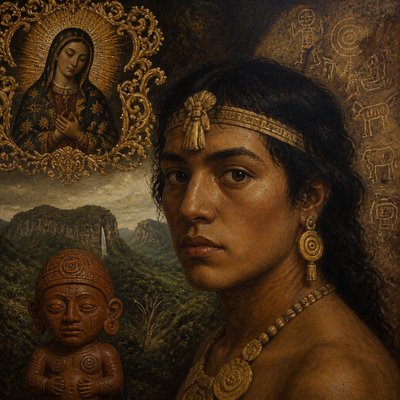
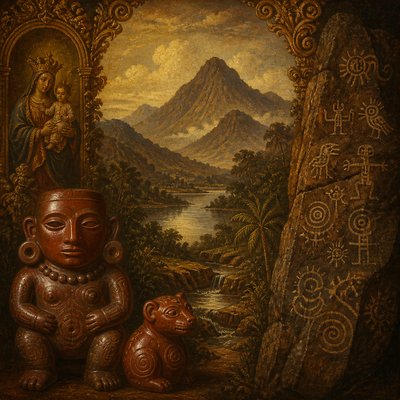
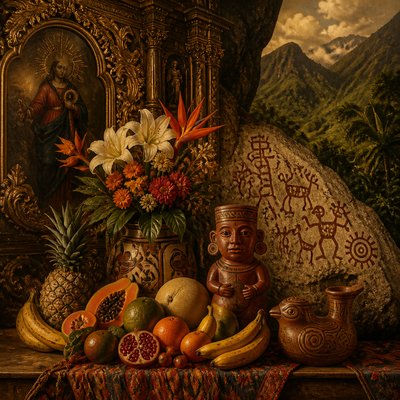
Pastel ornament, gilded curves, and playful mythology define Rococo classical art, a graceful 18th-century decorative style.
Instantly rendered in Rococo Classical — or transform a photo
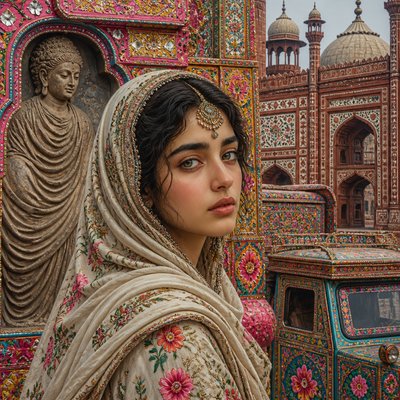
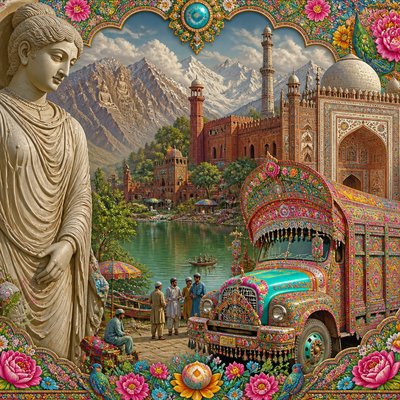
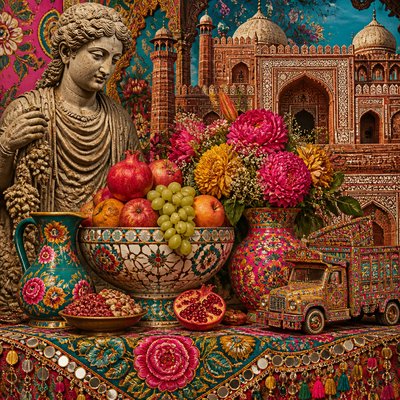
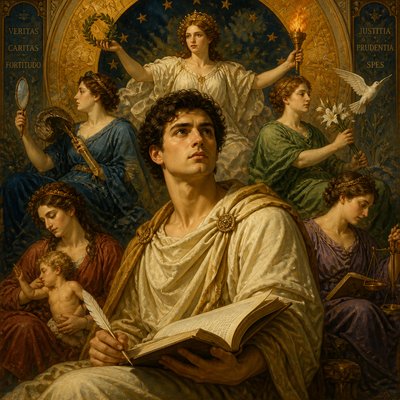
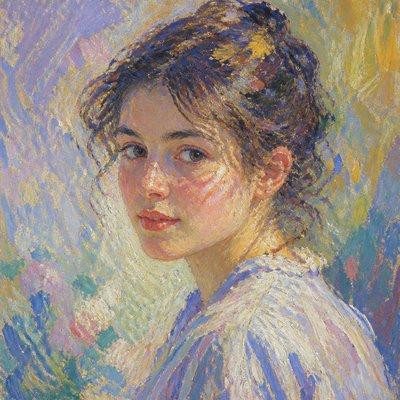
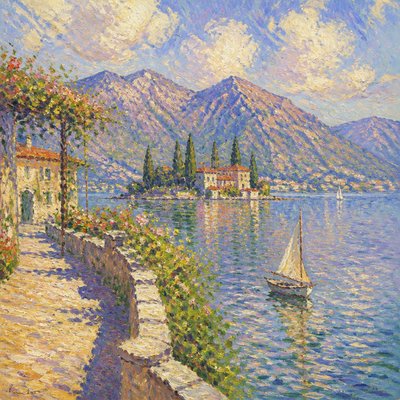
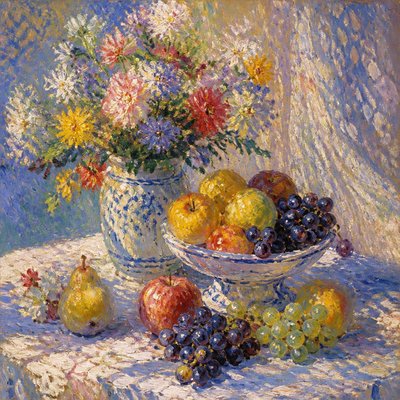
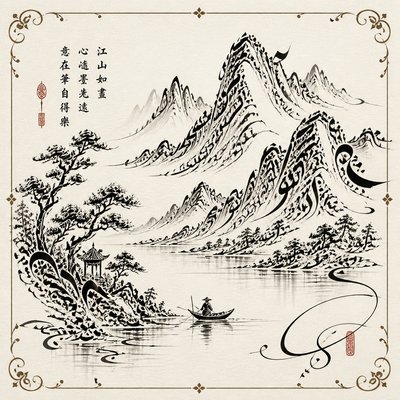
Rococo Classical Gallery
Tap any artwork to explore it
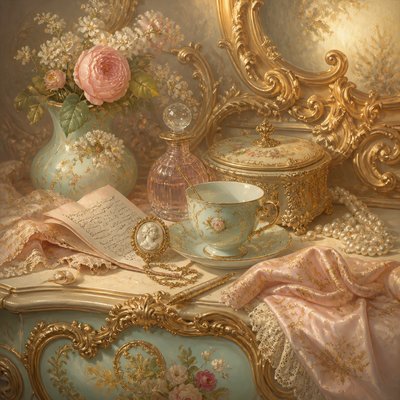
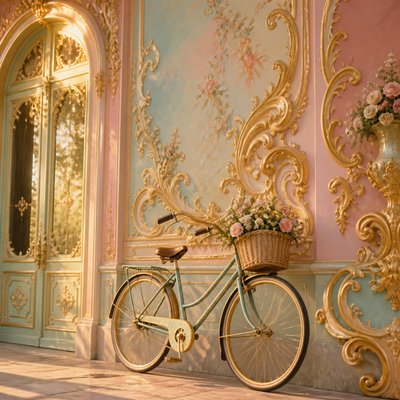
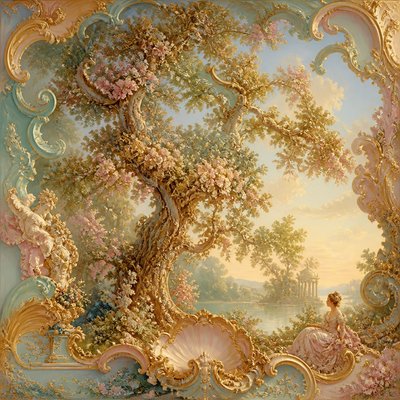
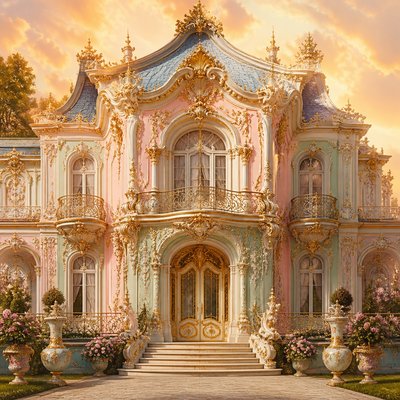
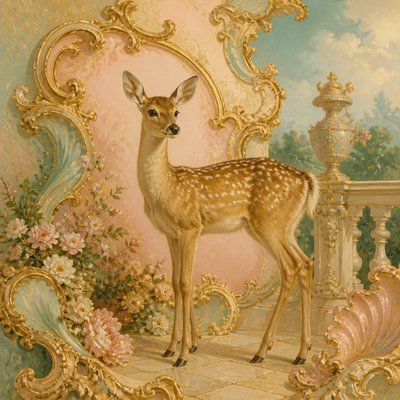
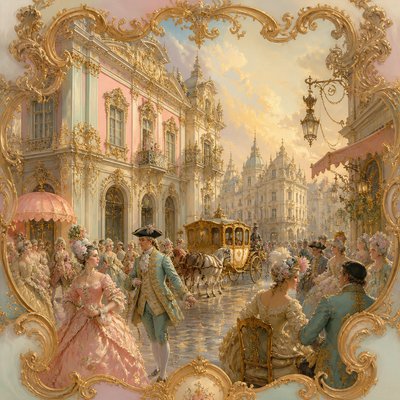
What is Rococo Classical Art Style?
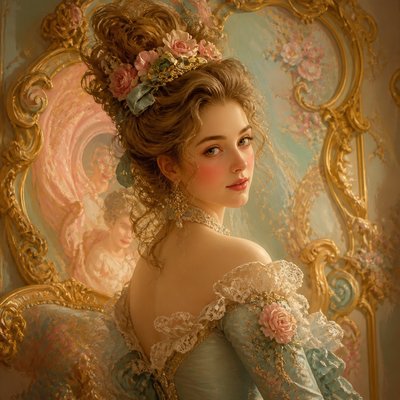
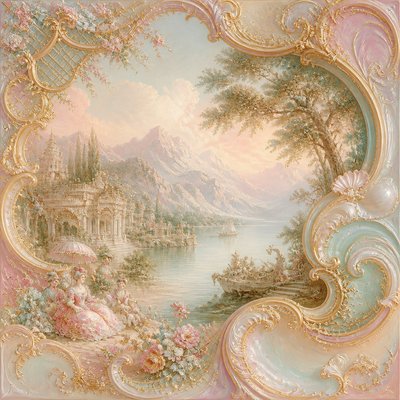
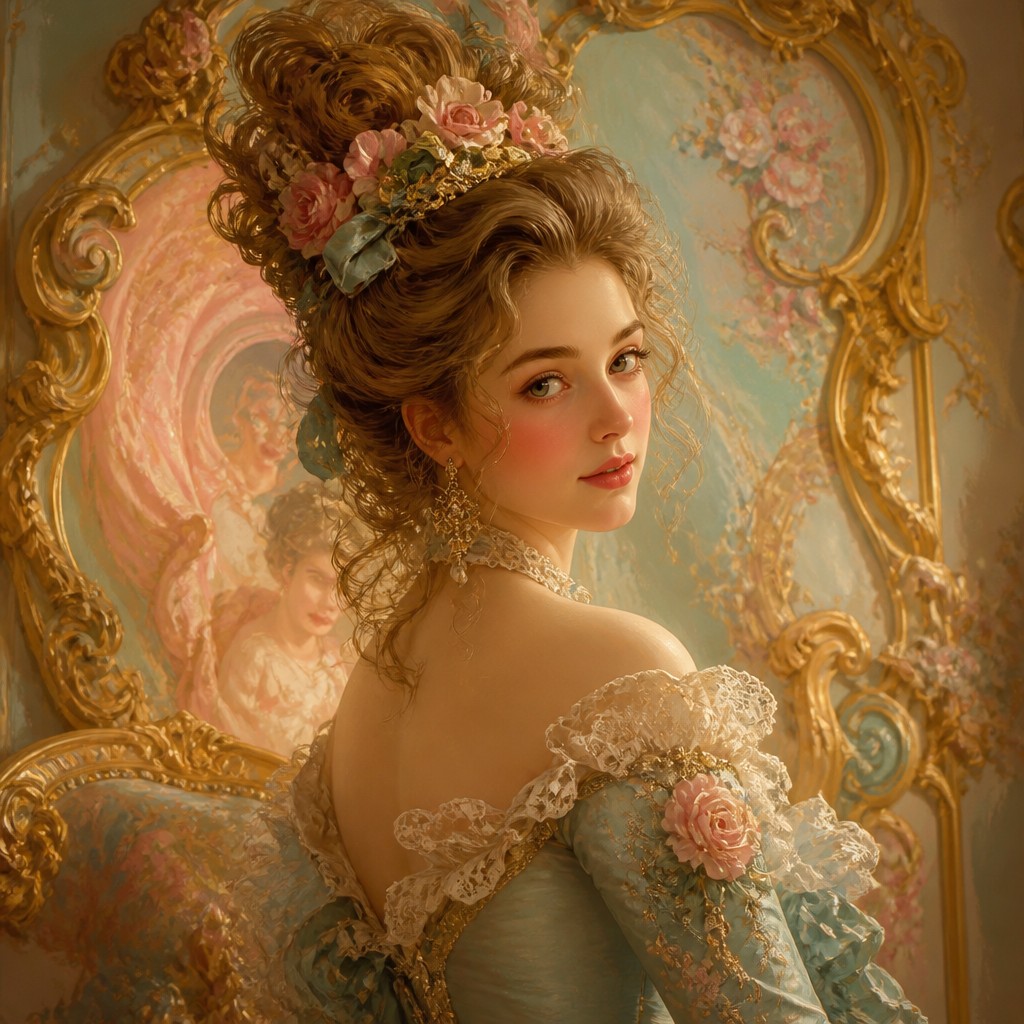
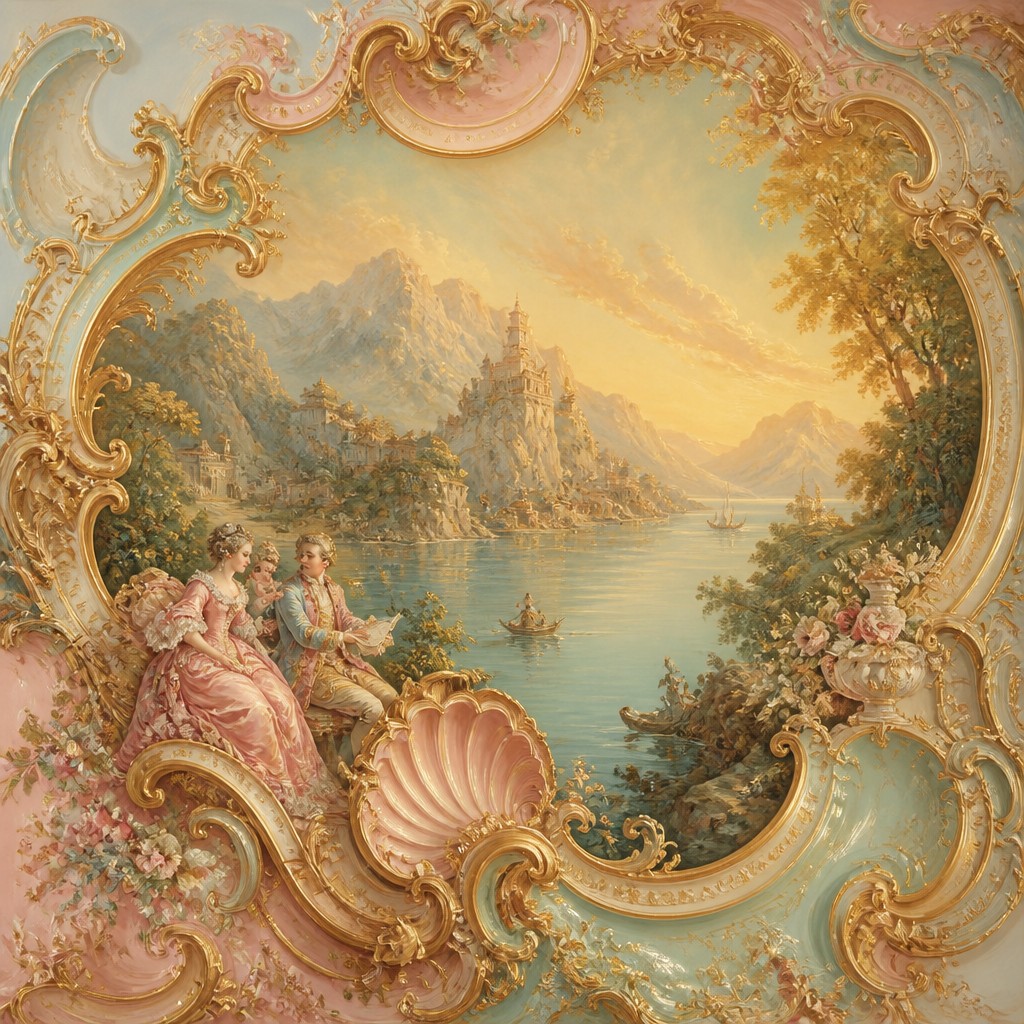
Rococo classical art is a decorative 18th-century style associated with aristocratic interiors, elegant leisure, and refined fantasy. It is known for pastel color harmonies, lightness of touch, curving asymmetrical forms, gilded ornament, and subjects drawn from courtly life, pastoral romance, and playful mythology.
Its visual identity is deliberately graceful and intimate rather than monumental. Compared with the grandeur of Baroque art, Rococo favors soft transitions, shimmering surfaces, and an air of ease; compositions often drift in graceful S-curves, as if the eye were moving through an ornamental salon. The result is a world of beauty, charm, and cultivated pleasure, where decoration and narrative are equally important.
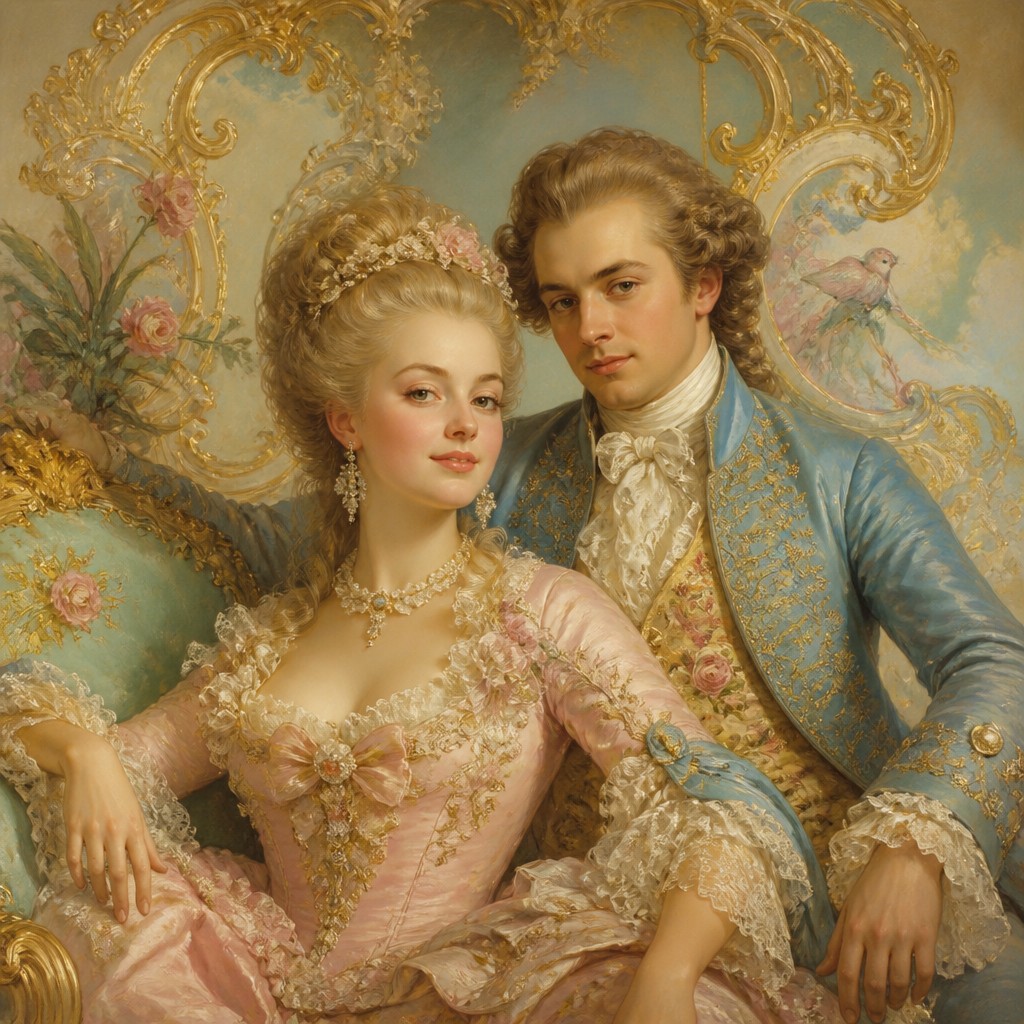
Try It On Your Photos
Upload any photo and convert it into Rococo Classical Art Style — drag the sliders to compare before and after.
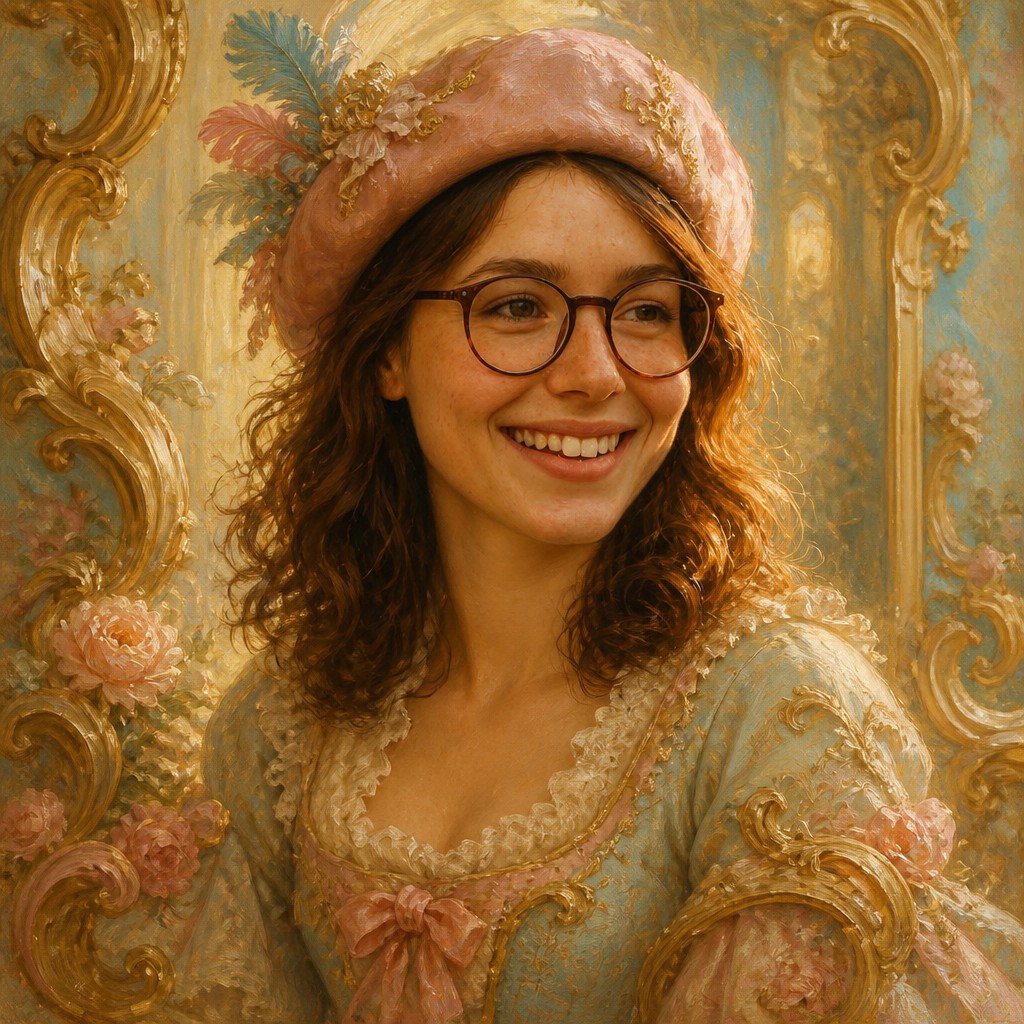

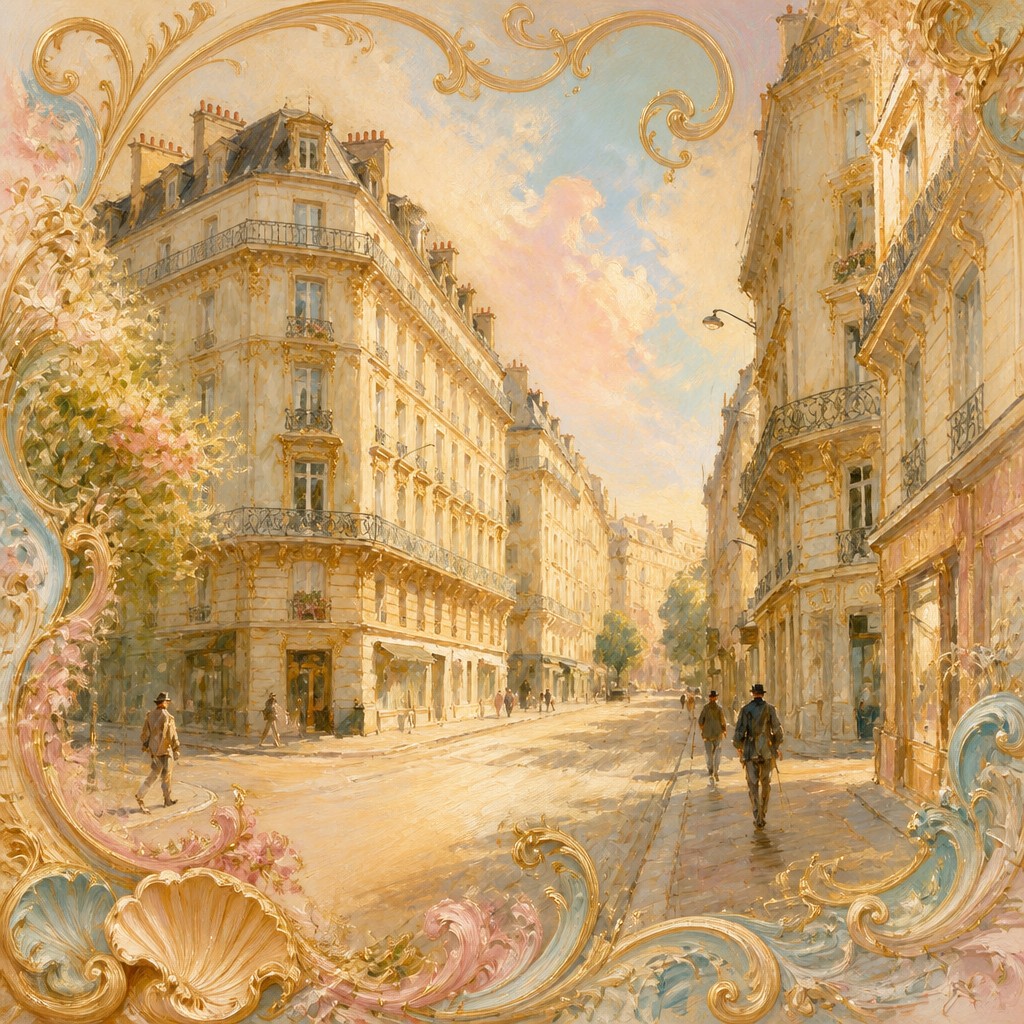

What Defines Rococo Classical Art Style
The signature details, up close
Pastel palette
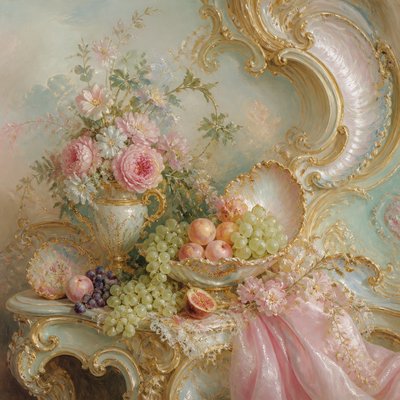
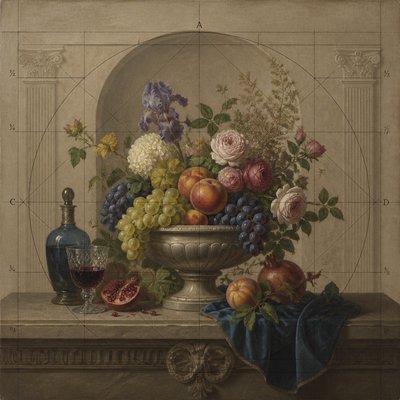
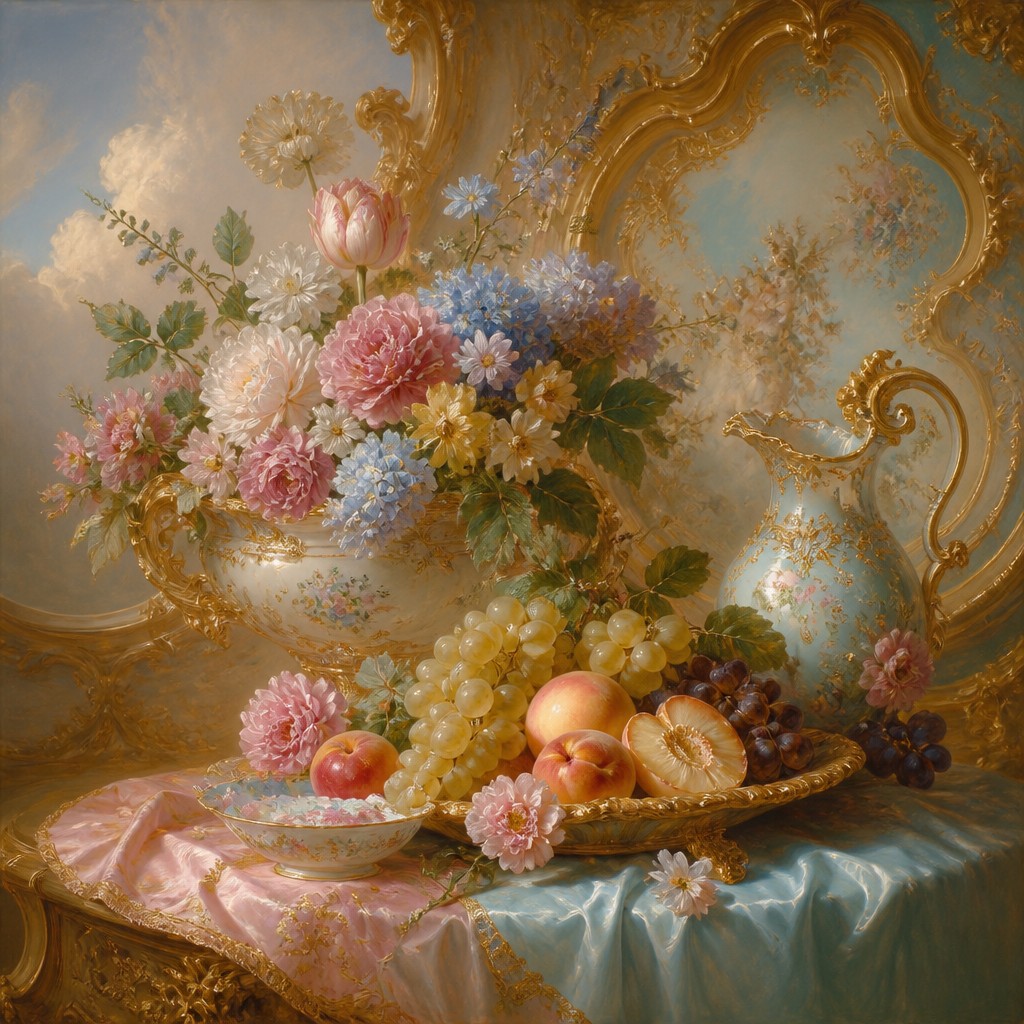
Rococo art typically uses powder pink, pale blue, mint green, cream, and soft gold. These colors create a light, airy effect rather than strong contrast.
Asymmetrical ornament
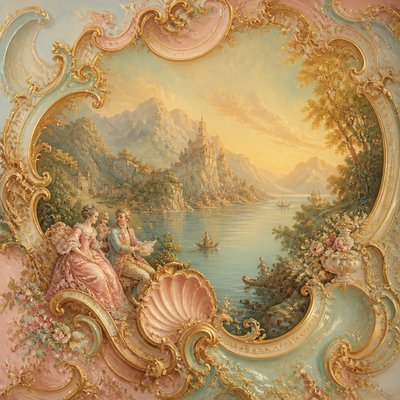
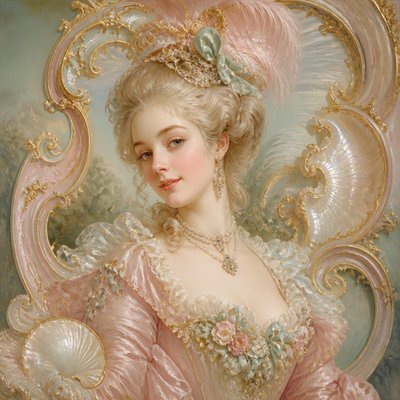
Shell forms, scrolls, arabesques, flowers, and curling foliage often organize the composition. The asymmetry gives the work a lively, flowing rhythm instead of rigid balance.
Delicate surfaces
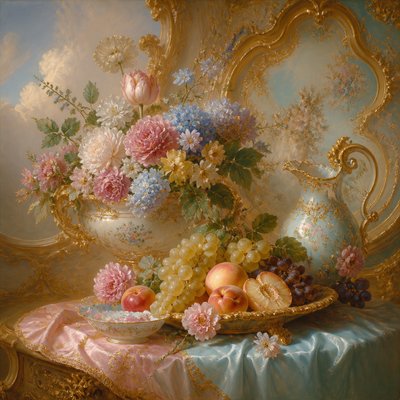
Brushwork, glazing, and highlights suggest silk, satin, porcelain, lace, and polished wood. Surfaces appear tactile, refined, and luminous.
Courtly and pastoral subjects
Figures are often shown in gardens, salons, parks, or mythological settings. The subjects suggest leisure, flirtation, music, and theatrical grace.
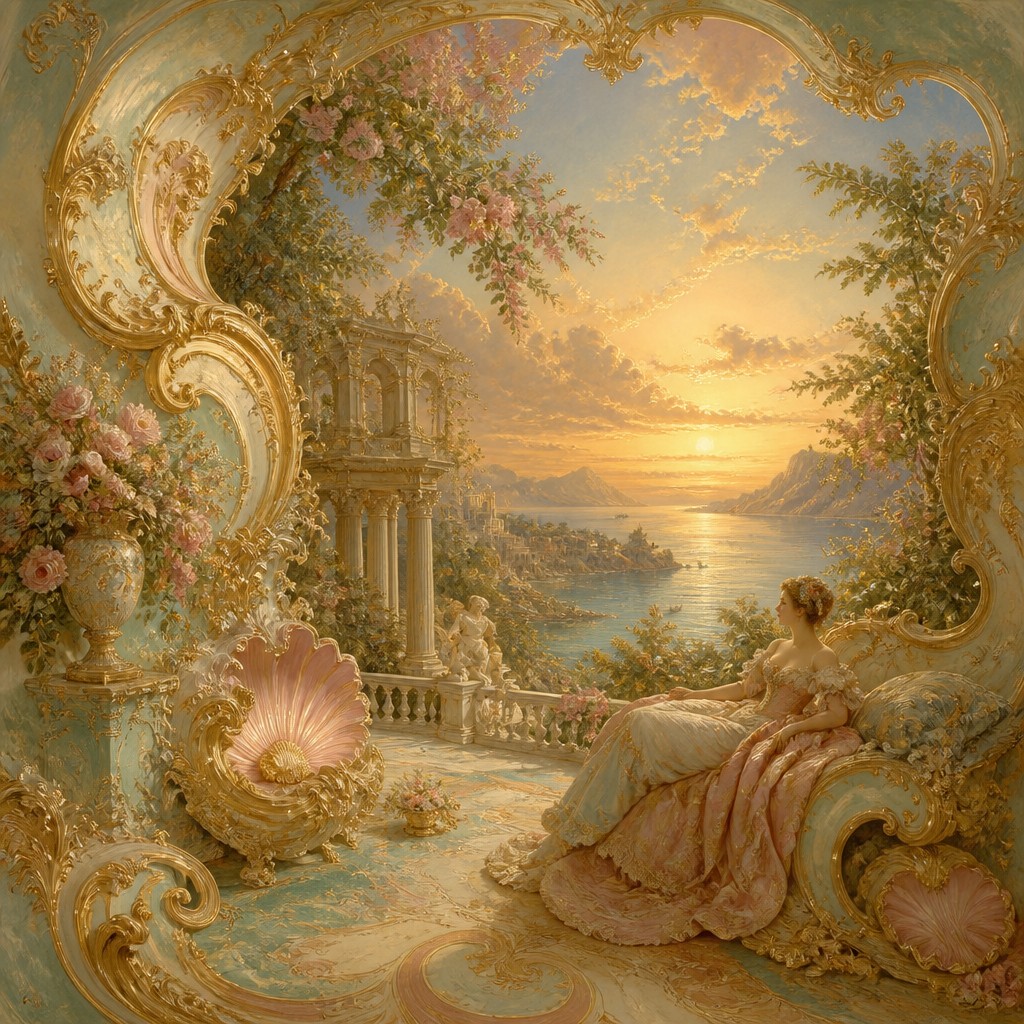
Playful mythology
Classical gods, cupids, nymphs, and allegories appear in a lighthearted rather than solemn manner. Myth becomes a vehicle for romance, wit, and decorative charm.
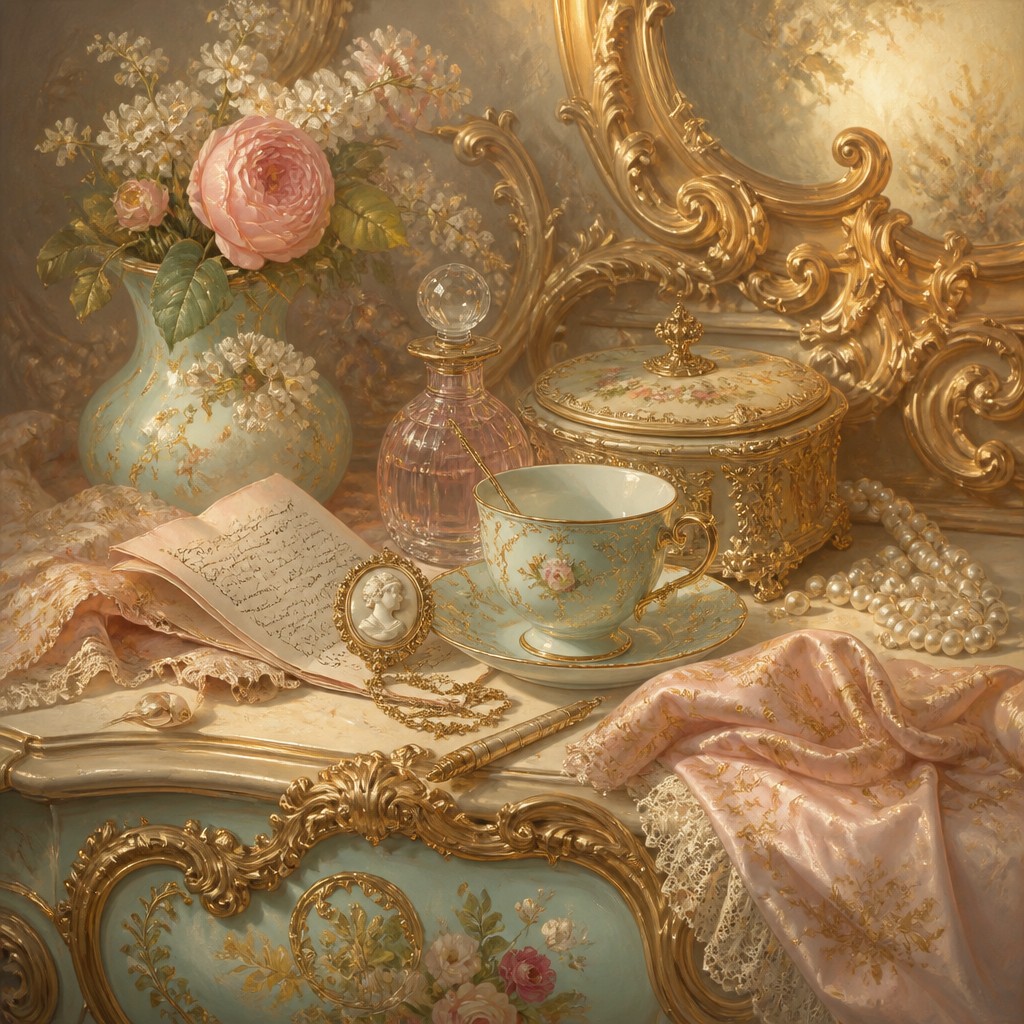
Soft theatrical lighting
Light is usually gentle, warm, and enveloping, often resembling candlelight or golden afternoon sun. It enhances the dreamy mood and softens edges.
Try It
Create Videos in Rococo Classical Art Style
Styles aren't just for stills — describe a scene or animate an image and get a short video rendered in Rococo Classical. Press play to see this pond come to life.
Make a VideoRococo Classical Prompt Ideas
Start from an idea — each one opens the generator with the style ready to go. See all 40 Rococo Classical prompts →
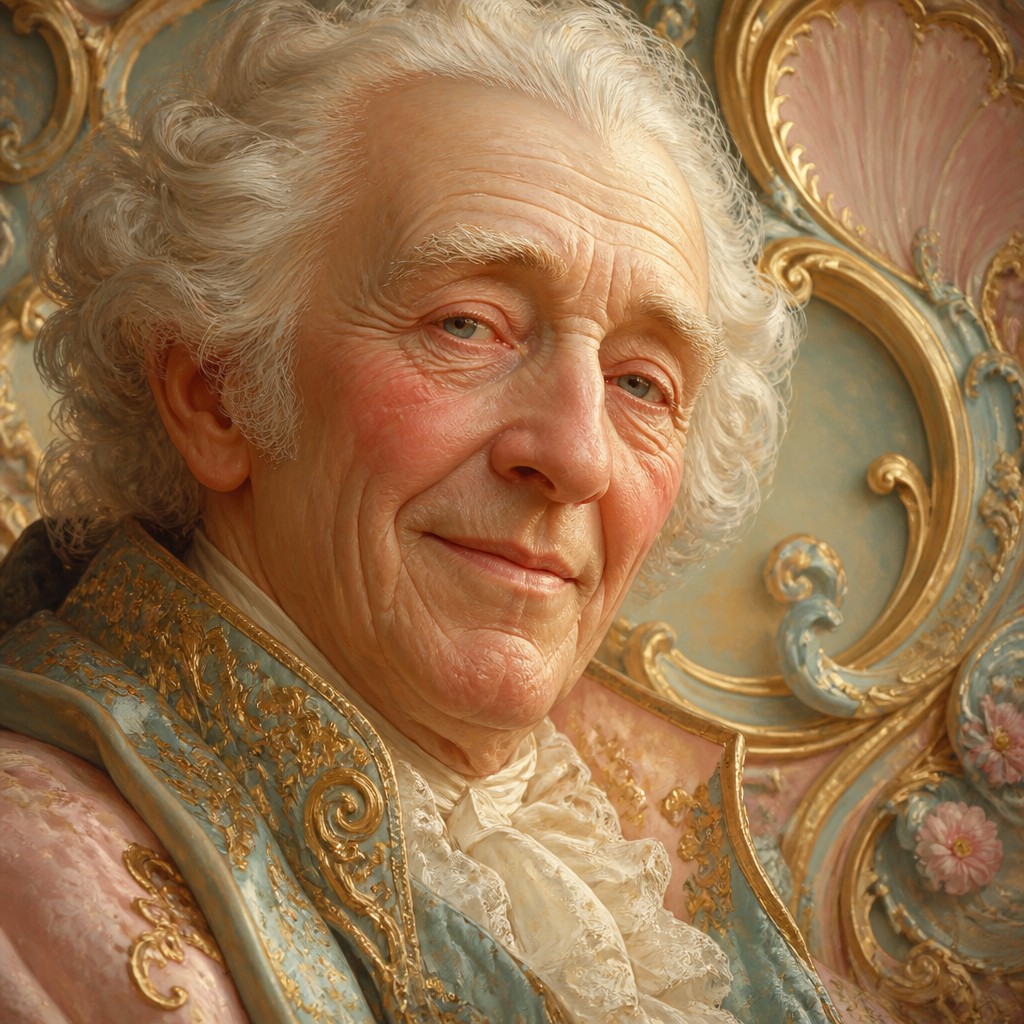
“close-up portrait of an elderly person with expressive weathered features”
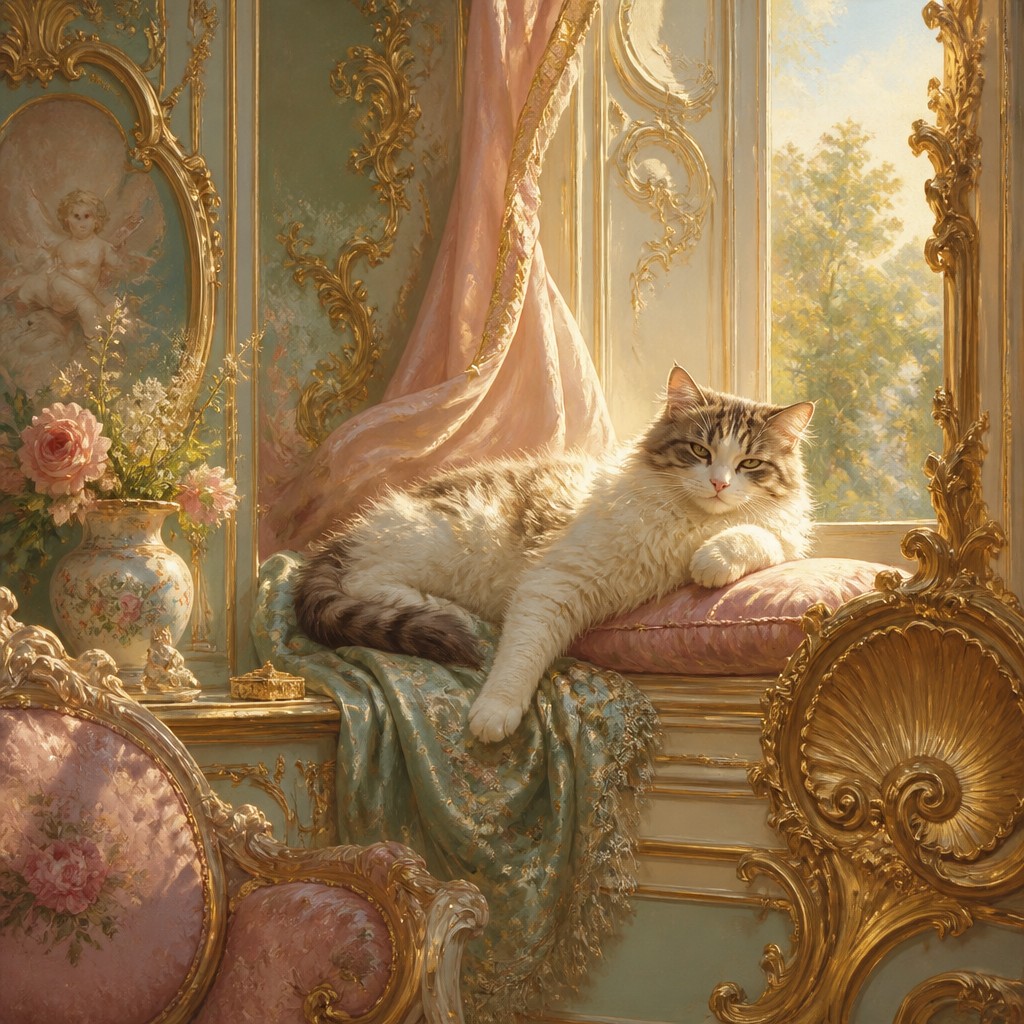
“a cat lounging in a sunlit window”
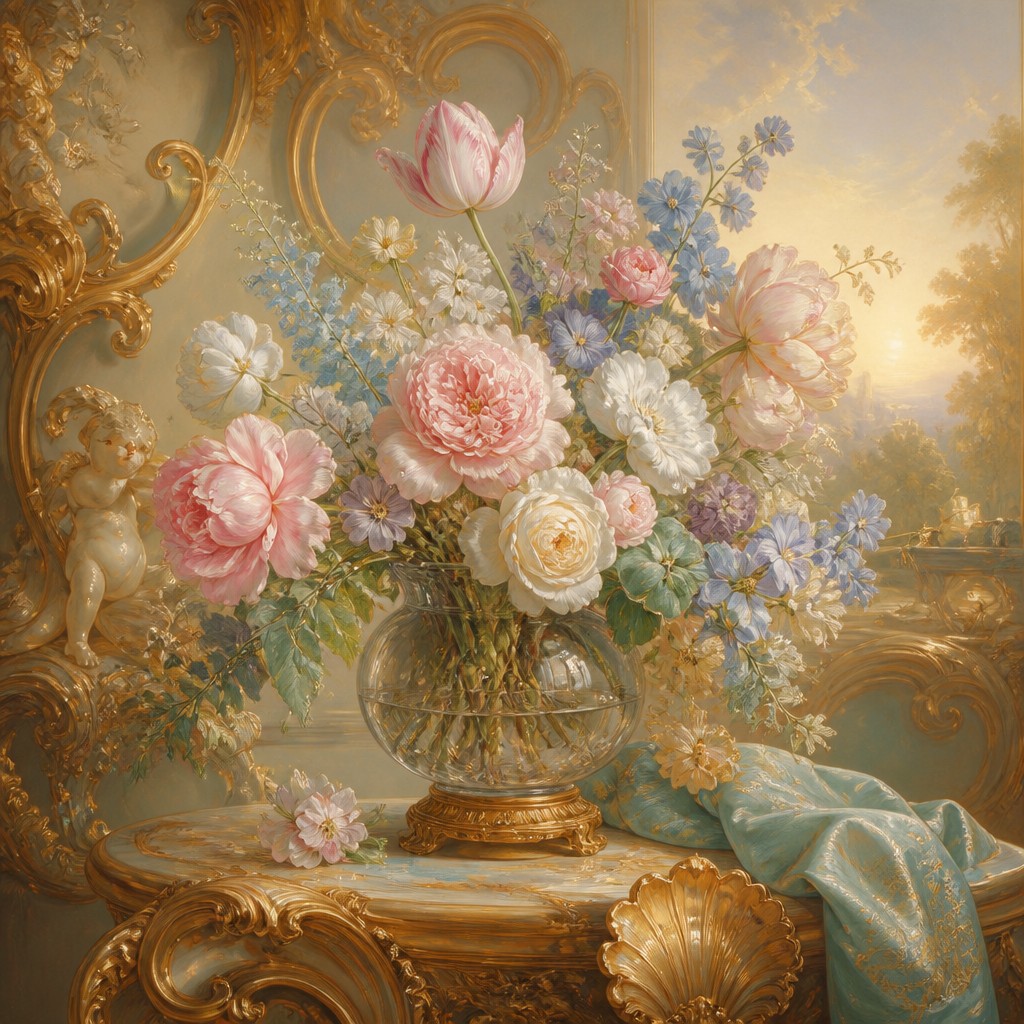
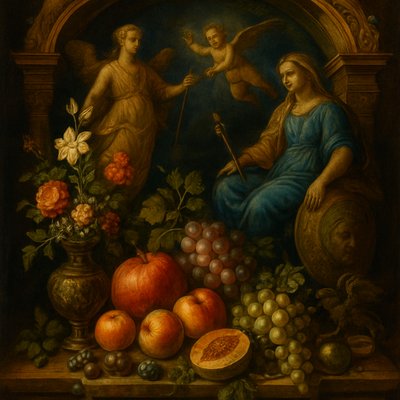
“bouquet of flowers in a glass vase”
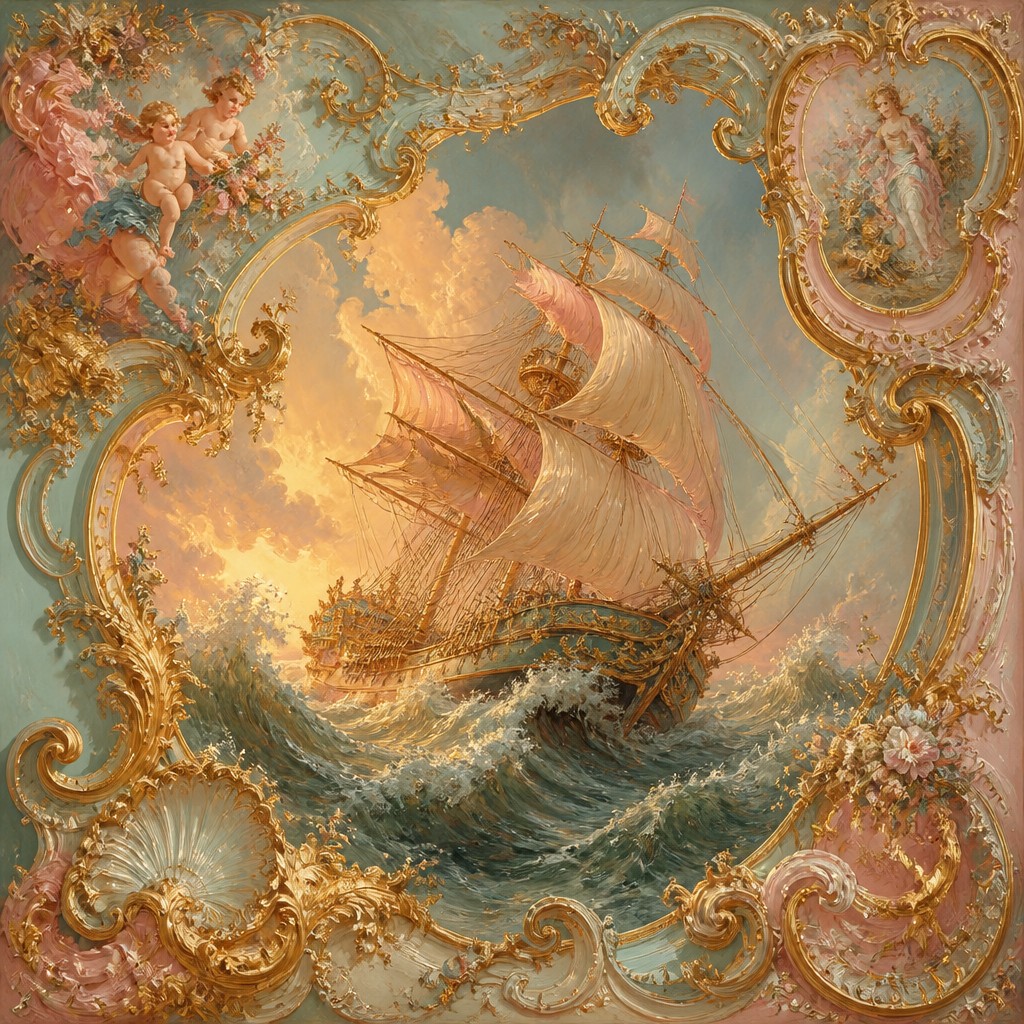
“sailing ship on a stormy sea”
How to Create Rococo Classical Art
Master the craft step by step — or skip straight to creating. Read the full guide →
- 1
Build an elegant asymmetrical composition
Arrange major forms along graceful curves, diagonals, or S-shapes, and avoid rigid symmetry unless it serves a decorative frame. In digital or prompt-based work, describe shell-like flourishes, curling foliage, and flowing ornament to guide the image toward Rococo movement.
- 2
Use a restrained pastel palette with gold accents
Start with pale, creamy base tones and layer soft pinks, blues, and greens over them. Add gilded highlights sparingly so the image feels luminous rather than heavy.
- 3
Render surfaces as if they were silk, porcelain, and glaze
Favor thin translucent layers, delicate highlights, and smooth transitions in paint or digital blending. A slightly satiny finish helps the image feel refined and period-appropriate.
- 4
Choose subjects that match aristocratic leisure
Garden fêtes, lovers in a park, musicians, allegories, mythic figures, and decorative portraits all fit the style well. Even ordinary scenes should be staged with elegance and a sense of cultivated pleasure.
- 5
Keep the lighting warm and theatrical
Use soft directional light, glowing skin tones, and subtle shadow rather than harsh contrast. For image generation, include terms like 'golden-hour warmth,' 'gentle theatrical lighting,' or 'luminous salon atmosphere.'
- 6
Blend historical cues with contemporary clarity when needed
For modern reinterpretations, preserve the ornamental palette and compositional rhythm while adapting the subject to a current theme. Prompting works best when you specify both the modern subject and the Rococo visual traits, such as gilded scrolls, pastel drapery, and pearlescent textures.
The Story
History & Origins of Rococo Classical
Rococo emerged in France in the early 18th century, first in interior decoration and the decorative arts before spreading into painting, sculpture, furniture, and print culture. It developed after the formal grandeur of the French monarch’s court gave way to the more private, playful atmosphere of the Régence and the reign of the succeeding Bourbon king. The style is closely linked to aristocratic salons and to a taste for intimate, sensuous, and often lightly erotic imagery.
In painting, leading French Rococo painters are among the best-known figures associated with the style, while an earlier poetic and theatrical painter helped define its mood. The style also flourished in decorative design across Europe, including the work of craftsmen and designers in France, Germany, Austria, and Italy. By the late 18th century, Rococo was criticized for frivolity and gradually displaced by Neoclassicism, though its ornamental vocabulary has remained influential in decorative and fantasy-oriented art.
Influences: Rococo grows out of late Baroque art, but it softens Baroque drama into greater lightness, intimacy, and ornament. It also draws from French decorative traditions, court culture, theatrical design, and the ornamental vocabularies of shellwork, arabesque, and chinoiserie. In painting, the refined elegance of leading French Rococo painters is central; in interior and decorative arts, the style is closely tied to French, German, Austrian, and Italian craftsmanship of the 18th century.

Frequently Asked Questions
What defines Rococo classical art?
Rococo is defined by pastel color, asymmetrical ornament, graceful curves, and a light, playful mood. It often depicts aristocratic leisure, romance, and mythological scenes in a decorative, intimate way.
How is Rococo different from Baroque?
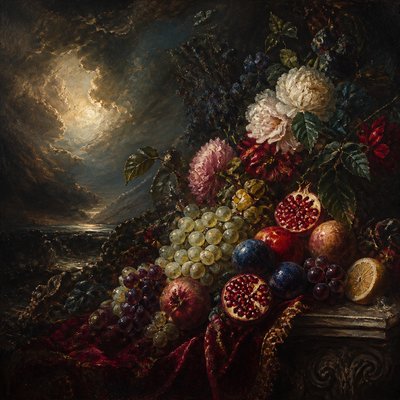
Baroque art is typically more dramatic, monumental, and emotionally intense, with stronger contrasts and a sense of grandeur. Rococo is lighter, more decorative, and more playful, favoring elegance over spectacle.
What are the main colors in Rococo art?
The style is strongly associated with pastels such as powder pink, pale blue, mint green, buttery cream, and soft gold. These colors help create the airy, romantic atmosphere that defines the style.
What subjects are common in Rococo art?
Common subjects include courtship, gardens, pastoral scenes, musical gatherings, salon life, and lighthearted mythology. Even when figures are classical, the mood is usually charming rather than solemn.
How can I make artwork look Rococo?
Use curved, asymmetrical compositions, delicate ornament, and layered pastel tones with gilded accents. Softer lighting, refined textures, and elegant figures or motifs will strengthen the Rococo effect.
Where is Rococo style used today?
It appears in fine art, illustration, fashion imagery, interior design references, luxury branding, and fantasy visuals. Modern creators often borrow its pastel palette and ornate framing to evoke romance, elegance, or aristocratic fantasy.

Create your first Rococo Classical artwork
Describe anything — or upload a photo — and see it in Rococo Classical Art Style in seconds.
Make Something with Rococo Classical
Related Styles
Discover similar art styles