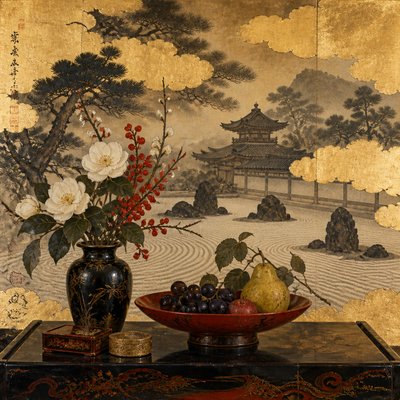
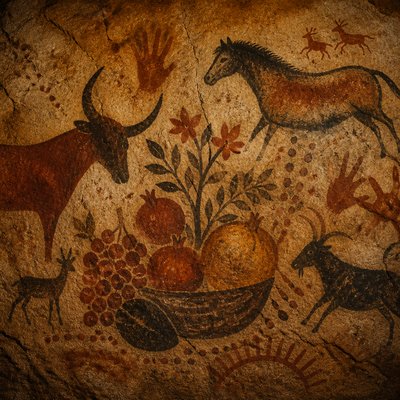
Ancient Greek Classical Art Style
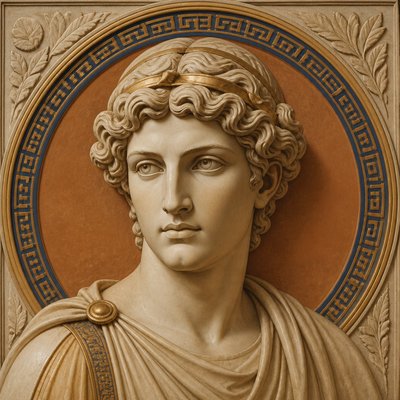
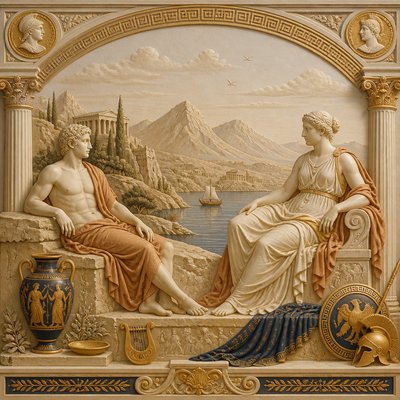
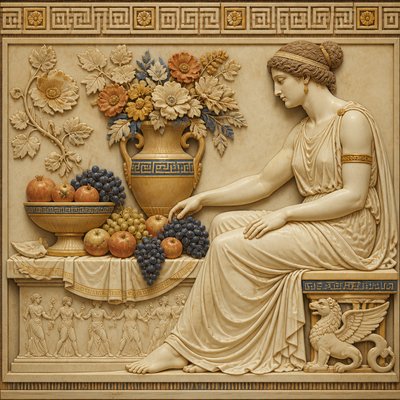
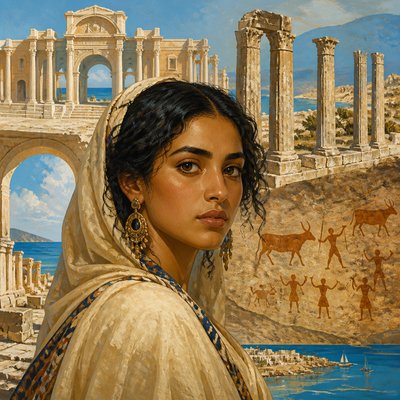
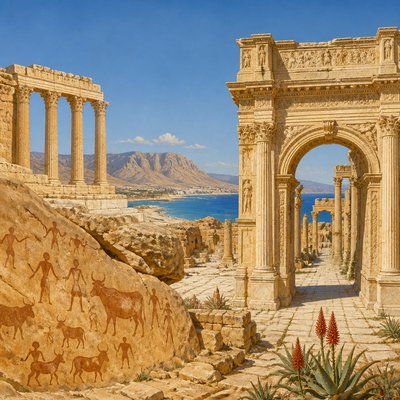
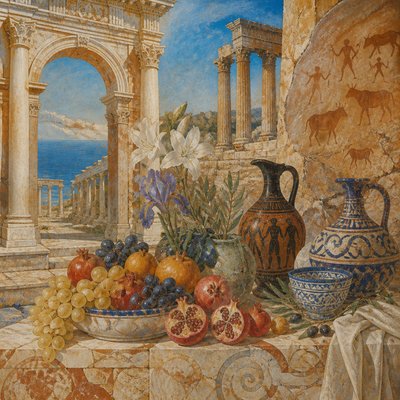
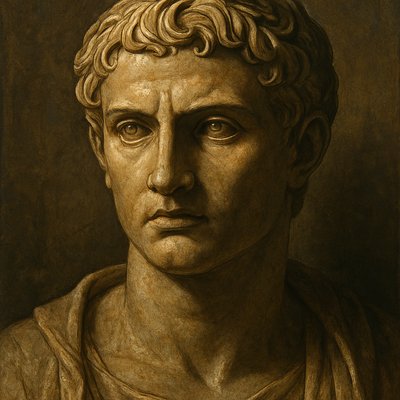
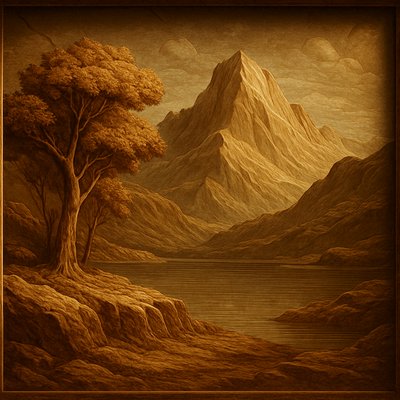
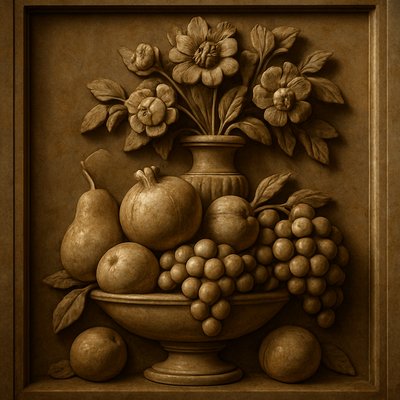
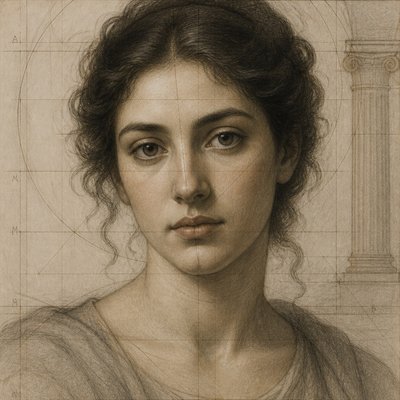
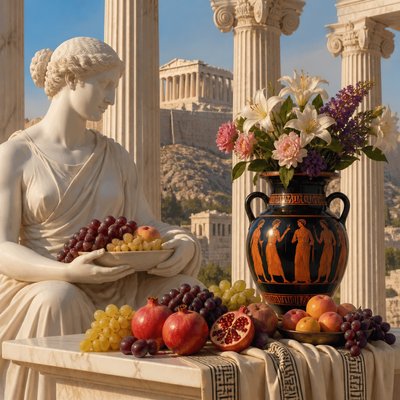
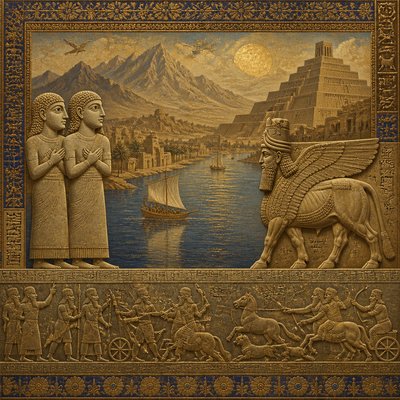
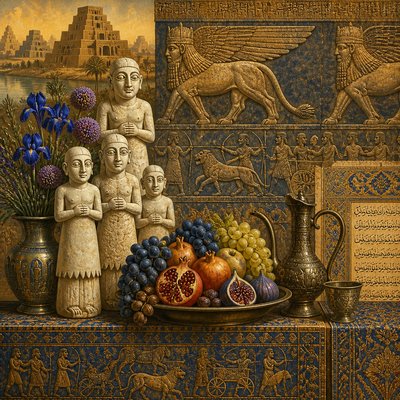
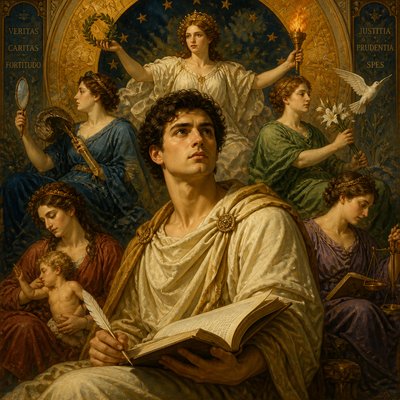
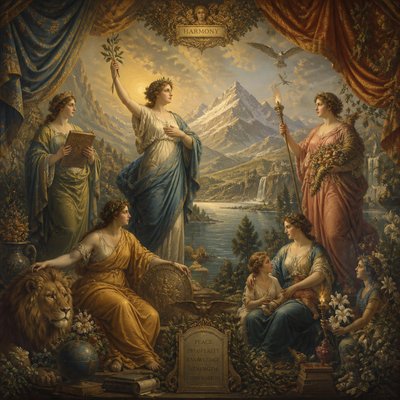
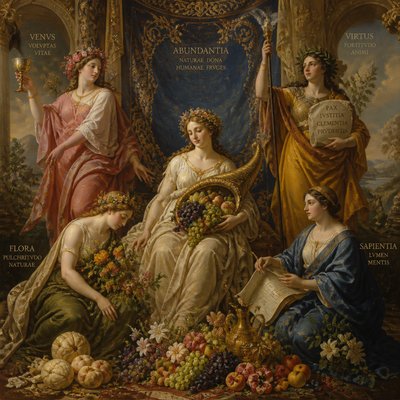
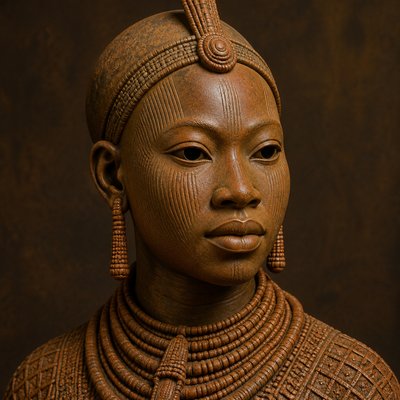
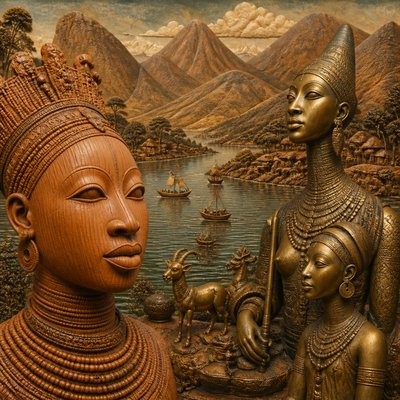
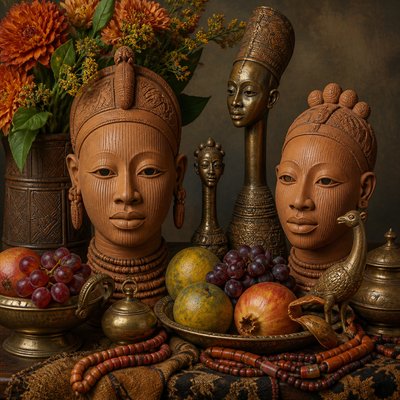
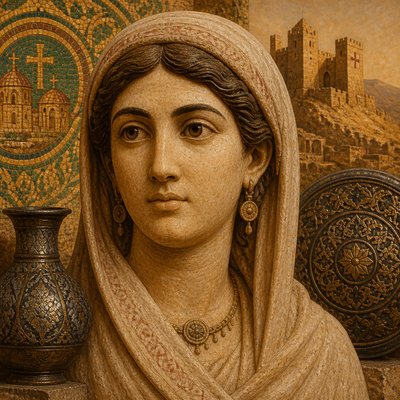
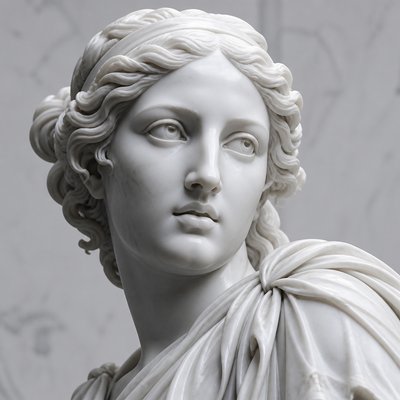
Ancient Greek classical art: idealized proportions, contrapposto poses, draped marble forms, and the balanced beauty of classical antiquity.
Instantly rendered in Ancient Greek Classical — or transform a photo
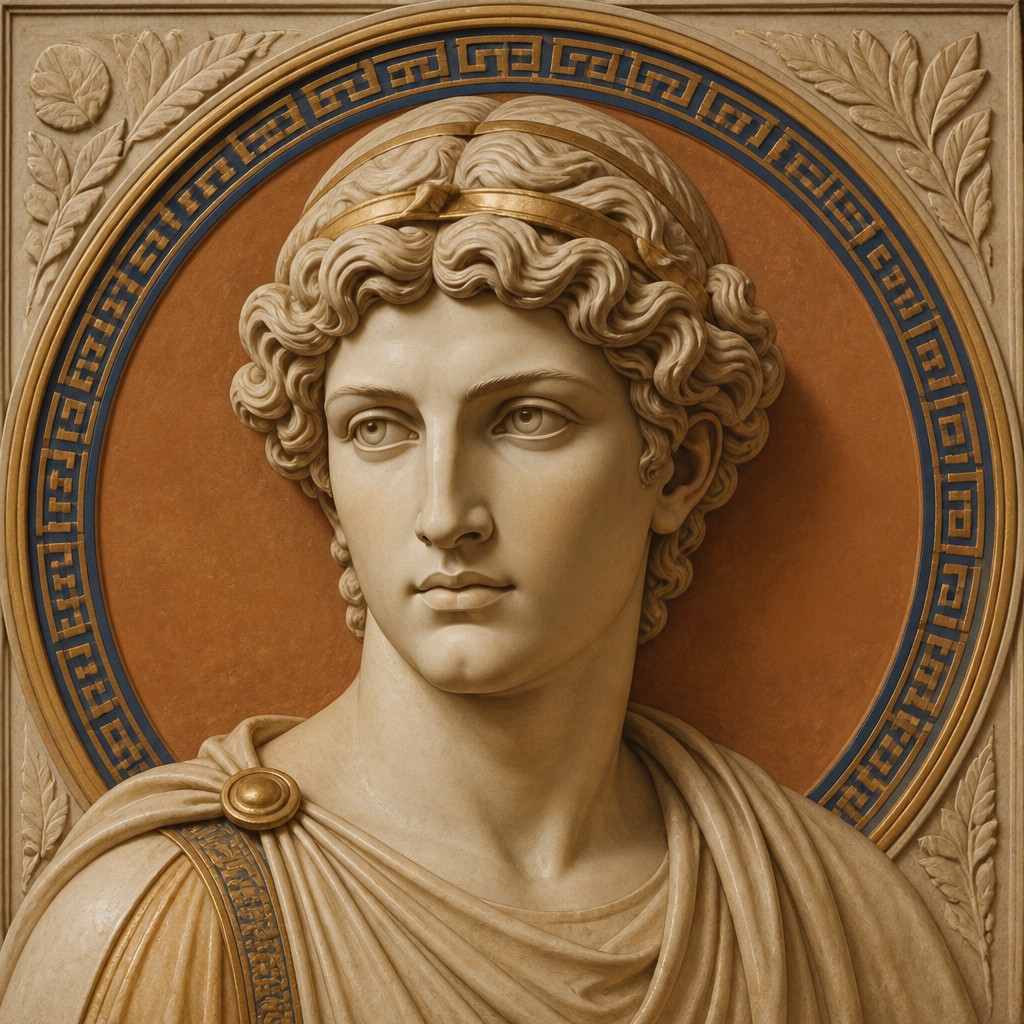
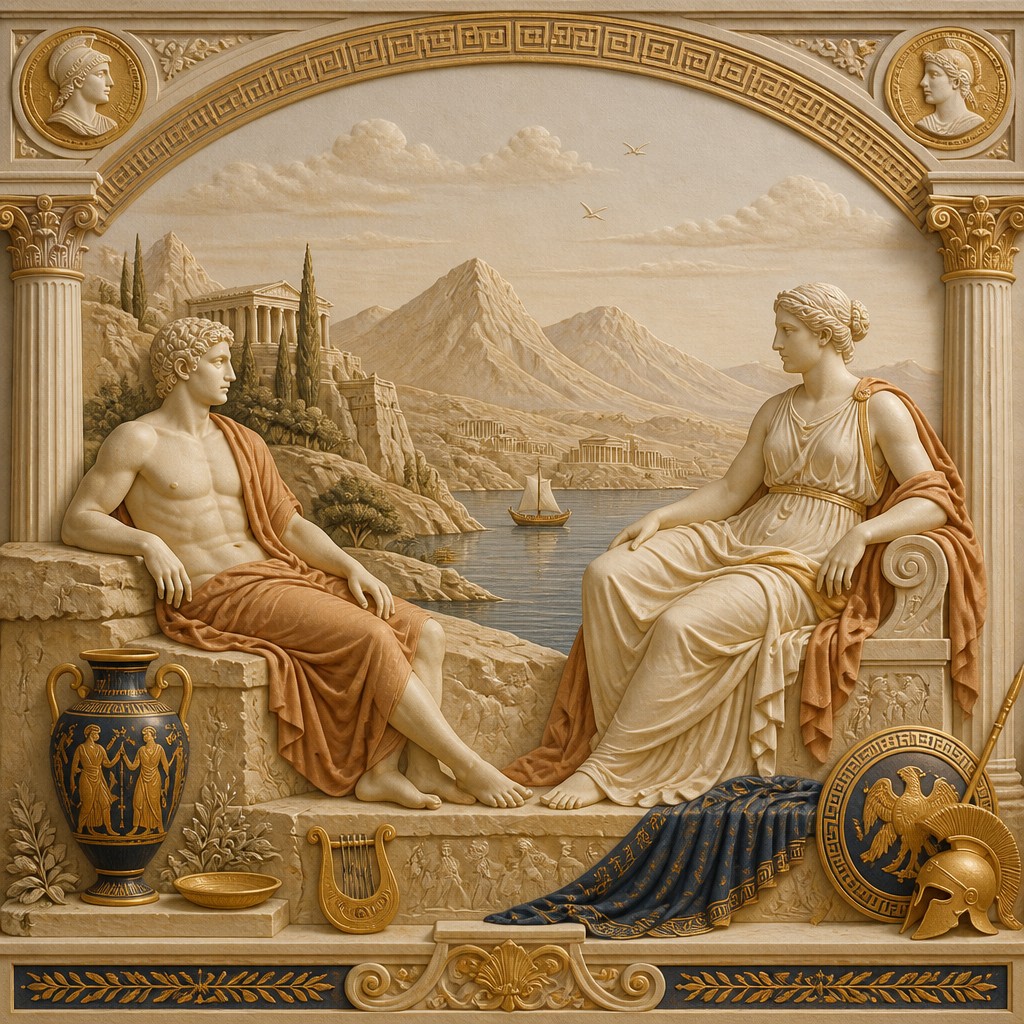
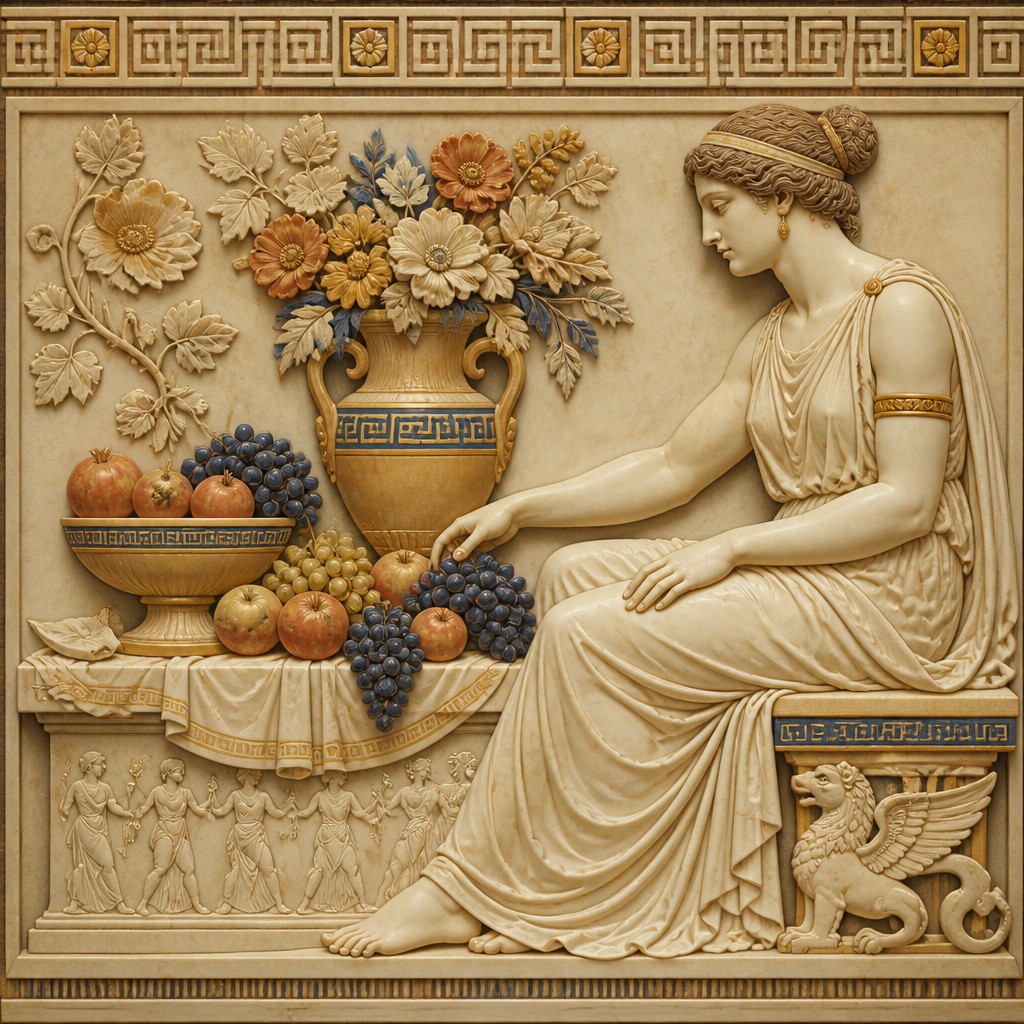
Ancient Greek Classical Gallery
Tap any artwork to explore it
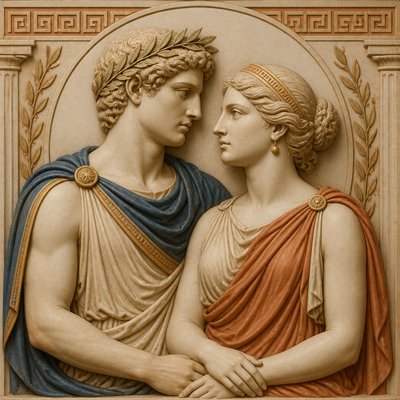
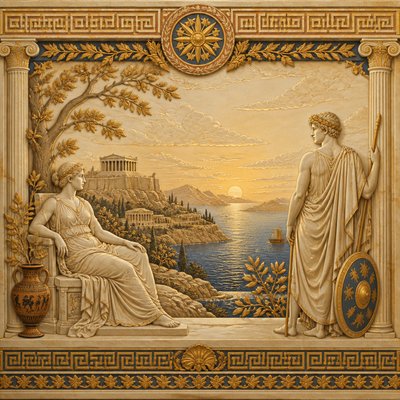
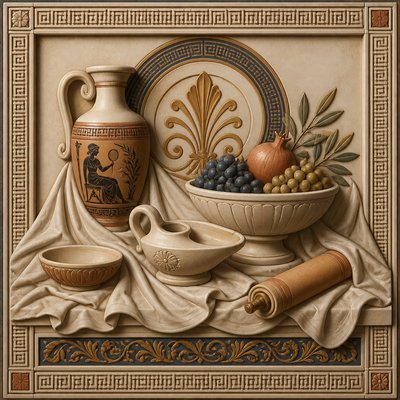
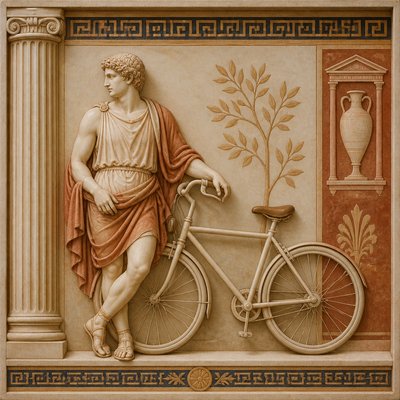
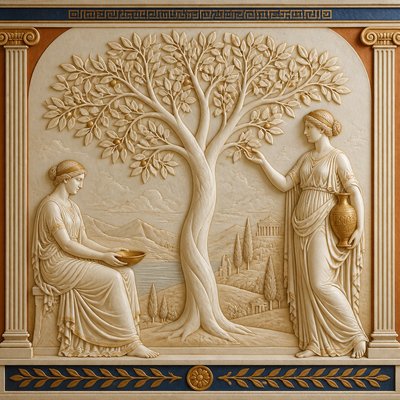
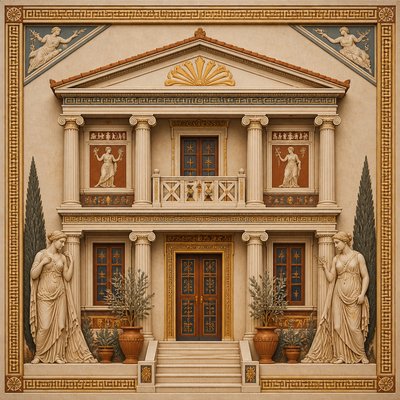
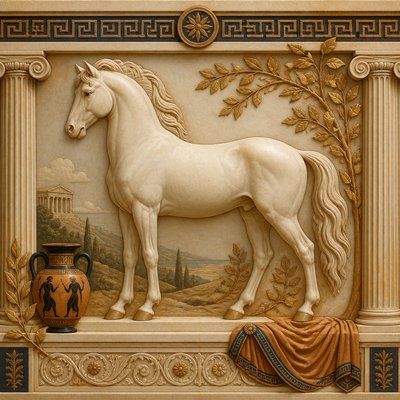
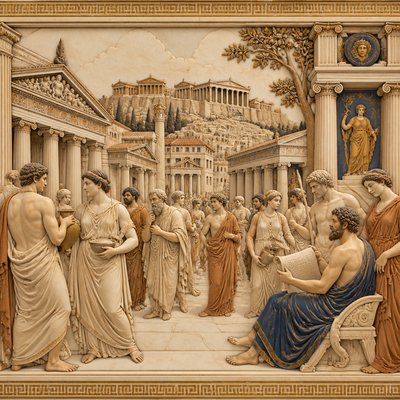
What is Ancient Greek Classical Art Style?
Ancient Greek Classical Art refers to the visual language developed in Greece during the Classical period, roughly the 5th and 4th centuries BCE, when artists pursued idealized human beauty, balanced composition, and a sense of ordered harmony. It is most familiar today through sculpture and relief, but its principles also shaped vase painting, architecture, and later Western ideas of proportion and beauty.
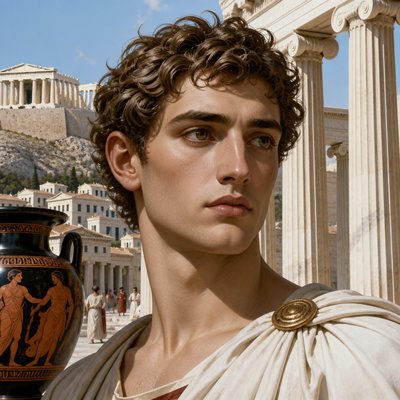
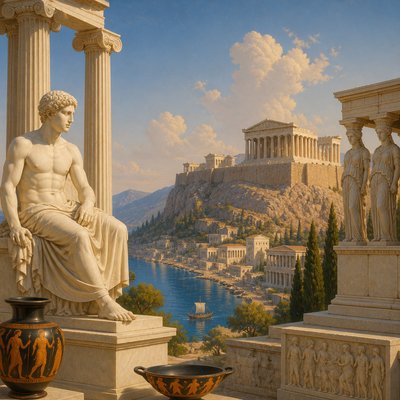
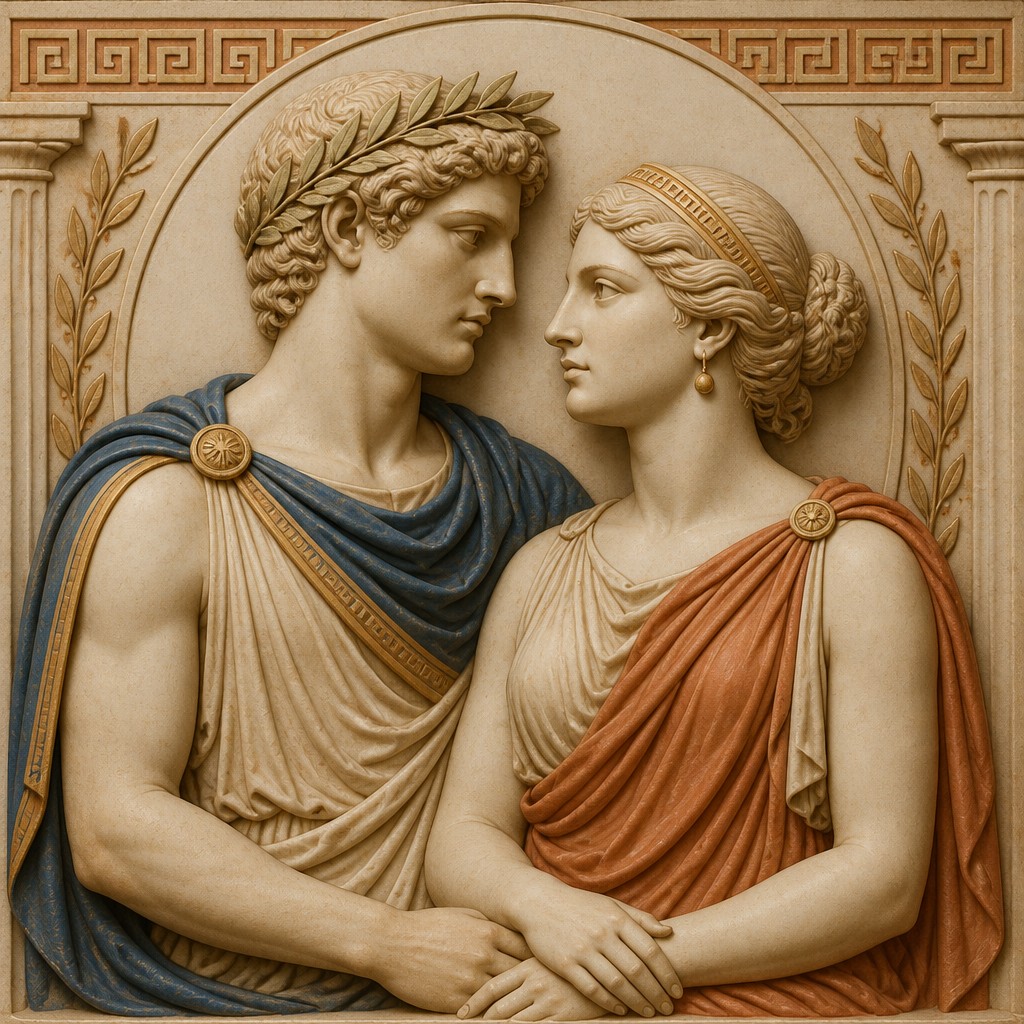
The style is defined by calm dignity rather than dramatic display. Figures are typically shown in contrapposto, with weight shifted onto one leg to create a natural, poised stance; anatomy is idealized rather than individualized; and drapery is rendered as a carefully studied system of folds that reveals the body beneath while preserving elegance. The result is an art of measured grace, physical clarity, and restrained emotional expression.
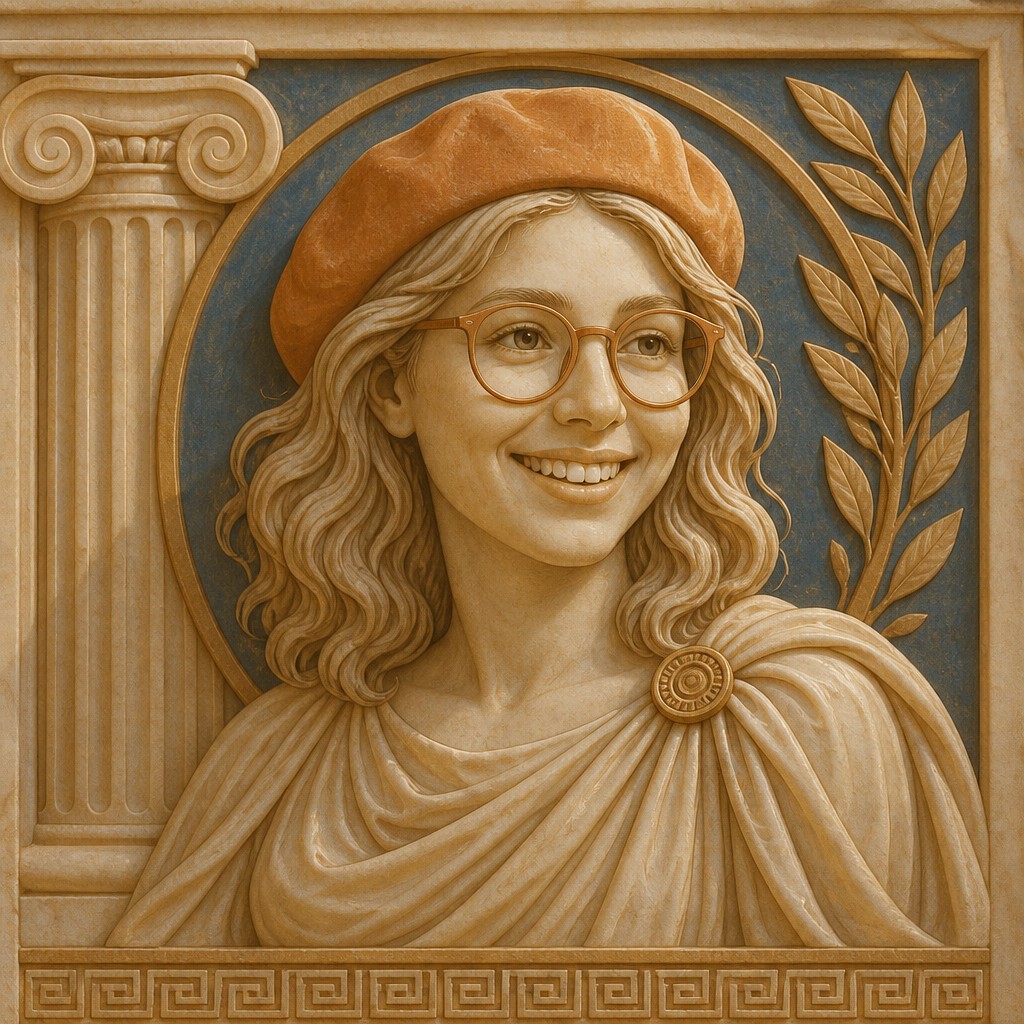
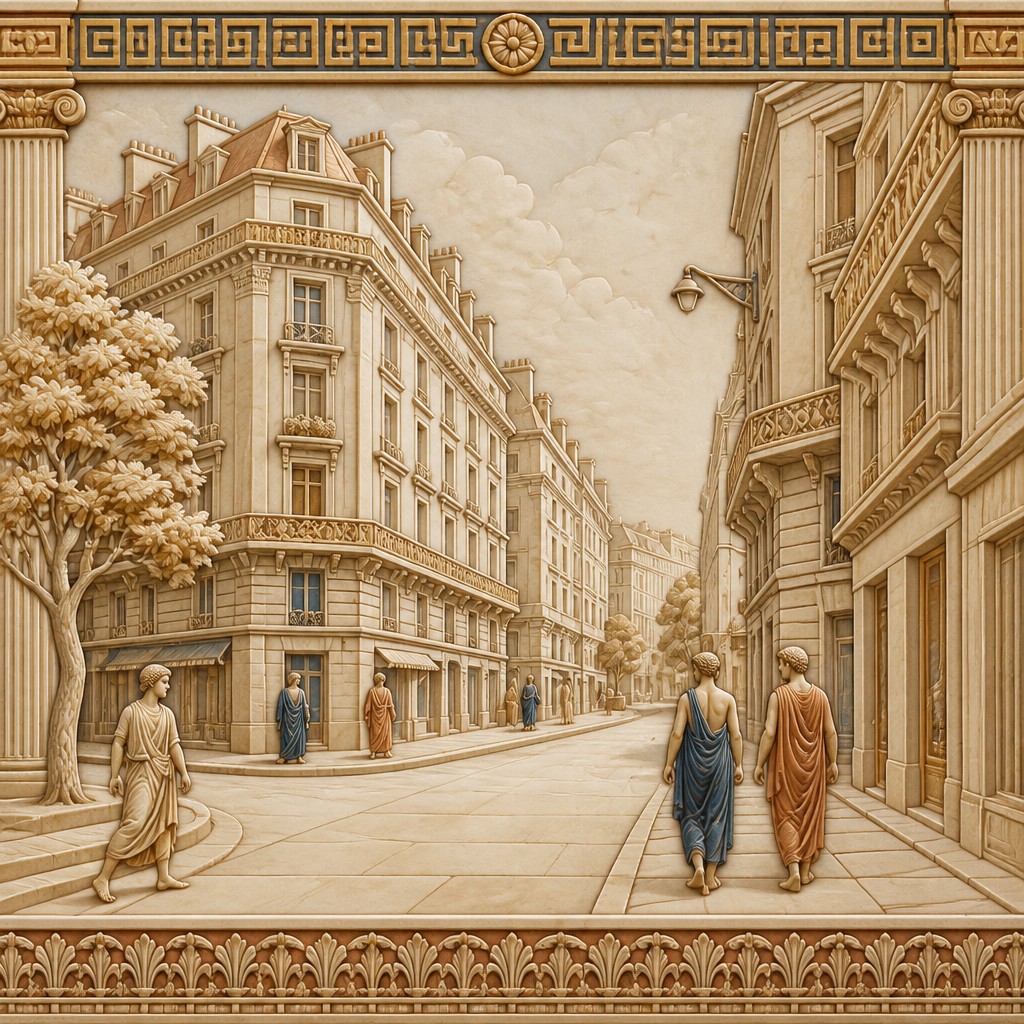
Try It On Your Photos
Upload any photo and convert it into Ancient Greek Classical Art Style — drag the sliders to compare before and after.


What Defines Ancient Greek Classical Art Style
The signature details, up close
Idealized Human Anatomy
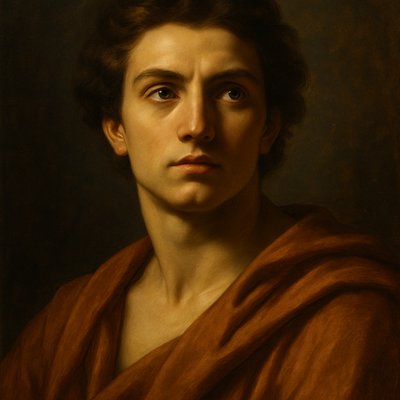
Bodies are presented as perfected forms rather than exact portraits. Muscles, limbs, and facial features are generalized into harmonious proportions that suggest youth, strength, and composure.
Contrapposto Pose
Figures often stand with one leg bearing the weight and the torso subtly turning against the hips. This creates a relaxed, natural rhythm that became one of the style’s defining innovations.
Draped Fabric with Structural Clarity
Clothing is carved or painted as controlled folds that echo the body’s movement. The drapery is not decorative clutter; it is a formal device for revealing anatomy, balance, and grace.
Balanced, Symmetrical Composition
Classical works favor stable arrangements and clear visual hierarchy. Even when a figure moves, the overall composition feels measured, centered, and complete.
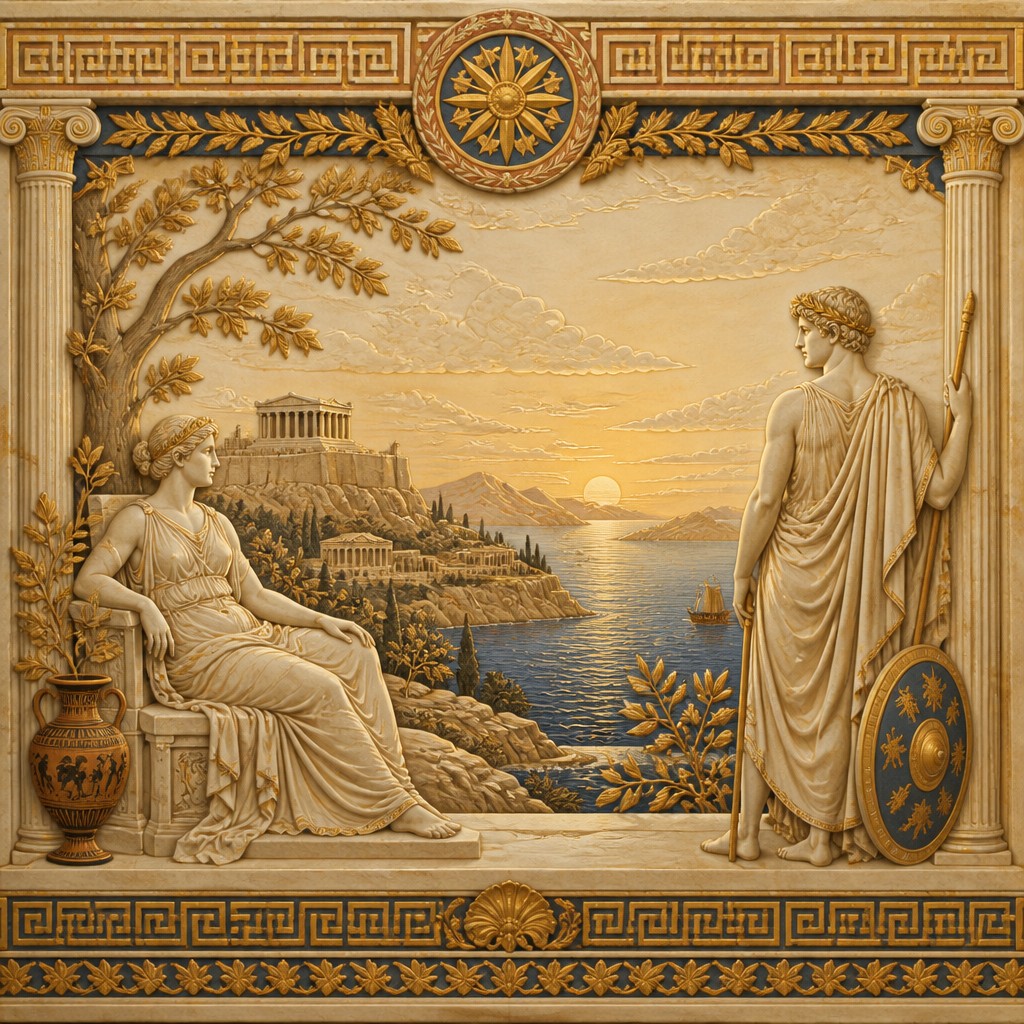
Marble-Like Finish and Smooth Surfaces
In sculpture especially, surfaces are refined and polished, with transitions softened to evoke ideal rather than accidental form. The material often reads as luminous stone, even when translated into illustration.
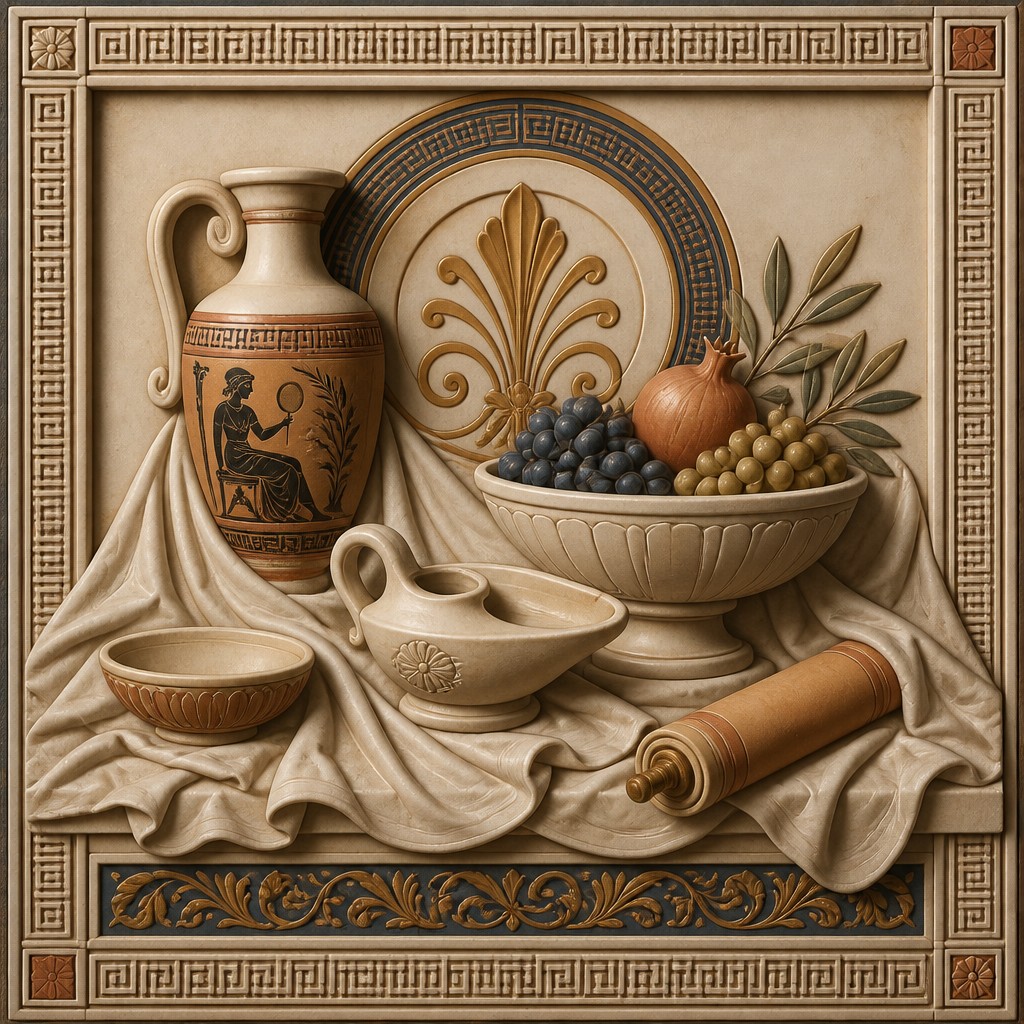
Restrained, Earth-Toned Palette
In color reconstructions or stylized interpretations, the palette tends toward ivory, ochre, terracotta, muted blues, and gold accents. The colors support a sense of antiquity, sunlight, and ritual dignity.
Try It
Create Videos in Ancient Greek Classical Art Style
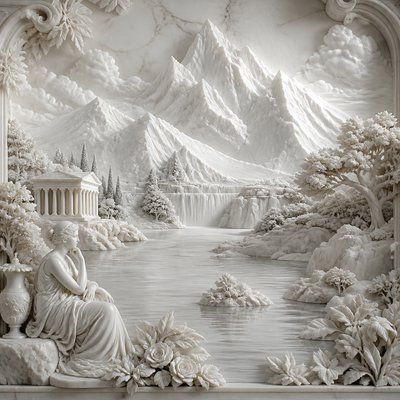
Styles aren't just for stills — describe a scene or animate an image and get a short video rendered in Ancient Greek Classical. Press play to see this pond come to life.
Make a VideoAncient Greek Classical Prompt Ideas
Start from an idea — each one opens the generator with the style ready to go. See all 40 Ancient Greek Classical prompts →
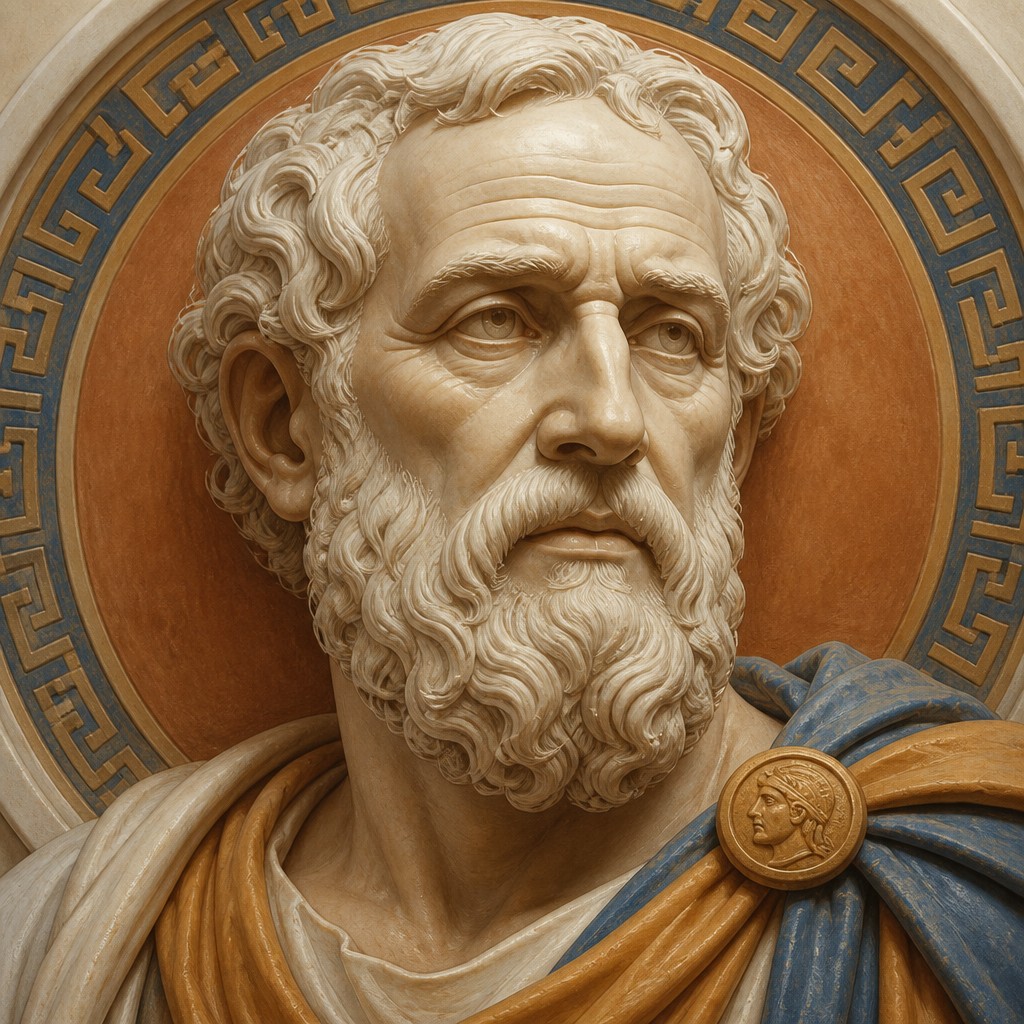
“close-up portrait of an elderly person with expressive weathered features”
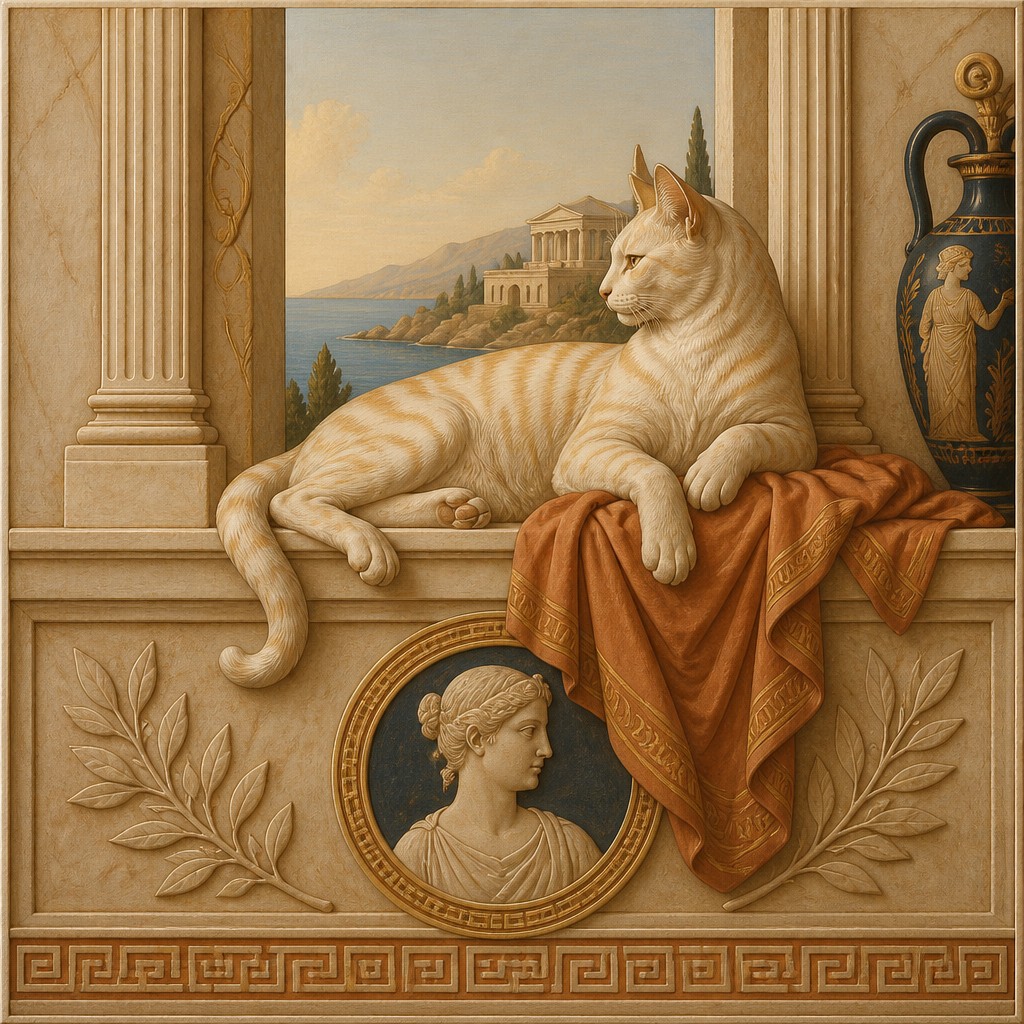
“a cat lounging in a sunlit window”
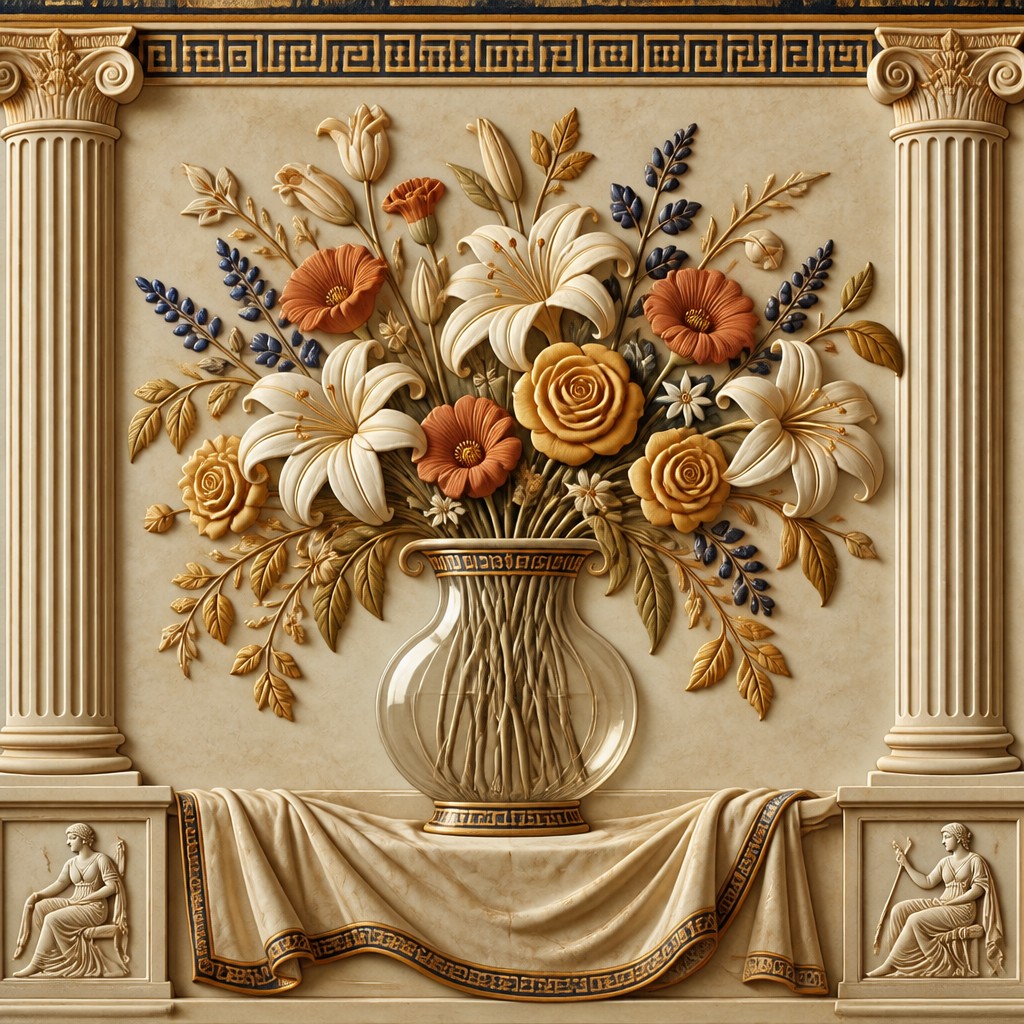
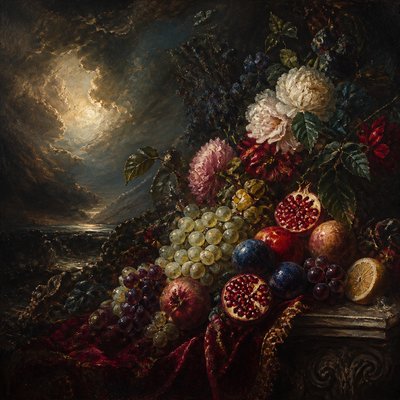
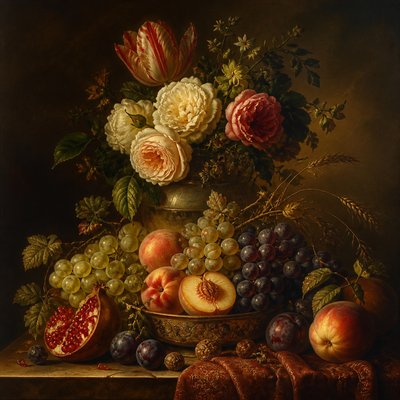
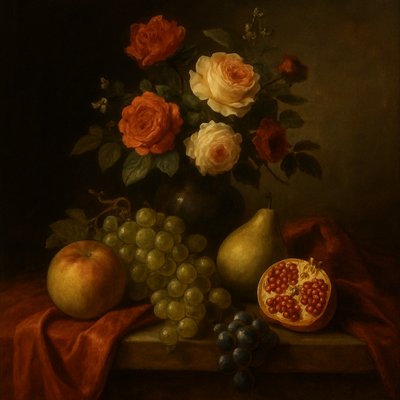
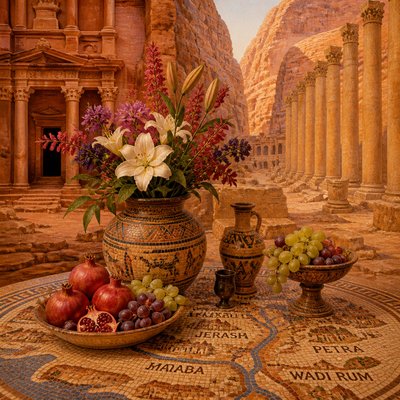
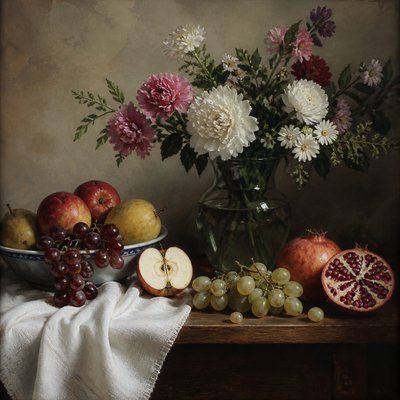
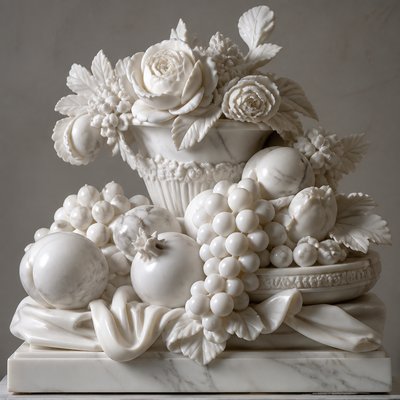
“bouquet of flowers in a glass vase”
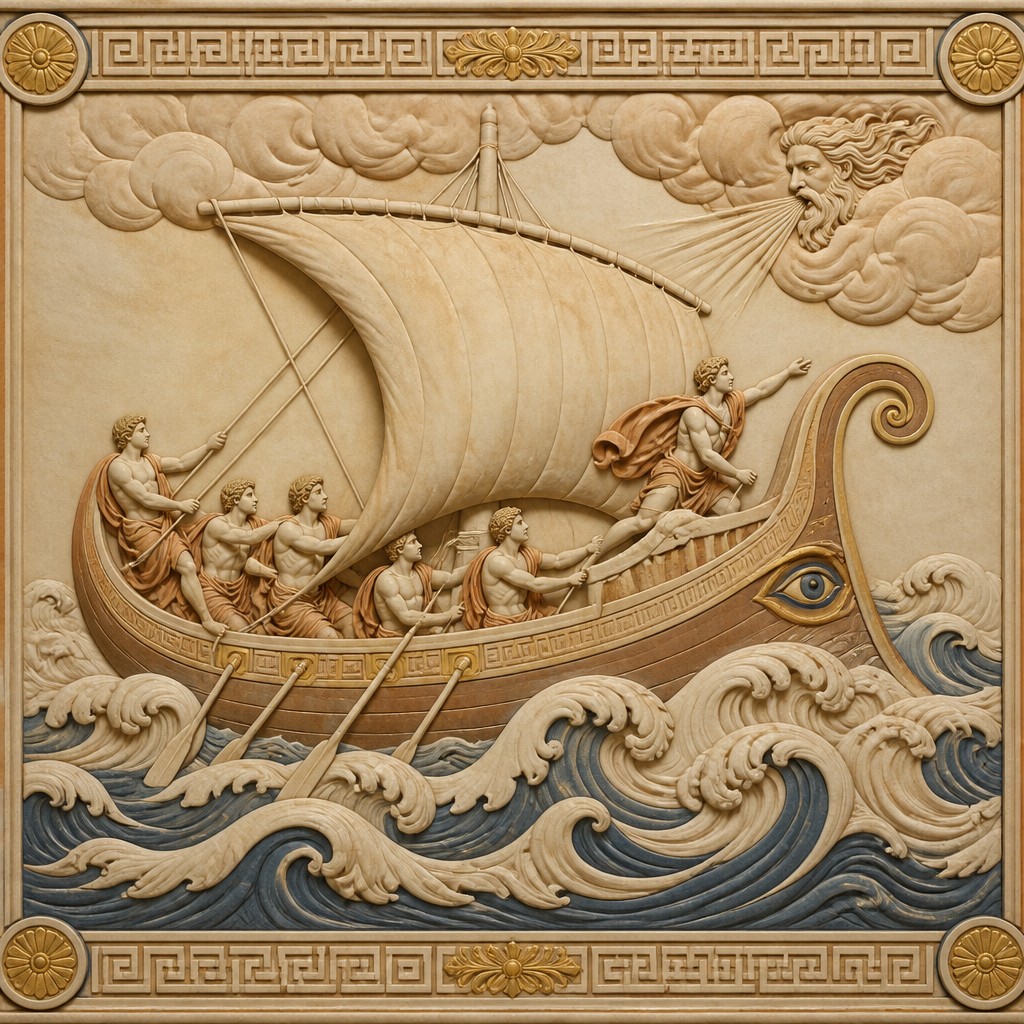
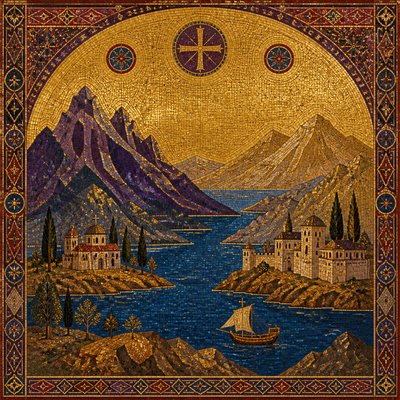
“sailing ship on a stormy sea”
How to Create Ancient Greek Classical Art
Master the craft step by step — or skip straight to creating. Read the full guide →
- 1
Build the figure from classical proportions
Start with a clear skeletal construction and keep the body proportionate, elongated, and stable. Avoid exaggerated anatomy; the goal is believable idealization, not hyper-realism.
- 2
Use contrapposto to create poise
Shift the weight onto one leg, tilt the pelvis slightly, and let the shoulders counterbalance the hips. This small asymmetry is essential for achieving the calm, living presence associated with Greek classical figures.
- 3
Design drapery as a readable system of folds
Let fabric fall in long, controlled curves that indicate the body beneath. In digital or painted work, use crisp edge control and subtle shading so the folds feel carved rather than chaotic.
- 4
Keep surfaces smooth and lighting gentle
Classical sculpture is characterized by refined transitions, soft highlights, and minimal textural noise. For image generation, prompt for marble relief, soft Mediterranean light, clean contours, and dignified stillness.
- 5
Compose with architectural restraint
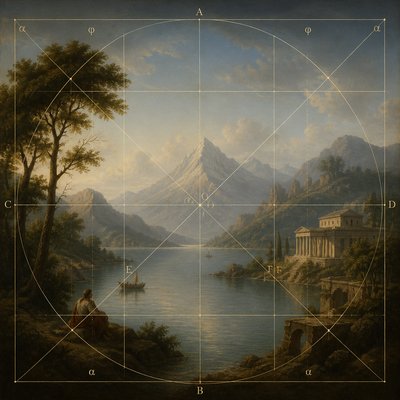
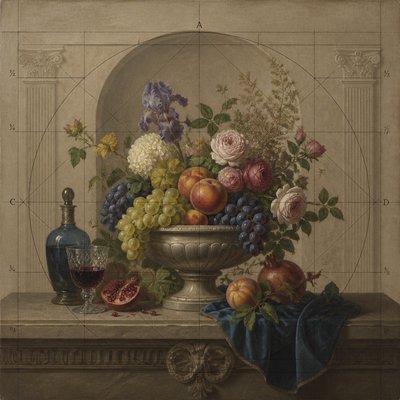
Frame the subject with symmetry, open negative space, and stable geometry. If you are generating an image from text, specify balanced composition, golden-ratio proportions, and a serene, monumental mood.

The Story
History & Origins of Ancient Greek Classical
Ancient Greek Classical Art emerged after the Archaic period, as sculptors and painters moved away from rigid frontal forms toward more lifelike observation and mathematical order. The High Classical phase, especially in the mid-5th century BCE, is associated with the building programs of Athens and with the great sculptural master linked to the Parthenon, whose work set a standard for monumental clarity, and with the theorist of ideal proportions whose canon of the human figure became a touchstone for later artists.
This aesthetic developed further in the 4th century BCE through leading sculptors of softer surfaces, more varied poses, and subtler expression while retaining the classical concern for ideal form. Later Hellenistic art became more emotional, dramatic, and theatrical, but the Classical ideal remained foundational for Roman art, Renaissance classicism, Neoclassicism, and academic traditions that continued to look to ancient Greece as a model of beauty and balance.
Influences: Ancient Greek Classical Art draws from earlier Aegean and Archaic Greek traditions but is most closely associated with the sculptural innovations of leading High Classical Greek sculptors, including the principal Parthenon-associated master, the theorist of ideal proportions behind a famous canon of the human figure, and later 4th-century BCE innovators who introduced softer surfaces, more varied poses, and subtler expression. Its concern with ideal proportion and the believable body strongly influenced Roman sculpture, Renaissance classicism, and later academic art, while its emphasis on contrapposto and measured drapery remains a foundational reference for figurative sculpture and drawing.
Frequently Asked Questions
What defines Ancient Greek Classical Art?
Its defining traits are idealized anatomy, contrapposto stance, carefully handled drapery, and a balanced, harmonious composition. The style aims for timeless beauty and calm dignity rather than dramatic motion or emotional intensity.
How is it different from Hellenistic art?
Classical art is restrained, proportioned, and idealized, while Hellenistic art often becomes more emotional, dynamic, and theatrical. In Hellenistic works, poses can be more extreme and expressions more varied, whereas Classical figures usually remain composed and self-contained.
Is Ancient Greek classical art only sculpture?
No. Sculpture is the best-known form, but the same aesthetic principles appear in vase painting, relief carving, architecture, and decorative arts. Even where paint or clay was used, artists still valued order, clarity, and proportion.
How can I make an image look authentically classical Greek?
Use a natural but idealized body, a stable contrapposto pose, and drapery with long, legible folds. Keep expressions calm, the palette restrained, and the composition symmetrical or carefully balanced.
What materials are associated with this style?
Marble is the most iconic material, especially for sculpture, though bronze was also important in Greek art. In reconstructed or inspired images, stone texture, polished surfaces, and carved contours help evoke the classical look.
Where is this style commonly used today?
It appears in museum reproductions, historical illustration, academic figure drawing, neoclassical architecture, and fantasy or editorial imagery that wants a sense of antiquity and noble idealism. It is also a frequent reference point for statues, monuments, and civic art.
Create your first Ancient Greek Classical artwork
Describe anything — or upload a photo — and see it in Ancient Greek Classical Art Style in seconds.
Make Something with Ancient Greek Classical
Related Styles
Discover similar art styles