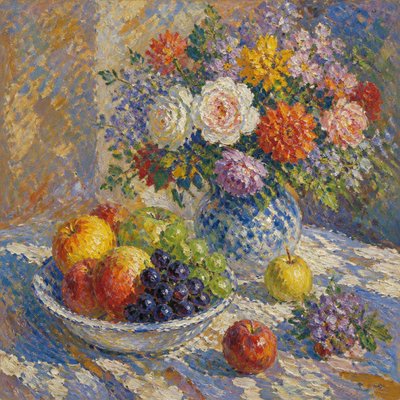
Metaphysical Painting Art Style
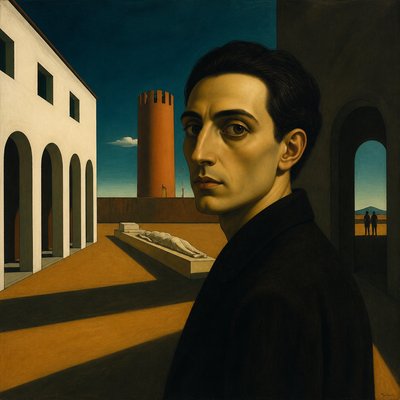
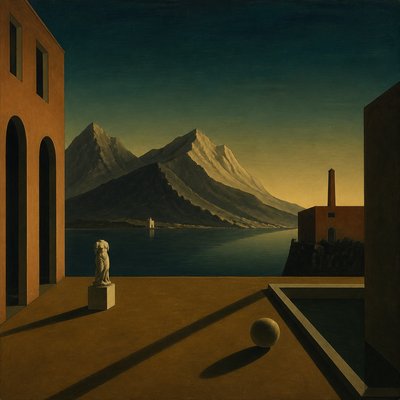
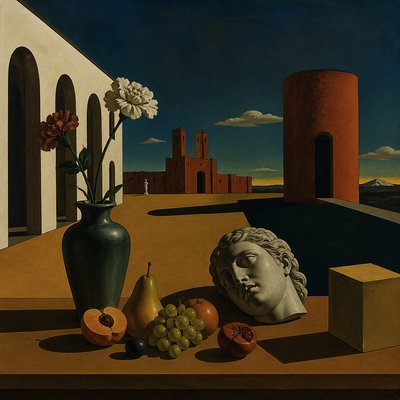
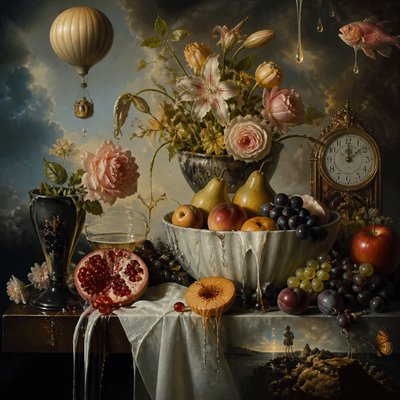
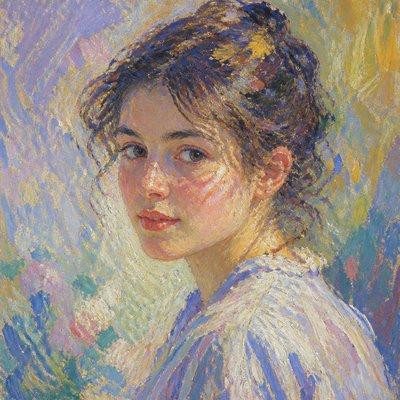
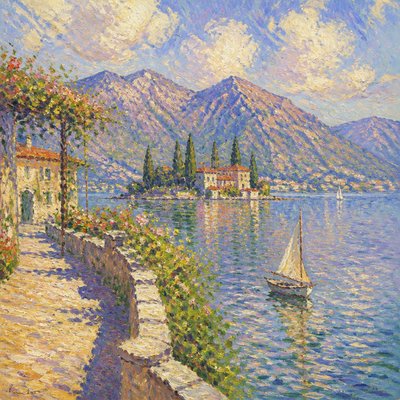
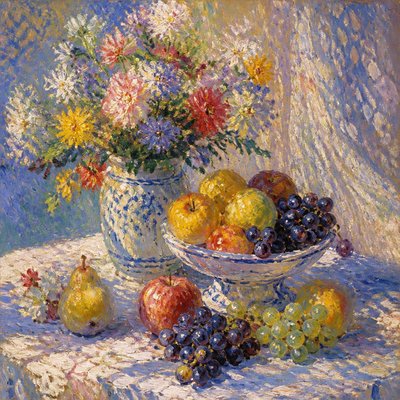
Dreamlike piazzas, long shadows, classical architecture, and eerie stillness inspired by leading metaphysical painters' work.
Instantly rendered in Metaphysical Painting — or transform a photo
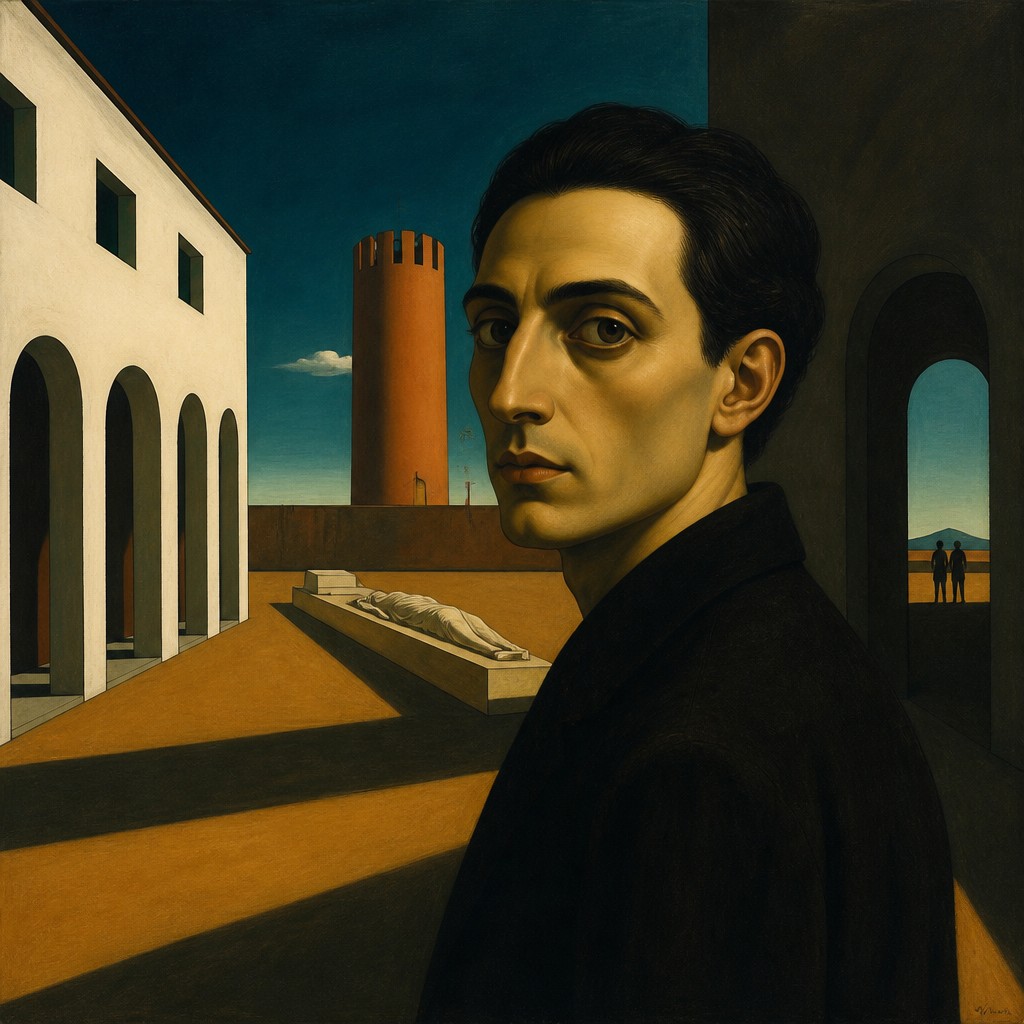
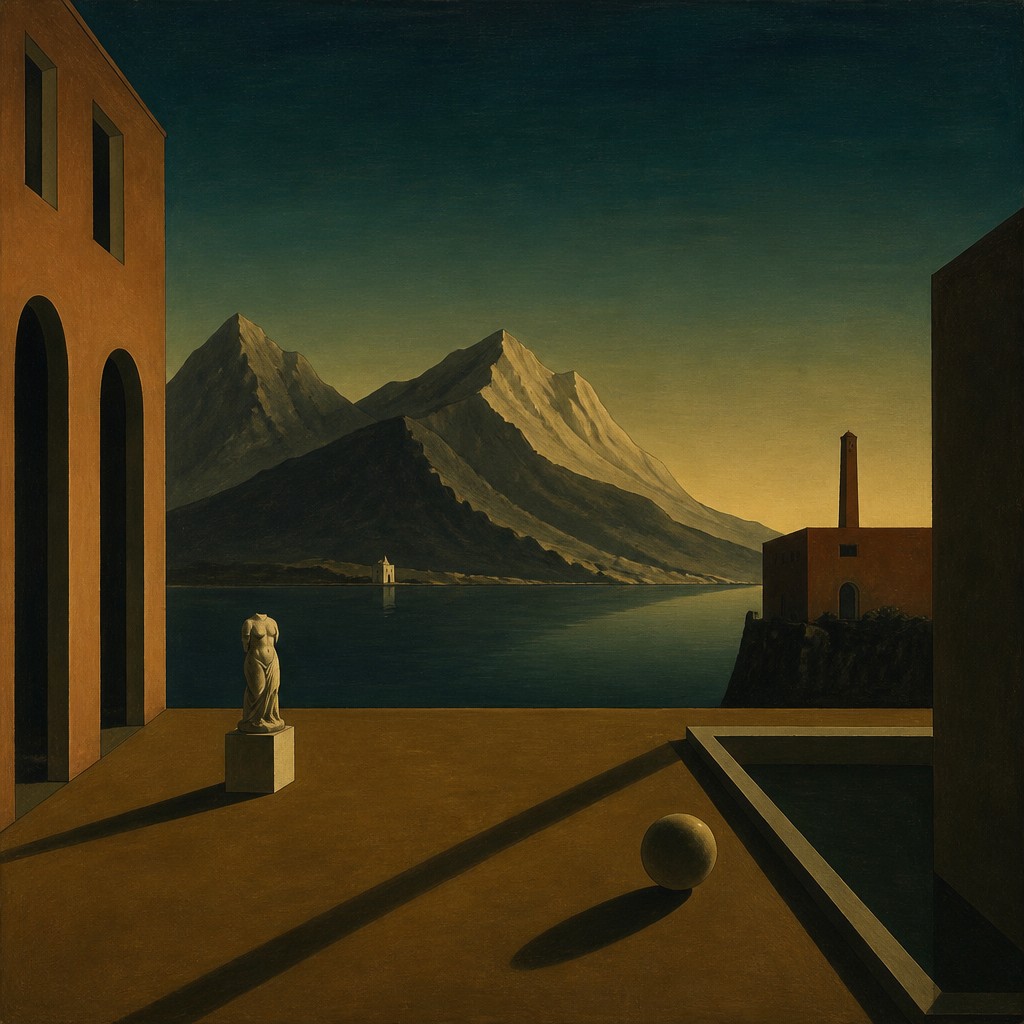
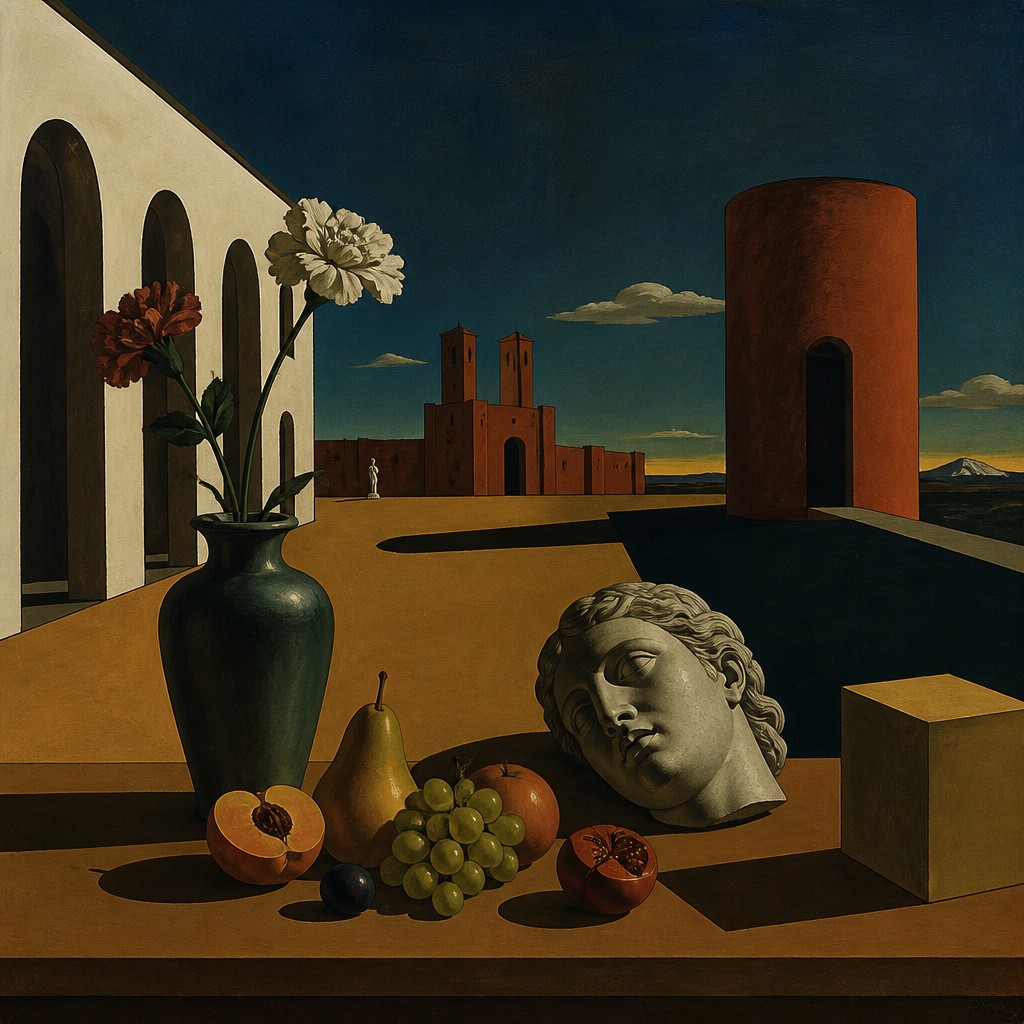
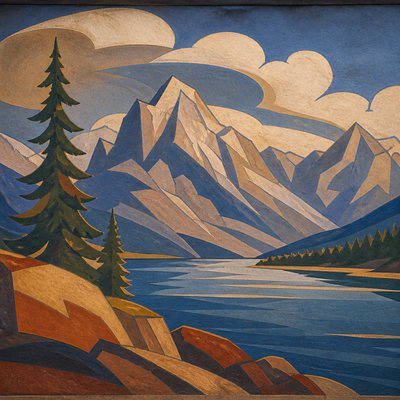
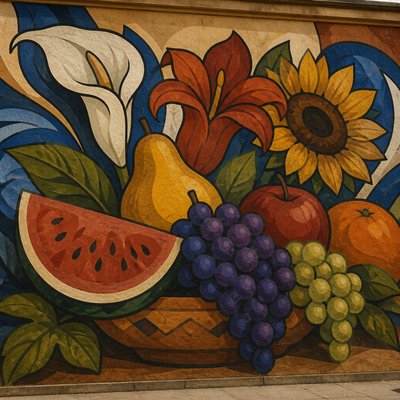
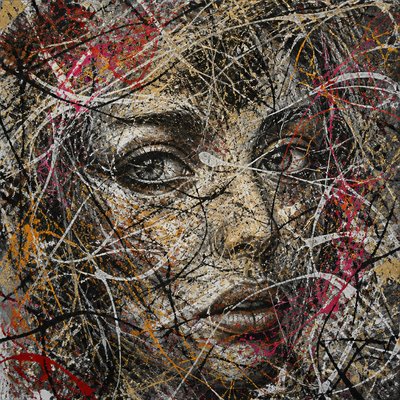
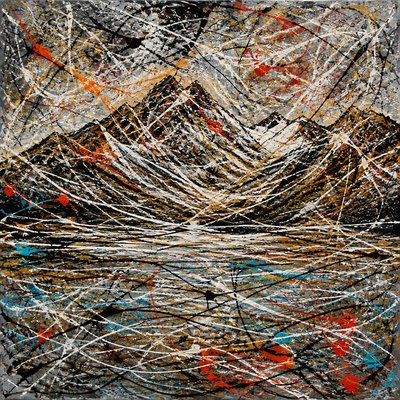
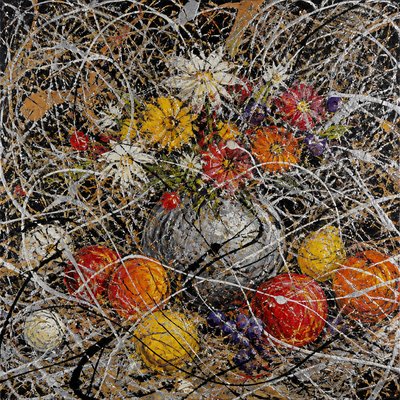
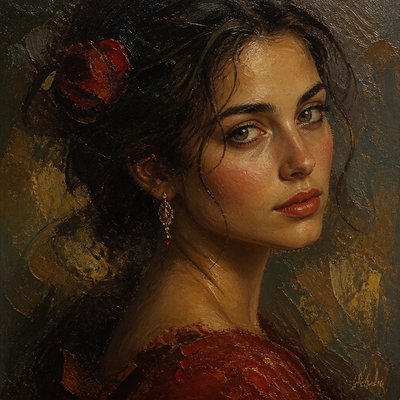
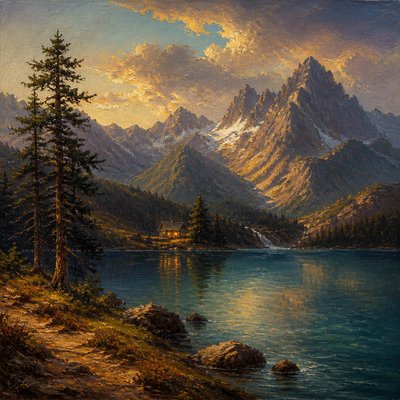
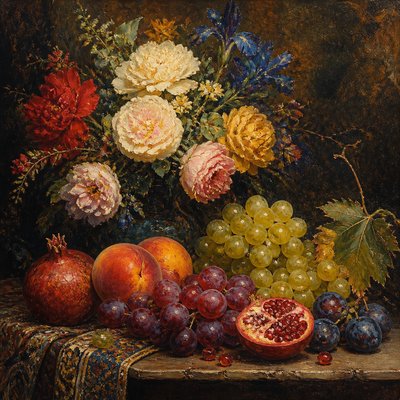
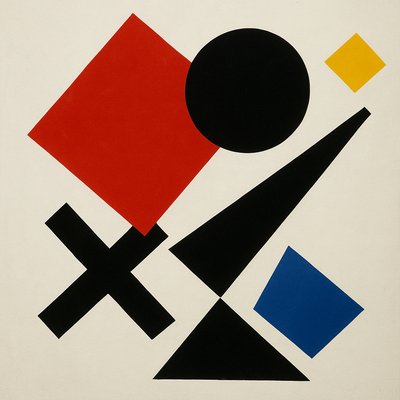
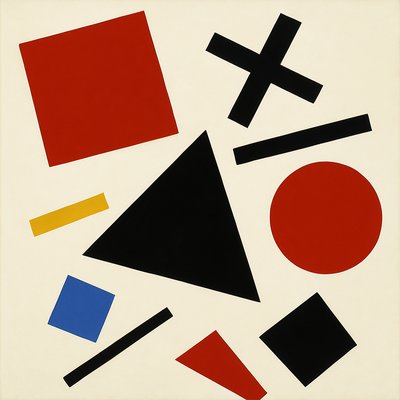
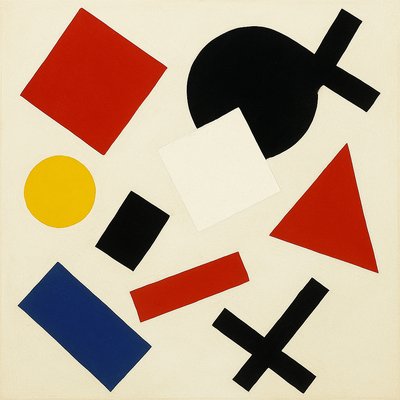
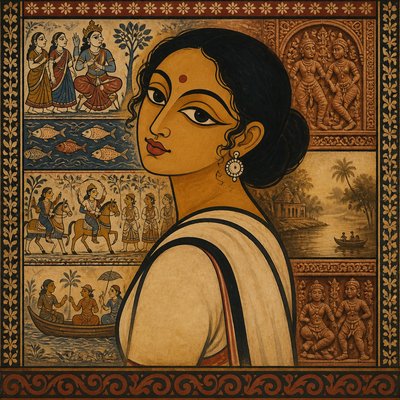
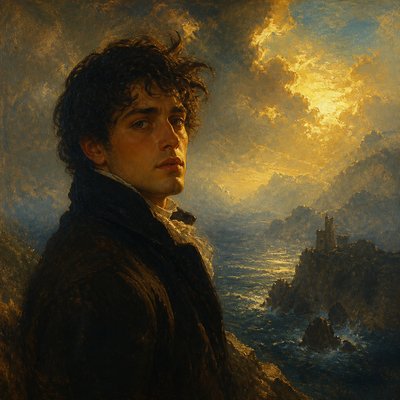
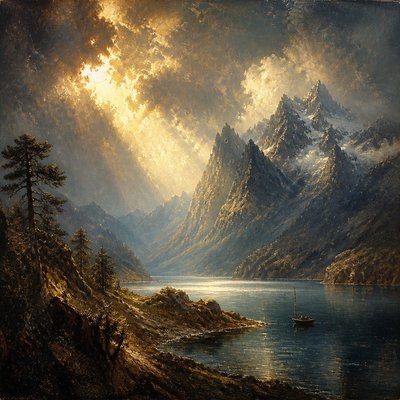
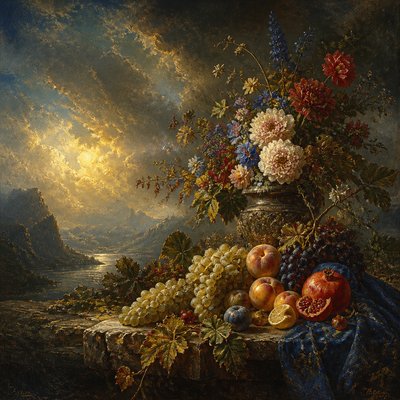
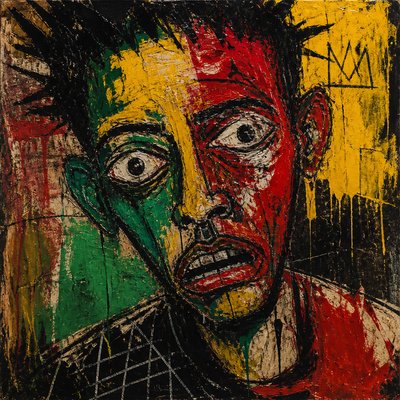
Metaphysical Painting Gallery
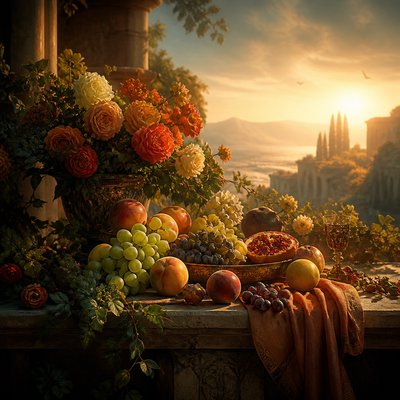
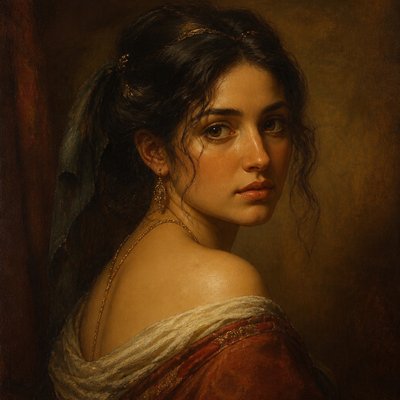
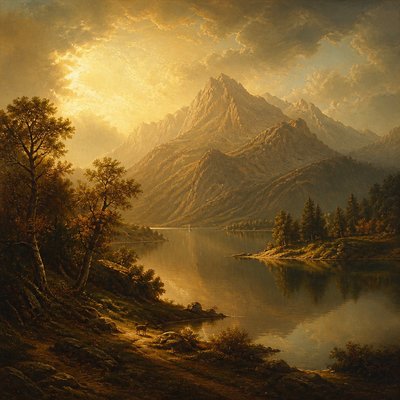
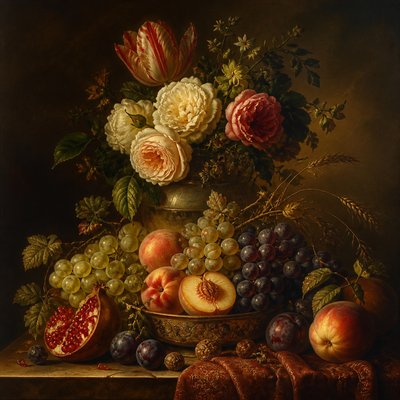
Tap any artwork to explore it
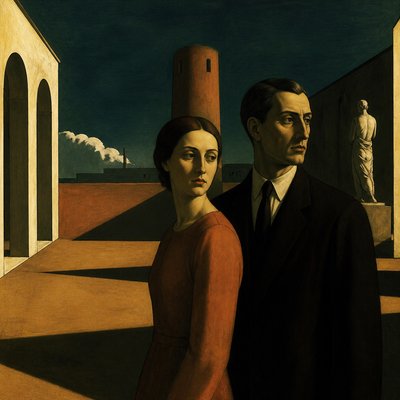
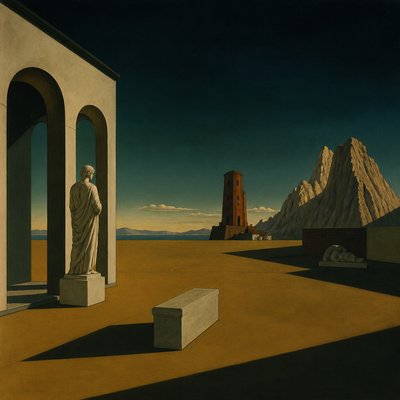
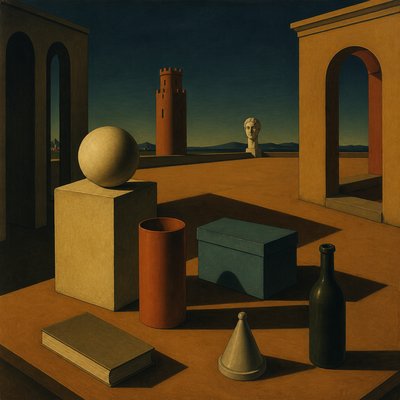
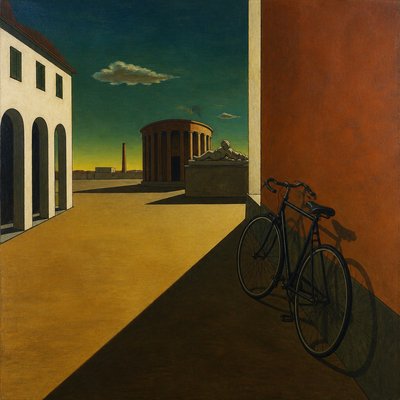
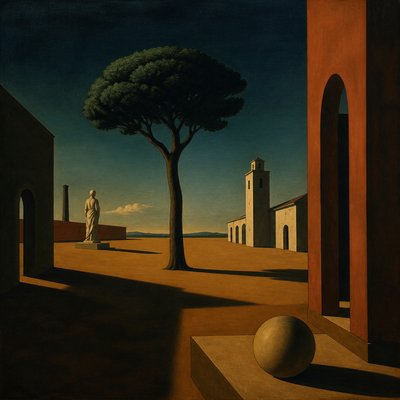
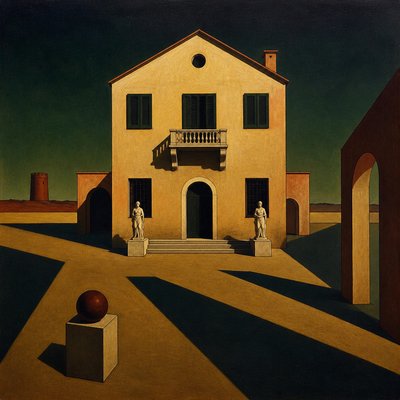
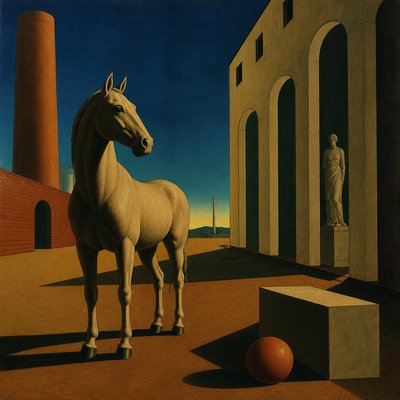
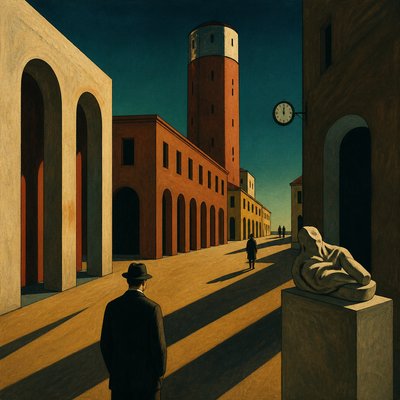
What is Metaphysical Painting Art Style?
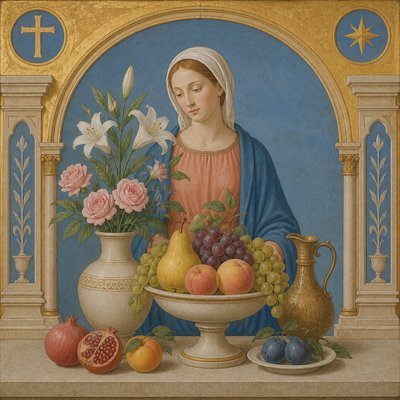
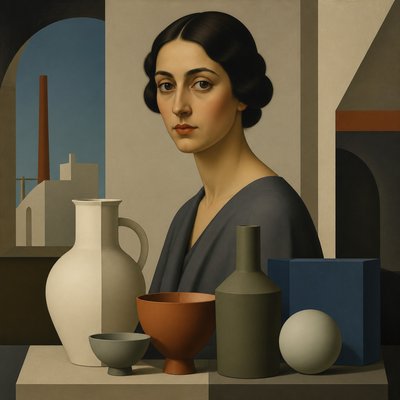
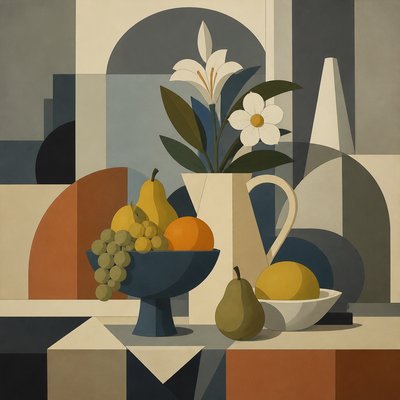
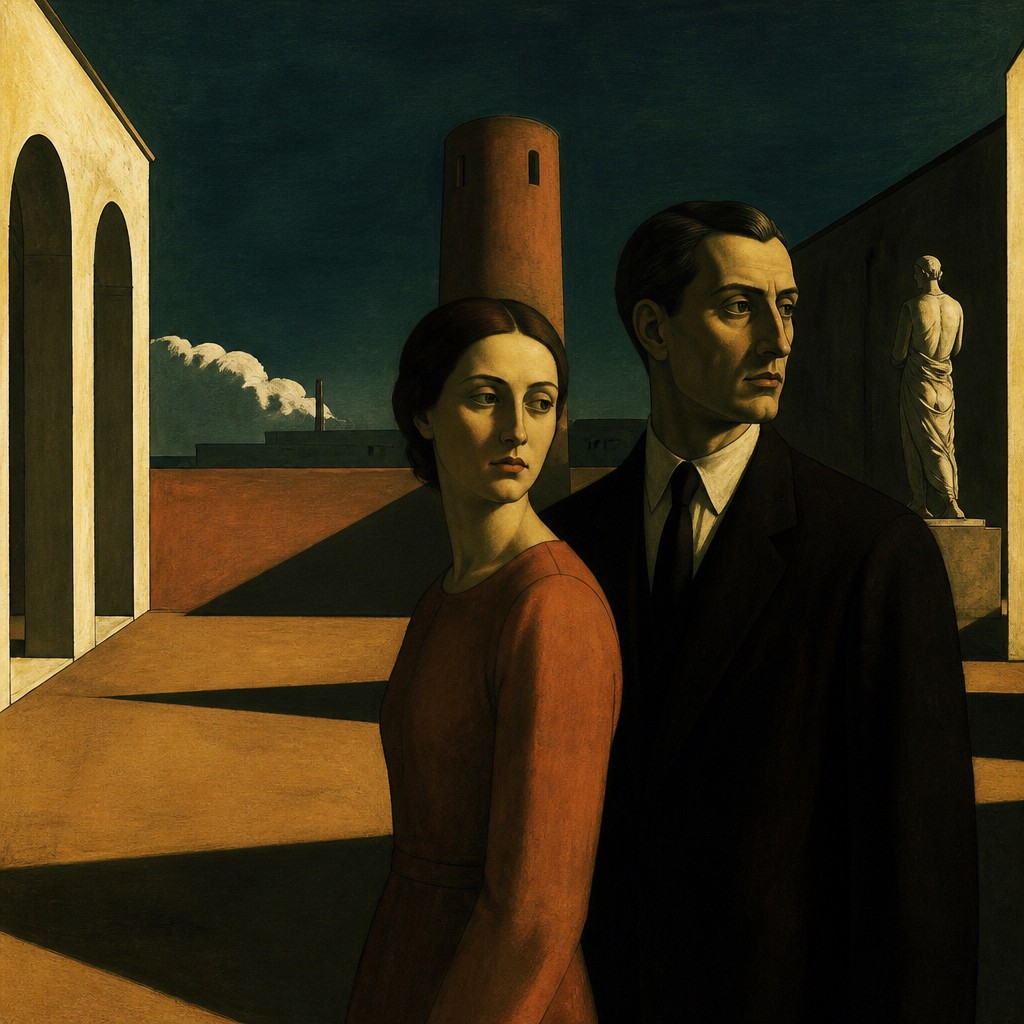
Metaphysical painting is an early 20th-century visual language associated above all with a leading Italian metaphysical painter and, in a different register, another early Italian metaphysical painter and a restrained Italian still-life painter's brief metaphysical phase. It presents ordinary architecture and classical fragments in a strangely emptied world: arcades, towers, statues, mannequins, trains, and deserted plazas are arranged as if in a lucid dream. The result is not narrative realism but an atmosphere of philosophical suspension, where familiar things become uncanny through scale, silence, and placement.
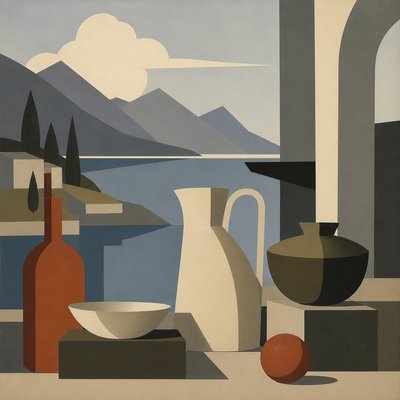
Its visual identity depends on tension between clarity and mystery. Forms are simplified and sharply outlined, perspective is often exaggerated into deep theatrical recession, and shadows stretch long across sunstruck ground as if time itself has stalled. The palette tends toward muted ochres, terracottas, greens, and deep blues, reinforcing a late-afternoon light that feels both tangible and unreal. Metaphysical painting looks the way it does because it aims to make visible the hidden strangeness of ordinary space rather than to describe a specific place.
Try It On Your Photos
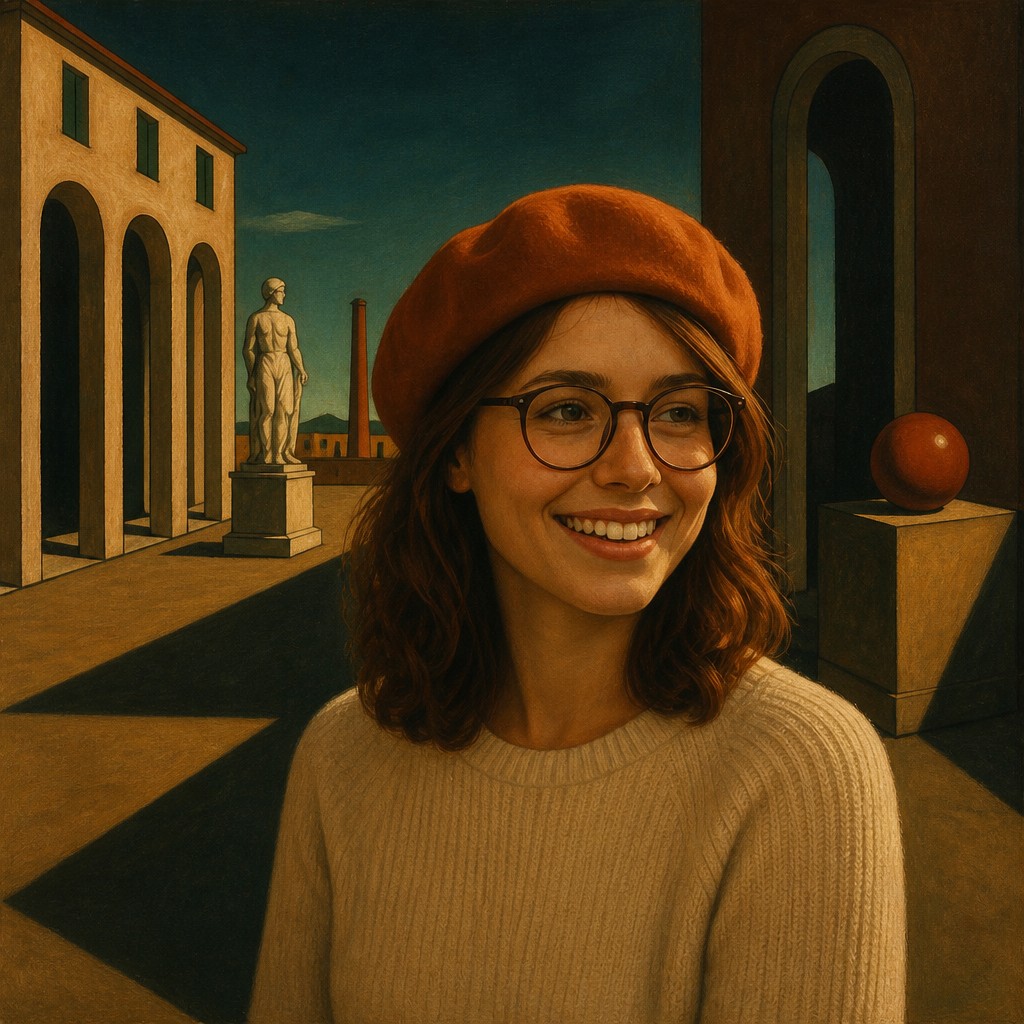
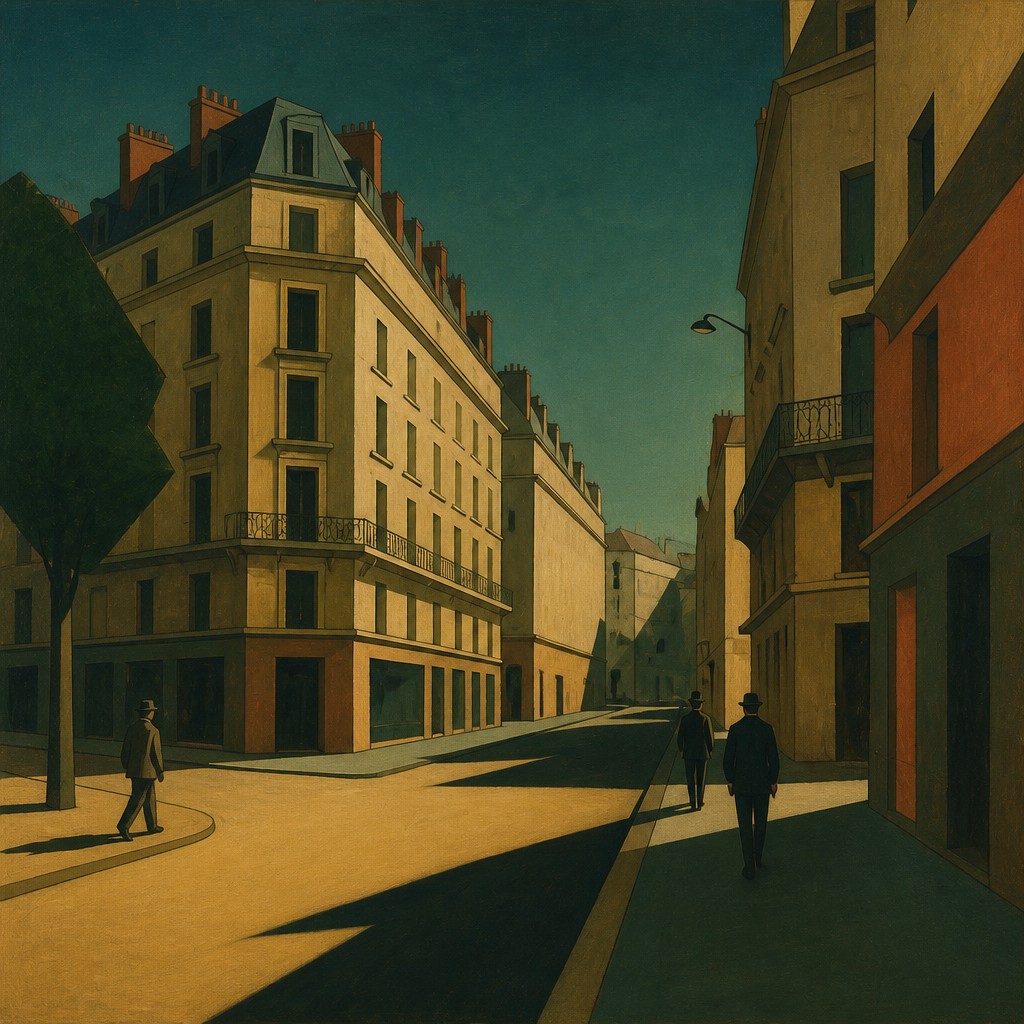
Upload any photo and convert it into Metaphysical Painting Art Style — drag the sliders to compare before and after.


What Defines Metaphysical Painting Art Style
The signature details, up close
Deserted urban squares
Empty piazzas and arcaded streets are central motifs, often stripped of crowds and everyday activity. The vacancy creates a sense of suspension, as if a scene has been paused just before or after an unknown event.
Classical and architectural fragments
Columns, facades, statues, towers, and long colonnades appear as stable but unsettling forms. They evoke antiquity and civic order while also feeling detached from any specific time or location.
Exaggerated perspective
Spatial recession is often deep and theatrical, with converging lines drawing the eye into improbable distances. This produces a stage-like world in which objects seem arranged for contemplation rather than use.
Long, raking shadows
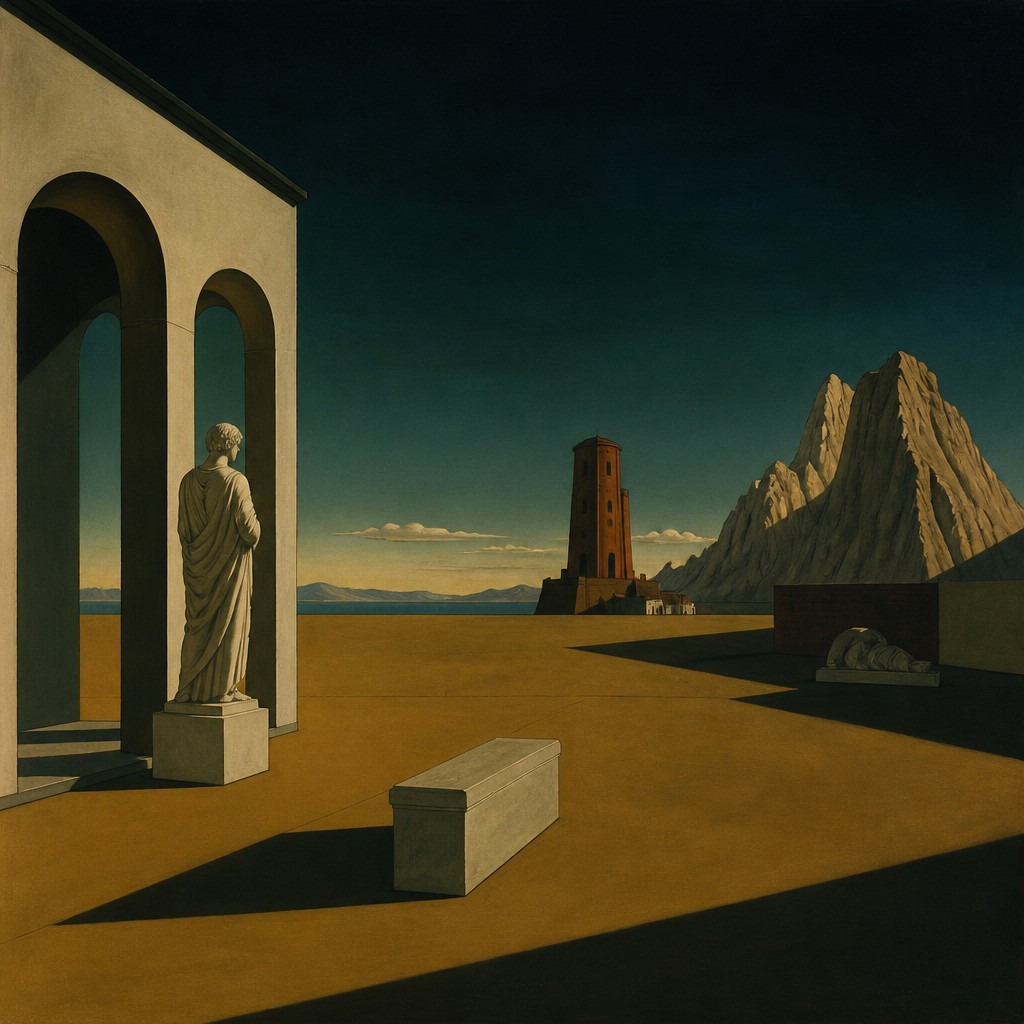
Shadows are sharply edged and stretched to unnatural lengths, usually cast from a hidden low sun. They intensify the uncanny mood and give the image a strong feeling of fixed time.
Muted earth-and-shadow palette
Ochres, terracottas, dusty greens, and deep ultramarines dominate, often with limited chromatic variety. The restrained palette keeps the scene sober and timeless rather than dramatic in a conventional sense.
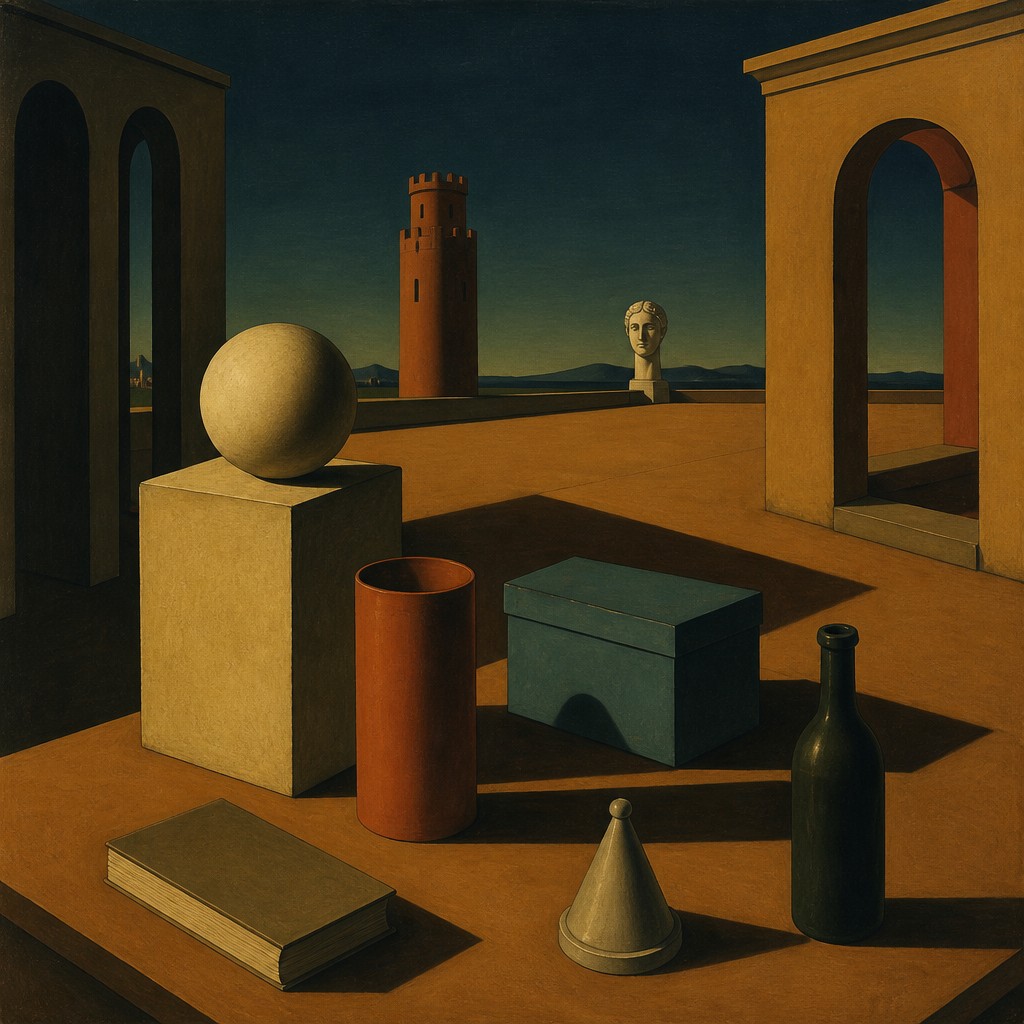
Stillness and philosophical ambiguity
There is little overt action, gesture, or narrative resolution. The paintings feel like visual riddles, inviting interpretation without providing a clear answer.
Try It
Create Videos in Metaphysical Painting Art Style
Styles aren't just for stills — describe a scene or animate an image and get a short video rendered in Metaphysical Painting. Press play to see this pond come to life.
Make a VideoMetaphysical Painting Prompt Ideas
Start from an idea — each one opens the generator with the style ready to go. See all 40 Metaphysical Painting prompts →
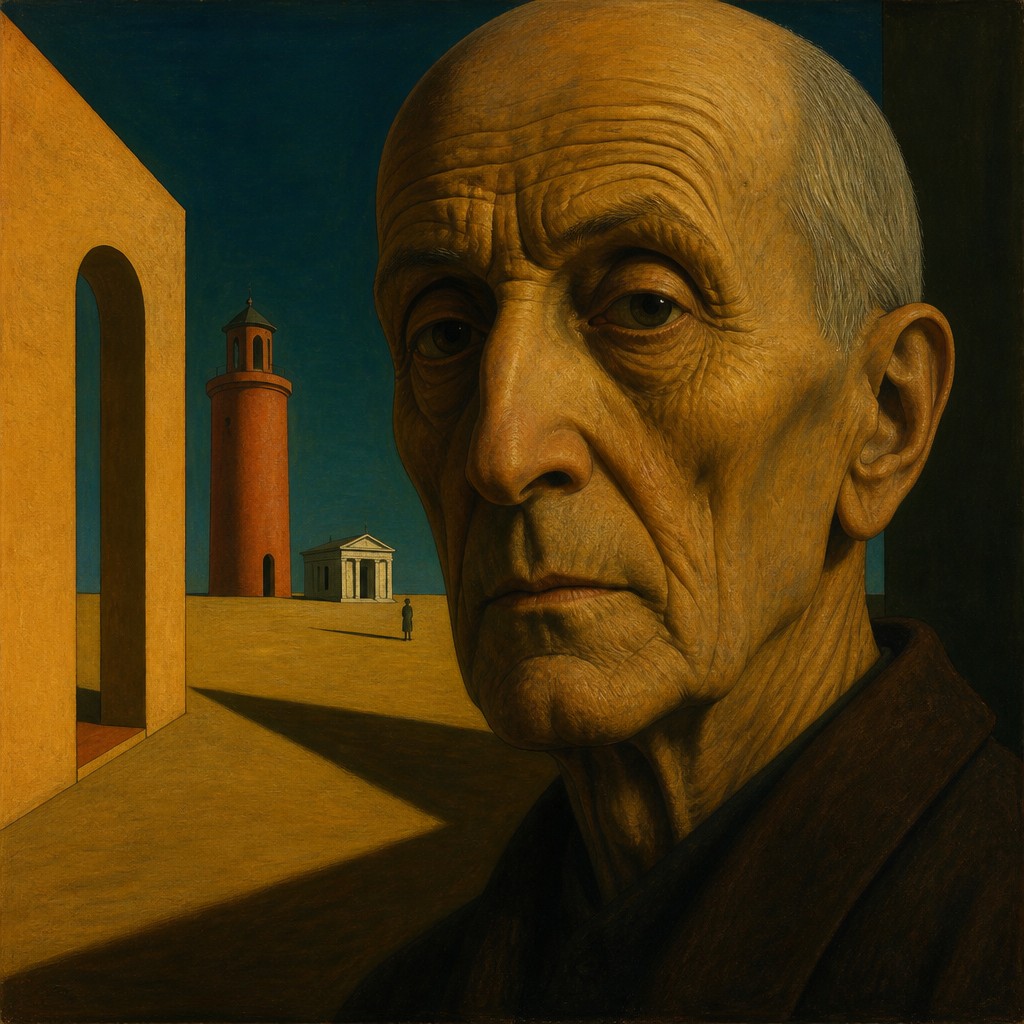
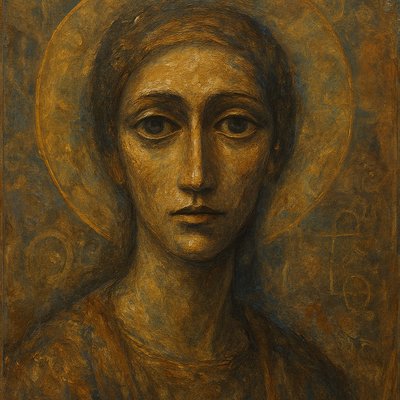
“close-up portrait of an elderly person with expressive weathered features”
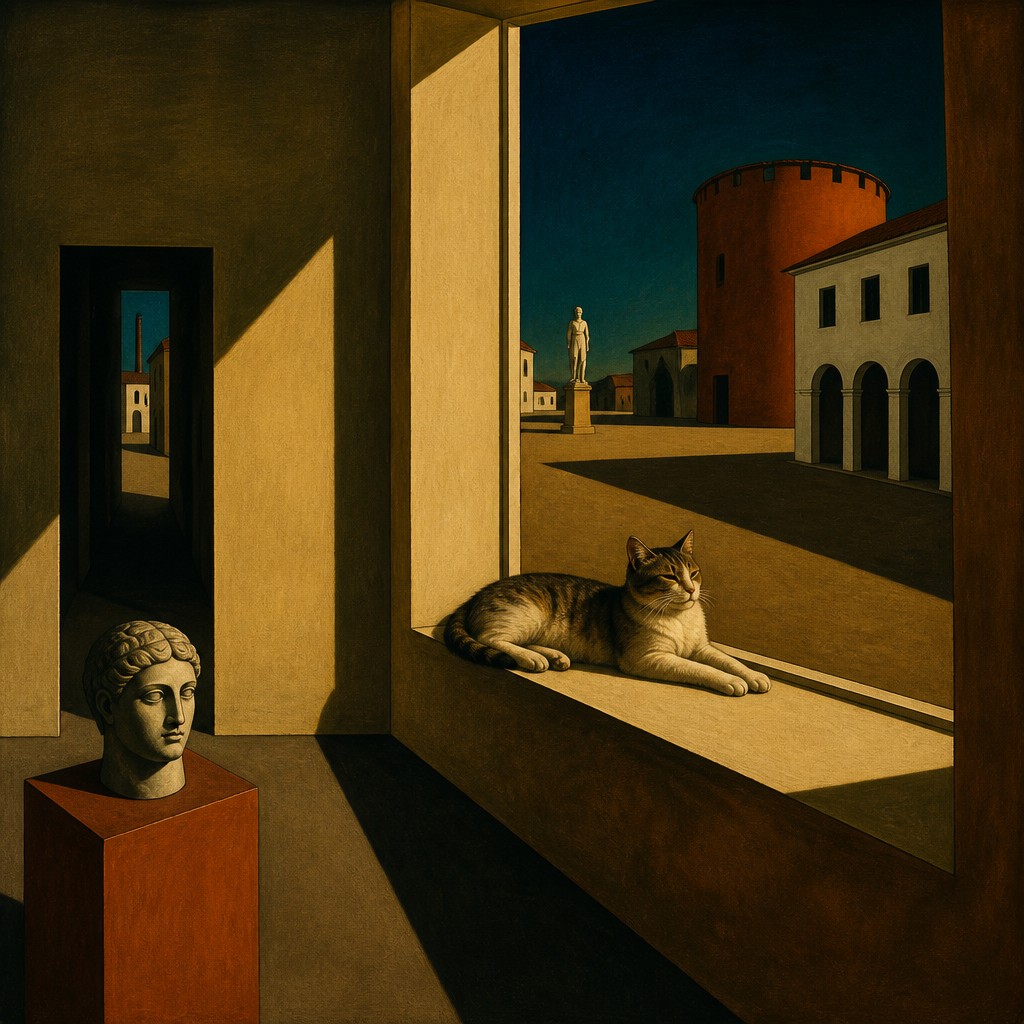
“a cat lounging in a sunlit window”
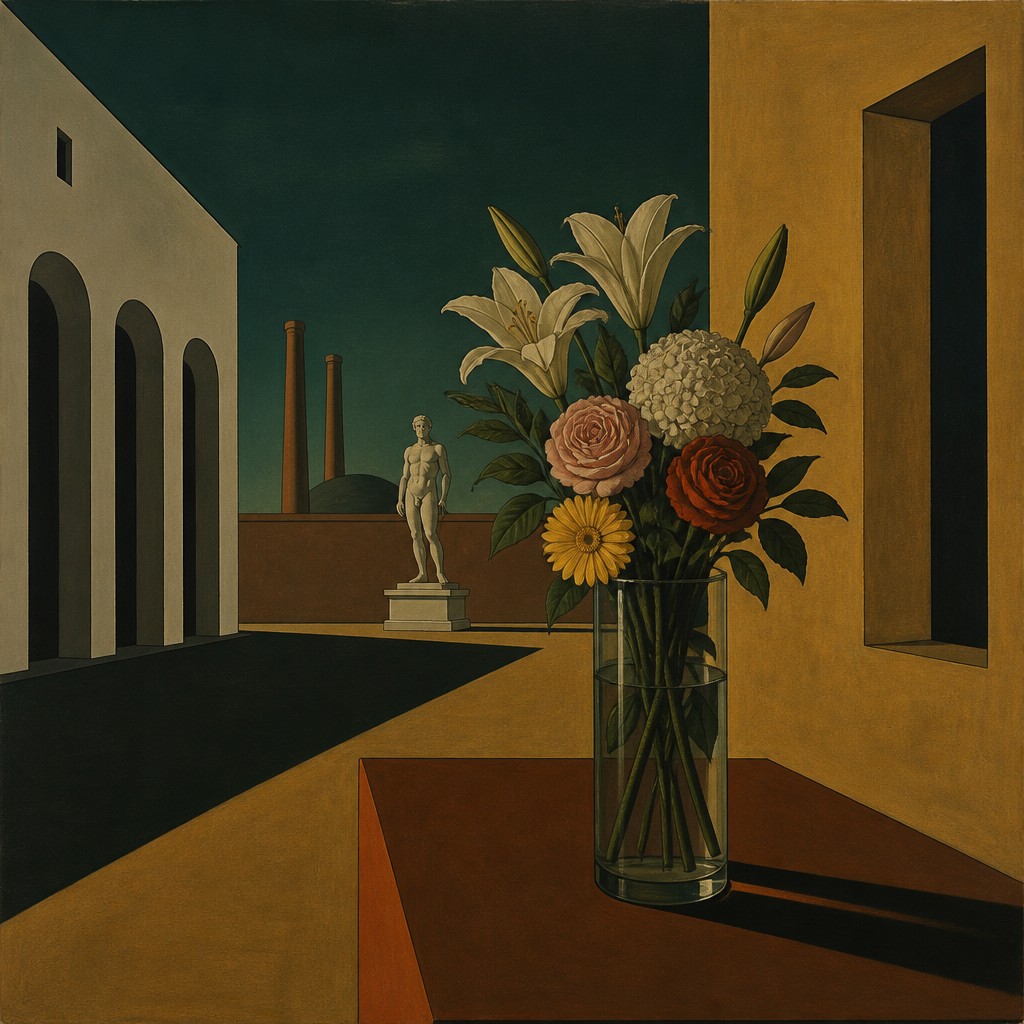
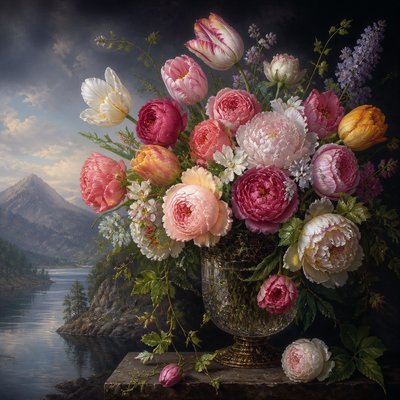
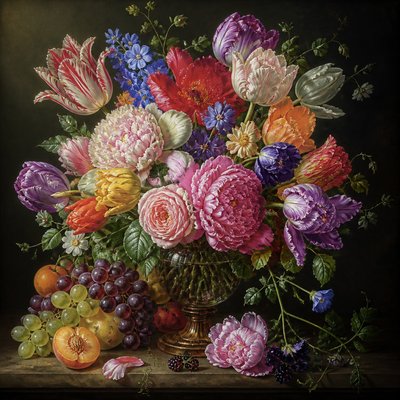
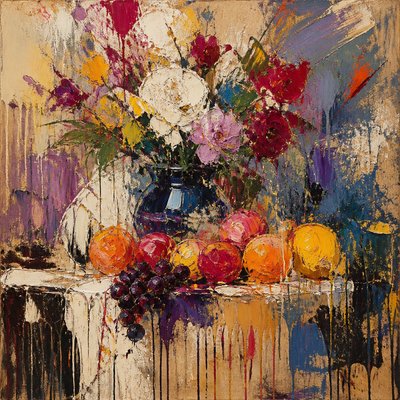
“bouquet of flowers in a glass vase”
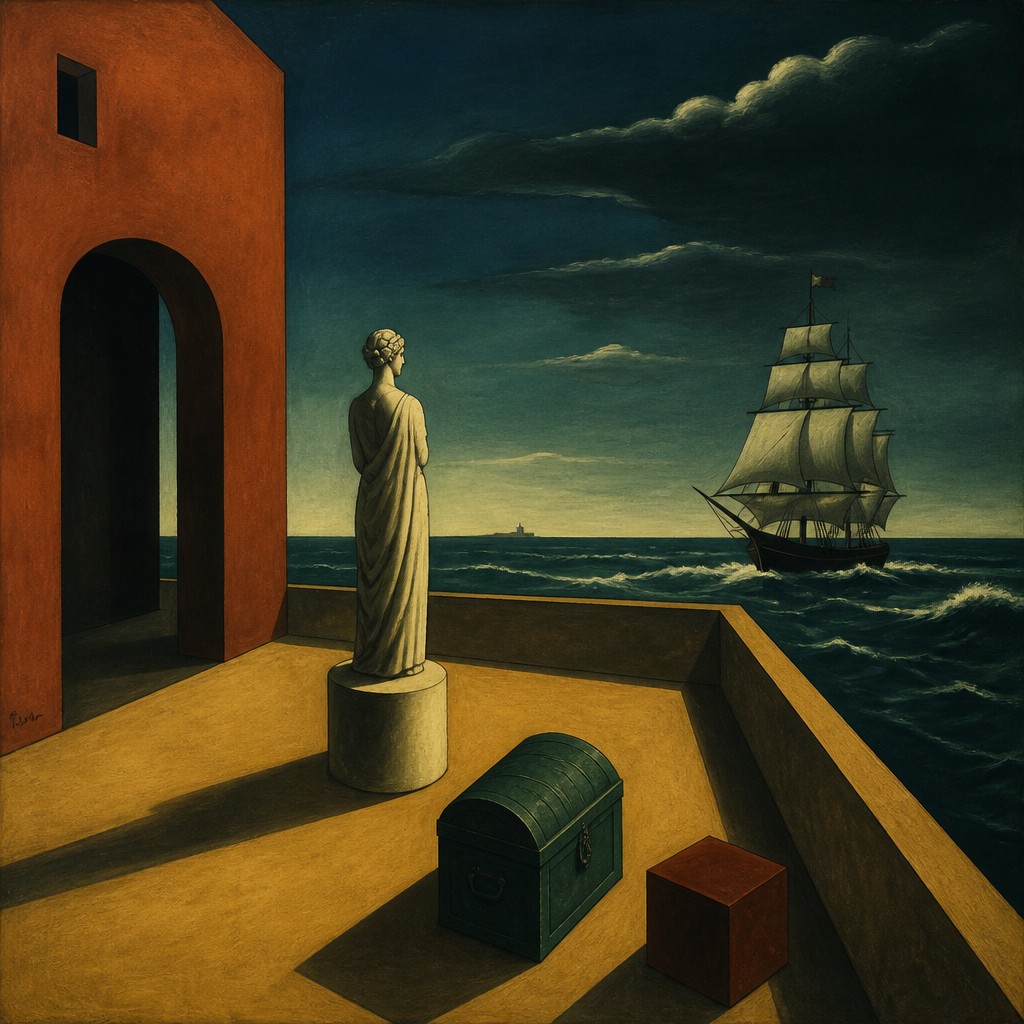
“sailing ship on a stormy sea”
How to Create Metaphysical Painting Art
Master the craft step by step — or skip straight to creating. Read the full guide →
- 1
Build an empty stage-like space
Start with a plaza, courtyard, arcade, or interior that has strong linear perspective and plenty of negative space. Keep the composition orderly and architectural so the mood comes from arrangement, not from busy detail.
- 2
Use simplified forms and crisp edges
Reduce buildings, statues, and objects to clear geometric masses with smooth surfaces and clean contours. Avoid painterly softness; the image should feel exact, almost sculptural.
- 3
Design the light for unease
Place the light low and off-frame so shadows become long, hard, and spatially important. The scene should suggest late afternoon or a timeless hour when everything is still.
- 4
Choose a restrained, classical palette
Work with ochres, siennas, warm stone tones, deep greens, and blue-black shadows, reserving brighter accents sparingly. In digital or AI-based generation, specify muted pigments, deep ultramarine shadow, and terracotta architecture for authenticity.
- 5
Introduce an unexpected object or scale shift
A mannequin, train, glove, classical bust, or solitary object can create the style's signature unease if placed with exact compositional seriousness. The key is not surreal chaos but calm, deliberate incongruity.
- 6
For prompt-based generation, emphasize atmosphere over narrative
Use language about silent plazas, exaggerated perspective, empty space, long shadows, and philosophical stillness rather than plot events. A strong prompt describes the spatial logic and light more than the subject matter.
The Story
History & Origins of Metaphysical Painting
Metaphysical painting emerged in Italy in the 1910s, chiefly through a leading Italian metaphysical painter, who developed the style in Ferrara, Turin, and Paris before and during the First World War. His paintings of empty city squares, classical ruins, and enigmatic interiors gave the movement its core vocabulary. Another early Italian metaphysical painter adopted a related metaphysical idiom briefly around 1917–1921, and a restrained Italian still-life painter explored a quieter metaphysical approach in still lifes and interiors, though his later work moved in other directions. The movement was short-lived as a coherent group but highly influential.
Its lineage combines classical Italian architecture, symbolist ambiguity, and a reaction against both academic naturalism and the expressive dynamism of Futurism. Metaphysical painting also anticipates aspects of Surrealism, but unlike Surrealism it is usually more static, architectural, and meditative than irrational or dream-chaotic. Its development helped establish the idea that ordinary objects can be made uncanny through composition alone, a principle that later artists, filmmakers, and designers continued to borrow.
Influences: Metaphysical painting draws from Italian classical architecture, Symbolism, and the stillness of Renaissance spatial construction, while also reacting against the speed and fragmentation of Futurism. Its closest canonical association is with a leading Italian metaphysical painter, with related metaphysical works by another early Italian metaphysical painter and a quieter parallel in a restrained Italian still-life painter's early experiments. It also foreshadows Surrealism, though it remains more architectural and contemplative than the dream logic of major Surrealist painters.
Frequently Asked Questions
What defines metaphysical painting?
It is defined by deserted urban or interior spaces, classical references, strong perspective, and a pervasive sense of mystery. The style makes ordinary objects feel estranged by removing narrative context and emphasizing silence, shadow, and spatial tension.
Is metaphysical painting the same as Surrealism?
No. Metaphysical painting came earlier and is usually more static, architectural, and meditative than Surrealism. Surrealism often stages dream absurdity and psychological disruption, while metaphysical painting creates philosophical unease through stillness and arrangement.
Which artist is most associated with this style?
A leading Italian metaphysical painter is the central figure and the artist most people mean when they refer to metaphysical painting. Another early Italian metaphysical painter is also associated with a metaphysical phase, and a restrained Italian still-life painter explored related ideas in a quieter, more restrained way.
How do I make a painting in this style?
Use a quiet architectural setting, simplify shapes, and emphasize hard-edged shadows and deep perspective. Keep the scene empty or sparsely populated, and let the mood come from composition, light, and unusual juxtapositions rather than dramatic action.
What subjects work best in this style?
Deserted piazzas, arcades, towers, train stations, courtyards, classical statues, mannequins, and still-life arrangements all fit the style well. Subjects with strong geometry and a sense of historical residue are especially effective.
Where is metaphysical painting used today?
Its visual language appears in fine art, editorial illustration, posters, book covers, set design, and atmospheric concept art. Designers use it when they want a scene to feel intellectual, uncanny, and suspended outside ordinary time.

Create your first Metaphysical Painting artwork
Describe anything — or upload a photo — and see it in Metaphysical Painting Art Style in seconds.
Make Something with Metaphysical Painting
Related Styles
Discover similar art styles