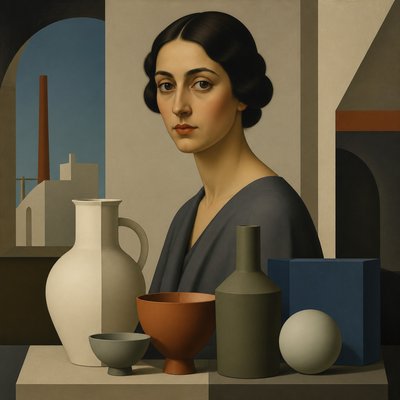
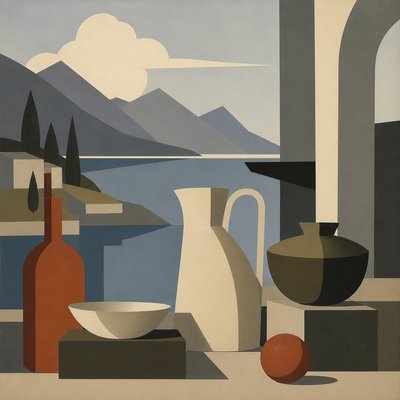
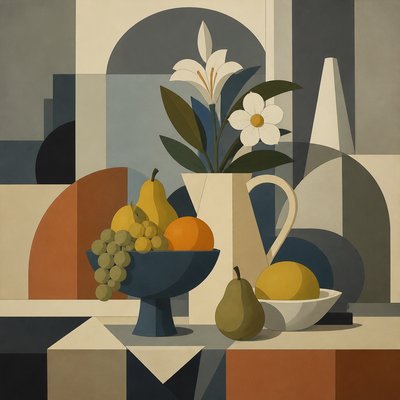
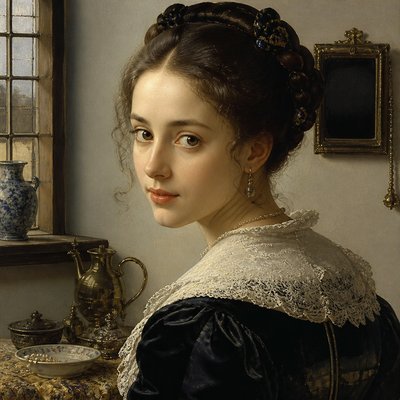
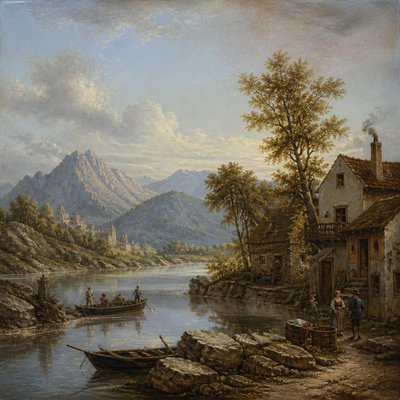
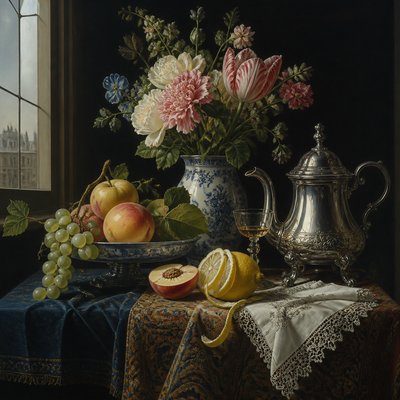
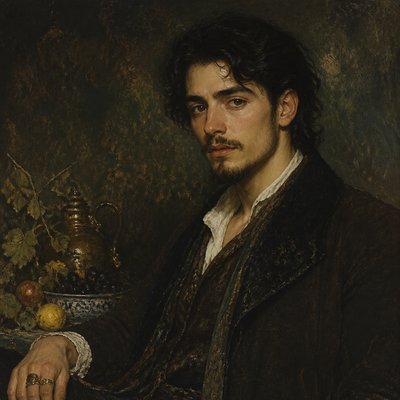
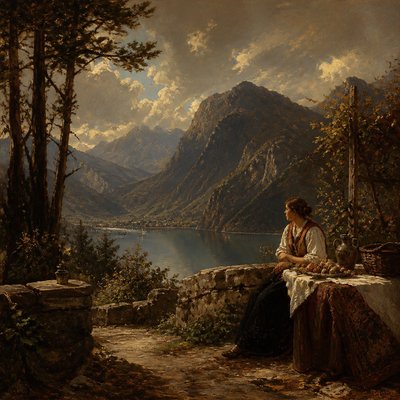
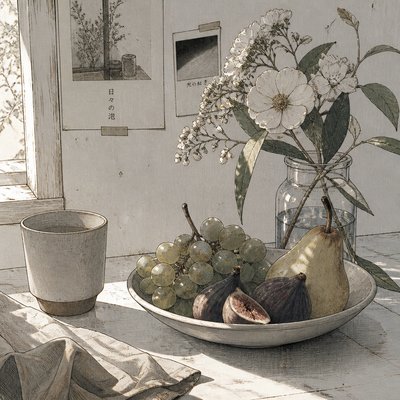
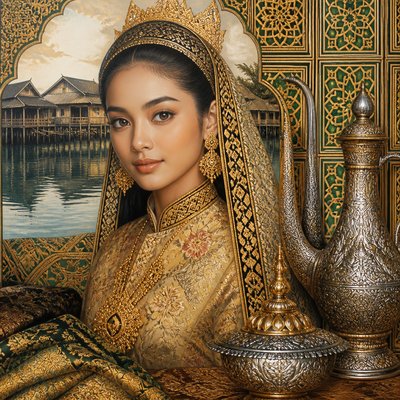
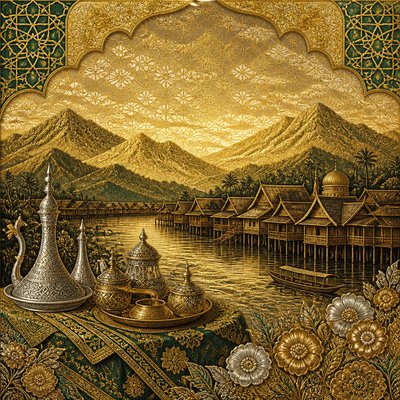
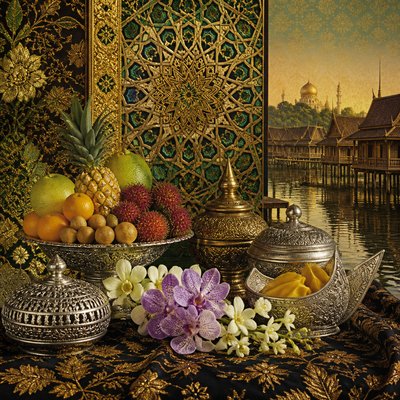
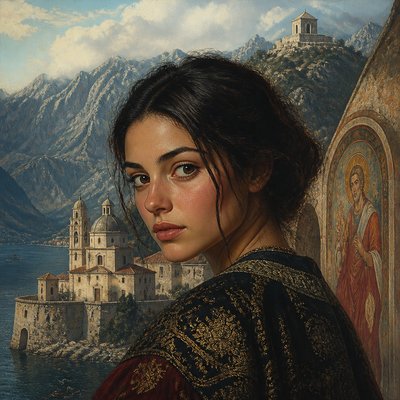
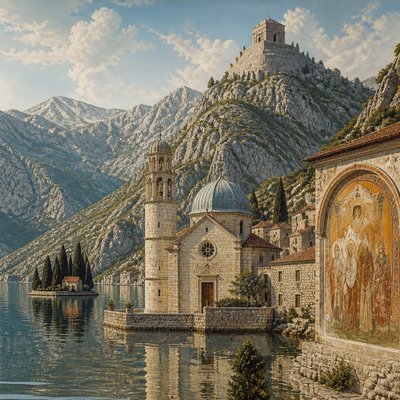
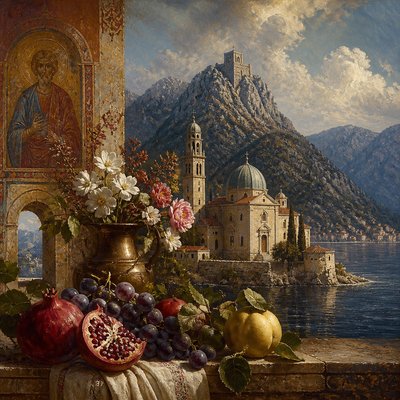
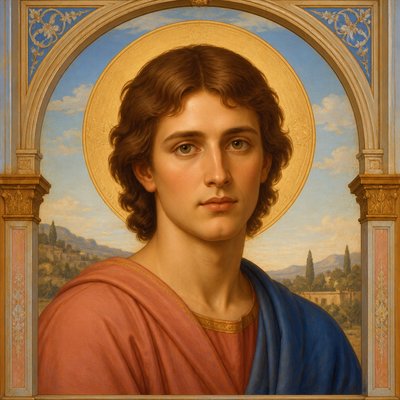
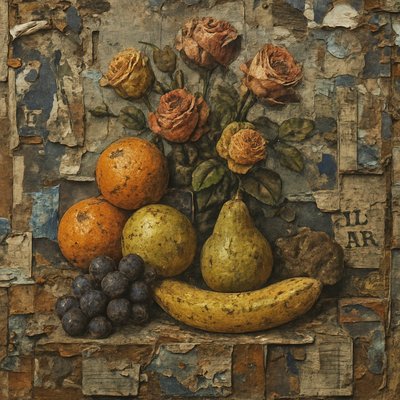
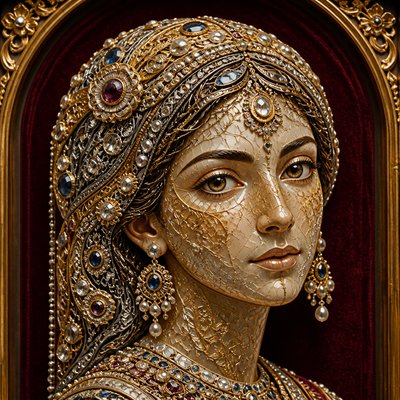
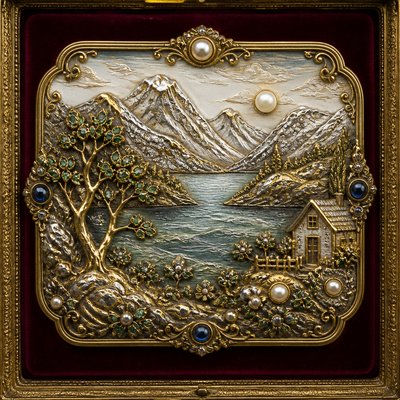
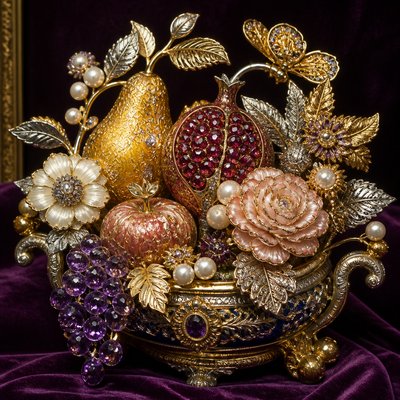
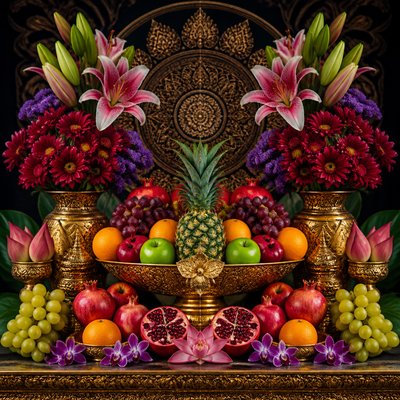
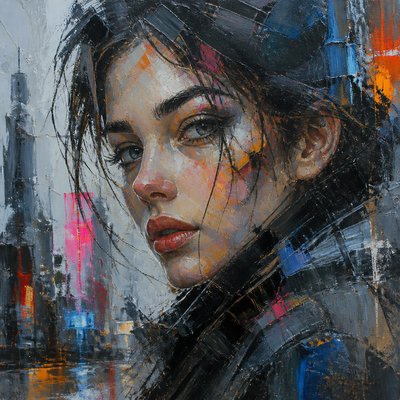
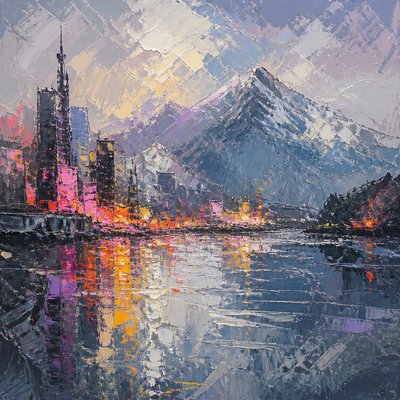
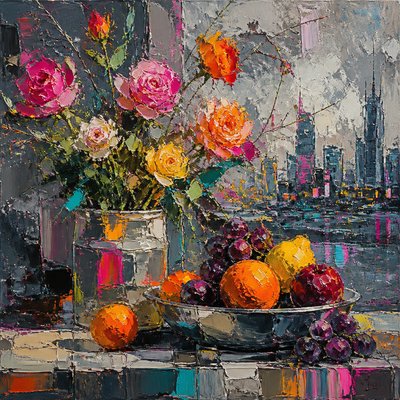
Vanitas Still Life Art Style
Explore vanitas still life: symbolic skulls, clocks, fading flowers, and lavish objects arranged in dramatic chiaroscuro to reflect mortality.
Instantly rendered in Vanitas Still Life — or transform a photo
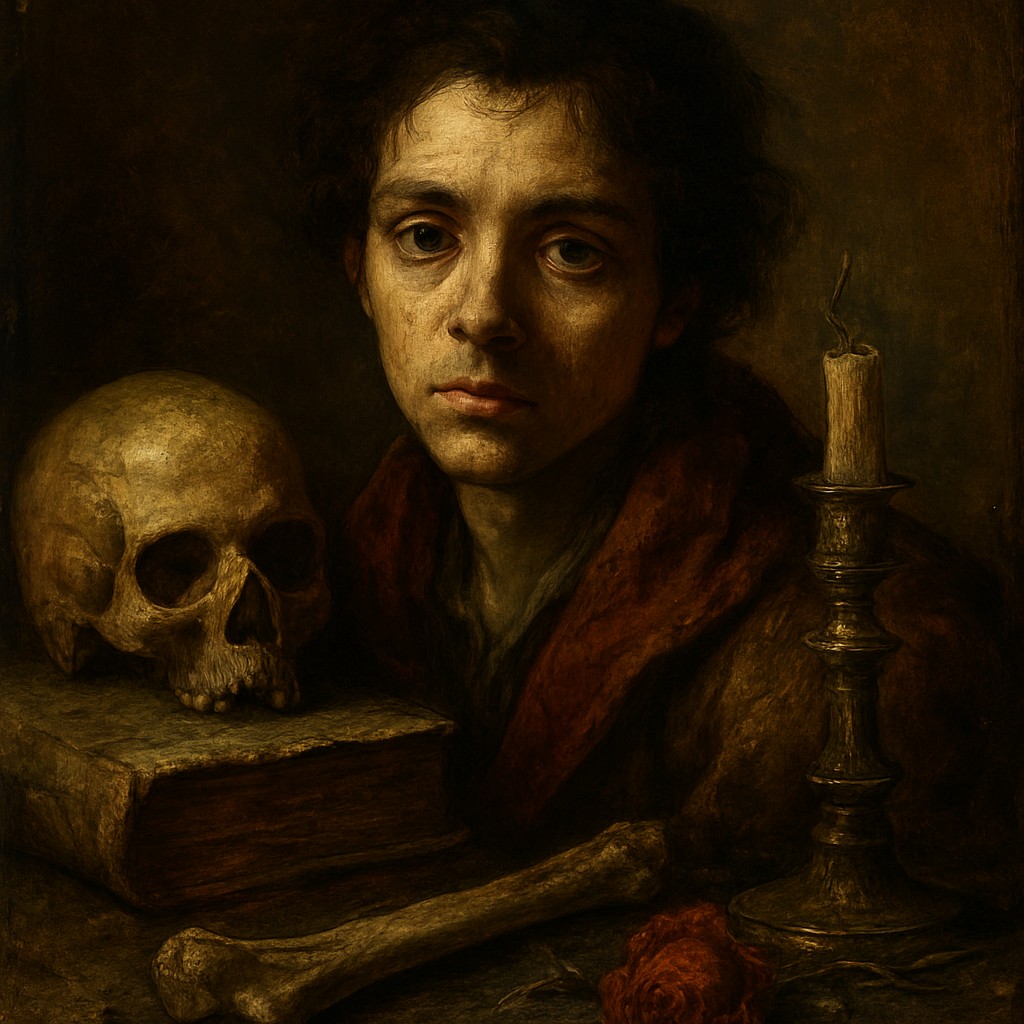
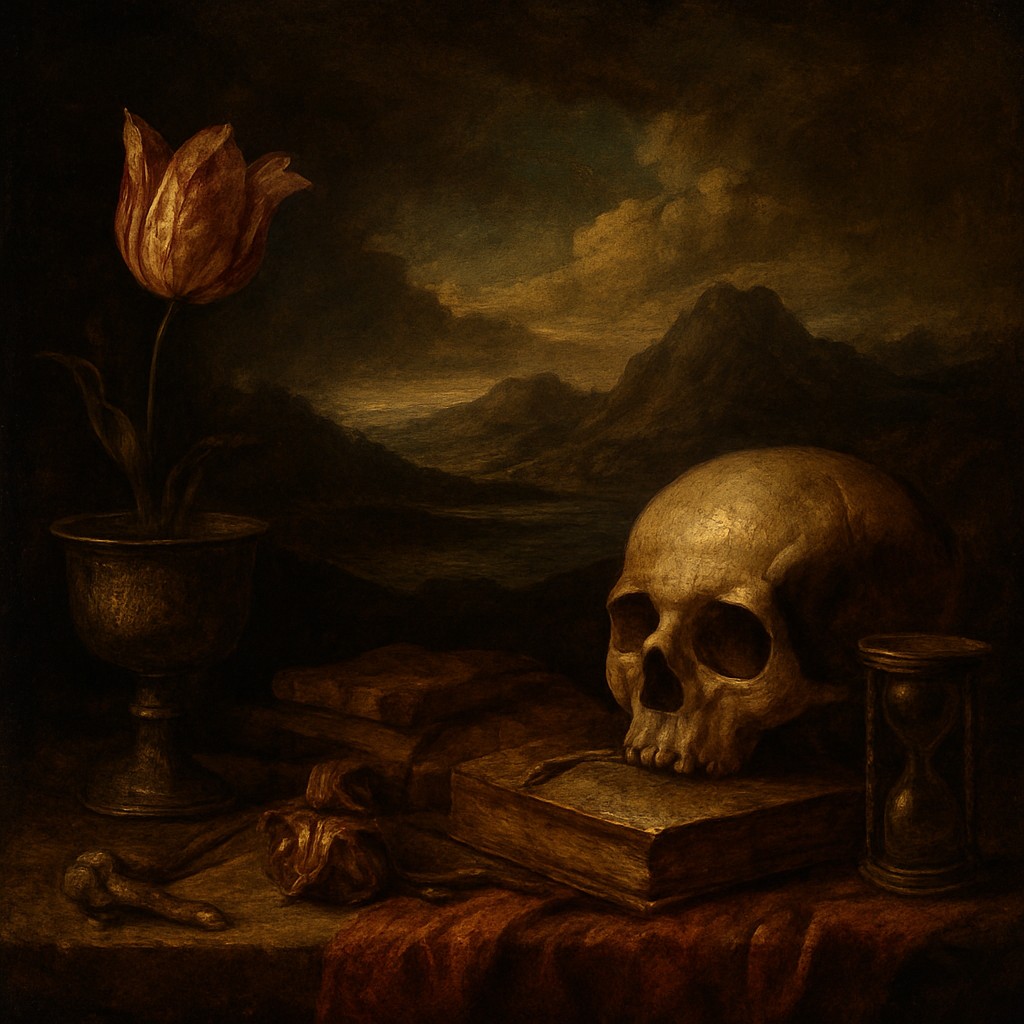
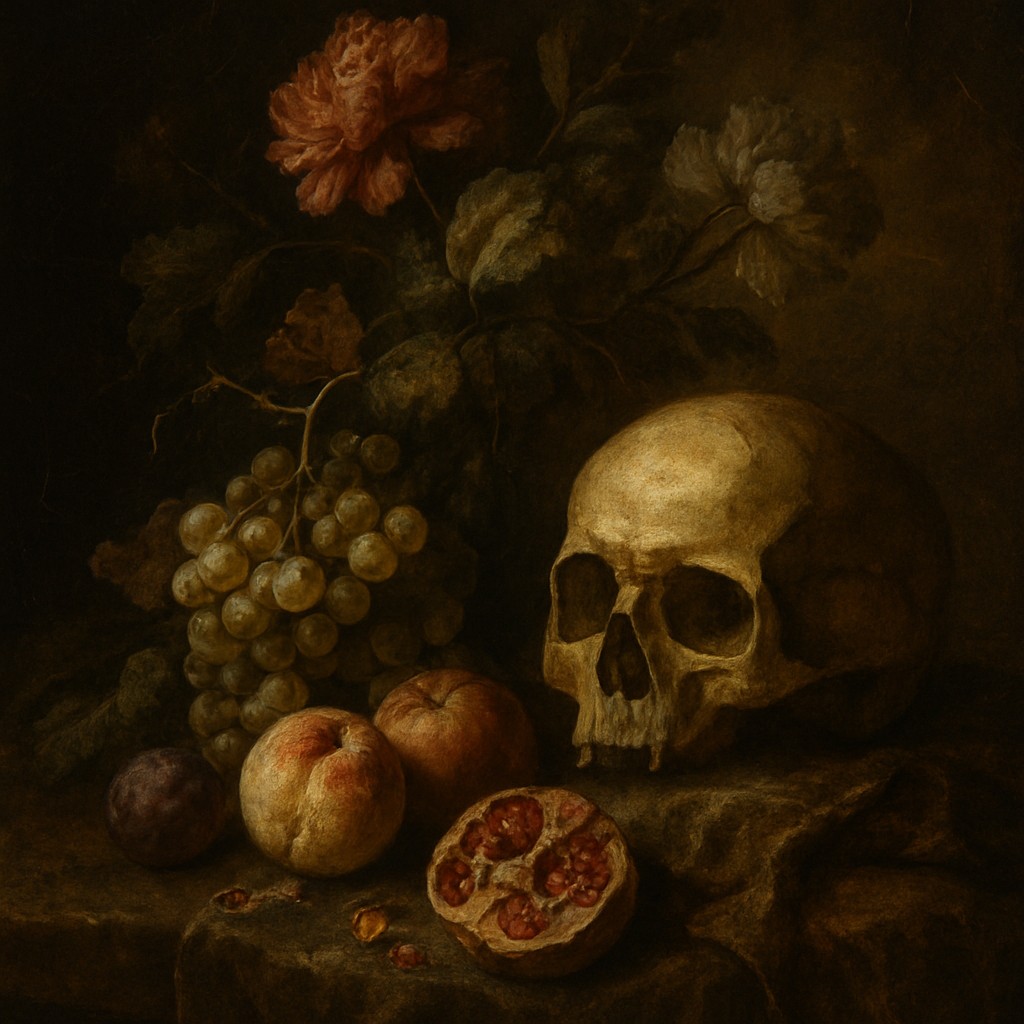
Vanitas Still Life Gallery
Tap any artwork to explore it
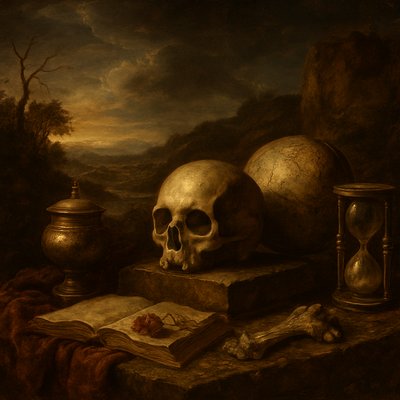
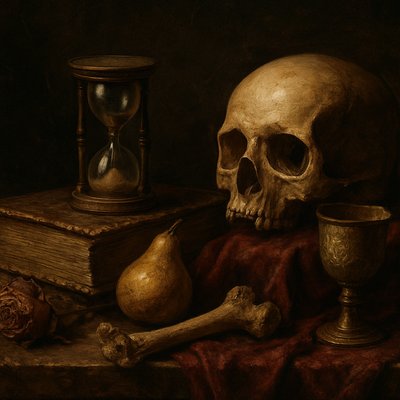
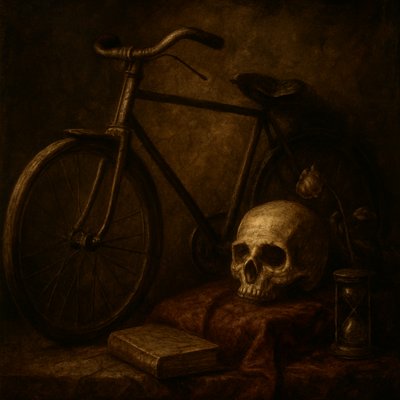
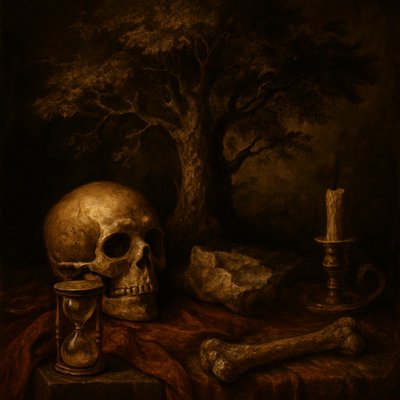
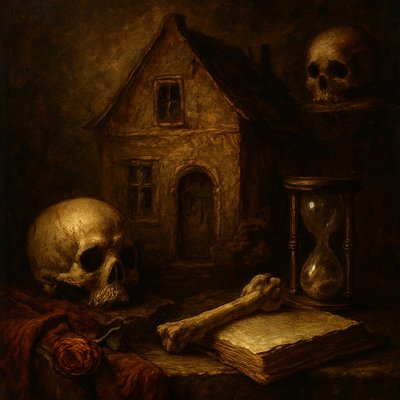
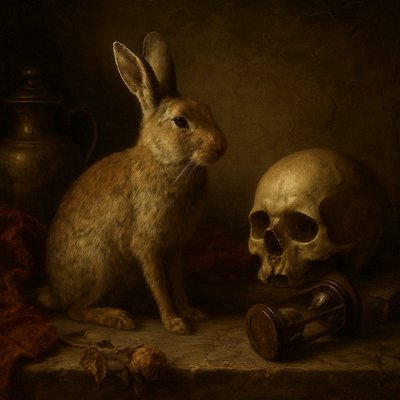
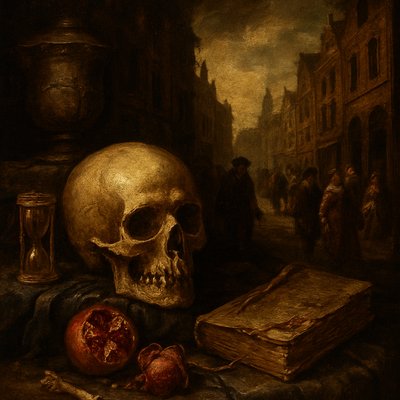
What is Vanitas Still Life Art Style?
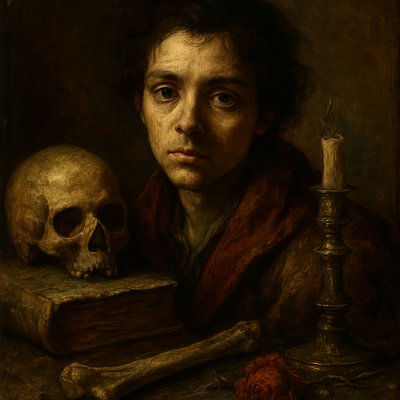
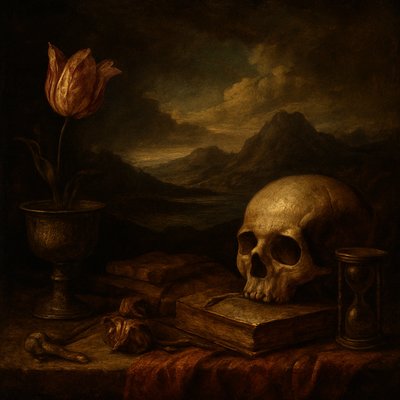
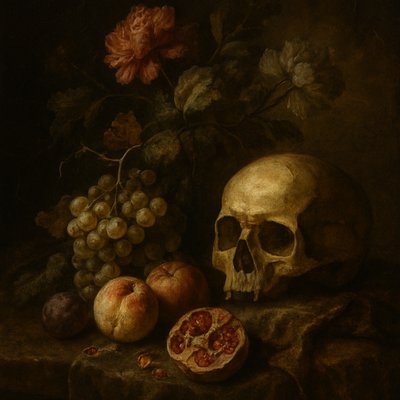
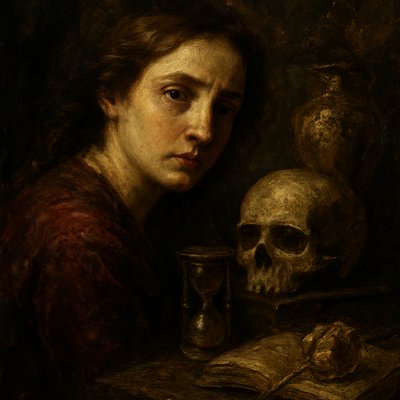
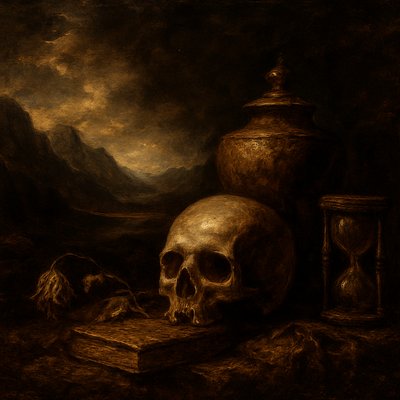
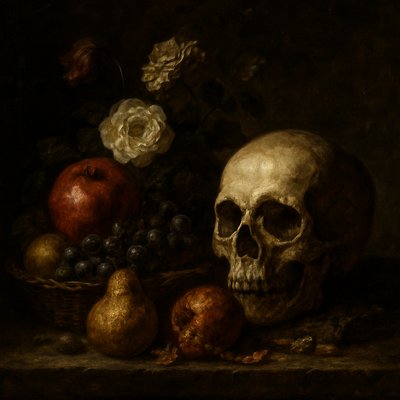
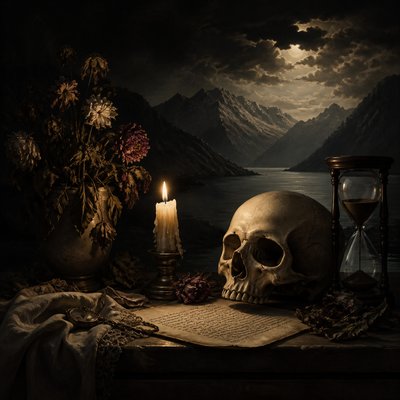
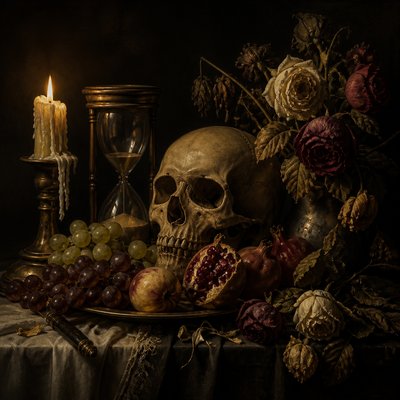
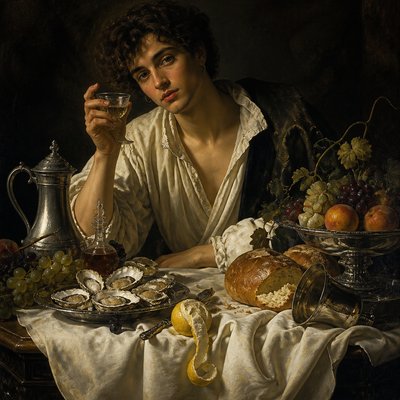
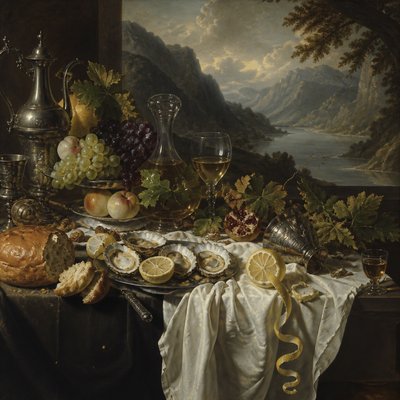
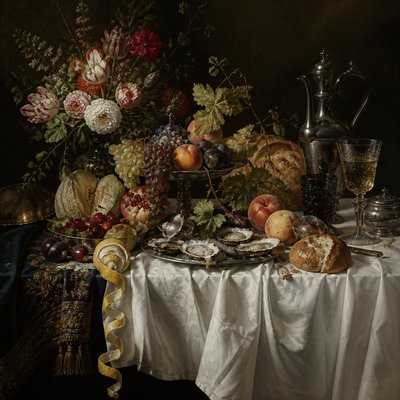
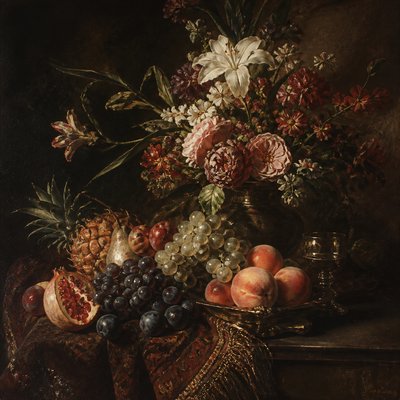
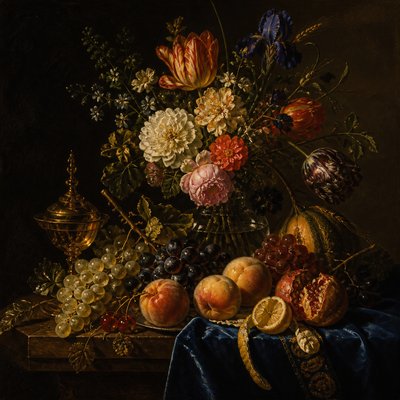
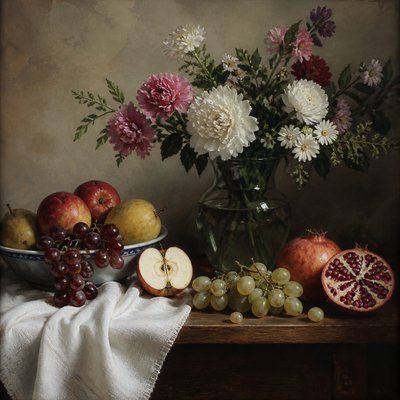
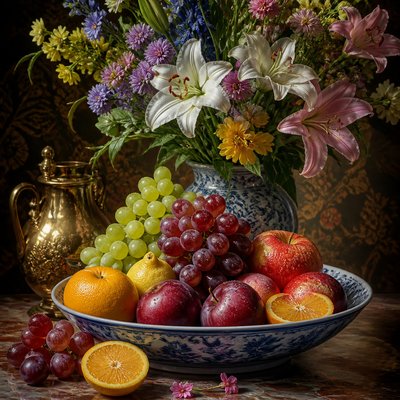
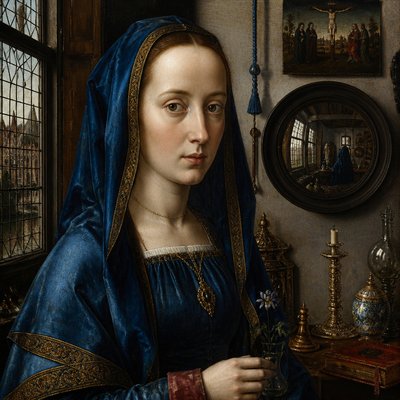
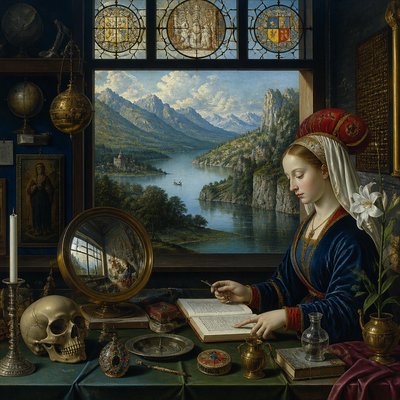
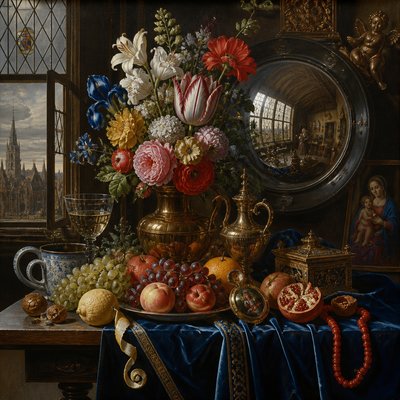
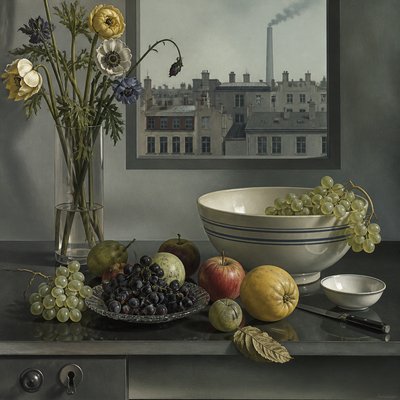
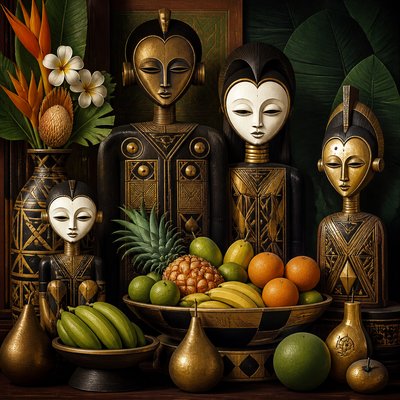
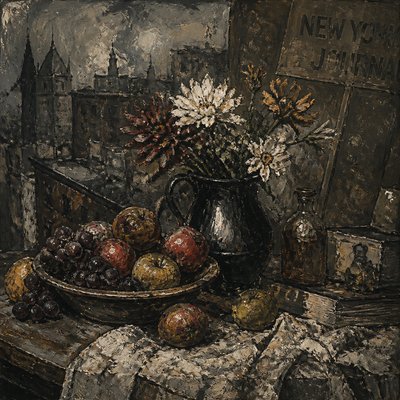
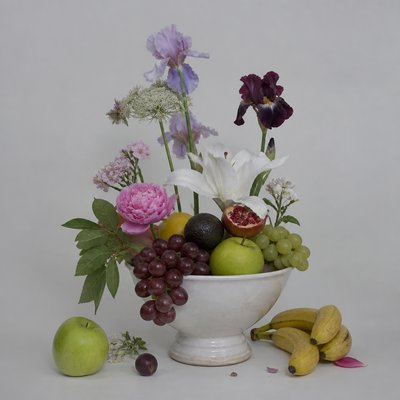
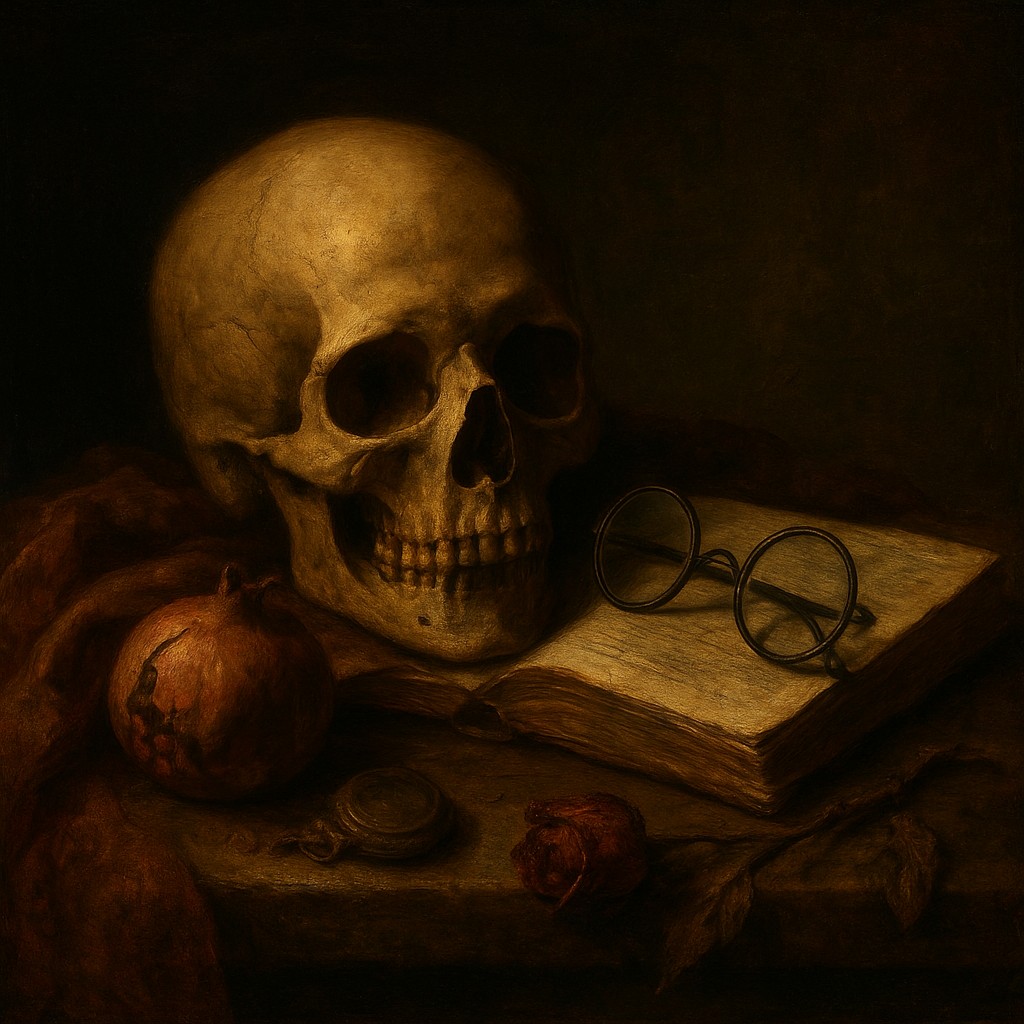
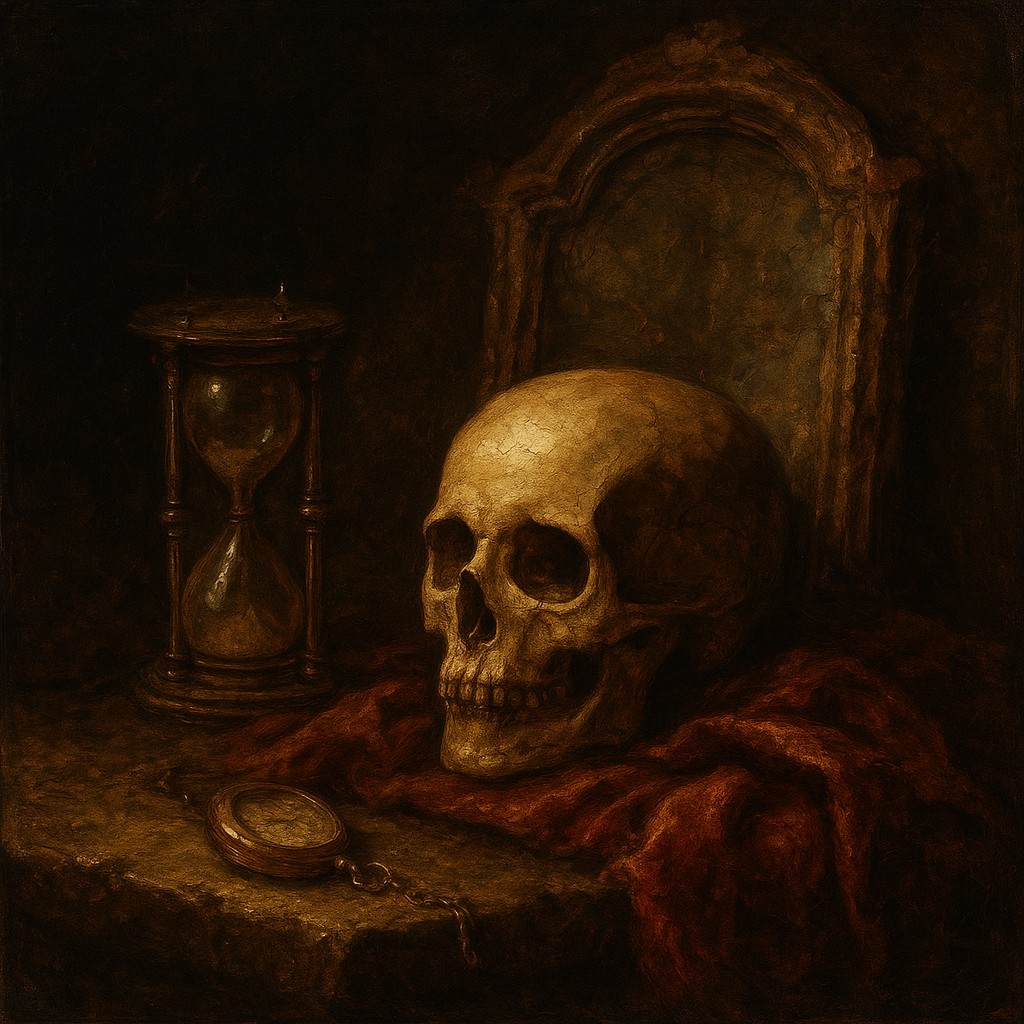
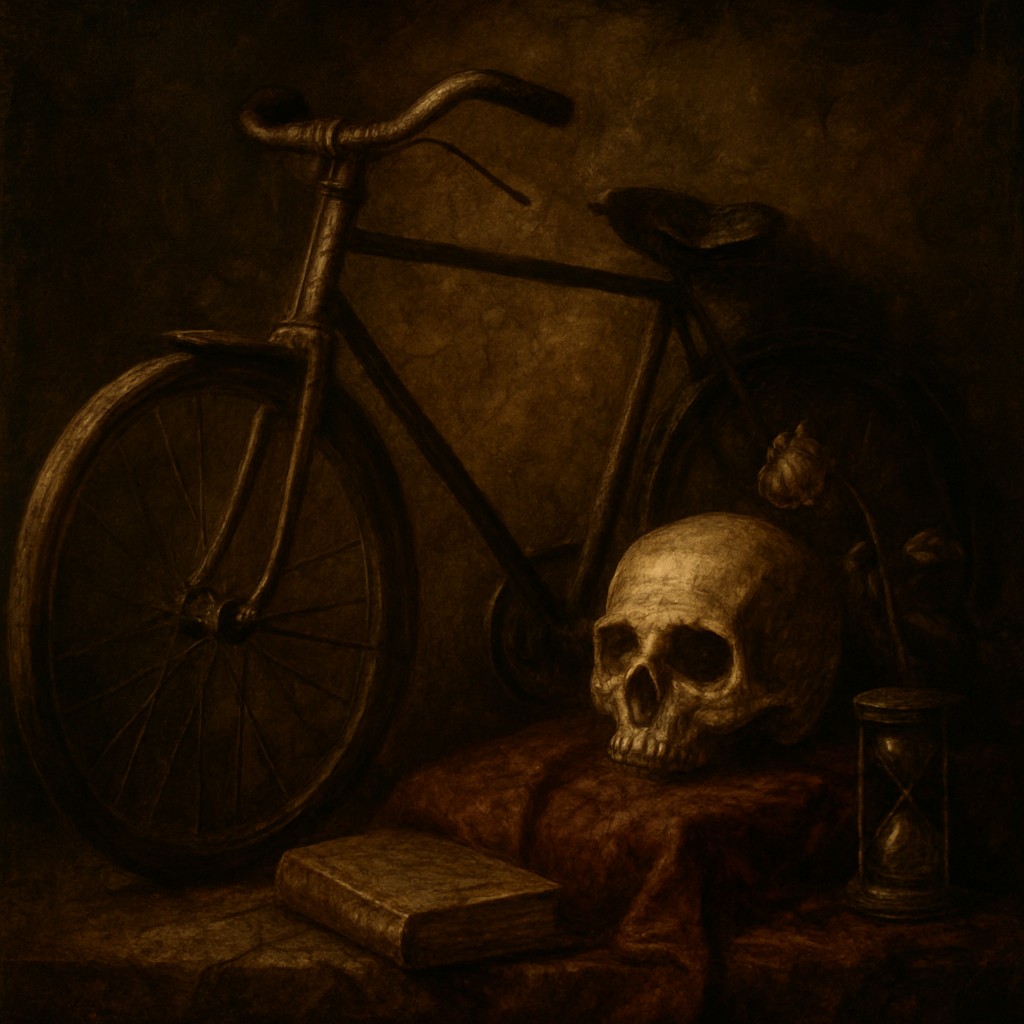
Vanitas still life is an allegorical painting tradition centered on mortality, impermanence, and the limited value of worldly possessions. Its compositions commonly bring together skulls, extinguished candles, hourglasses, watches, decaying fruit, fading flowers, musical instruments, books, coins, and luxurious fabrics. These objects function as visual reminders that beauty, knowledge, wealth, pleasure, and time ultimately pass away.
The style is recognized by dramatic chiaroscuro, concentrated arrangements, tactile realism, and a deliberate tension between opulence and decay. Deep browns, muted golds, bone whites, dusty reds, and near-black shadows create a solemn atmosphere, while translucent oil glazes, reflective surfaces, craquelure, and carefully observed material textures give the scene physical presence. The result is not simply a collection of morbid objects, but a meditation on how earthly abundance is shadowed by transience.
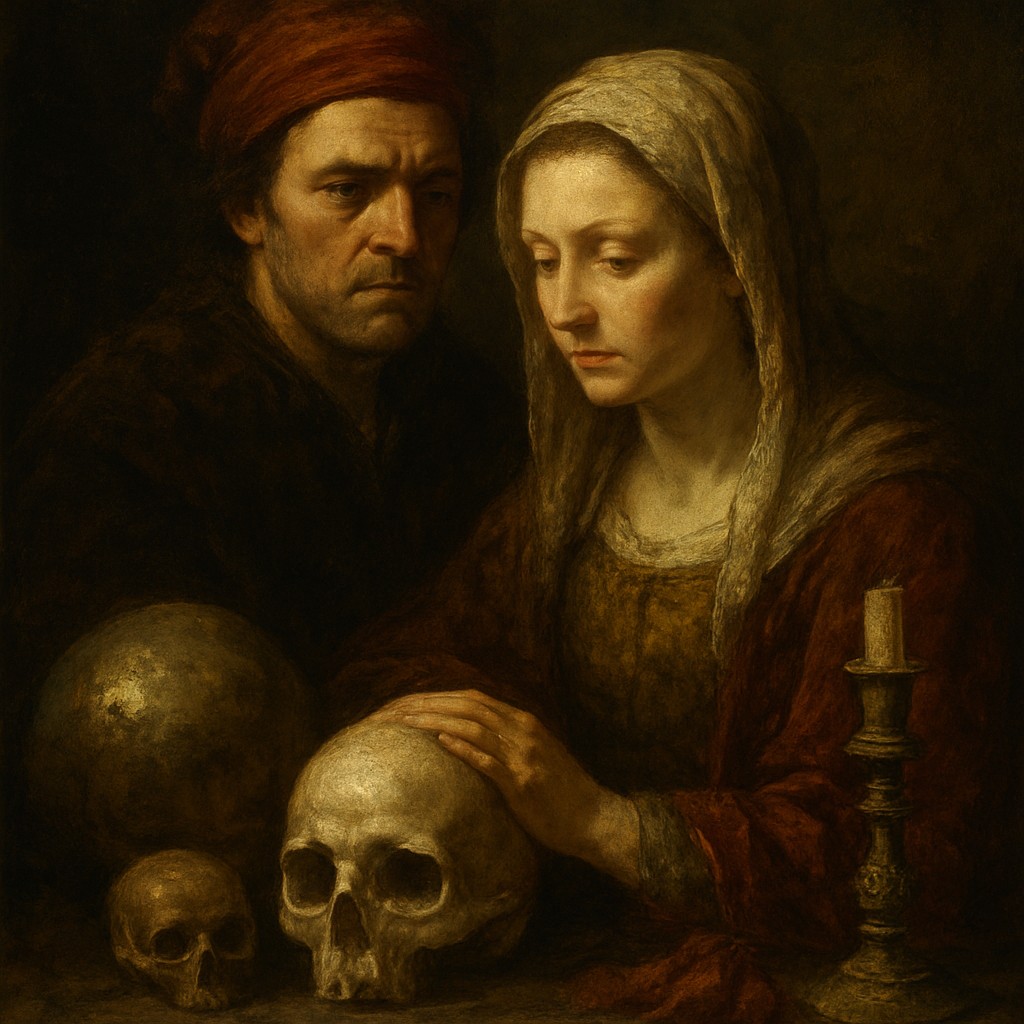
Try It On Your Photos
Upload any photo and convert it into Vanitas Still Life Art Style — drag the sliders to compare before and after.


What Defines Vanitas Still Life Art Style
The signature details, up close
Memento mori symbols
Skulls, bones, extinguished candles, hourglasses, clocks, and wilting flowers make mortality visible. Their meaning depends on placement and association rather than on decoration alone.
Opulence beside decay
Jewelry, silverware, books, instruments, rich textiles, and ripe food are positioned beside rot, dust, cracks, or broken objects. This contrast questions the permanence of wealth, pleasure, learning, and status.
Dramatic chiaroscuro
A strong directional light isolates selected objects against deep shadow, producing luminous highlights and a contemplative, theatrical mood. Dark backgrounds help the symbolic still life feel suspended outside ordinary time.
Trompe-l'oeil realism
Glass, metal, wax, fruit skin, bone, cloth, and wood are rendered with close attention to their distinct surfaces. Reflections, translucency, condensation, and imperfections make the allegory materially convincing.
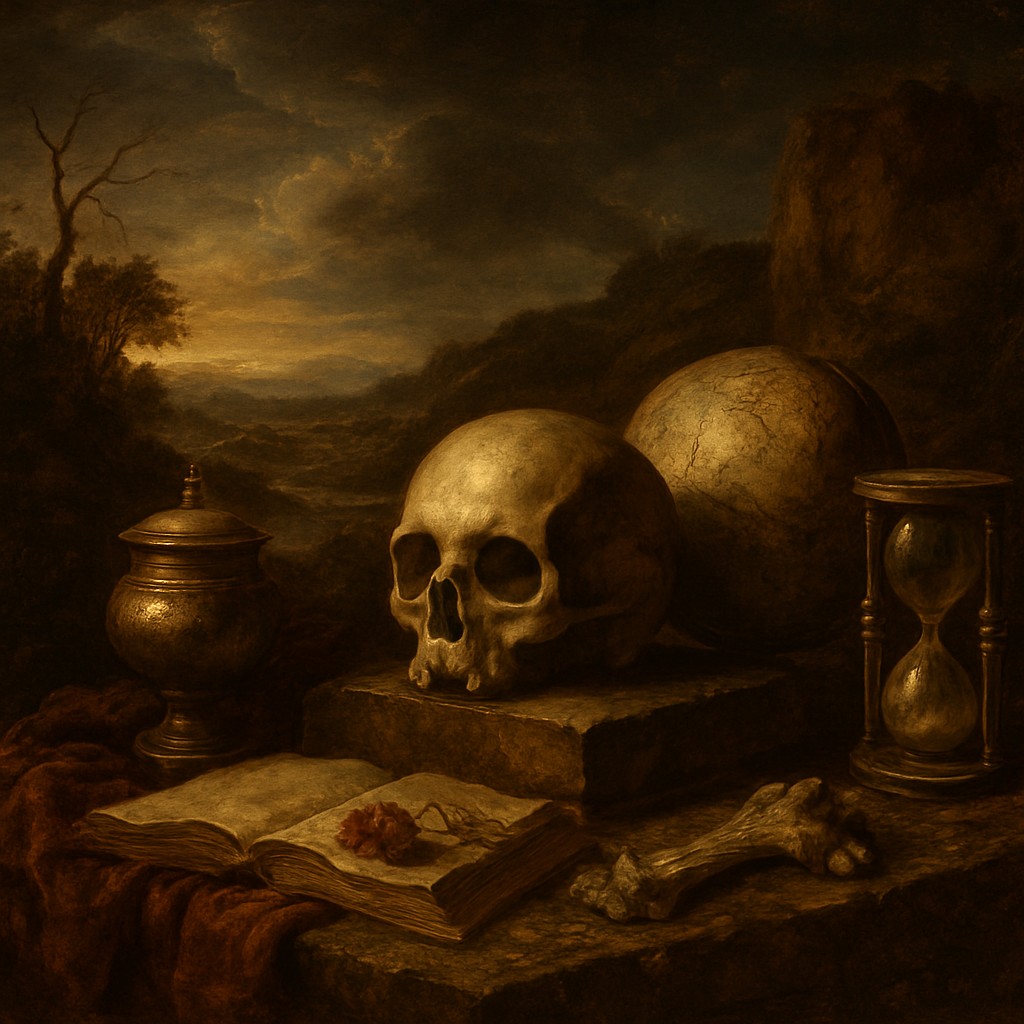
Baroque color and composition
Earth browns, muted golds, dusty crimsons, ivory, and black create a restrained but luxurious palette. Diagonals, overlapping forms, and directional sightlines guide the eye from abundance toward signs of disappearance.
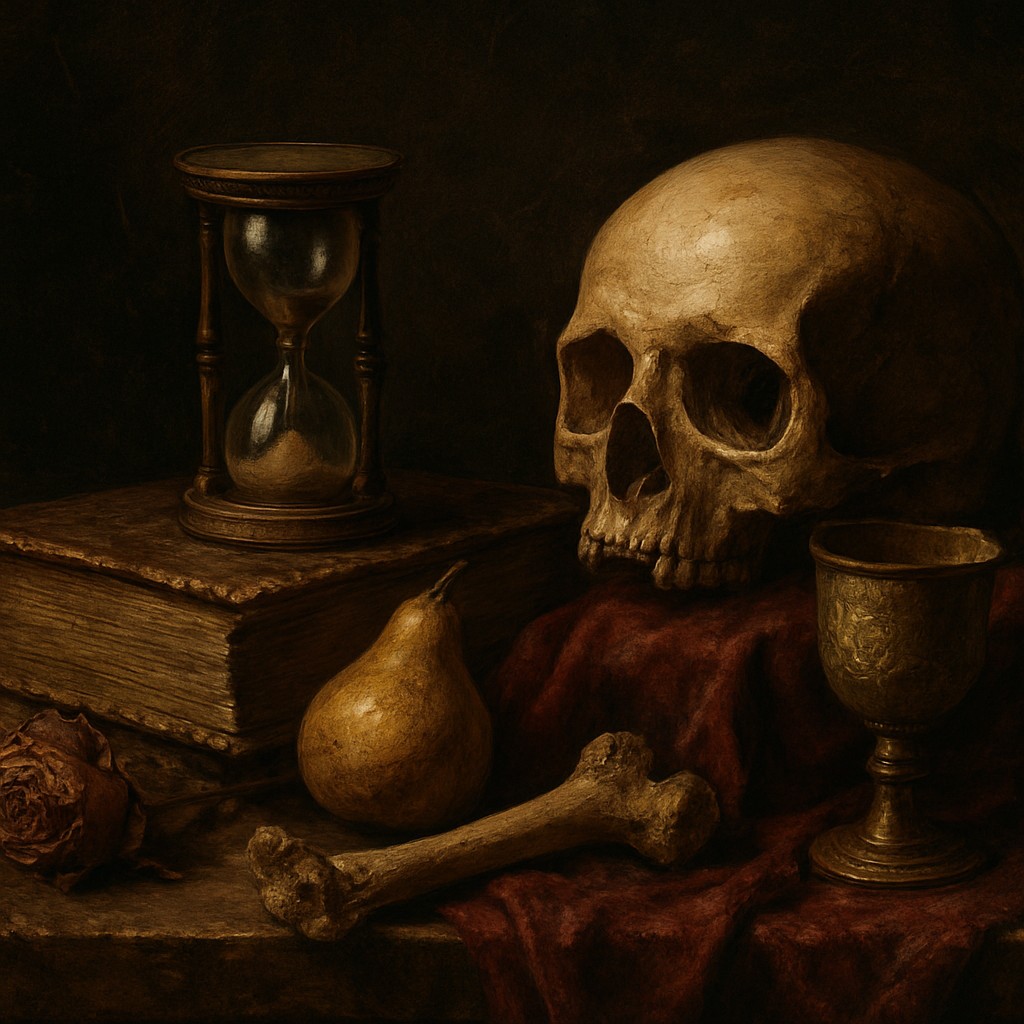
Visible time and entropy
Bruised fruit, fallen petals, melted wax, tarnished metal, weathered paper, and crumbling surfaces show change in progress. Patina, craquelure, and softened edges reinforce the sense that every object is temporary.
Moral and philosophical ambiguity
Vanitas imagery can condemn excess, but it can also acknowledge the beauty of fleeting experience. The strongest compositions leave room for reflection rather than reducing every object to a single fixed meaning.
Try It
Create Videos in Vanitas Still Life Art Style
Styles aren't just for stills — describe a scene or animate an image and get a short video rendered in Vanitas Still Life. Press play to see this pond come to life.
Make a VideoVanitas Still Life Prompt Ideas
Start from an idea — each one opens the generator with the style ready to go. See all 40 Vanitas Still Life prompts →
How to Create Vanitas Still Life Art
Master the craft step by step — or skip straight to creating. Read the full guide →
- 1
Build an allegorical object set
Choose one central mortality symbol, then surround it with two or three categories of worldly value such as wealth, knowledge, pleasure, or artistic achievement. Make each object contribute to the same idea instead of filling the frame randomly.
- 2
Control the light
Use one low, directional source from the side to create deep shadows and selective highlights. In digital work, keep the background subdued and reserve the highest contrast for the skull, flame, reflective vessel, or other focal symbol.
- 3
Layer material and age
For traditional painting, establish dark transparent underlayers, build form with opaque passages, and finish with thin glazes and restrained highlights. Digitally, combine textured brushes, subtle grain, irregular edges, and localized color variation rather than applying a uniform antique filter.
- 4
Arrange a directional composition
Use diagonals, receding tabletops, overlapping forms, and empty shadow to create a visual path from material abundance toward absence or dissolution. Leave enough negative space for the image to feel contemplative rather than crowded.
- 5
Write a precise generation prompt
Specify the subject, symbolic objects, viewpoint, light direction, palette, material qualities, and degree of decay. For example, request a candlelit table with a skull, wilted tulips, an open ledger, tarnished silver, oil-paint texture, and strong chiaroscuro rather than relying on a broad style label alone.
- 6
Refine symbolism during editing
After generating or painting the image, remove objects that weaken the allegory and correct distracting reflections or anatomy-like errors in skulls and hands. Adjust tonal hierarchy so the symbolic focal point remains legible at both full size and thumbnail scale.
The Story
History & Origins of Vanitas Still Life
Vanitas developed in Northern European still-life painting during the late sixteenth and seventeenth centuries, with especially important expressions in the Dutch Republic and other parts of Western Europe. The term comes from the Latin word for vanity or emptiness and is associated with a biblical warning about the fleeting nature of worldly achievements. The genre grew alongside the broader expansion of still life, print culture, devotional imagery, and the prosperous urban merchant society of the Dutch Golden Age.
Its visual language draws on earlier medieval and Renaissance memento mori traditions, including skull imagery, funerary motifs, and moralizing allegory. During the eighteenth and nineteenth centuries, the subject became less dominant as a formal religious warning, but its symbols continued in academic painting, Symbolism, photography, illustration, and contemporary conceptual art. Modern interpretations often use consumer objects, screens, plastics, or environmental debris in place of traditional luxuries.
Influences: The style is rooted in Northern European and Dutch Golden Age still life, but it also draws from medieval memento mori imagery, Renaissance moral allegory, Baroque chiaroscuro, trompe-l'oeil painting, devotional art, and the material precision of seventeenth-century oil technique. Later connections include Symbolist painting, Gothic and dark romantic aesthetics, staged photography, conceptual art, and contemporary imagery about consumerism, technology, and ecological decline.
Frequently Asked Questions
What defines a vanitas still life?
It combines carefully observed still-life objects with symbols of mortality and impermanence. Skulls, clocks, hourglasses, extinguished candles, fading flowers, decay, and neglected luxuries are common, but the essential feature is the allegorical reflection on time and worldly transience.
Is vanitas a separate art movement?
Vanitas is best understood as a subject and subgenre within European still-life painting rather than a completely separate movement. It became especially prominent in the late sixteenth and seventeenth centuries and has since been adapted by many later movements and media.
How does vanitas differ from a memento mori?
Memento mori is a broad concept meaning a reminder of death, expressed through many forms of art and ritual. Vanitas is a more specific allegorical tradition, usually involving still-life arrangements that contrast mortality with wealth, pleasure, knowledge, beauty, or achievement.
Does every vanitas painting need a skull?
No. A skull is immediately recognizable, but clocks, extinguished flames, wilting plants, bubbles, broken objects, and rotting food can communicate the same ideas. A composition can be vanitas-like when its arrangement clearly emphasizes time, loss, or the instability of worldly goods.
How can I make a vanitas image without making it look merely Gothic?
Prioritize allegorical relationships, realistic materials, and controlled composition over generic darkness. Pair luxurious objects with specific signs of aging, use a restrained palette and directional light, and give the viewer a clear visual path through the symbolic arrangement.
Where is vanitas imagery used today?
Contemporary artists use it in painting, photography, illustration, editorial work, fashion imagery, album artwork, and conceptual installations. Modern versions may replace coins or goblets with phones, branded packaging, screens, or disposable materials to examine consumer culture and technological obsolescence.
Create your first Vanitas Still Life artwork
Describe anything — or upload a photo — and see it in Vanitas Still Life Art Style in seconds.
Related Styles
Discover similar art styles