Micronesian Art Style
Explore Micronesian Art Style: Yap stone discs, Chuukese carved objects, Nan Madol ruins, lagoon light, basalt textures, and island craft traditions.
Instantly rendered in Micronesian — or transform a photo
Micronesian Gallery
Tap any artwork to explore it
What is Micronesian Art Style?
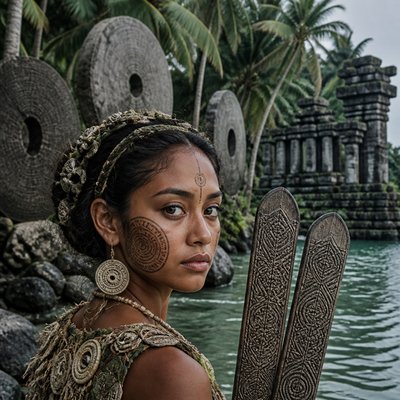
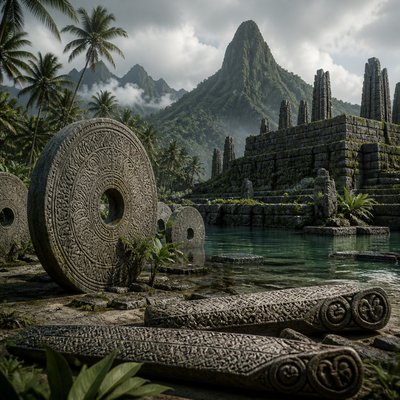
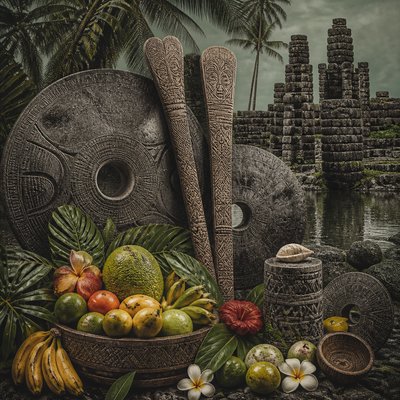
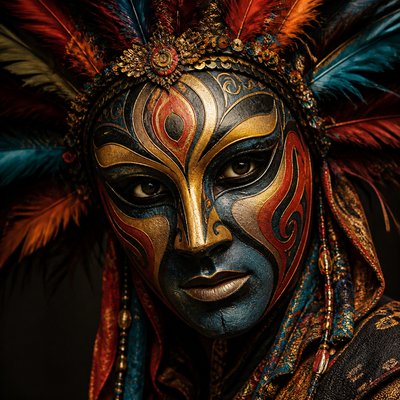
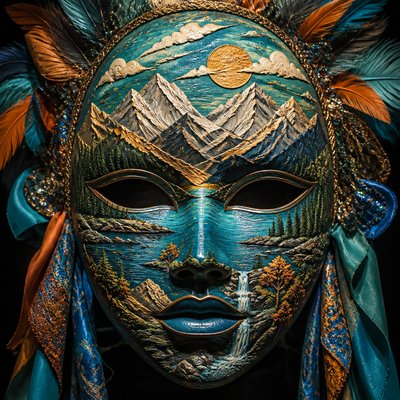
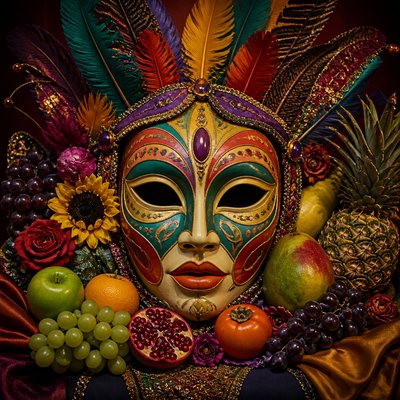
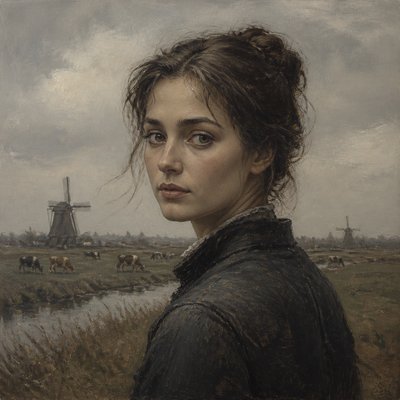
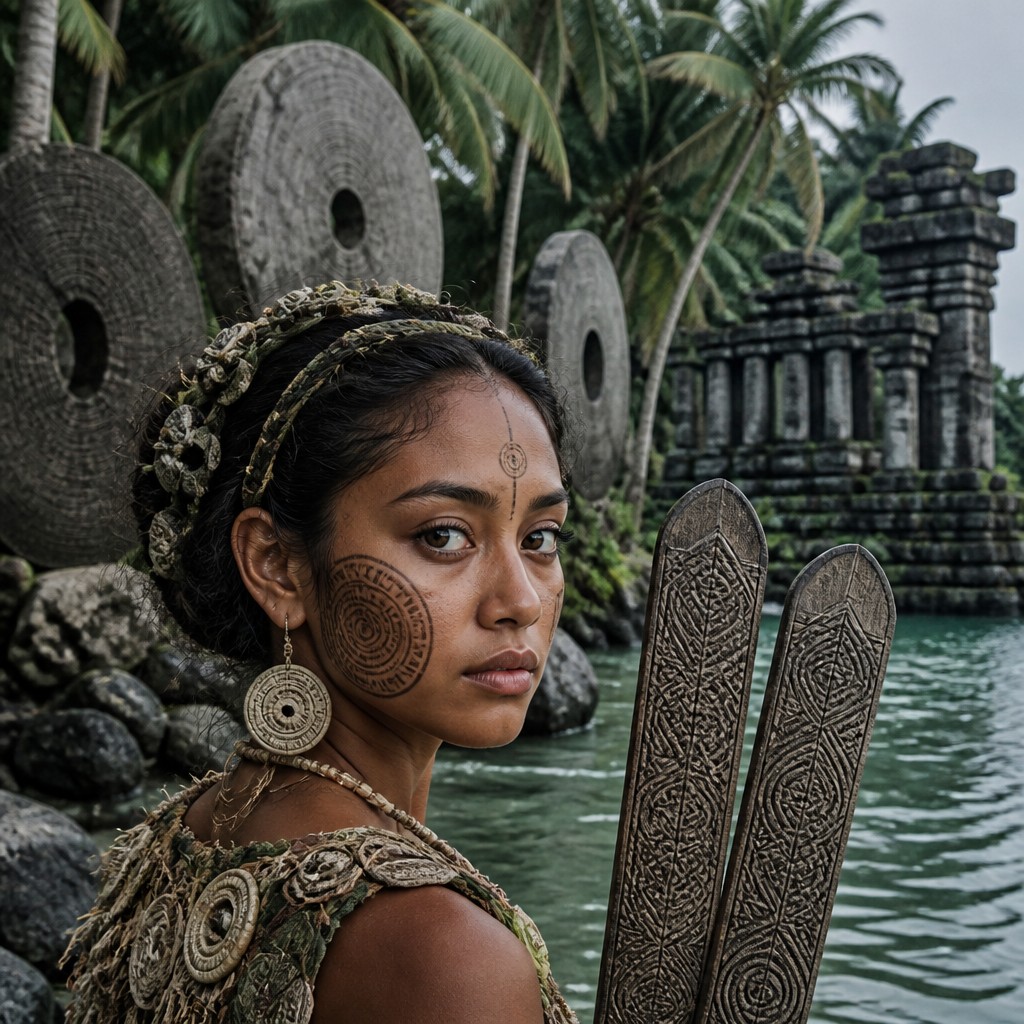
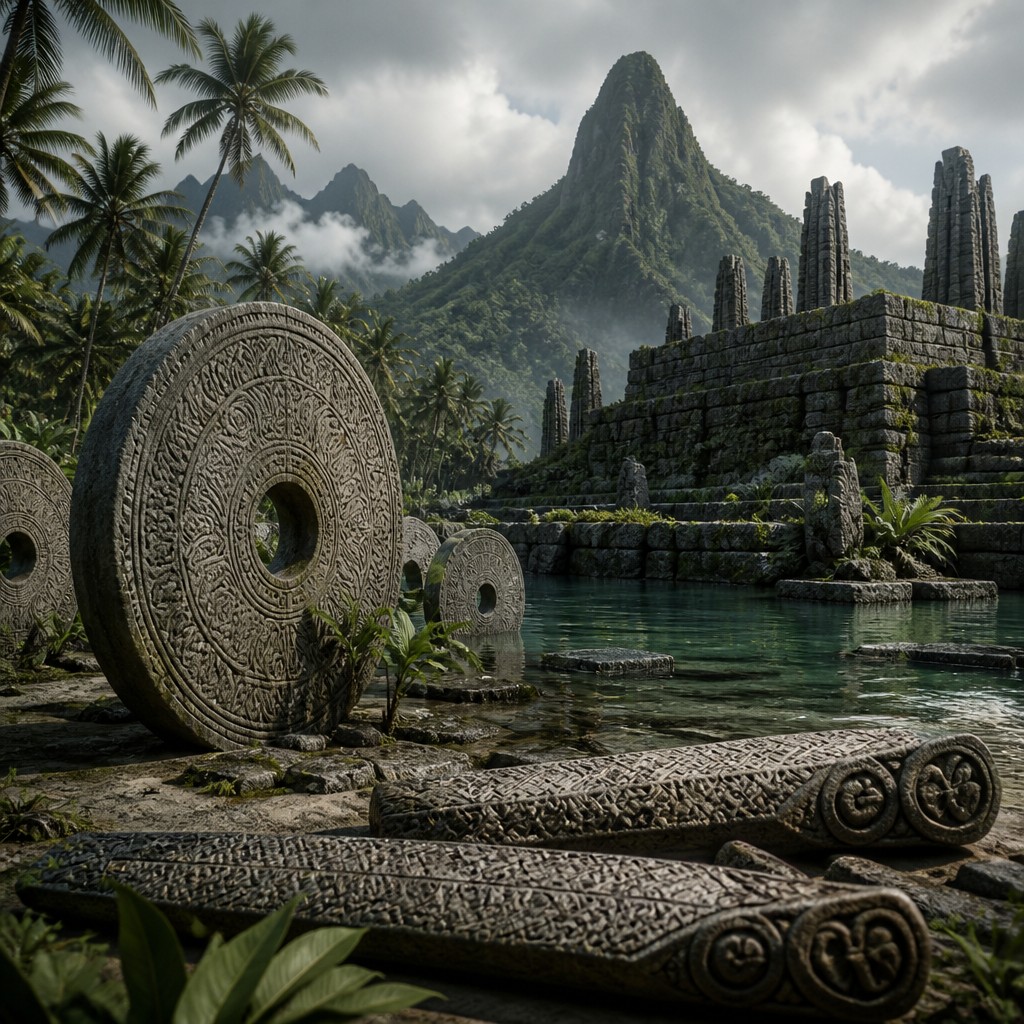
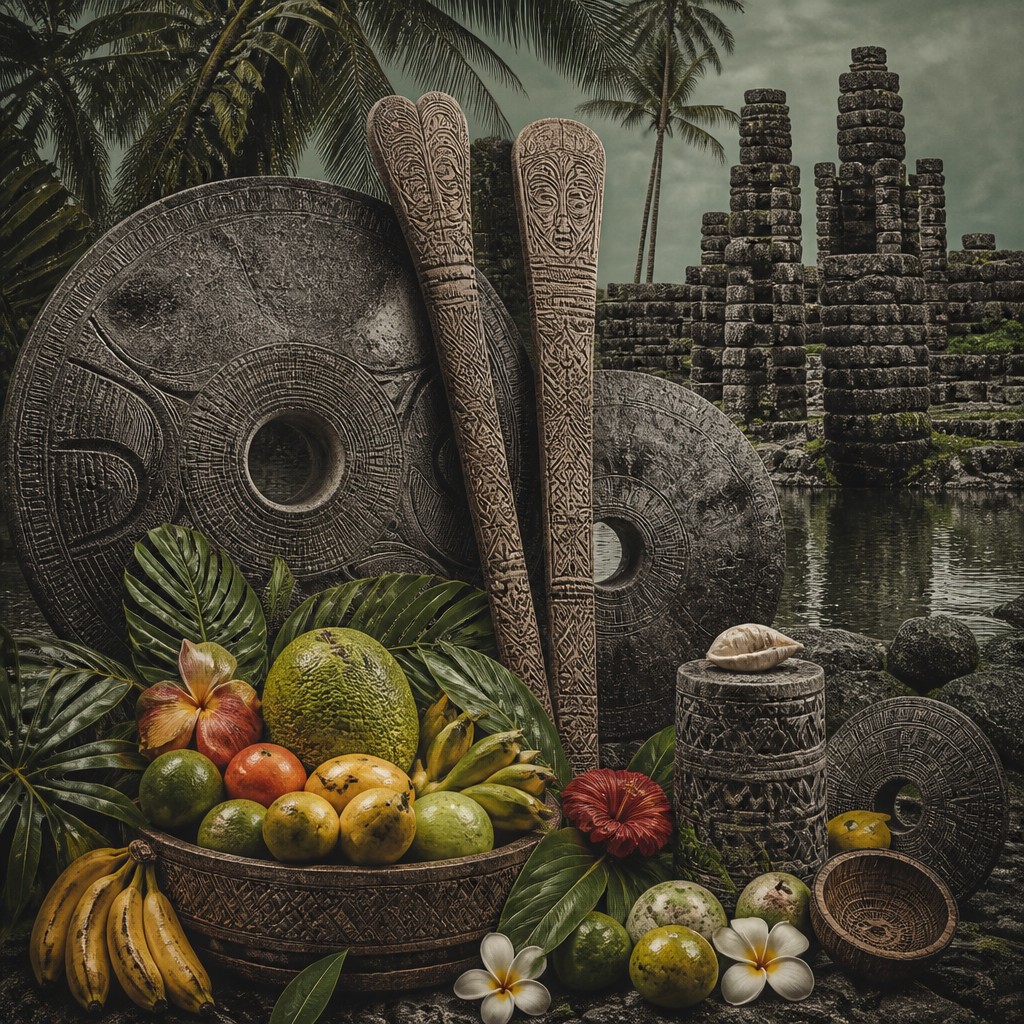
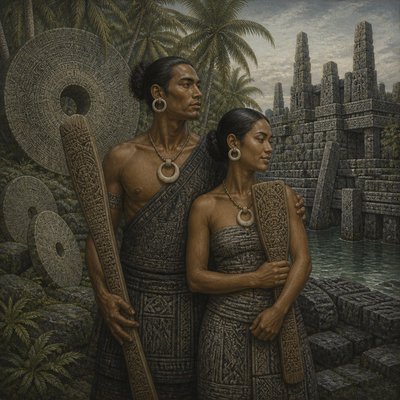
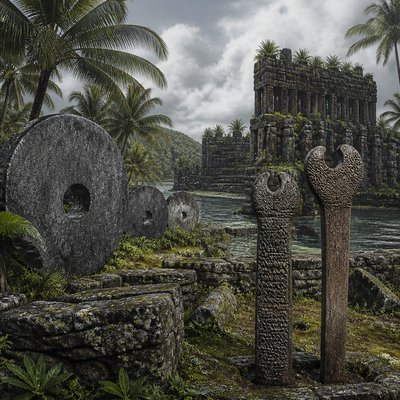
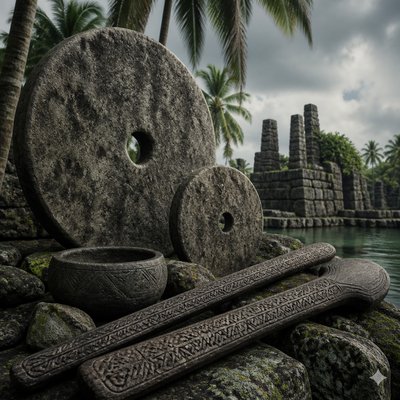
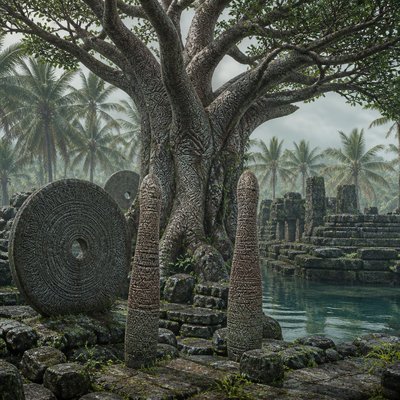
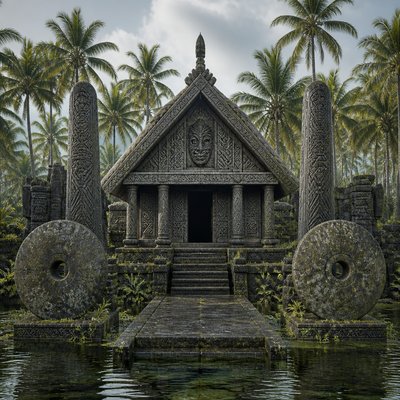
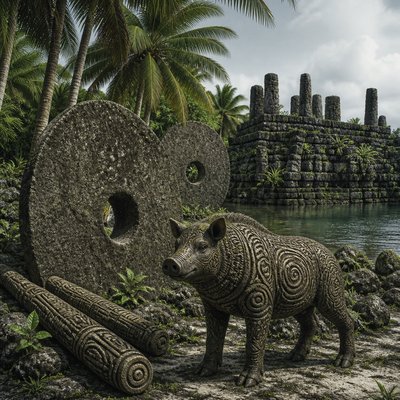
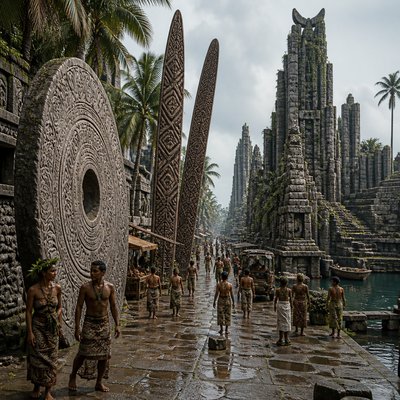
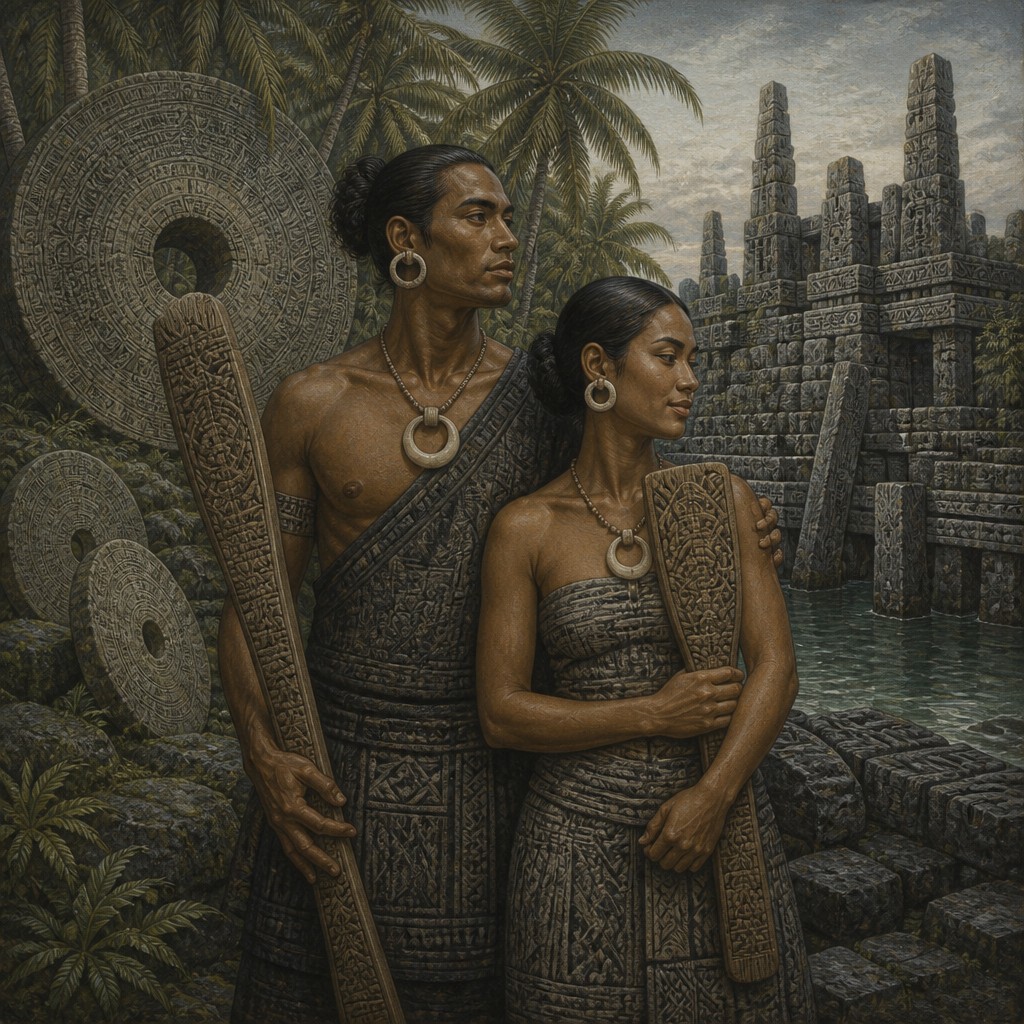
Micronesian Art Style is a contemporary visual synthesis inspired by the material culture, architecture, and island environments of Micronesia. Its defining imagery includes the monumental rai stone discs of Yap, finely incised courting or love-sticks associated with Chuuk, and the basalt-column ruins of Nan Madol on Pohnpei. Lagoon water, palm vegetation, volcanic stone, and humid atmospheric light provide a unifying environmental setting.
This is not a single historical art movement shared uniformly across all Micronesian societies. Rather, it is an interpretive aesthetic that brings distinct traditions into one image language: massive geometric forms beside delicate linear ornament, weathered masonry beside living jungle, and human craftsmanship framed by oceanic scale. The effect is restrained, tactile, ceremonial, and strongly architectural, with a palette of charcoal grey, basalt black, lichen green, deep lagoon blue, sand, and muted coral.
Try It On Your Photos
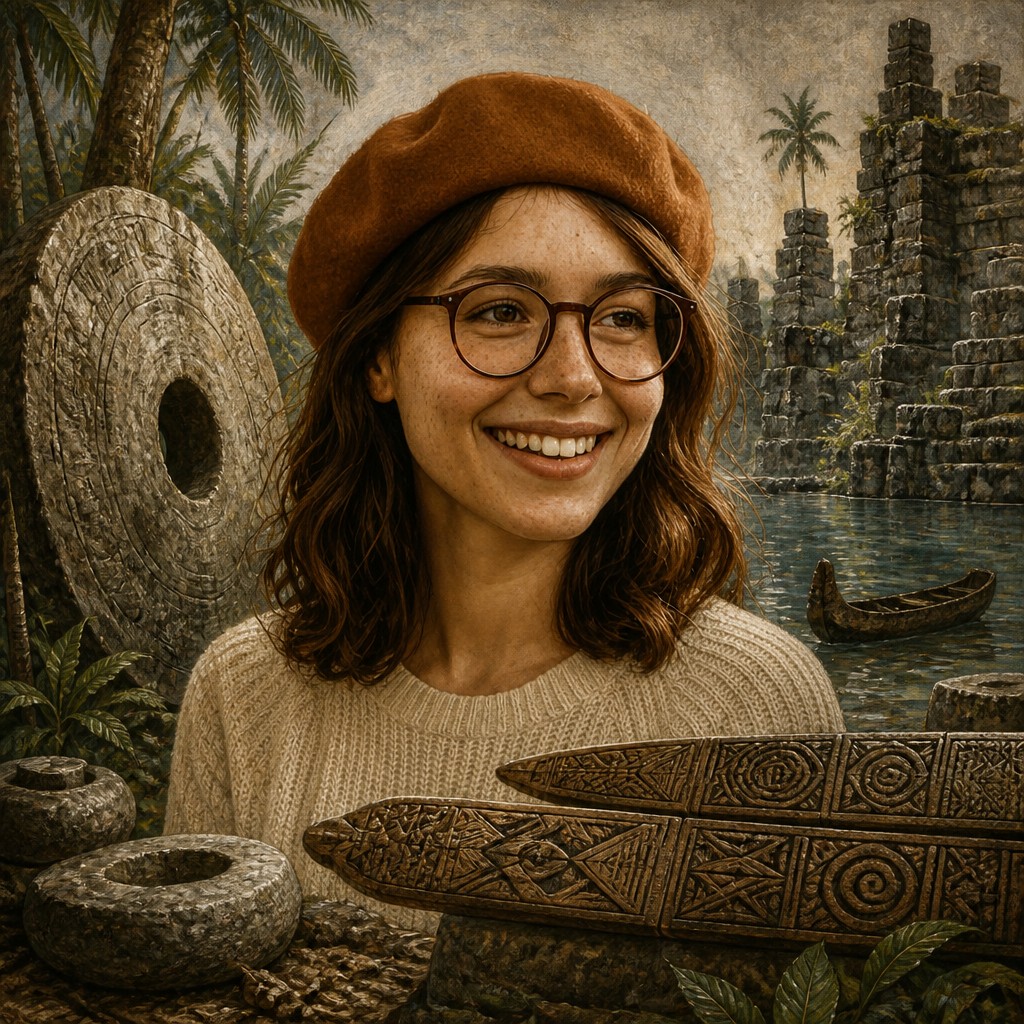
Upload any photo and convert it into Micronesian Art Style — drag the sliders to compare before and after.


What Defines Micronesian Art Style
The signature details, up close
Monumental stone forms
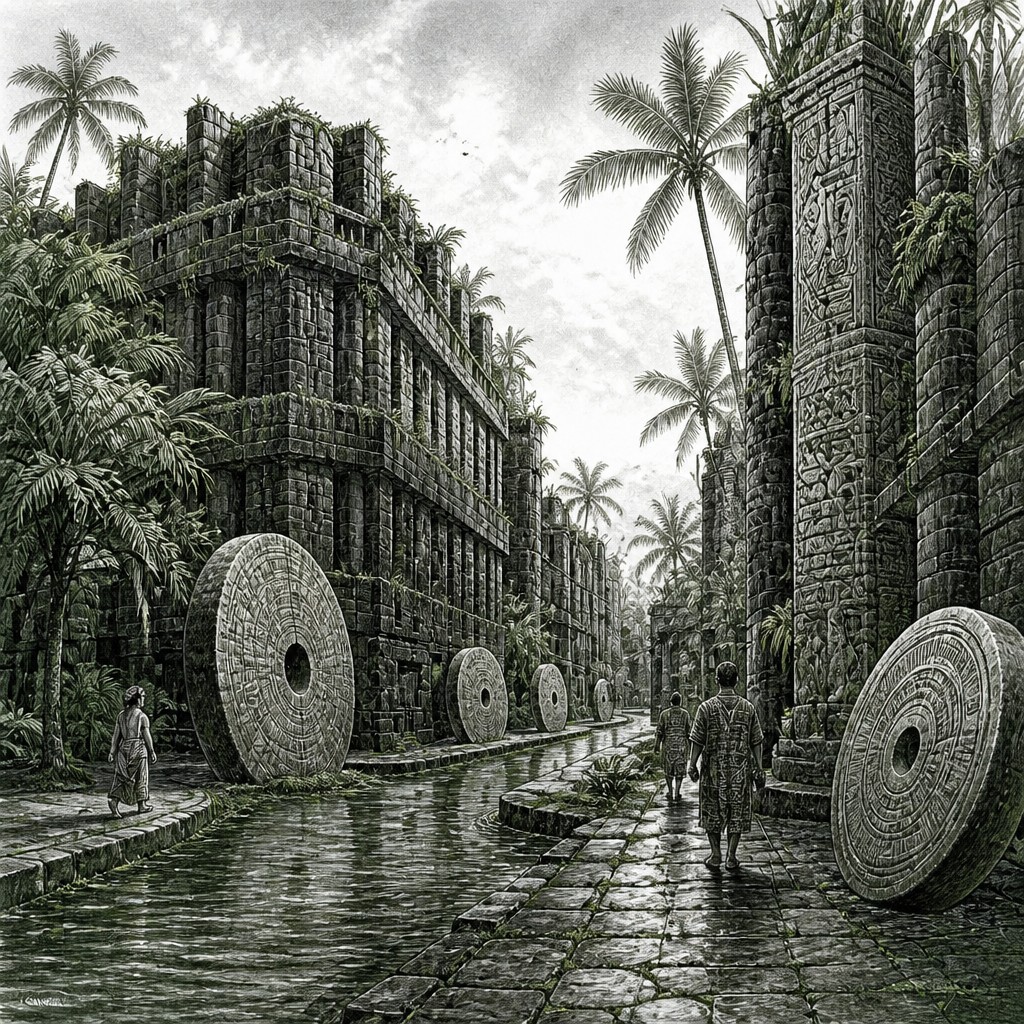
Large circular Yap rai discs, basalt blocks, and columnar masonry create a sense of weight, permanence, and human effort. Their scale is often emphasized by palms, figures, canoes, or low horizons.
Basalt and limestone materiality
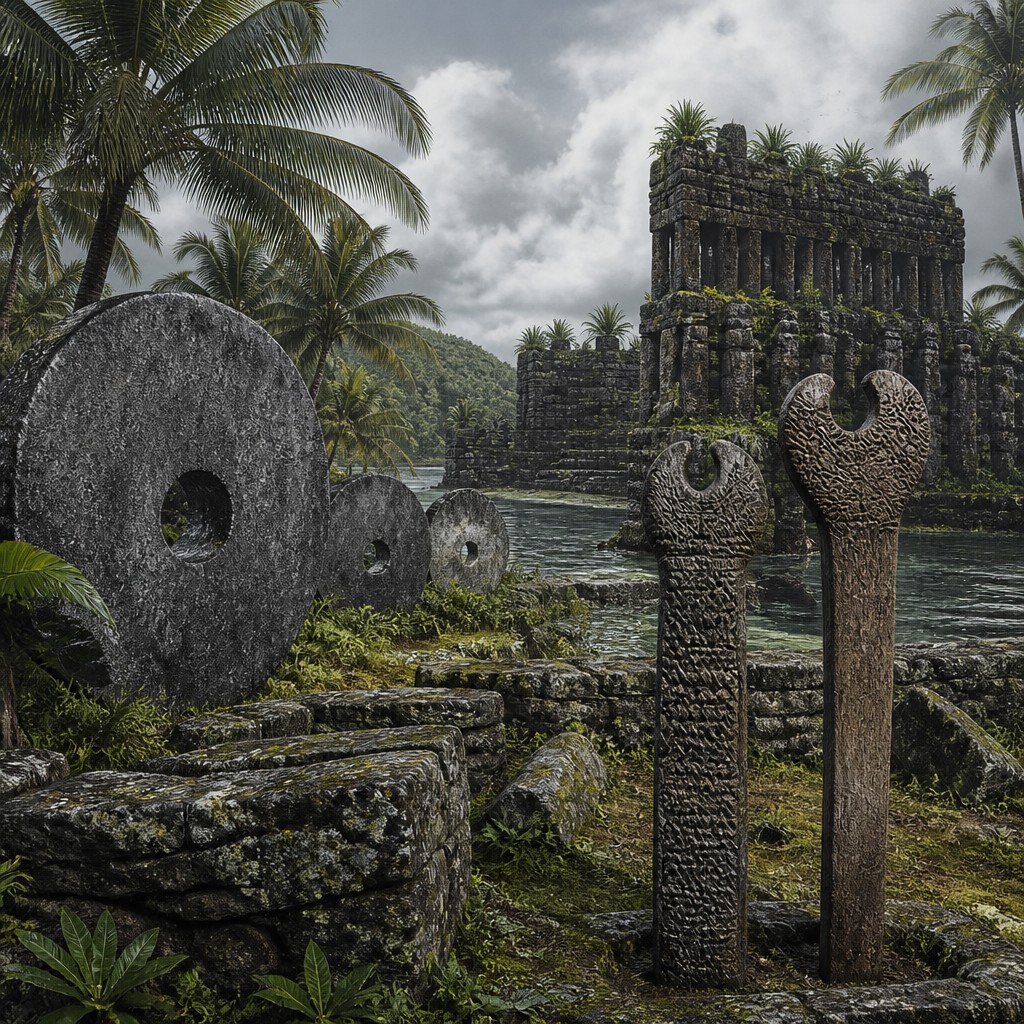
Surfaces appear porous, chipped, salt-stained, moss-covered, and unevenly weathered. Dark volcanic grey is balanced by the pale mineral tones of limestone and coral-derived material.
Incised geometric ornament
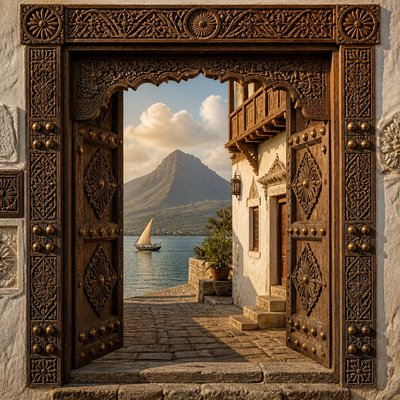
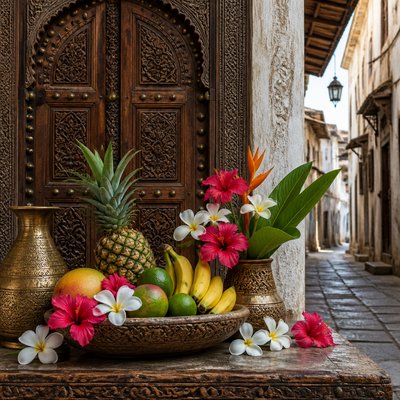
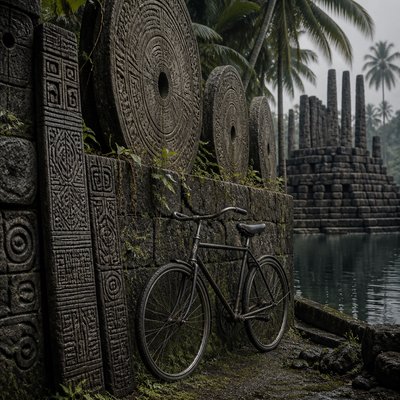
Fine linear carving, repeated bands, chevrons, spirals, and interlocking geometric patterns provide a delicate counterpoint to massive architecture. Ornament should feel cut into wood or stone rather than applied as a glossy graphic overlay.
Lagoon-centered composition
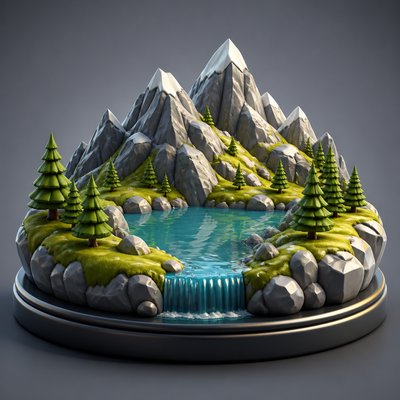
Shallow reflective water, tidal channels, mangroves, reef edges, and artificial islets frequently structure the scene. Reflections and humid haze soften hard architectural silhouettes without removing their monumental presence.
Tropical volcanic palette
The dominant colors are weathered charcoal, blue-black, jungle green, wet earth, muted sand, and subdued turquoise. Small accents of warm wood, ochre, or coral can suggest crafted objects and tropical light.
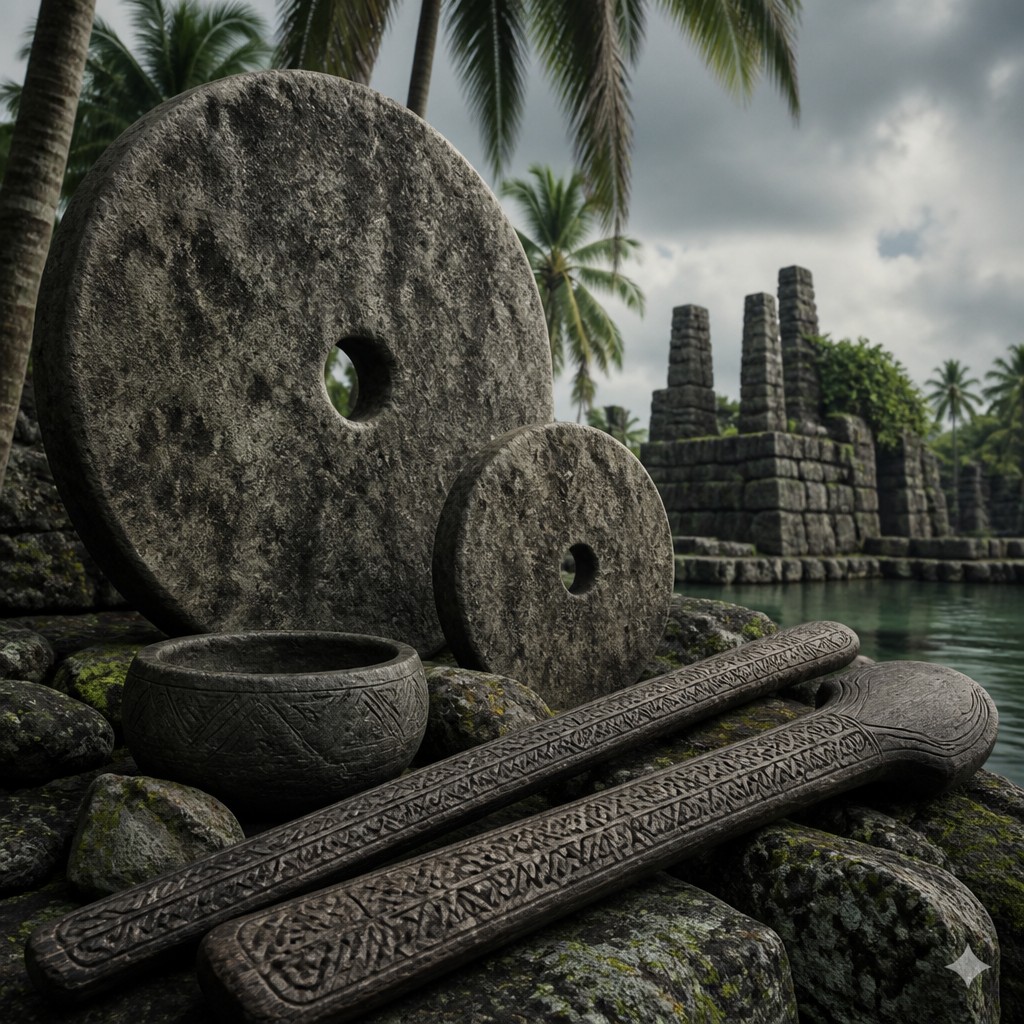
Quiet ceremonial atmosphere
Compositions favor stillness, spacious framing, and a sense of inherited memory rather than crowded action. Diffuse overcast light, dawn mist, or late-afternoon lagoon illumination reinforces the contemplative mood.
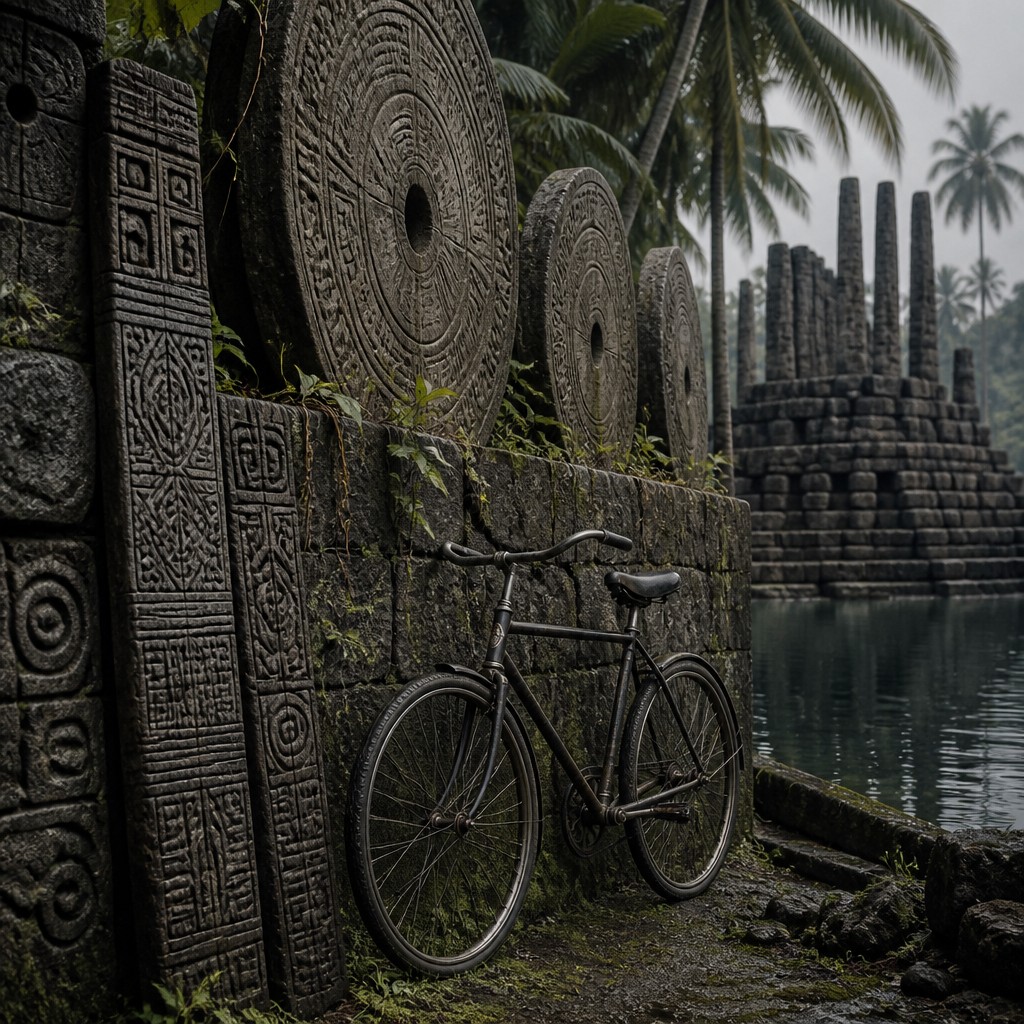
Contrast between craft and landscape
Precisely carved surfaces are placed against unruly vegetation, rain, water, and erosion. The visual tension suggests both cultural continuity and the passage of time, while avoiding a purely pristine archaeological appearance.
Micronesian Prompt Ideas
Start from an idea — each one opens the generator with the style ready to go. See all 40 Micronesian prompts →
How to Create Micronesian Art
Master the craft step by step — or skip straight to creating. Read the full guide →
- 1
Build the composition from materials
Begin with a clear hierarchy of basalt columns, limestone discs, carved wood, water, and vegetation. Describe surface conditions such as salt crust, lichen, tool marks, cracks, and wet reflections before adding decorative details.
- 2
Use restrained island light
Choose humid overcast light, dawn haze, or low tropical sunlight rather than harsh studio illumination. Keep shadows soft but substantial so the stone retains weight and the lagoon remains visibly reflective.
- 3
Balance mass with line
Pair one or two monumental shapes with a smaller incised object, patterned timber, canoe, or human silhouette. This contrast prevents the image from becoming either an undifferentiated ruin scene or a flat pattern study.
- 4
Create texture by hand or digitally
In traditional media, layer charcoal, mineral pigments, dry brush, scratched lines, and diluted washes to suggest porous stone and tropical dampness. Digitally, combine roughness maps, low-contrast displacement, irregular masks, and hand-drawn incisions instead of relying on perfectly uniform textures.
- 5
Write culturally specific prompts
Name the intended subject and place—such as a Yap rai disc, a Chuukese carved object, or Nan Madol on Pohnpei—rather than using only broad terms like 'tribal island art.' Add composition, materials, weathering, palette, and lighting so the result remains visually coherent and historically attentive.
- 6
Refine with image-to-image editing
When transforming a photograph, preserve the original perspective and major silhouettes while introducing basalt roughness, carved linework, lagoon haze, and a muted volcanic palette. Reduce generic fantasy elements and correct details that merge distinct cultural objects into inaccurate hybrids.
The Story
History & Origins of Micronesian
The style draws on several independent cultural traditions from the Caroline Islands and wider Micronesia. On Yap, large limestone rai discs functioned as valuable objects whose meaning involved labor, exchange, social relationships, and remembered provenance. In Chuuk and neighboring island communities, carved and incised wooden objects, including courting sticks in some contexts, demonstrate the importance of line, pattern, and skilled surface work. Nan Madol, built from enormous basalt columns on a series of artificial islets near Pohnpei, represents a major architectural and political achievement associated with the Saudeleur period, generally dated from approximately the twelfth or thirteenth century until the seventeenth century.
The unified style described here is a modern synthesis rather than an indigenous historical category. It selectively combines monumental stone, carved ornament, maritime ecology, and archaeological atmosphere for illustration, concept art, photography, and digital image-making. Responsible use should distinguish the cultures and histories involved rather than treating Micronesia as a single undifferentiated tradition.
Influences: The aesthetic is related to Oceanic and Pacific Island material traditions, archaeological landscape art, megalithic architecture, ethnographic and documentary photography, environmental illustration, and contemporary ruin imagery. It also draws from geometric pattern design, carved-wood traditions, tropical landscape painting, stone sculpture, and cinematic atmospheric composition. These influences should be treated as distinct sources rather than evidence of one unified Micronesian visual system.
Frequently Asked Questions
Is Micronesian Art Style a historical art movement?
No. The term describes a contemporary, interpretive synthesis rather than a recognized historical movement with a fixed period or school. It combines selected visual references from several Micronesian cultures, especially Yap, Chuuk, and Pohnpei, and should not be presented as a single traditional style.
What subjects define this style?
Common subjects include Yap rai stone discs, carved and incised wooden objects associated with Chuuk, Nan Madol's basalt architecture, outrigger canoes, palms, mangroves, reefs, and lagoon channels. The strongest compositions connect these subjects to material detail, scale, weathering, and quiet island light.
How does it differ from generic tropical or Polynesian art?
It is more specifically grounded in Micronesian island contexts and in the visual contrast between monumental stone, carved wood, and lagoon environments. Polynesia and Micronesia encompass many different cultures, so motifs from one region should not be casually substituted for those of another.
What colors and textures work best?
A restrained palette of basalt grey, limestone white, charcoal, lichen green, wet earth, muted turquoise, and blue-black water is characteristic. Useful textures include porous stone, salt staining, moss, rain-darkened wood, tool marks, coral sand, and soft atmospheric haze.
How can I make an image in this aesthetic without making it look like fantasy?
Use specific geographic and material references, keep the architecture structurally plausible, and avoid adding invented temples, oversized weapons, or generic exotic costumes. Natural light, accurate water relationships, restrained ornament, and visible erosion help maintain a grounded archaeological and environmental character.
Where is this style most useful?
It suits editorial illustration, archaeological visualization, environmental concept art, museum-inspired still lifes, architectural studies, landscape photography treatments, and atmospheric digital paintings. Because it combines real cultural references, captions and descriptions should identify the specific traditions or locations represented.
Create your first Micronesian artwork
Describe anything — or upload a photo — and see it in Micronesian Art Style in seconds.
Related Styles
Discover similar art styles