Fractal Art Style
Explore fractal art: recursive mathematical patterns, vivid digital color, geometric symmetry, and techniques for creating mesmerizing infinite forms.
Instantly rendered in Fractal — or transform a photo
Fractal Gallery
Tap any artwork to explore it
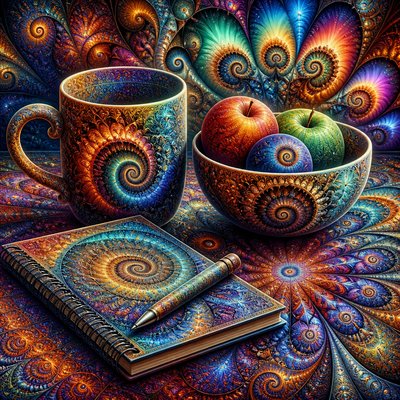
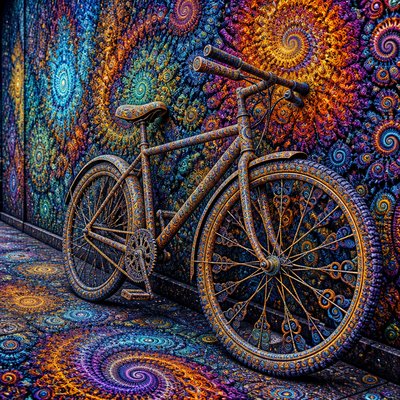
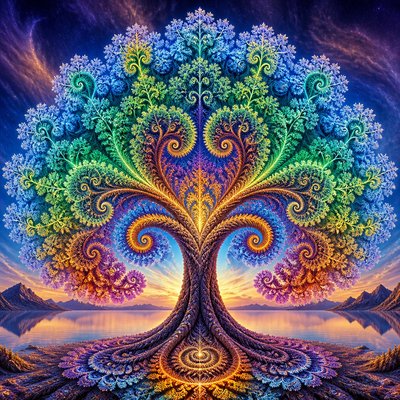
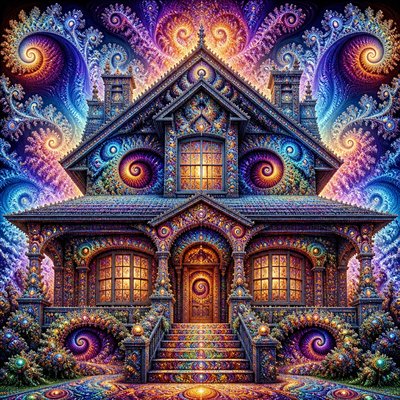
What is Fractal Art Style?
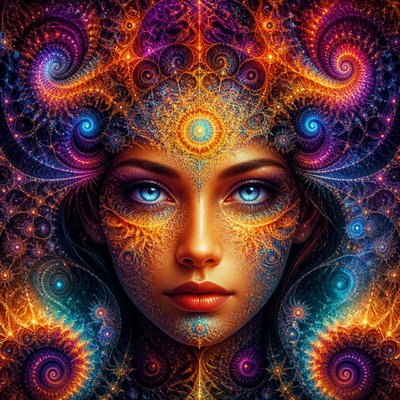
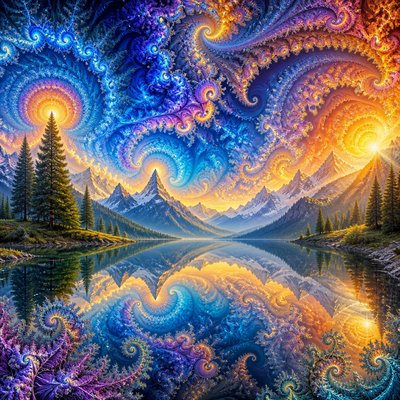
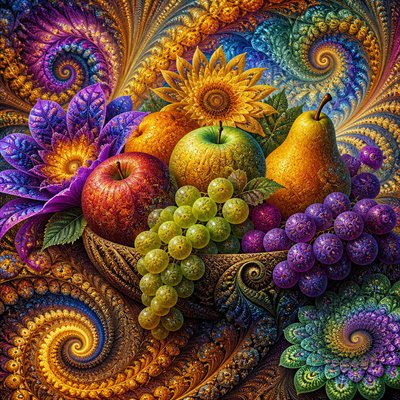
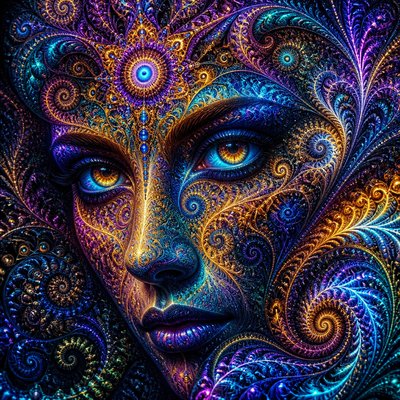
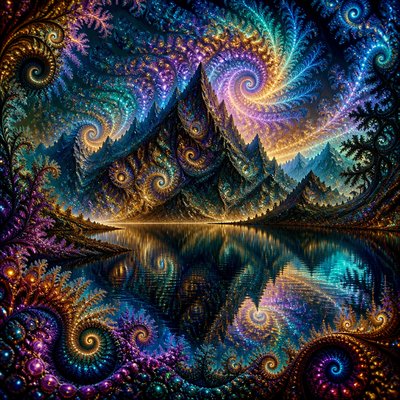
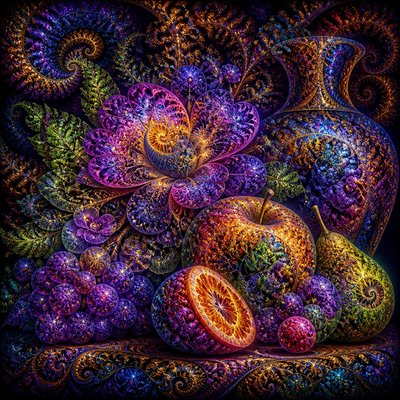
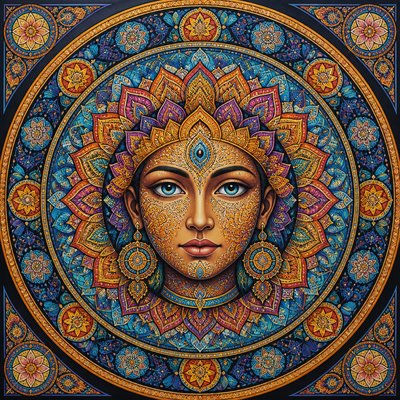
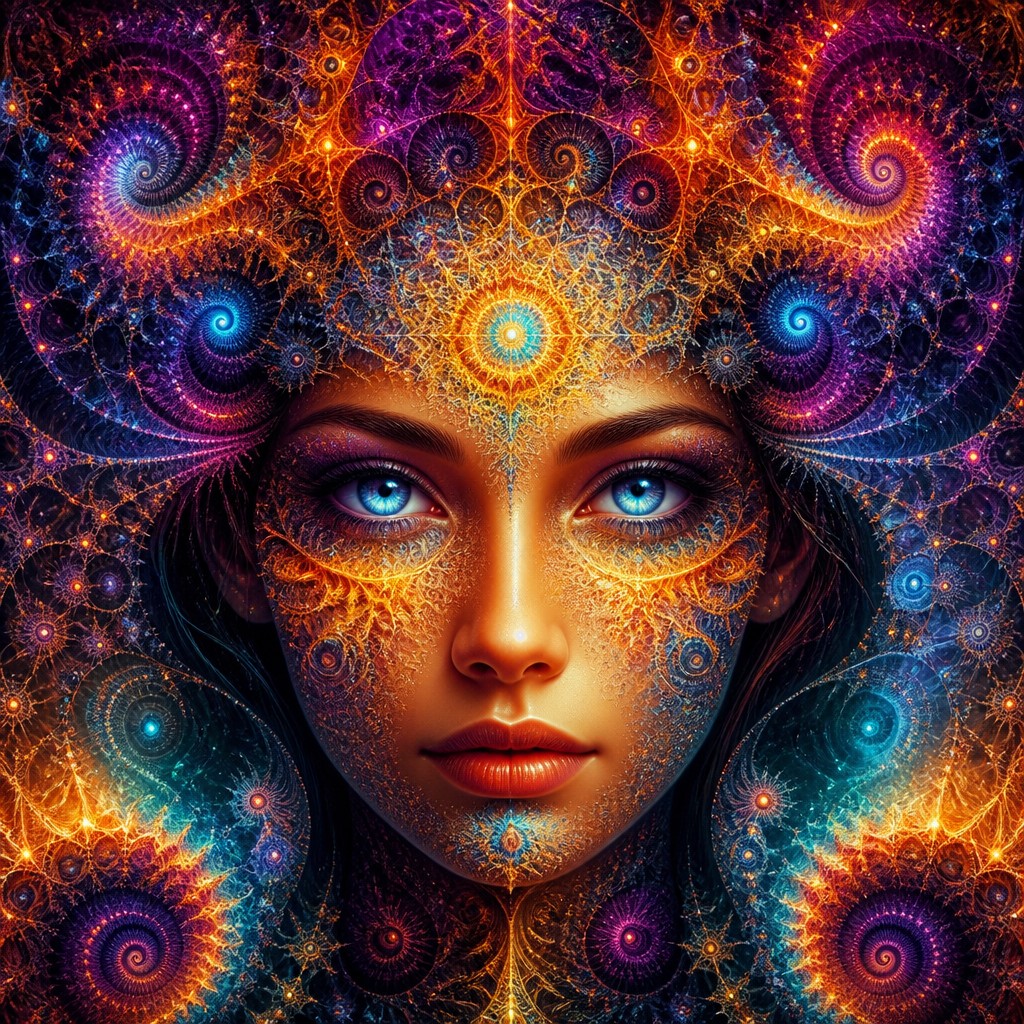
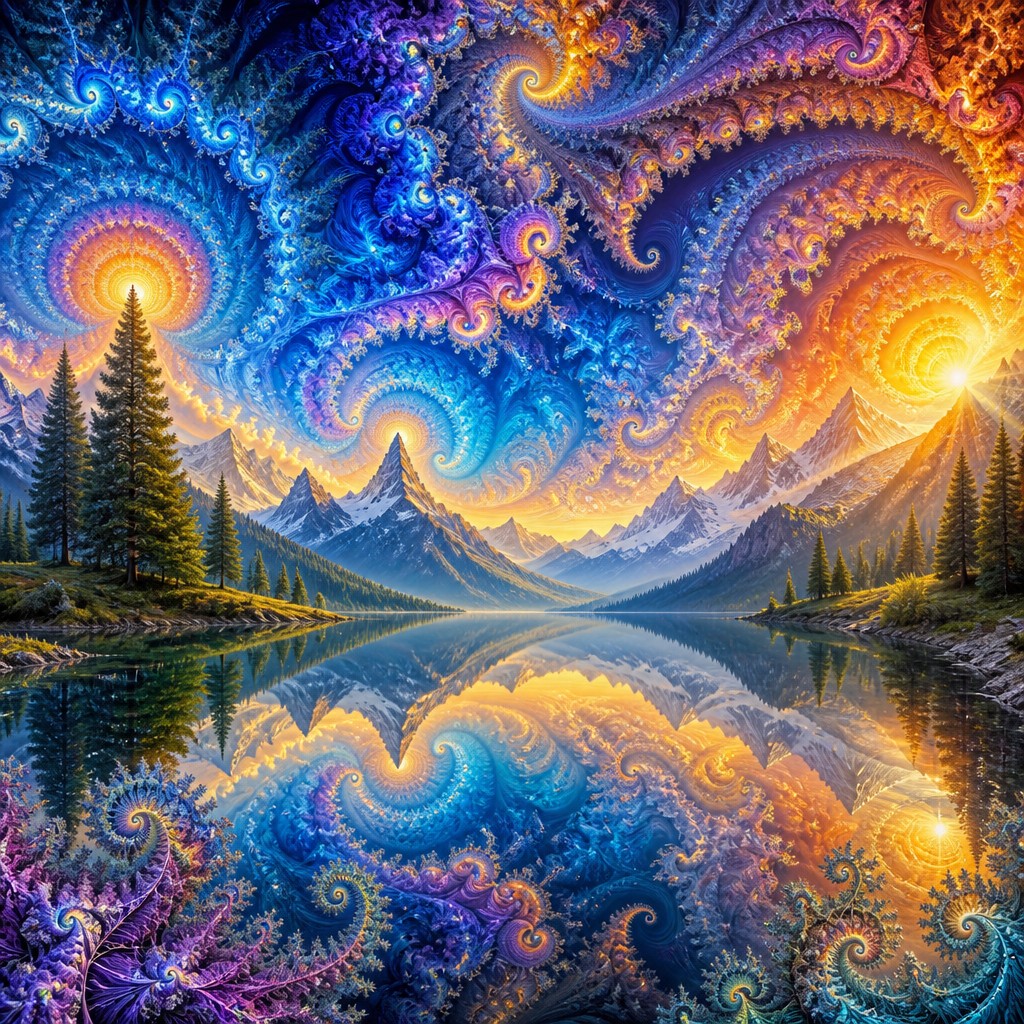
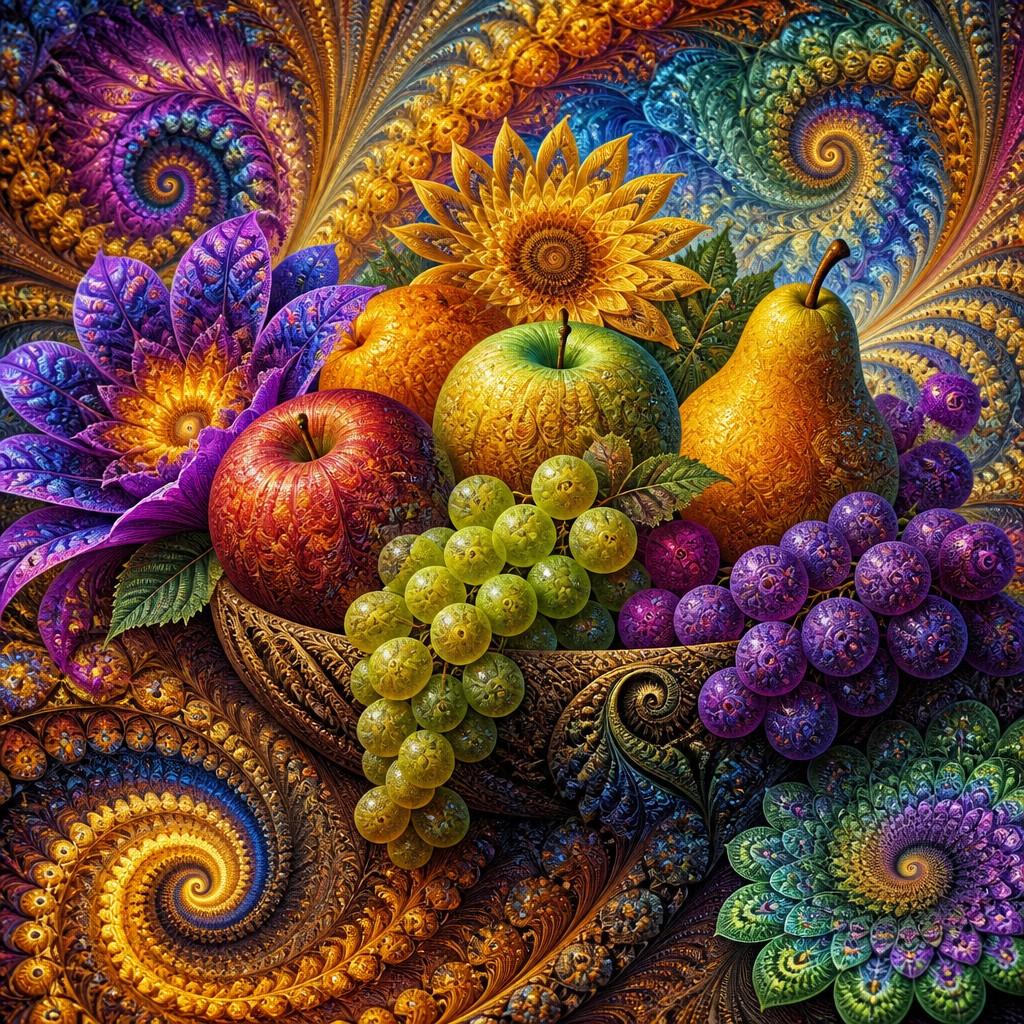
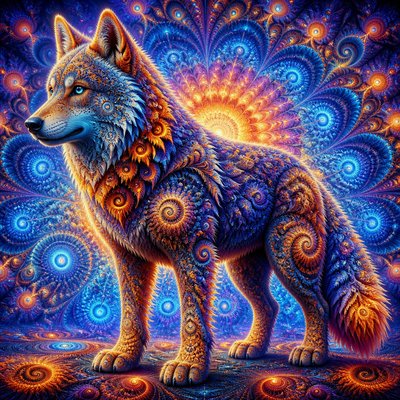
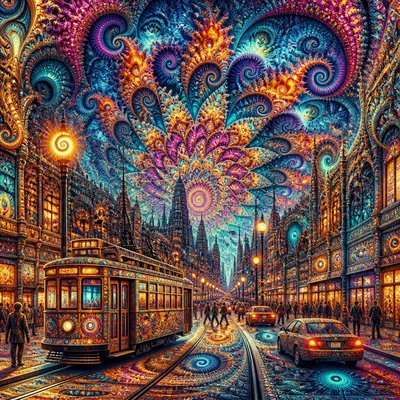
Fractal art is a form of computer-generated imagery built from mathematical rules that produce recursive, self-similar, and often infinitely complex patterns. Curves, spirals, branching structures, cellular forms, and geometric fields repeat at different scales, creating images that remain detailed as the viewer moves from the overall composition toward its smallest visible regions.
Its visual identity comes from the combination of strict mathematical structure and expressive color design. Iterative equations generate the underlying forms, while palette mapping, lighting, layering, and digital rendering turn those forms into luminous blooms, turbulent vortices, crystalline landscapes, or organic networks. The result often feels simultaneously scientific, cosmic, microscopic, and surreal.
Try It On Your Photos
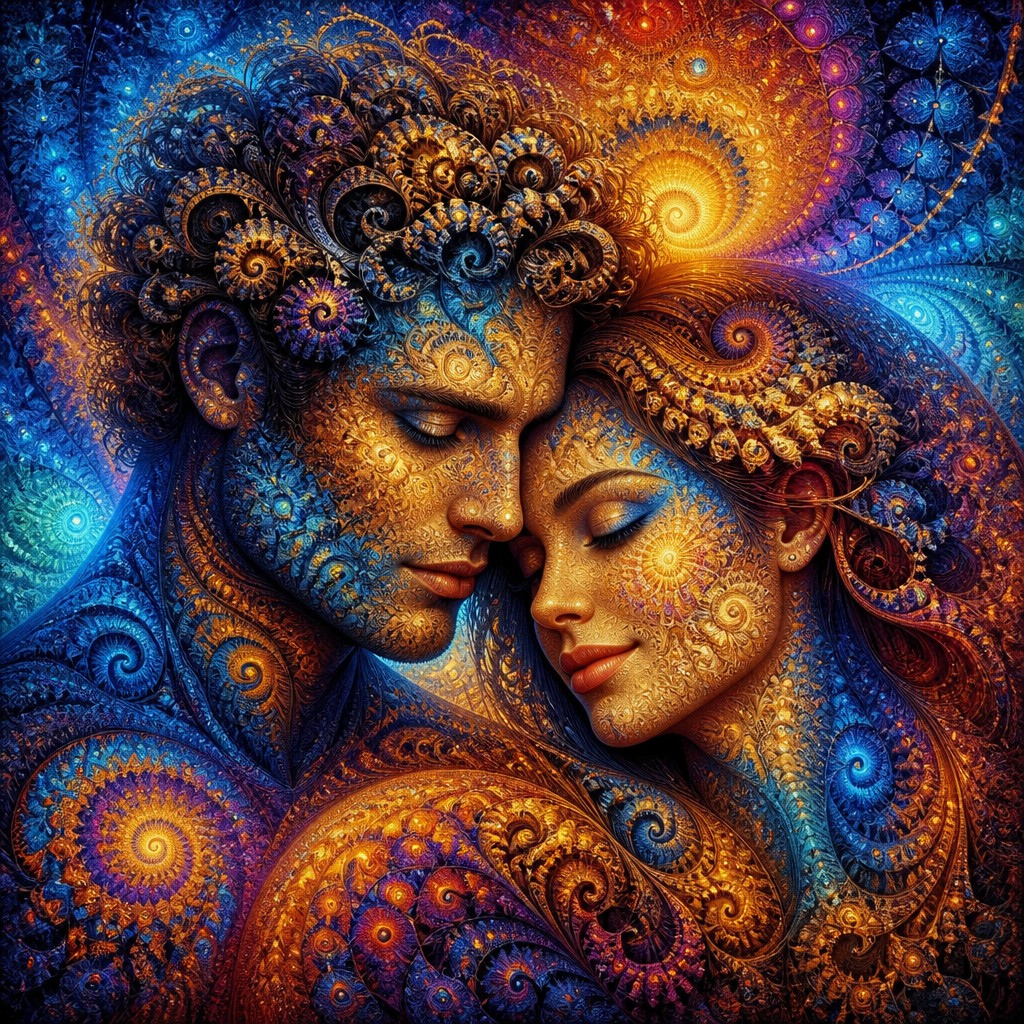
Upload any photo and convert it into Fractal Art Style — drag the sliders to compare before and after.


What Defines Fractal Art Style
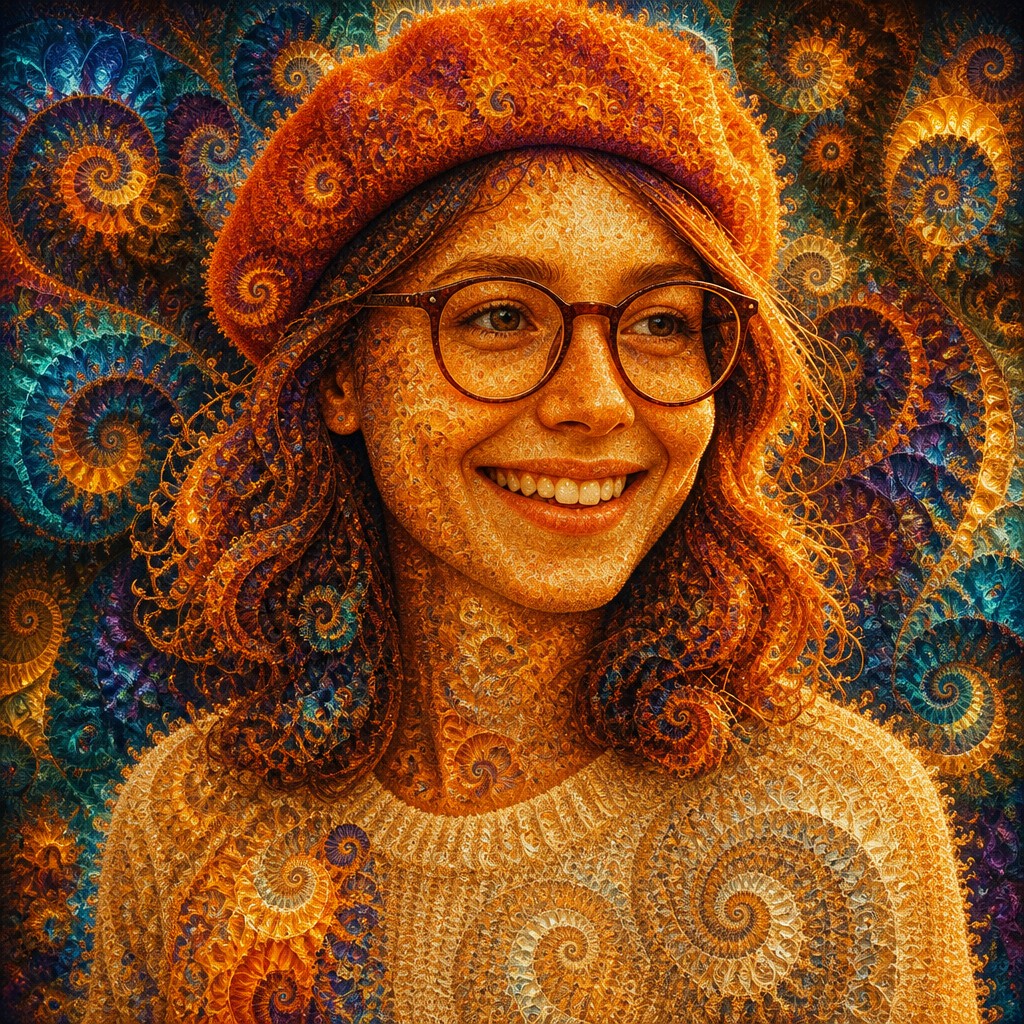
The signature details, up close
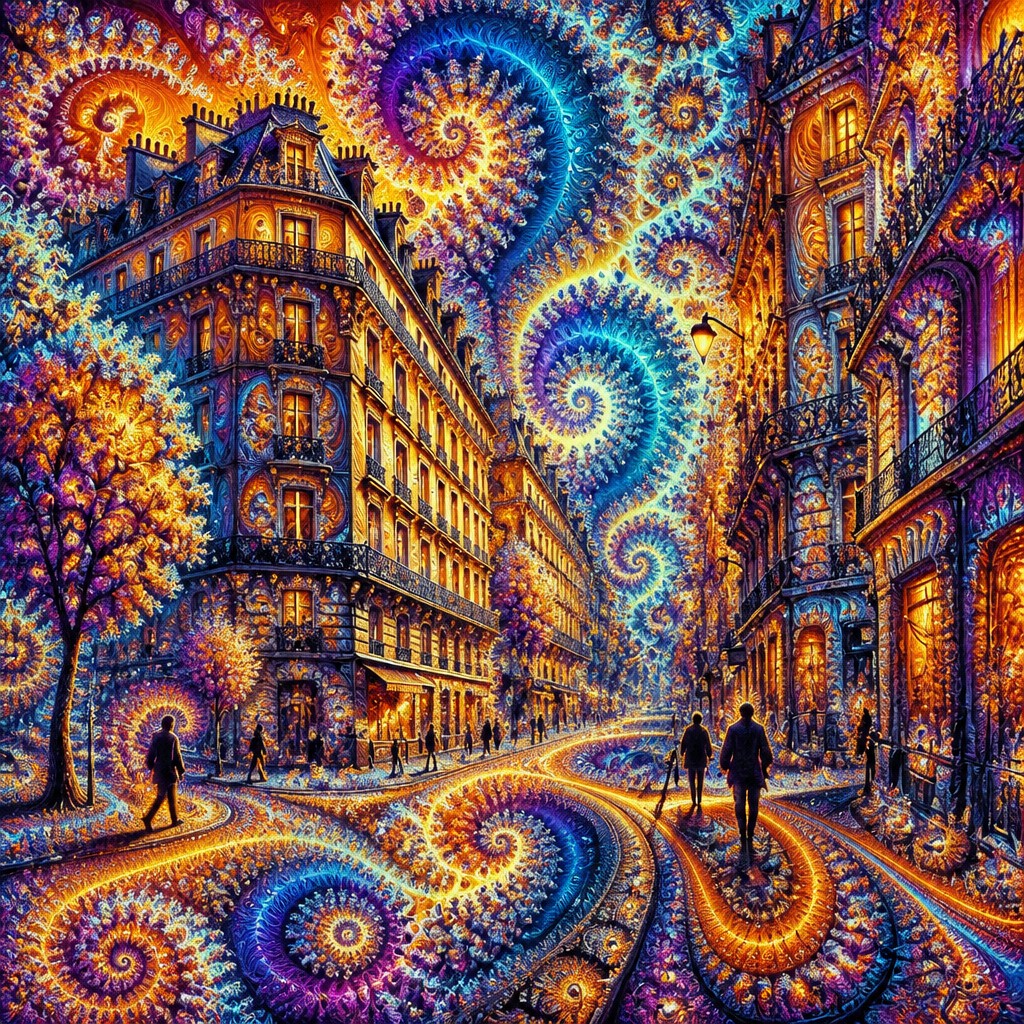
Recursive self-similarity
Forms repeat or echo their structure at multiple scales, so a large spiral, branch, or cellular field may contain smaller versions of the same visual logic.
Spiraling geometry
Rotational repetition, radial symmetry, and vortex-like movement guide the eye toward a center or outward into expanding ornamental structures.
Vivid gradient color
High-saturation palettes, spectral transitions, and luminous color bands translate numerical values into glowing visual depth and separation.
Sharp mathematical detail
Crisp contours and dense micro-patterns give the imagery a precise, computer-rendered character, particularly around edges and areas of rapid iteration.
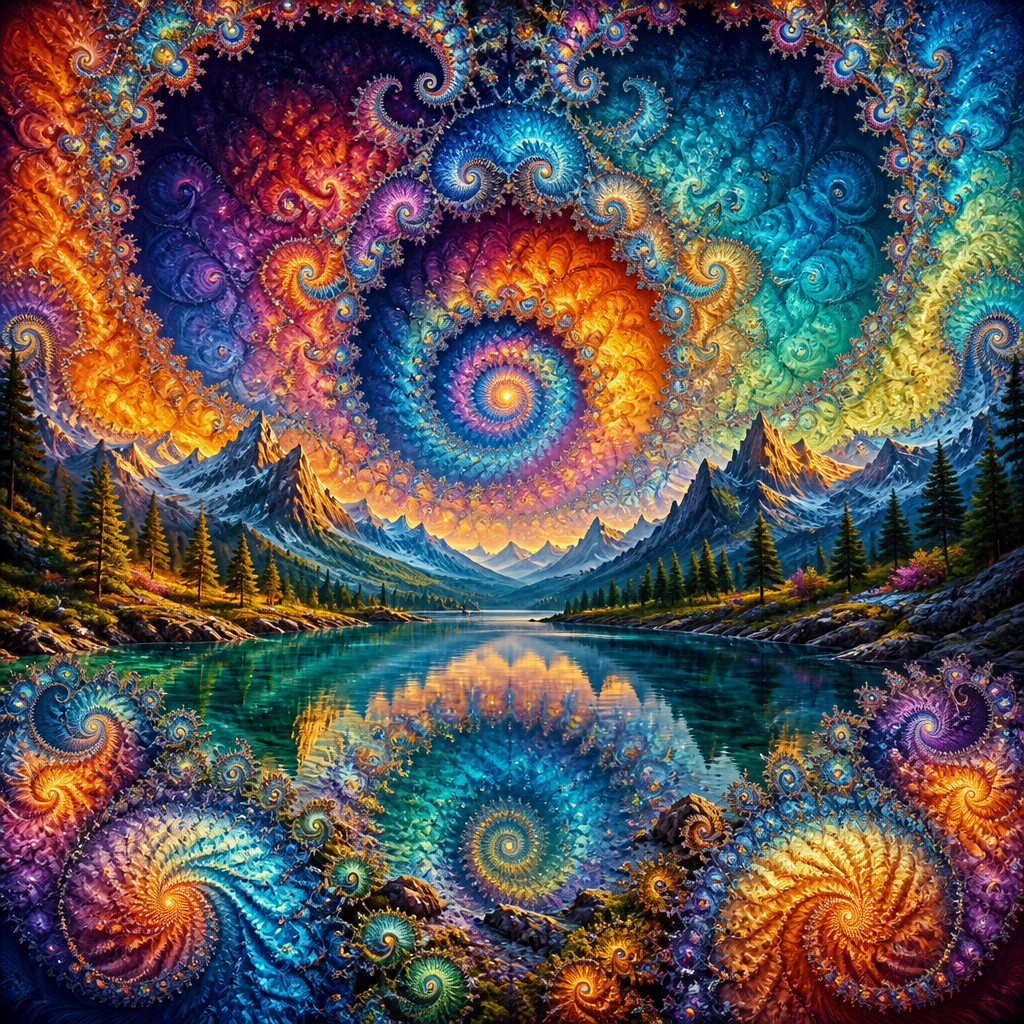
Organic and geometric fusion
Recursive equations can resemble shells, coral, clouds, roots, lightning, or microscopic organisms while retaining an underlying geometric order.
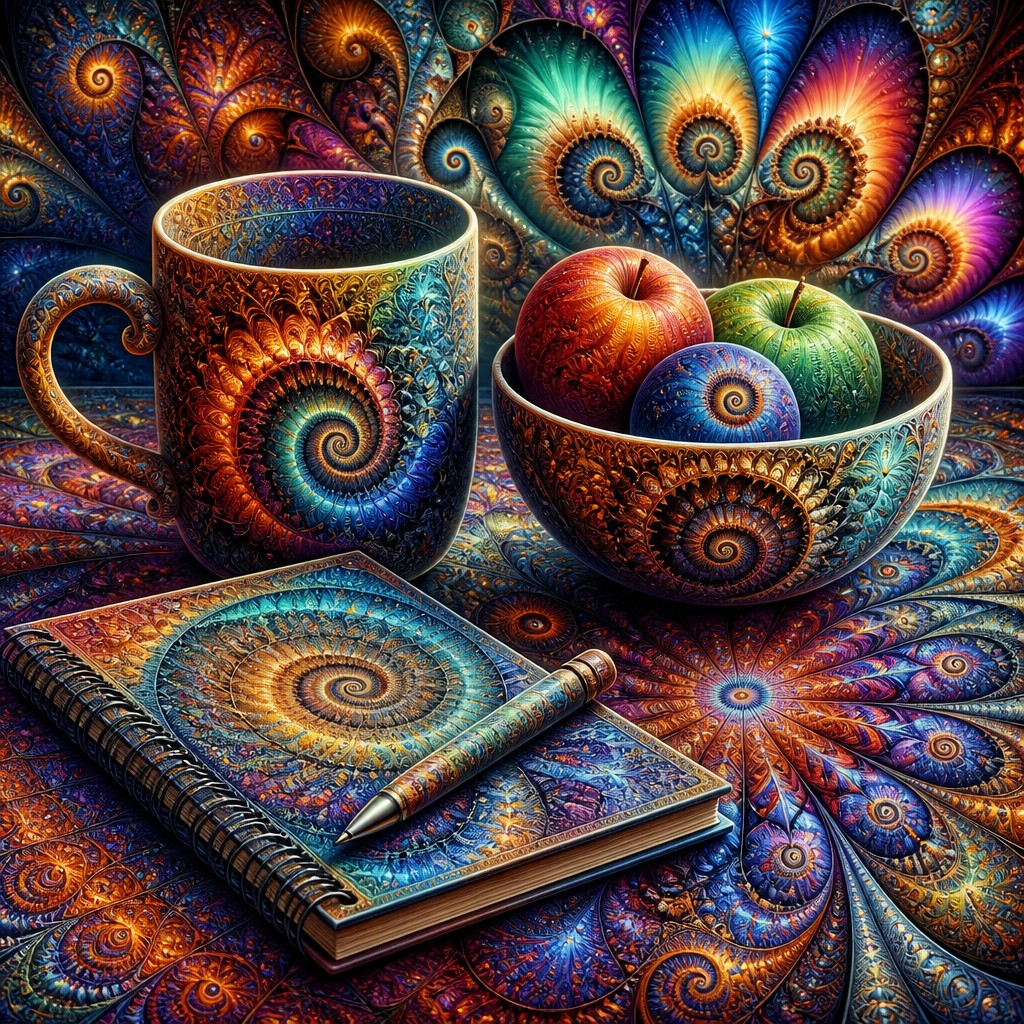
Infinite-depth illusion
Layered repetition and zoom-like framing suggest that the image continues beyond its visible boundaries, producing a sense of vastness and visual discovery.
Fractal Prompt Ideas
Start from an idea — each one opens the generator with the style ready to go. See all 40 Fractal prompts →
How to Create Fractal Art
Master the craft step by step — or skip straight to creating. Read the full guide →
- 1
Choose a fractal system
Begin with an escape-time formula, branching rule, iterated function system, or three-dimensional fractal landscape. Each system produces a different balance of spirals, filaments, branching, or block-like structure.
- 2
Control iteration and detail
Increase iteration counts to reveal finer structures, but reduce them when the composition becomes visually noisy. Zoom into a compelling boundary where small parameter changes create rich detail.
- 3
Build a deliberate palette
Map numerical regions to a controlled gradient rather than relying on random color. Complementary contrasts, spectral bands, and dark atmospheric backgrounds can clarify depth and emphasize recursive edges.
- 4
Shape the composition
Use rotation, symmetry, cropping, and layered transformations to establish a focal point. For digital work, combine generated forms with masking, blending, glow, and selective sharpening.
- 5
Use physical or algorithmic processes
Traditional artists can study branching, shells, crystals, and repeated ornament through drawing, printmaking, or layered painting. Digital artists can use node-based tools, code, fractal software, or 3D rendering to calculate and refine the forms.
- 6
Write precise generation prompts
Specify the subject, recursive structure, symmetry, palette, lighting, and level of detail together—for example, “cathedral of branching crystal arches, radial recursion, electric blue and magenta gradients, crisp luminous detail, dark background.”
The Story
History & Origins of Fractal
Fractal art developed alongside computer graphics and the study of fractal geometry during the late twentieth century, especially as personal computers became capable of calculating and displaying complex iterative forms. Early experiments commonly visualized escape-time sets, recursive branching systems, and iterated function systems, revealing intricate structures that could not be drawn efficiently by hand.
As rendering software improved, fractal artists combined mathematical generation with image editing, three-dimensional landscapes, animation, and print production. Contemporary practice includes algorithmic compositions, generative installations, digital wallpapers, scientific visualizations, and AI-assisted images that borrow fractal traits such as recursion, symmetry, branching, and infinite zoom.
Influences: Fractal art draws on abstract geometric art, mathematical illustration, algorithmic and generative art, optical pattern traditions, ornamental symmetry, scientific visualization, and psychedelic image-making. It also shares visual territory with biomorphic abstraction, cosmic imagery, digital surrealism, and the recursive structures found in natural phenomena such as branching plants, coastlines, clouds, shells, and mineral growth.
Frequently Asked Questions
What defines fractal art?
Fractal art is defined by forms generated or strongly organized through recursive mathematical processes. Repetition across scales, intricate boundaries, radial or branching structures, and vivid digitally mapped color are common, although not every fractal artwork is brightly colored or perfectly symmetrical.
Is fractal art always computer-generated?
The term usually refers to imagery calculated from mathematical algorithms, making digital tools central to the form. However, artists can also interpret fractal principles through drawing, painting, printmaking, collage, photography, and sculpture using repetition and scale-based structure.
How is fractal art different from geometric abstract art?
Geometric abstraction may use manually arranged shapes, grids, and measured compositions without recursion. Fractal art specifically emphasizes iterative rules, self-similarity, and complexity that emerges from repeated calculation, even when the final image appears purely ornamental.
How can I make fractal art without advanced mathematics?
Fractal-generating software, node-based visual tools, and parameter presets allow beginners to explore the form without writing equations. Start by adjusting zoom, rotation, iteration depth, symmetry, and color mapping, then refine the result through cropping and compositing.
What subjects work well with fractal treatment?
Natural subjects such as shells, trees, flowers, clouds, lightning, coral, and galaxies pair naturally with recursive structures. Architecture, animals, portraits, and vehicles can also work when their silhouettes remain recognizable and the fractal pattern is used as an organized surface or internal structure.
Where is fractal art used?
It appears in digital prints, album and poster imagery, motion graphics, screen backgrounds, scientific and educational visualization, game environments, visual effects, and generative installations. Its scalable detail and strong color transitions also make it suitable for both close-up compositions and large-format displays.
Create your first Fractal artwork
Describe anything — or upload a photo — and see it in Fractal Art Style in seconds.
Related Styles
Discover similar art styles