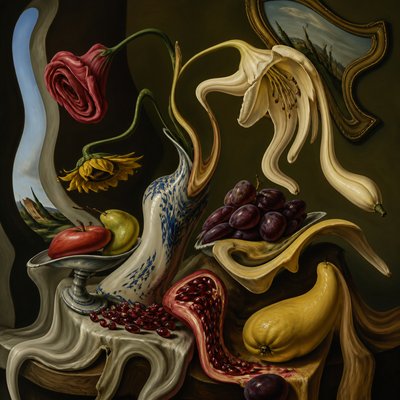
Ravenna Art Style
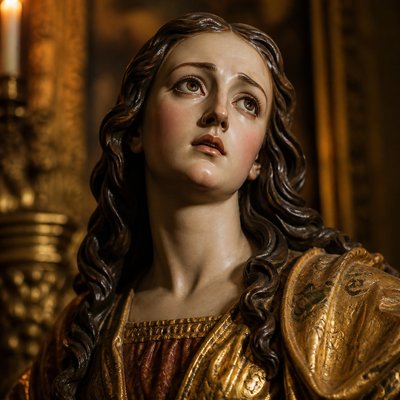
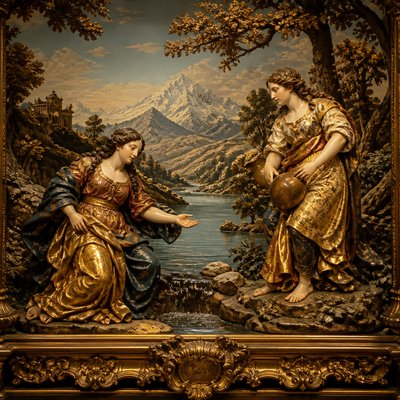
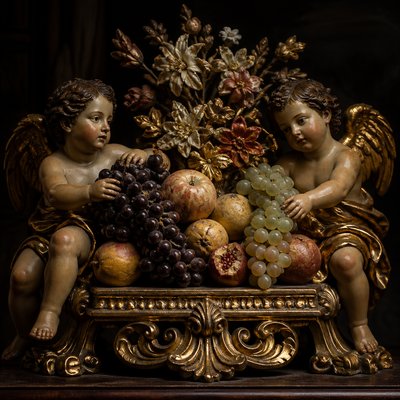
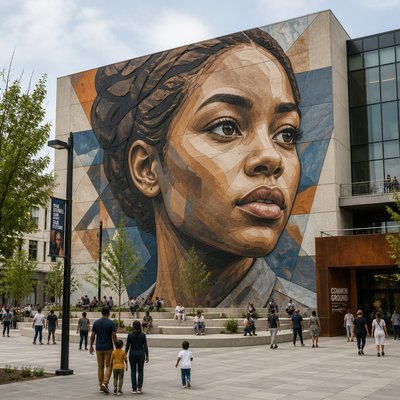
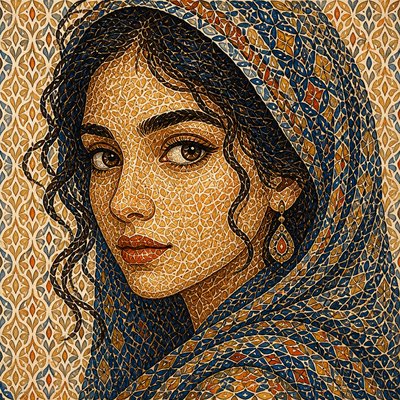
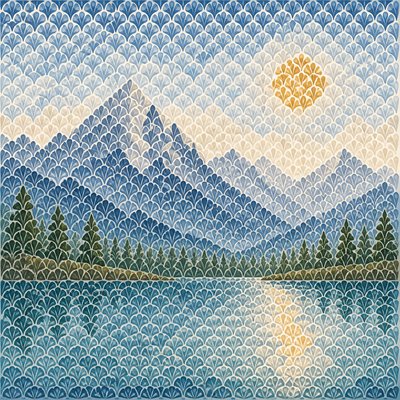
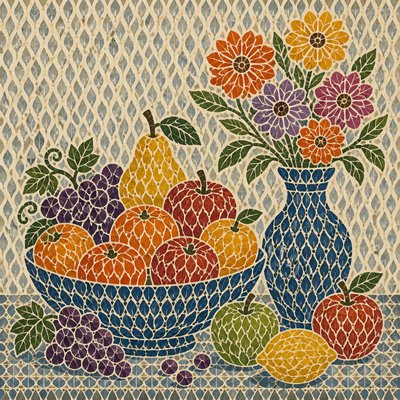
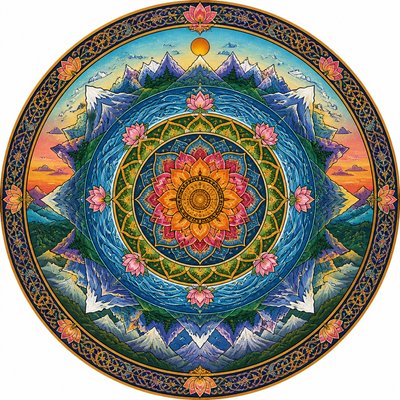
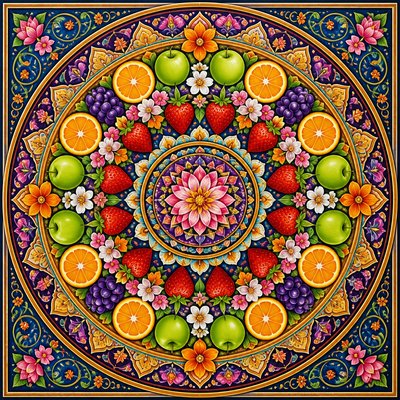
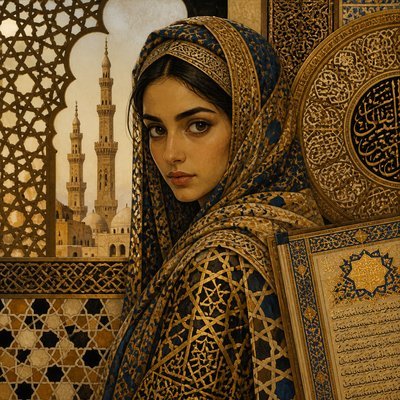
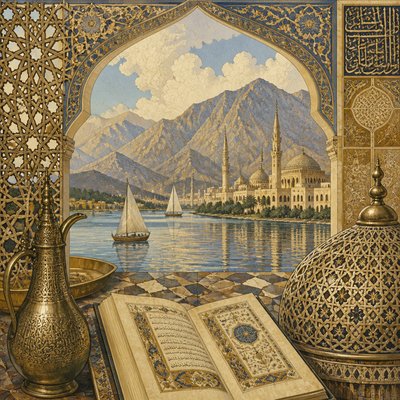
Explore Ravenna art: luminous early Christian mosaics with gold tesserae, lapis blue, solemn figures, sacred architecture, and glittering light.
Instantly rendered in Ravenna — or transform a photo
Ravenna Gallery
Tap any artwork to explore it
What is Ravenna Art Style?
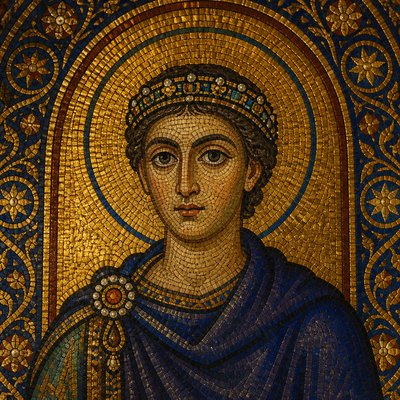
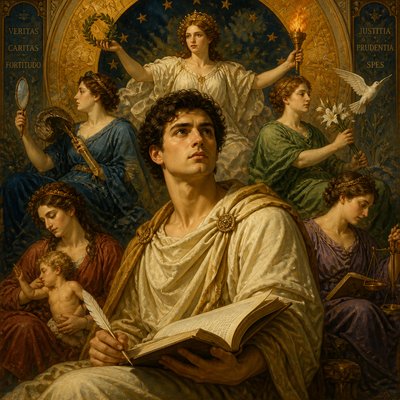
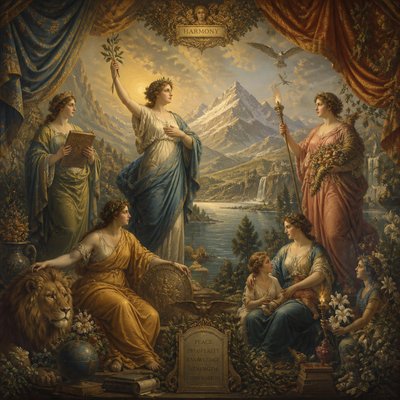
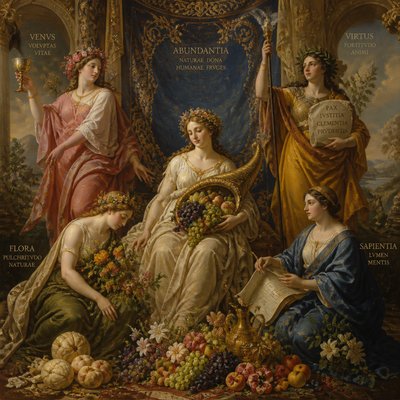
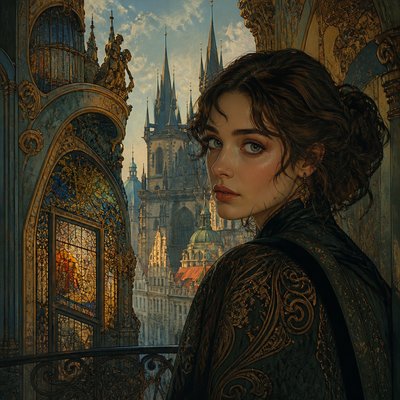
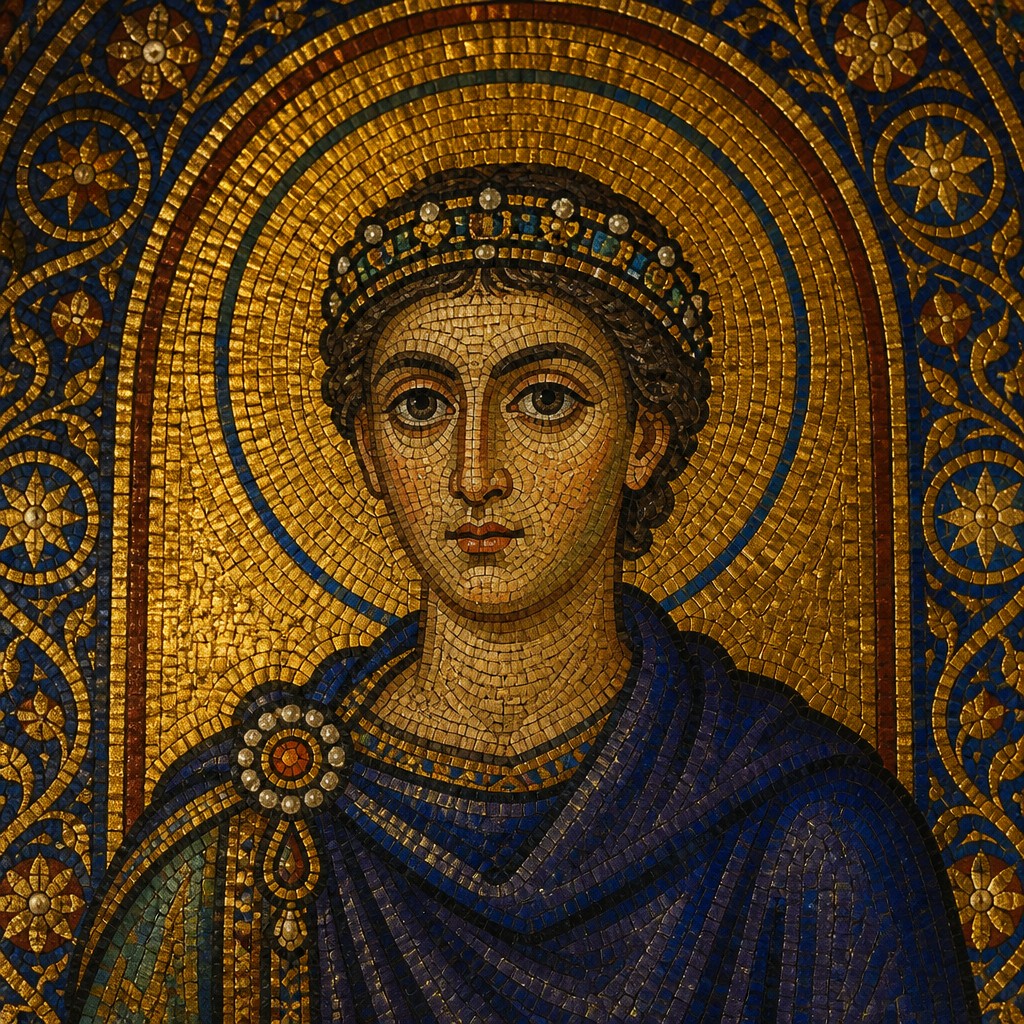
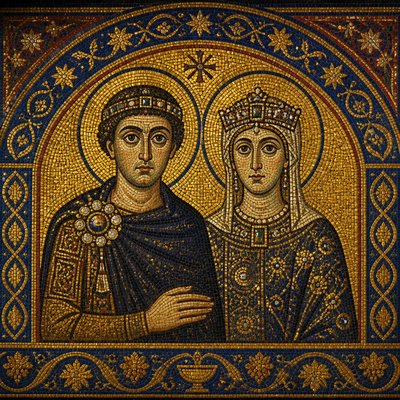
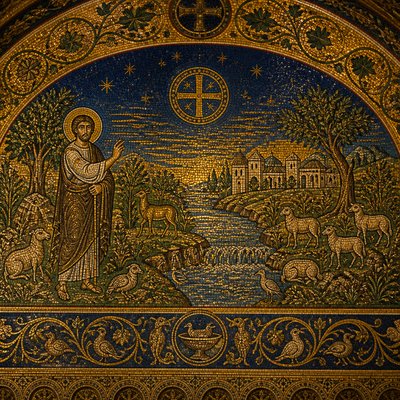
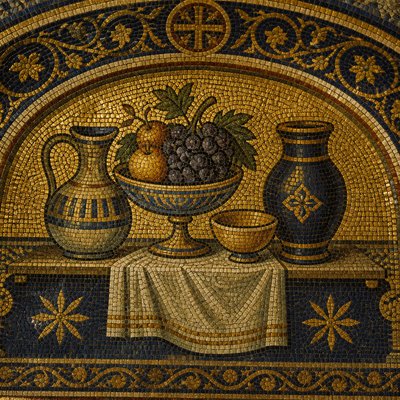
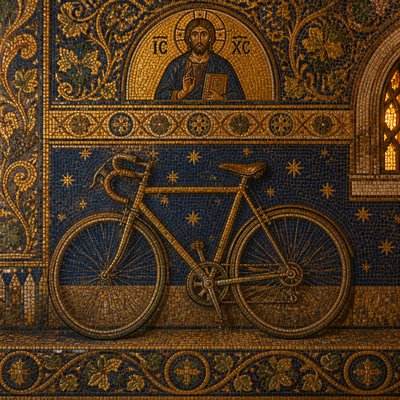
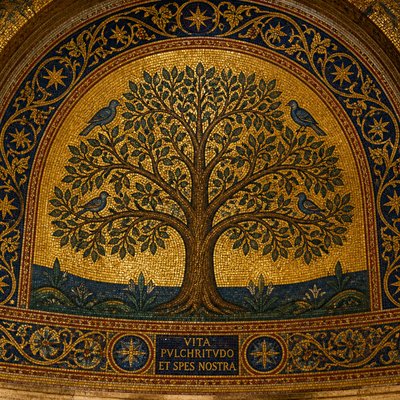
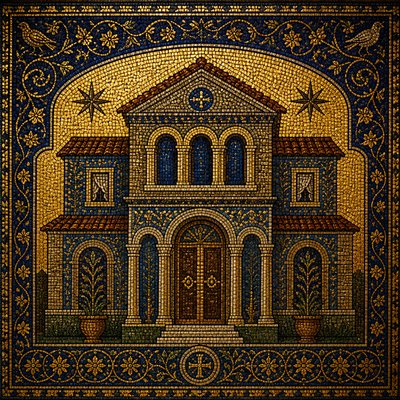
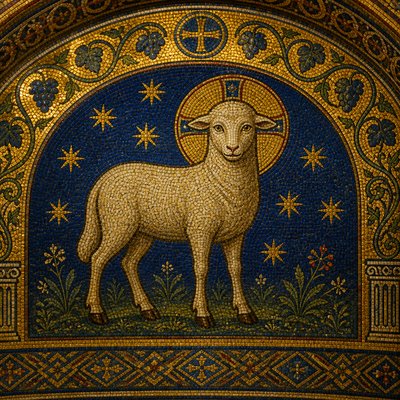
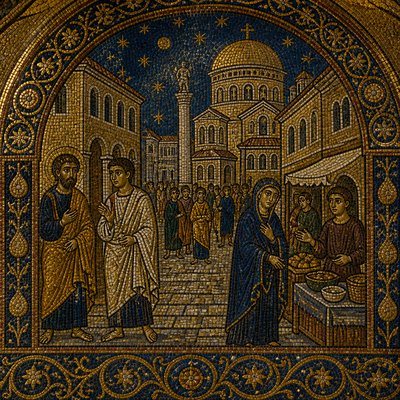
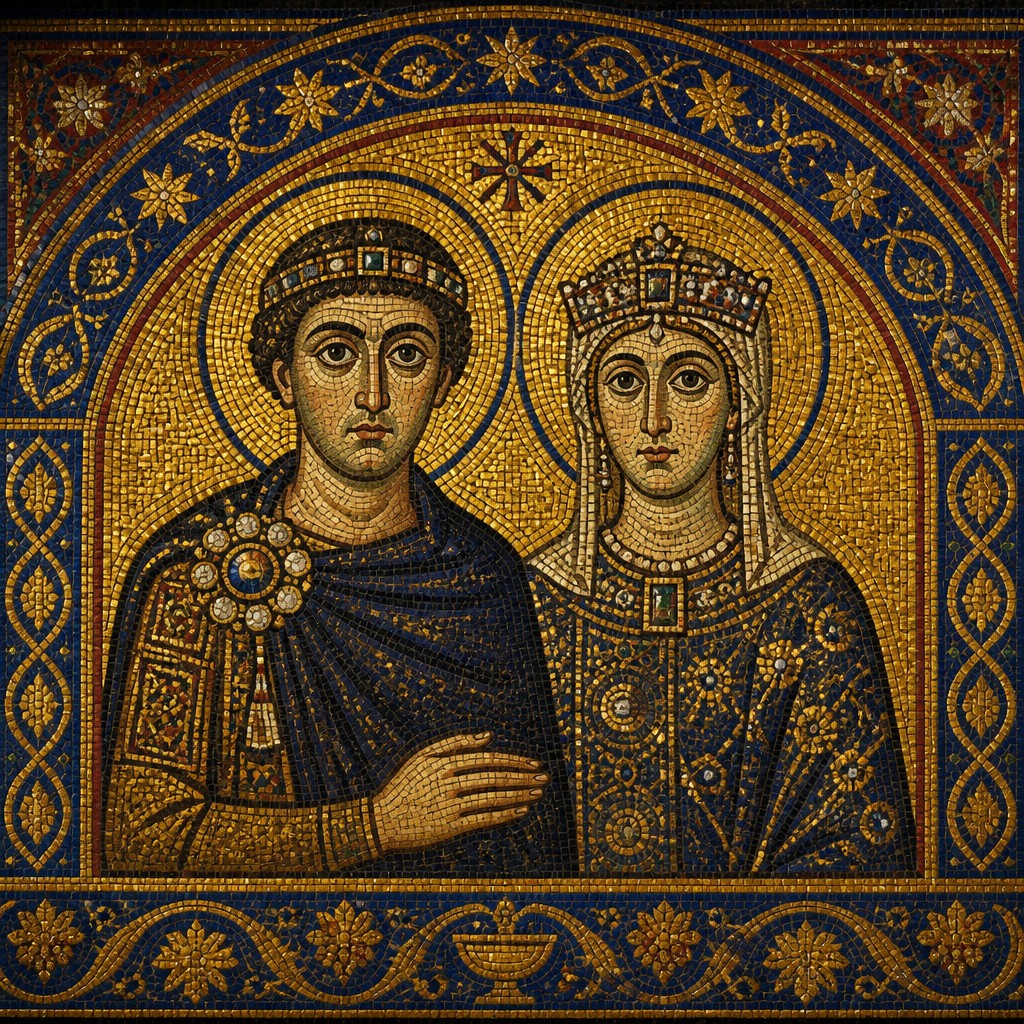
The style looks distinctive because mosaics transform colored glass, stone, and metallic surfaces into images that respond to changing light. Gold tesserae are often set at varied angles so they catch candlelight and create a lively, shimmering field. Figures appear solemn and hieratic, with enlarged eyes, simplified anatomy, patterned garments, and gestures that communicate rank or sacred meaning rather than ordinary movement. Vine scrolls, stars, shells, jewels, arcades, and geometric borders organize the composition into a vision of an ordered heavenly realm.
Try It On Your Photos
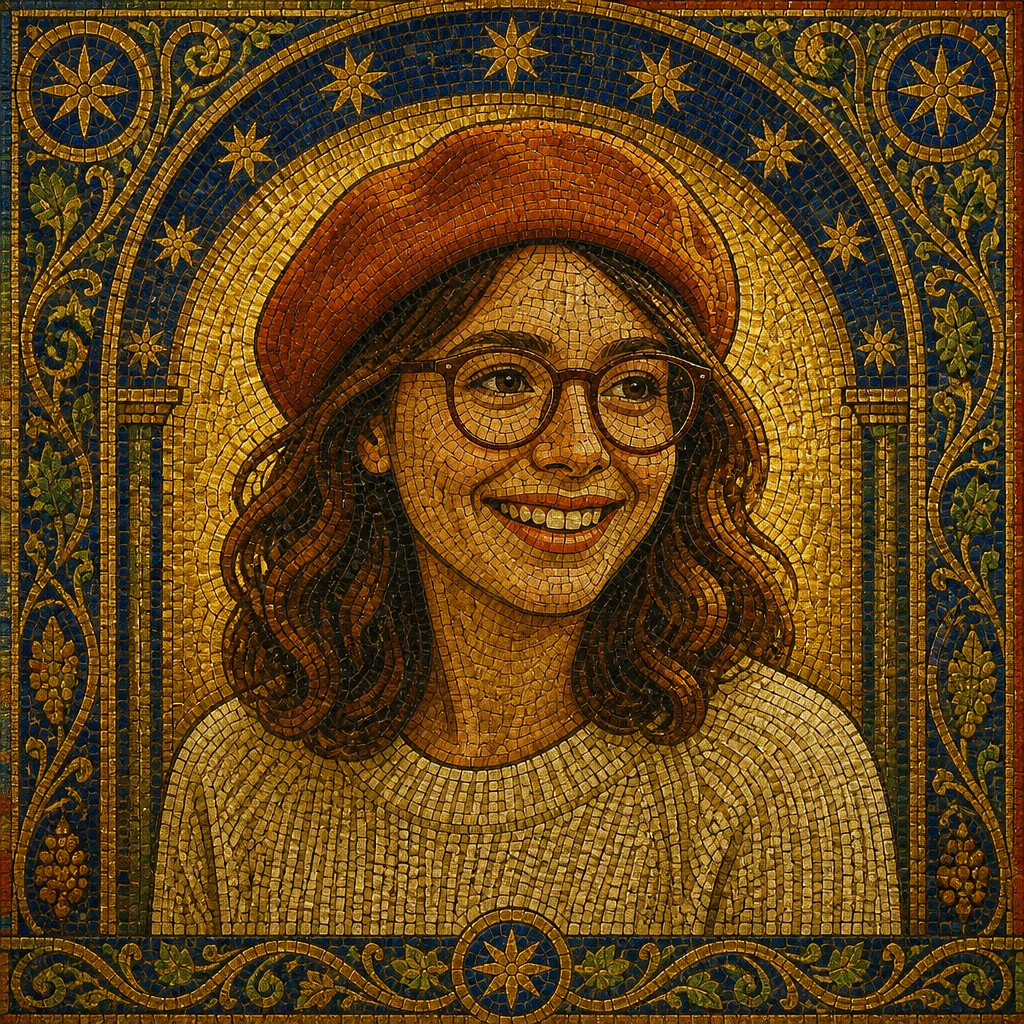
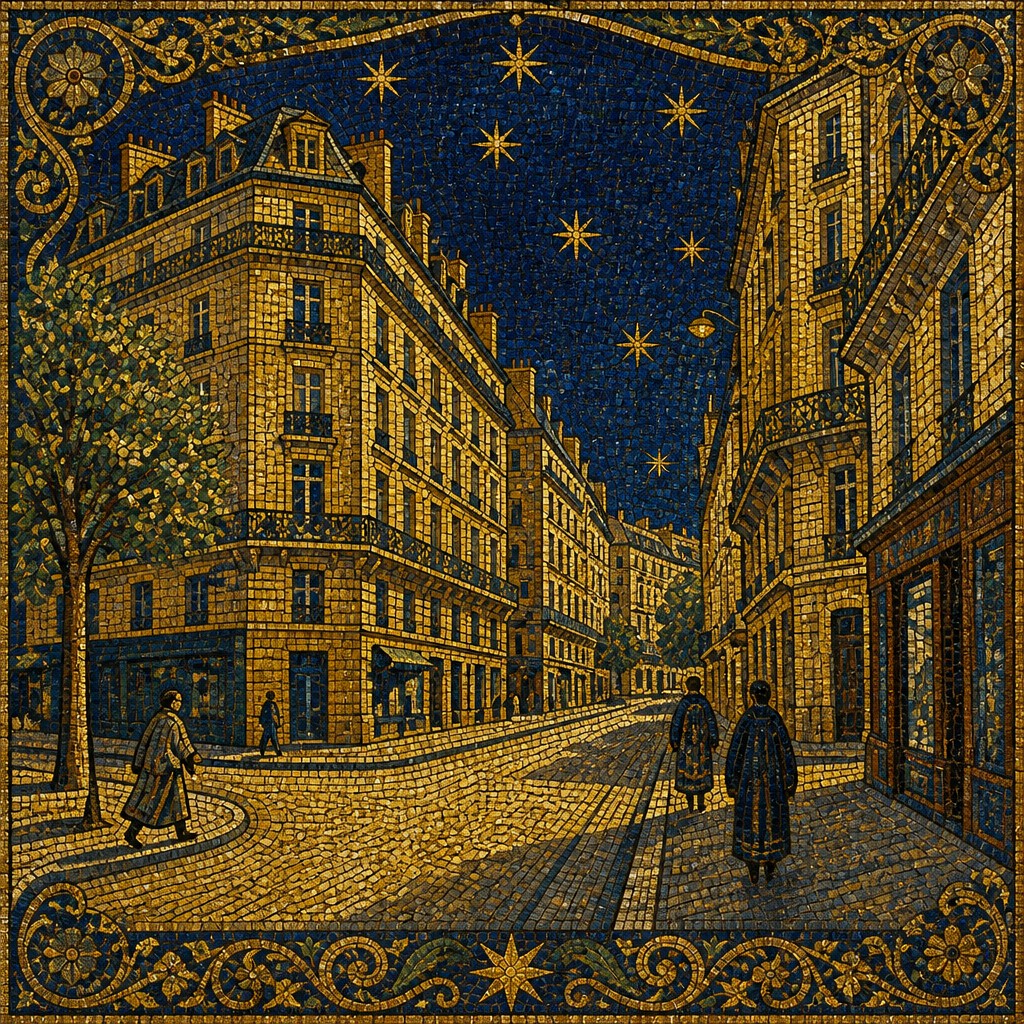
Upload any photo and convert it into Ravenna Art Style — drag the sliders to compare before and after.


What Defines Ravenna Art Style
The signature details, up close
Gold and lapis tesserae
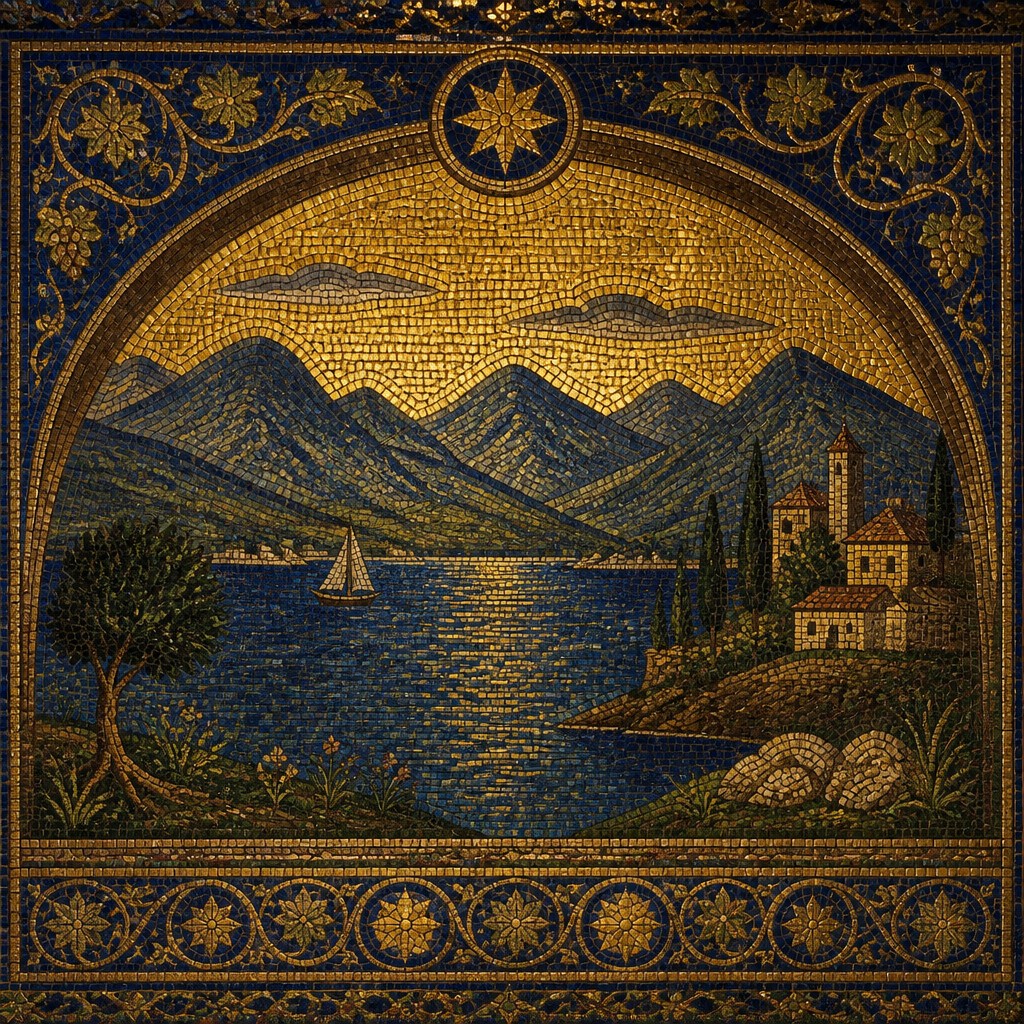
Small cubes of colored glass and stone create fields of warm gold, deep blue, green, red, and violet. Gold tesserae provide the characteristic radiance, while blue establishes a nocturnal, celestial, or solemn atmosphere.
Hieratic frontal figures
Sacred and imperial figures are commonly shown standing or seated frontally, with wide solemn eyes and controlled gestures. Their stillness conveys authority, sanctity, and timeless presence rather than physical action.
Flattened symbolic space
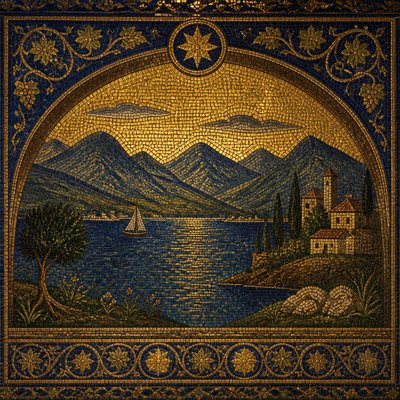
Depth is reduced through overlapping forms, shallow settings, frontal architecture, and non-naturalistic scale. Meaning and spiritual hierarchy take precedence over the continuous perspective of later Western painting.
Patterned drapery
Garments are built from rhythmic folds, jewel-like highlights, borders, and repeated motifs. Drapery functions as both clothing and surface ornament, emphasizing status and the glittering materiality of the mosaic.
Sacred architectural settings
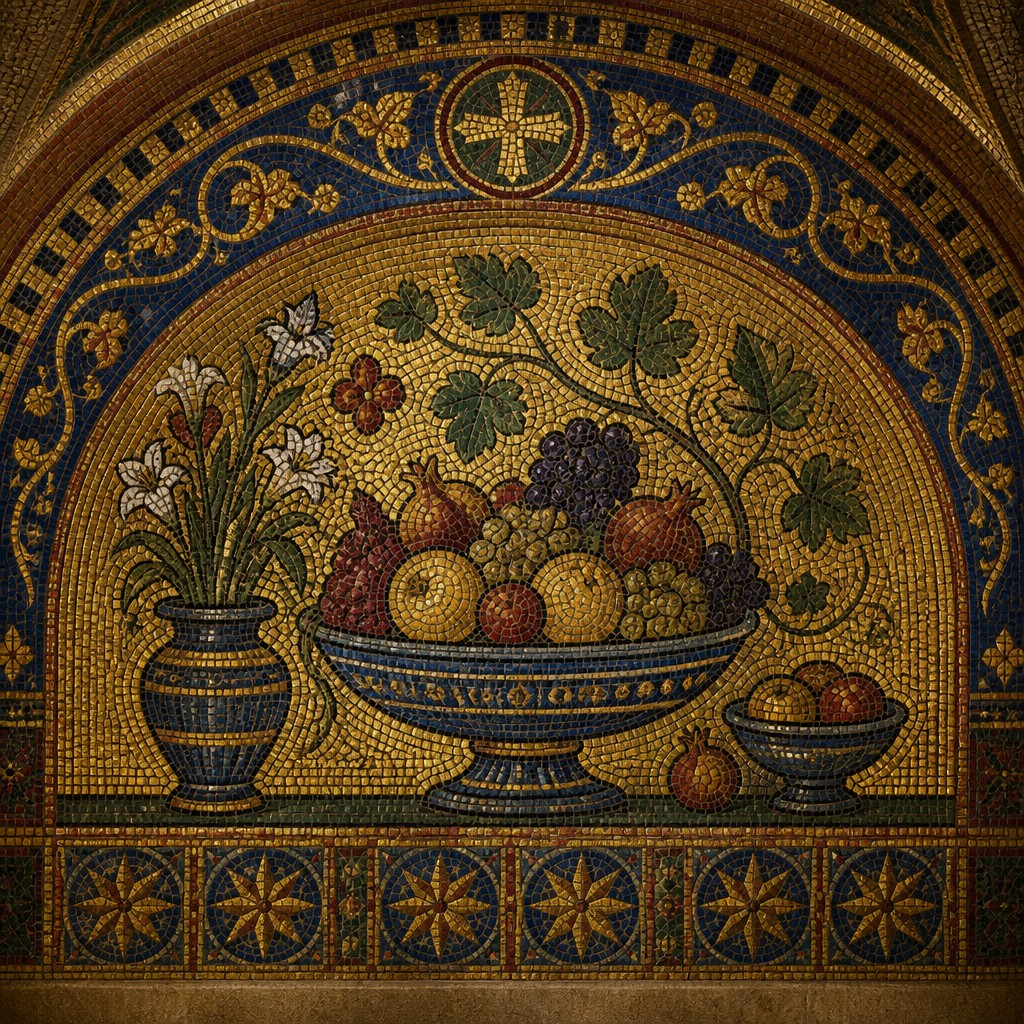
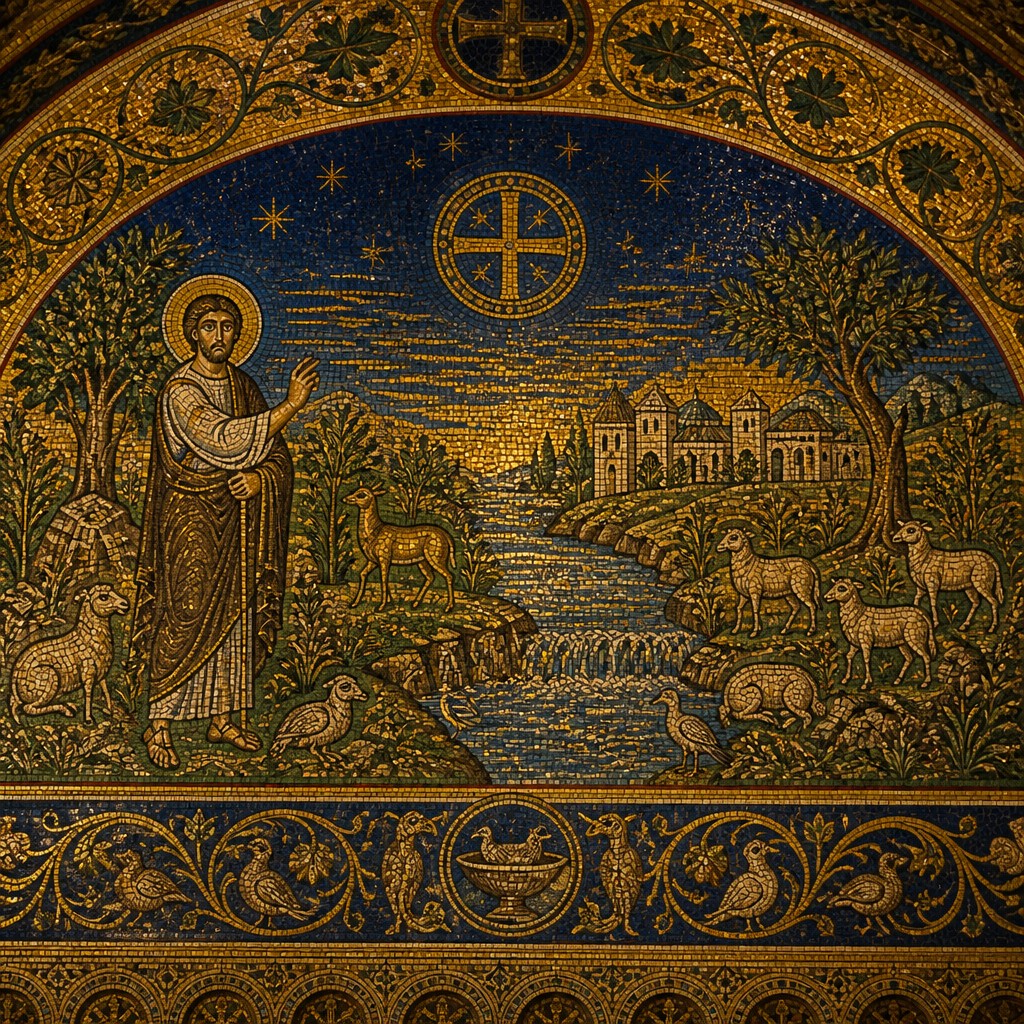
Apse compositions, domes, arcades, shell forms, celestial fields, and processional arrangements provide an ordered framework. Architecture often appears as a symbolic threshold between earthly space and the divine realm.
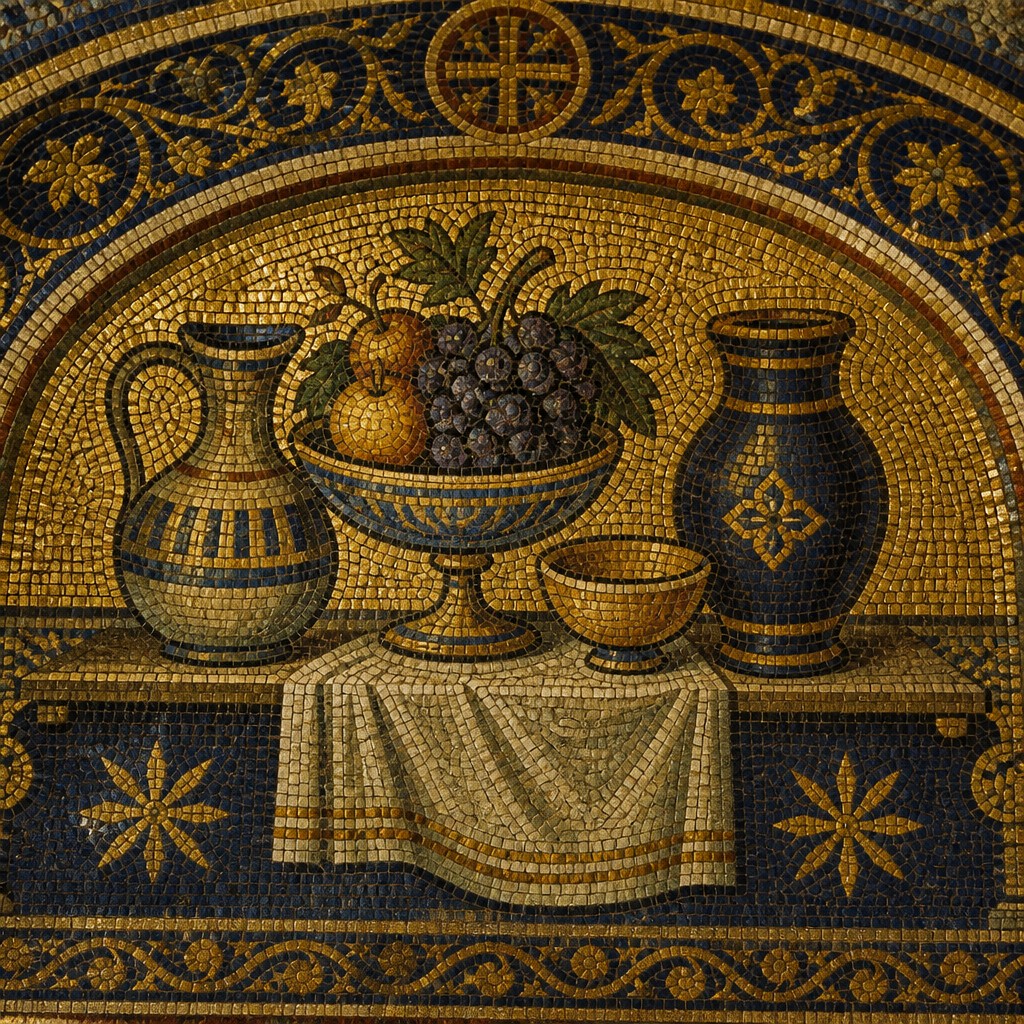
Vegetal and geometric ornament
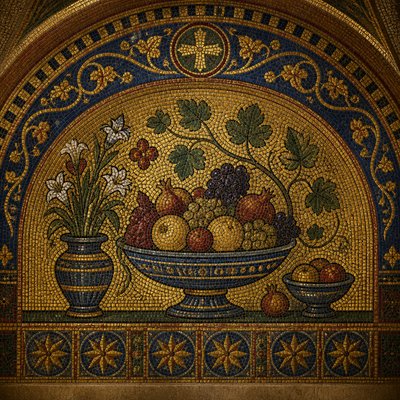
Vine scrolls, leaves, stars, rosettes, pearls, bands, and repeating geometric borders fill transitions and frame central imagery. These motifs create visual continuity across walls, vaults, and apses.
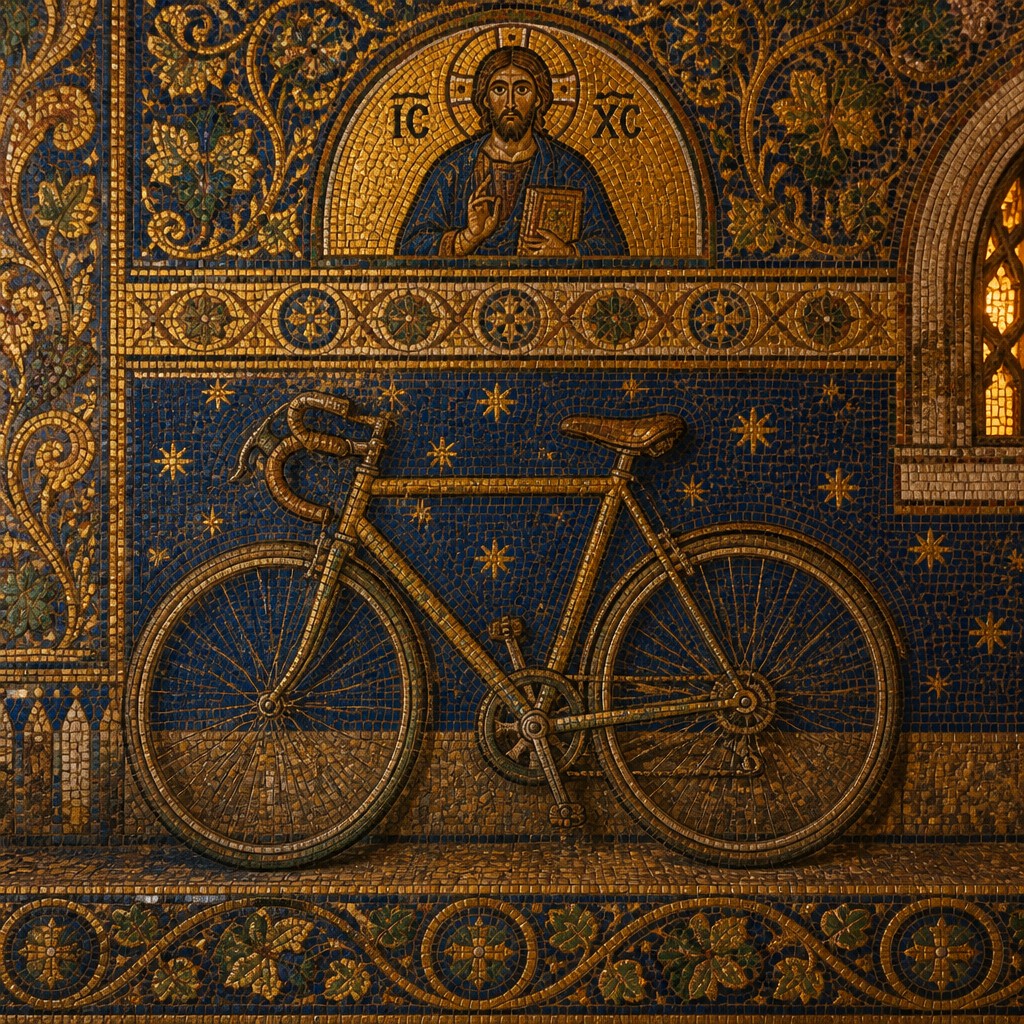
Flickering reflective light
The uneven placement of tesserae makes the surface sparkle as illumination shifts. A candlelit or indirect glow reinforces the style's sense of ritual, mystery, and immaterial radiance.
Ravenna Prompt Ideas
Start from an idea — each one opens the generator with the style ready to go. See all 40 Ravenna prompts →
How to Create Ravenna Art
Master the craft step by step — or skip straight to creating. Read the full guide →
- 1
Build a tessera field
For a physical work, apply small pieces of colored glass, ceramic, stone, or mirrored material to a stable ground, varying their angle slightly rather than arranging every piece on a perfectly flat plane. In digital work, simulate individual square or irregular tesserae with visible edges and small changes in orientation.
- 2
Limit and organize the palette
Start with antique gold, deep lapis blue, turquoise, ivory, terracotta, muted green, and wine red. Use gold and blue as structural fields, then reserve brighter colors for halos, garments, jewels, borders, and focal details.
- 3
Flatten the composition
Arrange the subject frontally or in a formal procession, reduce realistic perspective, and use scale to indicate importance. Layer patterned garments, halos, architectural frames, and borders instead of relying on atmospheric depth.
- 4
Design for reflected light
Add a soft, indirect candlelit glow and tiny specular glints across the surface, but keep the underlying forms quiet and solemn. Avoid smooth digital gradients that erase the granular structure of the mosaic.
- 5
Use image-to-image carefully
When transforming a photograph or existing artwork, preserve the main silhouette and pose while requesting flattened Byzantine forms, glass tesserae, gold grounds, patterned drapery, and ornamental borders. Reduce photographic detail selectively so the result remains legible as a mosaic rather than a textured photo.
- 6
Write prompts by visual layers
Describe the subject first, then specify composition, palette, material, lighting, and ornament—for example, a frontal saint beneath an apse, dense glass tesserae, gold and lapis fields, vine-scroll borders, and reflected candlelight. Include terms such as solemn, hieratic, shallow space, and hand-laid mosaic to reinforce the historical visual logic.
The Story
History & Origins of Ravenna
After Byzantine control was established in the mid-sixth century, Ravenna's visual culture became increasingly connected to Constantinopolitan and eastern Christian conventions while retaining late antique Roman forms. The surviving monuments are therefore best understood as part of a broader late antique-to-Byzantine transition rather than as an isolated local invention. Ravenna's mosaics are especially important for the development of Christian image-making, sacred architecture, and the use of glittering surfaces to suggest spiritual presence.
Influences: Ravenna art draws on late Roman mosaic, early Christian iconography, eastern Mediterranean glasswork, imperial ceremonial imagery, and the developing visual language of Byzantine art. It is closely related to Roman floor and wall mosaics, Syriac and Egyptian Christian decoration, Byzantine church interiors, and the broader tradition of sacred architectural ornament. Later medieval mosaics, ecclesiastical decoration, and modern mosaic revival practices have continued to borrow its frontal figures, gold grounds, and shimmering material effects.
Frequently Asked Questions
What defines the Ravenna art style?
It is defined by luminous glass and stone tesserae, gold backgrounds, deep blue fields, frontal sacred figures, flattened space, patterned drapery, and ornamental architectural settings. The style combines late antique Roman traditions with early Byzantine Christian symbolism and an emphasis on spiritual radiance.
When did Ravenna art develop?
The characteristic Ravenna mosaic tradition developed mainly during the fifth and sixth centuries CE. It emerged when Ravenna was a major capital and religious center, and it continued to evolve as the city came under Byzantine influence.
How is Ravenna art different from later Byzantine art?
Ravenna mosaics belong to the formative late antique and early Byzantine period, so they often retain elements of Roman naturalism, architectural illusion, and classical ornament. Later Byzantine art generally develops more standardized iconography and stronger conventions of elongated, intensely spiritual figures, although the traditions overlap.
What materials are used in Ravenna mosaics?
Historical mosaics use small pieces of colored glass, stone, marble, ceramic, and gold-leaf glass. The tesserae are set into plaster or mortar, and gold pieces are often angled to catch and scatter illumination.
Can a portrait be made in this style?
Yes, but the portrait should be adapted into a formal, frontal, symbolic image rather than rendered as ordinary photographic realism. Simplified facial modeling, solemn eyes, patterned clothing, a halo or architectural frame, and a gold or lapis background help establish the visual language.
Where is Ravenna art most often used today?
It is especially suited to sacred or ceremonial scenes, historical subjects, fantasy worlds, architectural interiors, icons, emblems, and decorative murals. Its tessellated surface and reflective palette also work well for digital illustrations that need a sense of age, ritual, and luminous ornament.
Create your first Ravenna artwork
Describe anything — or upload a photo — and see it in Ravenna Art Style in seconds.
Related Styles
Discover similar art styles