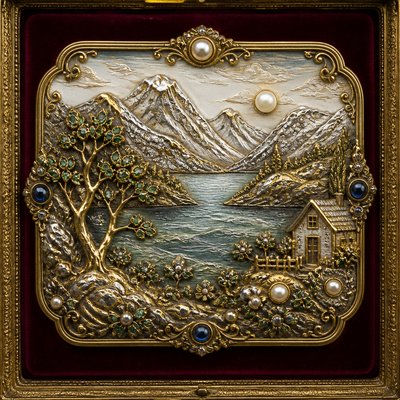
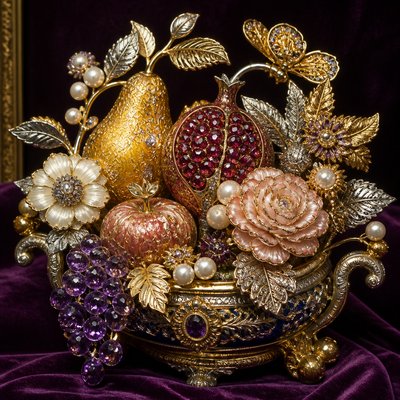
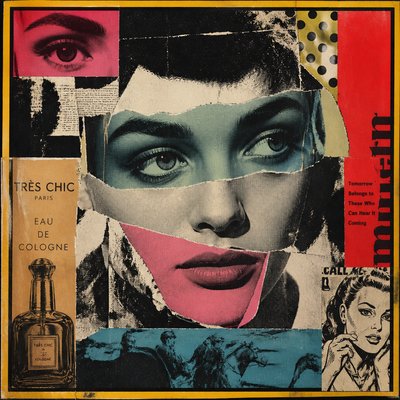
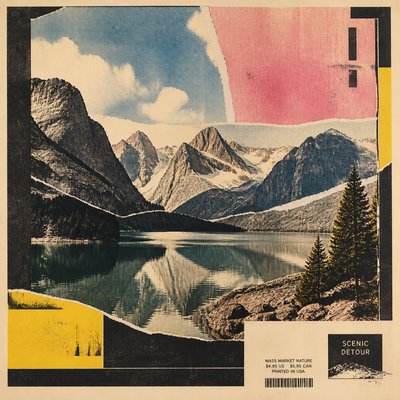
Hangzhou Art Style
Explore Hangzhou Art Style: misty Song-academy landscapes, West Lake imagery, celadon refinement, and tranquil blue-green ink washes.
Instantly rendered in Hangzhou — or transform a photo
Hangzhou Gallery
Tap any artwork to explore it
What is Hangzhou Art Style?
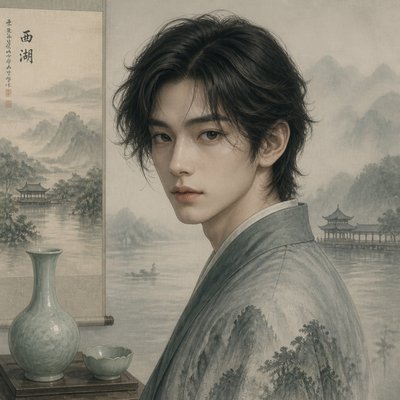
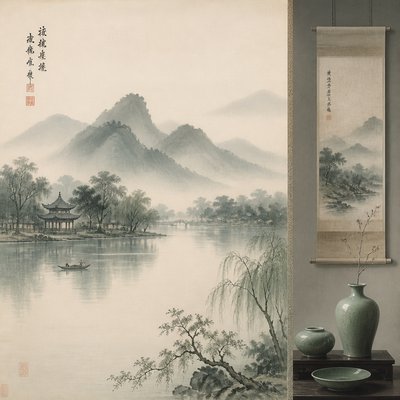
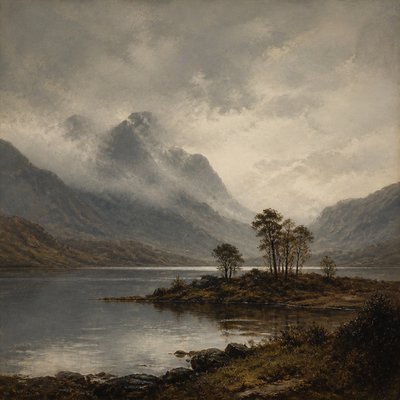
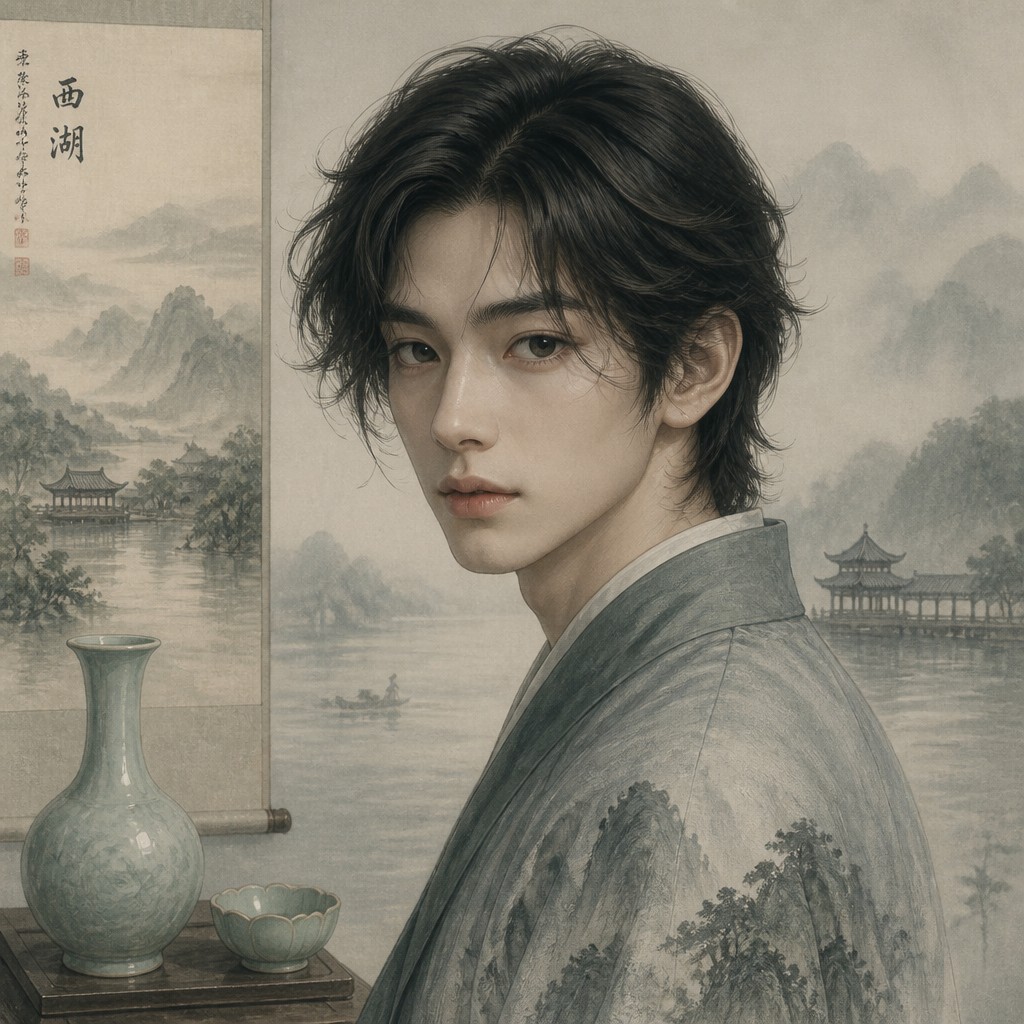
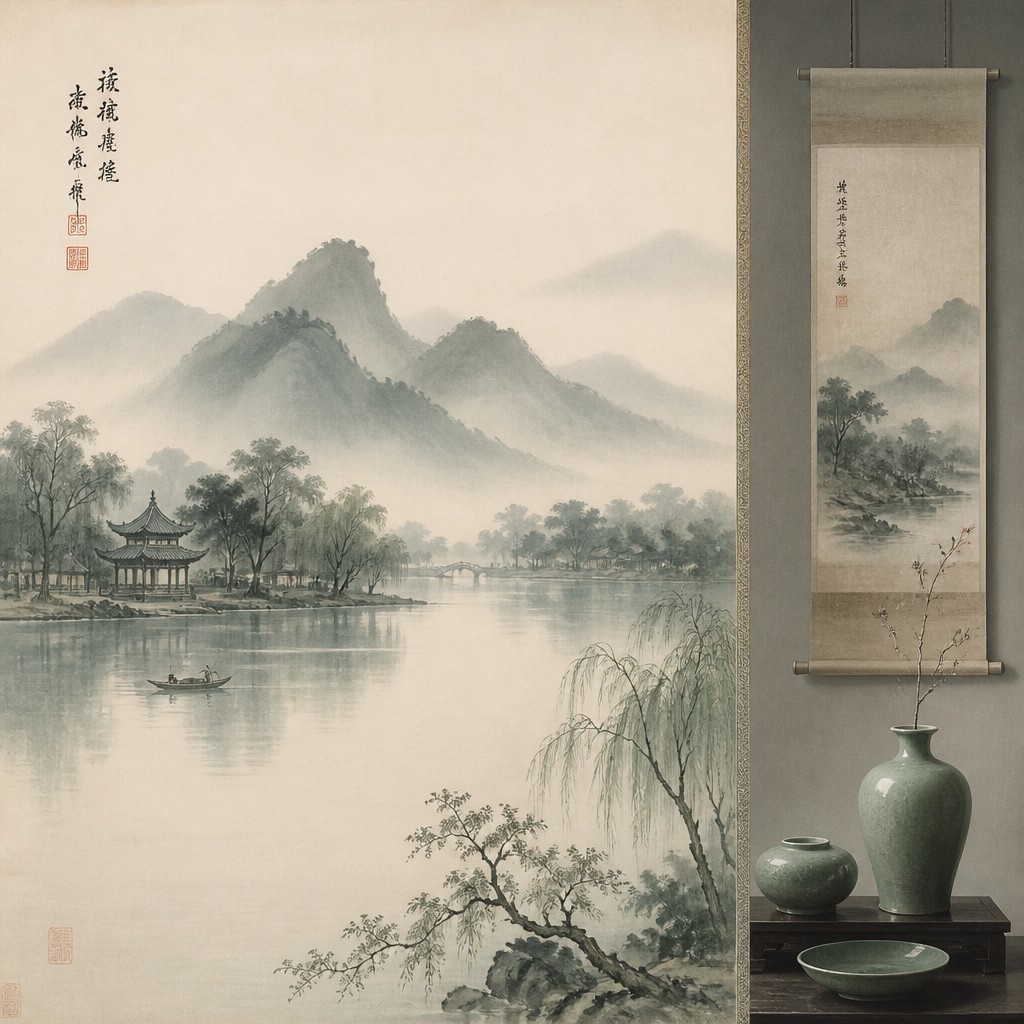
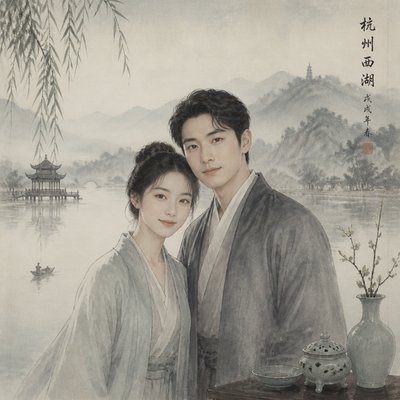
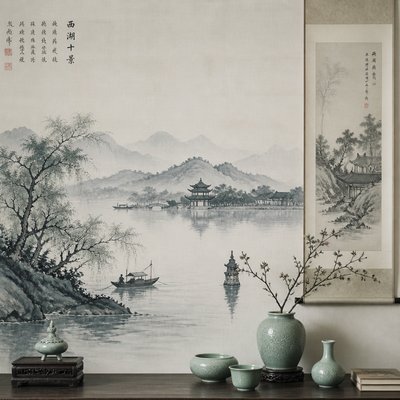
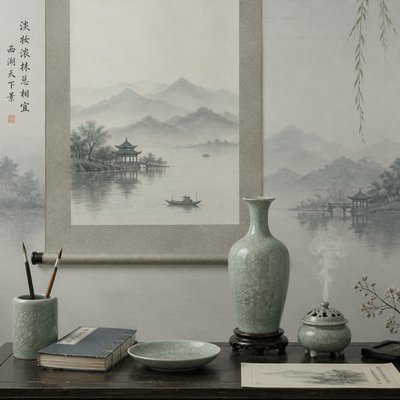
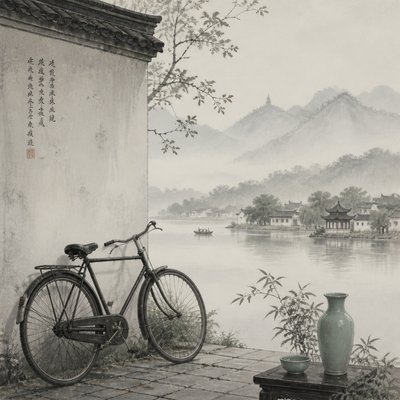
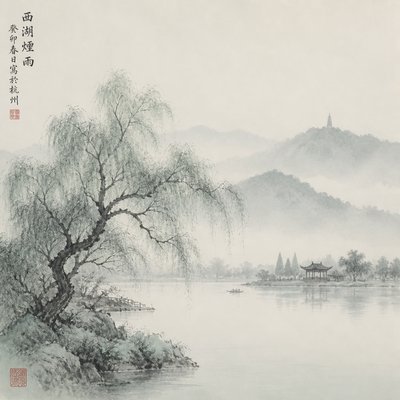
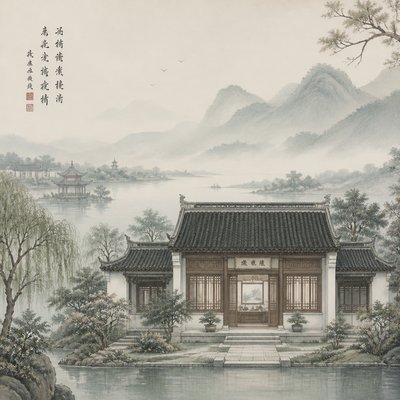
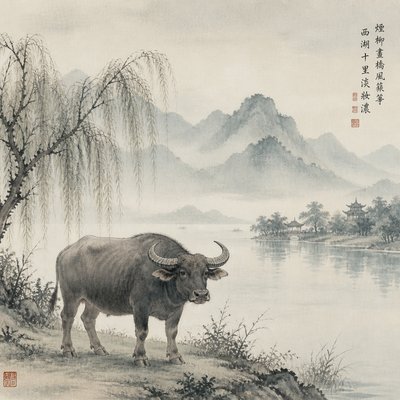
Hangzhou Art Style is a contemporary descriptive style built around the quiet atmosphere of classical Chinese landscape painting, especially the misty views associated with West Lake and the Song-era painting academies. Its imagery favors distant mountains, lakeside pavilions, silk hanging-scroll compositions, restrained ink washes, and carefully placed areas of open space.
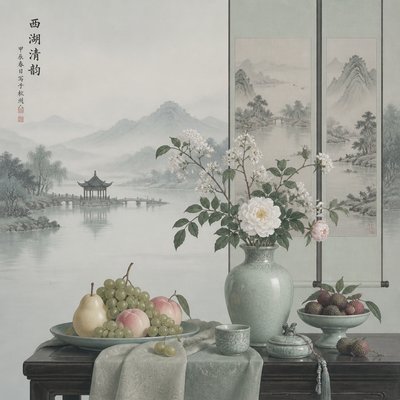
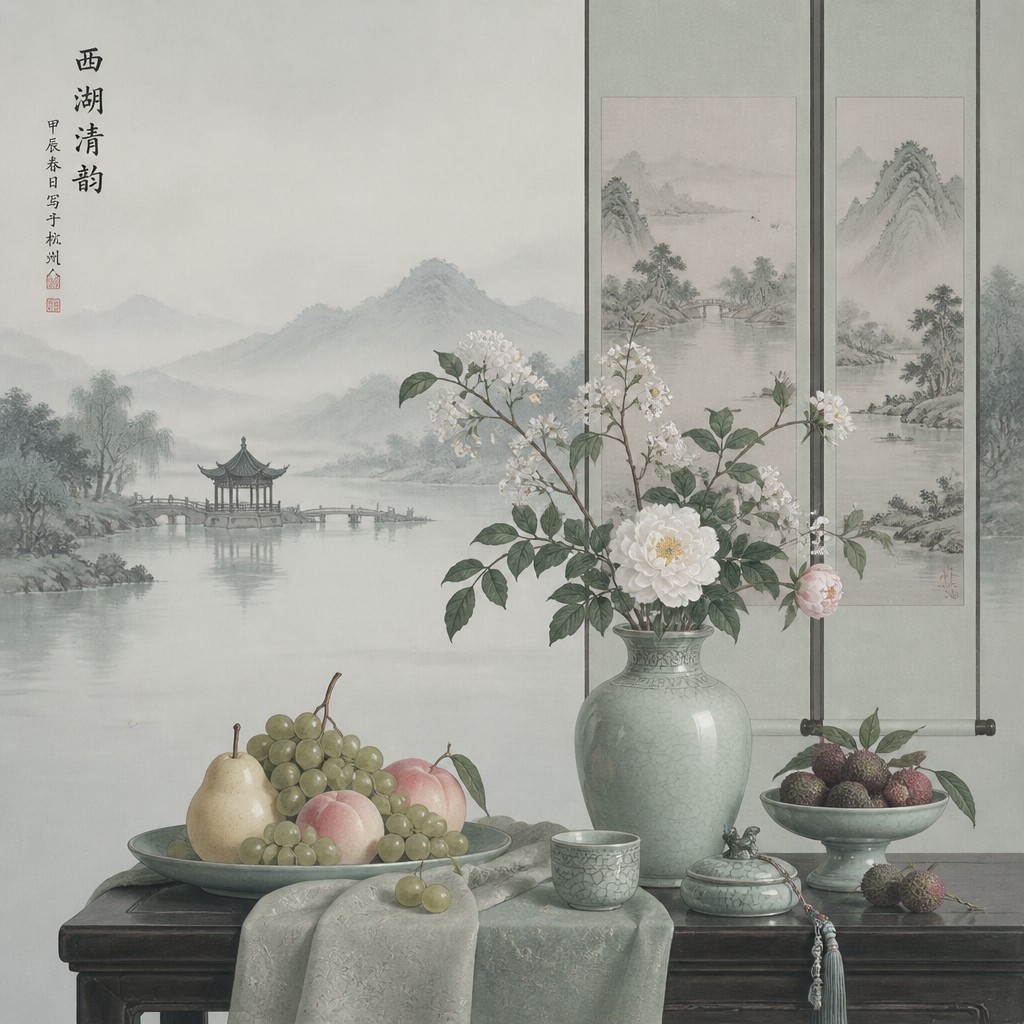
The style combines monochrome brushwork with the cool blue-green presence of celadon ceramics. Rather than presenting a detailed, sharply outlined scene, it creates a measured visual rhythm through diluted ink, atmospheric recession, soft gradients, and a few refined objects or architectural accents. The result is contemplative and spacious, with elegance expressed through economy rather than ornament.
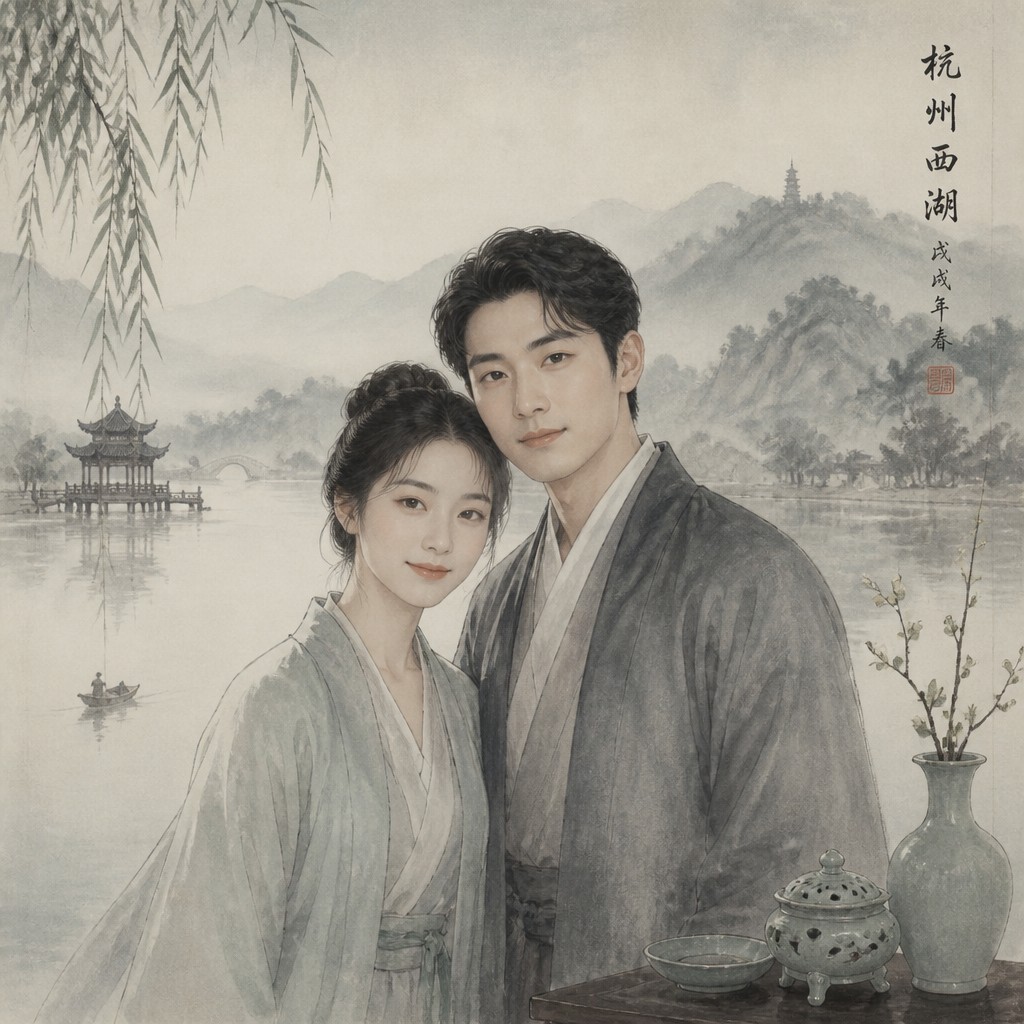
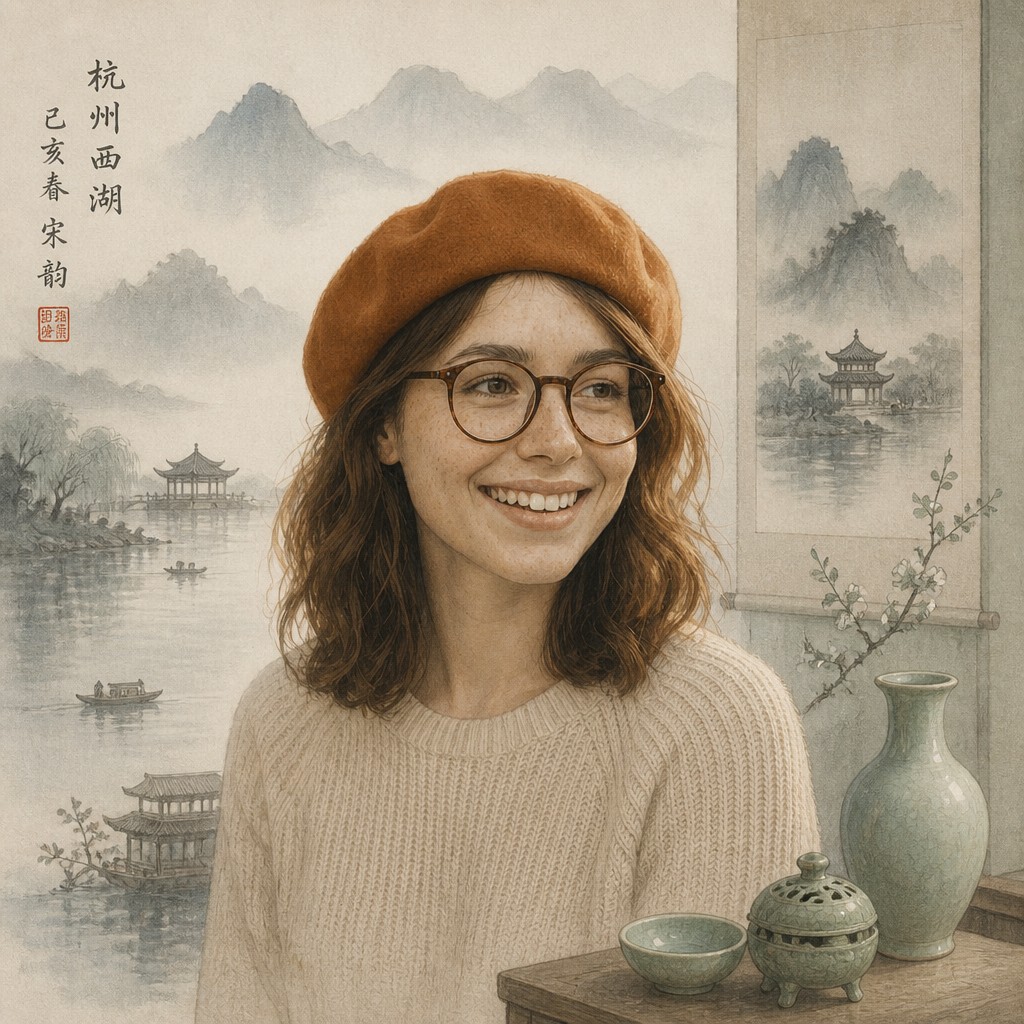
Try It On Your Photos
Upload any photo and convert it into Hangzhou Art Style — drag the sliders to compare before and after.

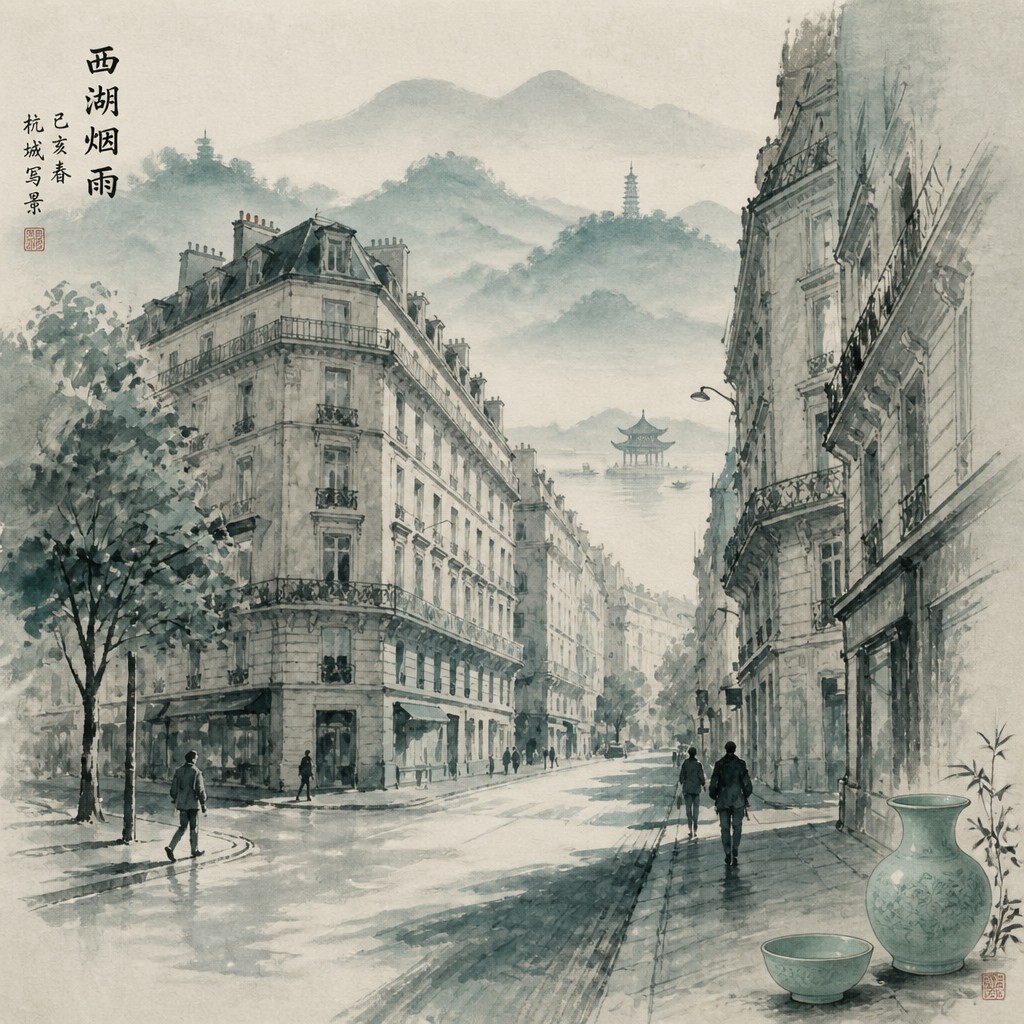

What Defines Hangzhou Art Style
The signature details, up close
Misty atmospheric perspective
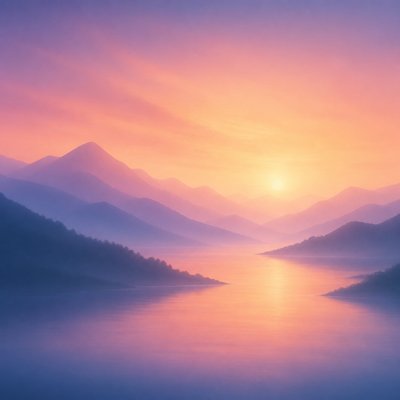
Distant mountains and shorelines dissolve into layered veils of diluted grey, ivory, and blue-green. Soft transitions suggest humidity and depth without relying on strong linear perspective.
Song-academy landscape structure
Compositions often organize mountains, water, pavilions, and trees into balanced panoramic arrangements. Forms are observed with care but remain subordinate to the overall mood of the landscape.
Ink-wash brushwork
Variable ink density creates a range from pale atmospheric stains to controlled darker accents. Brush marks may define rock faces, branches, roofs, and shorelines while leaving substantial areas unresolved.
Hanging-scroll framing
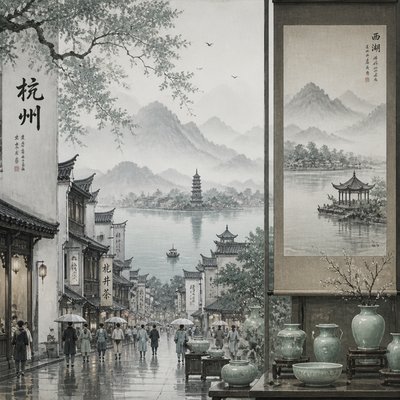
Vertical or elongated formats evoke silk scrolls and emphasize a gradual visual journey through height and distance. Negative space functions as an active compositional element rather than an empty background.
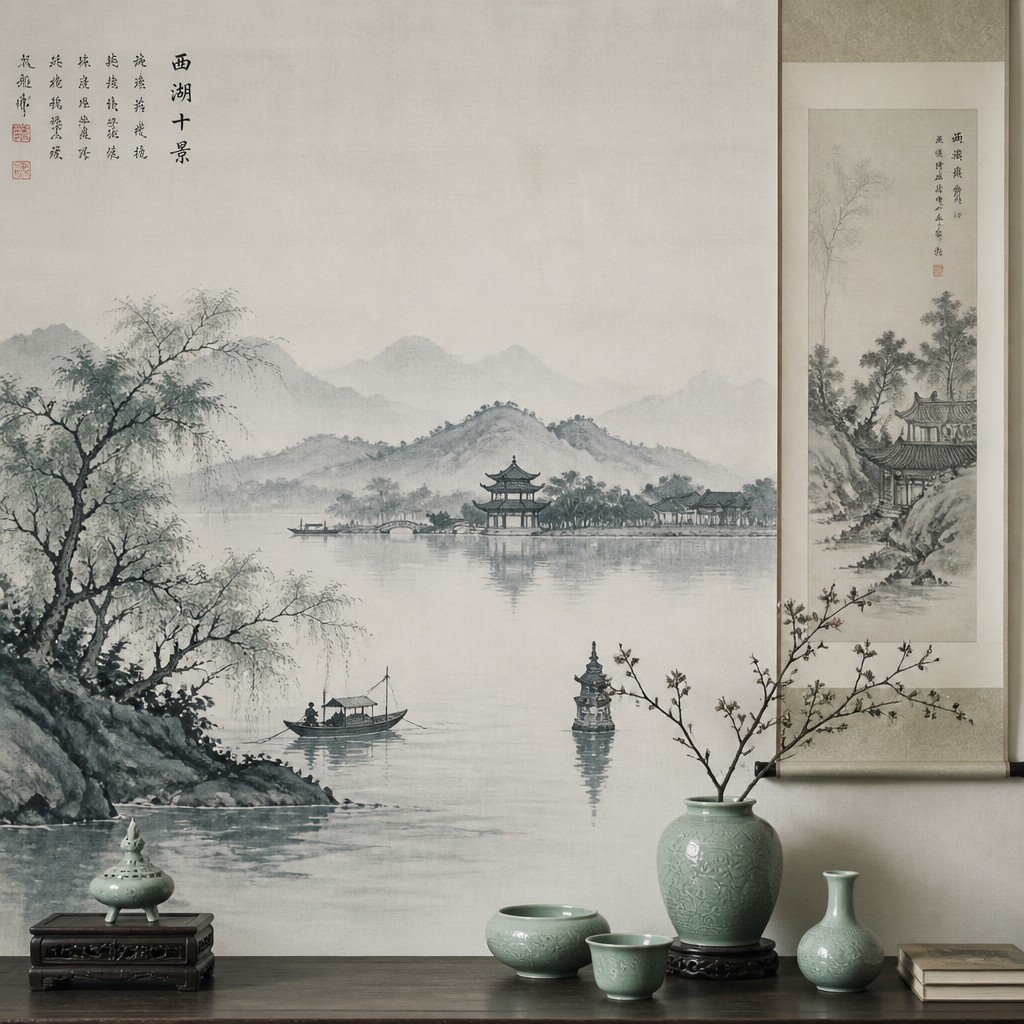
West Lake motifs
Quiet water, arched bridges, distant pagoda-like silhouettes, low pavilions, willow forms, and layered hills provide a recognizable lakeside vocabulary. These elements are typically sparse and partially obscured by haze.
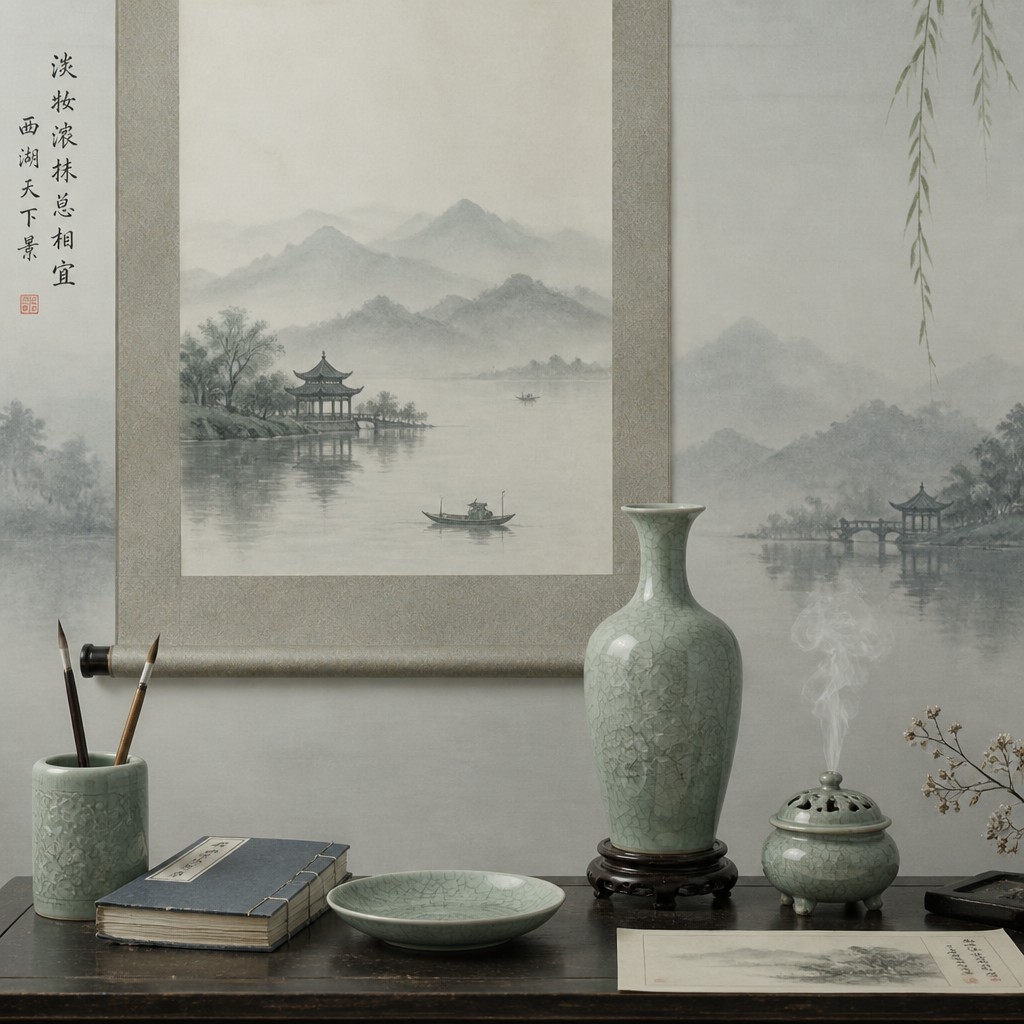
Celadon refinement
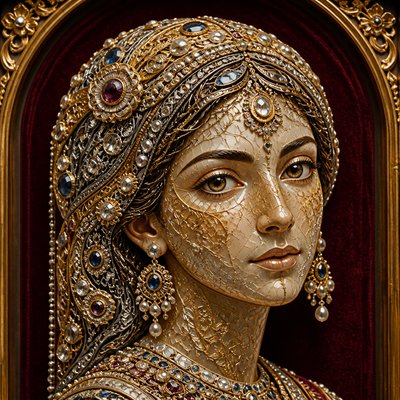
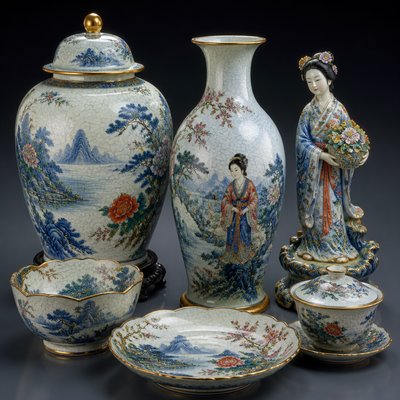
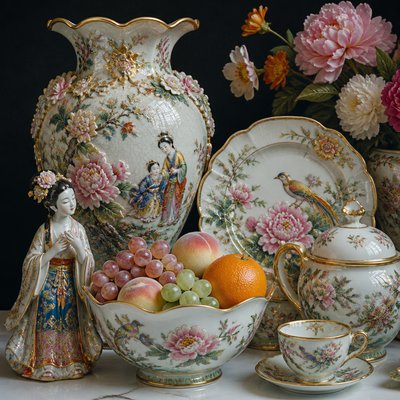
Small vessels, dishes, or sculptural artifacts may appear as still-life accents in pale jade, grey-green, and blue-green glaze. Their smooth surfaces contrast with the porous, absorbent character of ink and paper.
Hangzhou Prompt Ideas
Start from an idea — each one opens the generator with the style ready to go. See all 40 Hangzhou prompts →
How to Create Hangzhou Art
Master the craft step by step — or skip straight to creating. Read the full guide →
- 1
Build the composition from atmospheric layers
Begin with a very light wash for sky and water, then add successively darker mountain and architectural layers. Keep the farthest forms low in contrast and reserve the strongest marks for a few foreground details.
- 2
Use controlled ink variation
On paper, vary water-to-ink ratios and brush pressure to create dry-brush textures, soft blooms, and crisp accents. Digitally, combine textured ink brushes with low-opacity watercolor layers and masks rather than using uniform opaque fills.
- 3
Limit the palette
Work primarily with warm or cool greys, diluted black, parchment, and restrained celadon green. A nearly monochrome palette with one subtle blue-green family usually preserves the style's contemplative character.
- 4
Design for negative space
Leave generous areas of pale paper, fog, or unpainted digital canvas around the main forms. Use asymmetrical placement and a few small human-scale structures to establish distance and quiet.
- 5
Prompt for medium, subject, and restraint
For prompt-based creation, specify ink-wash or silk-scroll texture, Song-era academic landscape composition, misty West Lake scenery, celadon accents, pale grey-blue-green color, and minimal detail. Add constraints such as no saturated colors, no heavy outlines, and no crowded modern elements.
The Story
History & Origins of Hangzhou
Hangzhou Art Style is not a formally established historical movement or a named school with a continuous period of development. It is an invented contemporary synthesis that draws on several real traditions associated with Hangzhou and the wider Jiangnan region of China.
Its primary lineage is the academic landscape tradition of the Song period, when Hangzhou served as an important cultural and artistic center and West Lake became a recurring subject in visual culture. It also draws from literati ink painting, silk hanging-scroll presentation, and the celadon ceramics produced in Zhejiang during the Song and later periods. The style unites these references into a modern visual vocabulary of mist, restraint, pale mineral color, and curated stillness.
Influences: The style relates most closely to Song-period academic landscape painting, Chinese literati ink traditions, and the vertical hanging-scroll format. Its atmospheric treatment also recalls the broader blue-and-green landscape lineage, while its object imagery connects to Song and Zhejiang celadon ceramics. Contemporary minimalist design contributes the emphasis on quiet spacing, limited color, and uncluttered presentation.
Frequently Asked Questions
Is Hangzhou Art Style a historical Chinese art movement?
No. The name describes a contemporary, synthesized aesthetic rather than a documented historical movement or official school. It uses authentic visual references from Hangzhou, Song-period landscape painting, West Lake imagery, and Zhejiang celadon traditions.
What defines the Hangzhou Art Style?
Its defining traits are misty ink landscapes, distant layered mountains, West Lake architecture, hanging-scroll composition, generous negative space, and a restrained grey-to-celadon palette. The style values atmosphere and balance more than dense narrative detail.
How is it different from traditional Chinese ink painting?
It is best understood as a modern blend of several Chinese visual traditions rather than a strict historical category. Traditional ink methods and compositional ideas remain central, but the addition of celadon still life, digital softness, and minimalist presentation gives it a contemporary identity.
Can this style be made with traditional materials?
Yes. Use xuan-style or absorbent paper, diluted ink, soft mineral or watercolor pigments, and a vertical scroll format. Practice preserving pale passages and allowing water to create atmospheric edges instead of outlining every form.
How can I create an image in this style digitally?
Use textured ink or watercolor brushes, low-opacity layers, masking, and a limited grey-green palette. For prompt-based creation, describe the landscape subject first, then specify hanging-scroll composition, misty ink wash, celadon accents, sparse architecture, and generous negative space.
Where is Hangzhou Art Style commonly used?
It suits tranquil landscape illustrations, editorial covers, museum or cultural graphics, wall art, packaging, interior imagery, and atmospheric concept art. It is less appropriate for subjects that require saturated color, hard-edged realism, dense urban energy, or highly animated visual motion.
Create your first Hangzhou artwork
Describe anything — or upload a photo — and see it in Hangzhou Art Style in seconds.
Related Styles
Discover similar art styles