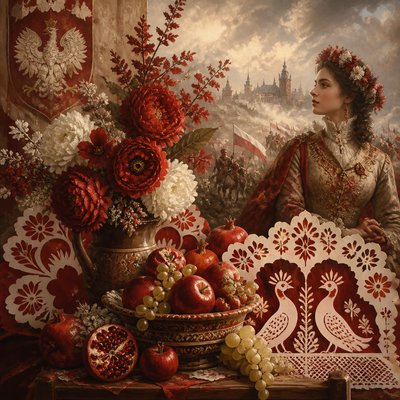
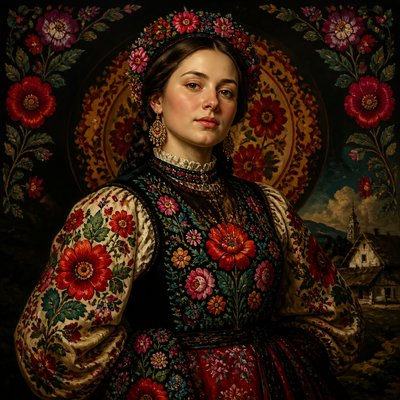
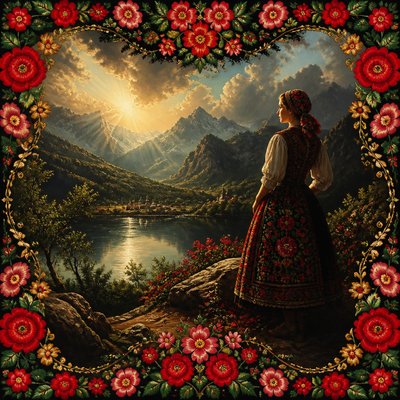
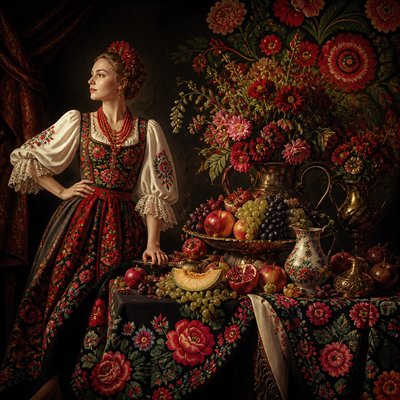
Light Art Style
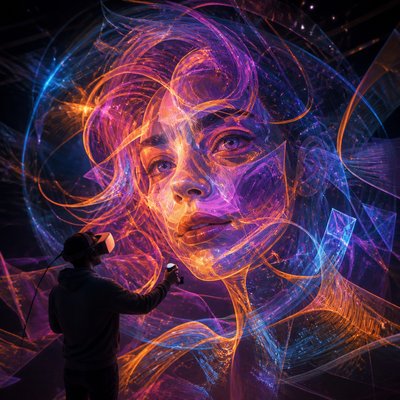
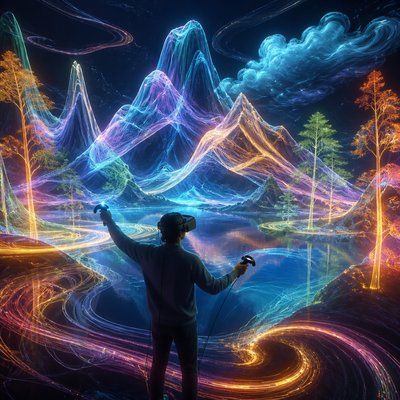
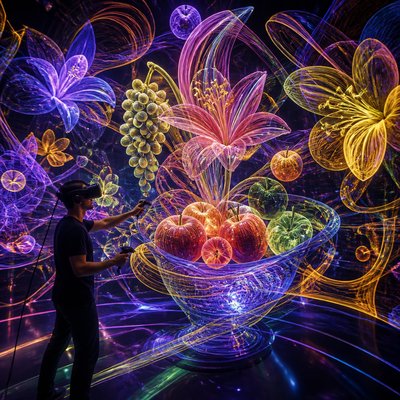
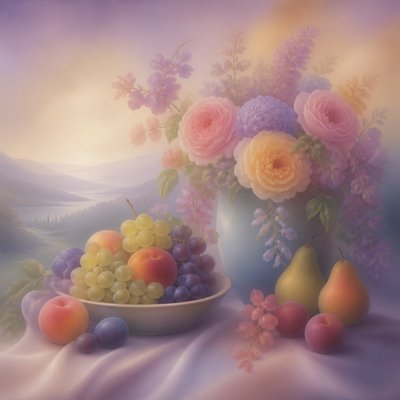
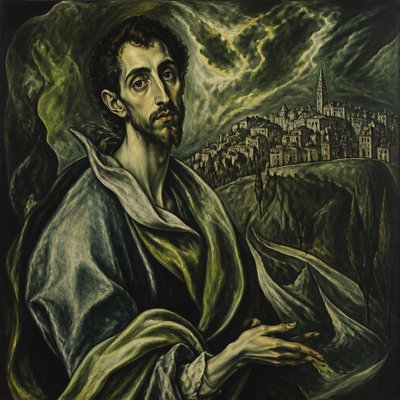
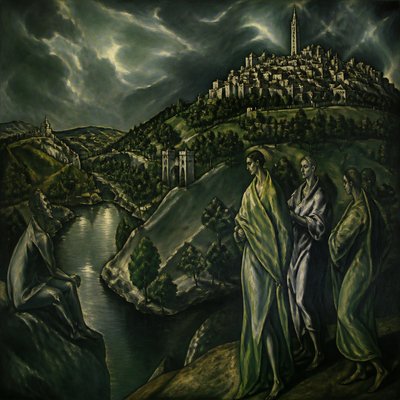
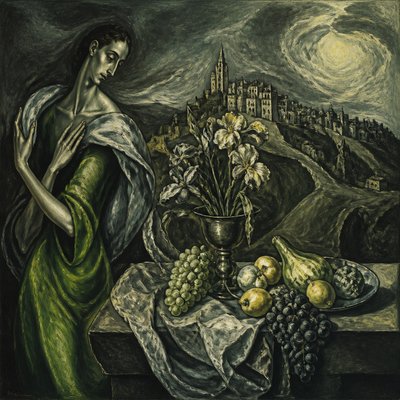
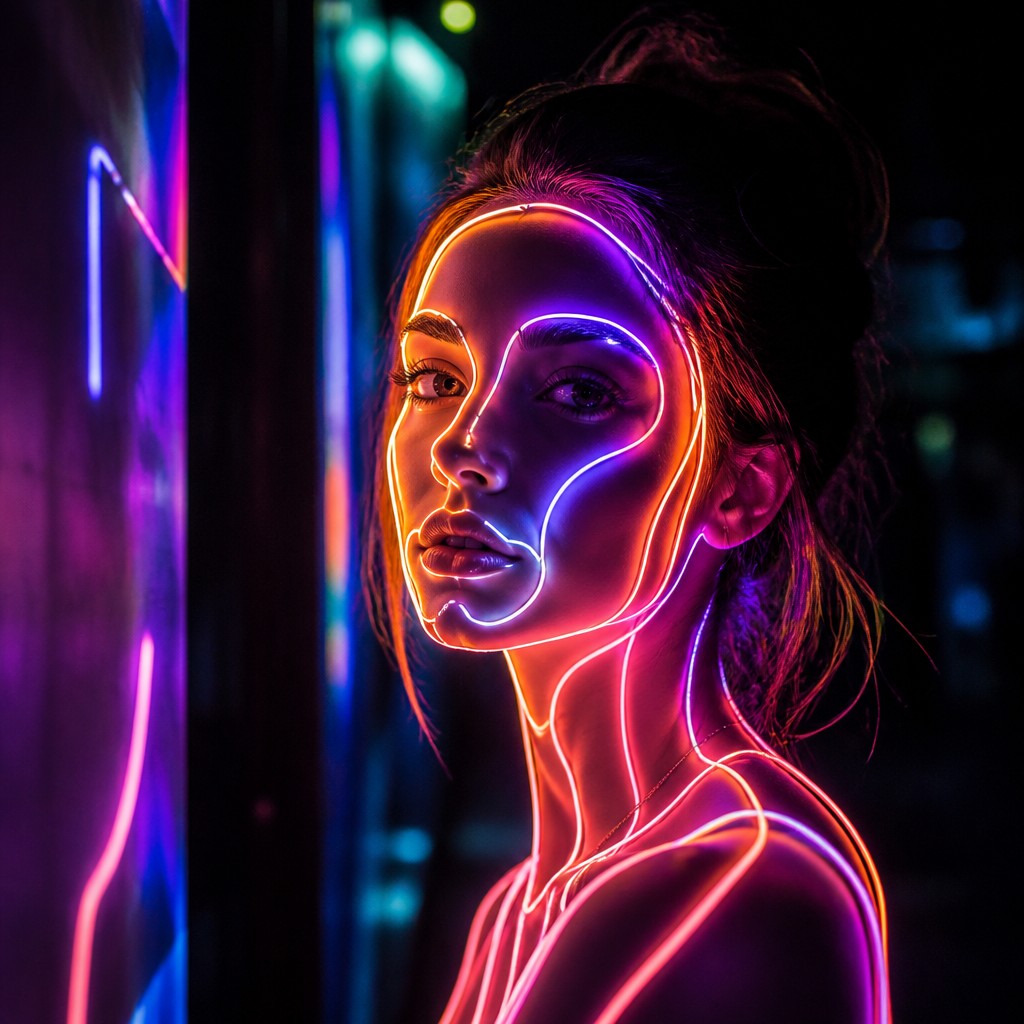
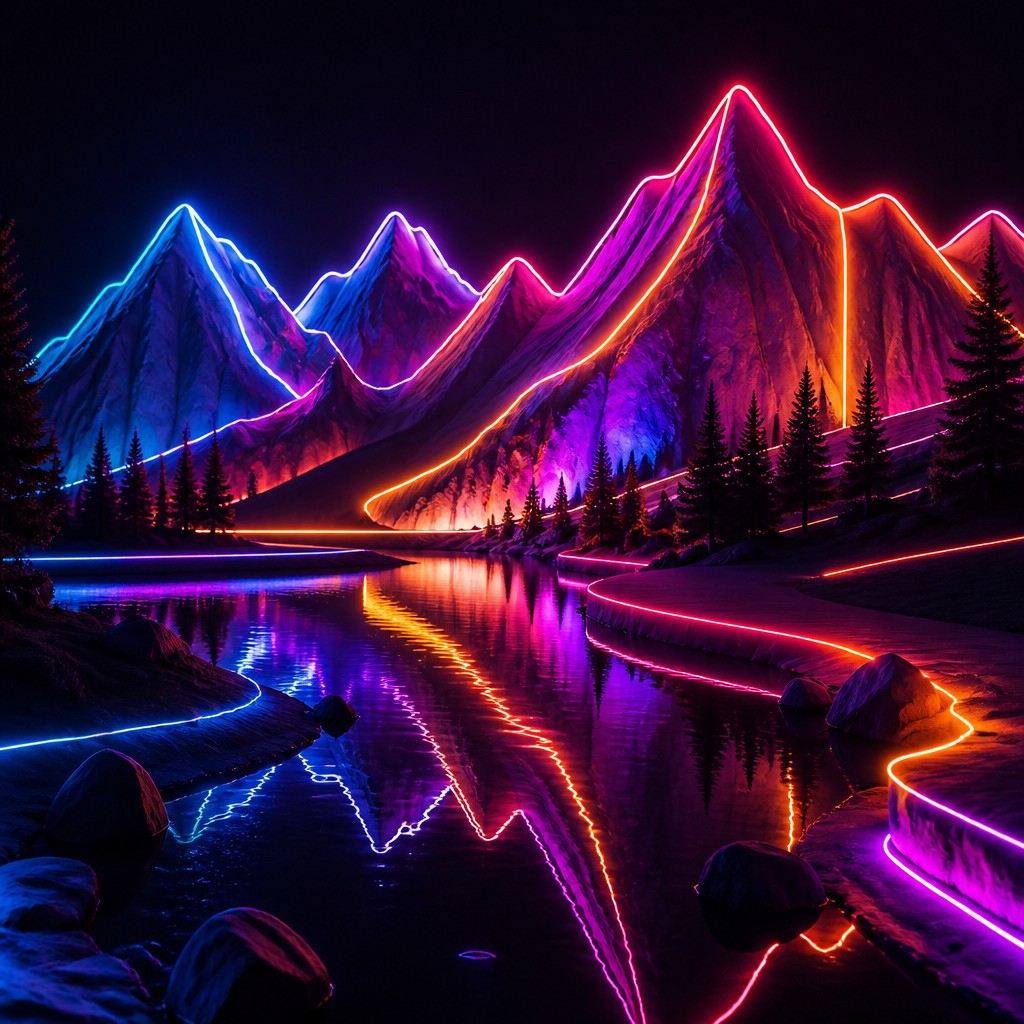
Explore Light Art: a luminous visual style shaped by neon lines, saturated projections, vivid reflections, and deep cinematic shadow.
Instantly rendered in Light — or transform a photo
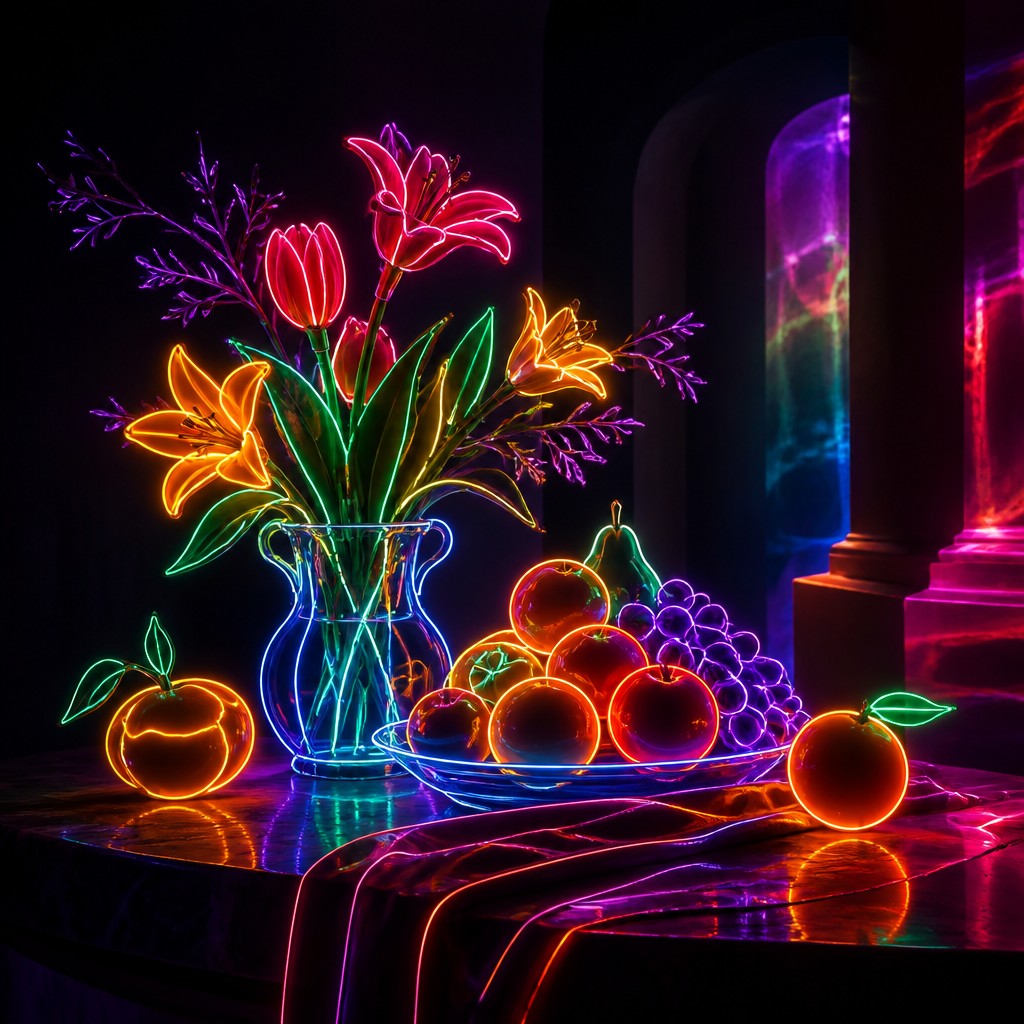
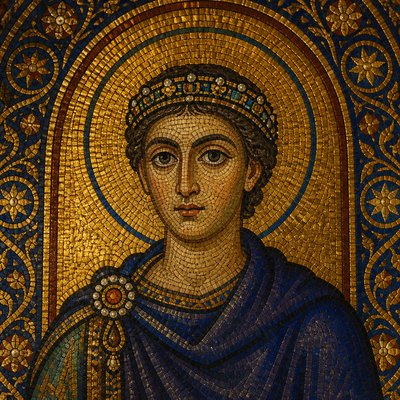
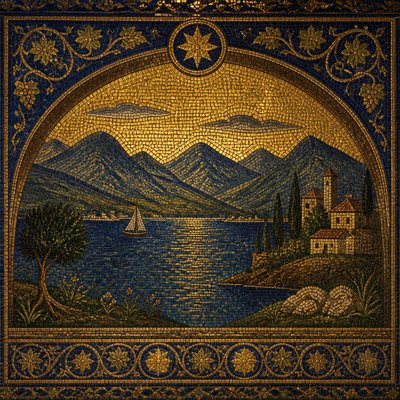
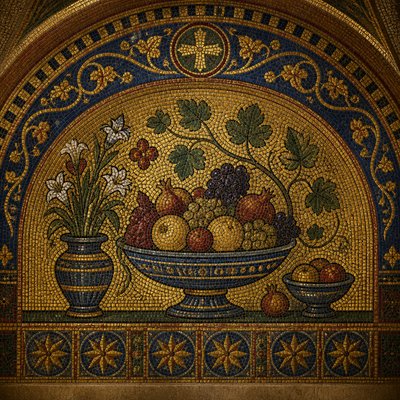
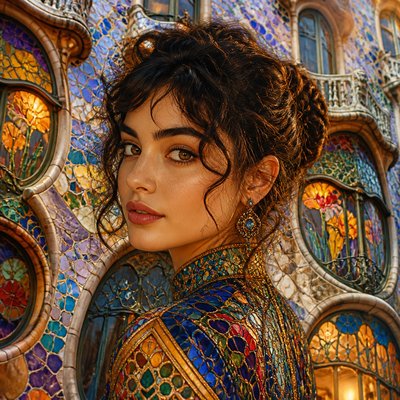
Light Gallery
Tap any artwork to explore it
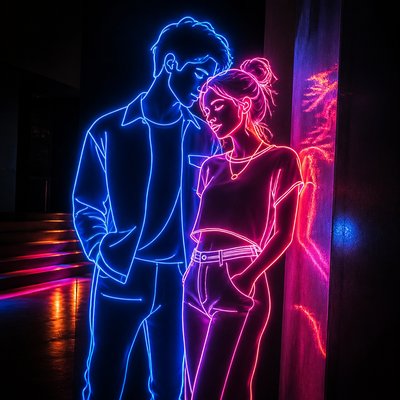
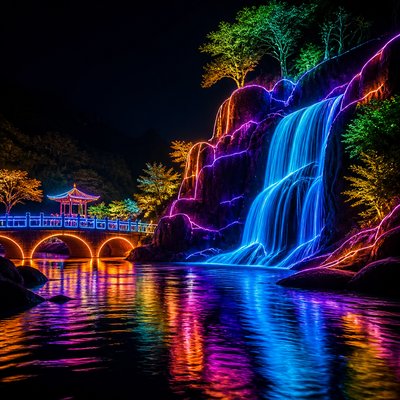
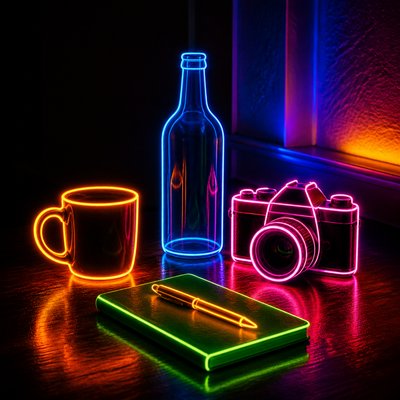
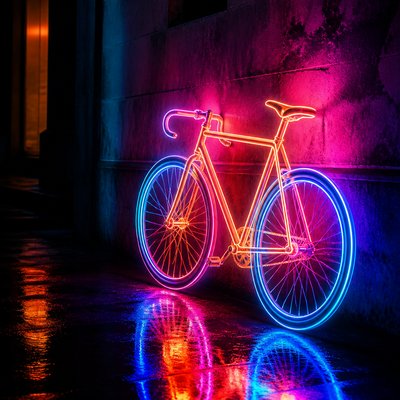
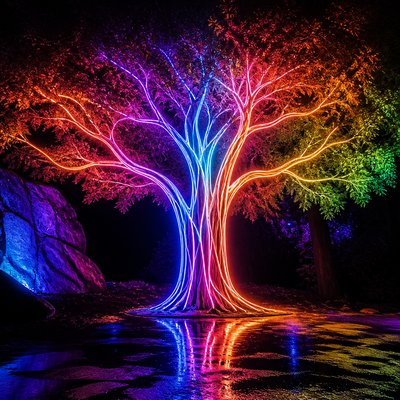
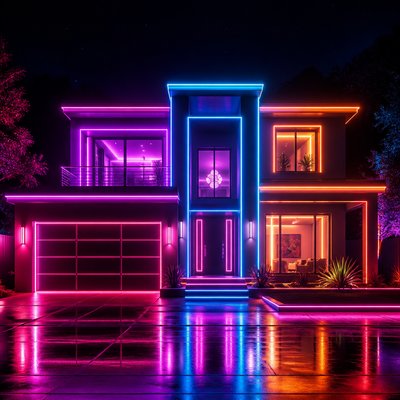
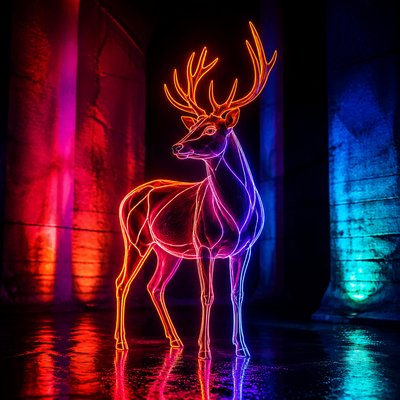
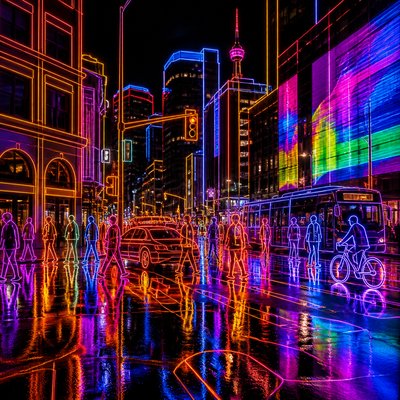
What is Light Art Style?
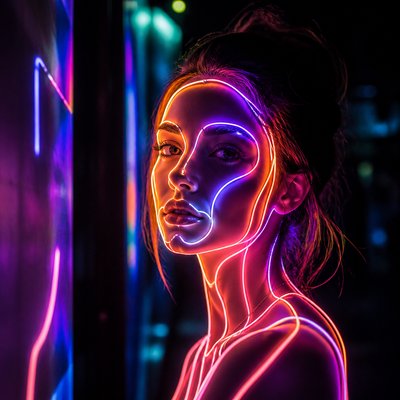
Light Art Style is a contemporary visual language in which illumination becomes the primary subject, structure, and material of an image. Glowing neon tubes, LED strands, projected color, and concentrated beams trace forms through darkness, while reflections and atmospheric haze extend the light beyond its source. Objects may remain partially obscured because their identity is defined by luminous contours rather than by evenly rendered surfaces.
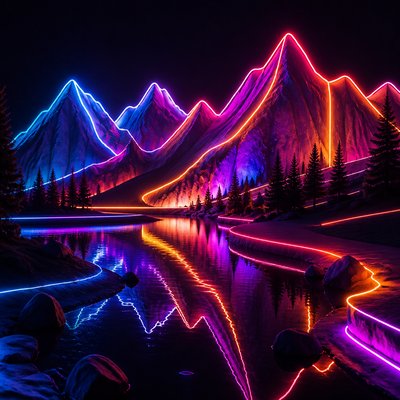
The style depends on a deliberate tension between intense chromatic light and near-black shadow. Saturated cyan, magenta, violet, electric blue, acid green, and red often appear together, producing colored spill across floors, walls, glass, metal, skin, or mist. The result can feel architectural, immersive, futuristic, theatrical, or abstract, with space mapped by glow instead of conventional solid modeling.
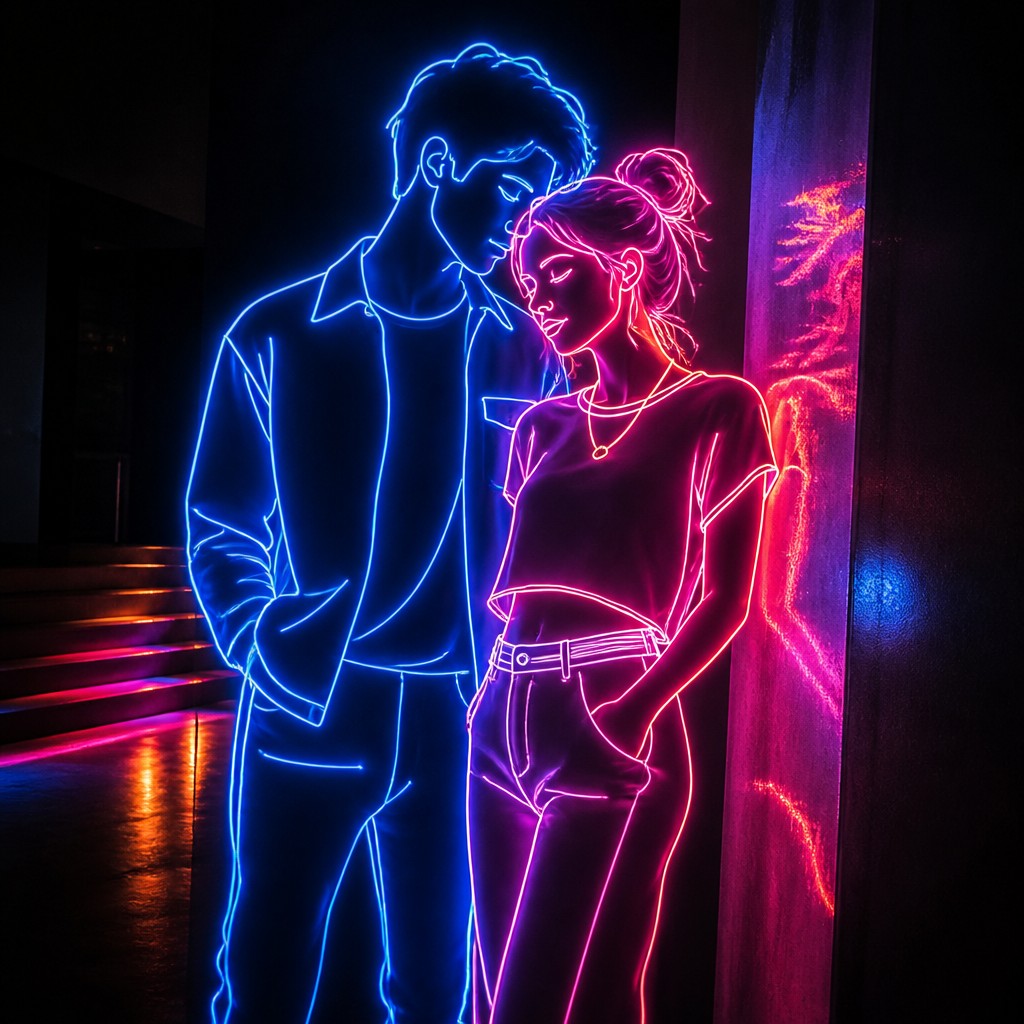
Try It On Your Photos
Upload any photo and convert it into Light Art Style — drag the sliders to compare before and after.
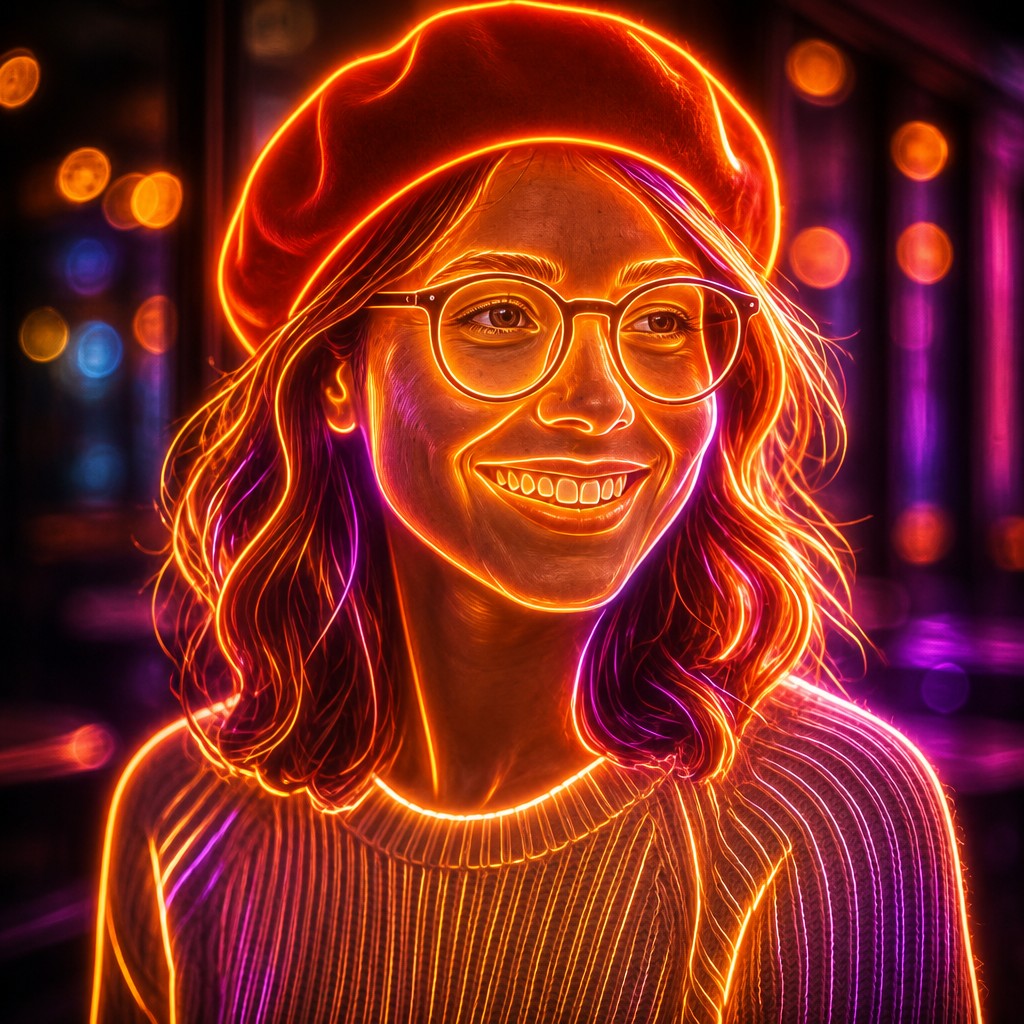

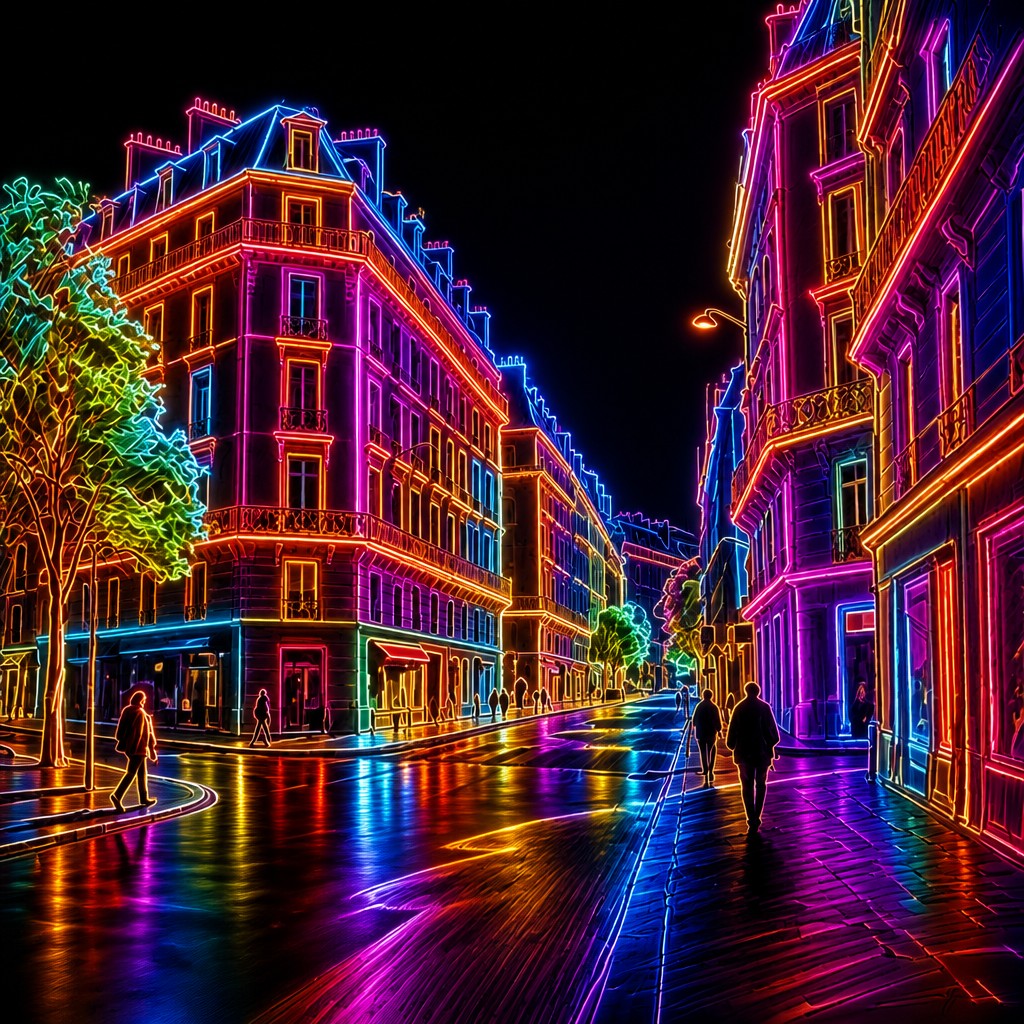

What Defines Light Art Style
The signature details, up close
Luminous linear forms
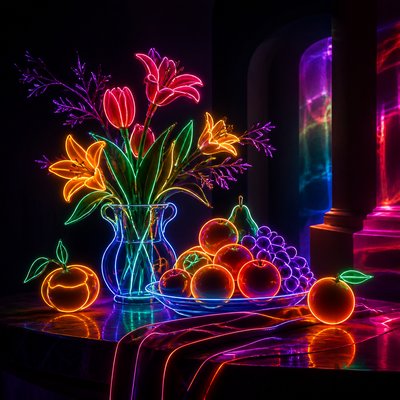
Neon tubes, fiber-optic strands, laser-like traces, and LED strips outline architecture, symbols, figures, or abstract pathways. These lines often serve as the main drawing system of the image.
Deep chiaroscuro
Large areas of near-black shadow are placed beside sharply illuminated forms. Darkness is not merely background; it conceals information and gives the glowing elements visual force.
Saturated color projection
Strong hues wash across walls, pavement, faces, and objects as if produced by theatrical lamps or mapped projections. Color frequently changes across a surface rather than remaining locally consistent.
Reflections and light spill
Wet streets, polished metal, glass, acrylic, and glossy paint repeat and scatter the illumination. Soft halos and secondary reflections make the light appear to occupy the surrounding air.
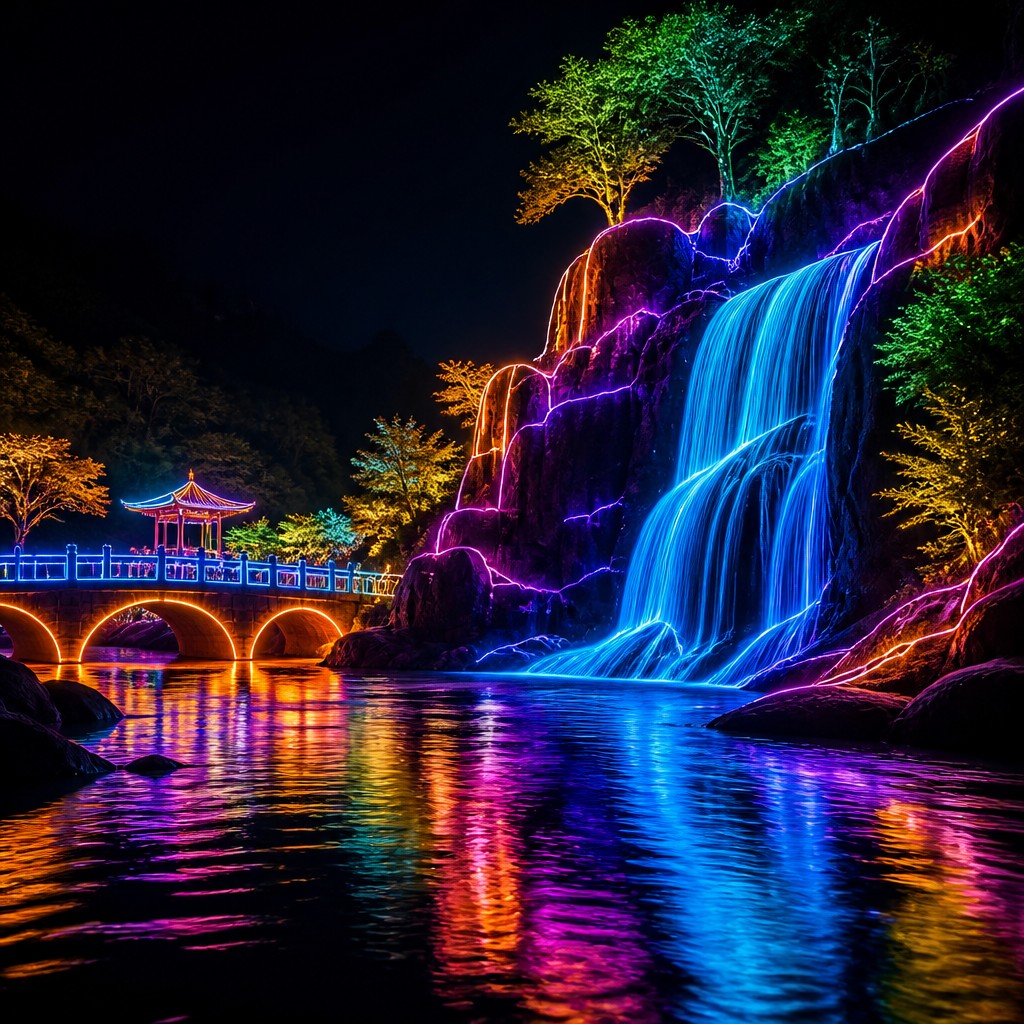
Atmospheric depth
Haze, smoke, mist, dust, and bloom reveal beams and create layered spatial recession. These effects can transform a flat composition into an immersive environment.
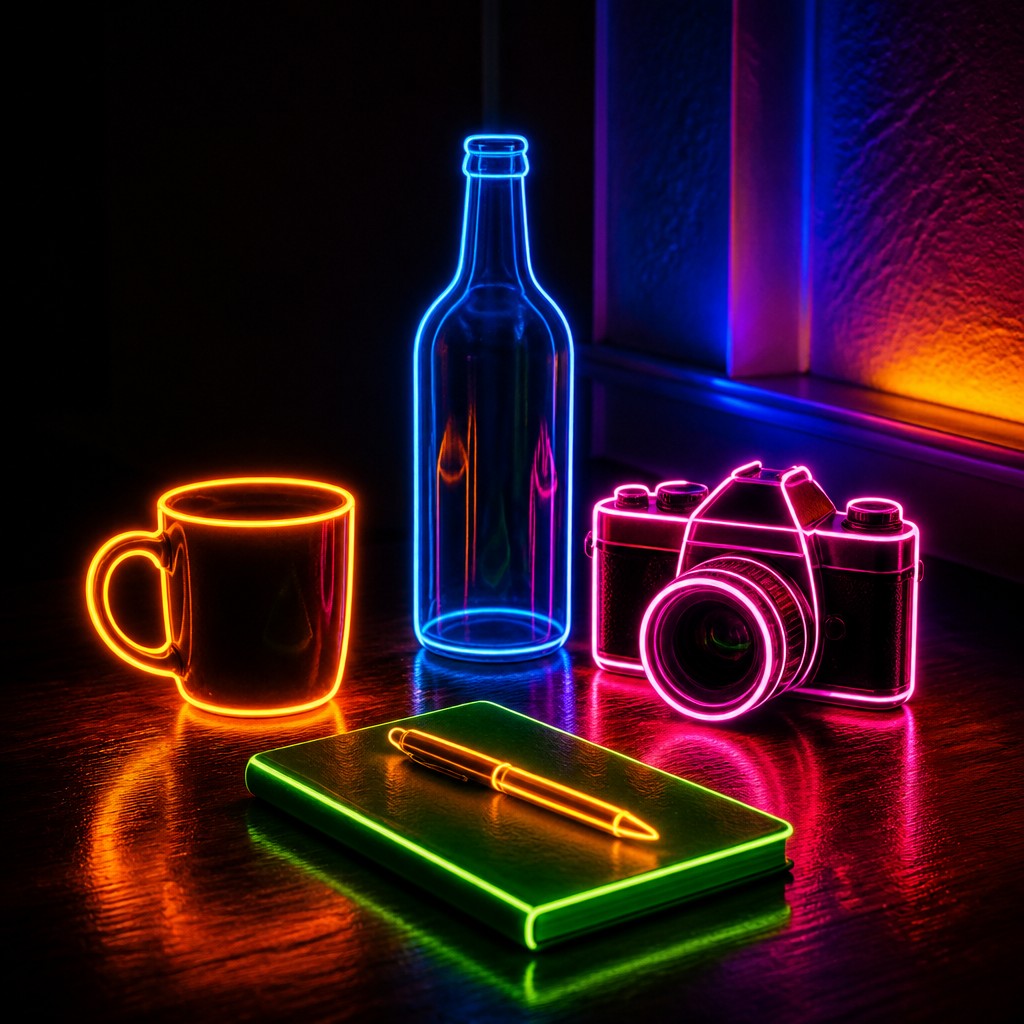
Architectural abstraction
Buildings, tunnels, rooms, bridges, and structural grids are frequently reduced to illuminated planes and contours. The style emphasizes the way light defines space more than the physical detail of construction.
Light Prompt Ideas
Start from an idea — each one opens the generator with the style ready to go. See all 40 Light prompts →
How to Create Light Art
Master the craft step by step — or skip straight to creating. Read the full guide →
- 1
Build the composition in darkness
Begin with a dark ground or low-key exposure, then introduce a small number of dominant light sources. Preserve unlit areas so the brightest forms retain contrast and legibility.
- 2
Use motivated colored lighting
Choose visible sources such as tubes, panels, projectors, or signs, and let their colors affect nearby surfaces. In photography or 3D work, add colored fill and rim light rather than tinting the whole image uniformly.
- 3
Control glow and reflections
Apply bloom, glare, diffusion, and selective blur only around bright areas. Add restrained reflections on wet, glassy, or metallic surfaces to support depth without flattening the composition.
- 4
Trace form with light
Use continuous curves, geometric grids, or broken linear accents to guide the eye through the scene. In physical work, flexible LEDs, light painting, projection, and long exposure can produce these contours.
- 5
Layer atmosphere
Introduce haze or translucent particles to make beams visible, but vary opacity so the image does not become uniformly foggy. Stronger atmosphere near the light source usually creates more convincing depth.
- 6
Write a precise generation prompt
Specify the subject, environment, light sources, palette, reflective materials, degree of darkness, and atmospheric effects. Useful terms include luminous contours, saturated projected hues, sharp shadow, wet reflections, volumetric haze, and restrained bloom.
The Story
History & Origins of Light
Light Art Style is best understood as an invented contemporary aesthetic rather than a historically codified movement. Its lineage combines public light installations, neon signage, projection mapping, experimental photography, long-exposure techniques, theatrical lighting, nightclub environments, cyberpunk imagery, and digital compositing. It also draws on the modernist interest in artificial illumination as an architectural material.
The style developed alongside programmable LEDs, affordable projection systems, real-time visual effects, and image-processing tools that allow light to be layered, animated, reflected, and spatially mapped. In digital imagery, its conventions are often intensified: luminous lines become precise graphic contours, darkness becomes a compositional field, and color spill is used to imply an entire environment.
Influences: The style is related to light and space installation, neon and kinetic art, projection mapping, experimental and long-exposure photography, theatrical stage lighting, electronic music environments, cyberpunk and science-fiction production design, and contemporary digital compositing. It also shares methods with color-field abstraction and architectural visualization, but replaces solid pictorial modeling with illumination, reflection, and controlled darkness.
Frequently Asked Questions
What defines Light Art Style?
Its defining feature is the use of illumination as the primary form-building device. Neon-like lines, projected color, vivid reflections, atmospheric glow, and deep shadow establish both the subject and the surrounding space.
Is Light Art Style a historical art movement?
No. It is best treated as a contemporary, flexible aesthetic category rather than a formally organized historical movement. It synthesizes established practices from light installation, photography, architecture, stage lighting, digital art, and science-fiction imagery.
How does it differ from neon art?
Neon art specifically centers on gas-filled neon tubing or the visual language of neon signage. Light Art Style is broader, incorporating LEDs, projections, lasers, reflected color, volumetric beams, and digitally simulated illumination.
How can I make this style in a photograph?
Work in a dark environment with controllable colored sources, reflective surfaces, and a tripod or stabilized camera. Long exposure, light painting, haze, wet pavement, and careful positioning of practical lights can create the characteristic luminous trails and color spill.
Can this style be used for portraits?
Yes, although facial detail is often selectively concealed by shadow or colored light. Place narrow sources to create rim lighting and graphic highlights, then use reflective or translucent surroundings to extend the palette around the subject.
Where is Light Art Style commonly used?
It suits album artwork, editorial imagery, architectural concepts, event environments, product visualization, game and film concept art, posters, and immersive installations. It is particularly effective when atmosphere, technology, night-time space, or futuristic mood is central to the subject.
Create your first Light artwork
Describe anything — or upload a photo — and see it in Light Art Style in seconds.
Related Styles
Discover similar art styles