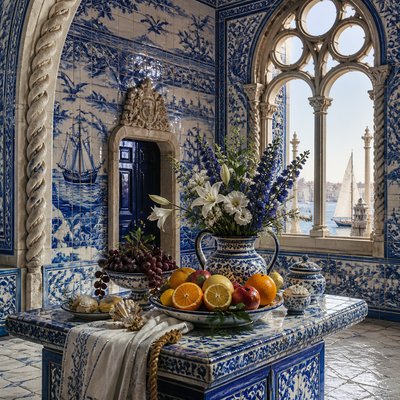
Sammarinese Art Style
Discover Sammarinese art style: civic frescoes, Monte Titano towers, pale stone architecture, and crisp Apennine light.
Instantly rendered in Sammarinese — or transform a photo
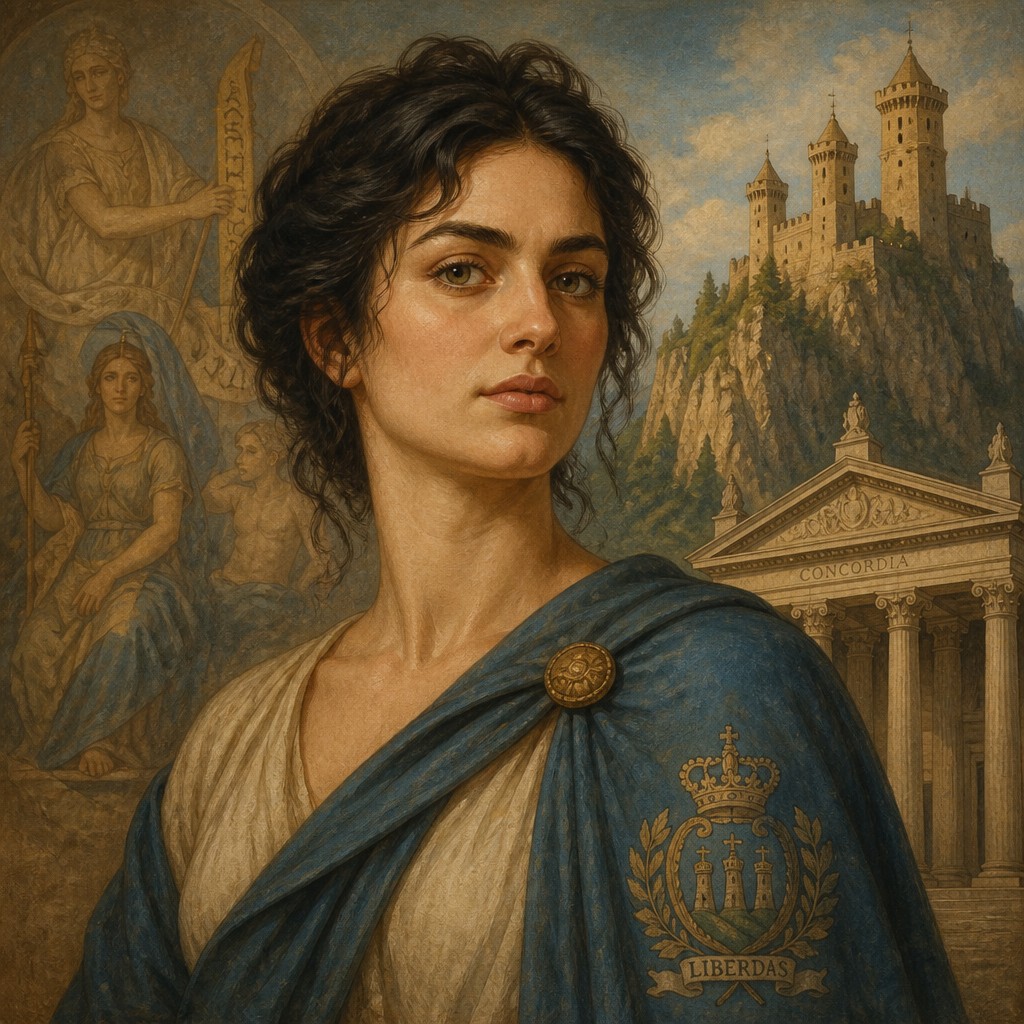
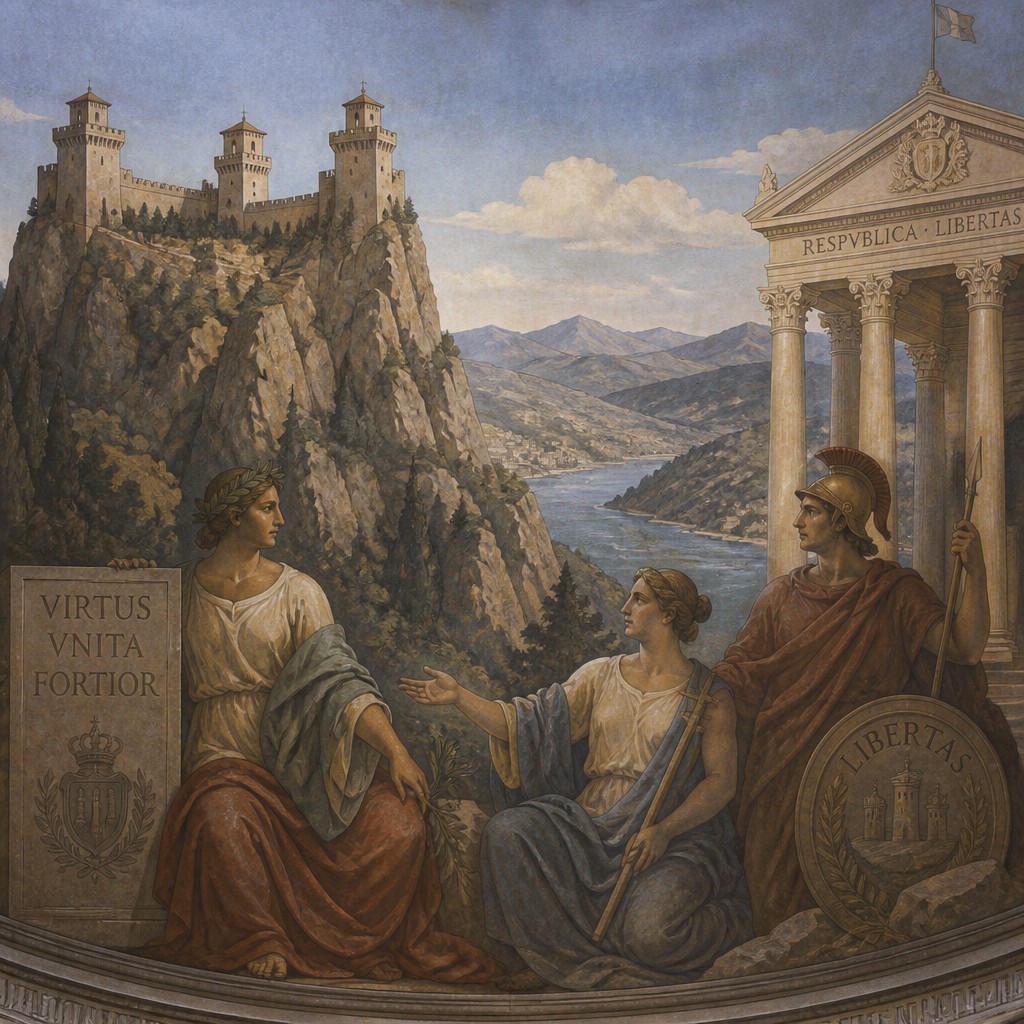
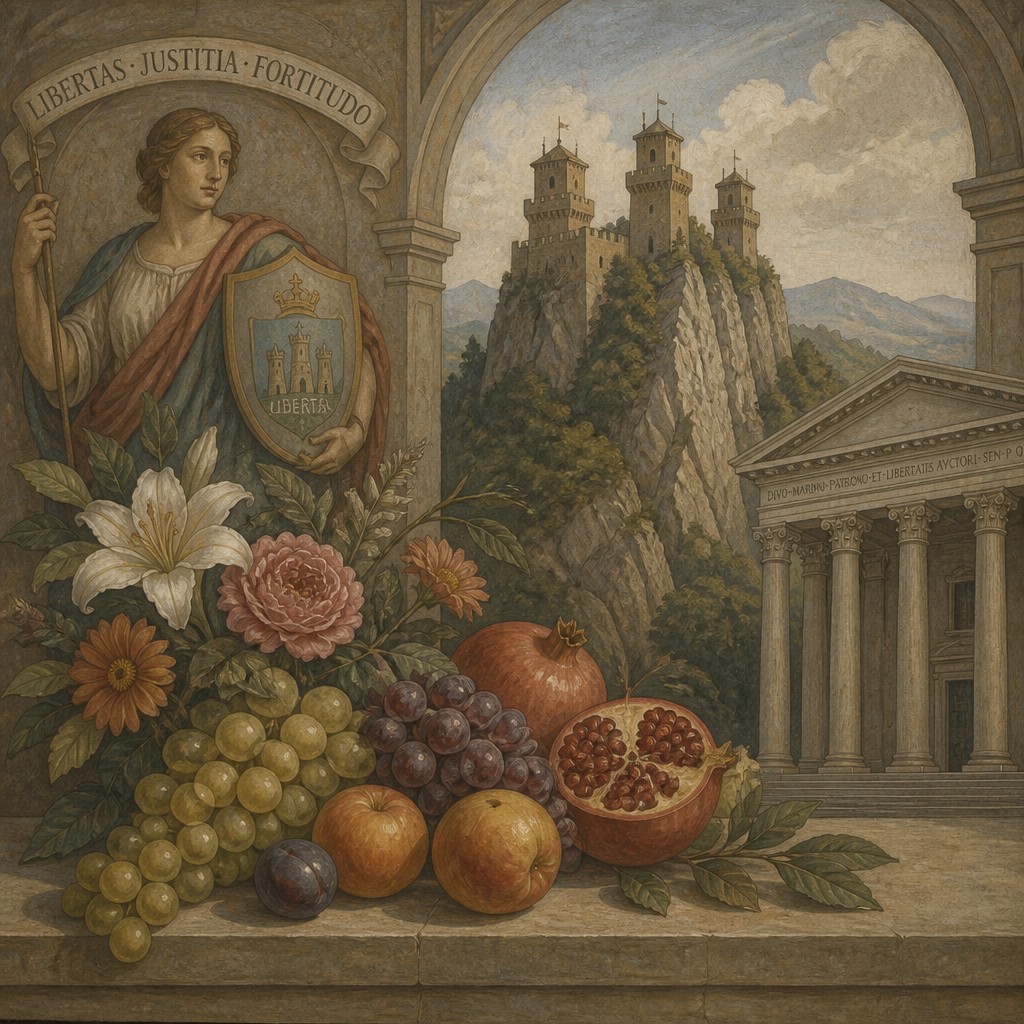
Sammarinese Gallery
Tap any artwork to explore it
What is Sammarinese Art Style?
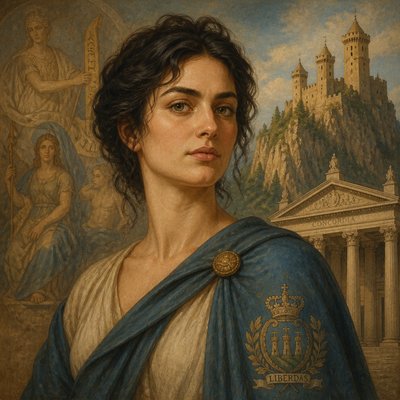
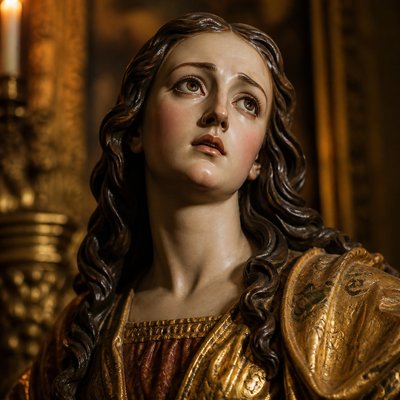
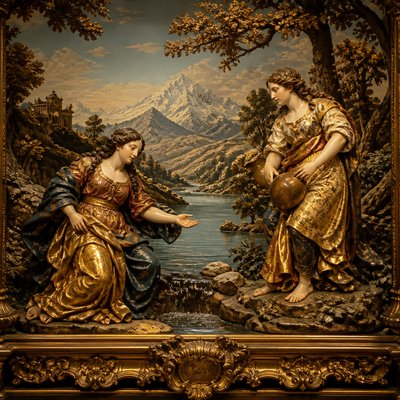
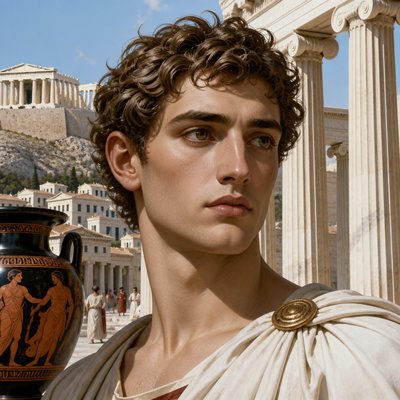
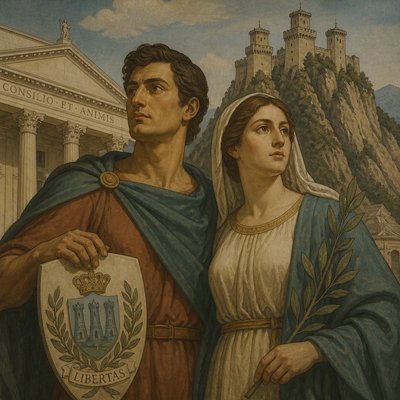
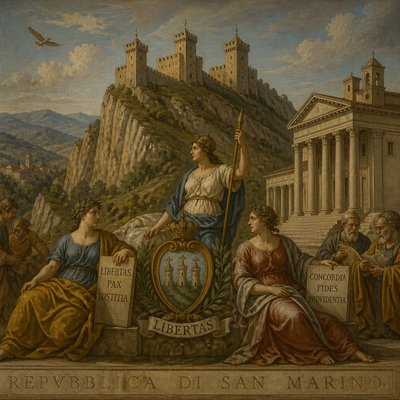
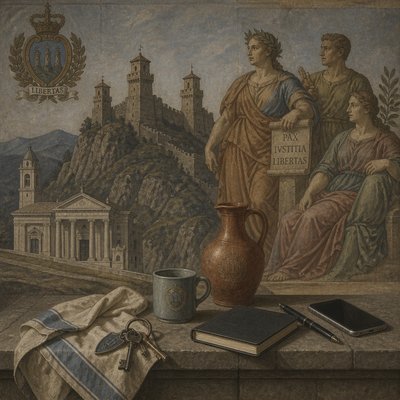
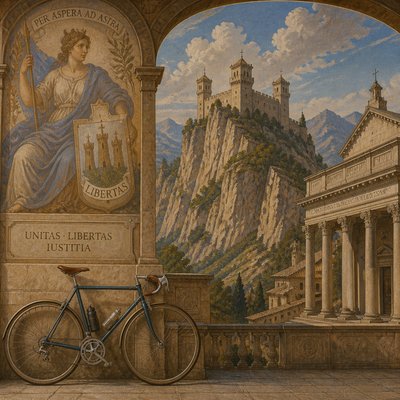
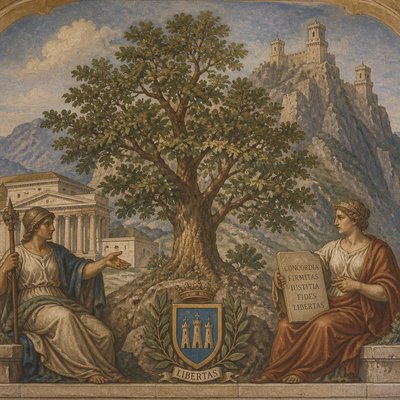
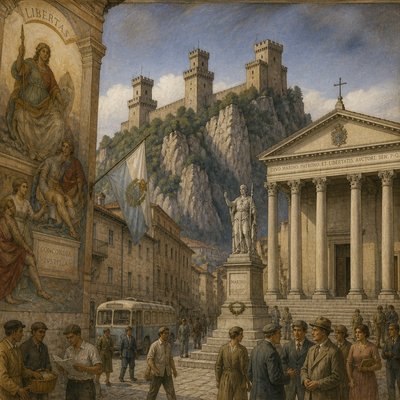
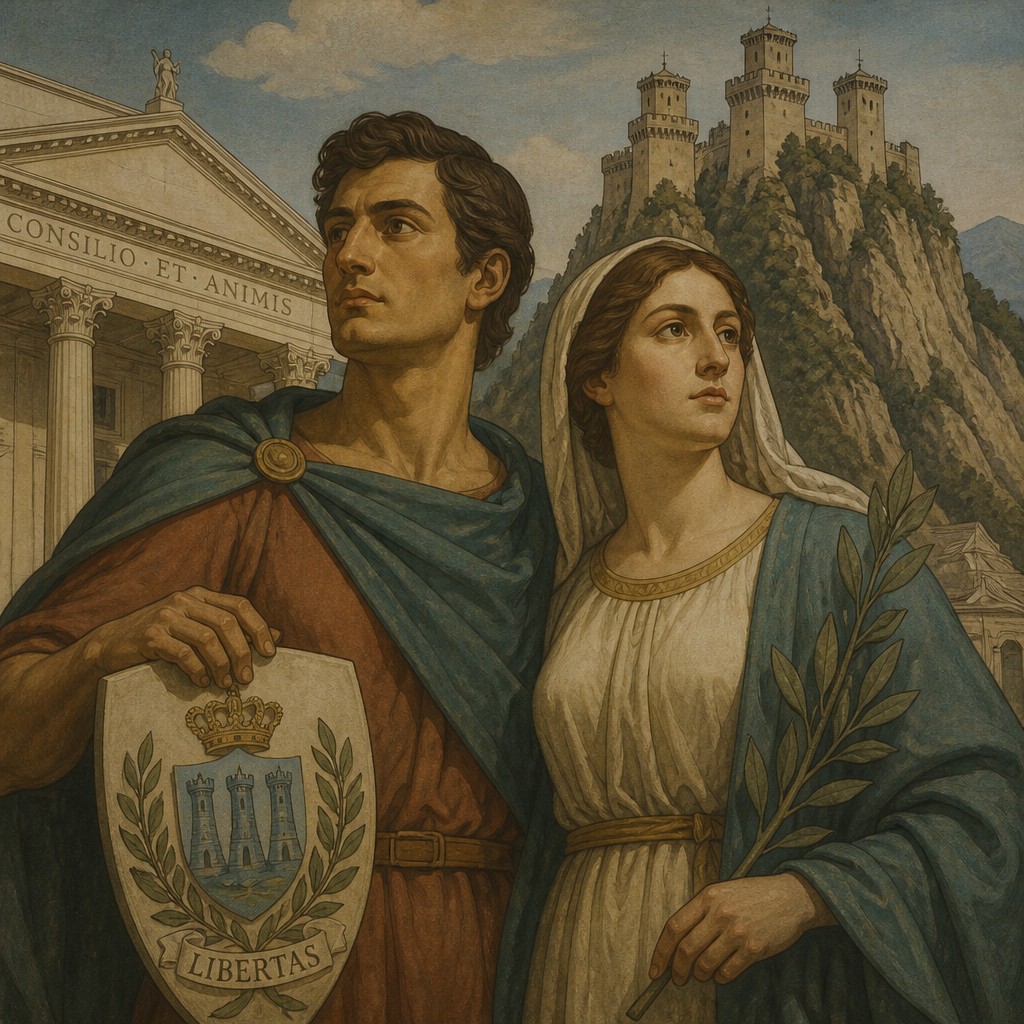
Sammarinese art style is a contemporary, place-based visual aesthetic inspired by the Republic of San Marino, its fortified mountaintop setting, and its long civic identity. It combines allegorical mural painting, weathered masonry, neoclassical architectural forms, and panoramic views of the Apennine landscape into images that feel ceremonial, historical, and quietly monumental.
Its visual identity depends on contrast: warm, muted earth pigments and aged plaster are set against pale limestone, deep tower shadows, and exceptionally clear mountain light. The result is neither a single historical movement nor a standardized national school, but an interpretive style built around republican dignity, defensive architecture, public memory, and the compact drama of Monte Titano.
Try It On Your Photos
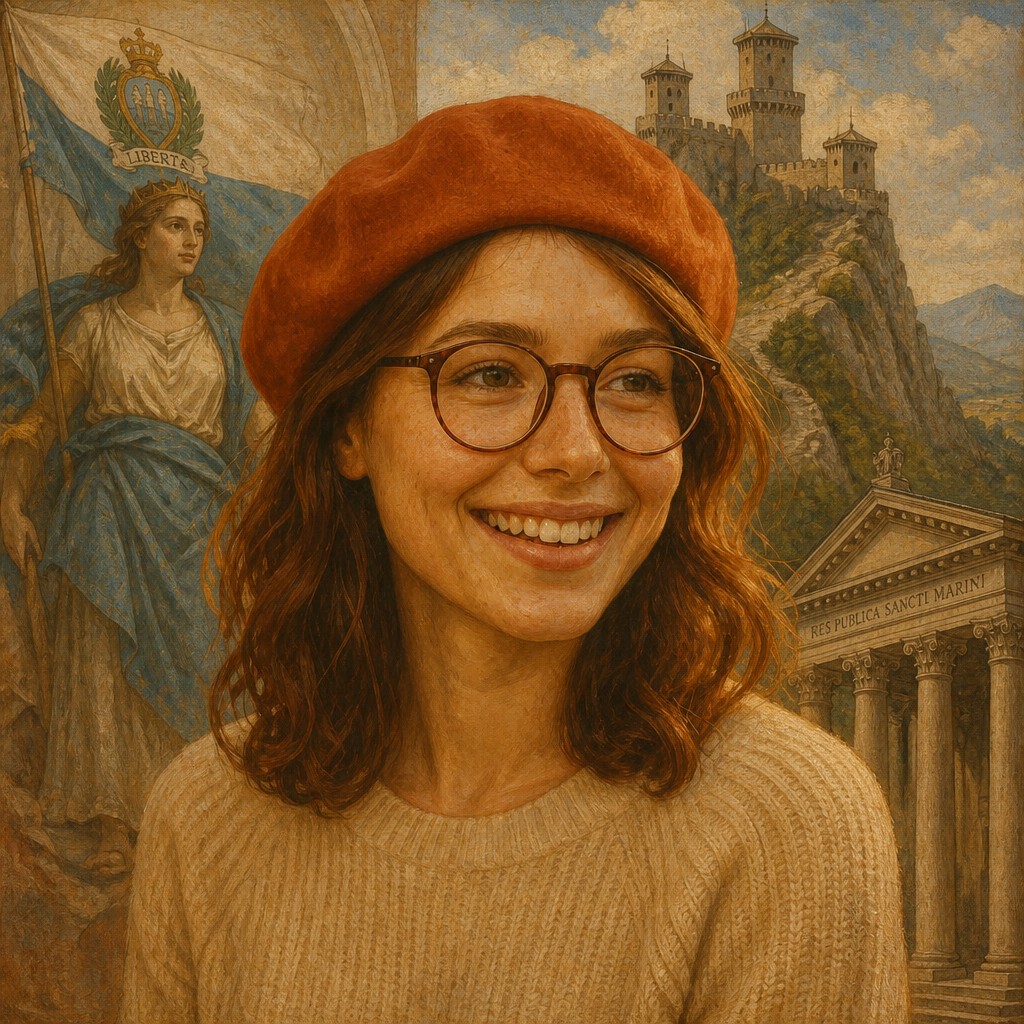
Upload any photo and convert it into Sammarinese Art Style — drag the sliders to compare before and after.


What Defines Sammarinese Art Style
The signature details, up close
Monte Titano fortresses
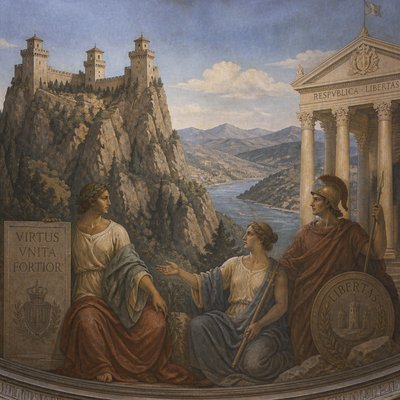
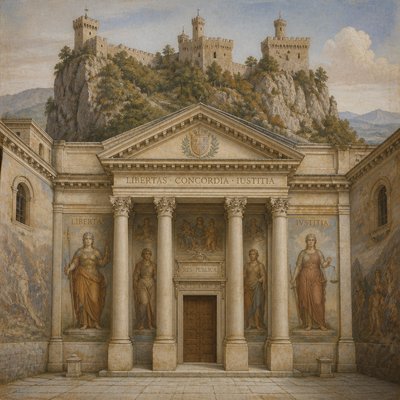
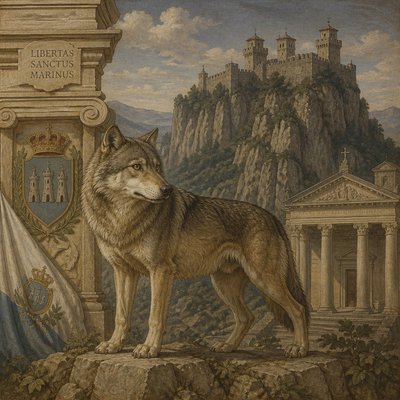
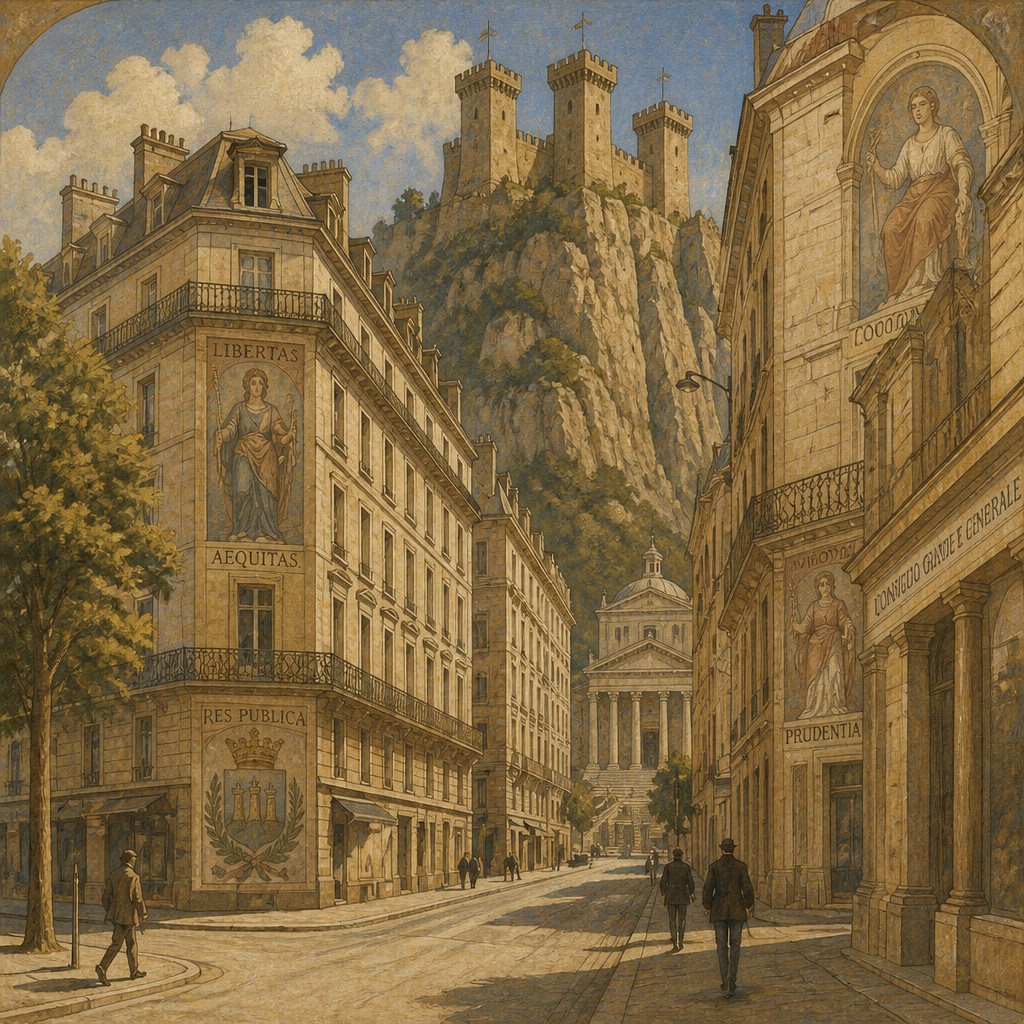
Three turreted towers appear as dominant silhouettes on steep cliffs or ridgelines. Their compact geometry, battlements, and vertical emphasis convey endurance and civic independence.
Civic fresco composition
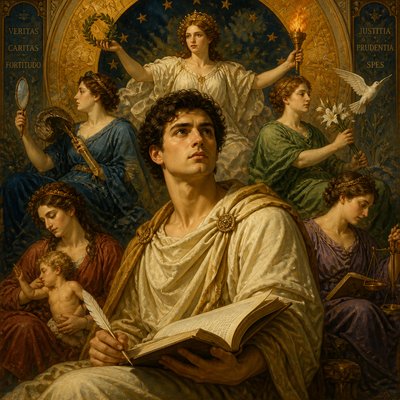
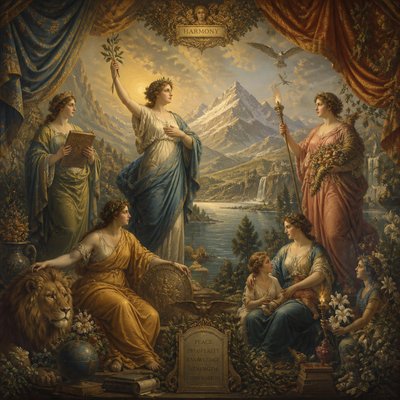
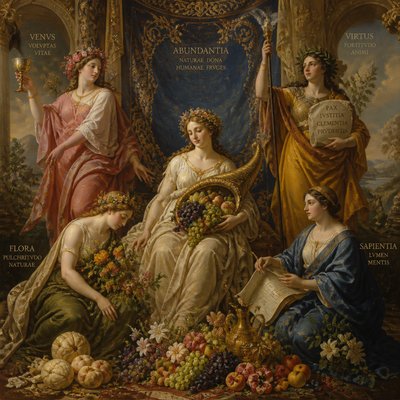
Allegorical figures, banners, emblems, and symbolic gestures are arranged like a mural in a council chamber. Frontal poses and balanced groupings give the imagery a public, ceremonial character.
Muted mineral palette
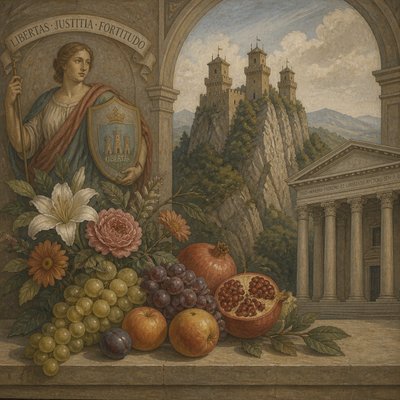
Ochre, umber, dusty rose, olive, charcoal, and faded blue are combined with pale limestone and plaster white. Saturation remains restrained so that the work resembles aged pigment rather than glossy illustration.
Pale neoclassical stone
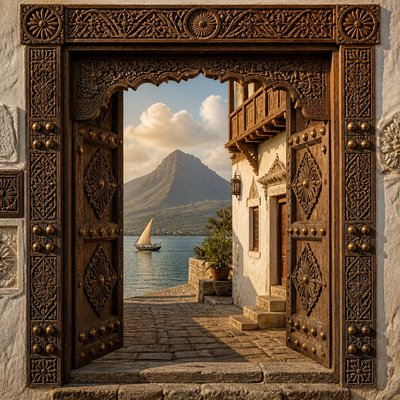
Columns, arches, pediments, civic stairways, and basilica-like interiors provide a formal architectural framework. Clean proportions temper the roughness of medieval walls and weathered towers.
Crisp Apennine light
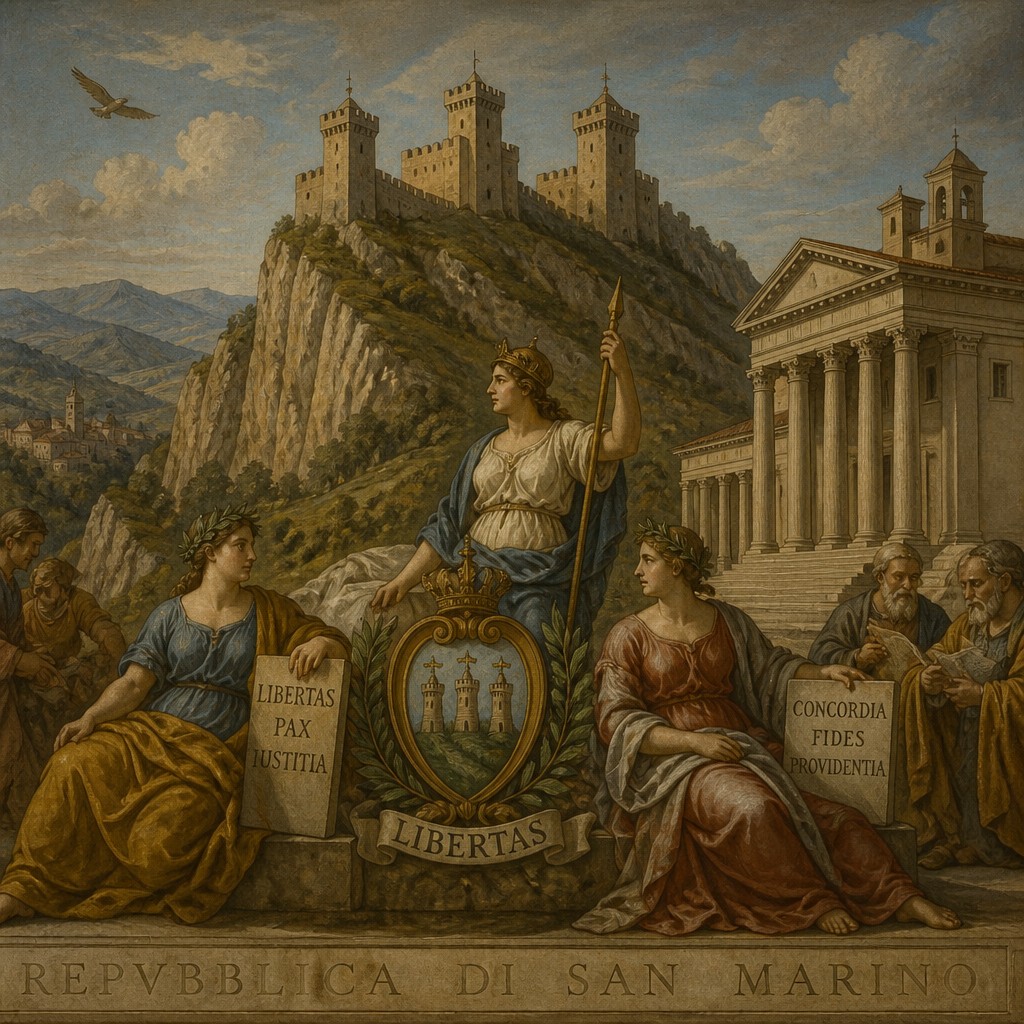
Clear, cool daylight defines cliffs, masonry edges, and distant hills with controlled shadows. Atmospheric haze is present but limited, preserving the impression of high-altitude visibility.
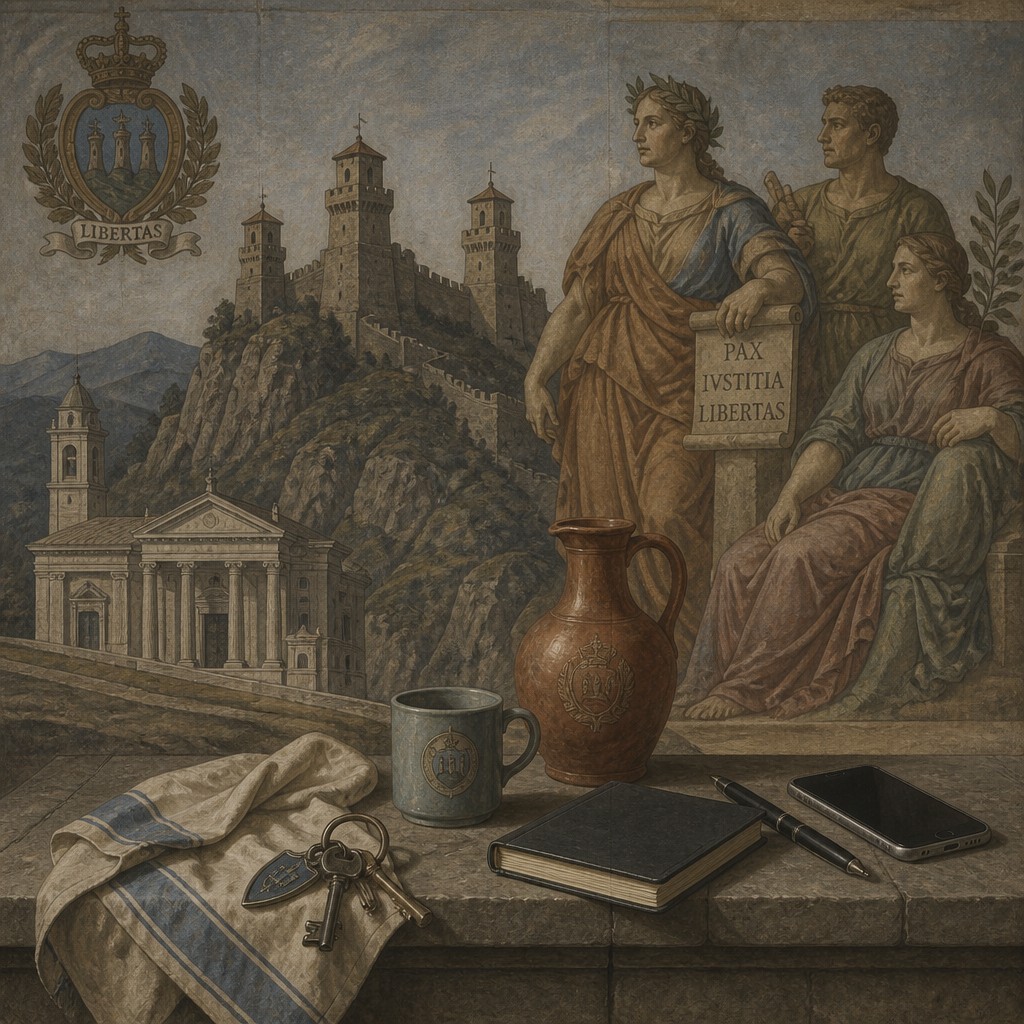
Weathered fresco surfaces
Crackle, limewash, softened outlines, abrasion, and uneven pigment create the tactile impression of old plaster. Surface aging should support the subject without obscuring its architectural structure.
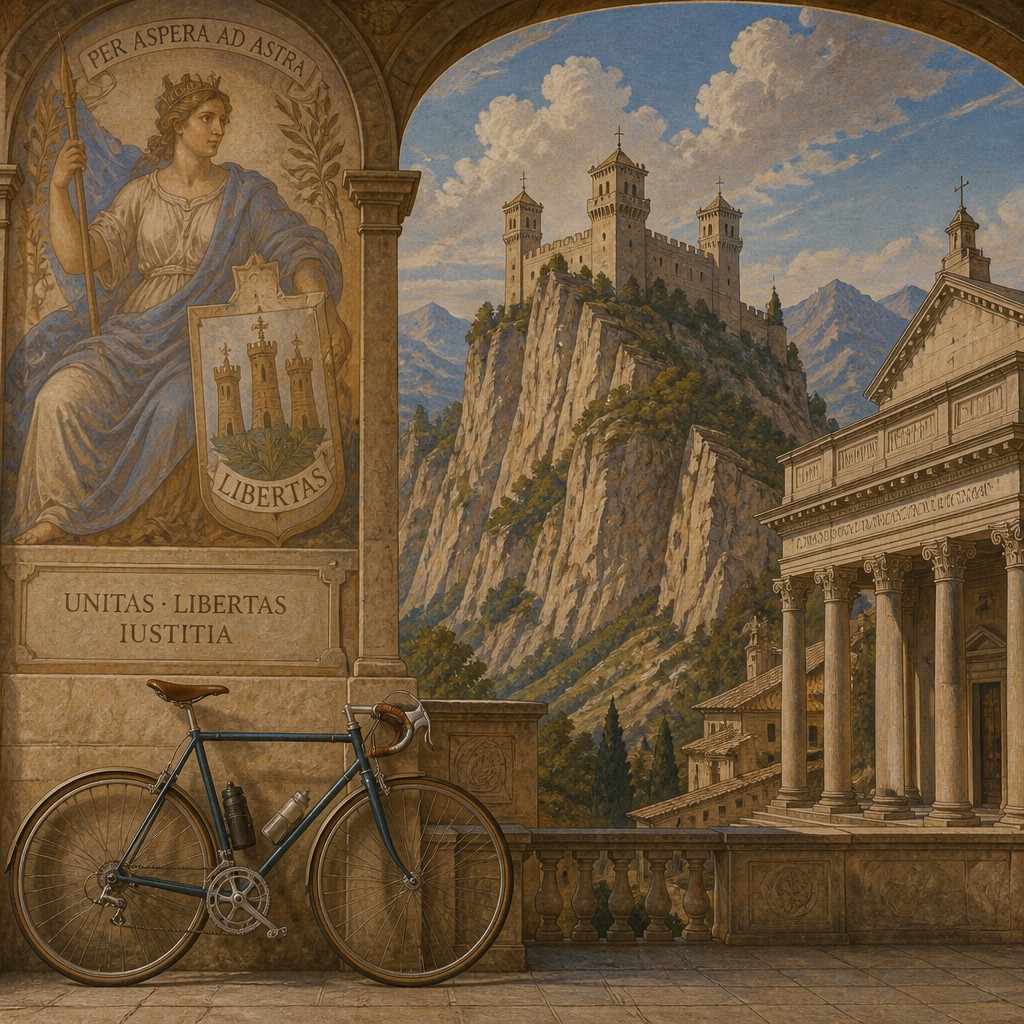
Republican dignity
The mood is solemn, independent, and communal rather than romantic or militaristic. Symmetry, vertical forms, restrained gestures, and civic symbols reinforce a sense of collective memory.
Sammarinese Prompt Ideas
Start from an idea — each one opens the generator with the style ready to go. See all 40 Sammarinese prompts →
How to Create Sammarinese Art
Master the craft step by step — or skip straight to creating. Read the full guide →
- 1
Build the composition around a civic landmark
Begin with a strong silhouette such as a fortified tower, council hall, basilica facade, or cliffside settlement. Establish clear verticals and a stable horizon before adding figures or decorative details.
- 2
Use fresco-informed materials
For traditional work, apply mineral or earth pigments over a plaster-like ground and allow the surface to remain slightly irregular. Digitally, use matte paper or limewash textures, low-contrast grain, and subtle cracking rather than heavy distressed effects.
- 3
Control the palette and light
Favor ochres, umbers, muted greens, terracotta, pale stone, and cool gray-blue shadows. Describe sharp mountain daylight and readable architectural edges while avoiding neon color, glossy highlights, or theatrical darkness.
- 4
Arrange figures as allegory
Place civic or symbolic figures in balanced groups with frontal or three-quarter poses, measured gestures, and simplified drapery. Keep the background architecture legible so the scene reads as a public mural rather than a crowded fantasy tableau.
- 5
Combine historical forms carefully
Pair medieval fortress masonry with restrained neoclassical columns and civic interiors, but maintain consistent scale and materials. This deliberate layering creates the style's sense of historical continuity.
- 6
Write structured image prompts
Specify the subject, location, composition, fresco or stone medium, muted earth palette, crisp Apennine light, and dignified civic mood in that order. For image-to-image work, preserve the source subject's silhouette while applying plaster texture, pale masonry, and controlled mural-like color.
The Story
History & Origins of Sammarinese
Sammarinese art style is best understood as an invented or niche aesthetic lineage rather than a formally recognized art-historical movement. It draws on San Marino's medieval fortified landscape, communal and religious mural traditions, civic symbolism, and the neoclassical rebuilding of public architecture associated with the modern republic. The three towers of Monte Titano provide its most recognizable historical anchor, while council halls, basilica interiors, stone streets, and allegorical decoration supply its pictorial vocabulary.
The style develops these sources into a unified visual language: fresco-like surfaces suggest public and devotional art, fortress silhouettes recall medieval autonomy and defense, and neoclassical columns introduce order and institutional formality. Contemporary interpretations may preserve the appearance of aged pigment and hand-worked stone while using digital compositing, photographic transformation, or generative image-making.
Influences: The aesthetic draws from medieval fortified architecture, Italian and Adriatic civic mural traditions, religious fresco composition, neoclassicism, Romanesque and Gothic masonry, heraldic symbolism, and landscape painting of the Apennines. It also shares qualities with historical revivalism and contemporary heritage illustration, but its defining combination of towers, civic allegory, pale stone, and mountain clarity is specifically anchored to San Marino.
Frequently Asked Questions
Is Sammarinese art style a recognized historical art movement?
No. The term describes a contemporary, place-based aesthetic rather than a documented movement with a fixed period or official school. It interprets genuine Sammarinese landmarks and visual traditions through a unified artistic vocabulary.
What defines the style most clearly?
Its core elements are the three fortress towers of Monte Titano, civic fresco imagery, pale neoclassical stone, muted mineral pigments, and crisp Apennine light. The mood should feel ceremonial, independent, and historically grounded.
How is it different from generic medieval or Italian art?
Generic medieval imagery may emphasize castles, battles, or ornate decoration, while this style focuses on San Marino's compact republican landscape and civic identity. It also combines medieval towers with neoclassical public architecture and fresco-like allegory.
Can photographs be transformed into this style?
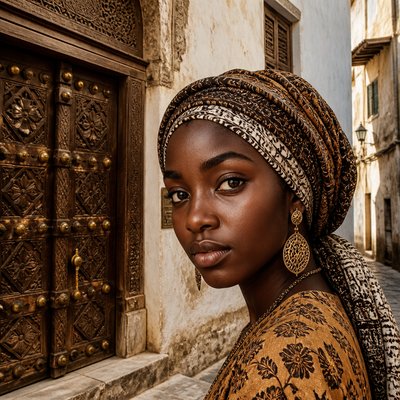
Yes. A building, portrait, or landscape can be reinterpreted with aged plaster texture, mineral colors, pale stone surroundings, and clear mountain light. Retaining the original subject's basic silhouette helps the transformation remain recognizable.
What medium works best for making it traditionally?
Fresco, tempera, gouache, muted oil painting, and architectural drawing are suitable because they support matte surfaces and controlled earth colors. A plaster-textured ground or lightly abraded paper can provide the visual character of an old civic mural.
Where is this style most effective?
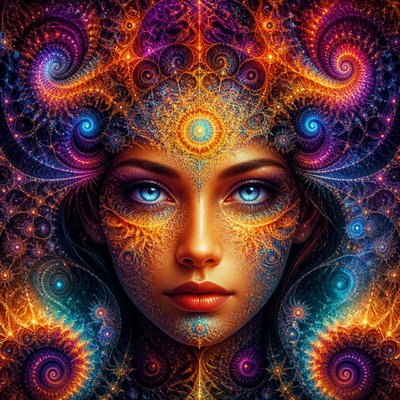
It works especially well for historical landscapes, civic posters, heritage illustrations, architectural studies, murals, ceremonial portraits, and editorial images about place and identity. It is less suited to highly glossy, neon, or purely abstract subjects.
Create your first Sammarinese artwork
Describe anything — or upload a photo — and see it in Sammarinese Art Style in seconds.
Related Styles
Discover similar art styles