Mask Art Style
Explore Mask Art Style: carved faces, vivid festival patterns, feathers, sequins, and dramatic lighting in a bold sculptural aesthetic.
Instantly rendered in Mask — or transform a photo
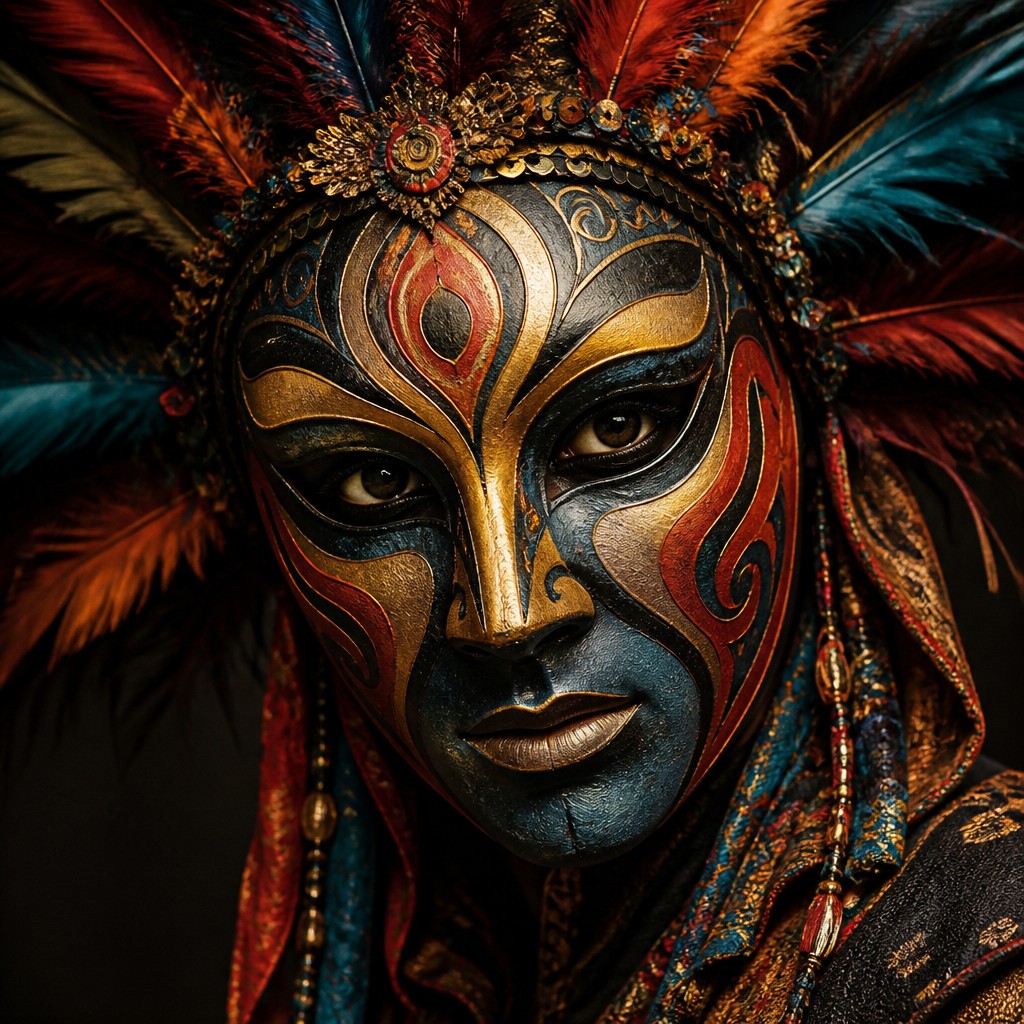
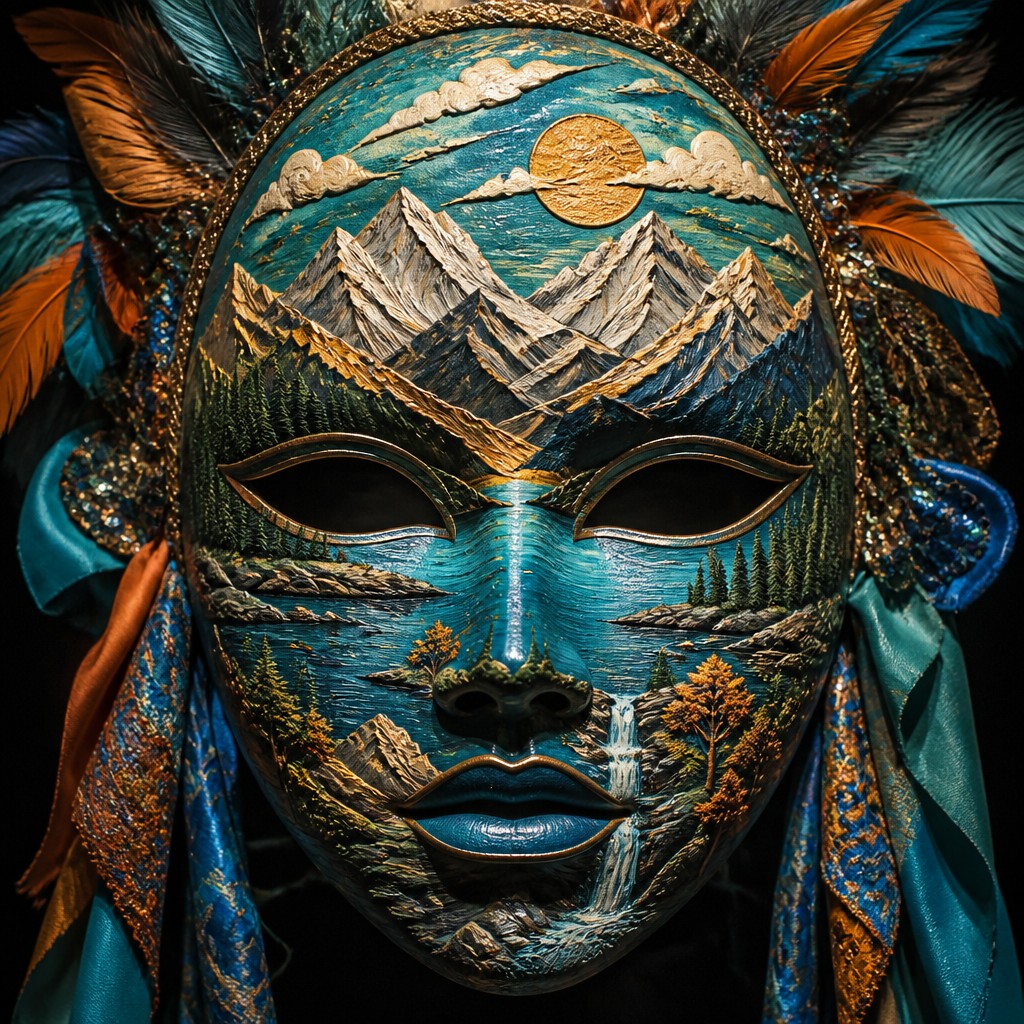
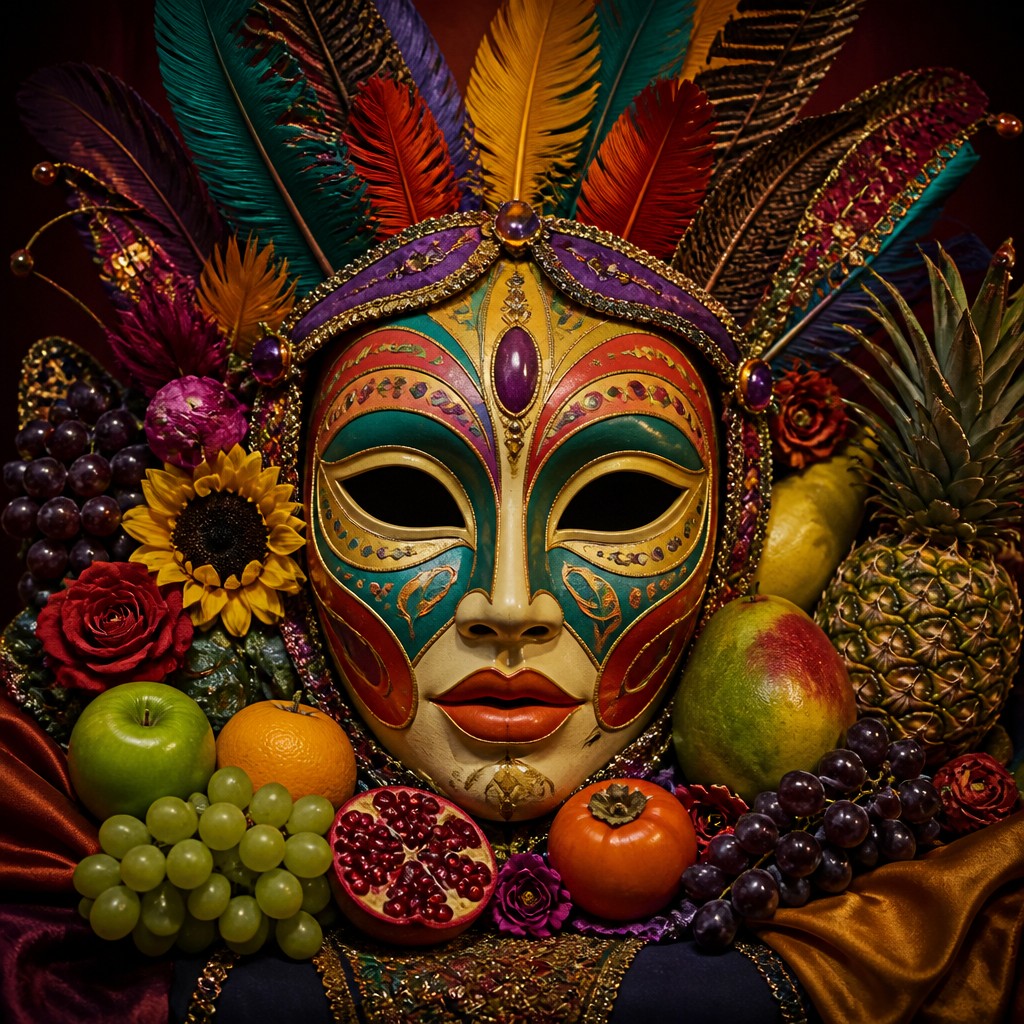
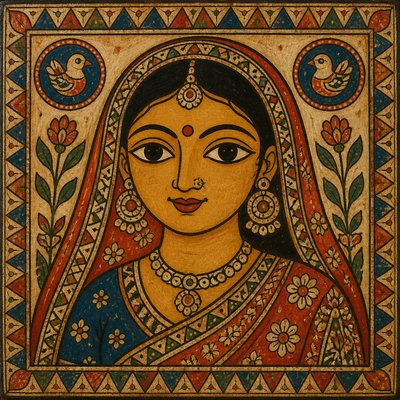
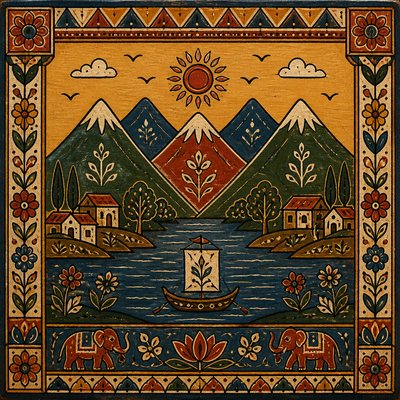
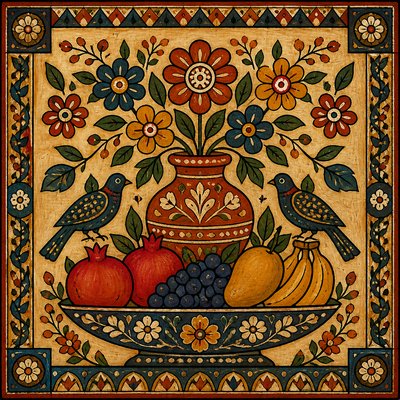
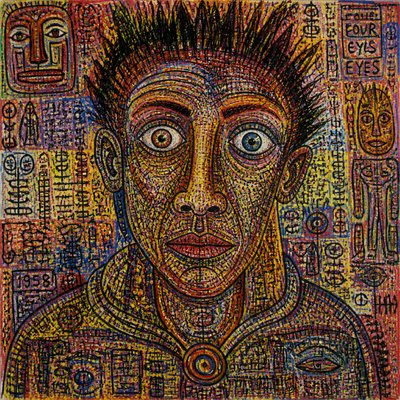
Mask Gallery
Tap any artwork to explore it
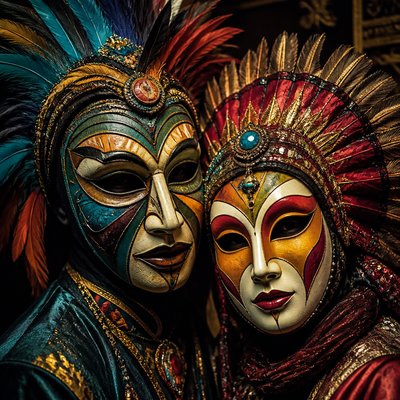
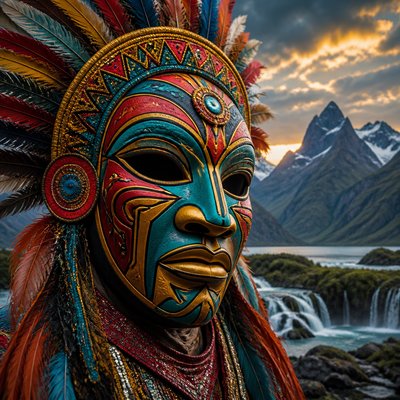
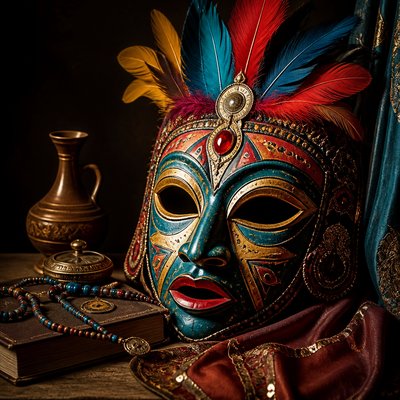
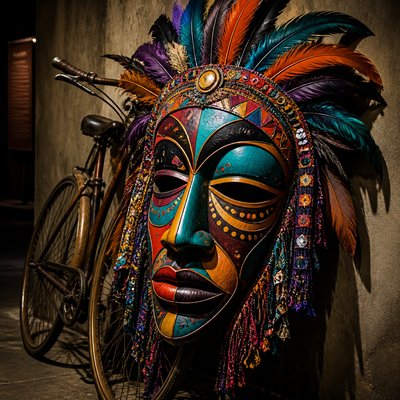
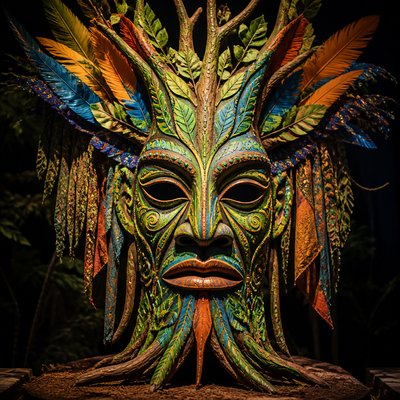
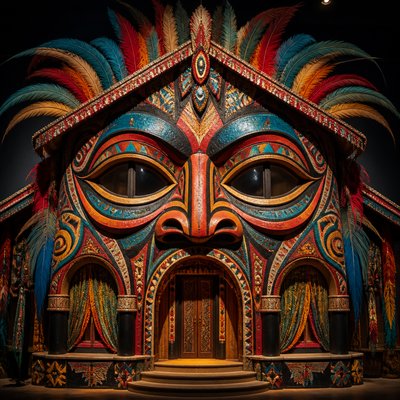
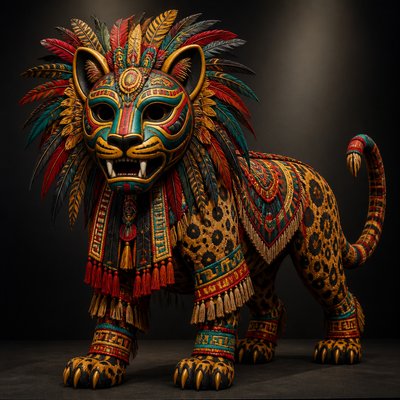
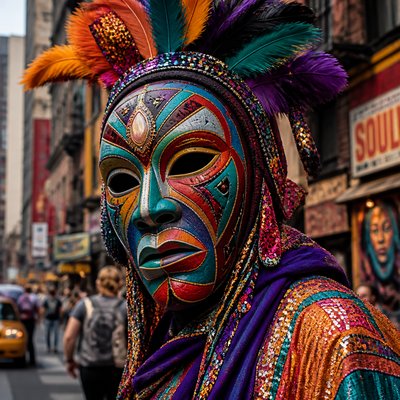
What is Mask Art Style?
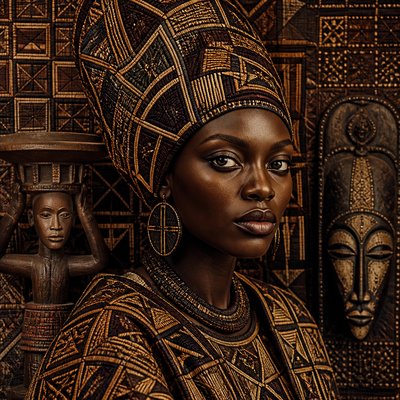
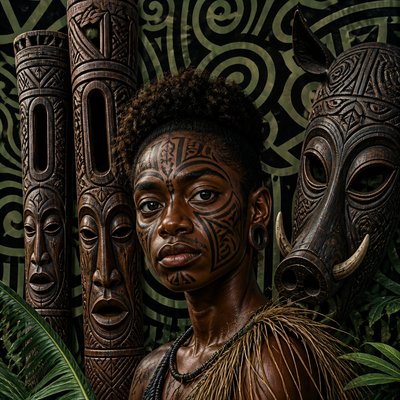
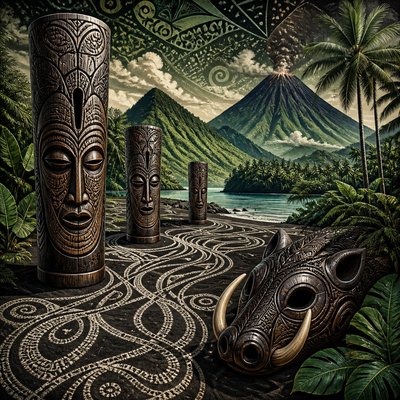
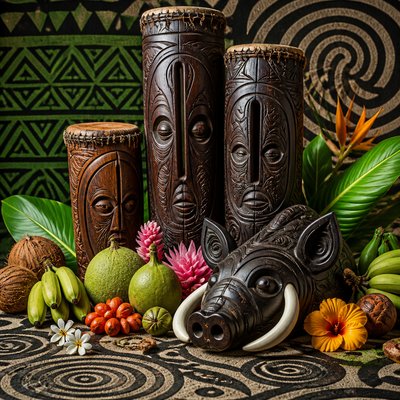
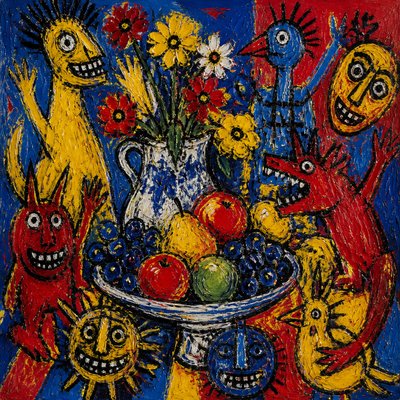
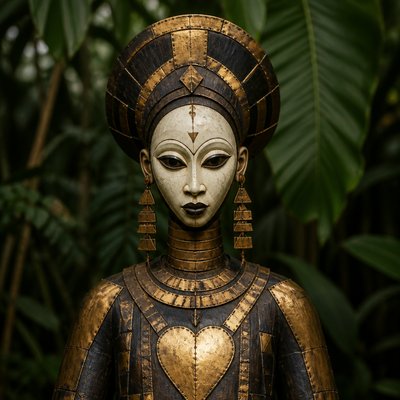
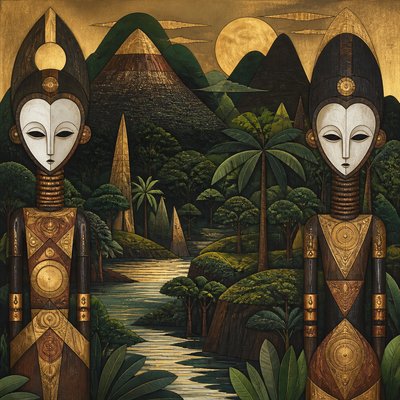
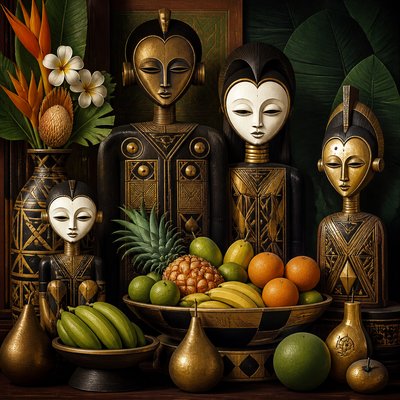
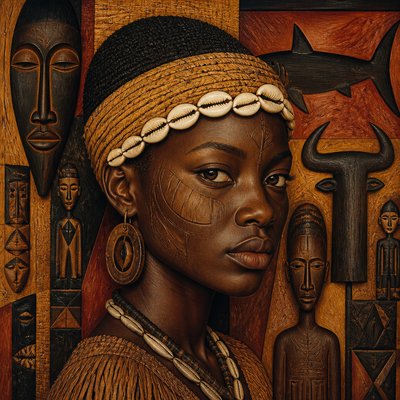
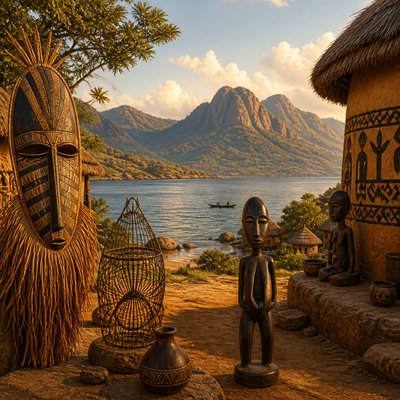
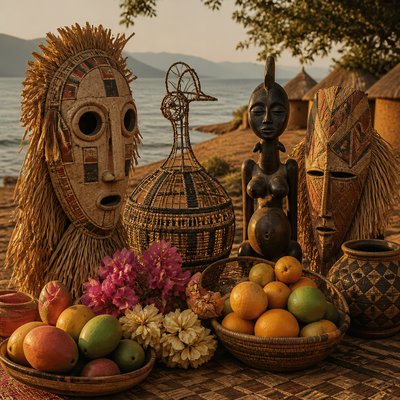
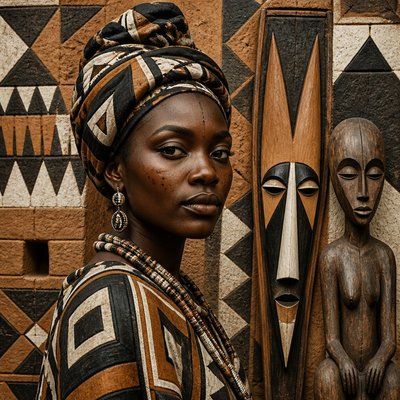
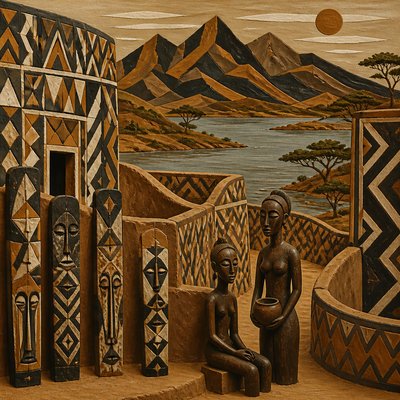
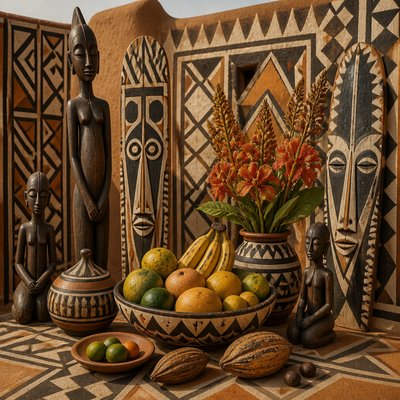
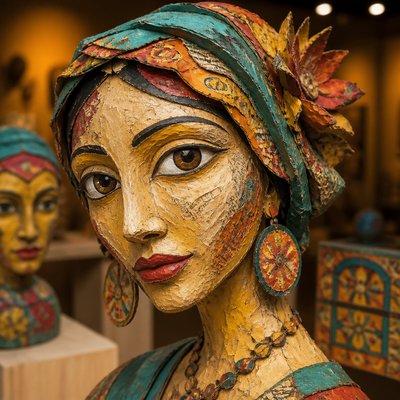
Mask Art Style is a contemporary visual approach centered on the face as a carved, molded, or constructed object. It combines exaggerated features, strong silhouettes, painted motifs, tactile surfaces, and ceremonial embellishment to suggest a transformation of identity rather than a straightforward portrait. Eyes, mouths, cheekbones, and brows are often enlarged or abstracted so the mask reads clearly from a distance.
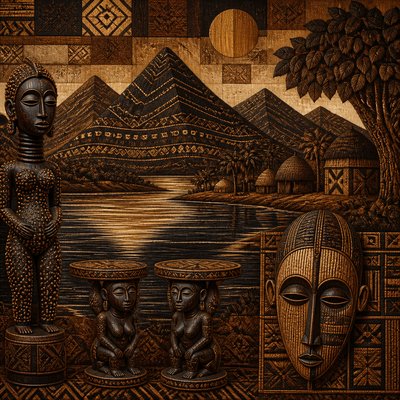
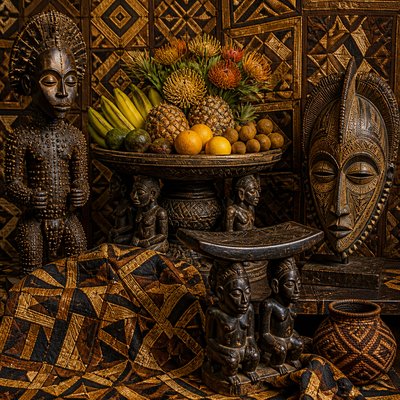
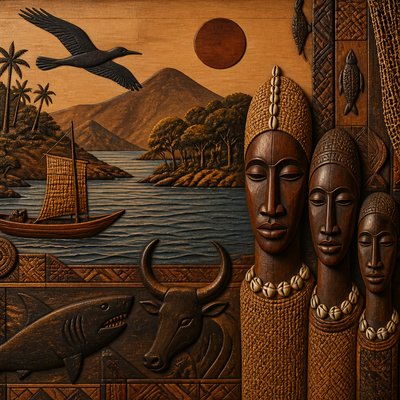
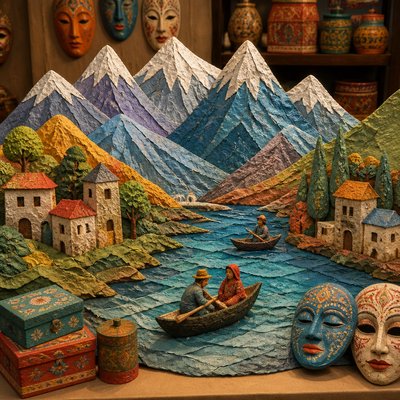
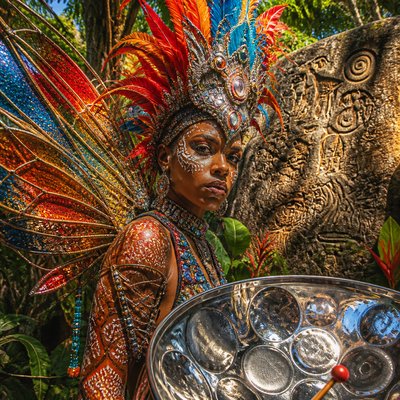
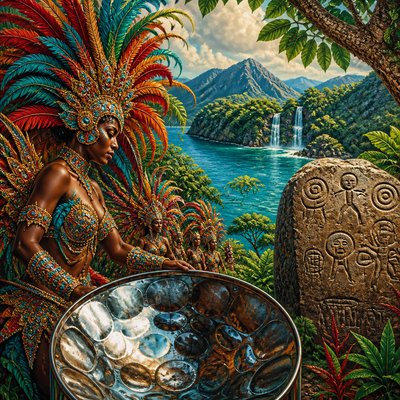
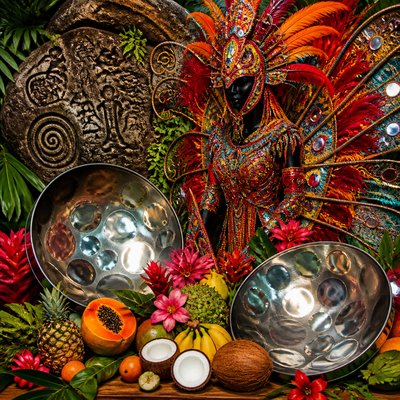
The style looks theatrical because it borrows the visual logic of performance, ritual display, museum presentation, and festival costume. Saturated color, repeated pattern, feathers, fabric, beads, and sequins contrast with woodlike, claylike, plastered, or lacquered surfaces. Directional lighting then emphasizes relief, contour, and shadow, making the face appear both wearable and sculptural.
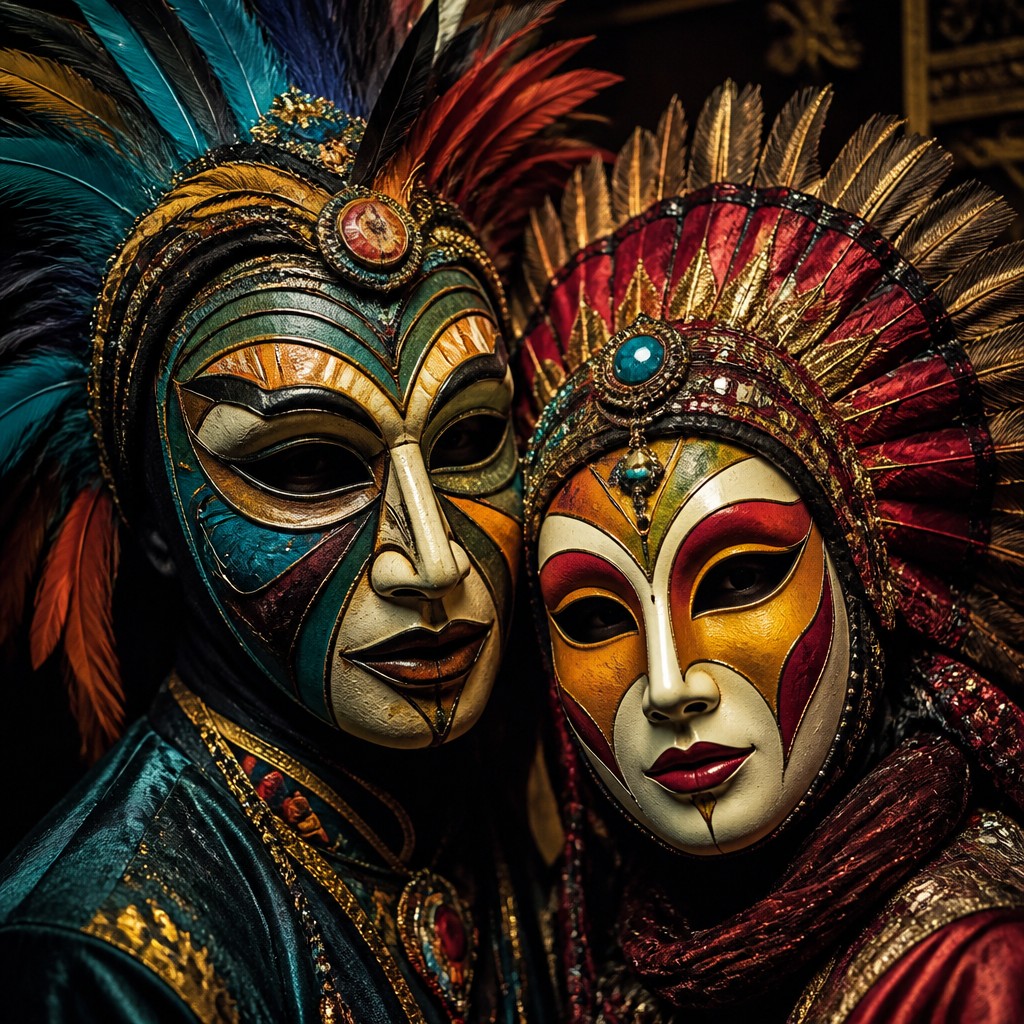
Try It On Your Photos
Upload any photo and convert it into Mask Art Style — drag the sliders to compare before and after.
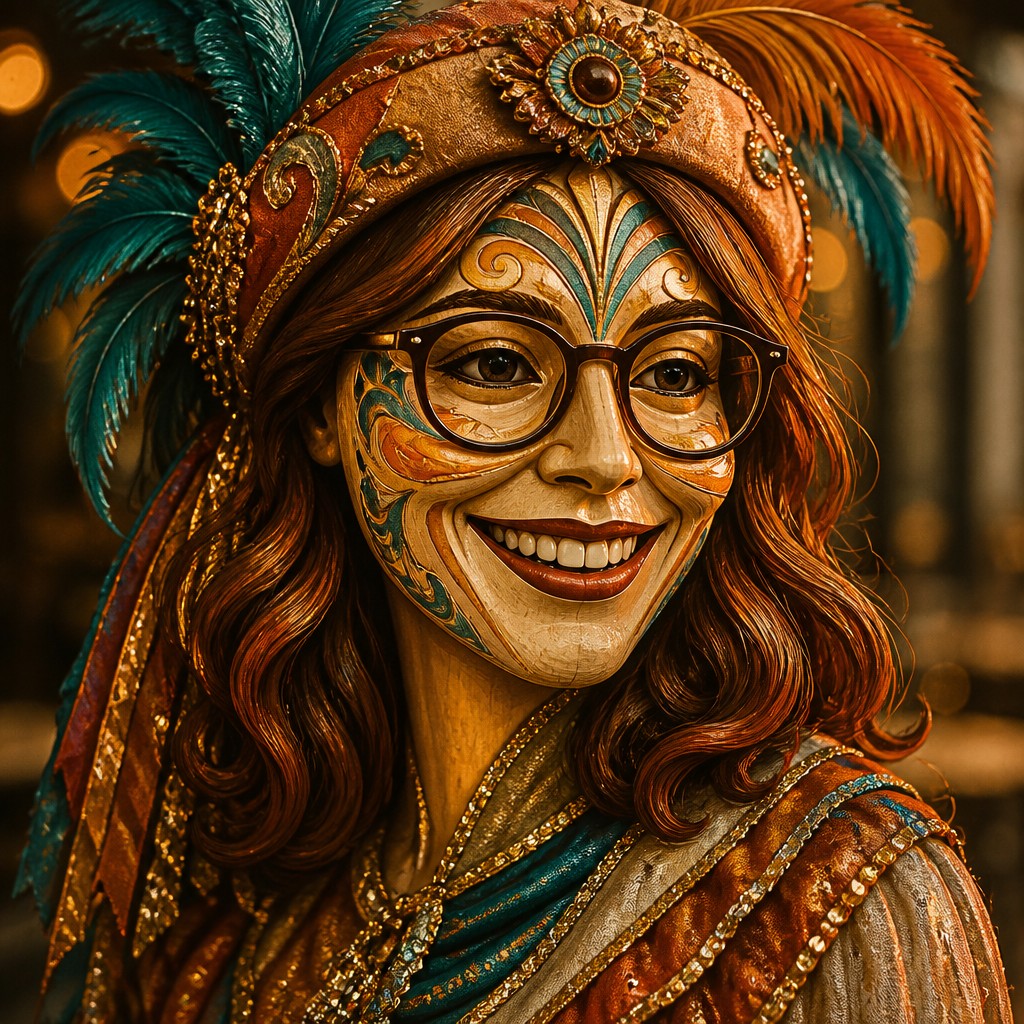

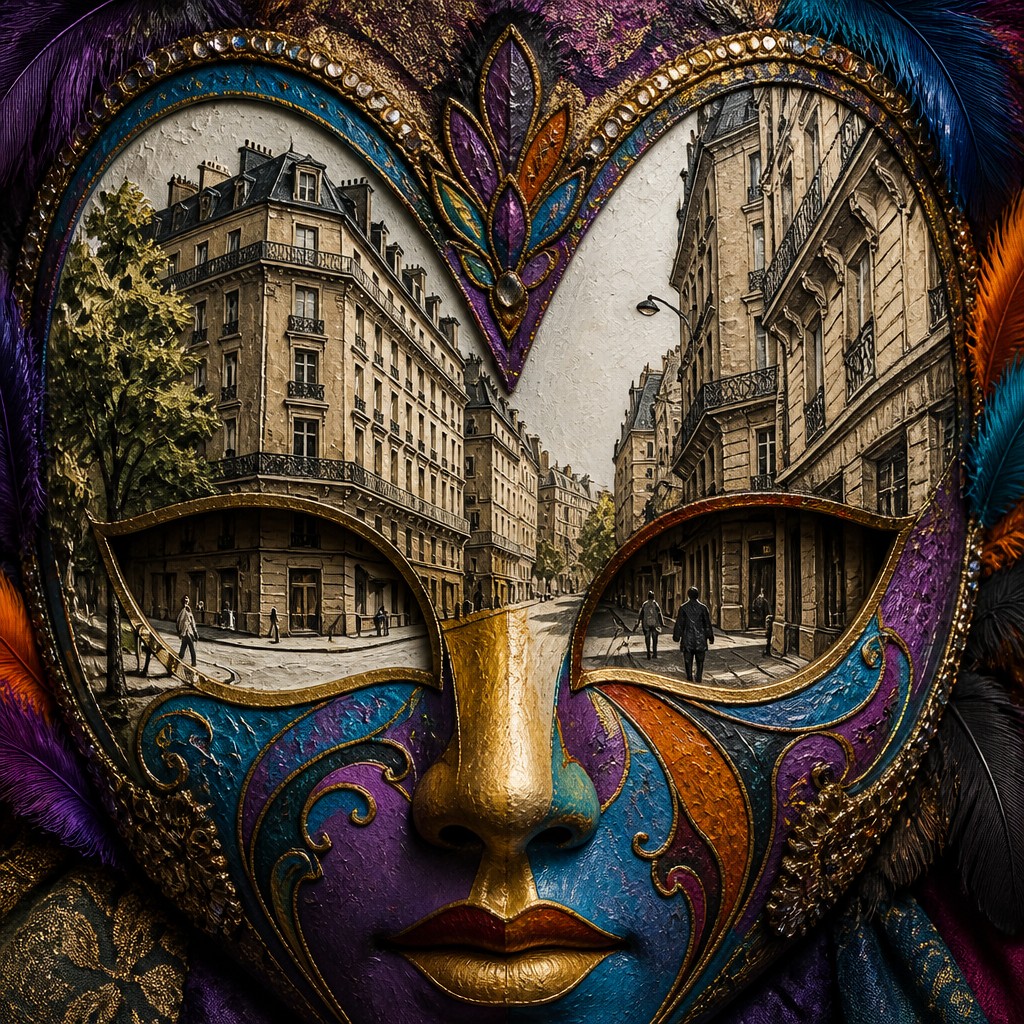

Or use the free Mask photo filter
What Defines Mask Art Style
The signature details, up close
Exaggerated facial structure
Brows, eyes, noses, cheekbones, and mouths are enlarged, simplified, or asymmetrically molded. The resulting face functions as a symbolic identity rather than a naturalistic likeness.
Carved and molded surfaces
Visible relief, gouges, ridges, cracks, plaster marks, clay irregularities, or lacquered planes give the image physical presence. Surface texture is usually designed to remain legible under strong light.
Vivid painted pattern
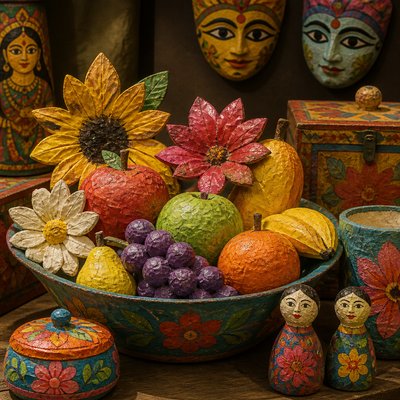
High-contrast stripes, dots, geometric motifs, floral marks, and layered color fields energize the face and surrounding structure. Pattern often follows the contours of the form instead of sitting on it as a flat graphic.
Festival embellishment
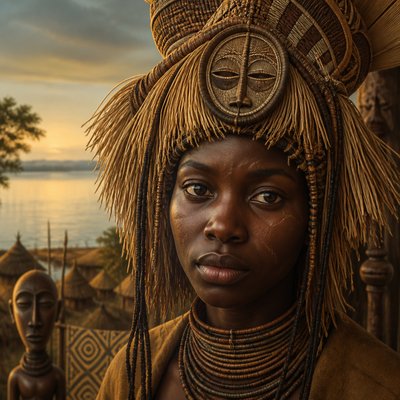
Feathers, woven fabric, fringe, beads, metallic trim, sequins, and ribbons frame the mask or extend its silhouette. These details imply movement, ceremony, costume, and public display.
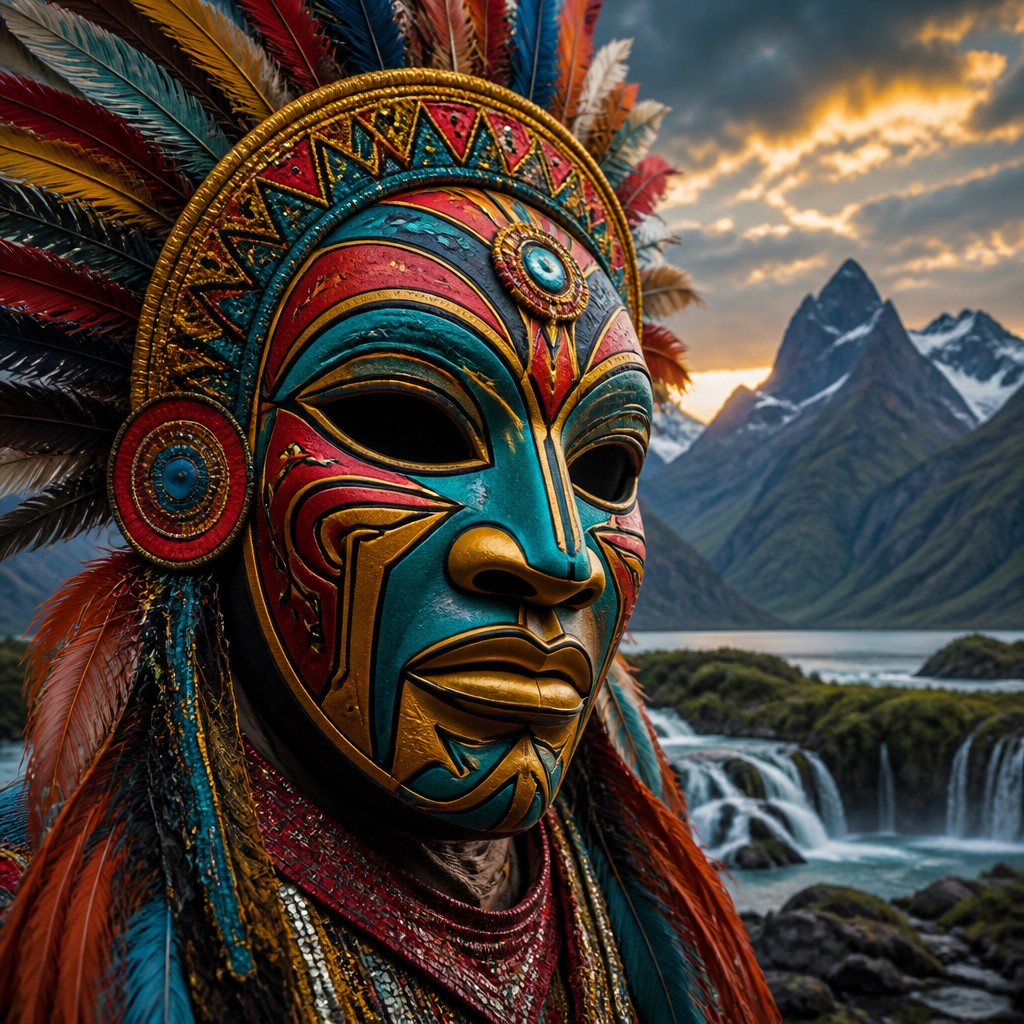
Transformative silhouette
The outer contour is unusually important, with crowns, horns, ears, fans, side panels, or radiating ornaments changing the apparent identity of the wearer. A strong profile and readable negative space help the mask remain recognizable.
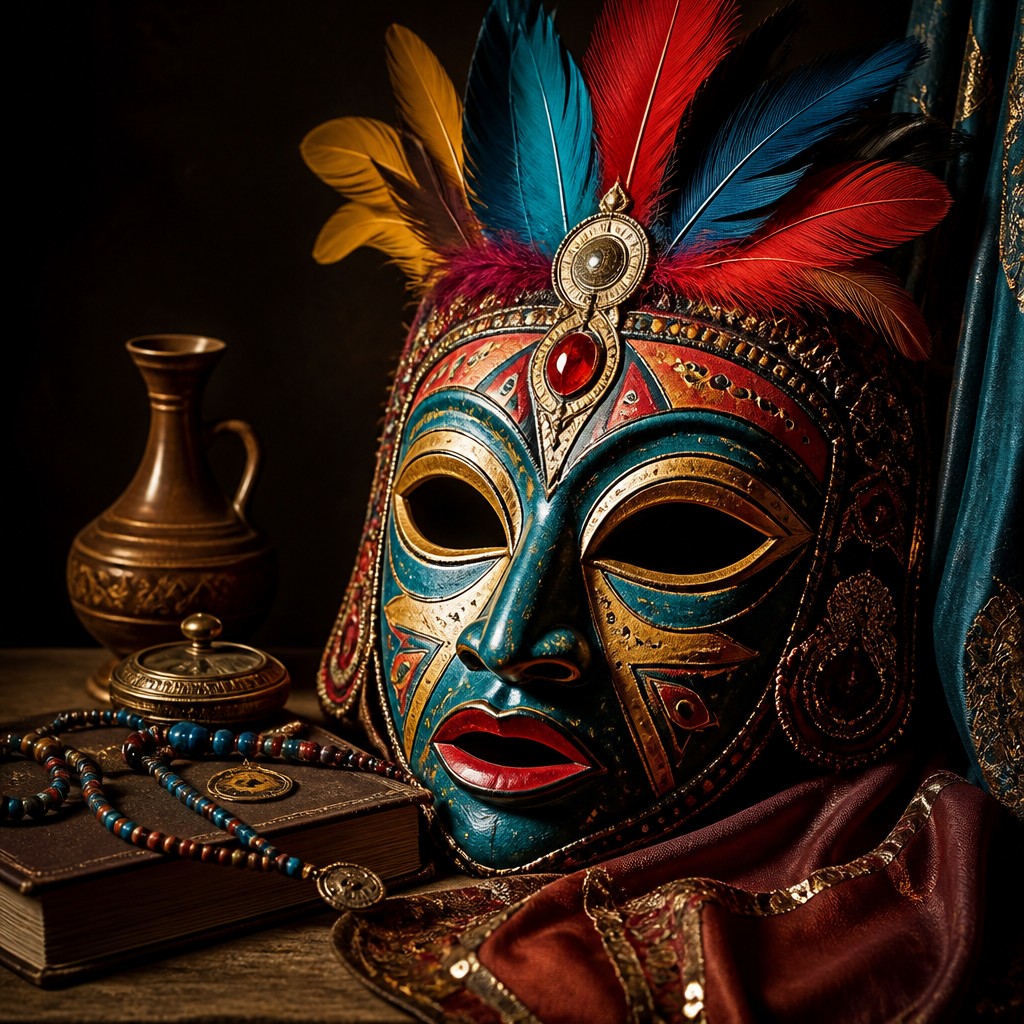
Dramatic presentation
Stage lighting, museum-case illumination, or a dark neutral background isolates the object and emphasizes its relief. Highlights on raised areas and deep shadows in recesses create a theatrical, almost character-like presence.
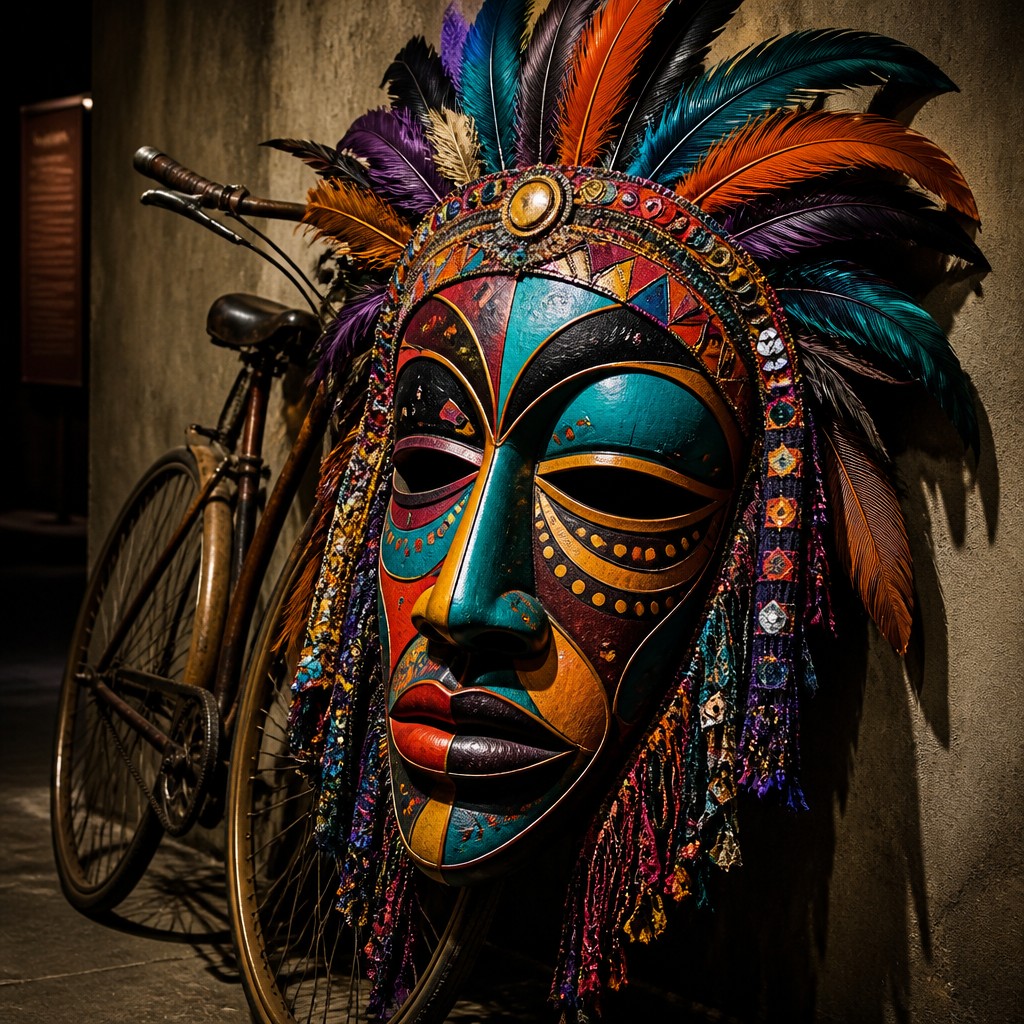
Material contrast
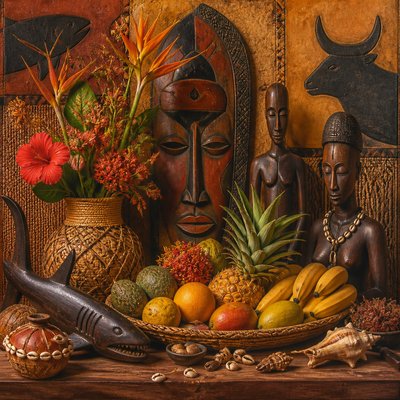
Hard carved surfaces are set against soft textiles, reflective sequins, downy feathers, or polished decorative elements. The contrast makes the object feel assembled, tactile, and richly layered.
Mask Prompt Ideas
Start from an idea — each one opens the generator with the style ready to go. See all 40 Mask prompts →
How to Create Mask Art
Master the craft step by step — or skip straight to creating. Read the full guide →
- 1
Build the form first
In clay, papier-mache, wood, plaster, or 3D software, establish a bold face and a readable silhouette before adding decoration. Push proportions further than a conventional portrait so the expression survives at thumbnail size.
- 2
Use contour-following pattern
Paint motifs across planes, ridges, and recesses rather than applying an unrelated flat pattern. Limit the palette to a few saturated colors plus a dark or metallic accent to keep the relief legible.
- 3
Layer tactile materials
Attach feathers, fabric, fringe, beads, sequins, paper fibers, or modeled ornaments around the edges. Vary matte, rough, glossy, and reflective finishes so the surface reads as constructed rather than digitally smooth.
- 4
Light for relief
Place a strong key light to one side or above the mask, with controlled fill and a darker background. In digital work, use directional shadows and subtle ambient occlusion to describe grooves, molded planes, and overlapping decoration.
- 5
Compose as an object or portrait
Choose either a centered museum-style presentation, a dramatic stage close-up, or a figure wearing the mask. Keep the face dominant and avoid backgrounds whose detail competes with the silhouette.
- 6
Write precise generation prompts
Specify the facial structure, surface material, ornament, palette, lighting, viewpoint, and background separately. For example, request a molded face with raised geometric paint, feathered edges, sequins, side lighting, and a dark museum display rather than relying on a single style label.
The Story
History & Origins of Mask
Mask Art Style is not a formally documented historical movement or a single cultural tradition. It is best understood as a contemporary, cross-media aesthetic lineage drawing on mask-making, sculptural portraiture, ceremonial costume, theater design, carnival display, and digitally composed character imagery.
Its development reflects the blending of traditional craft references with modern illustration, photography, set design, and 3D rendering. Because masks carry specific meanings in many communities, responsible use distinguishes broad formal inspiration from direct imitation of sacred, restricted, or culturally specific objects.
Influences: The aesthetic relates to global mask-making traditions, ceremonial and festival costume, carnival arts, theatrical stagecraft, folk sculpture, papier-mache, wood carving, painted ceramics, assemblage, and contemporary character design. It also shares concerns with expressionist distortion, modernist abstraction, surreal transformation, and museum-oriented object photography, while remaining distinct from any one of these traditions.
Frequently Asked Questions
What defines Mask Art Style?
It is defined by a bold mask-like face, exaggerated features, tactile relief, vivid painted pattern, and decorative elements that alter the silhouette. Dramatic lighting and a sense of ceremonial or theatrical display are also central.
Is Mask Art Style a historical art movement?
No. The term describes a contemporary cross-media aesthetic rather than a recognized historical movement with a fixed period or manifesto. It draws from many mask, sculpture, costume, performance, and digital-art traditions.
How does it differ from ordinary portrait art?
A conventional portrait usually emphasizes an individual's natural likeness, while this approach treats the face as a constructed symbol or wearable object. Distortion, ornament, surface texture, and silhouette are often more important than anatomical accuracy.
Can I create this style without making a physical mask?
Yes. It can be developed through drawing, painting, collage, photography, 3D modeling, or prompt-based digital image creation. In every medium, focus on relief, material contrast, strong contour, and decoration that appears physically attached to the form.
What materials work well for making one traditionally?
Papier-mache, clay, carved wood, plaster, cardboard, fabric, wire, feathers, beads, and sequins are all suitable. Choose materials according to the intended structure, weight, durability, and whether the object is decorative or intended to be worn.
How can I reference cultural mask traditions respectfully?
Research the specific tradition, distinguish public decorative forms from sacred or restricted objects, and avoid copying identifiable ceremonial designs without context or permission. It is safer to describe formal qualities such as carved relief, patterned paint, or feathered framing while developing an original concept.
Create your first Mask artwork
Describe anything — or upload a photo — and see it in Mask Art Style in seconds.
Related Styles
Discover similar art styles