Guinea-Bissau Art Style
Explore Guinea-Bissau-inspired art: carved mask silhouettes, ancestor figures, raffia textures, and warm mahogany and ochre island aesthetics.
Instantly rendered in Guinea-Bissau — or transform a photo
Guinea-Bissau Gallery
Tap any artwork to explore it
What is Guinea-Bissau Art Style?
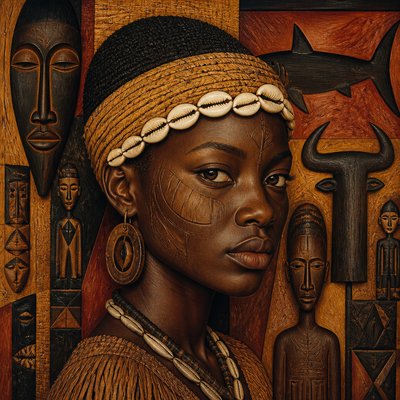
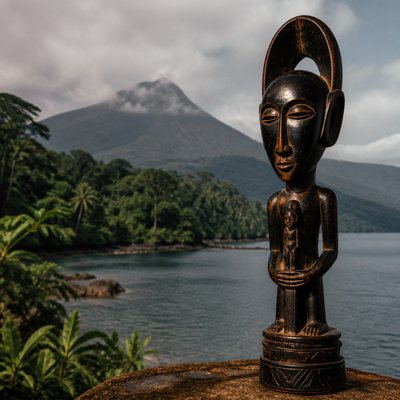
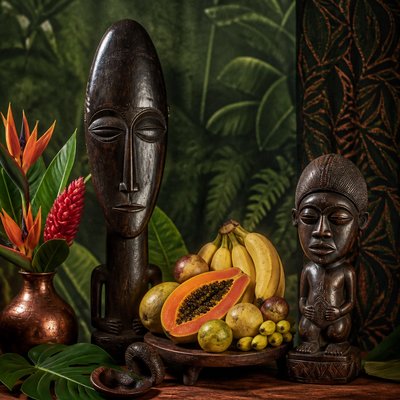
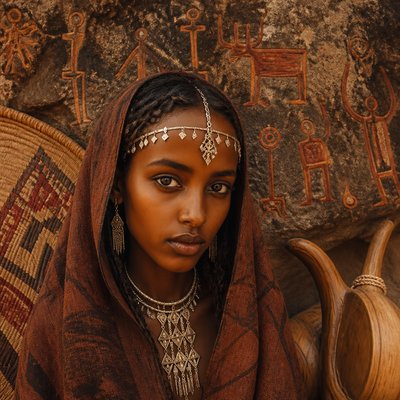
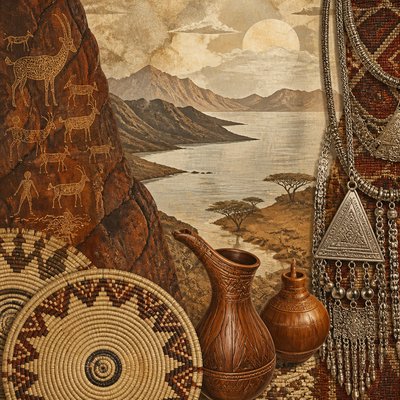
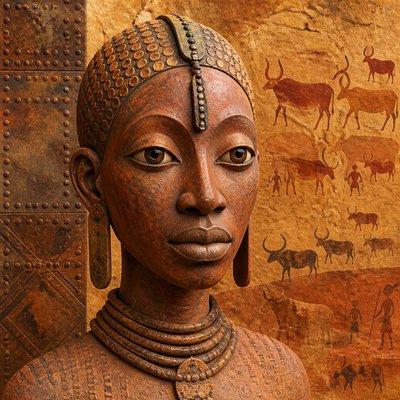
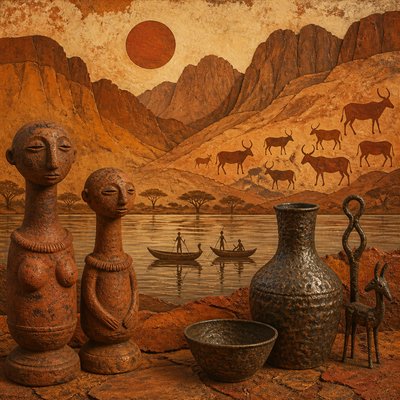
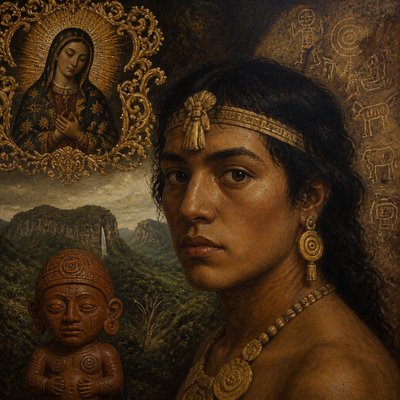
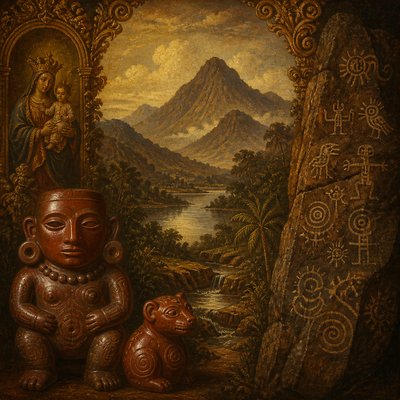
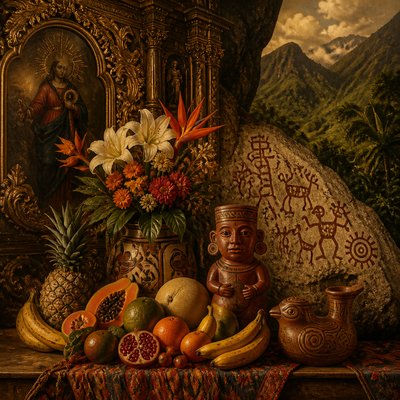
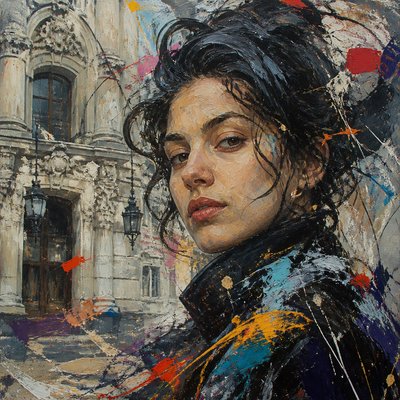
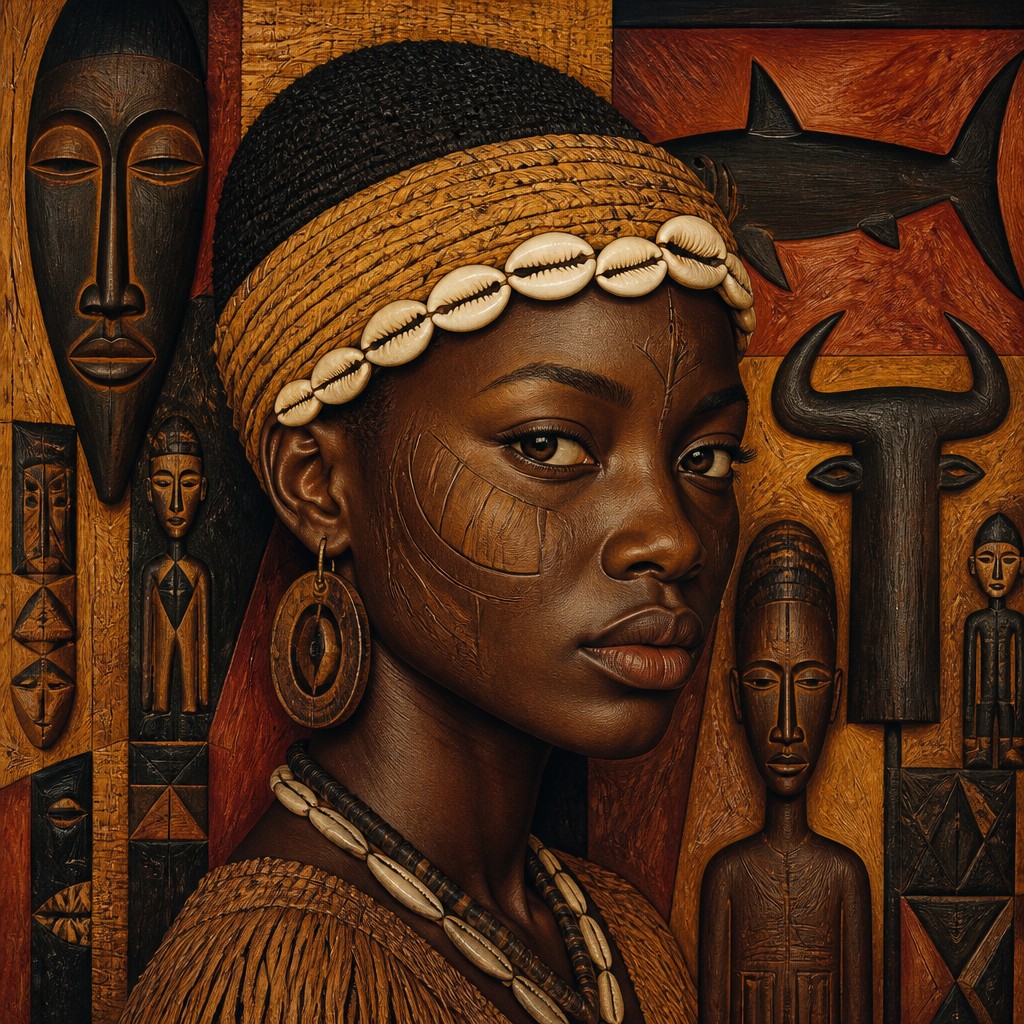
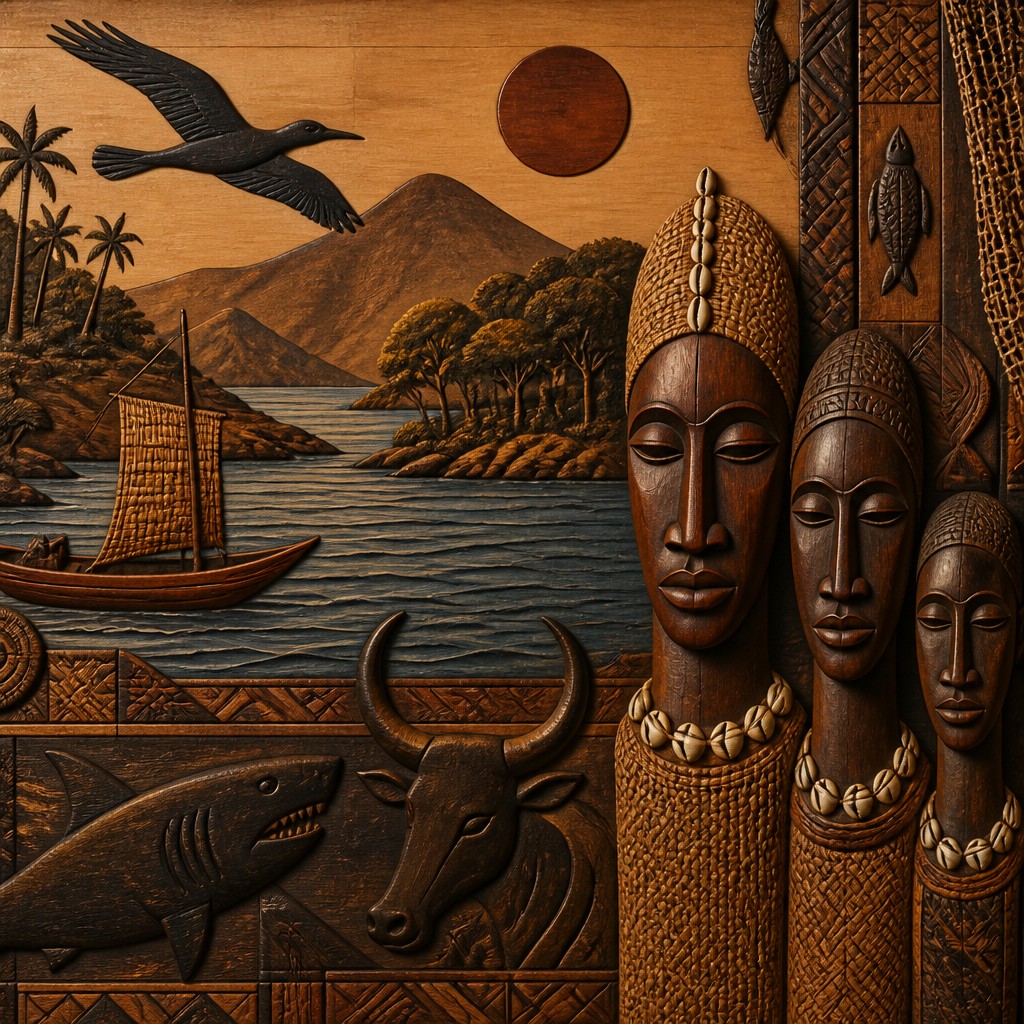
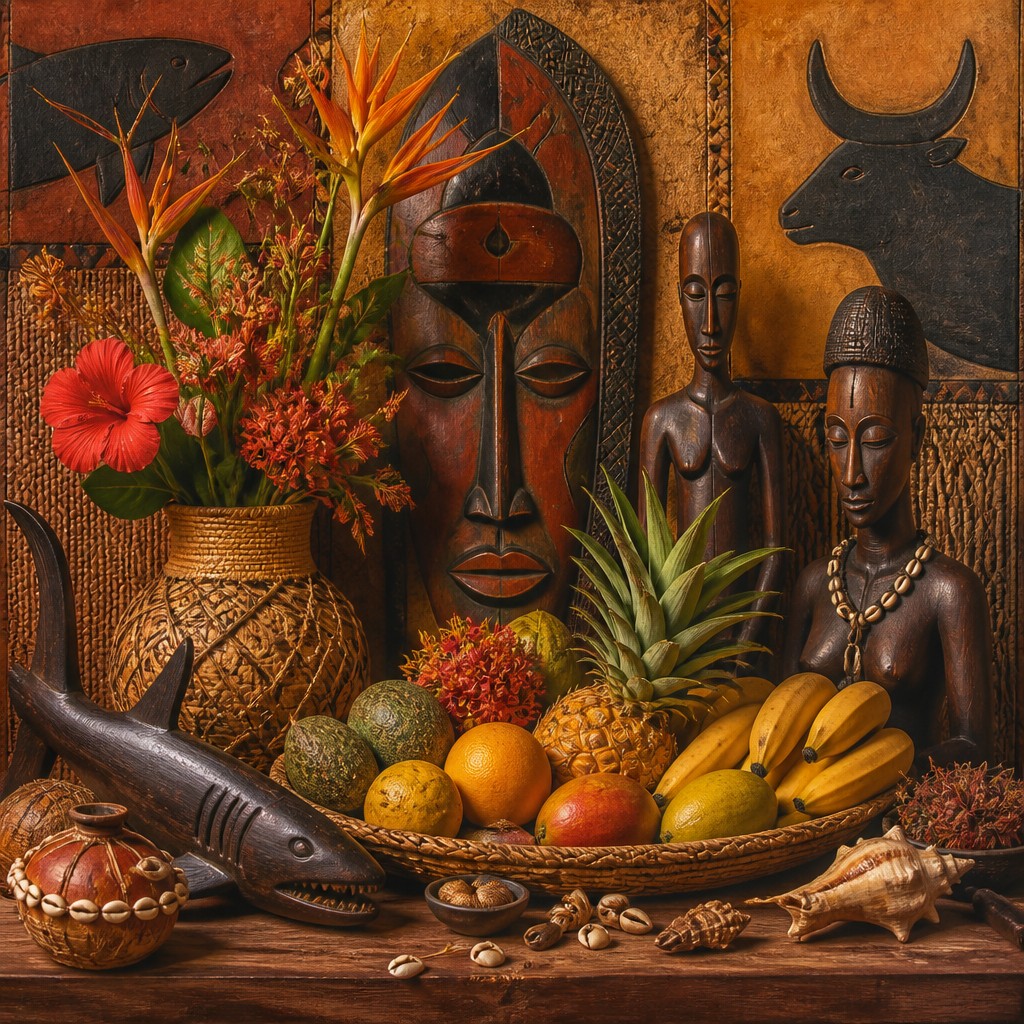
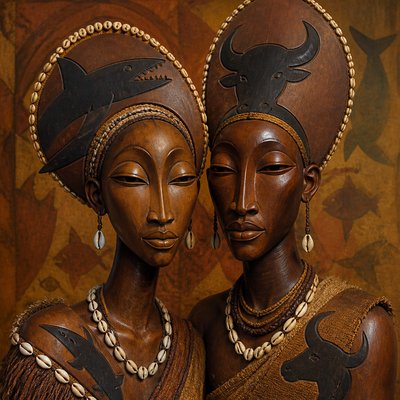
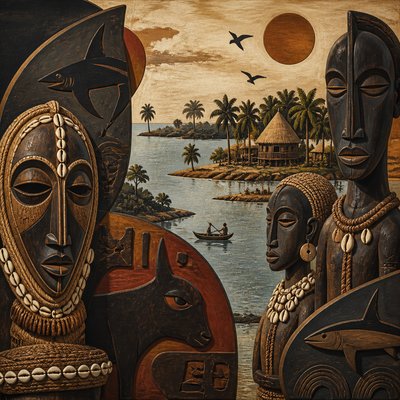
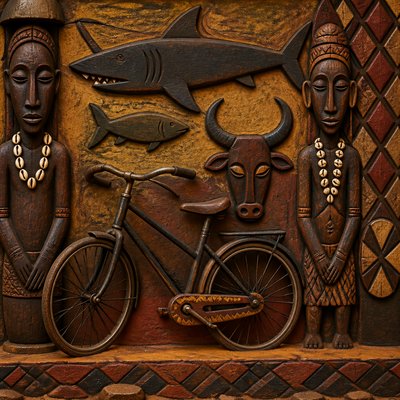
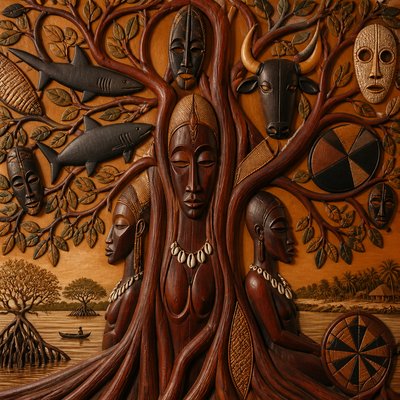
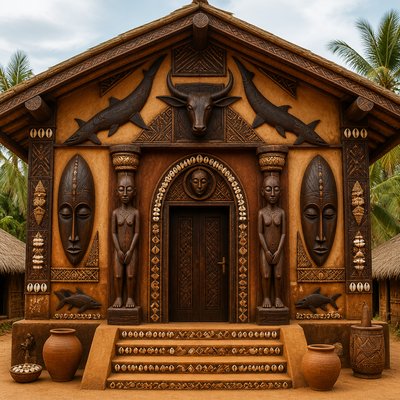
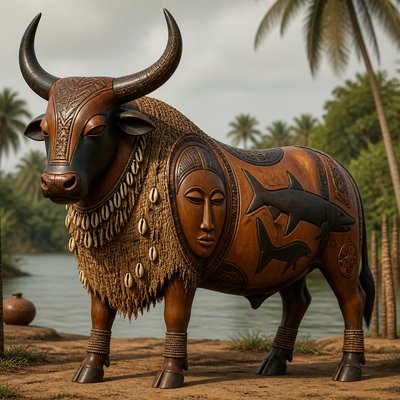
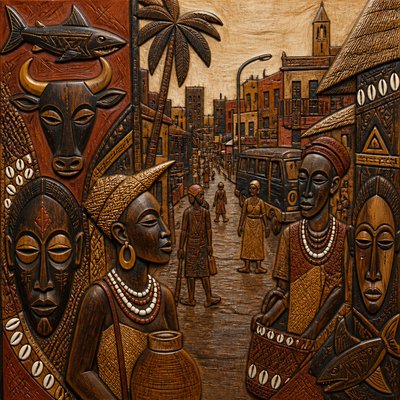
The Guinea-Bissau Art Style is a contemporary, interpretive aesthetic centered on boldly carved wooden masks, especially graphic shark and bull silhouettes, alongside serene ancestor figures with elongated faces. Its visual language emphasizes solid frontal forms, dark relief carving, warm mahogany, ochre, umber, and weathered natural textures, creating an impression of strength, ritual presence, and material weight.
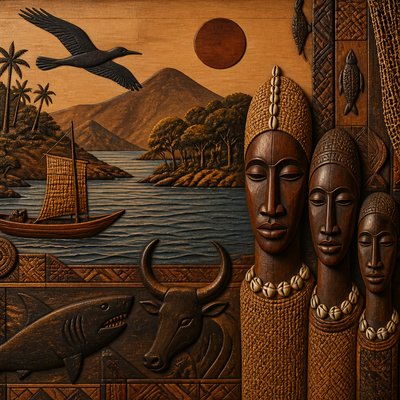
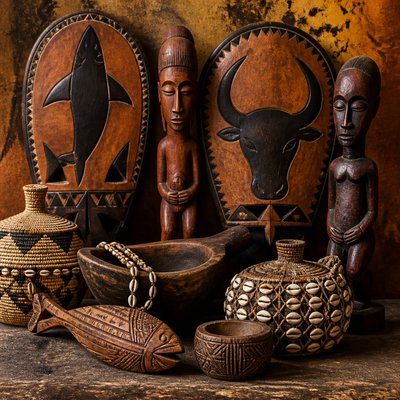
The style draws visual inspiration from sculptural and masking traditions associated with Guinea-Bissau and the Bissagos Islands, while also functioning as a stylized digital category rather than a single historically codified art movement. Woven raffia, shells, incised marks, and simplified animal profiles enrich the surface without weakening the underlying silhouette. The result is an image vocabulary that feels tactile, ceremonial, and closely connected to island environments.
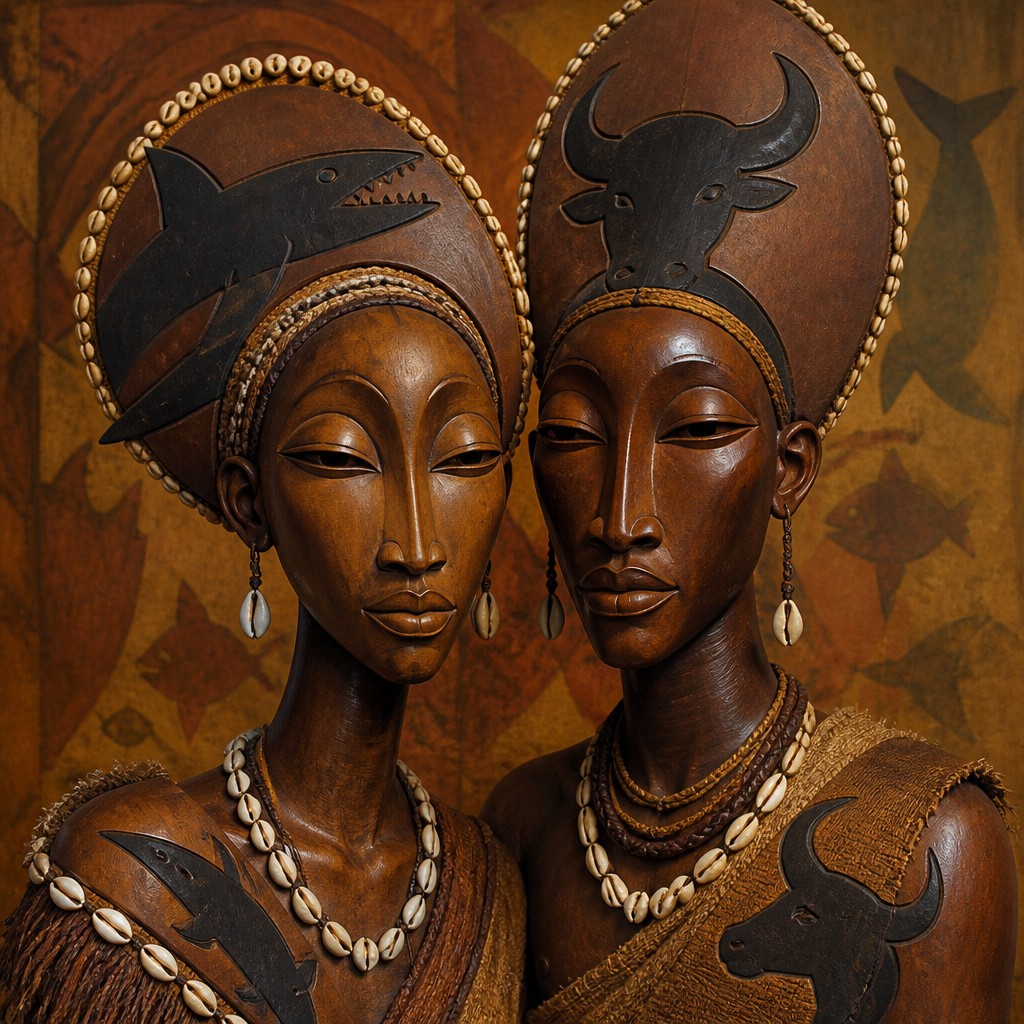
Try It On Your Photos
Upload any photo and convert it into Guinea-Bissau Art Style — drag the sliders to compare before and after.
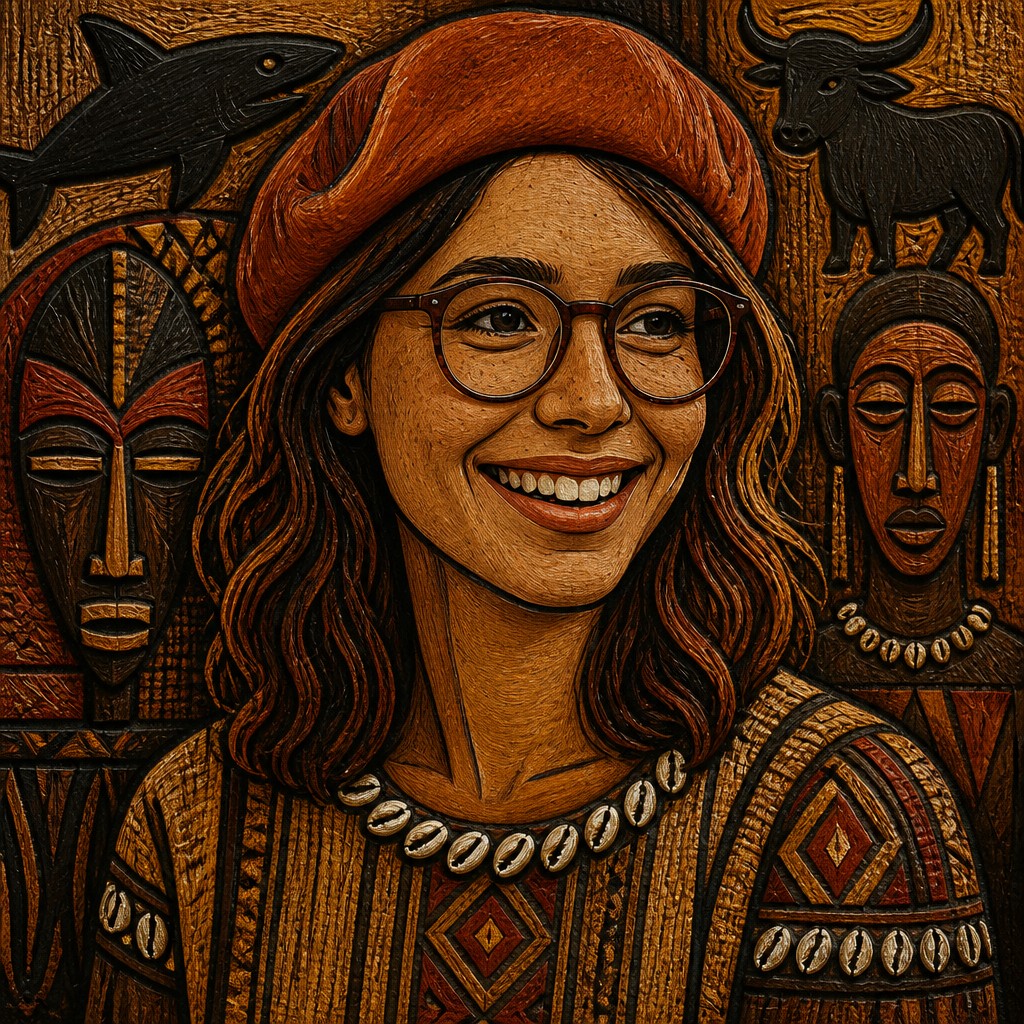

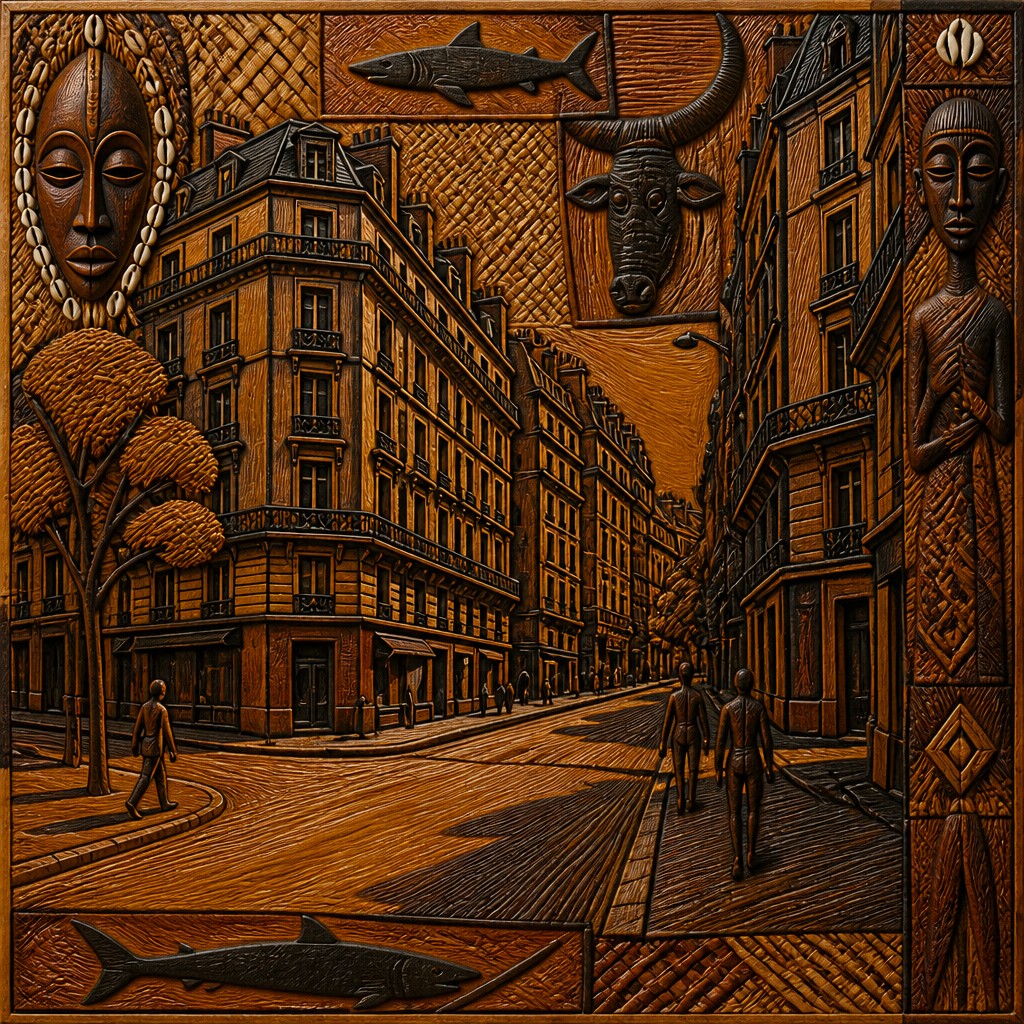

What Defines Guinea-Bissau Art Style
The signature details, up close
Animal mask silhouettes
Shark and bull profiles appear as forceful, readable shapes with broad contours, projecting snouts, horns, fins, or dorsal forms. Their graphic construction gives the imagery an emblematic quality.
Dark carved relief
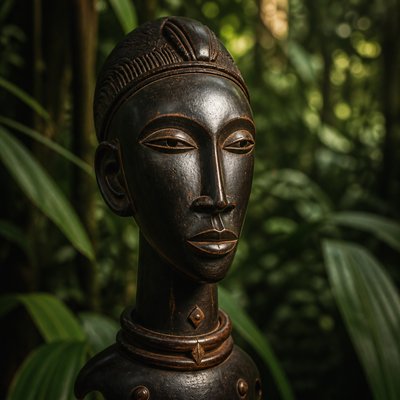
Deep brown or nearly black recesses suggest gouged wood, shadowed planes, and hand-cut edges. Strong light-dark contrast makes the masks legible even when the composition is visually restrained.
Elongated ancestor figures
Human forms are simplified into calm, vertically stretched faces and compact, frontal bodies. Minimal facial features and balanced symmetry create a contemplative, hieratic presence.
Wood and fiber materiality
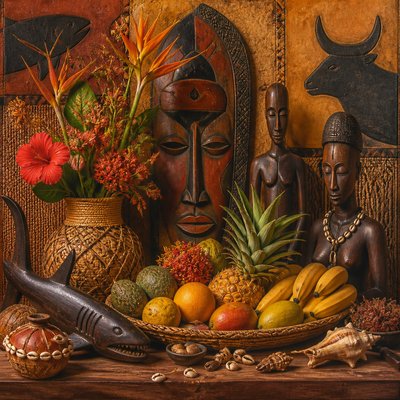
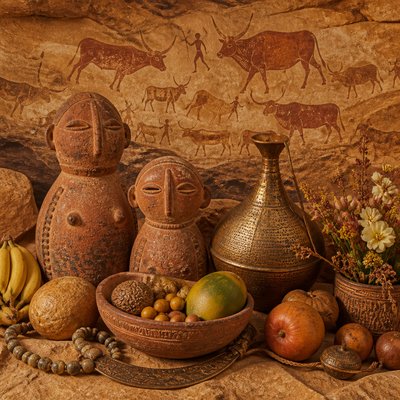
The surface evokes mahogany, hardwood, raffia, bark, woven fibers, and shell ornaments. Grain, tool marks, fraying, and small irregularities prevent the imagery from appearing mechanically polished.
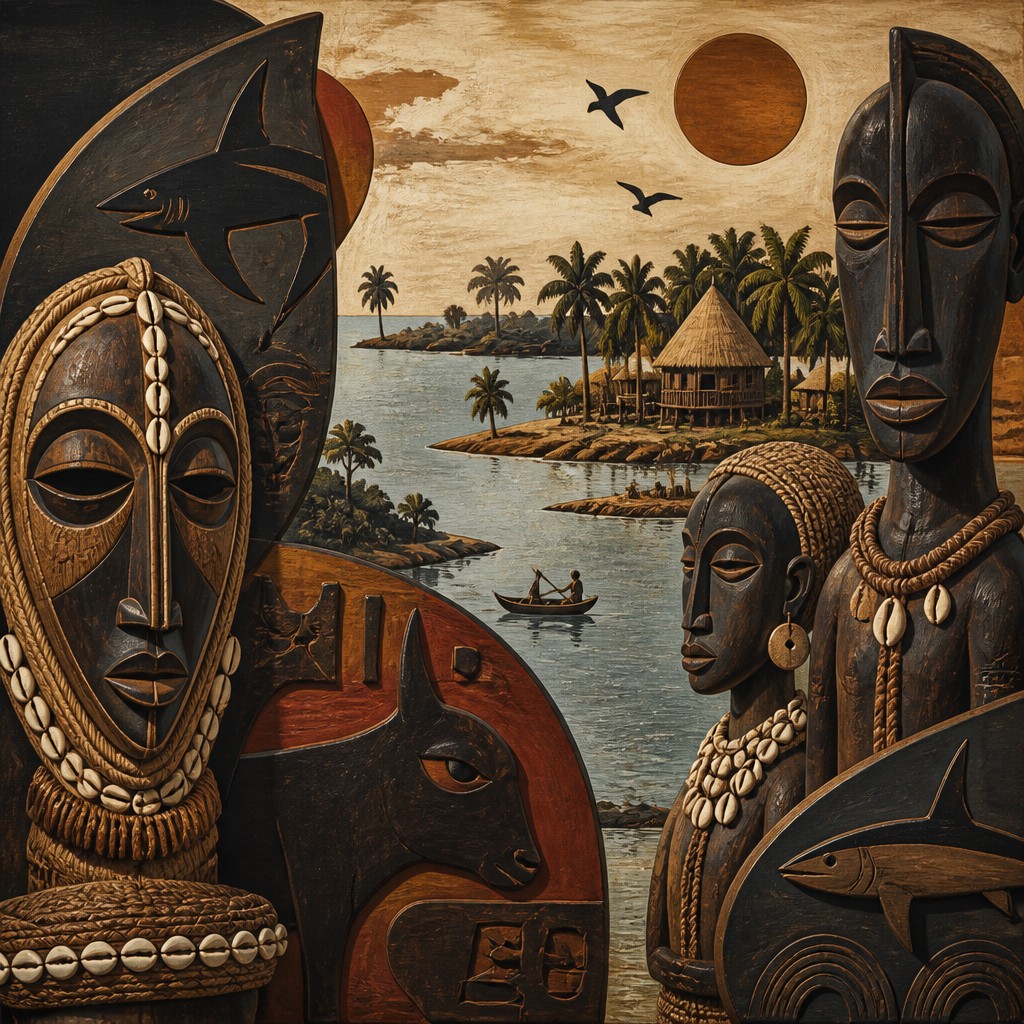
Warm earth palette
Mahogany, burnt umber, ochre, clay red, sand, and muted black form the dominant palette. Restrained turquoise, cream, or shell-white accents may be used sparingly for contrast.
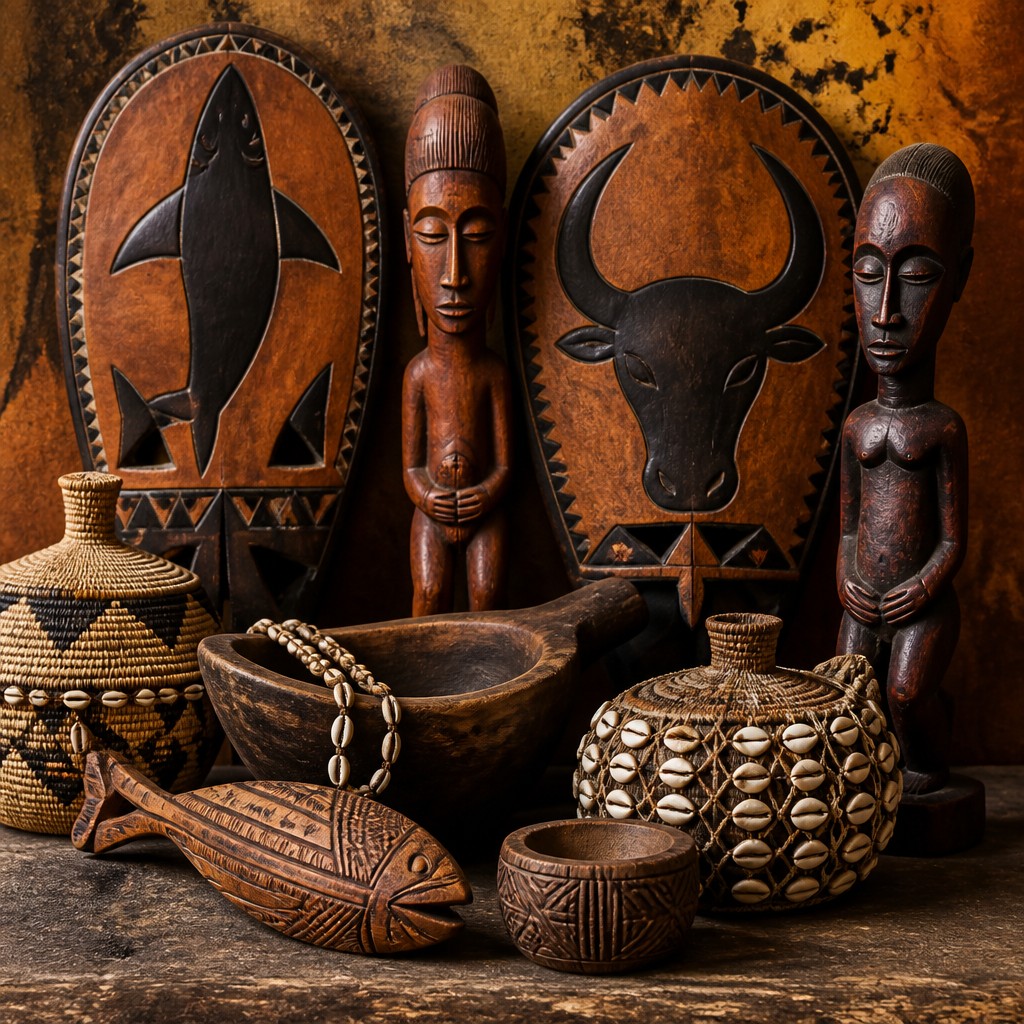
Frontal sculptural composition
Subjects are commonly presented head-on or in profile with clear mass and a stable center of gravity. Flat backgrounds, stacked forms, and shallow relief references make the image read like an object rather than an atmospheric scene.
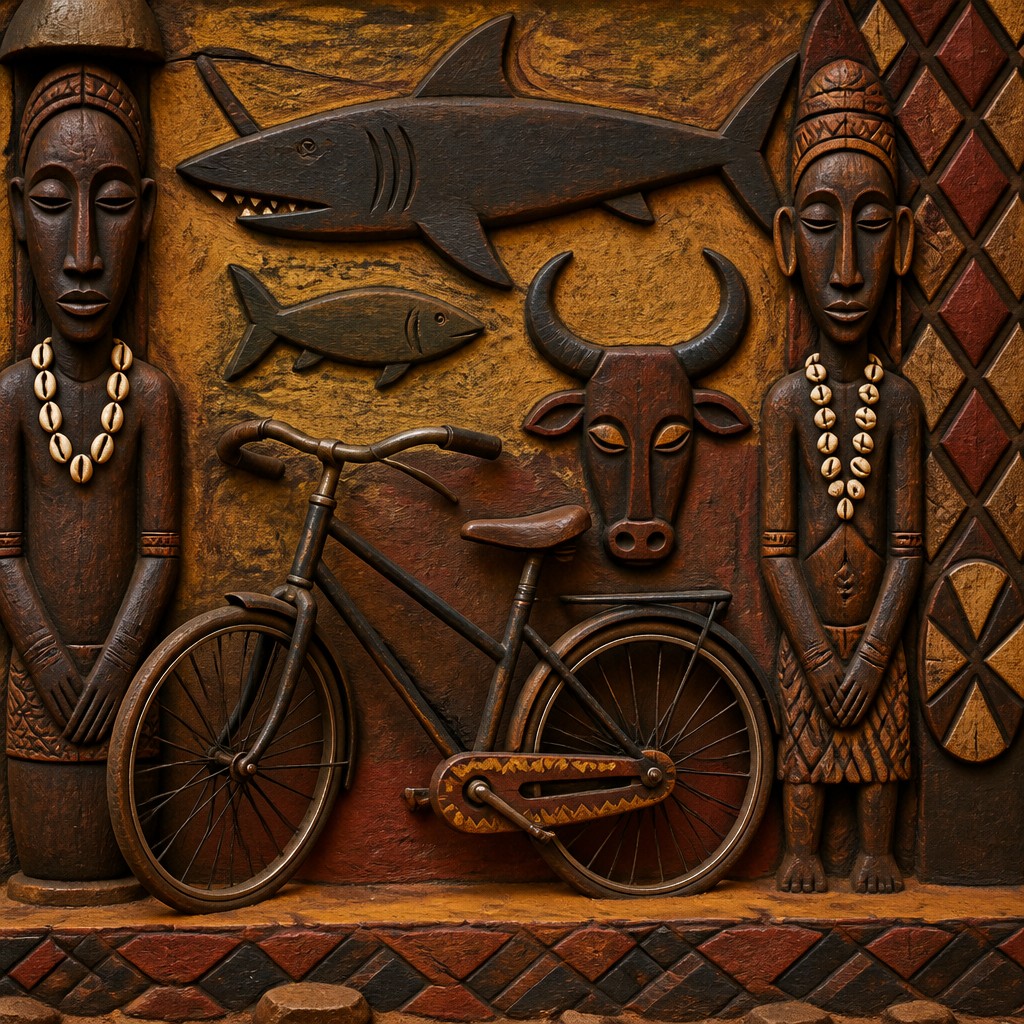
Ritual and natural symbolism
Animal strength, ancestry, water, fertility, protection, and communal identity can inform the mood. These themes work best when suggested through posture, silhouette, and material rather than explained through excessive narrative detail.
Guinea-Bissau Prompt Ideas
Start from an idea — each one opens the generator with the style ready to go. See all 40 Guinea-Bissau prompts →
How to Create Guinea-Bissau Art
Master the craft step by step — or skip straight to creating. Read the full guide →
- 1
Build the silhouette first
Start with a bold profile or frontal outline for the mask, then remove small details that weaken its readability. Design the negative space around horns, fins, eyes, and the mouth as carefully as the carved form itself.
- 2
Use relief-carving logic
Separate the subject into raised planes, recessed grooves, and shadowed cuts, as if carving a block of hardwood with knives and chisels. Add restrained tool marks and uneven edges instead of smooth computer-perfect surfaces.
- 3
Layer tactile materials
Combine wood grain with woven raffia, shell fragments, cord, pigment, and worn surfaces. In digital work, use displacement, roughness, bump, and directional texture maps so the materials affect light rather than merely overlaying a pattern.
- 4
Control the palette and lighting
Use a small palette of mahogany, ochre, umber, black, and natural fiber tones. A warm raking light from one side will reveal carved depth, while a plain sand, clay, or deep brown background keeps the silhouette dominant.
- 5
Adapt a photograph respectfully
For image-to-image work, preserve the subject's pose and major proportions while translating clothing, props, and surfaces into carved wood, raffia, and shell accents. Avoid implying that a person's identity or a specific community's ceremonial regalia can be reduced to a generic filter.
- 6
Write material-specific prompts
Specify the subject, silhouette, carving depth, wood species, fiber details, palette, light direction, and degree of abstraction. Useful terms include shallow relief, hand-hewn grain, incised grooves, frontal mask, ochre pigment, and raking sunlight.
The Story
History & Origins of Guinea-Bissau
There is no established historical movement formally known as the Guinea-Bissau Art Style. This label describes a contemporary synthesis inspired by Indigenous masking, woodcarving, and material traditions of Guinea-Bissau, particularly the Bissagos archipelago, where carved objects, animal imagery, dance regalia, raffia, and shells can carry social, spiritual, and ceremonial associations.
The specific pairing of shark and bull silhouettes should be understood as a modern interpretive motif rather than a universal emblem of all Guinea-Bissau cultures. Responsible use distinguishes this visual synthesis from particular community traditions and avoids presenting a generalized digital aesthetic as a single authentic ethnic style.
Influences: The aesthetic is related to West African woodcarving and masking traditions, Indigenous ceremonial sculpture of the Bissagos Islands, relief carving, vernacular fiber craft, and modernist approaches to simplified form. It also shares qualities with African-inspired primitivist abstraction, ethnographic studio photography, low-poly sculpture, and contemporary material-focused digital art, although those comparisons should not be treated as evidence that all of these traditions are interchangeable.
Frequently Asked Questions
Is Guinea-Bissau Art Style a recognized historical art movement?
No. The term is best understood as a contemporary interpretive or AI-native style label, not a formal movement with a fixed period or manifesto. It borrows visual ideas from carving, masking, fiber craft, and ceremonial objects associated with Guinea-Bissau, especially the Bissagos Islands.
What defines this style visually?
Its main identifiers are bold shark and bull mask silhouettes, dark carved relief, elongated ancestor figures, raffia and shell details, and a warm mahogany-and-ochre palette. Strong frontal composition and tactile wood grain are usually more important than intricate realism.
How is it different from African mask art in general?
It is a narrower contemporary synthesis focused on Guinea-Bissau and island-carving associations, rather than a description of African art as a whole. African masking traditions vary enormously by region, community, purpose, materials, and historical period, so the label should not be used as a substitute for those specific contexts.
Can I make this style with traditional materials?
Yes. Carve or model a simplified mask in wood or clay, apply earth-toned pigments, and add raffia, cord, or ethically sourced shell-like elements. Work from documented references and identify the cultural context of any ceremonial forms you study rather than copying sacred objects without permission.
What subjects work well in this visual language?
Animal masks, guardian figures, ancestor-inspired busts, village thresholds, boats, lagoon scenes, and symbolic still lifes suit the style particularly well. Subjects with a clear outline and strong frontal mass translate better than highly atmospheric or photorealistic scenes.
How can I prompt or edit an image to achieve the look?
Describe the subject first, then specify hand-carved hardwood, deep relief, elongated calm features, raffia and shell accents, a mahogany-and-ochre palette, and directional light. Adding terms such as frontal mask, incised grooves, rough grain, shallow sculpture, and plain earthen background helps maintain the graphic, tactile character.
Create your first Guinea-Bissau artwork
Describe anything — or upload a photo — and see it in Guinea-Bissau Art Style in seconds.
Related Styles
Discover similar art styles