Game Art Style
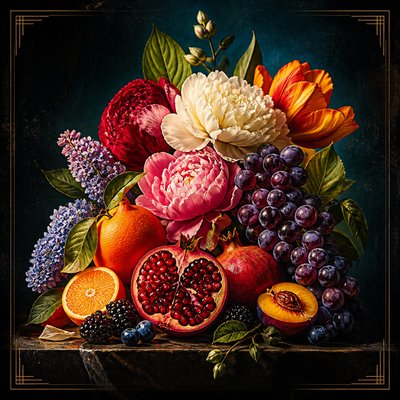
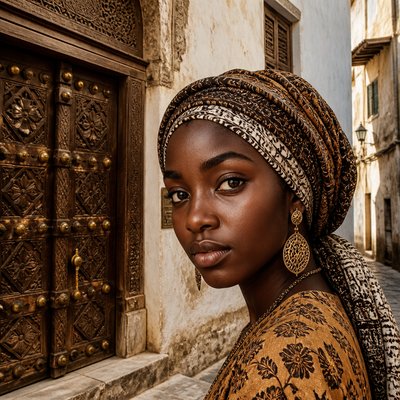
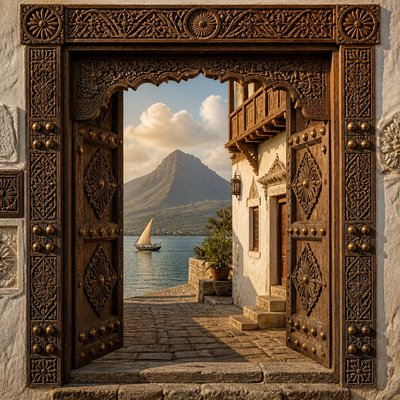
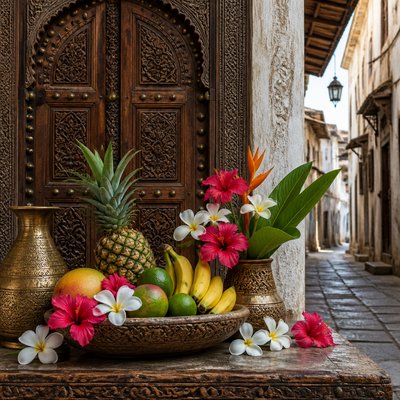
Explore Game Art Style: painterly worlds, readable silhouettes, vivid palettes, dramatic lighting, and polished concept-art detail for playable visual storytelling.
Instantly rendered in Game — or transform a photo
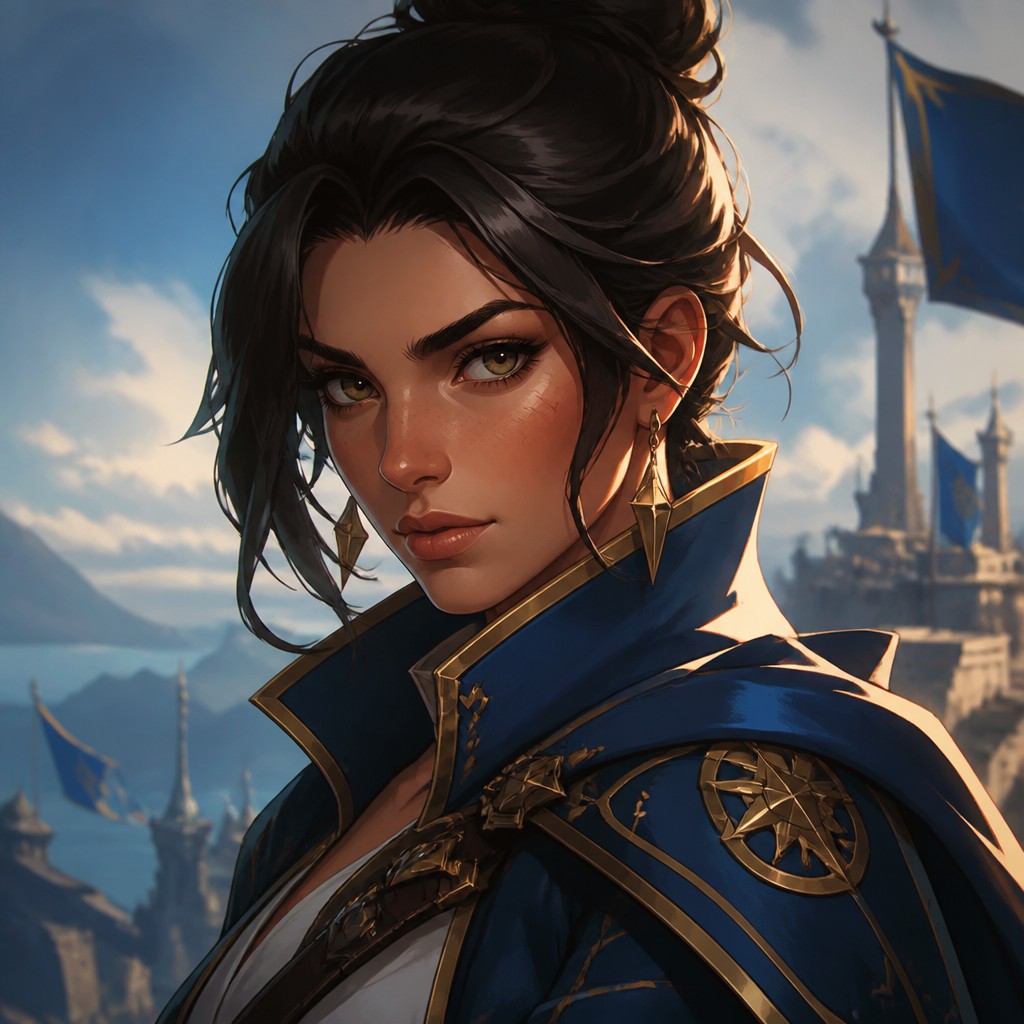
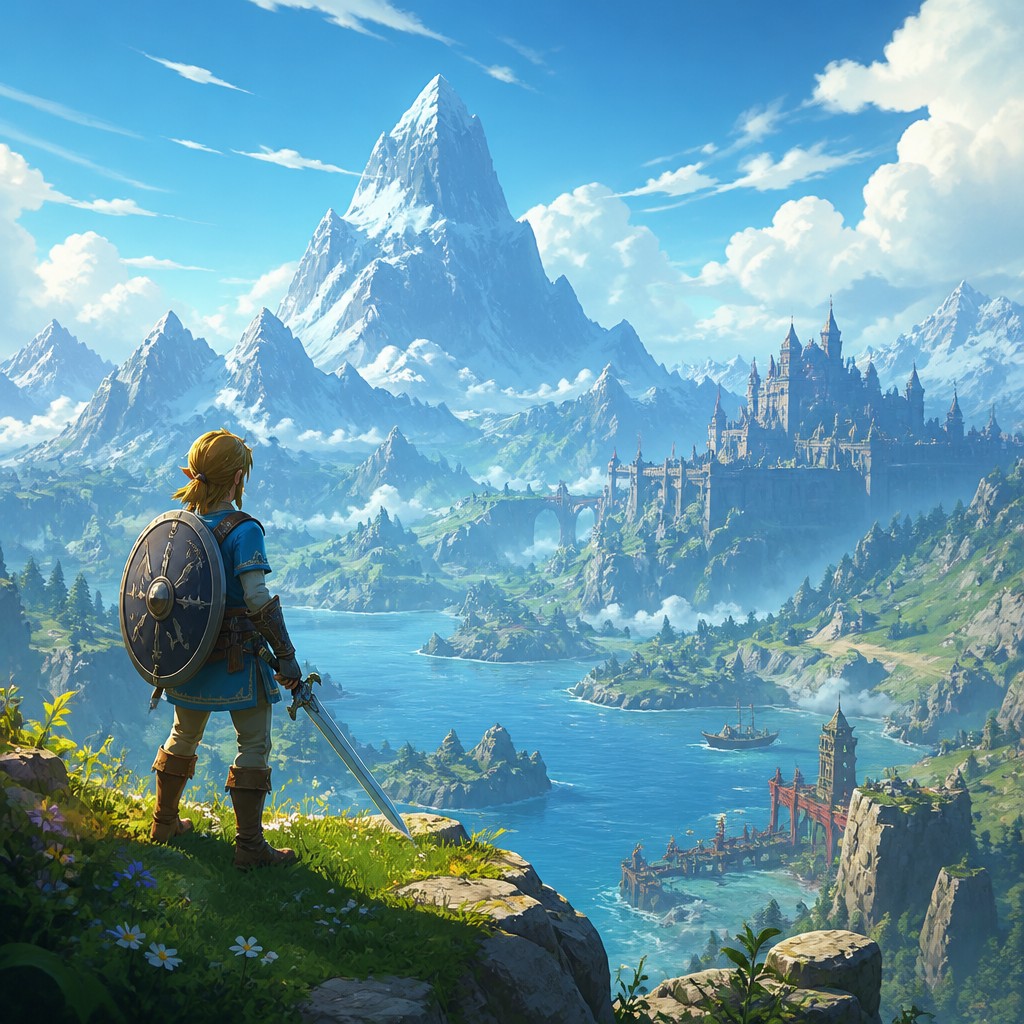
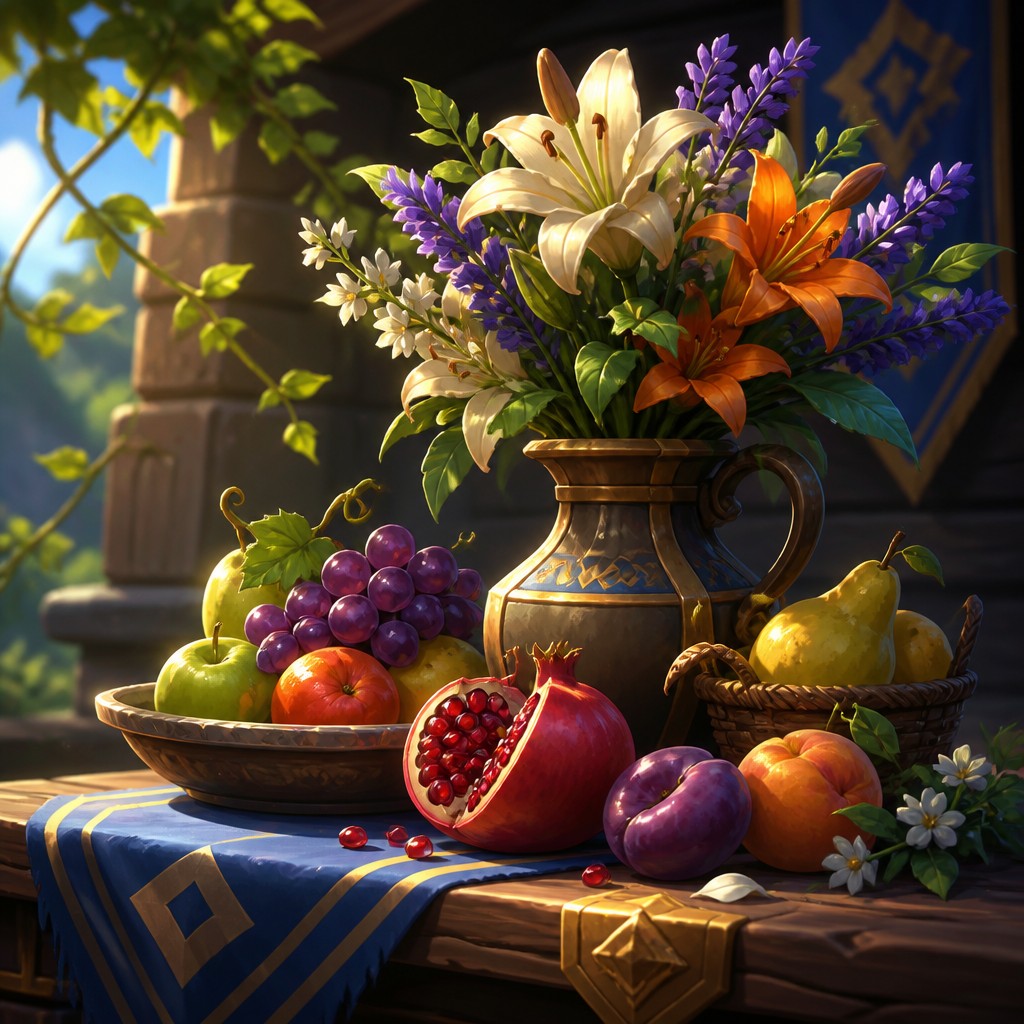
Game Gallery
Tap any artwork to explore it
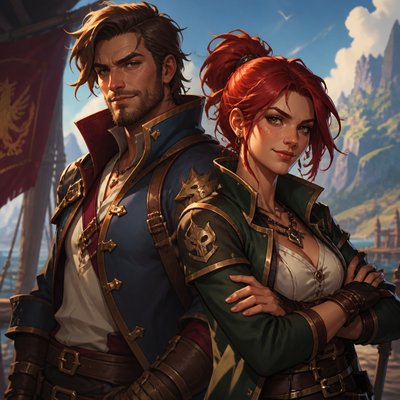
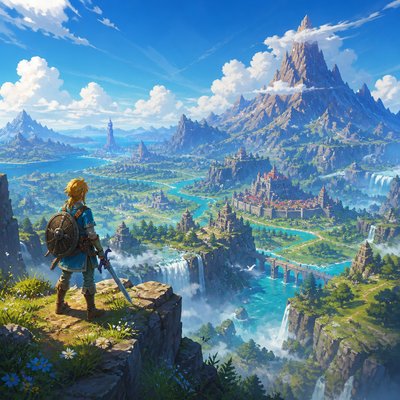
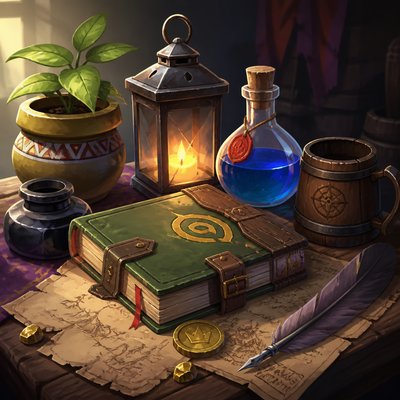
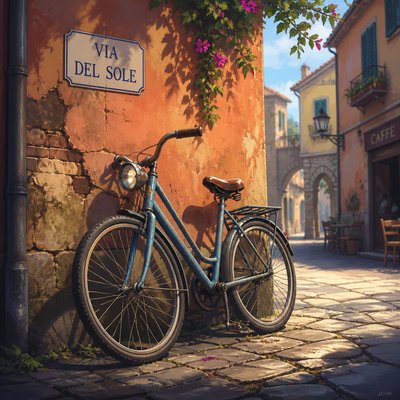
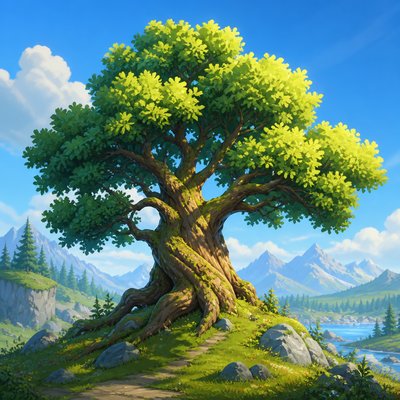
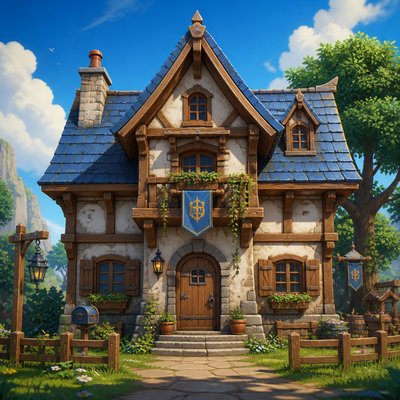
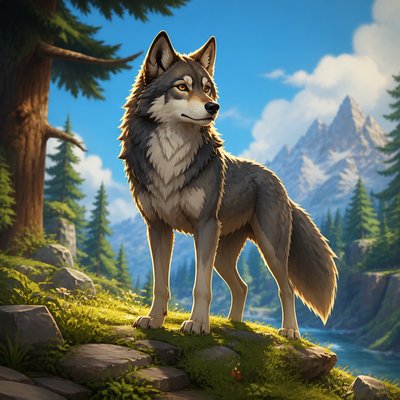
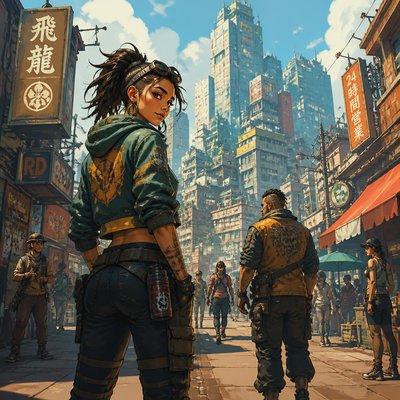
What is Game Art Style?
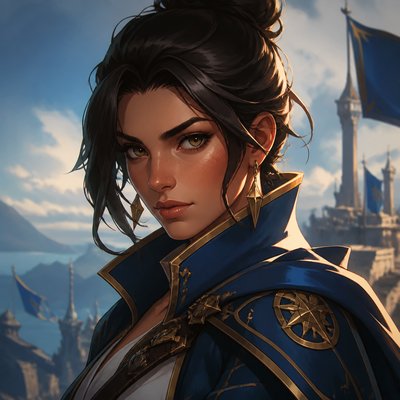
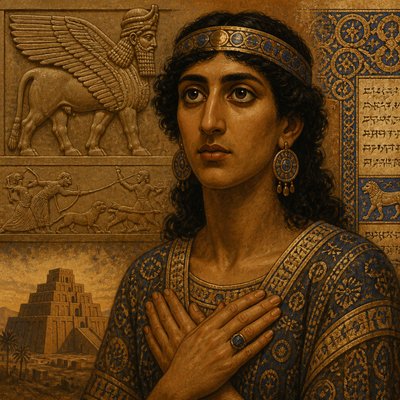
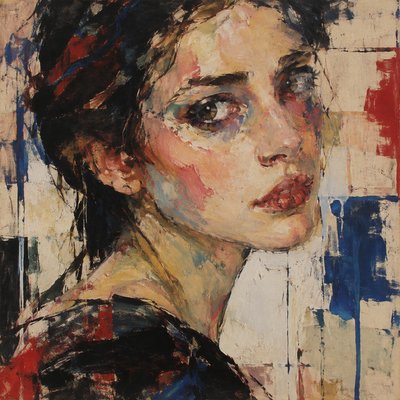
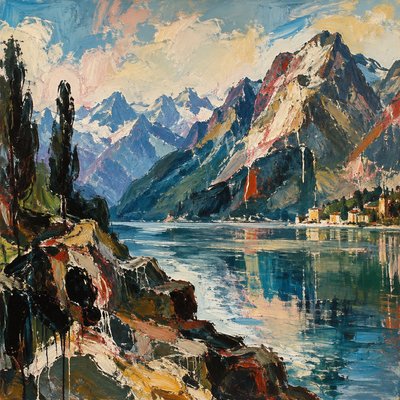
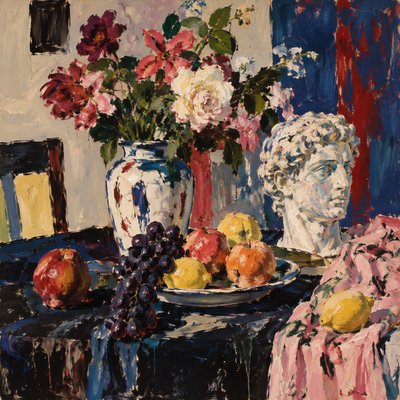
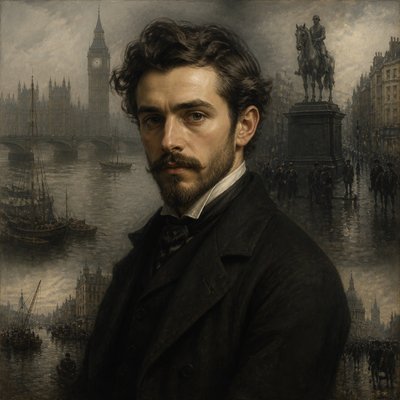
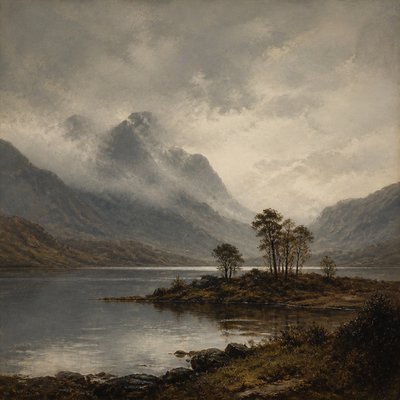
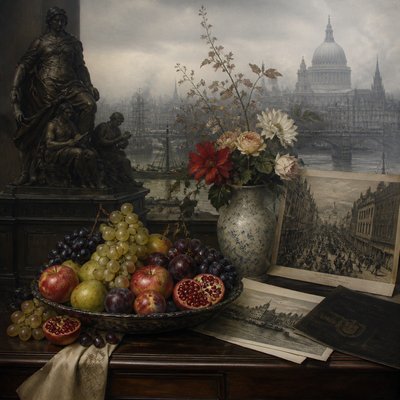
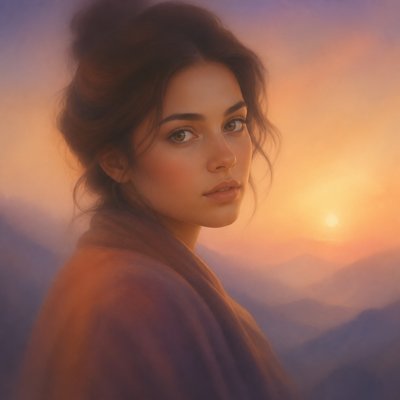
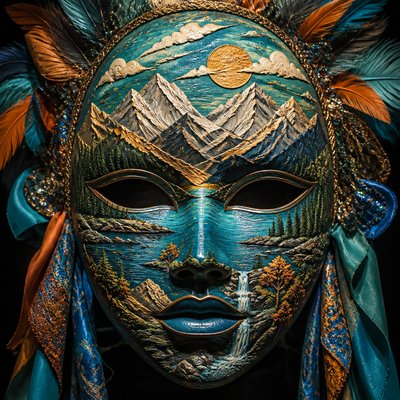
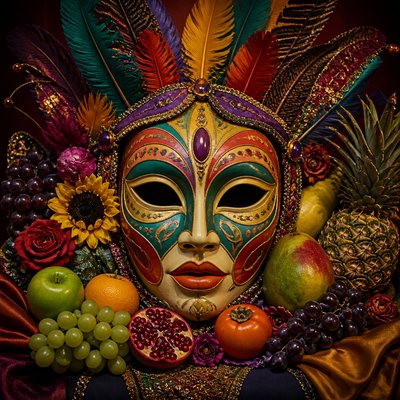
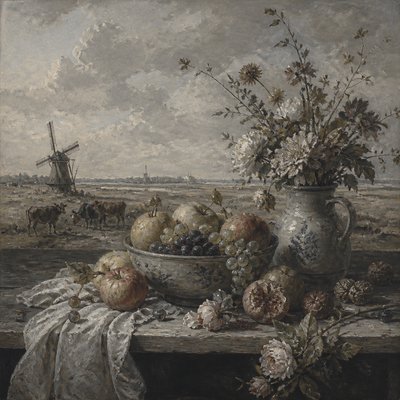
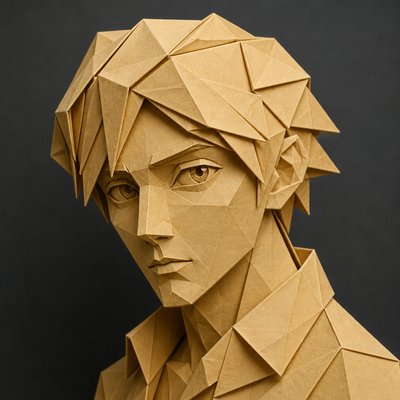
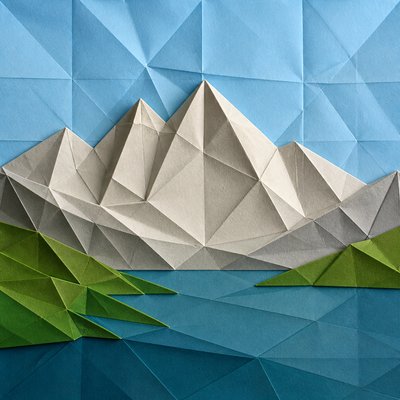
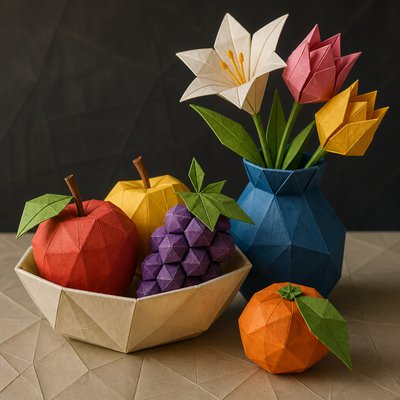
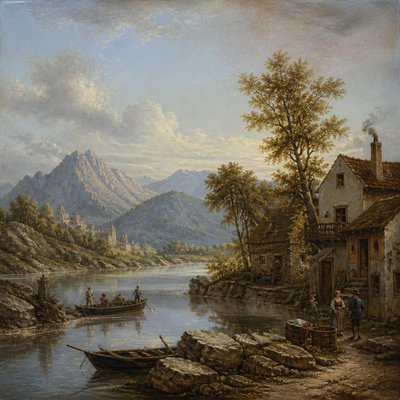
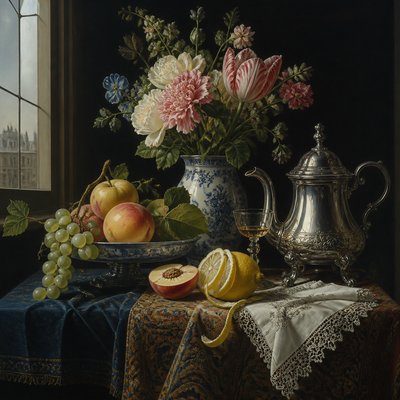
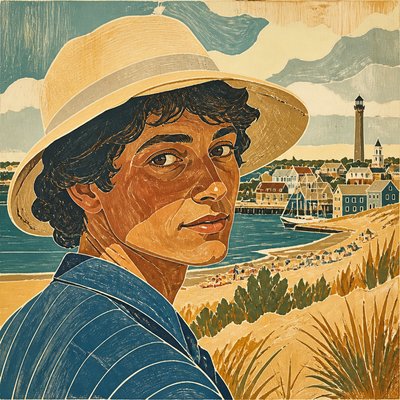
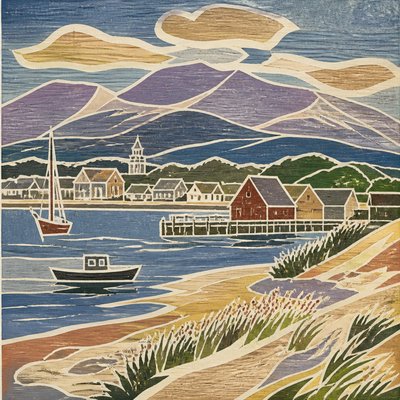
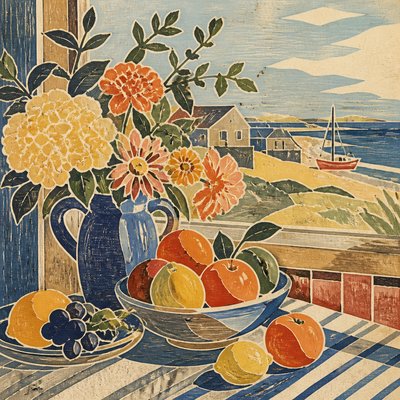
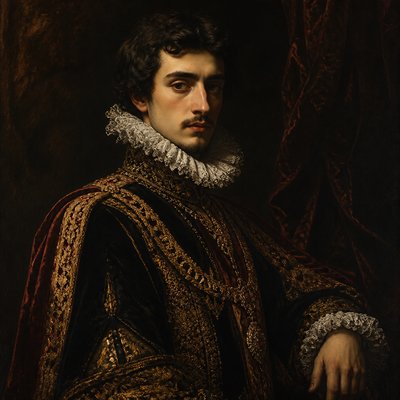
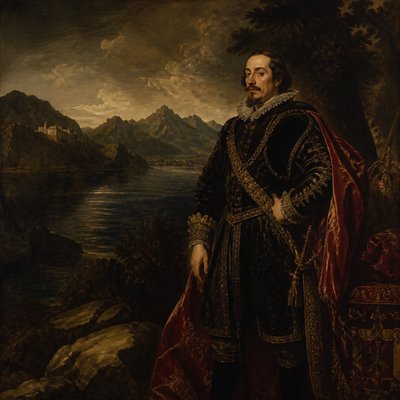
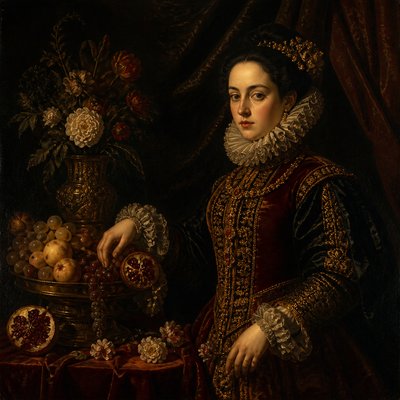
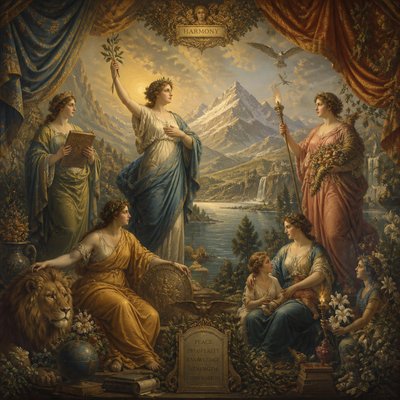
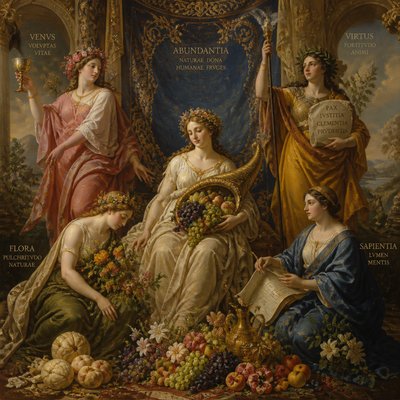
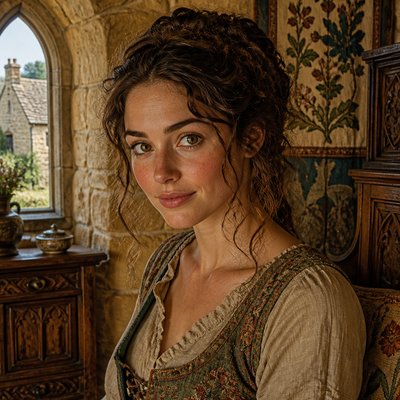
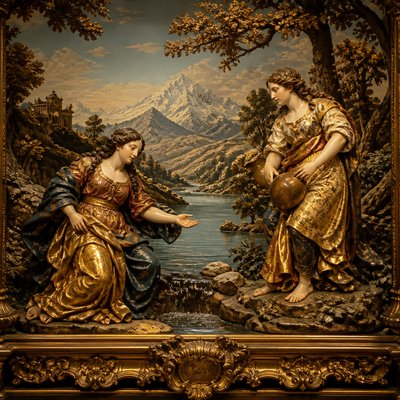
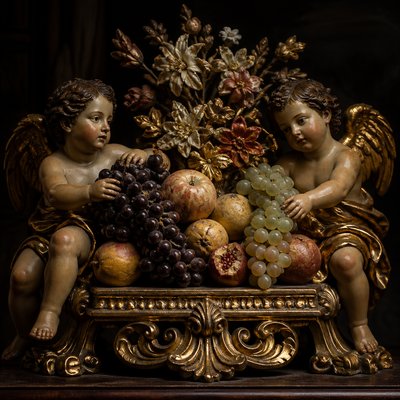
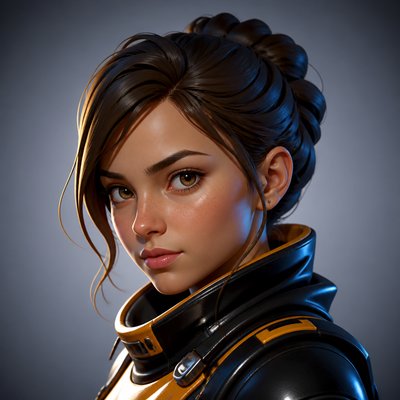
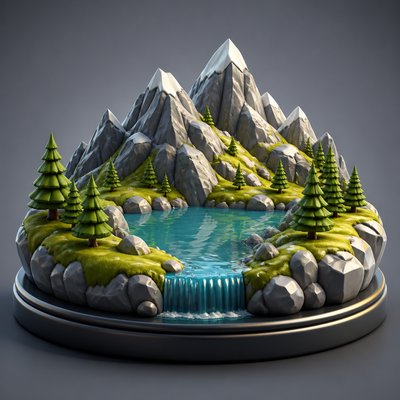
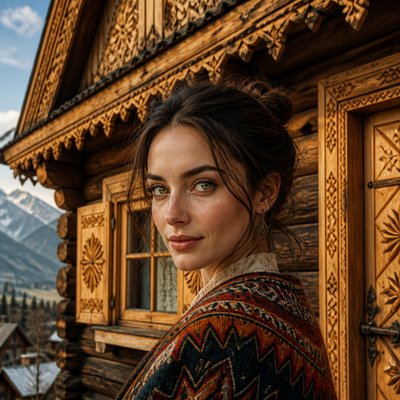
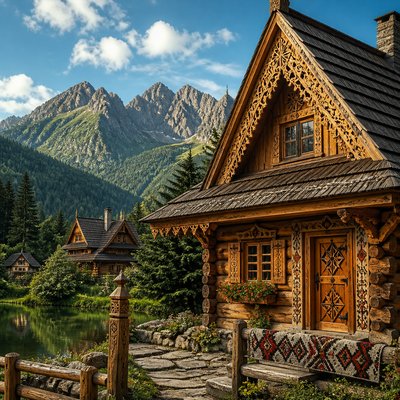
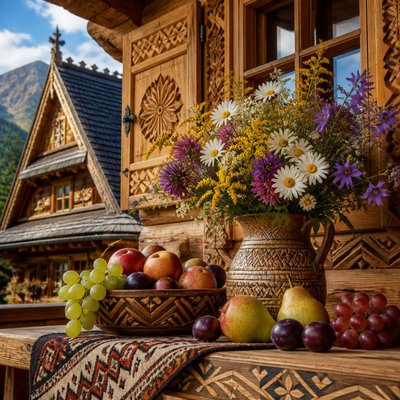
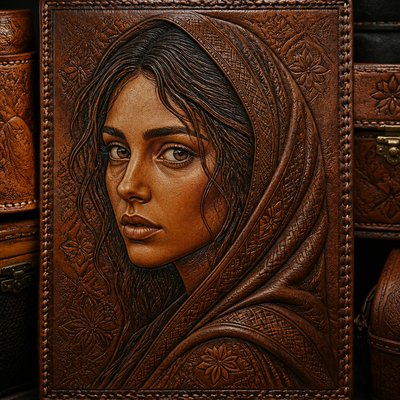
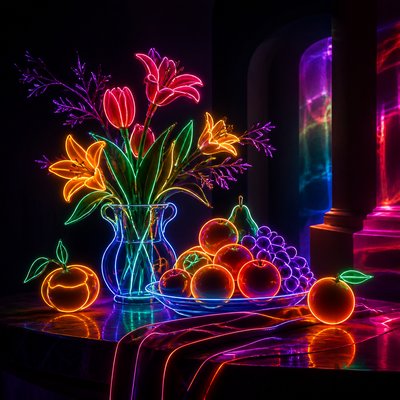
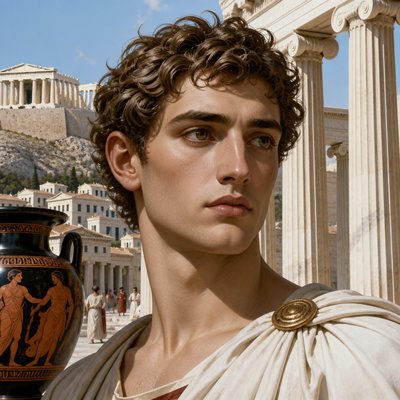
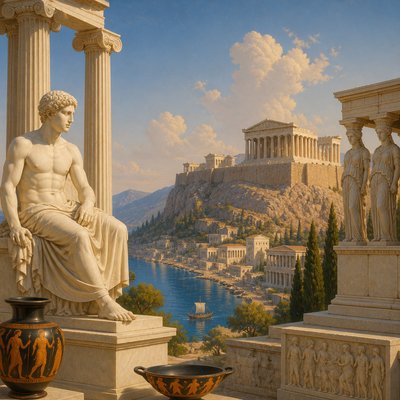
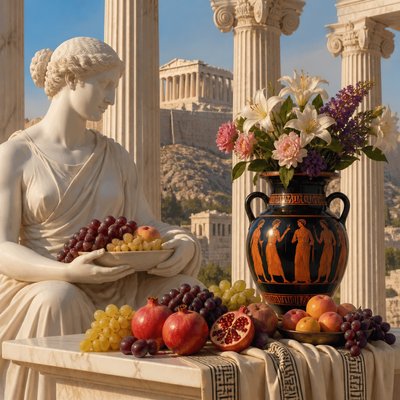
Game Art Style is an invented, contemporary visual category centered on the look of polished concept art made for interactive worlds. It combines painterly surfaces, expressive atmosphere, and imaginative worldbuilding with clean silhouettes, readable forms, and deliberate focal hierarchy so that characters, props, and environments remain clear at a glance.
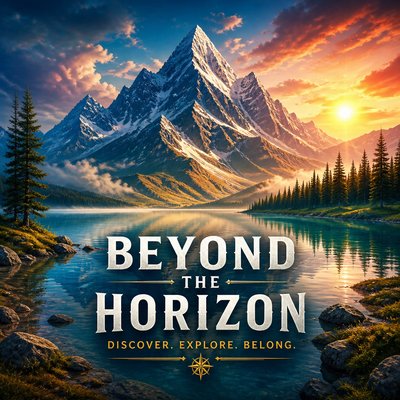
Its visual identity is shaped by the practical needs of games: a scene must communicate setting, mood, scale, function, and narrative quickly. Saturated color design, dramatic rim lighting, simplified secondary detail, and production-ready composition help an image feel both cinematic and playable. The result can range from heroic fantasy and science fiction to stylized historical, post-apocalyptic, or contemporary settings.
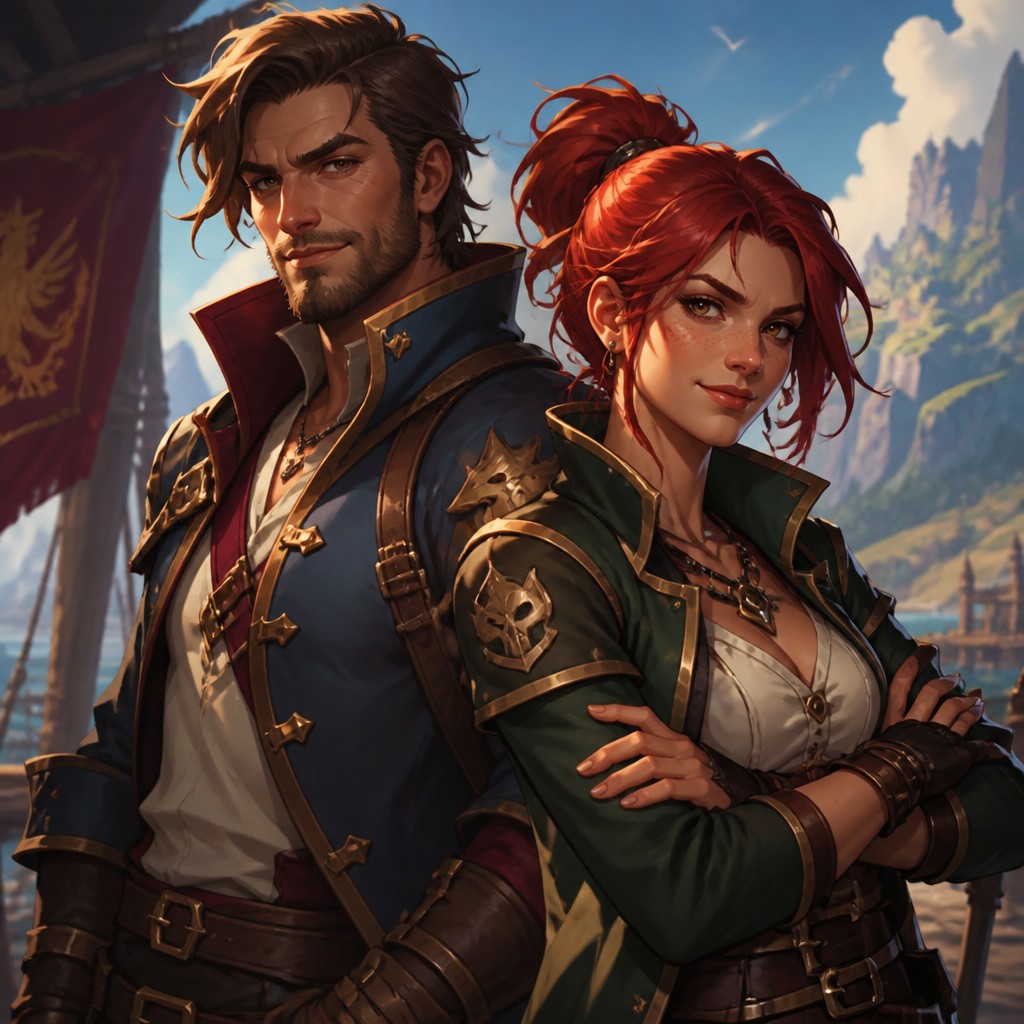
Try It On Your Photos
Upload any photo and convert it into Game Art Style — drag the sliders to compare before and after.
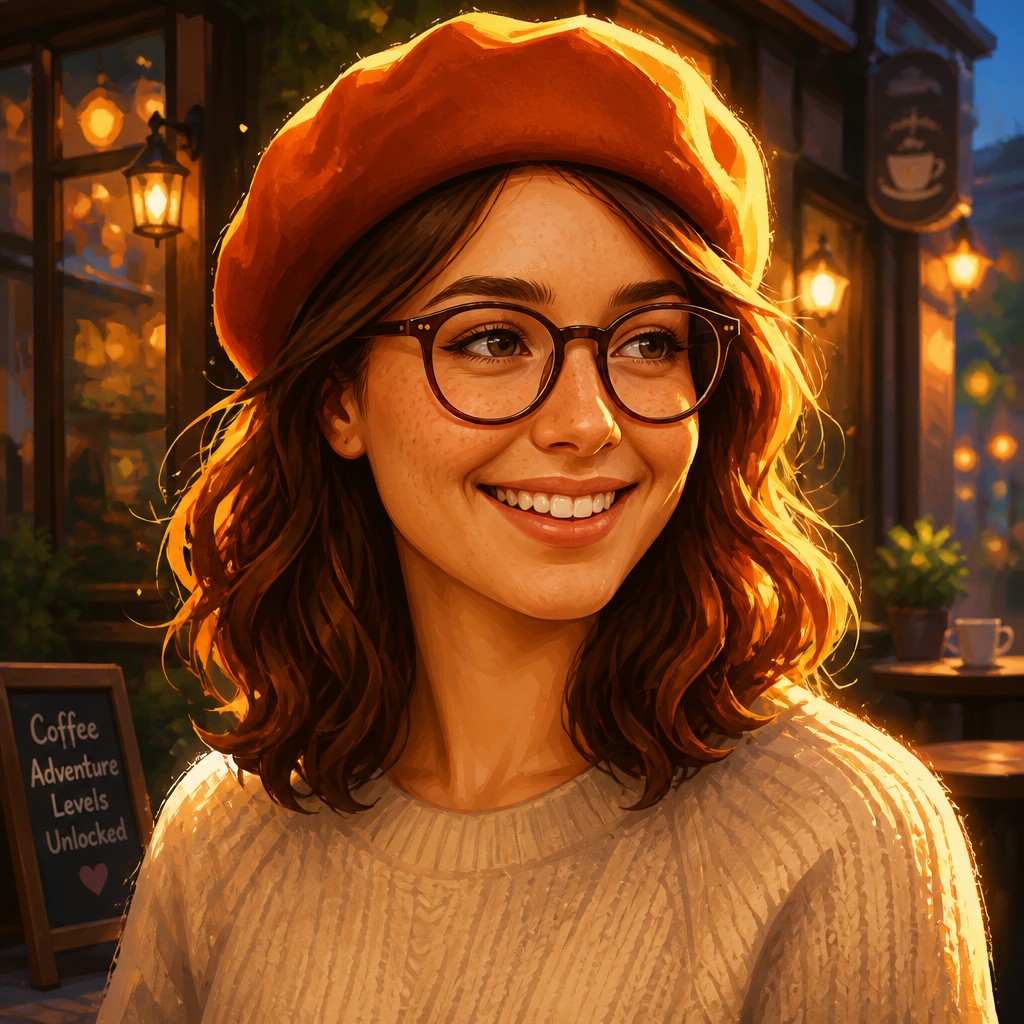

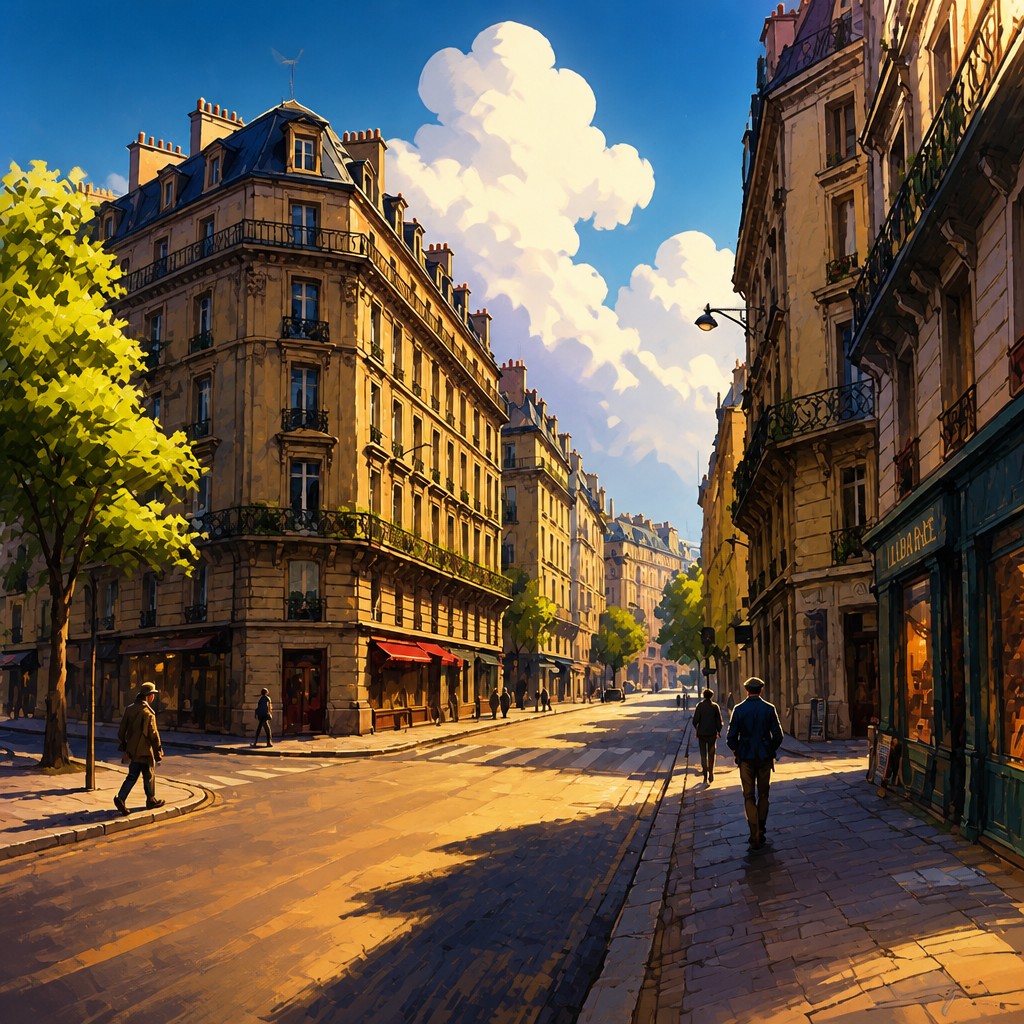

Or use the free Game photo filter
What Defines Game Art Style
The signature details, up close
Readable silhouettes
Characters, creatures, weapons, and architecture are built from clear outer shapes that remain recognizable at a distance or in a small image. Distinctive profiles and controlled overlap support fast visual comprehension.
Painterly surface treatment
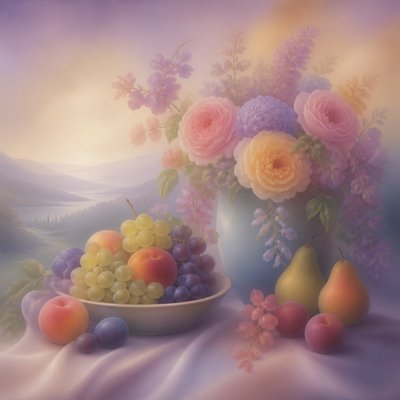
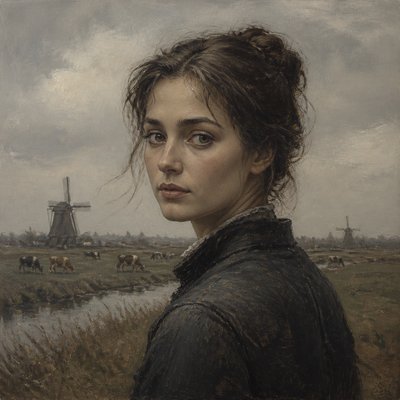
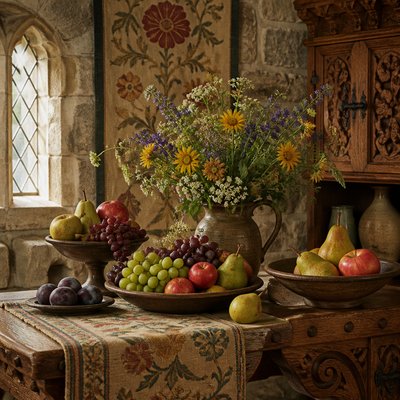
Brush-textured edges, visible color variation, atmospheric blending, and selective impasto-like marks give the image a handcrafted concept-art quality. Detail is concentrated where it supports the subject rather than distributed evenly.
Dramatic lighting
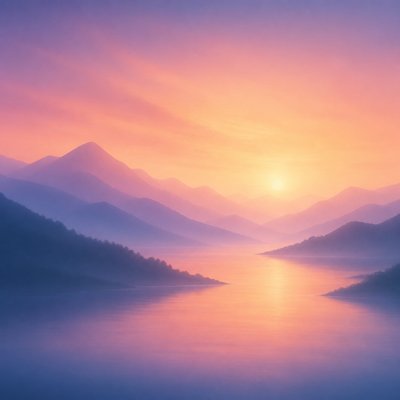
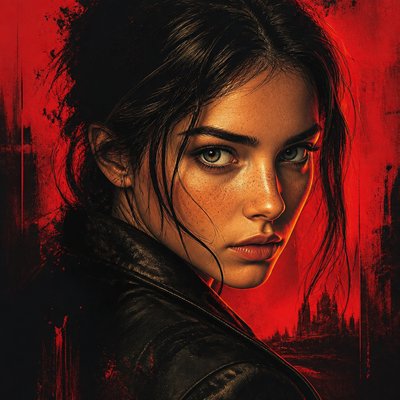
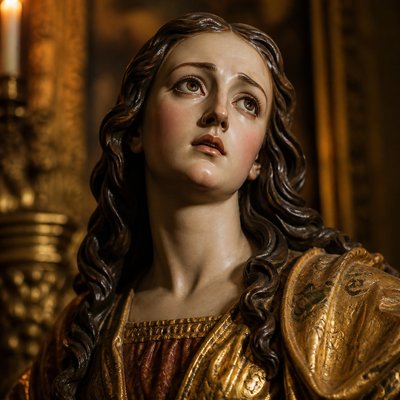
Strong key light, backlight, rim light, fog, and colored bounce light separate important forms from their surroundings. Lighting often establishes mood while guiding the eye toward a character, landmark, or narrative action.
Vivid, designed color
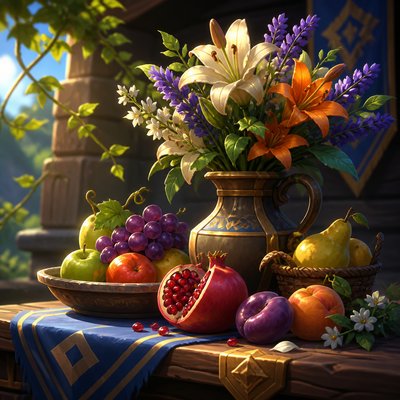
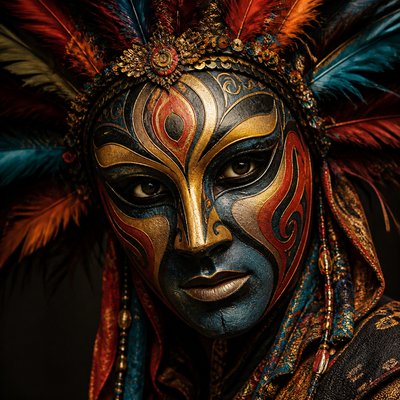
Saturated accents are balanced against darker masses, atmospheric neutrals, or complementary shadows. Color is used to distinguish factions, biomes, interactive objects, and emotional states as much as to describe natural appearance.
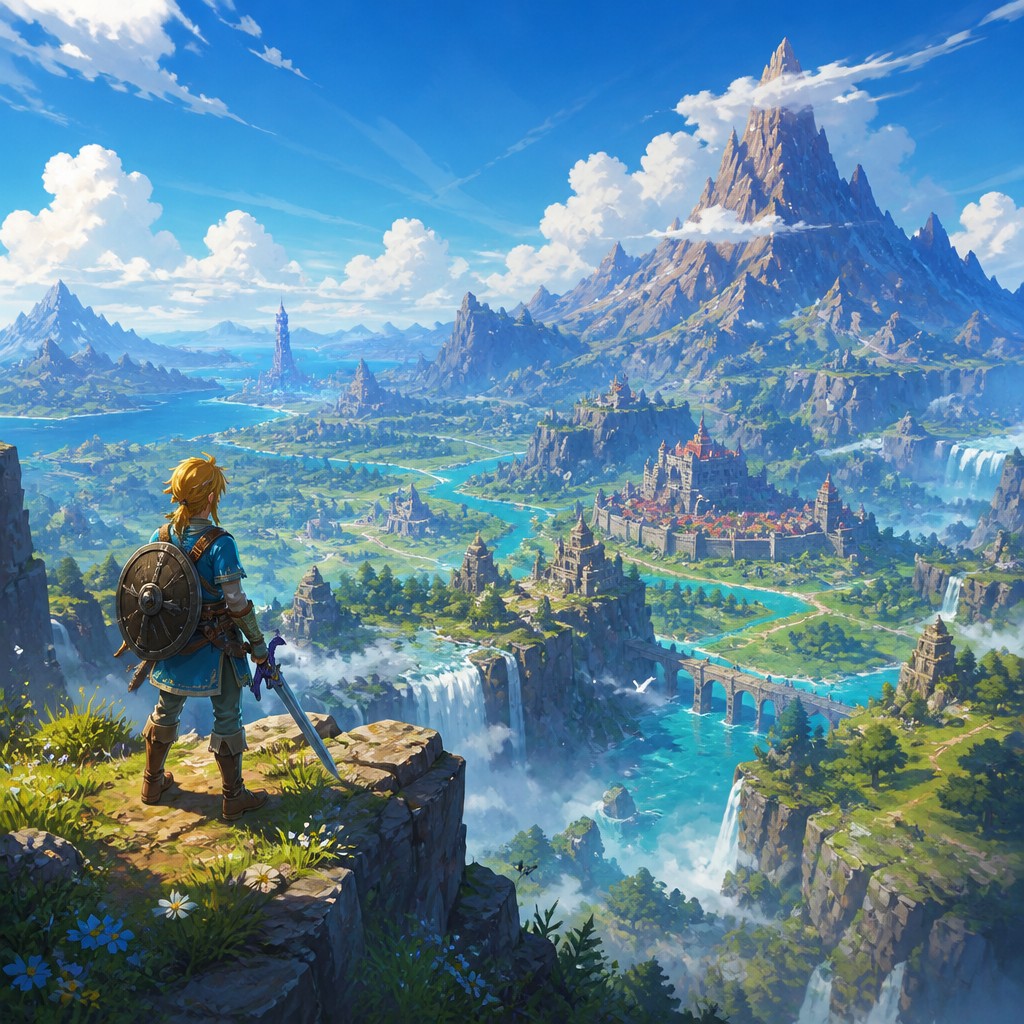
Worldbuilding density
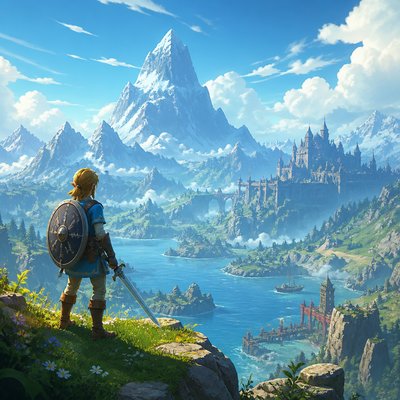
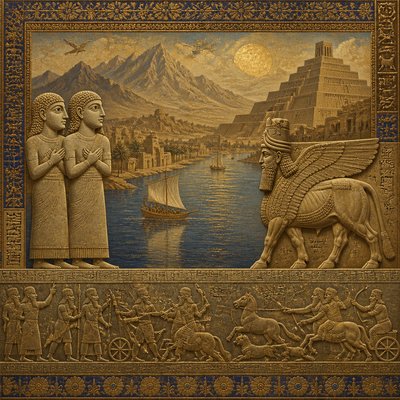
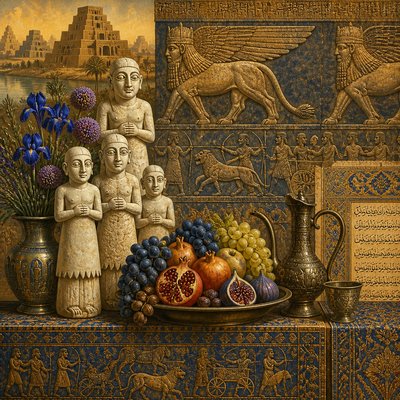
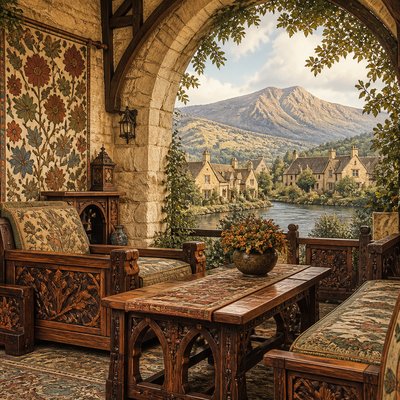
Environments suggest history and function through architecture, terrain, props, costumes, signage, ruins, vegetation, or technological systems. Even background elements are selected to imply a larger playable world.
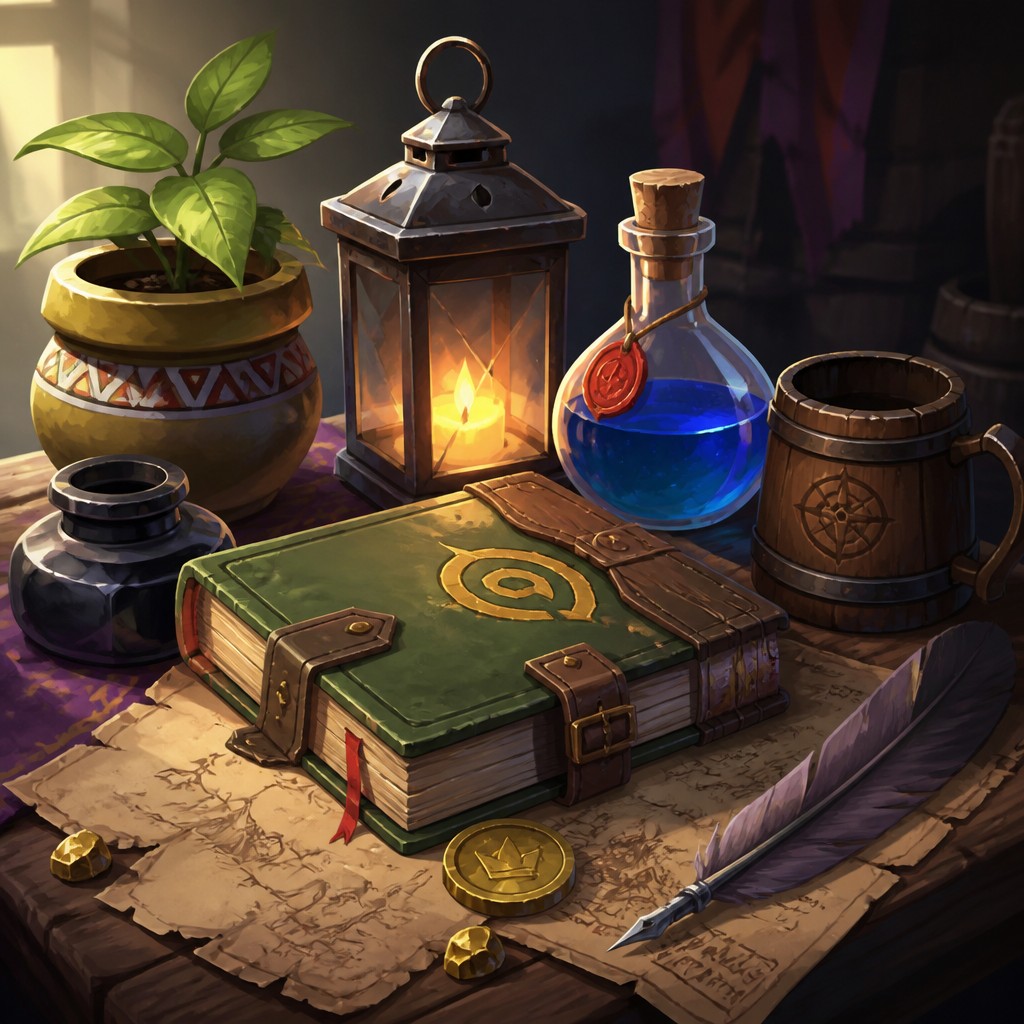
Cinematic composition
Diagonal movement, layered foregrounds, atmospheric perspective, scale contrast, and controlled negative space create a strong sense of staging. The image often resembles a key frame or promotional production painting while retaining practical visual organization.
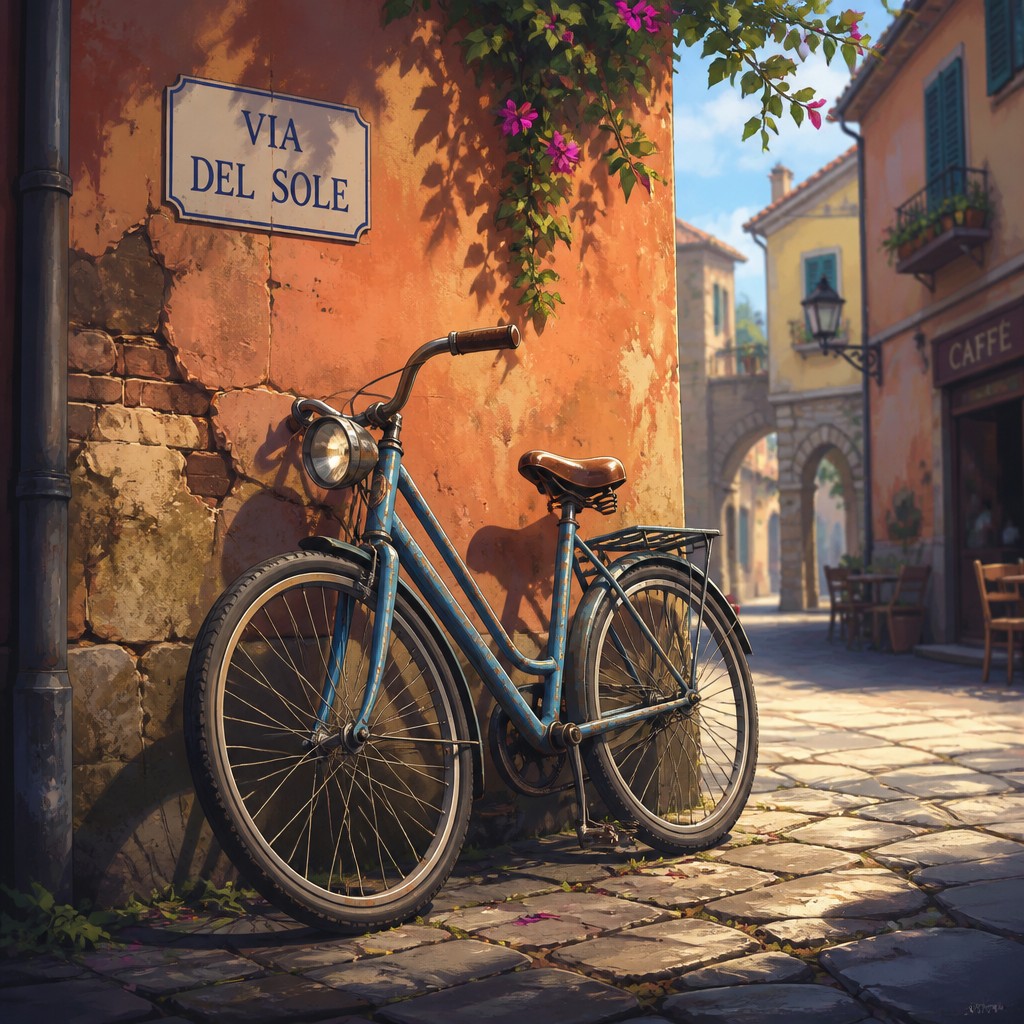
Polished focal hierarchy
The sharpest edges, richest textures, and highest contrast appear near the main subject. Peripheral areas are simplified or softened so the scene feels finished without becoming visually noisy.
Game Prompt Ideas
Start from an idea — each one opens the generator with the style ready to go. See all 40 Game prompts →
How to Create Game Art
Master the craft step by step — or skip straight to creating. Read the full guide →
- 1
Begin with a functional thumbnail
Reduce the scene to a few large value shapes before adding detail, and decide what the viewer must notice first. Test the composition in grayscale to ensure silhouettes and lighting remain legible.
- 2
Build forms in layers
Block in the environment and major anatomy or architecture with broad opaque shapes, then refine planes, materials, and selective texture. A 3D blockout or simple perspective grid can help maintain convincing scale and camera placement.
- 3
Design light for separation
Choose a dominant light direction and reserve the brightest accents for the focal subject. Add colored rim light or atmospheric haze carefully, keeping enough value contrast between overlapping forms.
- 4
Use detail strategically
Paint high-frequency texture on focal areas and use larger, calmer marks elsewhere. Repeated motifs in costumes, props, or architecture can make a world feel coherent without covering every surface in noise.
- 5
Combine traditional and digital methods
A useful workflow may combine pencil thumbnails, gouache or acrylic color studies, digital painting, 3D layout, photo references, and compositing. Preserve visible brush variation while cleaning silhouettes and edges for production readability.
- 6
Write a structured generation prompt
Specify the subject, setting, camera angle, silhouette, lighting direction, palette, material cues, and focal hierarchy rather than relying on a style label alone. For image-to-image work, protect the original pose and composition while describing the desired painterly finish and worldbuilding details.
The Story
History & Origins of Game
Game Art Style has no single historical origin or fixed period. It developed from the overlap of traditional concept painting, fantasy and science-fiction illustration, cinematic matte painting, animation design, comics, and the production workflows of digital games. As game technology expanded from sprite-based scenes to detailed three-dimensional environments, visual development art increasingly became a bridge between narrative design, level planning, character design, and final rendering.
Contemporary examples often combine hand-painted brushwork with digital compositing, 3D blockouts, photobashing, procedural tools, and real-time rendering. The style therefore describes a flexible production language rather than a formal art movement: its defining principle is visual clarity within an imaginative, interactive world.
Influences: The style draws on fantasy and science-fiction illustration, production concept art, cinematic matte painting, animation layout, comics, plein-air color observation, and the visual logic of 3D modeling and real-time rendering. It also borrows from graphic design through controlled silhouettes and color systems, and from theatrical staging through directed light, scale, and narrative composition.
Frequently Asked Questions
What defines Game Art Style?
It is defined by the combination of imaginative worldbuilding and practical visual clarity. Painterly rendering, vivid color, dramatic lighting, clean silhouettes, and a strong focal hierarchy are more important than any single subject or genre.
Is Game Art Style a historical art movement?
No. It is a contemporary, flexible category rather than a formal movement with a fixed manifesto or period. Its lineage comes from concept art, illustration, animation, cinematic imagery, digital painting, and game-production workflows.
How does it differ from fantasy illustration?
Fantasy illustration may prioritize a standalone narrative image, while Game Art Style usually emphasizes the clarity and modular worldbuilding needed for an interactive setting. It often presents characters, environments, props, and visual systems as parts of a larger playable universe.
Can Game Art Style be used for realistic subjects?
Yes. The subject can be realistic, historical, contemporary, fantastical, or science-fictional. The style comes from the treatment of form, lighting, composition, color, and surface detail rather than from a required fictional setting.
How can I make an image in this style?
Start with a clear subject and composition, establish large value shapes, and build toward selective painterly detail. In digital or AI-assisted workflows, describe the camera view, silhouette, lighting, palette, environment, and focal point explicitly, then refine anatomy, edges, and material consistency.
Where is this visual style used?
It is commonly associated with character sheets, environment paintings, key art, promotional illustrations, interface backgrounds, cinematic frames, and visual development for games. Similar approaches also appear in animated films, tabletop settings, novels, comics, and entertainment design.
Create your first Game artwork
Describe anything — or upload a photo — and see it in Game Art Style in seconds.
Related Styles
Discover similar art styles