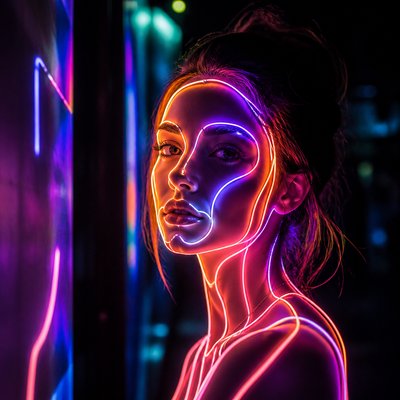
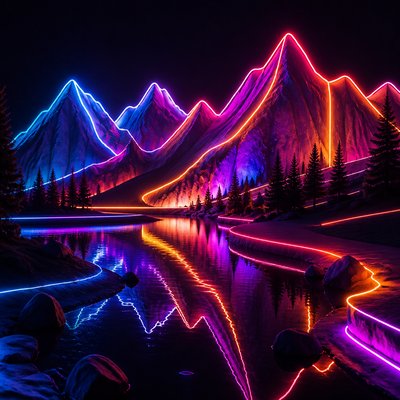
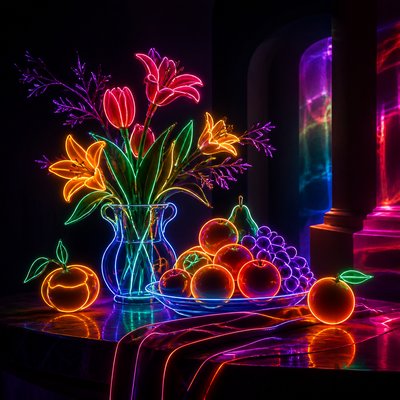
3D Art Style
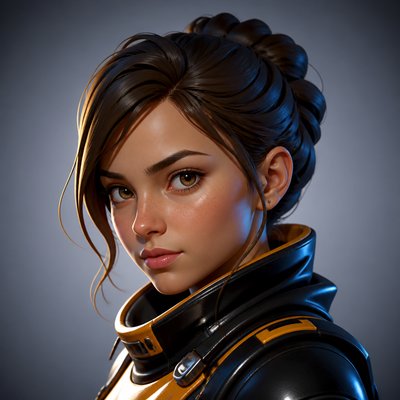
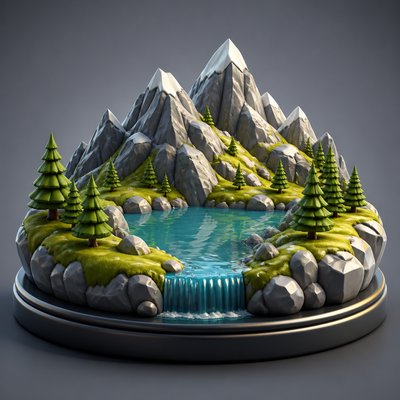
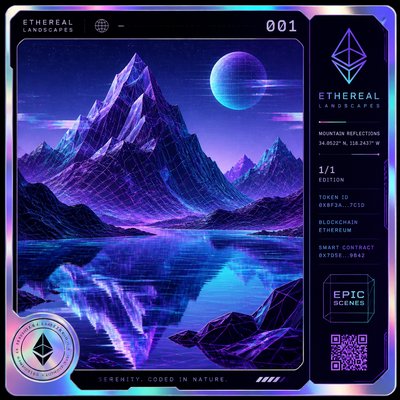
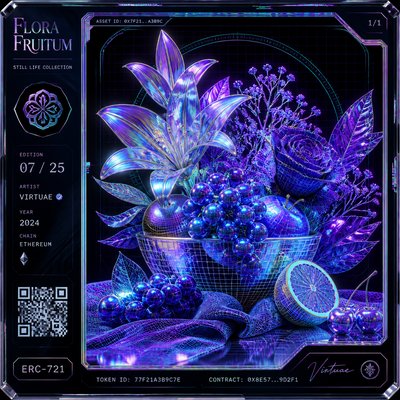
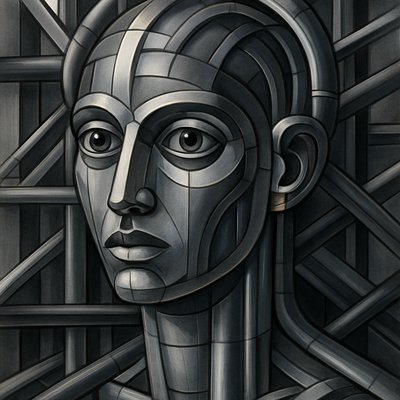
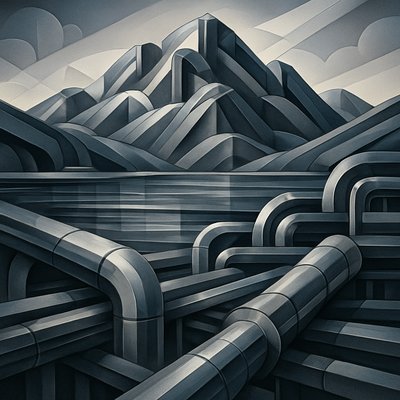
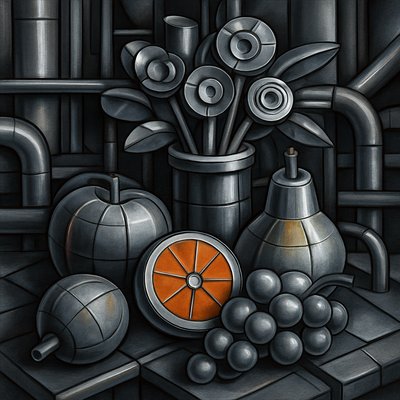
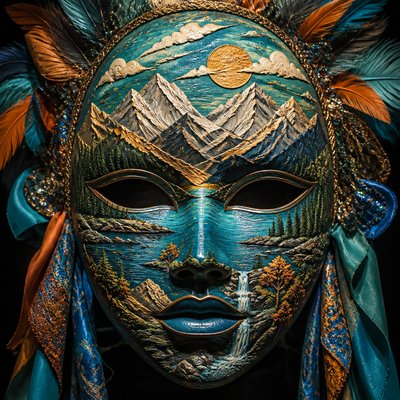
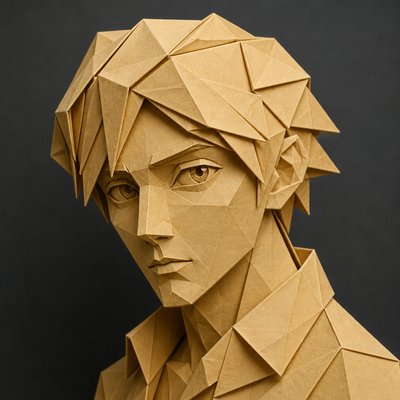
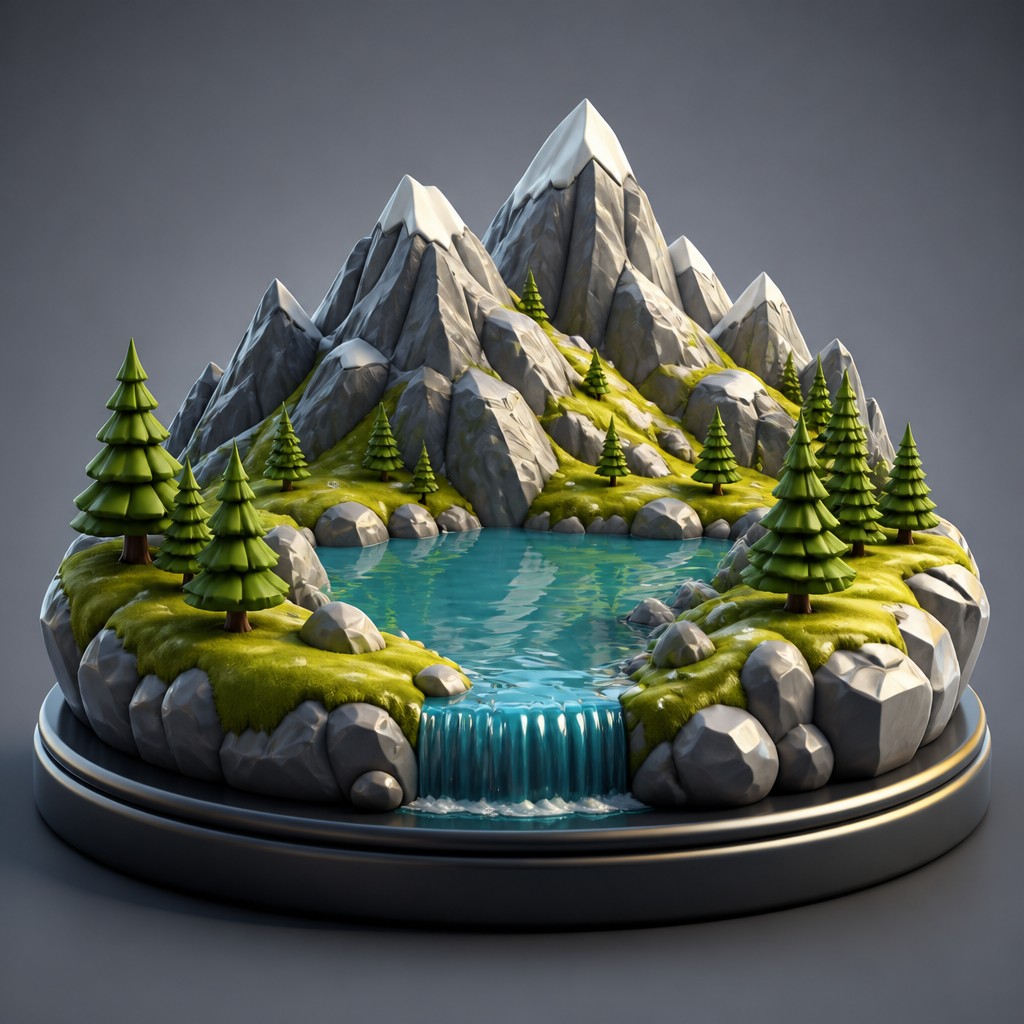
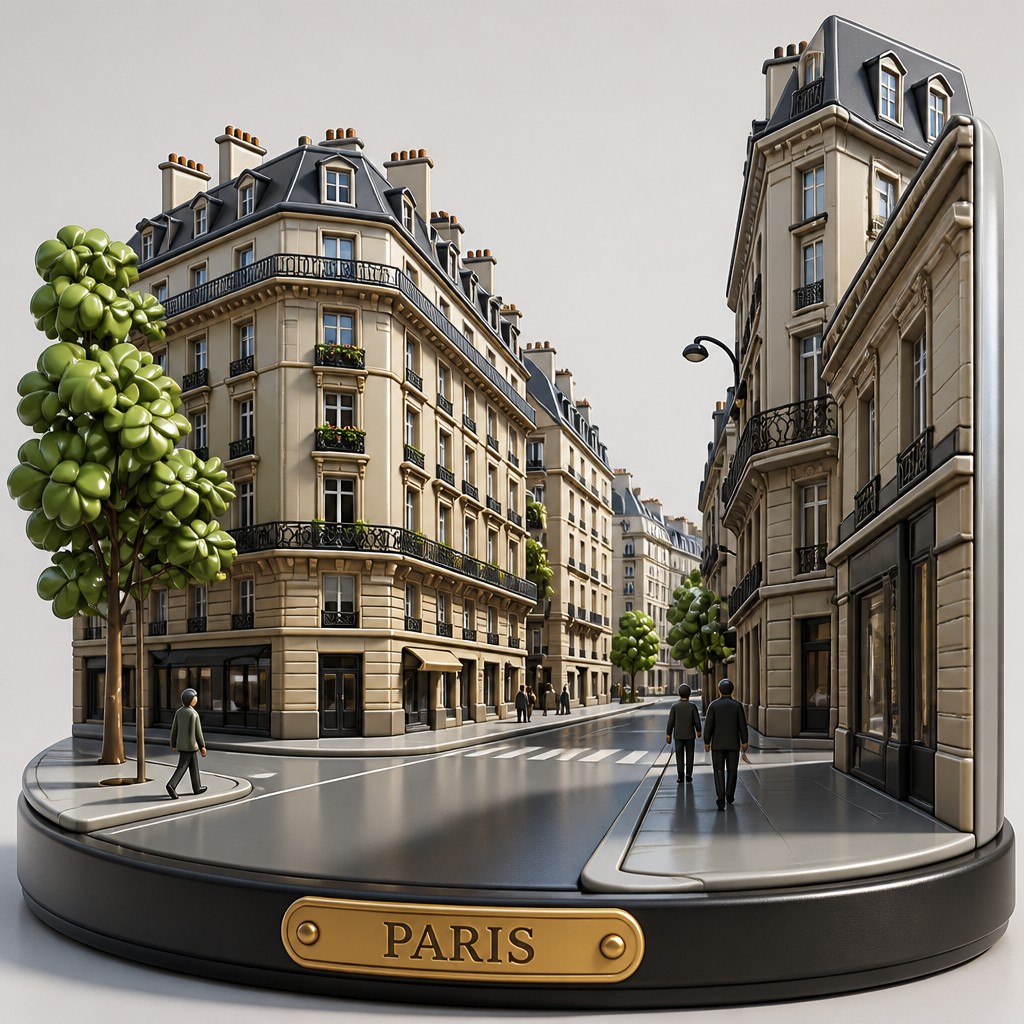
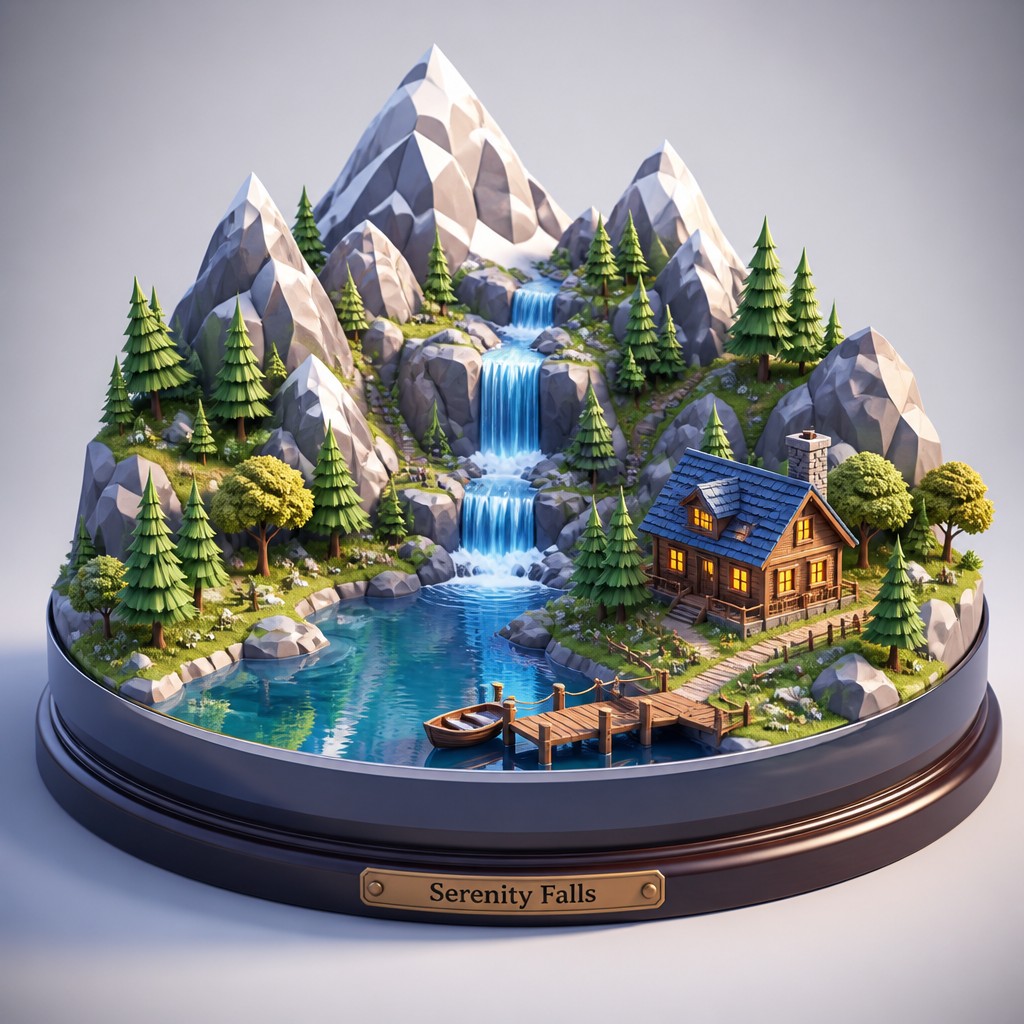
Explore 3D Art Style: glossy sculpted geometry, ray-traced reflections, soft global illumination, and polished studio-rendered forms.
Instantly rendered in 3D — or transform a photo
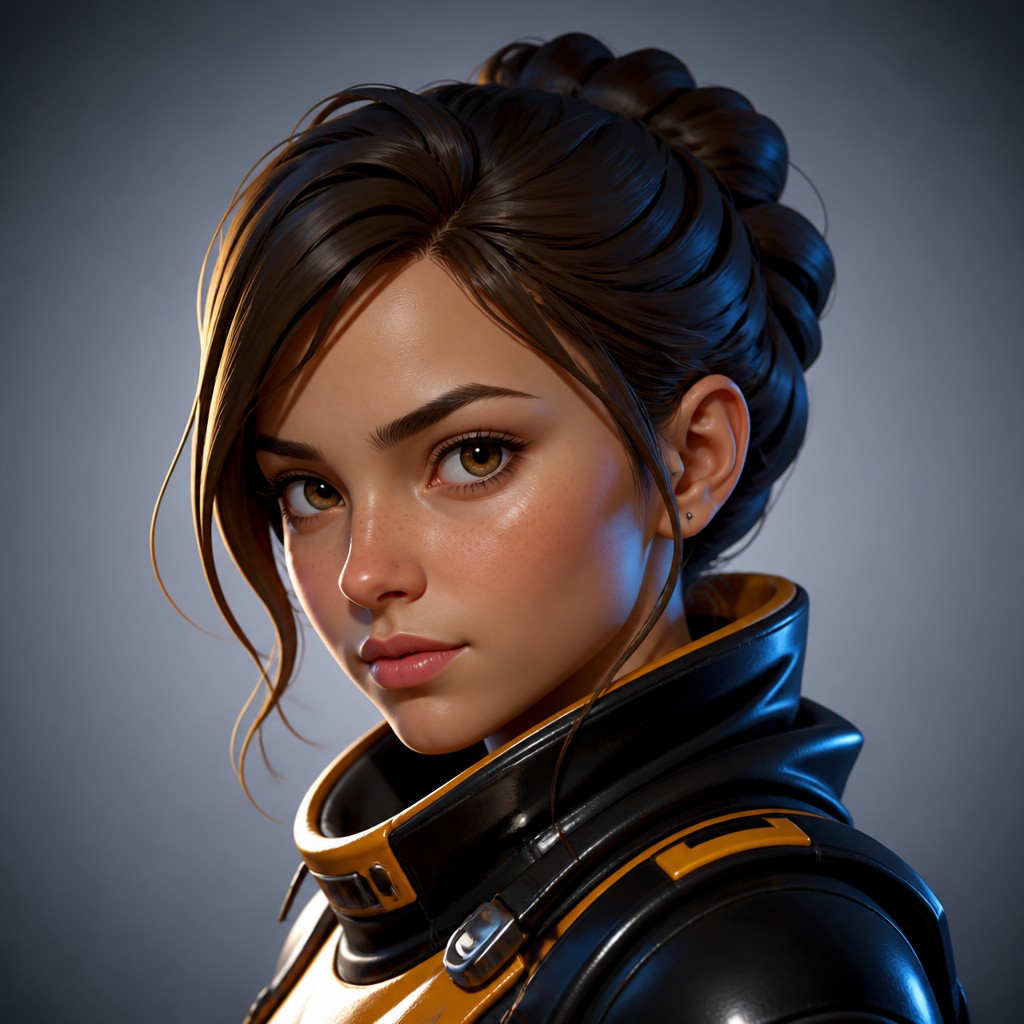

3D Gallery
Tap any artwork to explore it


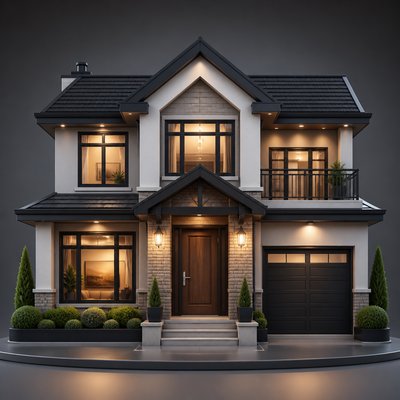
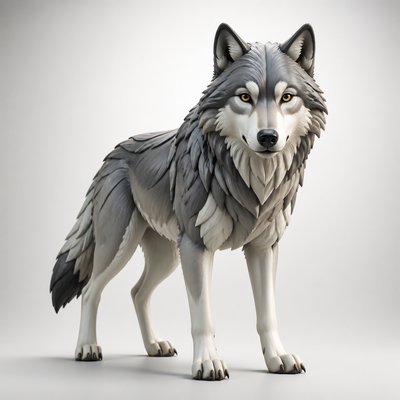
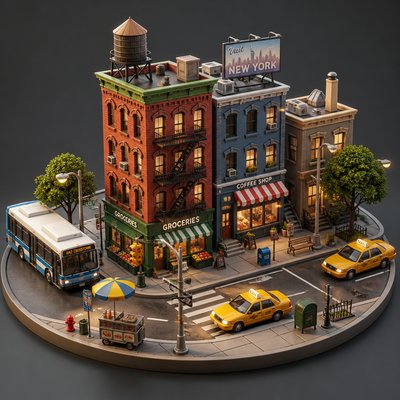
What is 3D Art Style?
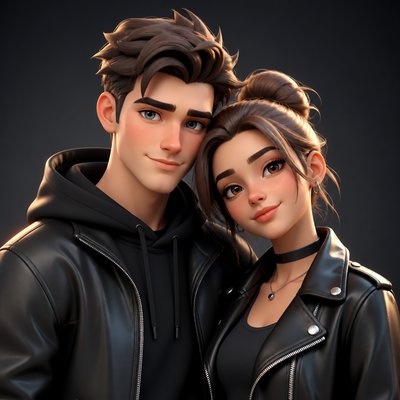
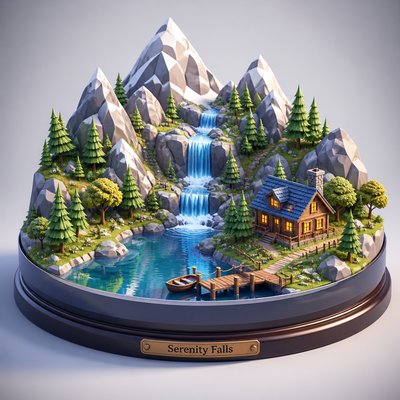
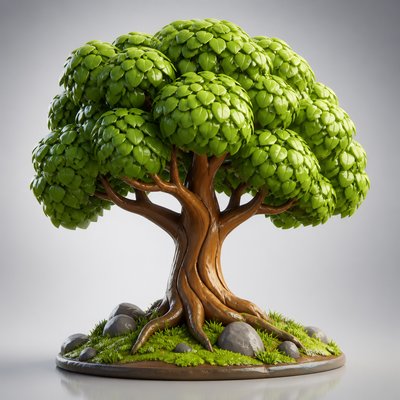
3D Art Style is a contemporary digital aesthetic centered on sculpted geometry, polished materials, and carefully controlled lighting. Subjects are modeled as smooth polygonal meshes or simplified volumetric forms, then rendered with reflective surfaces, soft shadows, and a clean presentation that resembles a studio turntable or product hero shot.
Its visual identity comes from the interaction of form, material, and light rather than from brushwork or visible texture. Rounded surfaces carry broad gradients of illumination, glossy plastic and metal produce crisp highlights, and ambient occlusion adds depth to joints, recesses, and contact points. The result can be highly realistic in its rendering while remaining simplified, graphic, and deliberately designed.
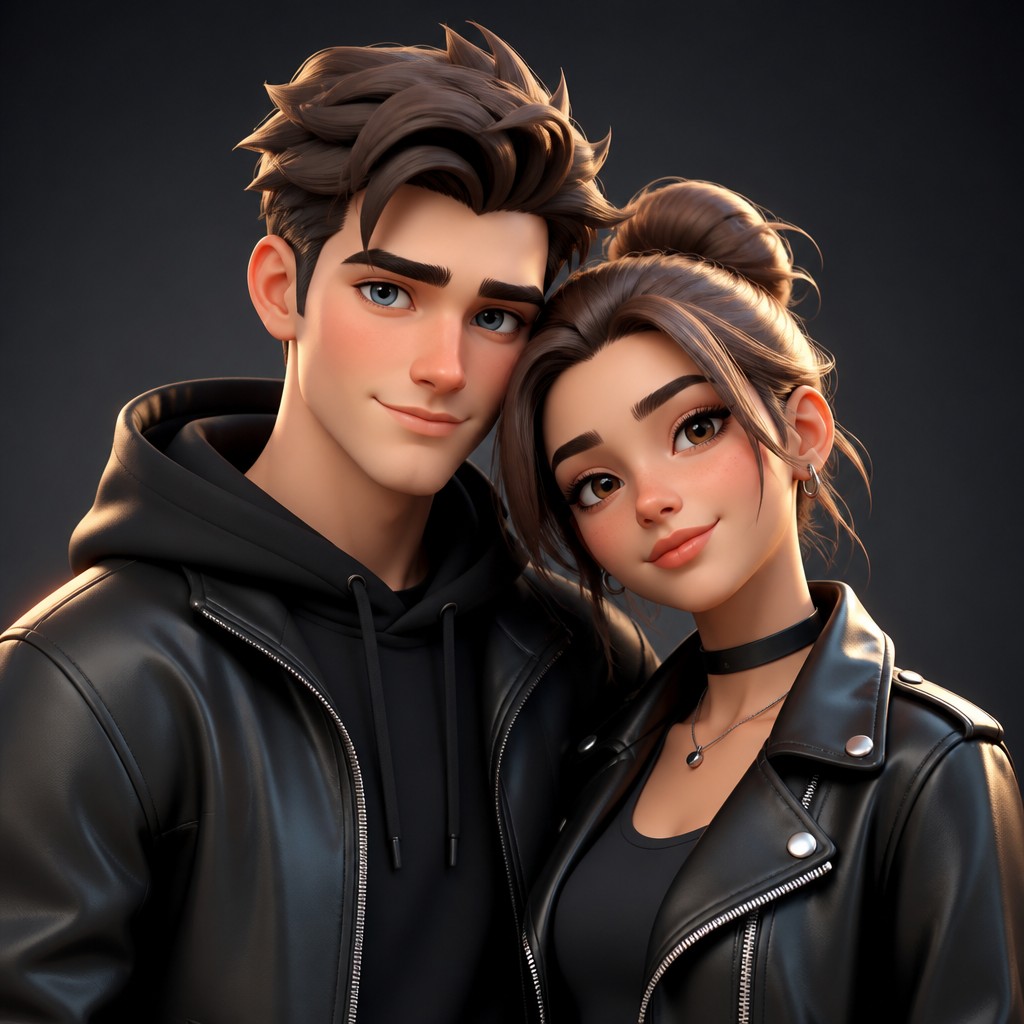
Try It On Your Photos
Upload any photo and convert it into 3D Art Style — drag the sliders to compare before and after.



Or use the free 3D photo filter
What Defines 3D Art Style
The signature details, up close
Smooth polygonal geometry
Forms are built from clean meshes with rounded edges, controlled bevels, and simplified silhouettes. Topology may remain visible in stylized work, but the finished surface is usually seamless and carefully smoothed.
Glossy reflective materials
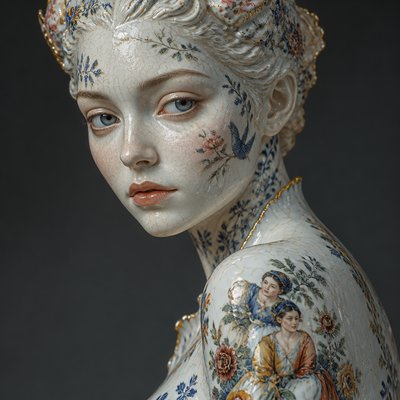
Plastic, lacquer, ceramic, glass, chrome, and brushed metal are common material treatments. Their identity is established through precise roughness values, reflections, and sharp specular highlights.
Ray-traced reflections
Reflective surfaces respond to the surrounding environment, producing believable highlights and reflected shapes. Even when the scene is minimal, these reflections give objects weight and dimensional presence.
Soft global illumination
Light is allowed to bounce gently across curved surfaces and into nearby areas. This creates gradual tonal transitions, luminous edges, and a calm studio atmosphere instead of hard, theatrical contrast.
Ambient occlusion
Subtle darkness gathers where forms meet, overlap, or contain deep recesses. These contact shadows clarify structure and prevent rounded objects from appearing weightless.

Controlled studio composition
Subjects are often isolated against a seamless, uncluttered background with centered or carefully balanced framing. The composition emphasizes the object as a designed artifact, similar to a turntable presentation.

Designed simplicity
Complex subjects are reduced to legible masses, graphic color fields, and a small number of material cues. This simplification makes the style suitable for icons, objects, characters, environments, and conceptual forms.
3D Prompt Ideas
Start from an idea — each one opens the generator with the style ready to go. See all 40 3D prompts →
How to Create 3D Art
Master the craft step by step — or skip straight to creating. Read the full guide →
- 1
Block out the silhouette
Begin with primitive volumes such as spheres, cylinders, cubes, and planes, then refine the proportions and silhouette before adding detail. Apply subdivision or smoothing selectively so the form remains clear rather than overworked.
- 2
Build materials deliberately
Set color, metallic response, roughness, transmission, and clearcoat as separate decisions. Use low roughness for polished plastic or metal, moderate roughness for ceramic, and controlled transparency for glass so reflections remain readable.
- 3
Use a broad studio light rig
Combine a large soft key light with gentle fill and a rim or reflective environment. Check the highlight shape on curved surfaces, because the placement and size of reflections often communicate form more effectively than surface color.
- 4
Strengthen contact and depth cues
Add subtle ambient occlusion, soft cast shadows, and believable intersections between parts. Avoid excessive darkness, which can make the clean, polished appearance muddy.
- 5
Render and refine digitally
Use physically based materials, a neutral backdrop, sufficient sampling, and high-quality anti-aliasing. Test the image at its final display size, since tiny bevels, highlights, and occlusion details can disappear or become too strong after reduction.
- 6
Describe form and lighting in prompts
For prompt-based generation, specify the subject, simplified geometry, material type, reflective behavior, soft global illumination, ambient occlusion, and seamless studio composition. Add camera details such as centered framing, three-quarter view, close-up, or turntable hero shot to control presentation.
The Story
History & Origins of 3D
3D Art Style is not a historical art movement with a single founding period; it is an evolving digital rendering language. Its aesthetic lineage combines computer-generated imagery, industrial and product visualization, digital sculpture, minimalist design, toy-like object rendering, and the studio conventions of commercial photography.
The style developed alongside advances in polygonal modeling, physically based rendering, ray tracing, global illumination, and real-time graphics. As these tools made accurate reflections, soft light transport, and complex material simulations more accessible, artists increasingly used simplified 3D forms as finished images rather than merely as technical studies or components of animation and visual effects.
Influences: The style draws on computer-generated imagery, digital sculpture, industrial design visualization, product photography, minimalist and modernist composition, toy design, and the polished object language of animation and visual effects. It also shares techniques with physically based rendering and architectural visualization, particularly the use of neutral environments, simulated light transport, material realism, and simplified geometric construction.
Frequently Asked Questions
What defines 3D Art Style?
It is defined by smooth modeled forms, polished or semi-polished materials, accurate reflections, soft global illumination, and a clean studio presentation. The emphasis is on sculptural volume and lighting behavior rather than visible brushstrokes or flat graphic outlines.
Is 3D Art Style realistic or stylized?
It can be either, but it commonly combines realistic rendering with stylized simplification. Materials and light may behave plausibly while the subject is reduced to clean, rounded, toy-like, or geometric forms.
How is it different from photorealistic 3D rendering?
Photorealistic rendering usually aims to reproduce the full complexity of real surfaces, environments, and imperfections. 3D Art Style often removes visual noise, simplifies geometry, and uses an intentionally pristine studio setup, making design clarity more important than literal realism.
Can this style be made without 3D software?
Yes. It can be approximated with digital painting, vector shading, compositing, or prompt-based image generation by describing rounded geometry, reflective materials, soft illumination, and a seamless background. Dedicated 3D software offers more precise control over camera position, topology, lighting, and material response.
What subjects work well in this style?
The style suits products, vehicles, architecture, characters, animals, icons, abstract sculptures, jewelry, and futuristic concepts. Subjects with clear silhouettes and distinct material contrasts tend to produce the most legible results.
How can I prevent the result from looking flat or overly plastic?
Specify dimensional lighting, contact shadows, ambient occlusion, bevels, and reflections that respond to the environment. Vary roughness between materials and include a clear camera angle; a completely uniform surface and evenly lit front view can erase depth.
Create your first 3D artwork
Describe anything — or upload a photo — and see it in 3D Art Style in seconds.
Related Styles
Discover similar art styles