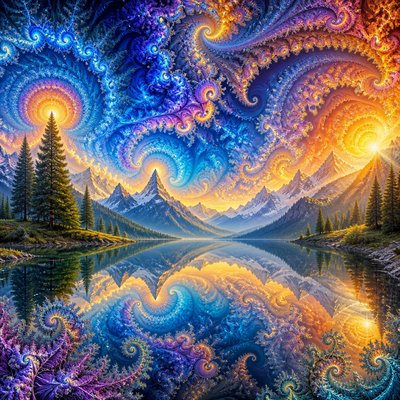
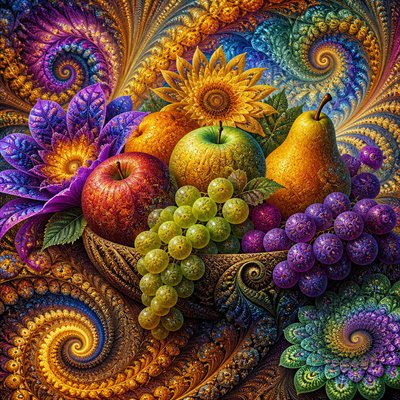
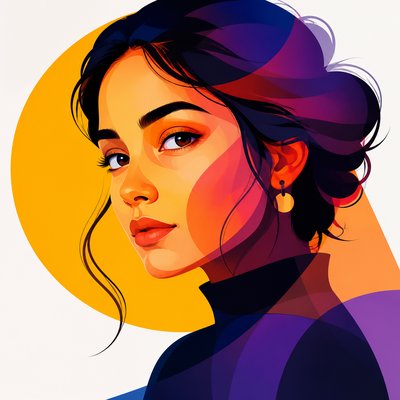
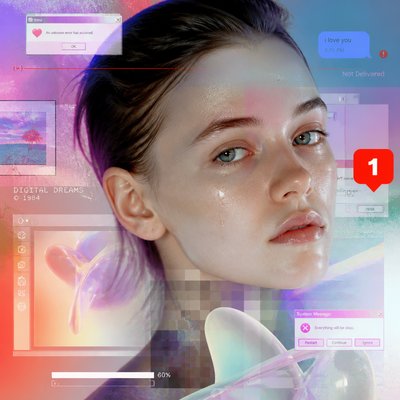
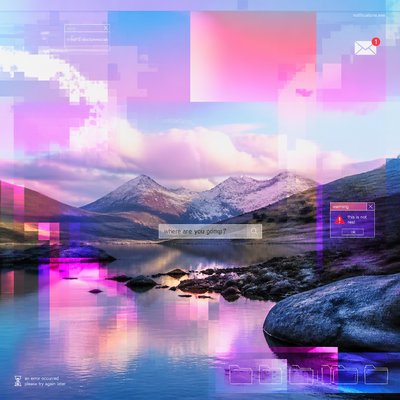
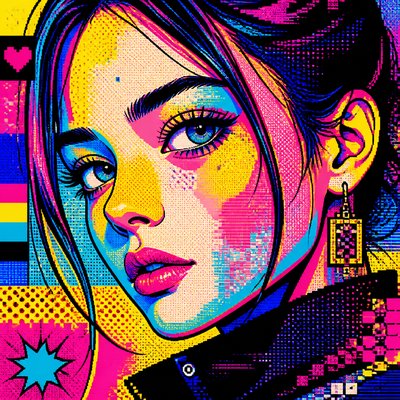
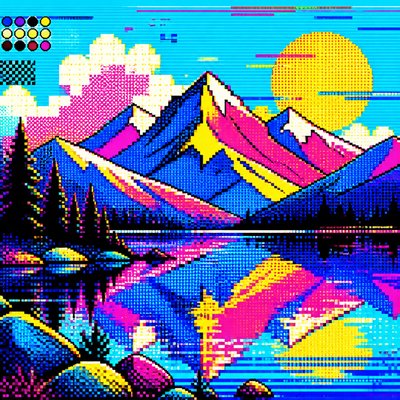
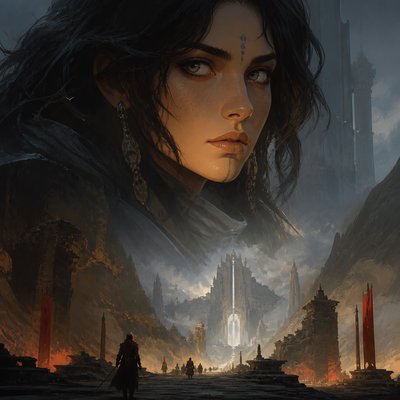
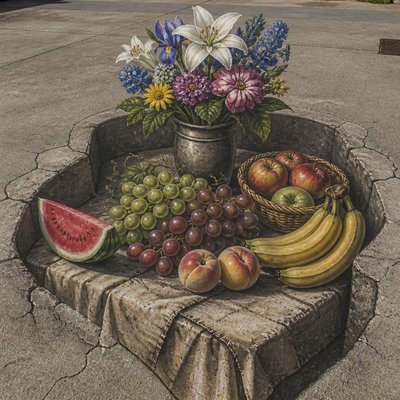
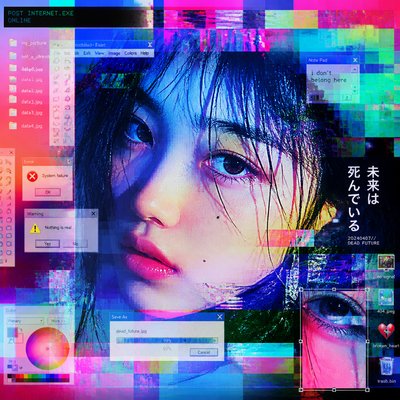
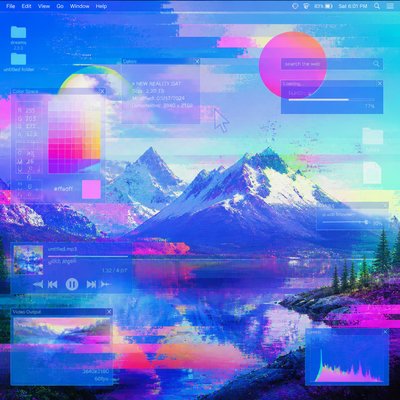
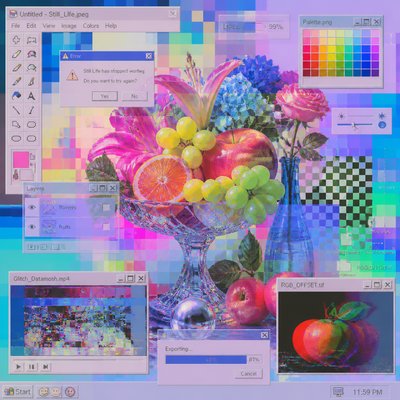
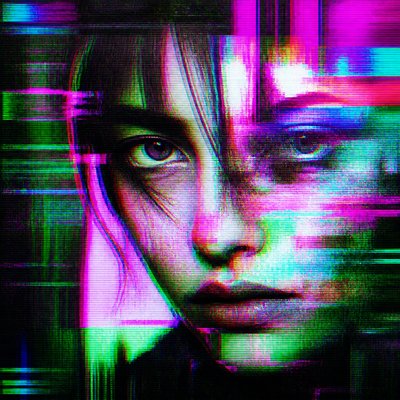
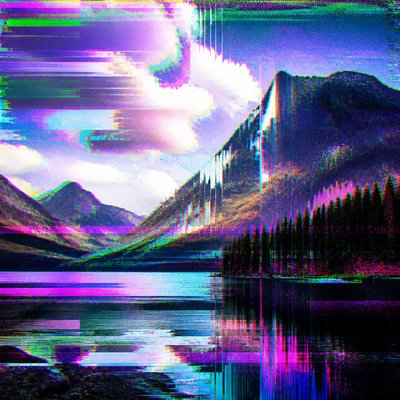
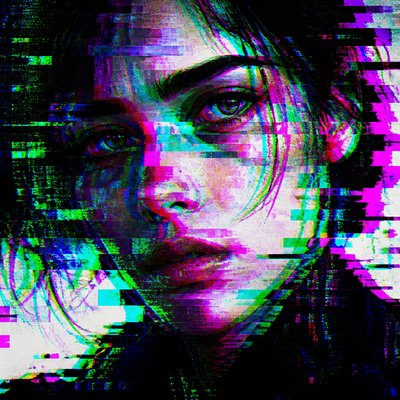
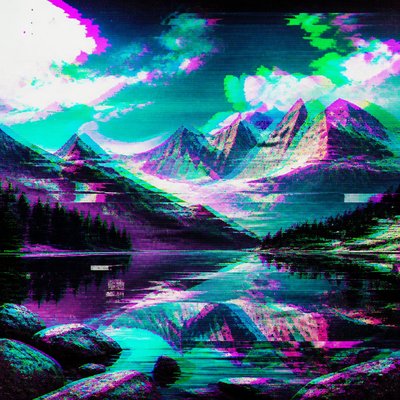
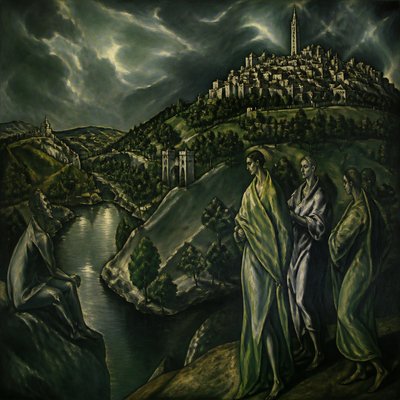
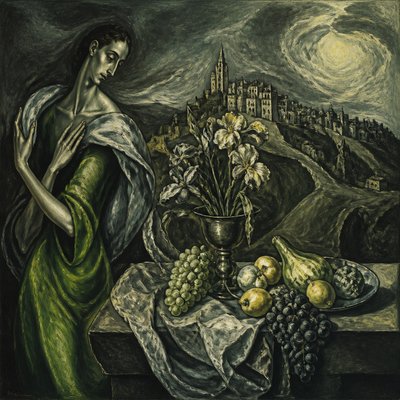
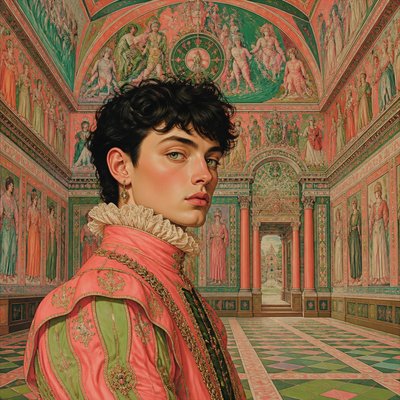
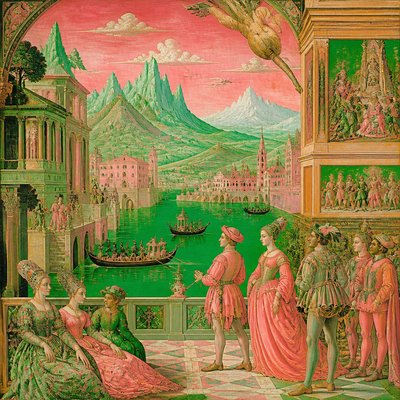
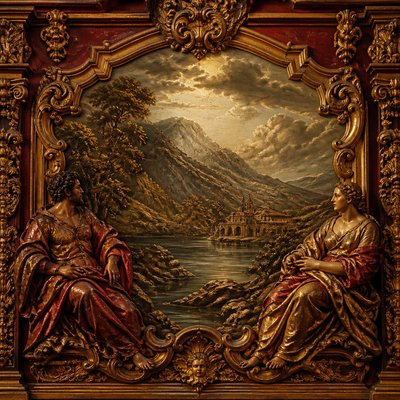
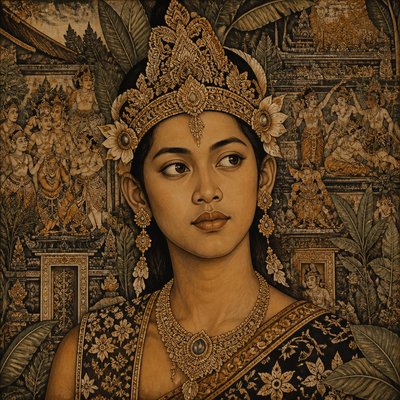
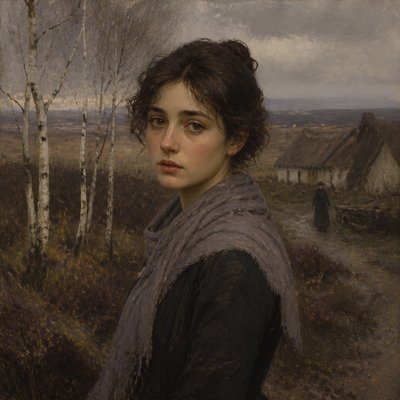
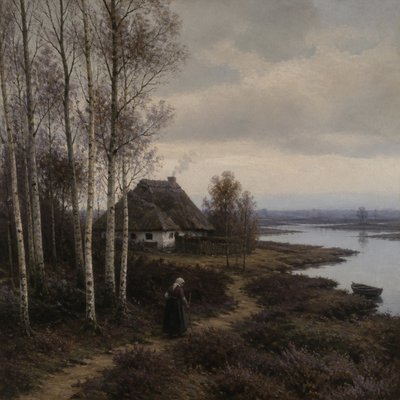
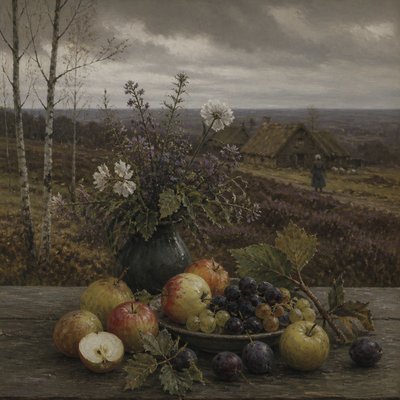
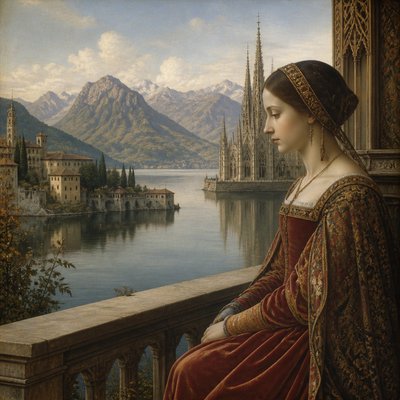
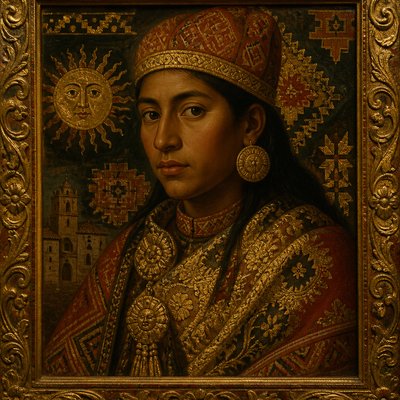
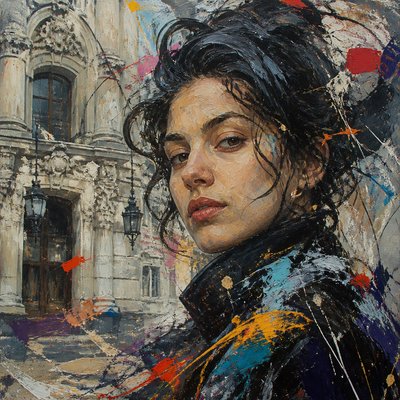
3D Rendered Digital Art Style
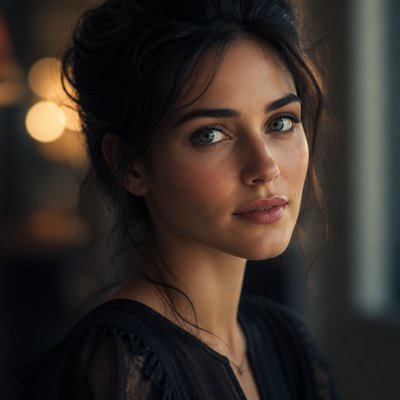
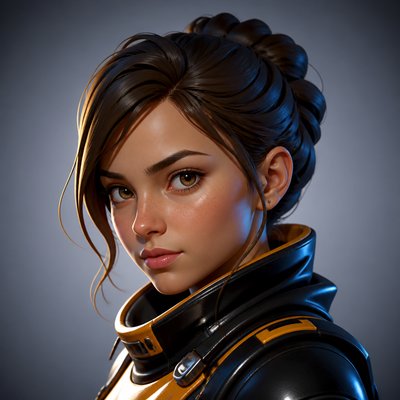
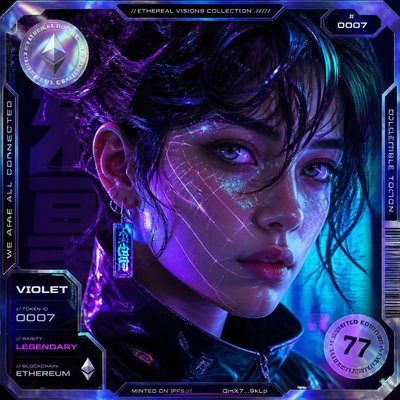
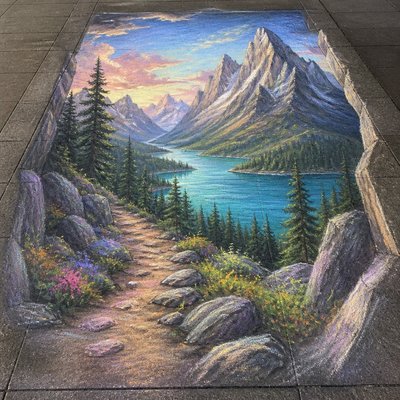
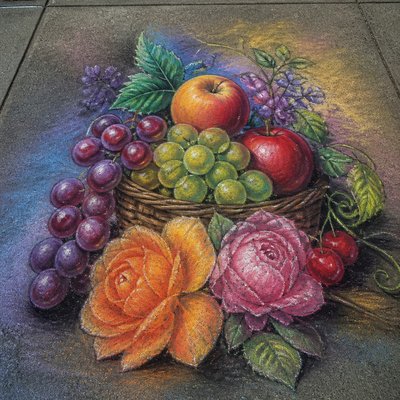
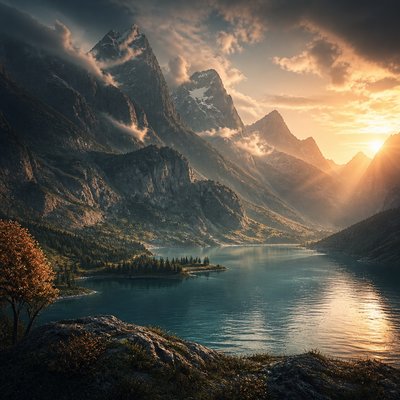
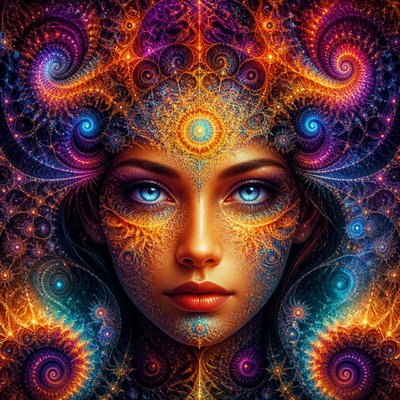
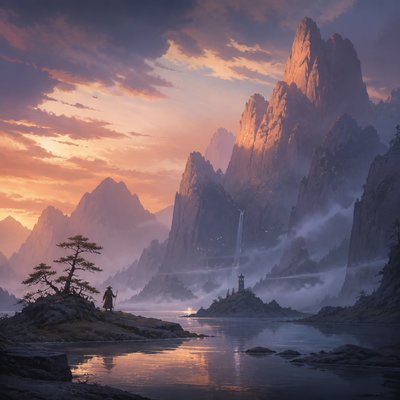
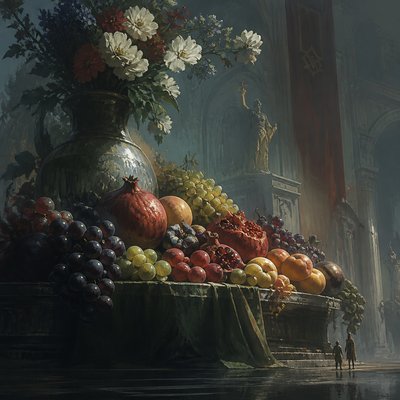
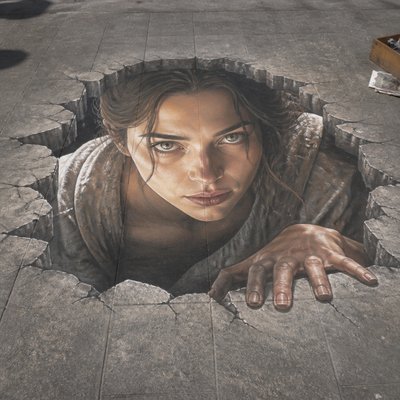
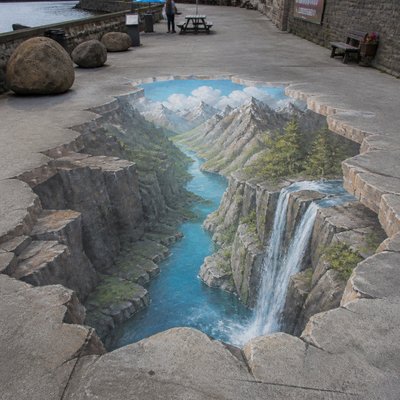
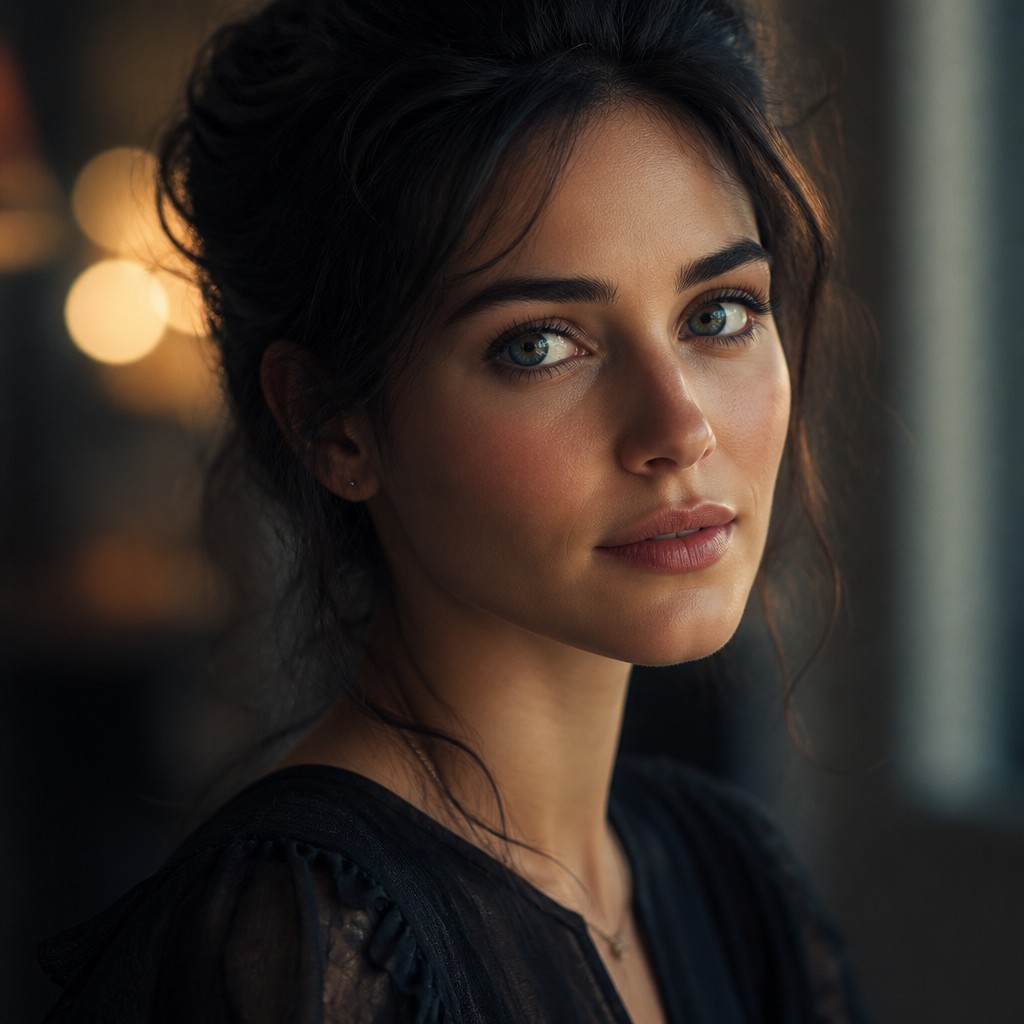
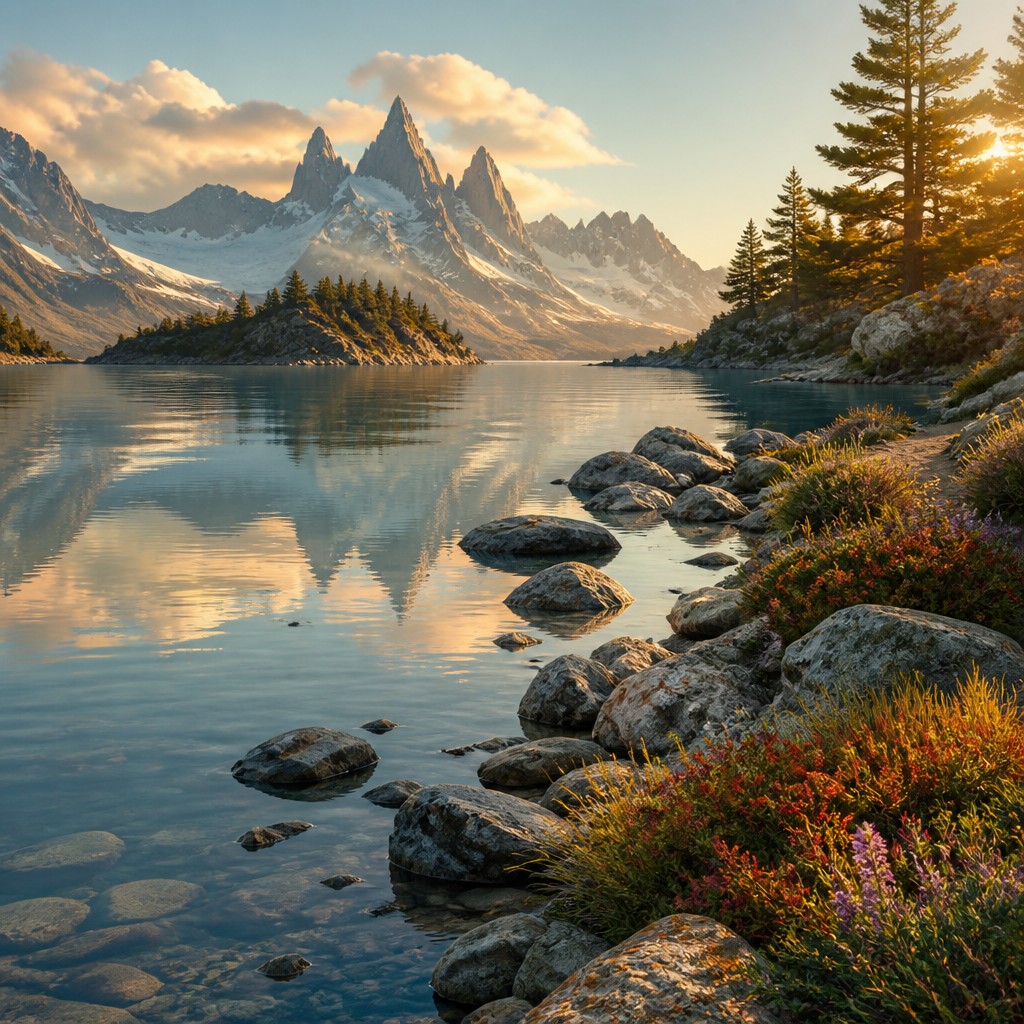
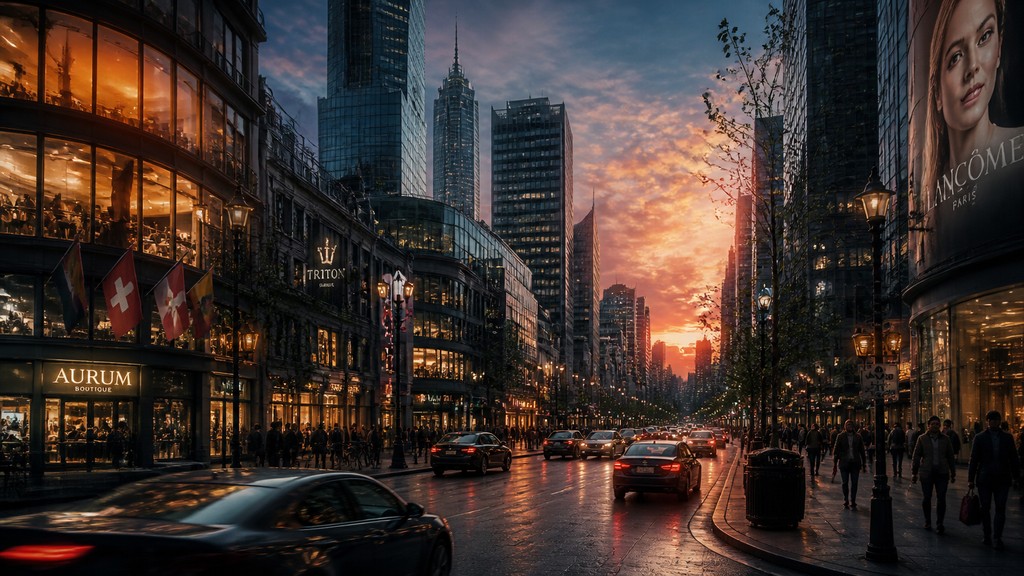
Photorealistic 3D digital art with ray-traced lighting, PBR materials, depth, and cinematic polish for immersive rendered worlds.
Instantly rendered in 3D Rendered Digital — or transform a photo

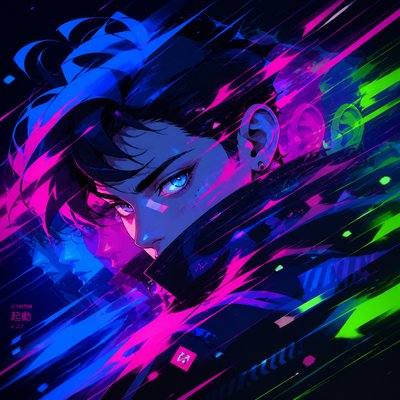
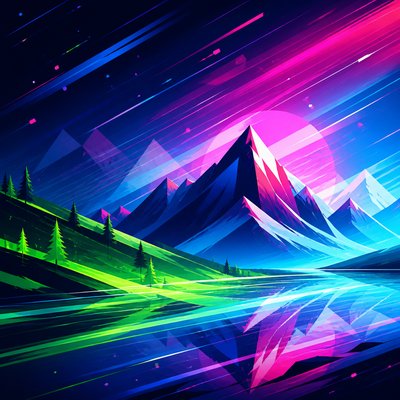
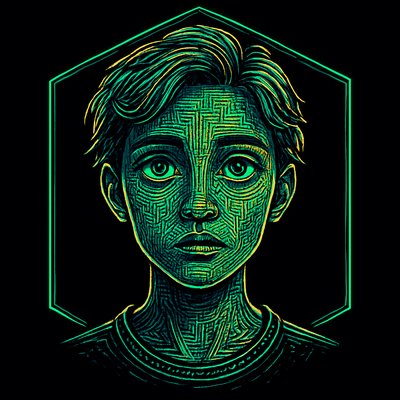
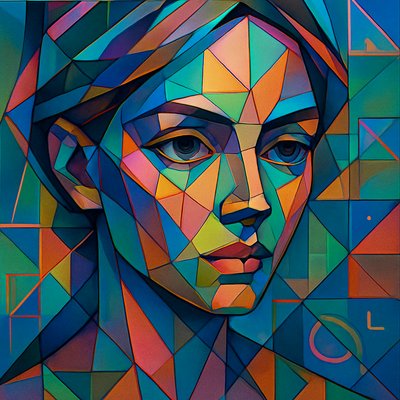
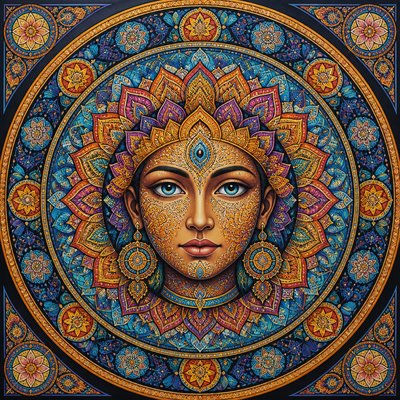
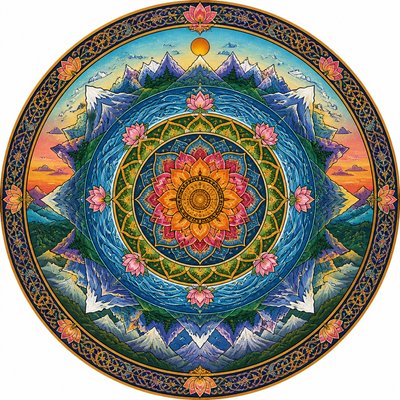
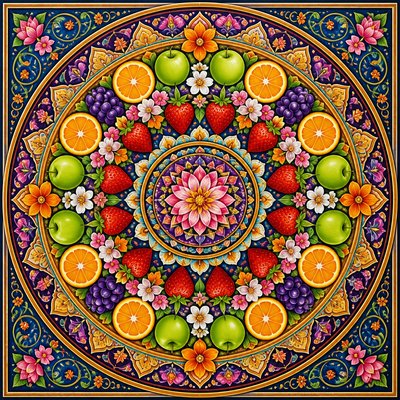
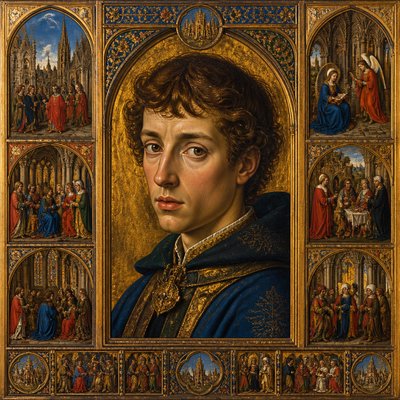
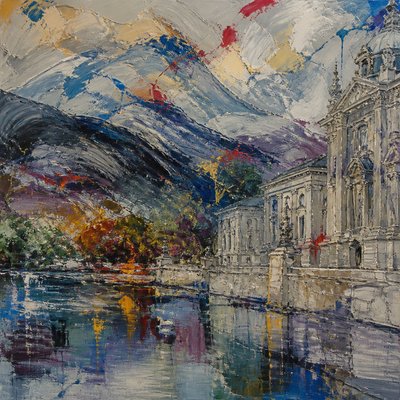
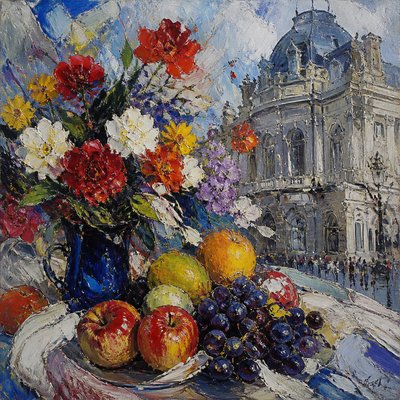
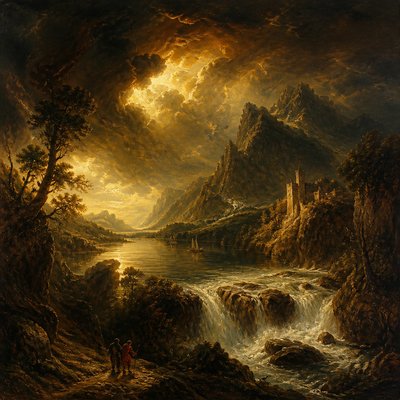
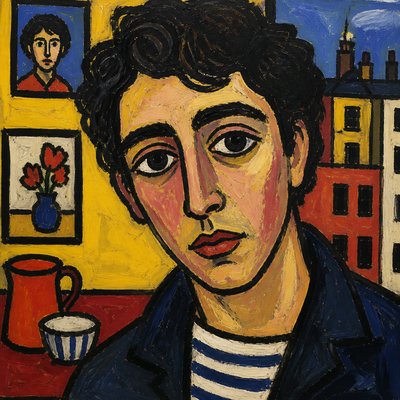
3D Rendered Digital Gallery
Tap any artwork to explore it





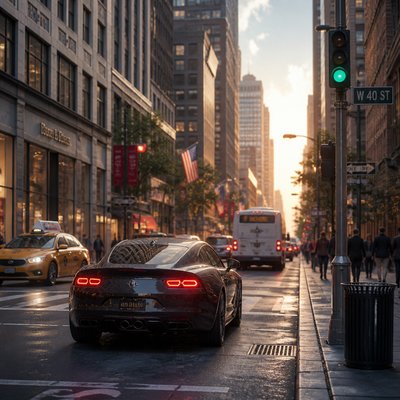
What is 3D Rendered Digital Art Style?
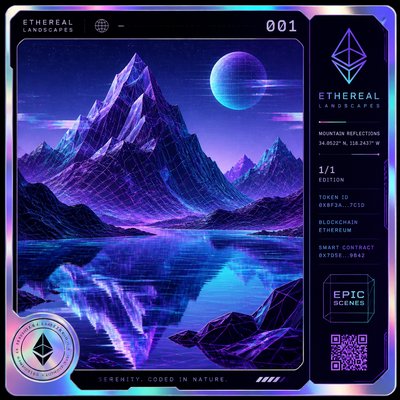
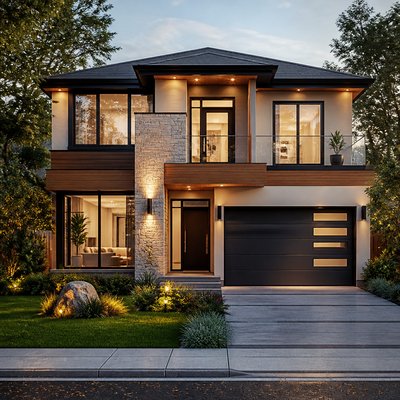
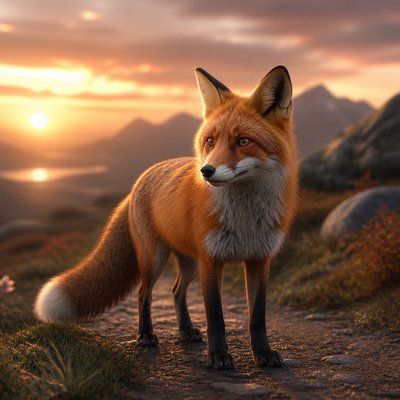
3D rendered digital art is a contemporary image-making style built from virtual geometry, simulated light, and physically based materials. Rather than depicting a scene with paint or a camera, it constructs the scene in three dimensions and then renders it into a finished image. The result can range from near-photographic realism to highly stylized worlds, but it is usually defined by convincing volume, polished surfaces, controlled lighting, and a sense of depth that feels engineered rather than brushed.
Its visual identity comes from the logic of computer graphics: objects have measurable form, materials respond believably to light, and space is modeled with precision. Soft shadows, global illumination, reflections, ambient occlusion, and subtle atmospheric effects often give the image its signature depth. This style is common in product visualization, concept art, animation, games, architectural rendering, and speculative imagery because it can present anything from everyday objects to impossible environments with a high degree of clarity and finish.
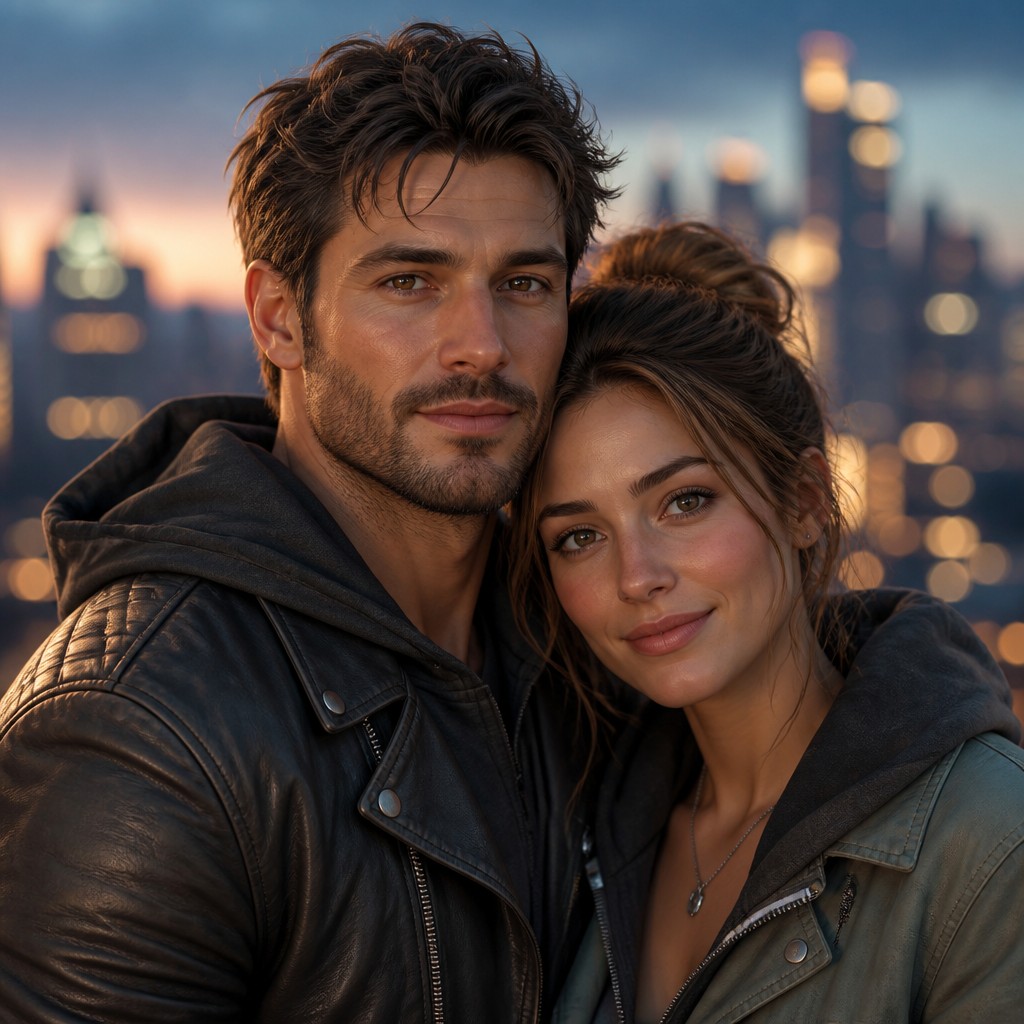
Try It On Your Photos
Upload any photo and convert it into 3D Rendered Digital Art Style — drag the sliders to compare before and after.


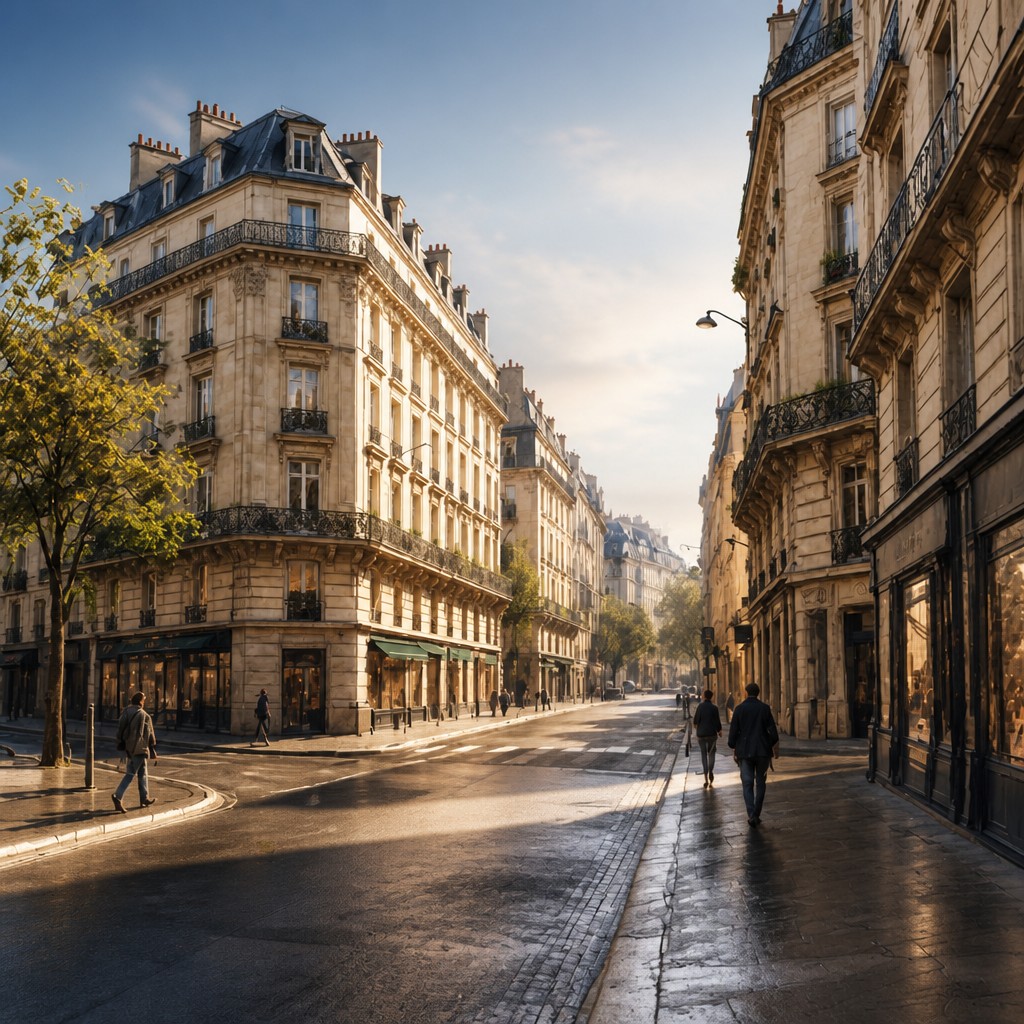

What Defines 3D Rendered Digital Art Style
The signature details, up close
Volumetric three-dimensional form
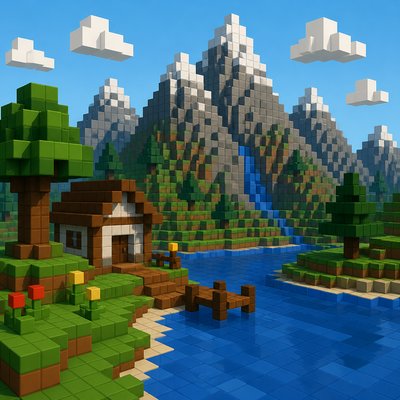
Subjects are modeled with clear depth, mass, and contour, so they read as real objects occupying space. Even stylized scenes usually preserve believable structure and spatial logic.
Physically based materials
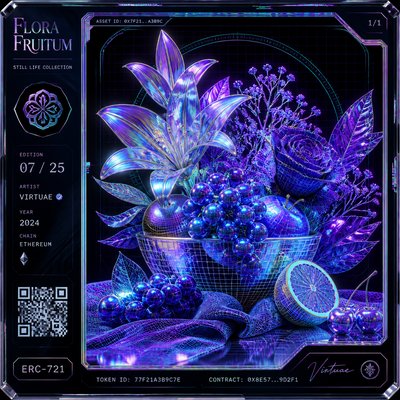
Surfaces imitate real-world behavior such as metal, glass, skin, plastic, fabric, stone, or polished composites. Micro-roughness, reflections, translucency, and sheen are often carefully controlled.
Ray-traced or realistic lighting
Light is a central design element, often with soft shadows, bounced illumination, and accurate specular highlights. This produces a coherent, cinematic atmosphere rather than flat illumination.
Clean, polished finish
Rendered images often have smooth gradients, minimal noise, and a finished studio look. Imperfections are usually intentional and subtle, not the accidental artifacts of a sketch or unprocessed photo.
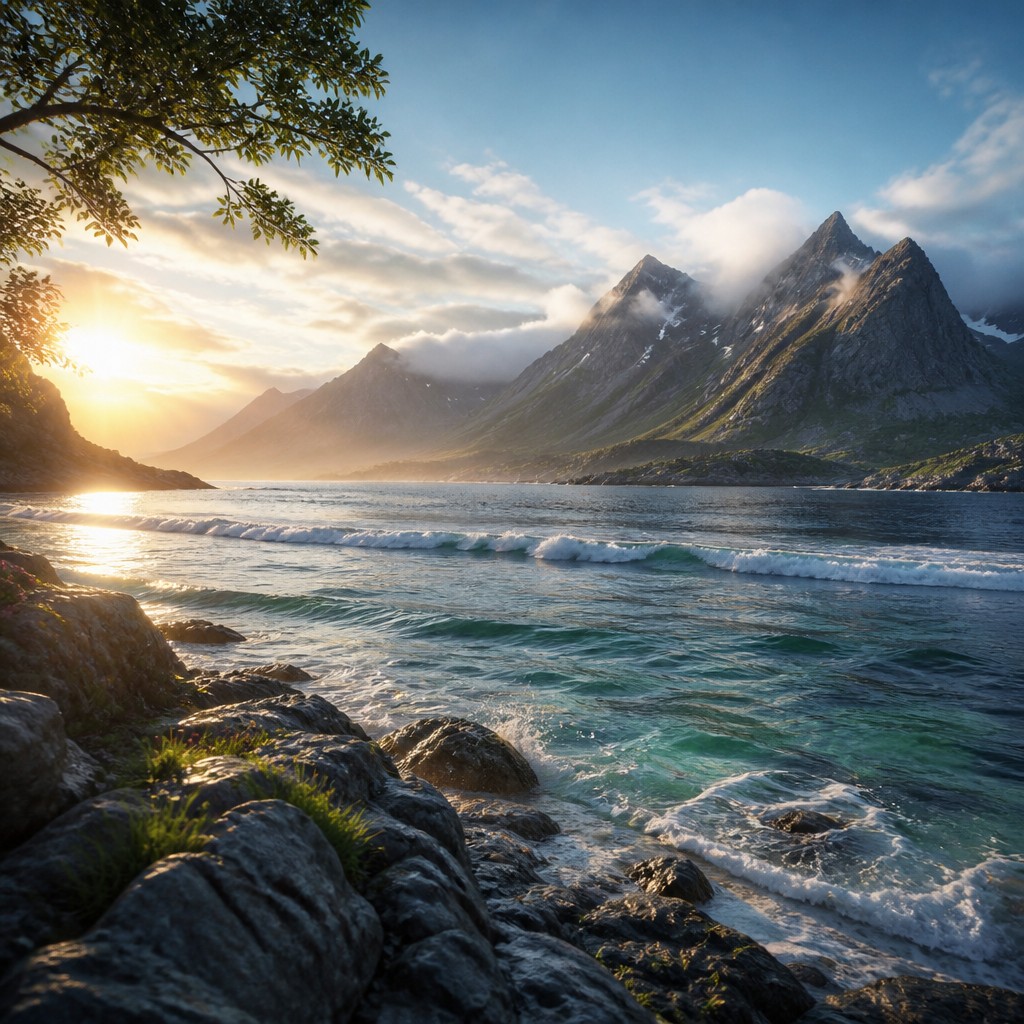
Depth and camera language
Cinematic framing, depth of field, and bokeh are common, helping the image feel like a photographed scene. Backgrounds may soften while the main subject remains crisply defined.

Controlled atmosphere
Mist, haze, glow, and light scatter are used sparingly to increase depth and mood. These effects help separate forms and make large spaces feel immersive.
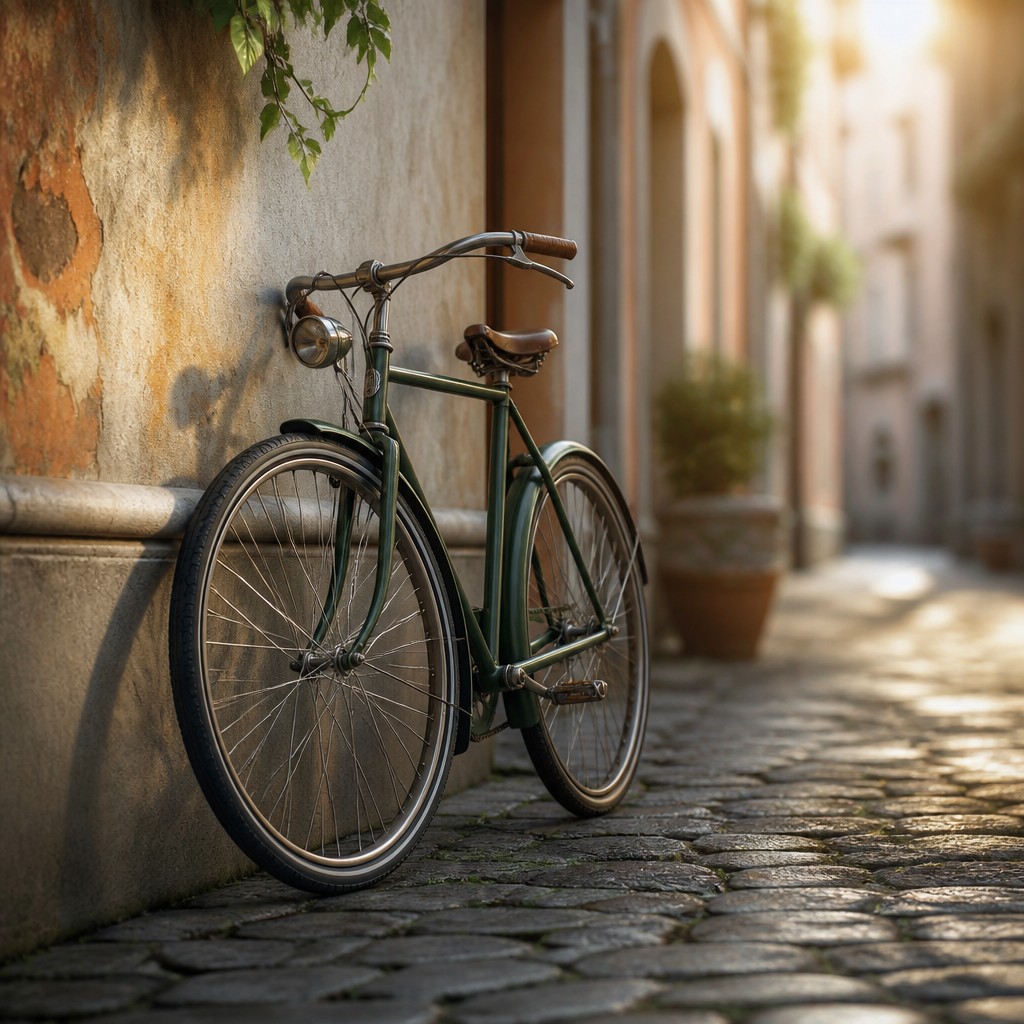
Between realism and stylization
The style can be photorealistic, but it often exaggerates perfection, clarity, and design coherence. That makes it useful for visualizing idealized objects, environments, and characters.
Try It
Create Videos in 3D Rendered Digital Art Style
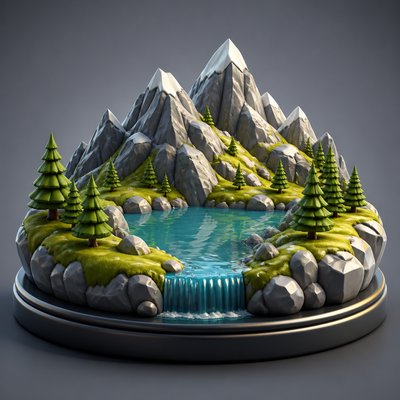
Styles aren't just for stills — describe a scene or animate an image and get a short video rendered in 3D Rendered Digital. Press play to see this pond come to life.
Make a Video3D Rendered Digital Prompt Ideas
Start from an idea — each one opens the generator with the style ready to go. See all 40 3D Rendered Digital prompts →
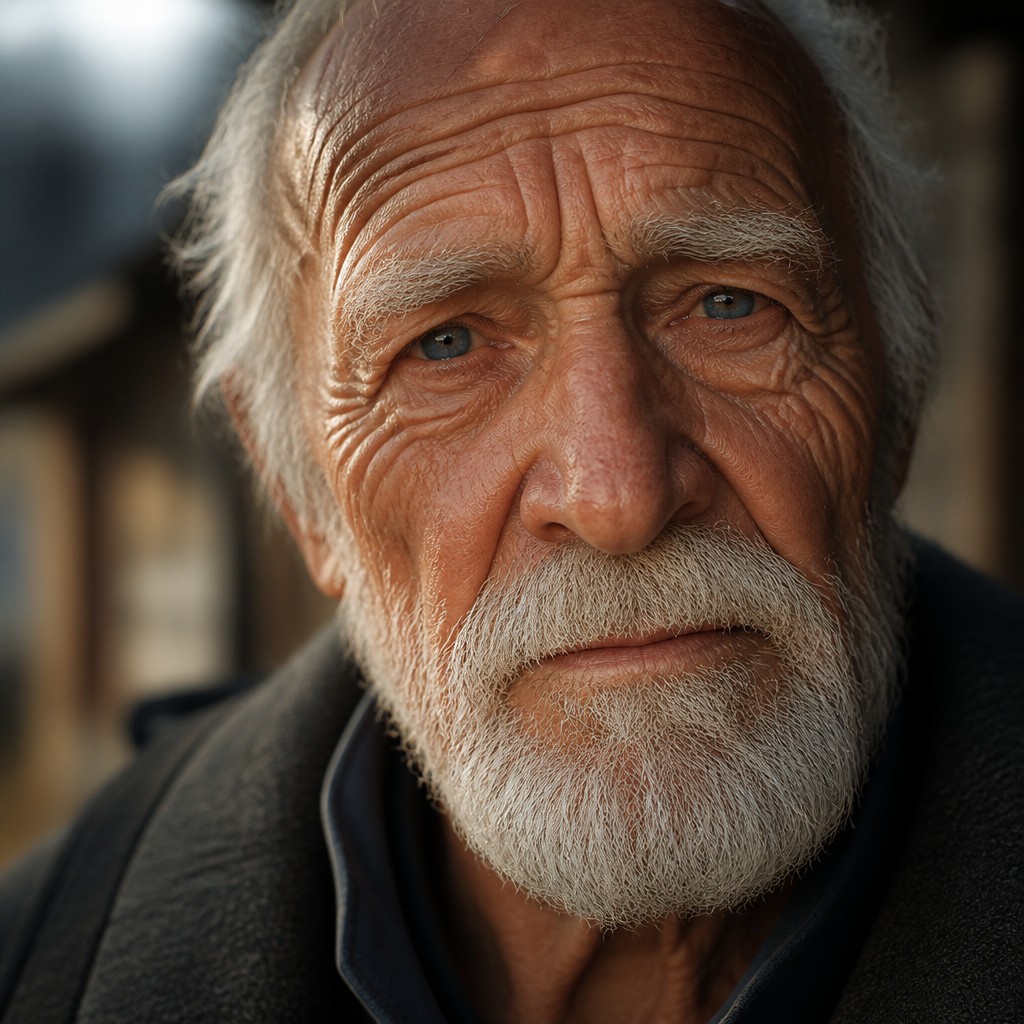
“close-up portrait of an elderly person with expressive weathered features”

“a cat lounging in a sunlit window”

“bouquet of flowers in a glass vase”

“sailing ship on a stormy sea”
How to Create 3D Rendered Digital Art
Master the craft step by step — or skip straight to creating. Read the full guide →
- 1
Build the scene in three-dimensional space
Start with clear forms, proportion, and camera placement before worrying about surface detail. In traditional 3D software, block out the composition with simple primitives; in image generation, describe the object, environment, and viewpoint precisely so the scene has believable spatial structure.
- 2
Specify material behavior
Use physically descriptive material cues such as brushed metal, translucent glass, wet stone, satin fabric, matte ceramic, or polished plastic. The more accurately the surface behavior is defined, the more convincing the render will feel.
- 3
Design the lighting like cinematography
Choose a key light, fill light, and rim or accent light, then add soft bounce and shadow shaping. For prompt-based generation, include terms like ray-traced lighting, global illumination, soft shadows, and subtle volumetric atmosphere.
- 4
Control the camera and finish
A shallow depth of field, carefully chosen focal length, and restrained color grading can make the image feel like a high-end render. Keep textures clean and avoid excessive grain unless you want a more cinematic or analog hybrid look.
- 5
Balance realism with design clarity
Even when aiming for photorealism, simplify clutter and emphasize readable silhouettes. This style works best when objects and environments are organized clearly enough to showcase materials, lighting, and form.
- 6
Use prompt language that names surfaces, light, and composition
When generating images, write subject-focused prompts with specific materials, environment details, and camera language. Phrases such as physically based materials, cinematic lighting, ambient occlusion, and polished finish help steer results toward this look.
The Story
History & Origins of 3D Rendered Digital
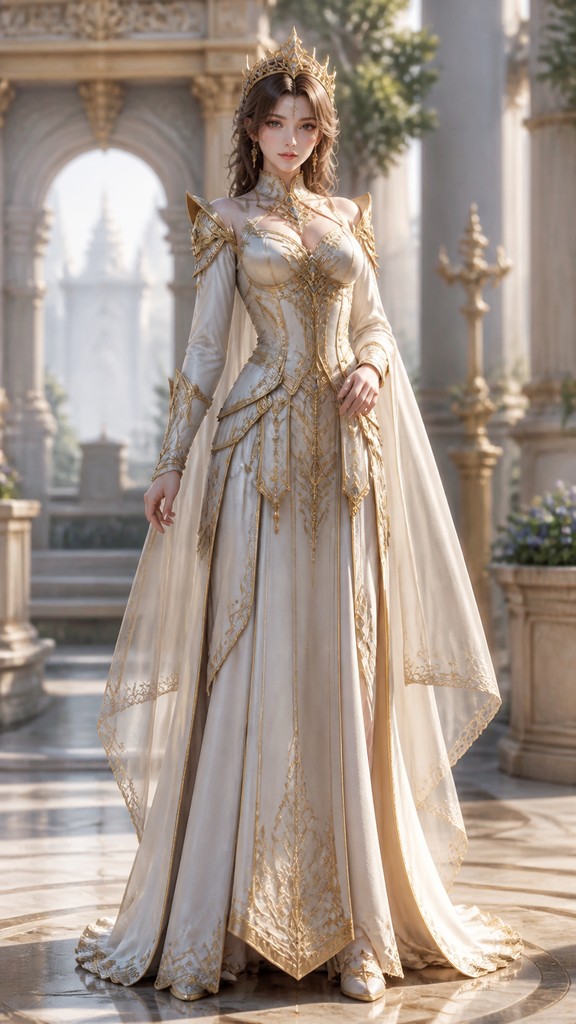
3D rendered digital art emerges from the history of computer graphics, industrial design visualization, animation, and visual effects. Its aesthetic lineage includes the development of 3D modeling and rendering software in the late 20th century, along with the increasing realism of physically based rendering, ray tracing, and simulation tools. As hardware improved, rendered imagery moved from visibly synthetic forms toward surfaces and lighting that could convincingly imitate photography, cinematography, and material behavior.
The style also draws on older visual traditions of realism, perspective, and illusionism, but translates them into a digital workflow. Architectural rendering, product visualization, matte painting, and cinema-inspired lighting all contributed to its look. In recent decades, game engines, CGI, and advanced rendering pipelines have broadened the style into a flexible visual language used for everything from sleek commercial imagery to fantastical, hyper-detailed worlds.
Influences: This style is closely related to CGI, architectural visualization, product rendering, animation, and visual effects, all of which prioritize spatial accuracy and material realism. It also inherits compositional ideas from classical realism, photography, and cinematic lighting, while sharing an interest in spectacle and idealized surfaces with concept art and science-fiction illustration. More broadly, its emphasis on illusionistic space recalls the long tradition of perspective in Western art, from Renaissance construction of depth to modern digital ray tracing.
Frequently Asked Questions
What defines 3D rendered digital art?
It is defined by the creation of images from modeled three-dimensional forms rather than by direct drawing or painting alone. The key visual signals are believable volume, realistic or stylized materials, controlled lighting, and a polished rendered finish. Even when the content is fantastical, the image usually feels spatially engineered.
How is it different from digital painting?
Digital painting typically shows the hand of the artist through brushwork, layering, and painterly texture, even when it is highly polished. 3D rendered digital art instead depends on modeled form, simulated light, and material response. The result is often cleaner, more dimensional, and more structurally precise.
How is it different from photorealism?
Photorealism is an artistic goal of matching the appearance of a photograph, often in paint or drawing. 3D rendered digital art may aim for photorealism, but it can also be stylized, idealized, or impossible in ways photography cannot achieve. Its defining feature is not just realism, but construction through digital three-dimensional form.
Where is this style commonly used?
It is widely used in games, animation, product visualization, architecture, science-fiction imagery, advertising, and concept art. Its clarity and flexibility make it suitable for both practical visualization and imaginative world-building. It is especially effective when a scene must feel tangible and highly finished.
What makes a render look realistic?
Accurate lighting, believable materials, good geometry, and physically consistent shadows are the main ingredients. Small details such as surface roughness, reflections, and ambient occlusion help anchor objects in space. A convincing camera setup and restrained post-processing also matter a great deal.
Can this style be stylized instead of photorealistic?
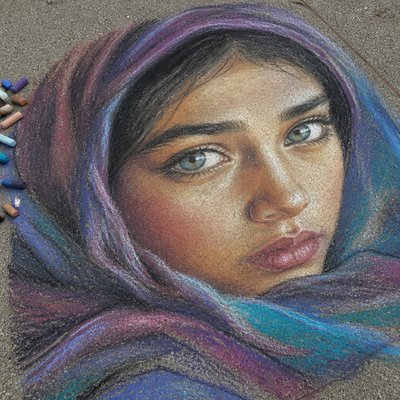
Yes. Many artists use the same 3D workflow to create toy-like, glossy, exaggerated, or highly polished imagery that is not meant to imitate a camera exactly. The style is defined by the rendered three-dimensional process, not by realism alone.
Create your first 3D Rendered Digital artwork
Describe anything — or upload a photo — and see it in 3D Rendered Digital Art Style in seconds.
Make Something with 3D Rendered Digital
Compare 3D Rendered Digital
Related Styles
Discover similar art styles